Pet Gear Picks

Pet Gear Picks

Pet Gear Reviews & Buying Guides

Compare pet gear by use case, features, trade-offs, price, returns, and seller terms before you buy.

Buying guides

Buying guide image
Pet Food, Treats & Litter

Cat Treat

Cat treats range from soft, high-moisture lickable pouches to single-ingredient freeze-dried proteins, and the core trade-off is palatability versus nutritional cleanliness and dental benefit. Durable, label-transparent options prioritize named muscle or organ meat with no added sugars, while compromise products lean on gravy, starch, and 'meat by-products.' The decision rule: pick freeze-dried or air-dried single-protein treats for training and daily reward, and reserve soft pouch treats for hydration picky-eater use only.
Buying guide image
Pet Food, Treats & Litter

Smart Cat Litter Box

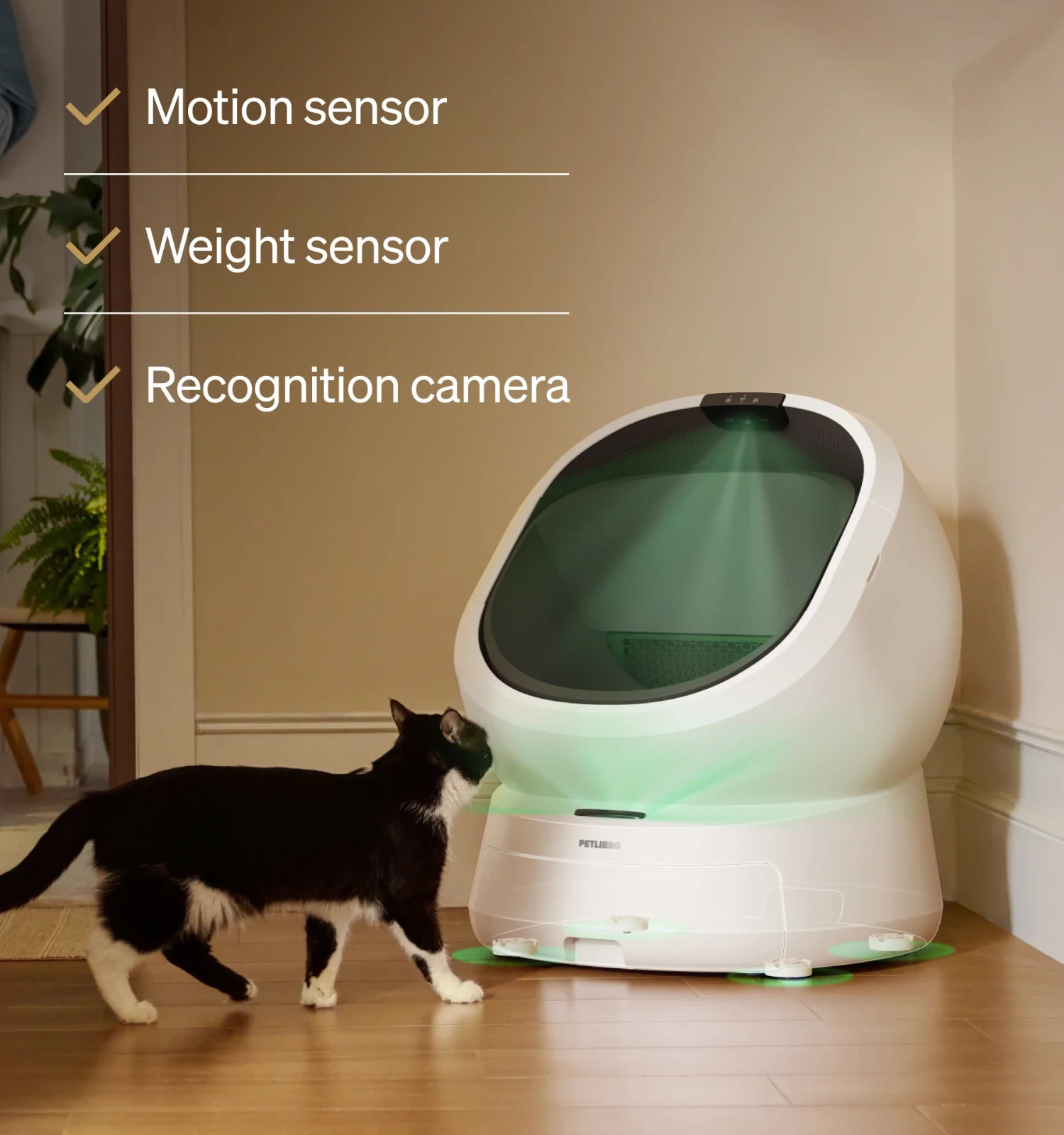
Smart cat litter boxes automate scooping via motion sensors, weight scales, and app-connected cycle logic; the core trade-off is open-top vs. enclosed architecture versus the weight sensor and motor grade that determines multi-cat durability. Buyers should choose a self-cleaning unit with a >=70L drum, a >=10 lb weight-sensor floor, and a removable odor-sealed waste drawer; manual enclosures are furniture, not automation, and should be judged on interior clearance alone.

Buying guide image
Reptile Substrate, Decor & Hides

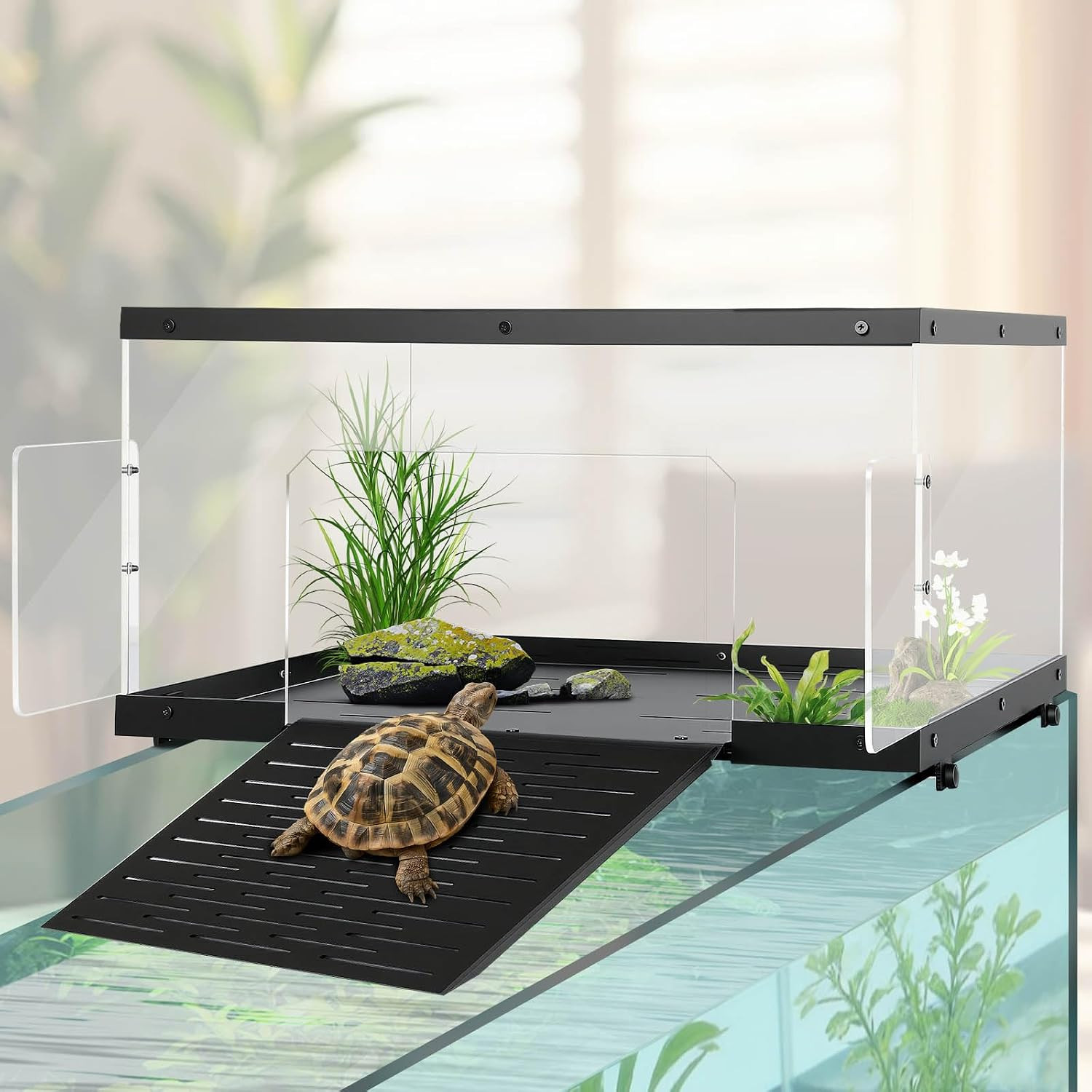
Turtle Tank

A turtle tank is a complete aquatic or semi-aquatic habitat combining a watertight basin, basking platform, filtration, heating, and UVB lighting sized to the species' adult shell length. The core trade-off is between glass/acrylic aquariums with external canister filtration and molded plastic tubs or wooden enclosures with integrated ramps and doors. Buy durable when the enclosure meets the 10-gallons-per-inch-of-shell rule with a dry basking dock and species-correct UVB; skip any kit that omits a dry dock or undersizes filtration.

Buying guide image
Pet Beds & Cat Trees

Outdoor Cat Bed

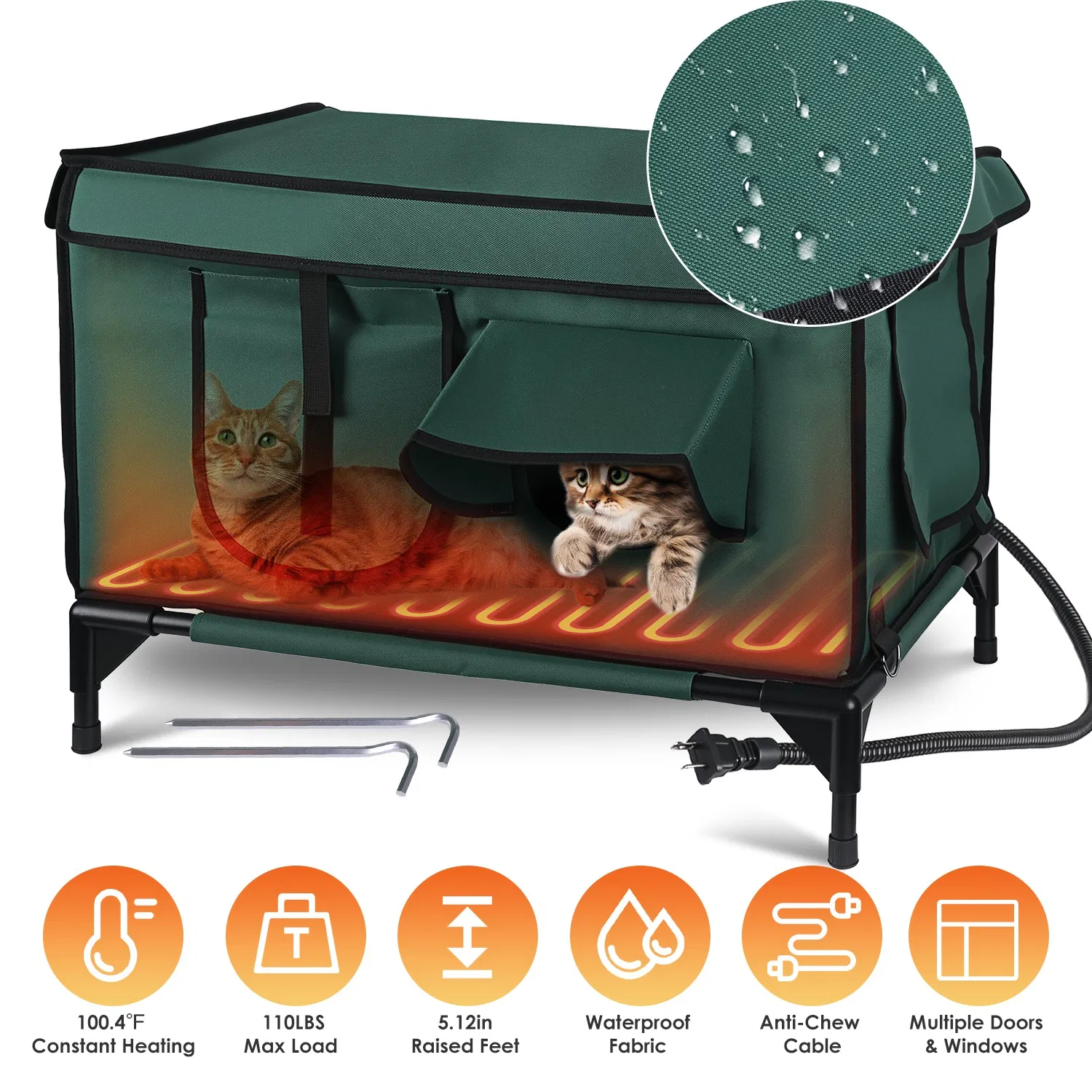
An outdoor cat bed is a weather-resistant, elevated or enclosed resting platform built to keep cats dry, insulated, and safe from ground moisture and wind. The core trade-off is between open raised cots (maximum airflow and easy cleaning) and insulated enclosed shelters (winter warmth and predator protection), with waterproof rating and frame rigidity separating durable units from seasonal compromises.

Buying guide image
Pet Food, Treats & Litter

Smart Litter Box

A smart litter box automates scooping via weight sensors, timers, and app control, but the core trade-off is between sensor reliability and mechanical simplicity—cheap units skip redundant safety sensors and use weak motors. Durable options use dual or quadruple IR safety beams, a Hall-effect or load-cell weight sensor, and a brushless DC motor rated for continuous reversing cycles. Anything without a failsafe entry lockout and a sealed waste drawer is a compromise, not a convenience.

Buying guide image
Pet Food, Treats & Litter

Raw Dog Food

Raw dog food is minimally processed muscle meat, organ, and bone presented either frozen, freeze-dried, or fresh-refrigerated; the core trade-off is convenience and safety versus cost and freezer logistics. Freeze-dried formats deliver raw nutrition with pantry stability, while frozen formats demand freezer space and thaw planning. Choose freeze-dried for single-dog households and travel; choose frozen for multi-dog homes with dedicated freezer capacity and a committed feeding routine.

Buying guide image
Pet Beds & Cat Trees

Cute Cat Bed

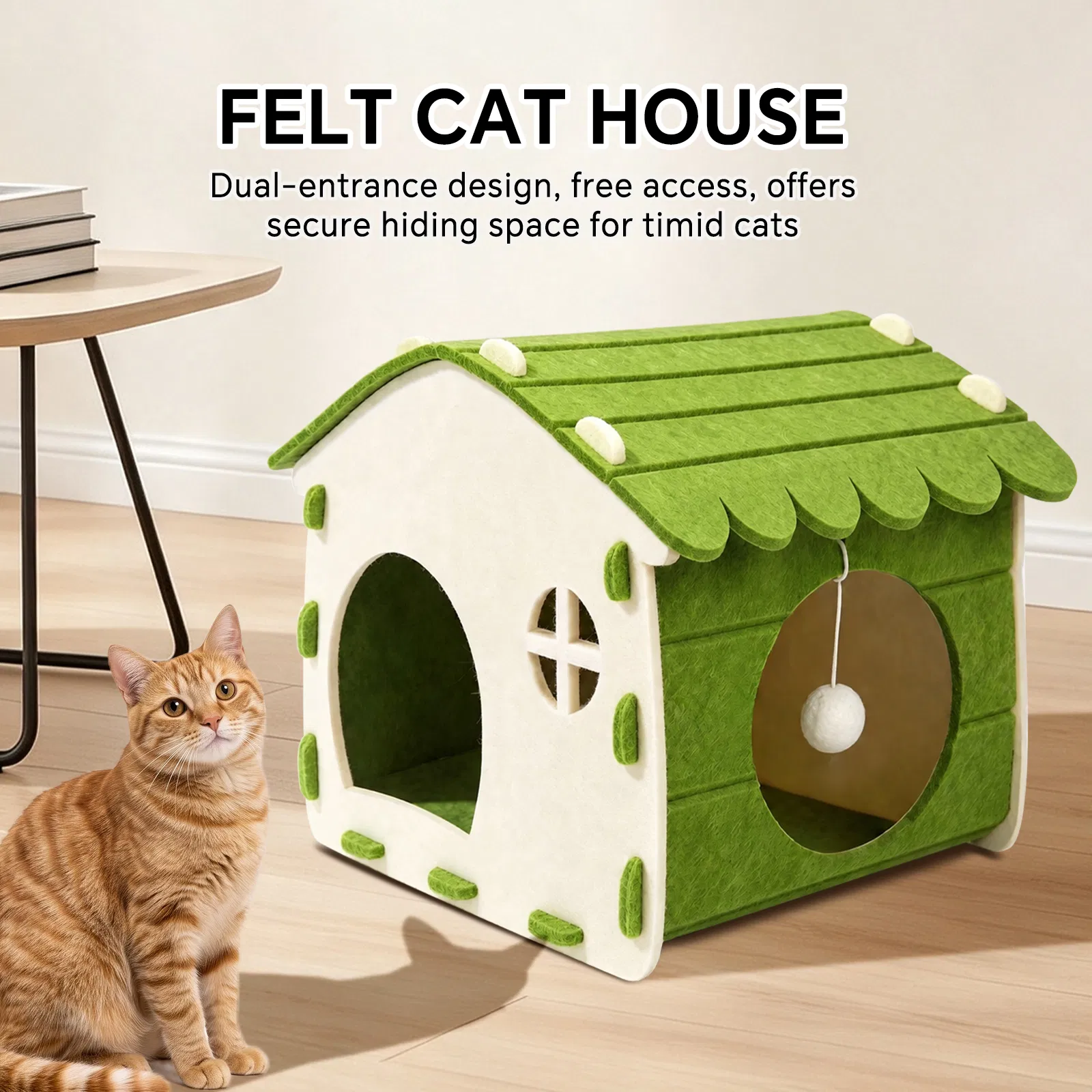
Cute cat beds are enclosed hideouts, baskets, and stair-shaped climbing furniture that trade whimsical design for feline security and scratch durability. The core trade-off is between felt or fabric shells that offer warmth and privacy but sag over time, and wood or sisal-reinforced frames that hold shape and withstand clawing. Choose a felt hideout only if your cat is a burrower and you accept periodic reshaping; choose sisal-post or wood-frame designs if scratching and structural longevity are priorities.

Buying guide image
Pet Crates, Kennels & Playpens

Extra Large Heavy Duty Dog Cage

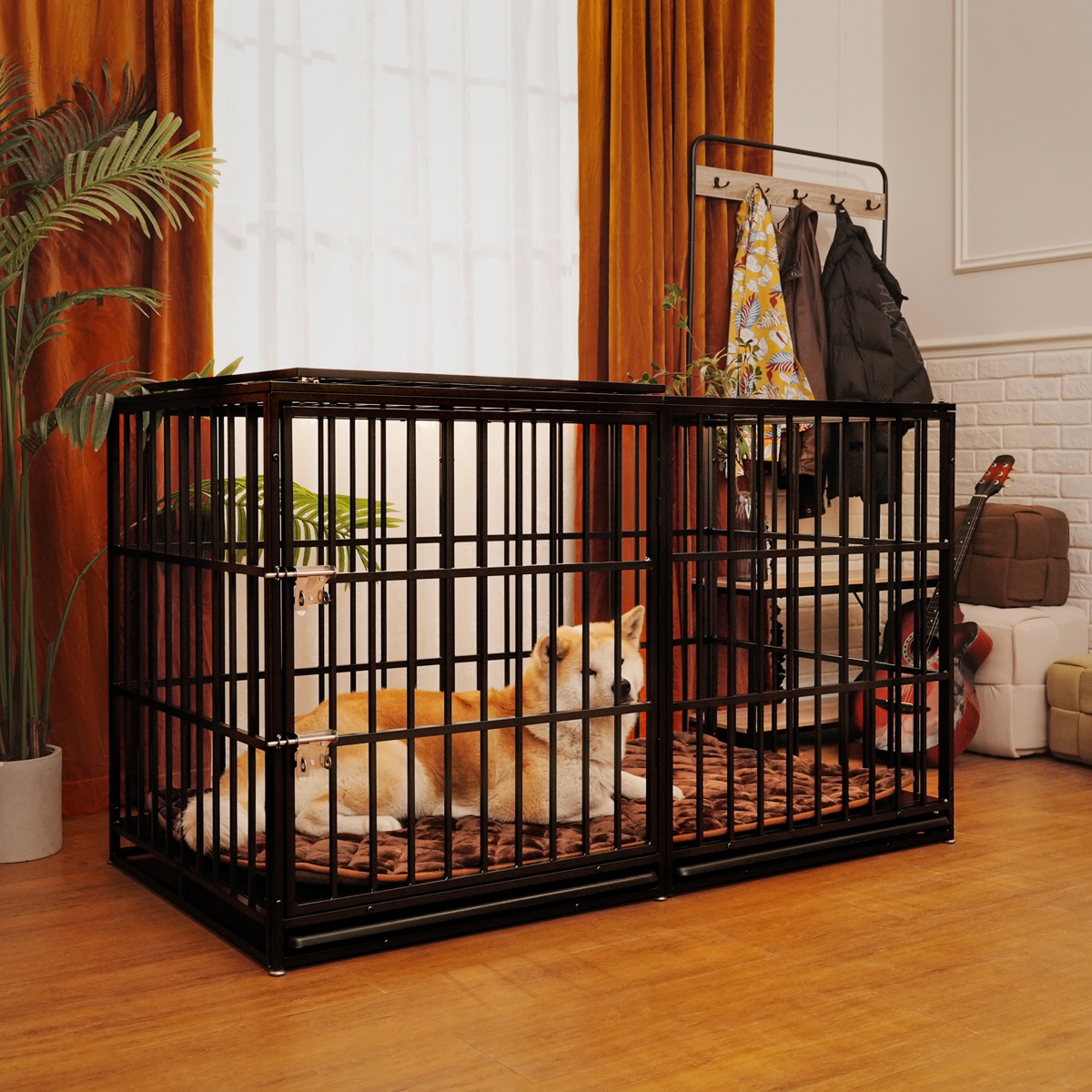
Sizing an extra-large heavy-duty dog cage is a structural decision, not just a bigger version of a medium crate: the frame gauge, bar spacing, and door-latch design must absorb a powerful dog's push and chew without bowing. Shoppers most often mis-buy by picking a length that fits the dog's nose-to-tail measurement but fails on standing height, turning radius, or floor-pan flex. The right cage is one your dog can stand, turn, and lie fully stretched in, built from welded steel thick enough to resist bending at the door corners.

Buying guide image
Pet Crates, Kennels & Playpens

Extra Large Heavy Duty Dog Crate

Extra-large heavy-duty dog crates are high-gauge welded metal enclosures engineered for giant-breed dogs that bend or break flimsier wire cages, and the primary trade-off is steel gauge and weld quality versus portability and easy cleaning. A genuinely heavy-duty crate uses 1-inch or larger square-tube frames or 6-8 gauge welded wire with reinforced corner joints, not 3-4 mm thin wire panels that a determined dog can distort.

Buying guide image
Pet Crates, Kennels & Playpens

Heavy Duty Extra Large Dog Cage

Extra-large heavy-duty dog cages are built for strong, anxious, or escape-prone dogs that can bend wire and pop welds on standard crates. The real buying decision is frame gauge and bar spacing versus assembly complexity and indoor footprint—not just the 'XL' label on the box.

Buying guide image
Pet Crates, Kennels & Playpens

Heavy Duty Extra Large Dog Crate

Heavy-duty extra-large dog crates are built for dogs over 90 lb or 26 in tall at the shoulder that bend or break standard wire crates. The core trade-off is 22-gauge wire versus 18-gauge or 16-gauge welded steel: thinner wire flexes under a lunging dog, while heavier gauge with reinforced corner welds and dual slide-bolt latches holds. The decision rule is to skip any crate marketed by 'XL' label alone and buy only crates that list wire gauge, bar spacing, and a welded (not crimped) frame.

Buying guide image
Pet Food, Treats & Litter

Grain Free Dog Food

Grain-free dog food replaces cereal grains with legumes, tubers, or pulses as carbohydrate sources, and the key trade-off is between high-protein, meat-rich formulas and lower-cost plant-heavy blends. Durable, nutritionally complete options are AAFCO-fixed and name a specific animal protein first; avoid formulas that rely on pea protein isolate or unnamed meat meals as the primary protein.

Buying guide image
Pet Grooming & Cleaning

Dog Nail Clipper With Light

A dog nail clipper with light is a guillotine- or scissor-style trimmer with an integrated LED that backlights the quick (bloodline) inside the nail. The core trade-off is LED reach and blade geometry versus plastic housing flex: bright, well-placed lights and hardened stainless blades keep cuts safe and clean, while weak LEDs and stamped steel flex under pressure. Choose a model with a recessed high-output LED, replaceable stainless blade, and safety guard; skip toy-grade plastic clippers with glued-in LEDs.

Buying guide image
Pet Crates, Kennels & Playpens

Heavy Duty Steel Dog Cage

A heavy-duty steel dog cage is a containment system built around welded or reinforced wire, thicker gauge bars, and a structural frame that resists bending, chewing, and tipping. Buyers typically misjudge the gauge of the wire, the weld quality, and the door-latch design, which matter far more than the cage's overall footprint. The right pick hinges on your dog's size, escape behavior, and whether the cage is for indoor confinement or outdoor kennel use.

Buying guide image
Pet Crates, Kennels & Playpens

Heavy Duty Steel Dog Crate

Heavy-duty steel dog crates are escape-resistant enclosures built from welded square-tube or wire-bar steel, not the thin stamped mesh used in budget training crates. The core trade-off is gauge versus weight: thicker 12–14 gauge bars and reinforced weld points stop power chewers, but add significant crate weight and require direct-to-floor load planning. Buyers should choose a true heavy-duty tier only for dogs that have bent or escaped standard wire crates; otherwise a mid-gauge (16–18 gauge) crate with a secure latch is sufficient.

Buying guide image
Pet Toys

Kitten Toy

Kitten toys are scaled-down, safety-first enrichment items built for developing coordination and teething mouths, where the core trade-off is between soft plush/catnip comfort and durable wand-and-refill play systems. The decisive rule: buy toys sized under 2 inches with no swallowable parts and choose refillable wands or self-righting tumblers for longevity, skipping anything with glued-on eyes, long strings, or non-replaceable feather heads.

Buying guide image
Bird & Small Animal Supplies

Large Parrot Bird Cage

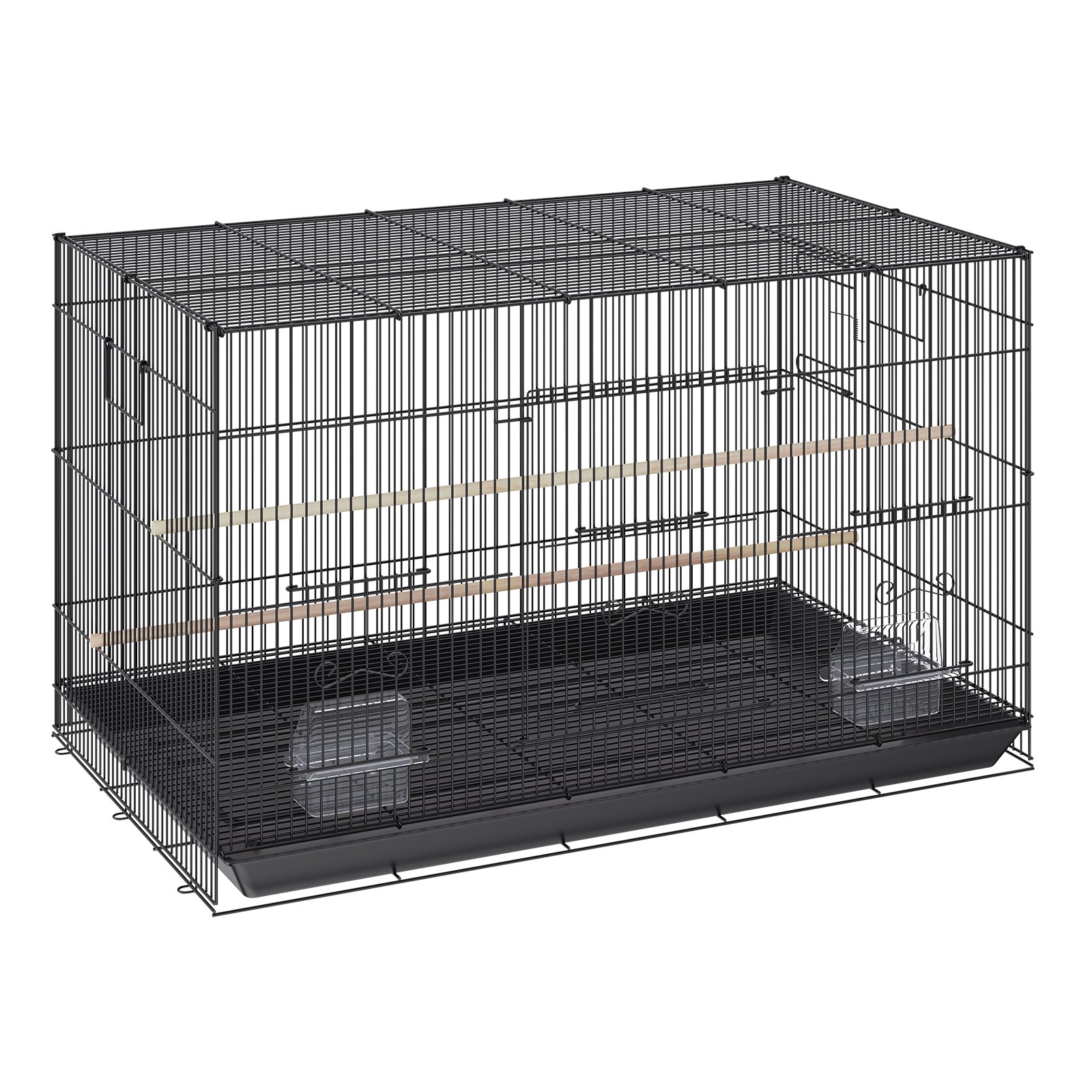
A large parrot cage is a long-term enclosure defined by bar spacing, gauge, and footprint—not by included perches or wheels. The core trade-off is between thin, powder-coated wire with 0.5-inch spacing that suits small birds versus 1-inch or wider spacing on 4mm+ welded bars that actually contains a macaw's beak. The decision rule: buy the smallest bar spacing that safely contains your species, then upgrade gauge and footprint until the cage passes a shake test with the bird inside.

Buying guide image
Bird & Small Animal Supplies

Large Parrot Cage

A large parrot cage is a powder-coated metal enclosure with bar spacing, gauge, and footprint sized for cockatoos, macaws, and large conures. The primary trade-off is between thin wire and wide bar spacing that saves cost but risks escape and injury versus thicker gauge, welded joints, and species-correct spacing. The decision rule: match bar spacing and gauge to your bird's beak strength and body size before considering height, wheels, or accessories.

Buying guide image
Pet Grooming & Cleaning

Large Dog Grooming Table

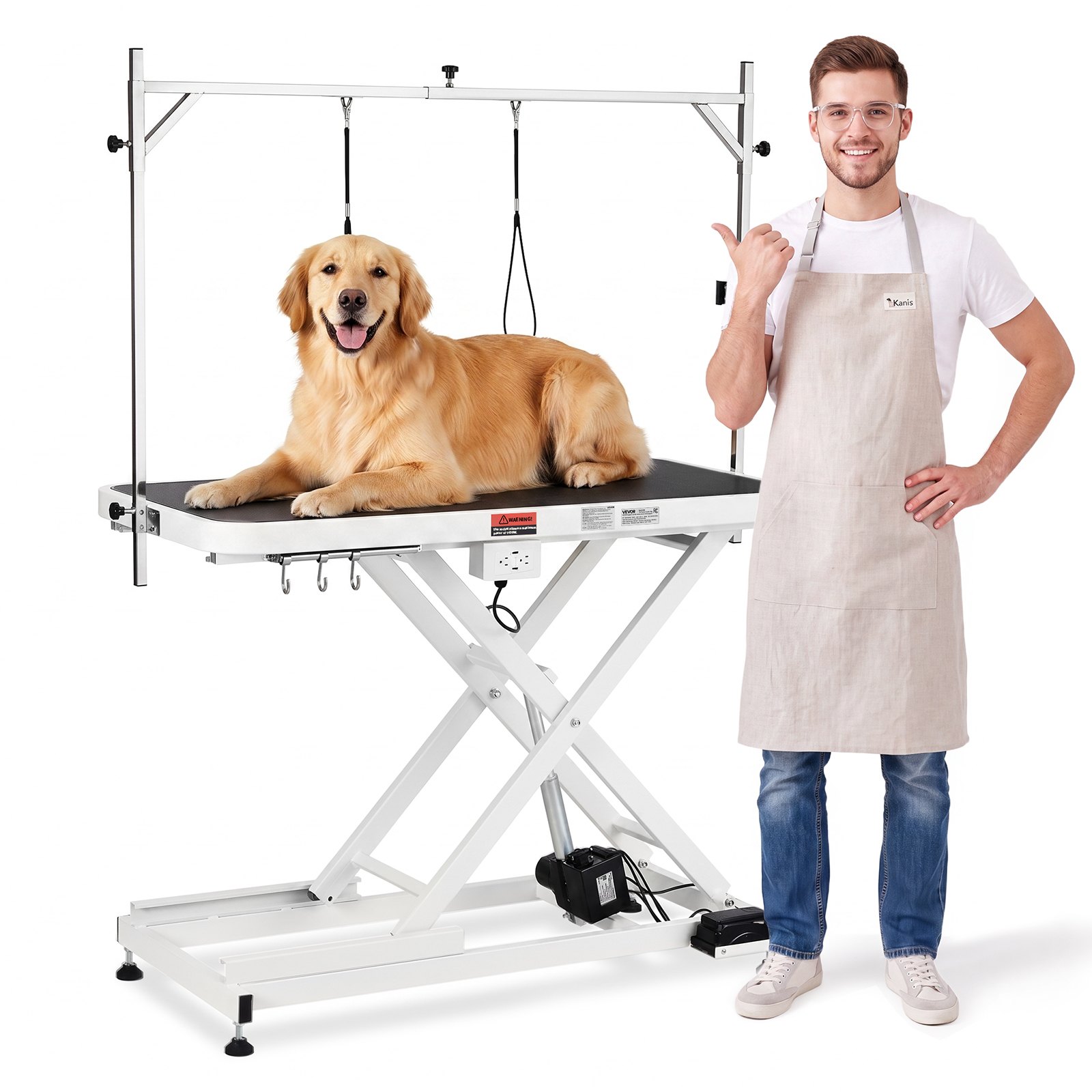
A large dog grooming table has to handle more than a pretty surface: it must support a standing 70–120 lb dog without flex, lock securely while you work, and stay stable when a wet dog shakes. Most buyers underestimate deck size and frame rigidity, then discover a 36-inch table is too short for a full-grown Labrador or Golden. This guide cuts to the load ratings, deck dimensions, and height-adjustment types that actually matter for big-dog grooming.

Buying guide image
Aquarium Water Testing & Treatment

Aquarium Water Treatment

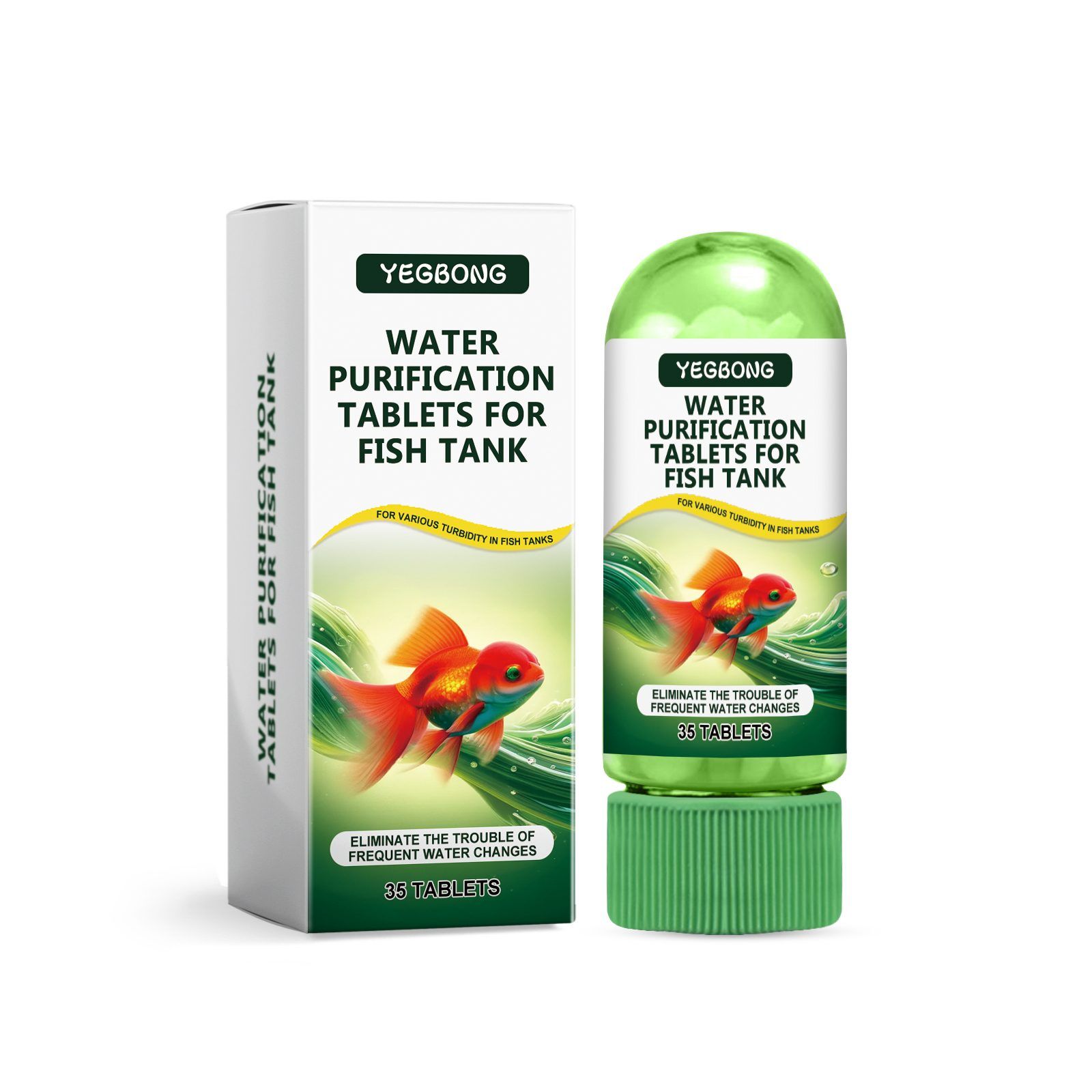
Aquarium water treatment covers chemical conditioners, biological additives, and purification media that make tap water safe and keep nitrogen cycling stable in freshwater and marine systems. The core trade-off is between instant chemical neutralization (chlorine/chloramine, heavy metals) and long-term biological support (nitrifying bacteria, sludge reduction)—cheap tablets often under-dose or omit dechlorinator chemistry, while liquid conditioners specify exact dosing per gallon. The decision rule: buy a product that explicitly states it neutralizes both chlorine and chloramine at a labeled dose per gallon, and skip any treatment that lists only vague 'purification' with no concentration or active-ingredient disclosure.

You may also like

Finding more guides for you…