Pet Gear Picks

Pet Gear Picks

Pet Gear Reviews & Buying Guides

Compare pet gear by use case, features, trade-offs, price, returns, and seller terms before you buy.

Buying guides

Buying guide image
Pet Training Gear

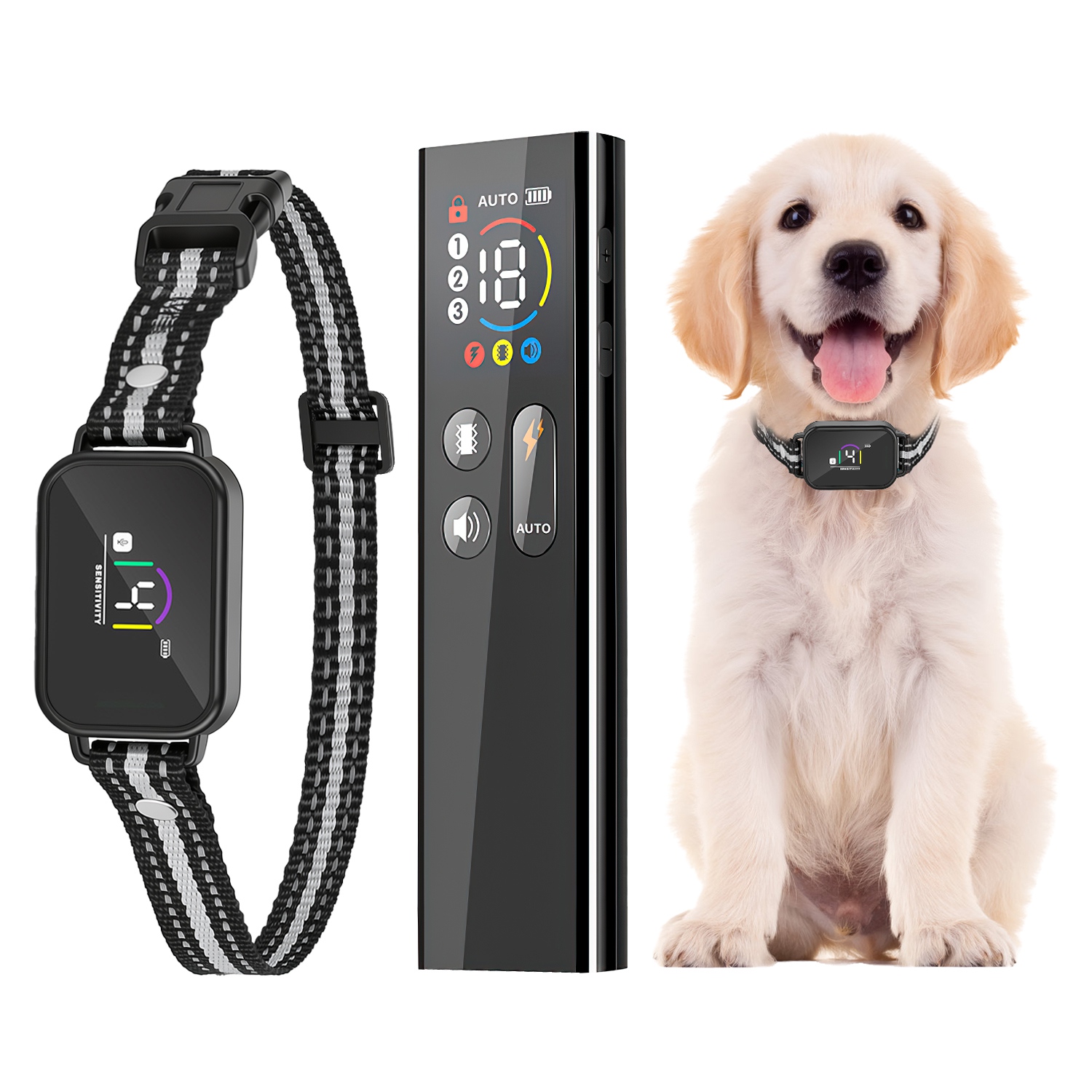
Dog Bark Shock Collar With Remote

A dog bark shock collar with remote combines a handheld transmitter with a receiver collar that delivers static correction, vibration, and tone, letting you interrupt barking at range rather than relying on a fixed automatic sensor. The core trade-off is range and waterproofing versus correction granularity: long-range units often use fewer stimulation levels, while short-range trainers prioritize low-level adjustability for sensitive dogs. The decision rule is simple: buy a unit with at least 8-10 static levels, a documented IP rating, and a receiver rated for your dog's neck size and coat; skip anything that lists only 'shock/vibrate/beep' with no level count or IP rating.

Buying guide image
Pet Training Gear

X Large Dog Pad

X-Large dog pads are absorbent floor-training sheets sized for big breeds, typically 30x36 inches or larger. The core trade-off is absorbency capacity versus leak-proof backing and tear resistance, since large dogs produce far more volume per use. Choose a pad rated for 8+ cups of liquid with a 5-layer build and adhesive tabs; skip thin 2-ply pads marketed only by sheet count.

Buying guide image
Aquarium Lights & CO2 Systems

Aquarium Plant LED Light

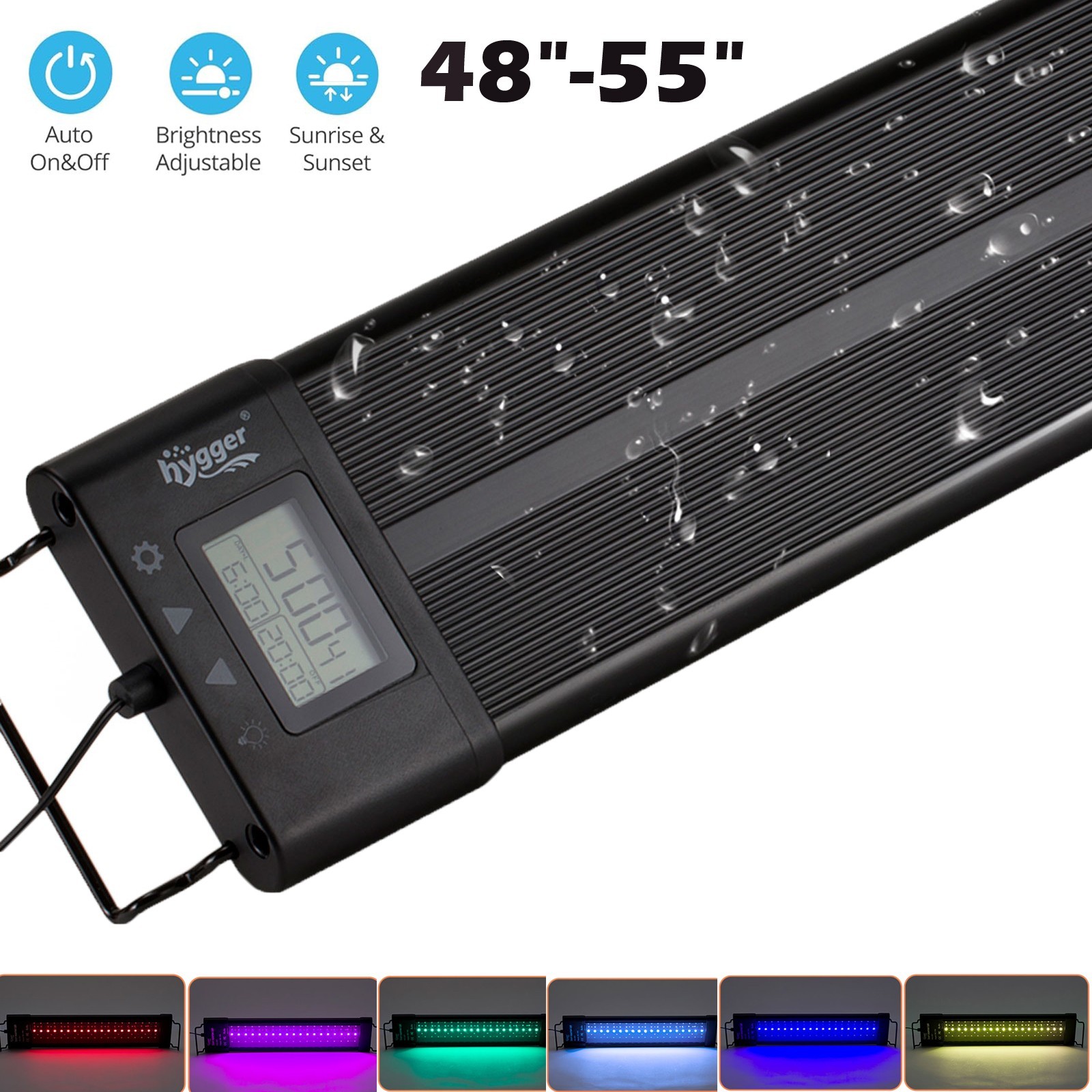
Planted-tank LEDs succeed or fail on spectrum, PAR intensity at substrate depth, and programmable photoperiod—not on claimed wattage. Match fixture length to your tank's actual rim or glass thickness and decide early whether you need true full-spectrum white plus discrete red/blue channels or a simple white timer light. Skipping the 24-hour ramp and timer usually produces algae blooms before plants ever pearl.

Buying guide image
Pet Bowls & Feeders

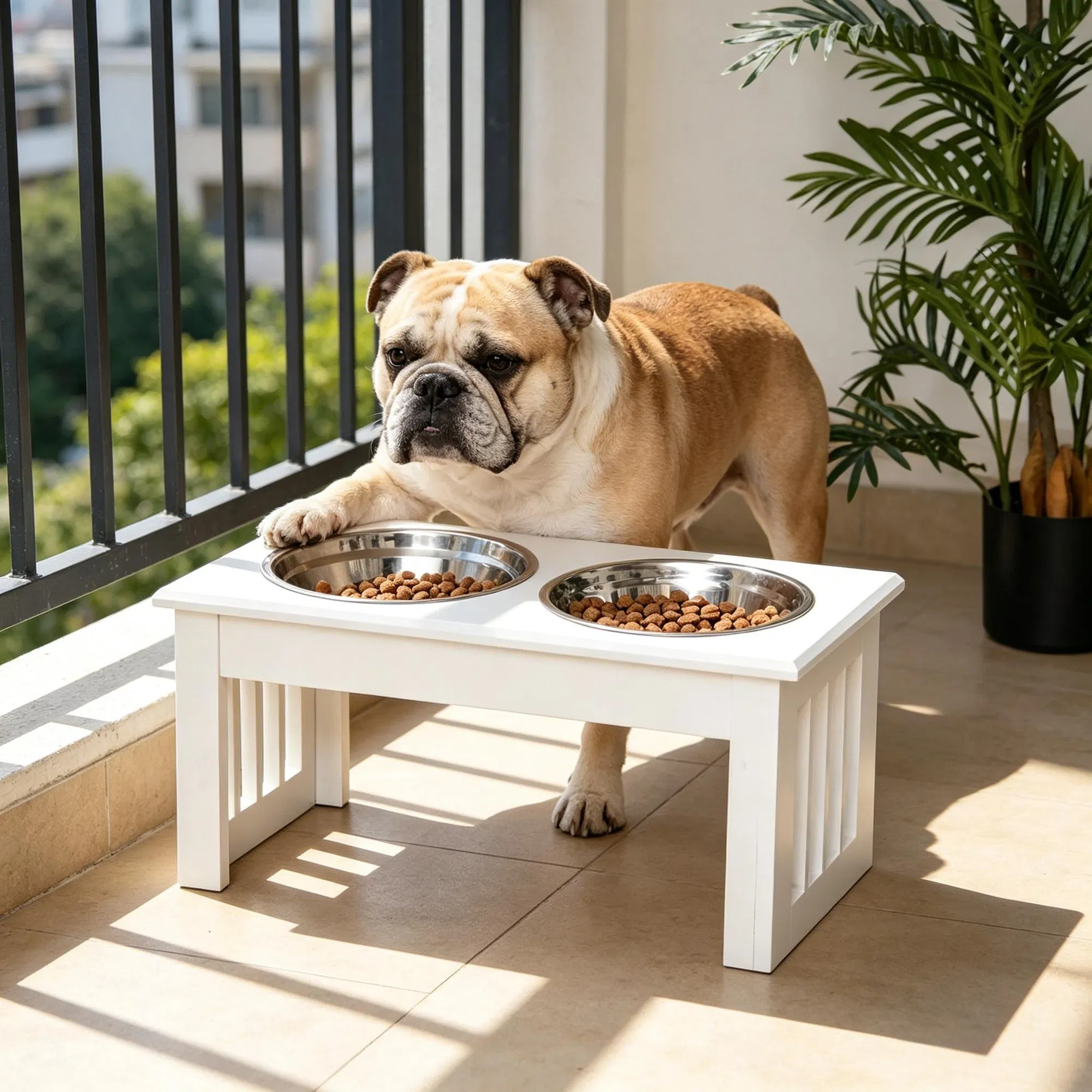
Small Dog Bowl With Stand

A small dog bowl with stand is an elevated feeding station sized for toy and small breeds, where the key trade-off is stability and spill control versus adjustability and floor footprint. Durable options use a weighted wooden or bamboo frame with stainless steel bowls and non-slip feet, while compromises rely on thin plastic stands that tip under pawing or slide on hard floors. The decision rule: pick a stand whose bowl rims sit 4–6 inches high for toy breeds and 6–8 inches for small breeds, and skip any stand that cannot lock the bowl in place.

Buying guide image
Pet Training Gear

Small Dog Shock Collar With Remote

Small dog shock collars with remote are remote e-collars sized for necks under 16 inches, where the core trade-off is receiver weight and contact-probe fit versus stimulation range and waterproofing. The decision rule: choose a receiver under 2 oz (57 g) with adjustable or short probes and IPX7/IP67 sealing; skip any unit with fixed long probes or a collar band wider than the dog's neck geometry.

Buying guide image
Pet Beds & Cat Trees

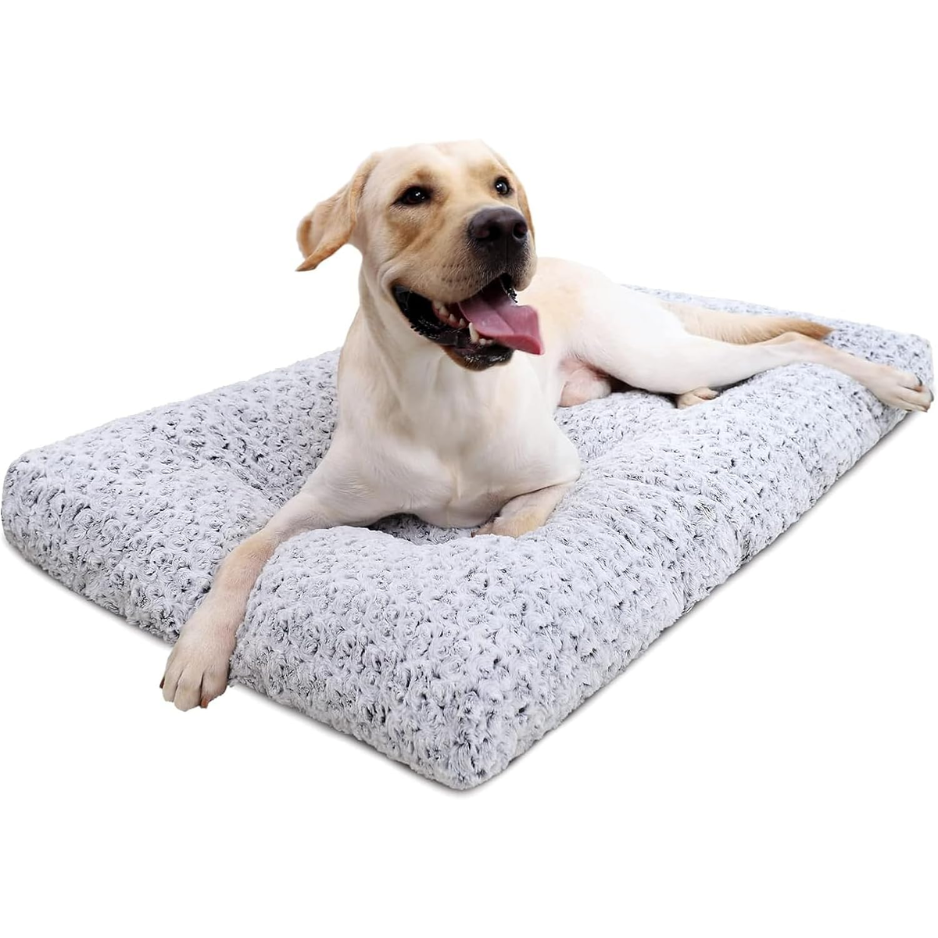
Dog Crate Bed

A dog crate bed is a fitted mattress or mat designed to sit inside a wire or soft-sided crate, where the core trade-off is between plush comfort and chew-resistant, moisture-proof construction. Durable options use orthopedic foam cores with waterproof liners and reinforced seams; compromises rely on loose shredded fill and untreated fabric that wicks accidents into the foam.

Buying guide image
Pet Collars, Harnesses & Leashes

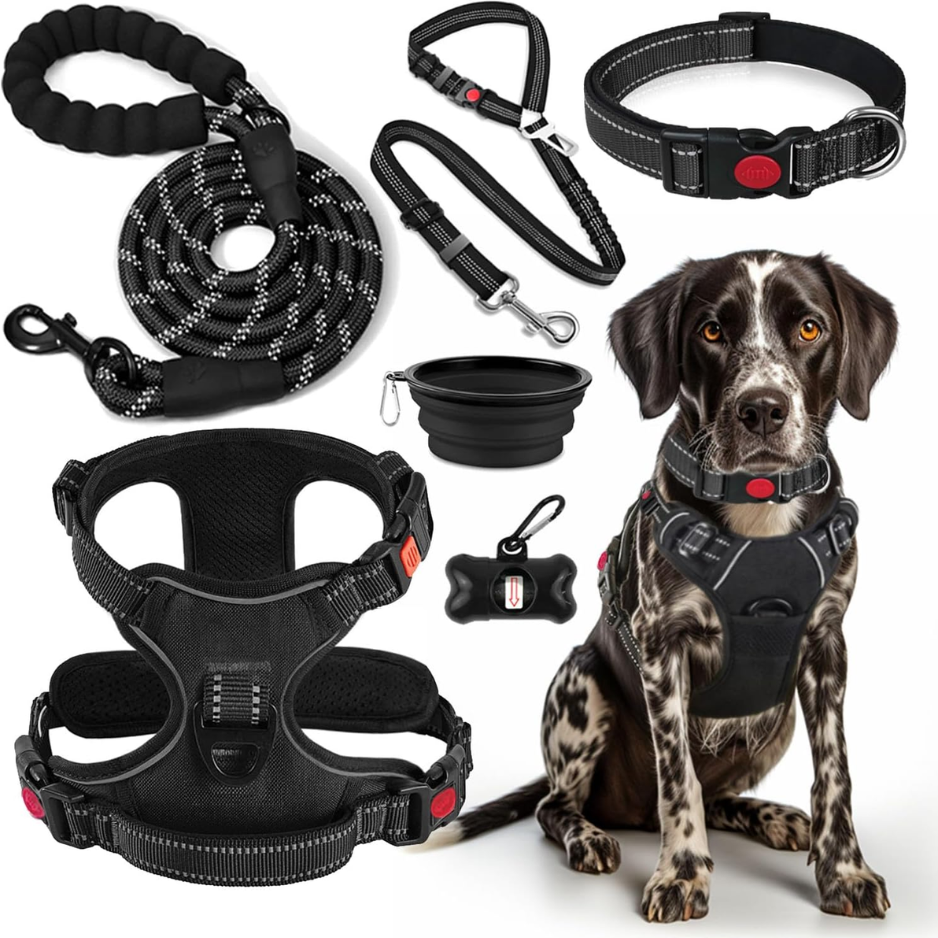
10 No Pull Dog Harness

A no-pull dog harness redirects forward momentum away from the throat and into the chest or shoulders, using either a front-clip leash attachment or a martingale-style tightening loop to discourage lunging. The core trade-off is between a padded, multi-point adjustment harness that fits securely for daily walks and a thin, single-strap vest that chafes or allows elbow slip. Choose a harness with at least four adjustment points (neck, chest, and two shoulder straps) and a metal front D-ring if your dog pulls hard; skip any harness that relies on a single buckle or plastic load-bearing hardware.

Buying guide image
Pet Crates, Kennels & Playpens

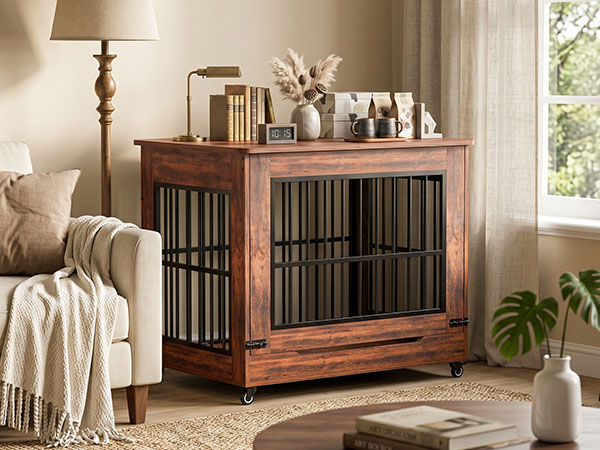
XL Dog Cage

An XL dog cage is a containment or enclosure system sized for large-breed dogs, typically 36–48 inches of interior length, built from metal wire, metal tube, or wood-panel furniture hybrids. The primary trade-off is between chew-proof structural rigidity (welded steel gauge, bar spacing, latch strength) and indoor furniture integration (wood panels, end-table tops, casters). Choose a welded heavy-gauge metal crate for escape artists and unsupervised use; choose a paneled furniture crate only for calm, crate-trained dogs in visible living spaces.

Buying guide image
Bird & Small Animal Supplies

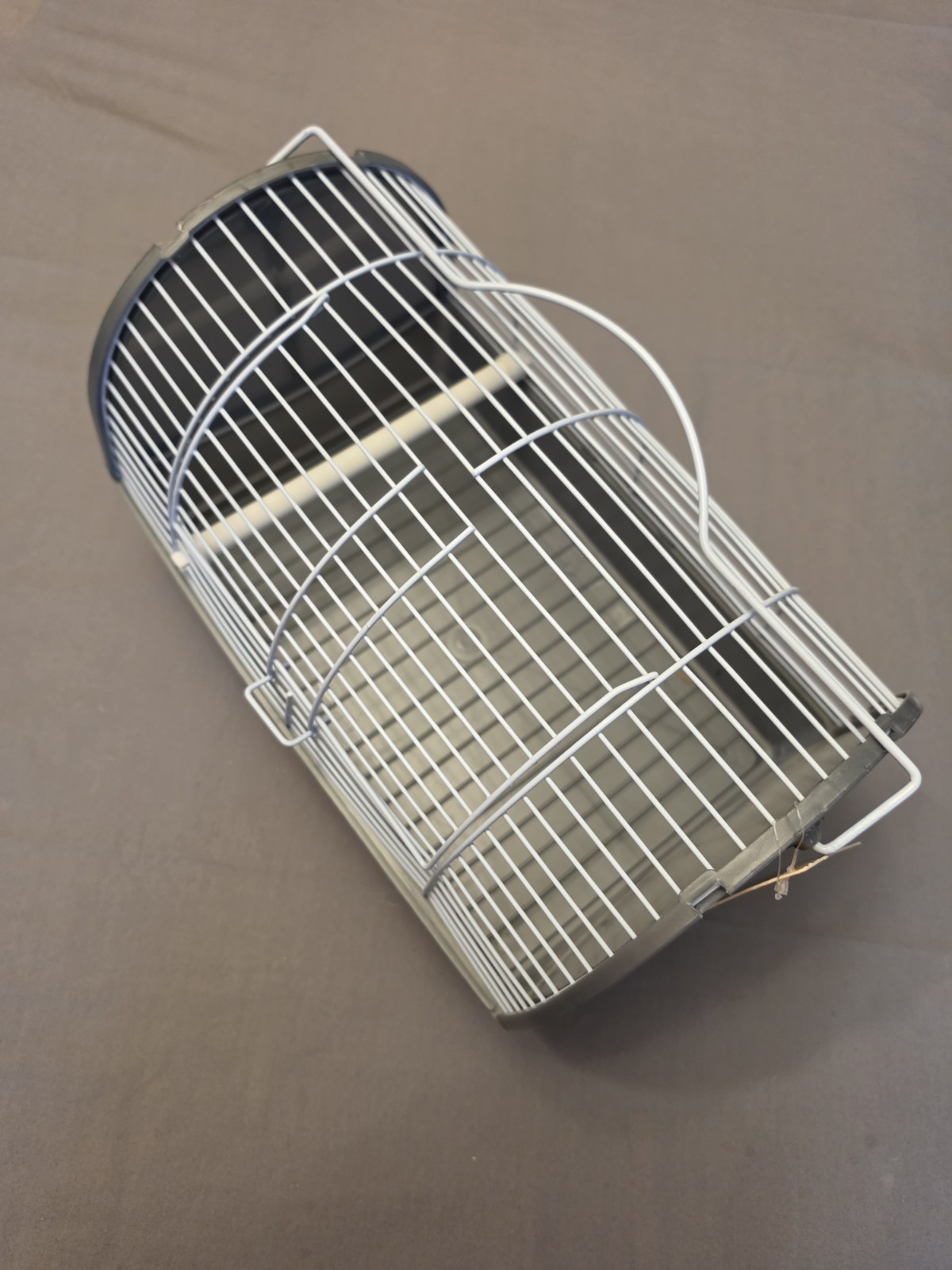
Small Animal Carrier

A small animal carrier is a short-term transport enclosure for hamsters, guinea pigs, rabbits, birds, and other pocket pets, where the core trade-off is ventilation and escape-proof construction versus stress-reducing opacity and portability. Durable carriers use chew-resistant wire or molded hard plastic with secure latches, while compromises rely on soft fabric or thin plastic that fails under gnawing or panic. The decision rule: match carrier type to species and trip length—hard-sided ventilated carriers for rabbits and guinea pigs, opaque hide-style carriers for hamsters and mice, and wire or hard-shell carriers for birds.

Buying guide image
Reptile Substrate, Decor & Hides

Reptile Lounge

Reptile lounges are enclosed hides and caves that give captive reptiles a secure, humidity-controlled retreat, and the decisive trade-off is between hollow resin/plastic shells (easy to clean, low humidity retention) and porous natural materials like cork or unsealed wood (better microclimate, harder to disinfect). Choose a solid molded resin cave with a single large opening for arid species, and a grooved or damp-retaining hide for tropical species that need shedding support.

Buying guide image
Pet Grooming & Cleaning

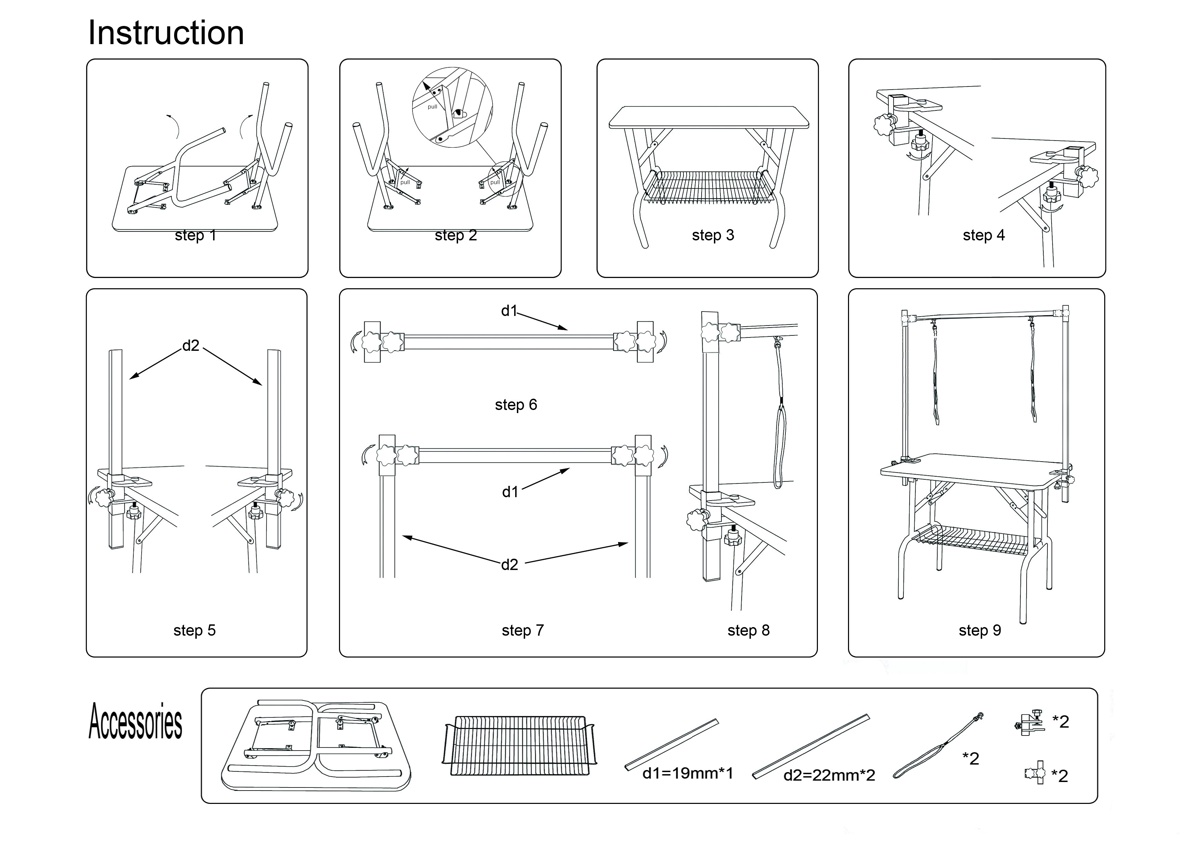
Folding Grooming Table

A folding grooming table solves the storage-versus-workflow conflict that fixed tables create in homes and mobile vans. Buyers typically misjudge two things: the folded thickness relative to closet or vehicle space, and whether the included arm and noose actually secure a squirming dog. Focus on tabletop material, leg-lock design, and arm clamp diameter rather than nominal size alone.

Buying guide image
Pet Collars, Harnesses & Leashes

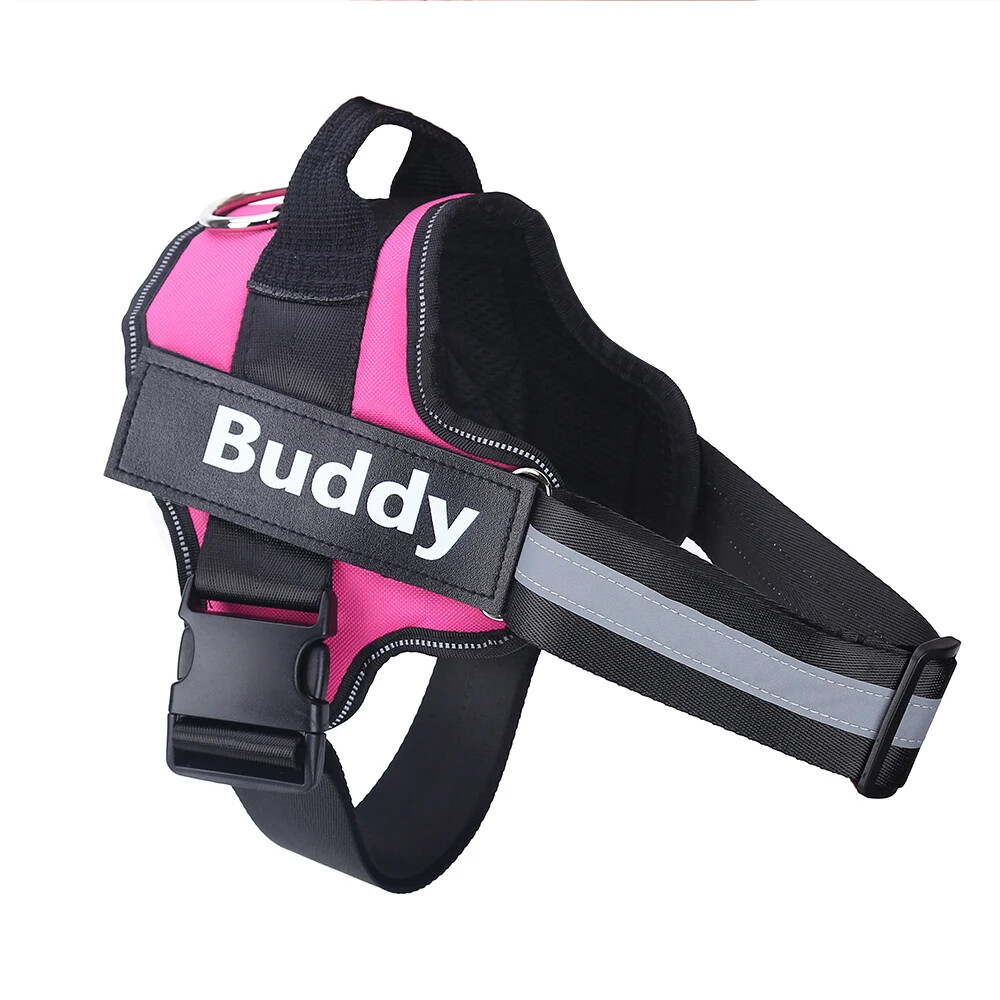
In Training Dog Vest

An in-training dog vest is a harness-style walking and training tool that redistributes leash pressure across the chest rather than the throat, using front-clip no-pull geometry and a control handle for close handling. The core trade-off is between padded webbing comfort and structural control: flimsy single-layer fabric slips and chafes, while multi-point adjustable vests with reinforced stitching and metal hardware hold up to lunging. Buy a vest only if it has a front D-ring, at least four adjustment points, and load-bearing stitching; skip any harness whose leash attachment is a plastic buckle.

Buying guide image
Pet Crates, Kennels & Playpens

XL Heavy Duty Dog Cage

An XL heavy-duty dog cage is a structural purchase, not a cosmetic one: the difference between a 20-gauge wire panel and a 6-gauge welded bar is the difference between a crate that holds a 90 lb shepherd and one that fails at the weld. Buyers typically get this wrong by sizing to the dog's current weight instead of its adult shoulder height and nose-to-tail length, or by choosing a furniture-style wooden enclosure that cannot contain a determined chewer. This guide covers the real load paths, bar gauges, latch architectures, and footprint math that determine whether an XL crate survives its first year.

Buying guide image
Pet Crates, Kennels & Playpens

XL Heavy Duty Dog Crate

An XL heavy-duty dog crate is a containment system sized for large and giant breeds and engineered to resist bending, chewing, and escape forces through thicker wire gauge, reinforced welds, and heavy-gauge steel frames. The core trade-off is between structural strength (gauge, weld quality, latch security) and livability (weight, foldability, floor protection, and footprint). The decision rule: buy a crate rated for your dog's adult weight and escape drive, with 12-gauge wire or 1-inch steel tube, dual cam latches, and a chew-resistant pan—anything lighter is a compromise for strong dogs.

Buying guide image
Pet Crates, Kennels & Playpens

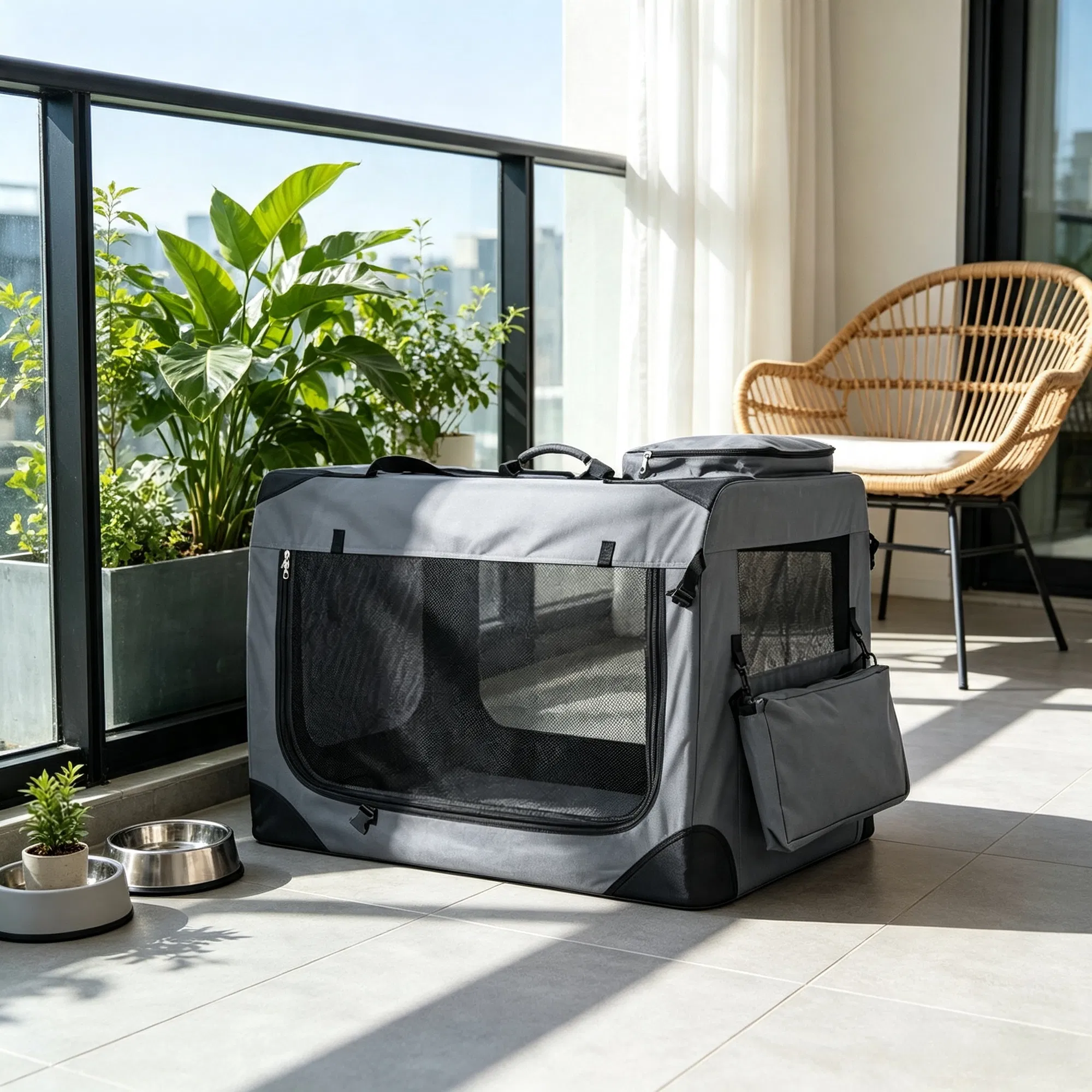
Medium Crate

Medium crates are sized for dogs roughly 25–60 lbs, but the actual fit depends on interior height and depth, not the marketing label on the box. Shoppers most often err by buying furniture-style wooden kennels for chewers or by picking a soft travel crate as a permanent indoor home. Decide first whether the crate is for confinement, travel, or dual-purpose furniture, then match construction type to your dog's escape and chewing habits.

Buying guide image
Aquarium Tanks & Stands

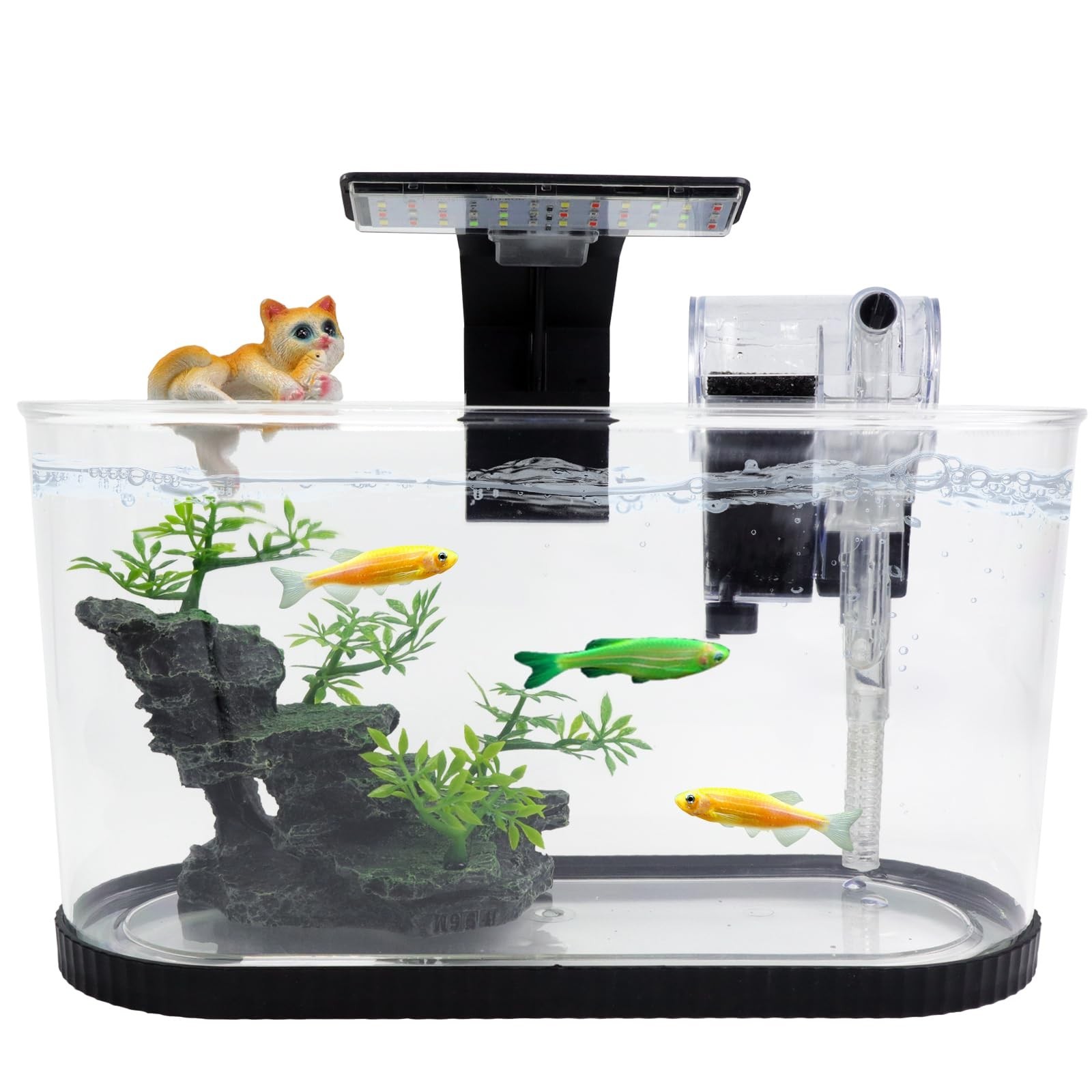
Small Fish Tank Kit

A small fish tank kit bundles a compact glass or acrylic aquarium (roughly 1–5 gallons) with an integrated LED light and a small filter, targeting desktops, dorms, and first-time betta or shrimp keepers. The core trade-off is footprint versus water stability: smaller volumes swing faster in temperature and chemistry, while all-in-one construction and adequate filtration determine whether the kit survives daily use. The decision rule is to buy the largest volume your surface permits with a serviceable filter and real LED output; treat sub-1-gallon novelty tanks and unsealed decorative lids as temporary habitats, not durable systems.

Buying guide image
Pet Grooming & Cleaning

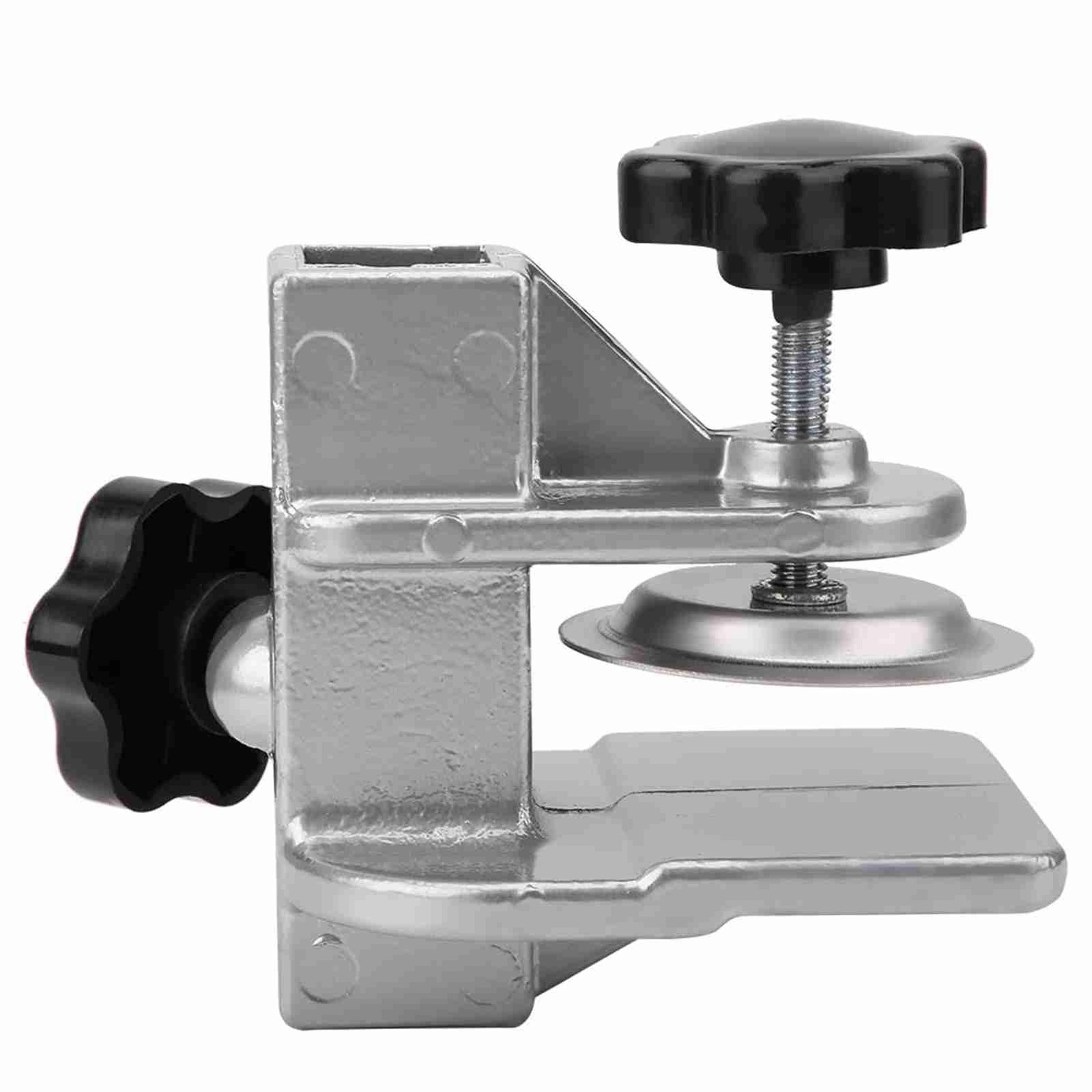
Grooming Table Arm

A grooming table arm is the adjustable restraint and leash post that turns a flat table into a stable, hands-free grooming station—but clamp bore size, arm diameter, and table-edge thickness decide whether it actually fits. Most mismatches come from buying an arm before measuring the tabletop lip and confirming the clamp opening, not from arm length or finish.

Buying guide image
Bird & Small Animal Supplies

Wooden Bird Perch

A wooden bird perch is a natural or dowel wood roost that gives companion birds a secure, grip-friendly standing surface; the core trade-off is between soft, bark-covered natural hardwood that wears with chewing and kiln-dried dowel or plywood perches that resist wear but offer less foothold variety. The clear decision rule: buy natural hardwood branch perches sized to the bird's foot span, and skip smooth uniform dowels as the only perch in the cage.

Buying guide image
Reptile Enclosures & Terrariums

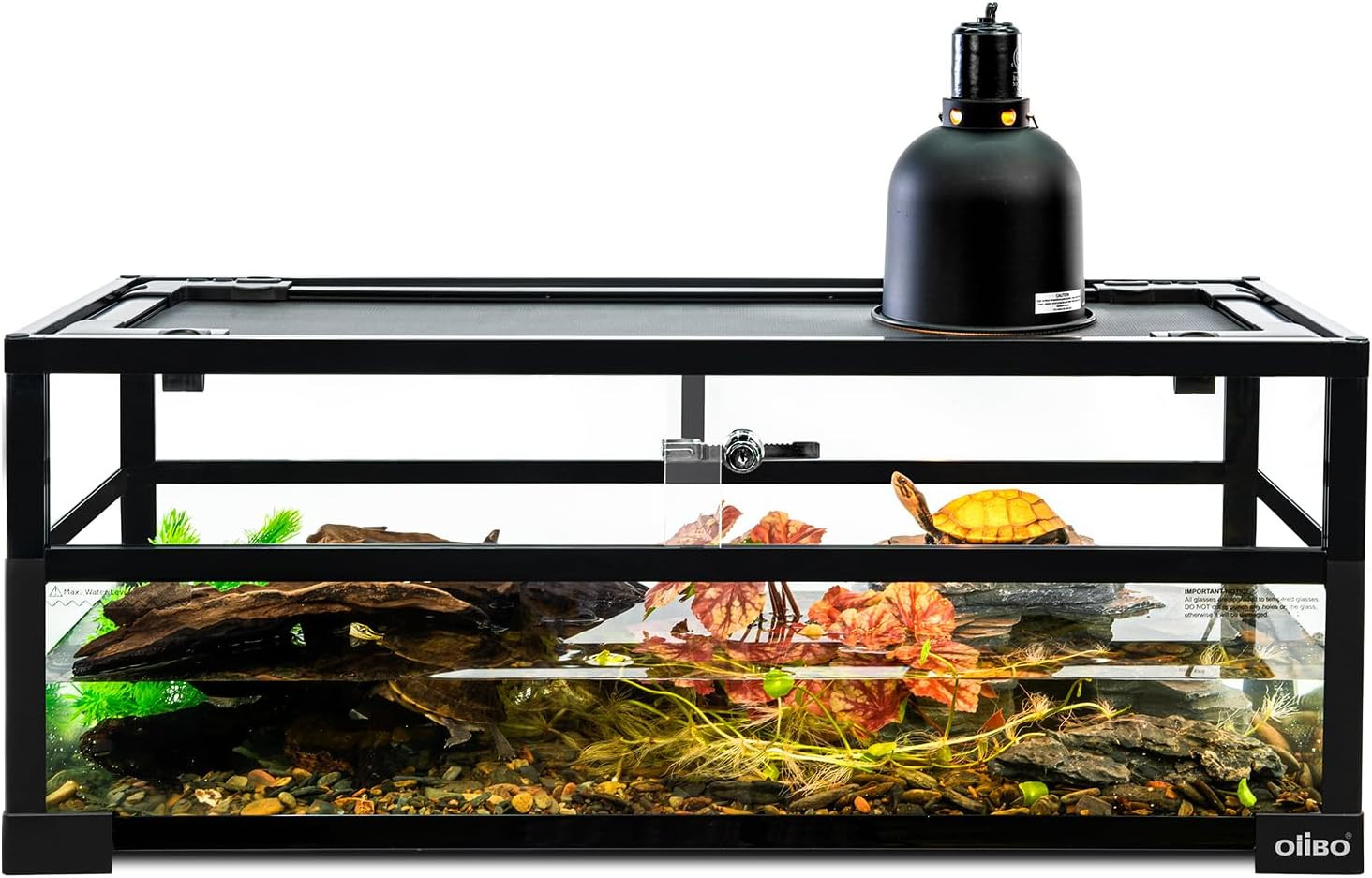
Large Aquatic Turtle Tank

A large aquatic turtle tank is a dedicated water-tight enclosure system for semi-aquatic species that need deep swimming volume plus a dry basking platform, typically 75 gallons and up. The core trade-off is between thin glass or acrylic molded kits that bow and leak under water weight versus thicker, braced builds with real filtration and UVB-ready tops. The decision rule: buy by water depth and adult shell length—tank volume must allow at least 10 gallons per inch of adult shell length with a fully dry dock—and reject any enclosure sold without a rated stand, glass thickness, or basking-to-water separation.

Buying guide image
Aquarium Tanks & Stands

Small Aquarium

Small aquariums (typically 1–5 gallons) are compact desktop or countertop setups where the primary trade-off is between integrated kit convenience and the thermal/biological stability of a larger water volume. The decision rule is simple: pick a kit only if it includes a true filter and a thermostat-controlled heater, or budget for those separately — otherwise you are buying a fishbowl with extra steps.

You may also like

Finding more guides for you…