Pet Gear Picks

Pet Gear Picks

Pet Gear Reviews & Buying Guides

Compare pet gear by use case, features, trade-offs, price, returns, and seller terms before you buy.

Buying guides

Buying guide image
Aquarium Tanks & Stands

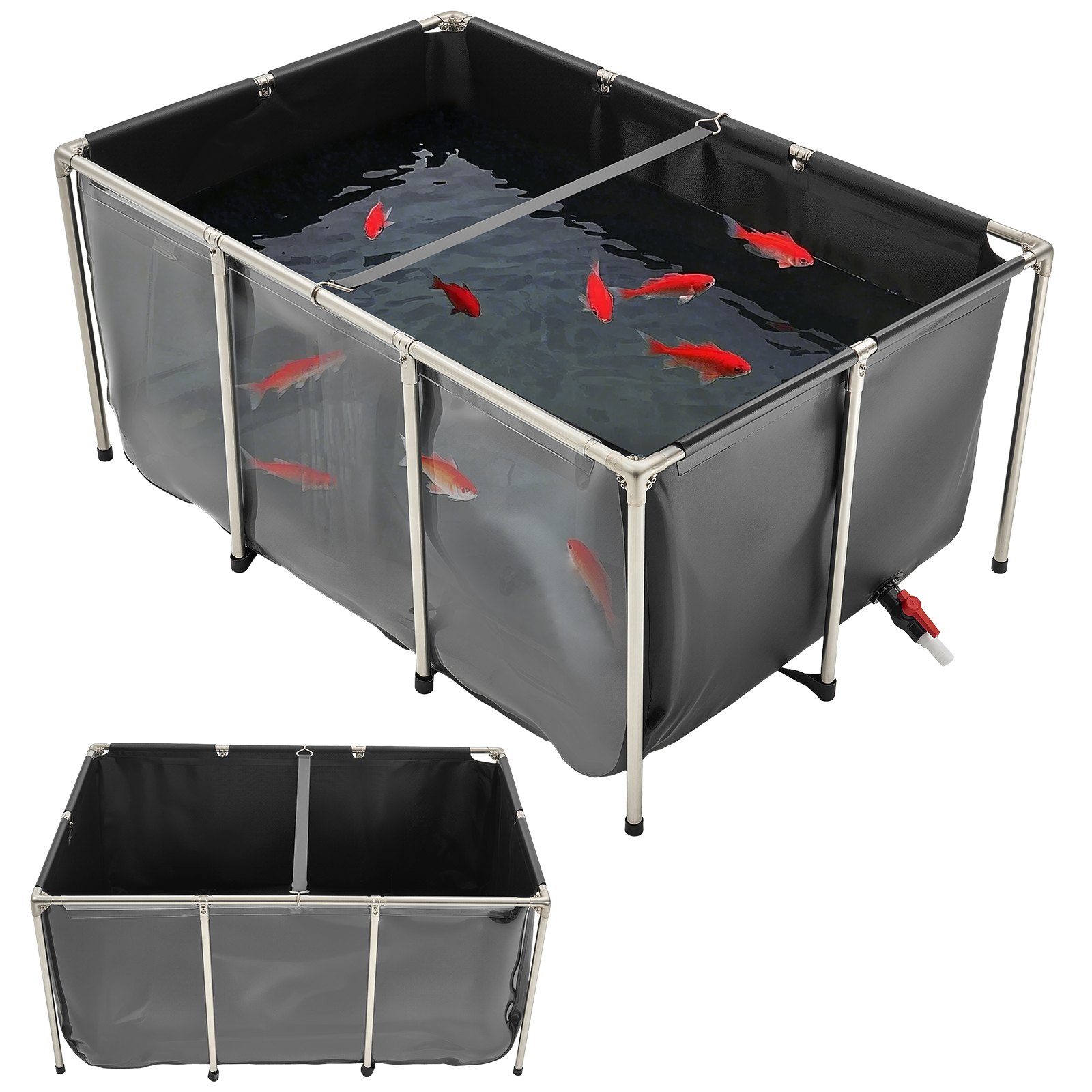
Koi Pond Tank

A koi pond tank is an above-ground, flexible or rigid-walled vessel that brings pond-volume water capacity and koi-safe construction to a patio, garage, or indoor floor. The core trade-off is between canvas/PVC liner tanks (cheap, foldable, but seam- and UV-limited) and rigid HDPE/FRP or welded-PP tanks (higher cost, decades of service). Buy a liner tank only if it uses heat-welded seams, UV-stabilized 500+ GSM PVC, and a rigid frame; skip any tank relying on glued seams or unstated fabric weight.
Buying guide image
Pet Food, Treats & Litter

Pet Food

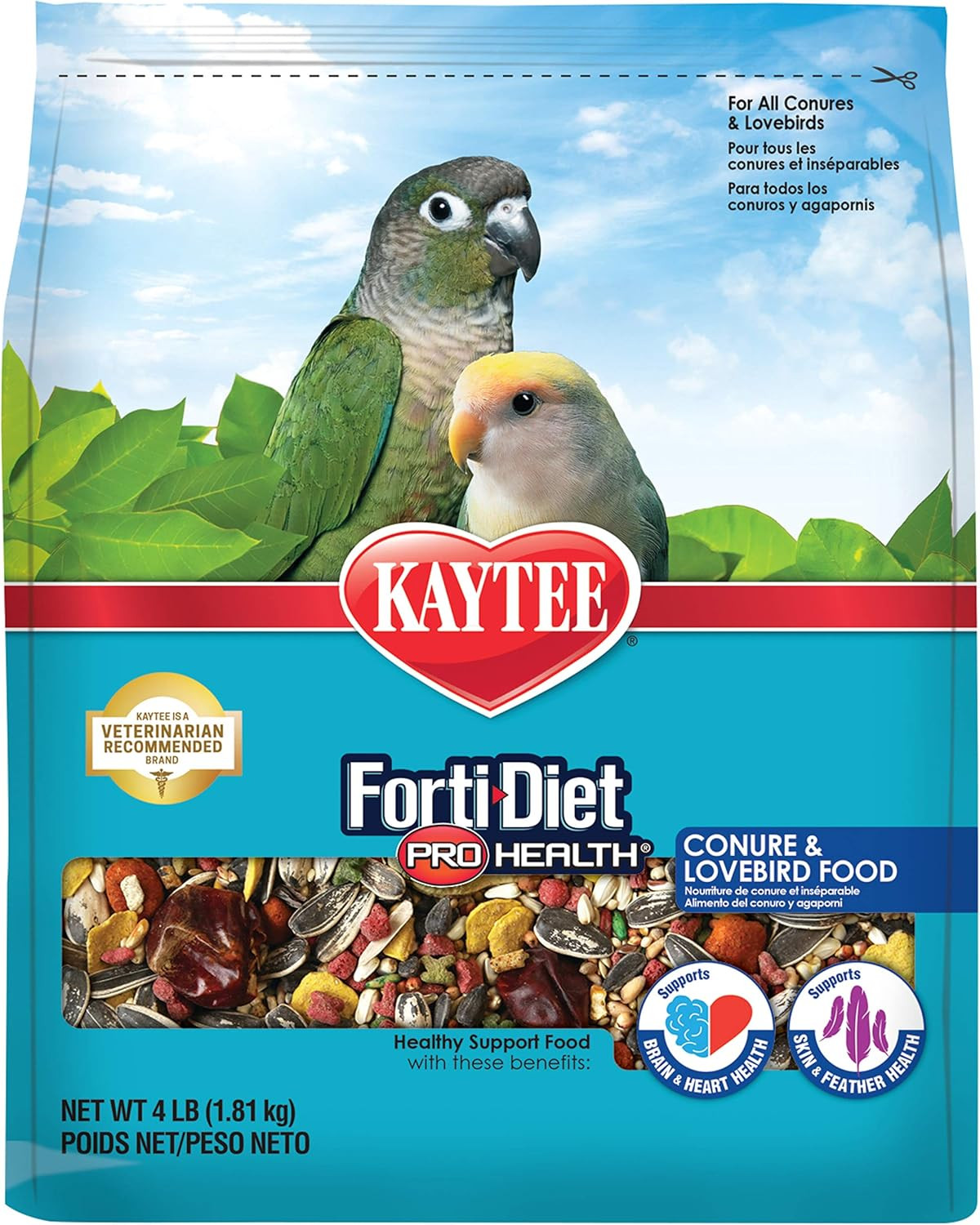
Pet food spans complete diets, toppers, treats, and prescription-style formulas, where the core trade-off is guaranteed nutritional adequacy (AAFCO complete-and-balanced) versus cost and palatability. Durable value comes from matching life stage and species to an AAFCO statement, not from protein percentages on the front of the bag. The clear decision rule: buy only foods carrying an AAFCO nutritional adequacy statement for your pet's life stage, and treat toppers and treats as non-complete supplements capped at 10% of daily calories.

Buying guide image
Pet Food, Treats & Litter

Natural Dog Food

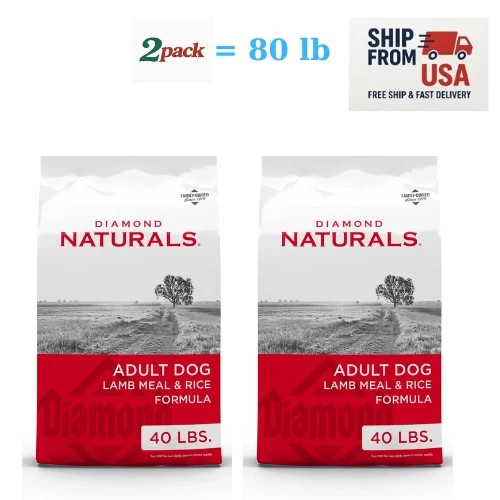
Natural dog food refers to diets formulated without artificial colors, flavors, or synthetic preservatives, typically emphasizing whole-food ingredients and named meat sources. The core trade-off is between dry kibble's convenience and shelf stability versus wet food's higher moisture, palatability, and protein density—with treats serving as a supplemental category that must not exceed 10% of daily calories. The decision rule: prioritize a complete-and-balanced AAFCO statement on the primary diet, then match the format (dry, wet, or mix) to your dog's size, dental health, and hydration needs rather than marketing claims.

Buying guide image
Pet Food, Treats & Litter

Dog Food Topper

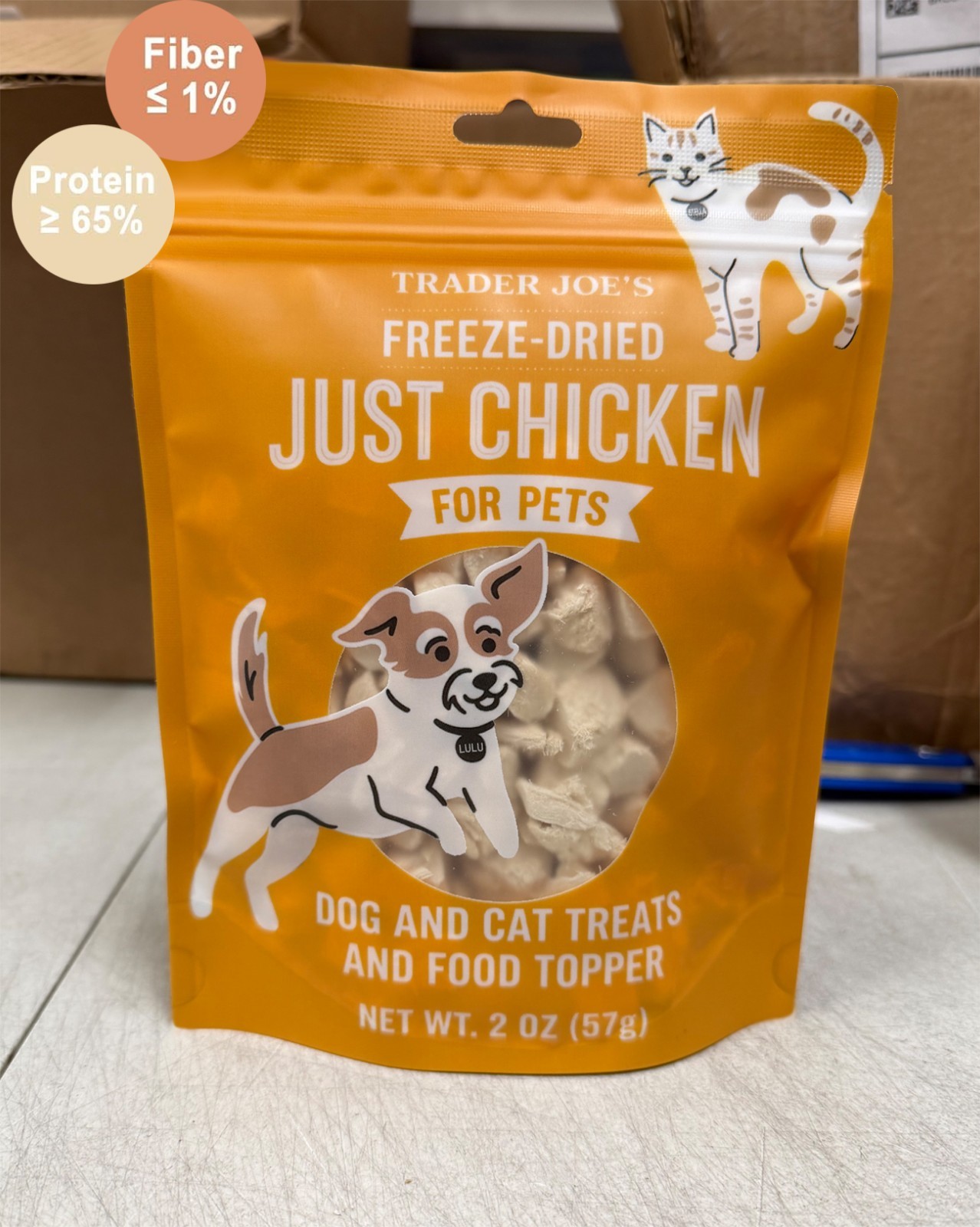
Dog food toppers are palatability boosters and nutritional supplements—broths, gravies, freeze-dried meats, and powders—added to complete diets, not meal replacements. The core trade-off is moisture-and-nutrition versus convenience and cost: liquid broths add hydration and aroma but are heavy and perishable after opening, while freeze-dried and powdered formats are shelf-stable and calorie-dense but require rehydration. The decision rule: choose single-ingredient, named-protein toppers with guaranteed analysis and no added salt, sugar, or onion/garlic, and treat any topper as ≤10% of daily calories to keep the base diet balanced.

Buying guide image
Pet Food, Treats & Litter

Grain Free Cat Food

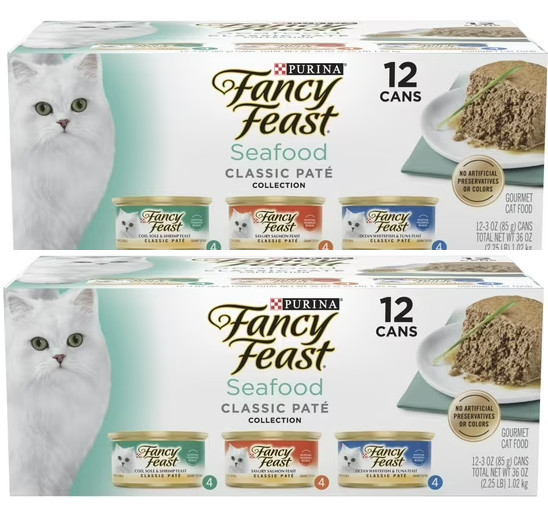
Grain-free cat food replaces cereal grains with animal proteins, legumes, or tubers, but the real quality divide is between high-protein wet pâtés and starch-heavy dry kibble that simply swaps grain for peas or potatoes. Choose grain-free canned pâté as a moisture-rich, low-carb base or complement, and treat grain-free dry food as a convenience option only when its protein source leads and carb load stays moderate.

Buying guide image
Aquarium Filters & Pumps

Sponge Filter

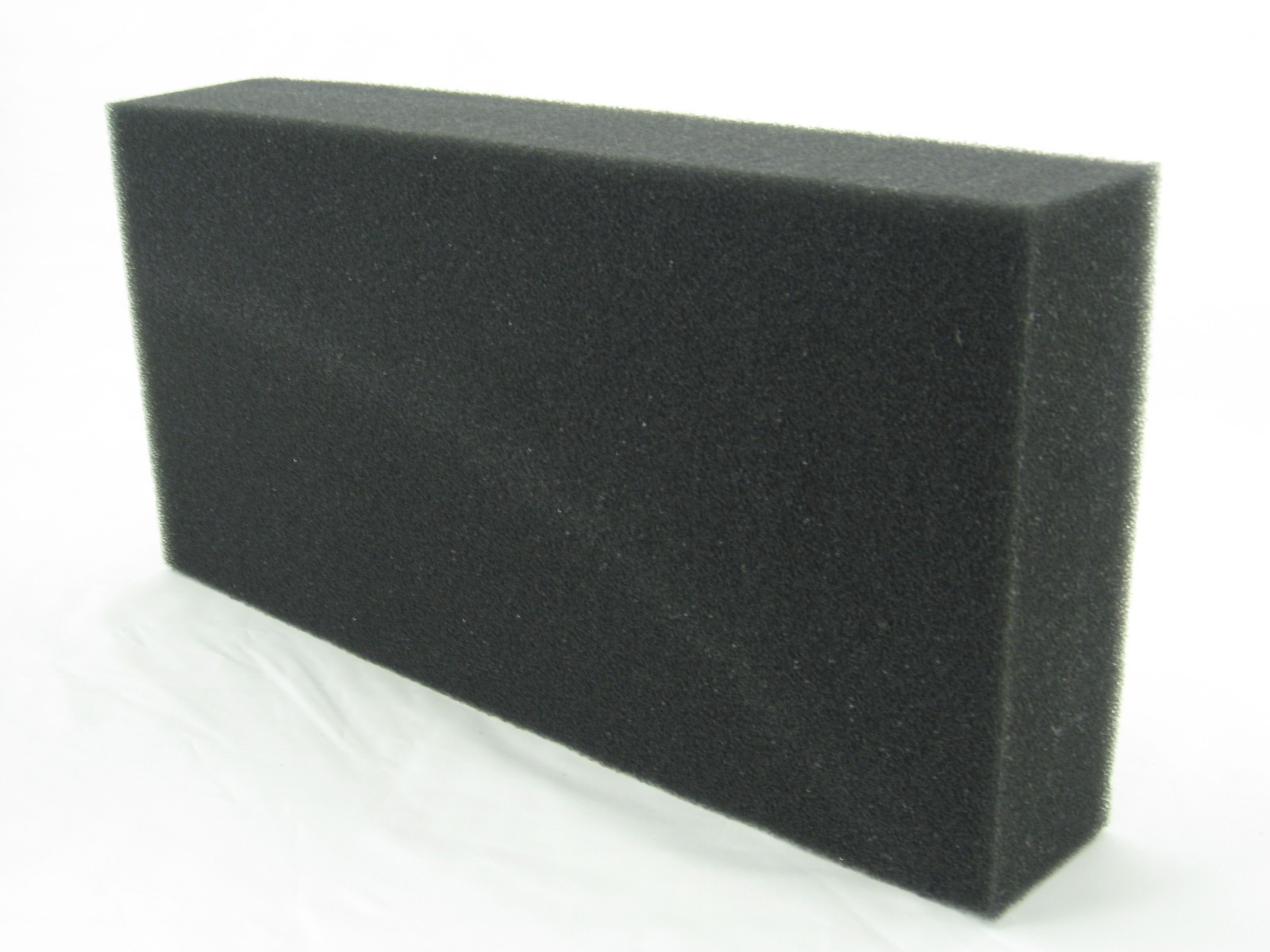
Sponge filters are air- or pump-driven biological filters that pull water through open-cell foam, providing gentle circulation and massive surface area for nitrifying bacteria. The primary trade-off is foam pore grade versus flow rate: coarse 20-30 PPI foam resists clogging but hosts less bacteria, while fine 40-60 PPI foam offers more surface area but requires more maintenance. The decision rule is simple: match foam pore size and filter volume to bioload, and always pair the filter with an appropriately rated air pump or powerhead.

Buying guide image
Pet Food, Treats & Litter

Blue Dog Food

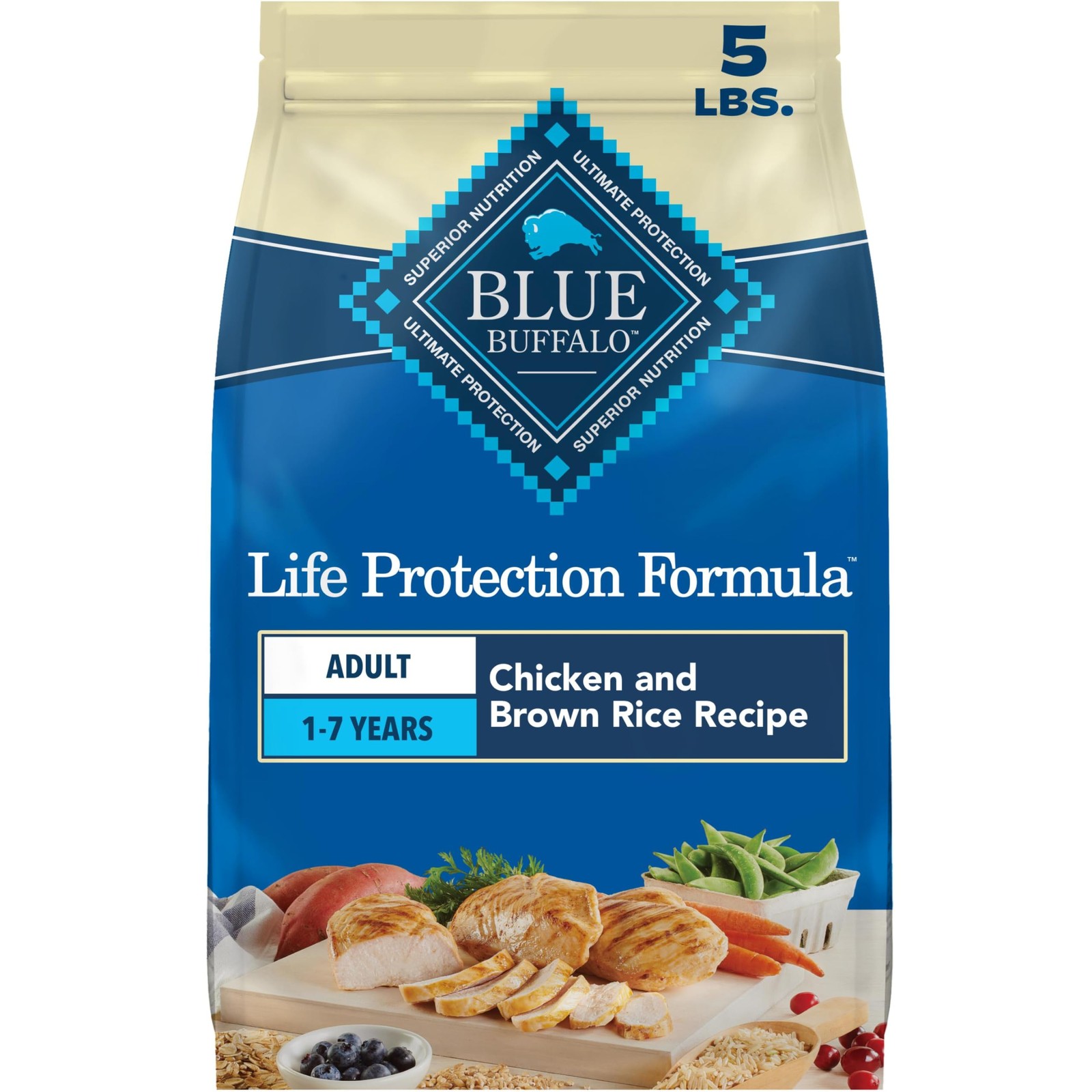
Blue Dog Food refers to Blue Buffalo's dog food lines, built around their LifeSource Bits and named-meat-first formulas. The primary trade-off is between their entry-level Life Protection Formula (corn/wheat/soy-free but with chicken by-product meal) and their premium Wilderness and BLUE Natural Veterinary Diet tiers (higher protein, no by-product meal, grain-free or therapeutic options). The clear decision rule: match the life stage and protein tier to your dog's age and activity, and step up to Wilderness or prescription diets only when your vet identifies a specific need.

Buying guide image
Pet Food, Treats & Litter

Natural Cat Litter

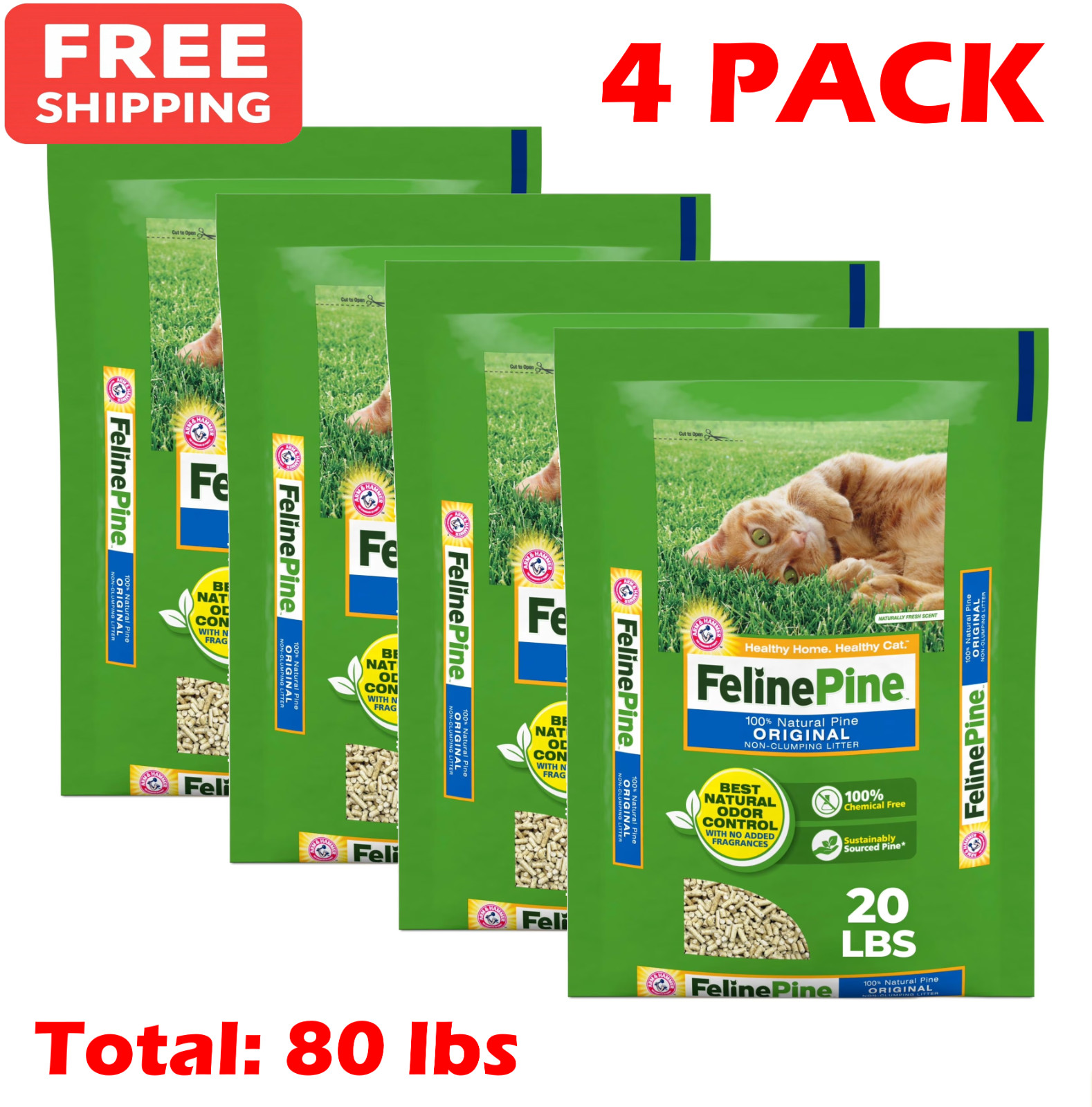
Natural cat litter covers plant-fiber and wood-based formulas that replace synthetic clay with compostable, low-dust materials. The core trade-off is clumping performance versus biodegradability: clay clumps hardest, while pine and corn/wheat formulas vary widely in scoop strength and odor control. Choose a clumping plant-fiber litter for full-box scooping, or a non-clumping pine pellet system only if you commit to frequent full changes.

Buying guide image
Pet Food, Treats & Litter

Tofu Cat Litter

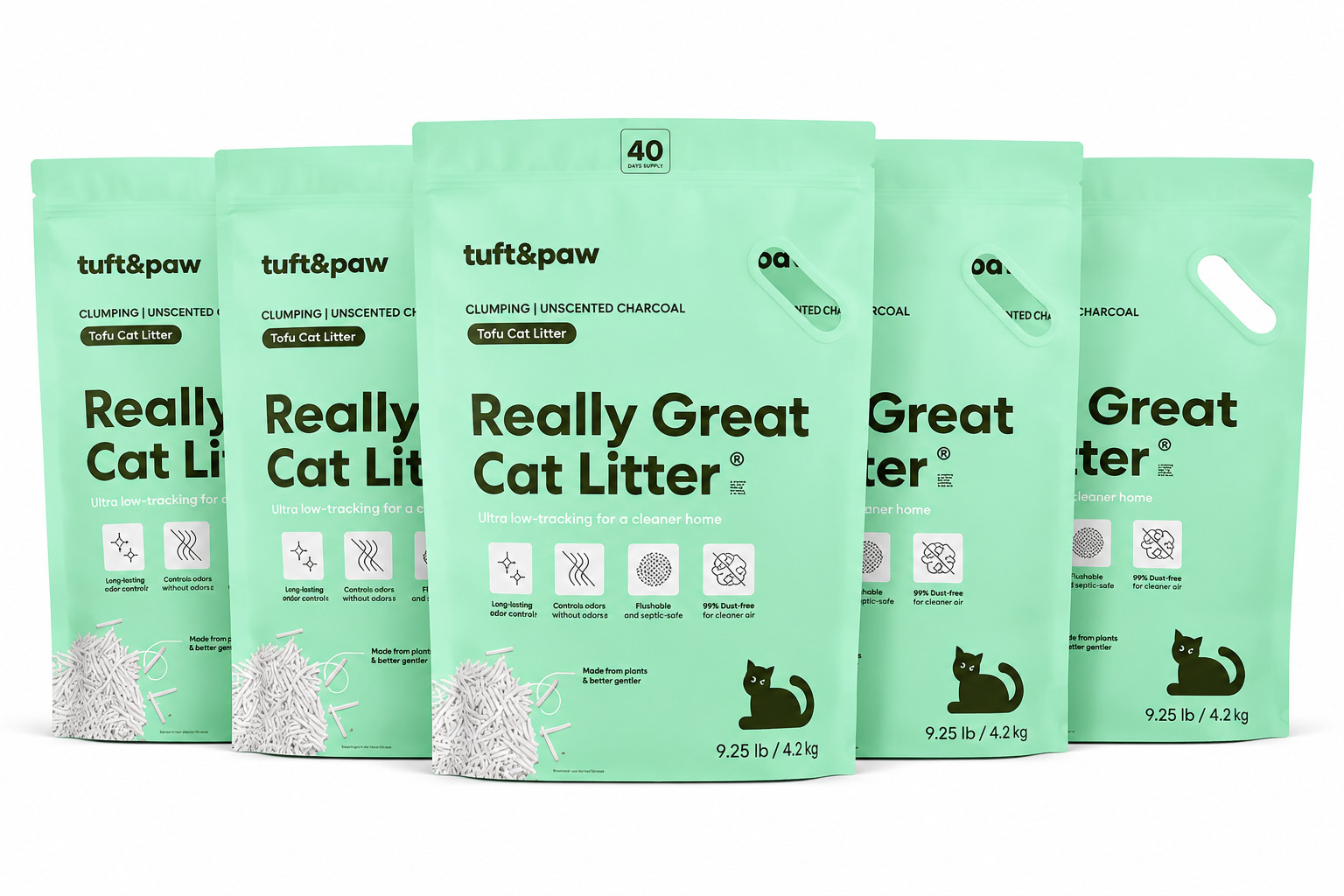
Tofu cat litter is a plant-based clumping litter made from compressed soybean curd residue, prized for flushability, low dust, and lightweight handling compared with clay. The core trade-off is clump integrity and odor control versus biodegradability and dust: premium extruded pellets clump fast and rinse clean, while cheap loose-powder tofu litters crumble into paste and track. Choose pelletized, low-dust tofu litter with a stated clump strength and unscented or naturally deodorized formulation; skip dusty powder blends and scented variants that mask rather than control ammonia.

Buying guide image
Pet Crates, Kennels & Playpens

Dog Travel Crate

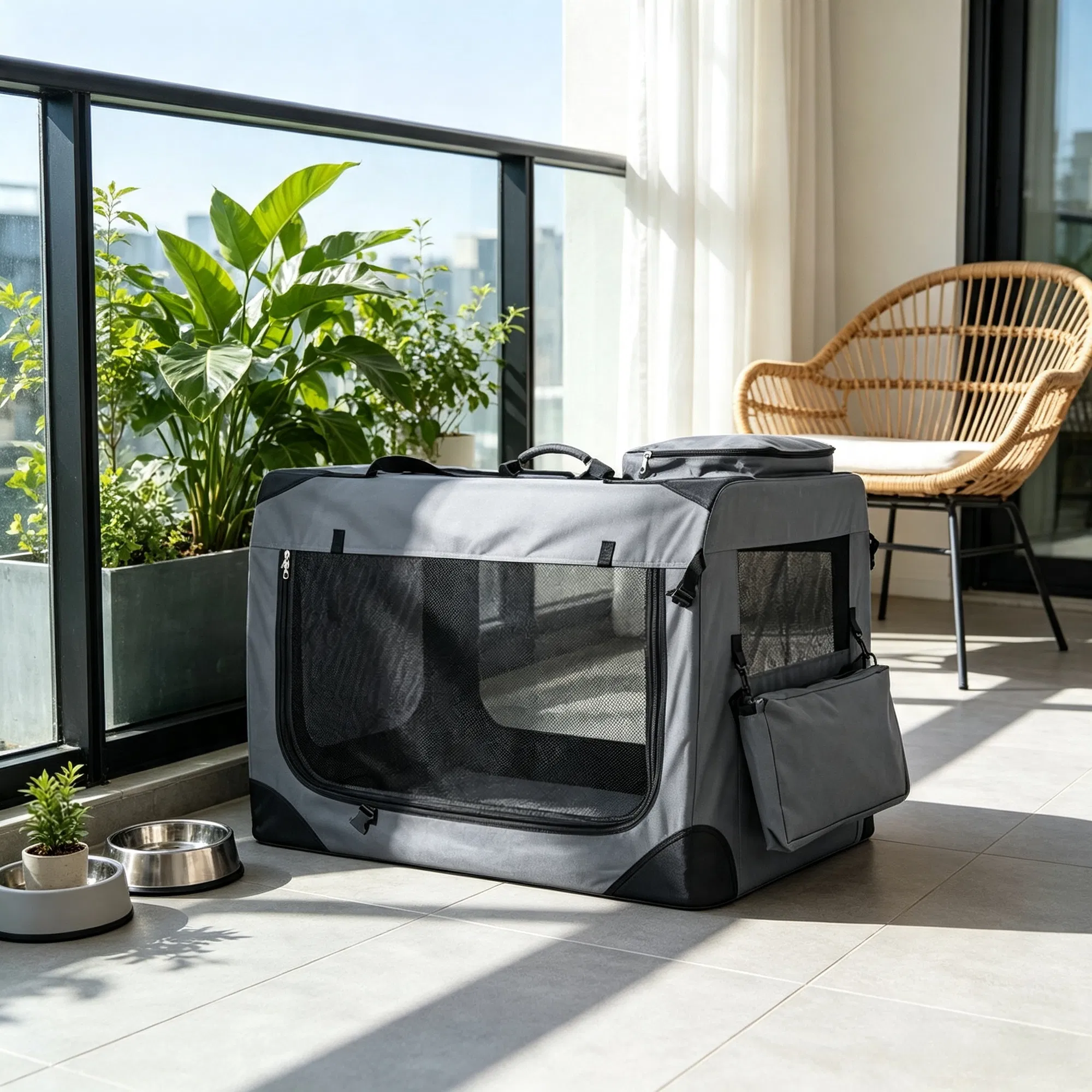
A dog travel crate needs to survive the car, the hotel room, and the trailhead without folding under a nervous chewer or a tight backseat. The biggest mistakes are buying a soft crate for a dog that will scratch through mesh, or sizing by weight alone instead of standing height and nose-to-tail length. Get the fabric denier, frame structure, and crash-test status right and the crate becomes a safe portable den rather than a disposable bag.

Buying guide image
Pet Training Gear

Cat Deterrent

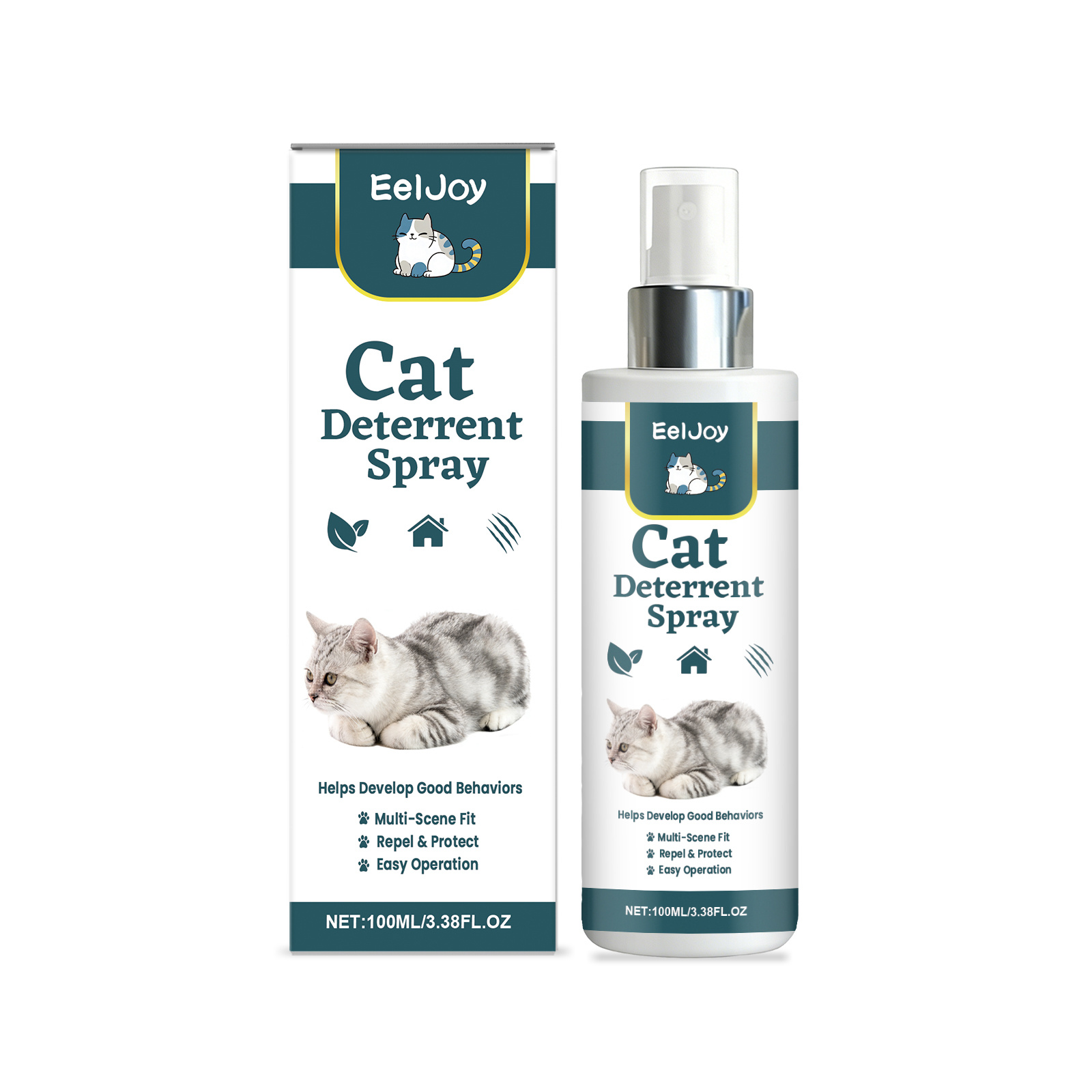
Cat deterrents are physical or sensory barriers that keep cats off counters, furniture, gardens, and beds without harming them. The core trade-off is between passive mats that rely on discomfort (texture or mild static) and active repellents (motion-triggered spray, ultrasonic, or scent) that condition avoidance through surprise. Choose a passive mat for predictable indoor zones and an active or scent-based deterrent for open outdoor areas where coverage matters more than consistency.

Buying guide image
Pet Food, Treats & Litter

Dog Litter Box

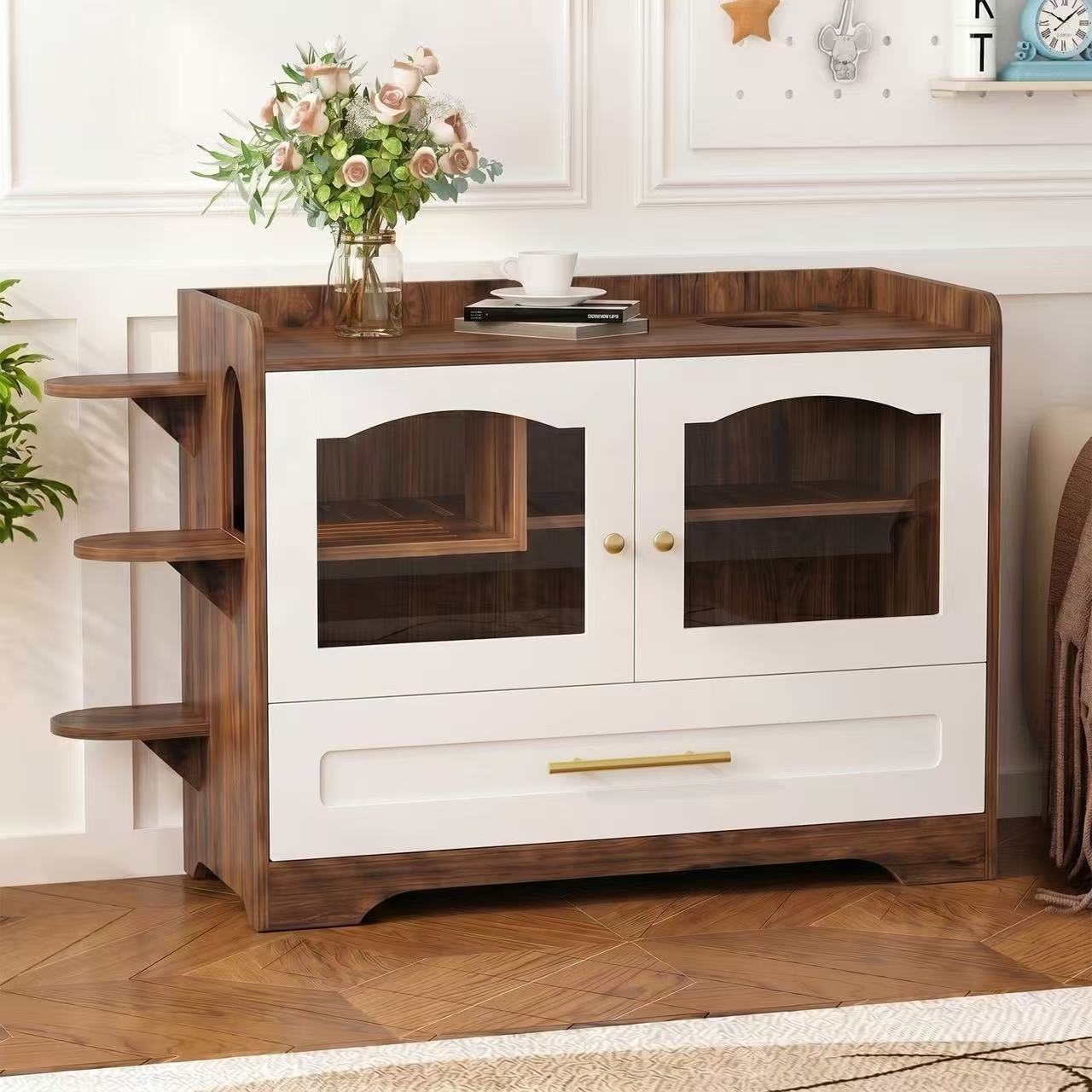
A dog litter box is an indoor elimination station sized and built to withstand a dog's digging, chewing, and body weight while remaining accessible to smaller pets. The core trade-off is between open stainless-steel pans that resist odor and scratching versus enclosed furniture-style cabinets that block dogs but add cleaning complexity and footprint. Buyers should choose a heavy-gauge stainless open box for multi-dog households or a dog-proof cabinet with a small pet door for cats that need protection from canine housemates.

Buying guide image
Pet Food, Treats & Litter

Meow Mix Cat Food

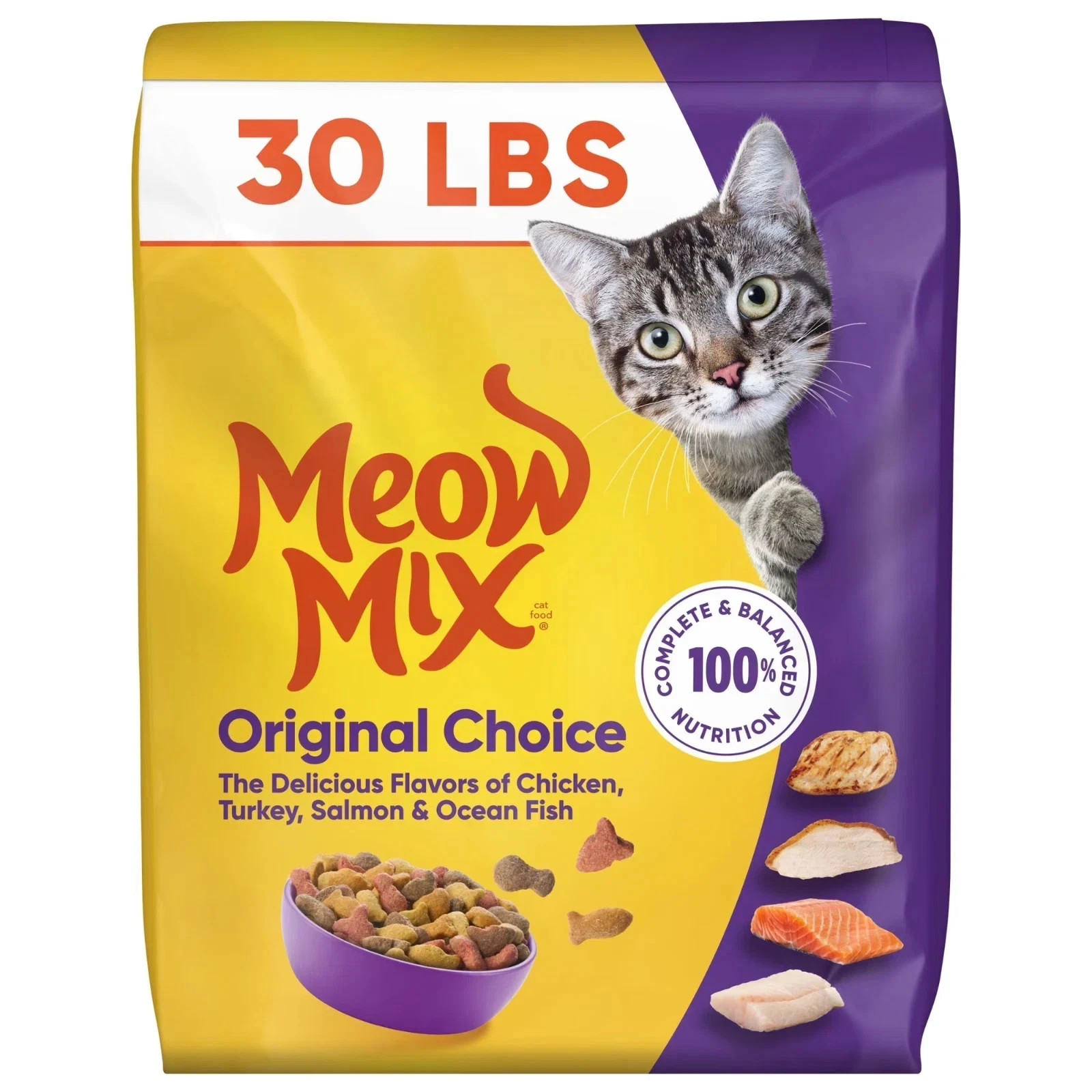
Meow Mix is a value-tier grocery cat food built on grain-heavy kibble and single-serve wet cups, with the core trade-off being low cost per calorie versus modest protein density and high carbohydrate load. Durable, species-appropriate feeding comes from picking the right format (dry staple vs wet topper) and bag size for your rotation speed, not from treating any one SKU as a complete long-term diet. The decision rule: use dry Meow Mix as a budget base only when paired with portion control and a wet or fresh protein source, and skip bulk bags if your cat cannot finish them within six weeks of opening.

Buying guide image
Pet Food, Treats & Litter

Kibble Dog Food

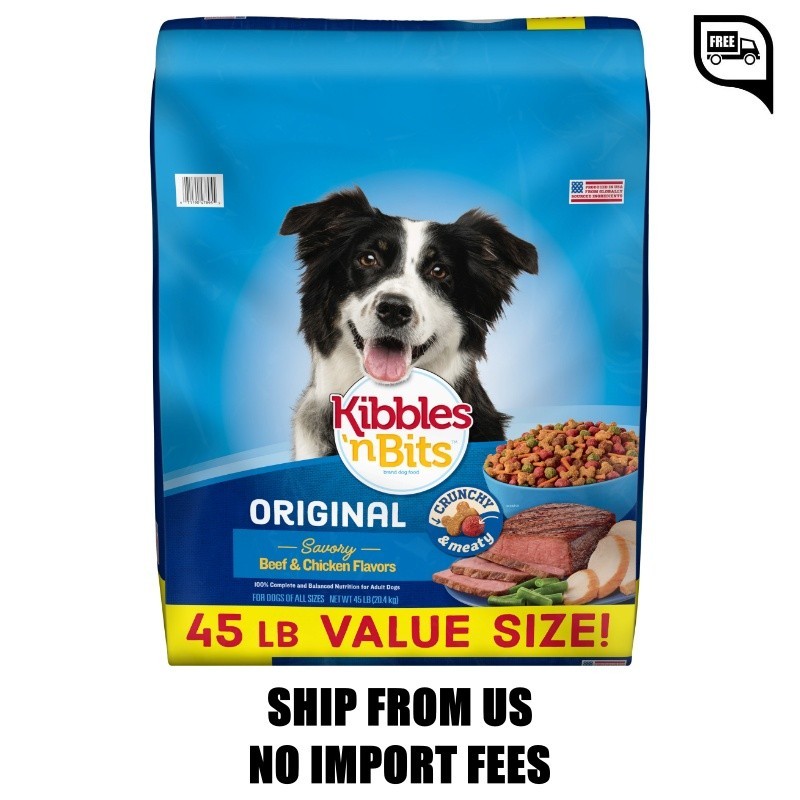
Kibble dog food is a complete-and-balanced dry diet where the primary trade-off is between cost-per-calorie and the quality of the protein and carbohydrate sources used to hit AAFCO nutrient profiles. The decision rule is simple: choose a formula whose first ingredient is a named animal protein and whose guaranteed analysis matches your dog's life stage; skip any bag that relies on vague 'meat meal' or excessive grain fillers to reach its protein number.

Buying guide image
Pet Food, Treats & Litter

Soft Dog Food

Soft dog food is wet or semi-moist food with high moisture (typically 75–82%) that delivers hydration and palatability, versus dry kibble at 10–12% moisture. The core trade-off is water content and protein source quality against cost per calorie and storage life. Choose a complete-and-balanced wet food with a named muscle meat first and AAFCO feeding validation; skip semi-moist chews and toppers marketed as food.

Buying guide image
Pet Food, Treats & Litter

Dog Proof Litter Box

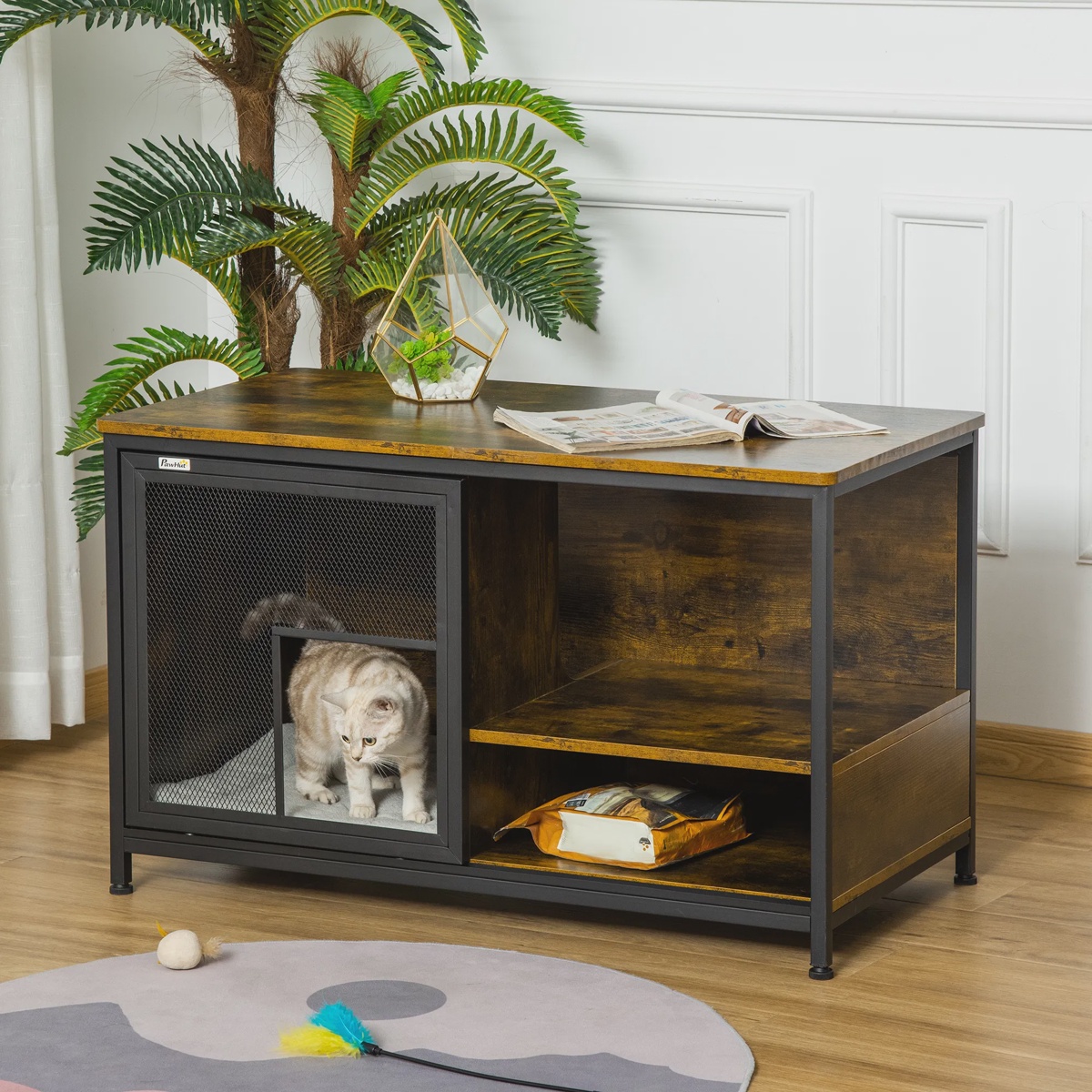
A dog-proof litter box is a cat toilet engineered with physical barriers—height, hoods, top-entry, or enclosed cabinetry—that stop dogs from raiding the litter while remaining accessible to cats. The core trade-off is barrier height and ingress complexity versus cat accessibility and airflow, since stronger dog deterrence can stress senior or large cats. Choose a solution whose barrier matches your dog's reach and your cat's jumping ability: stainless steel pans in a tall enclosure or a top-entry box for jumpers, or a locking cabinet for multi-pet homes needing concealment.

Buying guide image
Pet Food, Treats & Litter

Large Breed Dog Food

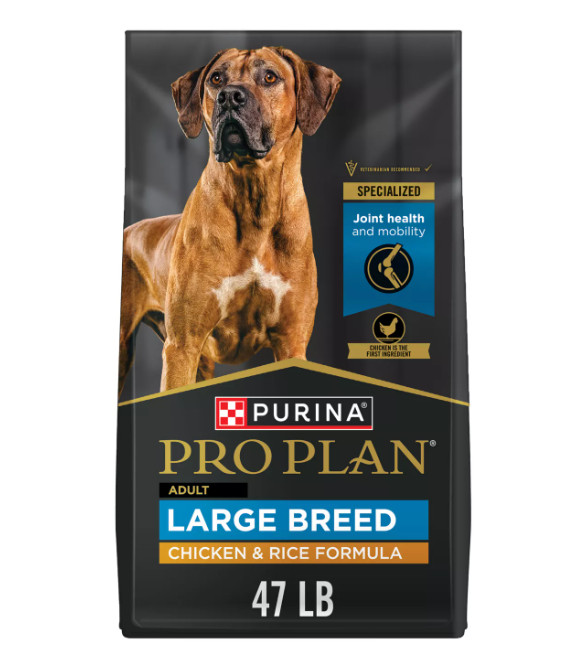
Large breed dog food is formulated for adult dogs over 50-70 lb and giant breeds, where the core trade-off is guaranteed nutrient density (protein, fat, calcium, glucosamine) versus cost per pound and kibble size. The decisive rule: pick a diet with a named meat meal first, a calcium range of 1.0-1.8% and added glucosamine/chondroitin for joint support, and skip any budget bag that lists whole-grain fillers before animal protein.

Buying guide image
Pet Beds & Cat Trees

Extra Large Dog Bed

An extra large dog bed is a support surface sized for dogs roughly 70+ lb or 26+ in nose-to-tail, where the real trade-off is foam density and cover durability versus cheap polyester fill that flattens in weeks. Buy a bed with a certiPUR-US or OEKO-TEX certified foam core, a removable water-resistant cover, and a true 40x30 in or larger footprint; skip shredded-foam 'plush' mats for heavy chewers and seniors.

Buying guide image
Pet Crates, Kennels & Playpens

Puppy Cage

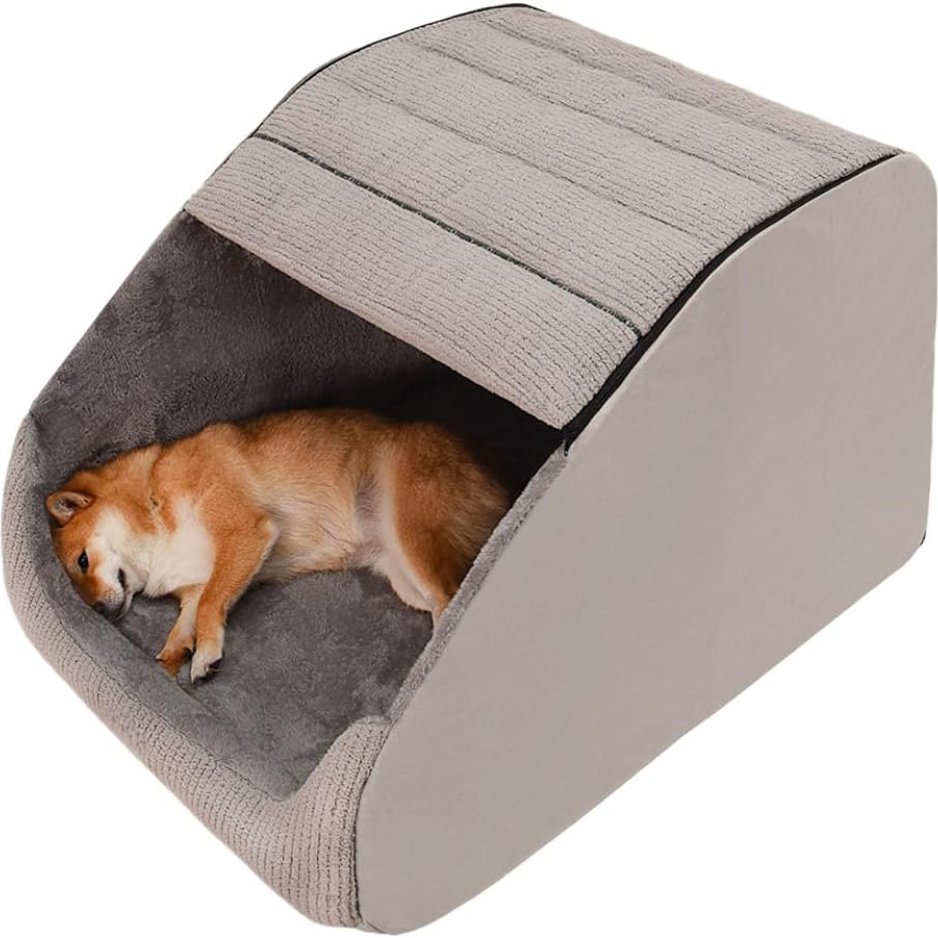
A puppy cage is a containment and training tool—wire, furniture-style, or soft-sided—whose usefulness hinges on matching interior dimensions to the puppy's adult size class and securing it against escape and chewing. The core trade-off is between ventilated wire construction (cheap, visible, but chew- and climb-vulnerable) and heavier-gauge or furniture-integrated builds (stable, discreet, but heavier and costlier). Buy by adult weight/height tier and door/latch security, not by cute styling.

Buying guide image
Pet Bowls & Feeders

Elevated Cat Bowl

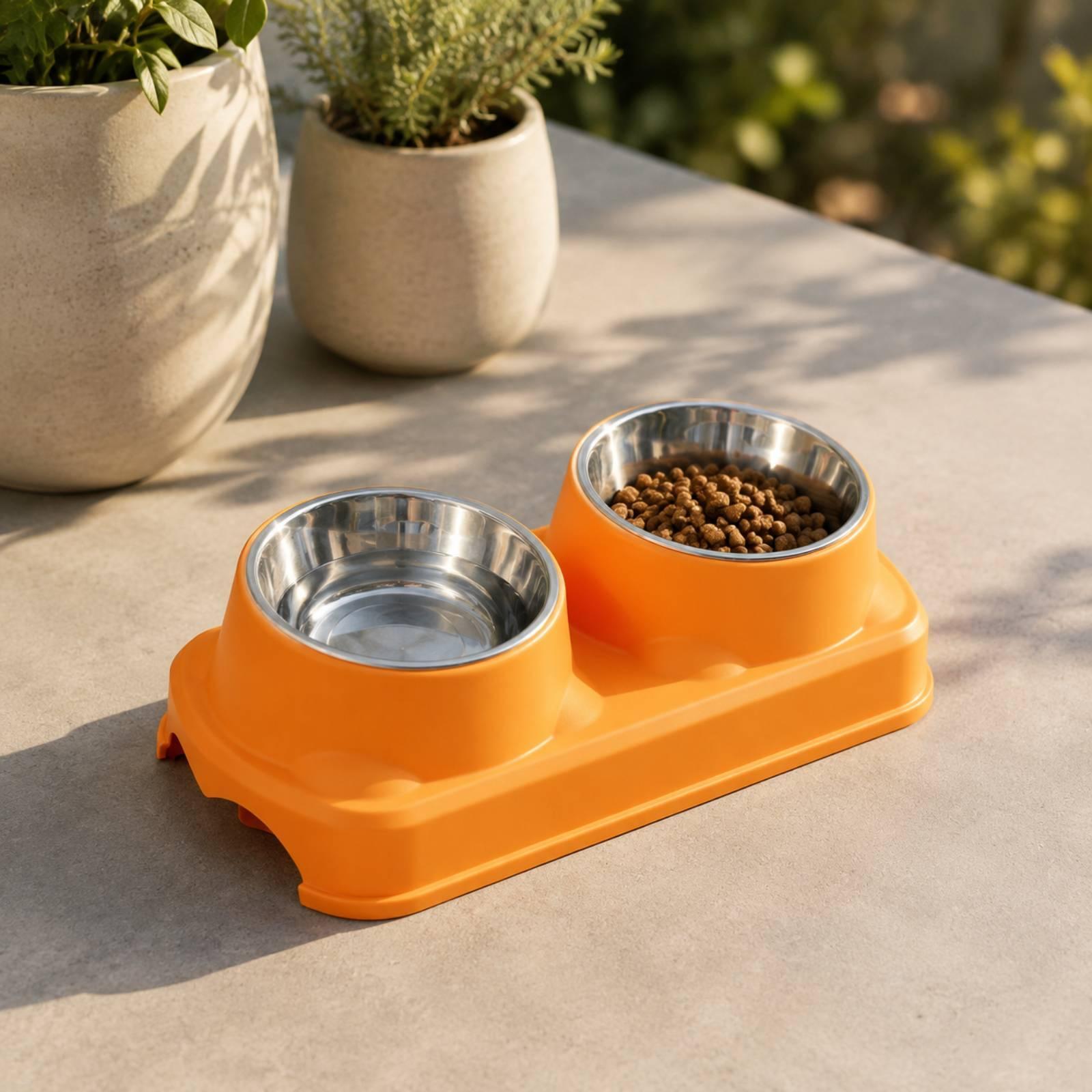
Elevated cat bowls raise food and water to a height that reduces neck strain and improves digestion for cats, especially seniors or those with arthritis. The main trade-off is between adjustability and stability: fixed-height bowls are sturdy but fit only one cat size, while tilted or adjustable stands ease reach but can wobble or spill if the base is too light. Choose a stand whose bowl rim sits roughly at chest height for your cat, with a wide non-slip base and dishwasher-safe bowls, and skip ultra-light decorative risers that slide or tip.

You may also like

Finding more guides for you…