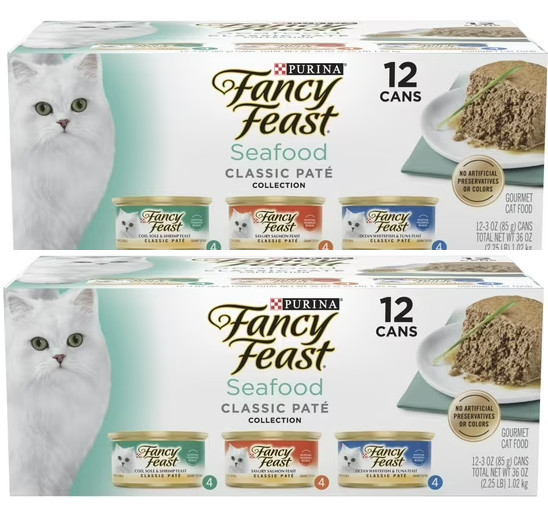

Photos from current listings. Actual item, color, and included accessories may vary.
Grain Free Cat Food Buying Guide
Grain-free cat food replaces cereal grains with animal proteins, legumes, or tubers, but the real quality divide is between high-protein wet pâtés and starch-heavy dry kibble that simply swaps grain for peas or potatoes. Choose grain-free canned pâté as a moisture-rich, low-carb base or complement, and treat grain-free dry food as a convenience option only when its protein source leads and carb load stays moderate.
Median $18.21
Key takeaways
- Wet pâté is naturally high-moisture (about 75-80% water), supporting urinary and kidney health better than dry kibble at 6-10% moisture.
- Grain-free does not mean carb-free: peas, chickpeas, lentils, and potatoes often replace grain and can push dry formulas above 30% carbohydrate.
- Named animal protein (chicken, turkey, salmon, tuna) should lead the ingredient list; 'meat by-products' and 'animal digest' signal lower-grade sourcing.
At a glance
- Category
- Pet Food, Treats & Litter
- Last updated
- Nov 28, 2026
Current offers
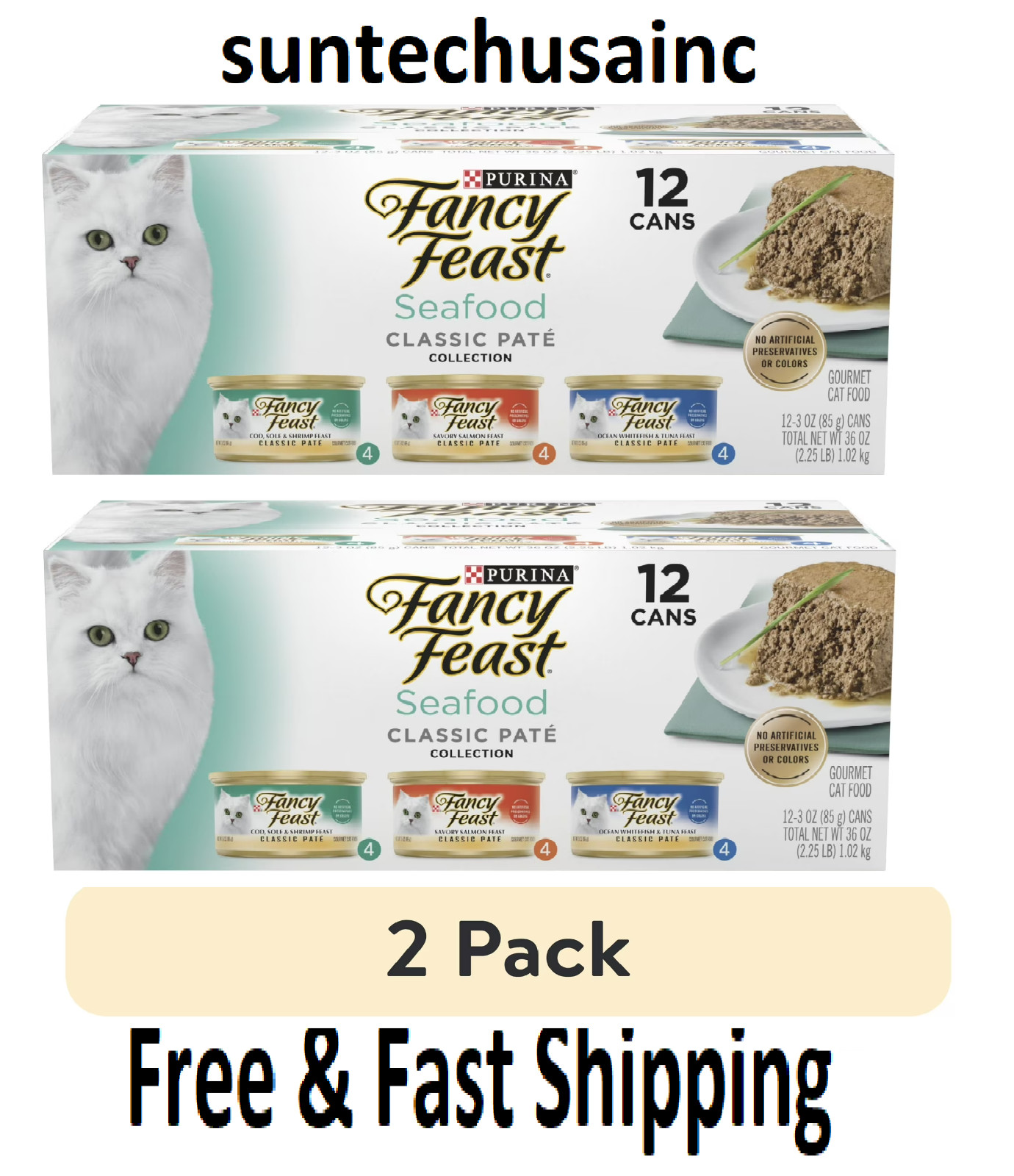
Highlights
- Wet pâté is naturally high-moisture (about 75-80% water), supporting urinary and kidney health better than dry kibble at 6-10% moisture.
- Grain-free does not mean carb-free: peas, chickpeas, lentils, and potatoes often replace grain and can push dry formulas above 30% carbohydrate.
- Named animal protein (chicken, turkey, salmon, tuna) should lead the ingredient list; 'meat by-products' and 'animal digest' signal lower-grade sourcing.
- Complete-and-balanced labeling per AAFCO nutrient profiles is the baseline; grain-free is a marketing claim, not a nutritional standard.
Best use cases
- Best fit: single-cat households feeding twice daily — pick 3 oz pâté cans for portion control and minimal leftovers.
- Best fit: cats with grain sensitivities or itchy skin — choose limited-ingredient grain-free pâté with one named protein and no corn, wheat, or soy.
- Wrong fit: budget multi-cat homes relying on free-feeding — grain-free dry kibble is cheaper per calorie but higher in starch; use wet as a topper instead.
- Wrong fit: cats with urinary or kidney issues — do not self-select grain-free; prescription moisture and mineral profiles matter more than grain content.
Buying tips
- Feed roughly 1 oz of wet food per pound of body weight daily; a 10 lb cat needs about two to three 3 oz cans, so buy variety packs sized to that math.
- For dry grain-free food, reject formulas where peas, potatoes, or lentils appear in the first three ingredients — that signals carbohydrate padding.
- Transition over 7-10 days by mixing 25% new food with 75% old, stepping up every two to three days to avoid digestive upset.
- Rotate proteins (poultry, fish, novel proteins like venison or duck) across weeks to reduce allergy risk and improve nutrient breadth.
Specs
| Food Form | Wet pâté / Dry kibble / Pouches |
|---|---|
| Moisture Content | Wet 75-80% / Dry 6-10% |
| Protein Source | Named animal first / By-product free |
| Can Size | 3 oz single meal / 5.5 oz multi-cat |
Related searches
What to check before buying
- Confirm the label states 'complete and balanced' for your cat's life stage (growth, adult maintenance, or all life stages).
- Match can size to your cat's daily intake: 3 oz for one cat per meal, 5.5 oz for multi-cat or two-meal portions.
- Check guaranteed analysis: wet food should show roughly 9-12% crude protein and 5-8% fat on an as-fed basis.
- For dry grain-free, verify taurine is added — grain-free legume-heavy diets have been linked to taurine deficiency and heart risk.
FAQ
Data sources: eBay / Amazon listings and product attribute feeds. Updated Nov 28, 2026.
Some links on this page are affiliate links. If you buy after clicking one, we may earn a commission at no extra cost to you. This does not change which products appear here or their order. Affiliate disclosure.