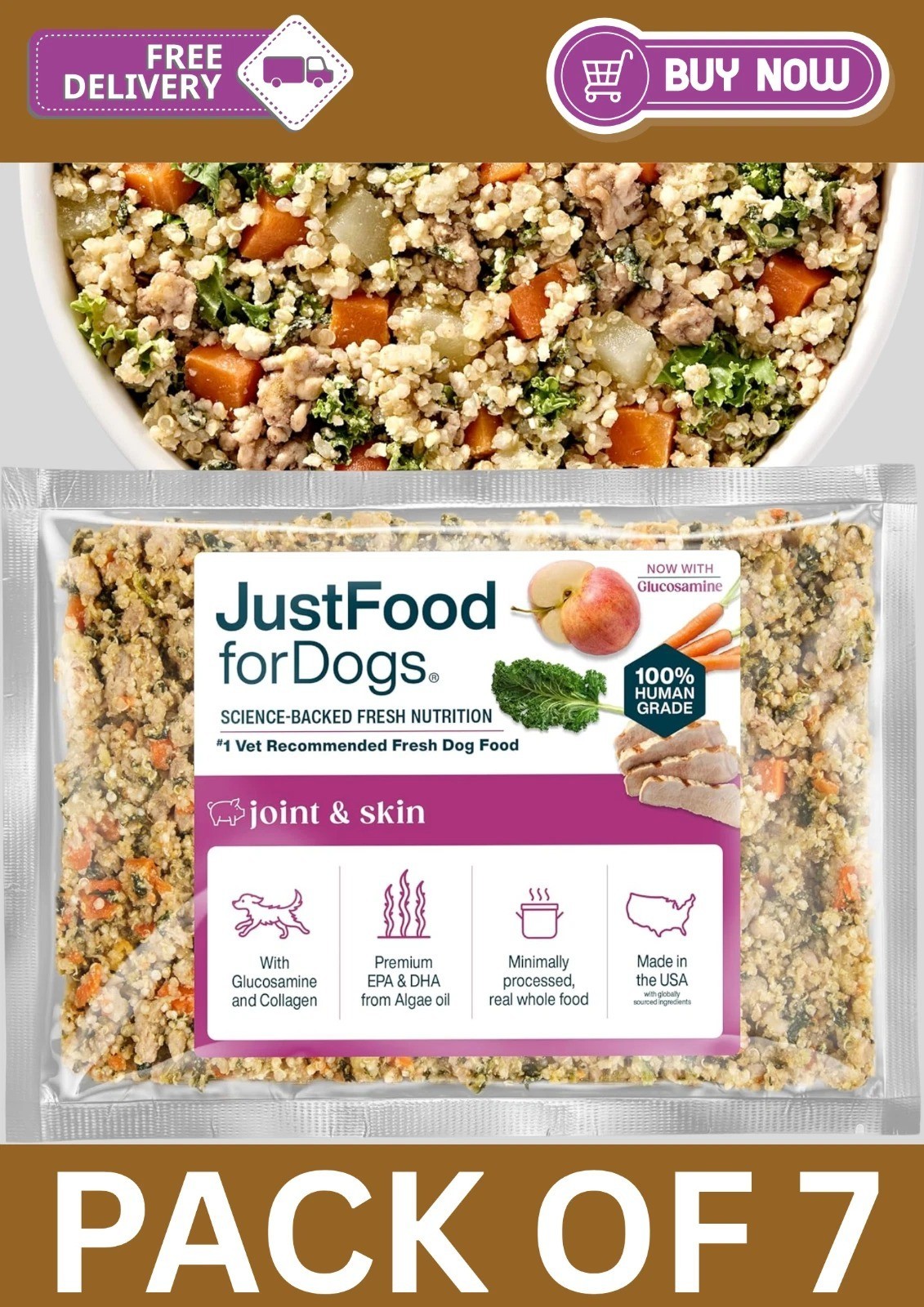

Photos from current listings. Actual item, color, and included accessories may vary.
Dog Food Dog With Allergies Buying Guide
Hypoallergenic dog food is a diagnostic and management tool for dogs with confirmed or suspected cutaneous adverse food reactions, not a generic "sensitive stomach" upgrade. The core trade-off is between limited-ingredient novel-protein diets and hydrolyzed-protein diets: limited-ingredient works only if the protein and carbohydrate are truly novel and the facility avoids cross-contamination, while hydrolyzed diets break proteins below the immune-recognition threshold but cost more and vary by degree of hydrolysis. The decision rule: choose hydrolyzed for confirmed food allergy or elimination-trial failure, choose limited-ingredient novel-protein only when the protein is genuinely new to the dog and the label certifies single-animal-protein sourcing.
Key takeaways
- Hydrolyzed diets split proteins into peptides small enough to evade IgE recognition; degree of hydrolysis and molecular weight cutoff determine whether the diet works for true food allergy versus merely being "gentle."
- Limited-ingredient diets fail when the "novel" protein cross-reacts with prior exposure or when shared manufacturing lines introduce trace allergens; single-protein, single-carbohydrate formulas with facility allergen controls are the only reliable tier.
- Grain-free is not hypoallergenic: most dog food allergies target animal proteins (beef, chicken, dairy, wheat), so a grain-free chicken formula does nothing for a chicken-allergic dog.
At a glance
- Category
- Pet Food, Treats & Litter
- Last updated
- Nov 28, 2026
Current offers
Highlights
- Hydrolyzed diets split proteins into peptides small enough to evade IgE recognition; degree of hydrolysis and molecular weight cutoff determine whether the diet works for true food allergy versus merely being "gentle."
- Limited-ingredient diets fail when the "novel" protein cross-reacts with prior exposure or when shared manufacturing lines introduce trace allergens; single-protein, single-carbohydrate formulas with facility allergen controls are the only reliable tier.
- Grain-free is not hypoallergenic: most dog food allergies target animal proteins (beef, chicken, dairy, wheat), so a grain-free chicken formula does nothing for a chicken-allergic dog.
- Elimination trials require 8-12 weeks of strict single-diet feeding with no treats, table scraps, flavored medications, or chews; a diet that is not complete and balanced for the trial duration risks nutritional deficiency.
Best use cases
- Best fit: hydrolyzed-protein dry or wet diet for a dog with confirmed food allergy, chronic ear/skin infections, or failed elimination trial on limited-ingredient food — skip novel-protein diets that share the same protein family.
- Best fit: limited-ingredient novel-protein (venison, rabbit, kangaroo, insect) for a dog with mild suspected sensitivity and no prior exposure to that protein — avoid "novel" labels that list chicken fat or poultry by-product as a secondary ingredient.
- Wrong fit: grain-free boutique diets marketed as allergy food for a dog whose allergy is environmental (seasonal paw licking, no GI signs) — those need allergy testing and environmental control, not diet switching.
- Wrong fit: homemade or raw elimination diets without veterinary nutritionist formulation — these are the most common cause of trial failure and nutritional imbalance in allergy-prone dogs.
Buying tips
- Verify the protein source is single and named first on the ingredient panel (e.g., "venison" not "meat" or "poultry"); chicken fat, fish oil, and "natural flavor" can carry trace protein and break an elimination trial.
- For hydrolyzed diets, confirm the label states "hydrolyzed" with a protein source (e.g., hydrolyzed chicken liver, hydrolyzed soy) and that the diet is complete and balanced per AAFCO for the dog's life stage — many hydrolyzed products are therapeutic-only and require veterinary authorization.
- Cross-check that the formula's carbohydrate is also novel (pea, potato, or rice rather than wheat or corn) and that the manufacturer runs dedicated allergen-free lines; shared lines with wheat or chicken are a documented contamination risk.
- Match bag size to trial length: an 8-12 week elimination trial for a 20 kg dog at typical feeding volumes requires multiple bags, so choose a single lot number and transition nothing else during the trial.
Specs
| Diet Type | Hydrolyzed vs Limited-Ingredient |
|---|---|
| Protein Novelty | Single novel animal protein |
| AAFCO Statement | Complete & balanced / therapeutic |
| Trial Duration | 8-12 weeks strict single diet |
Related searches
What to check before buying
- Confirm your dog's current food, treats, and chews contain no chicken, beef, dairy, wheat, or soy if any of those are suspected allergens — the trial fails if even one flavored dental chew contains the target protein.
- Measure your dog's weight and body condition score before starting; elimination-trial portions must maintain weight, and underfeeding confounds skin/GI response assessment.
- Verify the diet's AAFCO nutritional adequacy statement covers "all life stages" or "adult maintenance" as appropriate, and that it is not labeled "for intermittent or supplemental feeding only."
- Check your freezer and pantry for the trial duration: buy the same lot of the same formula for 8-12 weeks and remove all other foods, rawhides, pig ears, and flavored medications from the house.
FAQ
Data sources: eBay / Amazon listings and product attribute feeds. Updated Nov 28, 2026.
Some links on this page are affiliate links. If you buy after clicking one, we may earn a commission at no extra cost to you. This does not change which products appear here or their order. Affiliate disclosure.