Pet Gear Picks

Pet Gear Picks

Pet Gear Reviews & Buying Guides

Compare pet gear by use case, features, trade-offs, price, returns, and seller terms before you buy.

Buying guides

Buying guide image
Pet Beds & Cat Trees

Cat Bed With Heating Pad

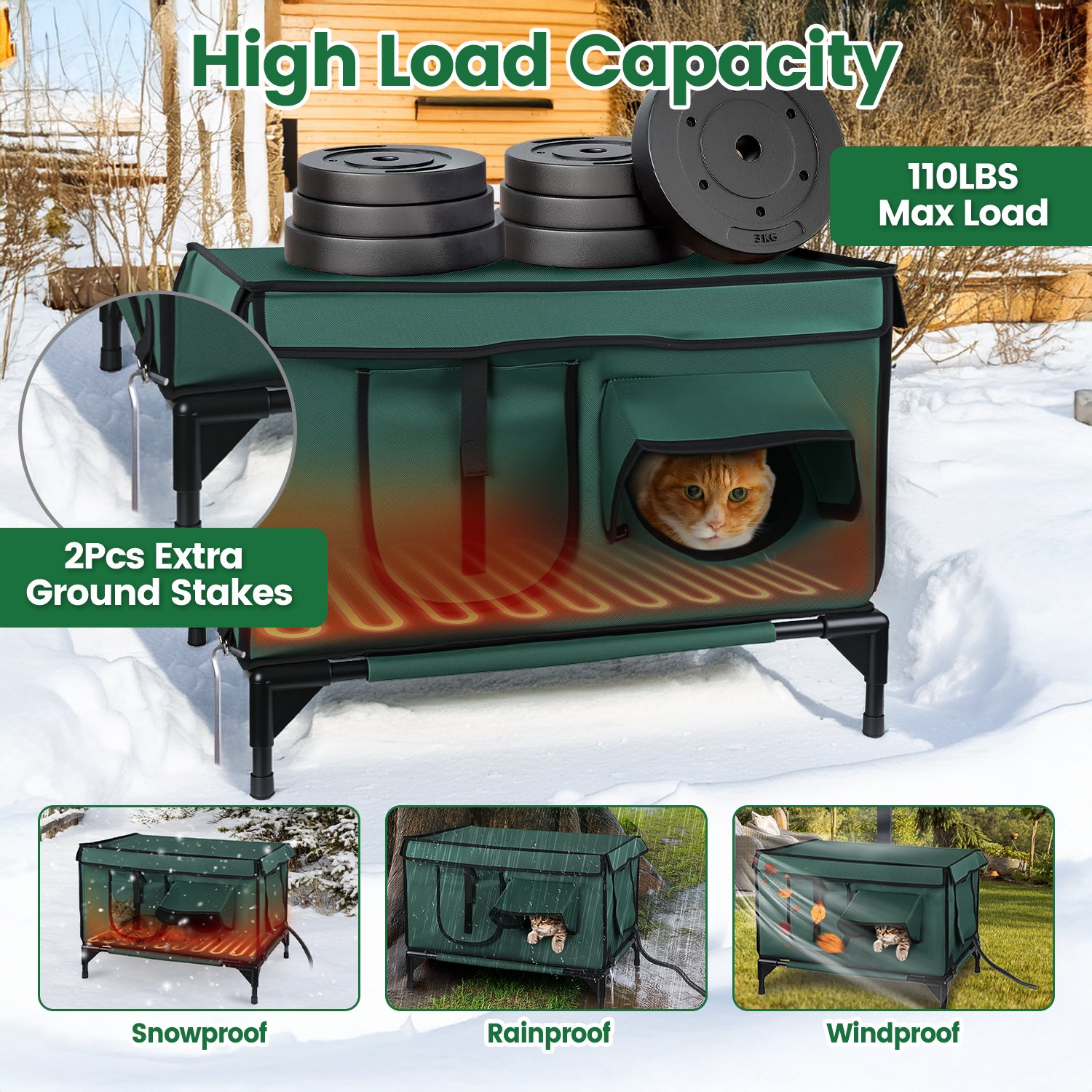
A cat bed with heating pad combines a powered heat source with a resting enclosure, and the deciding trade-off is whether the bed is an indoor-only comfort pad or a weatherproof outdoor shelter with insulated walls. Durable options use removable, chew-resistant covers, thermostat or self-regulating heat, and a defined wattage; compromises are thin fabric shells and unregulated pads with exposed cords.
Buying guide image
Pet Apparel & Accessories

Small Dog Sweater

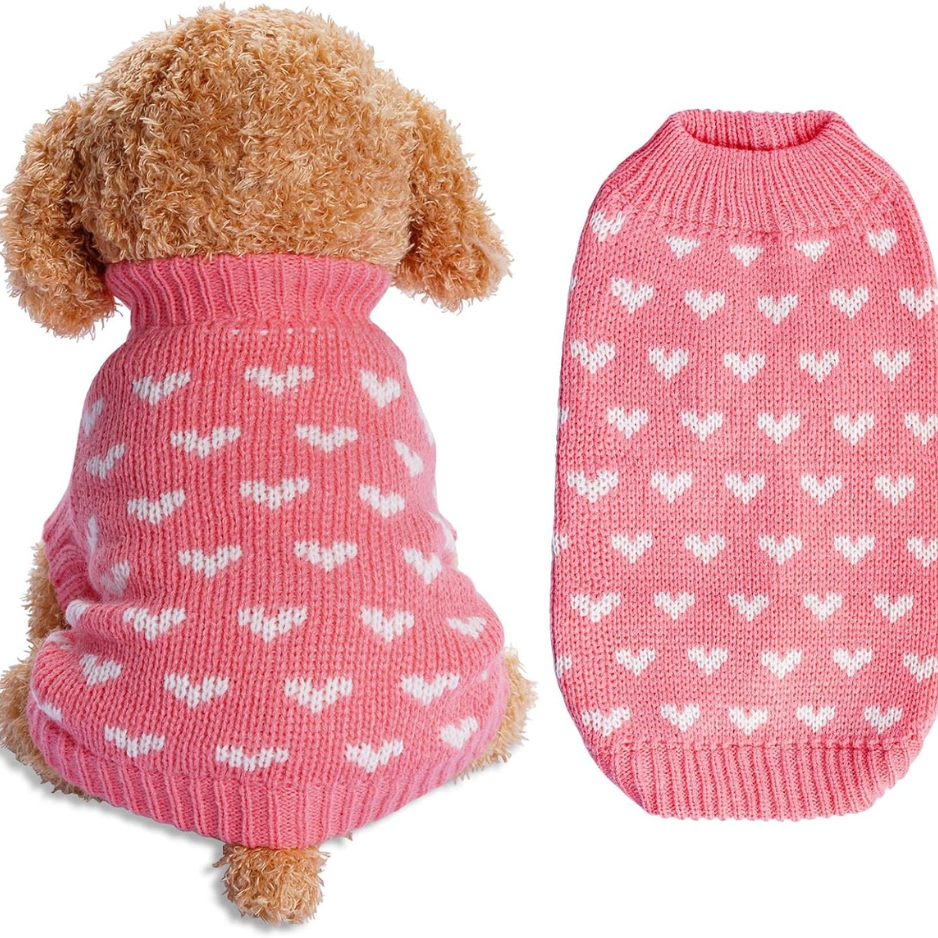
Small dog sweaters are knit or fleece garments sized to a dog's chest girth and back length, where the real trade-off is between stretch-accommodating knits and structured wovens that restrict shoulder movement. The decision rule is simple: buy to measured chest girth plus 2 inches of ease, choose knit ribbing at the neck and leg openings over straight-cut hems, and skip any sweater that lists only weight ranges instead of girth and length.

Buying guide image
Pet Food, Treats & Litter

Large Litter Box With High Side

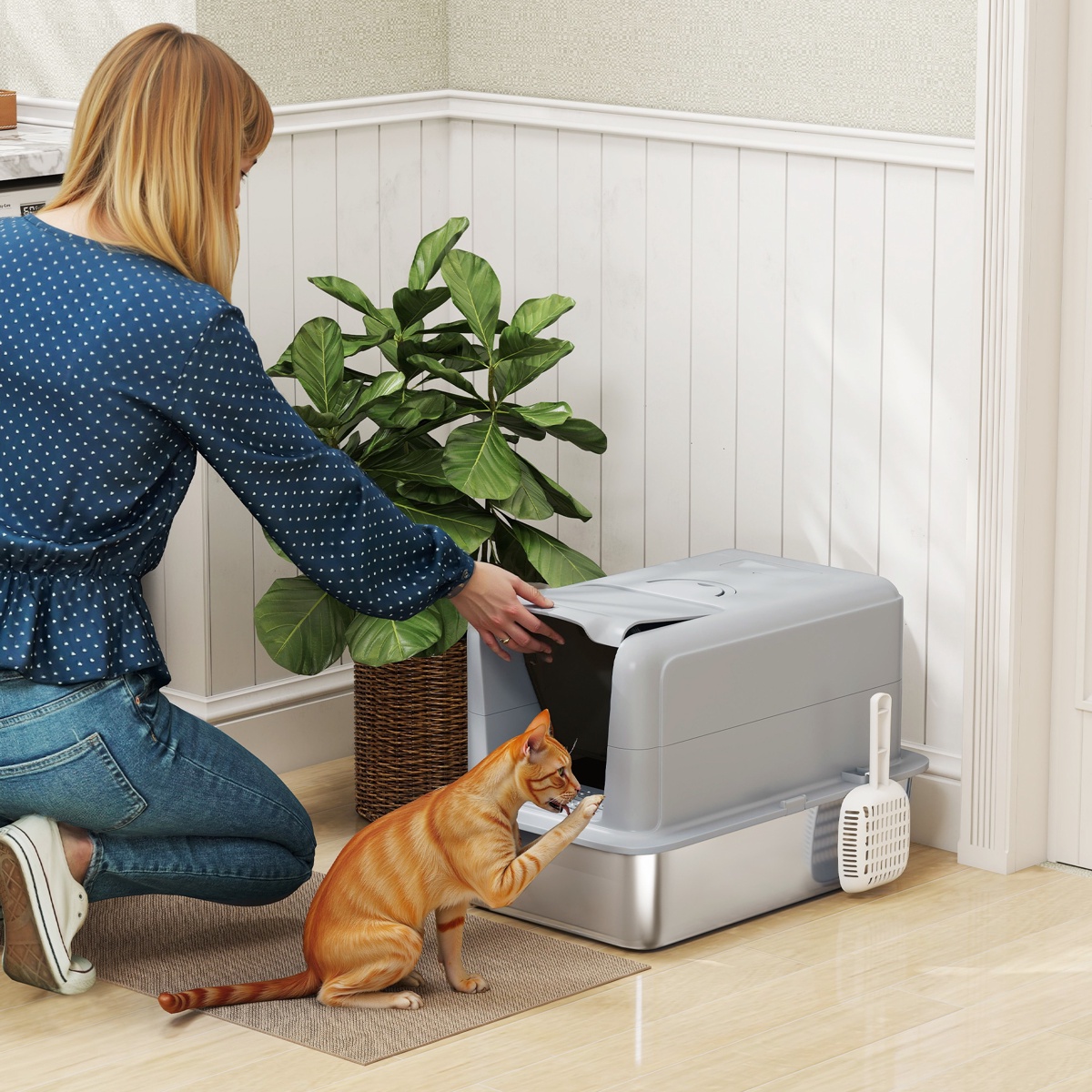
A large litter box with high sides is an oversized, deep-walled enclosure for cats that stand to urinate, kick litter aggressively, or are simply too big for standard pans. The core trade-off is between wall height, entry clearance, and usable floor area: taller sides stop spray and scatter but can block arthritic or short-legged cats, while extra-large footprints demand more floor space and deeper litter fill. Choose a box with at least 6-inch walls for sprayers, a low-entry cutout for seniors, and a base footprint that is at least 1.5 times your cat's body length; skip shallow, narrow pans that force the cat to hang over the edge.

Buying guide image
Pet Food, Treats & Litter

Small Litter Box With Lid

A small litter box with lid is an enclosed or hooded litter pan sized for tight spaces, kittens, or single-cat households. The key trade-off is between odor/ scatter containment and interior volume: too small an enclosure traps smells and forces cats to soil the walls, while flimsy lids crack and leak. Choose a box where the cat can turn around fully (at least 1.5× body length) and the lid latches with a high-sided base; skip open pans or low-profile hoods if odor and tracking are your main problems.

Buying guide image
Bird & Small Animal Supplies

Small Animal Enclosure

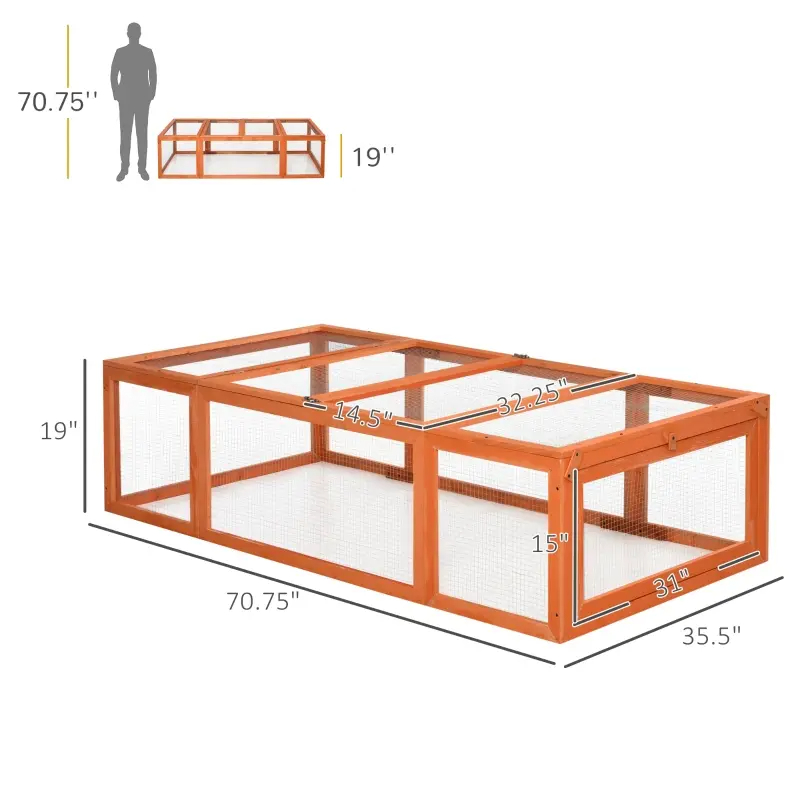
Small animal enclosures range from indoor glass/acrylic habitats to outdoor wooden hutches and modular metal playpens, and the core trade-off is species-appropriate floor area versus chew resistance and climate protection. Durable options use 1/2-inch wire spacing or solid chew-proof panels with escape-proof latches; compromises skimp on bar spacing or untreated softwood that a determined rodent will breach.

Buying guide image
Bird & Small Animal Supplies

Wooden Bird Toy

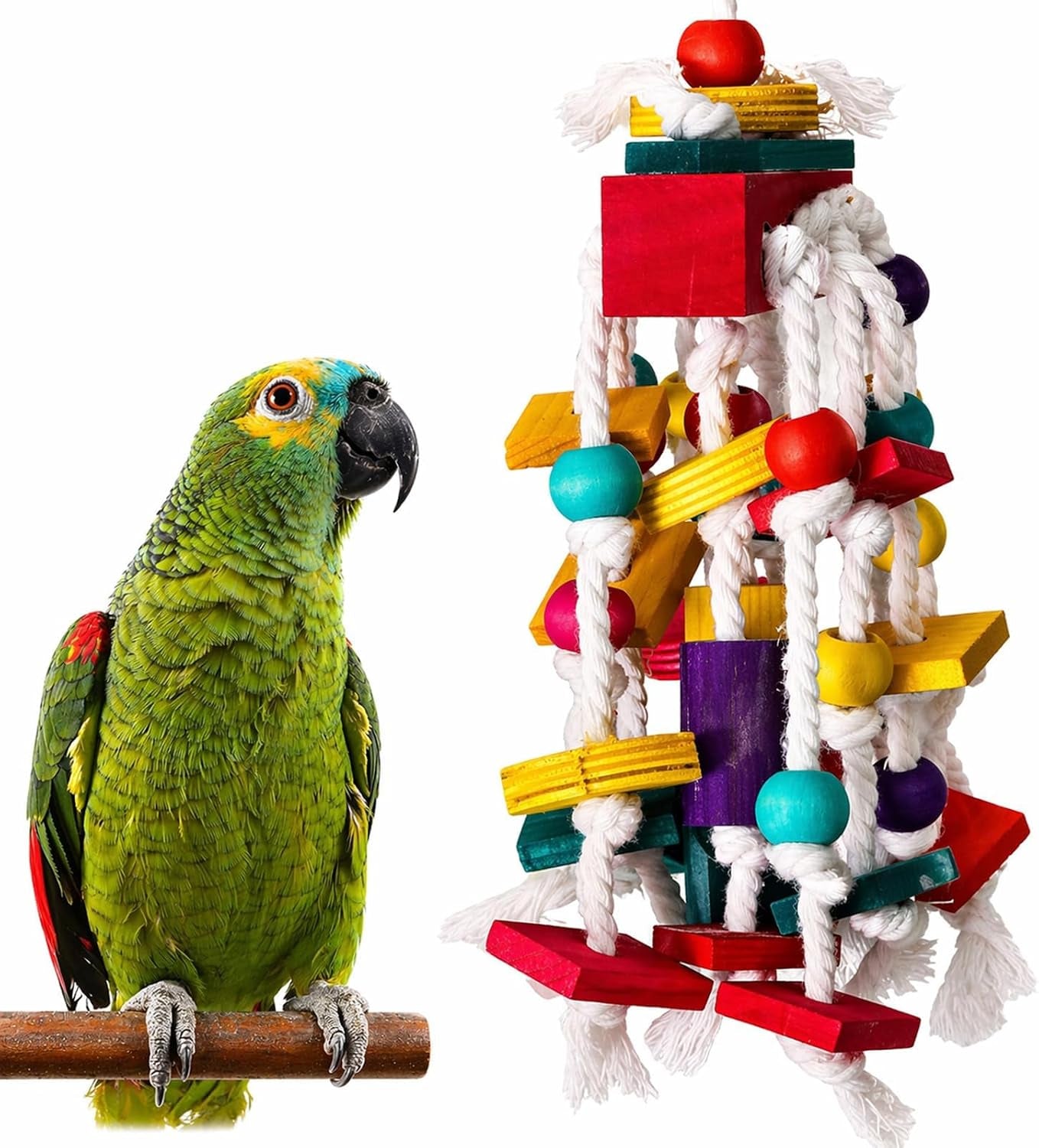
Wooden bird toys are chew-and-forage enrichment objects for parrots and small hookbills, where the key trade-off is between soft, quickly destroyed woods that satisfy natural chewing and harder, longer-lasting timbers that resist destruction but may discourage play. The decisive rule: match wood hardness to your bird's beak strength and always verify non-toxic species, undyed vegetable-tanned leather, and bird-safe metal hardware before purchase.

Buying guide image
Reptile Enclosures & Terrariums

Bearded Dragon Terrarium

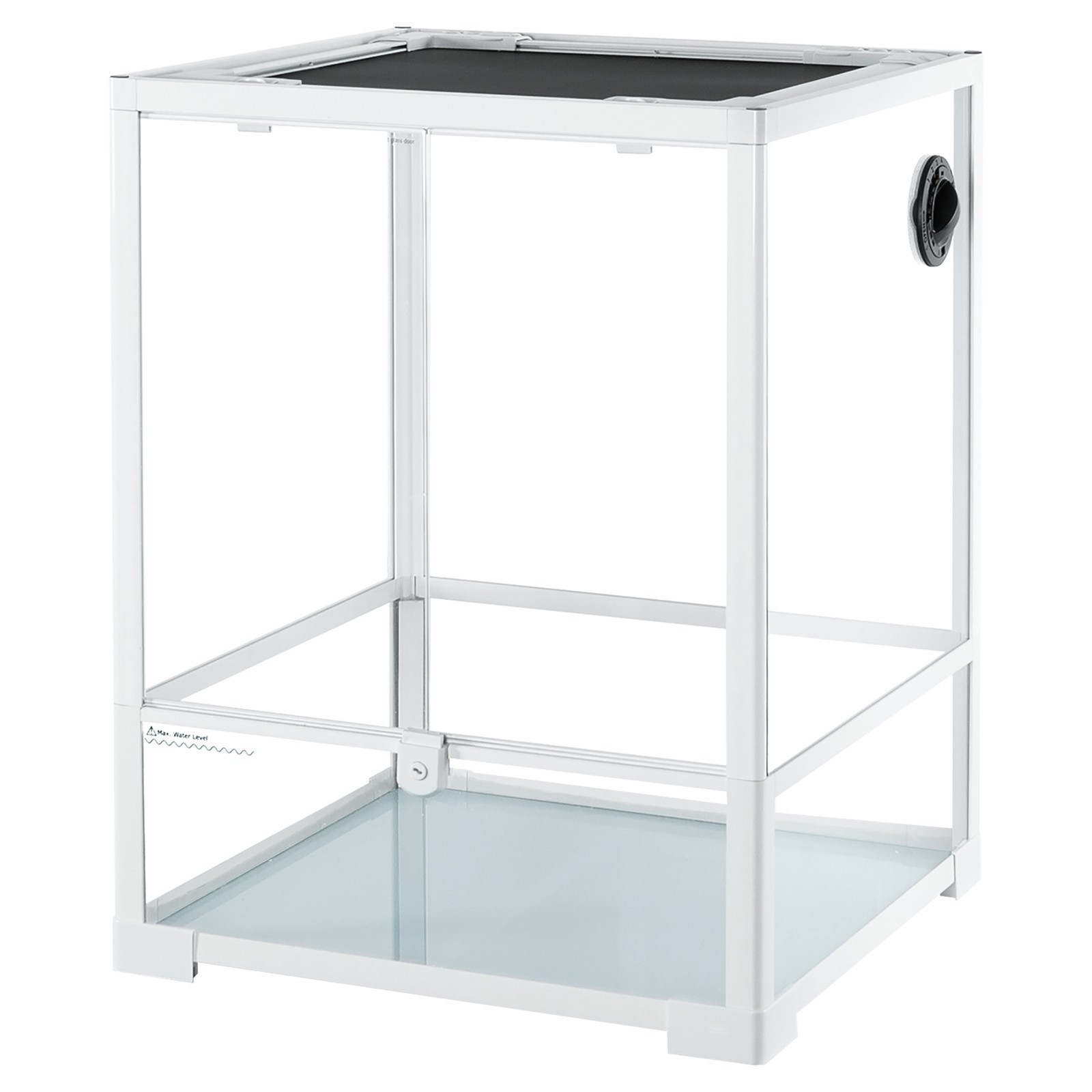
A bearded dragon terrarium is a desert-species enclosure sized to provide a strict thermal gradient, UVB exposure, and floor area for a highly active, semi-arboreal lizard. The core trade-off is between glass tanks that hold heat poorly and PVC enclosures that insulate well but require careful vent placement and front-access design. The decision rule: buy by adult floor dimensions and heat-retention material first—anything under 4x2 ft of floor space or with a mesh top that bleeds humidity and heat is a juvenile stopgap, not a durable adult habitat.

Buying guide image
Pet Crates, Kennels & Playpens

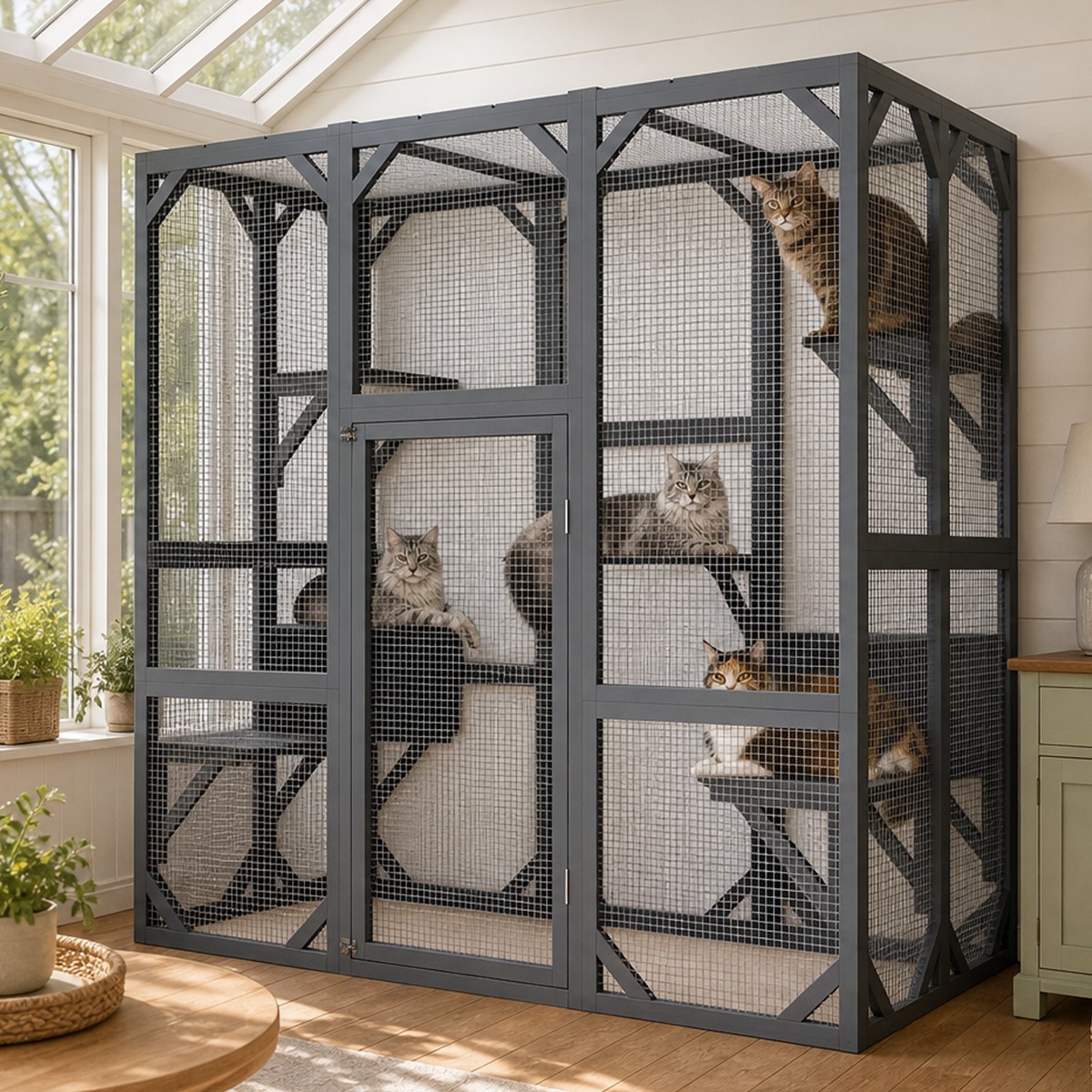
Indoor Outdoor Cat Enclosure

An indoor/outdoor cat enclosure solves the two biggest cat-keeping problems at once: destroying your home or escaping outside. The critical choices are fixed vs. portable architecture, metal mesh vs. wooden frame, and whether the unit is tall walk-in or low playpen format. Buyers often pick a pretty tent that cannot survive wind or a wooden catio too heavy to move — decide the location first, then the build.

Buying guide image
Aquarium Filters & Pumps

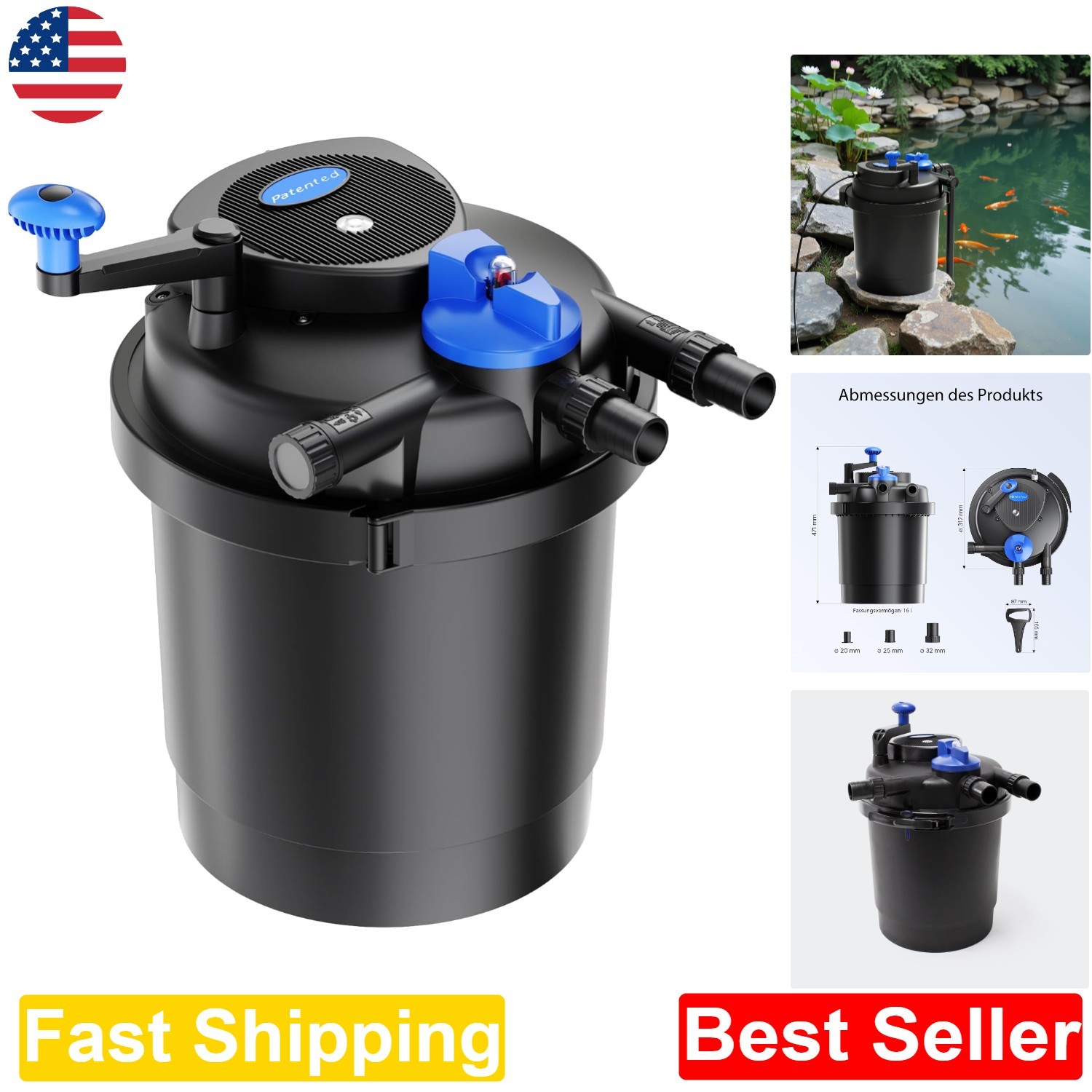
Pond Filter

Pond filters remove suspended solids and process ammonia via biological media, and the core trade-off is pressurized canister convenience versus open gravity systems. Pressurized units tolerate buried or below-grade plumbing and allow pump-fed installation, while gravity units need a higher elevation and larger footprint. Choose a filter rated for at least 1.5x your pond's true volume and match UV wattage to volume; skipping either guarantees green water or pump burnout.

Buying guide image
Aquarium Tanks & Stands

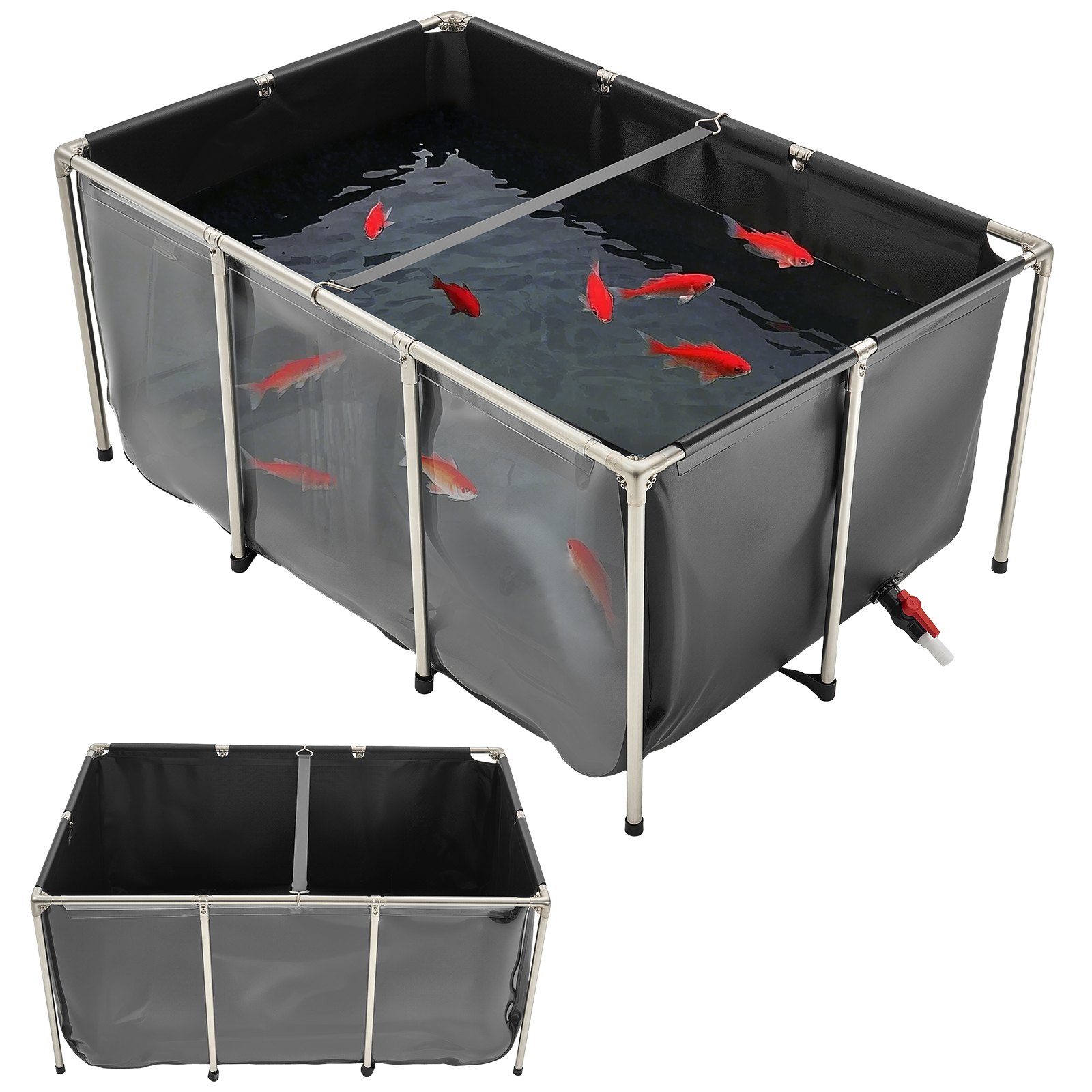
Koi Tank

A koi tank is a high-volume, high-bioload aquatic system — either a rigid indoor aquarium or an above-ground canvas/PVC pond — built to handle the waste output and growth curve of koi, which reach 24-36 inches and require far more water than tropical fish. The core trade-off is water volume and filtration surface versus footprint and structural support: koi need 250+ gallons for the first fish and 100+ gallons per additional koi, so small glass tanks and decorative bowls are non-starters. The decision rule is simple: buy the largest volume your floor/frame can structurally support with a filtration turnover of at least 2x the tank volume per hour, or skip koi entirely.

Buying guide image
Pet Crates, Kennels & Playpens

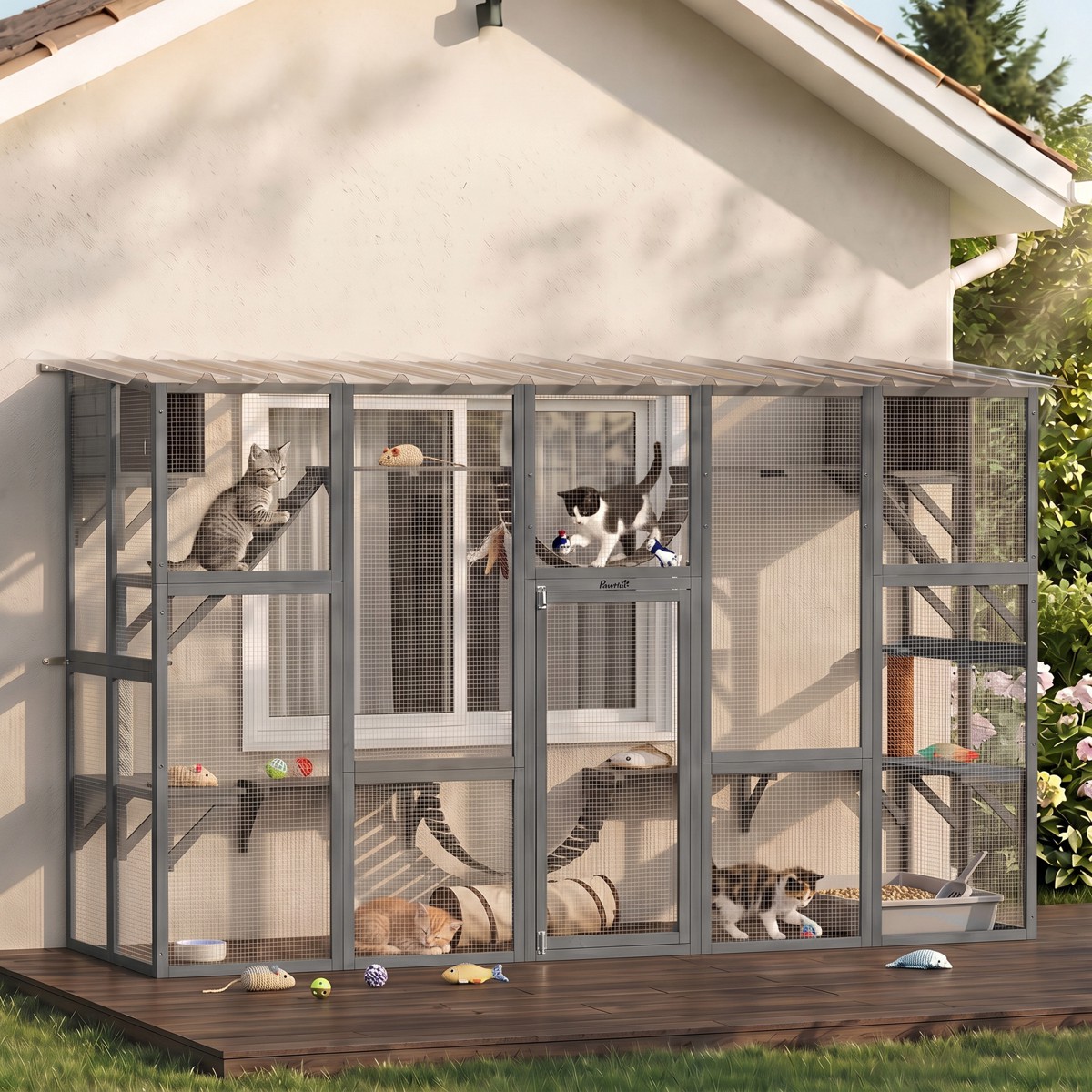
Large Catio Enclosure

A large catio enclosure is an outdoor cat run that connects to a window or door, giving indoor cats safe, ventilated outdoor access without free-roaming risk. Buyers most often misjudge three things: walk-in headroom versus platform space, whether the frame is wood or metal, and whether the window-connection kit is included or a separate purchase. Size the footprint to your wall and window first — the enclosure's exterior dimensions must clear the opening swing and overhang.

Buying guide image
Pet Training Gear

Pet Training Mat

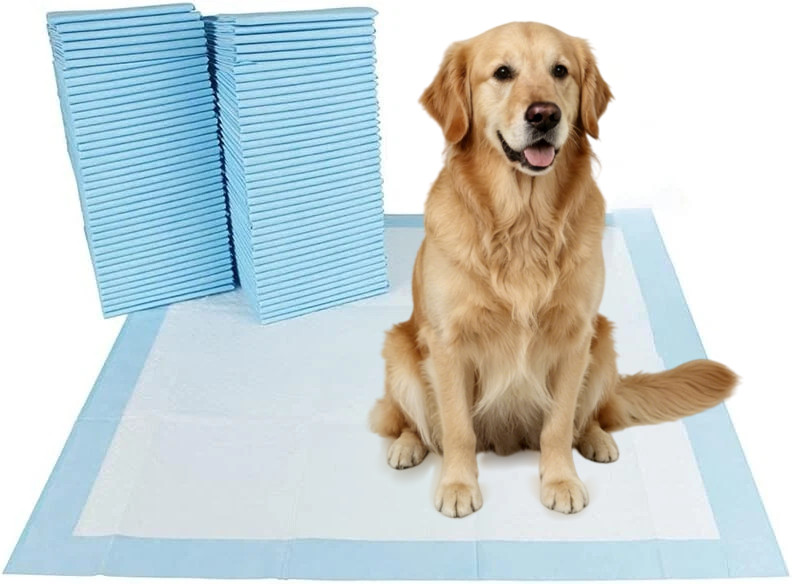
Pet training mats split into two distinct architectures: disposable absorbent pads (cellulose pulp + SAP gel) for puppy housebreaking, and reusable systems (washable fabric pads or artificial turf trays) for long-term potty stations. The primary trade-off is absorbency-per-use versus upfront durability and odor control. Buy disposable pads if you are in the intensive 8–16 week housebreaking window; buy reusable fabric or turf systems only if you will commit to a wash or rinse schedule, since urine residue in turf and quilted fabric becomes the dominant failure mode.

Buying guide image
Pet Bowls & Feeders

Dog Bowl Stand Without Bowl

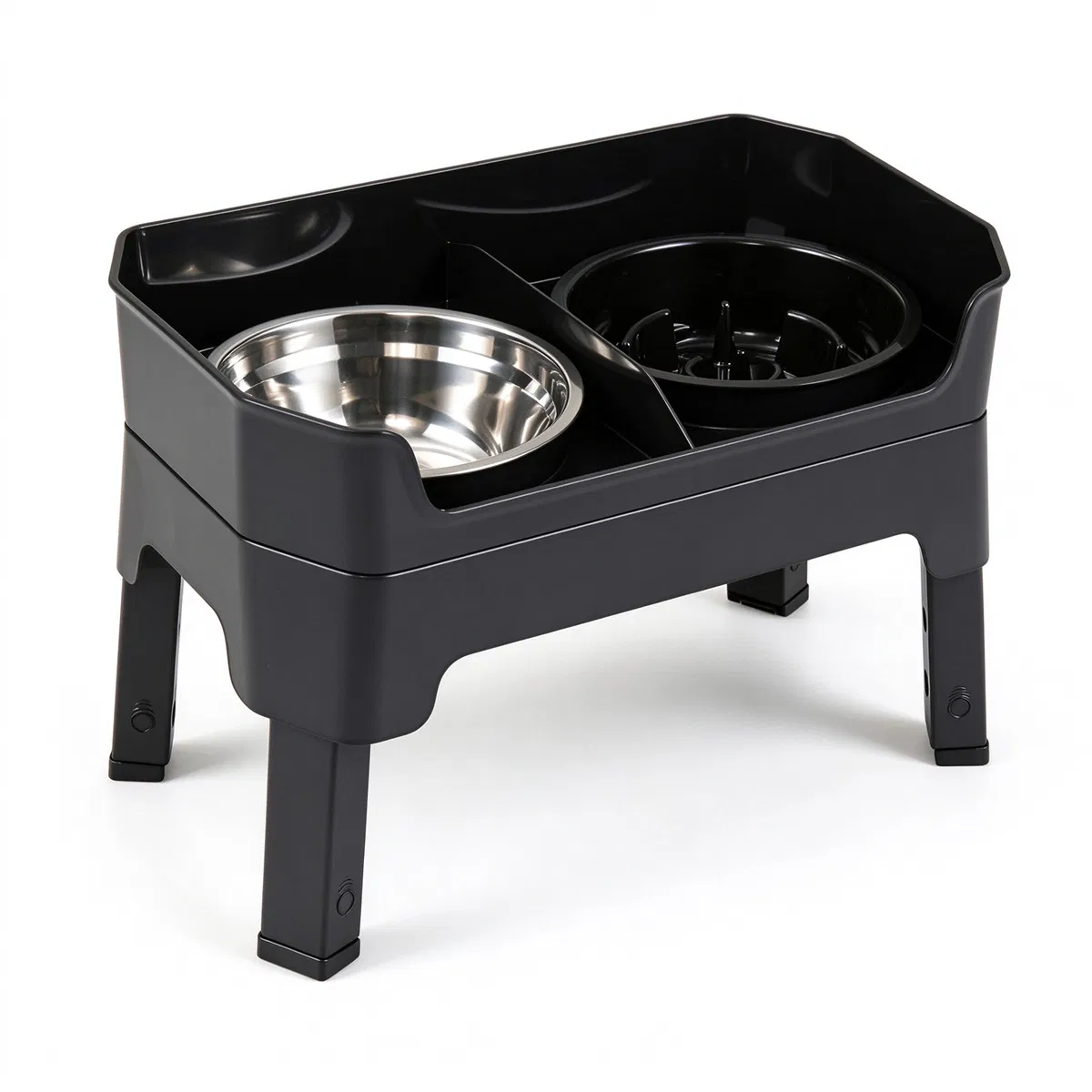
A dog bowl stand without bowls is the structural frame, riser, or feeder housing you pair with your own existing bowls. The core trade-off is rigidity and bowl-securing geometry versus adjustability and storage bulk, so choose a welded steel or solid-wood frame with fixed ring cutouts over thin plastic or fabric shells that flex and tip under a drinking dog.

Buying guide image
Pet Beds & Cat Trees

Dog Cot With Canopy

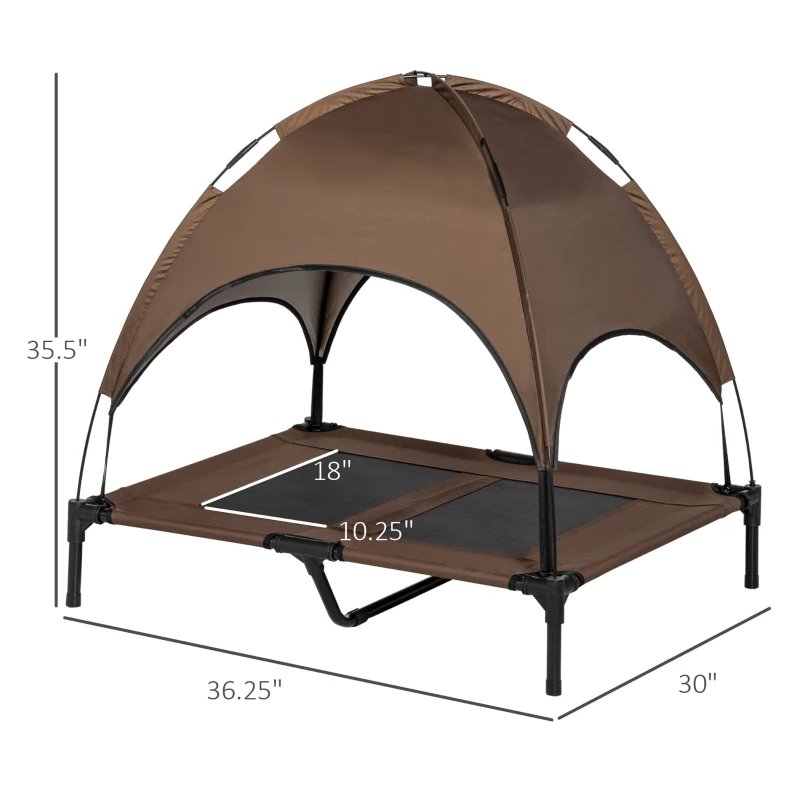
A dog cot with canopy combines an elevated, breathable sleeping surface with a removable shade to block UV and heat, making it a portable cooling bed for camping, patios, and travel. The primary trade-off is frame rigidity and fabric durability versus packability: steel frames and heavy-denier textilene last longer but weigh more, while aluminum or thin-mesh cots prioritize portability at the cost of load capacity and sag resistance. Choose a cot rated for your dog's weight plus a 20% safety margin, with a canopy sized to cast shade over the full sleeping area—not just the head.

Buying guide image
Pet Beds & Cat Trees

Large Dog House

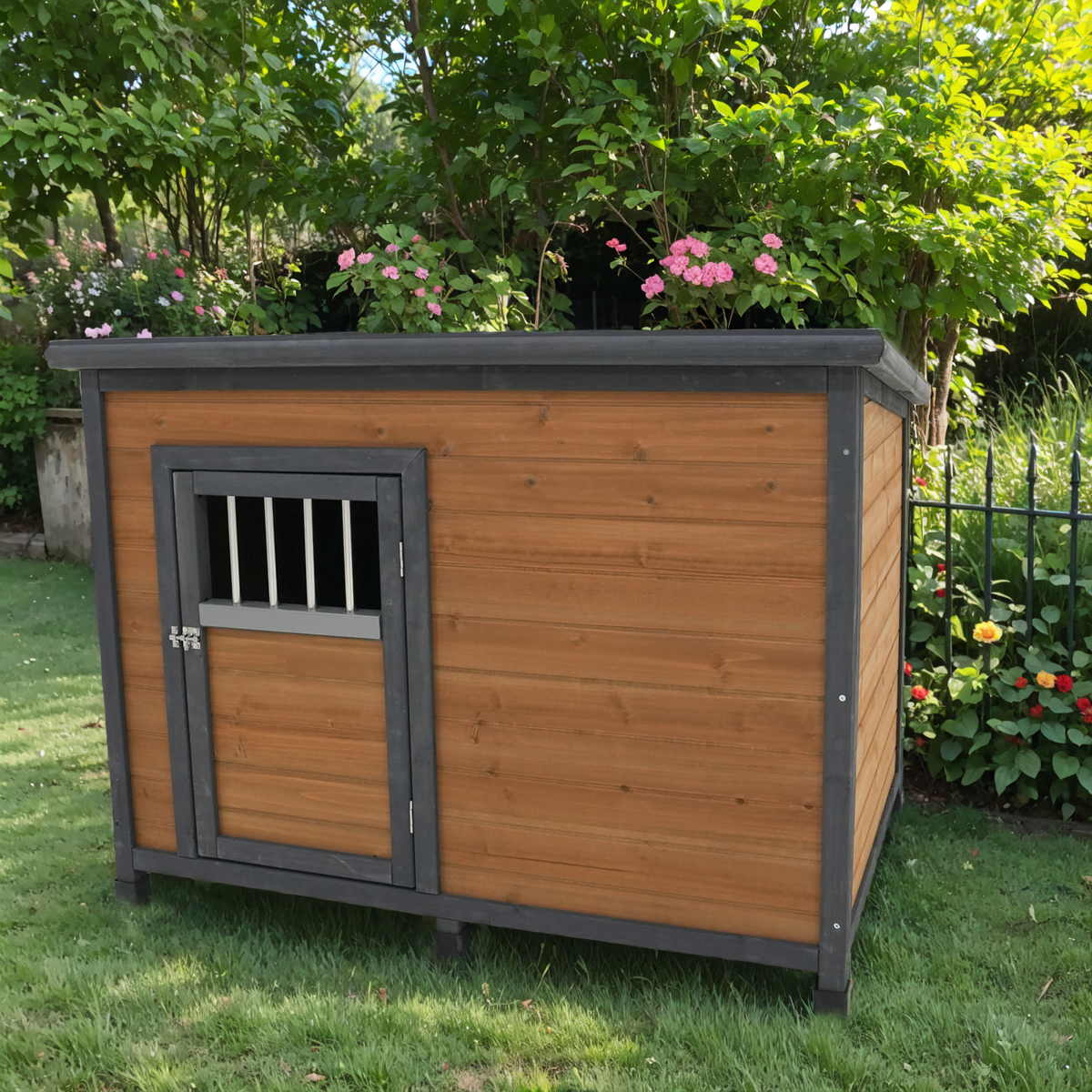
A large dog house is either an outdoor shelter or an indoor cave bed, and those two architectures solve completely different problems—mixing them up is the most common buying mistake. Outdoor models hinge on weatherproof roof material, raised floor clearance, and door sizing for a full-grown dog; indoor models hinge on cushion density and washable cover construction. Measure your dog's standing height and length before picking any tier.

Buying guide image
Aquarium Lights & CO2 Systems

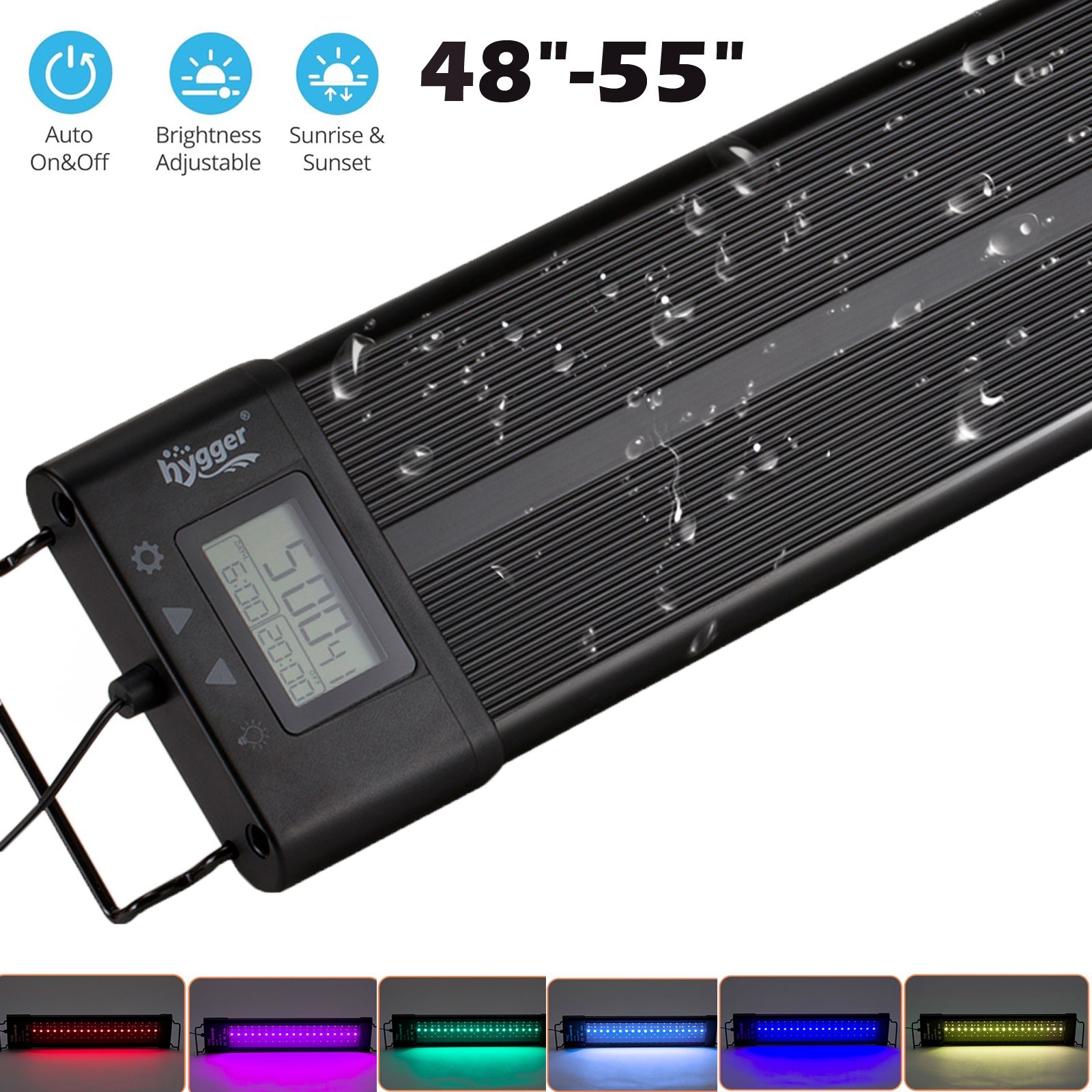
Hygger Fish Tank Light

Hygger fish tank lights are budget-to-midrange LED fixtures built around integrated 24/7 cycle timers and full-spectrum planted-tank output. The core trade-off is between entry-level single-chip fixtures and higher-tier models with true 24/7 scheduling, sunrise/sunset ramping, and stronger PAR at depth. Buy the 24/7-capable tier for planted tanks and skip fixed-output models if you need automated photoperiod control.

Buying guide image
Aquarium Water Testing & Treatment

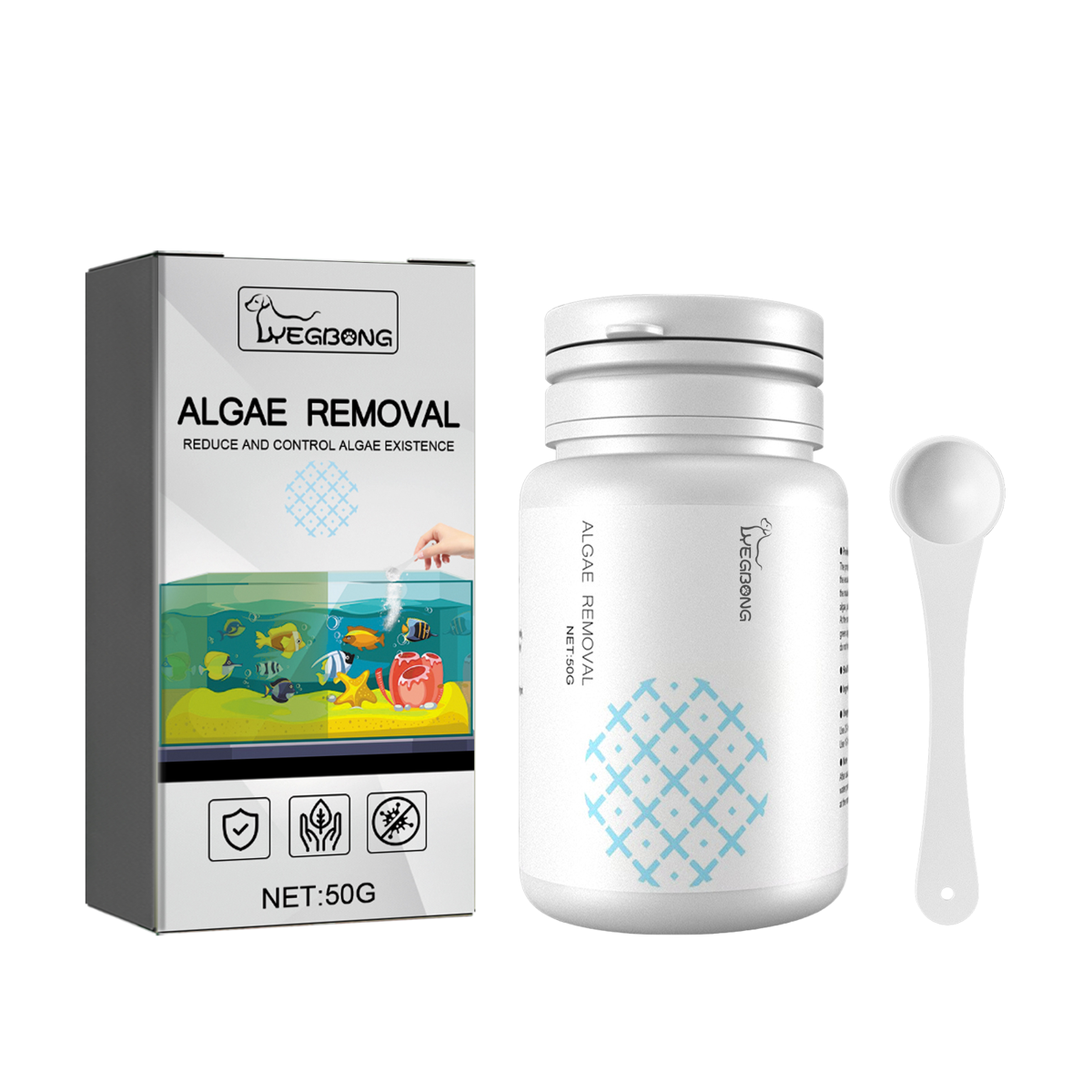
Fish Tank Algae Removal

Fish tank algae removal spans mechanical scraping, chemical algicides, UV sterilization, and biological nutrient control—each targeting a different stage of the algae life cycle. The core trade-off is speed versus system stability: fast-acting chemical removers can crash water chemistry and stress livestock, while UV and biological methods are slower but safer. The decision rule is to match the method to the algae type and root cause—green water needs UV or flocculants, surface film needs surface agitation, and spot algae needs manual removal plus nutrient control—never treating symptoms without fixing light and nutrient balance.

Buying guide image
Bird & Small Animal Supplies

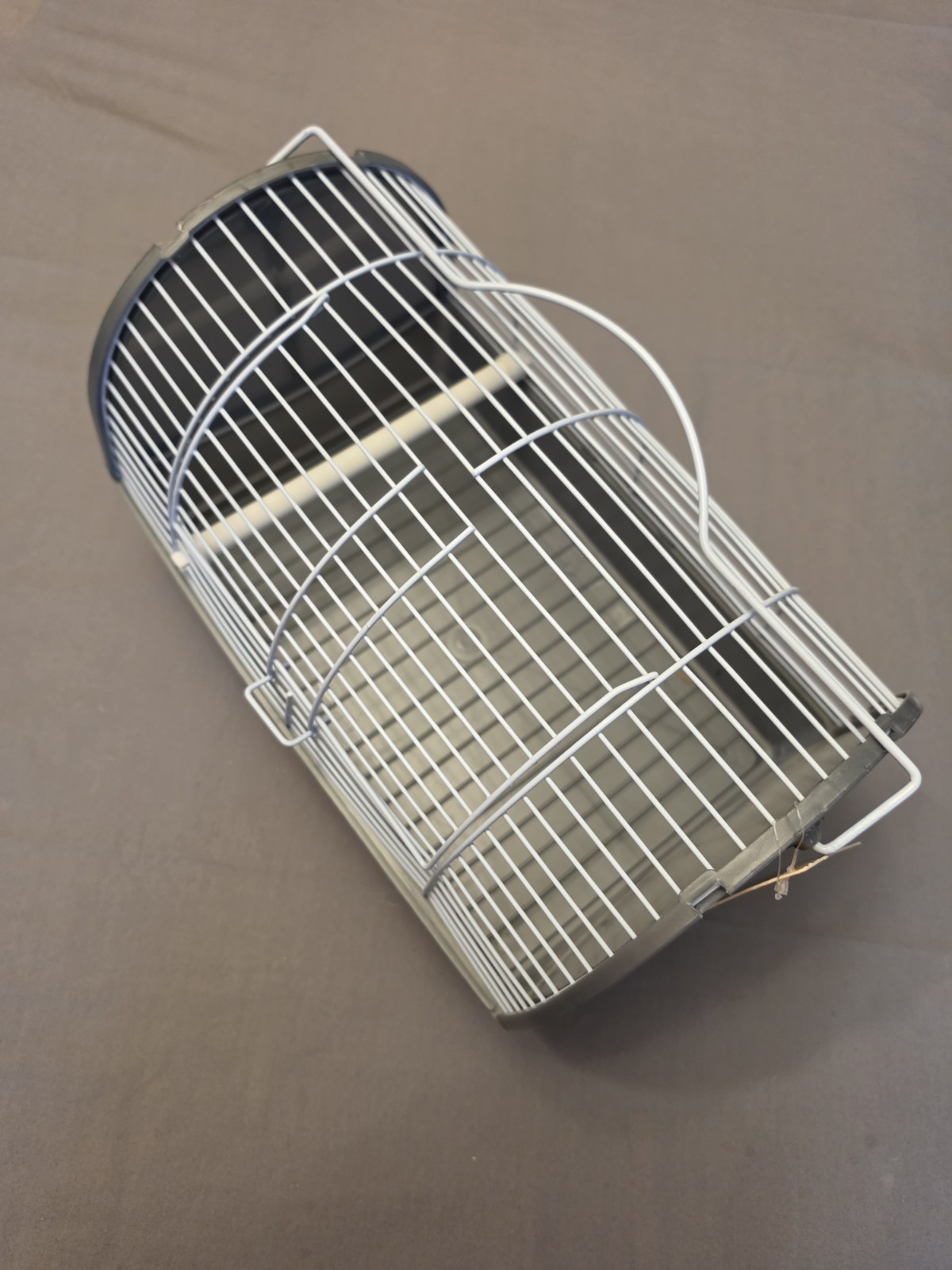
Bird Cage Perch Wood

Wood bird perches are natural or doweled branches that give cage birds a secure grip, wear-managed toenails, and beak-conditioning surfaces. The core trade-off is between soft, sappy woods that are cheap but harbor mites and splinter, versus dense hardwood (or kiln-dried fruitwood) that resists chewing yet costs more and needs correct diameter match. The decision rule: buy only untreated, kiln-dried hardwood or natural branch perches whose diameter matches your bird's foot span at 50–75% closure, and skip dyed, sandpaper-covered, or soft-pine dowels.

Buying guide image
Aquarium Tanks & Stands

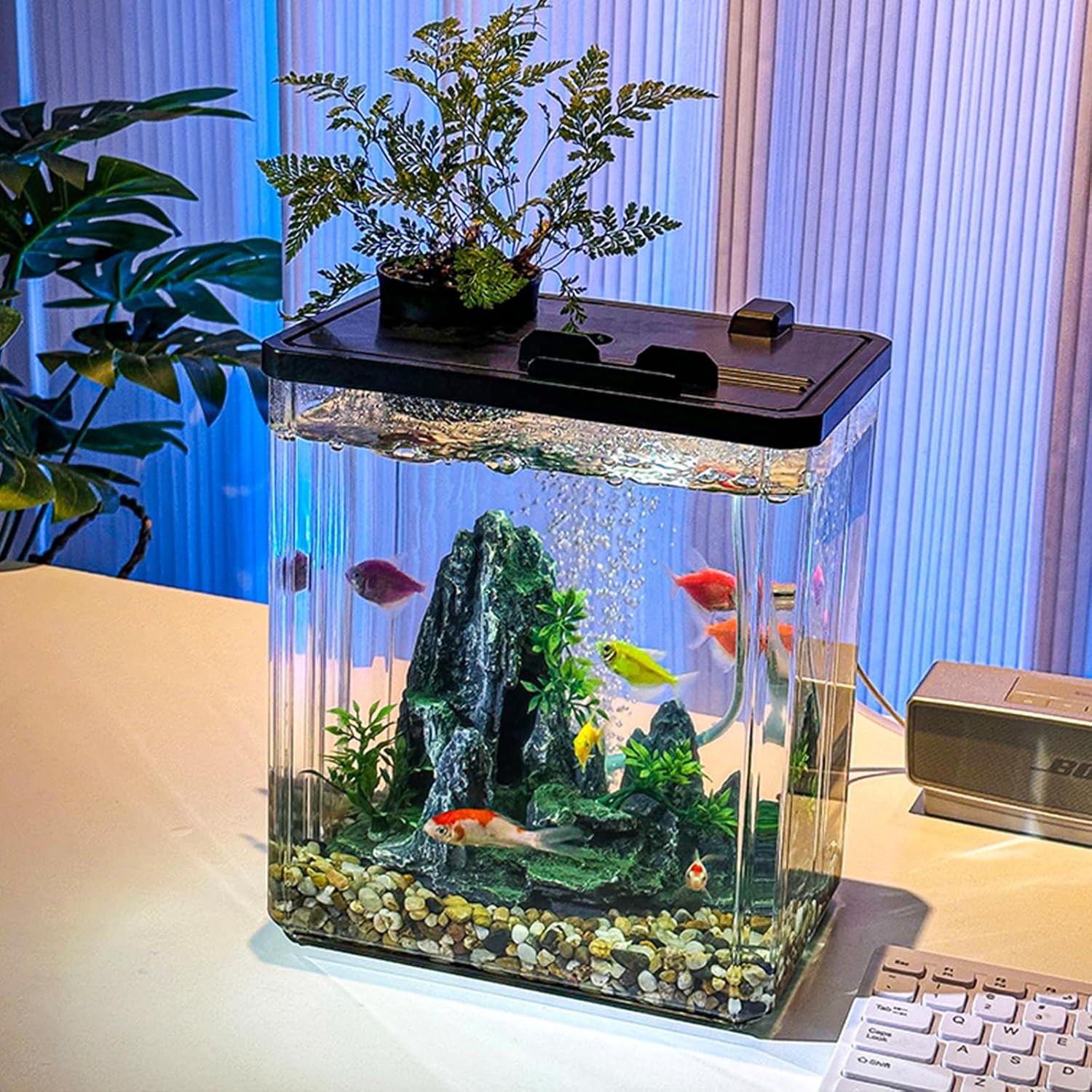
Small Aquarium Starter Kit

Small aquarium starter kits bundle a tank, filter, and LED light in the 1–5 gallon range, aimed at first-time betta or nano-fish keepers. The core trade-off is integrated all-in-one convenience versus component quality: sealed kits save time but use undersized filters and weak lights, while modular kits accept standard heaters and media for long-term stability. The decision rule: pick a kit with a real 3-stage filter, a lid, and standard-size accessories; skip open-top kits with cartridge-only filtration.

Buying guide image
Bird & Small Animal Supplies

Large Bird Cage With Stand

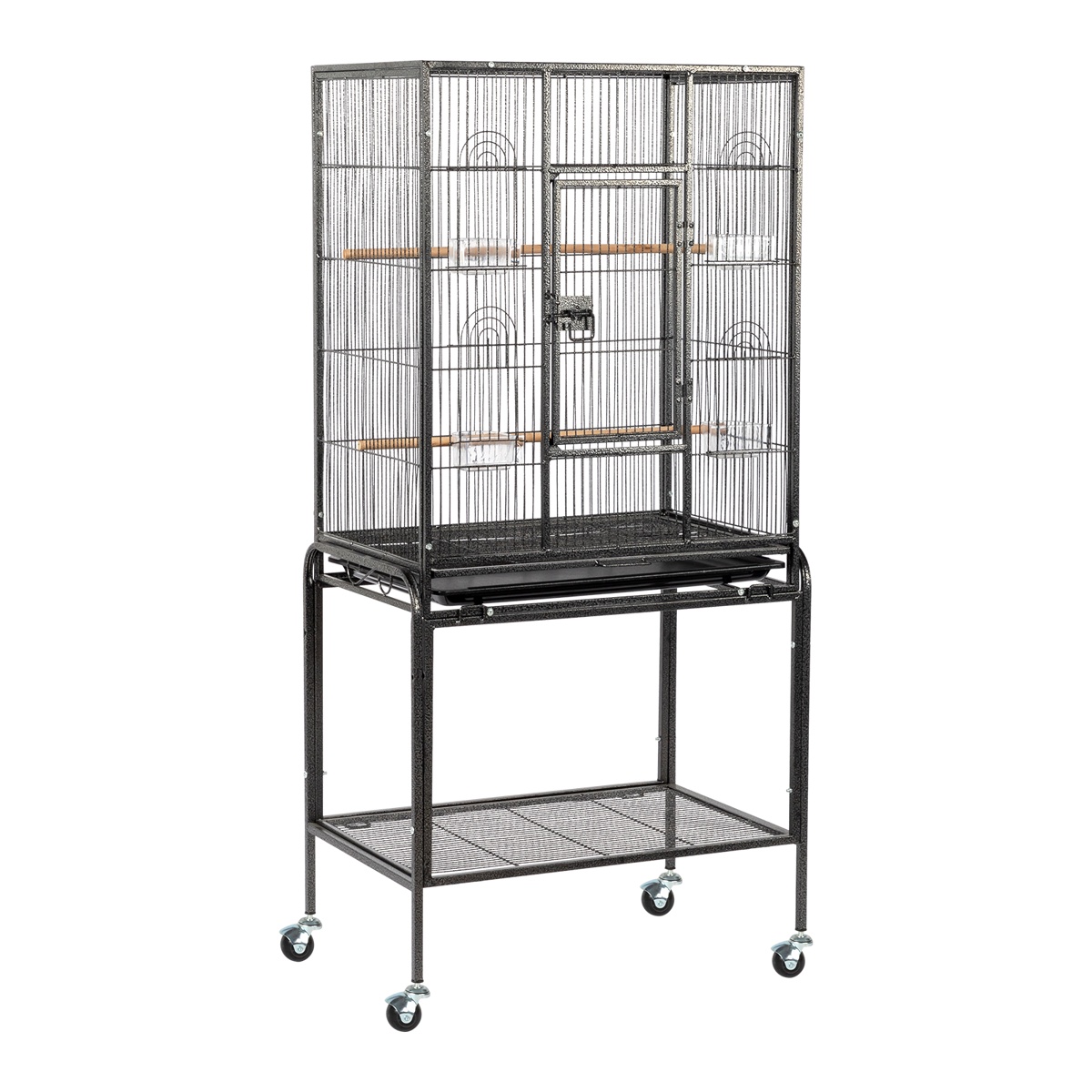
A large bird cage with stand is a floor-standing enclosure pairing a roomy wire habitat with a wheeled base, so the key trade-offs are bar spacing versus species size and stand stability versus mobility. The decisive rule is to match bar spacing and cage height to your bird's body dimensions and climbing needs, then choose a stand with locking casters and a load-rated frame rather than thin tubular legs.

You may also like

Finding more guides for you…