
Photos from current listings. Actual item, color, and included accessories may vary.
Fish Tank Algae Removal Buying Guide
Fish tank algae removal spans mechanical scraping, chemical algicides, UV sterilization, and biological nutrient control—each targeting a different stage of the algae life cycle. The core trade-off is speed versus system stability: fast-acting chemical removers can crash water chemistry and stress livestock, while UV and biological methods are slower but safer. The decision rule is to match the method to the algae type and root cause—green water needs UV or flocculants, surface film needs surface agitation, and spot algae needs manual removal plus nutrient control—never treating symptoms without fixing light and nutrient balance.
Median $18.99
Key takeaways
- UV sterilizers rated 5–13 W with 200–400 GPH flow kill free-floating green-water algae and parasites; flow above the rated contact time reduces kill efficiency.
- Chemical algicides use glutaraldehyde or copper sulfate; glutaraldehyde-based liquids are safer for shrimp and plants at label dose but deplete oxygen, requiring surface agitation.
- Phosphate (0.0–0.5 ppm) and nitrate (5–20 ppm) test kits are the diagnostic baseline: algae blooms above these ranges signal overfeeding or insufficient water changes.
At a glance
- Category
- Aquarium Water Testing & Treatment
- Last updated
- Nov 27, 2026
Current offers
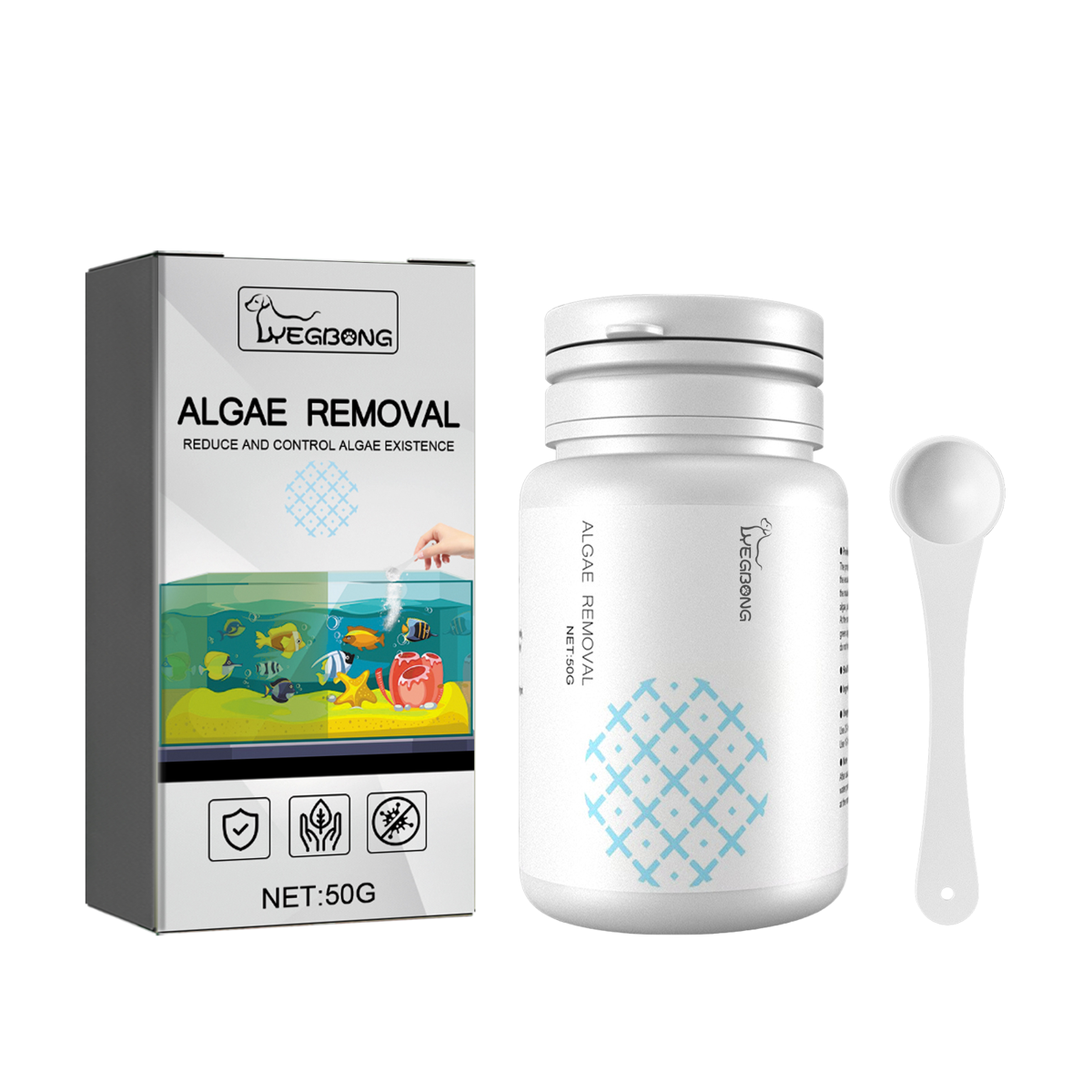 Auth. & Cert. Yegbong Dealgal Lichen, Aquarium Cleaning Agent Algae Removal Moss Fish Tank From Green Water$18.99View on Mallflare
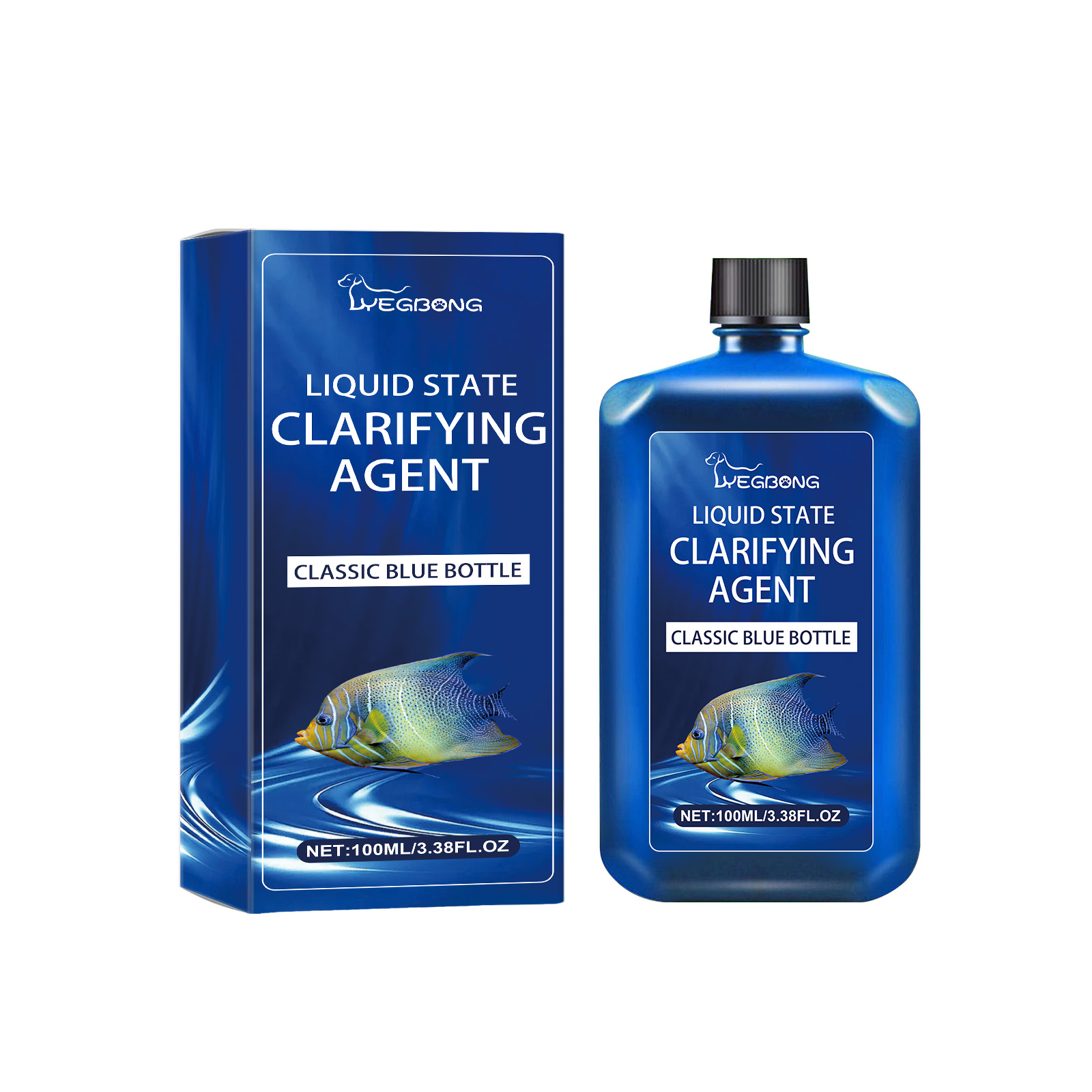 Auth. & Cert. Yegbong Aquarium Fish Tank Water Purification Agent, Clear Products Algae Removal Cleaning$18.99View on Mallflare
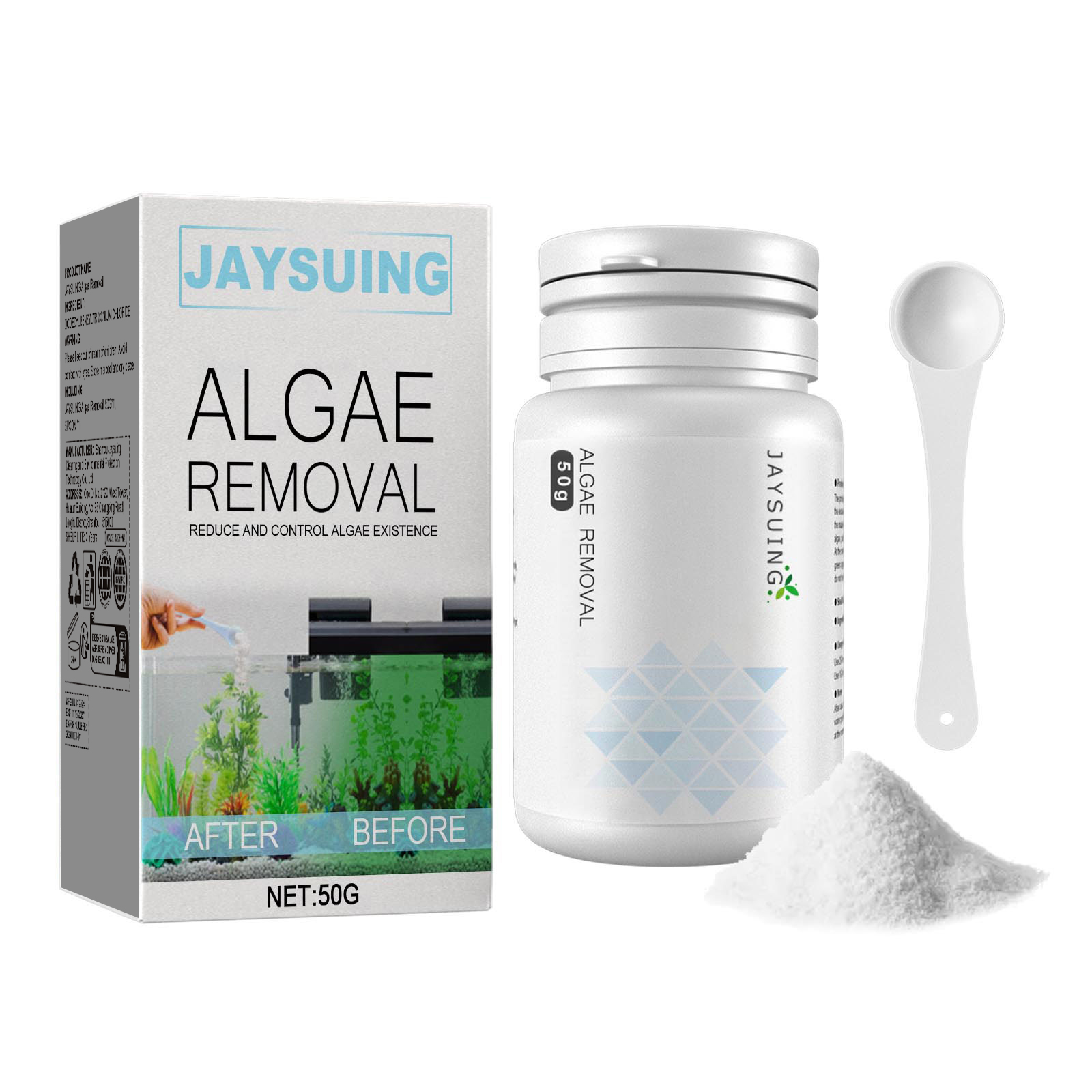 Auth. & Cert. Jaysuing Algae Removal, Remove Green Water Moss Agent Fish Tank Aquarium Potion$19.99View on Mallflare
Highlights
- UV sterilizers rated 5–13 W with 200–400 GPH flow kill free-floating green-water algae and parasites; flow above the rated contact time reduces kill efficiency.
- Chemical algicides use glutaraldehyde or copper sulfate; glutaraldehyde-based liquids are safer for shrimp and plants at label dose but deplete oxygen, requiring surface agitation.
- Phosphate (0.0–0.5 ppm) and nitrate (5–20 ppm) test kits are the diagnostic baseline: algae blooms above these ranges signal overfeeding or insufficient water changes.
- Magnetic glass cleaners use neodymium magnets with felt or scraper pads; plastic-safe scraper blades avoid scratching acrylic, while stainless blades suit glass only.
Best use cases
- Best fit for green cloudy water: pair a 5–13 W UV sterilizer with 25–50% water changes and reduced feeding; skip algicide liquids alone, which cloud water further as they die off.
- Best fit for hard spot algae on glass: use a magnetic scraper with a plastic blade on acrylic or stainless on glass; skip razor blades on acrylic, which leave permanent scratches.
- Best fit for planted tanks with shrimp: choose glutaraldehyde liquids at half dose or spot-dose with a syringe; skip copper-based algicides that are toxic to invertebrates.
- Wrong fit for recurring black beard algae: chemical removers alone fail; address CO2 fluctuation and flow dead spots first, then spot-treat with hydrogen peroxide dosing.
Buying tips
- Size UV wattage to tank volume: 5–9 W suits nano tanks under 40 gallons, while 13–25 W is needed for 75 gallons and above at 200–400 GPH.
- For glass tanks, choose stainless-steel scraper blades; for acrylic, only plastic or felt pads—steel blades gouge acrylic permanently.
- Test phosphate and nitrate before buying any remover; if phosphate exceeds 0.5 ppm, a phosphate-removing filter media outperforms algicides.
- Select glutaraldehyde-based liquids over copper sulfate for community tanks with shrimp, snails, or scaleless fish, and never exceed label dosing.
Specs
| Method Type | UV / Chemical / Mechanical / Biological |
|---|---|
| UV Wattage Range | 5–25 W for 10–150 gal |
| Chemical Active | Glutaraldehyde vs Copper Sulfate |
| Scraper Blade Material | Plastic (acrylic) / Steel (glass) |
Related searches
What to check before buying
- Measure tank glass thickness: magnetic cleaners are rated by magnet strength for 3/16-inch to 1/2-inch glass; too weak a magnet falls off, too strong can chip seams.
- Confirm tank material (glass vs acrylic) before choosing scraper blade type; acrylic requires plastic blades and lower-strength magnets.
- Check livestock sensitivity: copper-based algicides are lethal to shrimp, snails, and loaches—choose glutaraldehyde or UV instead.
- Verify UV sterilizer plumbing fits your filter outlet (1/2-inch, 5/8-inch, or 3/4-inch barb) and that flow rate matches the unit's contact-time rating.
FAQ
Data sources: eBay / Amazon listings and product attribute feeds. Updated Nov 27, 2026.
Some links on this page are affiliate links. If you buy after clicking one, we may earn a commission at no extra cost to you. This does not change which products appear here or their order. Affiliate disclosure.