
Photos from current listings. Actual item, color, and included accessories may vary.
Aquarium Test Kit Buying Guide
An aquarium test kit is the measurement instrument that turns invisible water chemistry into actionable numbers for fish, coral, and plant health. The core trade-off is strip-based multi-parameter convenience versus liquid-reagent titration accuracy: strips deliver fast broad screening, while reagent kits provide the precision needed for cycling, dosing, and reef parameters. The decision rule is simple—use strips for routine trend monitoring and quarantine triage, but use liquid reagent kits for ammonia/nitrite cycling, nitrate control, and any parameter you intend to adjust chemically.
Median $14.00
Key takeaways
- Strip kits bundle 5–8 pads (pH, ammonia, nitrite, nitrate, hardness, chlorine) on one dip, giving a broad snapshot in under 60 seconds but with ±1 pad-step color resolution.
- Liquid reagent kits use drop-count titration or colorimetric vials, delivering single-parameter precision—API Nitrate reads 0–160 ppm in 10 ppm increments across 90 tests.
- Pad count and test count are not the same: a 100-strip 8-in-1 kit yields 100 broad readings, while a 90-test API Nitrate kit yields 90 precise nitrate readings only.
At a glance
- Category
- Aquarium Water Testing & Treatment
- Last updated
- Nov 27, 2026
Current offers
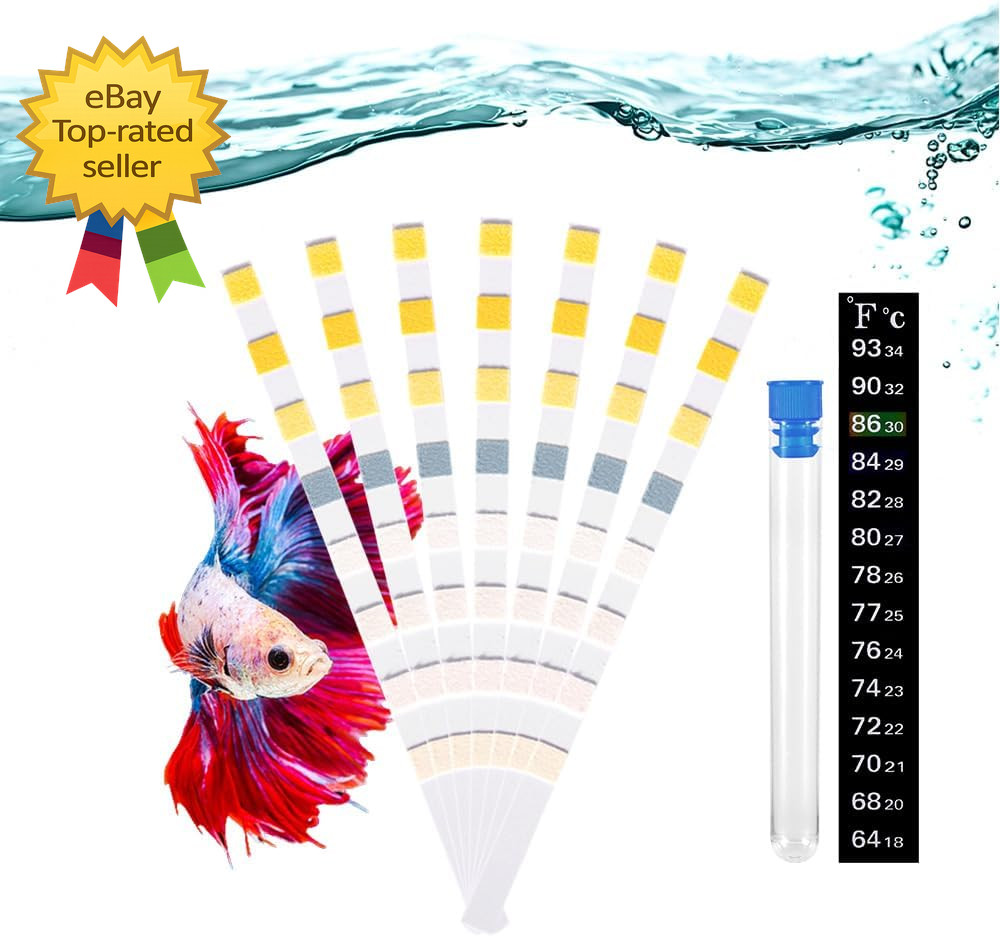 8 in 1 Aquarium Test Kit Fish Tank Test Strips Accurate Water Quality Testing St$8.54View on eBay
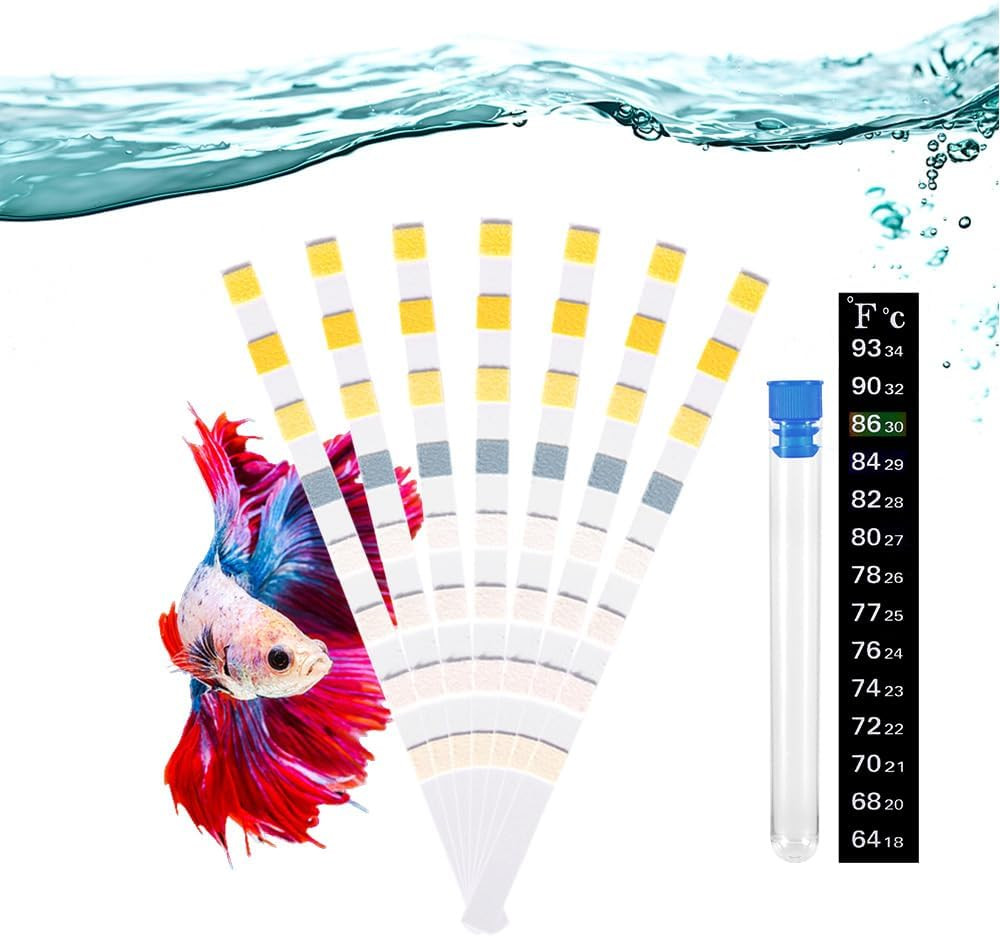 8-In-1 Aquarium Water Quality Test Kit Fish Tank Ammonia PH 100 Strips$8.58View on eBay
- Aquarium Test Kit 8 in 1 Water Testing 100 Strips PH Ammonia Nitrate Nitrite$12.95View on eBay
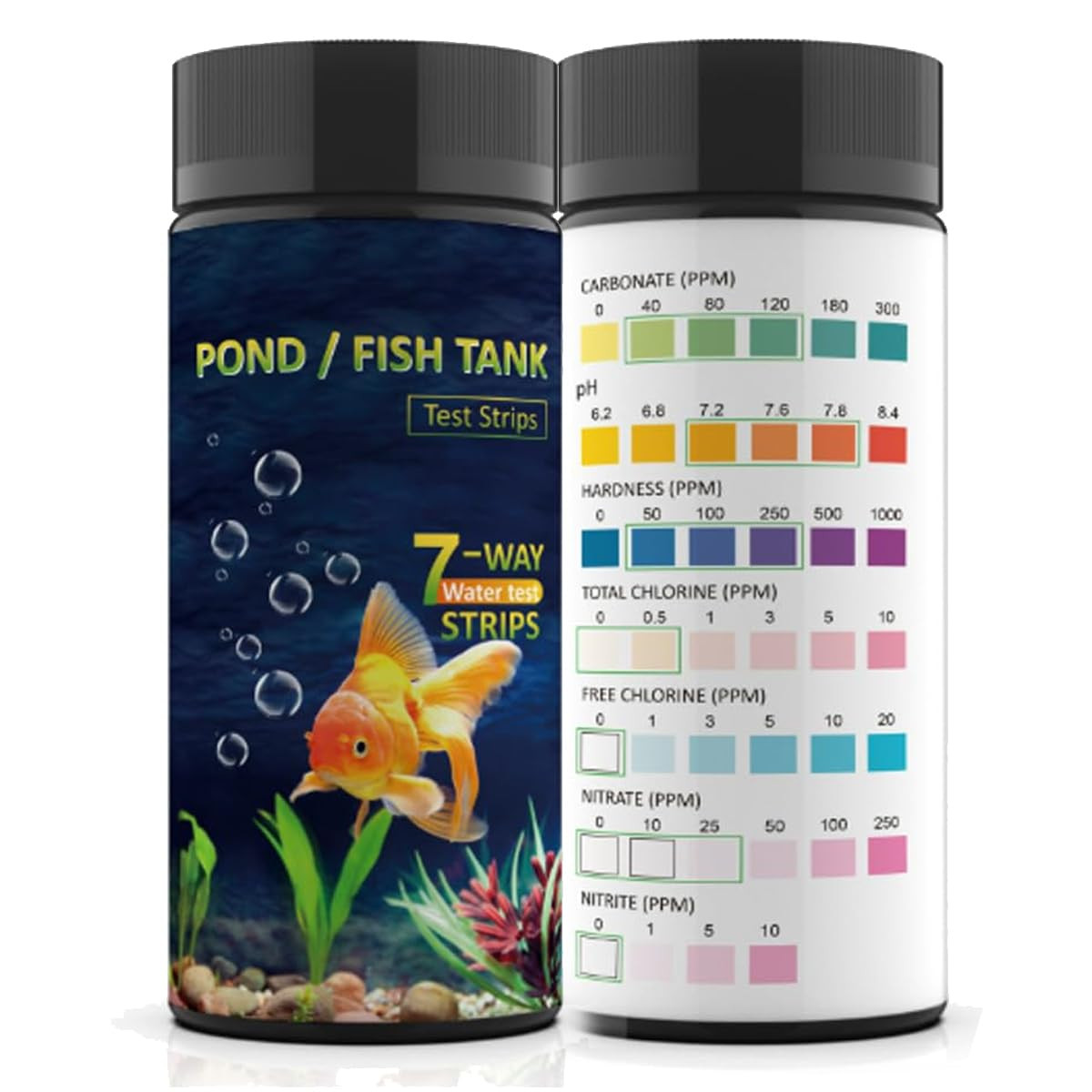 7IN1 Aquarium Test Strips - 50 Strips Aquarium Test Kit Fish Tank Test Kit Quick$12.99View on eBay
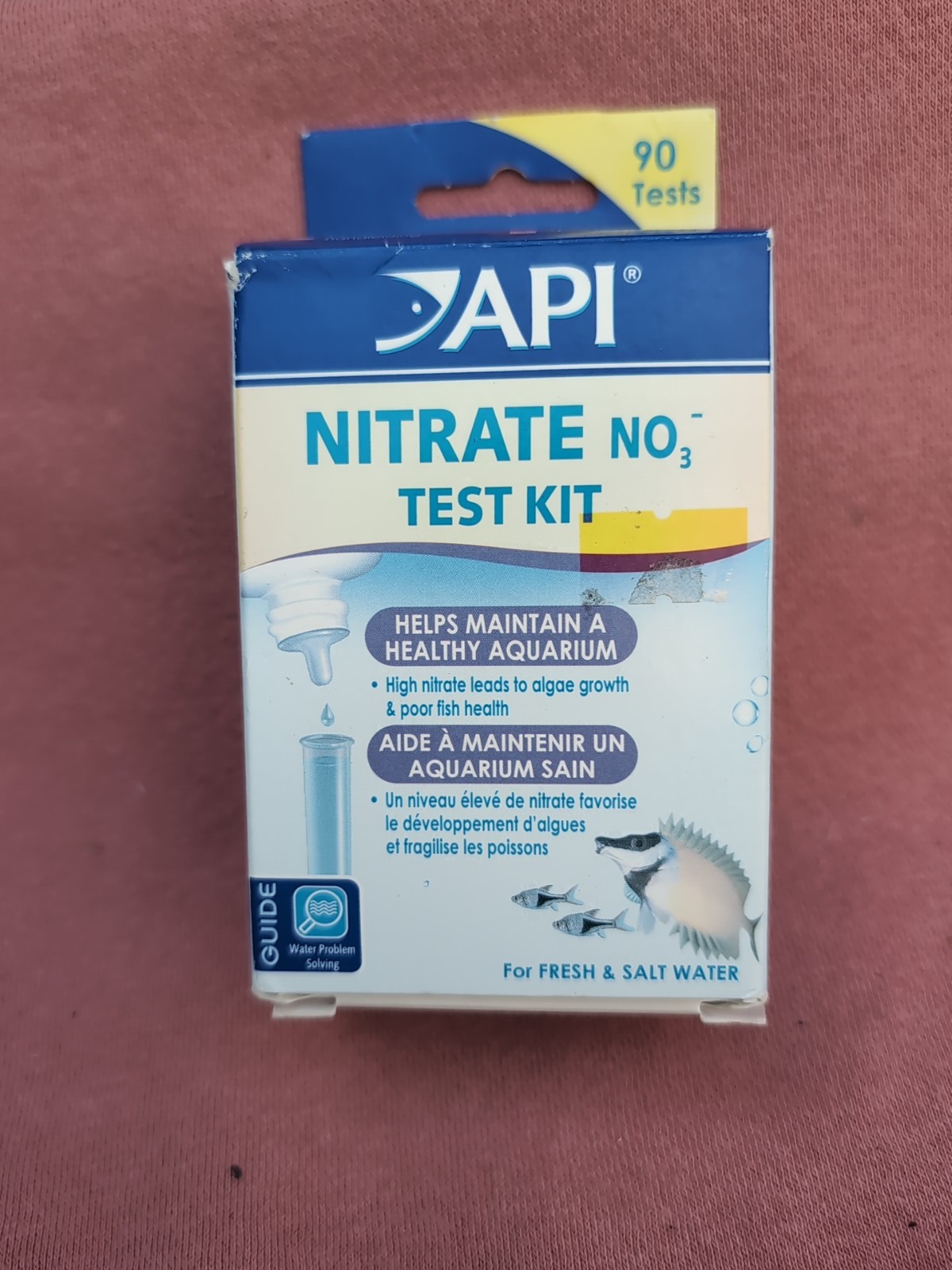 API Nitrate NO3 Test Kit for Freshwater and Marine Aquariums 90 Tests$15.00View on eBay
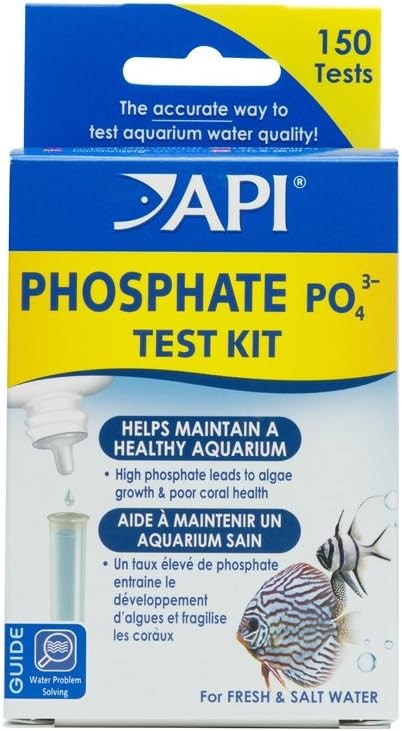 API Phosphate Test Kit Freshwater and Saltwater Healthy Fish Aquariums 150 Tests$20.50View on eBay
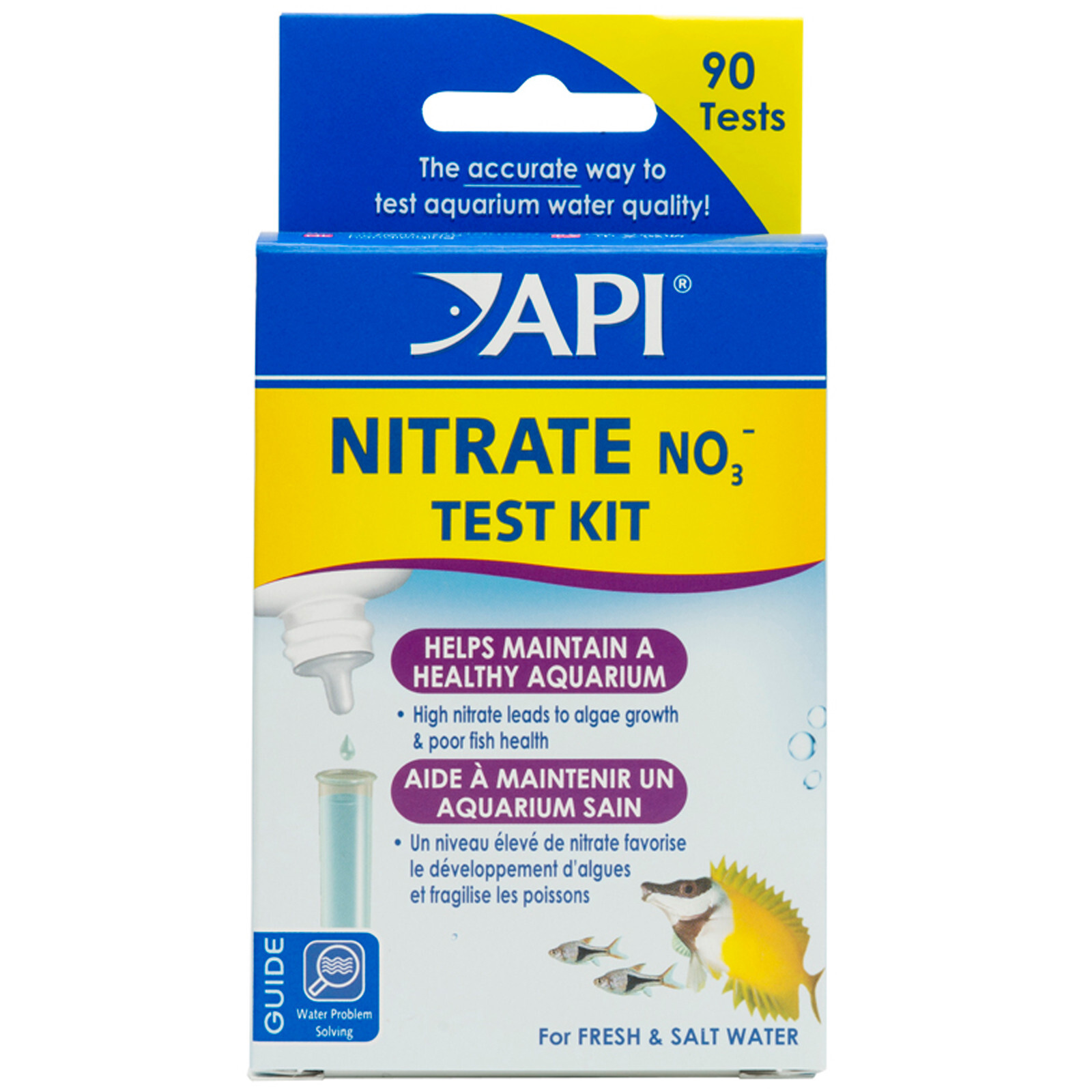 API Nitrate NO3 Test Kit for Freshwater and Marine Aquariums 90 Tests$21.58View on eBay
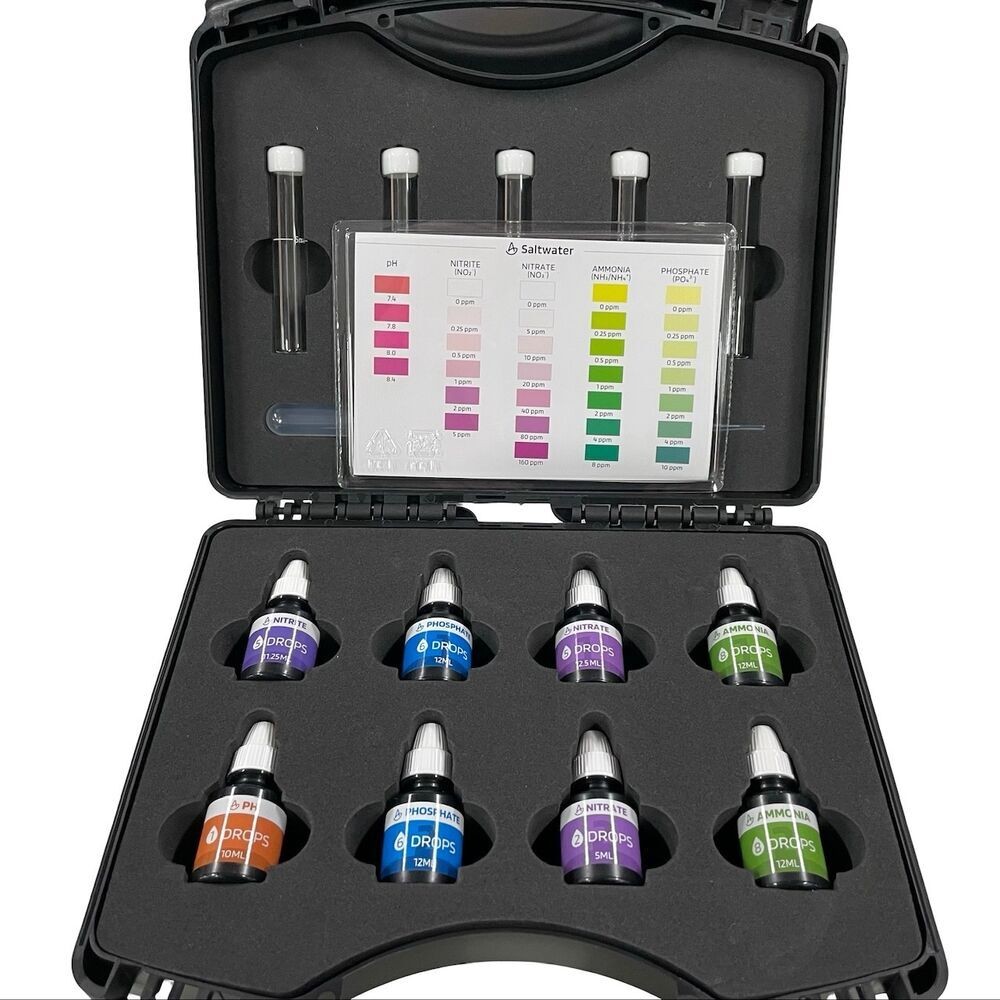 AquaLabs Master Aquarium Test Kit 5 in 1 Freshwater Saltwater Testing Kit$66.86View on eBay
Highlights
- Strip kits bundle 5–8 pads (pH, ammonia, nitrite, nitrate, hardness, chlorine) on one dip, giving a broad snapshot in under 60 seconds but with ±1 pad-step color resolution.
- Liquid reagent kits use drop-count titration or colorimetric vials, delivering single-parameter precision—API Nitrate reads 0–160 ppm in 10 ppm increments across 90 tests.
- Pad count and test count are not the same: a 100-strip 8-in-1 kit yields 100 broad readings, while a 90-test API Nitrate kit yields 90 precise nitrate readings only.
- Reagent shelf life and light exposure govern accuracy; liquid kits typically stay reliable 1–3 years sealed, while exposed strips degrade within months of humid air contact.
Best use cases
- New tank cycling: choose a liquid ammonia and nitrite kit (or a liquid master kit) to detect the 0.25–1.0 ppm spikes strips blur together; skip multi-pad strips for this phase.
- Weekly maintenance on an established freshwater tank: an 8-in-1 or 7-in-1 strip kit is the right pick for fast pH, nitrate, and hardness trend checks; skip liquid kits you won't use weekly.
- Reef or planted dosing: pick single-parameter liquid kits for nitrate, phosphate, and alkalinity so you can trust the increment before adjusting dosing; skip strip pads for phosphate, which lack reef-level resolution.
- Quarantine or fry tank triage: keep a strip kit at the tank for instant ammonia screening between water changes; skip it as your only kit if you are actively cycling.
Buying tips
- Match kit type to parameter: liquid reagent for ammonia, nitrite, nitrate, and phosphate; strips for pH, hardness, and chlorine screening.
- Check test count, not just pad count: 90-test nitrate and 150-test phosphate liquid kits are refill-friendly; 50–100 strip kits are consumable snapshots.
- For saltwater, confirm the kit lists marine range—API Nitrate covers freshwater and marine, but many strip pads top out below reef-relevant nitrate precision.
- Store liquid reagents sealed and dark; replace opened kits annually, and never rely on strips left in a humid cabinet past their expiration.
Specs
| Kit Format | Dip strips vs liquid reagent |
|---|---|
| Parameter Coverage | 5–8 pad multi vs single-parameter |
| Test Yield | 50–100 strips / 90–150 liquid tests |
| Water Type | Freshwater / marine dual-labeled |
Related searches
What to check before buying
- Know your tank volume and stocking level: high bioload or small volume demands liquid ammonia/nitrite testing, not strips.
- Confirm freshwater vs saltwater/marine compatibility on the kit label before buying—ranges and color charts differ.
- Check the color chart increments (e.g., 10 ppm nitrate steps) against the precision your dosing or livestock requires.
- Verify the kit includes vials, syringes, or test tubes if liquid; strip kits need no companions but need dry storage.
FAQ
Data sources: eBay / Amazon listings and product attribute feeds. Updated Nov 27, 2026.
Some links on this page are affiliate links. If you buy after clicking one, we may earn a commission at no extra cost to you. This does not change which products appear here or their order. Affiliate disclosure.