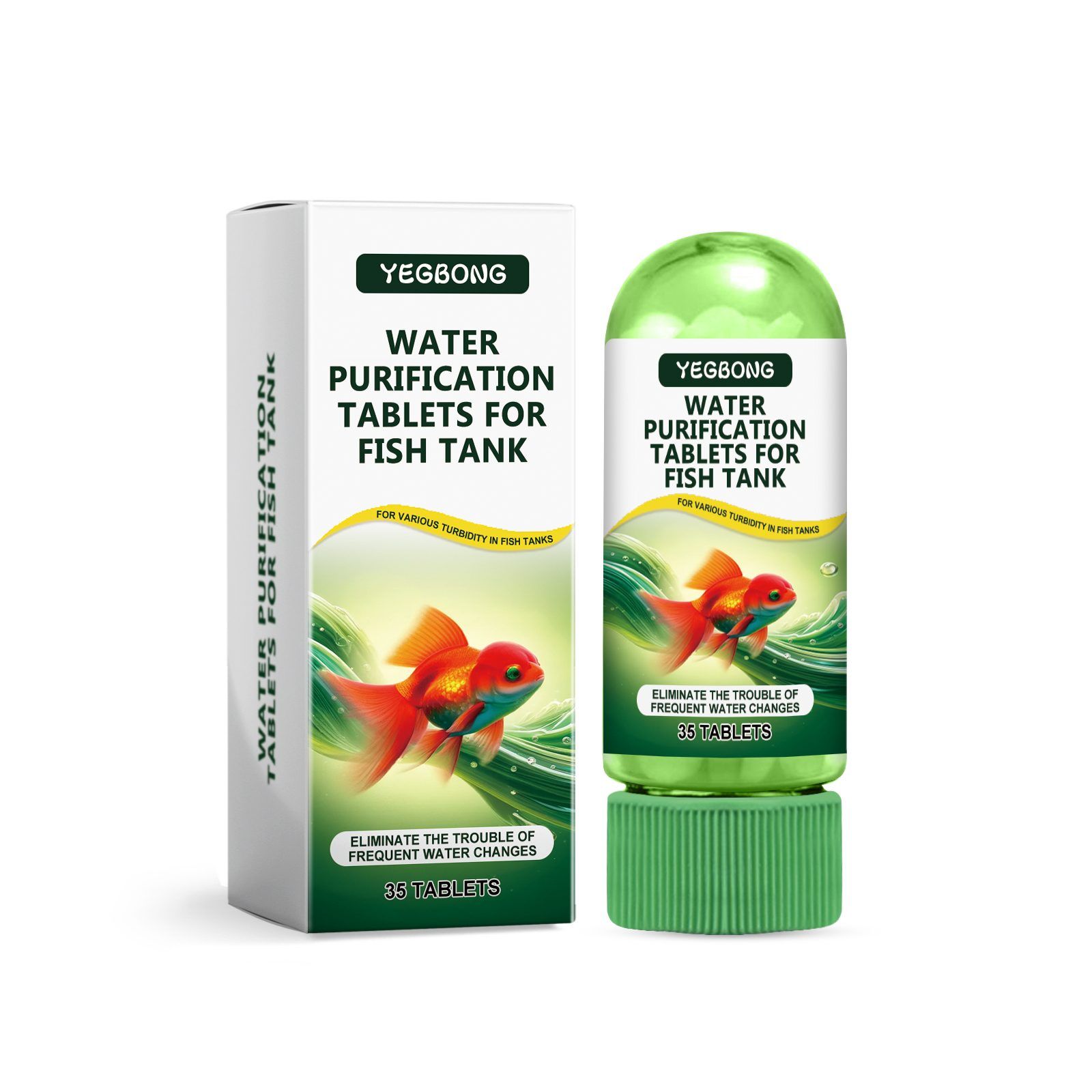

Photos from current listings. Actual item, color, and included accessories may vary.
Aquarium Water Treatment Buying Guide
Aquarium water treatment covers chemical conditioners, biological additives, and purification media that make tap water safe and keep nitrogen cycling stable in freshwater and marine systems. The core trade-off is between instant chemical neutralization (chlorine/chloramine, heavy metals) and long-term biological support (nitrifying bacteria, sludge reduction)—cheap tablets often under-dose or omit dechlorinator chemistry, while liquid conditioners specify exact dosing per gallon. The decision rule: buy a product that explicitly states it neutralizes both chlorine and chloramine at a labeled dose per gallon, and skip any treatment that lists only vague 'purification' with no concentration or active-ingredient disclosure.
Median $18.99
Key takeaways
- Sodium thiosulfate neutralizes chlorine but NOT chloramine; a chloramine-bond breaker (typically a bisulfite or proprietary amine salt) is required for municipal water treated with chloramine.
- Liquid conditioners dose by volume—concentrates range from 1 mL per 10 gallons to 1 mL per 1 gallon—so a 16-oz bottle can treat anywhere from ~470 to ~4,700 gallons depending on concentration.
- Biological additives (nitrifying bacteria) must be live cultures; shelf-stable spore-based products last longer but colonize slower than refrigerated live strains.
At a glance
- Category
- Aquarium Water Testing & Treatment
- Last updated
- Nov 28, 2026
Current offers
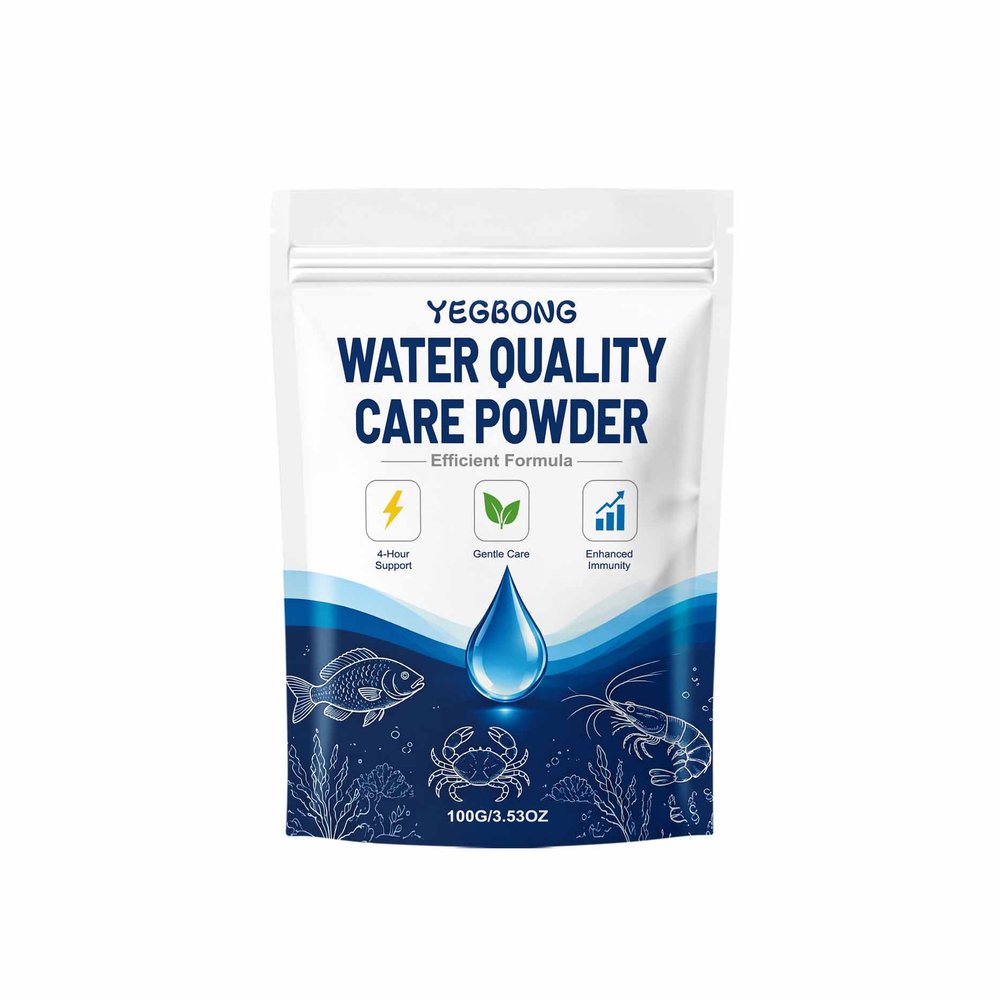
Highlights
- Sodium thiosulfate neutralizes chlorine but NOT chloramine; a chloramine-bond breaker (typically a bisulfite or proprietary amine salt) is required for municipal water treated with chloramine.
- Liquid conditioners dose by volume—concentrates range from 1 mL per 10 gallons to 1 mL per 1 gallon—so a 16-oz bottle can treat anywhere from ~470 to ~4,700 gallons depending on concentration.
- Biological additives (nitrifying bacteria) must be live cultures; shelf-stable spore-based products last longer but colonize slower than refrigerated live strains.
- Test-strip or liquid reagent testing should accompany any treatment regimen, since dosing without a baseline ammonia/nitrite reading risks over- or under-treatment.
Best use cases
- Best fit: new tank setup or tap-water changes—choose a liquid dechlorinator/conditioner that states chloramine neutralization and dose per gallon on the label.
- Best fit: outdoor pond and daily maintenance—pick a concentrated liquid or powder conditioner with a stated dilution ratio rather than pre-dosed tablets, which are hard to scale to pond volume.
- Wrong fit: using 'water clarification' tablets as a substitute for dechlorination when filling a new tank from chloraminated tap water—skip tablets unless the label names the dechlorinating active ingredient and dose.
- Wrong fit: relying solely on bacterial additives in a tank with detectable ammonia or nitrite—skip biological-only products and perform a water change plus a proven ammonia binder first.
Buying tips
- Match the conditioner to your water utility: if the supplier uses chloramine (common in many U.S. municipal systems), confirm the label names a chloramine bond breaker, not just 'dechlorinator'.
- Calculate cost per treated gallon from the labeled dose—a 16-oz bottle at 1 mL/10 gal treats far more water than the same bottle at 1 mL/gal, so compare concentration, not bottle size.
- For tanks under 10 gallons, choose a product with a dropper or 1-mL graduation; tablet and powder formats are difficult to dose accurately at small volumes.
- Pair any treatment with a liquid ammonia/nitrite test kit; strips are adequate for routine checks but liquid reagents give the precision needed when dosing binders or cycling a new tank.
Specs
| Active Chemistry | Thiosulfate vs bisulfite/amine |
|---|---|
| Chloramine Control | Bond breaker labeled vs none |
| Dose Concentration | 1 mL per 1–10 gal typical |
| Format | Liquid / powder / tablet |
Related searches
What to check before buying
- Confirm your tap water's disinfectant (chlorine vs chloramine) with the municipal water report before selecting a conditioner type.
- Measure actual tank/pond volume (length × width × height in inches ÷ 231 for gallons) so dose calculations are correct.
- Check that the product's labeled dose matches your water volume without requiring partial-measure guesswork for small tanks.
- Verify the treatment is labeled for your system type—freshwater, marine, or pond—since copper-sensitive invertebrates and reef tanks have different tolerance limits.
FAQ
Data sources: eBay / Amazon listings and product attribute feeds. Updated Nov 28, 2026.
Some links on this page are affiliate links. If you buy after clicking one, we may earn a commission at no extra cost to you. This does not change which products appear here or their order. Affiliate disclosure.