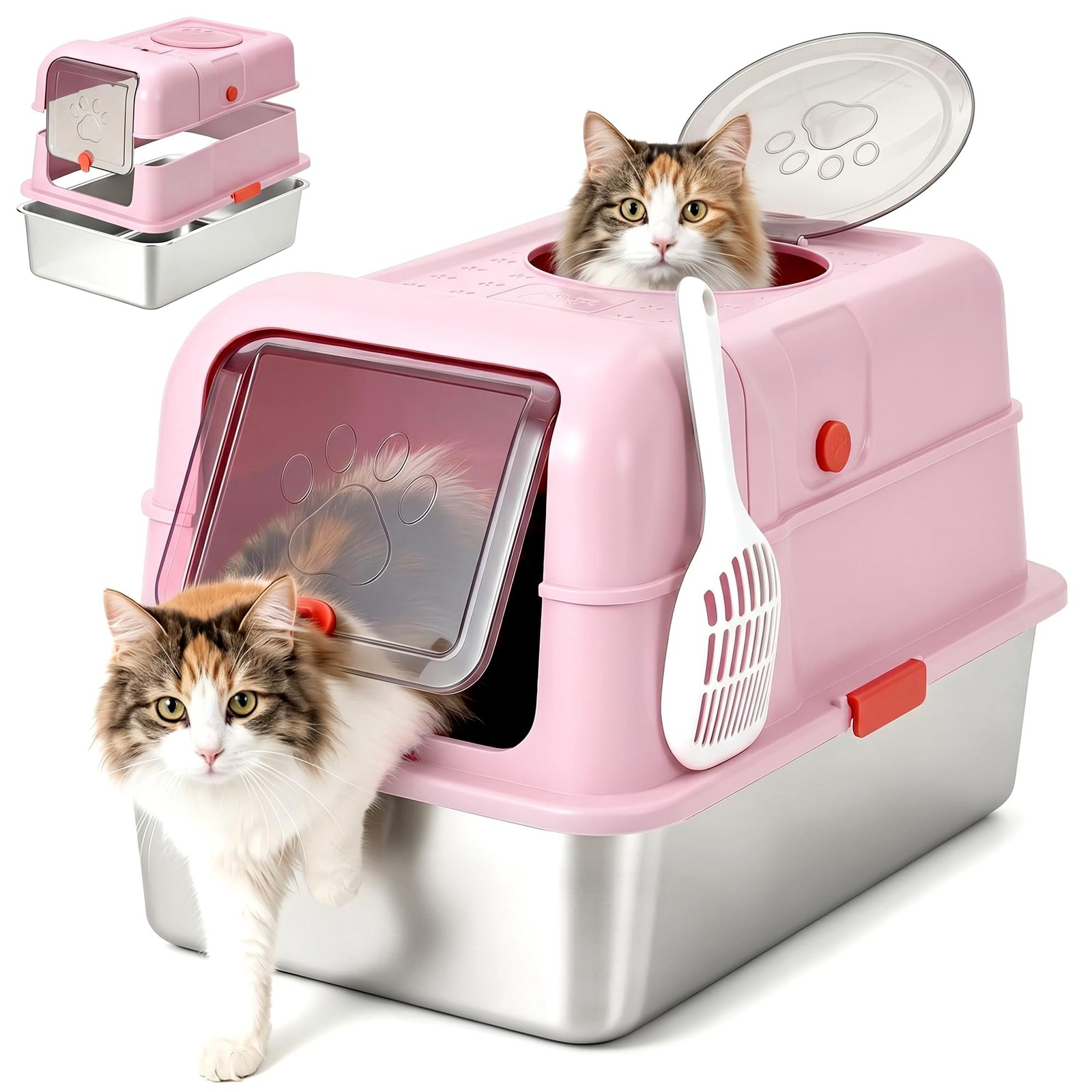

Photos from current listings. Actual item, color, and included accessories may vary.
Dog Litter Box Buying Guide
A dog litter box is an indoor elimination station sized and built to withstand a dog's digging, chewing, and body weight while remaining accessible to smaller pets. The core trade-off is between open stainless-steel pans that resist odor and scratching versus enclosed furniture-style cabinets that block dogs but add cleaning complexity and footprint. Buyers should choose a heavy-gauge stainless open box for multi-dog households or a dog-proof cabinet with a small pet door for cats that need protection from canine housemates.
Median $105.71
Key takeaways
- Stainless-steel pans in 22-26 gauge resist scratching and odor absorption far better than plastic, but below 24 gauge they dent under a dog's weight.
- Dog-proof enclosures rely on a pet-door opening under 8 inches wide and 10 inches high—larger openings let medium dogs enter.
- Open boxes need a rim at least 6 inches high to contain dog-directed kicking; cabinets need a lip plus a contained litter mat.
At a glance
- Category
- Pet Food, Treats & Litter
- Last updated
- Nov 28, 2026
Current offers
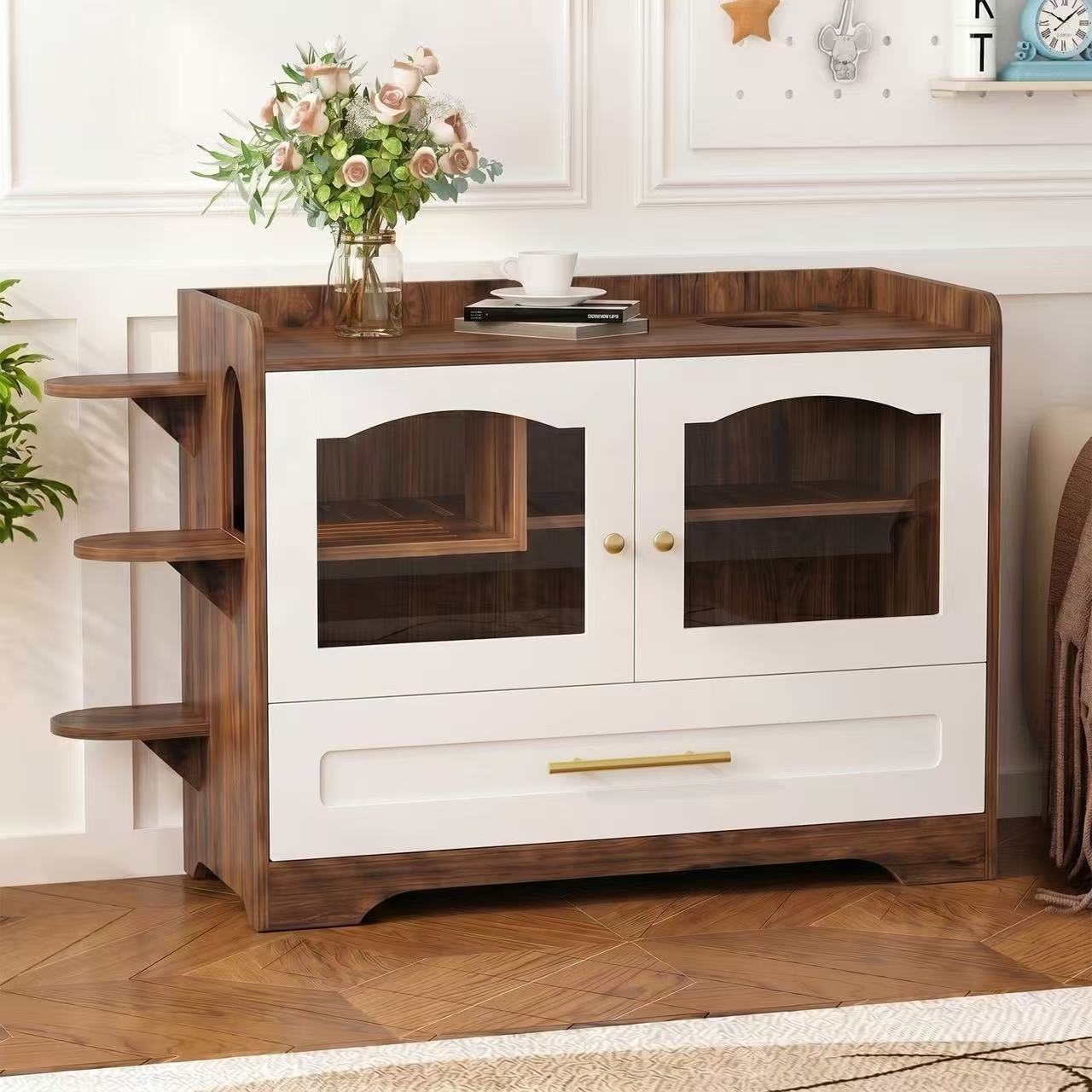
Highlights
- Stainless-steel pans in 22-26 gauge resist scratching and odor absorption far better than plastic, but below 24 gauge they dent under a dog's weight.
- Dog-proof enclosures rely on a pet-door opening under 8 inches wide and 10 inches high—larger openings let medium dogs enter.
- Open boxes need a rim at least 6 inches high to contain dog-directed kicking; cabinets need a lip plus a contained litter mat.
- Cabinet-style units add 12-18 inches of furniture footprint and require assembly; open pans need only a non-slip base.
Best use cases
- Pick an open stainless-steel pan with 6-inch rim for a cat-only home with a small dog that ignores the box—cheapest, easiest to clean, and odor-resistant.
- Choose a dog-proof cabinet with an acrylic pet door for homes with medium or large dogs that raid the litter; the door opening must be under 8x10 inches.
- Skip open plastic boxes entirely in multi-dog homes—dogs crush or flip lightweight pans, and plastic scratches harbor odor within months.
- For apartment cats sharing space with a dog, an extra-long cabinet with a runway entry gives the cat a escape route and hides the box from view.
Buying tips
- Measure your dog's shoulder height and head width: if either exceeds the pet-door opening, the enclosure will not stop entry.
- Choose 304 stainless steel over 201 or coated steel; 304 resists urine corrosion and will not rust at weld seams.
- For cats over 15 pounds, pick an open pan at least 24 inches long; most cabinet pet doors are too small for large cats.
- Match litter depth to pan rim: 2-3 inches of clumping litter in a 6-inch rim pan contains digging without overflow.
Specs
| Enclosure Type | Open pan vs cabinet w/ pet door |
|---|---|
| Pan Material | 304 stainless / thick ABS plastic |
| Pet-Door Opening | Under 8x10 in to block dogs |
| Rim Height | 6 in minimum for open pans |
Related searches
What to check before buying
- Measure the dog's head width and chest height against the pet-door opening—small dogs under 10 inches tall are blocked by 8x10-inch doors.
- Confirm floor space: open pans need 2x the cat's body length; cabinets need 12-18 inches extra depth for the furniture footprint.
- Check the litter pan material grade—304 stainless or thick ABS; thin coated steel rusts at seams within a year.
- Verify the cabinet has a removable or washable litter tray; fixed trays make full cleaning impractical.
FAQ
Data sources: eBay / Amazon listings and product attribute feeds. Updated Nov 28, 2026.
Some links on this page are affiliate links. If you buy after clicking one, we may earn a commission at no extra cost to you. This does not change which products appear here or their order. Affiliate disclosure.