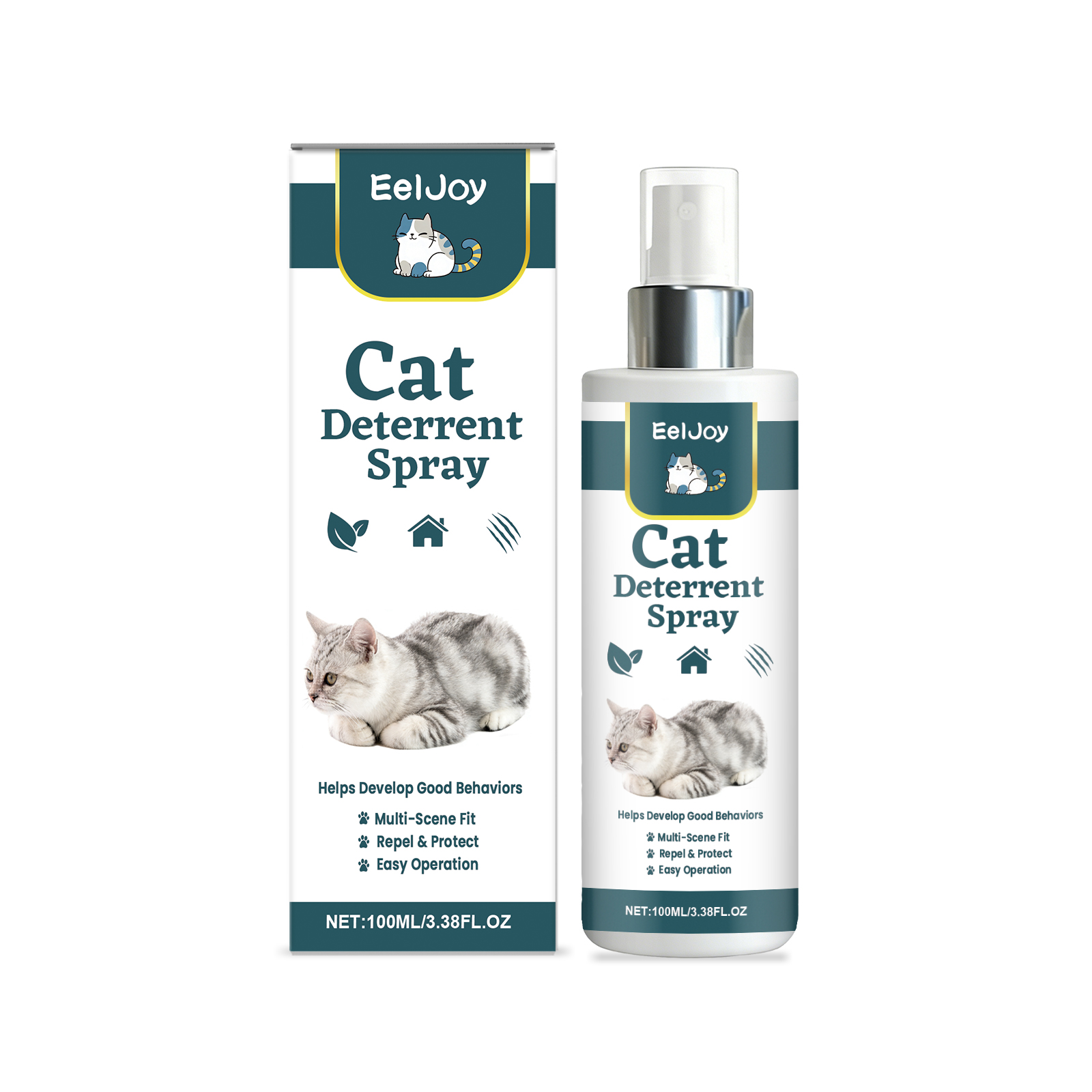

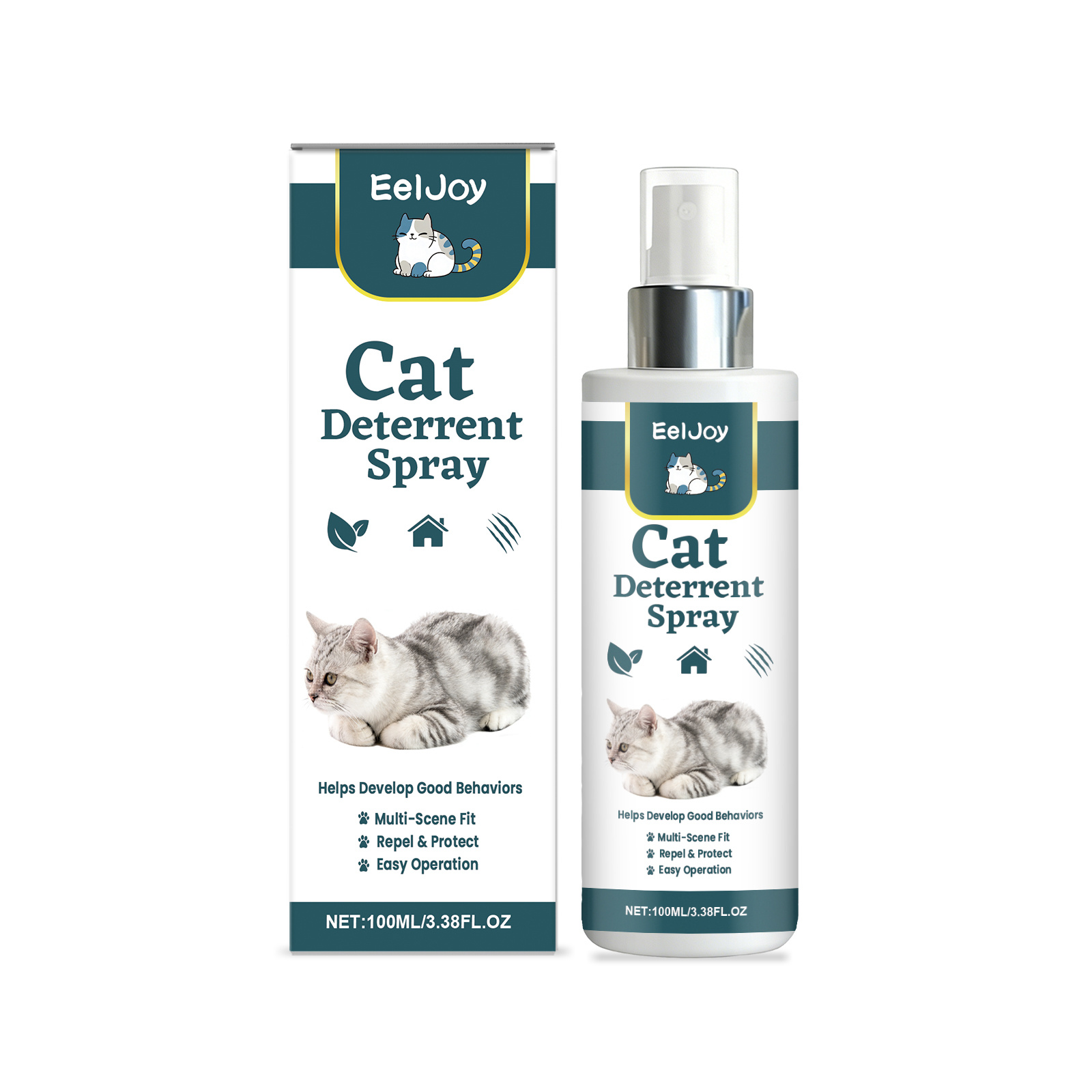
Photos from current listings. Actual item, color, and included accessories may vary.
Cat Deterrent Buying Guide
Cat deterrents are physical or sensory barriers that keep cats off counters, furniture, gardens, and beds without harming them. The core trade-off is between passive mats that rely on discomfort (texture or mild static) and active repellents (motion-triggered spray, ultrasonic, or scent) that condition avoidance through surprise. Choose a passive mat for predictable indoor zones and an active or scent-based deterrent for open outdoor areas where coverage matters more than consistency.
Median $21.49
Key takeaways
- Scat mats use either blunt plastic nubs or low-current static strips; static versions require a 9V battery and deliver a harmless but startling pulse when paw contact bridges the conductive mesh.
- Ultrasonic repellents trigger on passive-infrared motion and emit 20–25 kHz bursts; cats hear up to 64 kHz, so frequency and trigger delay determine whether the unit is effective or ignored.
- Scent sprays rely on citronella, citrus, or methyl nonyl ketone; reapplication every 3–7 days is required outdoors because UV and rain degrade the active compounds.
At a glance
- Category
- Pet Training Gear
- Last updated
- Nov 28, 2026
Current offers
Highlights
- Scat mats use either blunt plastic nubs or low-current static strips; static versions require a 9V battery and deliver a harmless but startling pulse when paw contact bridges the conductive mesh.
- Ultrasonic repellents trigger on passive-infrared motion and emit 20–25 kHz bursts; cats hear up to 64 kHz, so frequency and trigger delay determine whether the unit is effective or ignored.
- Scent sprays rely on citronella, citrus, or methyl nonyl ketone; reapplication every 3–7 days is required outdoors because UV and rain degrade the active compounds.
- Outdoor coverage is governed by emitter range and detection angle—most ultrasonic units cover 30–50 feet at a 60–110° arc, so yard placement matters more than raw power.
Best use cases
- Indoor counters and couches: pick a static scat mat with a 9V battery and cuttable strips; skip scent sprays indoors because overspray stains upholstery and fades within days.
- Garden beds and yard perimeter: pick a weather-resistant ultrasonic unit with PIR trigger and 50-foot range, or granular citrus repellent; skip indoor-only plastic nub mats, which degrade under UV.
- Whole-room or multi-cat households: layer a motion-triggered spray unit near the target zone plus a scat mat on the furniture; skip single small mats because cats simply step around them.
- Bed and doorway blocking: choose a low-profile scat mat that tolerates bare feet; skip static models in homes with toddlers or elderly pets, who can contact the conductive mesh.
Buying tips
- Match mat size to the no-go zone: cover the full landing area plus 6 inches on each side, since cats will jump past a mat narrower than their body length.
- For static mats, confirm the conductive mesh spans the full mat width; edge-only strips let cats step on dead zones without triggering.
- Outdoor ultrasonic units need an IP44 or higher rating and a detection range of at least 30 feet to cover a typical garden bed without blind spots.
- Scent deterrents should list the active ingredient (citronella, citrus, or methyl nonyl ketone) and a reapplication interval; unlisted formulas fade unpredictably.
Specs
| Deterrent Type | Scat mat / ultrasonic / spray / granular |
|---|---|
| Power Source | 9V battery / AC adapter / passive |
| Outdoor Rating | IP44+ for rain-exposed units |
| Coverage Range | 30-50 ft ultrasonic / mat footprint |
Related searches
What to check before buying
- Measure the exact counter, couch, or garden bed footprint and add 6 inches per side before choosing mat dimensions.
- Confirm the surface is flat and dry; scat mats and static strips do not sit flush on cushions or uneven soil.
- For outdoor units, check that a covered outlet or battery compartment is within reach and that the unit is rated for rain exposure.
- Verify household compatibility: static mats and ultrasonic units should be avoided around toddlers, elderly pets, or cats with medical conditions.
FAQ
Data sources: eBay / Amazon listings and product attribute feeds. Updated Nov 28, 2026.
Some links on this page are affiliate links. If you buy after clicking one, we may earn a commission at no extra cost to you. This does not change which products appear here or their order. Affiliate disclosure.