
Photos from current listings. Actual item, color, and included accessories may vary.
Anti Barking Device Buying Guide
Anti-barking devices are sound-based deterrents that interrupt nuisance barking via ultrasonic bursts, audible tones, or vibration, and they split into handheld, wall-mounted, and collar form factors. The core trade-off is trigger reliability versus humane safety: cheap units emit fixed-frequency ultrasonic noise that many dogs ignore and that can stress sensitive animals, while capable units offer adjustable frequency, multi-level intensity, and a clear detection range. Choose a device with at least three frequency or intensity levels and a defined sensing radius, and skip any collar that shocks without a vibration-first warning.
Median $11.99
Key takeaways
- Ultrasonic emitters typically operate between 20-30 kHz; dogs hear up to 45 kHz, so variable-frequency models outperform fixed 25 kHz units that many dogs habituate to within weeks.
- Wall/box units detect barking via a microphone and auto-trigger; look for a stated sensing distance of at least 10 m (32.8 ft) and a 60-110 dB output range.
- Collar deterrents split into spray (citronella), vibration, and static shock; vibration-first with progressive levels is the humane middle tier, while shock collars need adjustable 1-100 stimulation levels.
At a glance
- Category
- Pet Training Gear
- Last updated
- Nov 27, 2026
Current offers
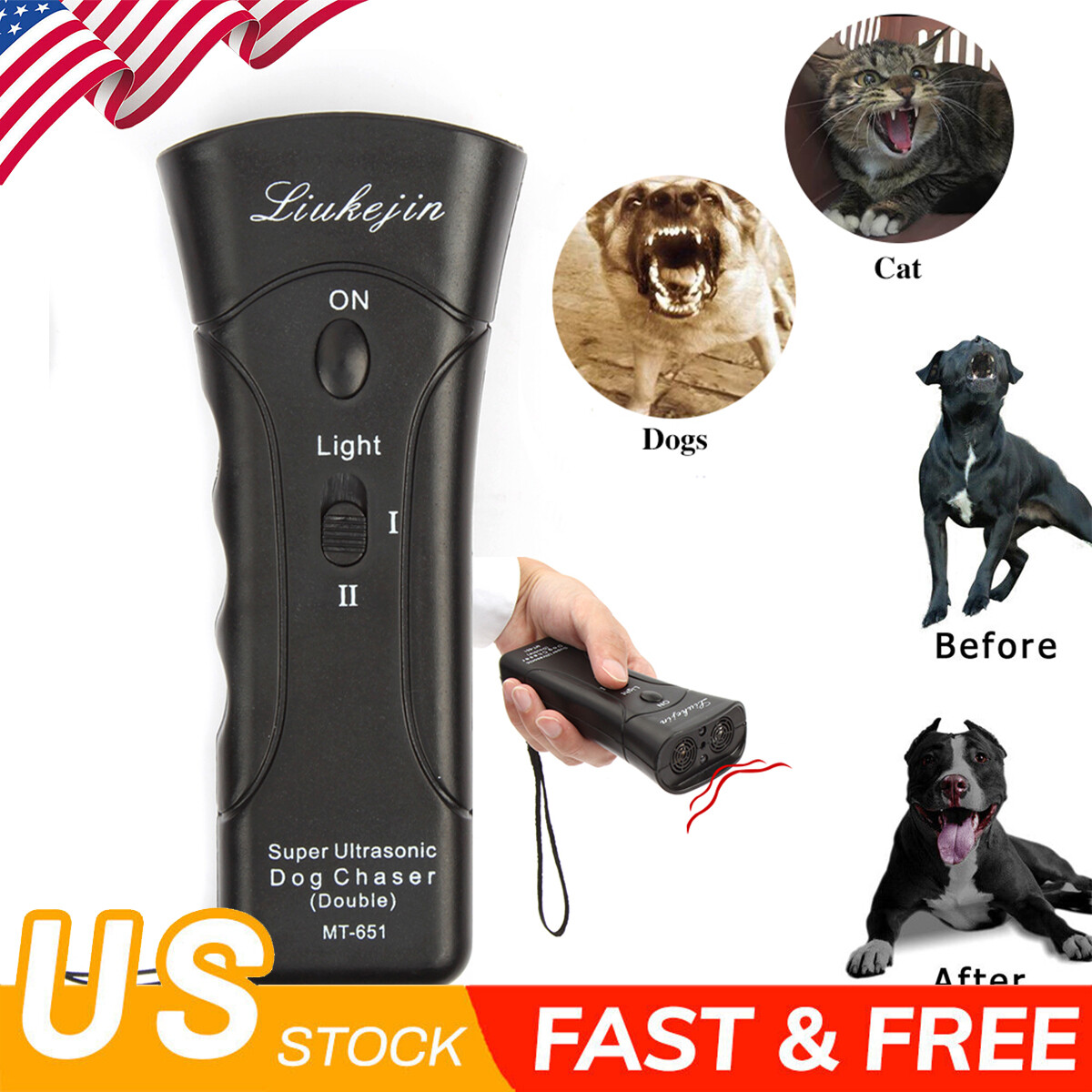 Ultrasonic Bark Stopper Control Anti Barking Away Pet Dog Train Repeller Device$9.66View on eBay
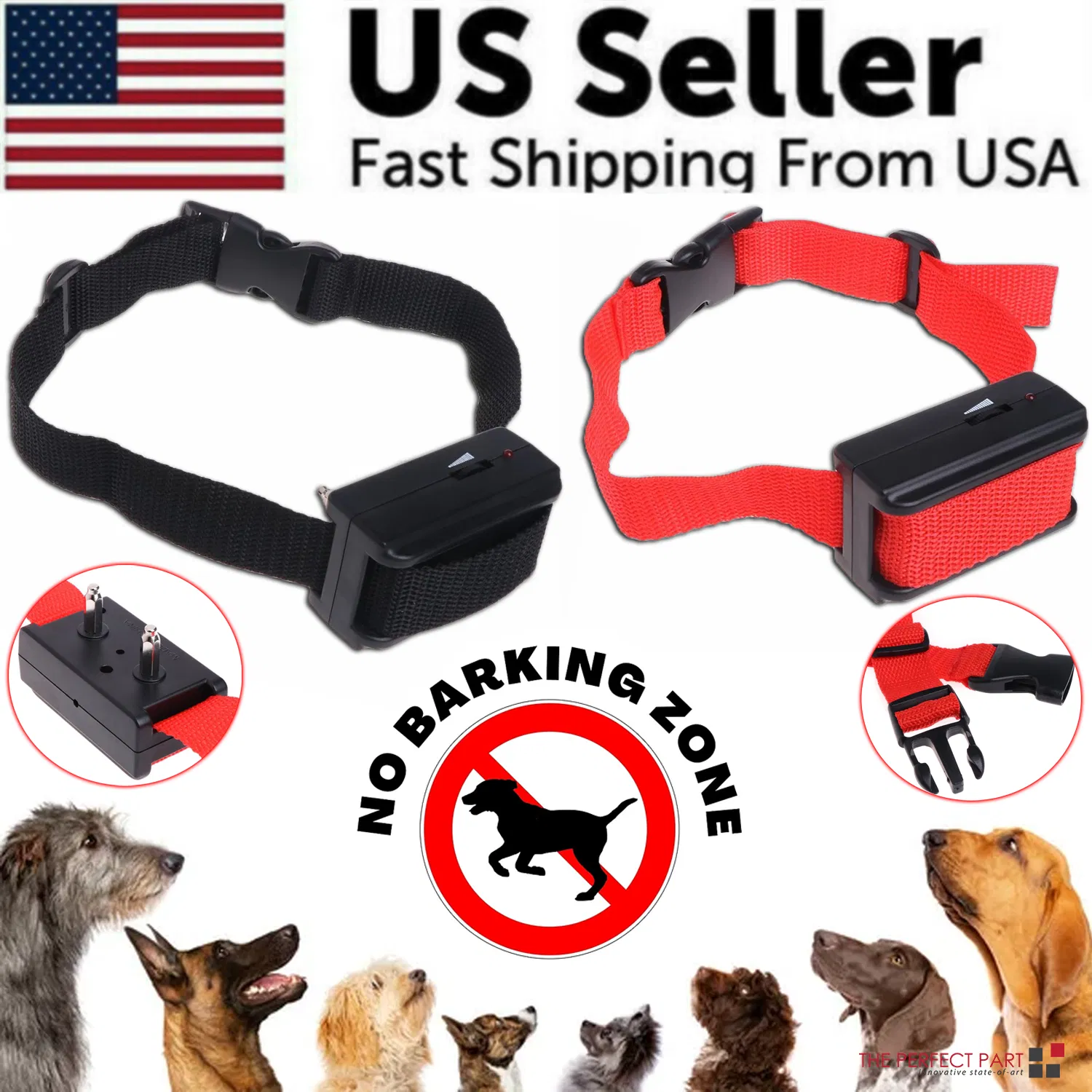 Automatic Anti Bark Barking Dog Shock Control COLLAR Device Small Medium Large$20.99View on Mallflare
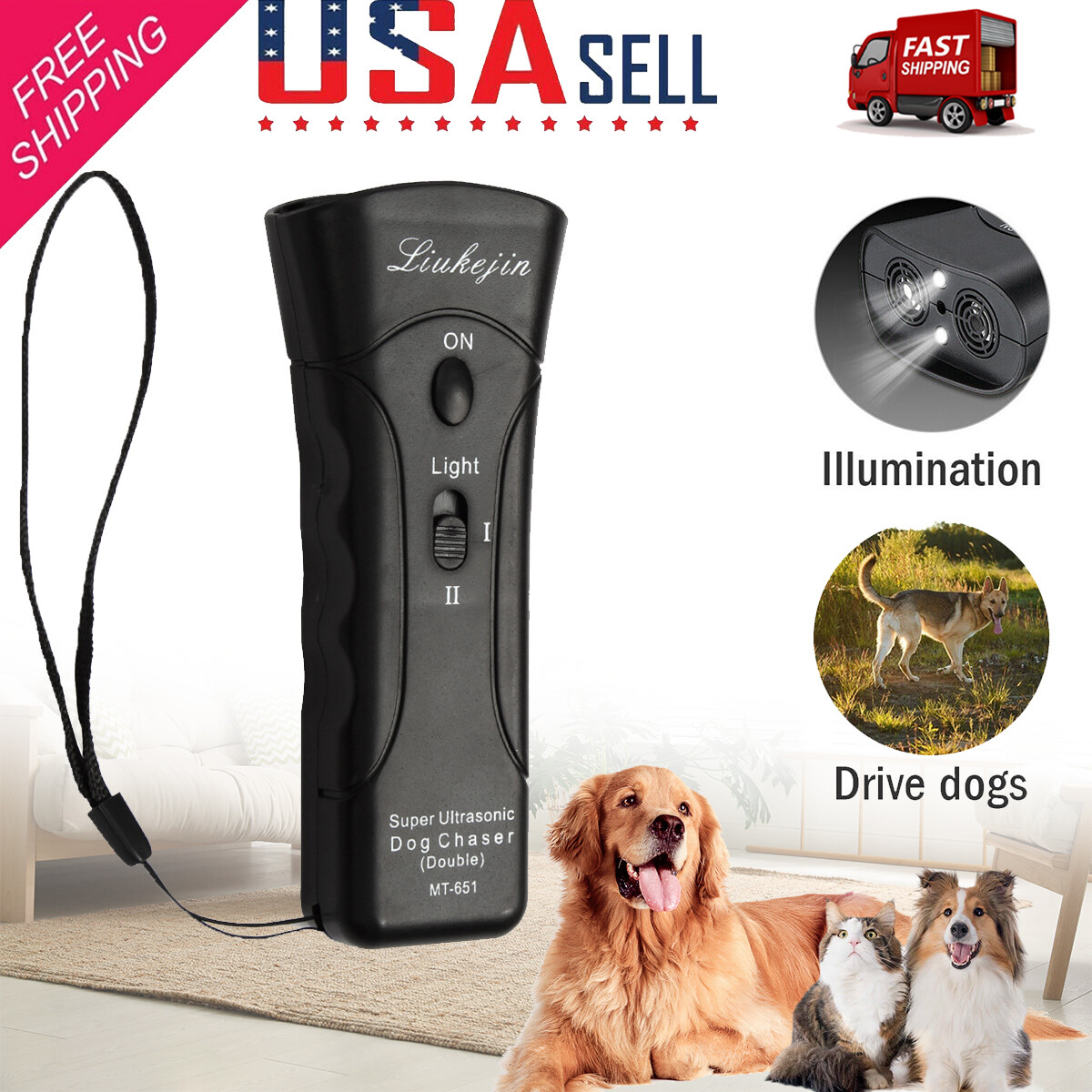 Ultrasonic Bark Stopper Control Anti Barking Away Pet Dog Train Repeller Device$9.99Last checked Nov 25, 2026View on eBay
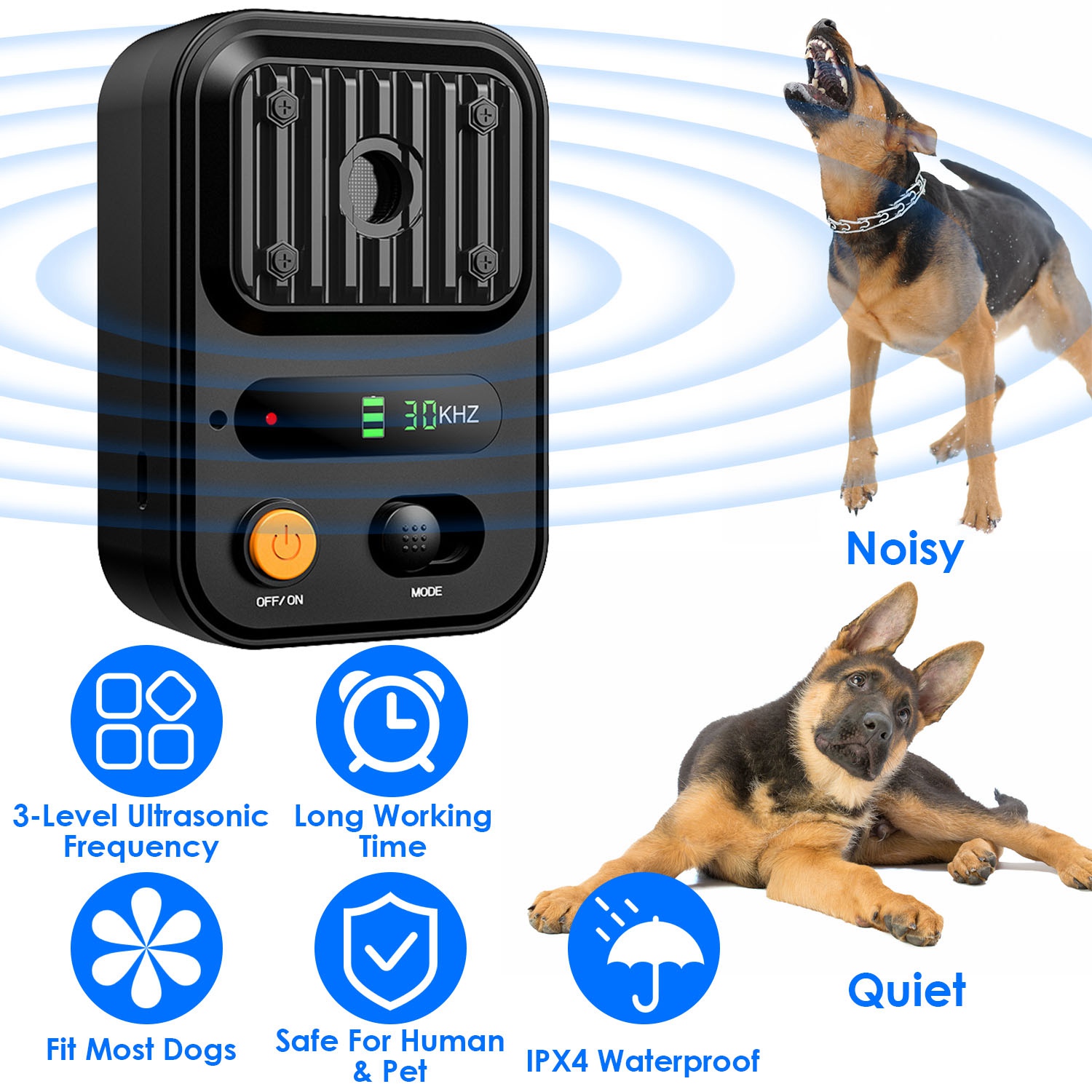 Black-Green Color Options -- 1Pc Ultrasonic Anti-Barking Device Rechargeable Auto Dog Bark Control Deterrent Box Training IPX4 Waterproof With 3 Frequency Max 32.8Feet Sensing Distance For Most$37.99View on Mallflare
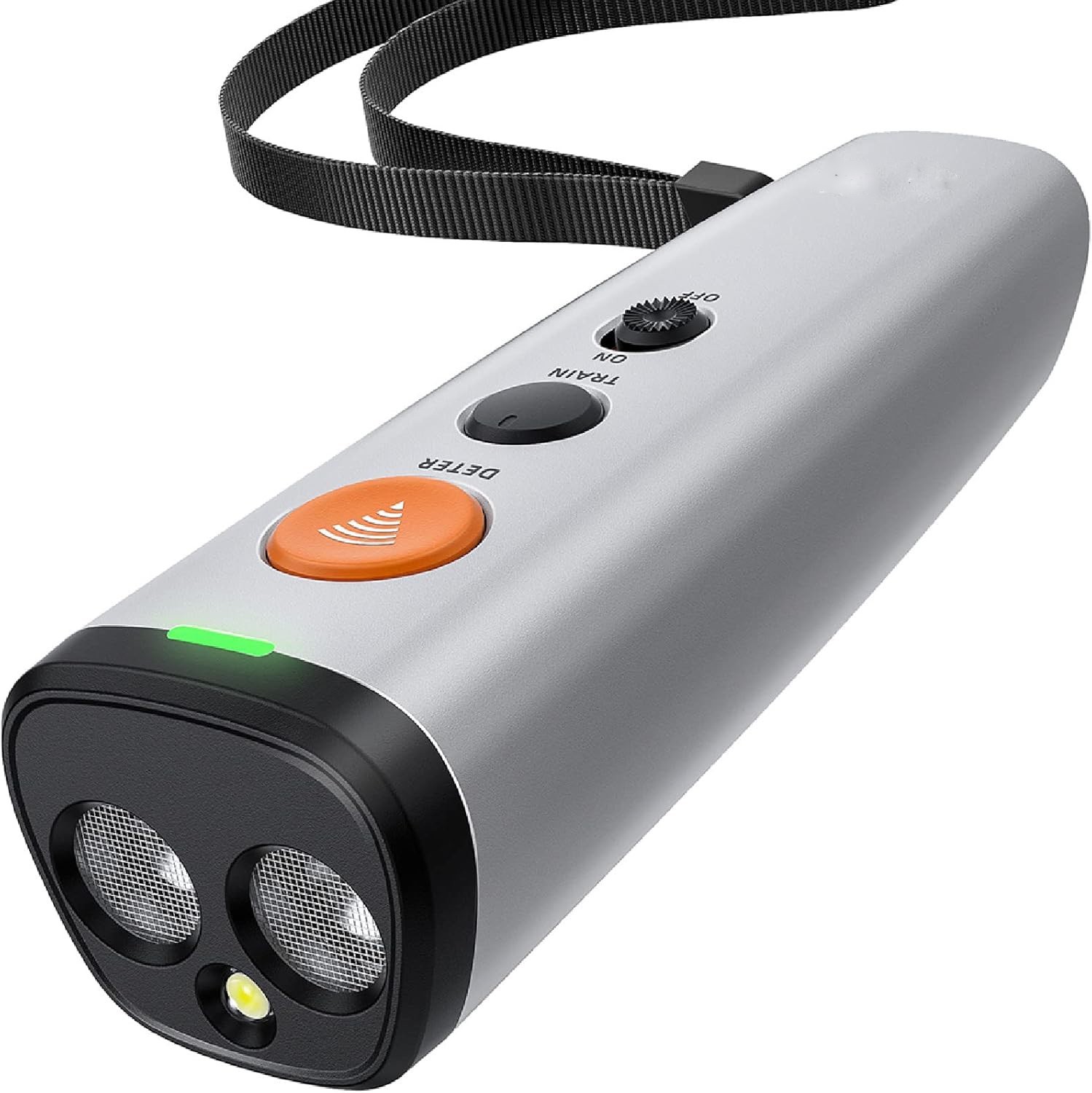 Ultrasonic Dog Repeller Anti Bark Device Stop Barking Humane Pet Training Tool$11.99Last checked Nov 24, 2026View on eBay
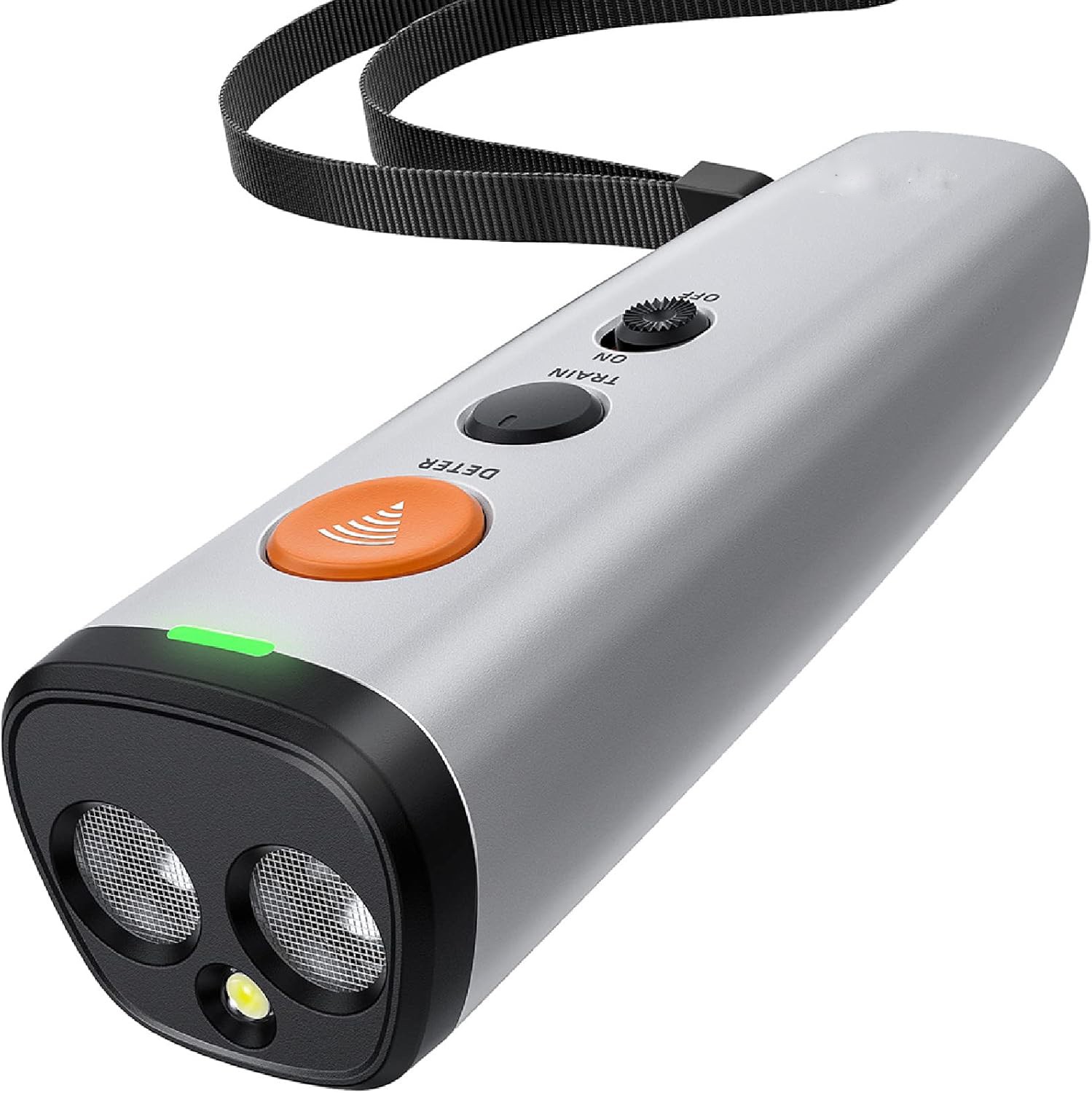 Ultrasonic Dog Repeller Anti Bark Device Stop Barking Humane Pet Training Tool$11.99Last checked Nov 24, 2026View on eBay
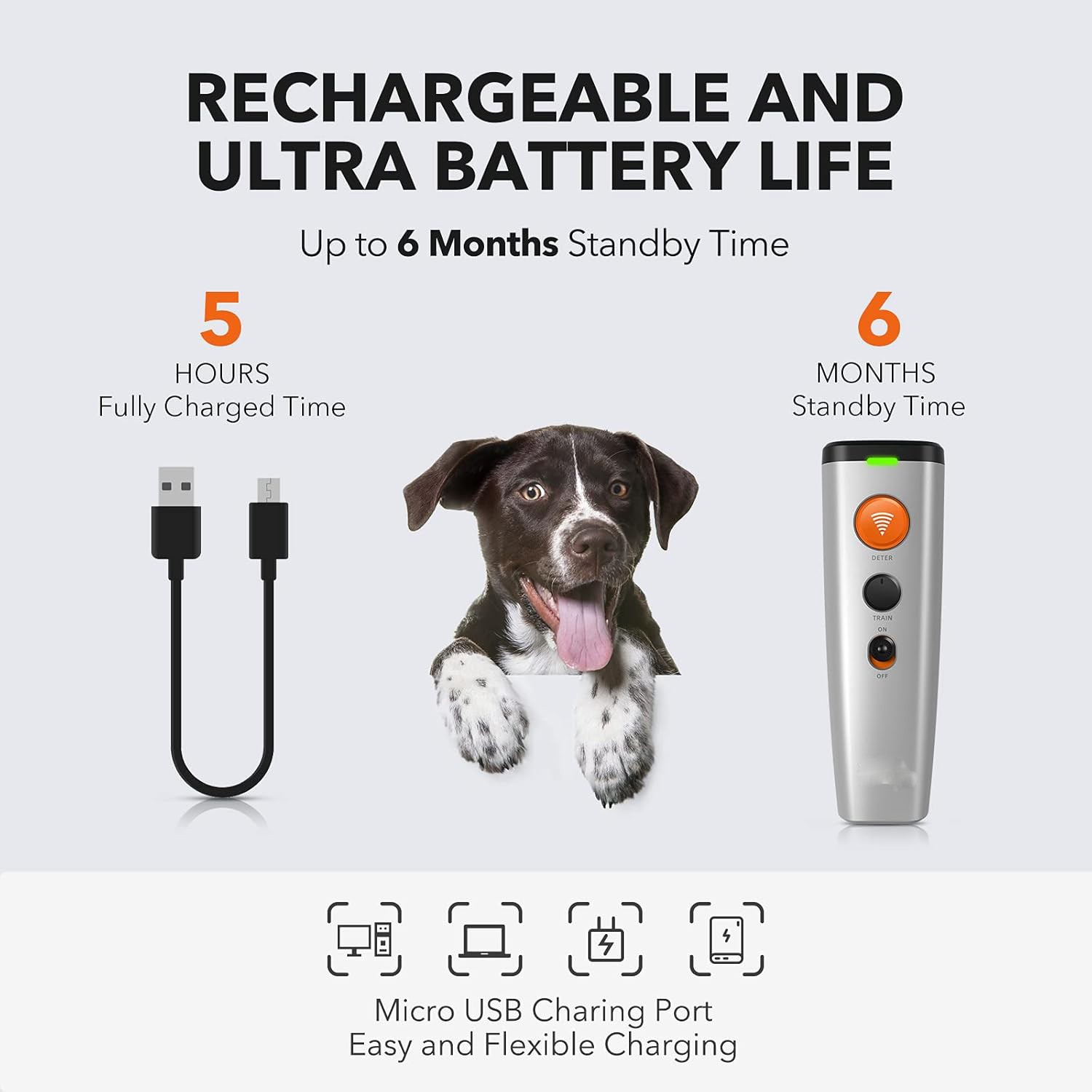 Ultrasonic Dog Repeller Anti Bark Device Stop Barking Humane Pet Training Tool$11.99Last checked Nov 23, 2026View on eBay
- Ultrasonic Dog Repeller Anti Bark Device Stop Barking Humane Pet Training Tool$11.99Last checked Nov 23, 2026View on eBay
- Ultrasonic Dog Repeller Anti Bark Device Stop Barking Humane Pet Training Tool$11.99Last checked Nov 23, 2026View on eBay
- Ultrasonic Dog Repeller Anti Bark Device Stop Barking Humane Pet Training Tool$11.99Last checked Nov 22, 2026View on eBay
- Ultrasonic Dog Repeller Anti Bark Device Stop Barking Humane Pet Training Tool$11.99Last checked Nov 22, 2026View on eBay
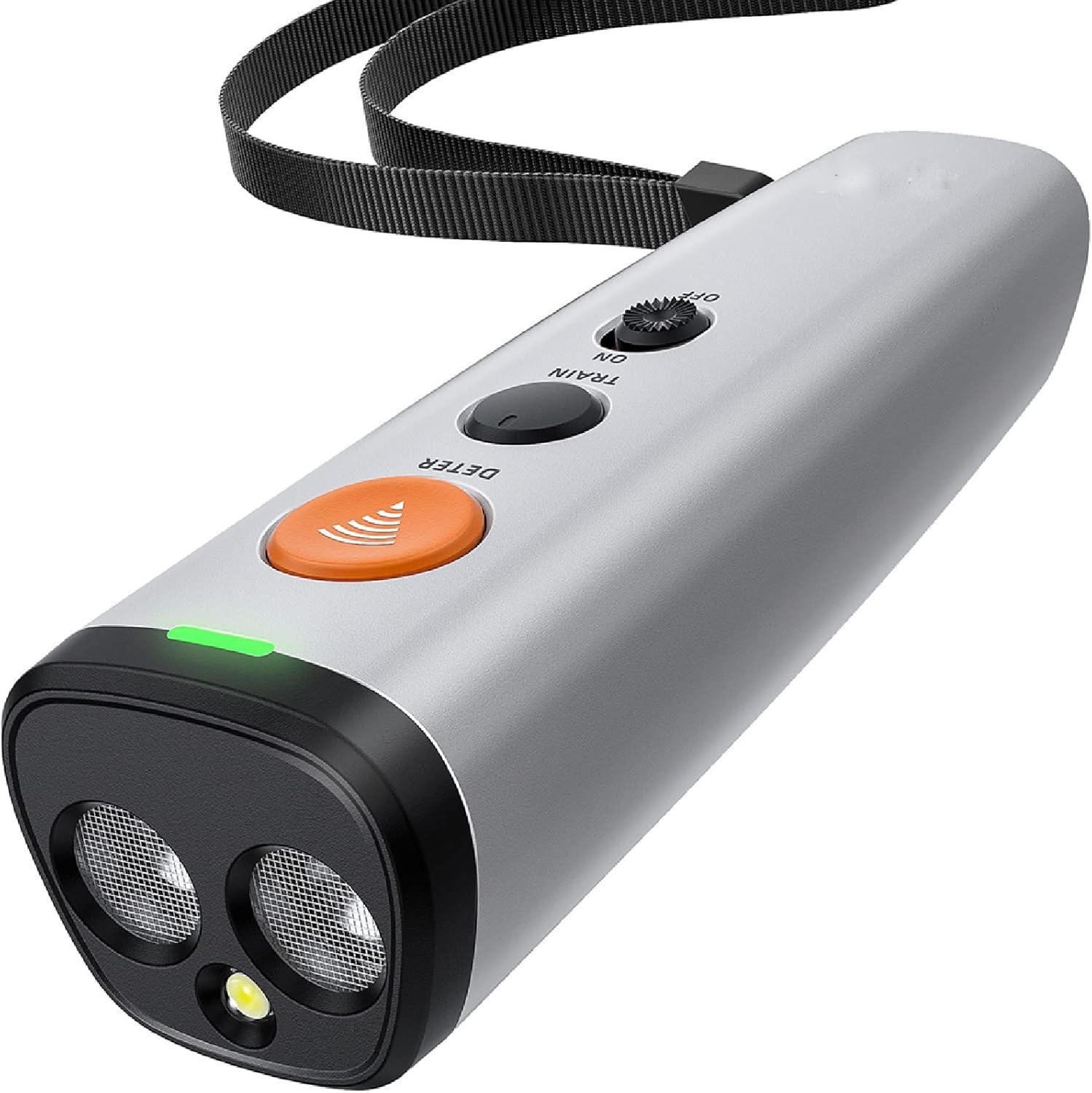 Ultrasonic Dog Repeller Anti Bark Device Stop Barking Humane Pet Training Tool$11.99View on eBay
- Ultrasonic Dog Repeller Anti Bark Device Stop Barking Humane Pet Training Tool$11.99View on eBay
- Ultrasonic Dog Repeller Anti Bark Device Stop Barking Humane Pet Training Tool$12.99Last checked Nov 24, 2026View on eBay
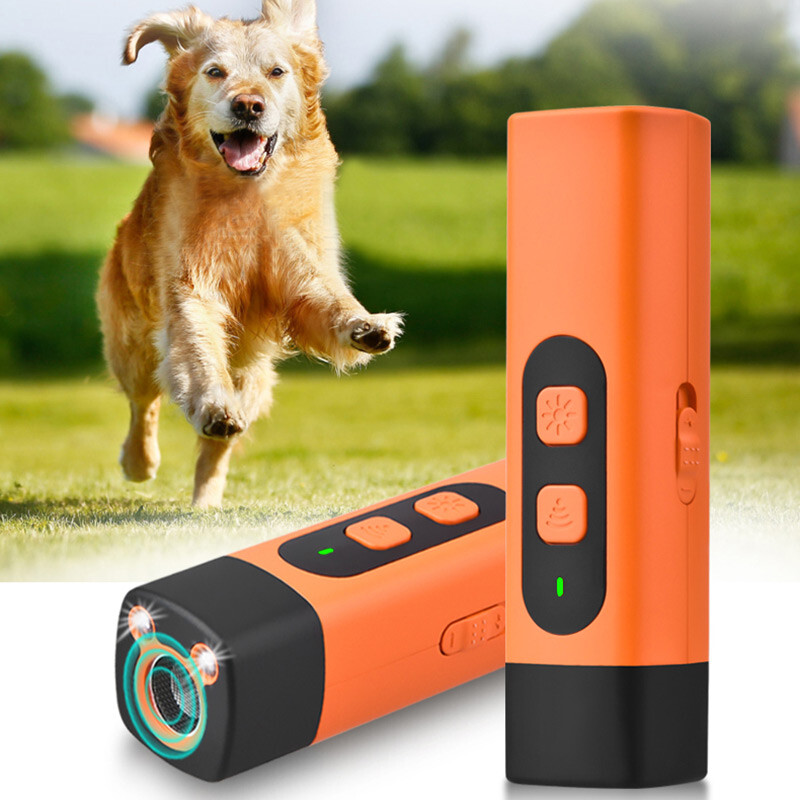 Ultrasonic Bark Stopper Control Anti Barking Away Pet Dog Train Repeller Device$13.58Last checked Nov 23, 2026View on eBay
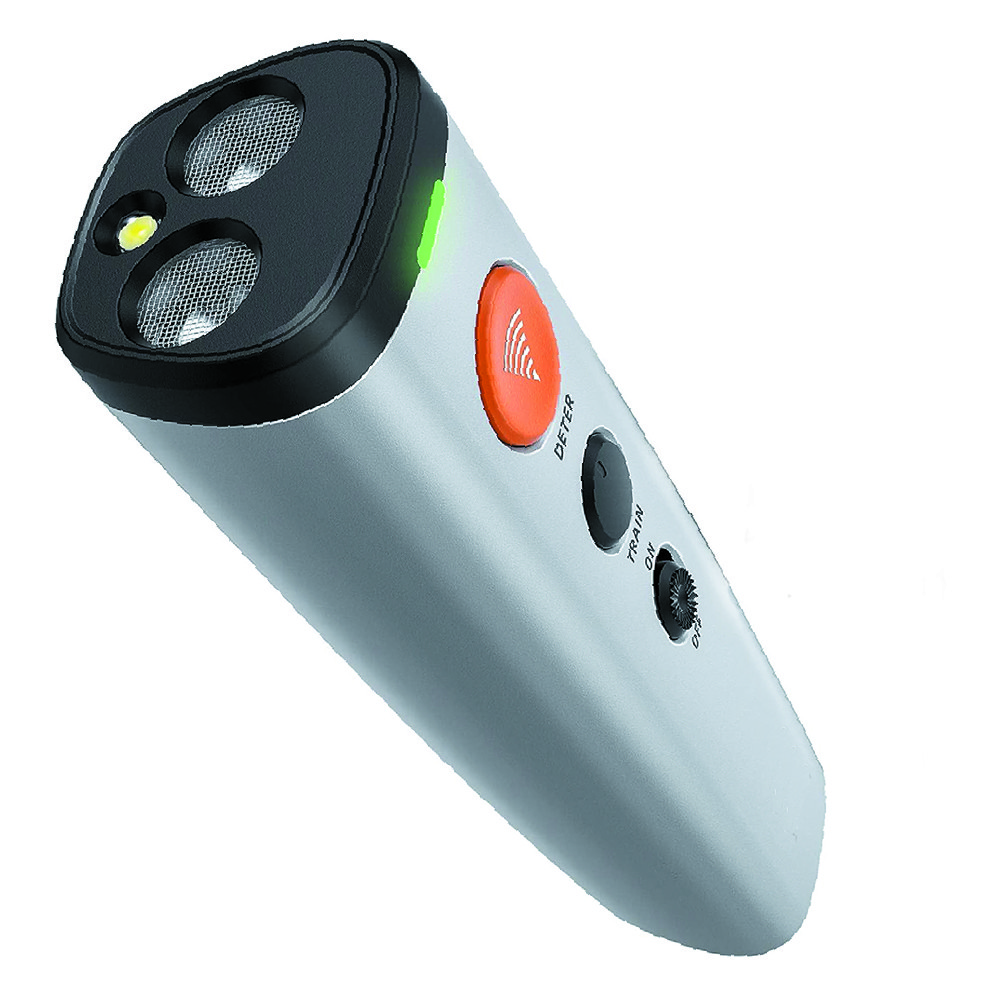 Ultrasonic Dog Repeller Anti Bark Device Stop Barking Humane Pet Training Tool$15.99View on eBay
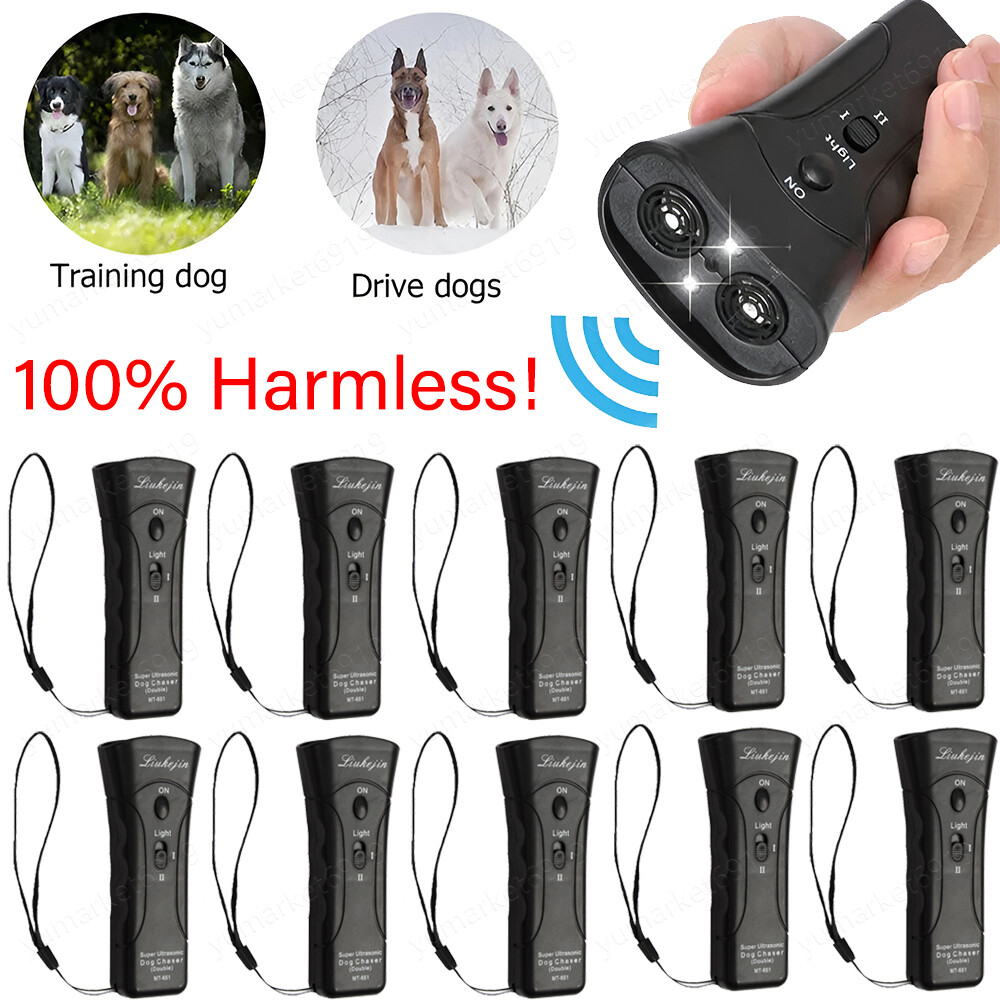 Ultrasonic Anti Stop Barking Pet Dog Train Repeller Control Trainer Device Lot$42.75Last checked Nov 22, 2026View on eBay
Highlights
- Ultrasonic emitters typically operate between 20-30 kHz; dogs hear up to 45 kHz, so variable-frequency models outperform fixed 25 kHz units that many dogs habituate to within weeks.
- Wall/box units detect barking via a microphone and auto-trigger; look for a stated sensing distance of at least 10 m (32.8 ft) and a 60-110 dB output range.
- Collar deterrents split into spray (citronella), vibration, and static shock; vibration-first with progressive levels is the humane middle tier, while shock collars need adjustable 1-100 stimulation levels.
- IPX4 waterproofing is the minimum for outdoor wall units and collars; handheld repellers need only basic splash resistance but should use rechargeable USB-C or AA cells for consistent ultrasonic output.
Best use cases
- Best fit: a wall-mounted auto-trigger ultrasonic box with adjustable frequency and 10 m+ range for a yard, balcony, or apartment hallway where the dog barks unattended.
- Best fit: a handheld ultrasonic repeller with 3+ frequency modes and a 5-10 m effective cone for walks, doorbell lunging, or correcting a neighbor's dog at the fence line.
- Best fit: a vibration-first training collar with progressive levels and a remote for off-leash recall and barking interruption in rural or large-property settings; skip shock-only collars for anxious or small dogs.
- Wrong fit: a single fixed-frequency ultrasonic unit for a deaf, senior, or noise-sensitive dog, or for multi-dog households where one device cannot isolate the barker.
Buying tips
- Match device type to the trigger: auto-trigger boxes for unattended barking, handheld for on-leash correction, and collars only when the dog is out of line-of-sight and you accept collar-wearing compliance.
- Verify frequency adjustability: 3 or more selectable frequency bands (typically 20-30 kHz) let you find what your dog responds to and rotate bands to prevent habituation.
- For collars, insist on vibration-first warning plus adjustable static levels; fixed high-output shock collars are a red flag for humane training and small-breed safety.
- Check the sensing/detection spec as a real number: 10 m (32.8 ft) or better for wall units, 5 m for handhelds; units that omit a range figure are fixed low-power toys.
Specs
| Device Form | Handheld / Wall box / Training collar |
|---|---|
| Deterrent Type | Ultrasonic / Vibration / Spray / Static |
| Frequency Bands | Fixed 25 kHz vs 3+ adjustable 20-30 kHz |
| Sensing Range | 5 m handheld / 10 m+ wall unit |
Related searches
What to check before buying
- Measure the coverage zone: a wall unit rated 10 m covers roughly a 20 m diameter area, so buy one unit per 30-50 m² of open yard or use two for L-shaped spaces.
- Confirm the power source: rechargeable USB-C or AA alkaline for portability; outdoor wall units need weather-rated housing and a sheltered mounting spot despite IPX4.
- Check collar fit: neck circumference must fall within the strap range and the contact/vibration pod must sit snug on the side of the neck, not the throat, for dogs over 5 kg.
- Verify humane compliance for your household: vibration or spray collars for puppies under 6 months and seniors; avoid ultrasonic on dogs with known noise phobia.
FAQ
Data sources: eBay / Amazon listings and product attribute feeds. Updated Nov 27, 2026.
Some links on this page are affiliate links. If you buy after clicking one, we may earn a commission at no extra cost to you. This does not change which products appear here or their order. Affiliate disclosure.