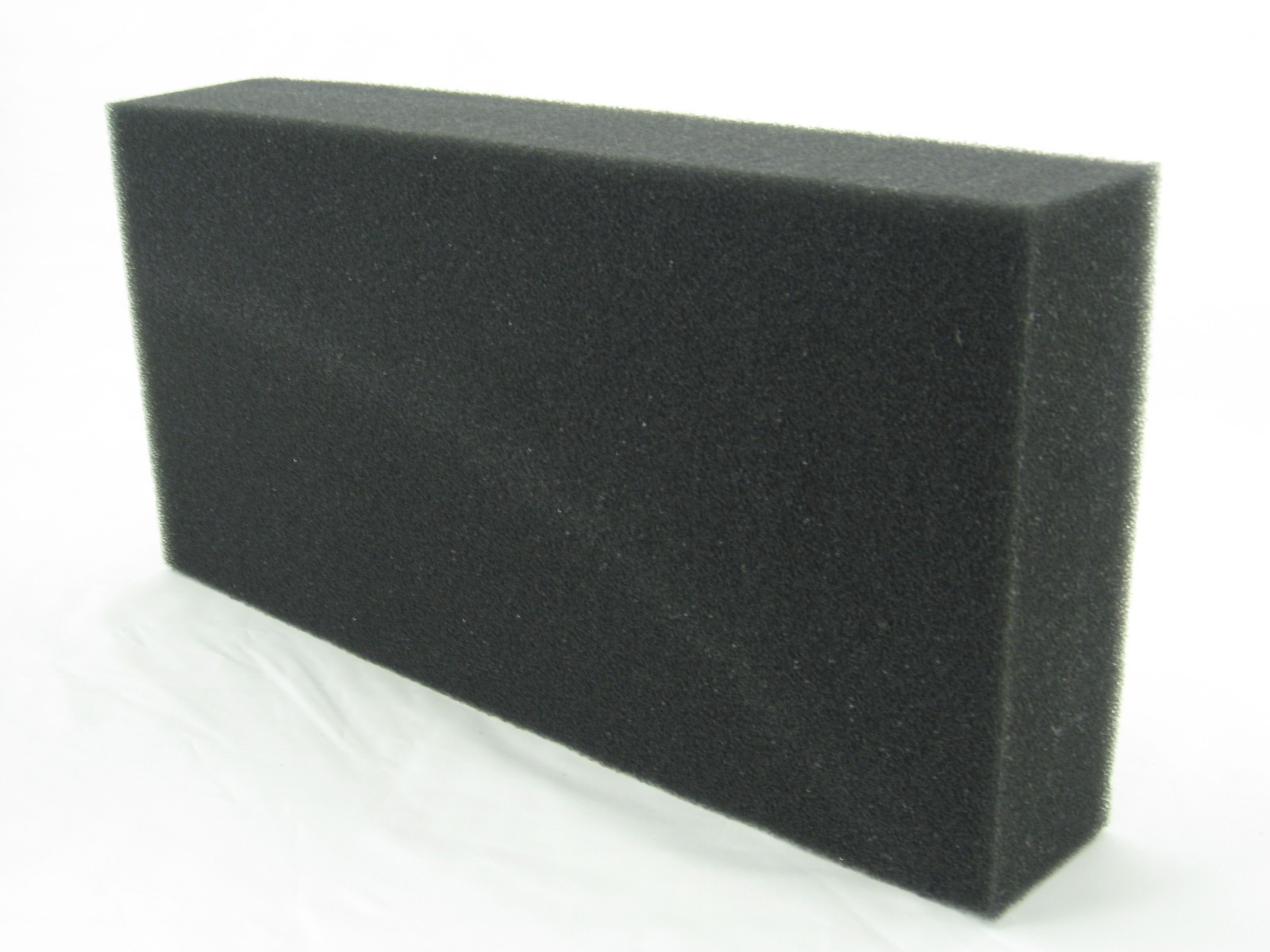

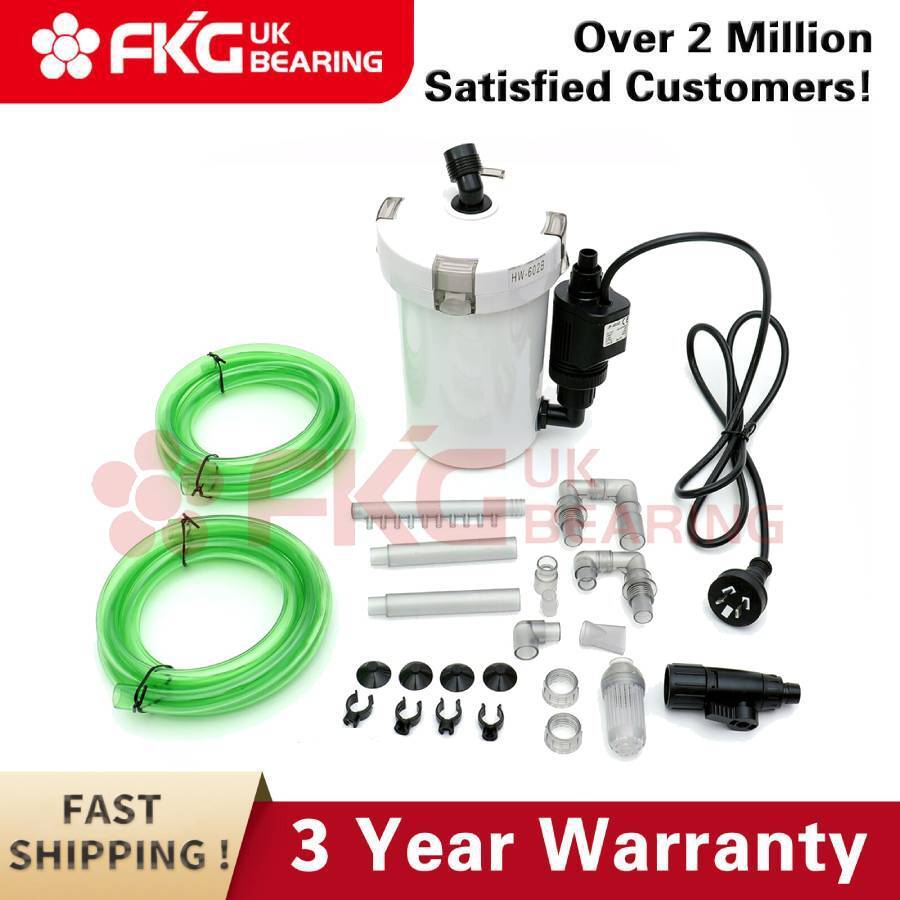
Photos from current listings. Actual item, color, and included accessories may vary.
Sponge Filter Buying Guide
Sponge filters are air- or pump-driven biological filters that pull water through open-cell foam, providing gentle circulation and massive surface area for nitrifying bacteria. The primary trade-off is foam pore grade versus flow rate: coarse 20-30 PPI foam resists clogging but hosts less bacteria, while fine 40-60 PPI foam offers more surface area but requires more maintenance. The decision rule is simple: match foam pore size and filter volume to bioload, and always pair the filter with an appropriately rated air pump or powerhead.
Median $505.18 · New listings
Key takeaways
- Foam pore density (PPI) directly determines biological capacity: 20-30 PPI coarse foam suits high-flow applications, while 40-60 PPI fine foam maximizes surface area for fry and shrimp tanks.
- Air-driven sponge filters require a check valve and a pump rated for the tank's depth; a 2-4 psi pump is typical for tanks up to 20 gallons, while deeper tanks need higher-pressure models.
- Sponge filter volume (sponge block dimensions) correlates with bacterial colonization: larger blocks (e.g., 4x4x4 inches) support heavier bioloads but displace more tank volume.
At a glance
- Category
- Aquarium Filters & Pumps
- Last updated
- Nov 28, 2026
Current offers
Highlights
- Foam pore density (PPI) directly determines biological capacity: 20-30 PPI coarse foam suits high-flow applications, while 40-60 PPI fine foam maximizes surface area for fry and shrimp tanks.
- Air-driven sponge filters require a check valve and a pump rated for the tank's depth; a 2-4 psi pump is typical for tanks up to 20 gallons, while deeper tanks need higher-pressure models.
- Sponge filter volume (sponge block dimensions) correlates with bacterial colonization: larger blocks (e.g., 4x4x4 inches) support heavier bioloads but displace more tank volume.
- Cut-to-fit foam pads must be open-cell polyurethane or polyester; closed-cell foam will not support nitrifying bacteria and will clog rapidly.
Best use cases
- Best for breeding, fry, and shrimp tanks: choose a fine 40-60 PPI sponge filter with a low-flow air pump to prevent fry from being sucked in.
- Best for quarantine or hospital tanks: use a small air-driven sponge filter with a pre-cycled sponge to avoid ammonia spikes and medication absorption issues.
- Wrong for high-bioload cichlid or goldfish tanks: sponge filters alone cannot handle large waste volumes; pair with a canister or hang-on-back filter.
- Wrong for deep tanks over 24 inches: standard air pumps cannot overcome water pressure; select a powerhead-driven sponge filter or a high-pressure air pump.
Buying tips
- Match filter sponge volume to tank size: a 3x3x3-inch sponge handles up to 10 gallons, 4x4x4 inches up to 20 gallons, and larger blocks for tanks over 30 gallons.
- For air-driven setups, choose an air pump rated at least 1.5 times the tank's water depth in inches to ensure adequate flow through the foam.
- Select foam pore size by stocking: 20-30 PPI for messy fish, 40-60 PPI for fry and shrimp, and 30-40 PPI for community tanks.
- Cut-to-fit pads must be replaced when they lose shape or crumble; buy foam sheets at least 1 inch thick to maintain structural integrity.
Specs
| Foam Pore Size | 20-60 PPI (coarse to fine) |
|---|---|
| Drive Type | Air pump vs powerhead |
| Filter Volume | 3-8+ inch sponge blocks |
| Foam Material | Open-cell polyurethane/polyester |
Related searches
What to check before buying
- Measure tank height and water depth to select an air pump with sufficient pressure rating; standard pumps lose flow beyond 20 inches of depth.
- Verify sponge filter dimensions fit within the tank without blocking intake or disrupting aquascape; allow 1 inch clearance from walls.
- Check that the filter kit includes a check valve, air line tubing, and suction cups; these are required for safe air-driven operation.
- Confirm foam pore size (PPI) is specified; avoid unlabeled foam that may be closed-cell or chemically treated.
FAQ
Data sources: eBay / Amazon listings and product attribute feeds. Updated Nov 28, 2026.
Some links on this page are affiliate links. If you buy after clicking one, we may earn a commission at no extra cost to you. This does not change which products appear here or their order. Affiliate disclosure.