
Photos from current listings. Actual item, color, and included accessories may vary.
Filter Buying Guide
Aquarium canister filters are external, multi-stage media reactors that combine mechanical, biological, and sometimes chemical filtration with a separate pump, keeping the tank free of in-tank hardware. The core trade-off is flow-rate versus media volume and head-pressure: a high-GPH pump paired with small media baskets delivers weak biological capacity and noisy, leak-prone operation, while a larger canister with a modest pump provides stable, quiet, long-interval filtration. The decision rule: match rated flow at your actual lift height to tank volume, choose a canister with at least 3 media stages and a true priming system, and reject any unit whose hose fittings or motor seal cannot be serviced with standard parts.
Median $211.58 · New & pre-owned listings
Key takeaways
- Canister flow is rated at zero head; every 12–16 inches of lift and each 90-degree bend cuts effective GPH by roughly 10–15%, so a 264 GPH unit at 35-inch lift delivers closer to 180–200 GPH in real use.
- Three-stage trays (mechanical sponge/floss, biological ceramic rings or bio-balls, chemical carbon/ resin) are the minimum for stable nitrogen cycling; two-stage units force compromises in bio-media volume.
- Self-priming hand-pump heads and quick-disconnect double-tap hose valves are the two features that separate serviceable canisters from leak-prone budget units; both are absent on the cheapest models.
At a glance
- Category
- Aquarium Filters & Pumps
- Last updated
- Nov 28, 2026
Current offers
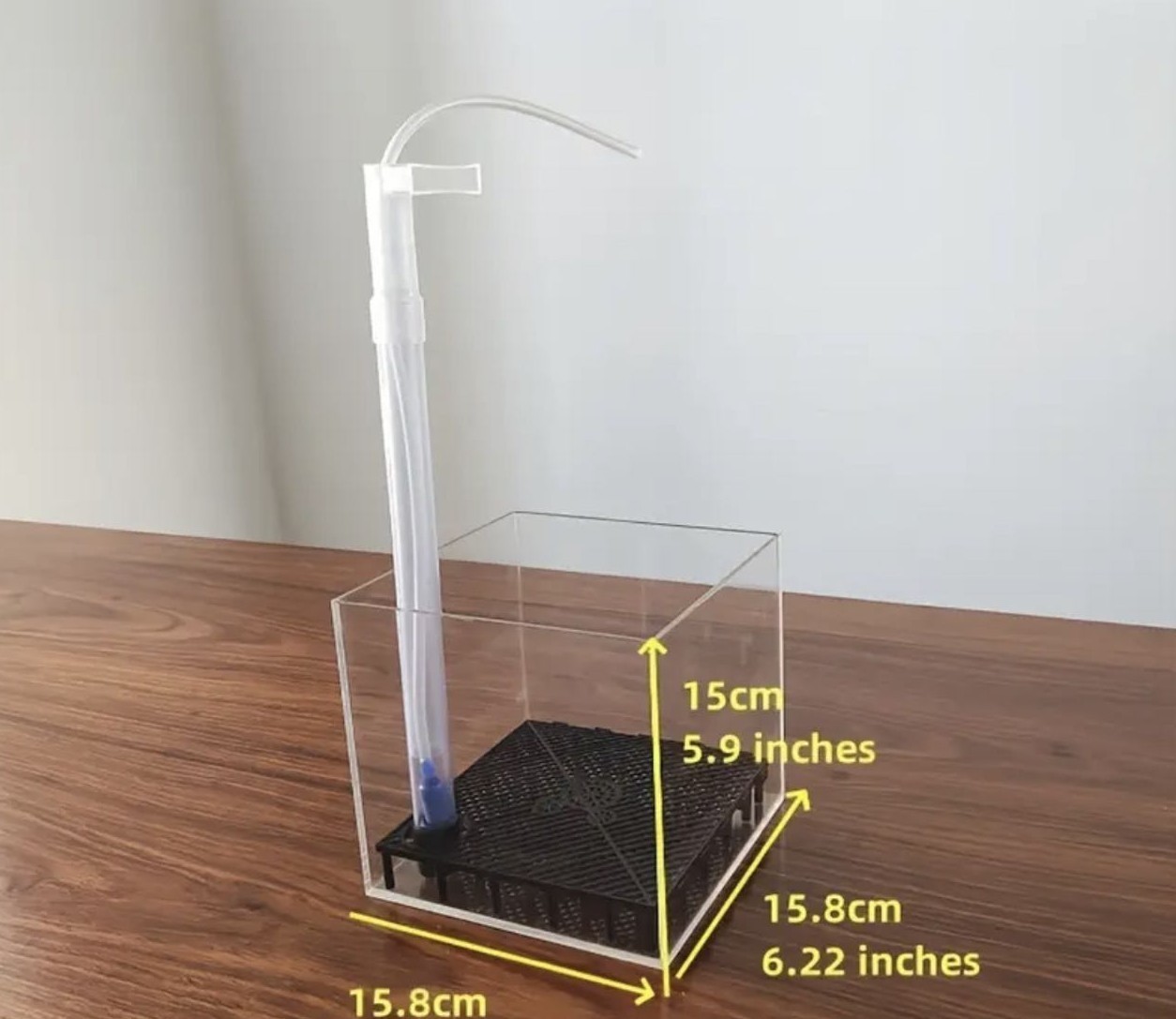 Acrylic Aquarium Undergravel Filter System (UGF). for shrimp fish tank .$28.00View on eBay
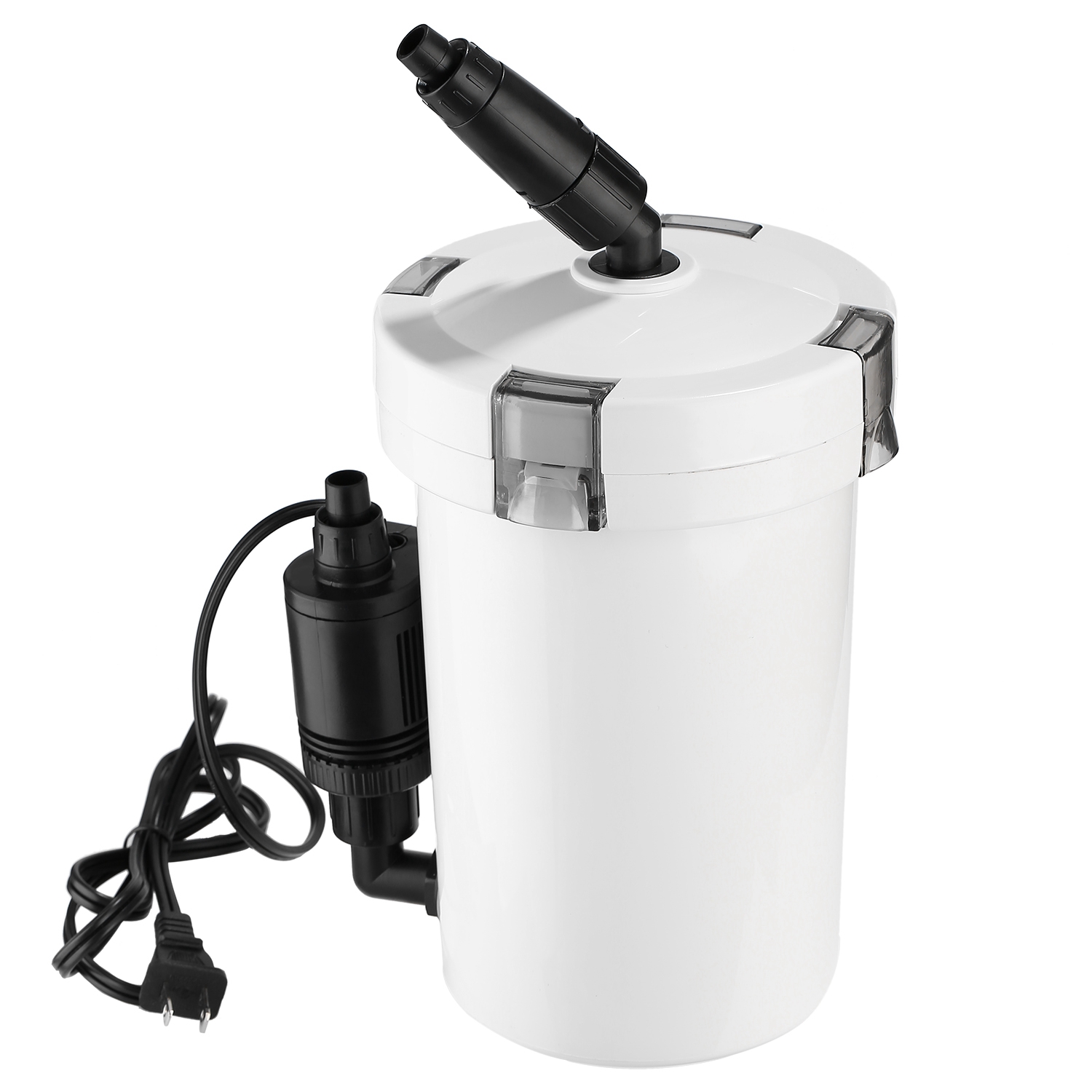 1Pc 3-Stage External Canister Filter For 28 Gallon Aquarium Fish Tank 105gph 6W Easy Installation Silent$63.99View on Mallflare
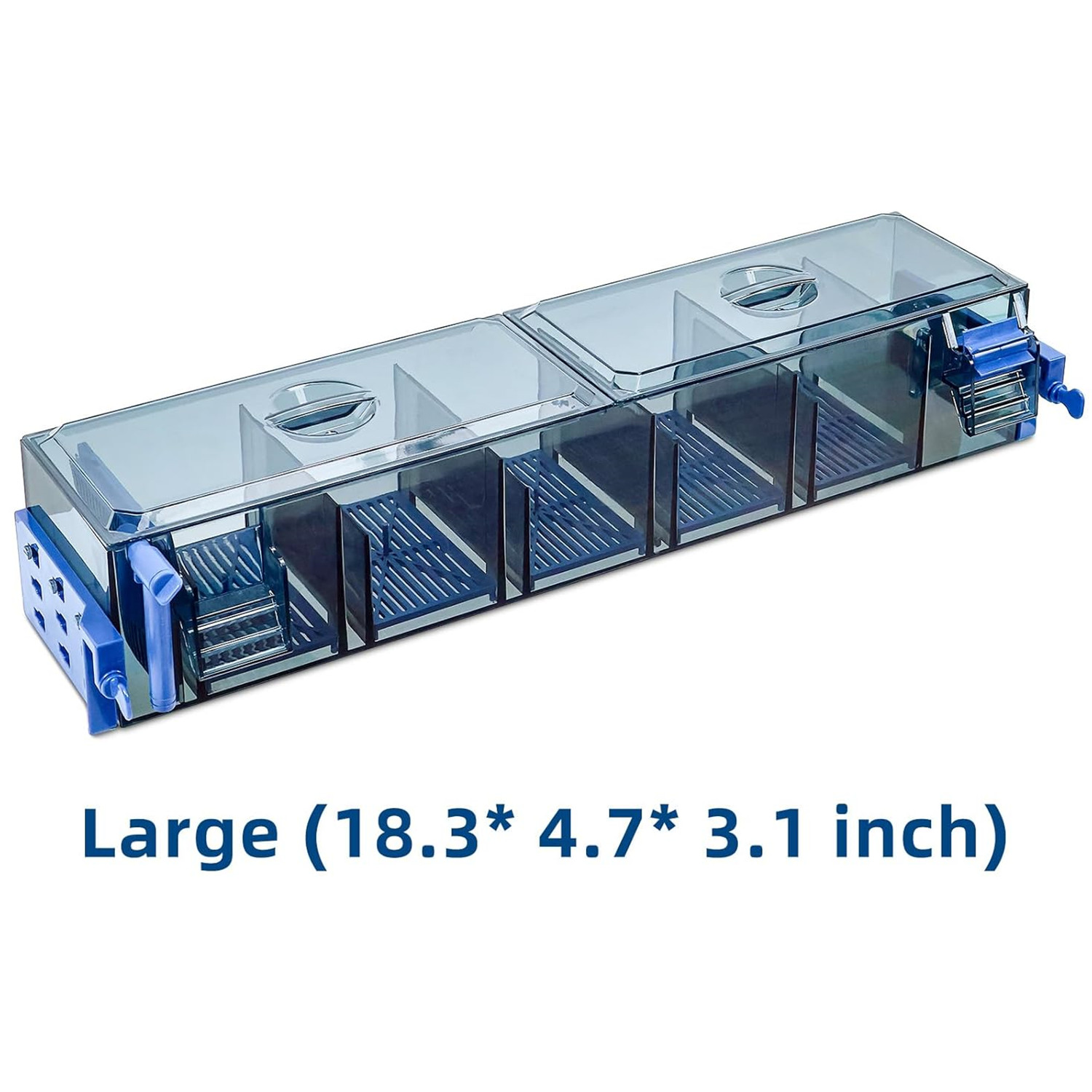 Aquarium Fish Tank Filter with Waterfall Oxygenation Suitable Multi Layer Filter$29.99View on eBay
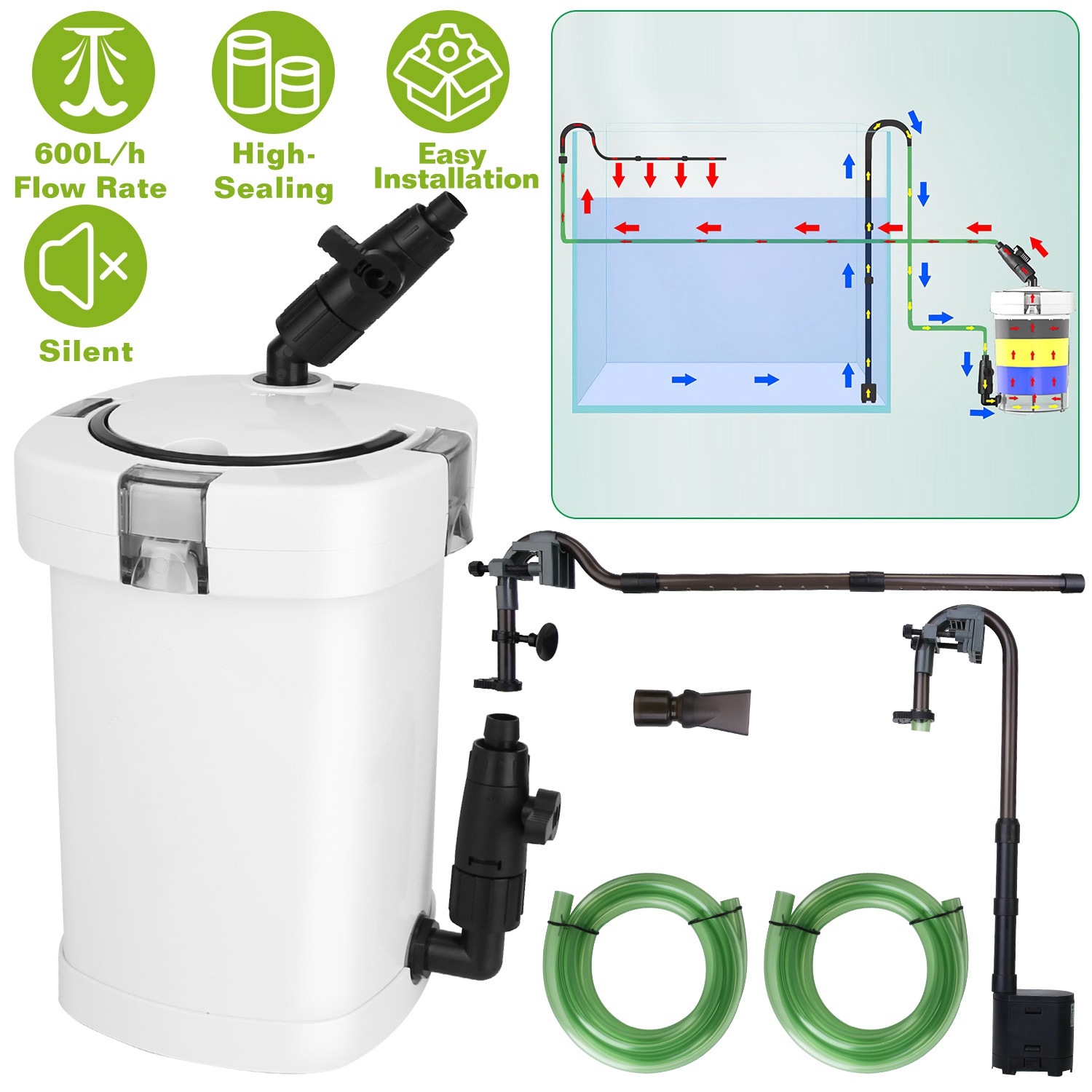 1Pc 3-Stage External Canister Filter For Aquarium Fish Tank With 600L-H Flow Rate 35.4in Max Height 6W Easy Installation Silent$70.99View on Mallflare
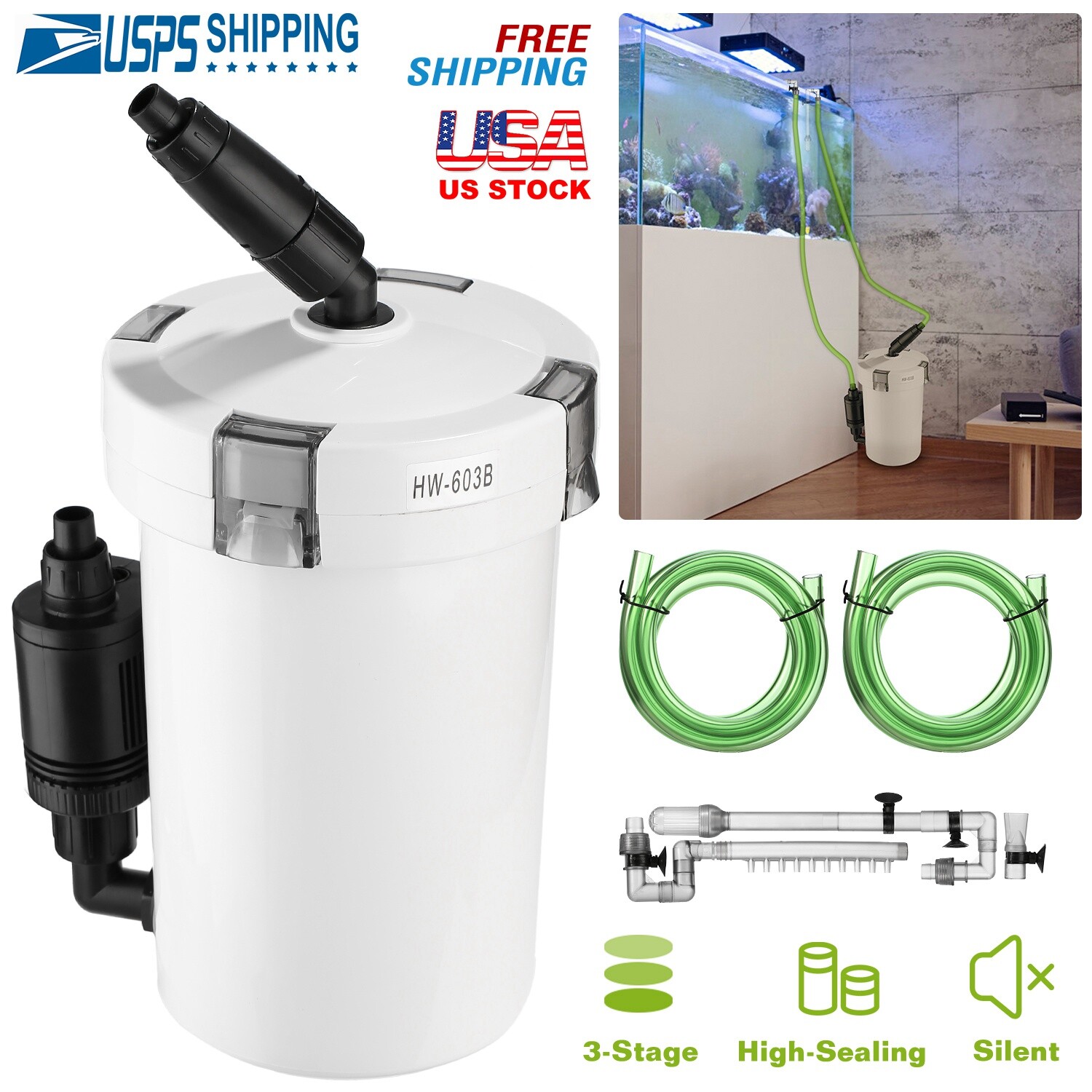 Aquarium External Canister Filter Fish Tank with Pump Table Mute Filters Bucket$38.94View on eBay
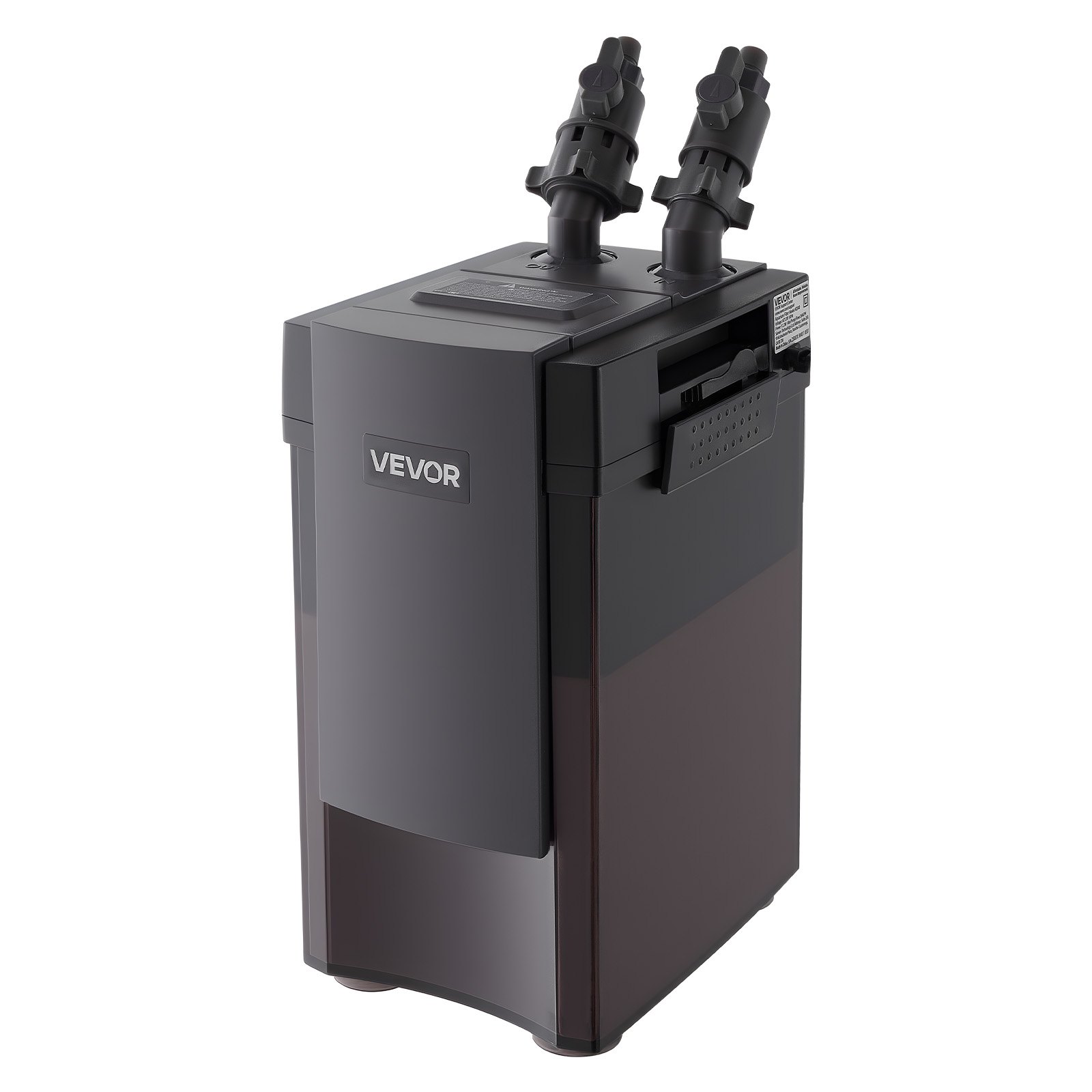 264GPH Canister Filter, 2-Stage External Aquarium With Powerful Pump, Quite Water Circulation Cleaning Machine Media For Fish Tanks And Aquariums Up To 75 Gallons, For Freshwater$75.99View on Mallflare
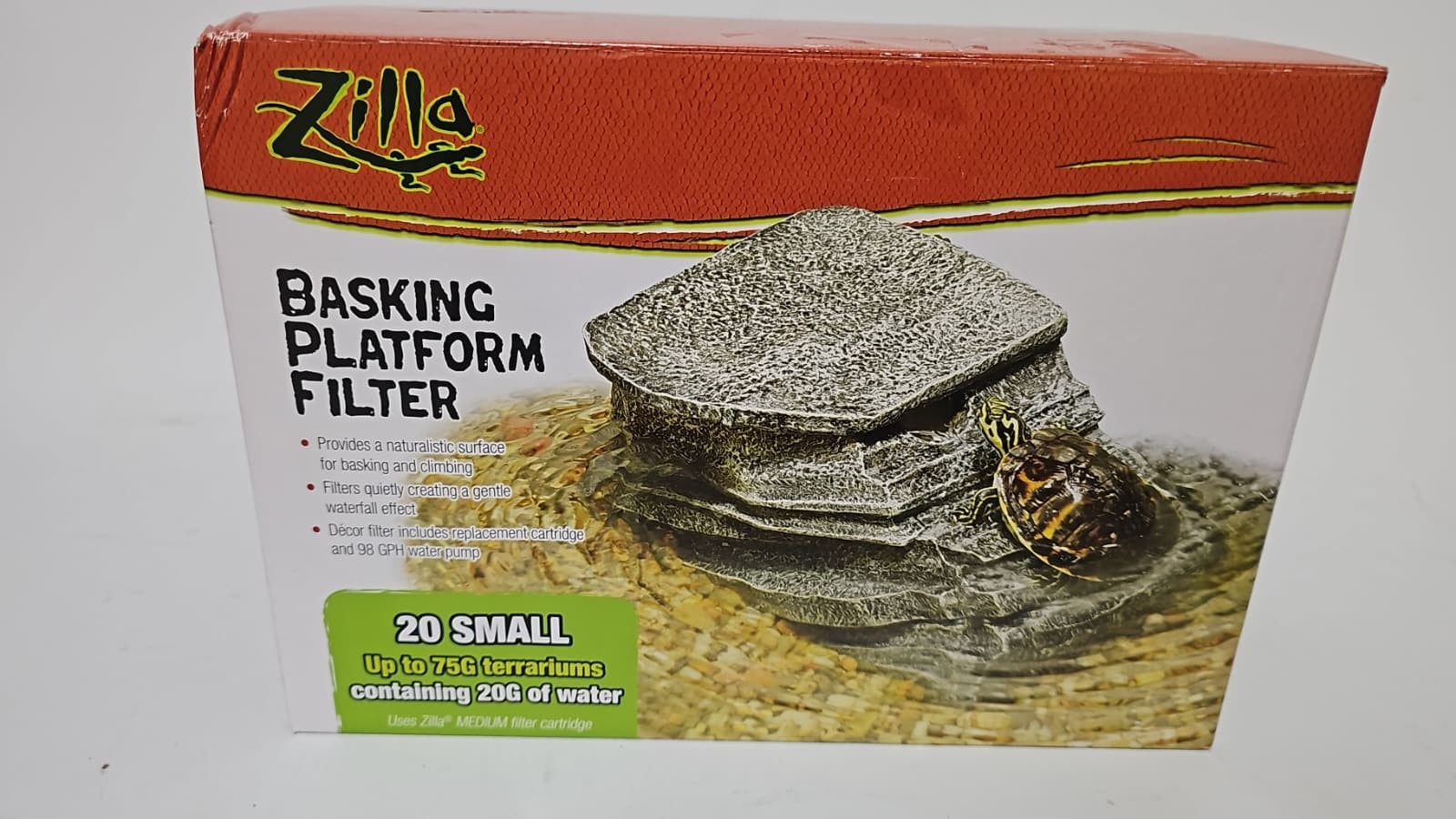 Zilla Decorative Filter, 20 gls of water. Ideal for Turtle. Filtro para tortugas$41.00View on eBay
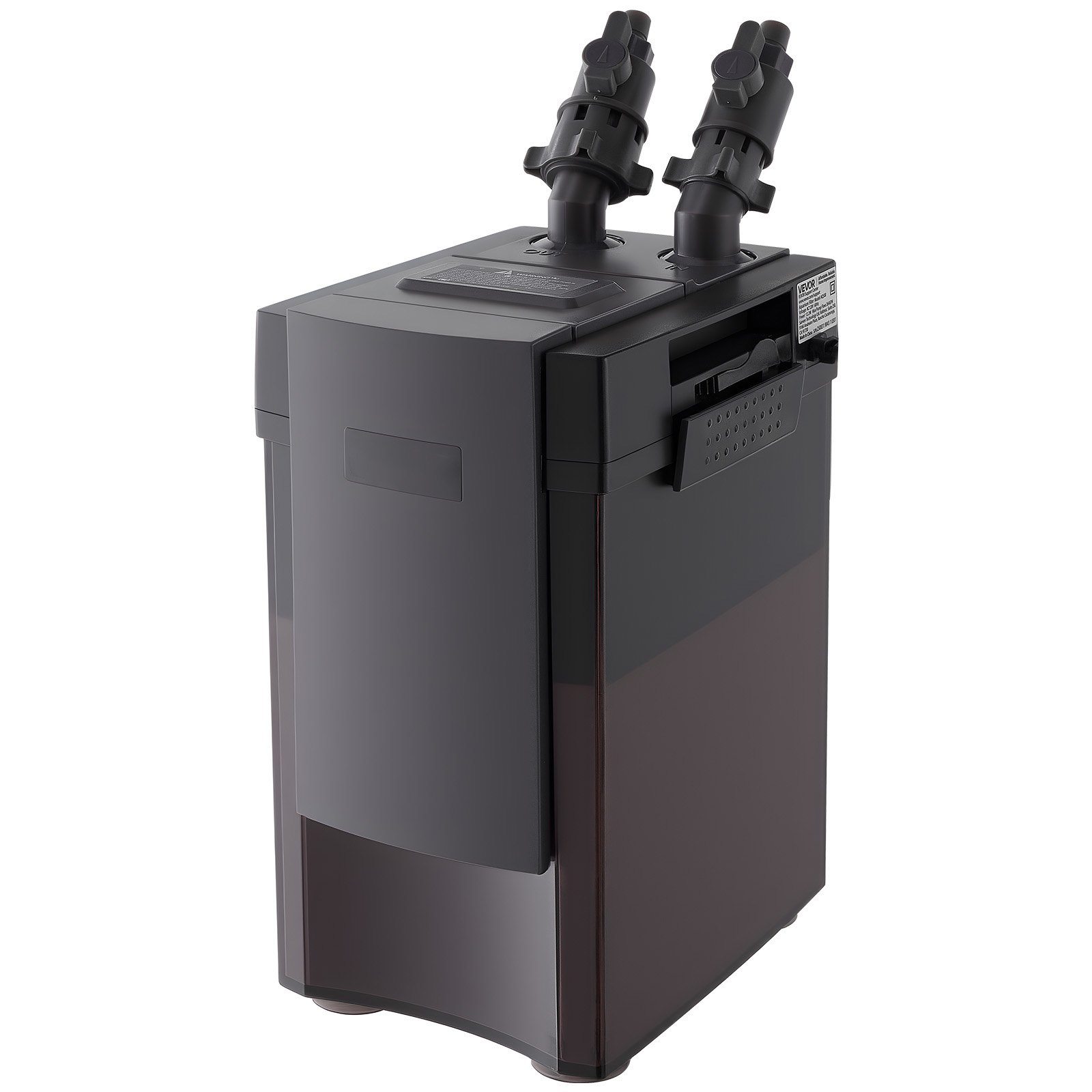 162.7GPH Canister Filter, 3-Stage External Aquarium With Powerful Pump, Water Circulation Cleaning Machine Media For Large Fish Tanks And Aquariums Up To 100 Gallons, For Freshwater$80.99View on Mallflare
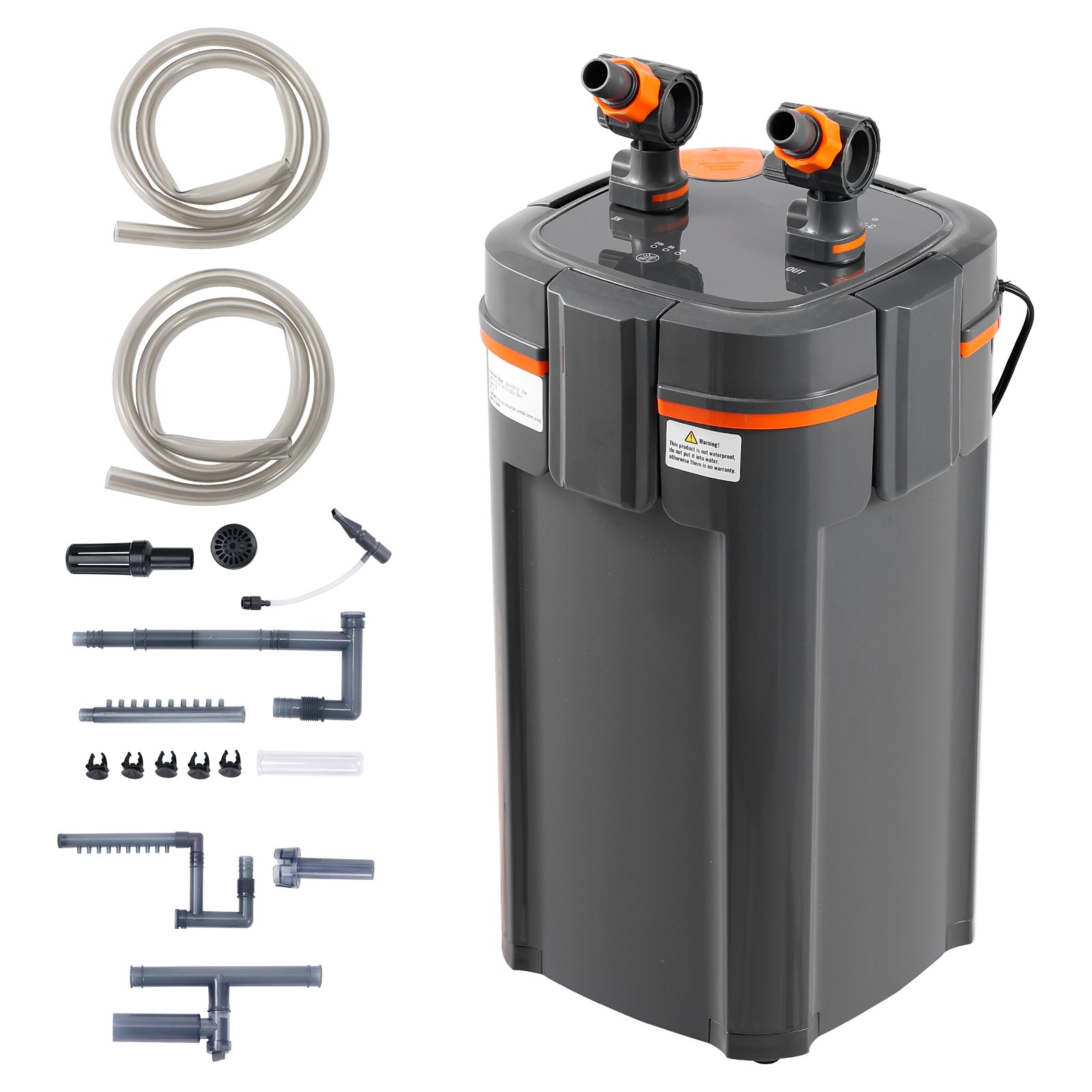 Uimoso 75 Gallon 3 Stage Aquarium Canister Filter 9w UV 264GPH Fish Tank w/ Pump$55.79View on eBay
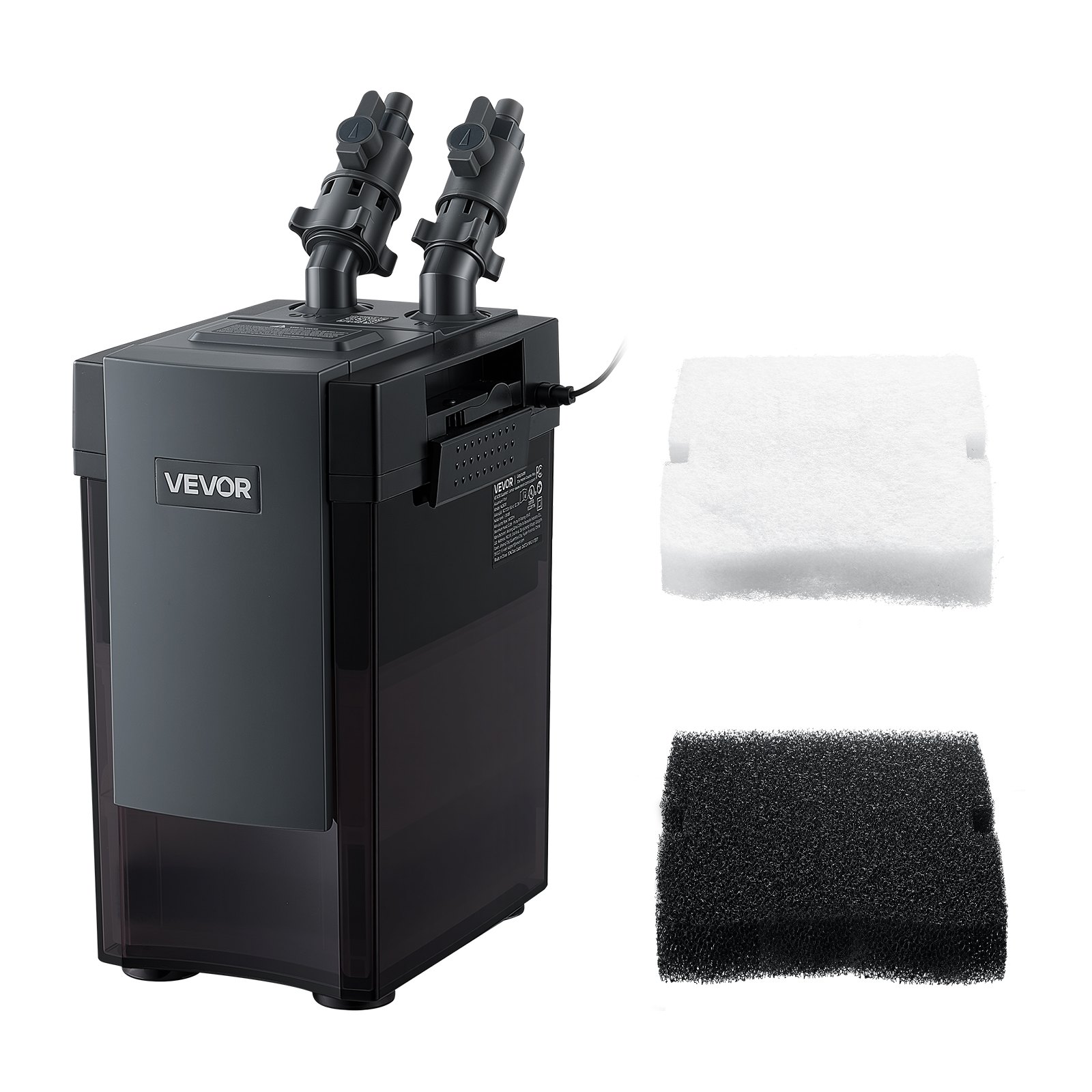 Canister Filter 264 GPH 2-Stage External Aquarium Copper Motor, for Fish Tanks, Aquariums, Adjustable Flow, Leak Protection, Powerful Water Circulation Cleaning Machine, Quite Operation$92.99View on Mallflare
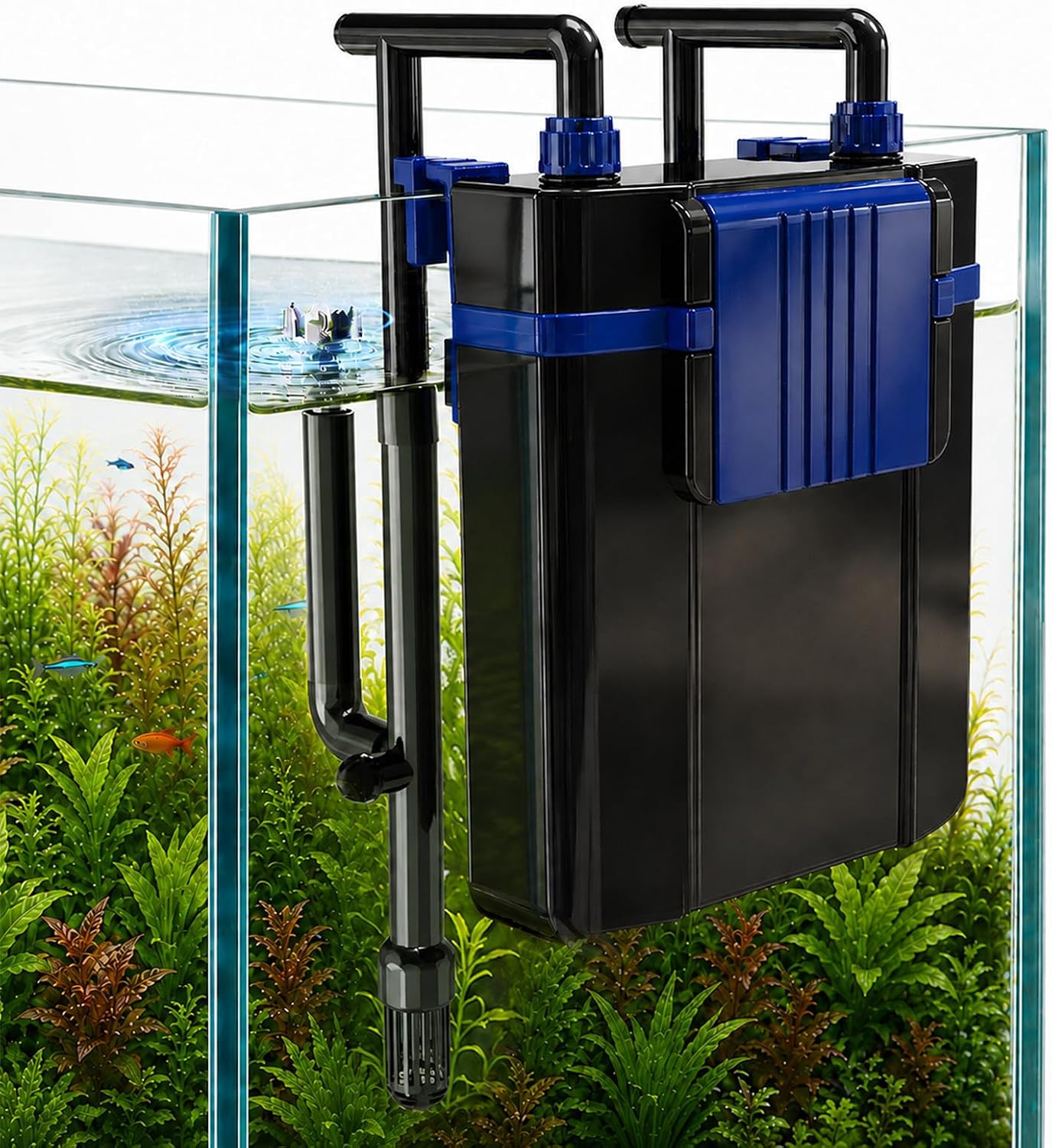 Hang on Back Aquarium Filter for 10-45 Gallon Tank,7W Quiet External Fish Tank F$62.73View on eBay
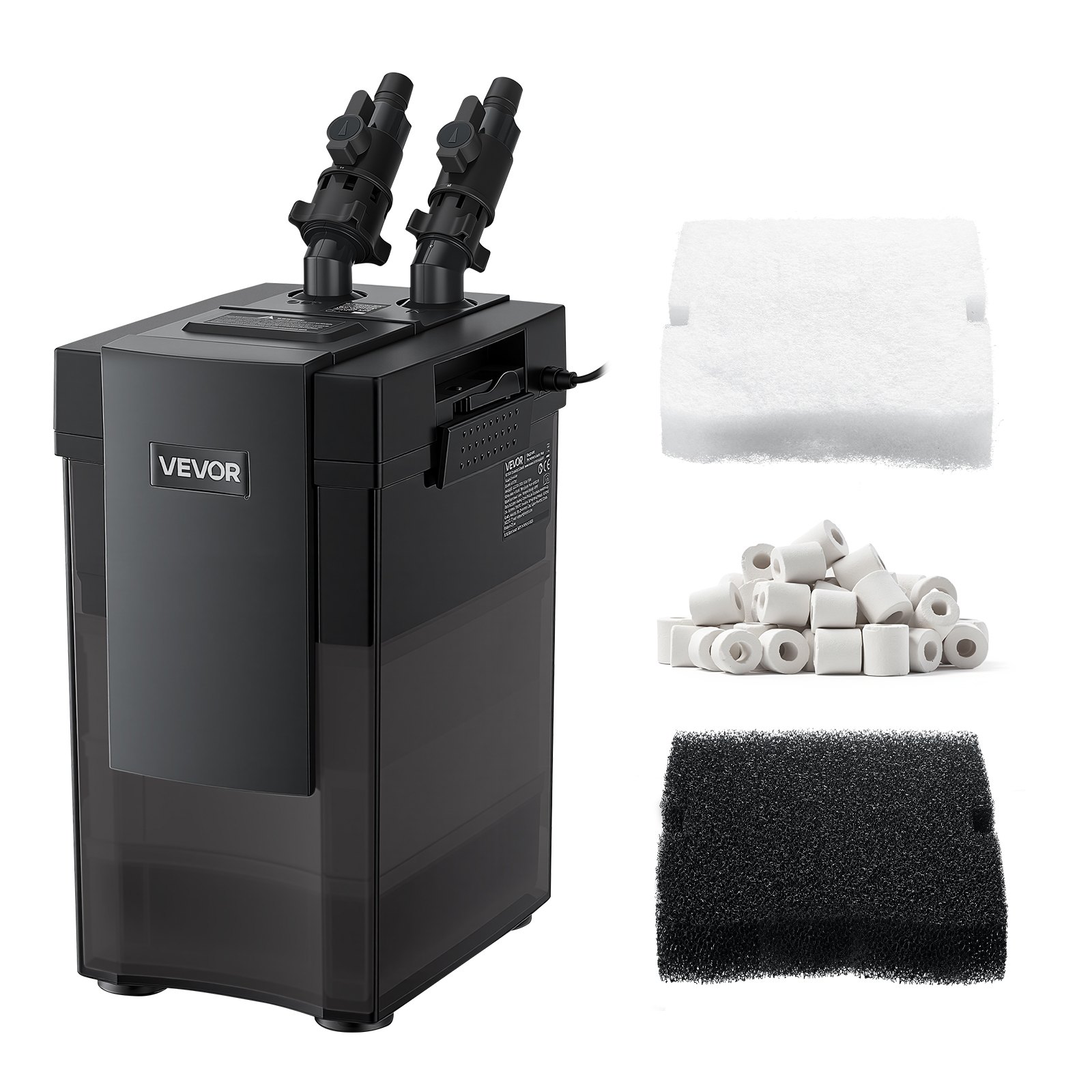 Canister Filter 314 GPH 3-Stage External Aquarium Copper Motor, for Fish Tanks, Aquariums, Adjustable Flow, Leak Protection, Powerful Water Circulation Cleaning Machine, Quite Operation$106.99View on Mallflare
- Quiet Hang on Back Aquarium Filter for 10-45 Gallon Fish Tank Filter | 7W Fish T$64.34View on eBay
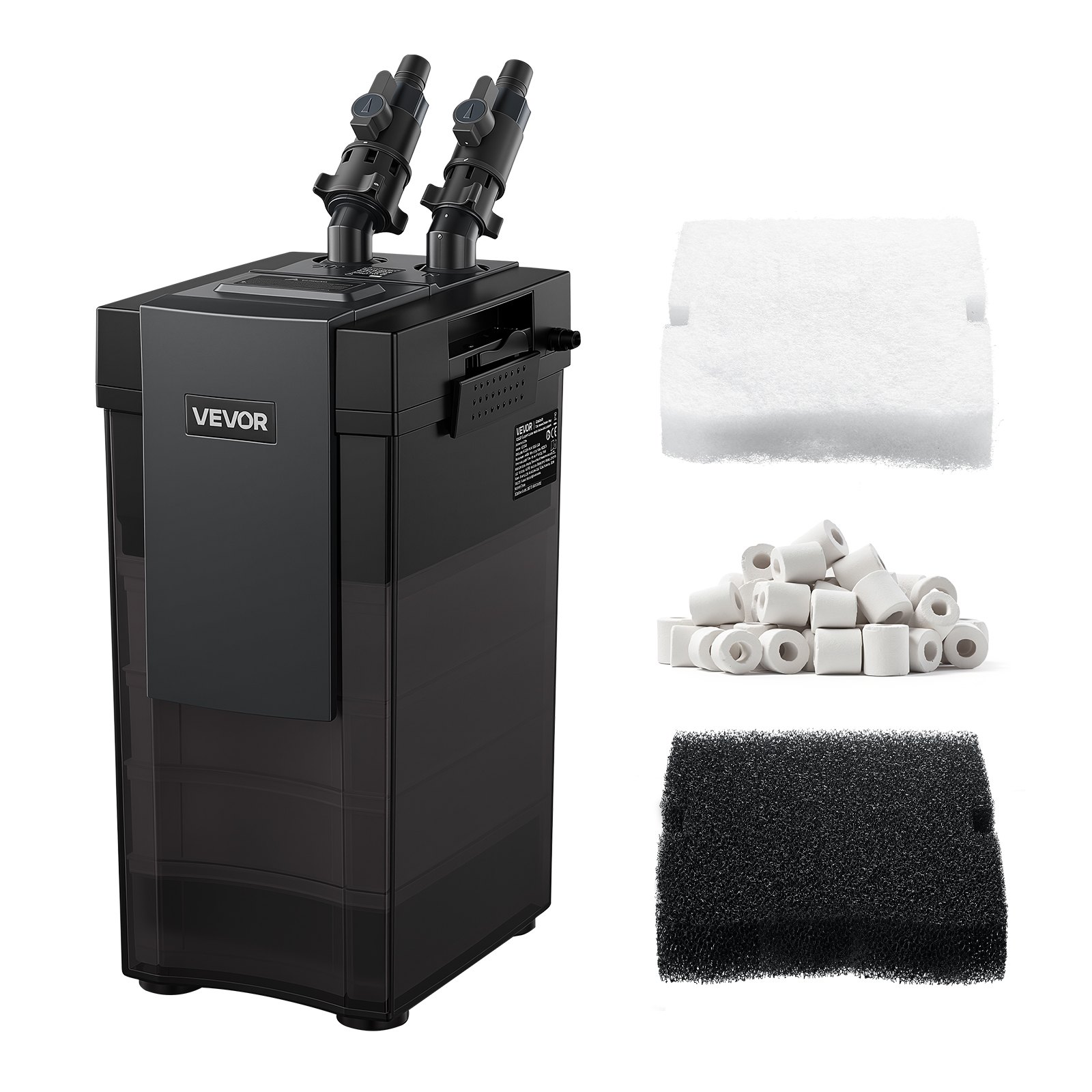 Canister Filter 492 GPH 4-Stage External Aquarium Copper Motor, for Fish Tanks, Aquariums, Adjustable Flow, Leak Protection, Powerful Water Circulation Cleaning Machine, Quite Operation$113.99View on Mallflare
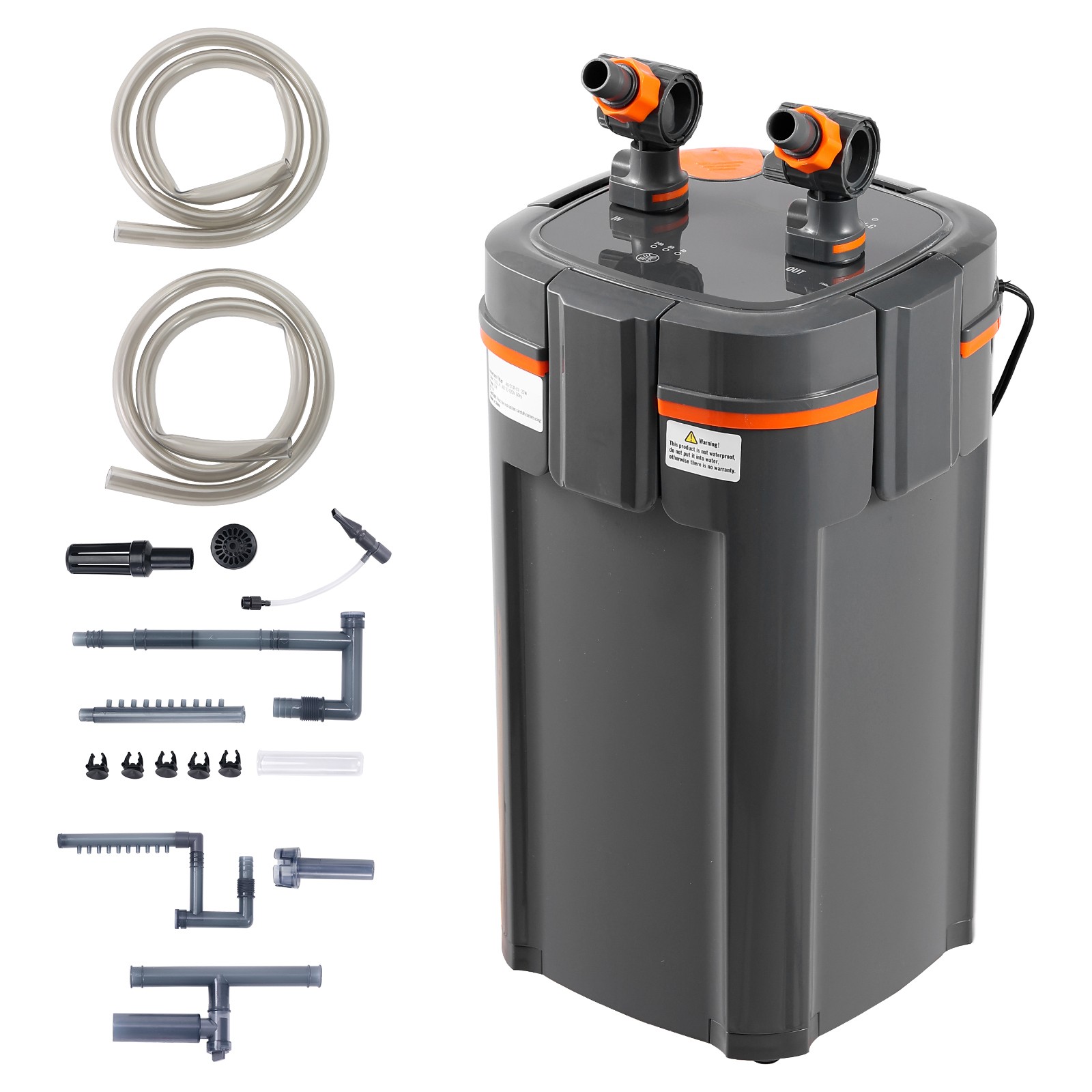 Uimoso 100 Gallon 4 Stage Aquarium Canister Filter 9w UV 317GPH Fish Tank w/Pump$69.99View on eBay
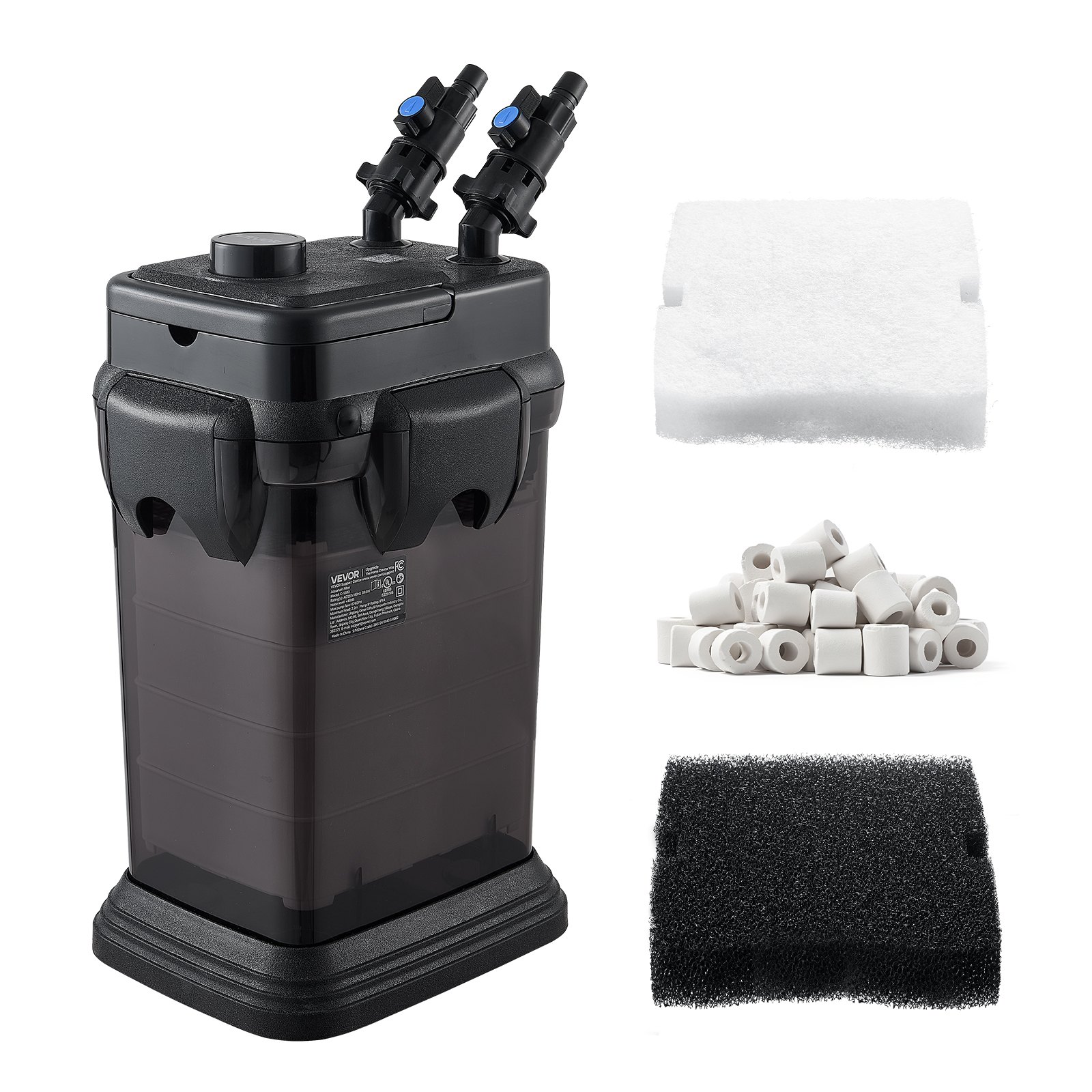 Canister Filter 700 GPH 5-Stage External Aquarium Copper Motor, for Fish Tanks, Aquariums, Adjustable Flow, Leak Protection, Powerful Water Circulation Cleaning Machine, Quite Operation$134.99View on Mallflare
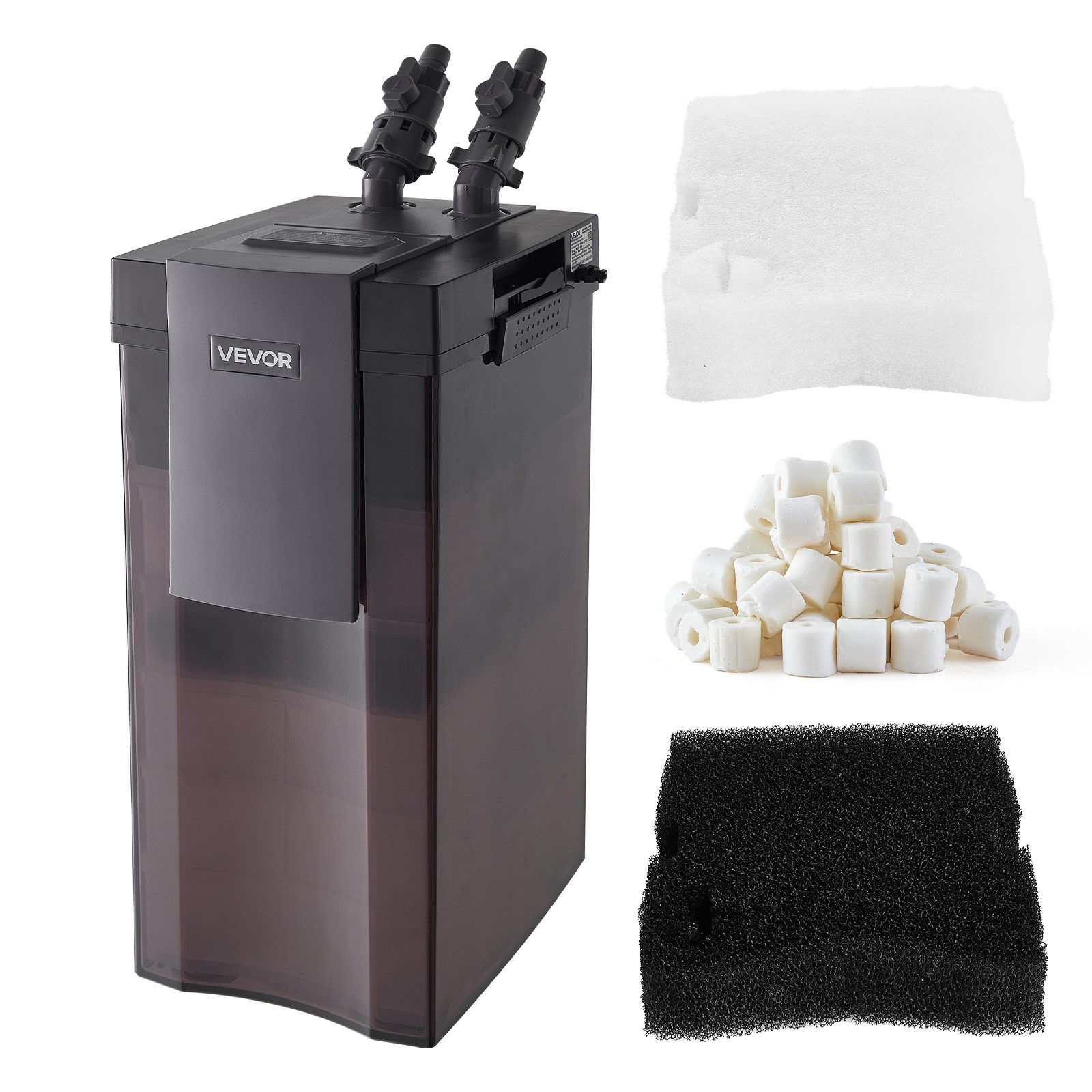 VEVOR 528GPH Canister Filter 5-Stage External Aquarium for Tanks 125-150 Gallons$74.75View on eBay
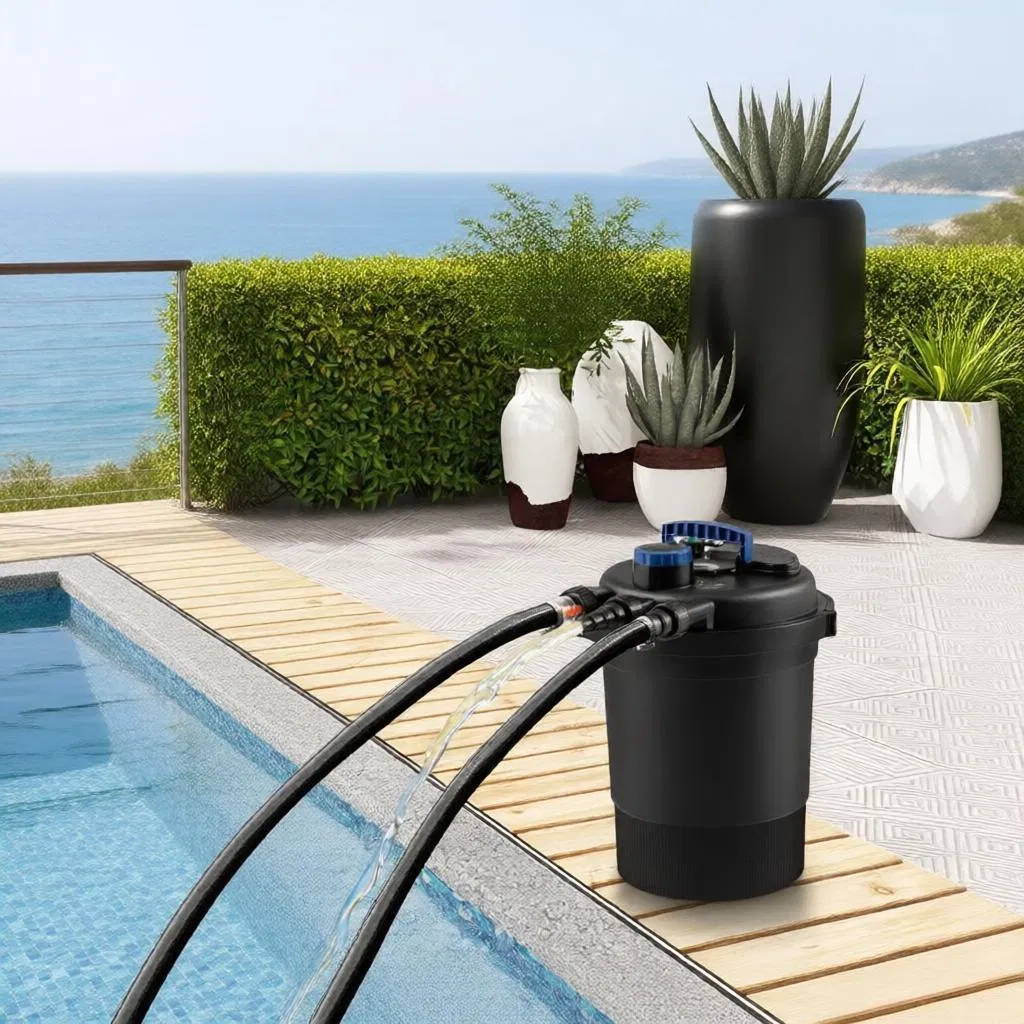 2642 GPH Bio Pressure Pond Filter System with 13W UV-C Light - Efficient Water Purification for Your Outdoor Oasis$307.99View on Mallflare
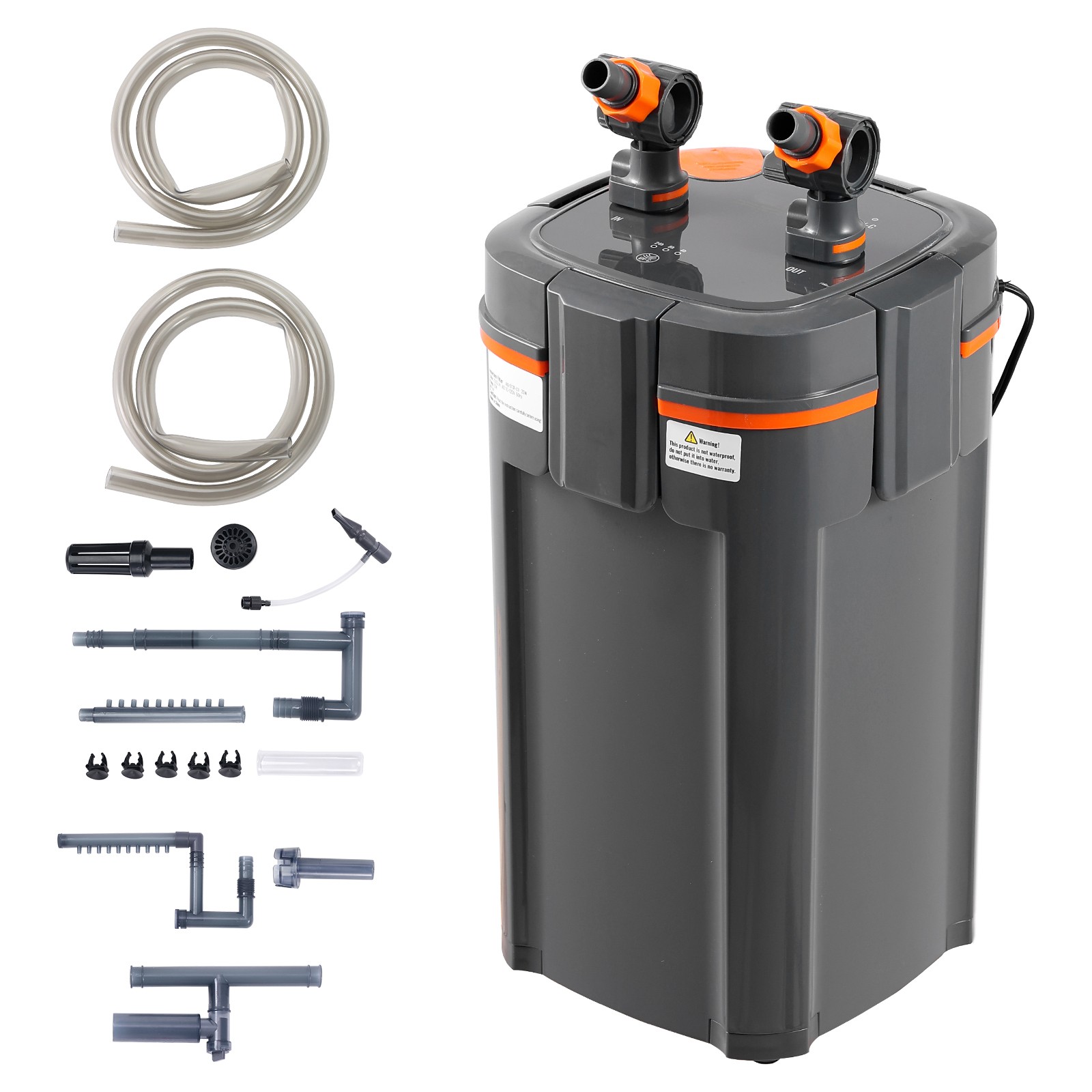 Uimoso 200 Gallon 5 Stage Aquarium Canister Filter 9w UV 528GPH Fish Tank Pump$91.99View on eBay
 Ultra-Quiet 172GPH Canister Filter for Large Fish Tanks*"$93.58View on eBay
Highlights
- Canister flow is rated at zero head; every 12–16 inches of lift and each 90-degree bend cuts effective GPH by roughly 10–15%, so a 264 GPH unit at 35-inch lift delivers closer to 180–200 GPH in real use.
- Three-stage trays (mechanical sponge/floss, biological ceramic rings or bio-balls, chemical carbon/ resin) are the minimum for stable nitrogen cycling; two-stage units force compromises in bio-media volume.
- Self-priming hand-pump heads and quick-disconnect double-tap hose valves are the two features that separate serviceable canisters from leak-prone budget units; both are absent on the cheapest models.
- Motor architecture matters: sealed synchronous motors with ceramic shafts run quieter and last longer than open copper-wound pumps, which corrode and lose flow within a few seasons in humid cabinet environments.
Best use cases
- Best fit: freshwater community tanks 40–75 gallons with a 3-stage canister rated 200–265 GPH at zero head, placed at or below tank level so priming is easy; skip in-tank power filters that take up swimming space.
- Best fit: planted or cichlid tanks 75–100 gallons where media volume matters more than turnover—pick a large-body canister with 4+ trays and a spray bar to distribute flow without uprooting plants; skip small 2-stage units that clog weekly.
- Wrong fit: turtle or goldfish tanks with heavy solid waste—undergravel and small canisters choke quickly; choose a canister with a large mechanical pre-filter sponge or add a separate pre-filter, and skip decorative internal filters rated for 20 gallons.
- Wrong fit: saltwater reef quarantine or nano tanks under 20 gallons—canister filters trap detritus and raise nitrates; use a hang-on-back or sponge filter instead and skip canisters entirely in this size class.
Buying tips
- Sizing math: target 4–5 tank turnovers per hour at the filter's rated zero-head GPH for freshwater, but derate 25–30% for lift height; a 55-gallon tank needs a 264–330 GPH rated canister, not a 162 GPH unit.
- Choose 3-stage over 2-stage whenever the price gap is small; the extra tray typically adds 30–50% more biological media volume, which directly controls ammonia and nitrite spikes.
- Insist on a priming hand pump and double-tap hose valves; without them, every maintenance session risks air locks, siphon spills, and motor cavitation.
- Match hose diameter (typically 12/16 mm or 16/22 mm) to the included fittings and buy replacement O-rings and impeller assemblies at purchase—seal and impeller wear are the two failure points that end canister life.
Specs
| Filtration Stages | 2-stage vs 3-stage vs 4+ tray |
|---|---|
| Rated Flow (GPH) | 160–330 GPH zero-head |
| Priming System | Hand pump vs gravity siphon |
| Hose & Valve Fitting | 12/16 mm or 16/22 mm double-tap |
Related searches
What to check before buying
- Measure cabinet interior height and width: canisters need 2–4 inches of clearance above the lid for hose routing and priming pump access, and the hose run must reach the tank without kinking.
- Verify tank rim and stand can support the canister's filled weight plus hose tension; a full large canister weighs 15–25 lbs and should sit on the cabinet floor, not a shelf.
- Confirm the pump voltage and plug standard match your region (120V/60Hz North America vs 230V/50Hz Europe) and that the power cord reaches your outlet without an extension across water.
- Check that replacement media (sponges, ceramic rings, carbon) is available in standard sizes; proprietary cartridge-only canisters lock you into ongoing consumable costs.
FAQ
Data sources: eBay / Amazon listings and product attribute feeds. Updated Nov 28, 2026.
Some links on this page are affiliate links. If you buy after clicking one, we may earn a commission at no extra cost to you. This does not change which products appear here or their order. Affiliate disclosure.