
Photos from current listings. Actual item, color, and included accessories may vary.
Aquarium Filter Buying Guide
Aquarium filters are the life-support backbone of any tank, and the central trade-off is mechanical simplicity versus biological capacity: hang-on-back (HOB) and sponge filters are cheap and easy but limited in media volume, while canisters and sumps offer massive bio-filtration at higher cost and plumbing complexity. The decision rule is to match filter type and rated flow to your tank's actual water volume and bioload, then prioritize media volume and serviceability over gimmicks like UV clarifiers or wattage claims.
Median $210.86 · New & pre-owned listings
Key takeaways
- HOB filters (7W class) suit 10-45 gallon tanks with 100-200 GPH flow; canister filters (CF800/CF1400 class) scale to 55-150+ gallons with 200-500 GPH and 3-4 media trays.
- Biological capacity is set by media volume, not flow rate: canisters hold 1-2 gallons of ceramic rings and foam, while HOB cartridges hold a fraction of that.
- Impeller and shaft material matters: zirconia ceramic shafts outlast steel and resist wear, and replacement impeller kits (often bundled with foam pads) restore flow when noise or output drops.
At a glance
- Category
- Aquarium Filters & Pumps
- Last updated
- Nov 28, 2026
Current offers
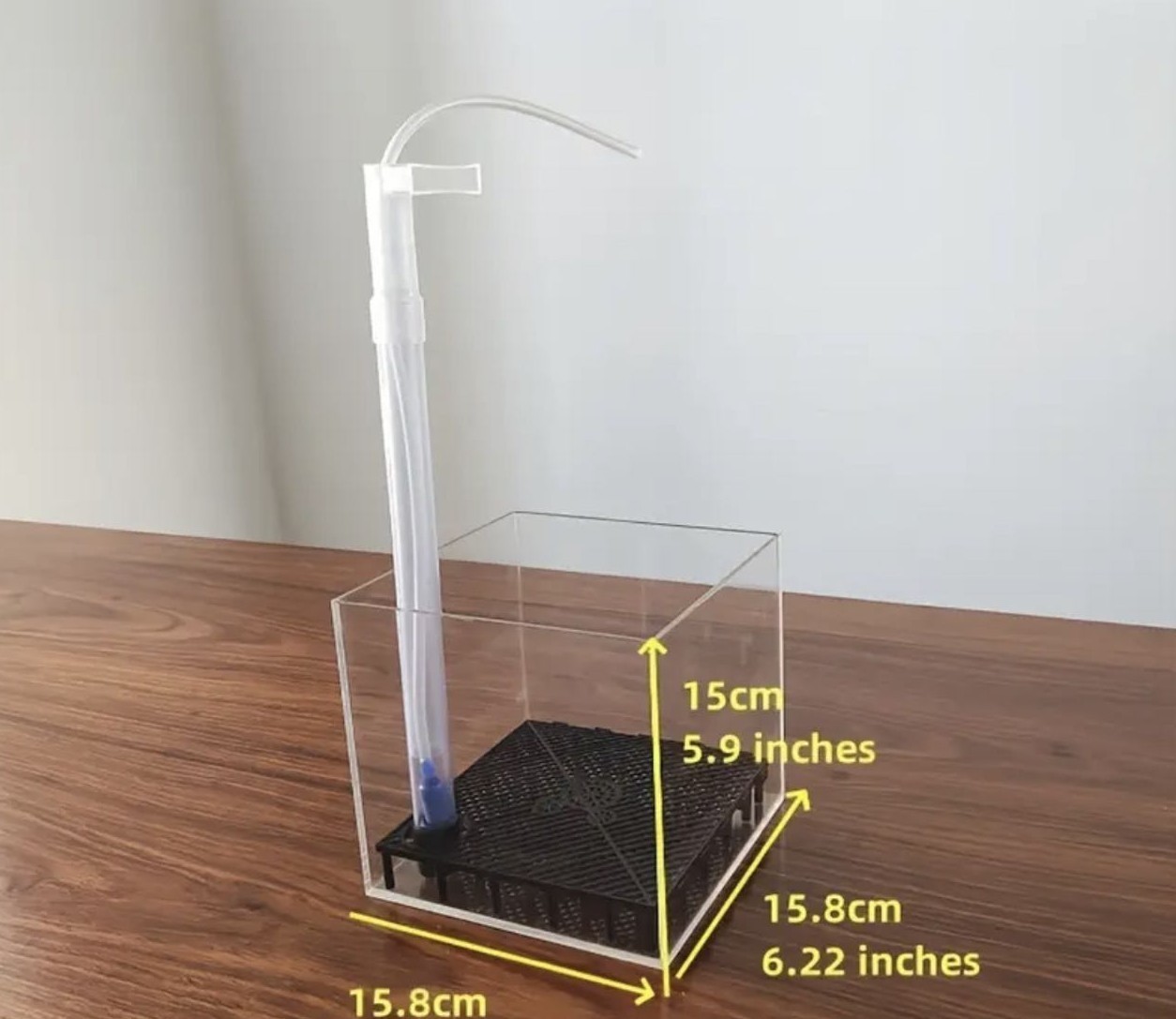 Acrylic Aquarium Undergravel Filter System (UGF). for shrimp fish tank .$28.00View on eBay
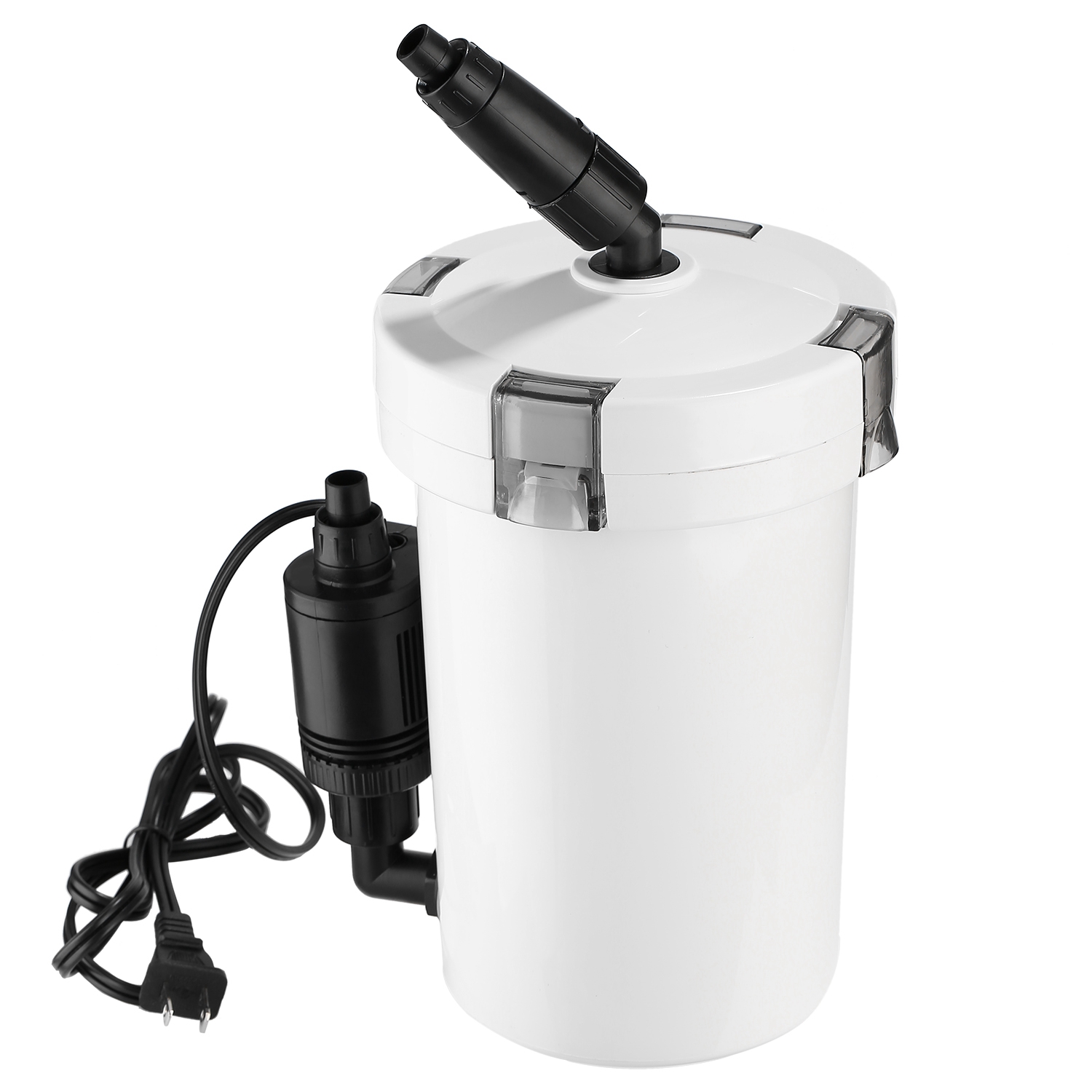 1Pc 3-Stage External Canister Filter For 28 Gallon Aquarium Fish Tank 105gph 6W Easy Installation Silent$63.99View on Mallflare
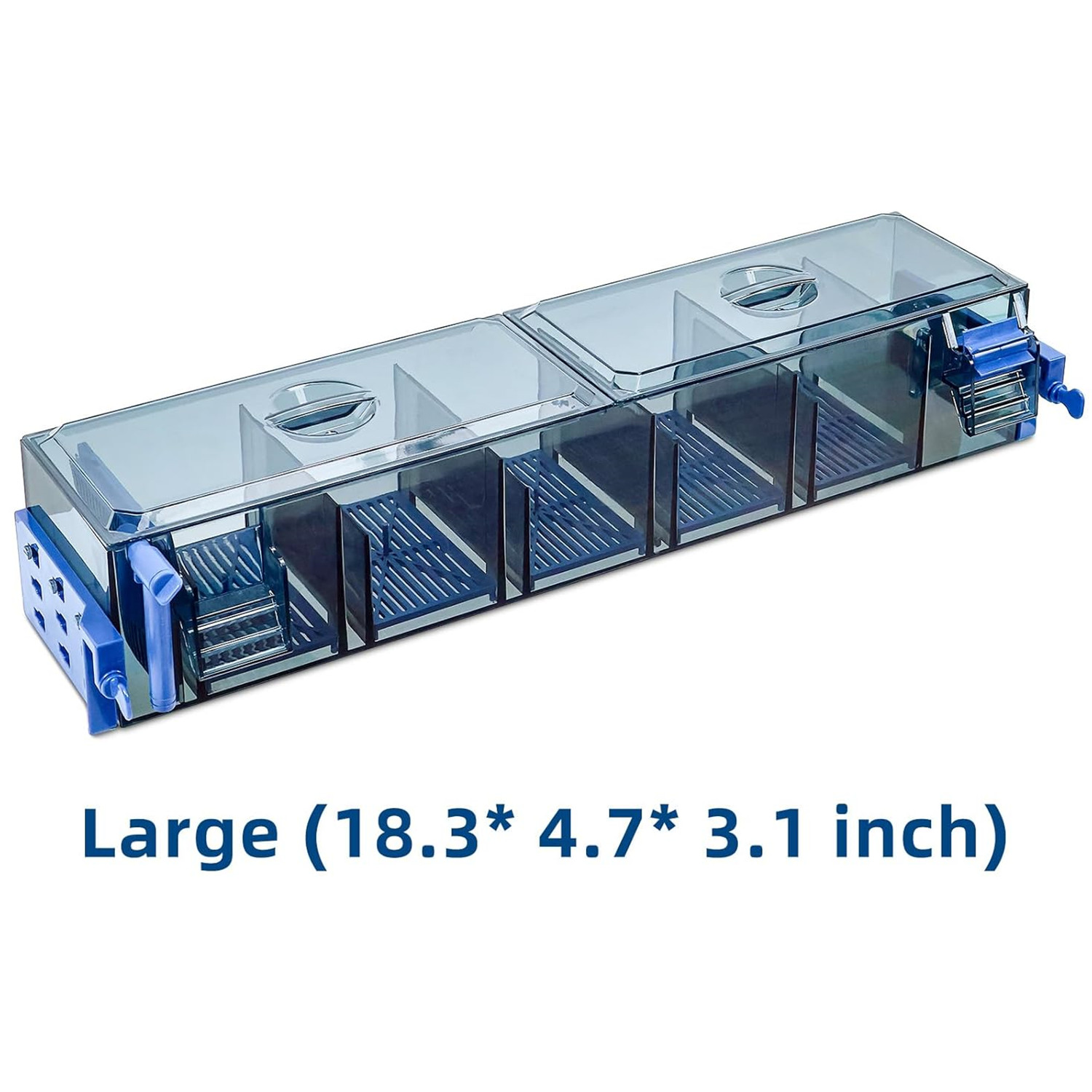 Aquarium Fish Tank Filter with Waterfall Oxygenation Suitable Multi Layer Filter$29.99View on eBay
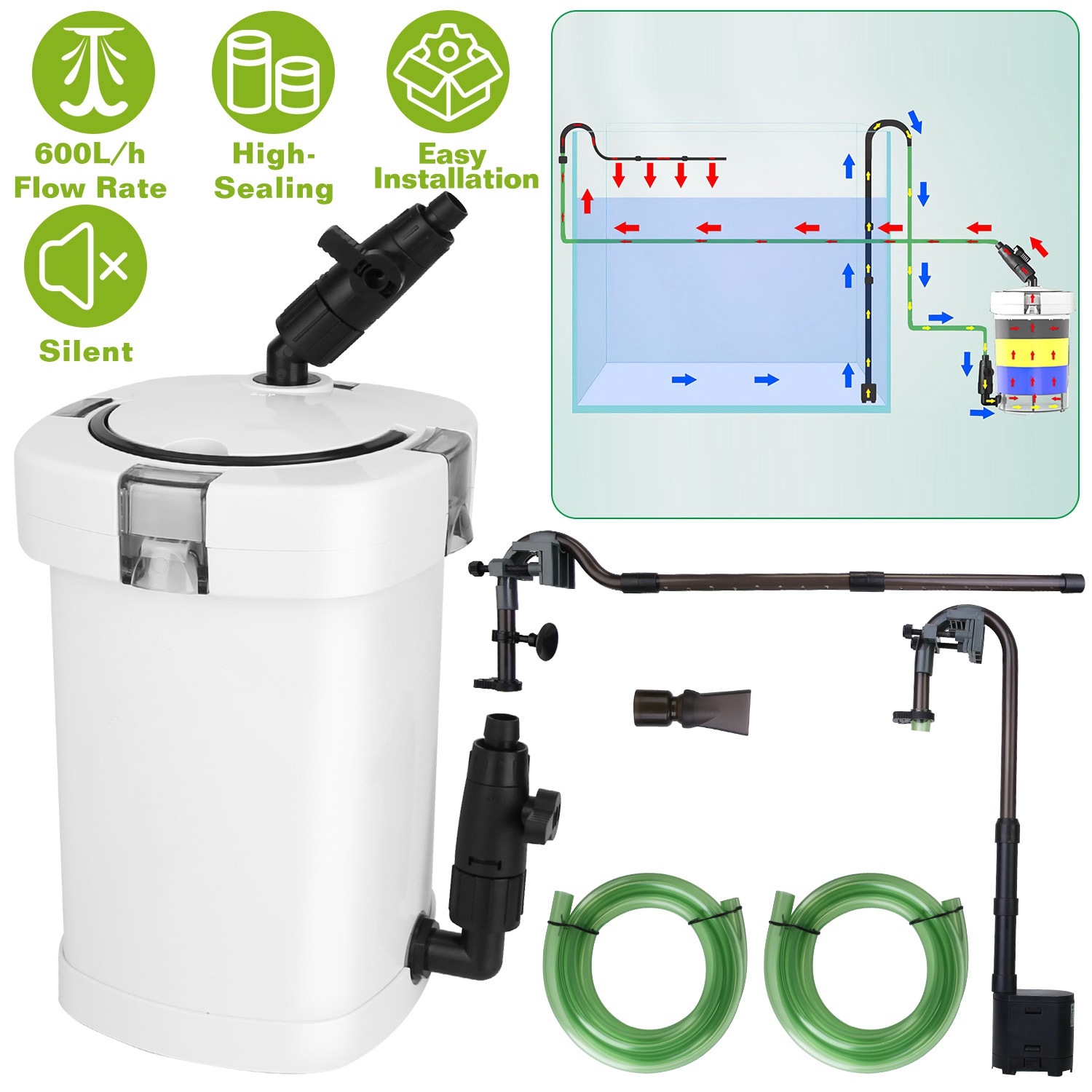 1Pc 3-Stage External Canister Filter For Aquarium Fish Tank With 600L-H Flow Rate 35.4in Max Height 6W Easy Installation Silent$70.99View on Mallflare
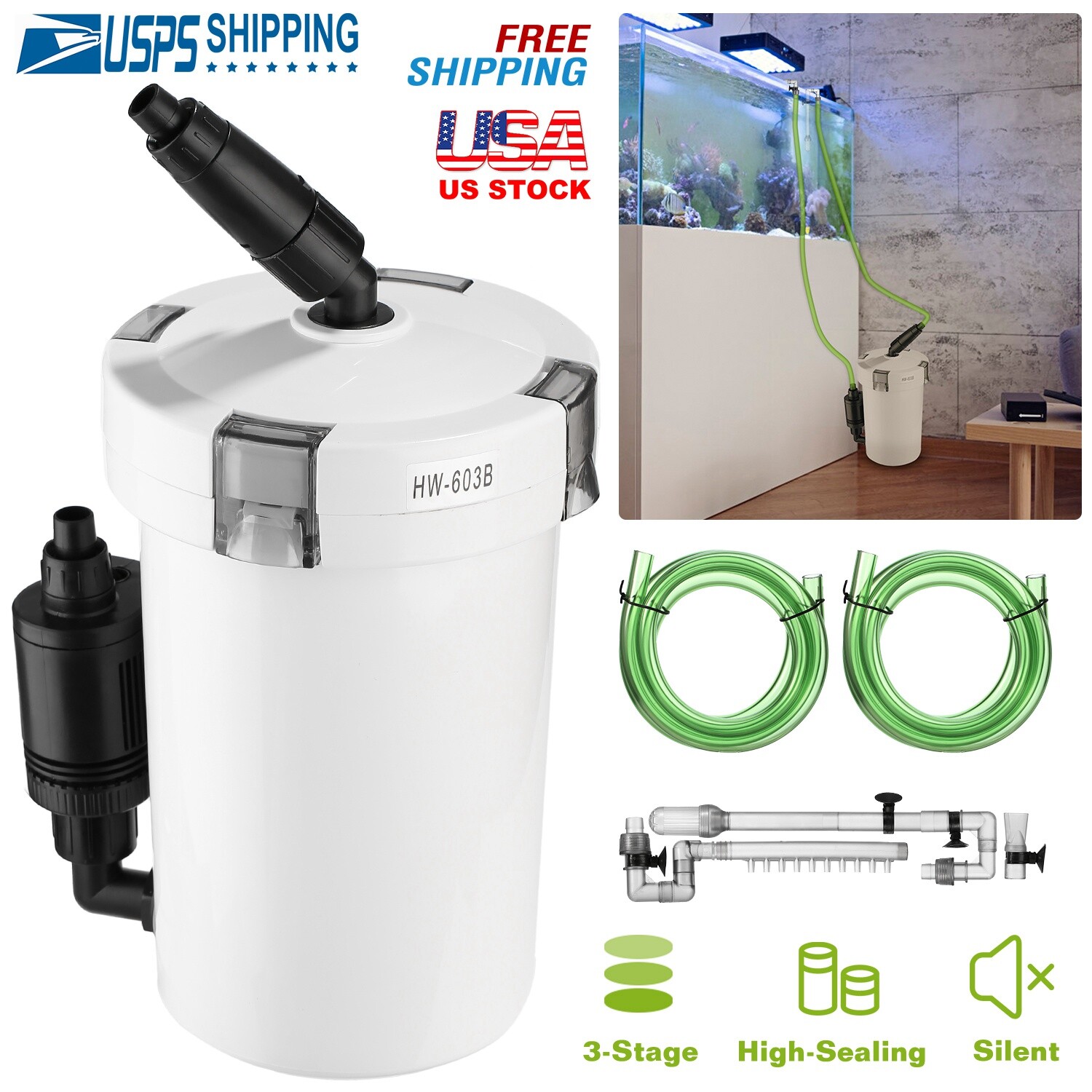 Aquarium External Canister Filter Fish Tank with Pump Table Mute Filters Bucket$38.94View on eBay
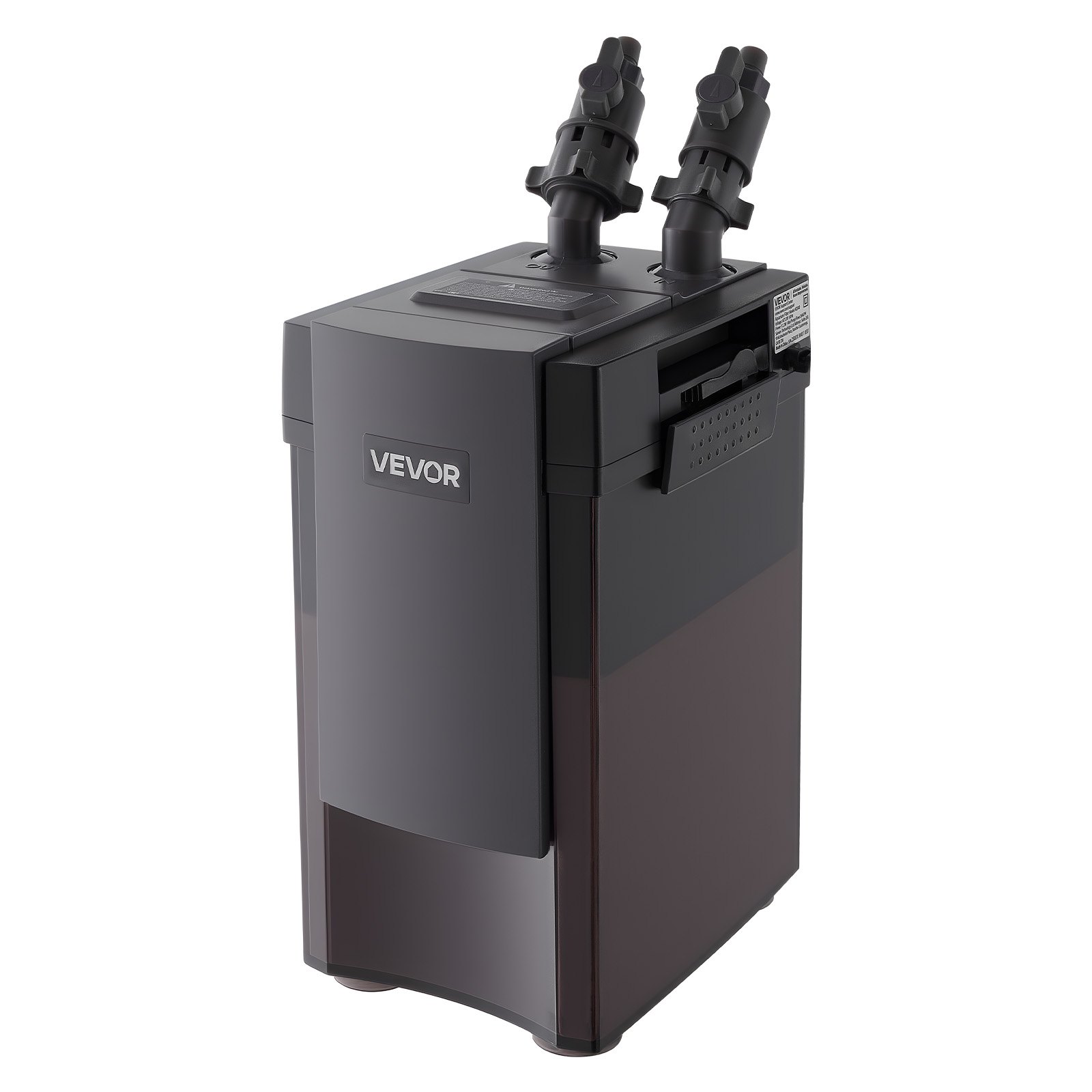 264GPH Canister Filter, 2-Stage External Aquarium With Powerful Pump, Quite Water Circulation Cleaning Machine Media For Fish Tanks And Aquariums Up To 75 Gallons, For Freshwater$75.99View on Mallflare
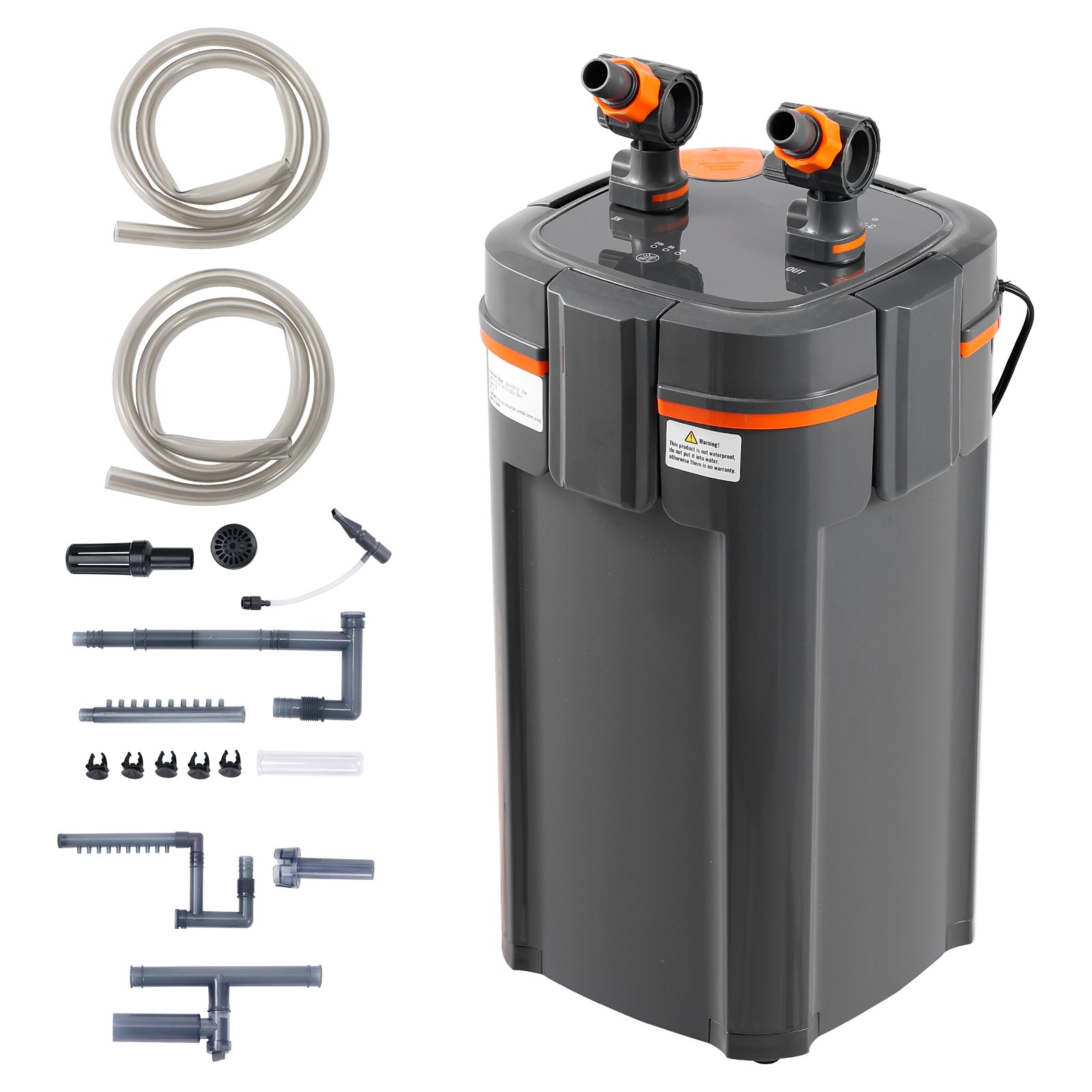 Uimoso 75 Gallon 3 Stage Aquarium Canister Filter 9w UV 264GPH Fish Tank w/ Pump$55.79View on eBay
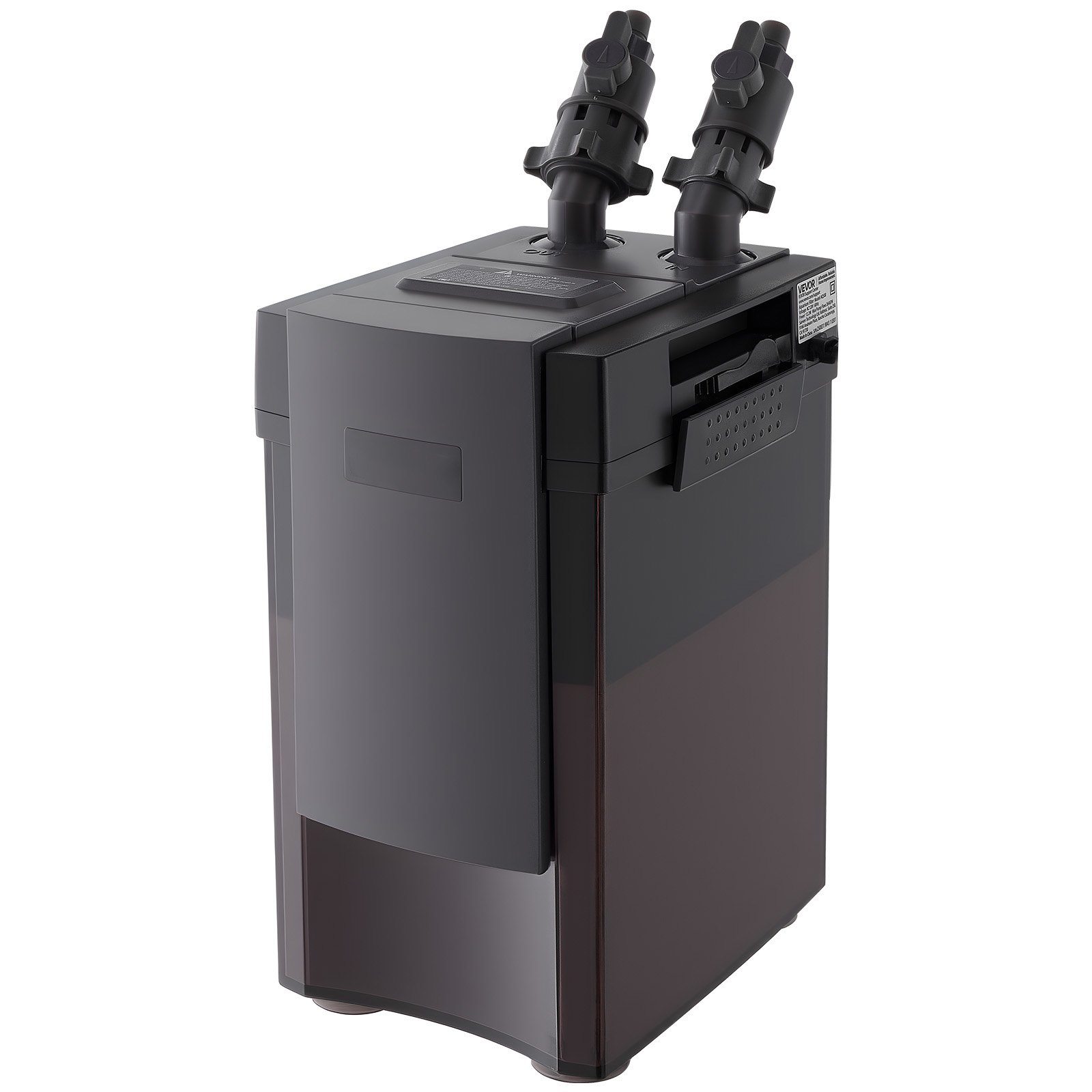 162.7GPH Canister Filter, 3-Stage External Aquarium With Powerful Pump, Water Circulation Cleaning Machine Media For Large Fish Tanks And Aquariums Up To 100 Gallons, For Freshwater$80.99View on Mallflare
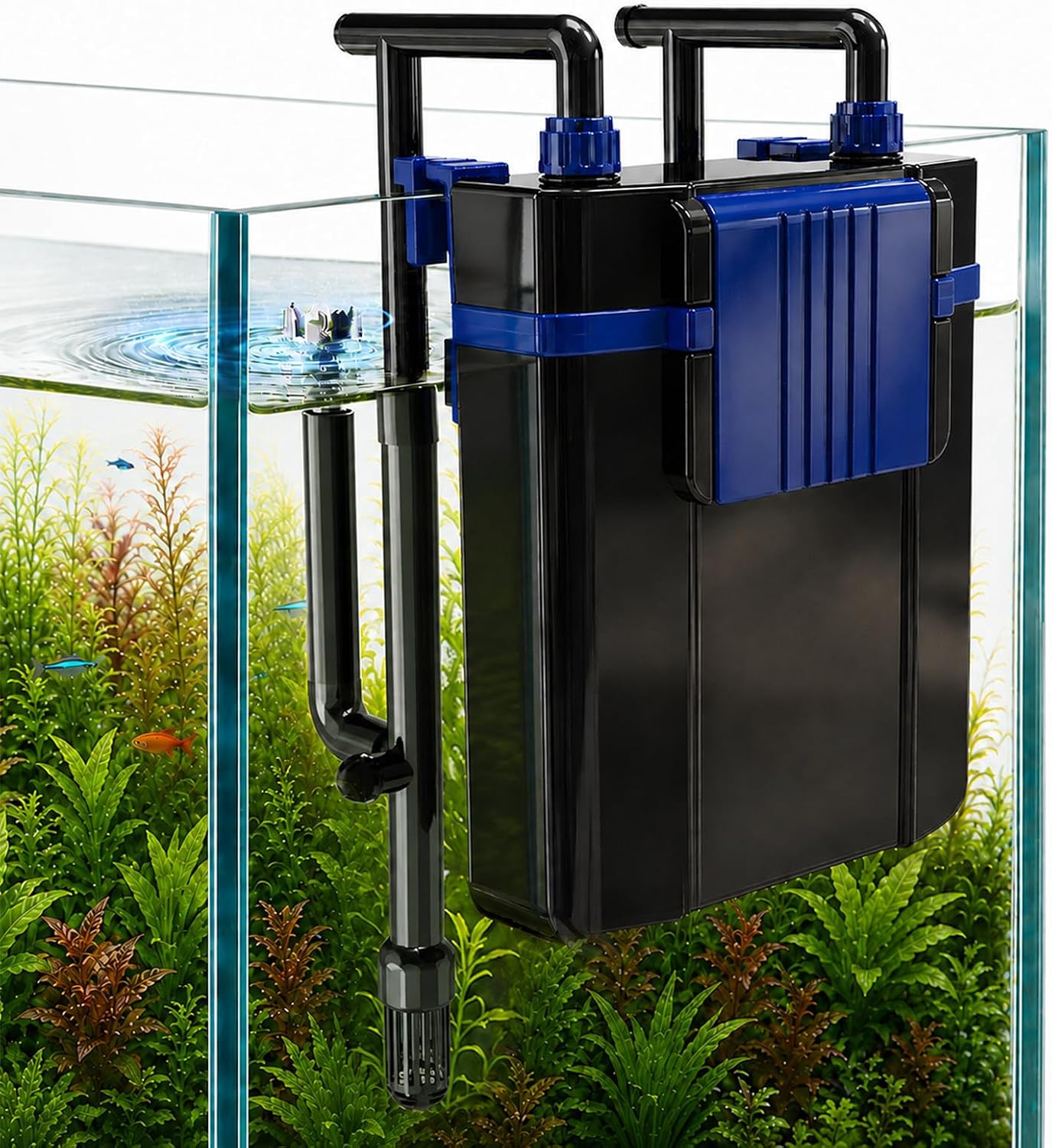 Hang on Back Aquarium Filter for 10-45 Gallon Tank,7W Quiet External Fish Tank F$62.73View on eBay
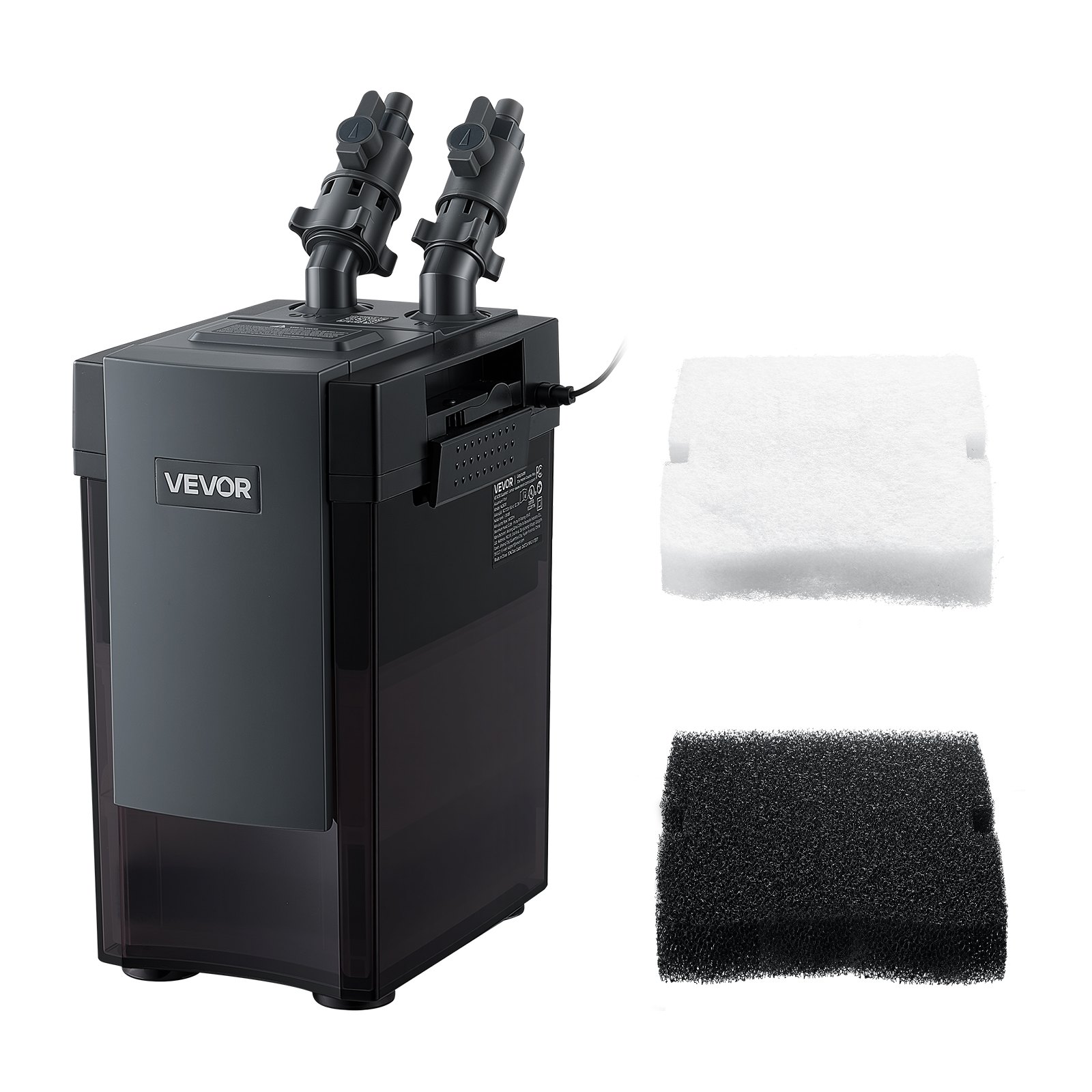 Canister Filter 264 GPH 2-Stage External Aquarium Copper Motor, for Fish Tanks, Aquariums, Adjustable Flow, Leak Protection, Powerful Water Circulation Cleaning Machine, Quite Operation$92.99View on Mallflare
- Quiet Hang on Back Aquarium Filter for 10-45 Gallon Fish Tank Filter | 7W Fish T$64.34View on eBay
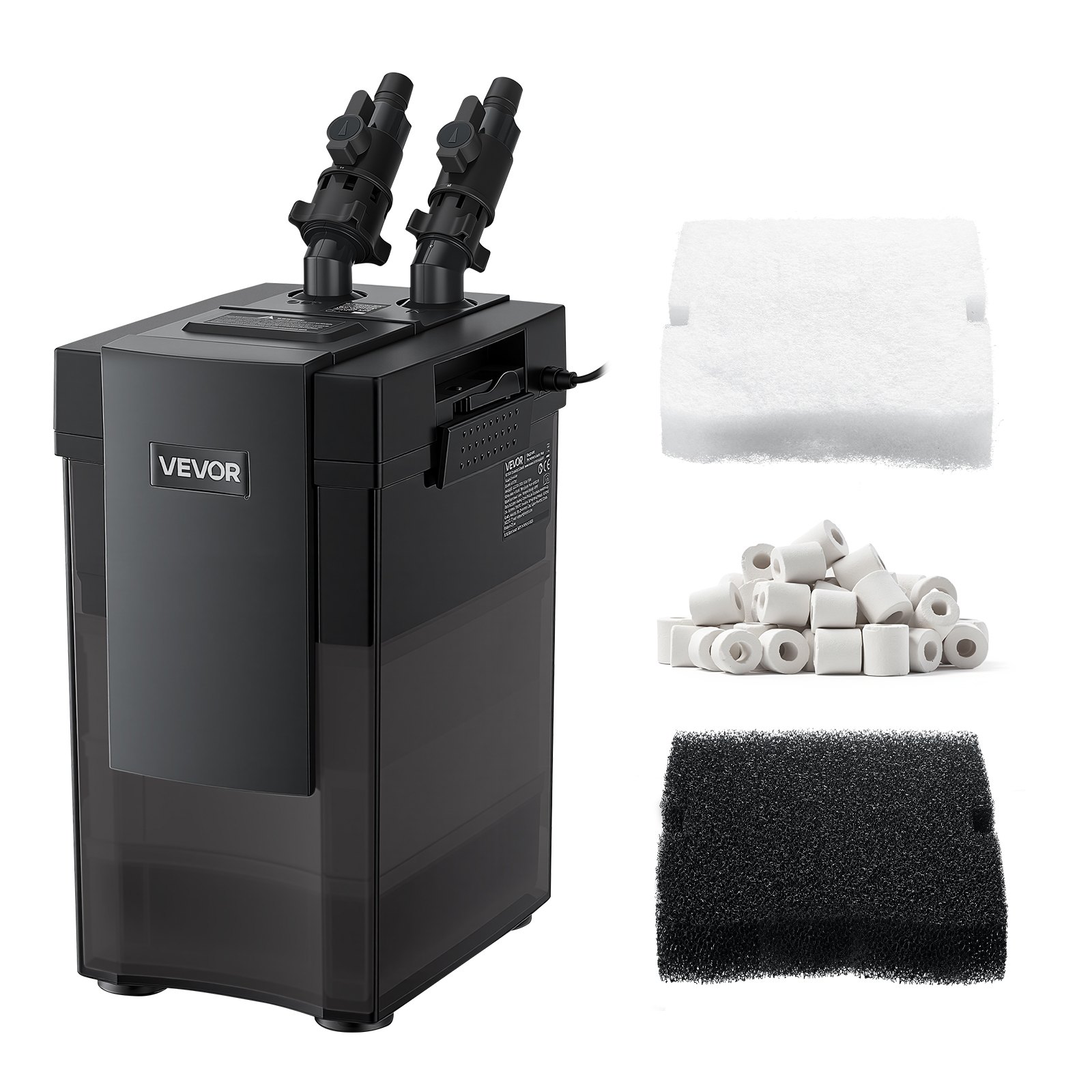 Canister Filter 314 GPH 3-Stage External Aquarium Copper Motor, for Fish Tanks, Aquariums, Adjustable Flow, Leak Protection, Powerful Water Circulation Cleaning Machine, Quite Operation$106.99View on Mallflare
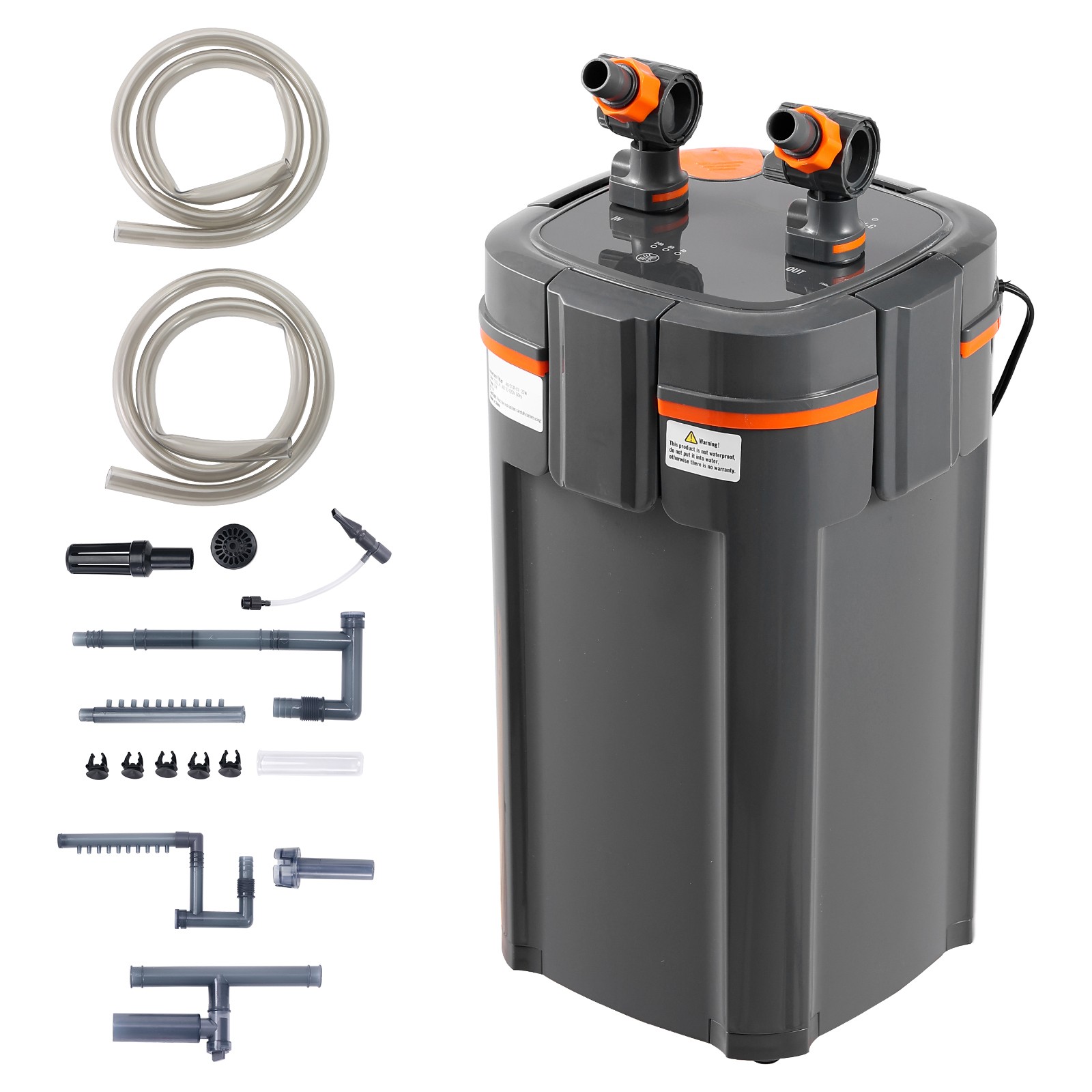 Uimoso 100 Gallon 4 Stage Aquarium Canister Filter 9w UV 317GPH Fish Tank w/Pump$69.99View on eBay
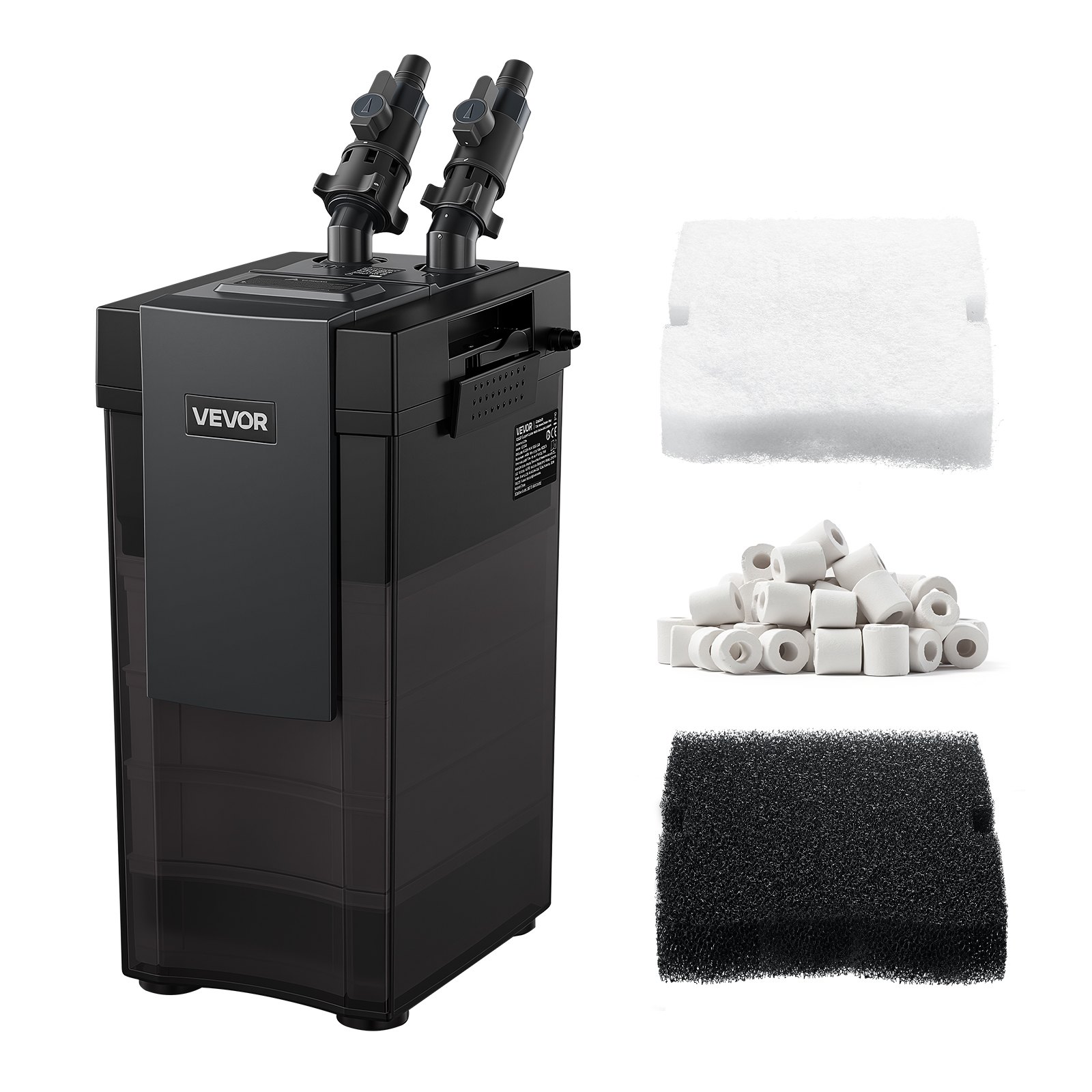 Canister Filter 492 GPH 4-Stage External Aquarium Copper Motor, for Fish Tanks, Aquariums, Adjustable Flow, Leak Protection, Powerful Water Circulation Cleaning Machine, Quite Operation$113.99View on Mallflare
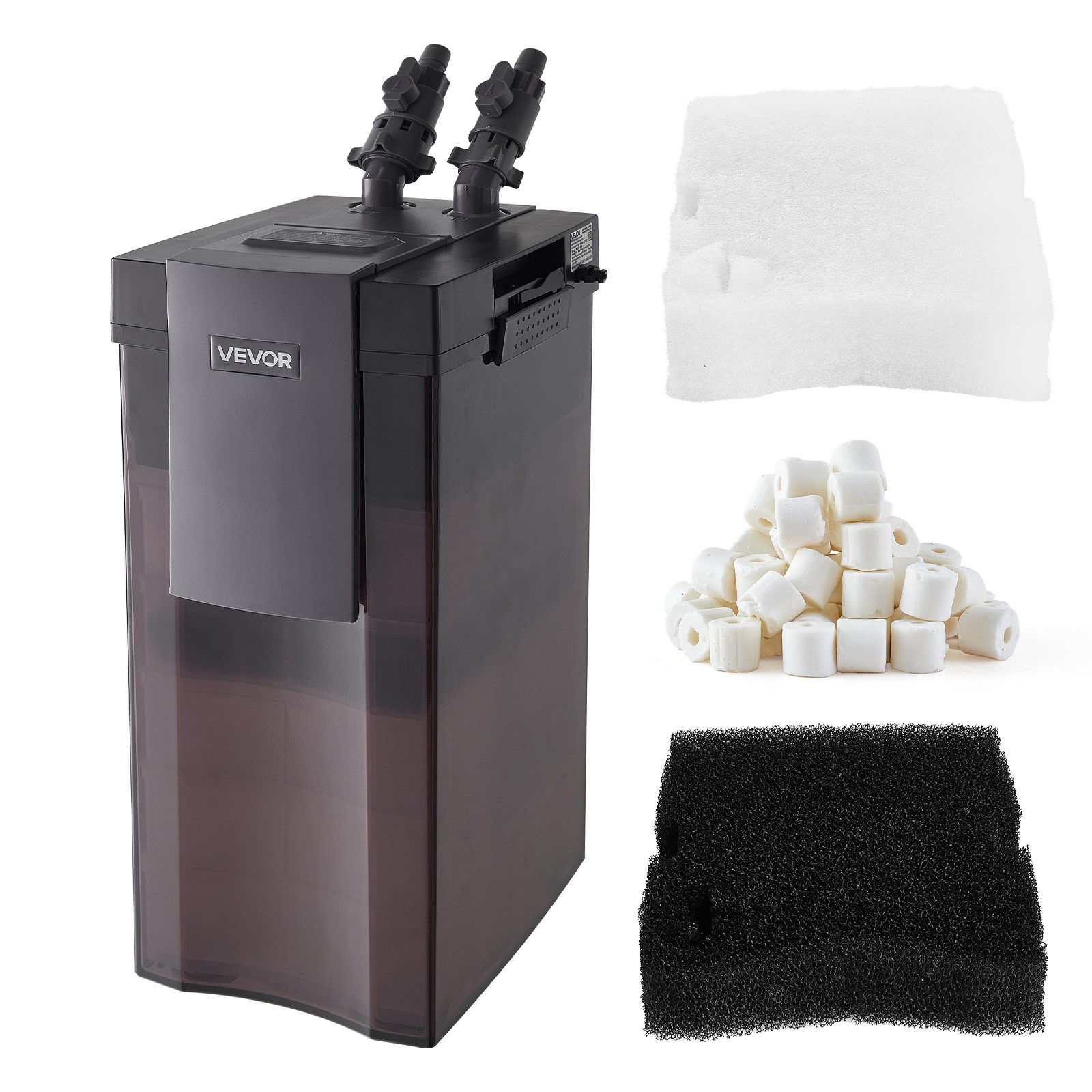 VEVOR 528GPH Canister Filter 5-Stage External Aquarium for Tanks 125-150 Gallons$74.75View on eBay
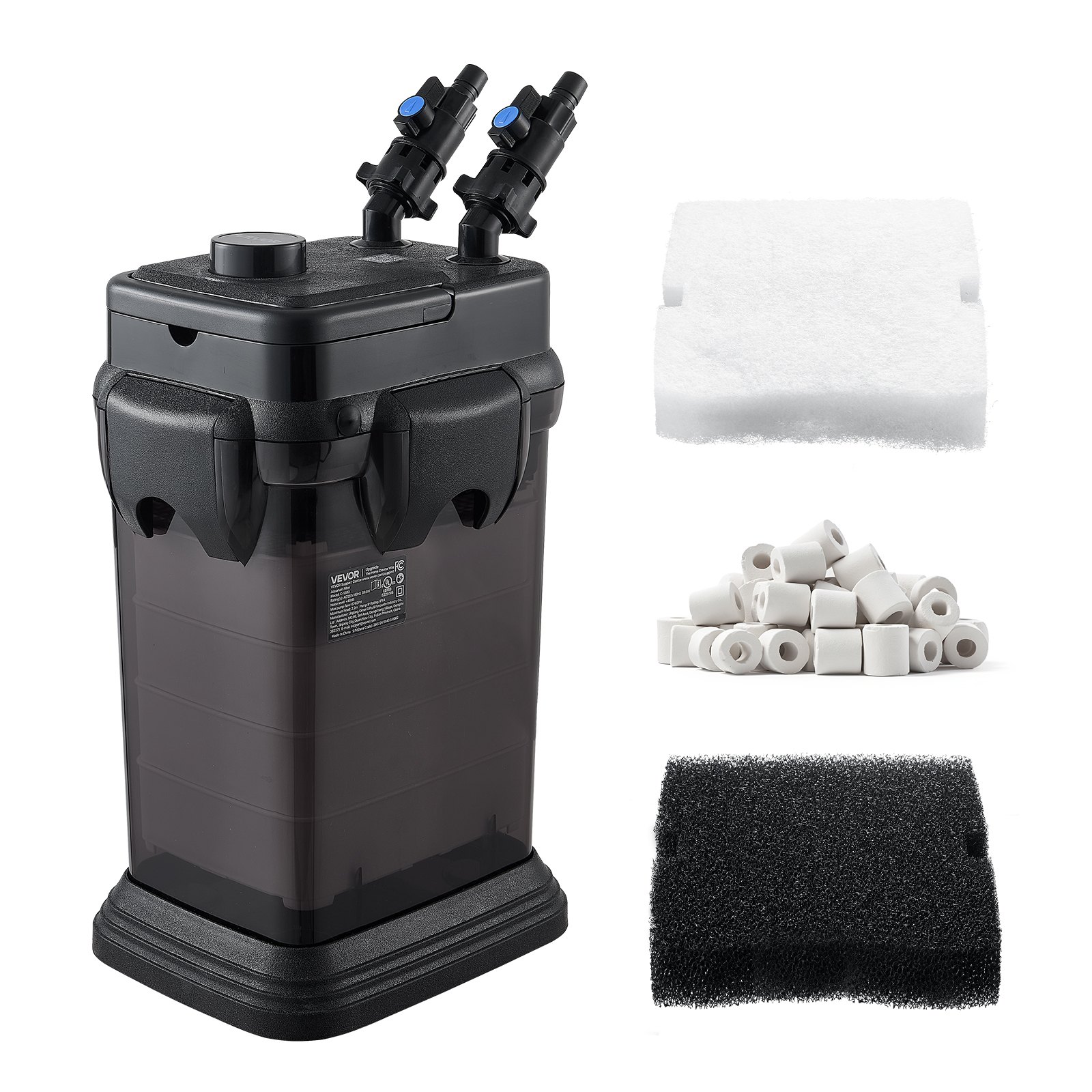 Canister Filter 700 GPH 5-Stage External Aquarium Copper Motor, for Fish Tanks, Aquariums, Adjustable Flow, Leak Protection, Powerful Water Circulation Cleaning Machine, Quite Operation$134.99View on Mallflare
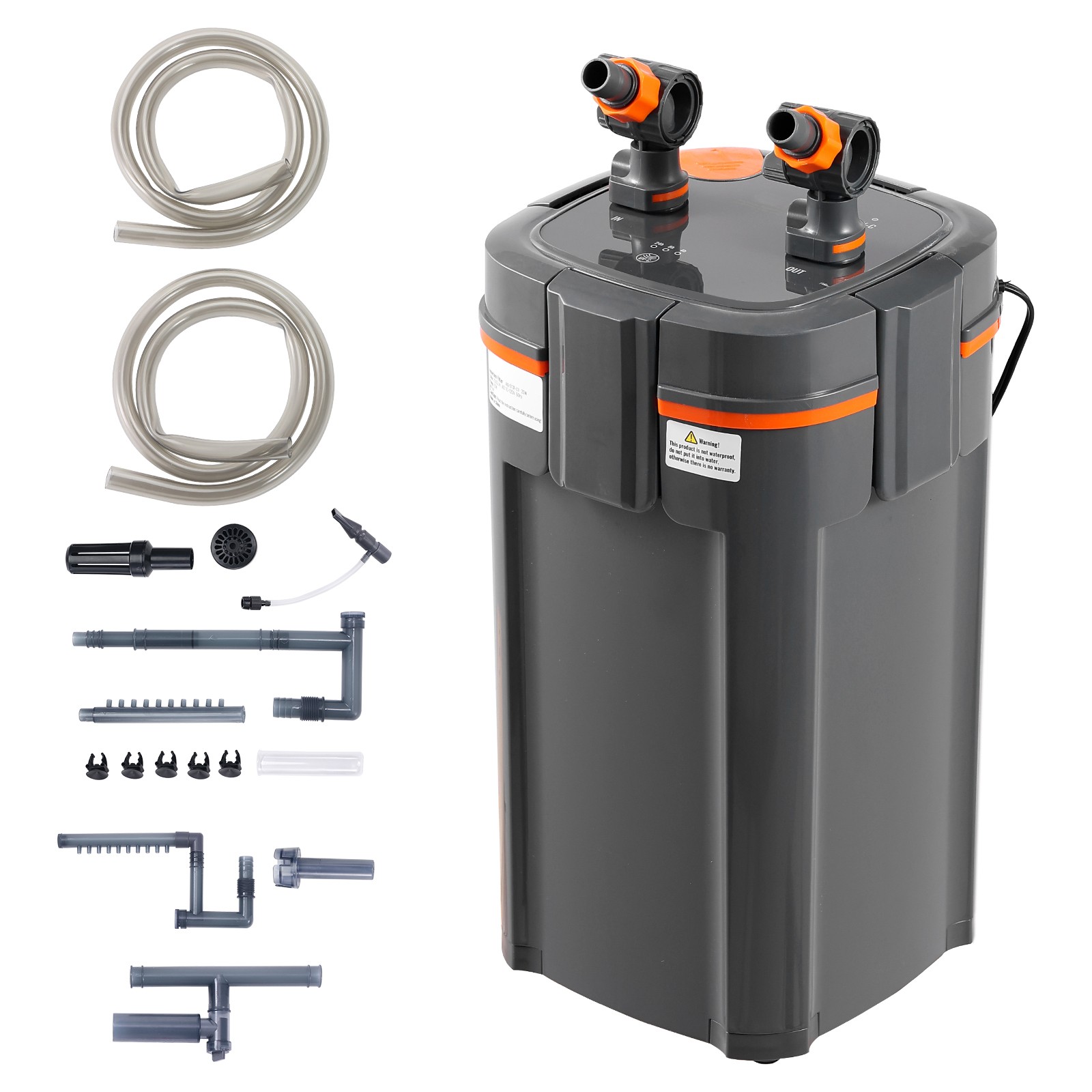 Uimoso 200 Gallon 5 Stage Aquarium Canister Filter 9w UV 528GPH Fish Tank Pump$91.99View on eBay
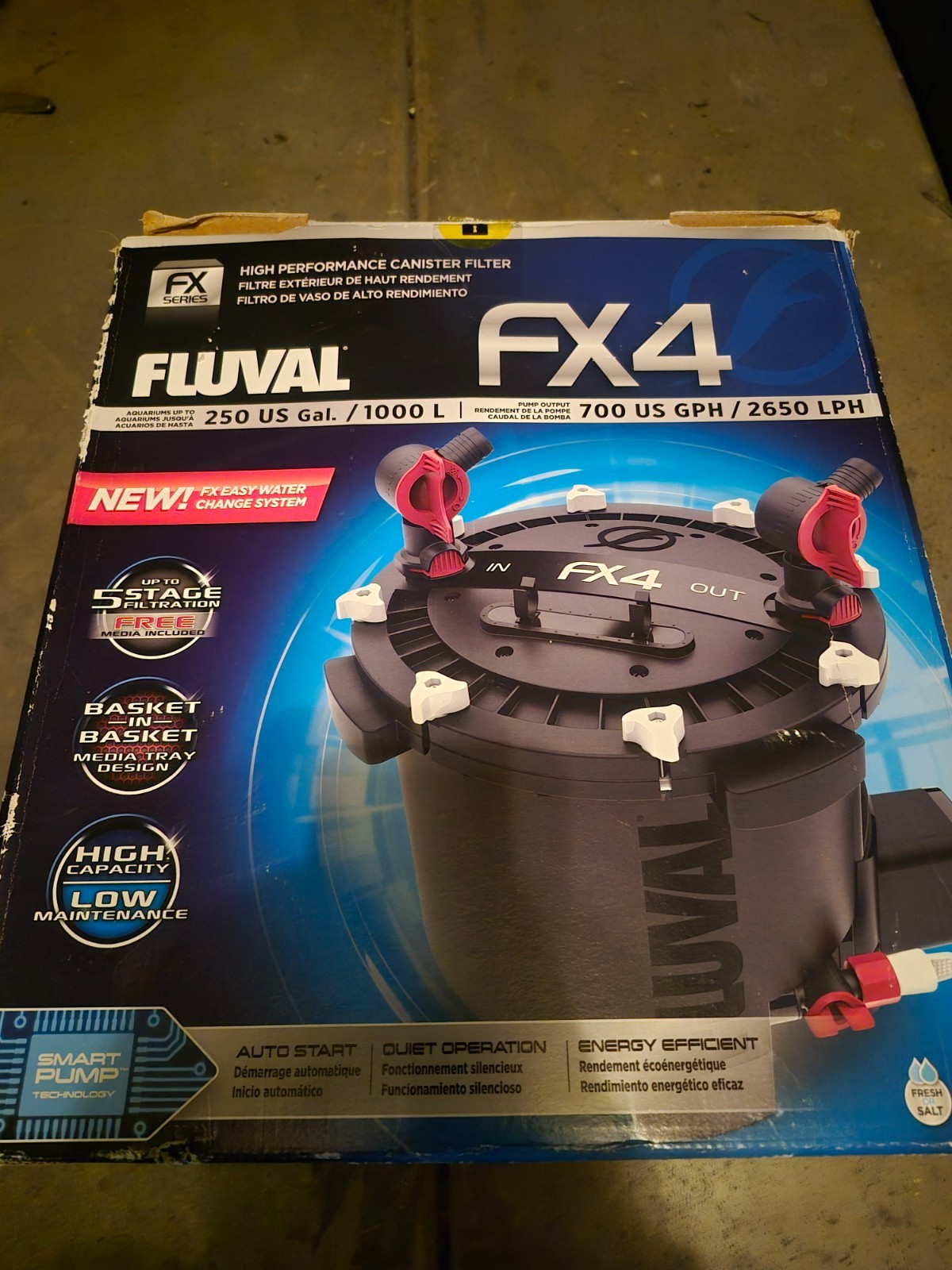 FLUVAL FX-4 AQUARIUM CANISTER FILTER INCOMPLETE & UNTESTED - FREE SHIPPING$200.00Used · Last checked Nov 17, 2026View on eBay
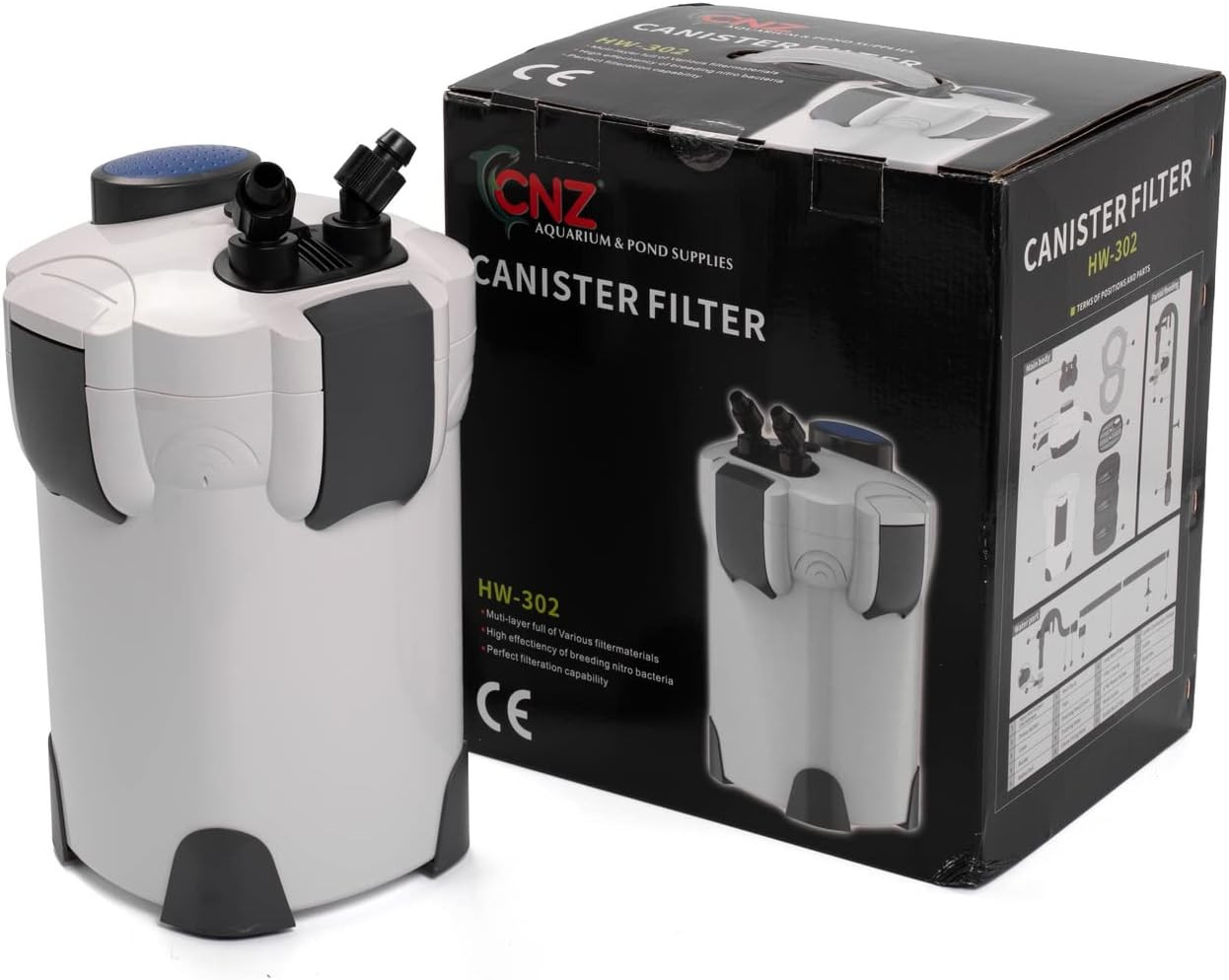 HW-302 265GPH Aquarium Canister Filter with Meida Kits, White$207.67New · Last checked Nov 27, 2026View on eBay
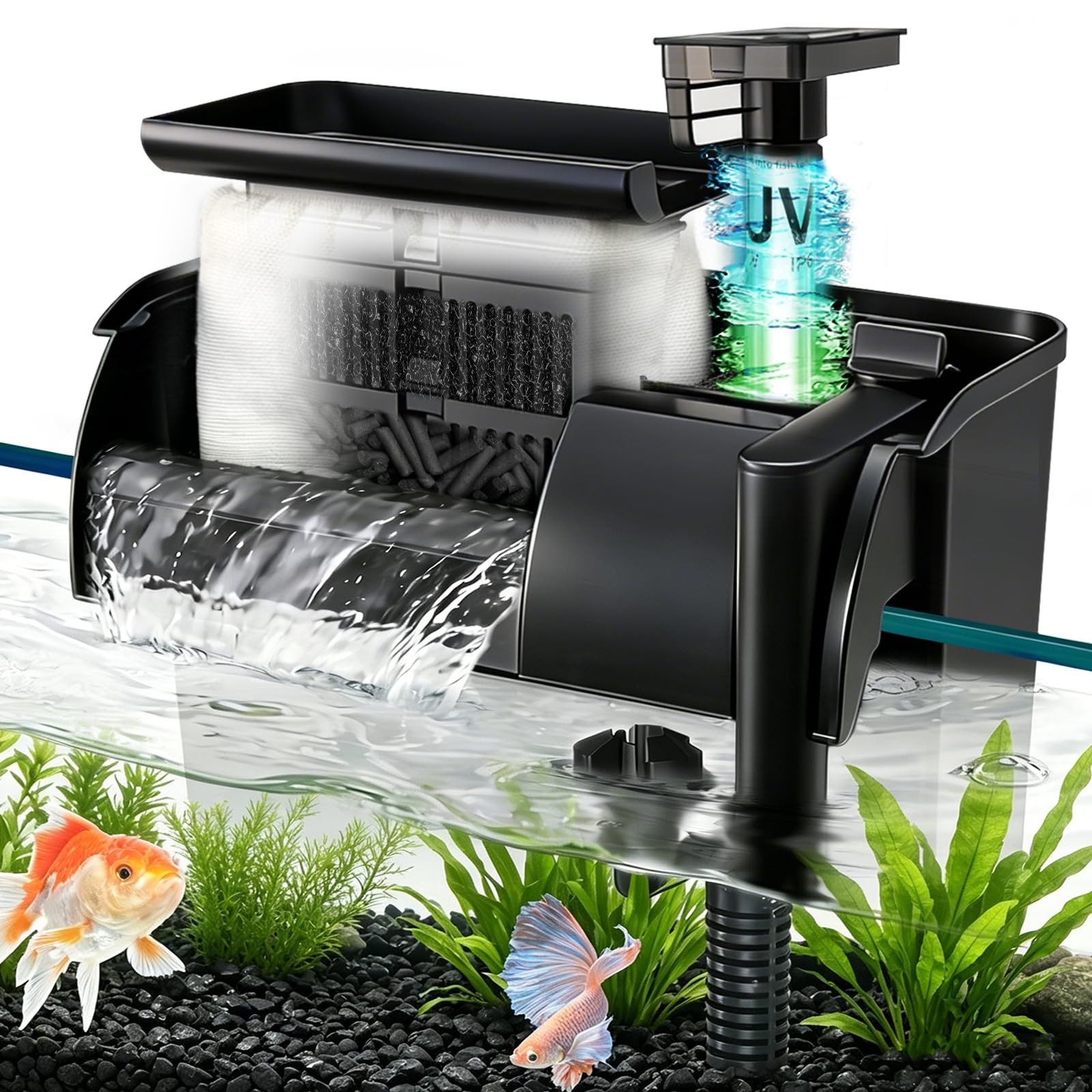 Hang On Back Aquarium Filter 344GPH 40150 Gal UV Light 5 Stage Water Clear$210.49New · Last checked Nov 27, 2026View on eBay
Highlights
- HOB filters (7W class) suit 10-45 gallon tanks with 100-200 GPH flow; canister filters (CF800/CF1400 class) scale to 55-150+ gallons with 200-500 GPH and 3-4 media trays.
- Biological capacity is set by media volume, not flow rate: canisters hold 1-2 gallons of ceramic rings and foam, while HOB cartridges hold a fraction of that.
- Impeller and shaft material matters: zirconia ceramic shafts outlast steel and resist wear, and replacement impeller kits (often bundled with foam pads) restore flow when noise or output drops.
- UV sterilizer bulbs (9W quartz glass) clarify green water but are supplemental, not a substitute for mechanical and biological filtration; they add heat and require annual bulb replacement.
Best use cases
- 10-20 gallon community or betta tanks: pick an adjustable-flow HOB (7W, 100-150 GPH) or a dual sponge filter; skip canisters, which create excessive current and waste media capacity.
- 40-75 gallon cichlid, goldfish, or turtle tanks: choose a canister rated 1.5-2x tank volume per hour (e.g., CF800 for 55 gal, CF1400 for 75 gal) with ceramic bio-media; skip undersized HOBs that clog weekly.
- Breeding, quarantine, or shrimp tanks: use sponge filters with air pumps for gentle flow and fry-safe intake; skip high-flow HOBs and UV units that stress sensitive livestock.
- Ponds and large sump setups: use pressurized canisters or media reactors with cut-to-fit foam; skip decorative mini filters that cannot handle debris load.
Buying tips
- Size flow at 4-5 tank turnovers per hour: a 20-gallon tank needs 80-100 GPH, a 55-gallon needs 220-275 GPH, and a 75-gallon needs 300-375 GPH, derated for media and head height.
- For canisters, count media trays and liters: 3-tray models (CF800 class) suit up to 55 gallons, 4-tray (CF1400 class) up to 100 gallons; more trays mean more bio-media but also more cleaning time.
- Replace foam and floss monthly and rinse bio-media in tank water only; bundled 6-pad kits with impeller and zirconia shaft keep service intervals predictable.
- Match intake strainers to livestock: sponge pre-filters prevent shrimp and fry from being sucked into HOB or canister intakes, and they extend impeller life.
Specs
| Filter Type | HOB / Canister / Sponge / UGF / Sump |
|---|---|
| Flow Rate | 100-500 GPH (4-5x turnover/hr) |
| Media Capacity | Cartridge vs 3-4 tray canister |
| Tank Size Rating | 10-45 gal HOB; 55-150 gal canister |
Related searches
What to check before buying
- Measure tank length and rim: HOB filters need 4-6 inches of clearance behind the tank and a level rim; canisters need 10-14 inches of cabinet height for hoses and priming.
- Confirm tank volume in gallons and intended bioload (goldfish and turtles produce far more waste than tetras) before selecting flow and media capacity.
- Check electrical outlet placement and cord length; canister and HOB pumps are 120V US-standard plugs and should run on a GFCI-protected circuit near the tank.
- Verify replacement media availability: proprietary cartridges lock you into ongoing cost, while cut-to-fit foam and ceramic rings are universal.
FAQ
Data sources: eBay / Amazon listings and product attribute feeds. Updated Nov 28, 2026.
Some links on this page are affiliate links. If you buy after clicking one, we may earn a commission at no extra cost to you. This does not change which products appear here or their order. Affiliate disclosure.