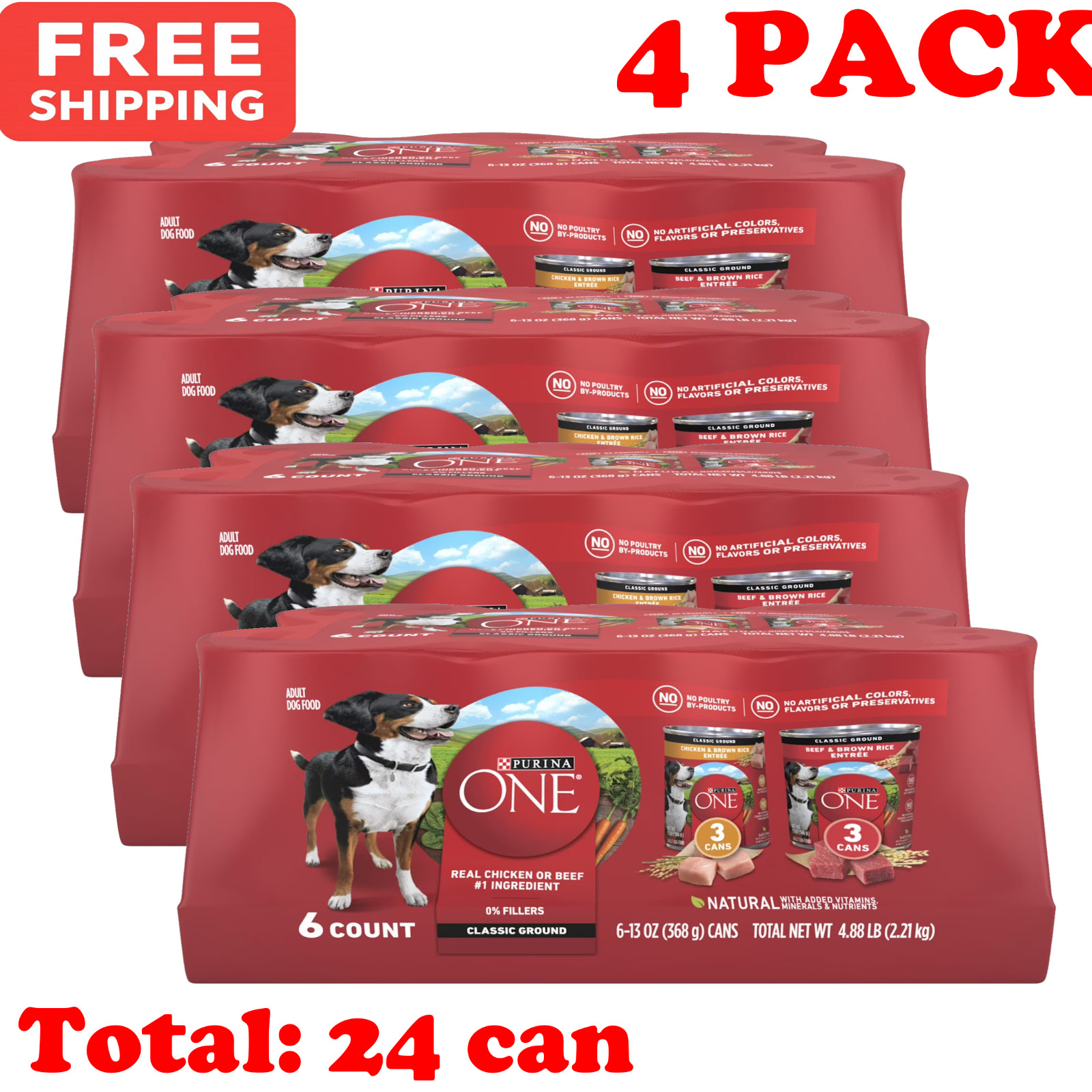

Photos from current listings. Actual item, color, and included accessories may vary.
Natural Dog Food Buying Guide
Natural dog food refers to diets formulated without artificial colors, flavors, or synthetic preservatives, typically emphasizing whole-food ingredients and named meat sources. The core trade-off is between dry kibble's convenience and shelf stability versus wet food's higher moisture, palatability, and protein density—with treats serving as a supplemental category that must not exceed 10% of daily calories. The decision rule: prioritize a complete-and-balanced AAFCO statement on the primary diet, then match the format (dry, wet, or mix) to your dog's size, dental health, and hydration needs rather than marketing claims.
Median $40.42
Key takeaways
- Complete-and-balanced diets carry an AAFCO nutritional adequacy statement specifying life stage (growth, maintenance, or all life stages)—treats rarely do and should stay under 10% of daily calories.
- Dry kibble typically runs 8-12% moisture and 22-32% protein, while wet food is 70-82% moisture and 8-12% protein on a fed basis—compare guaranteed analysis on a dry-matter basis for true protein content.
- Natural claims are loosely regulated; look for named meat meals (e.g., chicken meal, lamb meal) in the first three ingredients rather than vague 'meat meal' or 'animal by-product'.
At a glance
- Category
- Pet Food, Treats & Litter
- Last updated
- Nov 28, 2026
Current offers
Highlights
- Complete-and-balanced diets carry an AAFCO nutritional adequacy statement specifying life stage (growth, maintenance, or all life stages)—treats rarely do and should stay under 10% of daily calories.
- Dry kibble typically runs 8-12% moisture and 22-32% protein, while wet food is 70-82% moisture and 8-12% protein on a fed basis—compare guaranteed analysis on a dry-matter basis for true protein content.
- Natural claims are loosely regulated; look for named meat meals (e.g., chicken meal, lamb meal) in the first three ingredients rather than vague 'meat meal' or 'animal by-product'.
- Grain-inclusive formulas (rice, barley, oatmeal) and grain-free formulas (peas, lentils, potatoes) both qualify as natural—grain-free does not mean higher quality and has been linked to canine dilated cardiomyopathy in some dogs.
Best use cases
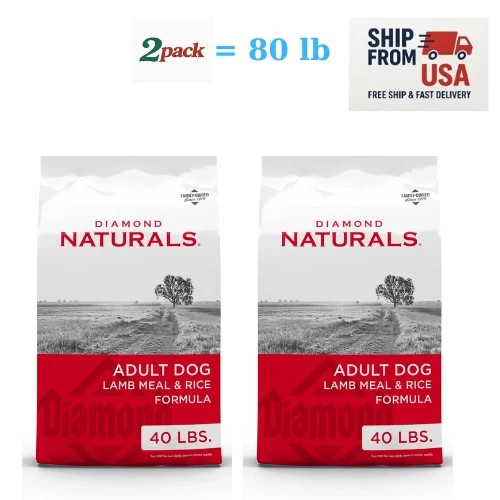
- Best fit for multi-dog households or large breeds: a 40 lb bag of dry kibble in a lamb meal and rice formula delivers complete nutrition at low per-meal cost and stays fresh 6-8 weeks after opening with proper storage.
- Best fit for picky eaters, seniors, or dogs with dental issues: wet food in 12-13 oz cans provides high moisture (helpful for hydration) and strong palatability—budget 1-2 cans per 20 lb of body weight daily.
- Best fit for training and reward: soft chicken-and-apple treats in a 2.5 lb bag break easily into small pieces—choose a treat with a named meat first ingredient and avoid those exceeding 10% of daily calories.
- Wrong fit: buying only treats or toppers as a primary diet—they lack AAFCO complete-and-balanced statements and will cause nutritional deficiencies; skip grain-free unless your vet has diagnosed a specific intolerance.
Buying tips
- Match bag size to dog weight and consumption: a 40 lb bag lasts roughly 3-5 weeks for a 50 lb dog at 2-3 cups daily—buy smaller bags if your dog eats under 2 cups daily to avoid stale kibble.
- Compare protein on a dry-matter basis: divide guaranteed protein by (100 minus moisture percentage)—a 10% protein wet food at 75% moisture equals 40% dry-matter protein, often higher than kibble.
- For wet food, calculate cans per day: a 13 oz can feeds a 20-25 lb dog for one day; a 40 lb dog needs about 1.5-2 cans daily—buy multi-can packs accordingly.
- Choose named meat meals over fresh meat in kibble: 'chicken meal' is concentrated protein (about 65% protein) while 'chicken' is 70% water, so meal appears higher in the ingredient list for equivalent protein.
Specs
| Food Format | Dry kibble / Wet canned / Soft treats |
|---|---|
| Life Stage | Growth / Adult maintenance / All life stages |
| Protein Basis | Dry-matter basis for true comparison |
| Grain Option | Grain-inclusive vs grain-free |
Related searches
What to check before buying
- Confirm an AAFCO nutritional adequacy statement on the primary diet label for your dog's life stage (growth, adult maintenance, or all life stages).
- Measure your dog's current weight and daily cup intake to calculate bag size—most adult dogs eat 2-4 cups of kibble daily depending on calorie density (roughly 350-450 kcal per cup).
- For wet food, verify can size against daily needs and check that the formula is complete-and-balanced, not a 'complementary' or 'topper' product.
- Check treat calorie content: treats should not exceed 10% of daily calories—for a 500 kcal/day dog, that is 50 kcal of treats, roughly 5-8 small soft treats.
FAQ
Data sources: eBay / Amazon listings and product attribute feeds. Updated Nov 28, 2026.
Some links on this page are affiliate links. If you buy after clicking one, we may earn a commission at no extra cost to you. This does not change which products appear here or their order. Affiliate disclosure.