Pet Gear Picks

Pet Gear Picks

Pet Gear Reviews & Buying Guides

Compare pet gear by use case, features, trade-offs, price, returns, and seller terms before you buy.

Buying guides

Buying guide image
Bird & Small Animal Supplies

Bird Feeder Hanger

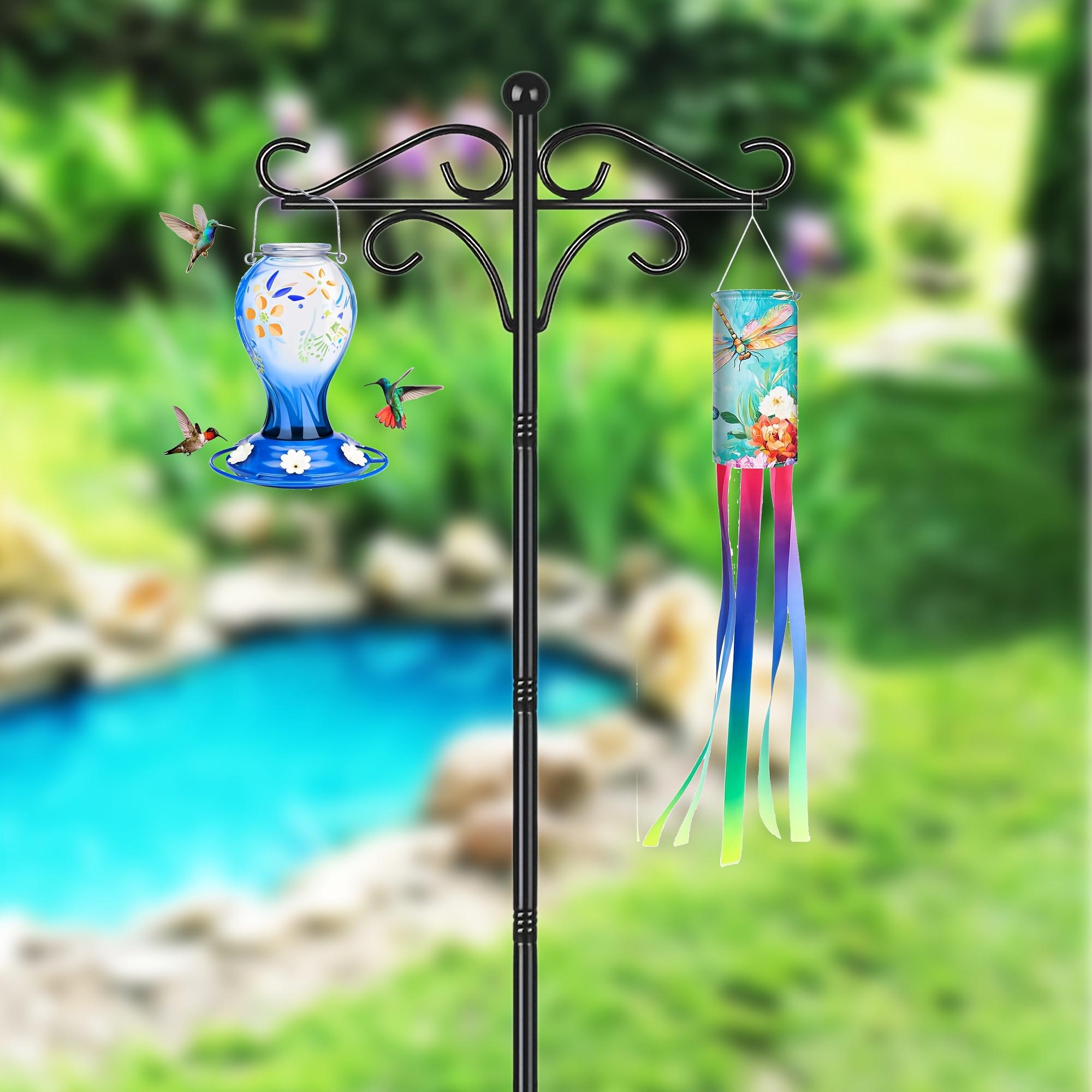
A bird feeder hanger is the mounting hardware—deck bracket, shepherd's hook, or freestanding pole—that positions a feeder at the right height and distance from trees, railings, and predators. The core trade-off is steel gauge and joint construction versus cosmetic finish: thin hollow tubing and spot-welded seams flex and rust out in one season, while thicker walled steel with through-bolted or welded collars and a powder-coated finish survives years of weather and feeder load. Buy by mount type and load rating first; treat decorative scrollwork, color, and ornamentation as secondary.
Buying guide image
Bird & Small Animal Supplies

Bird Feeder Stand With Base

A bird feeder stand with base is a freestanding pole or wheeled station that elevates feeders, baths, or cages off the ground for predator resistance, cleanliness, and viewing convenience. The core trade-off is between thin stamped-sheet poles that flex and rust versus heavy-gauge welded steel with a wide, spike-anchored or weight-loaded base that resists tipping and squirrel leverage. Buyers should choose a stand rated for their feeder's loaded weight and local wind/squirrel pressure, not the lightest or tallest option.

Buying guide image
Bird & Small Animal Supplies

Cat Cage

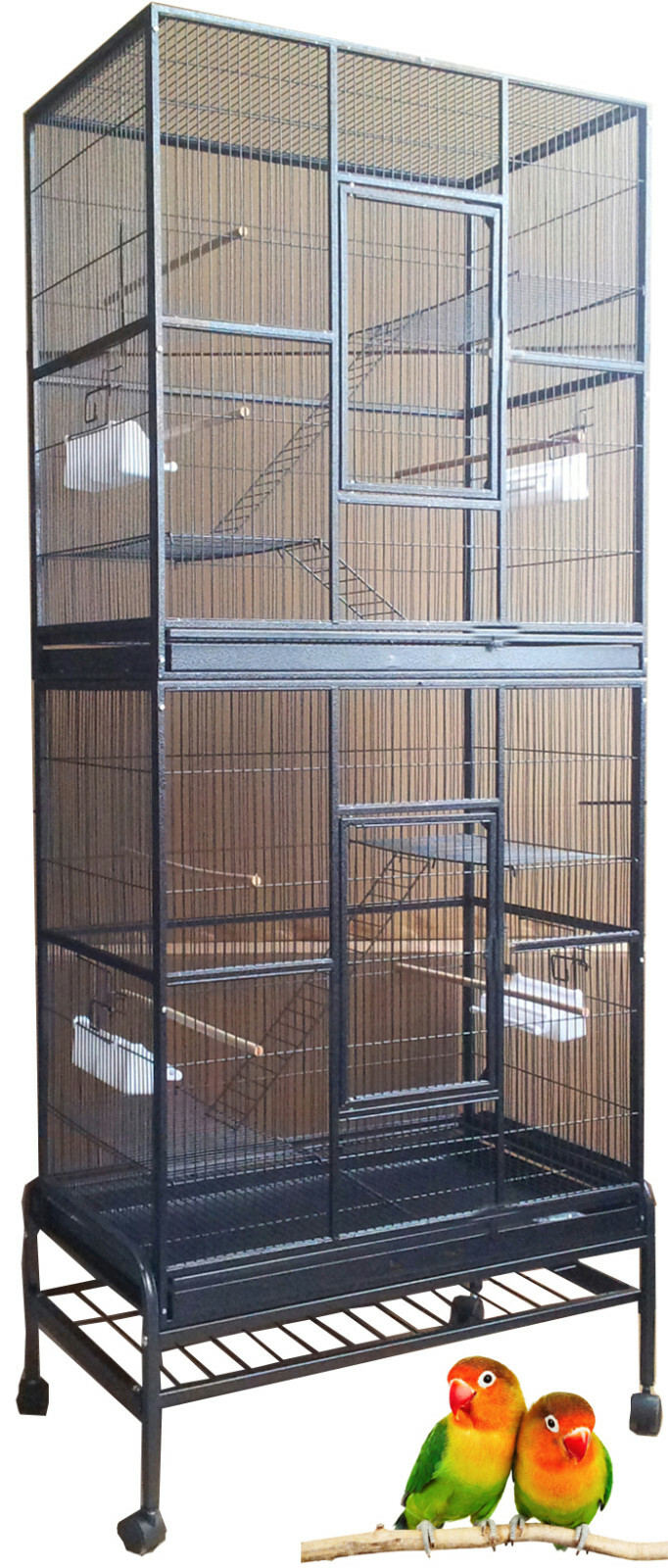
A cat cage is a confined habitat—typically wire or metal-framed—used for safe rest, recovery, or temporary housing of cats and other small animals. The key trade-off is between escape-proof structural rigidity and multi-level enrichment space: flimsy thin-gauge wire cages with weak latches fail under a determined cat, while sturdier welded-steel or reinforced-bar designs with secure locking doors hold up. Choose a cage with at least 1-inch bar spacing and welded joints for adult cats; skip decorative fabric-and-plastic enclosures that are only suitable for hamsters, ferrets, or birds.

Buying guide image
Reptile Enclosures & Terrariums

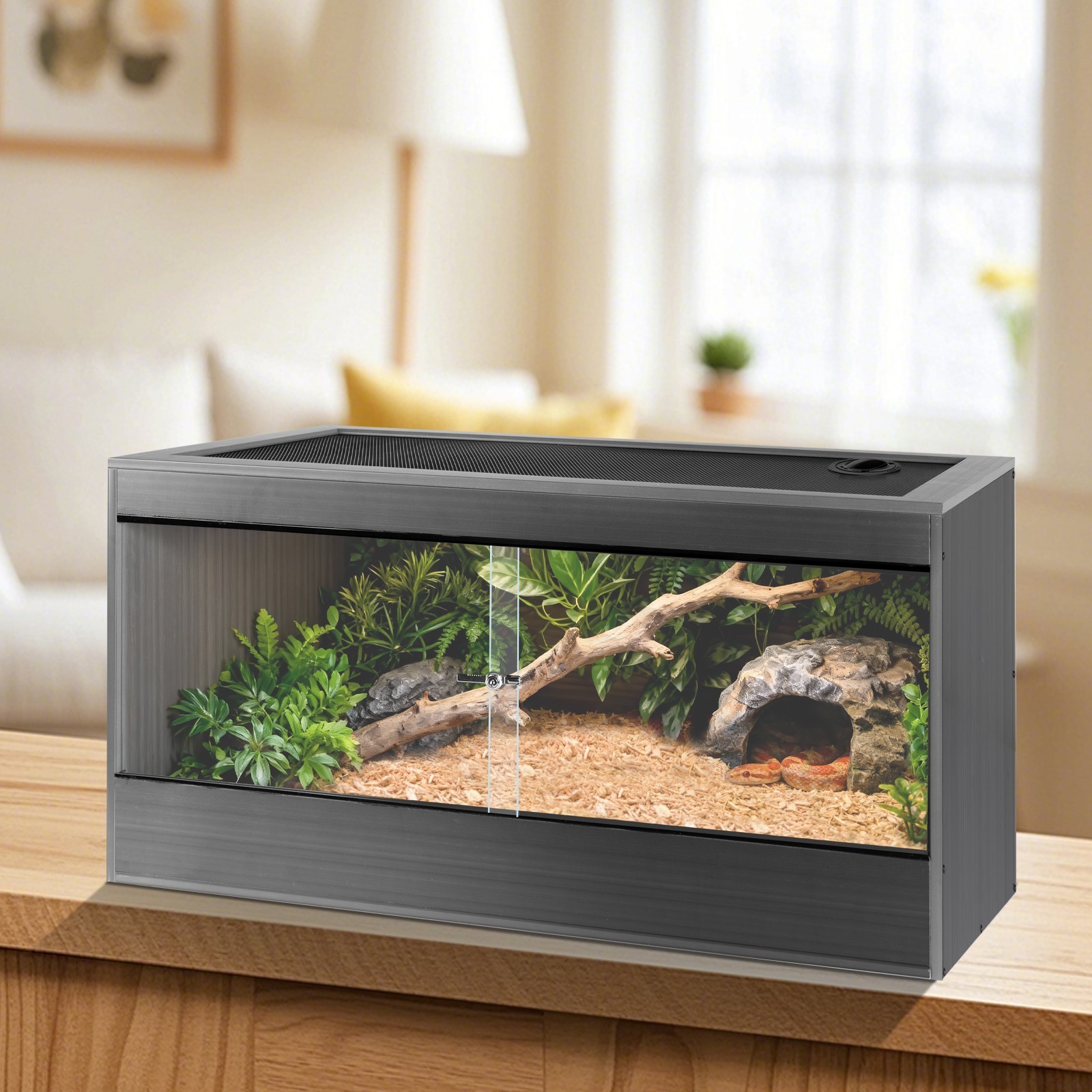
Reptile Enclosure Wood

Wood reptile enclosures are built from composite panels (melamine-faced MDF, plywood, or sealed pine) that trade low cost and easy custom sizing for moisture vulnerability—the single factor separating a decade-long terrarium from a swelling, mold-prone one. The decisive rule: buy only panels sealed on all faces and edges (or specify marine-grade plywood/expanded PVC), and match panel thickness (minimum 1/2 in, ideally 3/4 in) to enclosure span and species humidity.

Buying guide image
Pet Apparel & Accessories

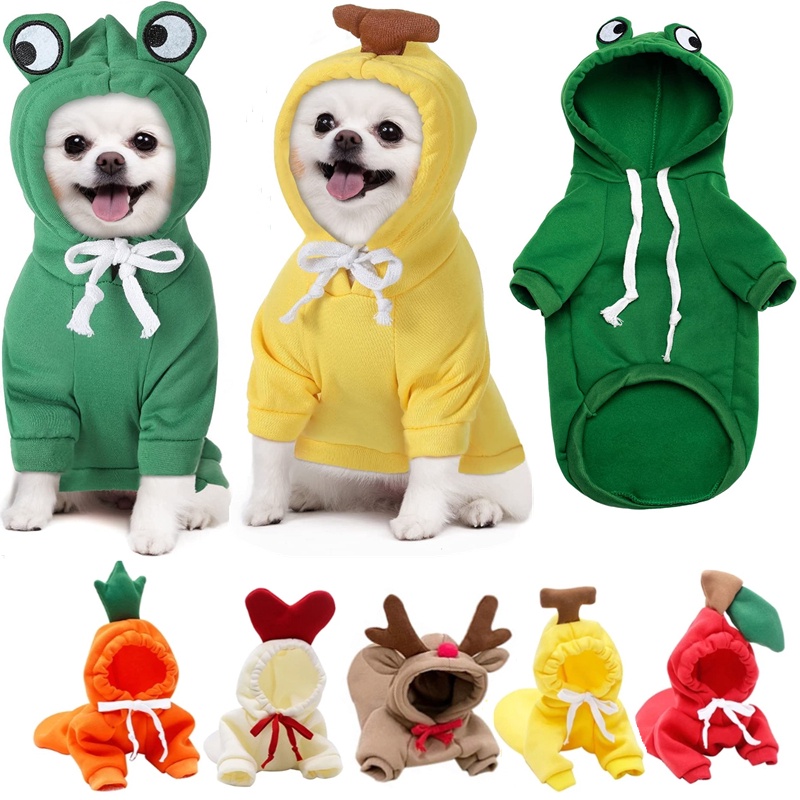
Chihuahua Coat

A Chihuahua coat is a small-breed-specific garment engineered to retain body heat for a toy breed with a high surface-area-to-mass ratio and minimal subcutaneous fat. The core trade-off is insulation warmth versus fit security: oversized fleece hoodies trap heat but snag and slip, while thin fashion knits look right but fail below 45°F. The decision rule is simple — buy a measured, adjustable-fit coat with a full belly panel and leash portal for winter, and skip any pullover without a chest closure for outdoor use.

Buying guide image
Pet Bowls & Feeders

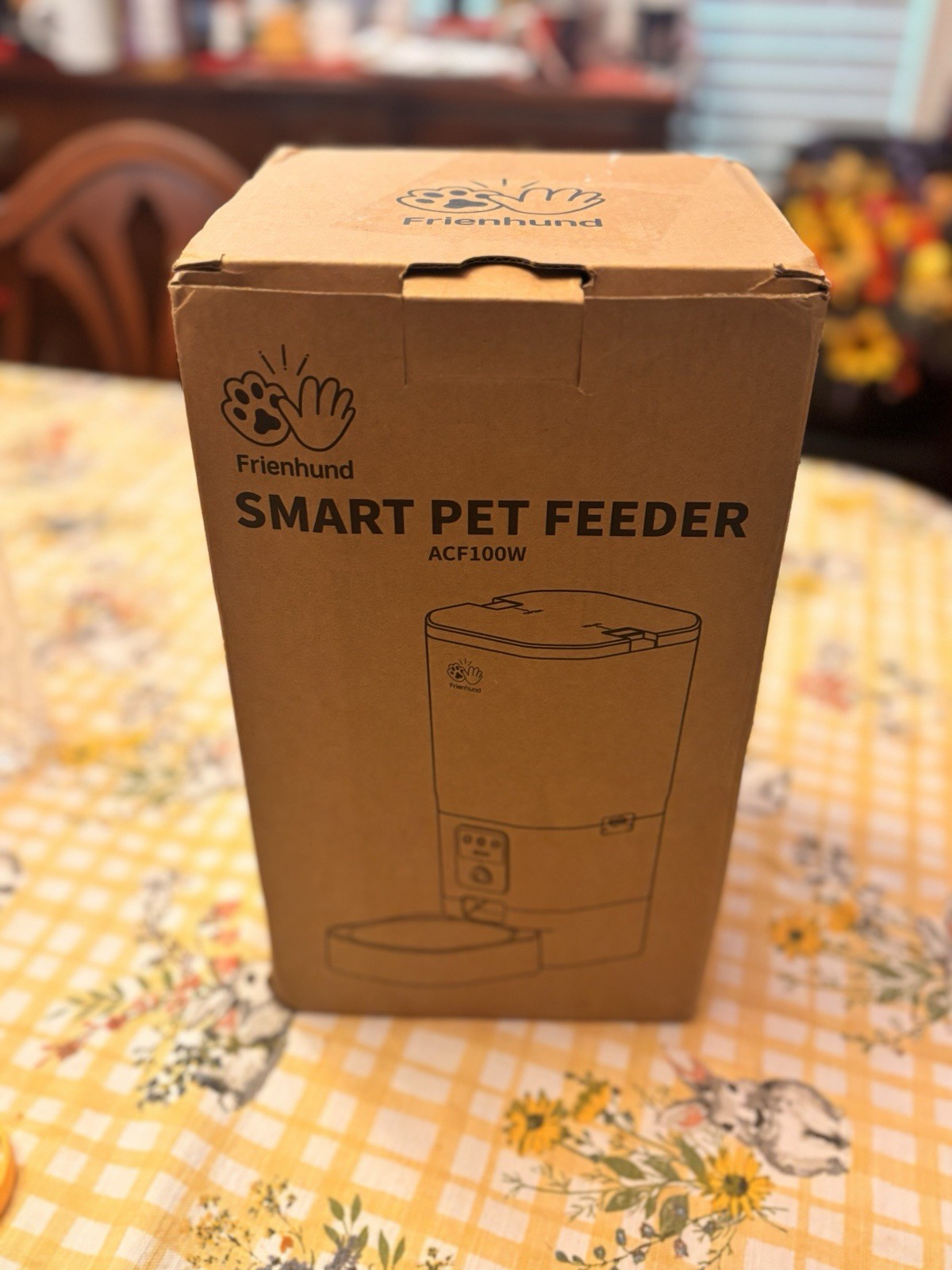
Frienhund Automatic Feeder

Frienhund automatic feeders are app-connected portion dispensers built around a rotating-kibble auger, a sealed hopper, and optional 2K camera modules in white ABS or stainless-steel bowl variants. The real decision is not brand loyalty but which module tier you buy: basic timer-only units versus 5G Wi-Fi camera models with dual bowls and slow-feed inserts. Choose a camera-free dispenser if you feed on a fixed schedule at home, and step up to a 5G Wi-Fi dual-camera model only if you need remote monitoring, multi-pet splitting, or portion verification.

Buying guide image
Pet Food, Treats & Litter

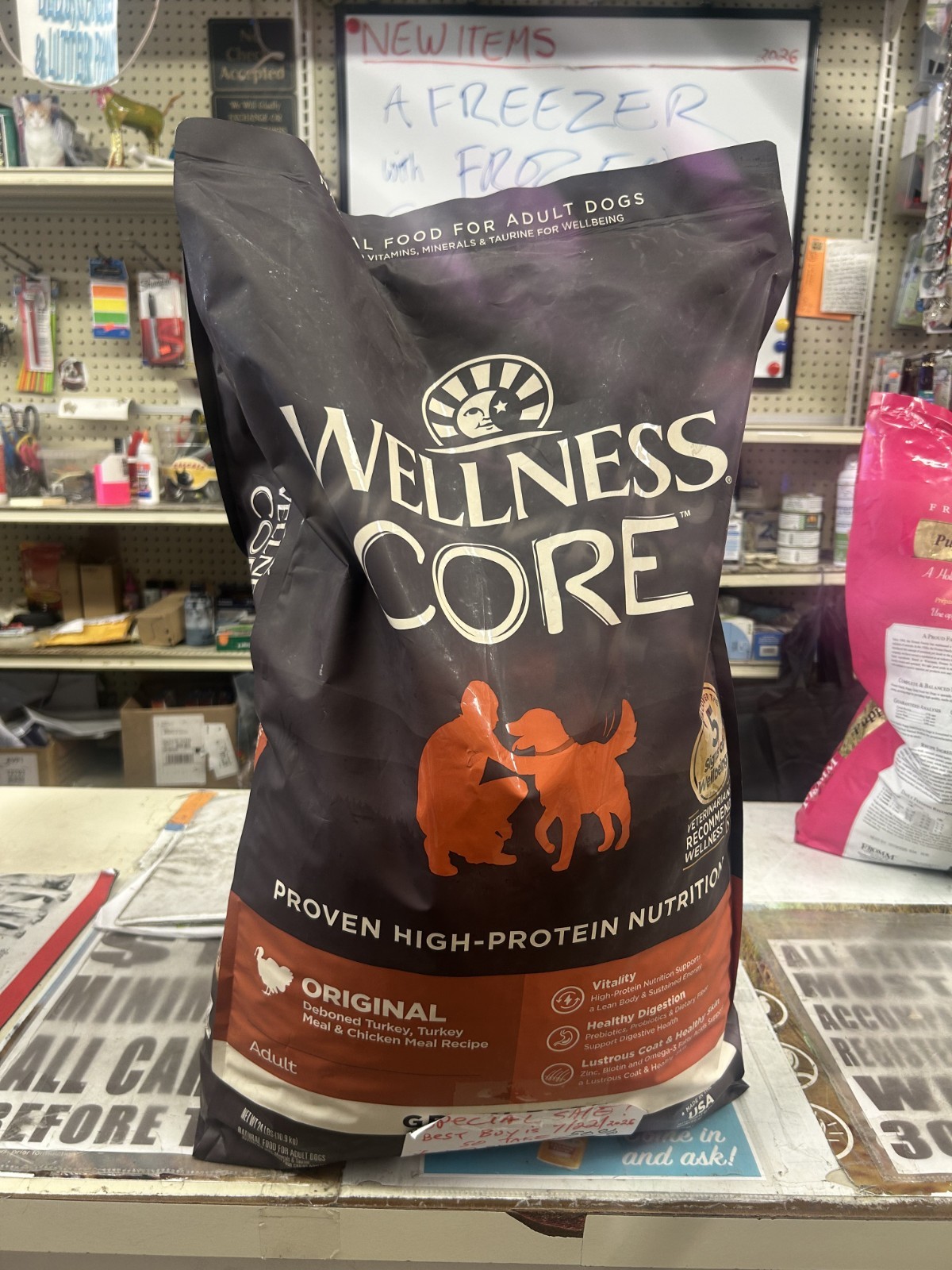
Core Dog Food

Core dog food is a high-protein, grain-free or limited-ingredient dry diet positioned between premium and prescription lines, where the primary trade-off is animal-protein density versus carbohydrate fillers and cost per calorie. The decision rule: choose a formula with a named meat first, guaranteed analysis protein at or above 30%, and a documented AAFCO life-stage statement; skip any bag that lists vague 'meat meal' or splits legumes across multiple entries to obscure total plant protein.

Buying guide image
Pet Food, Treats & Litter

Covered Litter Box

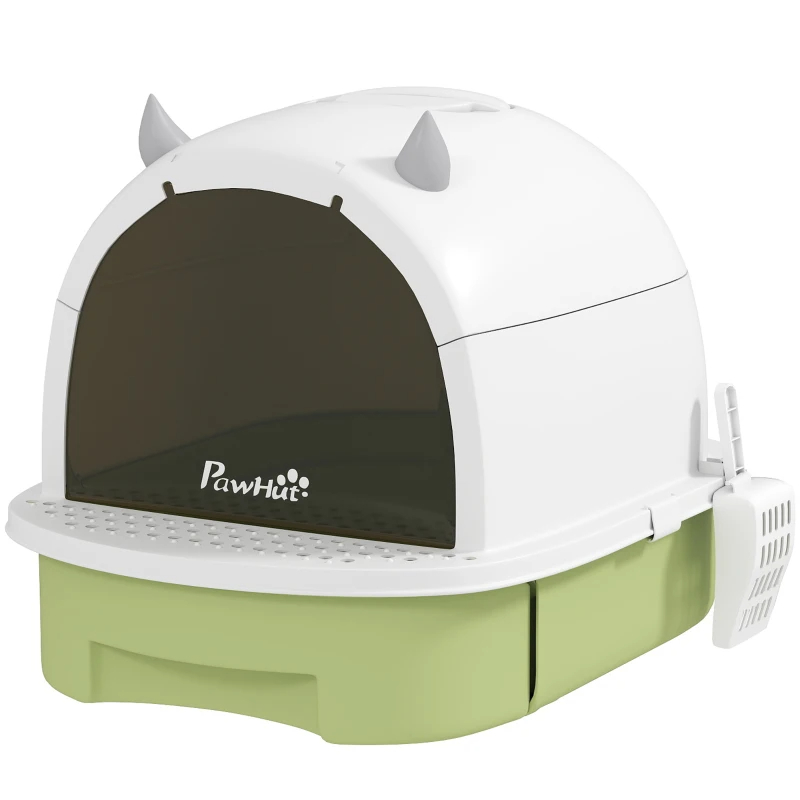
A covered litter box is an enclosed cat toilet with a hood, door, and filtration that contains odor, urine spray, and litter scatter better than an open pan. The core trade-off is enclosure vs. ventilation: tighter lids and carbon filters trap smell but also trap ammonia and humidity, while larger interior volume and high-entry designs improve airflow and reduce stress. The decision rule is simple: buy rigid PP plastic with a sealed carbon filter slot and a base at least 1.5x your cat's body length; skip fabric or soft-sided enclosures and hoods too small for your cat to turn around.

Buying guide image
Pet Food, Treats & Litter

Sifting Litter Box With Lid

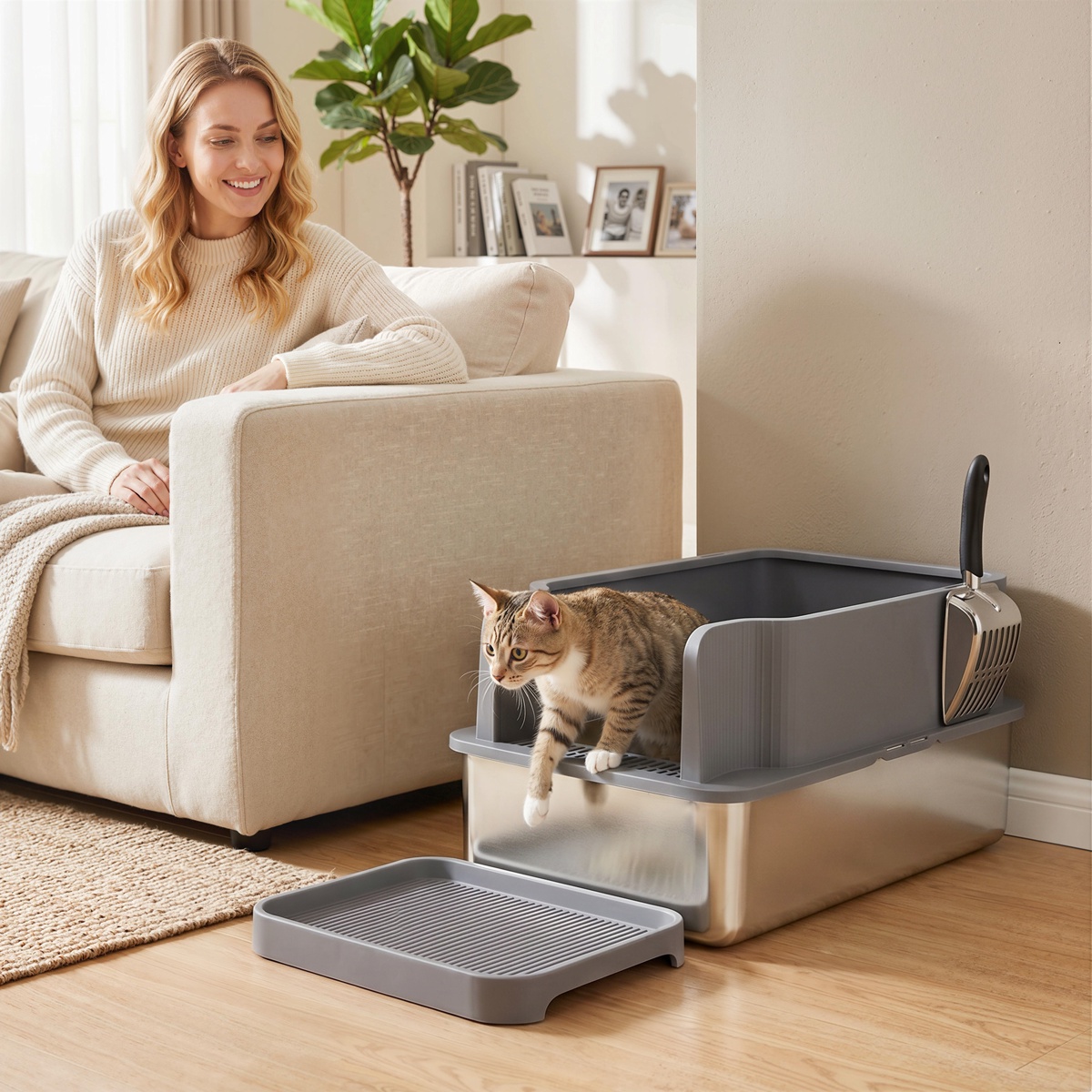
A sifting litter box with lid is a covered waste-management system that combines a hooded enclosure with a multi-tray sieve to separate clumps from clean litter. The core trade-off is sieve aperture versus litter granularity: too-wide slots let clumps crumble through, too-narrow slots clog with clay dust and slow scooping. Choose a unit whose sieve geometry matches your litter type and whose hood height clears your cat's standing headroom; skip open sifting pans with clip-on lids that flex and leak.

Buying guide image
Reptile Feeding Dishes

Reptile Food Water Dish

Reptile food and water dishes are shallow, escape-resistant vessels sized to the animal's body and feeding style; the core trade-off is between smooth, easy-clean plastic and heavier ceramic/stoneware that resists tipping during striking or soaking. Choose a dish with a wide, low profile and a textured or stepped interior for insects and a separate deeper water bowl for soaking species; skip deep, narrow bowls that trap feeders and raise humidity in arid setups.

Buying guide image
Bird & Small Animal Supplies

Budgie Cage

A budgie cage is a primary enclosure defined by bar spacing, footprint, and build material, where the critical trade-off is between flight room for vertical/horizontal activity and ease of cleaning or portability. Durable options use 1/2-inch to 5/8-inch zinc-free wire and a powder-coated frame with a full-width drop-down or slide-out tray; compromises rely on thin gauge wire, plastic base clips, or sub-18-inch depths that force wing clipping and stress behaviors.

Buying guide image
Bird & Small Animal Supplies

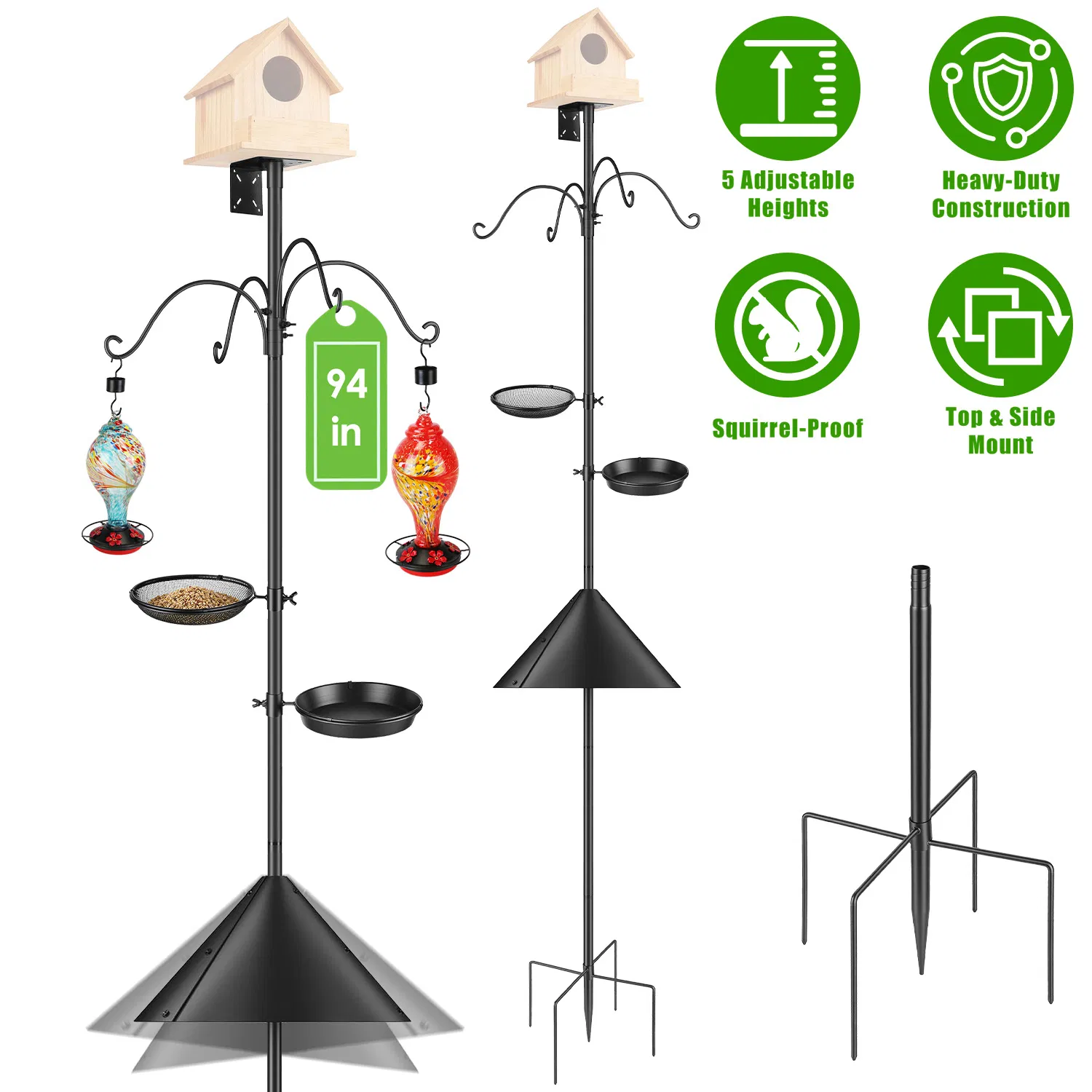
Squirrel Proof Shepherd Hook

A squirrel-proof shepherd hook is a freestanding pole system engineered to hold bird feeders or houses beyond a squirrel's reach, typically using height, a baffle, or a physical barrier. The core trade-off is between thin single-piece poles that flex and sag under squirrel weight versus heavy-gauge sectional poles with a wide, multi-pronged base and adjustable hook height. Choose a thick-gauge, sectional pole with a baffle-compatible top and at least a 4-prong base; skip flimsy one-piece hooks with narrow stakes that squirrels can bend or climb.

Buying guide image
Bird & Small Animal Supplies

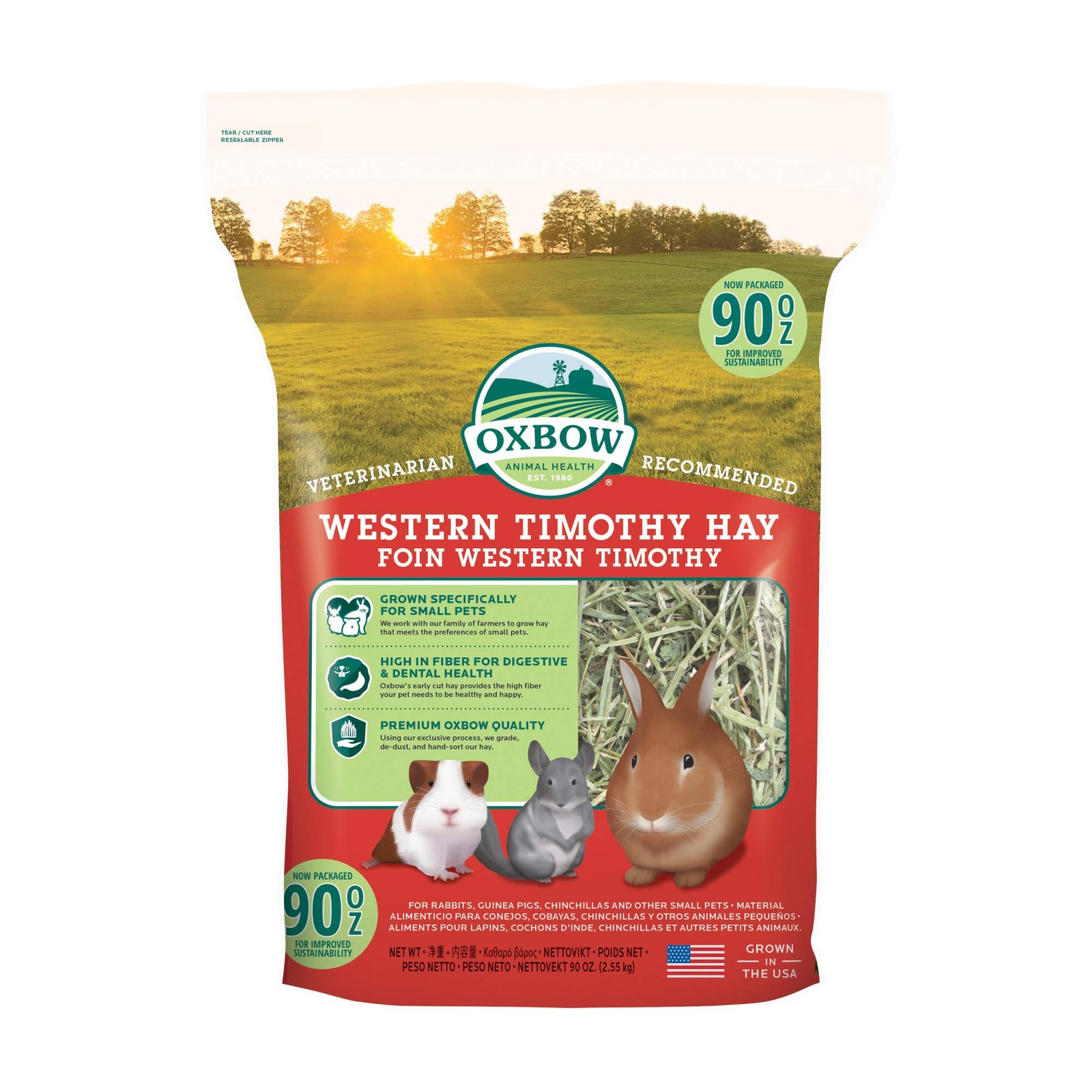
Western Timothy Hay

Western Timothy hay is a grass hay (Phleum pratense) harvested in the western U.S., prized for its long, leafy strands and balanced calcium-to-phosphorus ratio for small herbivores. The core trade-off is cutting/grade versus steminess: first-cut hay is coarser and higher in fiber, while second- and third-cut hay is leafier and softer but lower in tooth-wearing fiber. The decision rule is simple: choose first-cut for dental wear and digestion in adult rabbits and guinea pigs, and second/third-cut only for young, senior, or dental-compromised animals that need softer forage.

Buying guide image
Bird & Small Animal Supplies

Wooden Bird Perch

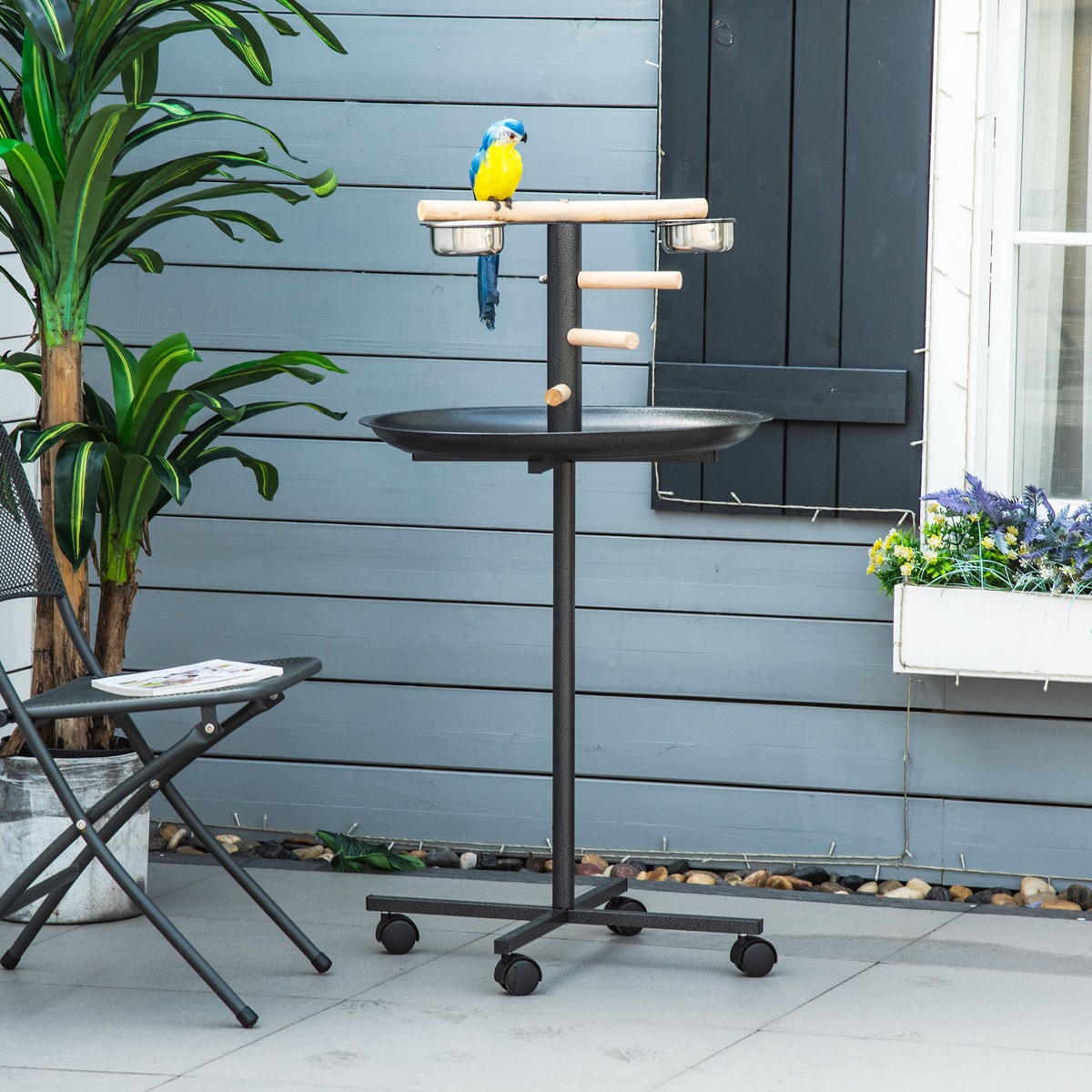
A wooden bird perch is a natural or dowel wood roost that gives companion birds a secure, grip-friendly standing surface; the core trade-off is between soft, bark-covered natural hardwood that wears with chewing and kiln-dried dowel or plywood perches that resist wear but offer less foothold variety. The clear decision rule: buy natural hardwood branch perches sized to the bird's foot span, and skip smooth uniform dowels as the only perch in the cage.

Buying guide image
Pet Collars, Harnesses & Leashes

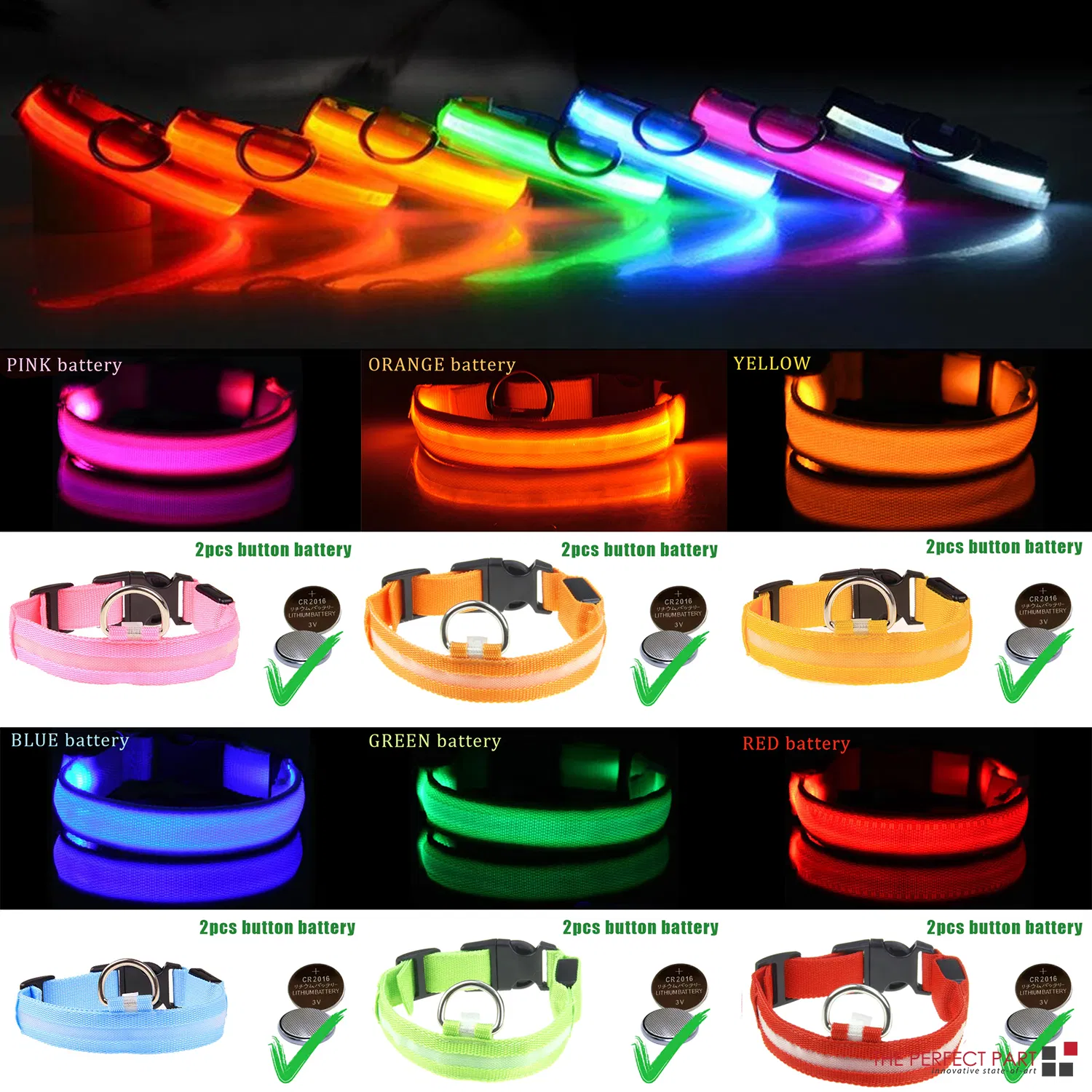
Light Up Dog Collar

A light-up dog collar is an illuminated safety band that makes dogs visible in low light, with the main trade-off being between cheap disposable-battery strips and rechargeable, weather-sealed LED collars built for daily walks. Choose USB-C rechargeable with IPX4 or better and a full-perimeter glow band for reliable durability; skip coin-cell or button-battery novelty collars with exposed wiring if the dog walks nightly.

Buying guide image
Pet Crates, Kennels & Playpens

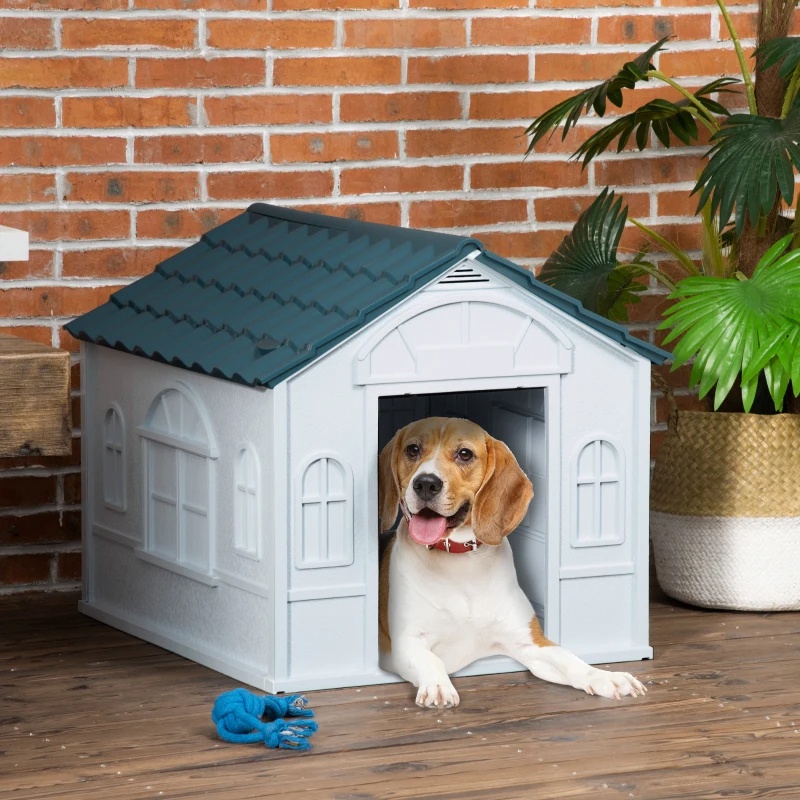
Indigo Dog House

An indigo dog house is a plastic or resin outdoor shelter chosen for UV-stable color and weather resistance—not a collapsible travel crate. Buyers should focus on wall thickness, roof pitch, vent placement, and door flap quality because these determine whether the house stays dry and warm in winter and bearable in summer. Sizing is the most common mistake: measure your dog's nose-to-tail and elbow height, then add clearance rather than guessing by breed weight.

Buying guide image
Aquarium Substrate, Plants & Decor

Aqua Natural Aquarium Substrate

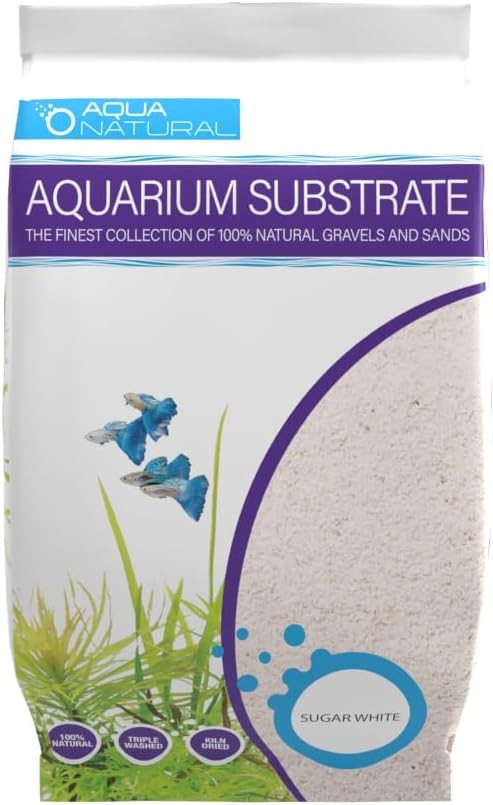
Aqua Natural aquarium substrate is a brand family of natural sands and gravels sold by grain size and color, with 'Sugar White Sand' being a fine 0.5–1 mm aragonite-based option. The core trade-off is grain size versus chemistry: fine sand looks clean and suits bottom-dwellers, but it compacts, clouds if unrinsed, and aragonite raises pH and hardness. Buy it only if you want a bright, natural, buffering substrate for hard-water or brackish setups; skip it for soft-water, acidic, or high-flow planted tanks that need coarse, inert, or nutrient-rich media.

Buying guide image
Bird & Small Animal Supplies

Bee Proof Hummingbird Feeder

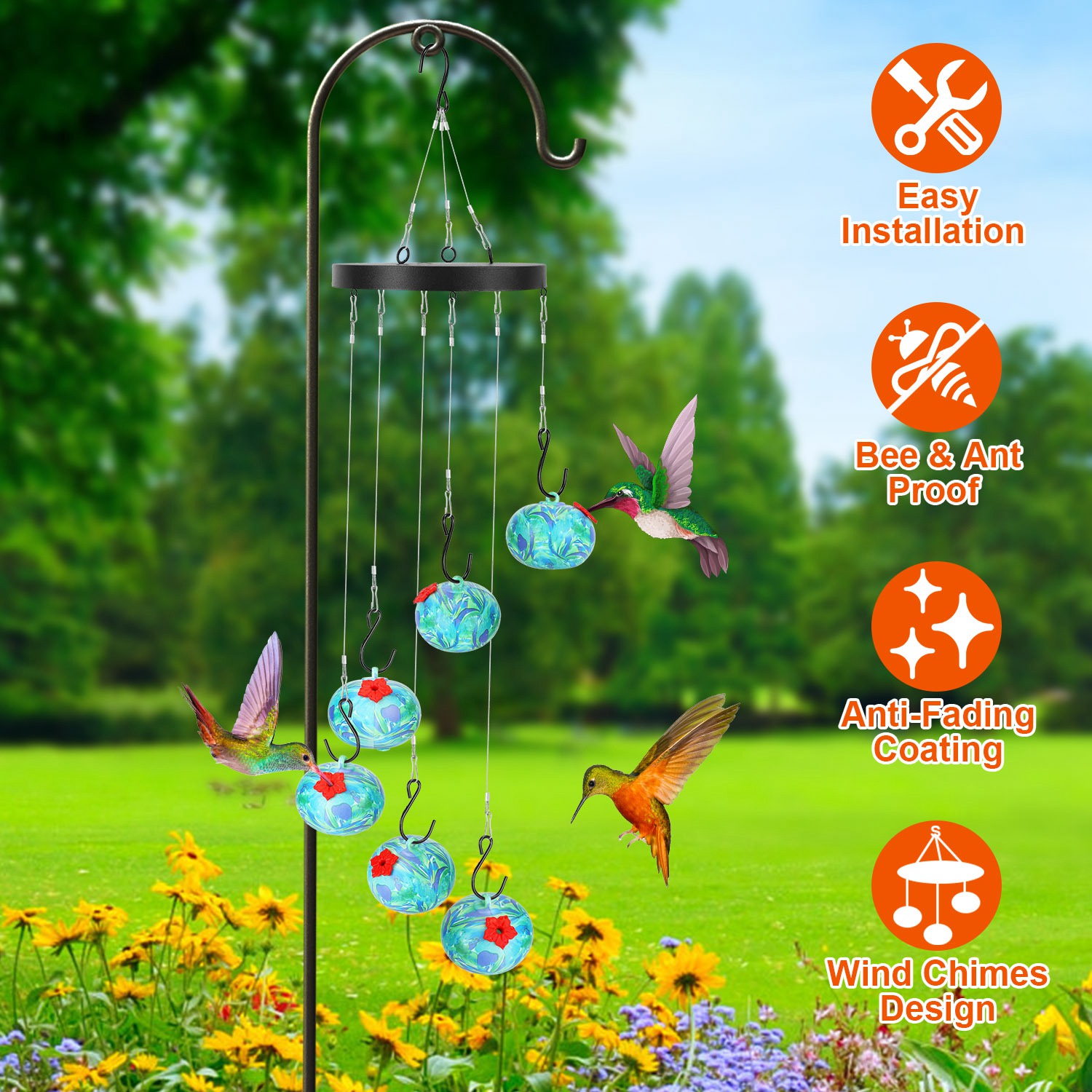
Bee-proof hummingbird feeders use physical barriers (bee guards, long flower ports, or saucer-style enclosed nectar) to keep bees and wasps out while allowing hummingbirds to feed. The core trade-off is between open-port designs that are easy for hummingbirds but attract bees, and guard-based or saucer designs that deter bees but require stricter cleaning and proper port depth. The decision rule is simple: choose a feeder with recessed or screened ports and fewer, deeper feeding stations; skip wide-open perch feeders if bees are your main problem.

Buying guide image
Pet Collars, Harnesses & Leashes

Service Dog Harness

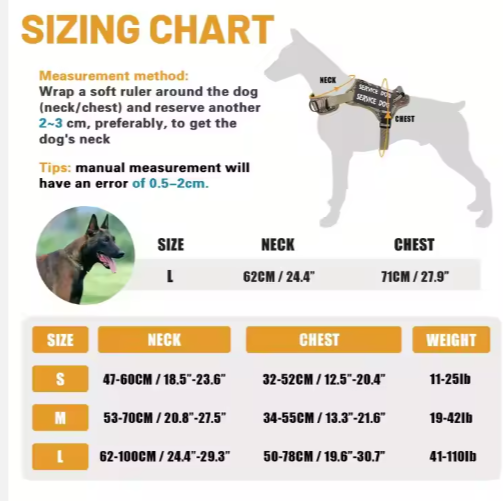
A service dog harness is a working vest that must combine load-bearing stitching, stable D-ring placement, and a control handle for handler assistance—not just a labeled pet vest. The core trade-off is between padded comfort for long shifts and structural rigidity that prevents strap creep under pull. Choose a harness with box-X stitching at all load points, a metal V-ring or welded D-ring, and a handle anchored to the harness frame; skip any vest whose handle is sewn only to thin outer fabric.

Buying guide image
Bird & Small Animal Supplies

Natural Bird Toy

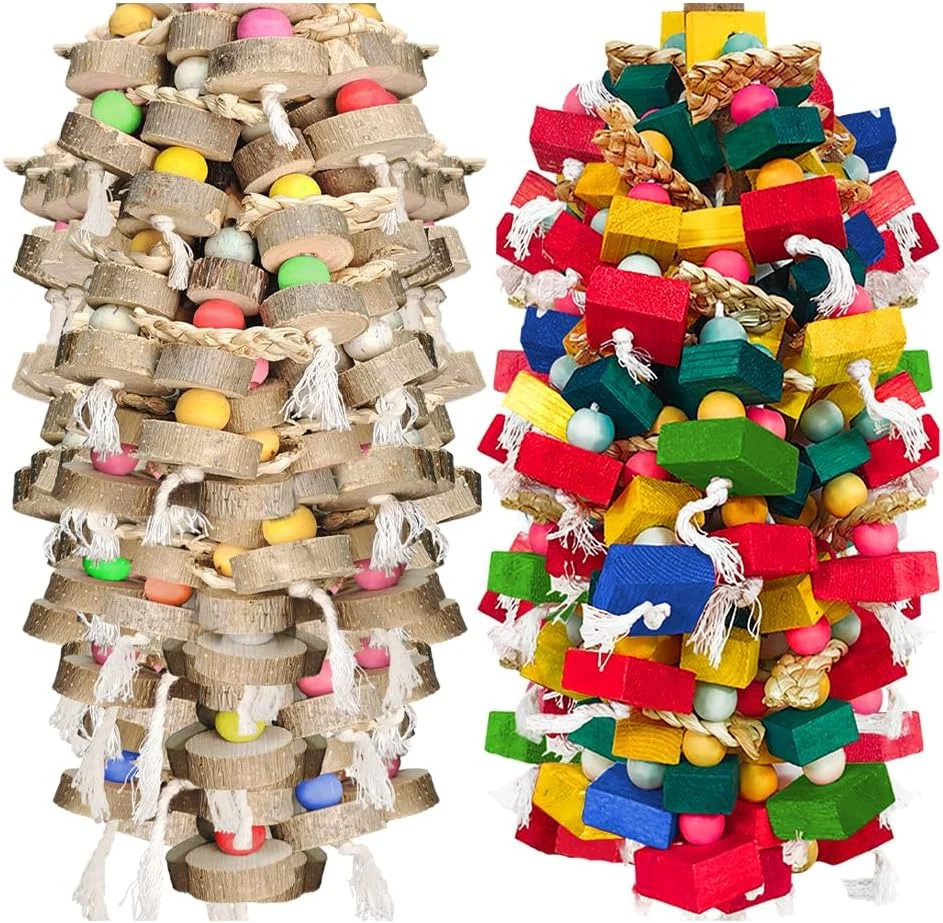
Natural bird toys are untreated wood, fiber, and shell assemblies designed to satisfy parrots' destructive chewing and foraging instincts safely. The core trade-off is between soft, fast-destroyed woods (balsa, sola) that suit light chewers and dense hardwoods (manzanita, java) that resist macaws but can frustrate smaller beaks. The decision rule: match wood density and toy mass to beak power and bird weight, and reject any toy with dyed wood, glue joints, or hardware that is not stainless steel.

You may also like

Finding more guides for you…