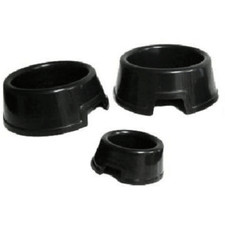

Photos from current listings. Actual item, color, and included accessories may vary.
Reptile Food Water Dish Buying Guide
Reptile food and water dishes are shallow, escape-resistant vessels sized to the animal's body and feeding style; the core trade-off is between smooth, easy-clean plastic and heavier ceramic/stoneware that resists tipping during striking or soaking. Choose a dish with a wide, low profile and a textured or stepped interior for insects and a separate deeper water bowl for soaking species; skip deep, narrow bowls that trap feeders and raise humidity in arid setups.
Key takeaways
- Shallow slope and low rim height (under 1 inch for small species) let ground-dwelling reptiles and amphibians reach food without climbing into the dish.
- Ceramic and stoneware dishes resist tipping and sliding better than thin plastic; plastic combo cave bowls are lighter but can be flipped by larger lizards.
- Textured or ridged interiors slow live insects and give hatchlings traction; smooth polished bowls let crickets and roaches escape quickly.
At a glance
- Category
- Reptile Feeding Dishes
- Last updated
- Nov 23, 2026
Current offers
Highlights
- Shallow slope and low rim height (under 1 inch for small species) let ground-dwelling reptiles and amphibians reach food without climbing into the dish.
- Ceramic and stoneware dishes resist tipping and sliding better than thin plastic; plastic combo cave bowls are lighter but can be flipped by larger lizards.
- Textured or ridged interiors slow live insects and give hatchlings traction; smooth polished bowls let crickets and roaches escape quickly.
- One-piece molded cave/bowl combos provide a hide and dish in a single footprint, but the integrated water side is usually too shallow for soaking species.
Best use cases
- Best fit: juvenile bearded dragons, leopard geckos, and terrestrial frogs — pick a shallow 4–6 inch ceramic or heavy plastic dish with a textured floor for mealworms and crickets.
- Best fit: arboreal geckos and chameleons — use a small magnetic or suction-mounted shallow cup high in the enclosure, not a floor bowl that collects substrate.
- Wrong fit: large monitors, tegus, or adult water dragons — a small plastic combo cave dish will be flipped or outgrown; use a heavy ceramic crock or a large tub for water.
- Skip deep narrow bowls for hatchling snakes and small lizards; they enter to soak but cannot easily exit and can drown or chill.
Buying tips
- Match dish diameter to at least 1.5x the animal's snout-to-vent length so it can feed without compressing its body against the rim.
- For insect feeders, choose a dish depth of 0.75–1.25 inches; deeper than 1.5 inches and crickets climb out, shallower and mealworms escape.
- Pick ceramic or stoneware for basking-adjacent placement; plastic softens and warps under sustained heat lamp exposure above 90°F.
- For soaking species, the water dish must be wide enough for the animal to fully submerge its vent and heavy enough that its own body weight cannot tip it.
Specs
| Material | Ceramic / Stoneware vs Plastic |
|---|---|
| Dish Depth | 0.75–1.25 in (food) / 1–3 in (water) |
| Mount Type | Floor / Suction / Magnetic |
| Combo vs Separate | Integrated cave bowl vs two dishes |
Related searches
What to check before buying
- Measure the enclosure floor footprint and leave clear space around the dish so the animal can circle it without rubbing against walls or hides.
- Confirm the dish rim height is below the animal's standing shoulder height; a rim it must climb over becomes a barrier for weak or juvenile reptiles.
- Check that the dish material is rated for continuous warm-humid exposure if used in a bioactive or high-humidity setup; unglazed terracotta wicks water and grows mold.
- Ensure the water side is deep enough (at least 1 inch for small species, 2+ inches for adults) for the intended soaking behavior, and that the food side drains or stays dry.
FAQ
Data sources: eBay / Amazon listings and product attribute feeds. Updated Nov 23, 2026.
Some links on this page are affiliate links. If you buy after clicking one, we may earn a commission at no extra cost to you. This does not change which products appear here or their order. Affiliate disclosure.