Pet Gear Picks

Pet Gear Picks

Pet Gear Reviews & Buying Guides

Compare pet gear by use case, features, trade-offs, price, returns, and seller terms before you buy.

Buying guides

Buying guide image
Pet Training Gear

Anti Barking Device

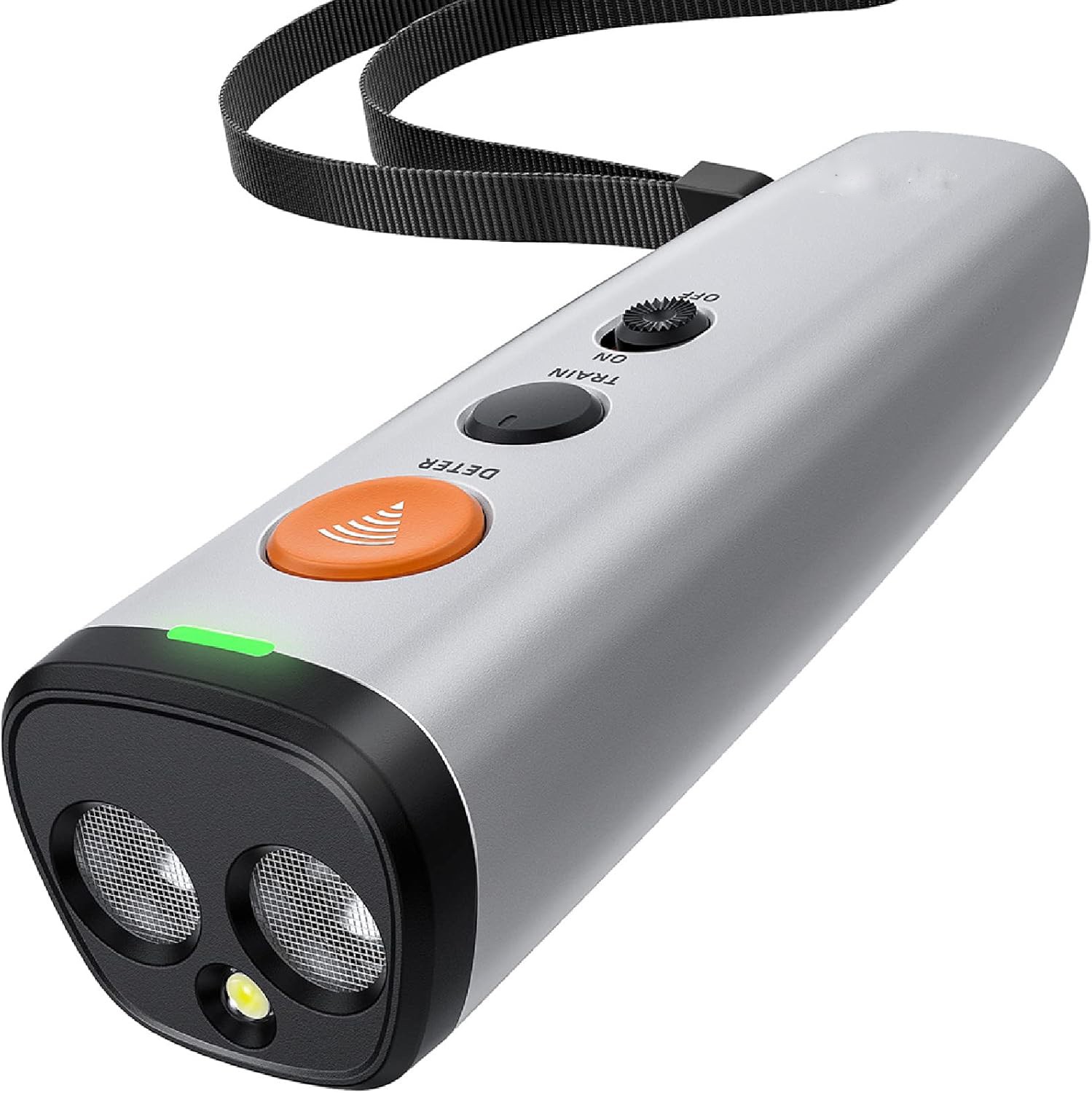
Anti-barking devices are sound-based deterrents that interrupt nuisance barking via ultrasonic bursts, audible tones, or vibration, and they split into handheld, wall-mounted, and collar form factors. The core trade-off is trigger reliability versus humane safety: cheap units emit fixed-frequency ultrasonic noise that many dogs ignore and that can stress sensitive animals, while capable units offer adjustable frequency, multi-level intensity, and a clear detection range. Choose a device with at least three frequency or intensity levels and a defined sensing radius, and skip any collar that shocks without a vibration-first warning.
Buying guide image
Pet Travel & Safety

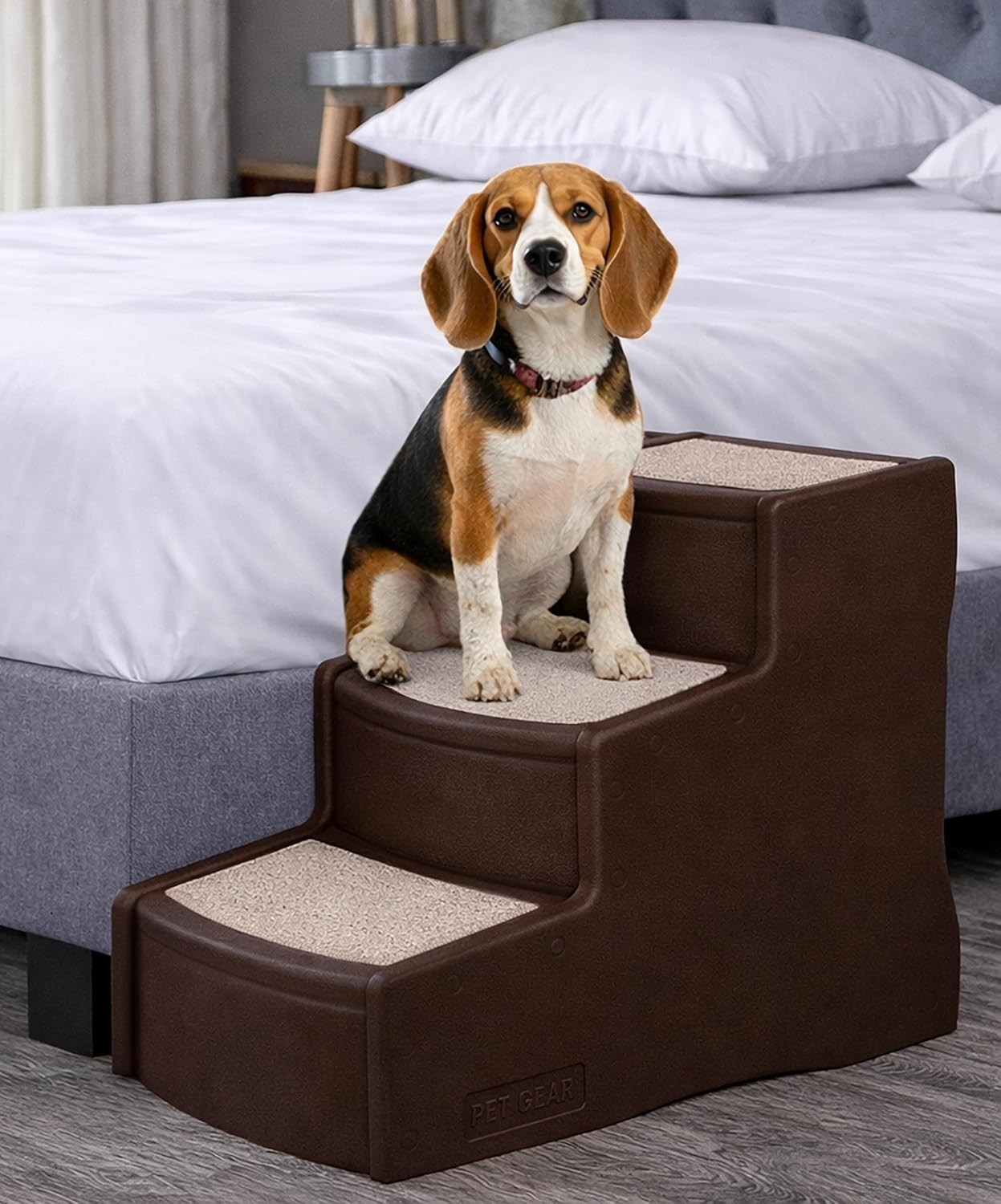
Pet Ramp

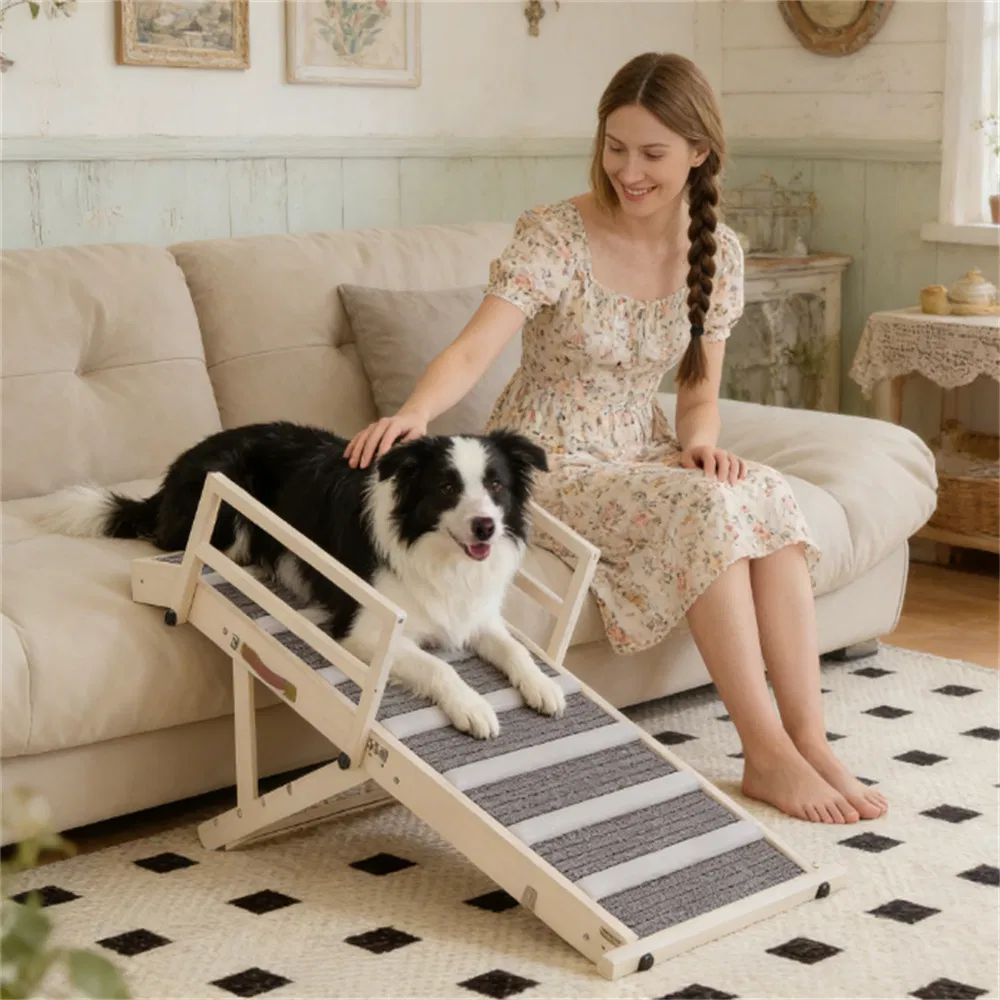
A pet ramp is a sloped or stepped access aid that reduces joint strain for dogs and cats entering vehicles, beds, couches, or pools. The core trade-off is between lightweight portability and rigid, non-slip load-bearing construction; ramps that flex or have shallow side rails compromise safety. Buyers should prioritize a slope angle under 20 degrees, a rated capacity at least 25% above their pet's weight, and a surface with mechanical traction rather than fabric-only grip.

Buying guide image
Pet Training Gear

Anti Dog Barking Device

Anti-barking devices split into two architectures: handheld/stationary ultrasonic repellers that emit high-frequency sound, and bark-activated collars that deliver vibration, spray, or static correction. The core trade-off is humane, passive sound aversion versus reliable, consistent correction on the dog; ultrasonic works only at close range and is easily blocked, while collars enforce every bark but require correct fit and temperament screening. The decision rule: choose ultrasonic only for short-range, line-of-sight interruption of a specific dog, and choose a bark collar only when you can fit it correctly and the dog is healthy enough to wear it.

Buying guide image
Pet Crates, Kennels & Playpens

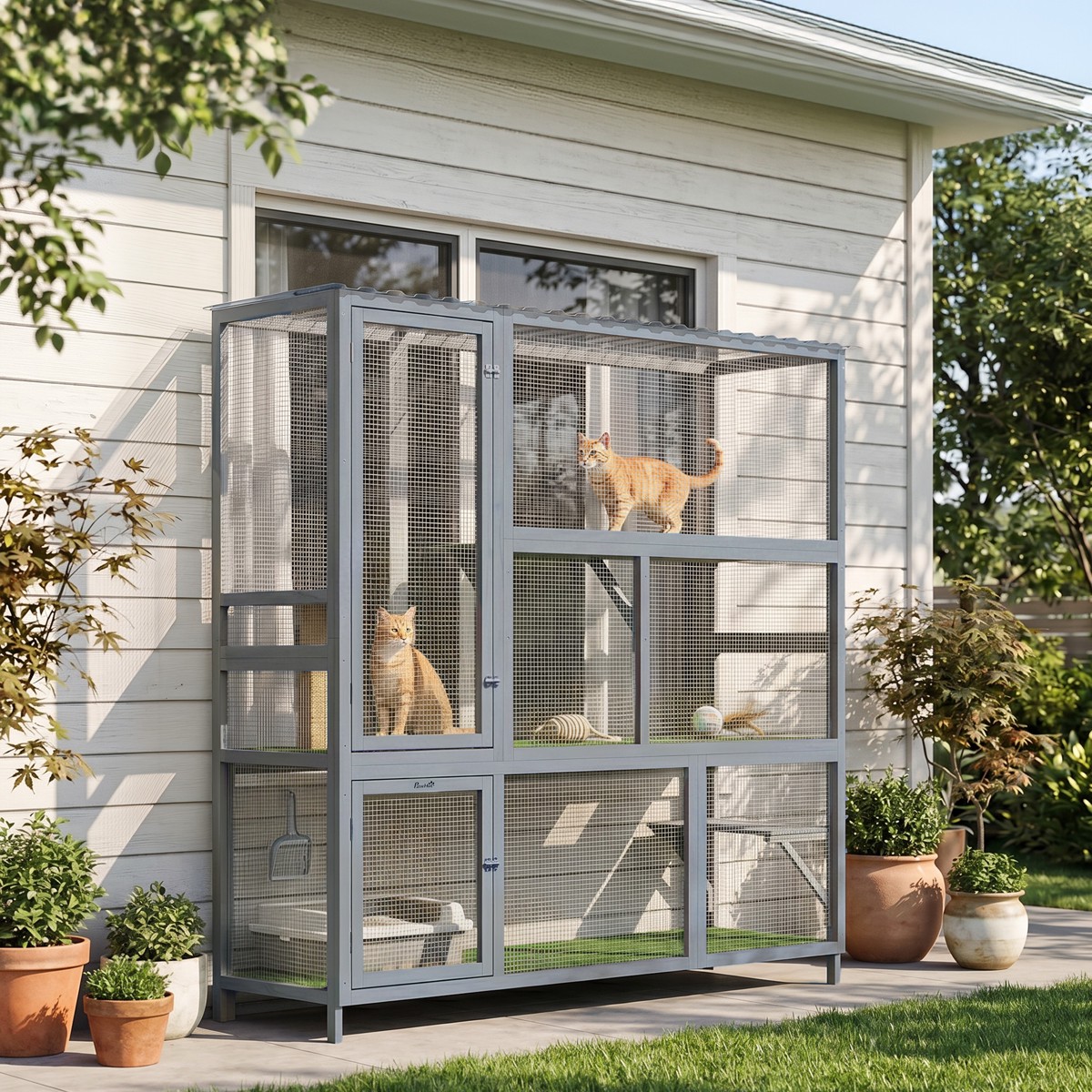
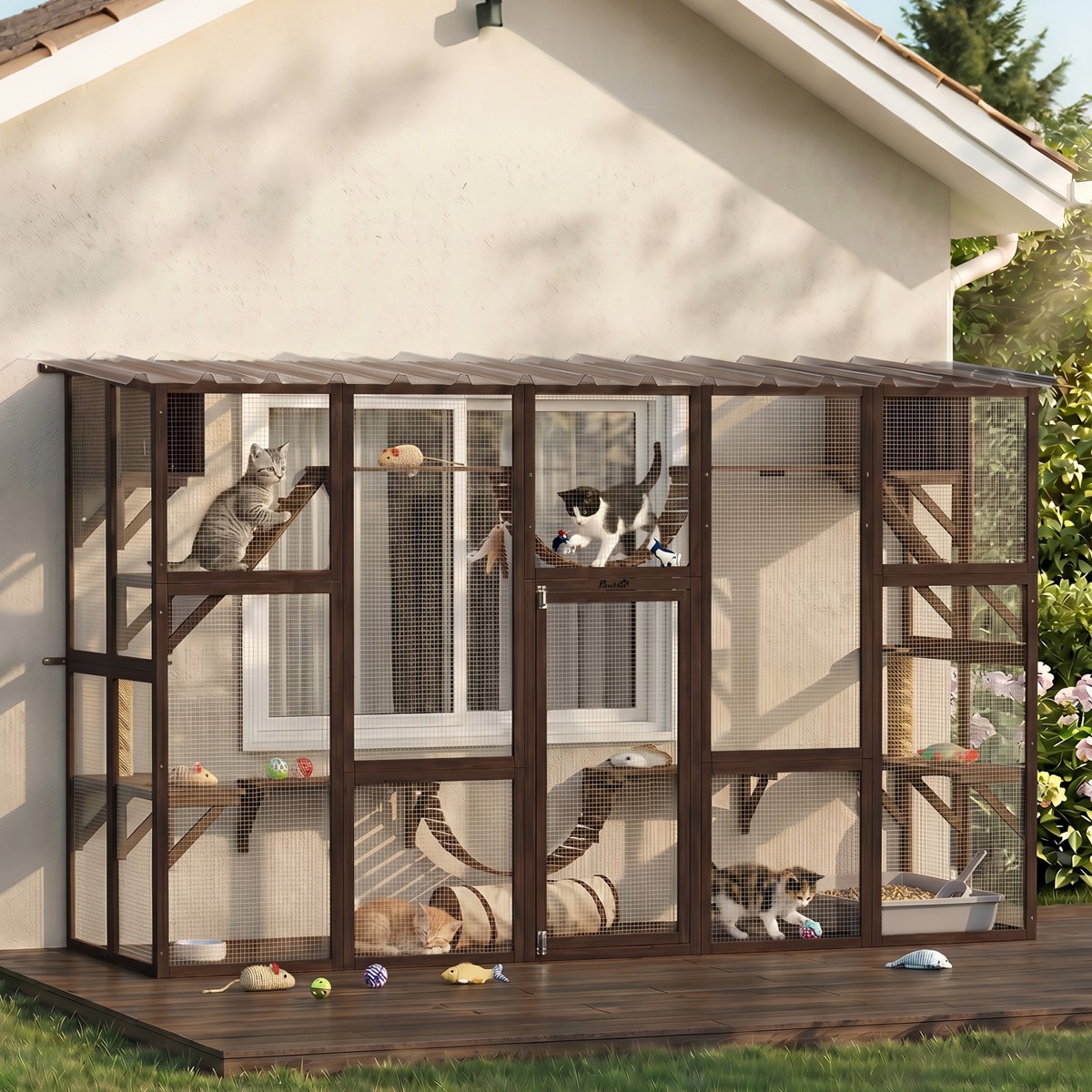
Outdoor Catio Enclosure

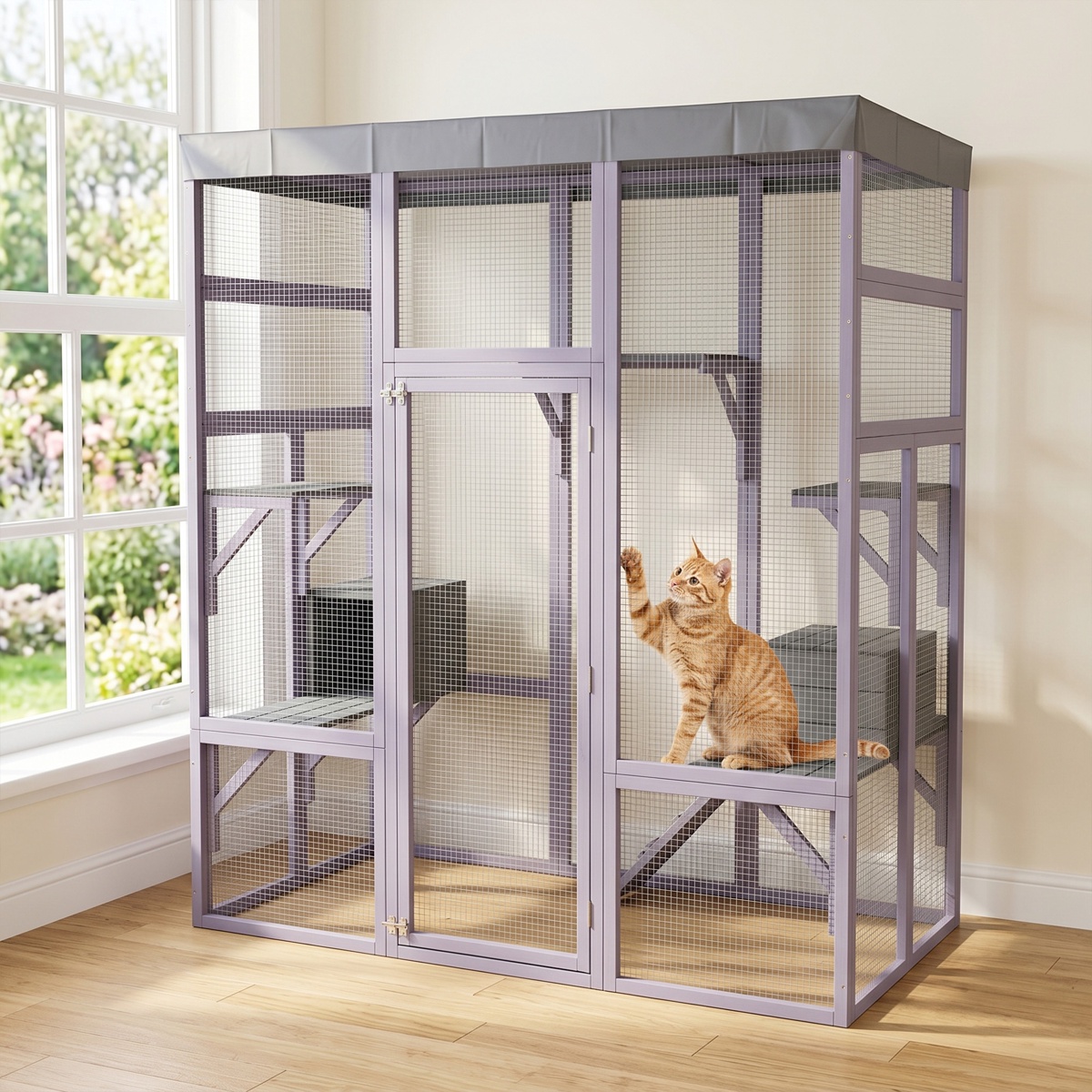
Outdoor catios range from pop-up mesh tents to permanent wooden walk-in structures, and the right choice hinges on whether you need a temporary sun spot or a year-round habitat. Most buyers underestimate wind uplift on fabric tents and overestimate how much floor space cats actually use vertically. Start by deciding if the enclosure attaches to a window, sits freestanding on a patio, or must be walked into for cleaning.

Buying guide image
Pet Crates, Kennels & Playpens

Catio Enclosure

A catio is an outdoor enclosure that lets cats experience fresh air and sun without free-roaming risks. Buyers should prioritize material (wood, metal, or fabric), weatherproofing, and escape-proofing over size alone, since cats can squeeze through gaps and climb weak joints. The biggest mistake is choosing an indoor playpen for permanent outdoor use.

Buying guide image
Pet Crates, Kennels & Playpens

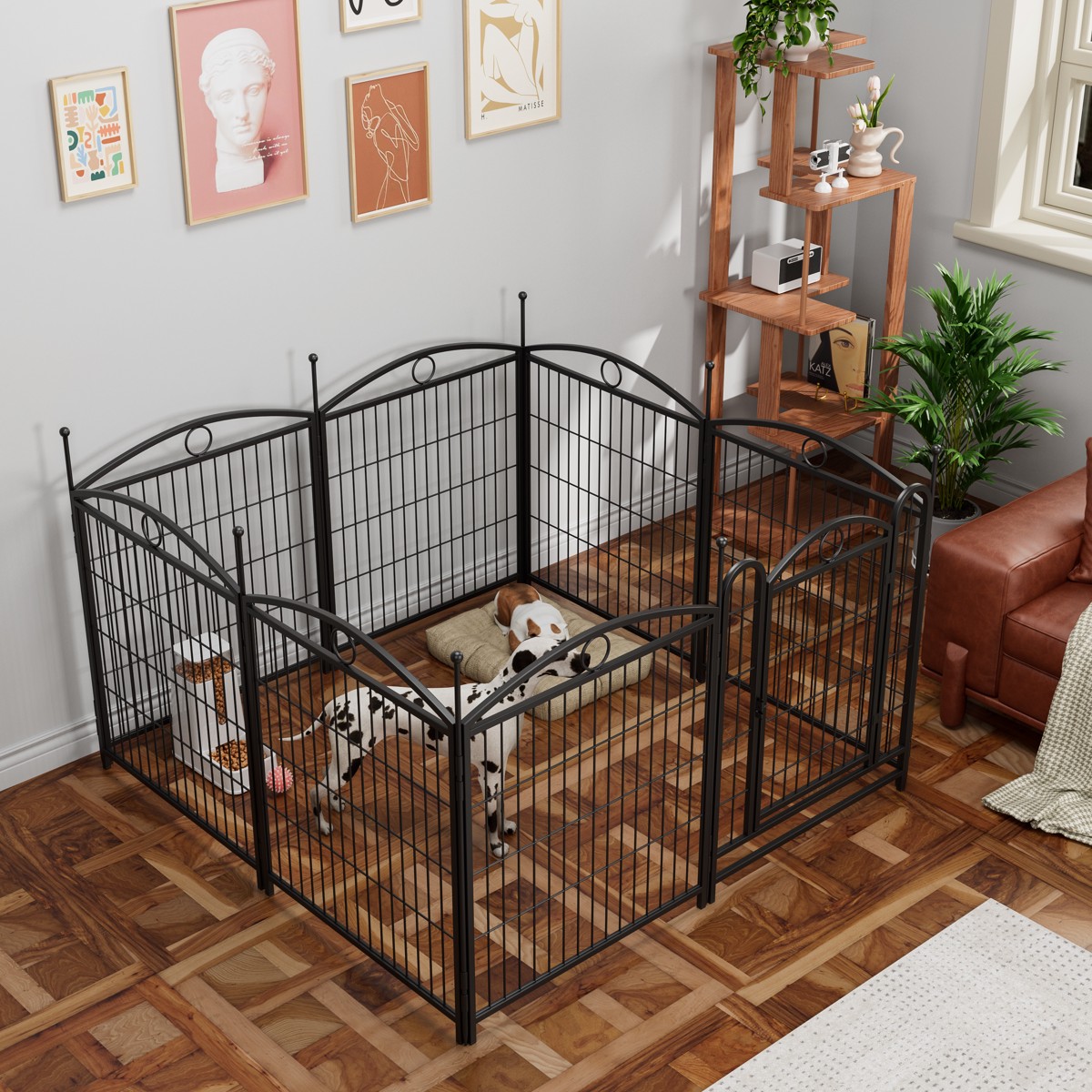
Heavy Duty Outdoor Dog Fence

Heavy duty outdoor dog fences range from modular metal exercise pens to drive-in wire kennel panels, and the right pick hinges on panel height, wire gauge, and ground anchoring rather than marketing labels. Buyers most often err by choosing a panel count that yields too small an enclosed area or a wire gauge too light for a determined jumper or digger. Sizing the enclosure to the dog's adult shoulder height and securing it to the ground matters more than any 'heavy duty' badge.

Buying guide image
Pet Travel & Safety

Portable Pet Ramp

A portable pet ramp is a folding or telescoping incline that lets dogs and cats load into vehicles without jumping, defined by the trade-off between low weight for carrying and beam stiffness under load. The decision rule: pick a ramp rated at least 2× your pet's weight with a length that keeps the climb angle at or below 25°, and reject any ramp whose surface is smooth plastic or whose hinge is riveted rather than bolted.

Buying guide image
Pet Travel & Safety

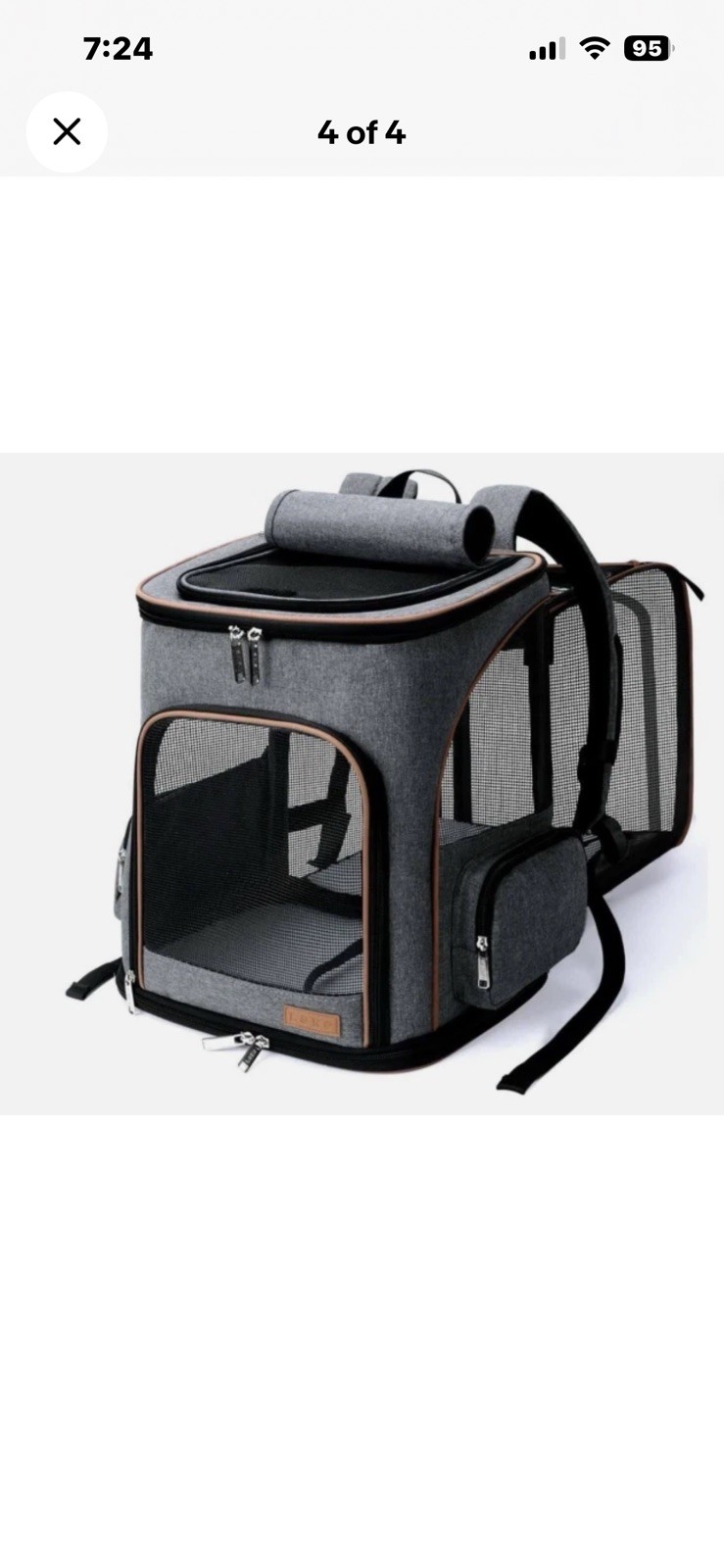
Small Dog Carrier Plane

A small dog carrier plane is a soft-sided pet crate engineered to meet cabin baggage limits while keeping a toy or small breed secure in the cabin. The core trade-off is between airline-compliant dimensions and structure: rigid frames and reinforced bases protect the dog and hold shape, while cheap mesh slings collapse and fail gate checks. Buy a carrier that matches your airline's under-seat dimensions and your dog's standing height, and skip anything without a structural frame or washable base.

Buying guide image
Pet Training Gear

Anti Barking Device Indoor

Indoor anti-barking devices are sound-activated deterrents that interrupt excessive barking without physical contact, and the core trade-off is between ultrasonic units that are inaudible to most humans but can be ignored by determined dogs, and speaker-based units that emit audible tones or recorded commands but may startle sensitive pets. The decision rule is simple: choose a unit with adjustable sensitivity, a multi-level intensity dial, and a clear trigger-range specification rather than a fixed-output toy-grade box, because a device that cannot be tuned to your dog's bark pitch and your room layout will either misfire constantly or never activate.

Buying guide image
Pet Crates, Kennels & Playpens

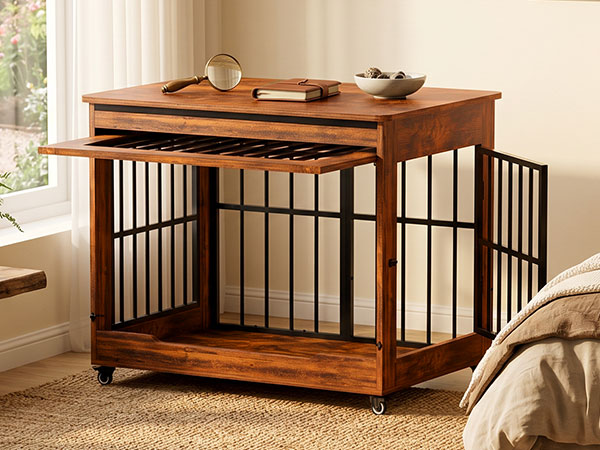
Pet Kennel

Pet kennels are enclosed containment structures—wire crates, fabric soft-sides, wooden furniture-style dens, and outdoor runs—that keep pets safe while you're away or traveling. The core trade-off is between escape-proof durability and portability: heavier gauge welded metal and reinforced latches resist chewing and bending, while thinner wire and fabric are lighter but suited only to calm, small pets. Choose a kennel rated for your dog's adult weight and chewing drive, not its puppy size, if you need it to last past the first year.

Buying guide image
Pet Food, Treats & Litter

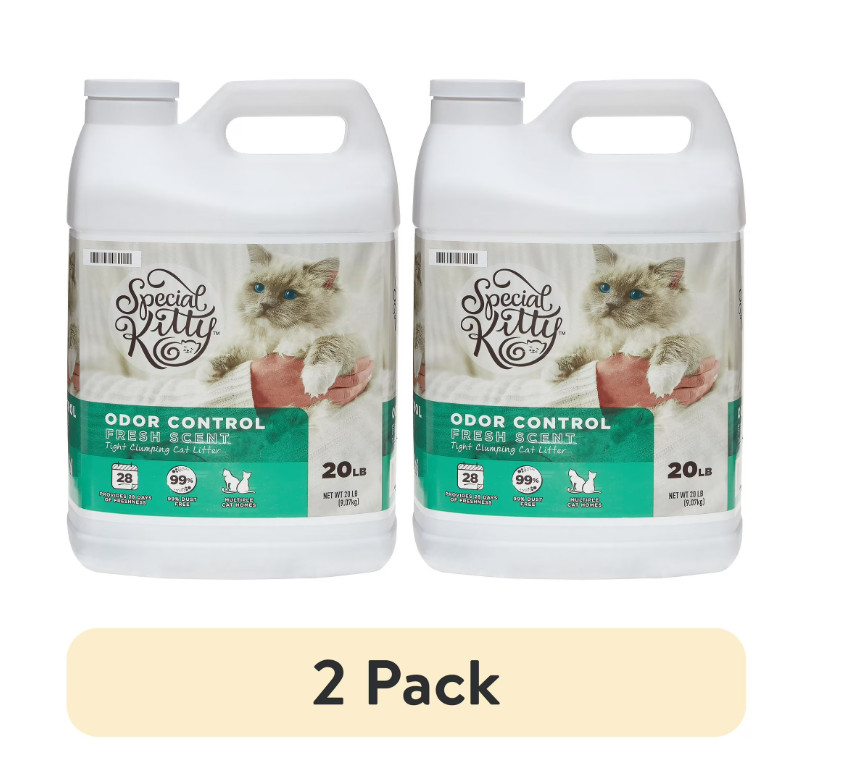
Kitty Litter

Kitty litter is a hygiene and odor-control purchase where the core trade-off is clumping strength versus dust and tracking: sodium bentonite clay clumps hardest but is heavy and dusty, while plant-fiber and non-clumping litters trade scoopability for lower weight or specialized use. The decision rule: buy a tight-clumping sodium bentonite or premium plant clump for daily scooping households, and reserve non-clumping clay or pellets for multi-cat high-volume or sensitive-paw setups that tolerate full changes.

Buying guide image
Pet Crates, Kennels & Playpens

Window Catio

A window catio turns a sash or casement window into a safe outdoor room, so the first decision is whether you need a small bolt-on window box or a walk-in enclosure that connects to the house. Fit starts with the window opening and the exterior wall surface, not the cat count, and most returns come from ordering a box that cannot be securely anchored or a walk-in unit that blocks the window it serves.

Buying guide image
Pet Apparel & Accessories

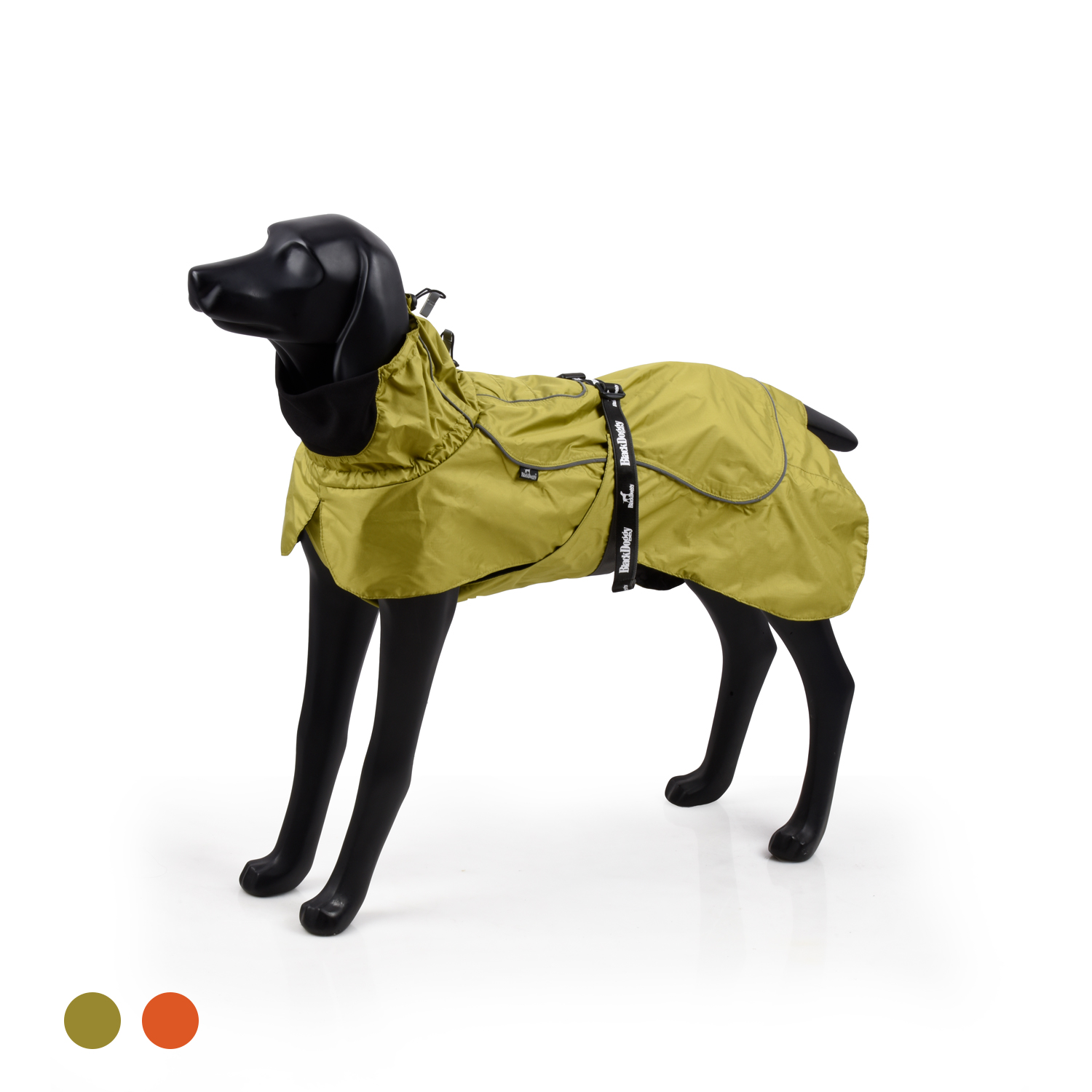
Dog Clothe

Dog clothes are functional garments—insulation, weatherproofing, or injury protection—sized to a dog's chest girth, not its breed label. The core trade-off is between breathable knit layers for indoor warmth and structured, water-repellent shells for outdoor wear; sizing is the decisive factor, since a garment that binds the shoulders or drags the belly fails regardless of fabric quality. Buy by measured chest girth and back length with 2–4 cm of ease, and skip any listing that sizes only by breed name.

Buying guide image
Pet Beds & Cat Trees

Cat Stair

Cat stairs are compact climbing aids that bridge the gap between floor and bed, couch, or window perch, and they split into two architectures: lightweight foam or fabric step stacks for small cats and quick repositioning, and rigid wood/plastic or sisal-post stair towers built to survive daily jumping and scratching. The deciding trade-off is load rating and tread grip versus footprint and scratch resistance — foam compresses and slides on hardwood, while rigid frames with carpet or sisal treads hold position and double as furniture. Choose rigid construction when the step rise exceeds roughly 16 inches or the cat is large; choose a lightweight step stack only for low furniture and calm, small cats.

Buying guide image
Pet Beds & Cat Trees

Cat Step

Cat steps are load-rated climbing aids that bridge the gap between floor and furniture for aging, small, or arthritic cats, and they double as scratching furniture when clad in sisal or carpet. The primary trade-off is between foam-core steps (light, cheap, but prone to compression and wobble) and wood or HDPE-framed steps (rigid, stable, but heavier and pricier). The decision rule: buy a rigid frame with a non-slip tread and a per-step rise of 6-8 inches; skip any foam step taller than 9 inches per level or without a broad base.

Buying guide image
Pet Apparel & Accessories

Dog Dress

Dog dresses are garment-type pet apparel distinguished from coats and sweaters by a skirted lower hem, typically chosen for warm-weather wear, photos, and indoor events rather than insulation. The core trade-off is fabric structure versus fit: a structured woven cotton or cotton-blend bodice holds a skirt shape and survives repeated washing, while thin polyester jersey and tulle layers stretch, pill, and sag at the hem after a few cycles. The decision rule: buy a dress with a measured back length, a leash opening or harness-compatible cut, and a woven or cotton-blend shell; skip anything sold only as S/M/L with no chest girth figure, because that is a size gamble, not a garment.

Buying guide image
Pet Crates, Kennels & Playpens

Pet Fence Indoor

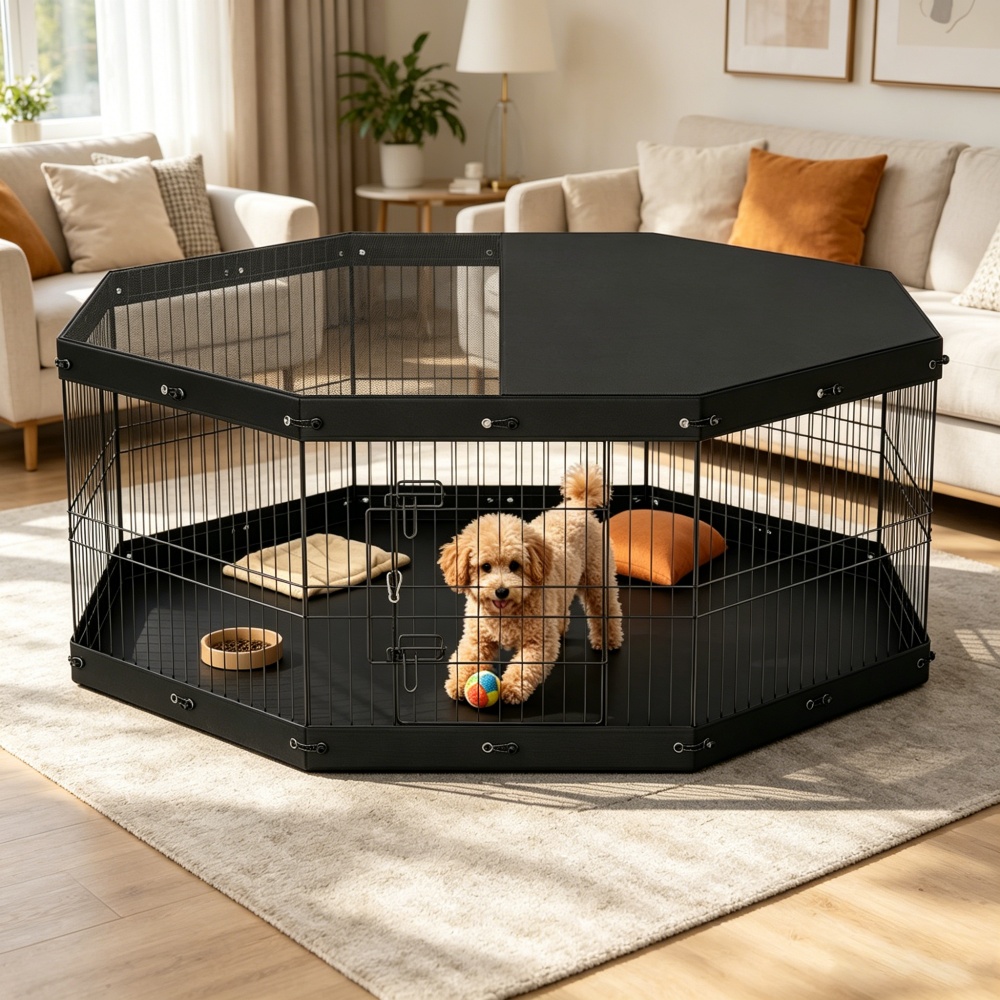
An indoor pet fence is a freestanding or wall-anchored enclosure that gives a dog or cat a safe zone without permanent construction. The core trade-off is between wire-gauge stiffness and panel height: thin 22–24 in pens suit small breeds but bend under a determined jumper, while 40–48 in panels with 1 in or smaller bar spacing contain medium and large dogs. Treat modular metal exercise pens with welded joints as the durable standard; skip accordion-style wooden gates for containment duty unless they are only blocking a hallway.

Buying guide image
Pet Crates, Kennels & Playpens

Crate Large Dog

A large-dog crate has to fit the adult dog's standing height and turning radius, not the puppy you brought home. Sizing by breed label rather than measured length and height is the most common mistake, and it leads to crates that are either cramped or too roomy for house training. Material choice—welded metal, furniture-grade wood, or soft mesh—then decides durability, ventilation, and whether the crate doubles as furniture.

Buying guide image
Bird & Small Animal Supplies

Bunny Cage

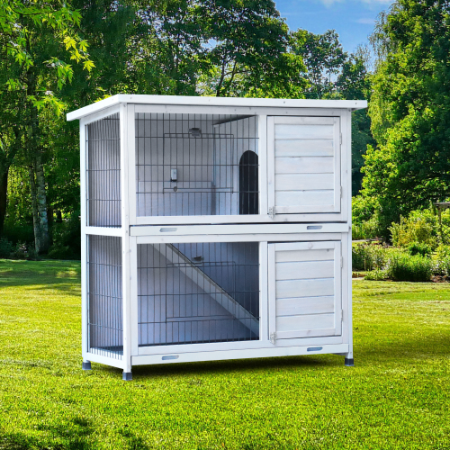
A bunny cage is a primary enclosure that must balance chew resistance, floor space, and predator security. The core trade-off is between open wire cages (ventilation, visibility, but limited weather protection) and wooden hutches with runs (shelter and grazing area, but wood is chewable and requires treatment). Choose based on whether the cage lives indoors or outdoors, rabbit size, and whether the floor is wire or solid.

Buying guide image
Bird & Small Animal Supplies

Small Hamster Cage

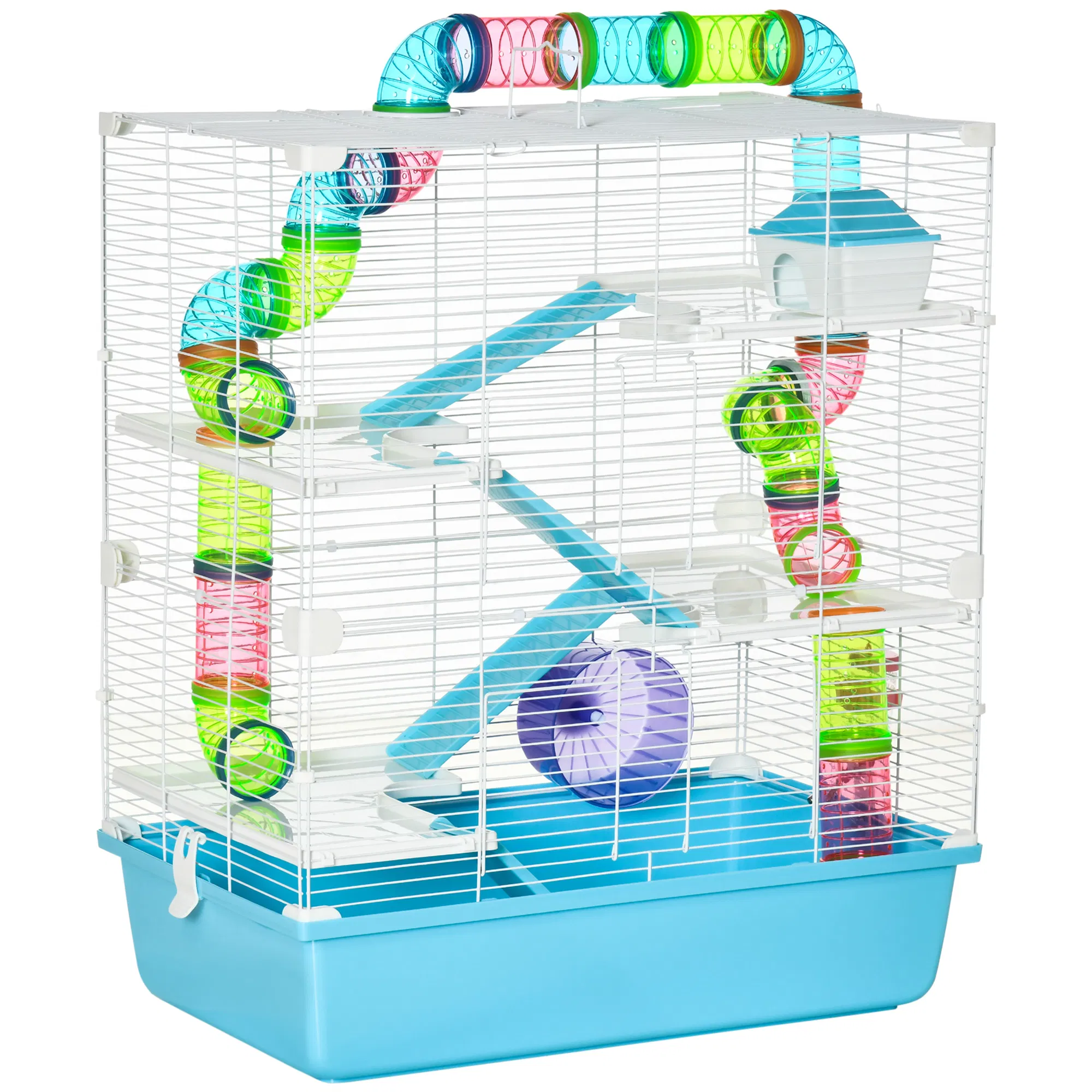
A small hamster cage is a compact rodent enclosure where usable floor area and bar spacing—not height or tier count—determine whether a hamster actually thrives. The core trade-off is cheap multi-level wire cages versus solid-wall or acrylic habitats that hold deep bedding without drafts or escape gaps. Buy by species floor area and bar spacing first; treat tubes, wheels, and shelves as bonuses, never as the reason to buy.

You may also like

Finding more guides for you…