
Photos from current listings. Actual item, color, and included accessories may vary.
Anti Dog Barking Device Buying Guide
Anti-barking devices split into two architectures: handheld/stationary ultrasonic repellers that emit high-frequency sound, and bark-activated collars that deliver vibration, spray, or static correction. The core trade-off is humane, passive sound aversion versus reliable, consistent correction on the dog; ultrasonic works only at close range and is easily blocked, while collars enforce every bark but require correct fit and temperament screening. The decision rule: choose ultrasonic only for short-range, line-of-sight interruption of a specific dog, and choose a bark collar only when you can fit it correctly and the dog is healthy enough to wear it.
Median $11.99
Key takeaways
- Ultrasonic handhelds typically emit 20–30 kHz at 100–130 dB and lose effectiveness beyond 15–30 ft or through walls, fences, and glass.
- Bark collars use a vibration sensor or microphone to trigger; vibration sensors ignore ambient noise and are more consistent than sound-only triggers.
- Correction types rank by intensity: vibration < spray (citronella) < static; static collars must have adjustable levels and a silicone contact cover for safety.
At a glance
- Category
- Pet Training Gear
- Last updated
- Nov 27, 2026
Current offers
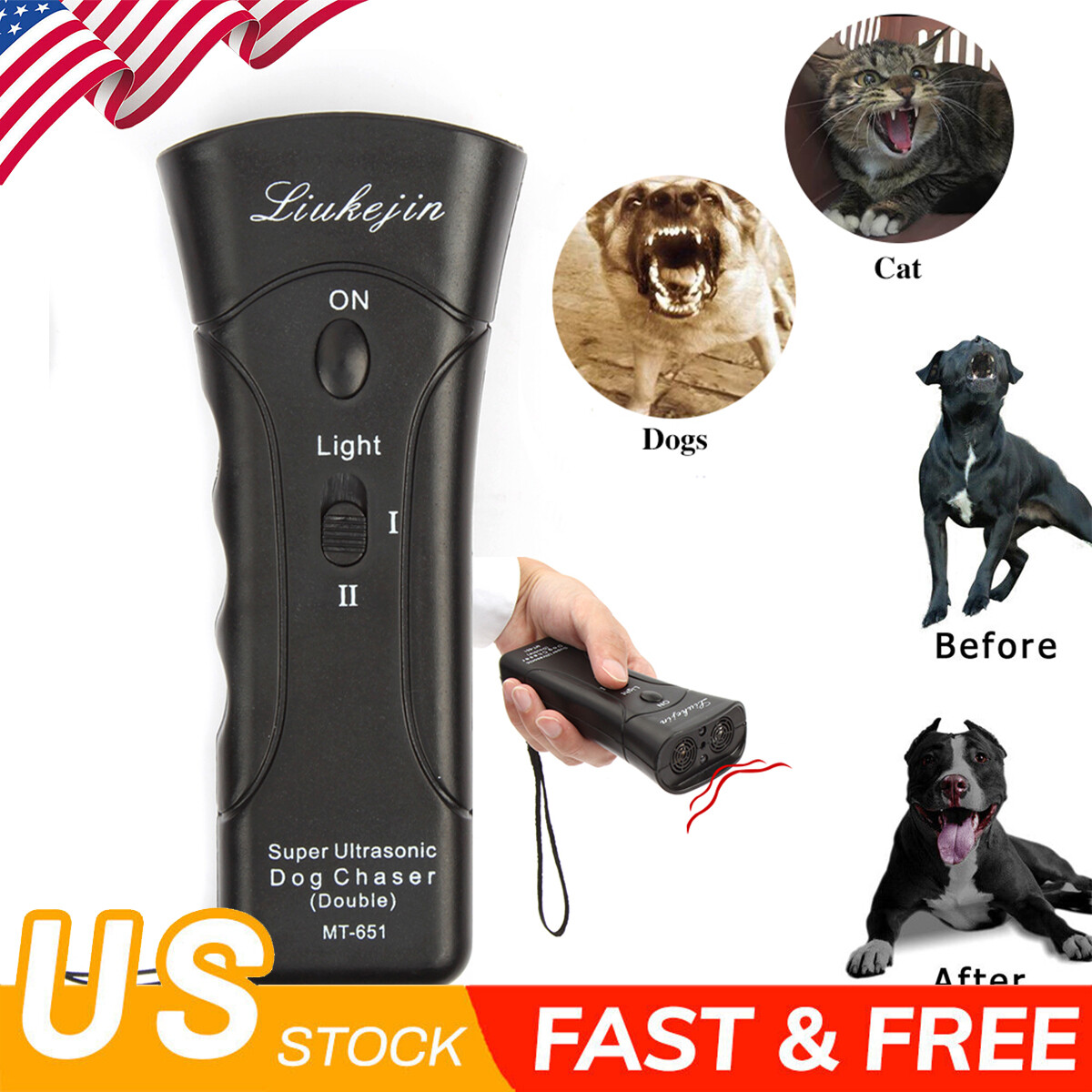 Ultrasonic Bark Stopper Control Anti Barking Away Pet Dog Train Repeller Device$9.66View on eBay
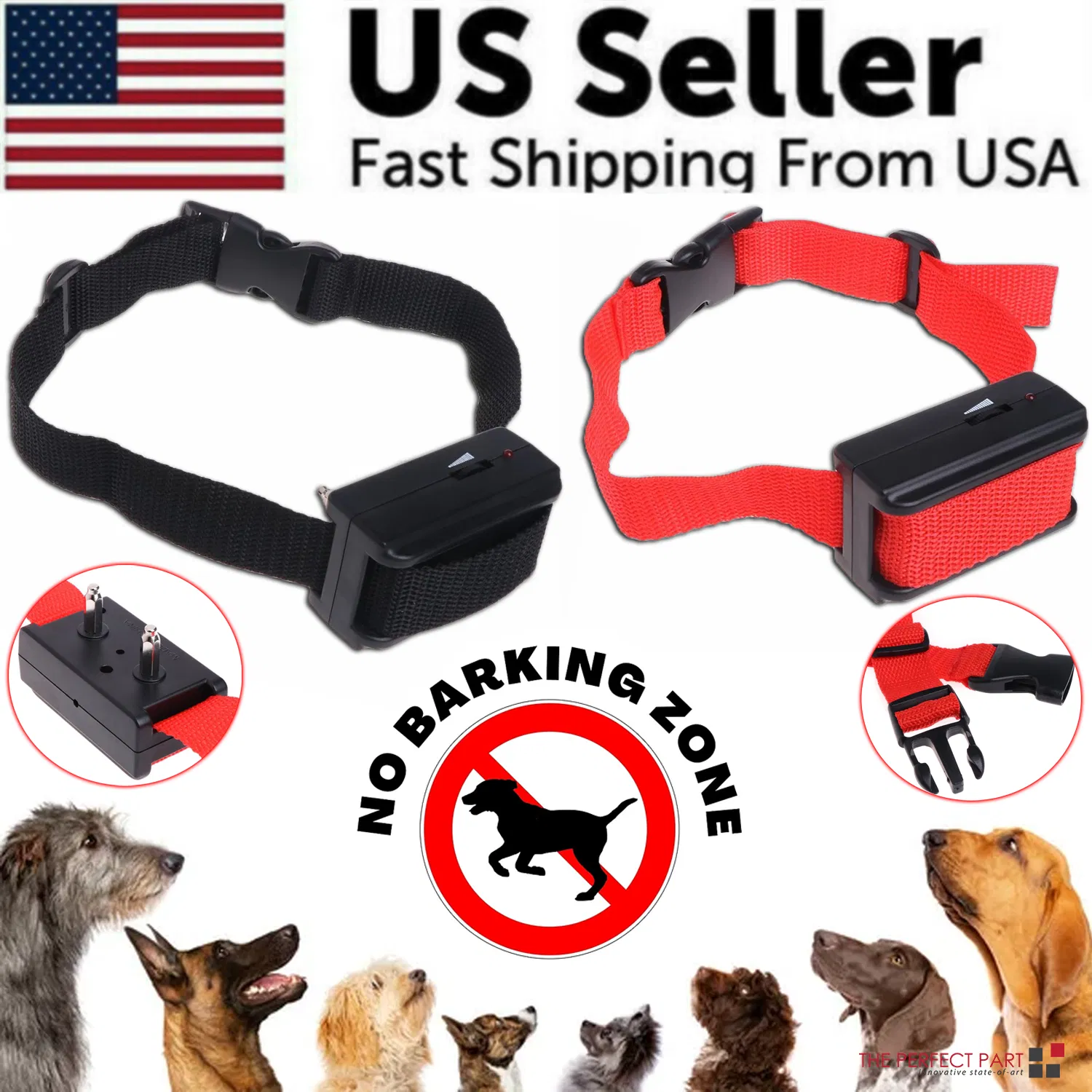 Automatic Anti Bark Barking Dog Shock Control COLLAR Device Small Medium Large$20.99View on Mallflare
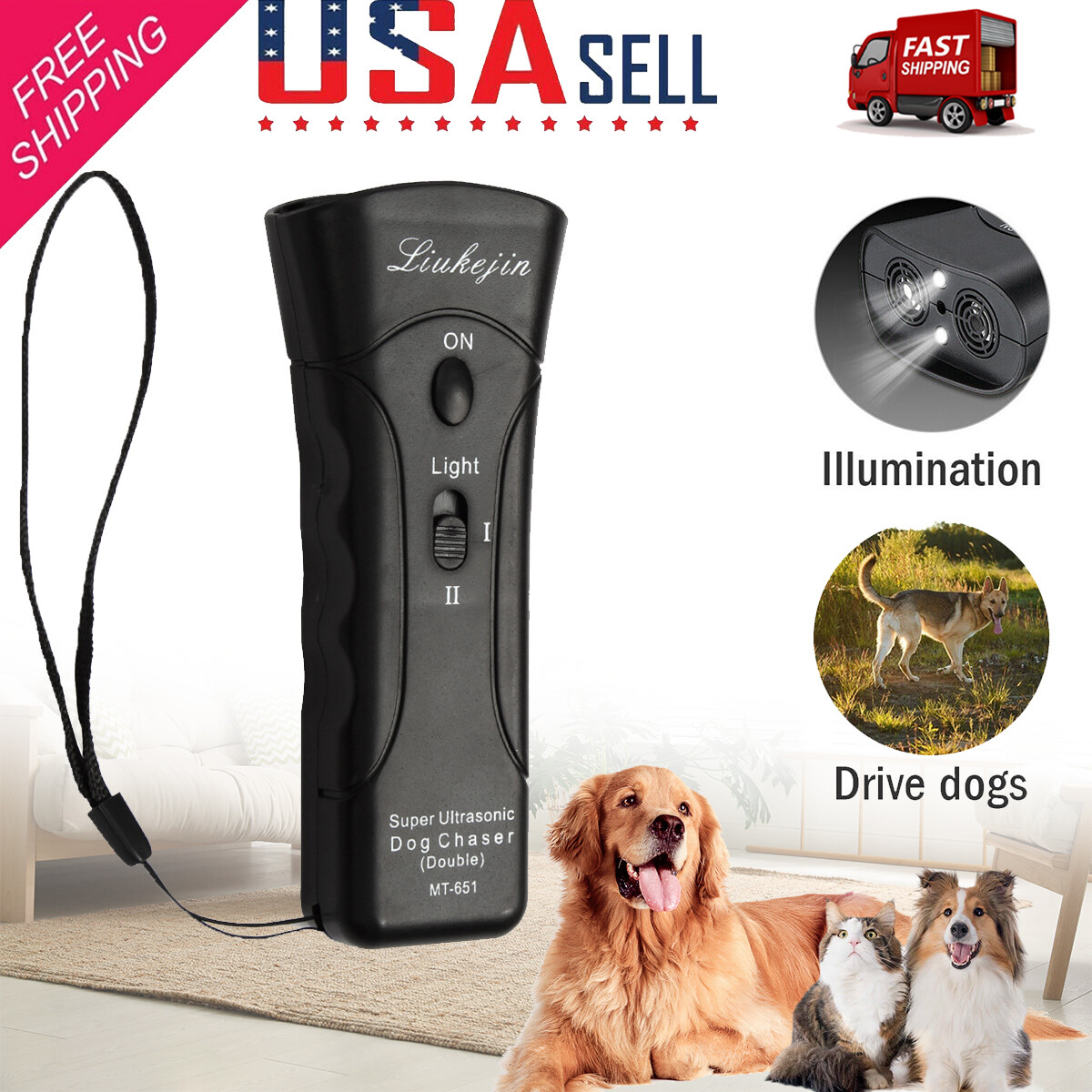 Ultrasonic Bark Stopper Control Anti Barking Away Pet Dog Train Repeller Device$9.99Last checked Nov 25, 2026View on eBay
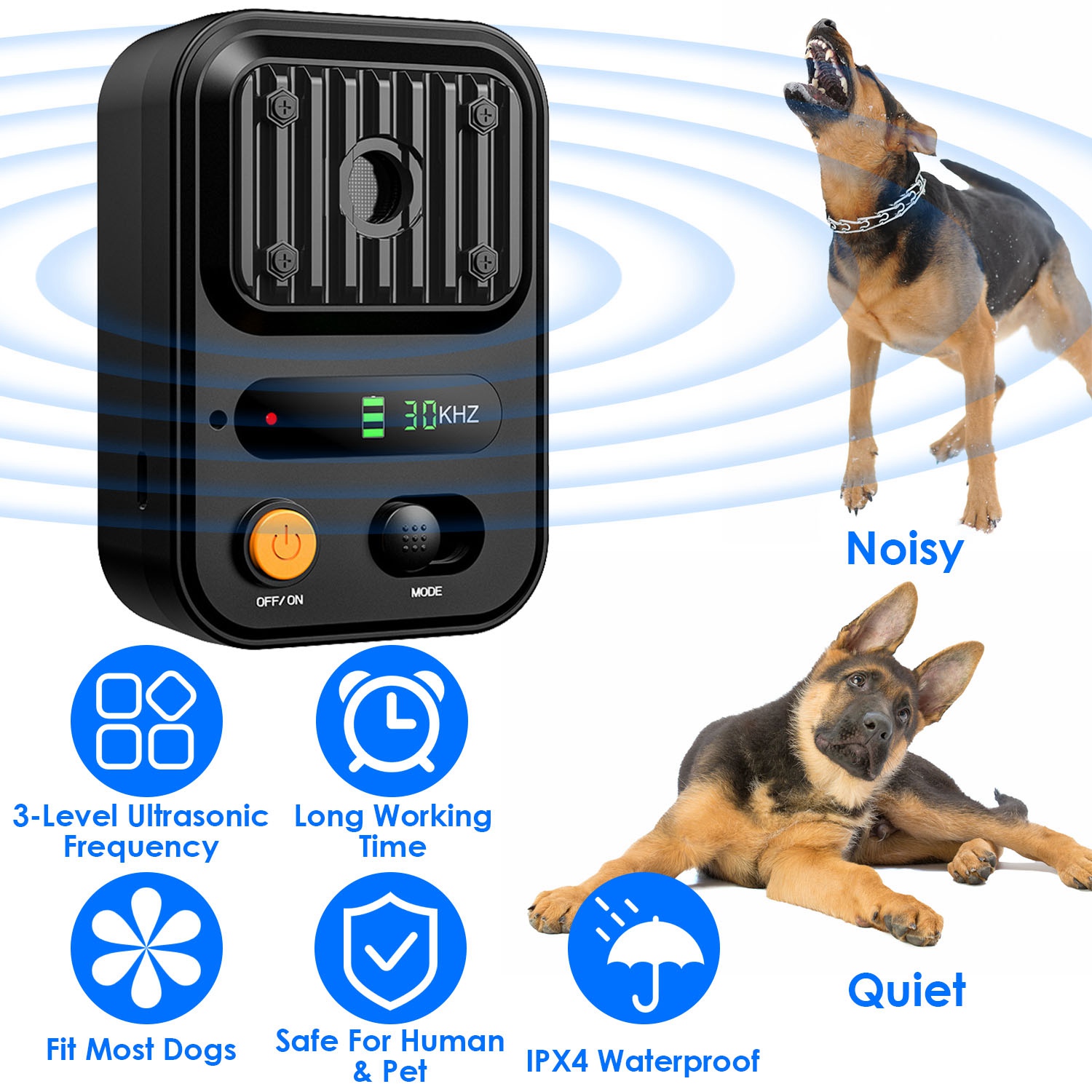 Black-Green Color Options -- 1Pc Ultrasonic Anti-Barking Device Rechargeable Auto Dog Bark Control Deterrent Box Training IPX4 Waterproof With 3 Frequency Max 32.8Feet Sensing Distance For Most$37.99View on Mallflare
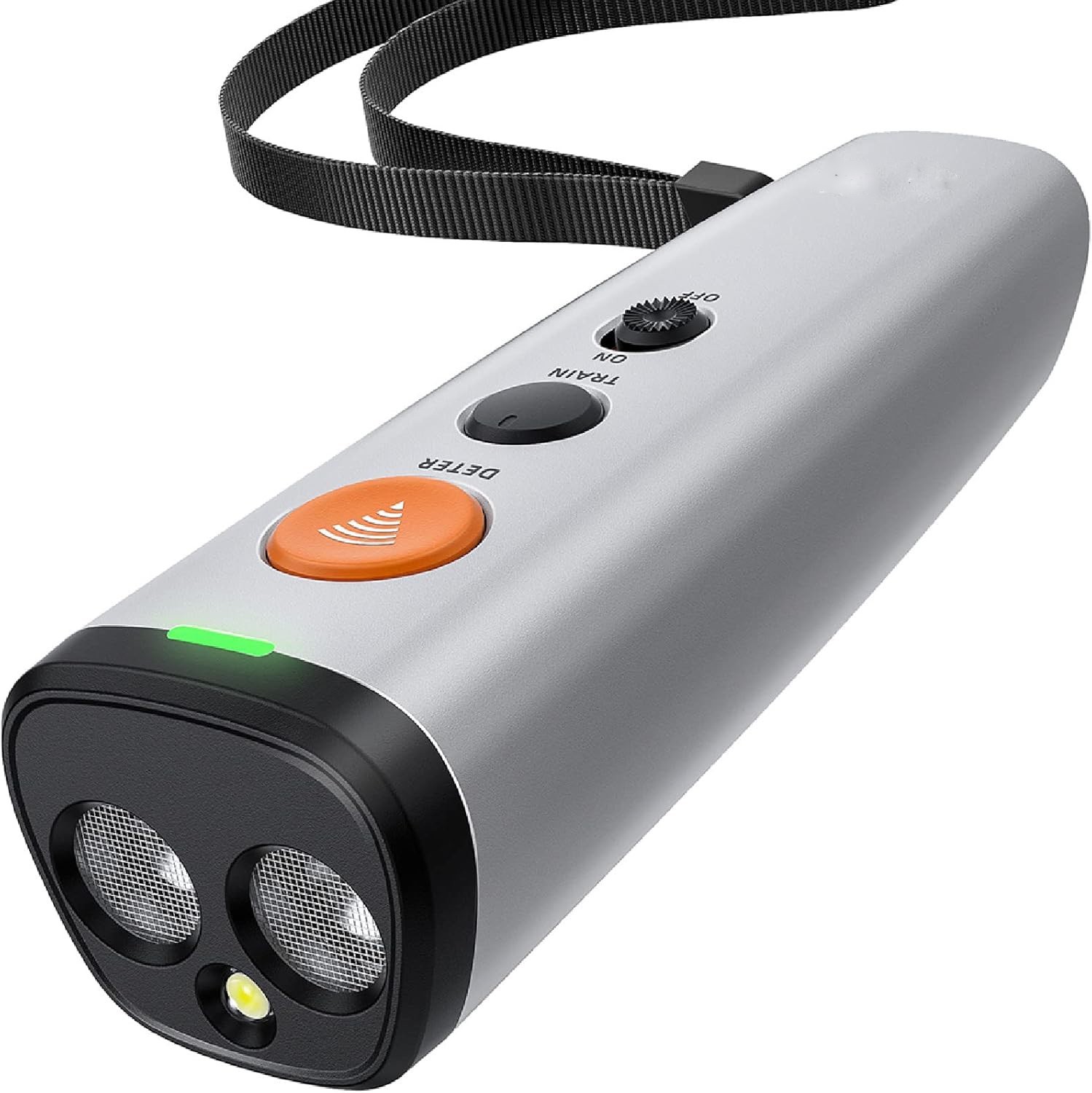 Ultrasonic Dog Repeller Anti Bark Device Stop Barking Humane Pet Training Tool$11.99Last checked Nov 24, 2026View on eBay
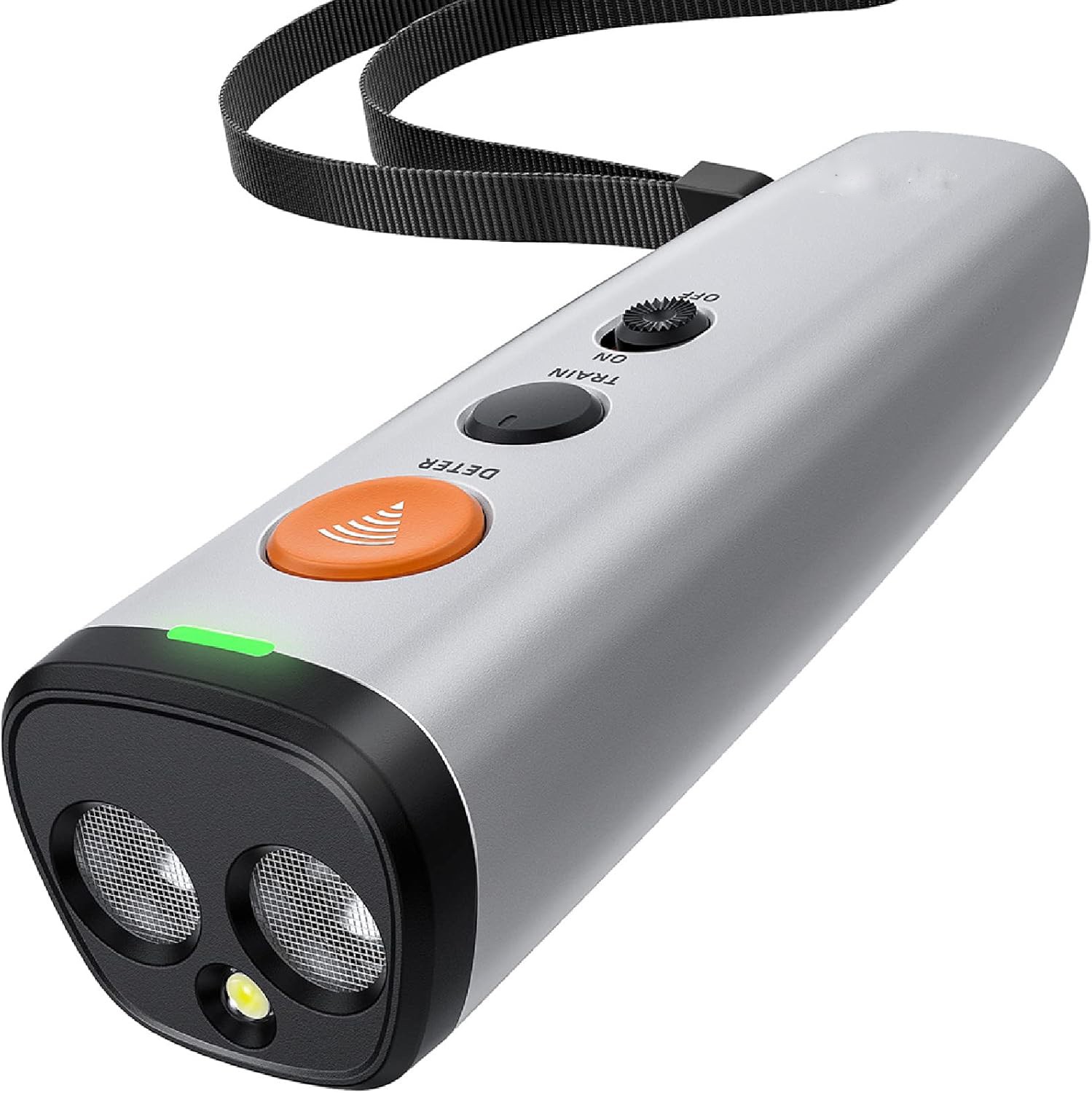 Ultrasonic Dog Repeller Anti Bark Device Stop Barking Humane Pet Training Tool$11.99Last checked Nov 24, 2026View on eBay
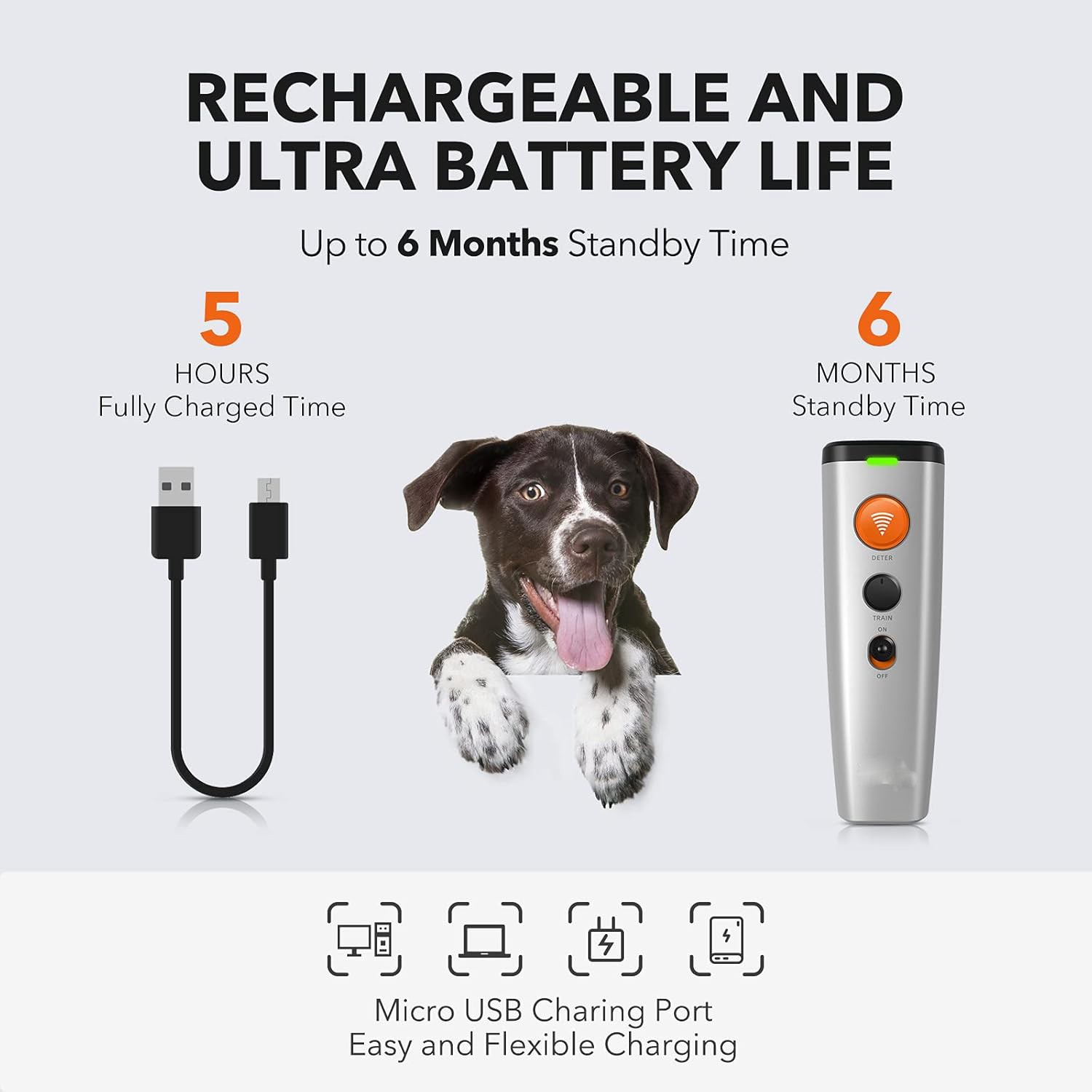 Ultrasonic Dog Repeller Anti Bark Device Stop Barking Humane Pet Training Tool$11.99Last checked Nov 23, 2026View on eBay
- Ultrasonic Dog Repeller Anti Bark Device Stop Barking Humane Pet Training Tool$11.99Last checked Nov 23, 2026View on eBay
- Ultrasonic Dog Repeller Anti Bark Device Stop Barking Humane Pet Training Tool$11.99Last checked Nov 23, 2026View on eBay
- Ultrasonic Dog Repeller Anti Bark Device Stop Barking Humane Pet Training Tool$11.99Last checked Nov 22, 2026View on eBay
- Ultrasonic Dog Repeller Anti Bark Device Stop Barking Humane Pet Training Tool$11.99Last checked Nov 22, 2026View on eBay
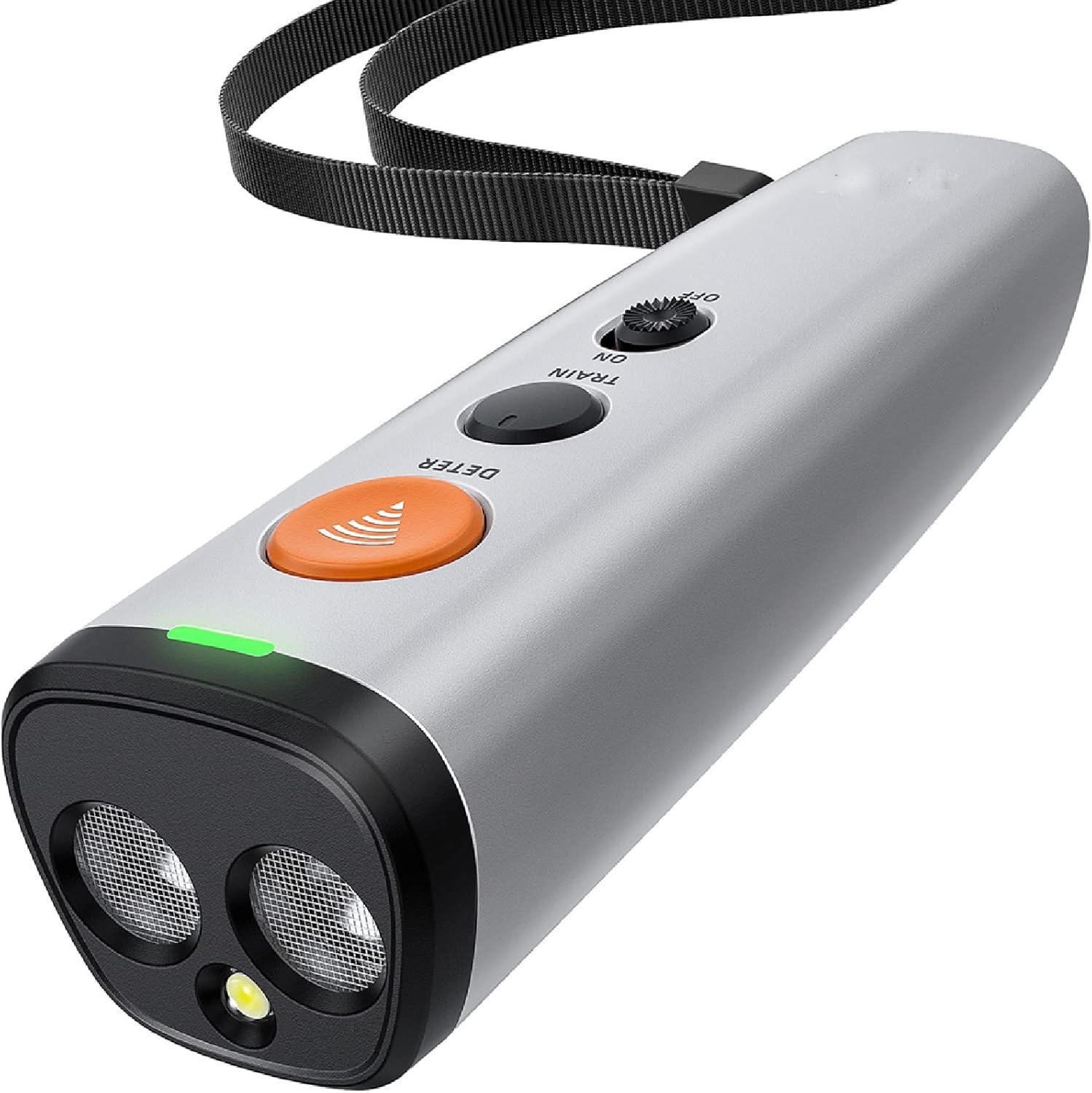 Ultrasonic Dog Repeller Anti Bark Device Stop Barking Humane Pet Training Tool$11.99View on eBay
- Ultrasonic Dog Repeller Anti Bark Device Stop Barking Humane Pet Training Tool$11.99View on eBay
- Ultrasonic Dog Repeller Anti Bark Device Stop Barking Humane Pet Training Tool$12.99Last checked Nov 24, 2026View on eBay
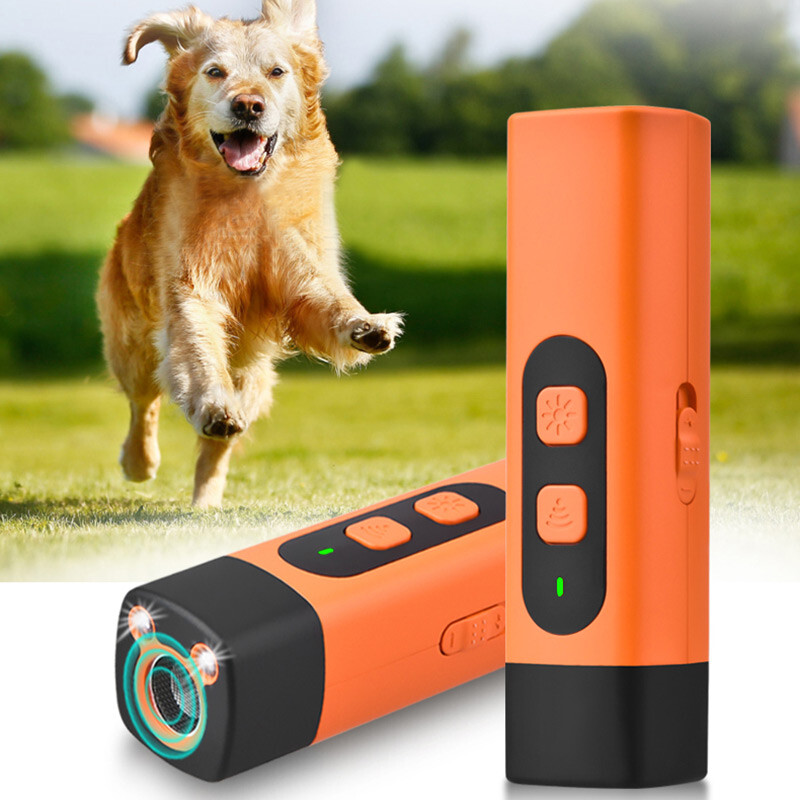 Ultrasonic Bark Stopper Control Anti Barking Away Pet Dog Train Repeller Device$13.58Last checked Nov 23, 2026View on eBay
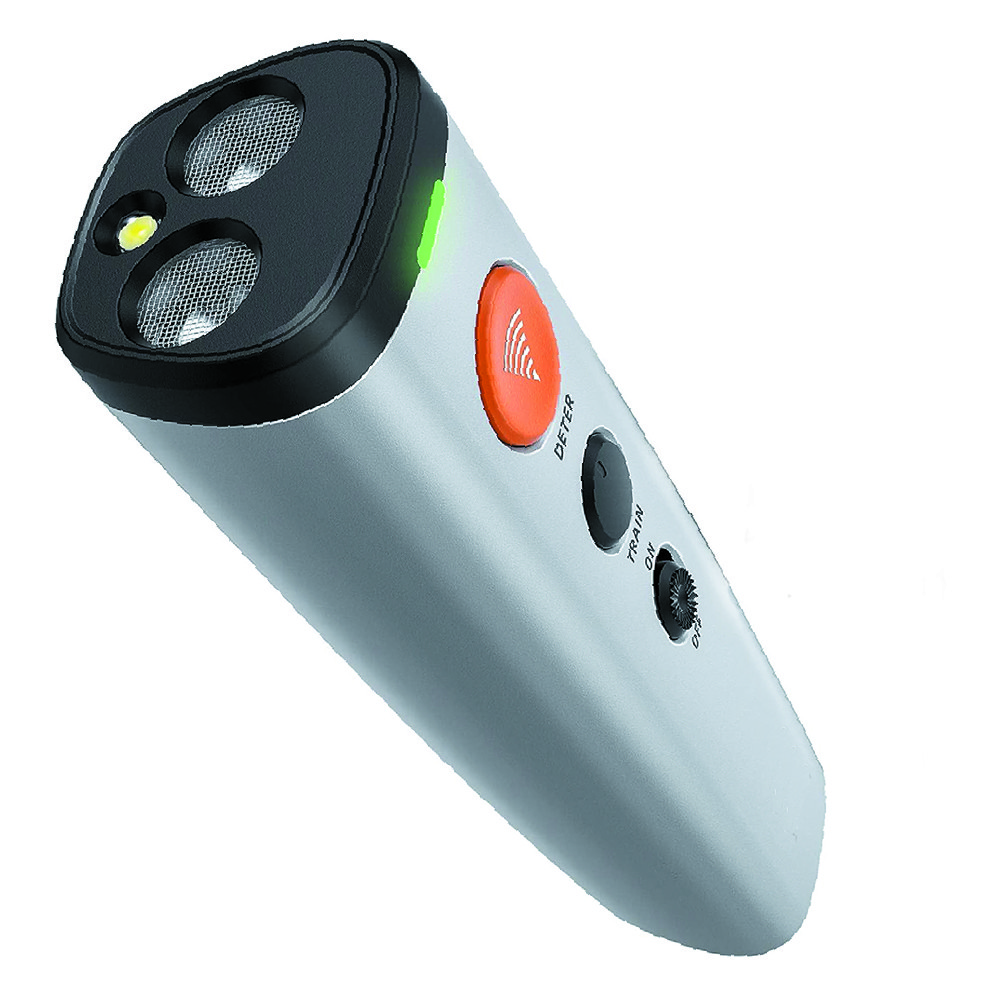 Ultrasonic Dog Repeller Anti Bark Device Stop Barking Humane Pet Training Tool$15.99View on eBay
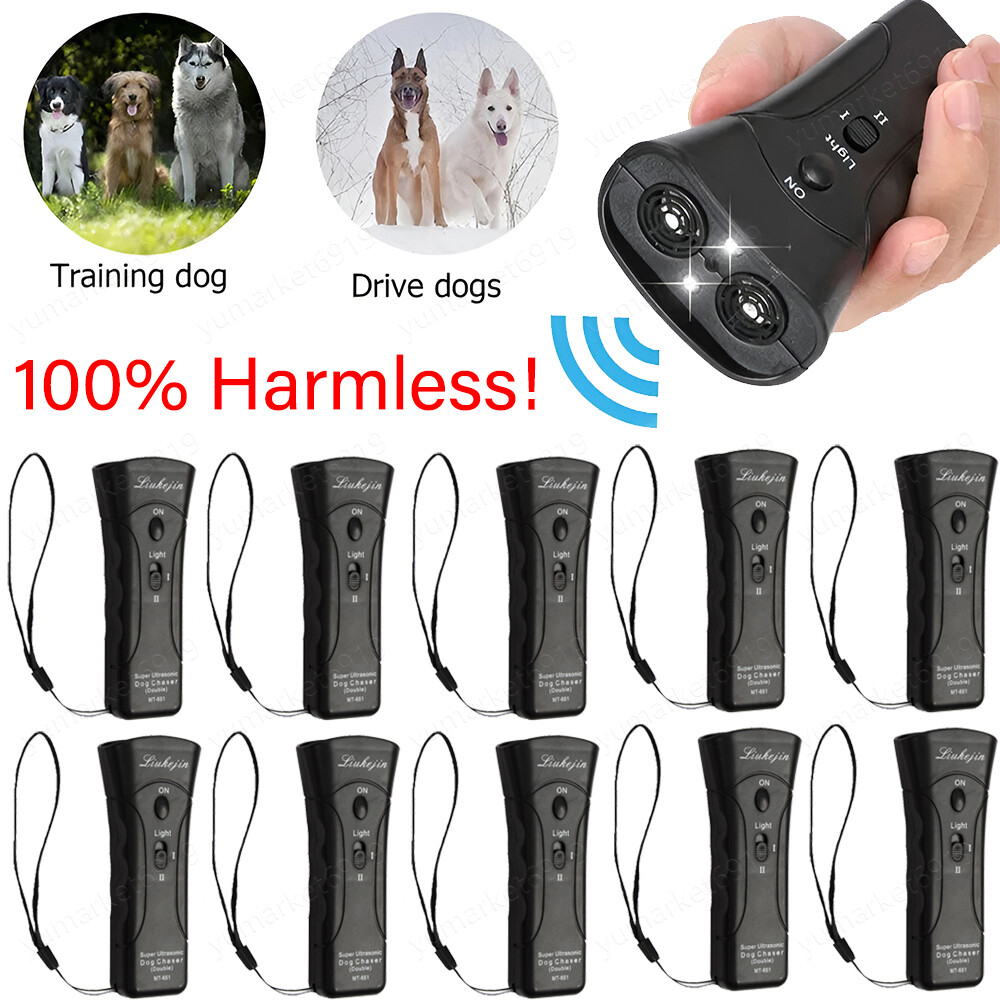 Ultrasonic Anti Stop Barking Pet Dog Train Repeller Control Trainer Device Lot$42.75Last checked Nov 22, 2026View on eBay
Highlights
- Ultrasonic handhelds typically emit 20–30 kHz at 100–130 dB and lose effectiveness beyond 15–30 ft or through walls, fences, and glass.
- Bark collars use a vibration sensor or microphone to trigger; vibration sensors ignore ambient noise and are more consistent than sound-only triggers.
- Correction types rank by intensity: vibration < spray (citronella) < static; static collars must have adjustable levels and a silicone contact cover for safety.
- IPX4 waterproofing covers splashes only; outdoor-mounted units need IPX5+ and UV-stable ABS housings to survive rain and sun.
Best use cases
- Best fit: a handheld ultrasonic unit for a neighbor's dog barking at the fence line within 20 ft, or for quieting your own dog during doorbell reactions — keep it pointed and line-of-sight.
- Best fit: a vibration-sensor bark collar for a healthy dog over 6 months and above the collar's minimum weight (typically 8–15 lb) that barks repeatedly when you are away.
- Wrong fit: ultrasonic boxes for a deaf dog, a dog behind a solid fence or window, or a whole-yard problem — sound is blocked and range is too short.
- Wrong fit: static collars on puppies under 6 months, dogs with heart conditions, or dogs under the collar's weight minimum — use vibration or spray instead.
Buying tips
- Match range to your layout: handheld ultrasonic is effective at 15–30 ft line-of-sight; fixed repellers cover roughly 30 ft, so buy for the actual distance from device to dog.
- For collars, weigh the dog and check the minimum weight and neck size (usually 8–15 lb and 10–20 in); a loose collar causes false triggers, a tight one causes pressure sores.
- Pick vibration-sensor triggers over microphone triggers for multi-dog or noisy households — they respond to the wearer's bark, not nearby noise.
- Check the correction hierarchy: citronella spray is effective but needs refills and can stain; static needs adjustable levels (1–7) and long/short contact prongs to reach through fur.
Specs
| Device Type | Handheld / Fixed / Bark Collar |
|---|---|
| Correction Mode | Ultrasonic / Vibration / Spray / Static |
| Effective Range | 15-30 ft (ultrasonic) |
| Waterproof Rating | IPX4 splash / IPX5+ outdoor |
Related searches
What to check before buying
- Measure the distance from the device to the barking dog; if it exceeds 30 ft or crosses a fence/wall, ultrasonic will not work — use a bark collar instead.
- For collars, measure neck circumference and weigh the dog; confirm the collar's minimum weight and neck range before choosing static vs vibration.
- Verify power: handhelds use 9V or USB-C rechargeable; collars use replaceable batteries (often 6V or CR2) — confirm the battery type and expected life (weeks to months).
- Check environment: outdoor units need IPX5+ and a shaded mounting spot; indoor ultrasonic can disturb other pets and hearing-sensitive people.
FAQ
Data sources: eBay / Amazon listings and product attribute feeds. Updated Nov 27, 2026.
Some links on this page are affiliate links. If you buy after clicking one, we may earn a commission at no extra cost to you. This does not change which products appear here or their order. Affiliate disclosure.