
Photos from current listings. Actual item, color, and included accessories may vary.
Anti Barking Device Indoor Buying Guide
Indoor anti-barking devices are sound-activated deterrents that interrupt excessive barking without physical contact, and the core trade-off is between ultrasonic units that are inaudible to most humans but can be ignored by determined dogs, and speaker-based units that emit audible tones or recorded commands but may startle sensitive pets. The decision rule is simple: choose a unit with adjustable sensitivity, a multi-level intensity dial, and a clear trigger-range specification rather than a fixed-output toy-grade box, because a device that cannot be tuned to your dog's bark pitch and your room layout will either misfire constantly or never activate.
Median $11.99
Key takeaways
- Ultrasonic deterrents typically emit 20–25 kHz; dogs hear up to roughly 45 kHz while humans top out near 20 kHz, so units above 20 kHz are effectively silent to people but must be aimed at the barking zone.
- Adjustable sensitivity and intensity tiers separate usable units from toy-grade boxes; a fixed single-output device cannot be tuned to small-dog barks or low-level whining and will either false-trigger or miss quiet barking.
- Most indoor units are mains-powered with a stated trigger range of roughly 15–30 ft and a detection arc of 60–120 degrees; wall-plug units are placement-limited, while battery or USB-C units can cover a hallway or room center.
At a glance
- Category
- Pet Training Gear
- Last updated
- Nov 27, 2026
Current offers
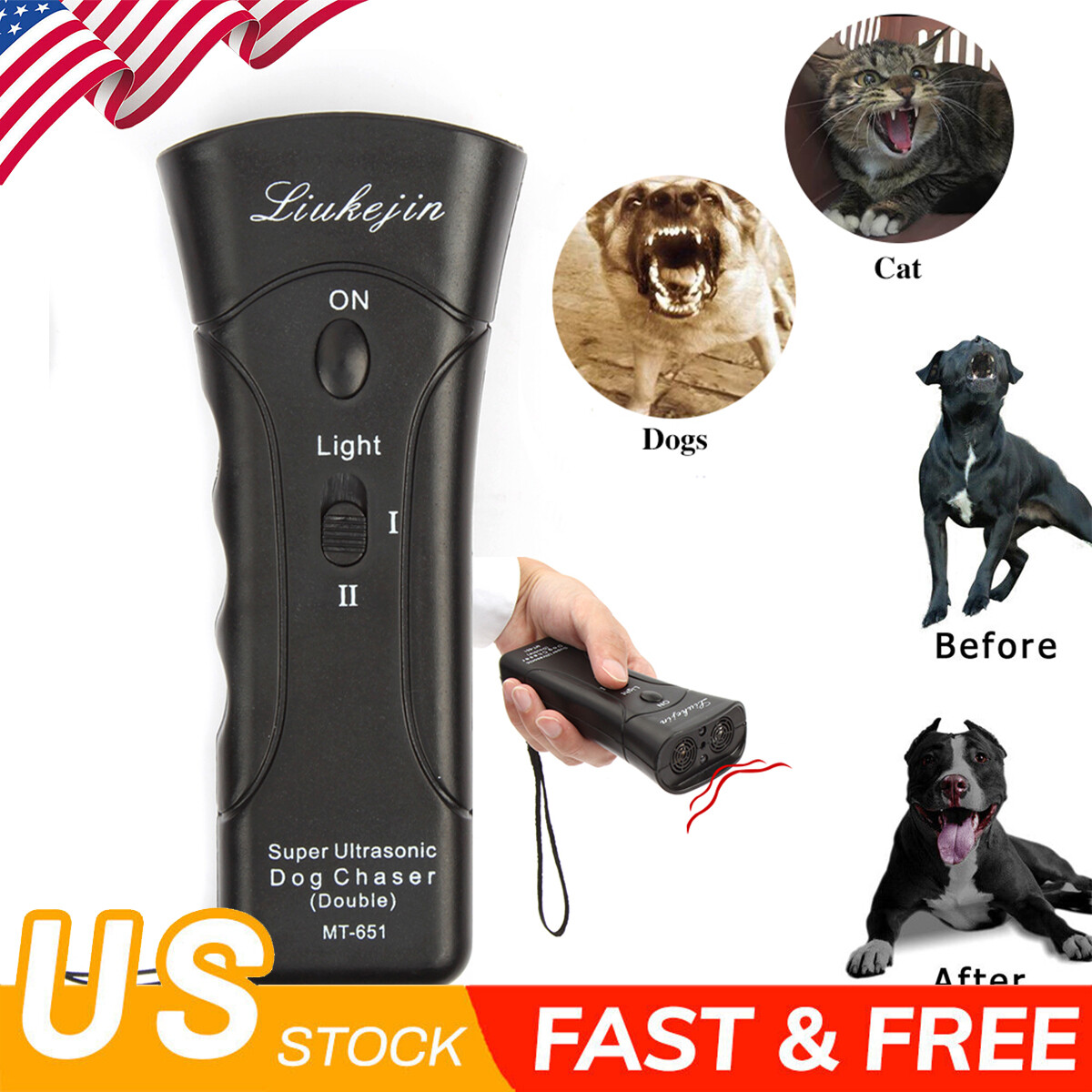 Ultrasonic Bark Stopper Control Anti Barking Away Pet Dog Train Repeller Device$9.66View on eBay
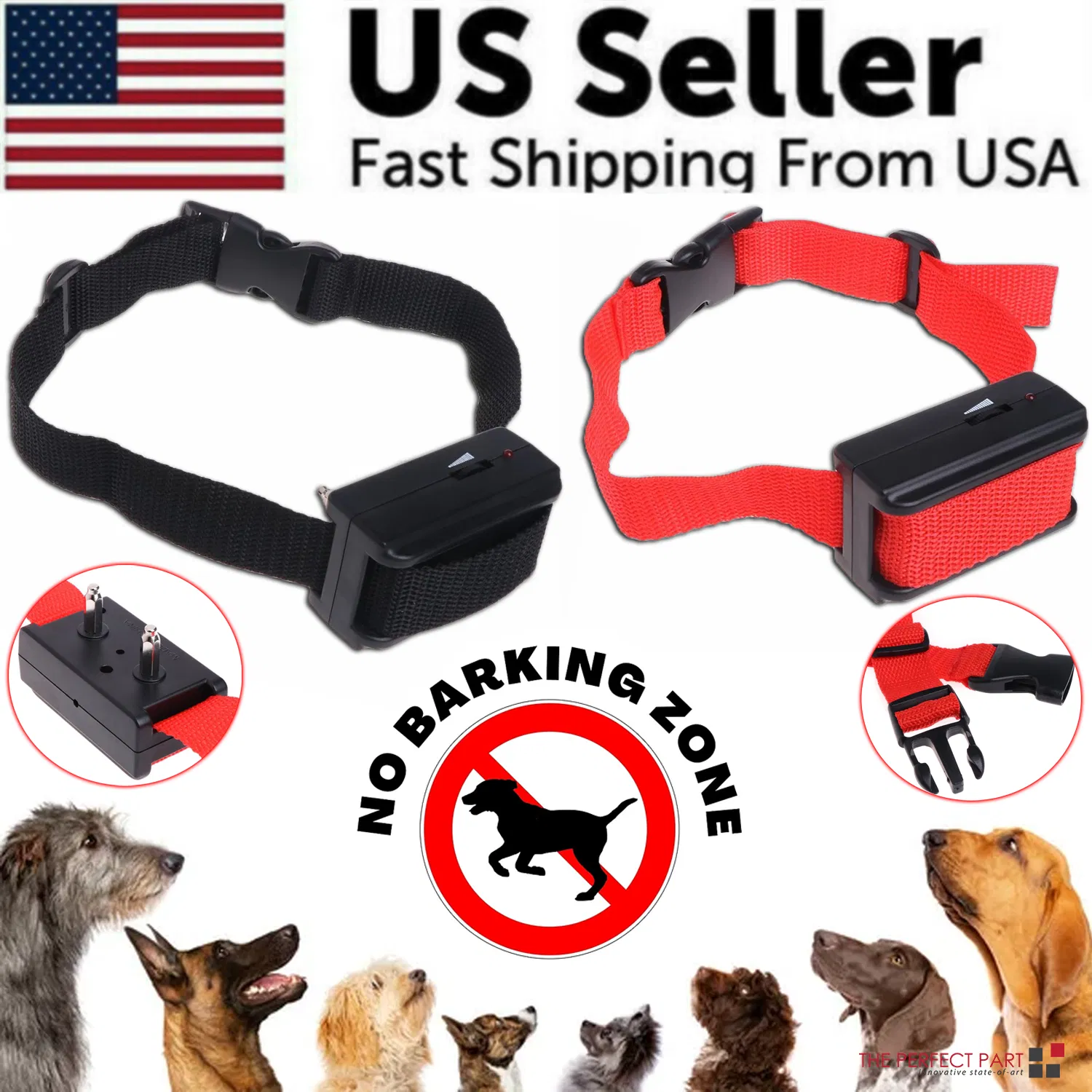 Automatic Anti Bark Barking Dog Shock Control COLLAR Device Small Medium Large$20.99View on Mallflare
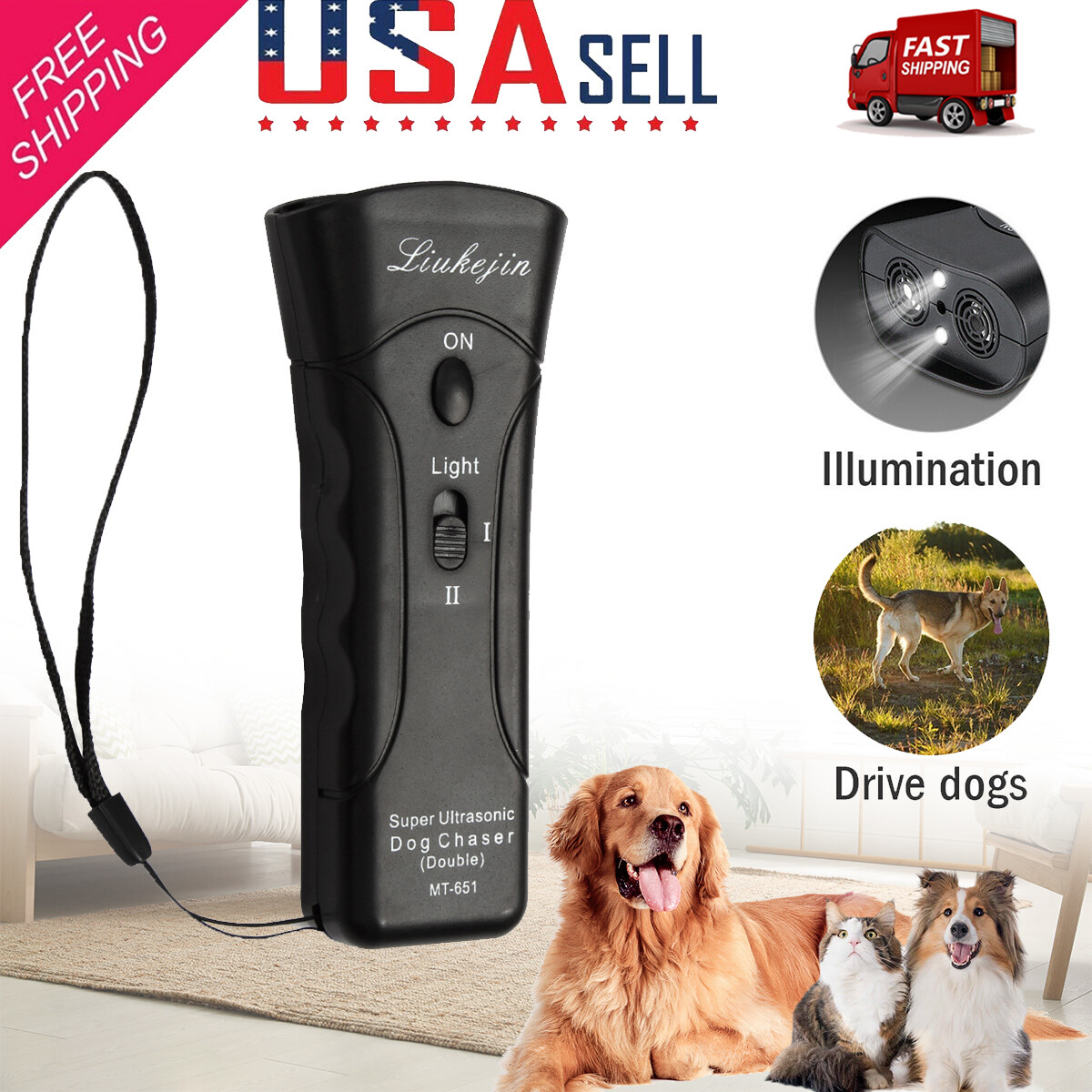 Ultrasonic Bark Stopper Control Anti Barking Away Pet Dog Train Repeller Device$9.99Last checked Nov 25, 2026View on eBay
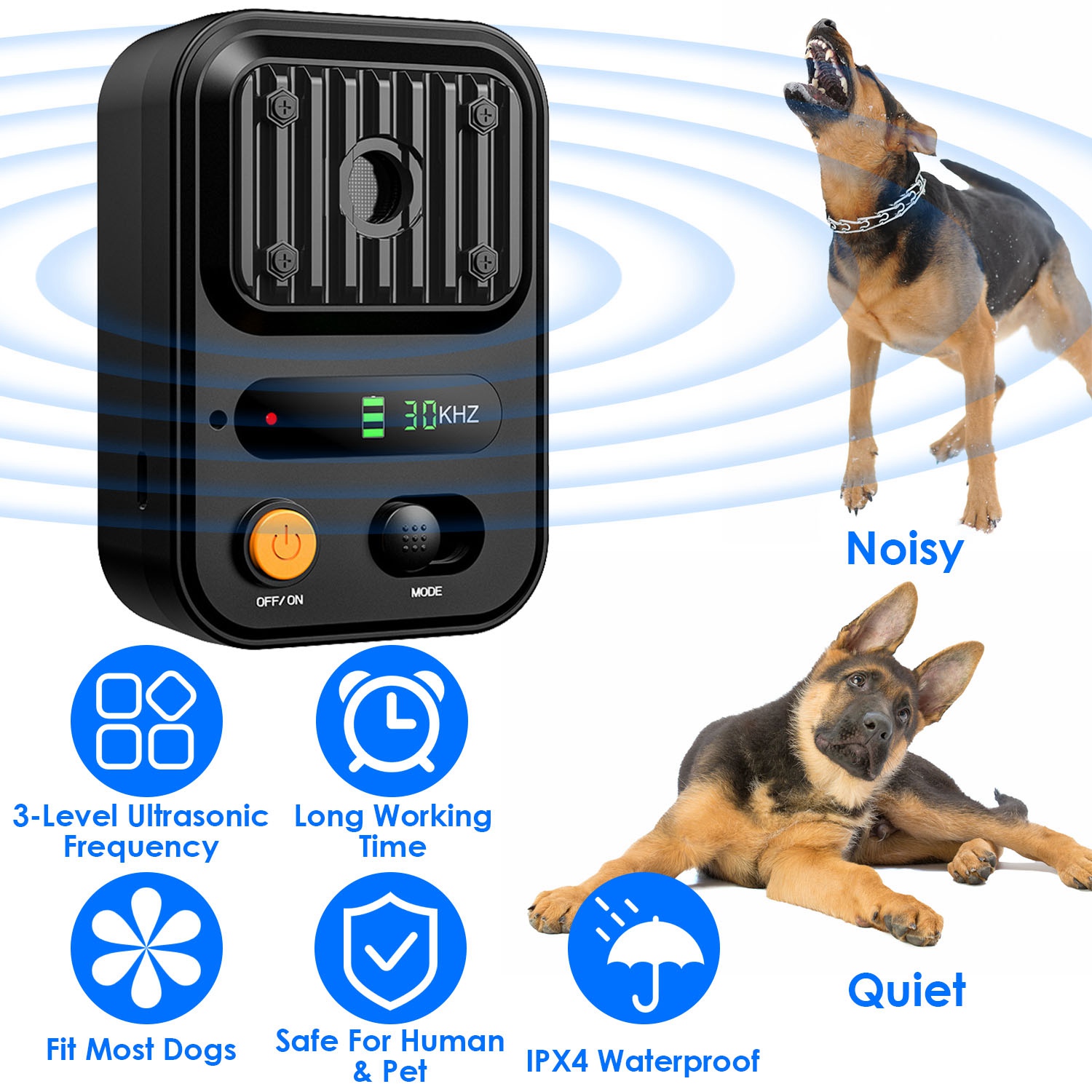 Black-Green Color Options -- 1Pc Ultrasonic Anti-Barking Device Rechargeable Auto Dog Bark Control Deterrent Box Training IPX4 Waterproof With 3 Frequency Max 32.8Feet Sensing Distance For Most$37.99View on Mallflare
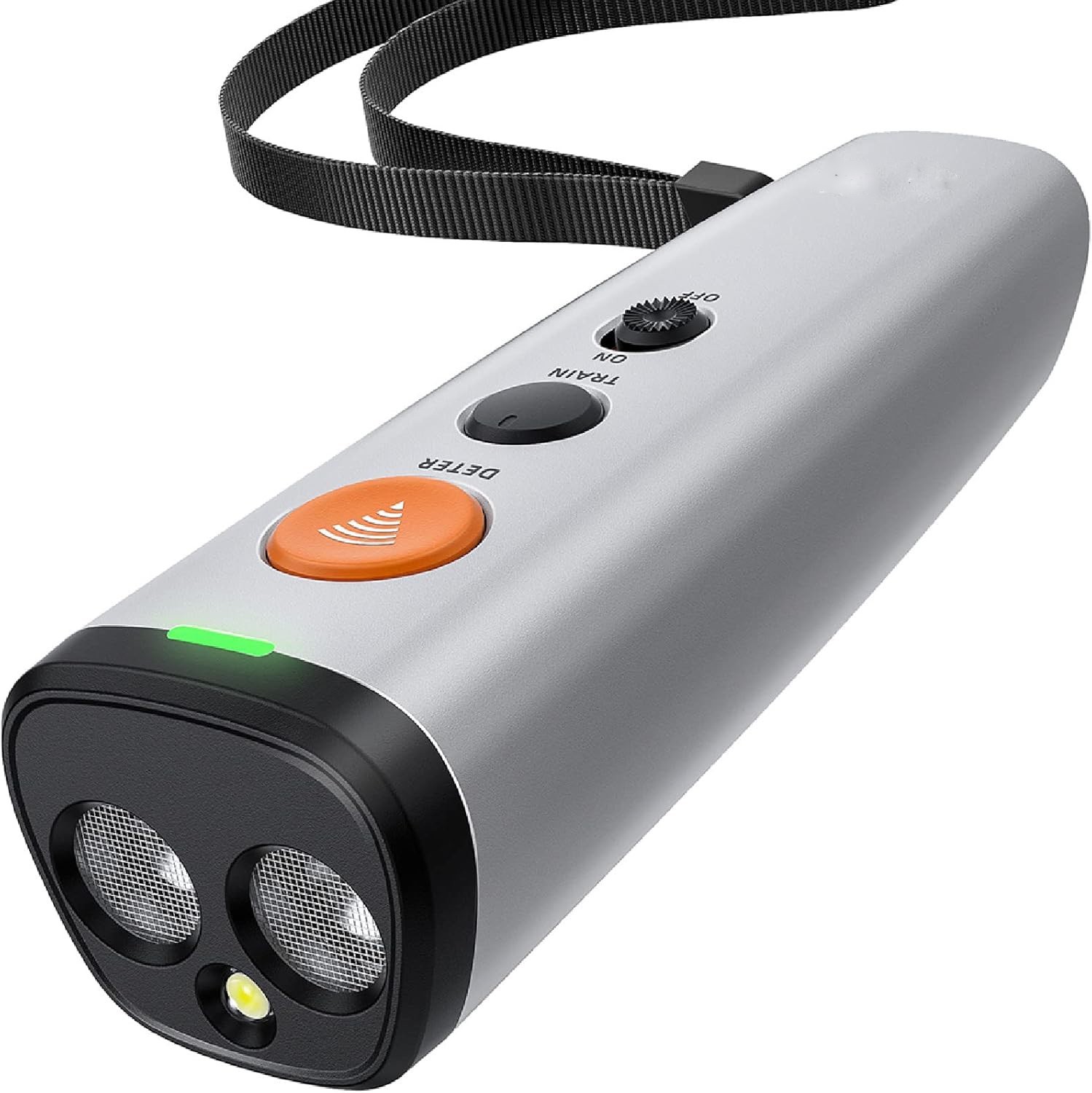 Ultrasonic Dog Repeller Anti Bark Device Stop Barking Humane Pet Training Tool$11.99Last checked Nov 24, 2026View on eBay
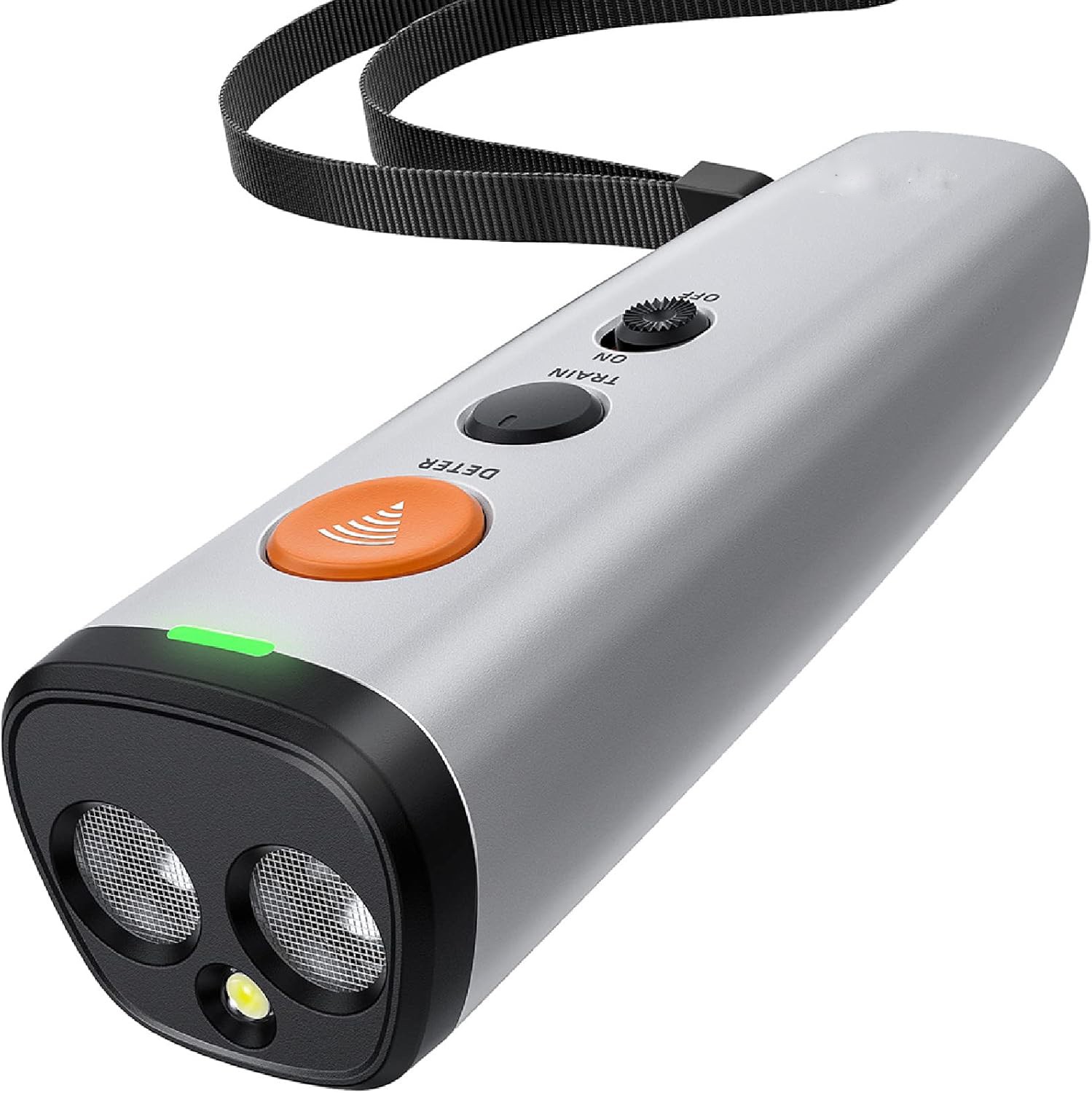 Ultrasonic Dog Repeller Anti Bark Device Stop Barking Humane Pet Training Tool$11.99Last checked Nov 24, 2026View on eBay
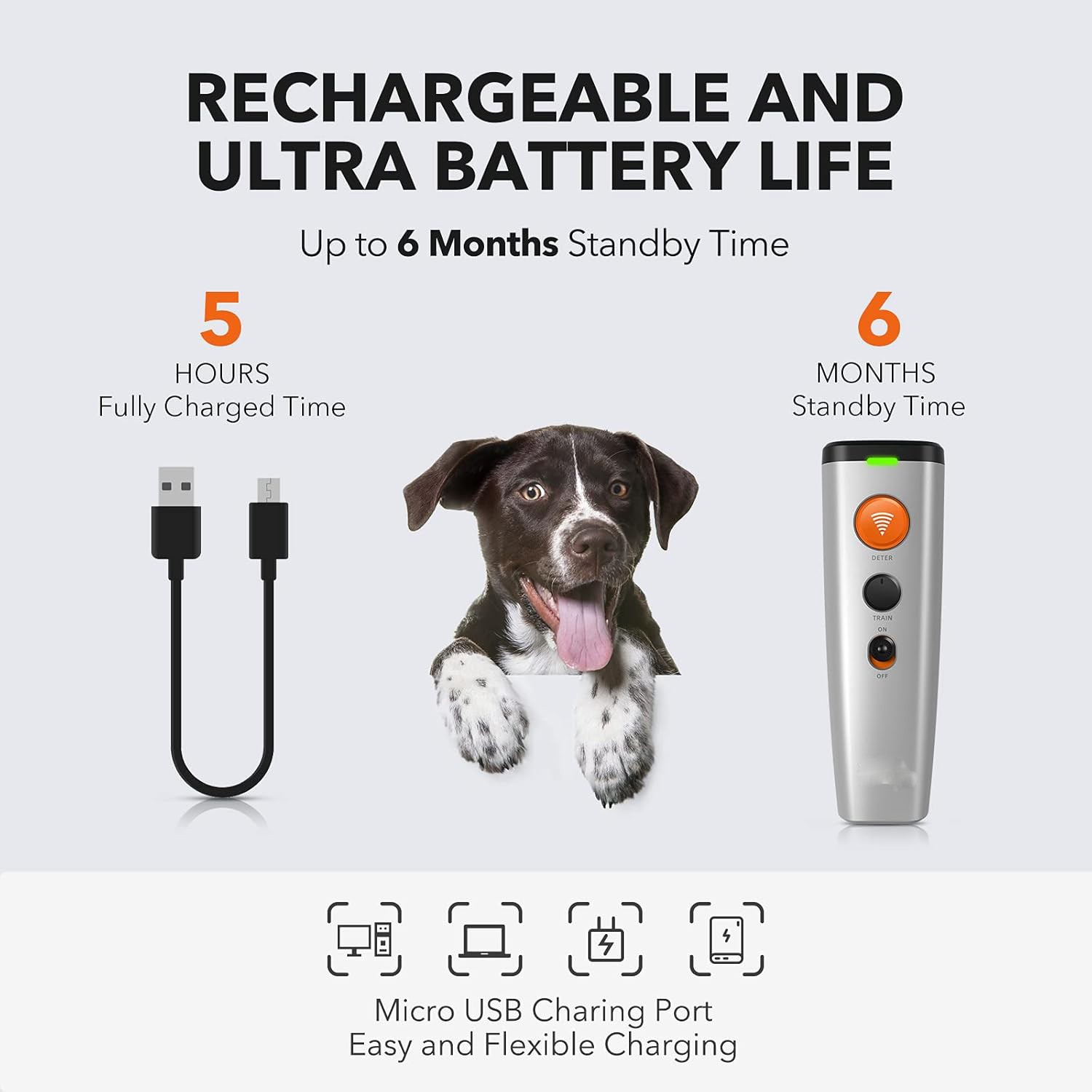 Ultrasonic Dog Repeller Anti Bark Device Stop Barking Humane Pet Training Tool$11.99Last checked Nov 23, 2026View on eBay
- Ultrasonic Dog Repeller Anti Bark Device Stop Barking Humane Pet Training Tool$11.99Last checked Nov 23, 2026View on eBay
- Ultrasonic Dog Repeller Anti Bark Device Stop Barking Humane Pet Training Tool$11.99Last checked Nov 23, 2026View on eBay
- Ultrasonic Dog Repeller Anti Bark Device Stop Barking Humane Pet Training Tool$11.99Last checked Nov 22, 2026View on eBay
- Ultrasonic Dog Repeller Anti Bark Device Stop Barking Humane Pet Training Tool$11.99Last checked Nov 22, 2026View on eBay
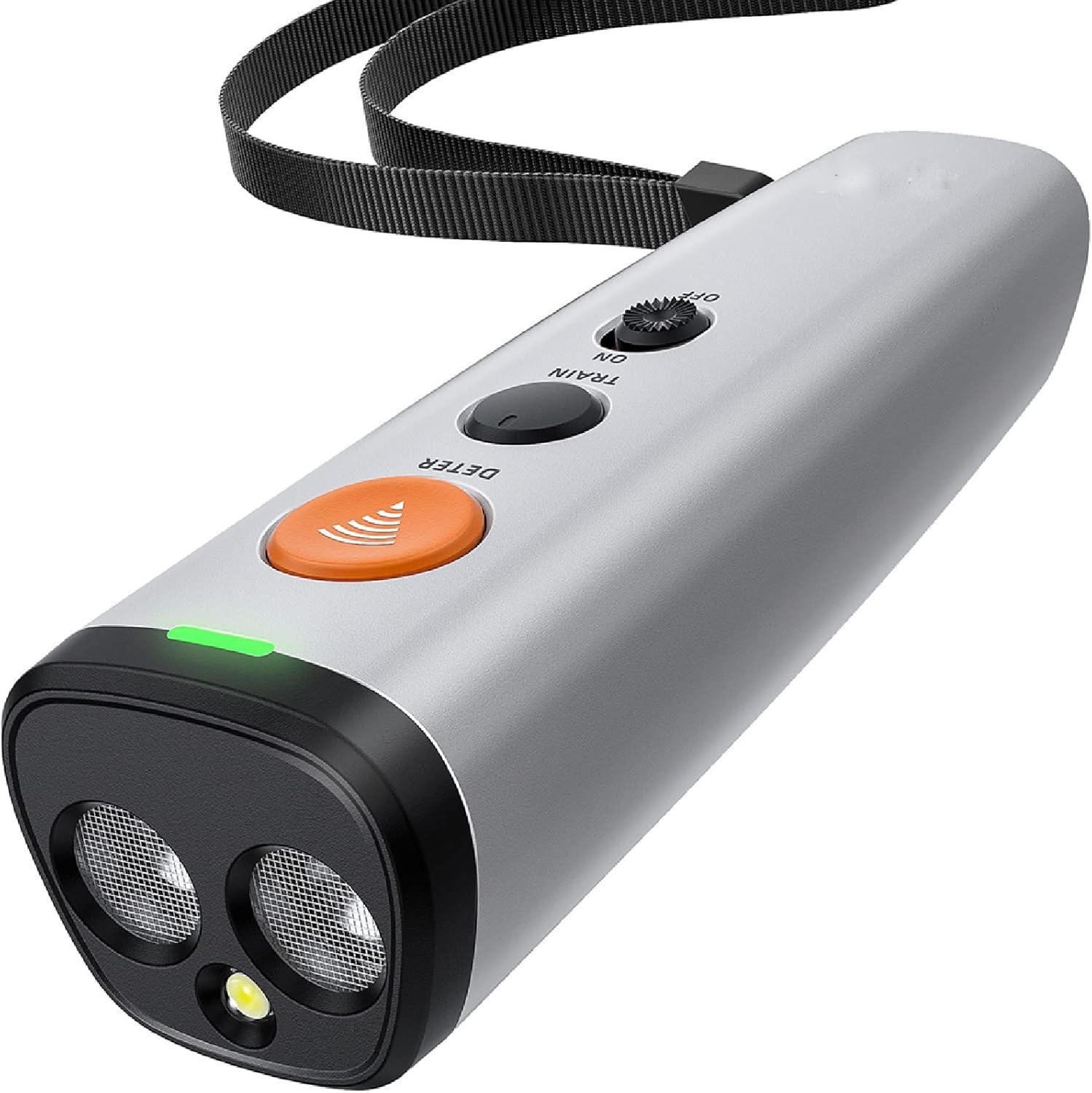 Ultrasonic Dog Repeller Anti Bark Device Stop Barking Humane Pet Training Tool$11.99View on eBay
- Ultrasonic Dog Repeller Anti Bark Device Stop Barking Humane Pet Training Tool$11.99View on eBay
- Ultrasonic Dog Repeller Anti Bark Device Stop Barking Humane Pet Training Tool$12.99Last checked Nov 24, 2026View on eBay
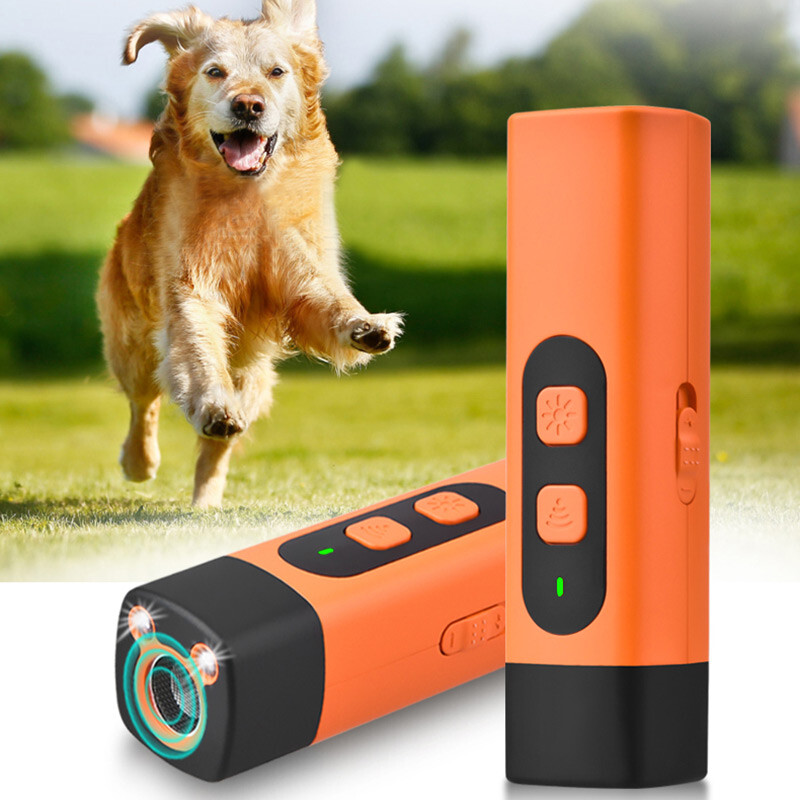 Ultrasonic Bark Stopper Control Anti Barking Away Pet Dog Train Repeller Device$13.58Last checked Nov 23, 2026View on eBay
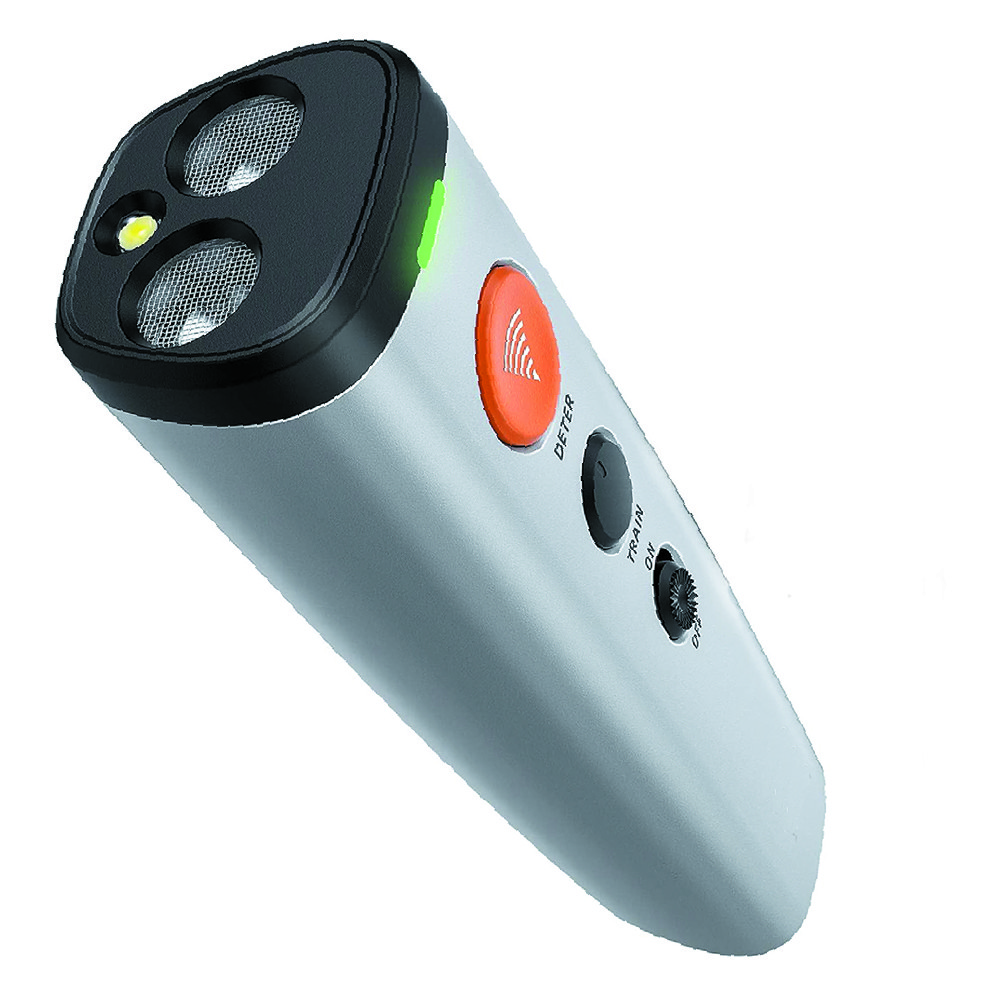 Ultrasonic Dog Repeller Anti Bark Device Stop Barking Humane Pet Training Tool$15.99View on eBay
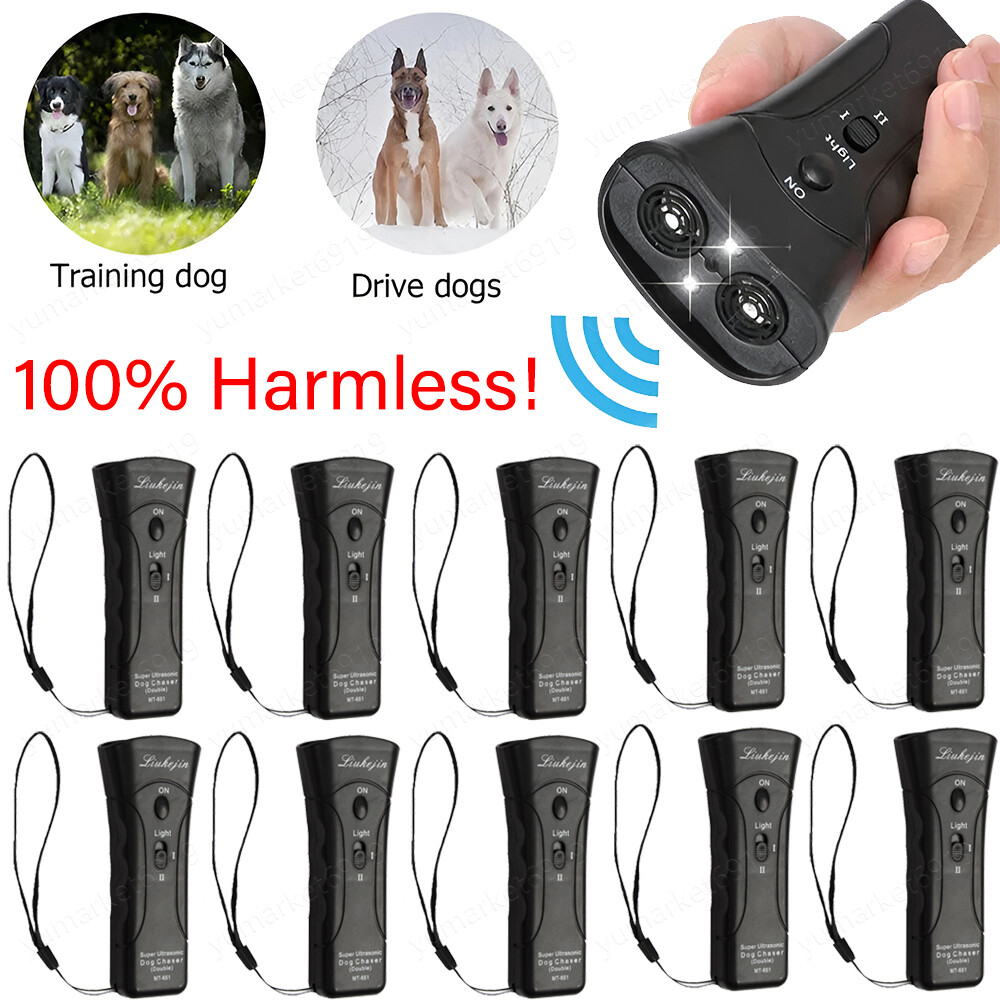 Ultrasonic Anti Stop Barking Pet Dog Train Repeller Control Trainer Device Lot$42.75Last checked Nov 22, 2026View on eBay
Highlights
- Ultrasonic deterrents typically emit 20–25 kHz; dogs hear up to roughly 45 kHz while humans top out near 20 kHz, so units above 20 kHz are effectively silent to people but must be aimed at the barking zone.
- Adjustable sensitivity and intensity tiers separate usable units from toy-grade boxes; a fixed single-output device cannot be tuned to small-dog barks or low-level whining and will either false-trigger or miss quiet barking.
- Most indoor units are mains-powered with a stated trigger range of roughly 15–30 ft and a detection arc of 60–120 degrees; wall-plug units are placement-limited, while battery or USB-C units can cover a hallway or room center.
- Speaker-based models that emit audible beeps or pre-recorded commands work on hearing-impaired or senior dogs that no longer respond to high-frequency sound, and many combine ultrasonic and audible modes in one switchable unit.
Best use cases
- Best fit for a single dog barking at the door or window in one room: a wall-plug ultrasonic unit with 20–25 kHz output and adjustable sensitivity aimed at the trigger zone.
- Best fit for multi-dog households or a dog that ignores ultrasonic sound: a speaker-based unit with audible tone or voice-command modes, or a combination ultrasonic-plus-audible model on audible mode.
- Wrong fit for a dog already conditioned to ultrasonic deterrents or a hearing-impaired senior dog: ultrasonic-only units will have no effect, so skip them and use audible-tone or command-recording devices.
- Wrong fit for open-plan homes spanning multiple rooms: a single wall-plug unit covers only its detection arc, so pick one unit per barking zone or a battery-powered unit you can reposition to the active area.
Buying tips
- Match output frequency to your dog: 20–25 kHz ultrasonic for hearing dogs, audible beep or voice-command mode for senior, hearing-impaired, or ultrasonic-desensitized dogs.
- Require adjustable sensitivity and at least two intensity levels; fixed-output units cannot distinguish a small dog's bark from ambient noise and lead to constant misfires.
- Check the stated detection range and arc (typically 15–30 ft, 60–120 degrees) against your room; a wall-plug unit must face the barking zone with clear line of sight.
- Prefer units with a manual off switch or nighttime disable, since ultrasonic output can stress other pets and continuous triggering at night disrupts the household.
Specs
| Deterrent Type | Ultrasonic / Audible tone / Combination |
|---|---|
| Output Frequency | 20–25 kHz ultrasonic; audible beep mode |
| Sensitivity Control | Adjustable dial / Multi-level intensity |
| Coverage & Power | 15–30 ft range; wall-plug or USB-C/battery |
Related searches
What to check before buying
- Measure the distance from the device's outlet or mounting spot to the dog's usual barking position; it must fall inside the unit's stated trigger range with clear line of sight.
- Confirm the outlet or placement location is not blocked by furniture, curtains, or a room divider that absorbs or deflects high-frequency sound.
- Check household pet count and species: ultrasonic units can unsettle cats, rabbits, and rodents, so a multi-pet home may need audible-mode or zoned placement.
- Verify power compatibility: wall-plug units need a standard outlet near the trigger zone, while battery or USB-C units need charging access and have shorter runtimes at high output.
FAQ
Data sources: eBay / Amazon listings and product attribute feeds. Updated Nov 27, 2026.
Some links on this page are affiliate links. If you buy after clicking one, we may earn a commission at no extra cost to you. This does not change which products appear here or their order. Affiliate disclosure.