
Photos from current listings. Actual item, color, and included accessories may vary.
Small Hamster Cage Buying Guide
A small hamster cage is a compact rodent enclosure where usable floor area and bar spacing—not height or tier count—determine whether a hamster actually thrives. The core trade-off is cheap multi-level wire cages versus solid-wall or acrylic habitats that hold deep bedding without drafts or escape gaps. Buy by species floor area and bar spacing first; treat tubes, wheels, and shelves as bonuses, never as the reason to buy.
Median $91.99
Key takeaways
- Syrian hamsters need at least 450–600 sq in of continuous unbroken floor; dwarf hamsters do best at 300+ sq in, measured on one level.
- Bar spacing must stay 0.3–0.4 in (7–10 mm) for dwarfs and 0.4–0.5 in (10–12 mm) for Syrians to prevent escape.
- Solid wood and acrylic panels block drafts and allow 6–8 in bedding depth; bare wire floors and shallow trays cap bedding at 1–2 in.
At a glance
- Category
- Bird & Small Animal Supplies
- Last updated
- Nov 27, 2026
Current offers
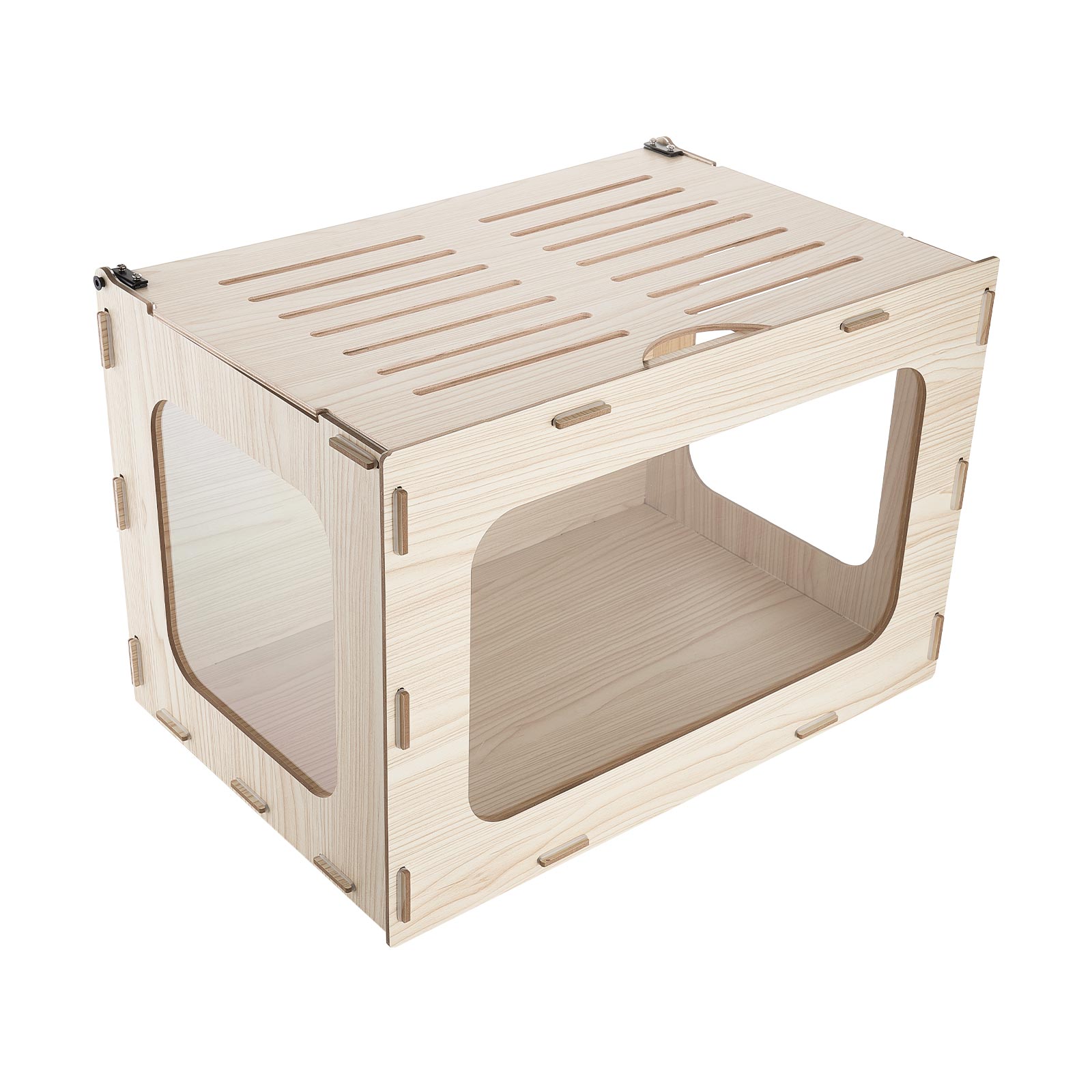 Wooden Hamster Cage 23.8"x15.9"x15.9" 270° Viewing Habitat, Chewproof Small Animal With Openable Top, Large Pet House Wood Enclosure For Syrian/Dwarf Hamsters, Guinea Pigs, Gerbils$60.99View on Mallflare
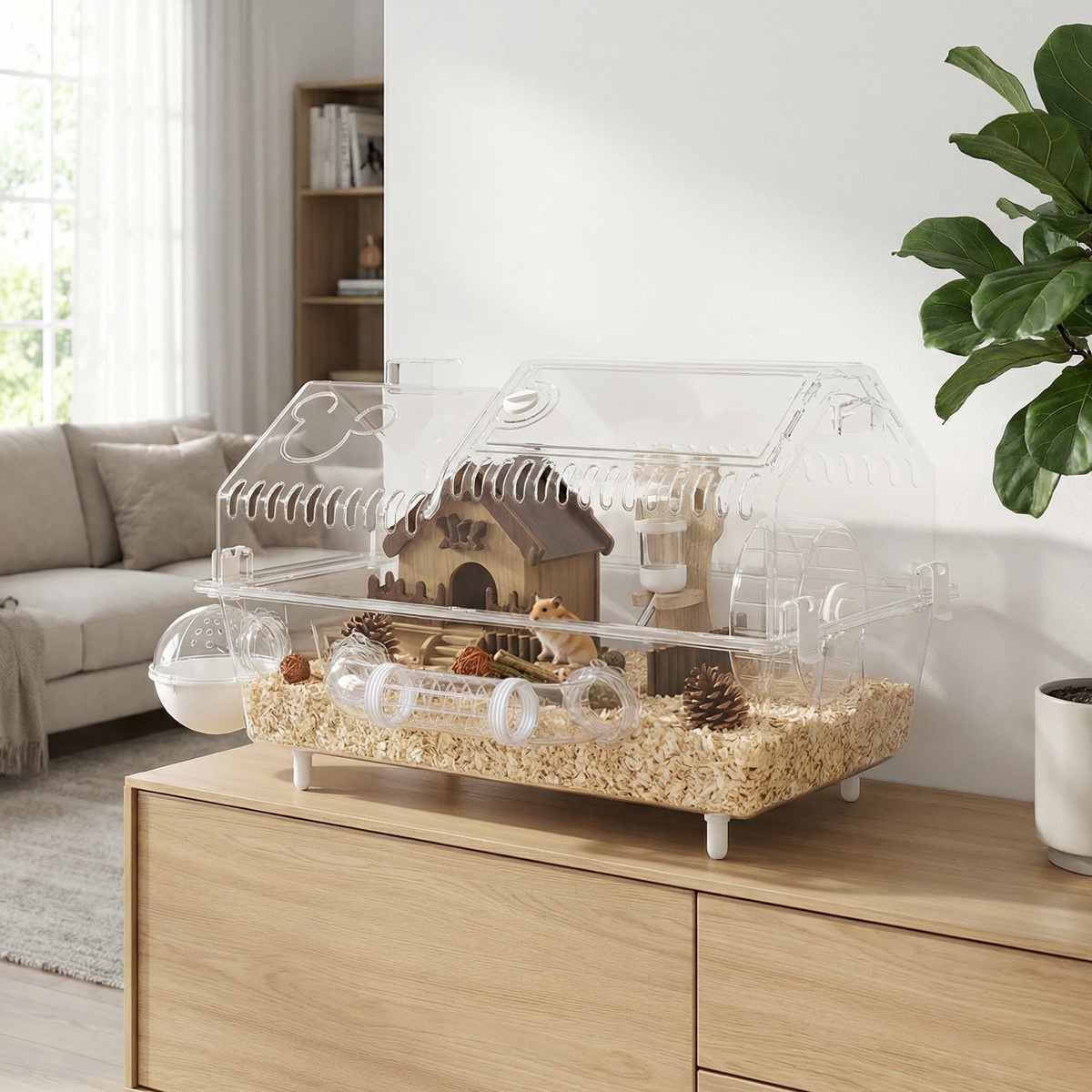 Hamster Cage with Large Wheel & Hideout, Small Animal Habitat Accessories, Clear Pet House, 21.5" x 11.8" x 12.6"$62.99View on Mallflare
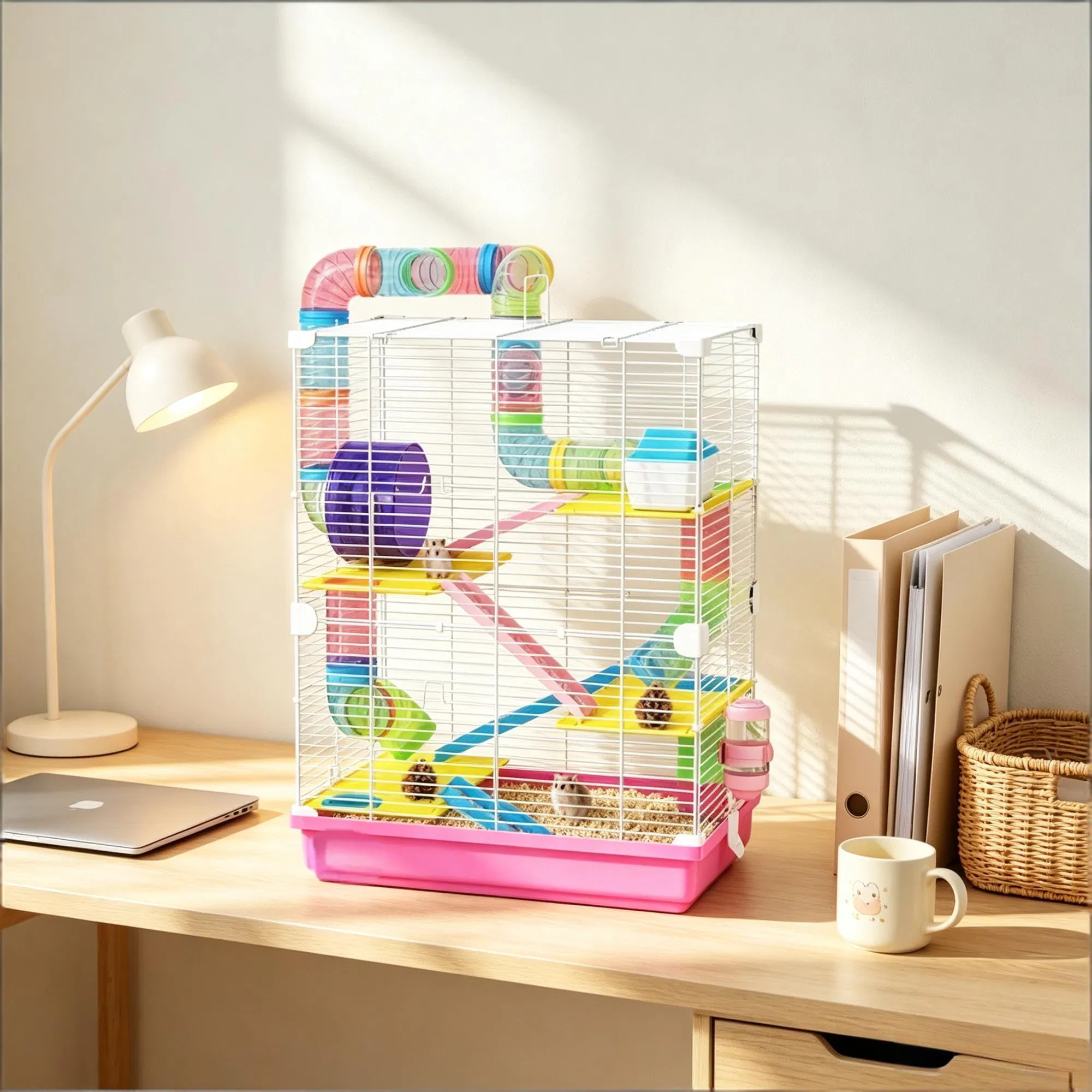 Portable 5-Tiers Hamster Cage Pink Animal Travel Carrier with Exercise Wheels And Tube for Small Pets$65.99View on Mallflare
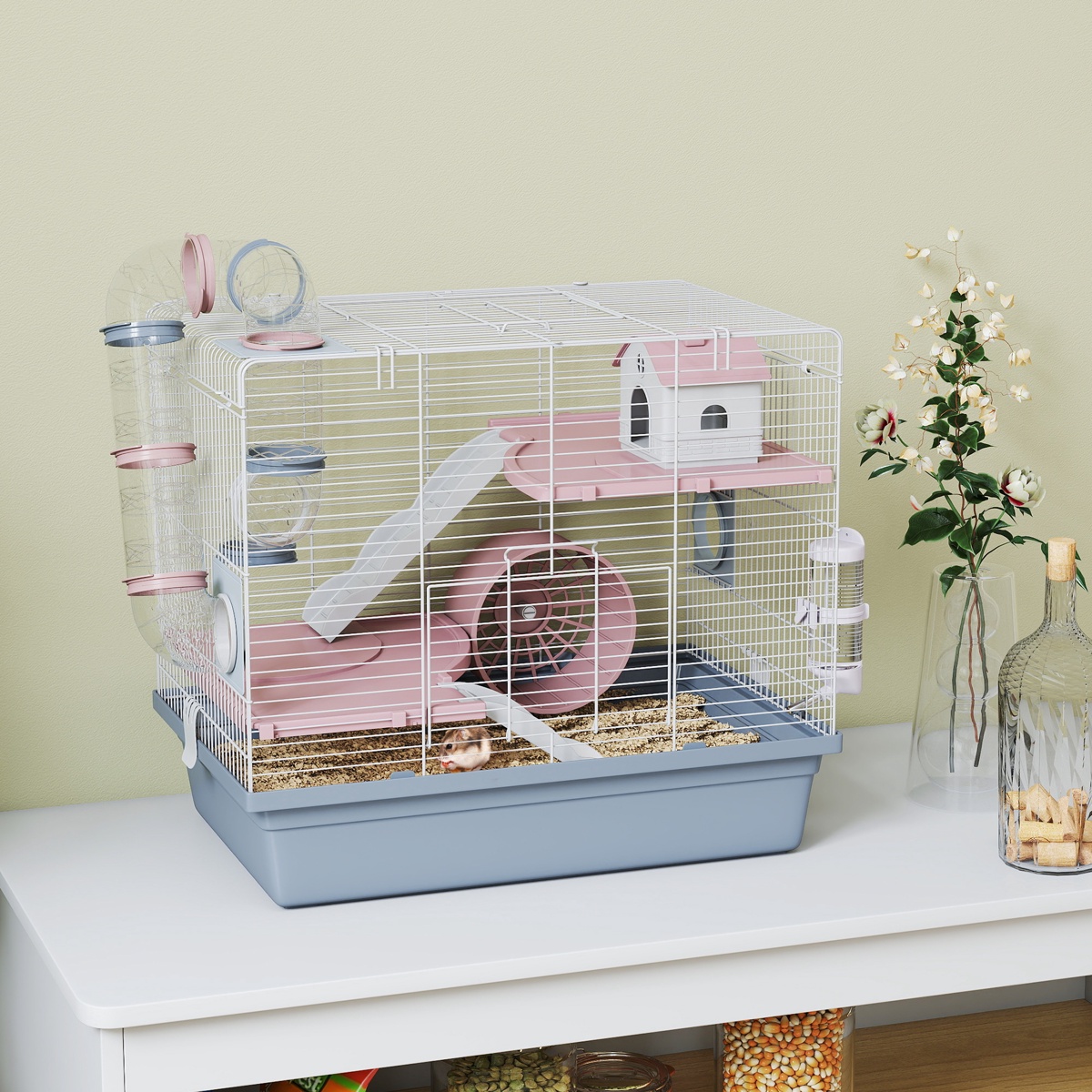 Hamster Cage, 3-Tier Small Animal With Exercise Wheel, Food Bowl, Water Bottle, House, Tunnels, Ramps$78.99View on Mallflare
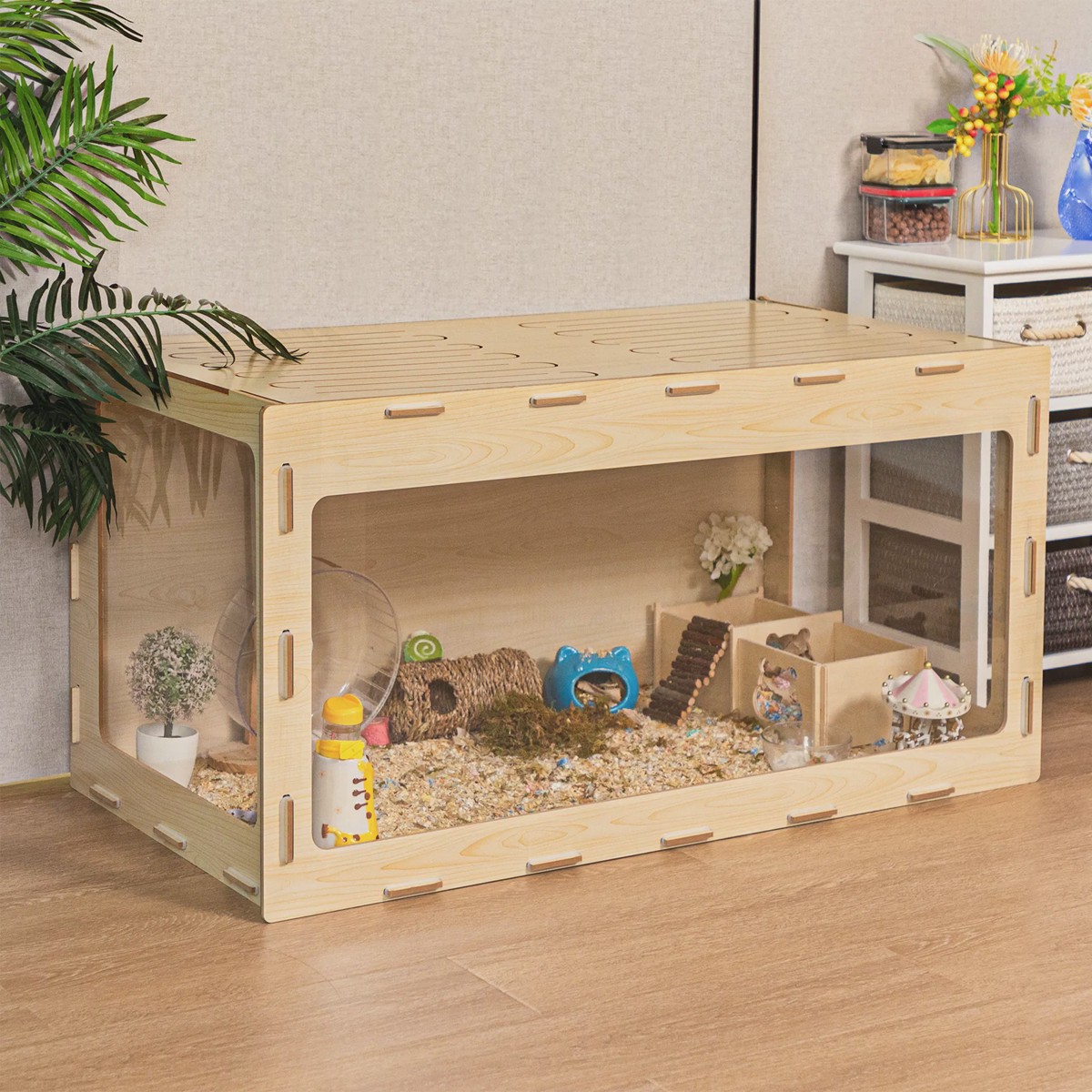 Wooden Hamster Cage Small Animals House, Acrylic Hutch for Dwarf Guinea Pig, Chinchilla, Opening Top with Air Vents$82.99View on Mallflare
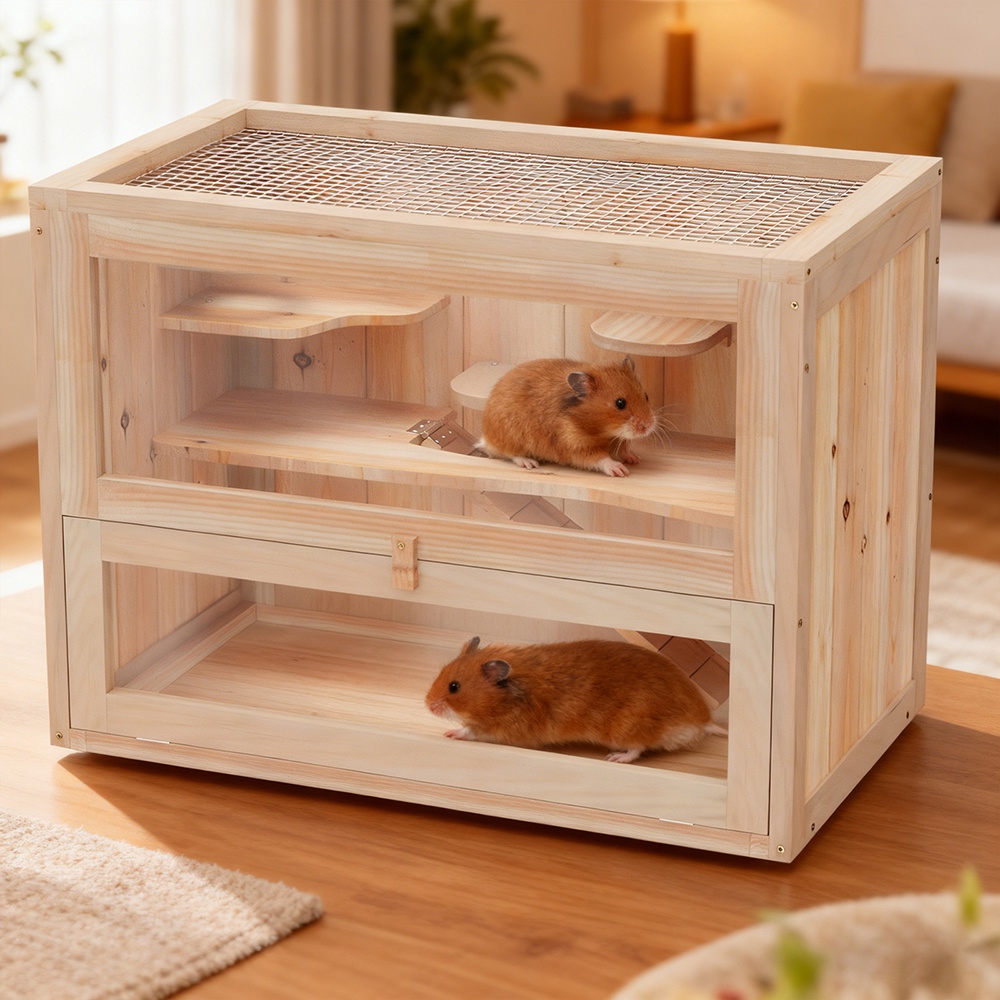 2-Level Hamster Cage Mice And Rat House, With Openable Top, Front Door, Shelf And Ladder For Hamsters, And Other Small Rodents Ramps$82.99View on Mallflare
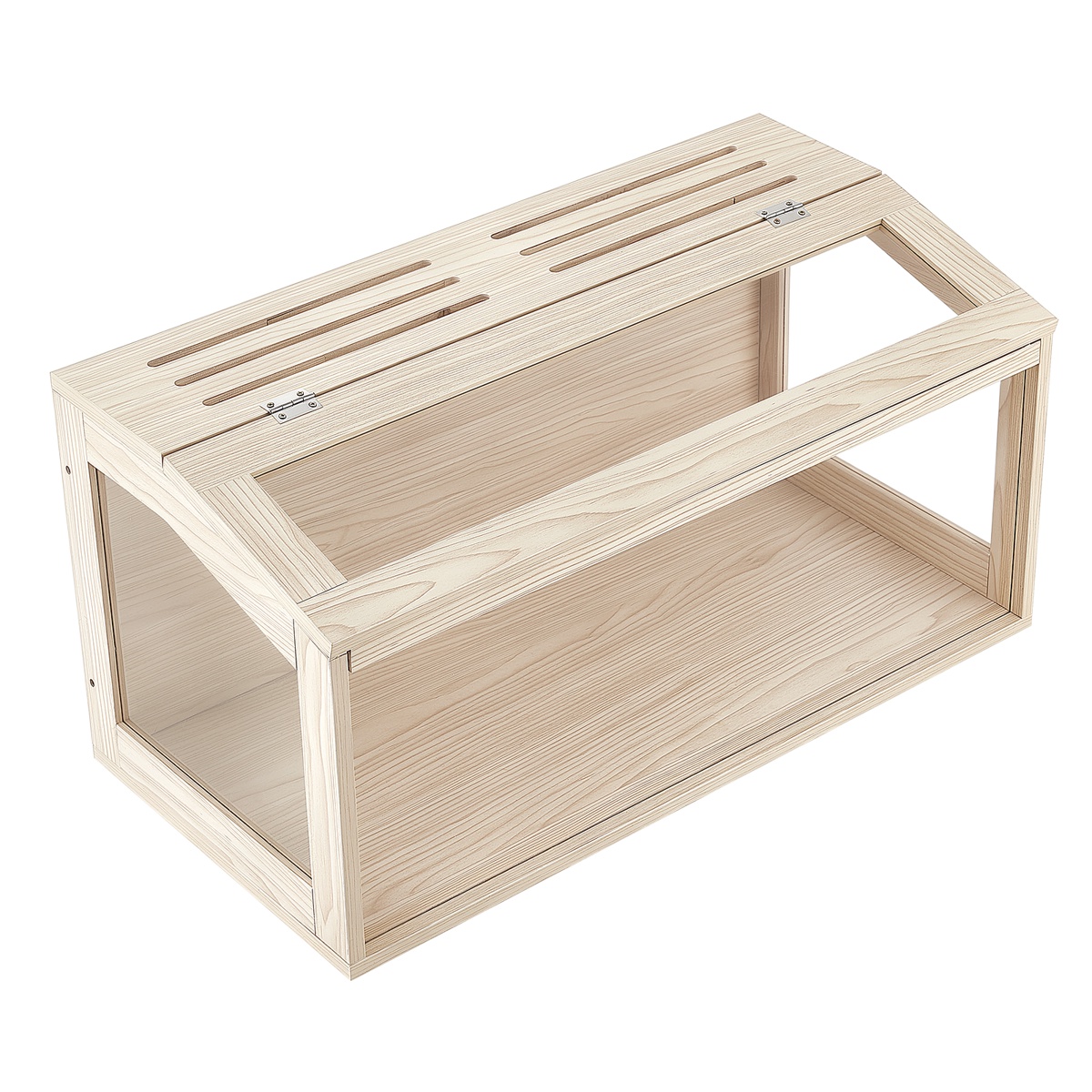 Wooden Hamster Cage 31.9"x16.1"x16.1" 270° Viewing Habitat, Chewproof Acrylic Small Animal With Openable Top, Large Pet Enclosure For Syrian/Dwarf Hamsters, Guinea Pigs & Gerbils$91.99View on Mallflare
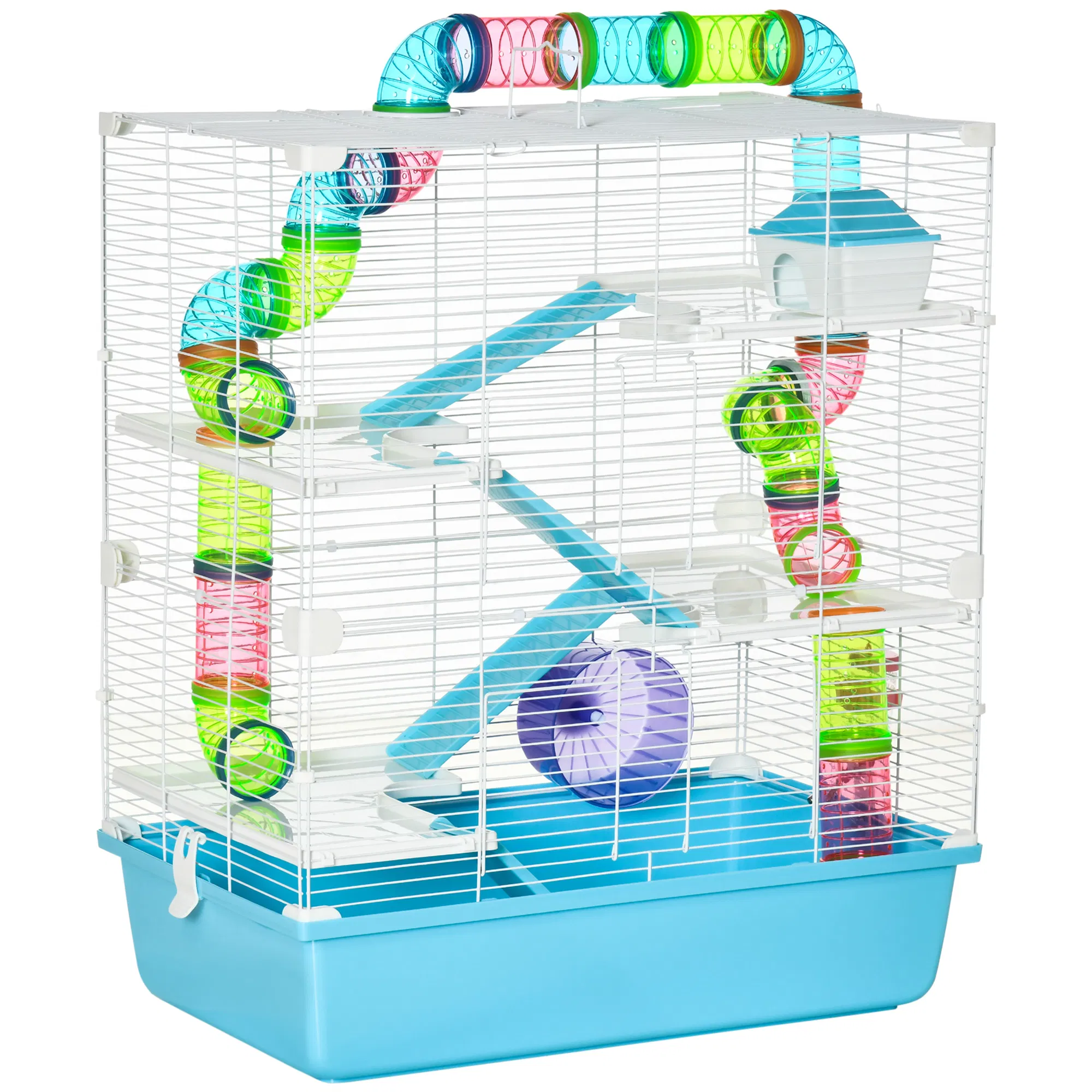 23" Large Hamster Cage, Small Animal House, 5-Level Gerbil Haven, Tunnel Tube System, with Water Bottle, Exercise Wheel, Food Dish, Ramps, 2 Doors, Light Blue$95.99View on Mallflare
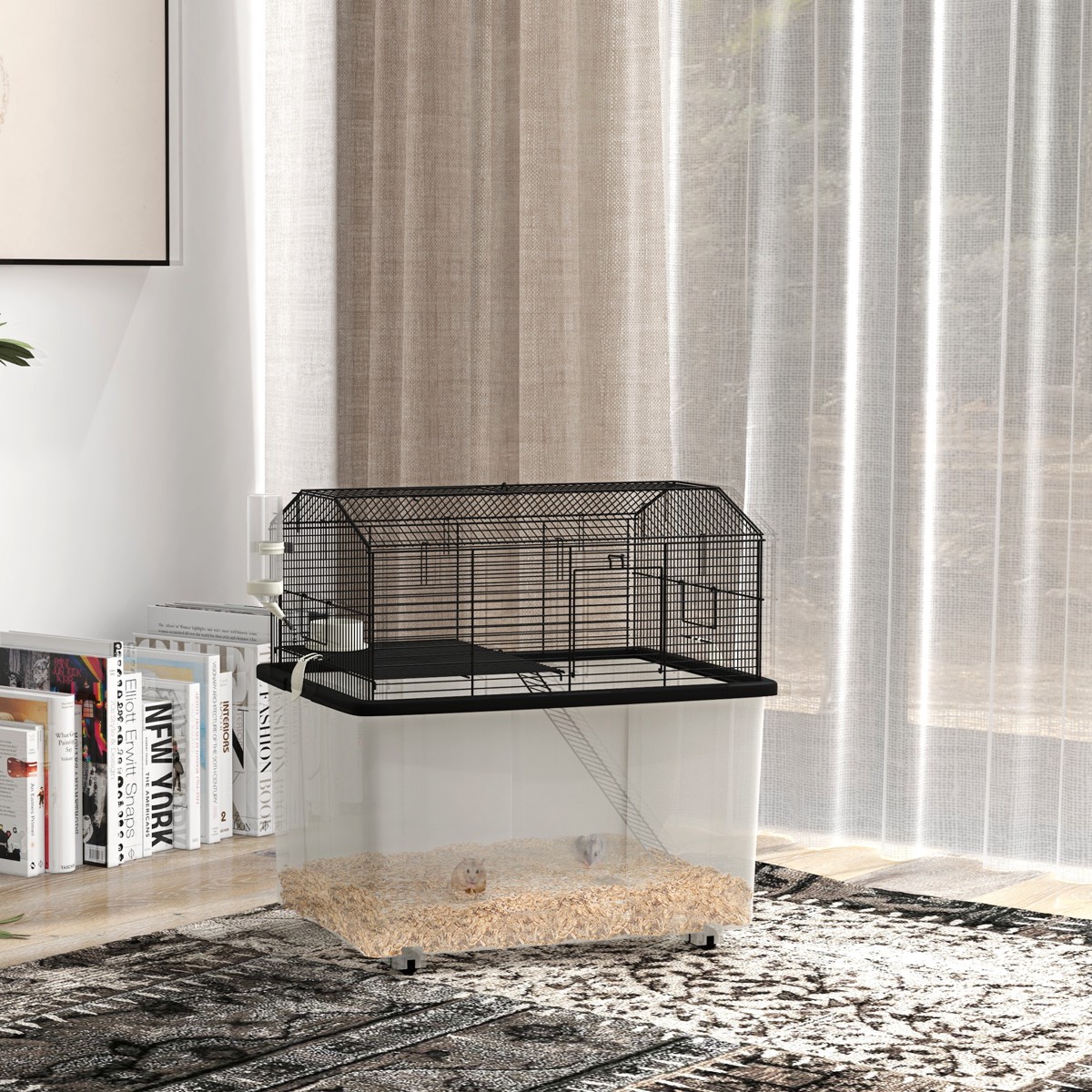 22" 2-Tier Hamster Cage With Extra-Deep 14" Base, Small Animal Ramp, Water Bottle, Food Dish, Wheels, Black$108.99View on Mallflare
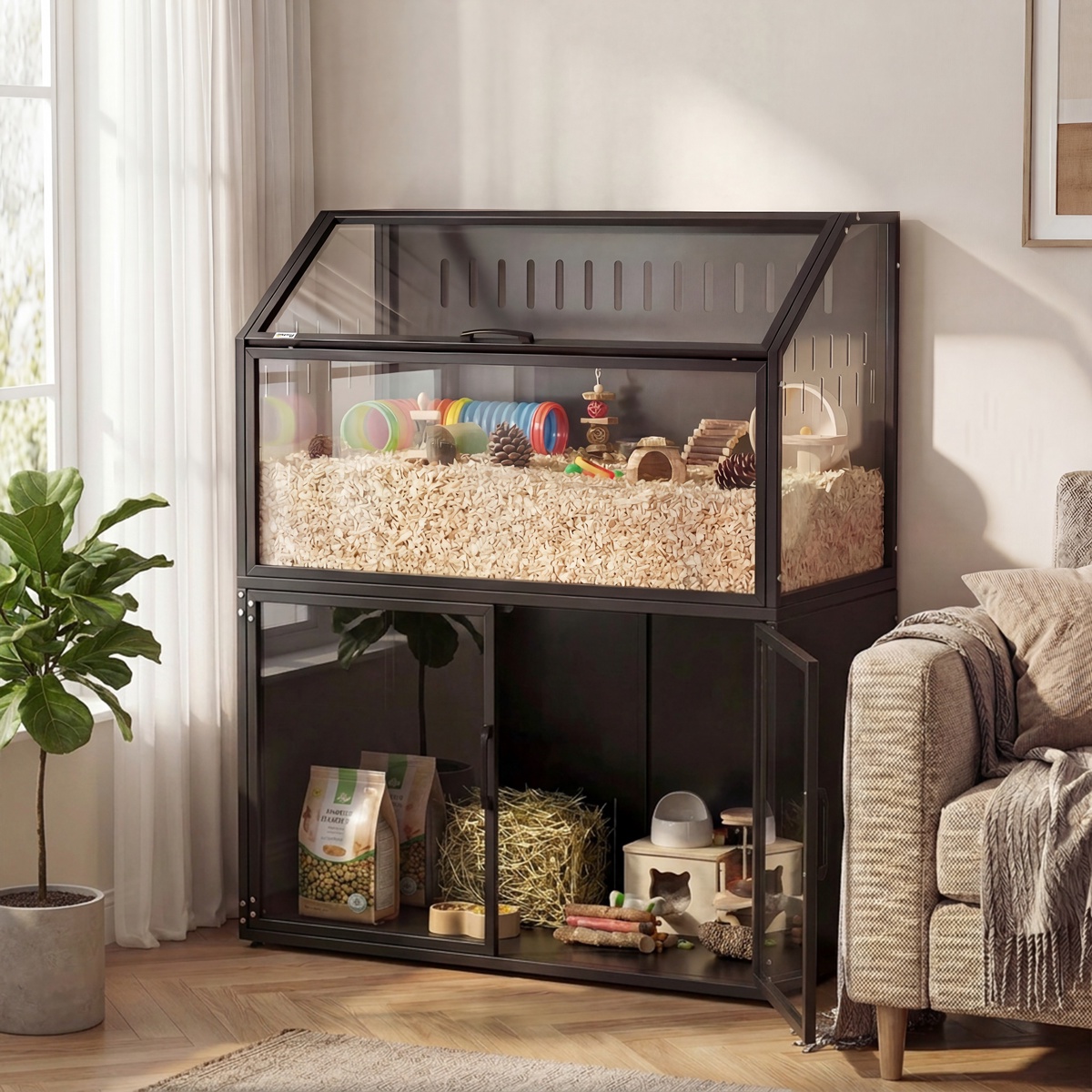 Hamster Cage with Storage Cabinet, Small Animal Easy View Acrylic Panels and Openable Top, Guinea Pig Habitat$138.99View on Mallflare
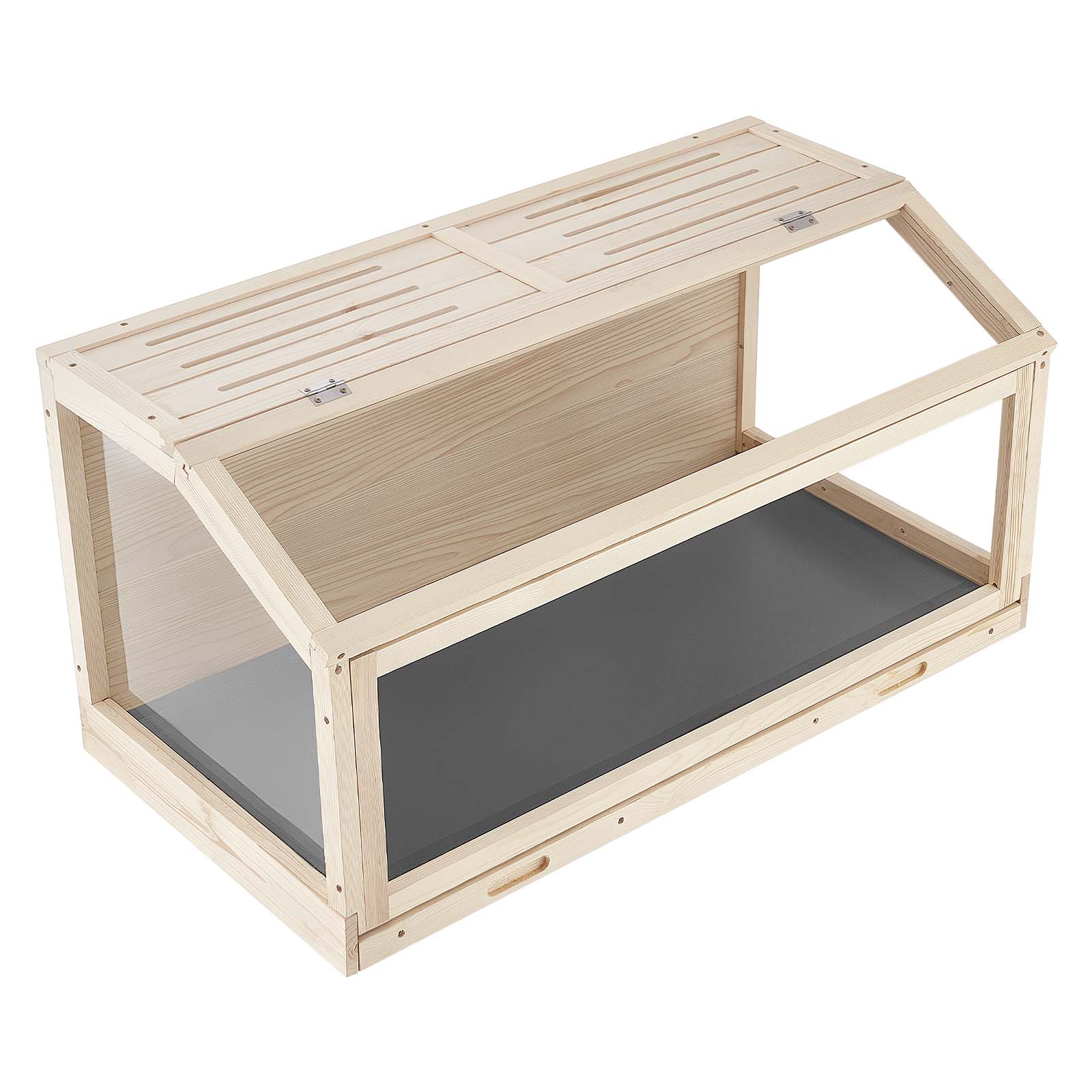 Wooden Hamster Cage 39.4"x20.5"x19.9" 270° Viewing Habitat, Chewproof Acrylic Small Animal With Openable Top, Large Pet Enclosure For Syrian/Dwarf Hamsters, Guinea Pigs & Gerbils$145.99View on Mallflare
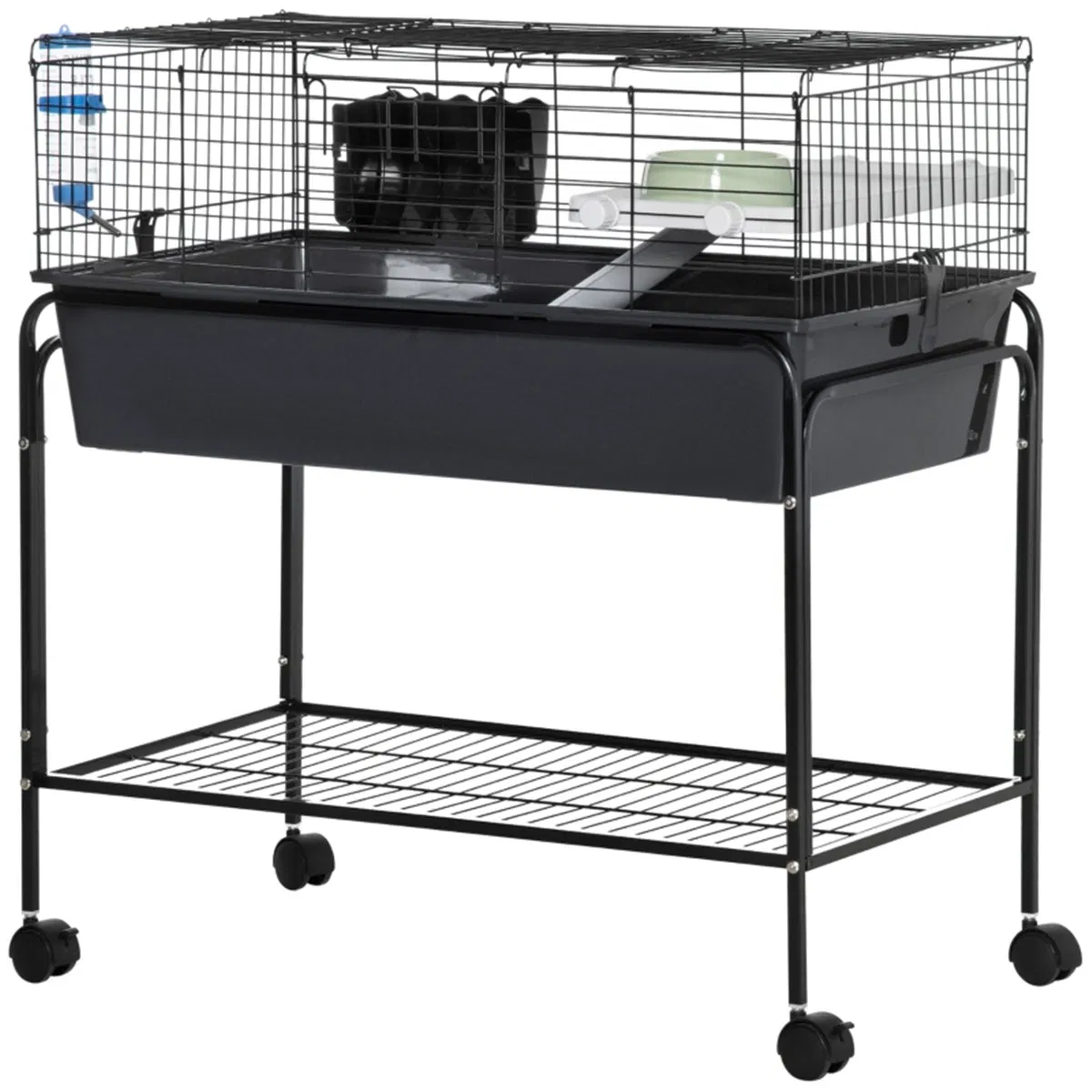 Hamster Cage/small animal cage/Pet cages$208.99View on Mallflare
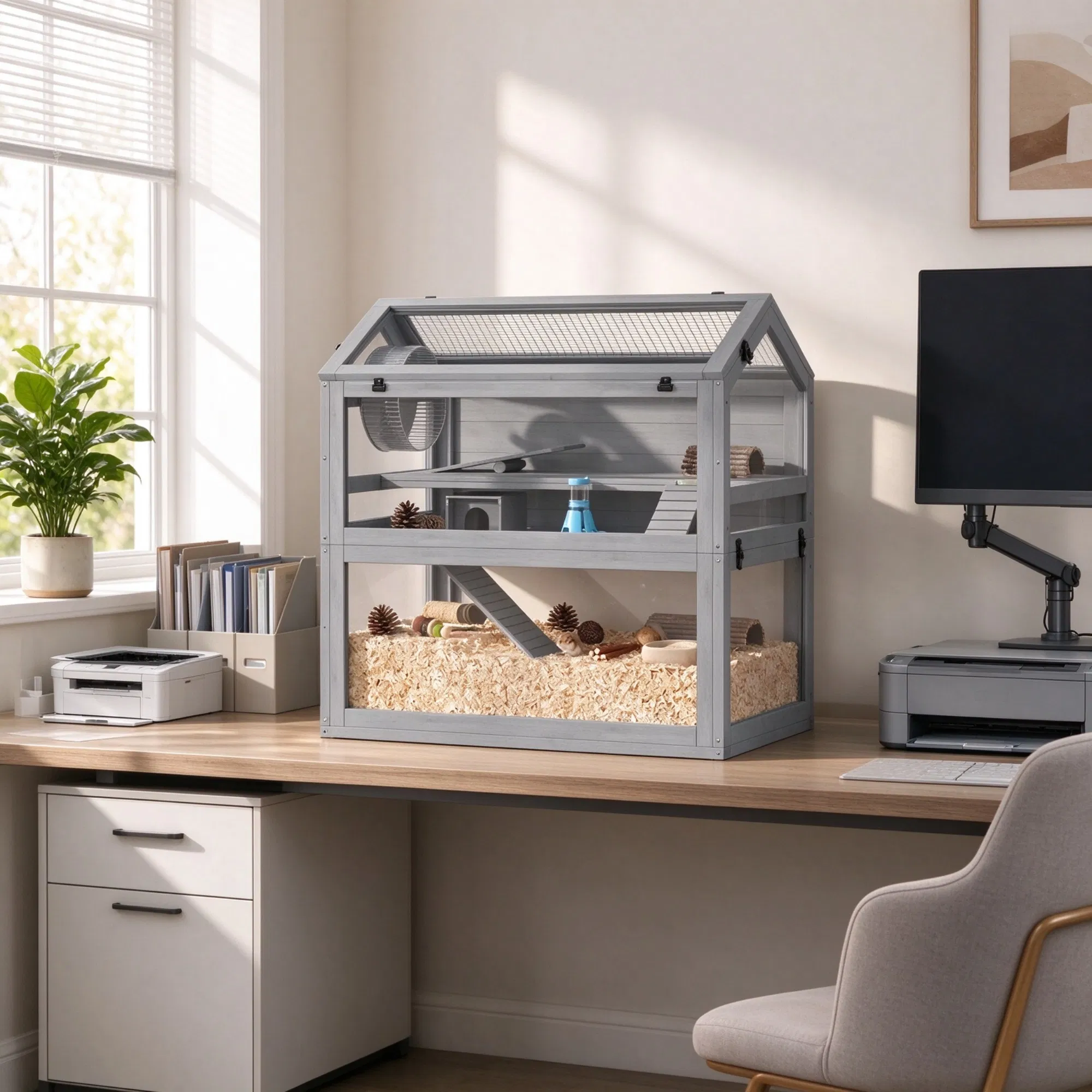 3-Tier Wooden Hamster Cage, Small Animal Habitat with Hut, Seesaw, Ramps, Exercise Wheel, Acrylic Panel & Bottom Tray$276.99View on Mallflare
Highlights
- Syrian hamsters need at least 450–600 sq in of continuous unbroken floor; dwarf hamsters do best at 300+ sq in, measured on one level.
- Bar spacing must stay 0.3–0.4 in (7–10 mm) for dwarfs and 0.4–0.5 in (10–12 mm) for Syrians to prevent escape.
- Solid wood and acrylic panels block drafts and allow 6–8 in bedding depth; bare wire floors and shallow trays cap bedding at 1–2 in.
- Multi-tier cages add climbing volume but not floor area; a single 47x24 in base beats any 5-level 18 in footprint.
Best use cases
- Best fit: a 40+ gallon tank-style or 23–32 in wooden/acrylic habitat with 6+ in bedding for a single Syrian or pair of dwarfs.
- Best fit: an 18–23 in two-level wire cage with a fitted base tray for a dwarf hamster in a small apartment where space is capped.
- Skip: 5-tier tube towers and wheeled playpens for permanent housing—they suit travel, quarantine, or supervised play, not daily life.
- Wrong fit: guinea pigs or rabbits in a hamster-scale cage; they need 7.5+ sq ft and 30+ in length, so buy a dedicated playpen instead.
Buying tips
- Measure continuous floor, not shelf count: a 47x24 in base gives about 1,128 sq in; a 5-tier 18 in cage still gives under 300 sq in.
- Match bar spacing to species: 0.3–0.4 in for Robo and dwarf hamsters, 0.4–0.5 in for Syrians; wider gaps let dwarfs squeeze out.
- Choose pine or fir over particleboard for wooden cages; solid 0.5 in+ panels resist urine soaking and chewing far better than MDF.
- Confirm the base tray depth holds 6+ in of bedding; shallow 1–2 in trays force wire-floor living and cause stress behaviors.
Specs
| Enclosure Type | Wire multi-level / Wood-acrylic / Tank |
|---|---|
| Min Floor Area | Dwarf 300 sq in / Syrian 450+ sq in |
| Bar Spacing | 0.3–0.5 in (7–12 mm) |
| Bedding Depth | 6–8 in solid-wall; 1–2 in wire tray |
Related searches
What to check before buying
- Measure your table or stand depth against the cage footprint—23.8x15.9 in and 31.9x16.1 in are common wooden sizes, so plan 2–4 in clearance.
- Check bar or panel gaps against your hamster's head width; dwarfs need sub-0.4 in spacing on every seam and door.
- Verify the tray is removable and waterproof-lined if the cage sits on wood furniture; urine wicks through unsealed bases.
- Confirm included companions—wheel diameter 6.5–8 in for dwarfs and 8–11 in for Syrians—or budget for an upgrade immediately.
FAQ
Data sources: eBay / Amazon listings and product attribute feeds. Updated Nov 27, 2026.
Some links on this page are affiliate links. If you buy after clicking one, we may earn a commission at no extra cost to you. This does not change which products appear here or their order. Affiliate disclosure.