
Photos from current listings. Actual item, color, and included accessories may vary.
Bird Cage Buying Guide
A bird cage is a long-term structural purchase where bar gauge, wire spacing, and non-toxic finish determine safety and durability, while size and wheel/base design determine daily usability. The primary trade-off is between adequate flight volume and cage weight/cleanability—large flight cages suit multiple birds but require reinforced casters and room clearance. The decision rule: buy the largest cage with species-appropriate bar spacing and welded (not stapled) frame joints; skip thin-gauge decorative cages for any bird that climbs or chews.
Median $129.99
Key takeaways
- Wire spacing is the safety spec: 1/4 inch for finches/canaries, 3/8–1/2 inch for budgies/lovebirds, 5/8–3/4 inch for cockatiels, 3/4–1 inch for conures/macaws—larger gaps risk head entrapment in small species.
- Bar gauge separates tiers: 2–3 mm powder-coated steel resists bending from medium parrots, while 1.5 mm or lighter wire deforms under cockatoo/macaw beaks and is best reserved for finch and canary flight cages.
- Construction method matters: fully welded frame joints and spot-welded mesh panels outlast stapled or clip-fastened cages that loosen and create escape gaps after repeated cleaning.
At a glance
- Category
- Bird & Small Animal Supplies
- Last updated
- Nov 27, 2026
Current offers
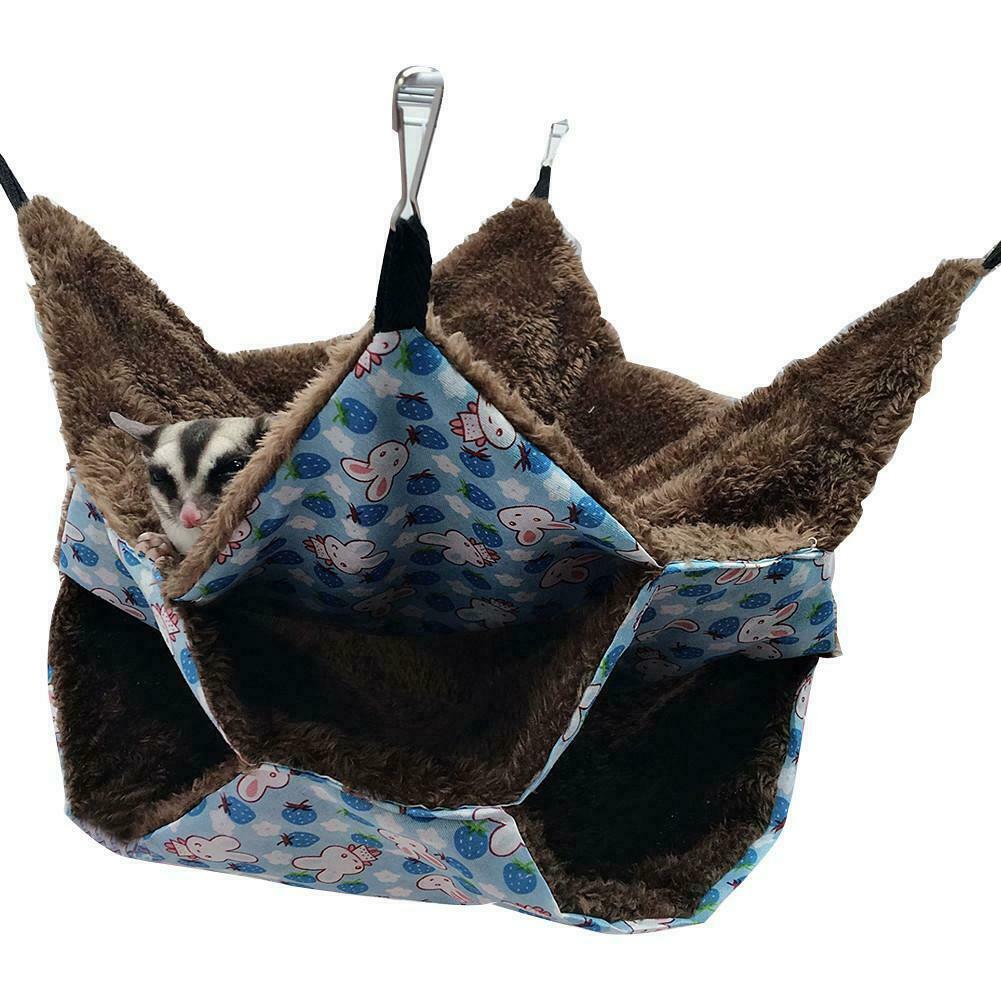 Pets Bird Hamster Ferret Rat Cat Squirrel Hammock Hanging Cage Nest Bed House$9.49View on eBay
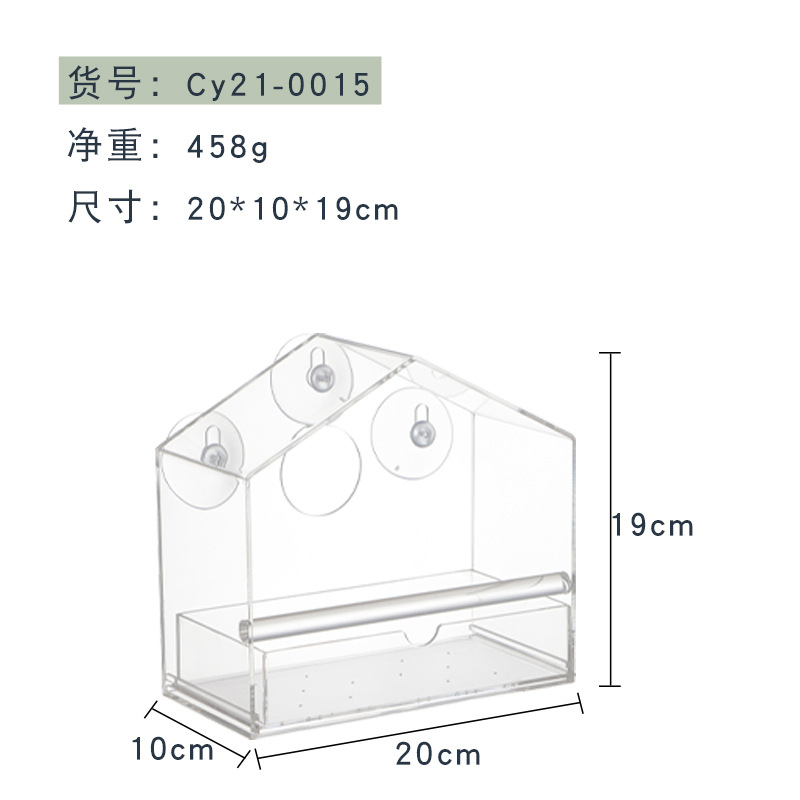 Auth. & Cert. New Acrylic Small Birdcage (Cabin Shaped Medium Size), Transparent Organic Glass Pet Feeder, Outdoor Adsorption Bird$23.99View on Mallflare
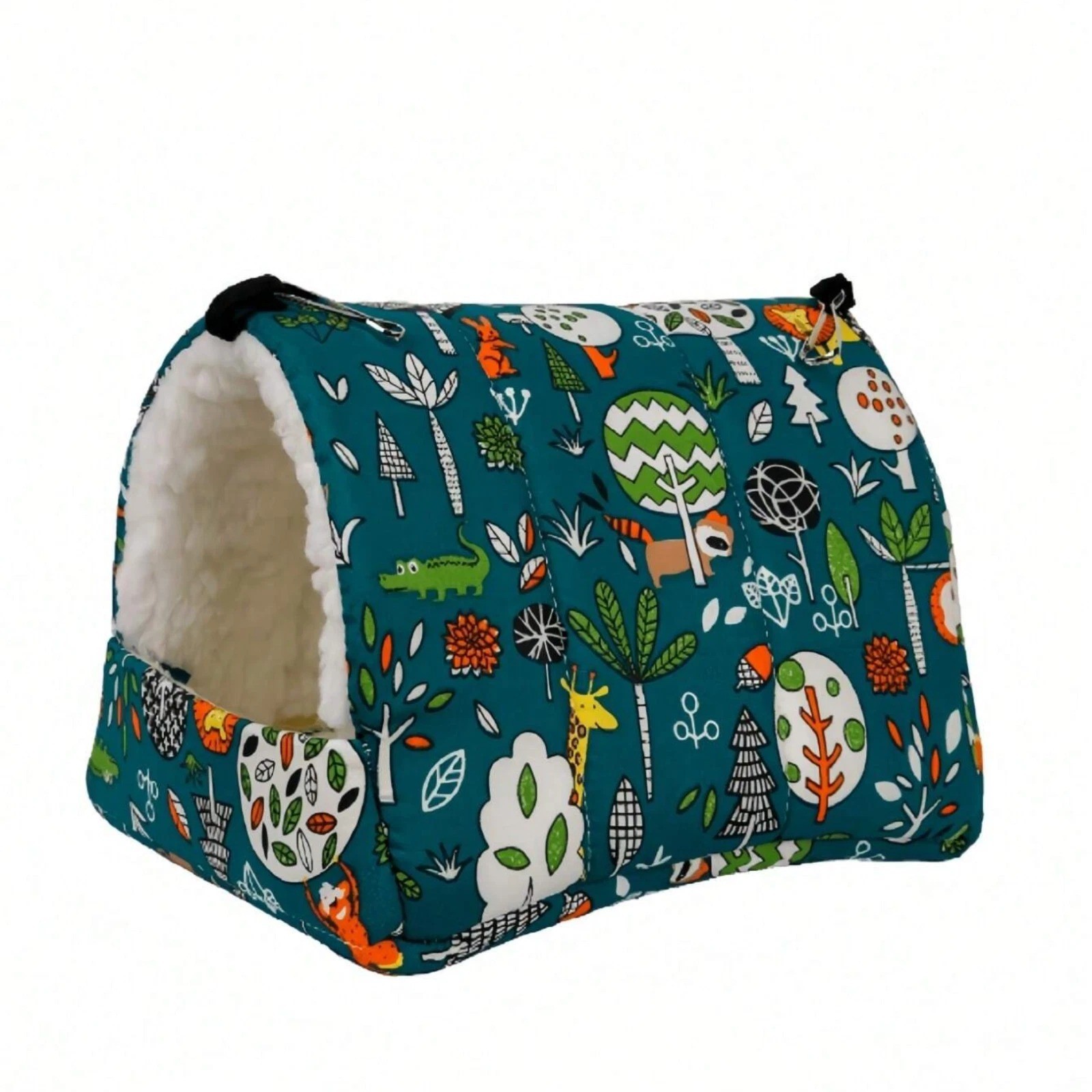 Bird Hammock Plush Nest Warm Hanging Cage Bed Cozy Bird House for Parrot$9.90View on eBay
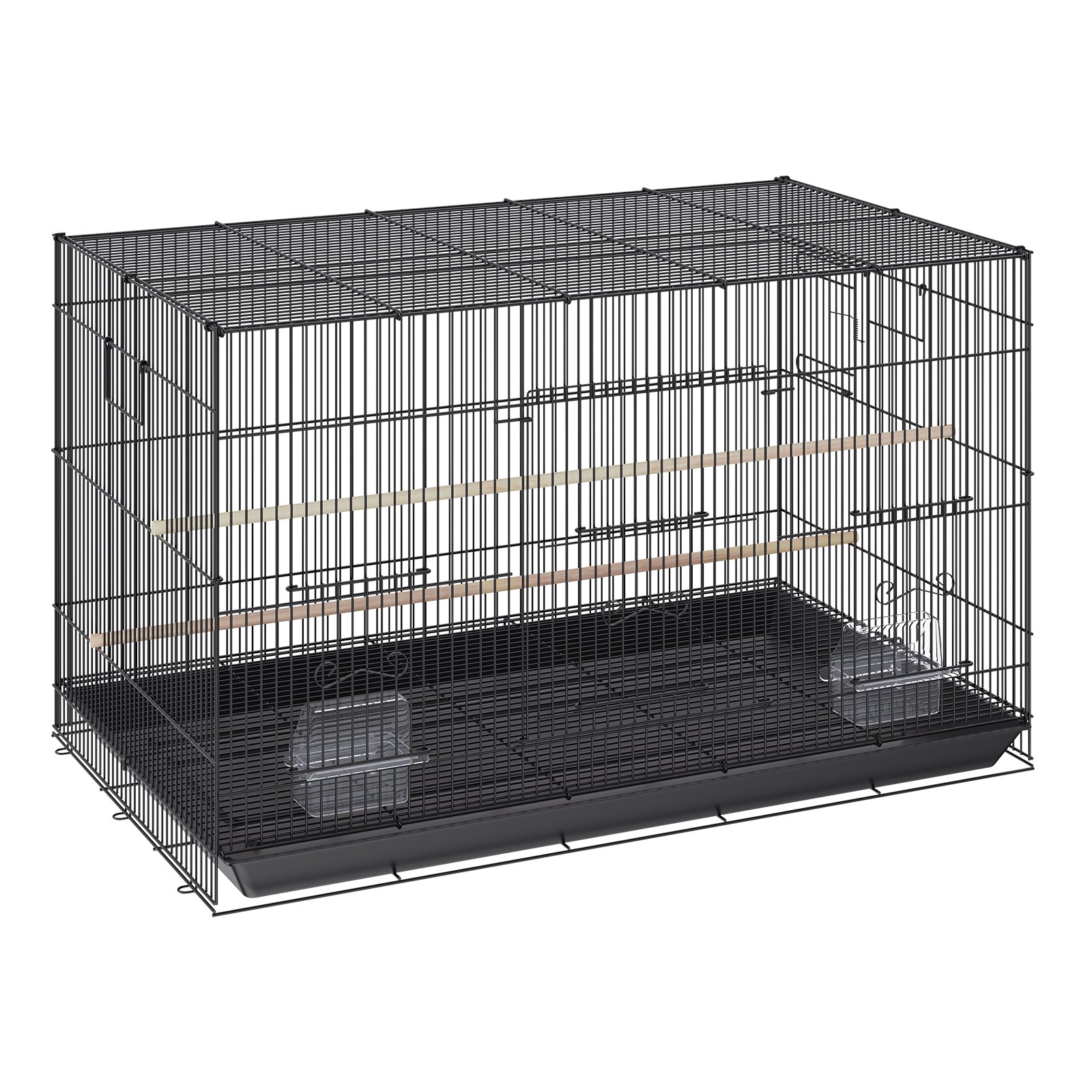 30 Inch Bird Cage, Metal Large Parakeet Cages For Cockatiels Small Parrot Budgies Lovebirds Canaries, Pet With Rolling Stand And Tray$51.99View on Mallflare
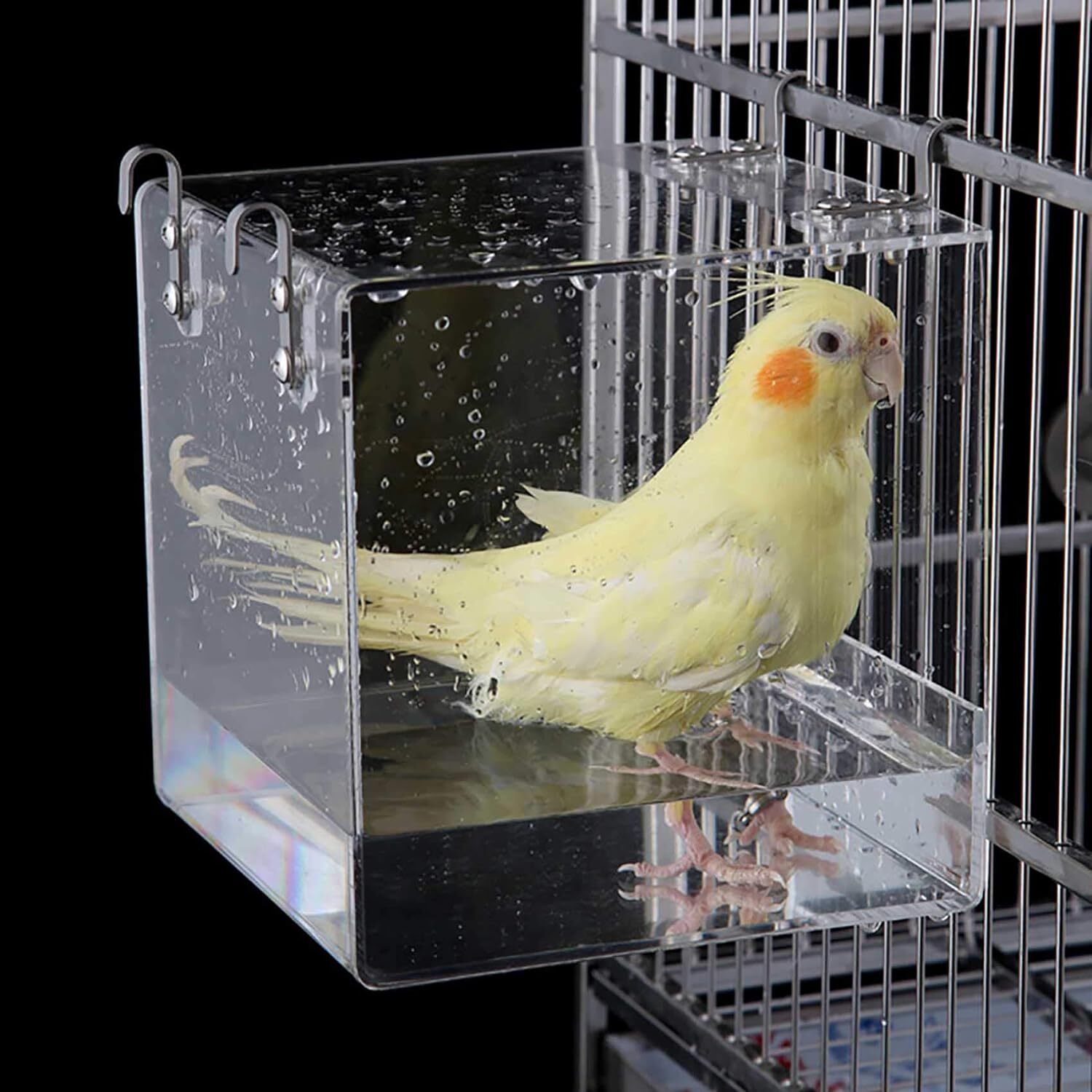 Bird Bath Cage, Cleaning Pet Supplies Cockatiel Bird Bathtub With Hanging$20.69View on eBay
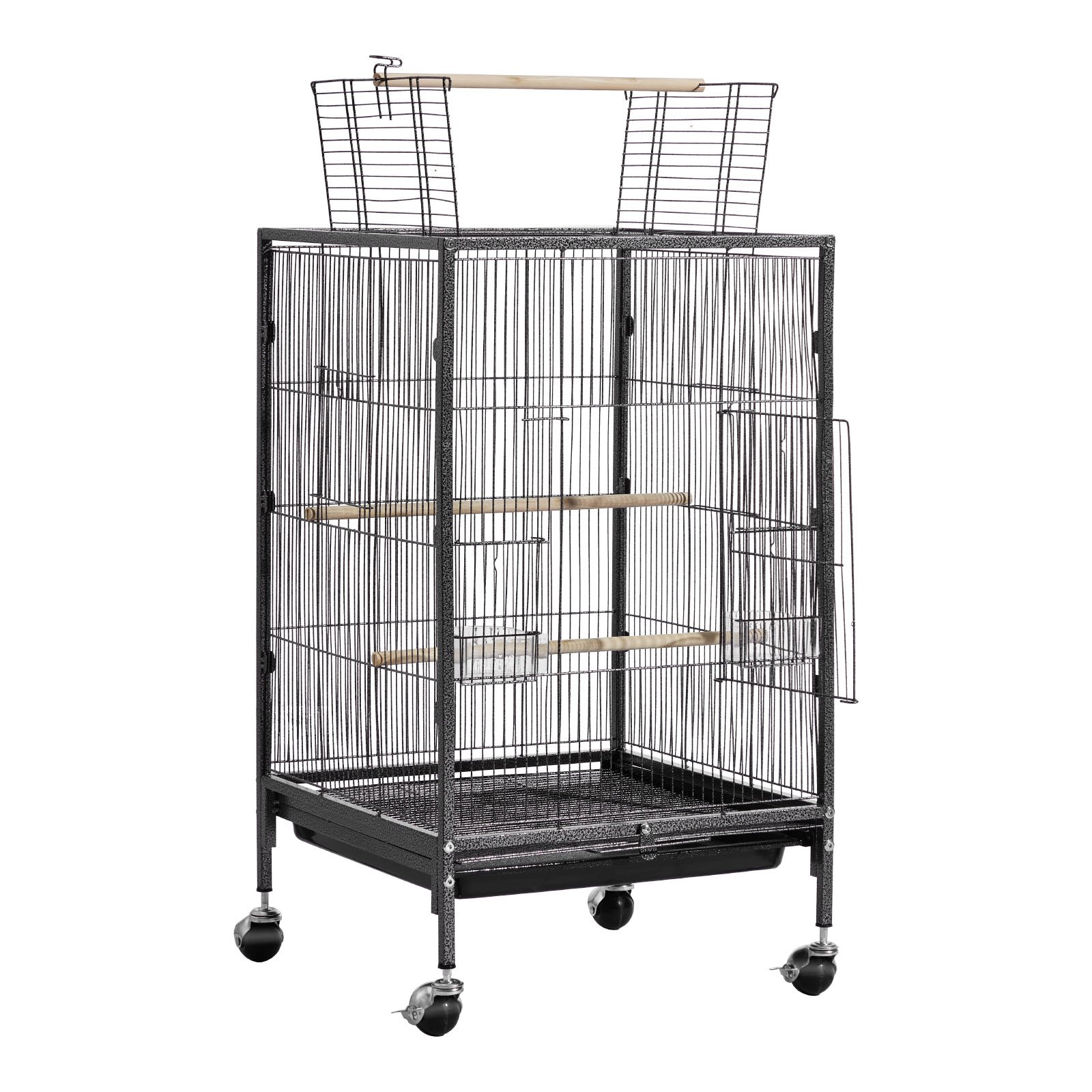 Bird Cage, 18 X 18 X 30 Inch, Open Flat Top, Wrought Iron Flight With Perches, Slide-Out Tray And Plastic Feeders, Casters, For Parrot, Blue Tit, Cockatiel, Canary, Budgerigar, Conure$69.99View on Mallflare
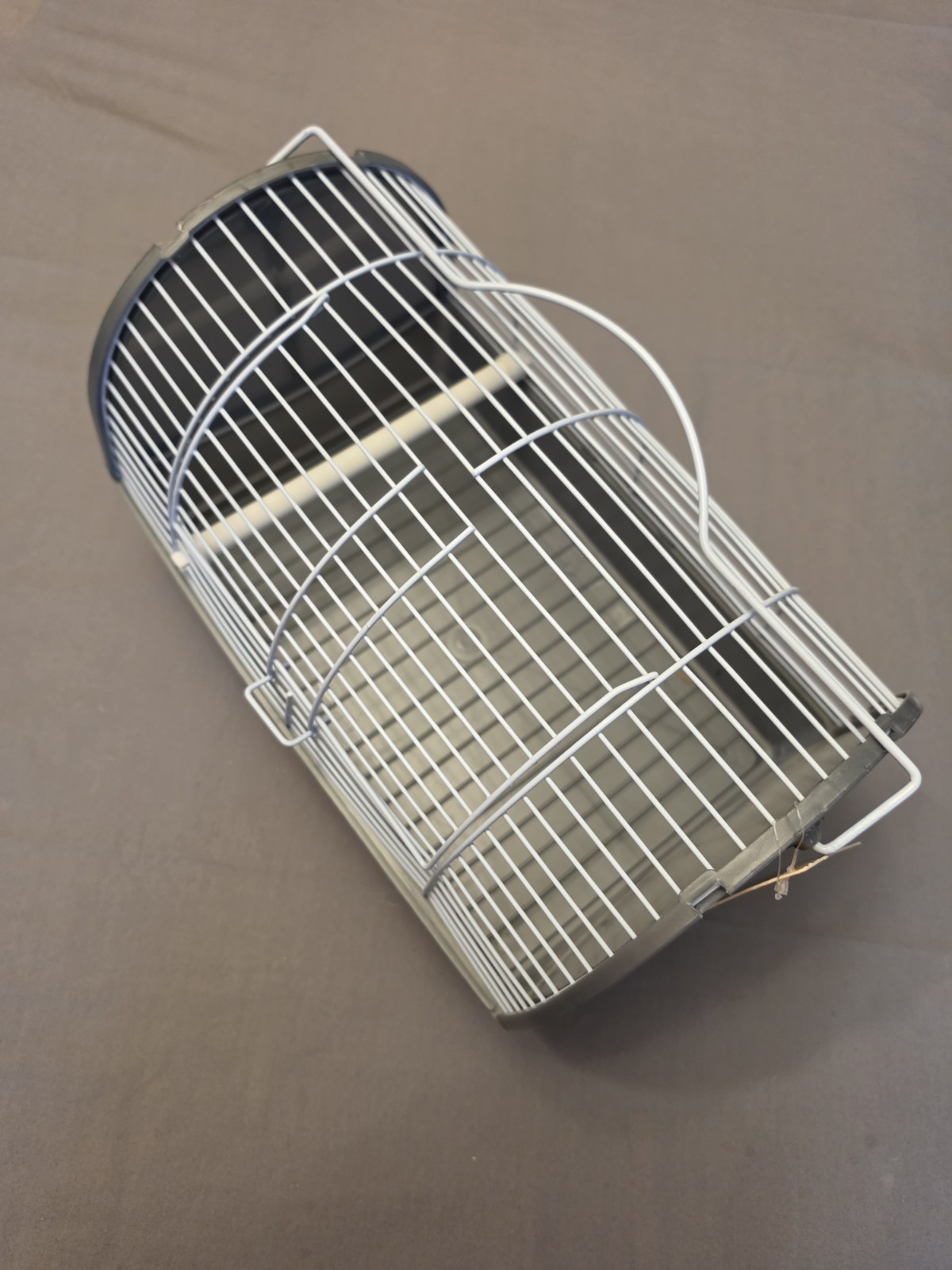 Petco Small Animal Bird Carrier Large Wire Cage Plastic Base Perch$24.99View on eBay
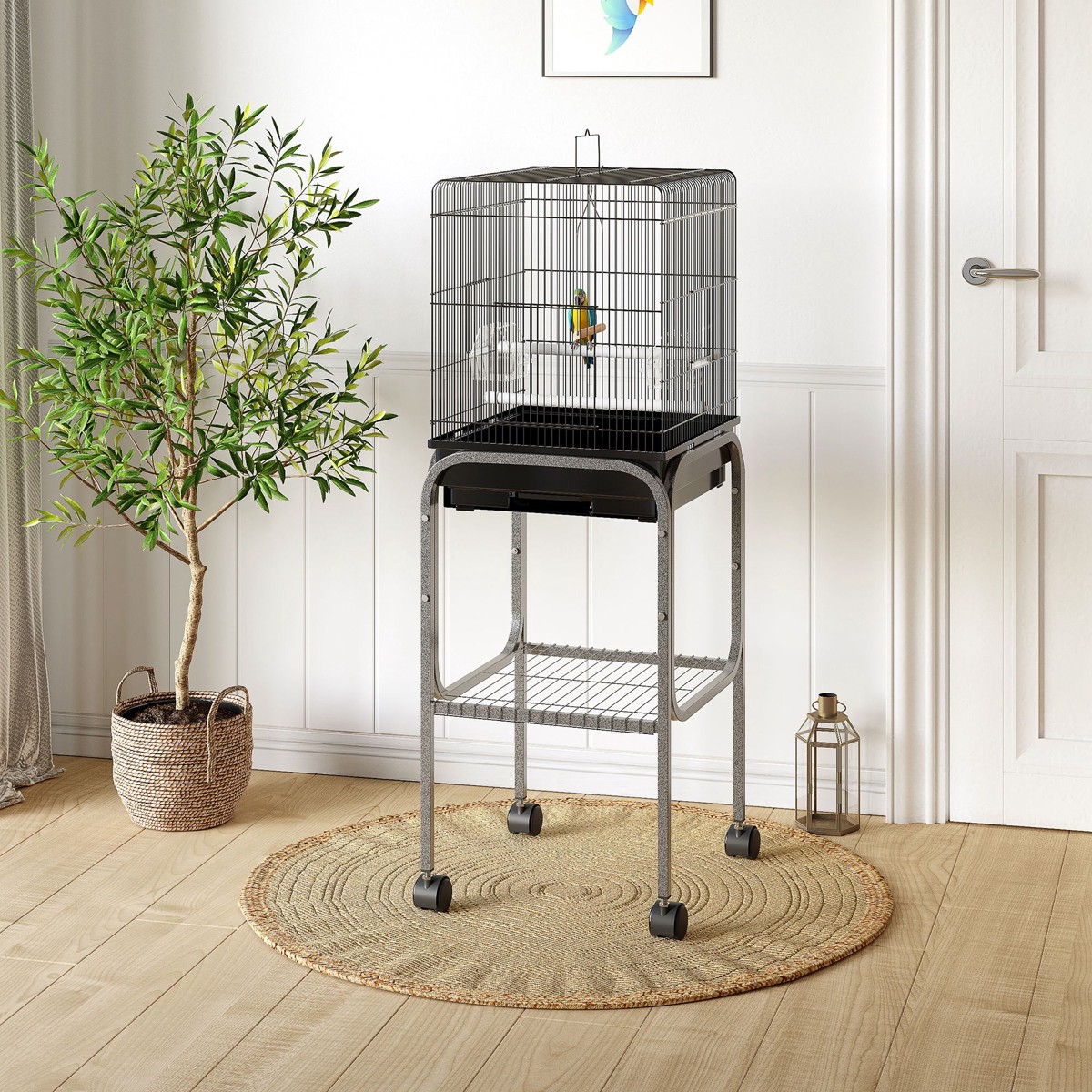 45-inch Metal Indoor Bird Cage, Parrot Aviary with Detachable Rolling Stand, Storage Basket, and Accessories - Black$78.99View on Mallflare
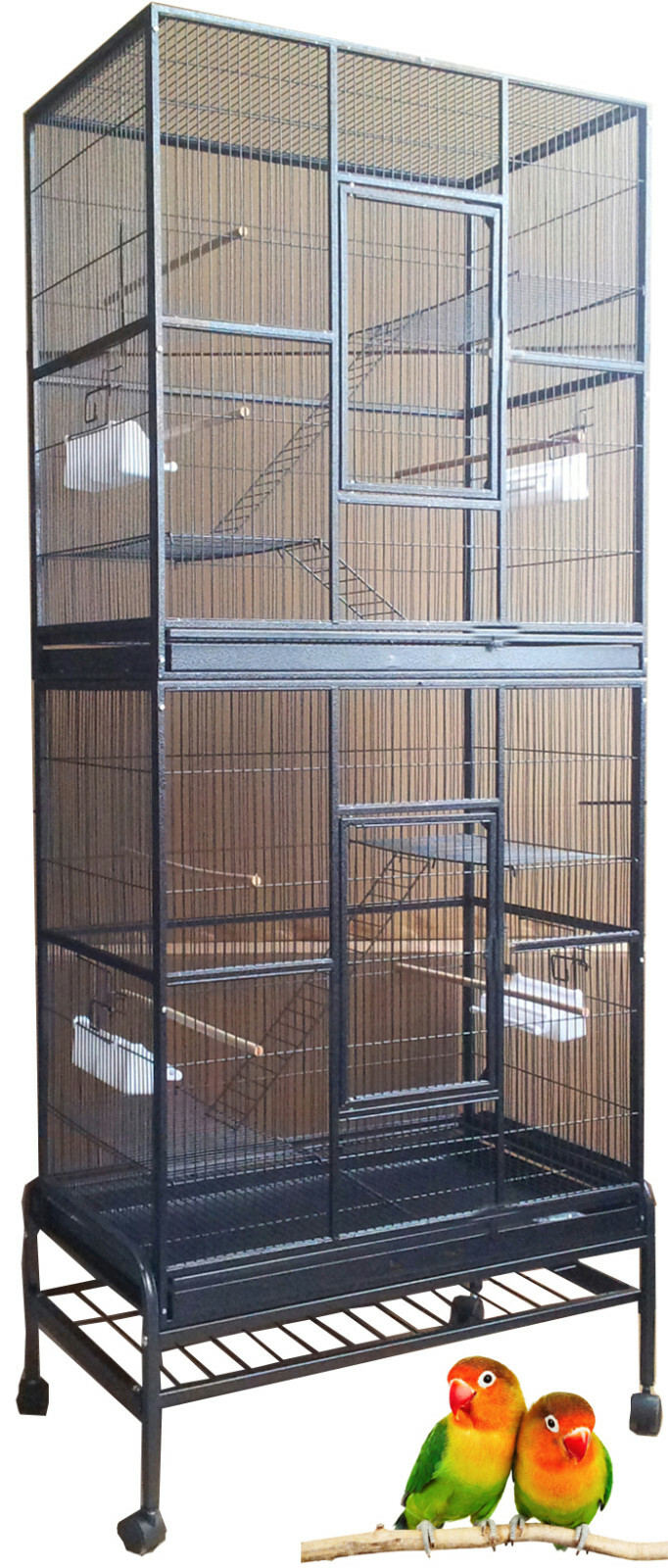 X-LARGE Stackabel Double Breeding Flight Bird Cage Cockatiel Aviary Budgie Finch$229.98Last checked Nov 18, 2026View on eBay
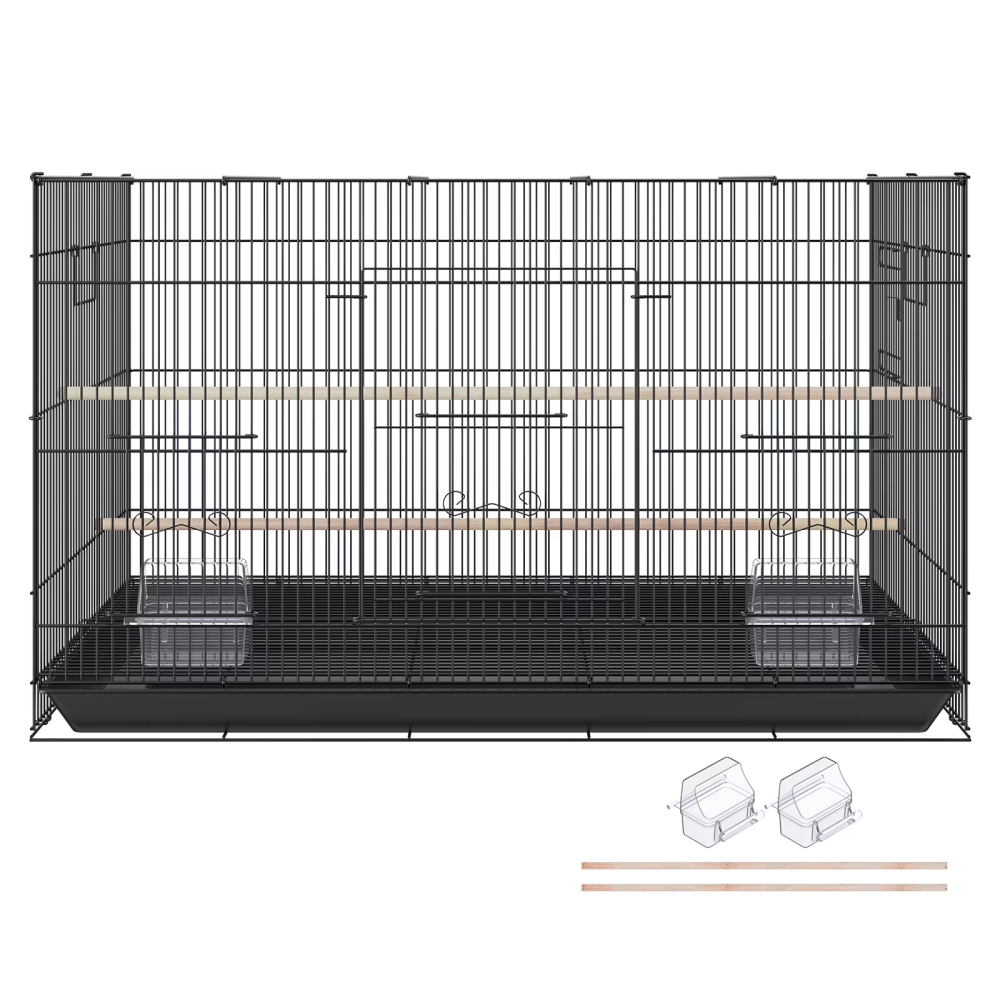 30" Bird Enclosure, Durable Metal Cage for Small Parrots, Budgies, Lovebirds, and Canaries, Includes Mobile Stand and Tray$105.99View on Mallflare
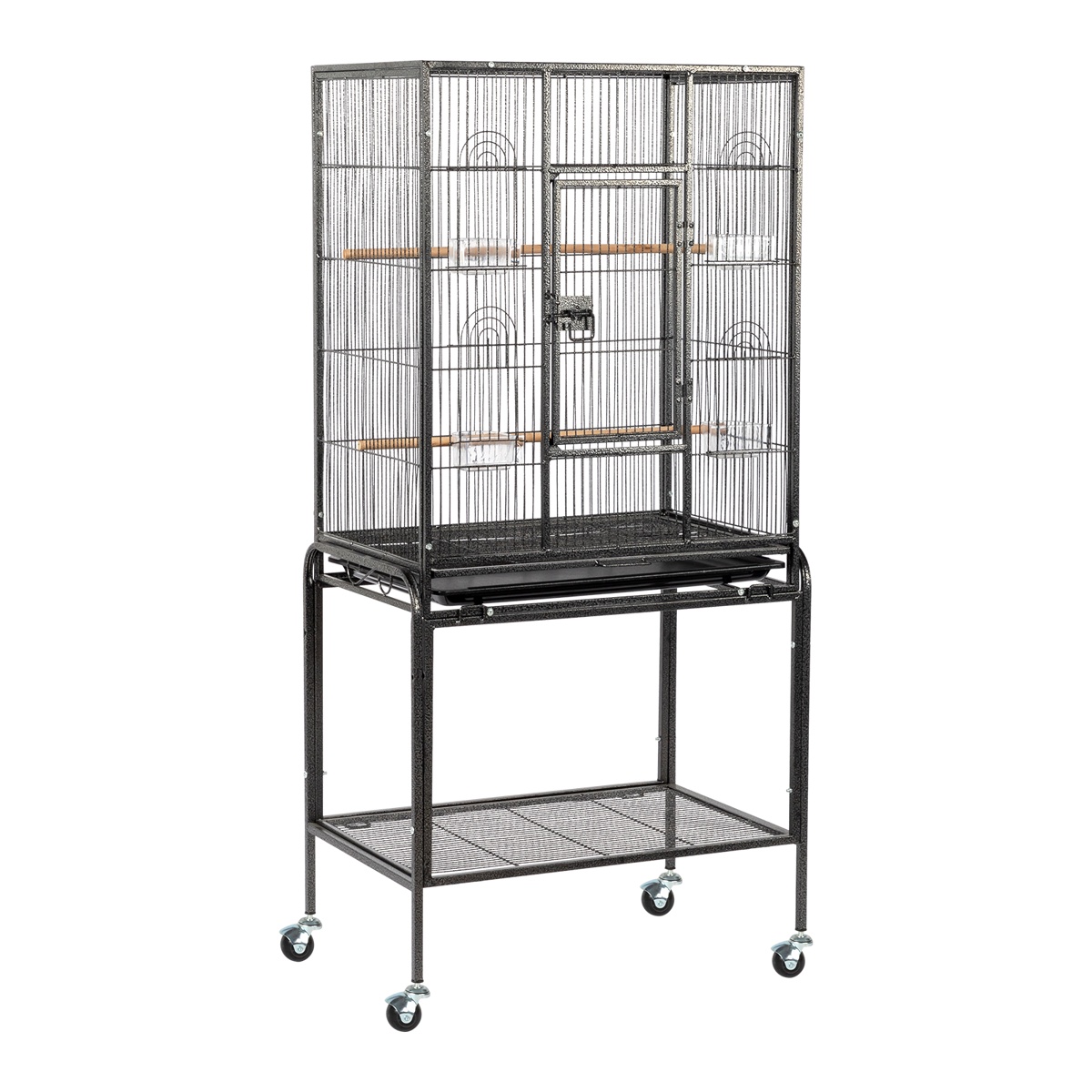 53" Large Flight Bird Cage with Rolling Stand & Storage Shelf for Parrots Lovebird Cockatiel Parakeets, Black$110.99View on Mallflare
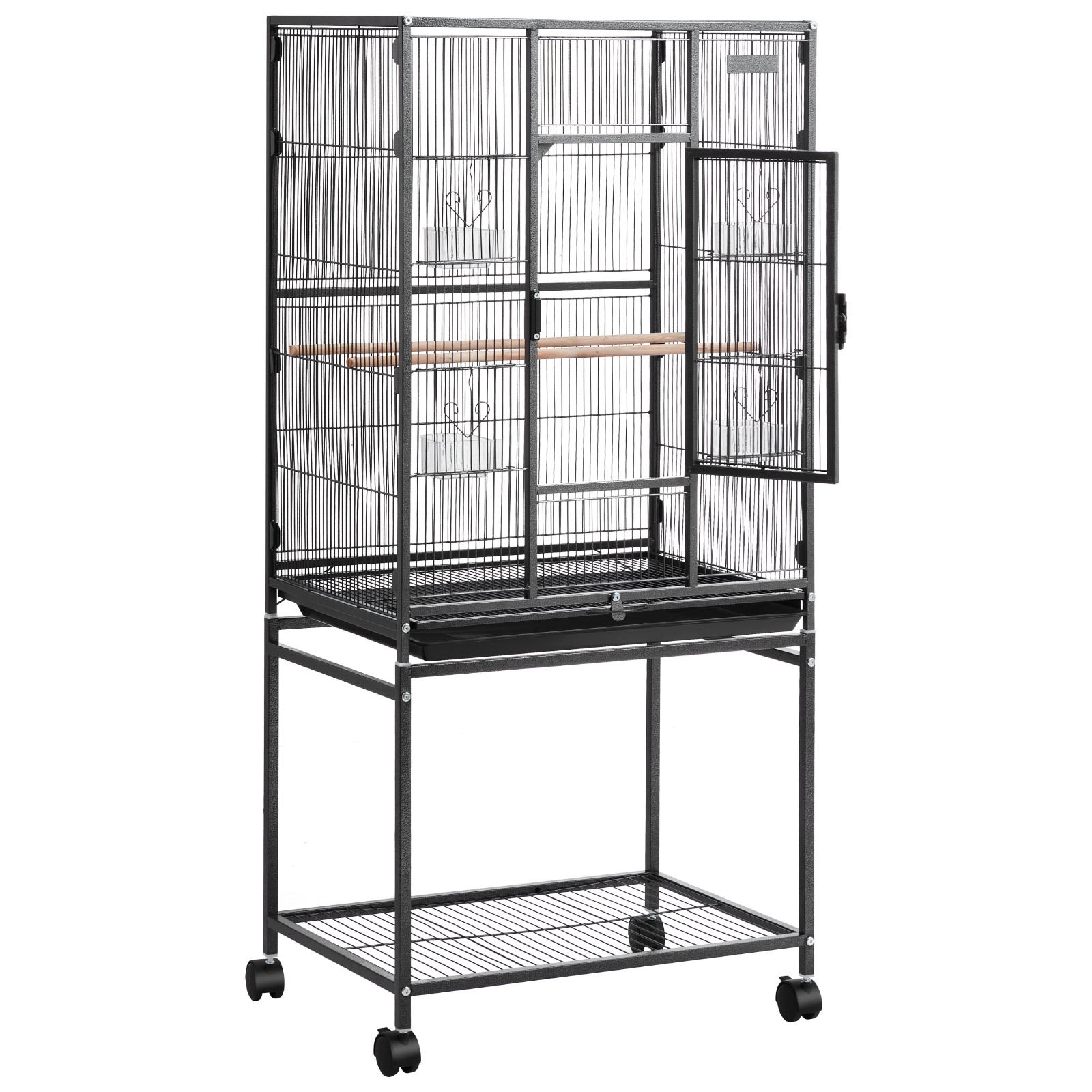 Bird Cage, 24.6 X 16.7 X 53.9 Inch, Flat Top, Wrought Iron Flight With Perches, Slide-Out Tray And Plastic Feeders, Casters, For Parrot, Blue Tit, Cockatiel, Canary, Budgerigar, Conure$114.99View on Mallflare
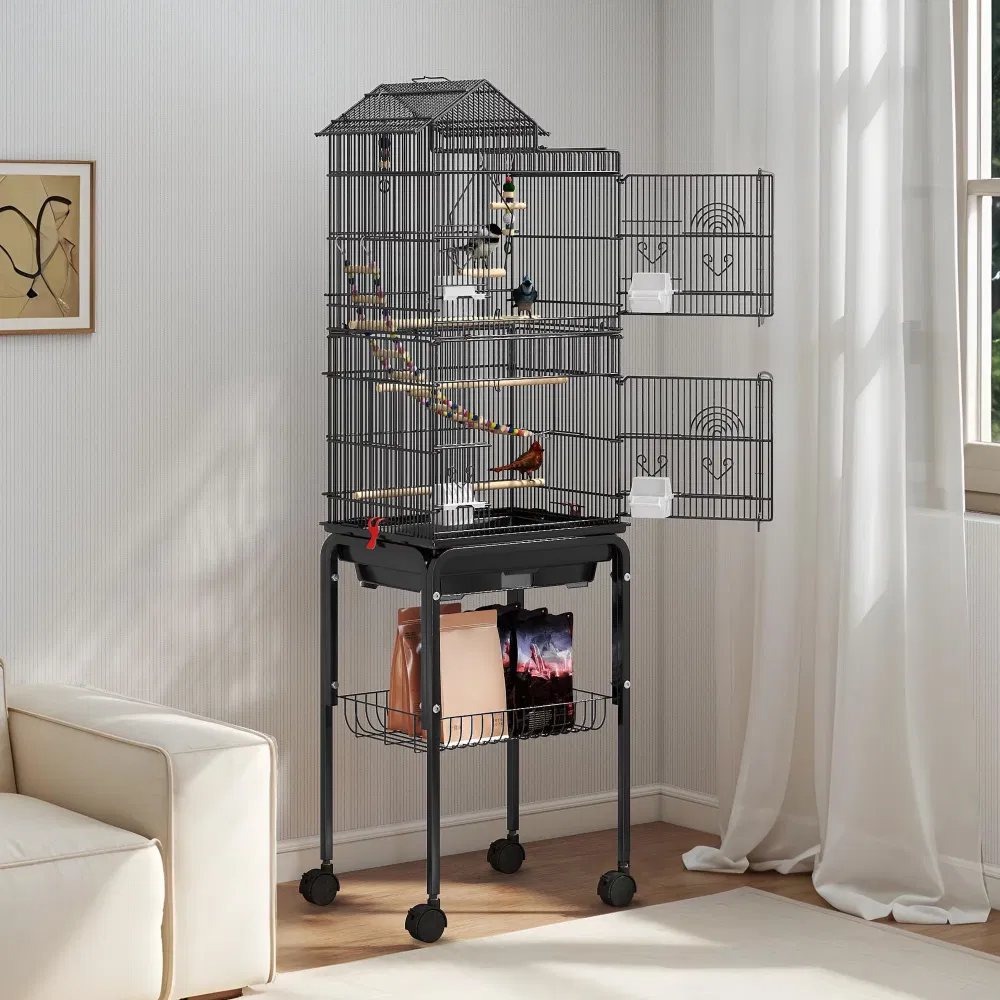 62" Large Metal Bird cage with Rolling Stand, Slide-Out Tray,3 Perches and 4 Feeders, Black$123.99View on Mallflare
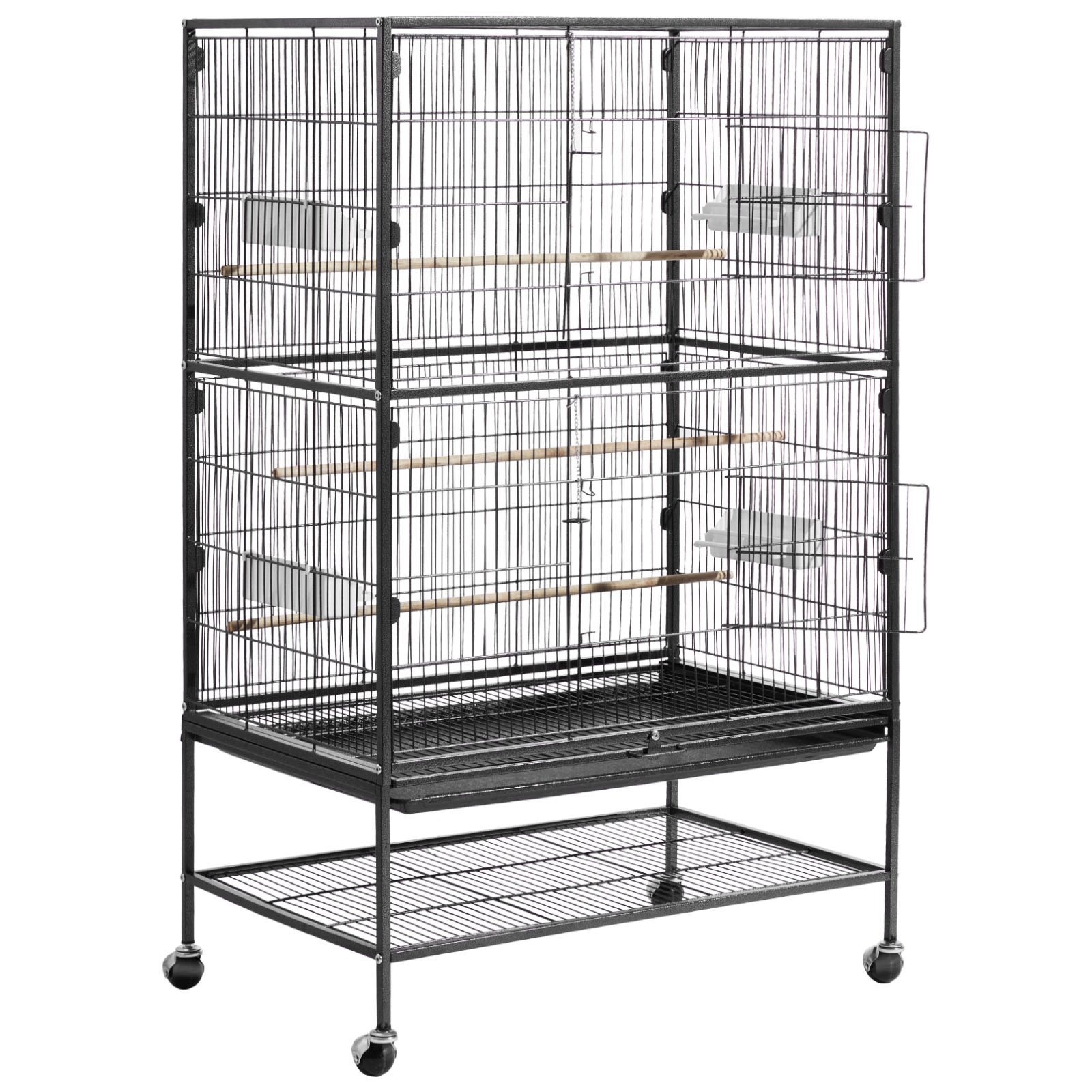 Bird Cage, 31.5 X 20.5 X 52 Inch, Flat Top, Wrought Iron Flight With Perches, Slide-Out Tray And Plastic Feeders, Casters, For Parrot, Blue Tit, Cockatiel, Canary, And Monk Parakeet$123.99View on Mallflare
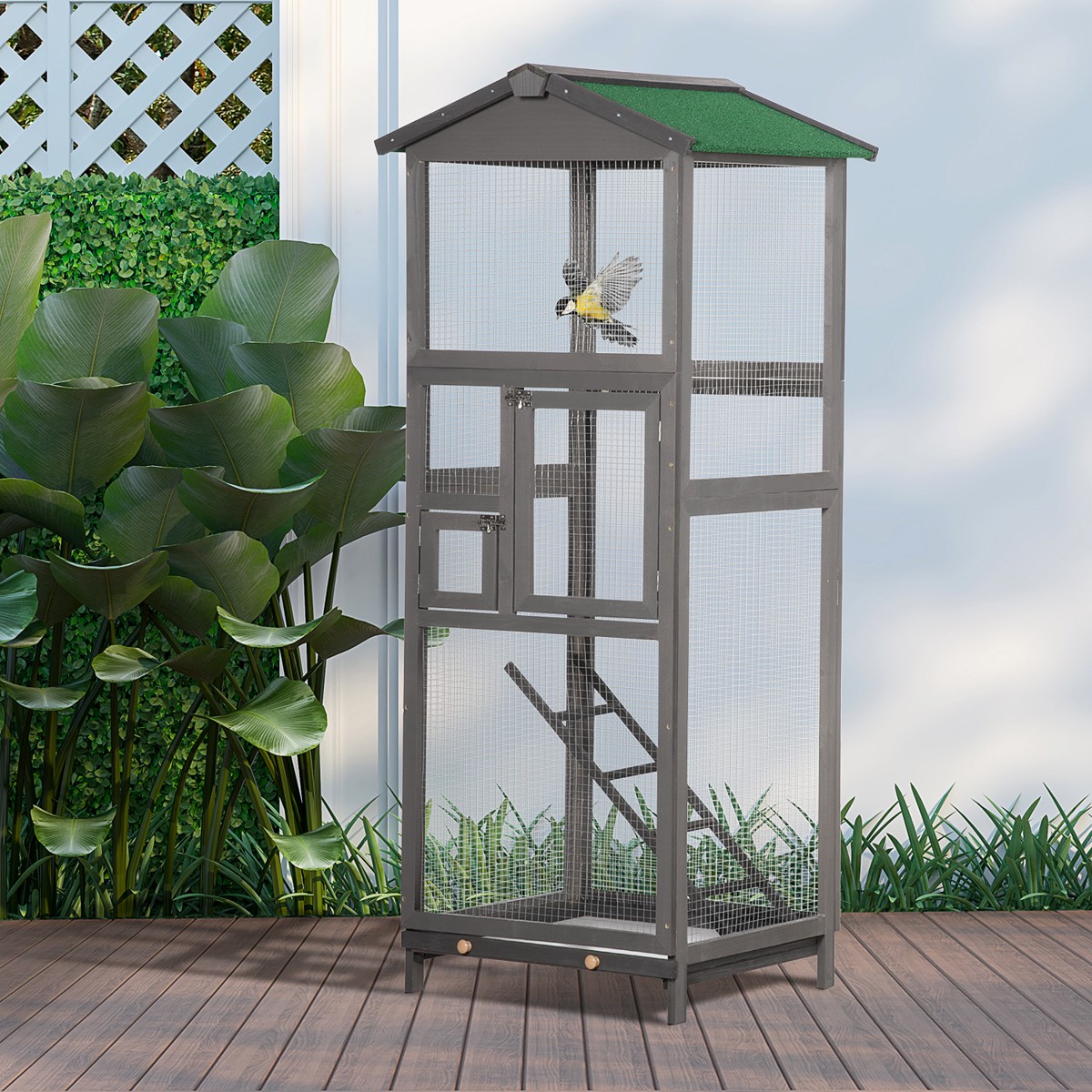 65" Wooden Bird Cage Outdoor Aviary House for Parrot, Parakeet, with Pull Out Tray and 2 Doors, Grey$135.99View on Mallflare
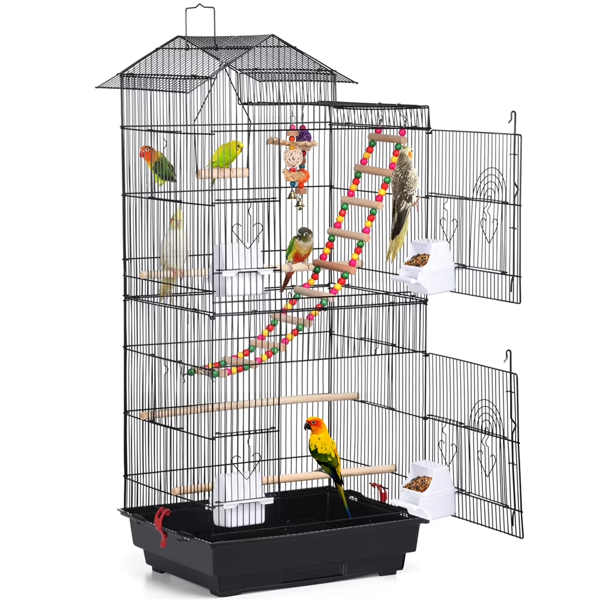 39inch H Metal Bird Cage Large Roof Top Huge House For Small Birds, Black$147.99View on Mallflare
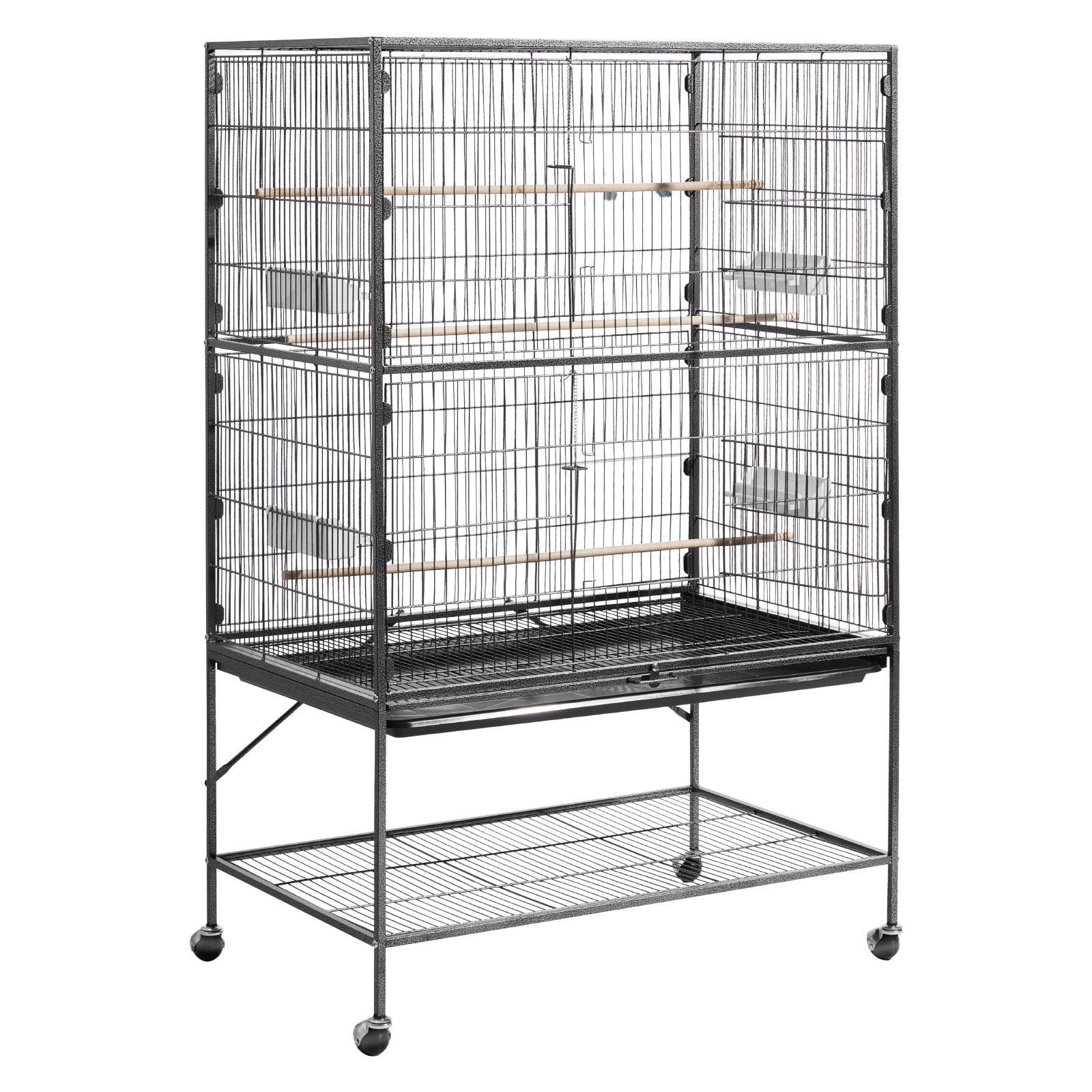 Bird Cage, 36.6 X 22.8 X 59.5 Inch, Flat Top, Wrought Iron Flight With Perches, Slide-Out Tray And Plastic Feeders, For Blue Tit, Cockatiel, Canary, Monk Parakeet, African Grey Parrot$148.99View on Mallflare
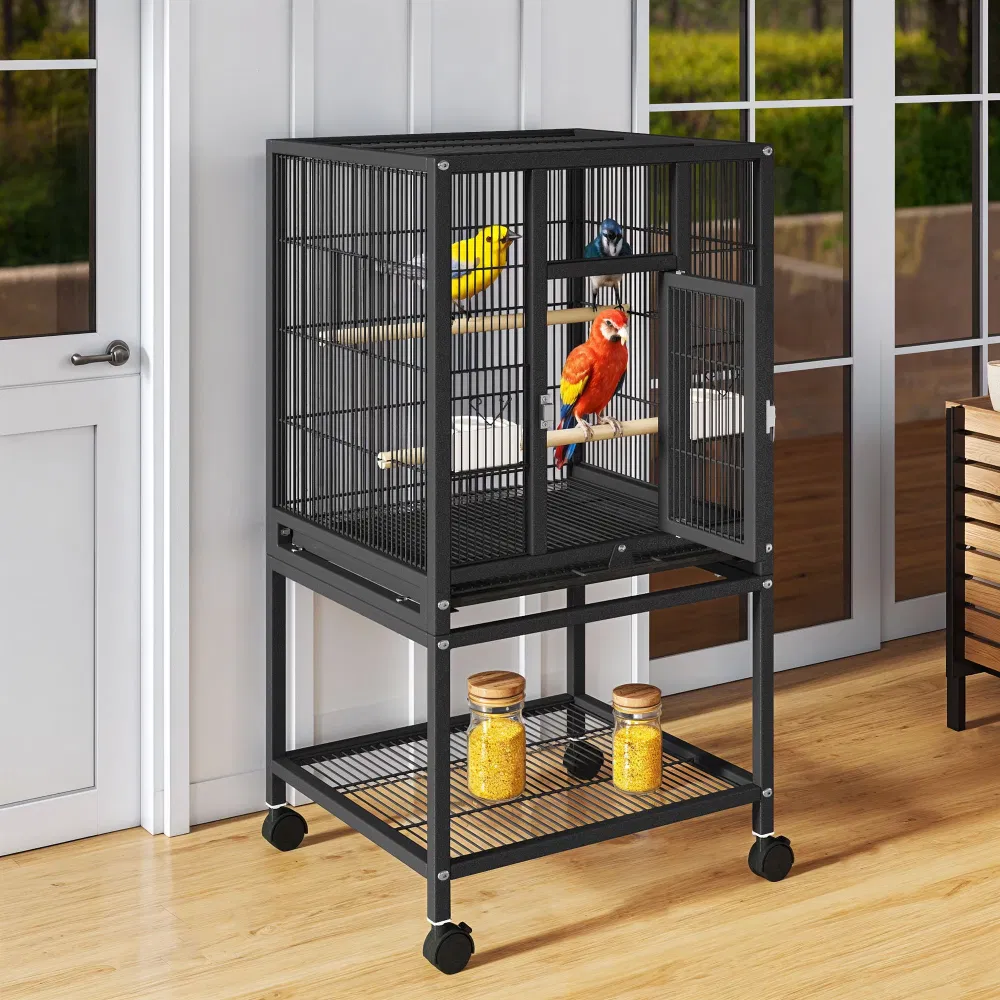 41" Metal Bird cage with Rolling Stand, Tray, 2 Perches and 2 Feeders, Black$150.99View on Mallflare
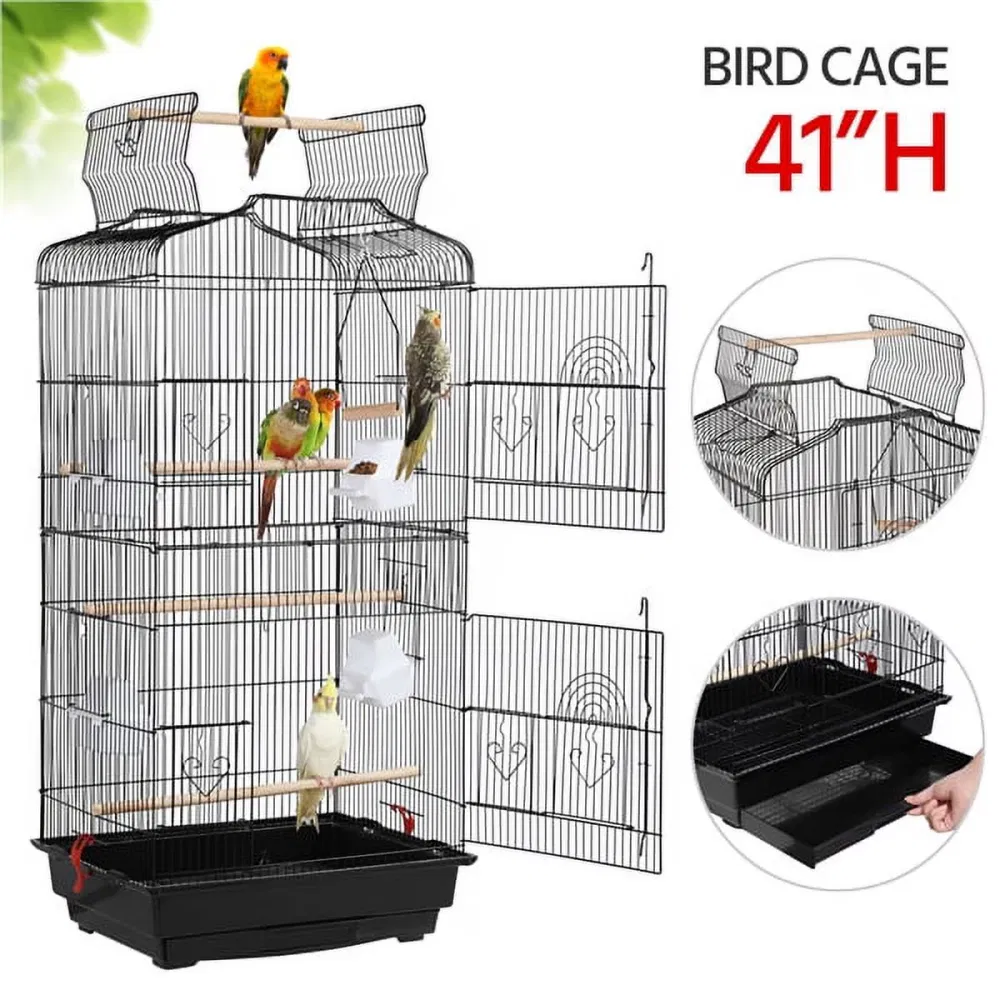 41" Four Feeders Double-Door Metal Birdcage with Slide-Out Tray, Black$152.99View on Mallflare
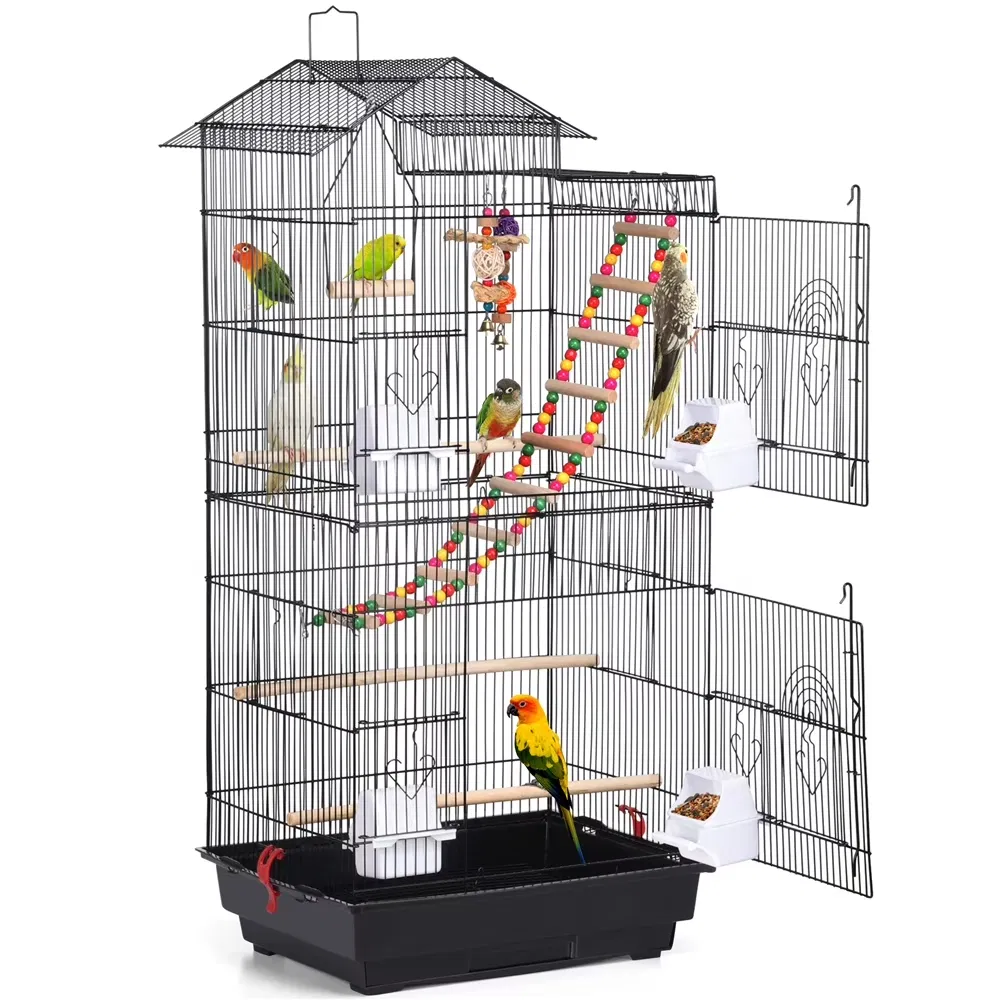 39"H Metal Bird Cage Large Roof Top Huge House for Small Birds, Black$154.99View on Mallflare
Highlights
- Wire spacing is the safety spec: 1/4 inch for finches/canaries, 3/8–1/2 inch for budgies/lovebirds, 5/8–3/4 inch for cockatiels, 3/4–1 inch for conures/macaws—larger gaps risk head entrapment in small species.
- Bar gauge separates tiers: 2–3 mm powder-coated steel resists bending from medium parrots, while 1.5 mm or lighter wire deforms under cockatoo/macaw beaks and is best reserved for finch and canary flight cages.
- Construction method matters: fully welded frame joints and spot-welded mesh panels outlast stapled or clip-fastened cages that loosen and create escape gaps after repeated cleaning.
- Wheel and base tiers differ: casters rated for the loaded cage weight (typically 30–60 lb for large flight cages) with locking brakes prevent tipping; small cages use plastic clips or fixed feet and should not be rolled over thresholds.
Best use cases
- Best fit: a 36-inch or larger flight cage with 3/8–1/2 inch bar spacing and locking casters for 2–4 budgies or finches—this gives horizontal flight room and easy repositioning.
- Best fit: a 22–24 inch starter cage with slide-out tray and 2 feeders for a single lovebird or pair of canaries; skip stackable breeder units unless you actually breed, as divided cages reduce usable flight space.
- Wrong fit: open-top play-top cages for cockatoos or macaws—these birds need a full welded dome or flat-top with locking feeder doors, not hinged play lids that can be forced open.
- Wrong fit: fabric or hammock-style hanging nests as primary housing—they are accessories for sleeping, not cages; small animals and birds still need a metal-bar enclosure for ventilation and containment.
Buying tips
- Size by flight length, not height: choose a cage at least 24–30 inches wide for one budgie and 36 inches or more for pairs, because horizontal flight matters more than vertical space for small birds.
- Match bar spacing to species before anything else: 1/4 inch for finches, 1/2 inch for budgies and lovebirds, 5/8–3/4 inch for cockatiels—spacing outside this range is the most common safety failure.
- Select powder-coated or non-toxic painted metal over bare galvanized zinc for parrots that chew; zinc residue is an ingestion risk and powder coat also resists rust at weld points.
- For large cages on wheels, confirm the caster type and mounting plate: dual-wheel locking casters on a reinforced steel base roll over rugs and thresholds, while single plastic casters crack under loaded weight.
Specs
| Bar Spacing | 1/4 in finch to 1 in macaw |
|---|---|
| Frame Construction | Welded steel vs stapled mesh |
| Cage Width | 22–24 in starter / 36 in+ flight |
| Base Type | Locking casters vs fixed feet |
Related searches
What to check before buying
- Measure doorways and room clearance: a 36-inch-wide cage on casters needs at least 40 inches of turning space, and doorway width must exceed the cage width or the base must be removable.
- Check floor surface: locking casters grip hard floors and low-pile carpet; on thick carpet or uneven tile, choose a cage with larger-diameter wheels or fixed feet plus a stand.
- Confirm the finish and materials are non-toxic: powder-coated steel or stainless steel for chewers, and avoid chipped paint or exposed zinc welds on any parrot cage.
- Plan accessory compatibility: feeder door openings and bowl sizes vary—Lixit-style quick-lock bowls need specific door cutouts, and perches must fit the bar gauge without wobbling.
FAQ
Data sources: eBay / Amazon listings and product attribute feeds. Updated Nov 27, 2026.
Some links on this page are affiliate links. If you buy after clicking one, we may earn a commission at no extra cost to you. This does not change which products appear here or their order. Affiliate disclosure.