Pet Gear Picks

Pet Gear Picks

Pet Gear Reviews & Buying Guides

Compare pet gear by use case, features, trade-offs, price, returns, and seller terms before you buy.

Buying guides

Buying guide image
Aquarium Filters & Pumps

External Filter

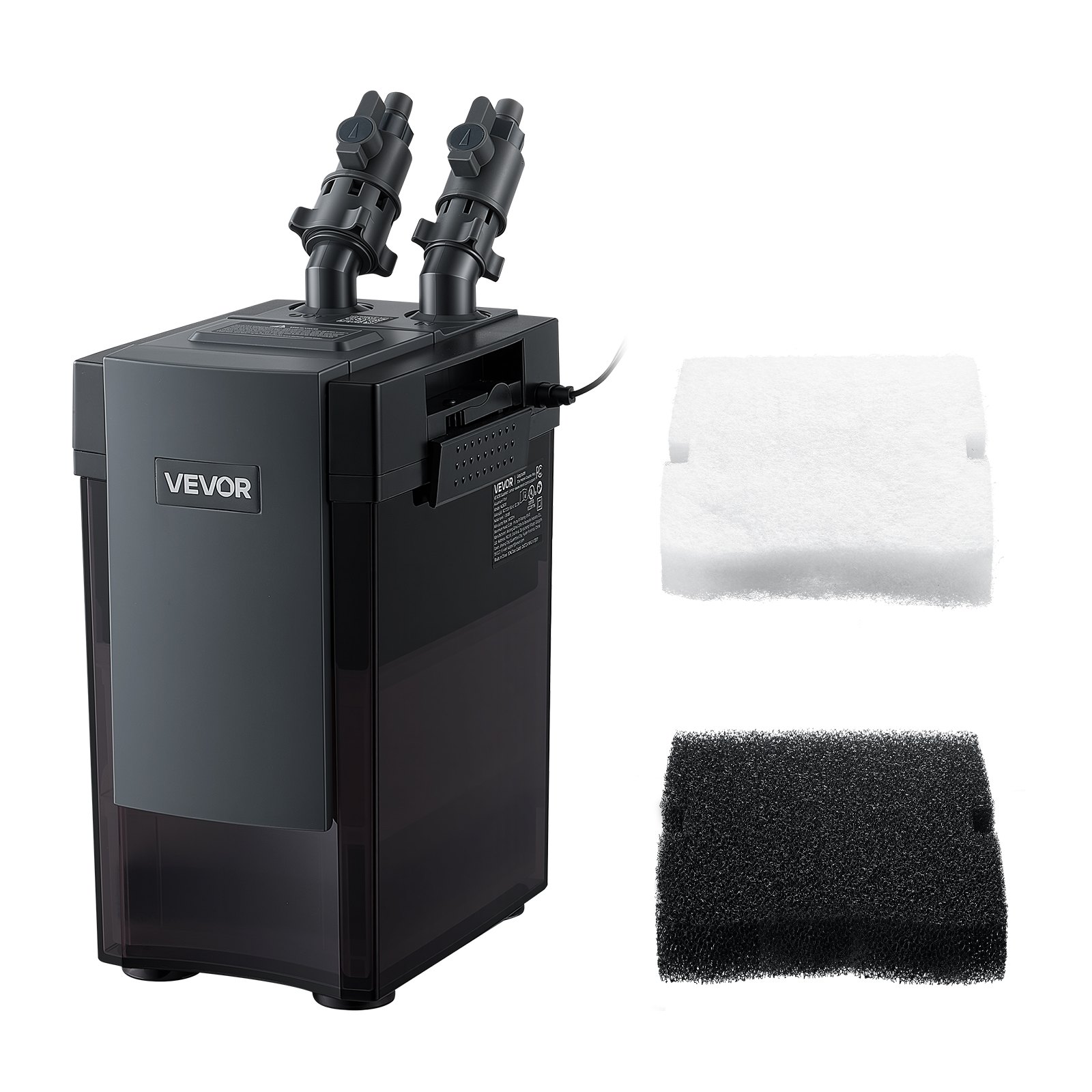
External canister filters move multi-stage mechanical, biological, and chemical media outside the tank, so you gain media volume and hide equipment. The core trade-off is flow-versus-filtration: sealed canisters with large media baskets and quiet copper motors cost more than thin hang-on or internal units but deliver stable biofiltration and fewer water changes. Buy a canister only if your tank volume matches its rated flow and you have cabinet space and hose clearance; otherwise a smaller internal or HOB unit is the sensible compromise.
Buying guide image
Aquarium Tanks & Stands

Fish Tank Stand

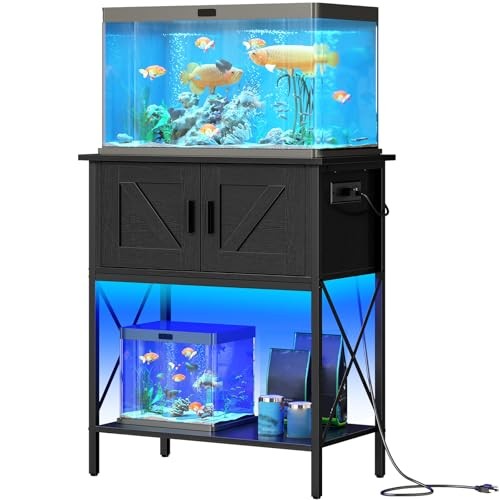
A fish tank stand is a load-bearing structural platform, not just furniture: the primary trade-off is rated weight capacity and frame construction versus footprint and storage convenience. Steel racks and cabinet stands with welded or bolted frames handle 20–75+ gallon tanks, while particleboard cabinets and wire shelving often fail under sustained water weight. The decision rule is simple: match the stand's rated capacity to tank water weight plus 25% safety margin and verify the top surface fully supports the tank's entire base with no overhang.

Buying guide image
Pet Crates, Kennels & Playpens

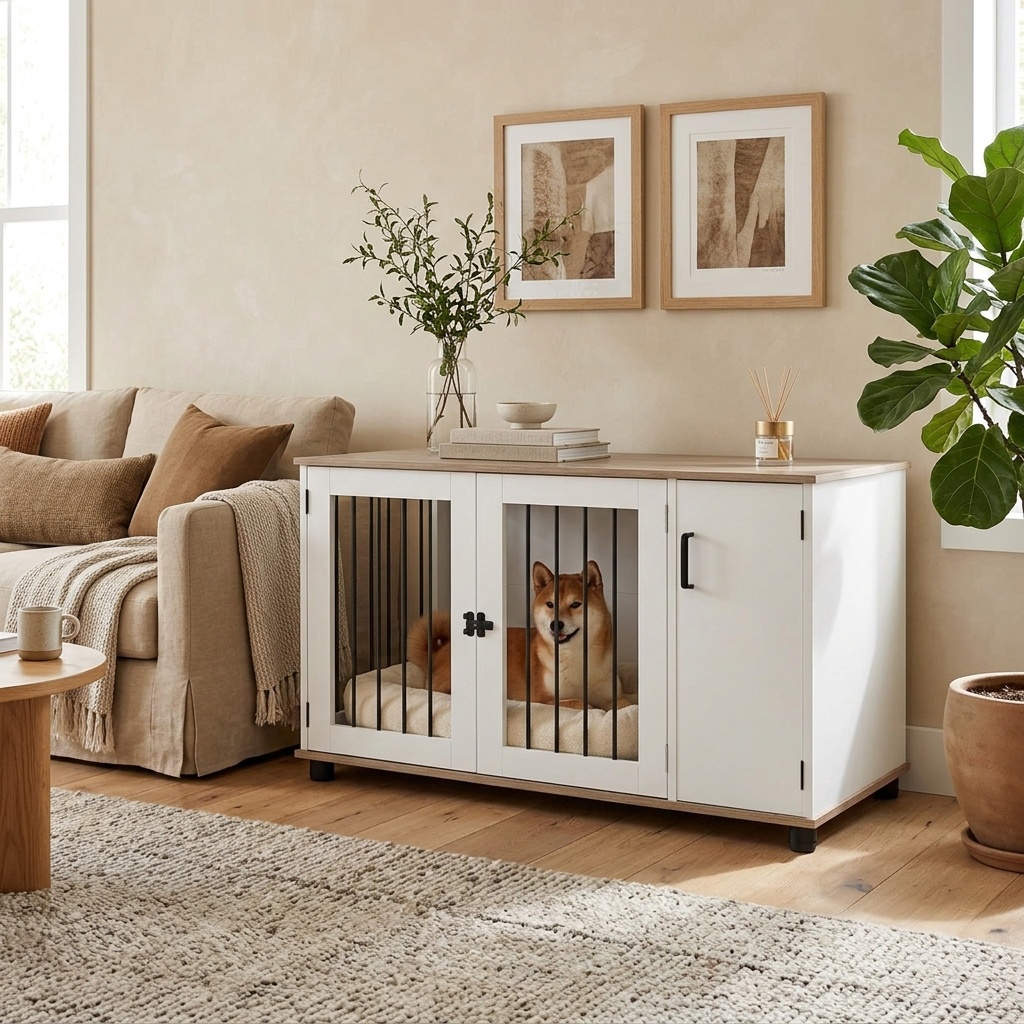
Dog Cage Large

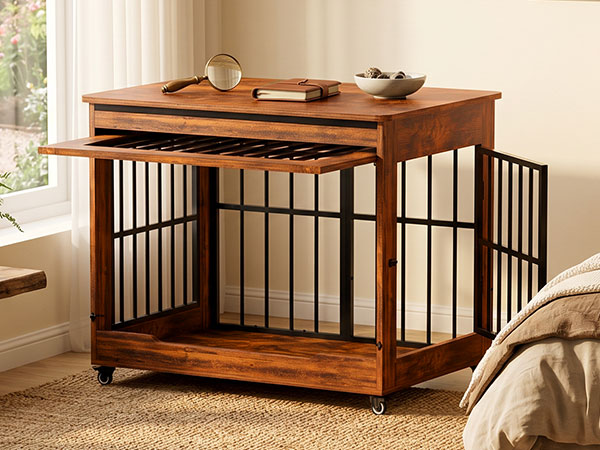
Sizing a large dog cage starts with adult shoulder height and nose-to-tail length, not the label on the box—most 'large' crates still leave a 70 lb dog unable to stand and turn. Buyers also mix up furniture-style wooden kennels (indoor decor, limited ventilation) with welded metal crates (containment and travel), then discover the wrong build for their routine. Get the interior dimensions and door configuration right first; finish and storage features come second.

Buying guide image
Pet Crates, Kennels & Playpens

Large Dog Crate

Large dog crates span three real architectures—furniture-style wooden kennels, heavy-duty metal wire crates, and collapsible soft-sided travel carriers—and each imposes different sizing math and durability limits. Buyers most often err by choosing a furniture “large” label (38–44 in) that is actually too short for a 28–32 in standing height dog, or by buying a soft crate for a dog that will chew through mesh. Measure your dog’s nose-to-tail and floor-to-head dimensions first, then pick the architecture that matches containment strength and room placement.

Buying guide image
Pet Crates, Kennels & Playpens

Heavy Duty Outdoor Dog Pen

A heavy duty outdoor dog pen has to survive weather, digging, and escape attempts, so the wire gauge and frame construction matter more than the panel count. Buyers commonly pick a light exercise pen for outdoor use and find it flimsy or rusted within a season. Decide first whether you need a portable ex-pen for supervised yard time or a permanent chain-link run with a roof.

Buying guide image
Pet Crates, Kennels & Playpens

Portable Large Dog Crate

Portable large dog crates are collapsible or folding enclosures built to contain dogs roughly 50-90 lbs while traveling or relocating, where the core trade-off is pack-down speed and weight versus structural rigidity under a determined dog. Durable options use welded steel wire or reinforced aluminum frames with dual locking latches and 1-1.5 inch bar spacing; compromises rely on thin gauge mesh, plastic corner clips, and single-point latches that deform under load.

Buying guide image
Pet Beds & Cat Trees

Outdoor Cat Enclosure

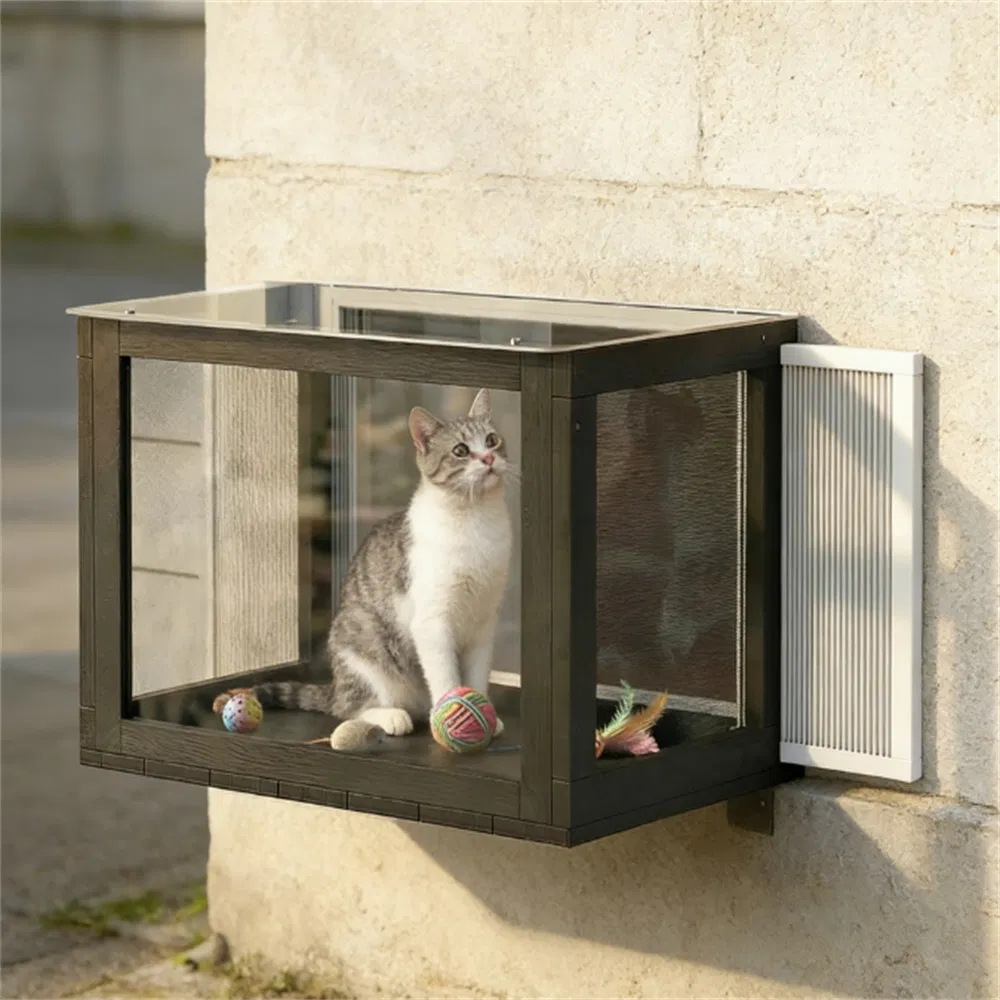
An outdoor cat enclosure is a weatherproof, escape-resistant structure that gives indoor or feral cats safe outdoor access while protecting them from predators, wind, rain, and cold. The core trade-off is insulation and weather sealing versus ventilation and escape-proofing—cheap fabric tents fail in wind and frost, while wood-and-foam shelters with elevated bases and asphalt roofs survive winters. The decision rule: buy a rigid wooden or plastic-panel enclosure with an elevated floor, dual escape doors, and a waterproof roof rated for your climate; skip soft-sided pop-up pens for year-round or winter use.

Buying guide image
Pet Crates, Kennels & Playpens

Heavy Duty Indoor Dog Crate

A heavy-duty indoor dog crate is a containment and safety purchase, not a decor accessory: buyers need to match bar gauge, latch security, and footprint to the dog's escape behavior and chew drive. Most failures come from buying a thin wire playpen-style pen for a power chewer, or oversizing the crate so a puppy eliminates in one corner. Get the construction tier and door hardware right before considering add-ons.

Buying guide image
Pet Travel & Safety

Airline Pet Carrier

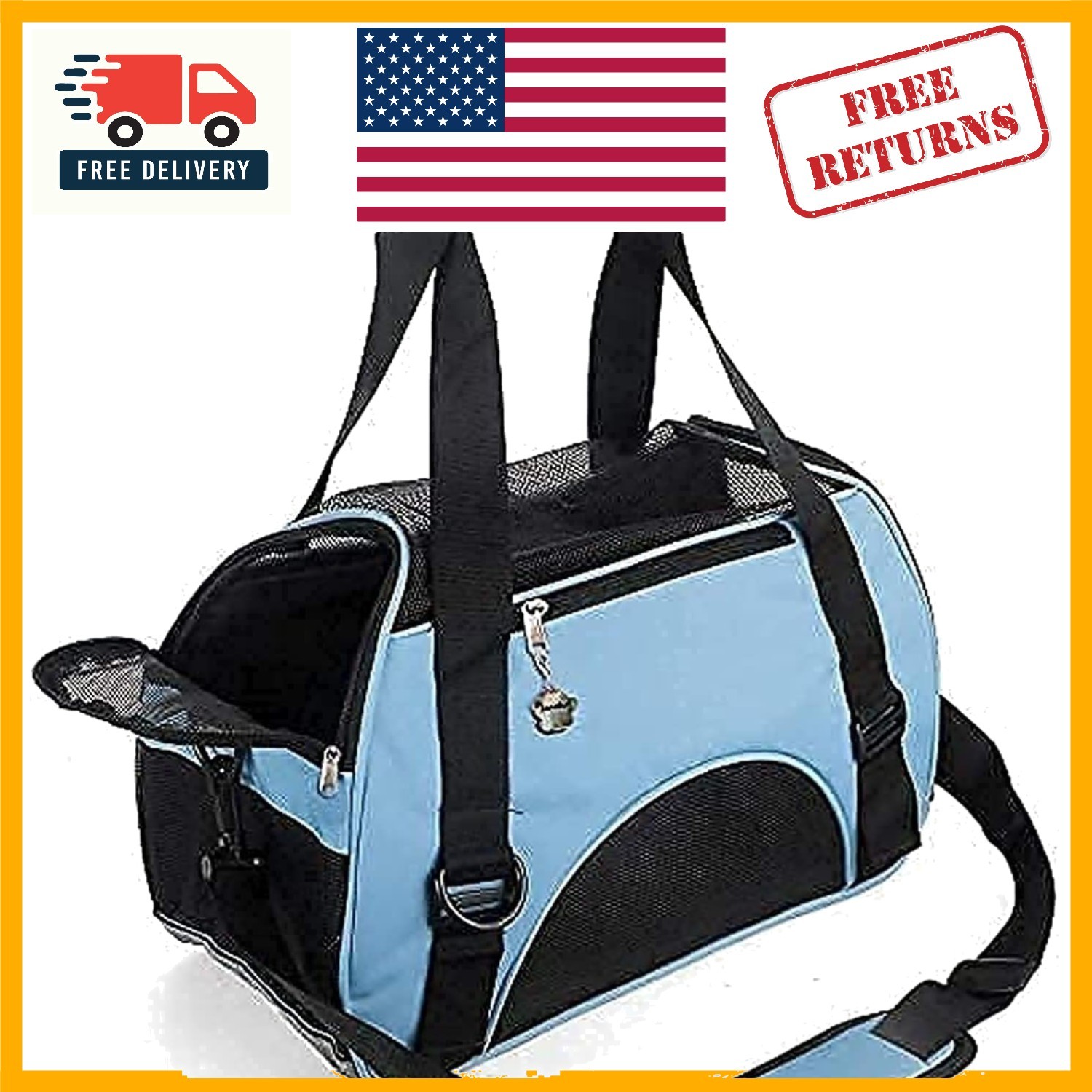
An airline pet carrier is a soft-sided or hard-shell enclosure sized to fit under an aircraft seat, and the core trade-off is between compressible soft-sided fabric (fits more sizers, less crush protection) and rigid hard-shell (better structure, less cabin flexibility). The decisive rule: buy a soft-sided carrier with a rigid internal frame or PE board base that matches your airline's under-seat dimensions, and skip any carrier marketed only as 'airline style' without published exterior dimensions.

Buying guide image
Pet Crates, Kennels & Playpens

Heavy Duty X Large Dog Crate

Shopping for a heavy-duty extra-large crate means prioritizing structural steel and weld quality over cosmetic features, because a determined dog can defeat a flimsy frame in minutes. Focus on bar gauge, latch design, and floor clearance rather than brand names or included accessories.

Buying guide image
Pet Collars, Harnesses & Leashes

Dog Vest

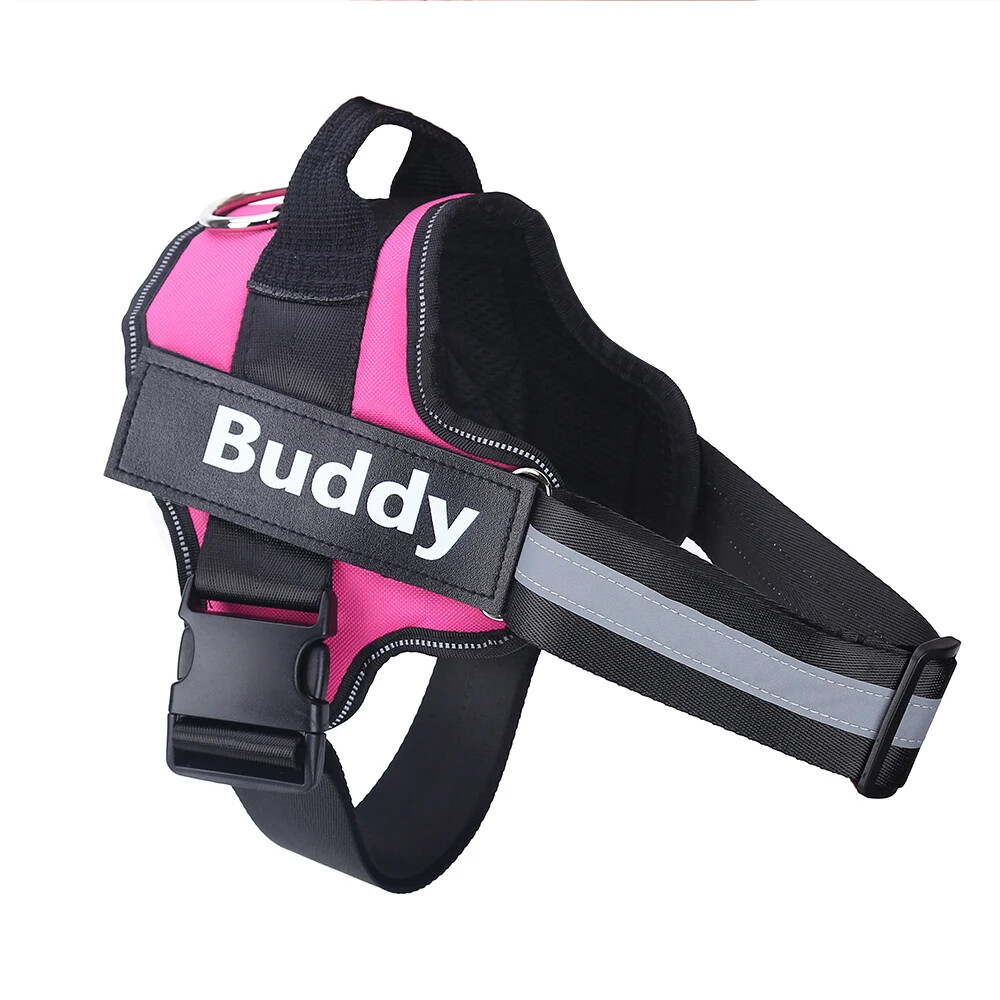
A dog vest is a body-wrapping harness that distributes leash pressure across the chest and torso instead of the neck, with the primary trade-off being padding/coverage versus breathability and freedom of movement. Durable options use ripstop nylon or tightly woven polyester with welded alloy D-rings and reinforced stitching, while compromises rely on single-layer mesh, plastic buckles, and narrow webbing. The decision rule: choose a step-in or over-head vest with at least two adjustment points, a metal leash ring, and a fit that leaves two fingers of slack at the chest.

Buying guide image
Pet Beds & Cat Trees

Dog Bed Large

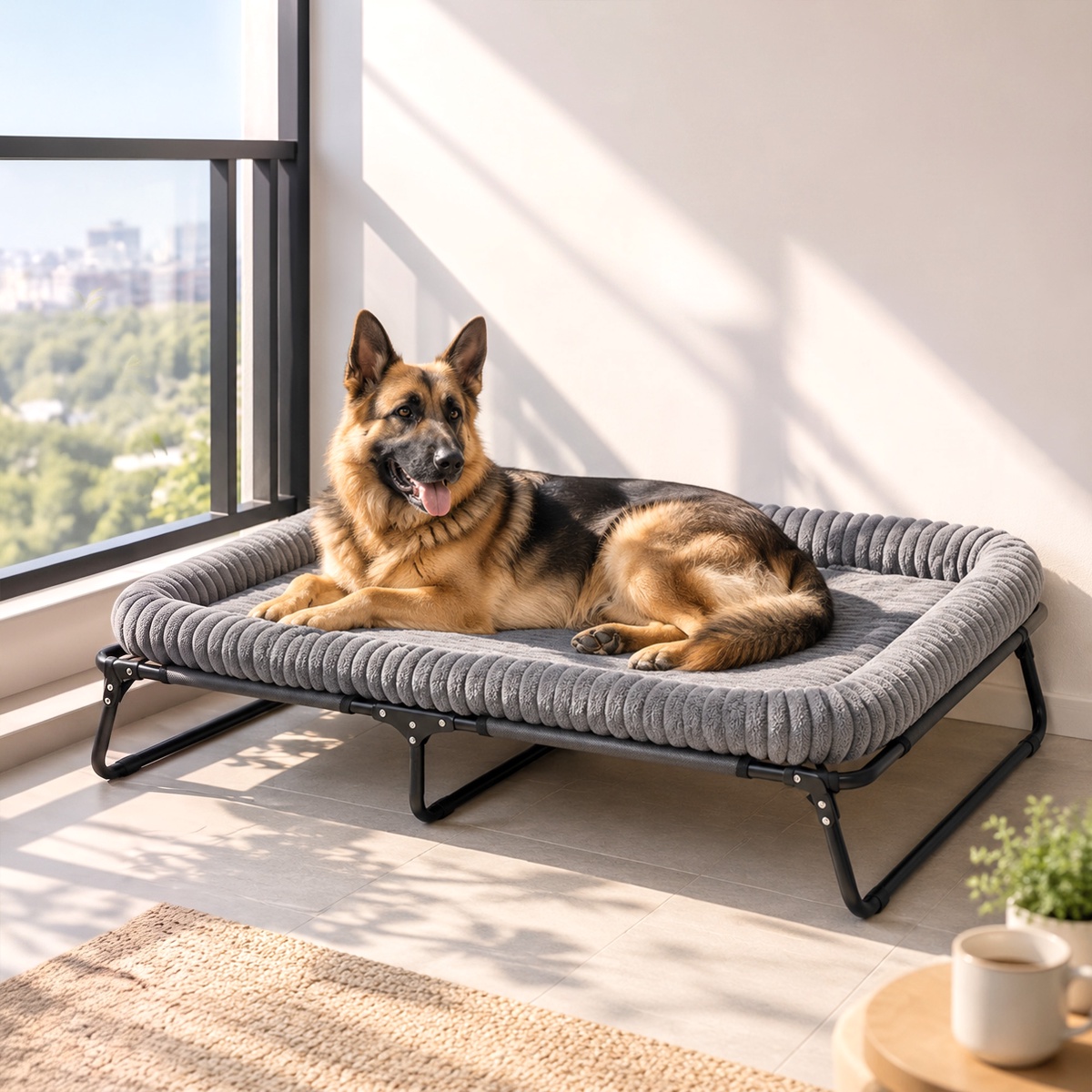
Large-dog beds fail for two predictable reasons: undersized sleeping area forces curled posture, and thin fill collapses under 70+ lb point loads within months. Buy by measured elbow-to-paw length plus 6-8 in of sprawl room, then choose the fill or frame architecture that matches your dog's joints and your floor. Skipping either step produces the classic too-small, flattened-bed return.

Buying guide image
Pet Crates, Kennels & Playpens

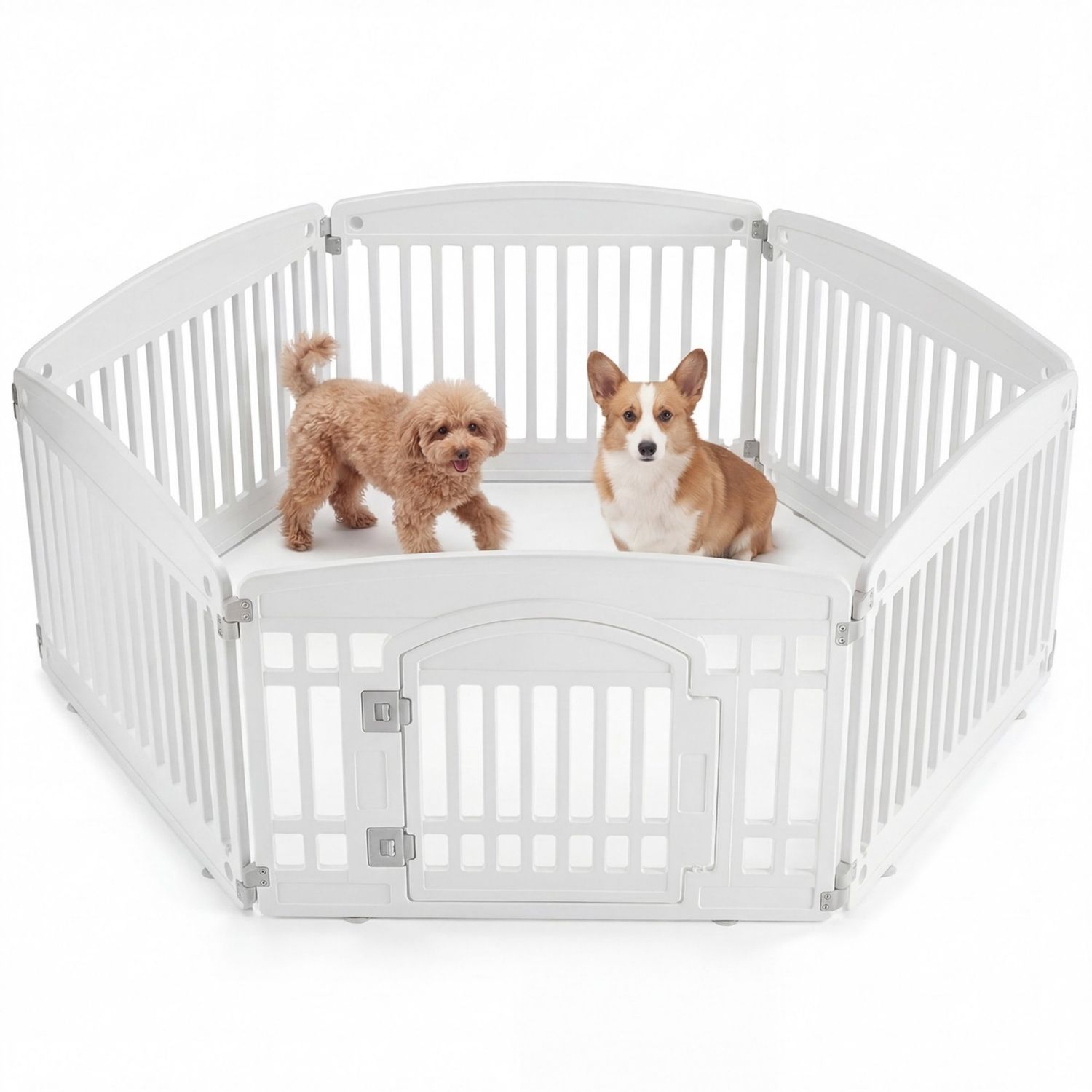
Dog Gate

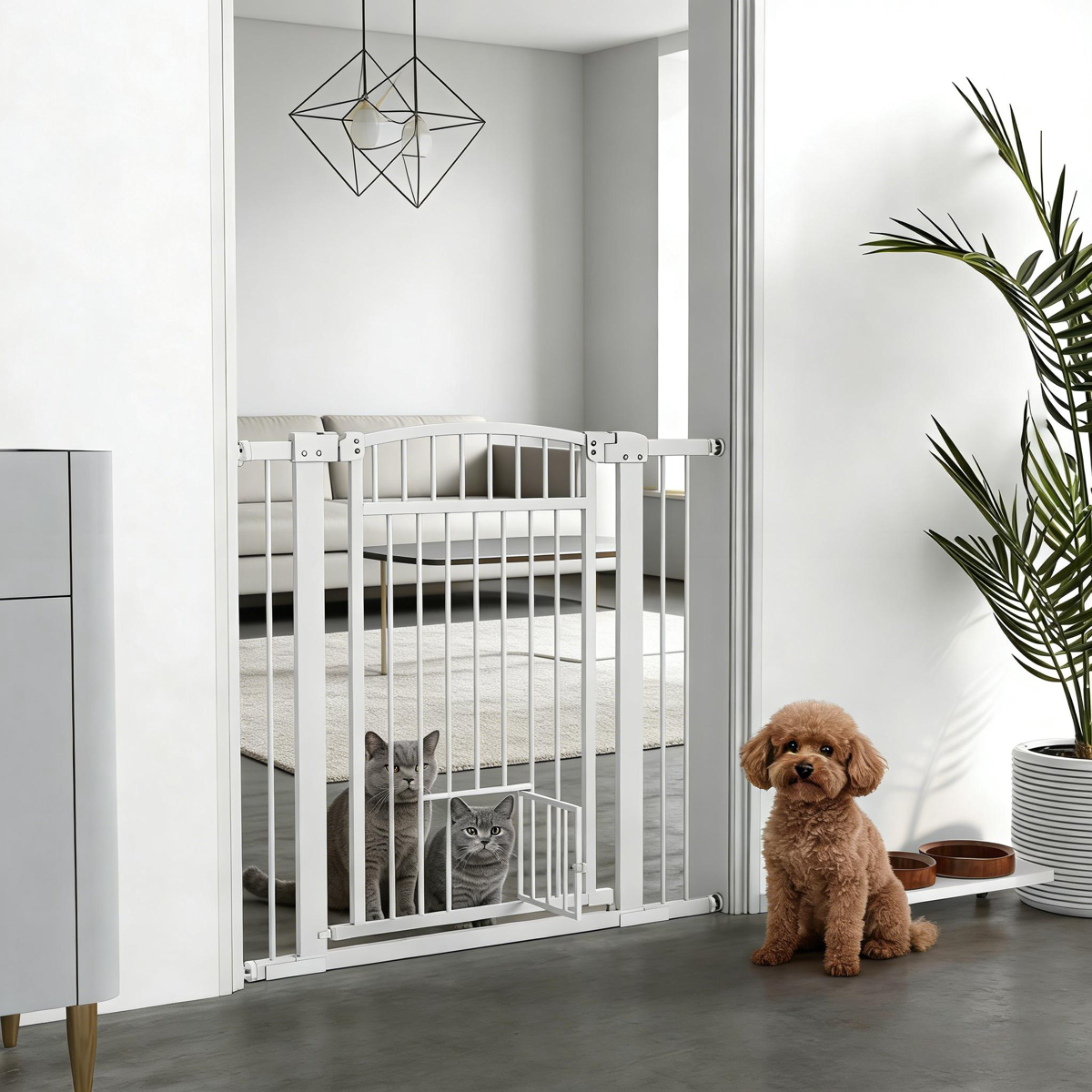
A dog gate is a temporary or semi-permanent barrier that confines dogs to a safe zone or blocks off stairs, doorways, and open-plan areas. The core trade-off is mounting method (pressure vs hardware) versus span and height: pressure gates install without tools but rely on wall tension, while hardware-mounted gates screw into studs for wide, tall, or high-traffic openings. Choose a pressure gate only for standard doorways up to about 32–36 inches wide and dogs under 40 lb; for wider spans, taller jumpers, or top-of-stair use, a hardware-mounted or freestanding panel gate is the durable choice.

Buying guide image
Pet Bowls & Feeders

Pet Food Station

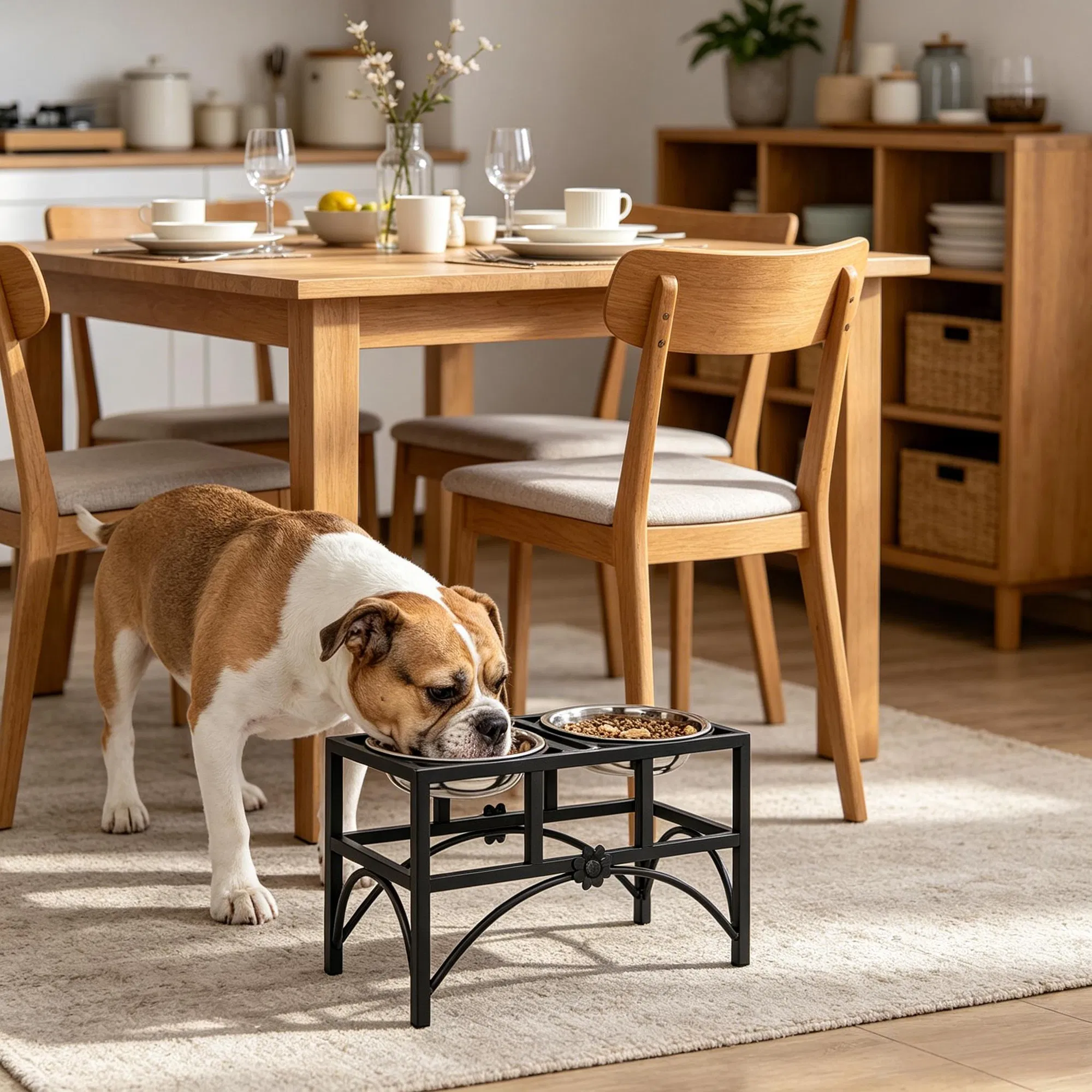
A pet food station combines bowls, a raised frame, and often a refilling or storage mechanism into one unit that stabilizes mealtime and contains mess. The core trade-off is between wood/plastic decorative frames with thin bowls and heavy-gauge stainless steel bowls in rigid elevated frames that resist tipping, chewing, and odor absorption. Buy steel bowls and a frame rated for your pet's adult weight and shoulder height, and skip lightweight plastic or fabric builds for medium and large dogs.

Buying guide image
Aquarium Tanks & Stands

Tank Stand With Storage

A tank stand with storage is a structural cabinet or shelving unit that supports an aquarium while providing enclosed or open storage for equipment and supplies. The primary trade-off is load-rated steel frame construction versus decorative MDF cabinetry: steel racks handle far more weight per dollar, while cabinet stands hide gear and integrate power. The decision rule is simple—match the stand's stated load capacity to at least 1.5× the filled tank weight, and never trust a stand whose top panel does not fully support the tank's footprint.

Buying guide image
Pet Crates, Kennels & Playpens

Outdoor Rabbit Hutch

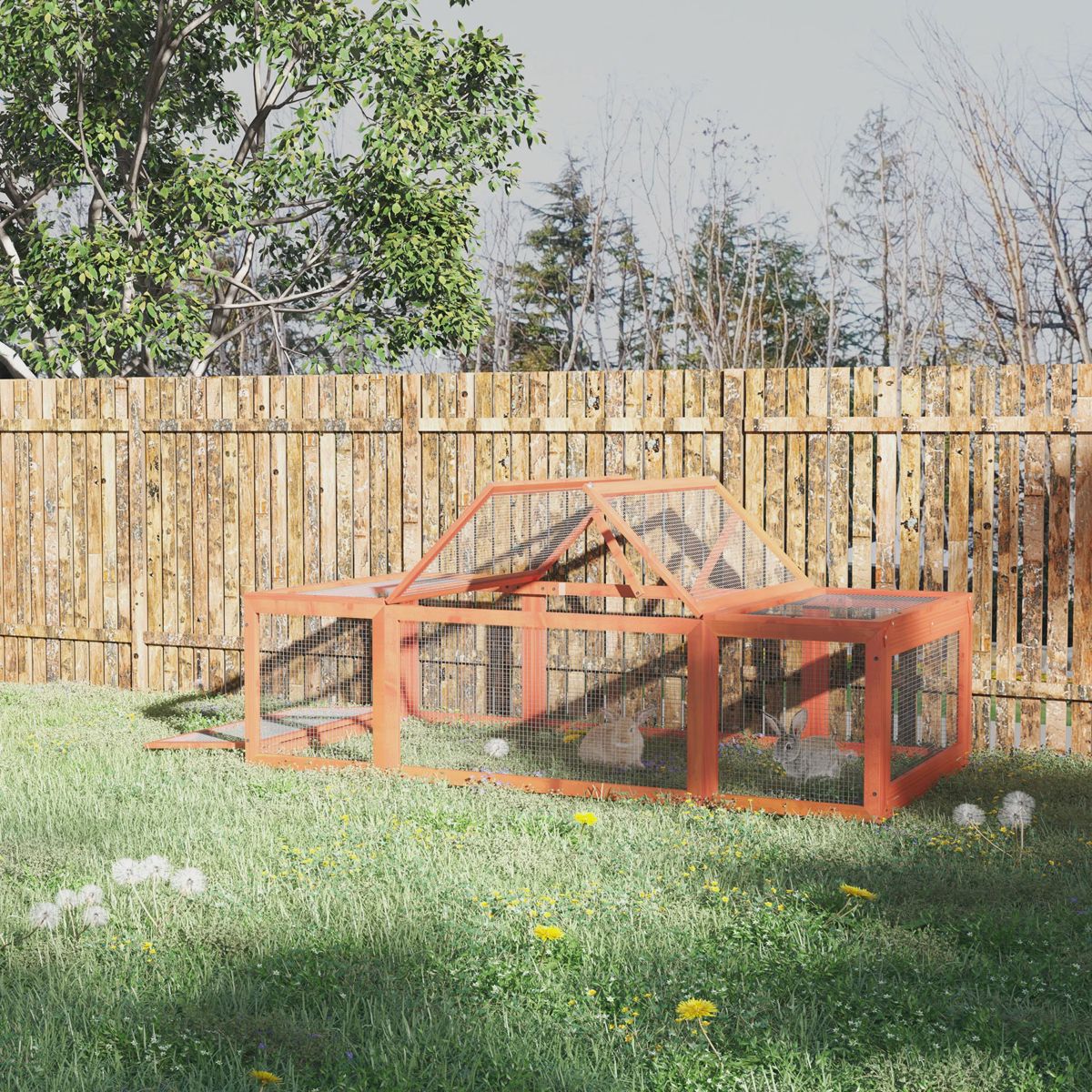
An outdoor rabbit hutch is a weather-exposed, predator-resistant enclosure that combines a sheltered sleeping compartment with an attached run for exercise. The core trade-off is between thin softwood builds with wire stapled to frames and heavier fir or cedar builds with galvanized mesh, raised floors, and hinged predator latches. The decision rule: buy only hutches with a raised waterproof floor, 14-gauge or heavier wire, and a locking roof hatch — anything with fabric panels or untreated pine contact surfaces is a seasonal compromise, not a permanent outdoor home.

Buying guide image
Pet Collars, Harnesses & Leashes

Dog Vest With Handle

A dog vest with handle is a harness-style walking and lifting aid that wraps the torso and adds a reinforced grab handle for traffic control, car transfers, or training. The core trade-off is between padded, broad-strapped vest builds that distribute load safely and thin nylon strap harnesses that save weight but concentrate pressure. Buy a true vest with a load-rated handle and four-point adjustment for medium-to-large dogs; skip slip-on or single-strap designs for any dog over roughly 25 lb.

Buying guide image
Pet Collars, Harnesses & Leashes

Dog Vest With Pockets

A dog vest with pocket is a harness-style walking vest that integrates storage, usually for poop bags, treats, or ID, on top of no-pull control. The core trade-off is between padded, load-bearing vest construction with reinforced stitching versus thin mesh novelty vests that stretch and tear at stress points. Choose a vest harness with metal D-rings, wide webbing, and bar-tacked seams if you walk daily; skip single-layer polyester mesh if your dog pulls or is over 15 lb.

Buying guide image
Pet Beds & Cat Trees

Pet Stair

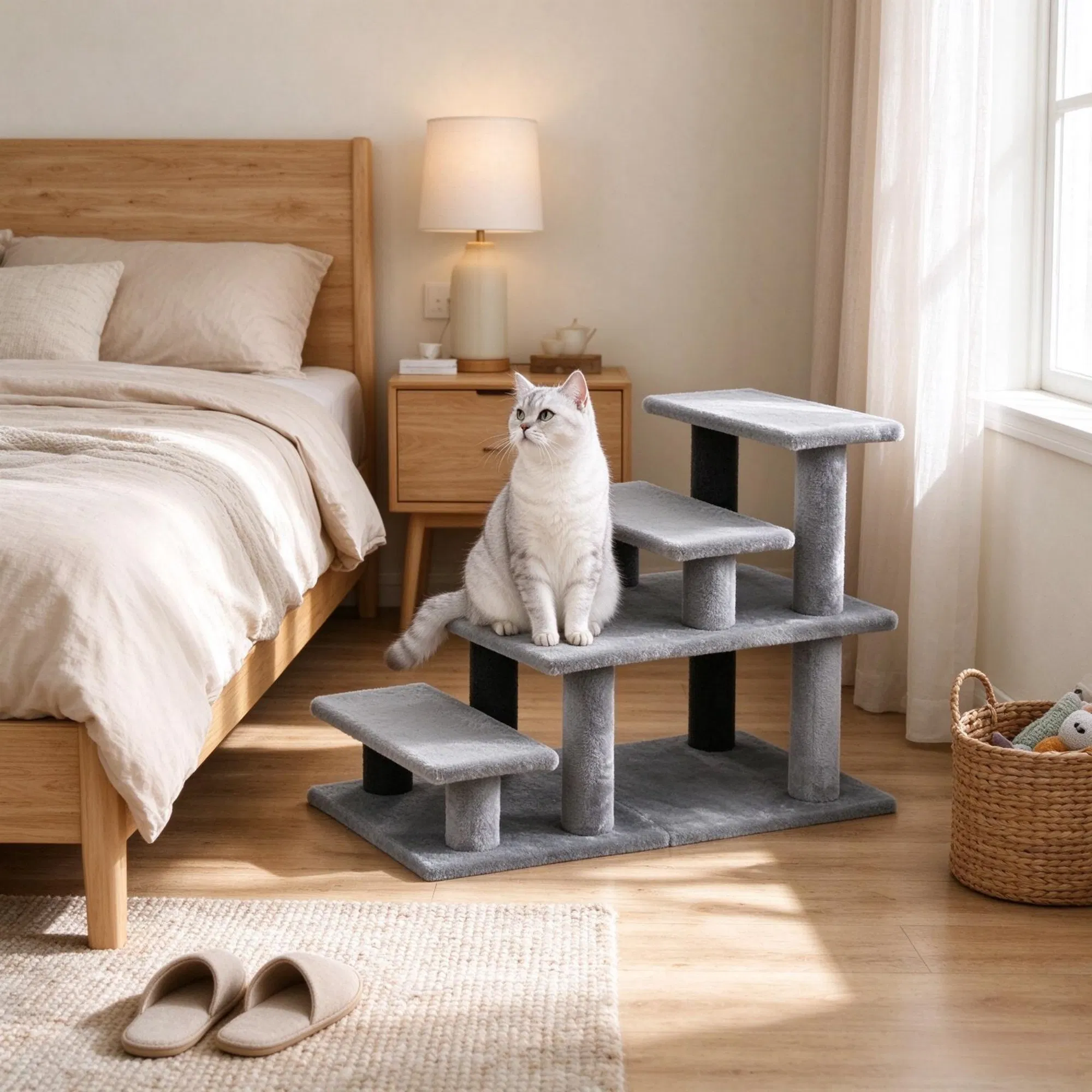
Pet stairs are load-rated incline platforms that let small, senior, or injured pets reach beds, sofas, and vehicles without jumping. The core trade-off is structural rigidity vs. footprint: foam steps are light and furniture-safe but compress under sustained load, while wood/HDDPE frames with carpet treads hold shape and grip but need floor clearance. Buy wood or metal-framed stairs with a carpeted tread and a stated load rating for daily bed use; choose high-density foam only for light pets and low sofas.

Buying guide image
Reptile Enclosures & Terrariums

Tortoise Enclosure

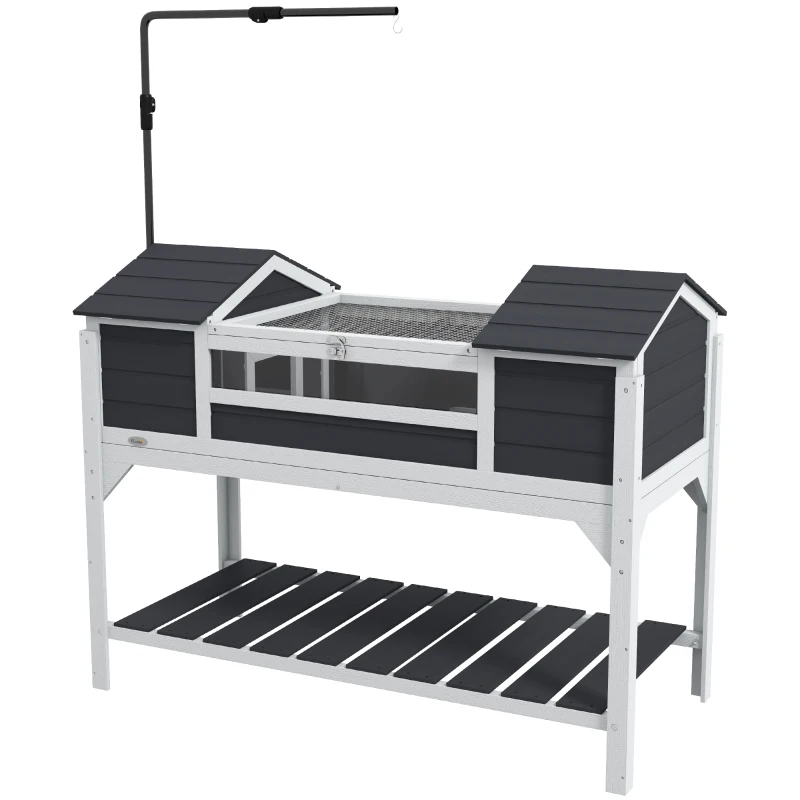
A tortoise enclosure is a life-support system, not just a cage: the core trade-off is whether the build delivers enough floor area, UVB penetration, and thermal gradient for the species' adult size, or merely looks like a habitat while trapping heat and blocking UV. The decision rule is simple—buy by adult shell length and climate zone first, then match material (sealed wood/PVC for humidity species, open wire/metal for arid species) and lighting architecture; anything sized below 4x the tortoise's adult length is a compromise, not a home.

You may also like

Finding more guides for you…