
Photos from current listings. Actual item, color, and included accessories may vary.
Cat Step Buying Guide
Cat steps are load-rated climbing aids that bridge the gap between floor and furniture for aging, small, or arthritic cats, and they double as scratching furniture when clad in sisal or carpet. The primary trade-off is between foam-core steps (light, cheap, but prone to compression and wobble) and wood or HDPE-framed steps (rigid, stable, but heavier and pricier). The decision rule: buy a rigid frame with a non-slip tread and a per-step rise of 6-8 inches; skip any foam step taller than 9 inches per level or without a broad base.
Median $91.49
Key takeaways
- Wood and HDPE frames carry rated loads of 100-150 lb, while foam-core steps compress and wobble under cats over 15 lb.
- Sisal-wrapped posts (3-4 mm fiber) resist scratching far longer than carpet-wrapped posts, which fray within months of daily use.
- Each step should rise 6-8 inches; a 4-step unit reaches a 24-32 inch bed height, while a 3-step unit suits sofas at 15-18 inches.
At a glance
- Category
- Pet Beds & Cat Trees
- Last updated
- Nov 27, 2026
Current offers
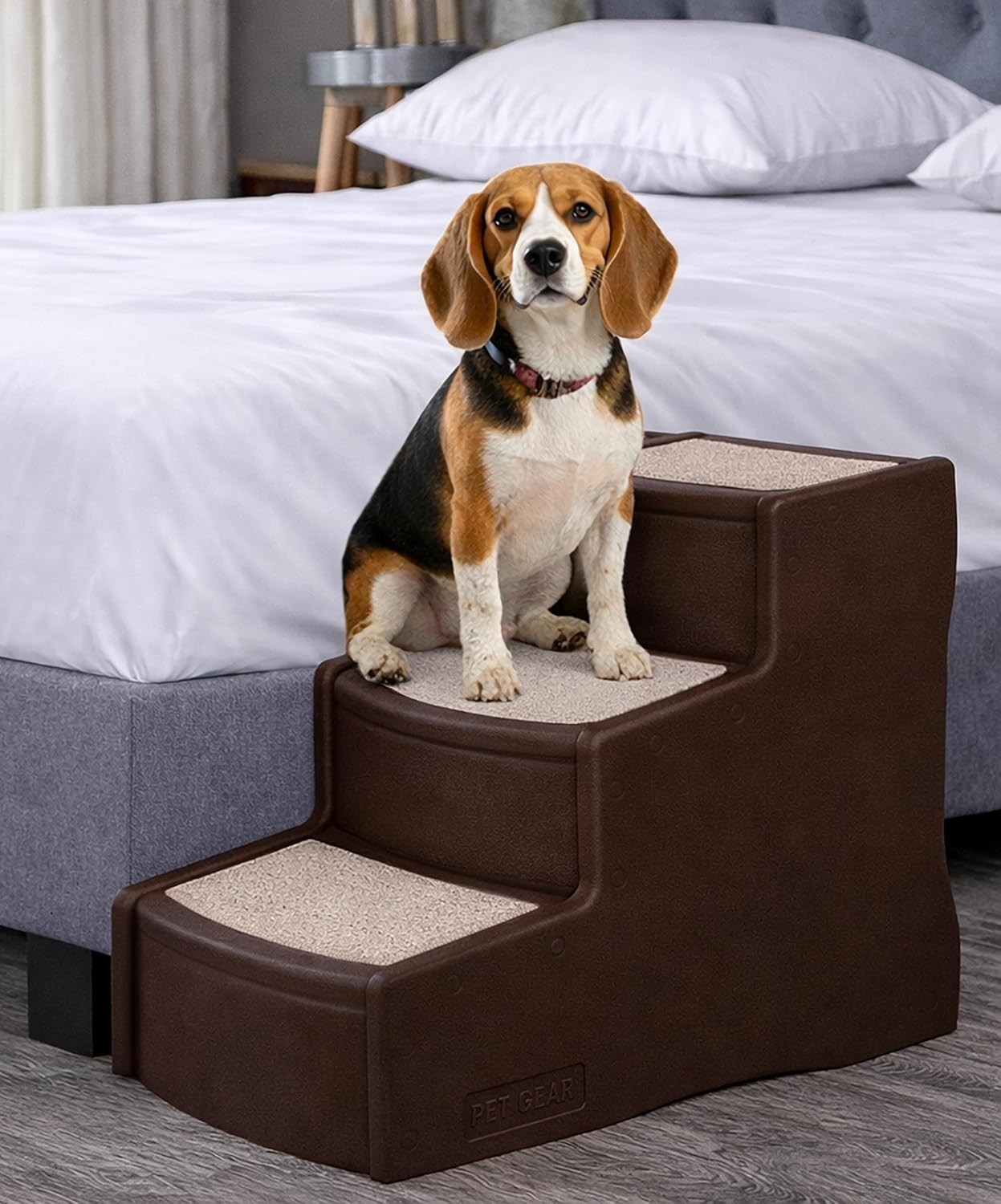 Pet Gear Easy Step III Pet Stairs 3-Step Cat Dog 150lb Coffee Bean Washable$66.48View on eBay
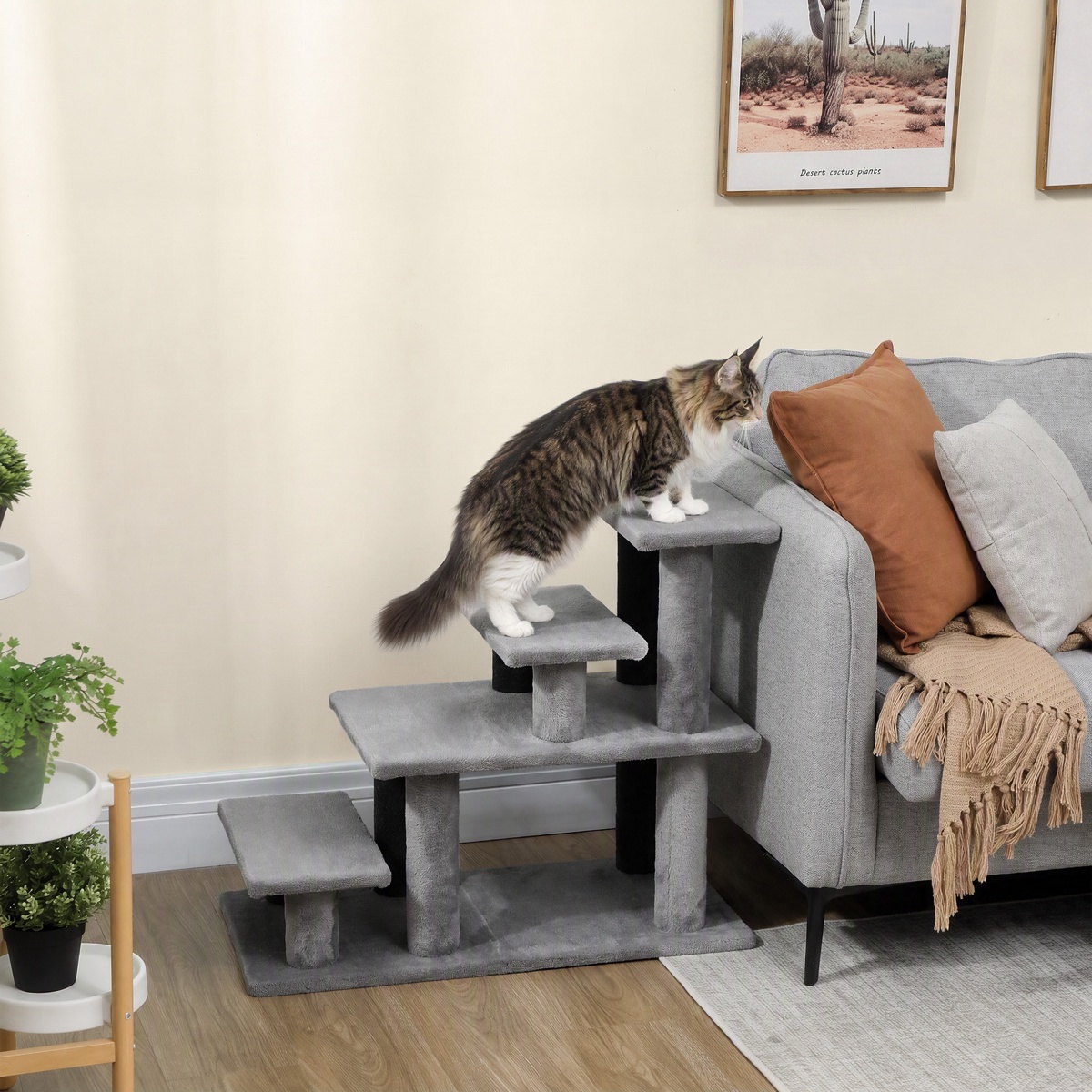 Pet Stairs, Cat with 2/3/4-Step Flexible Setup for Bed, Sofa, Gray$47.99View on Mallflare
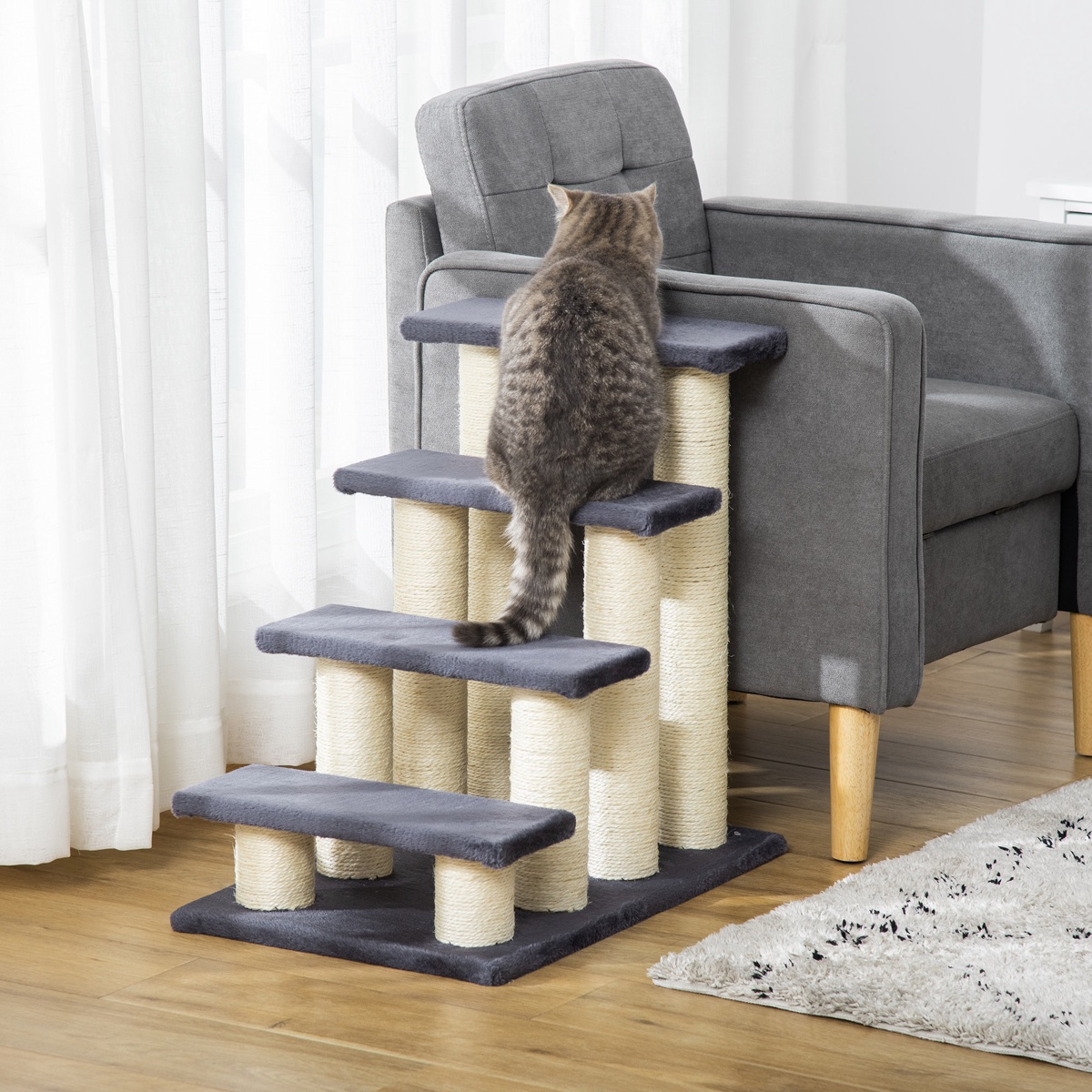 Cat Tree with 4 Steps for High Beds w/ Sisal Scratching Post$50.99View on Mallflare
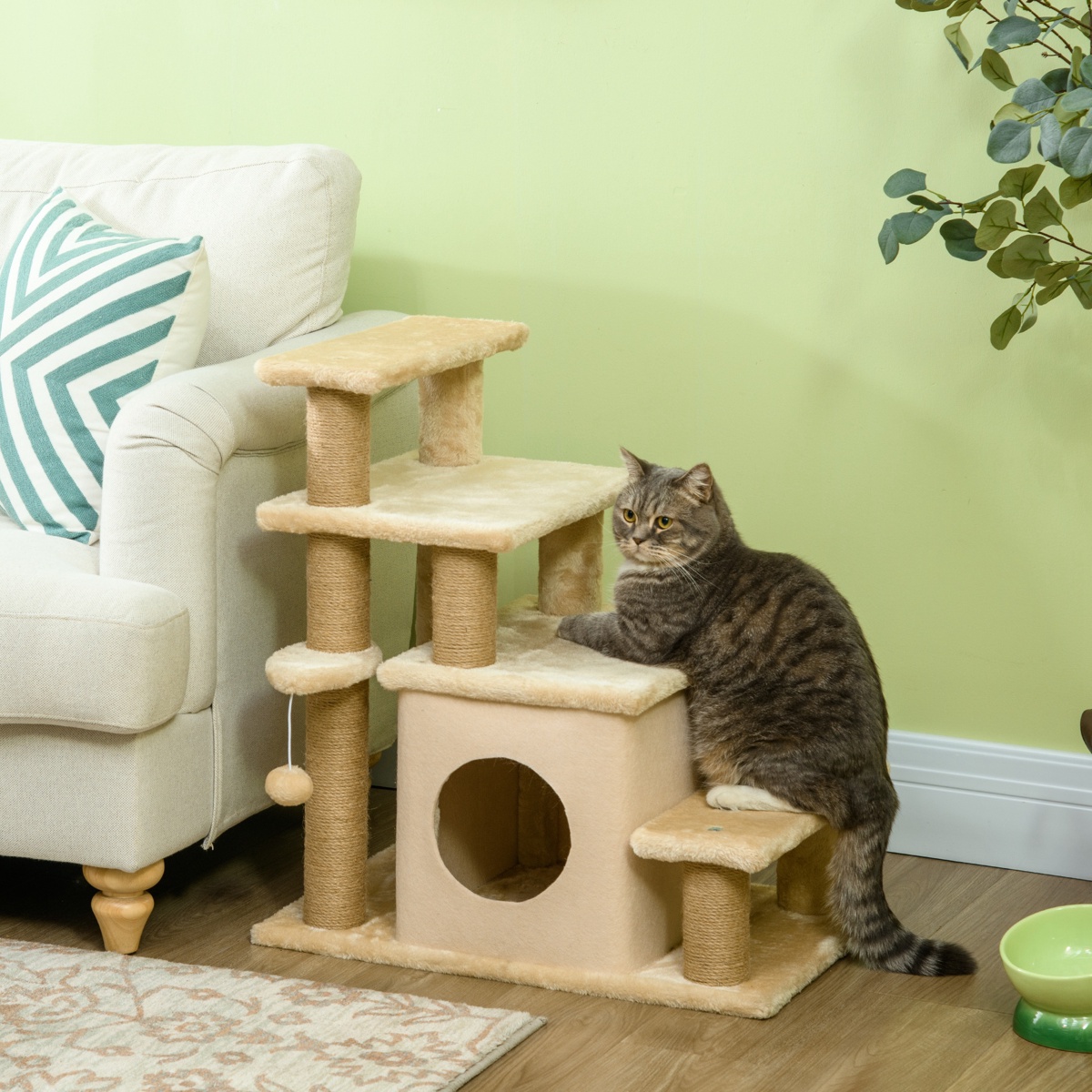 Adjustable Height 3 Step/4 Step Cat Stairs w/ Jute Cat Scratching Post, Cat Condo, Toy Ball, for Bed, Sofa, Couch, Beige$52.99View on Mallflare
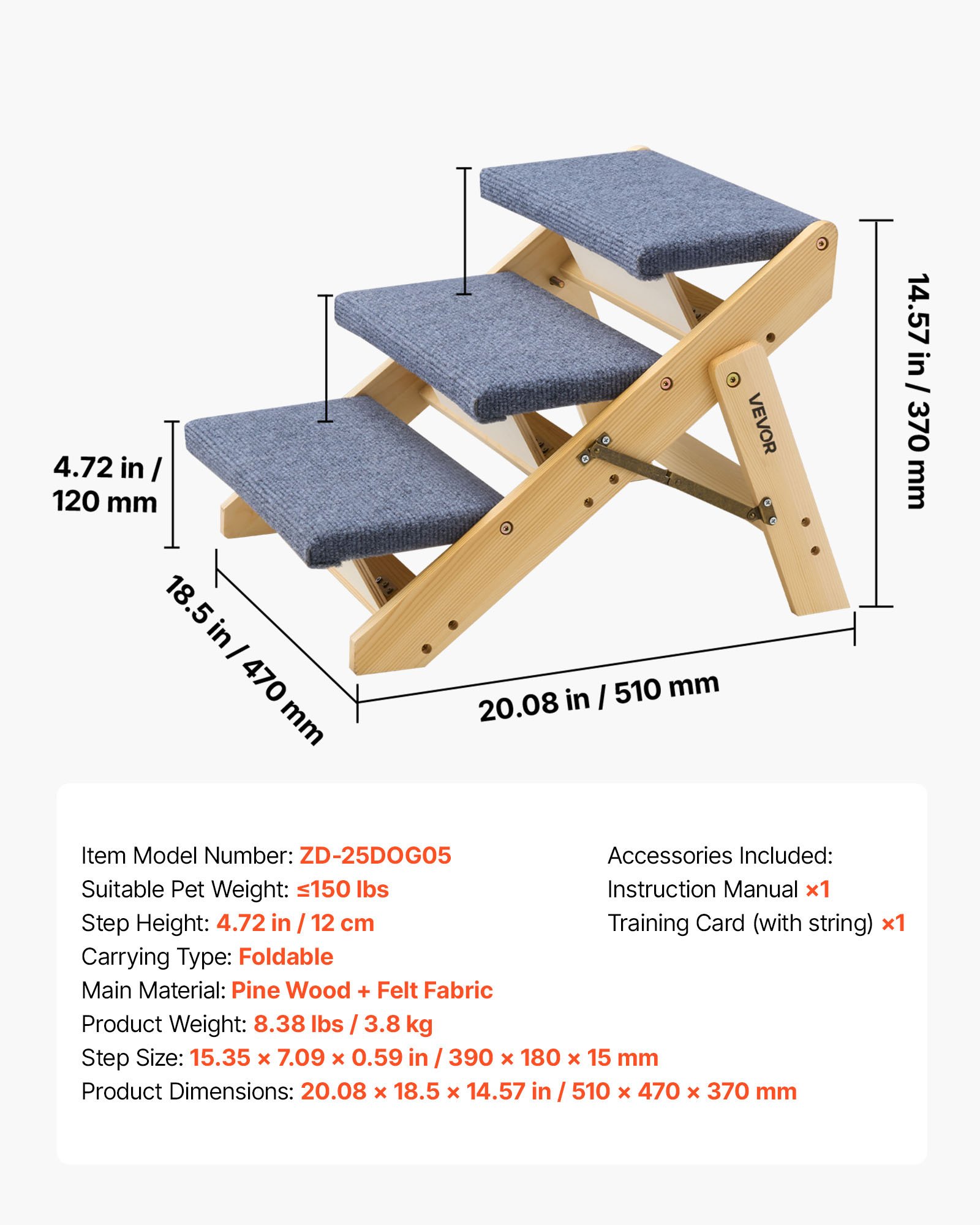 Wood Pet Stairs, 3-Step Dog For Beds, Sofa & Cars, 150lbs Load Capacity, Floded Flat Design, Stable & Sturdy Cat & Dog Step Ladder For Small Medium Large Older Pet Puppy$53.99View on Mallflare
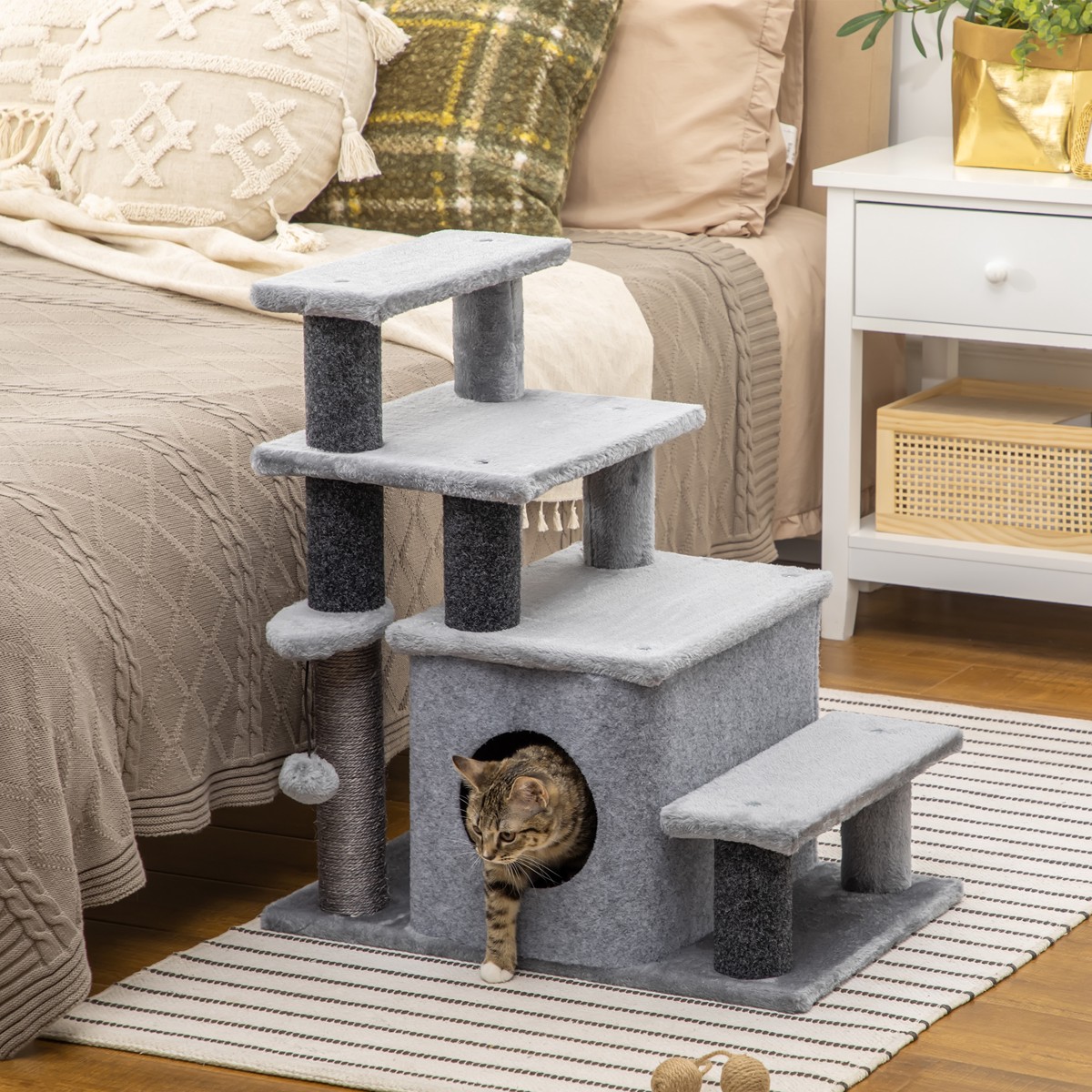 Adjustable Height 3 Step/4 Step Cat Stairs w/ Sisal Cat Scratching Post, Cat Condo, Toy Ball, for Bed, Sofa, Couch, Gray$53.99View on Mallflare
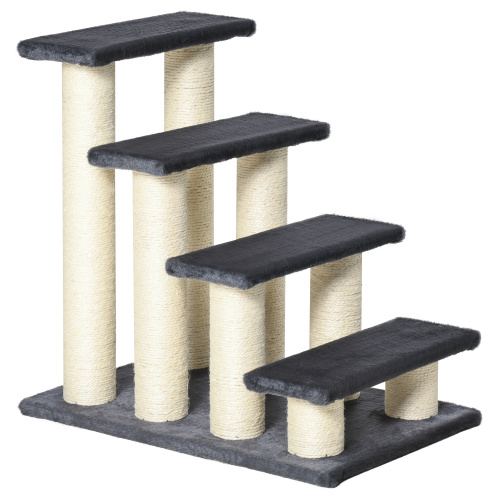 PawHut Cat Tree With 4 Steps For High Beds Couch, Cute Stair Shaped Cat For Indoor Cats Or Dogs W Sisal Scratching Post, Climbing, Playing, Gray$87.99View on Mallflare
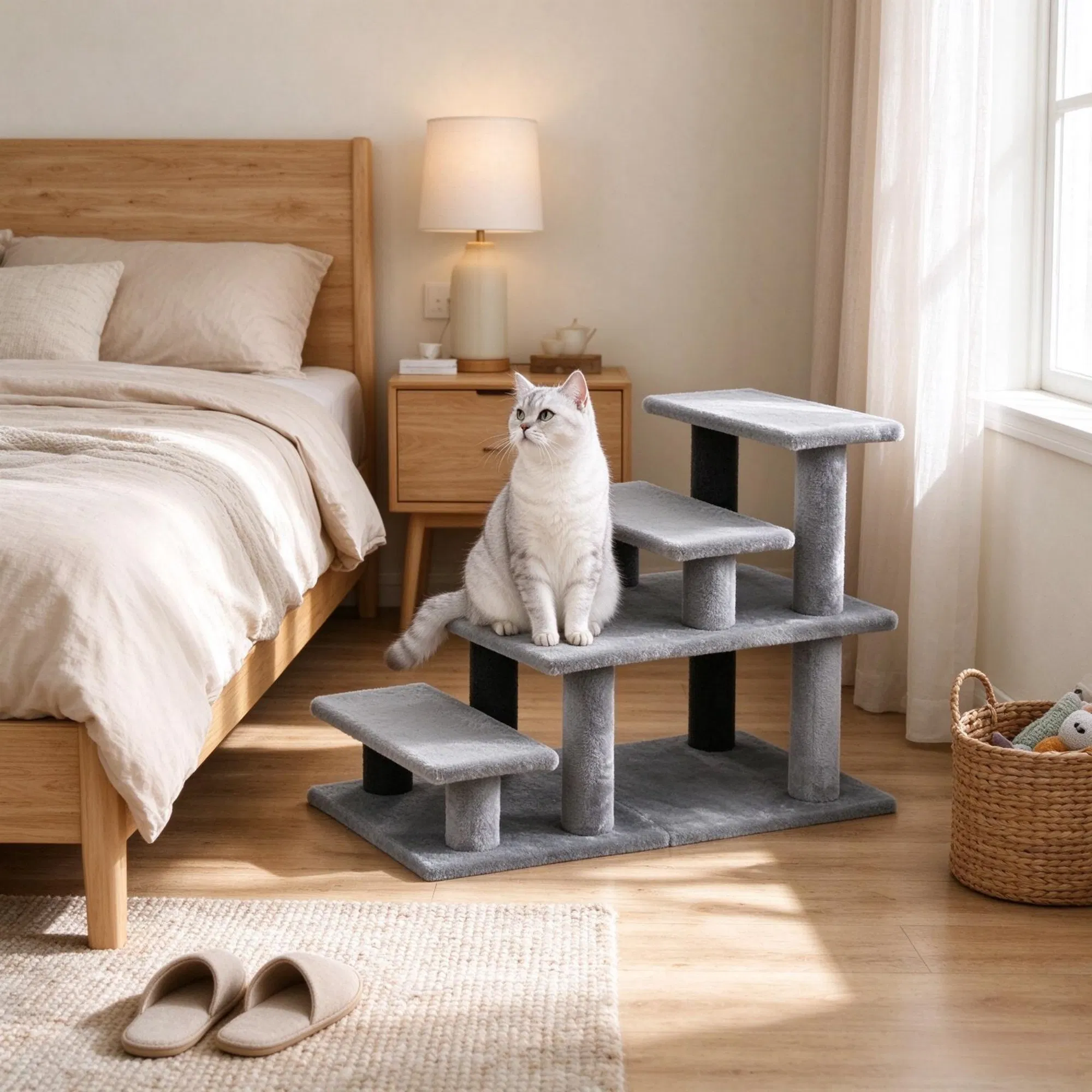 2/3/4-Step Pet Stairs, Flexible Setup Cat for Bed & Sofa, Gray$94.99View on Mallflare
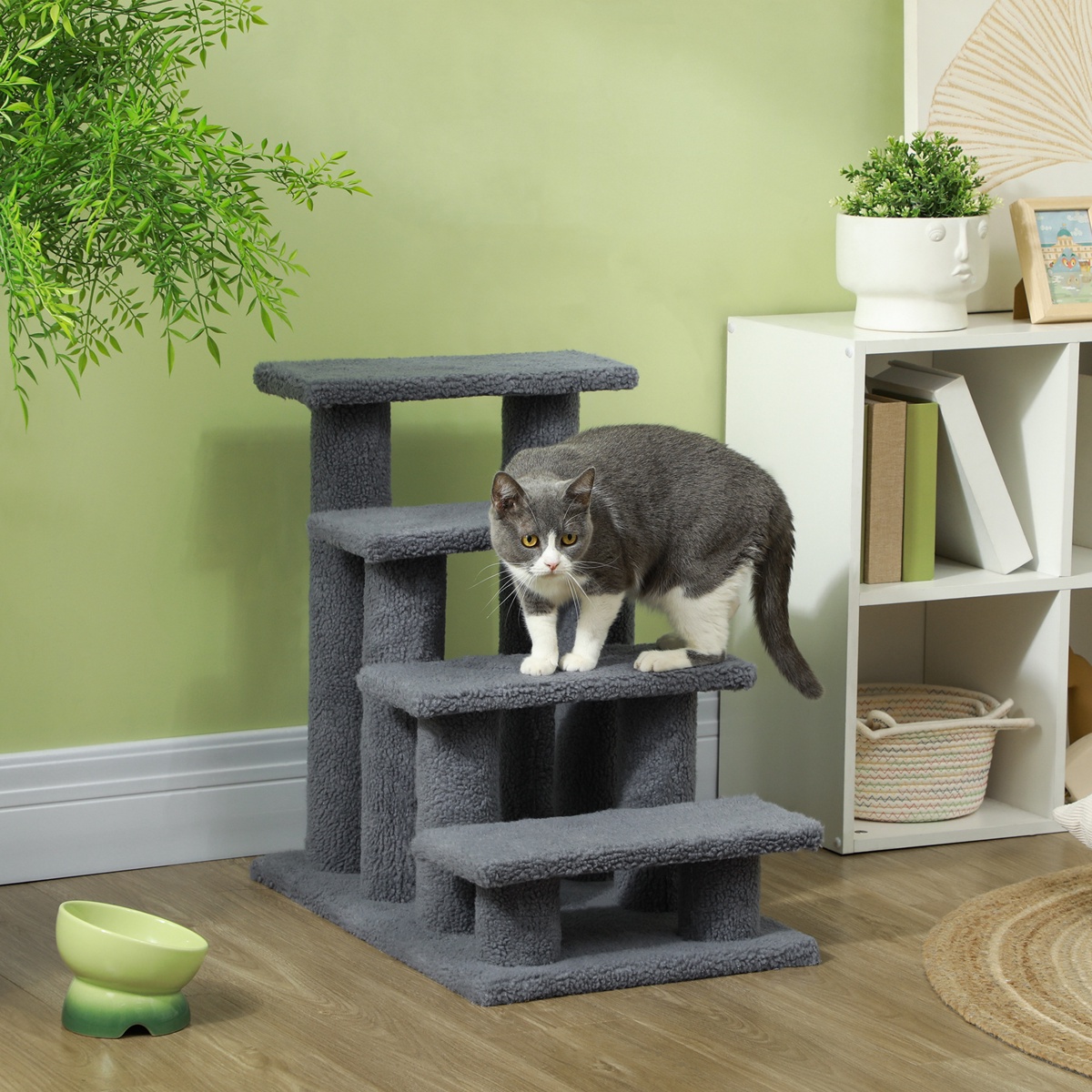 Pet Stairs Dog Cat Step Scratch Post$109.99View on Mallflare
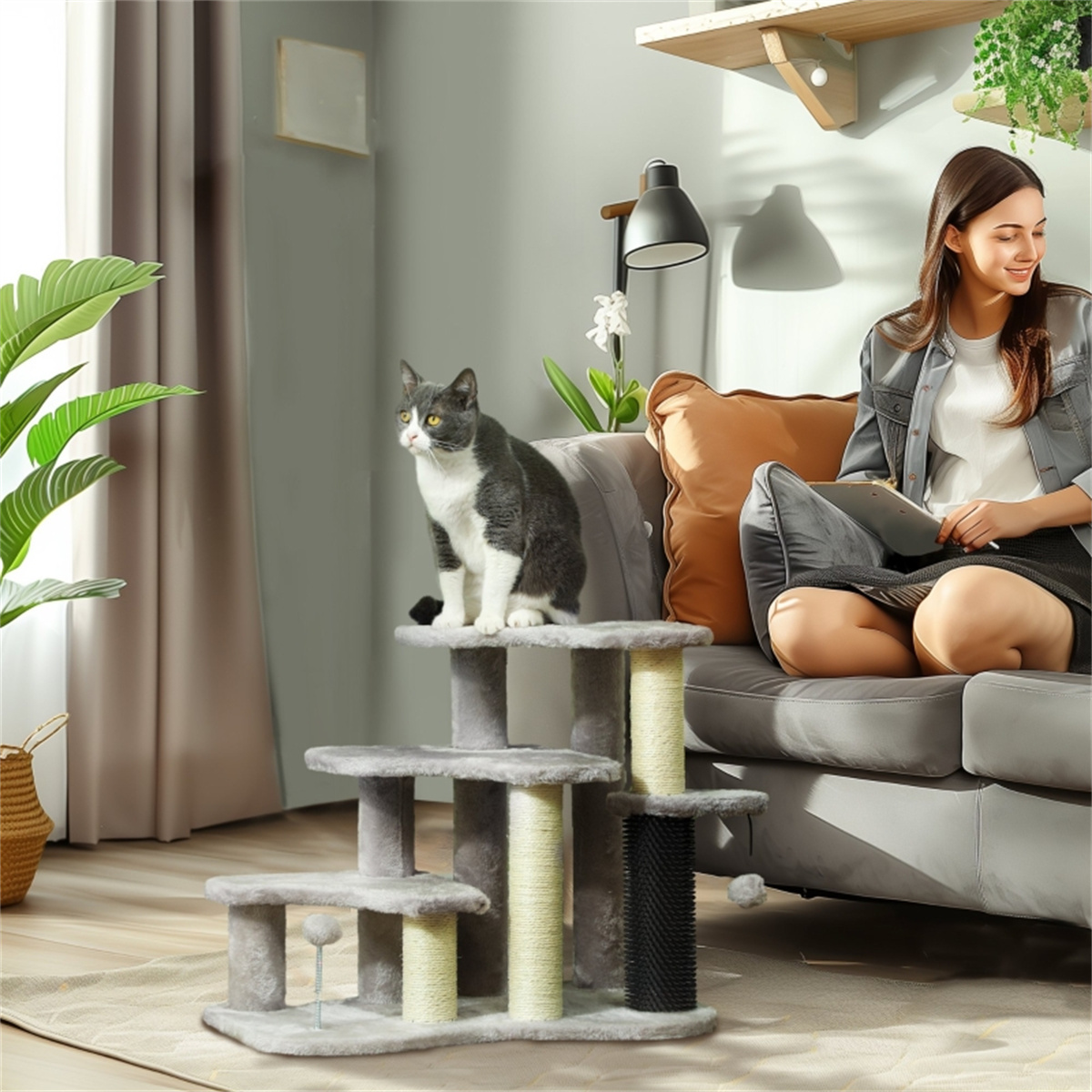 3-Step Cat Stairs 2-in-1 Cat Tree Tower – with Toy Balls, Scratching Post for Indoor Cats$109.99View on Mallflare
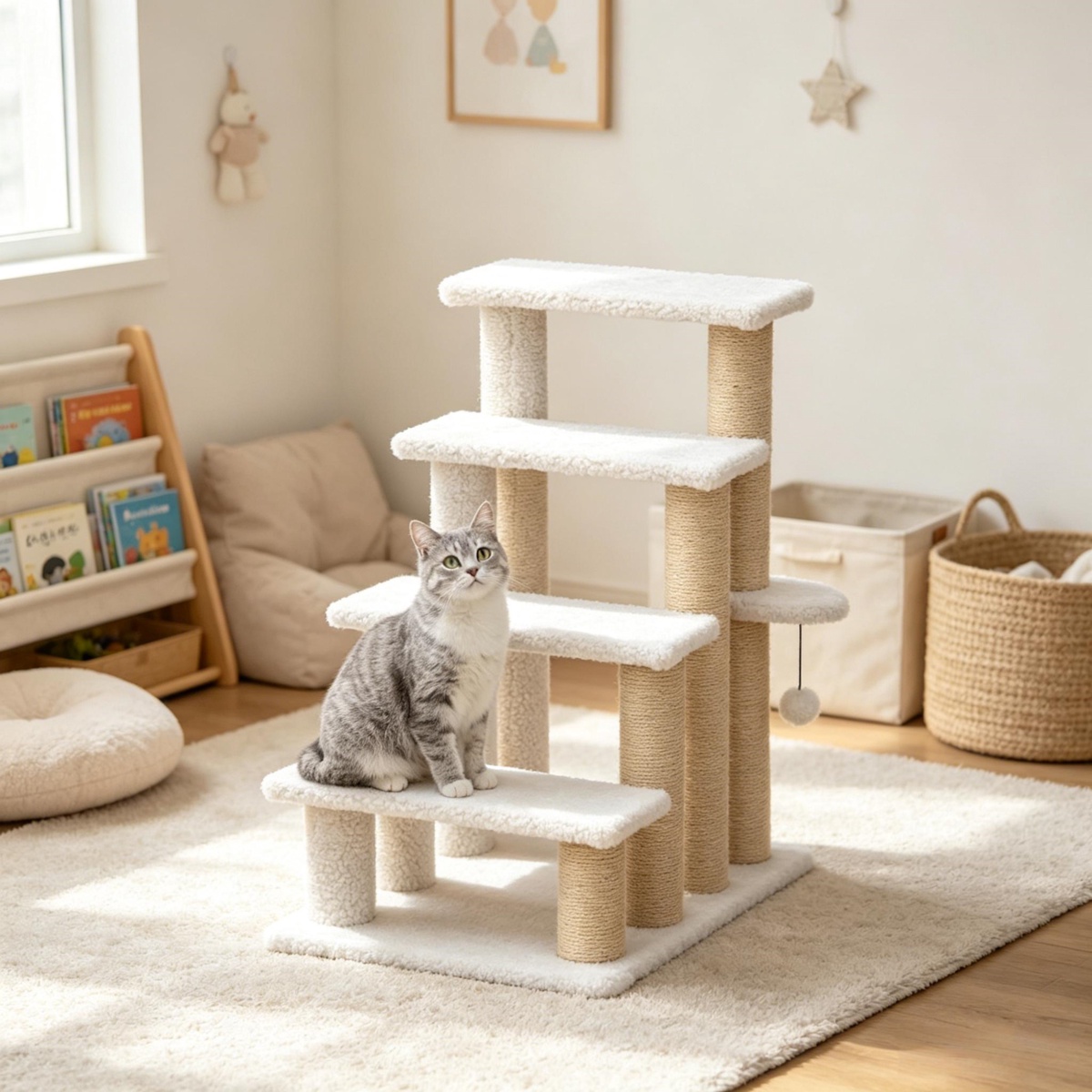 4 Levels Cat Steps with Scratching Posts for High Bed, Sofa, Non-slip Sturdy Pet Climbing Ladder for Indoor Cats, White$111.99View on Mallflare
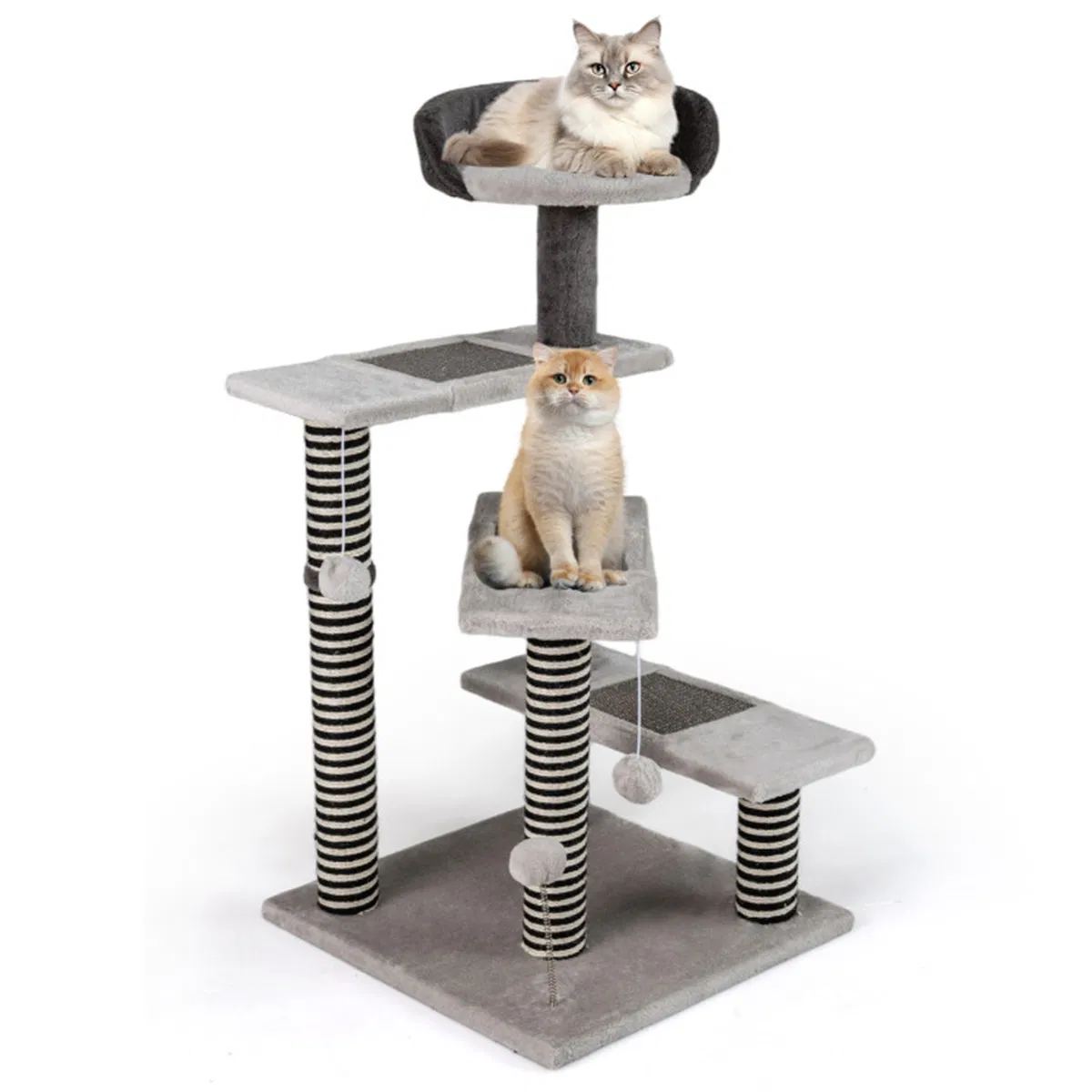 37" tall Cat Stairs with Scratching Mats - 3-Tier Perches, Spring Ball & Dangling Toys for Cats$120.99View on Mallflare
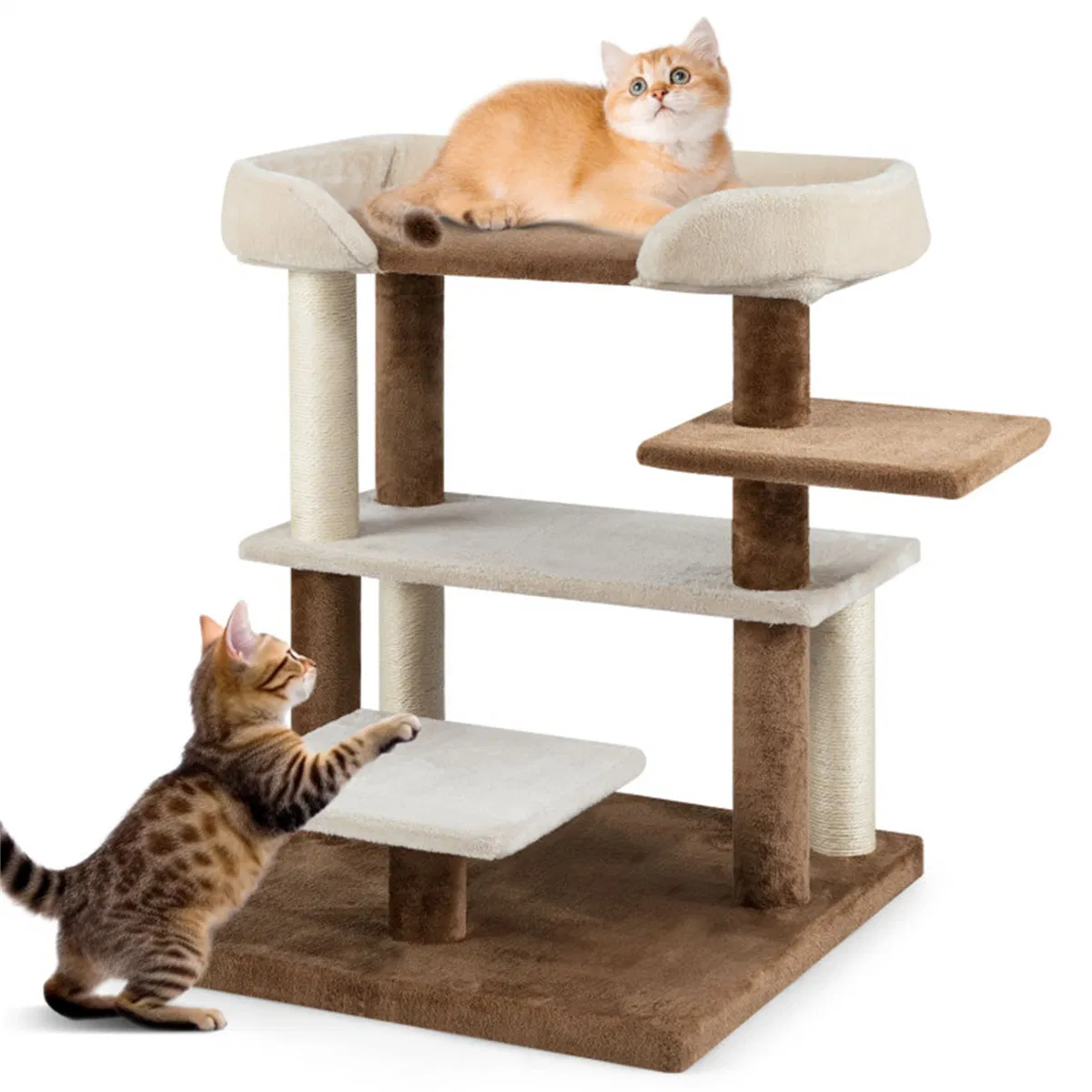 2-in-1 Cat Stairs & Tree - 4-Tier Platforms with Sisal Scratching Posts, Gray$122.99View on Mallflare
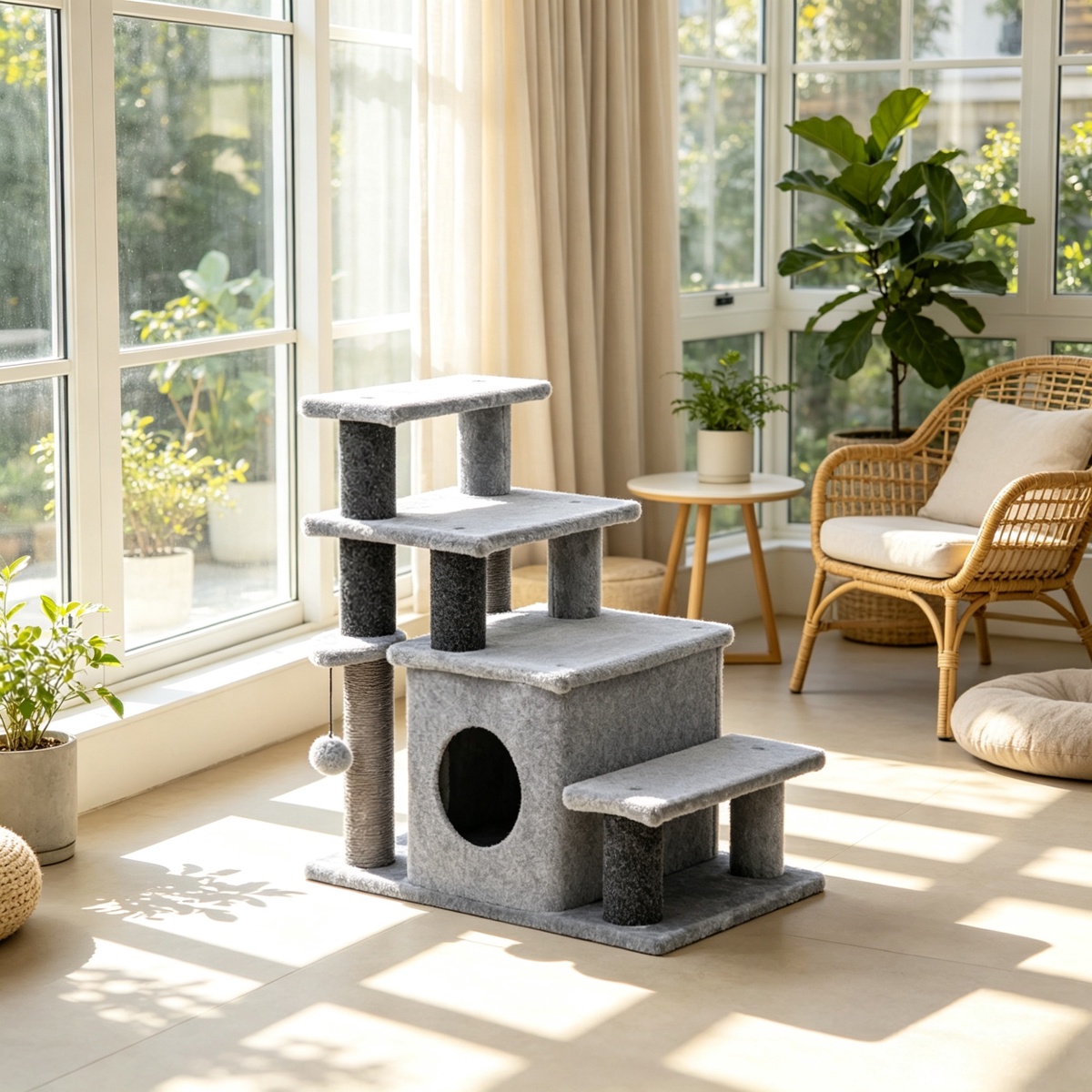 Adjustable Cat Stairs with Scratching Post & Toy Ball, 3/4-Step Design, for Bed & Sofa$186.99View on Mallflare
Highlights
- Wood and HDPE frames carry rated loads of 100-150 lb, while foam-core steps compress and wobble under cats over 15 lb.
- Sisal-wrapped posts (3-4 mm fiber) resist scratching far longer than carpet-wrapped posts, which fray within months of daily use.
- Each step should rise 6-8 inches; a 4-step unit reaches a 24-32 inch bed height, while a 3-step unit suits sofas at 15-18 inches.
- Folded-flat wood stairs store in ~4 inches of depth; revolving 5-level towers add play value but occupy a 24-inch footprint.
Best use cases
- High bed (24-32 in): pick a 4-level step with sisal posts and a broad 16x24 in base; skip 3-step units, which top out near 18 in.
- Sofa or low bed (15-18 in): a 3-step wood or carpet-tread stair is sufficient; skip 5-level towers, which waste floor space.
- Senior or arthritic cat: choose wide 6-7 in deep treads with carpet or non-slip rubber; skip narrow round-rung ladders that demand precise paw placement.
- Multi-cat home needing enrichment: a 4-step stair with scratching posts and a condo or ball toy combines climbing and scratching; skip plain foam blocks with no scratch surface.
Buying tips
- Measure bed height and divide by the number of steps: aim for 6-8 in per step; 4 steps cover 24-32 in, 3 steps cover 15-18 in.
- Choose wood or HDPE frames rated 100-150 lb over foam cores for cats above 15 lb or multi-cat households.
- Select sisal-wrapped posts over carpet-wrapped posts; sisal lasts 2-3x longer under daily scratching.
- Confirm a base depth of at least 16 in and non-slip carpet or rubber treads to prevent tipping when cats launch upward.
Specs
| Frame Material | Wood / HDPE / Foam core |
|---|---|
| Step Rise | 6-8 in per level |
| Load Rating | 100-150 lb (wood/HDPE) |
| Tread Surface | Carpet / sisal / non-slip rubber |
Related searches
What to check before buying
- Measure floor-to-bed-top height and confirm the step count gives 6-8 in per level.
- Check the footprint against available floor space: 4-step units need about 24x16 in, revolving towers about 24 in diameter.
- Verify the top step sits flush against the bed or sofa frame so the cat can transfer without a gap.
- For carpeted homes, pick sisal posts and carpet treads; for hard floors, confirm rubber feet or a non-slip base.
FAQ
Data sources: eBay / Amazon listings and product attribute feeds. Updated Nov 27, 2026.
Some links on this page are affiliate links. If you buy after clicking one, we may earn a commission at no extra cost to you. This does not change which products appear here or their order. Affiliate disclosure.