
Photos from current listings. Actual item, color, and included accessories may vary.
Cat Stair Buying Guide
Cat stairs are compact climbing aids that bridge the gap between floor and bed, couch, or window perch, and they split into two architectures: lightweight foam or fabric step stacks for small cats and quick repositioning, and rigid wood/plastic or sisal-post stair towers built to survive daily jumping and scratching. The deciding trade-off is load rating and tread grip versus footprint and scratch resistance — foam compresses and slides on hardwood, while rigid frames with carpet or sisal treads hold position and double as furniture. Choose rigid construction when the step rise exceeds roughly 16 inches or the cat is large; choose a lightweight step stack only for low furniture and calm, small cats.
Median $91.49
Key takeaways
- Rigid wood or HDPE frames are rated around 150 lb for pet stairs, while foam step stacks typically support 25-50 lb and compress under repeated launch loads.
- Sisal-wrapped posts and carpet treads are the two wear surfaces: sisal resists claw shear on vertical posts, carpet provides paw traction on horizontal treads.
- Step count scales with climb height: 3 steps cover beds up to about 24 inches, 4-5 steps reach beds and counters at 30-37 inches.
At a glance
- Category
- Pet Beds & Cat Trees
- Last updated
- Nov 27, 2026
Current offers
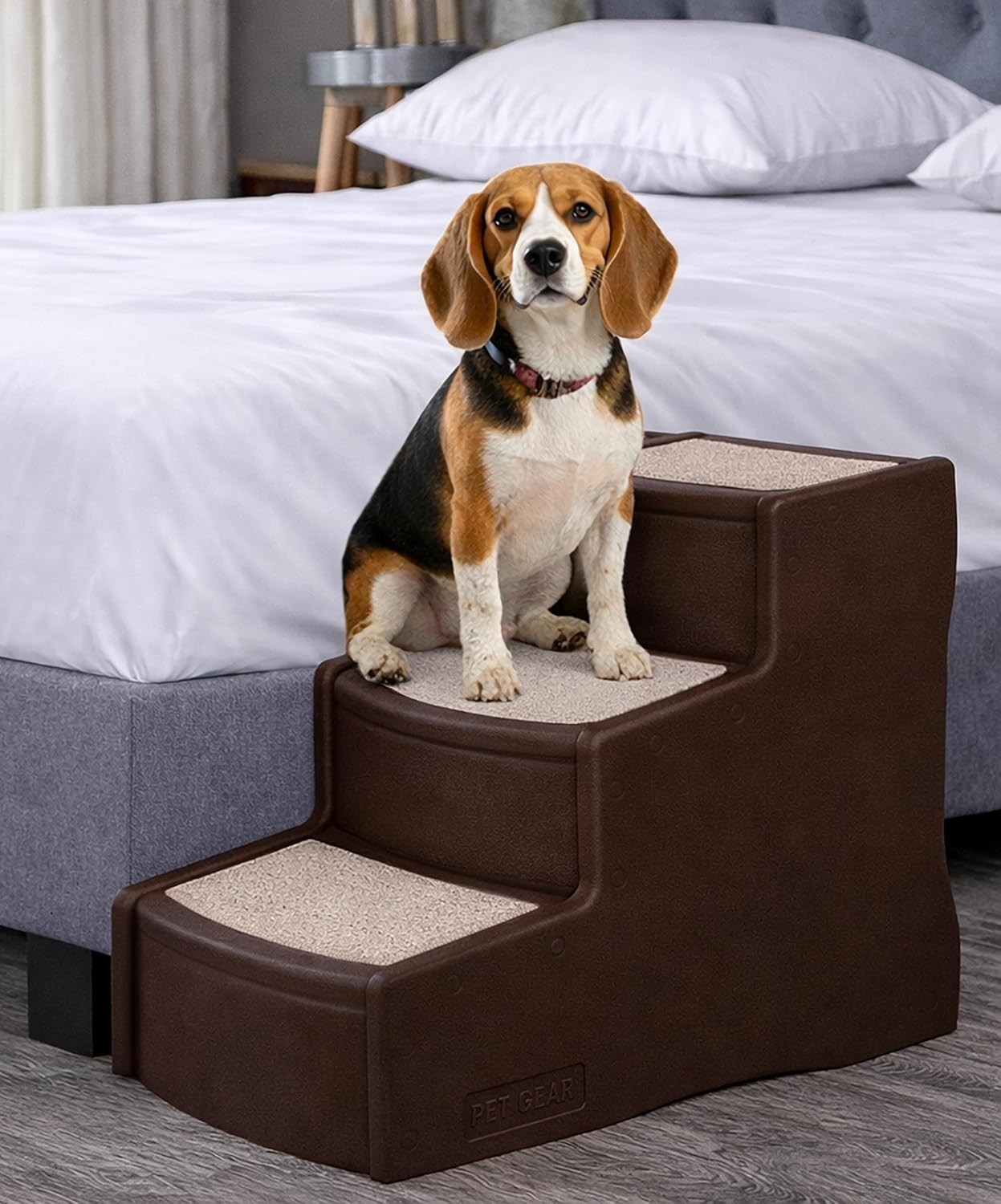 Pet Gear Easy Step III Pet Stairs 3-Step Cat Dog 150lb Coffee Bean Washable$66.48View on eBay
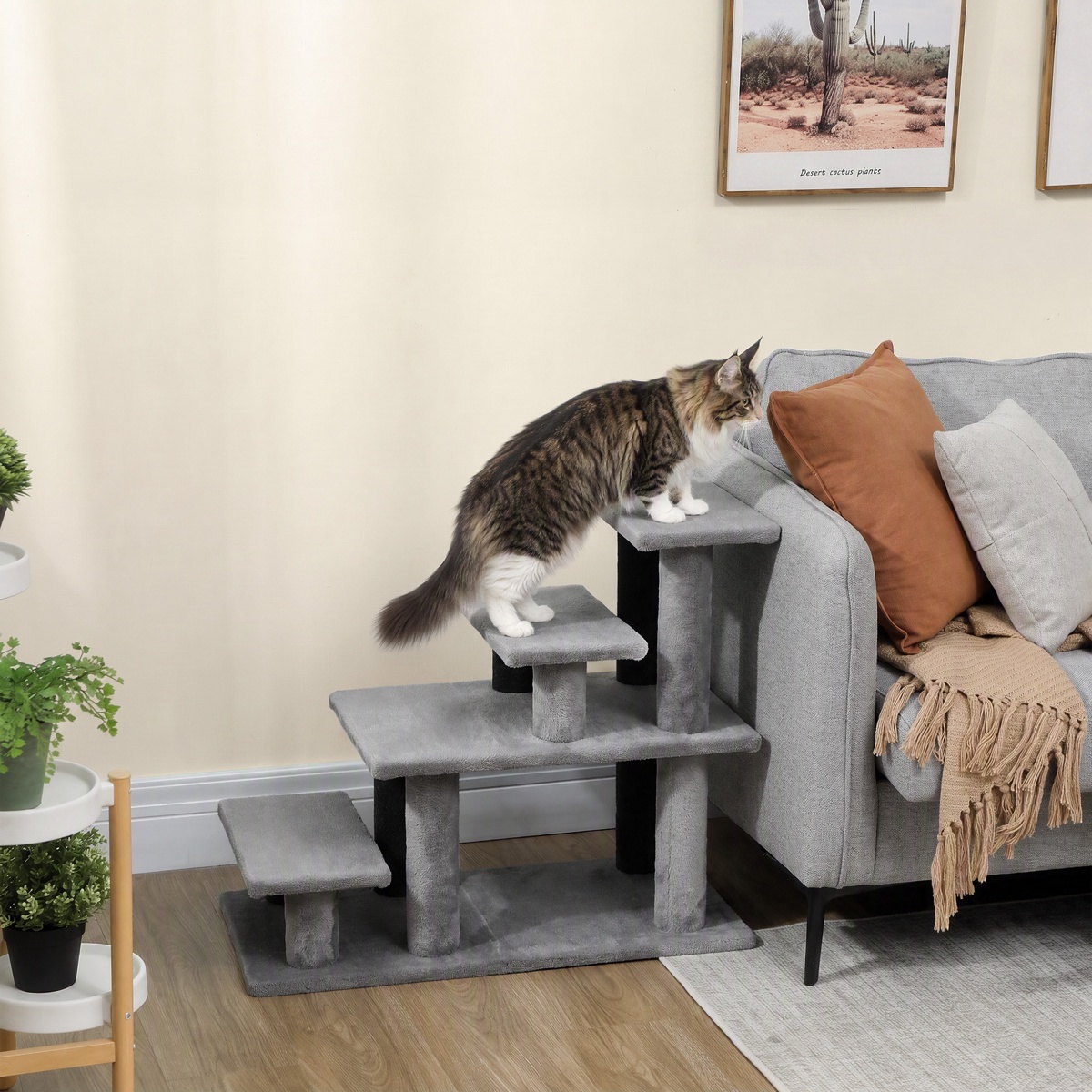 Pet Stairs, Cat with 2/3/4-Step Flexible Setup for Bed, Sofa, Gray$47.99View on Mallflare
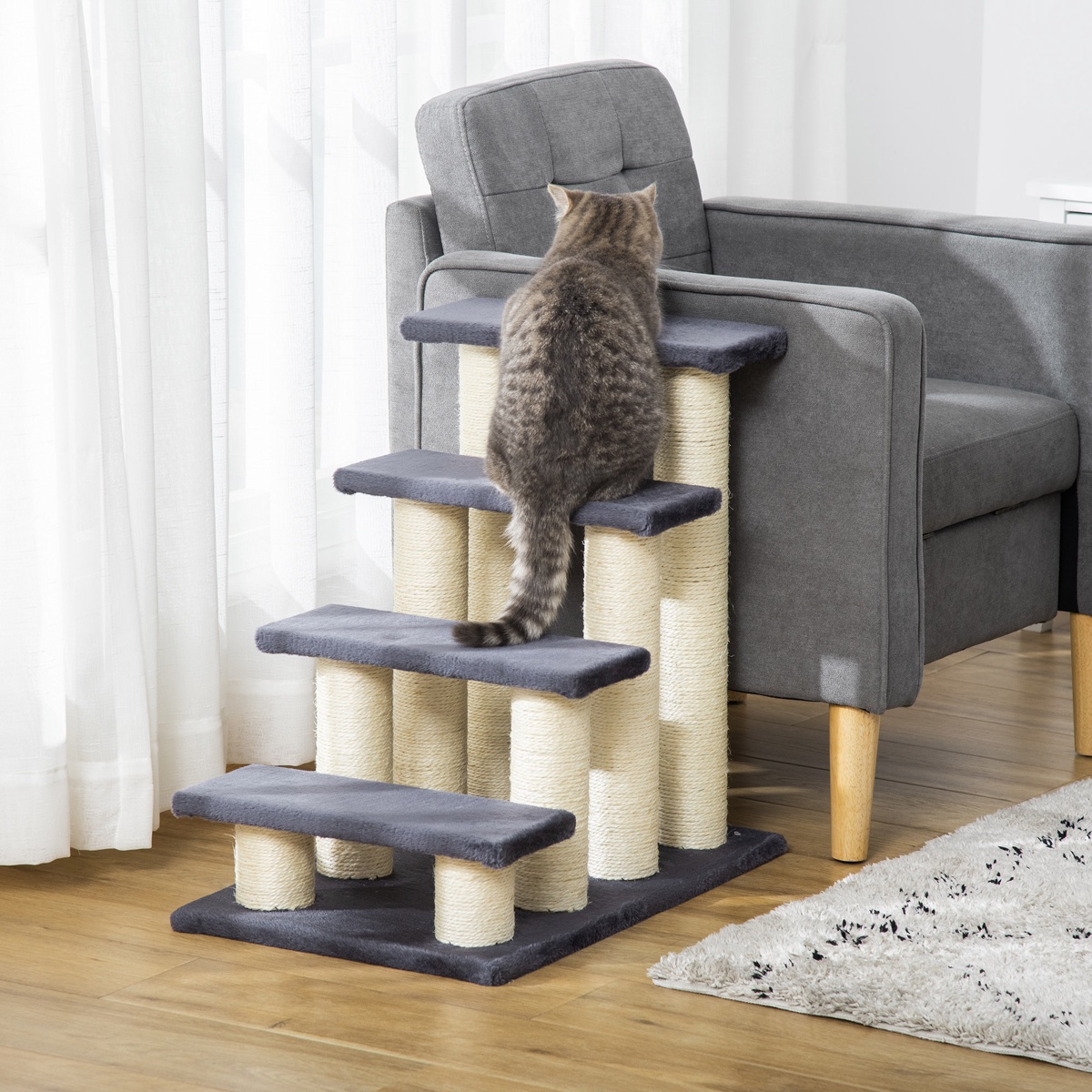 Cat Tree with 4 Steps for High Beds w/ Sisal Scratching Post$50.99View on Mallflare
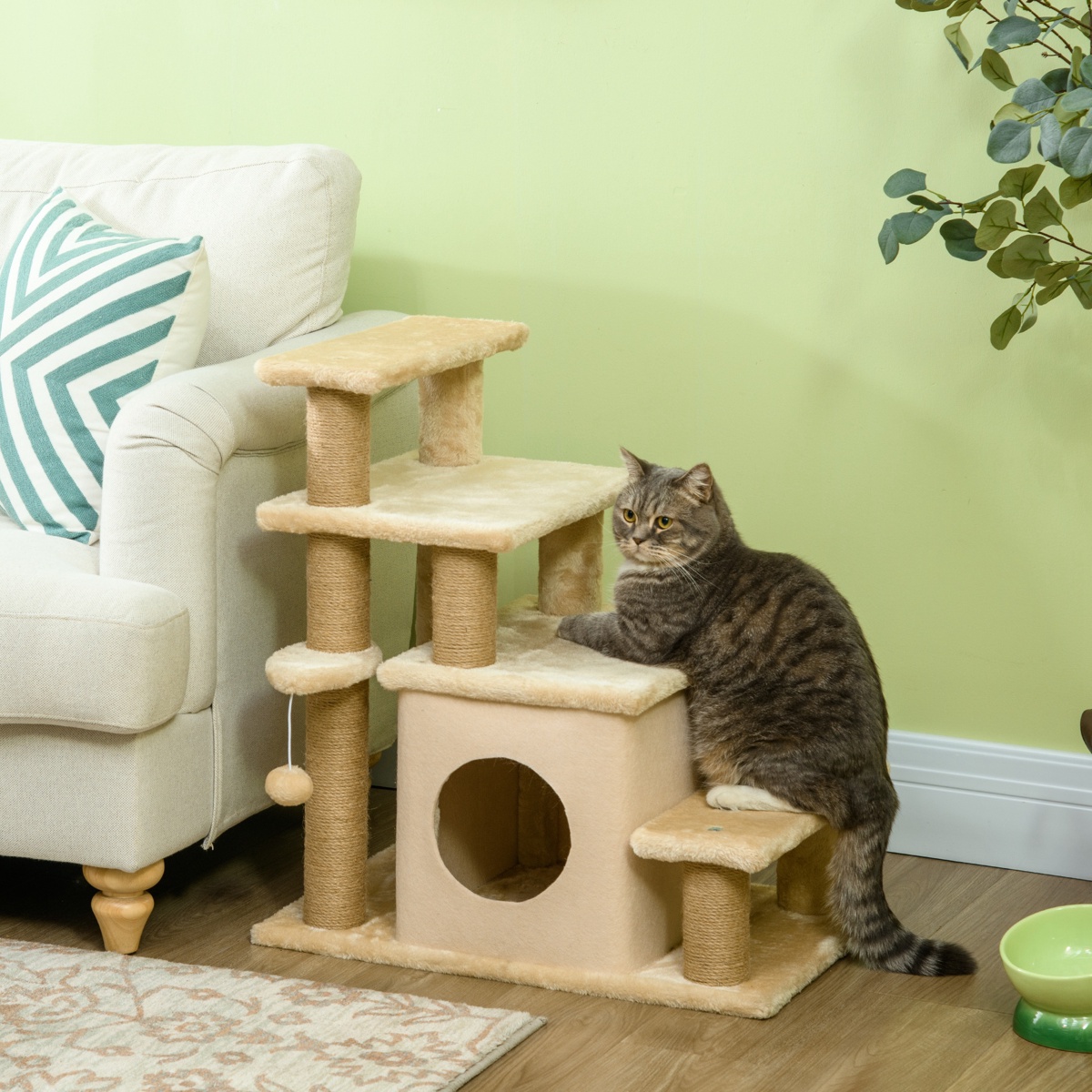 Adjustable Height 3 Step/4 Step Cat Stairs w/ Jute Cat Scratching Post, Cat Condo, Toy Ball, for Bed, Sofa, Couch, Beige$52.99View on Mallflare
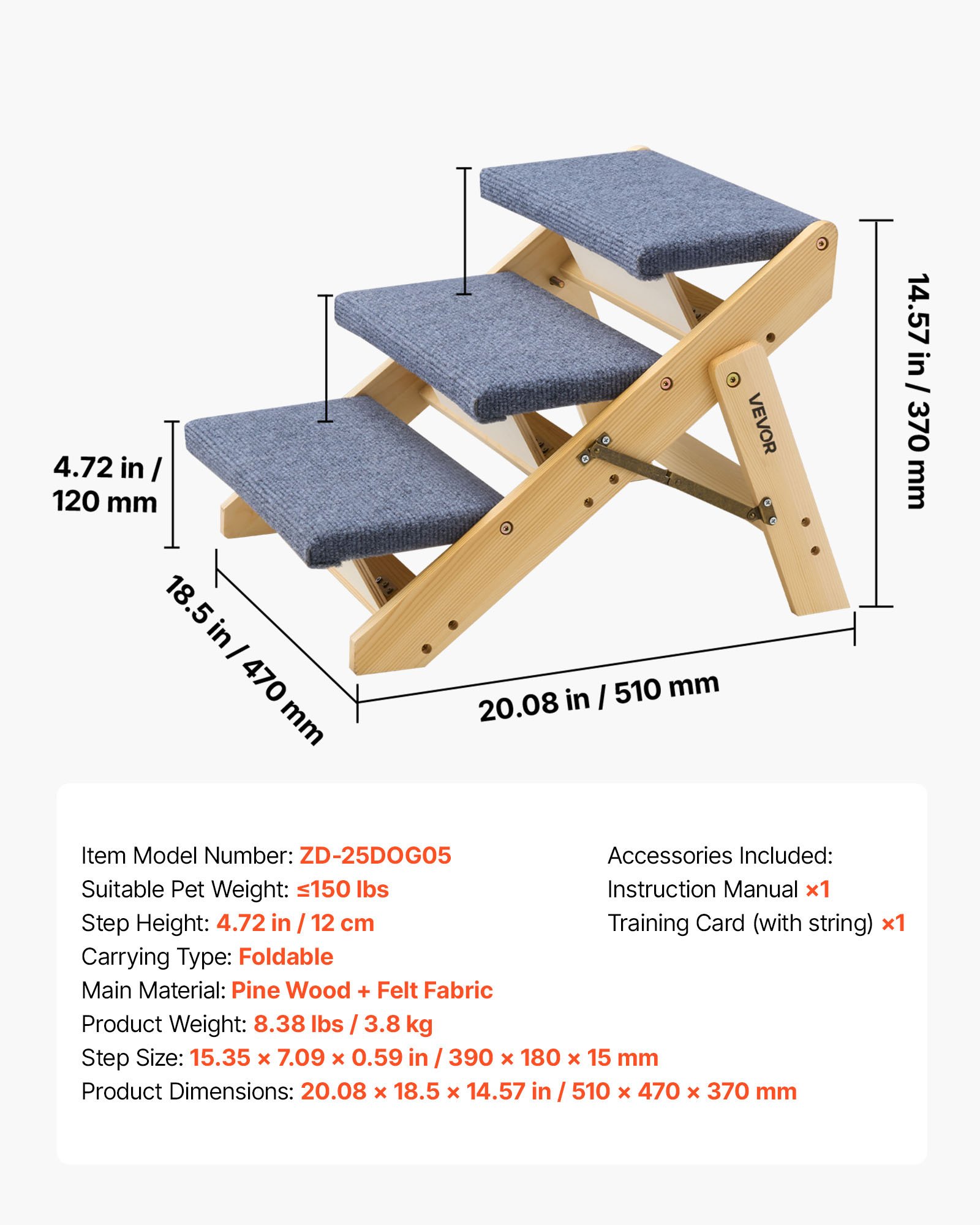 Wood Pet Stairs, 3-Step Dog For Beds, Sofa & Cars, 150lbs Load Capacity, Floded Flat Design, Stable & Sturdy Cat & Dog Step Ladder For Small Medium Large Older Pet Puppy$53.99View on Mallflare
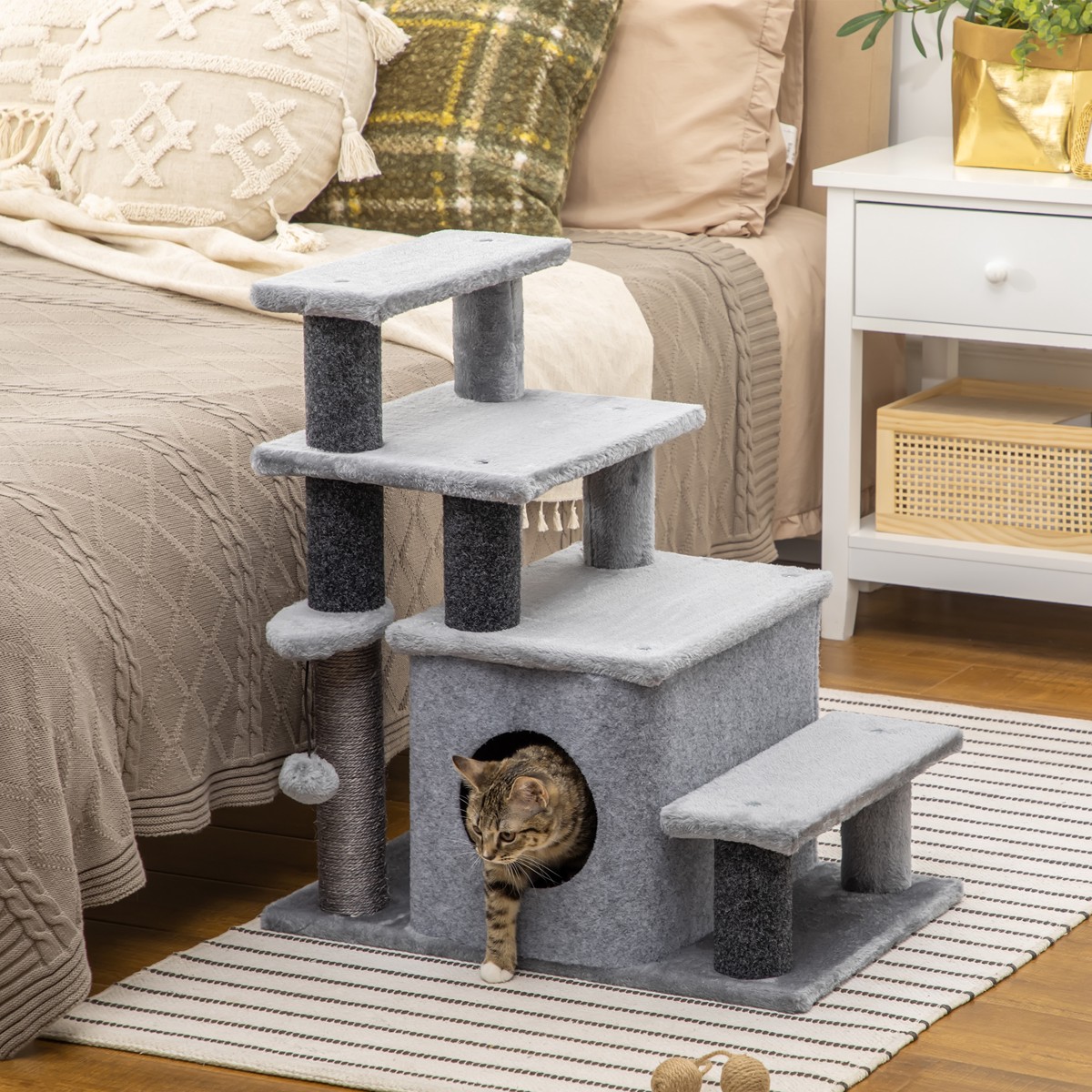 Adjustable Height 3 Step/4 Step Cat Stairs w/ Sisal Cat Scratching Post, Cat Condo, Toy Ball, for Bed, Sofa, Couch, Gray$53.99View on Mallflare
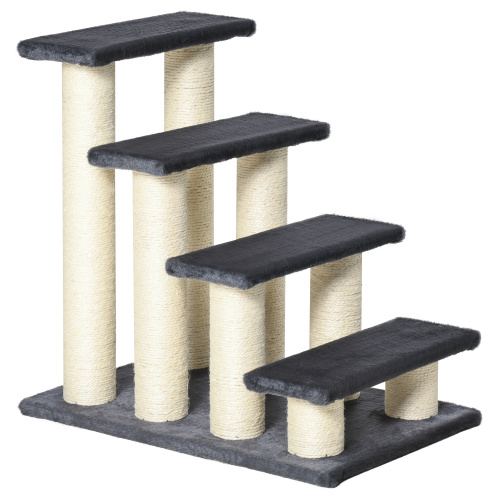 PawHut Cat Tree With 4 Steps For High Beds Couch, Cute Stair Shaped Cat For Indoor Cats Or Dogs W Sisal Scratching Post, Climbing, Playing, Gray$87.99View on Mallflare
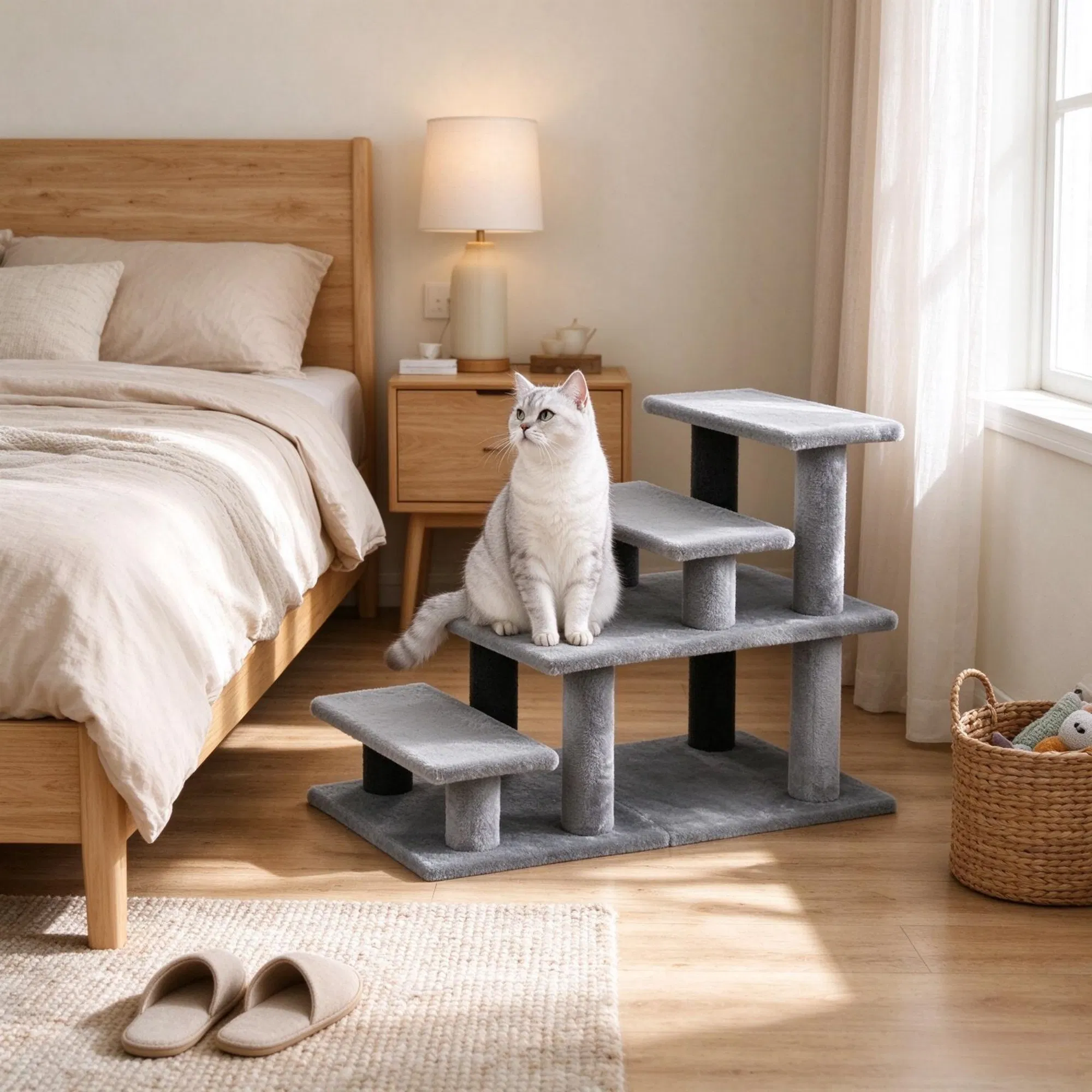 2/3/4-Step Pet Stairs, Flexible Setup Cat for Bed & Sofa, Gray$94.99View on Mallflare
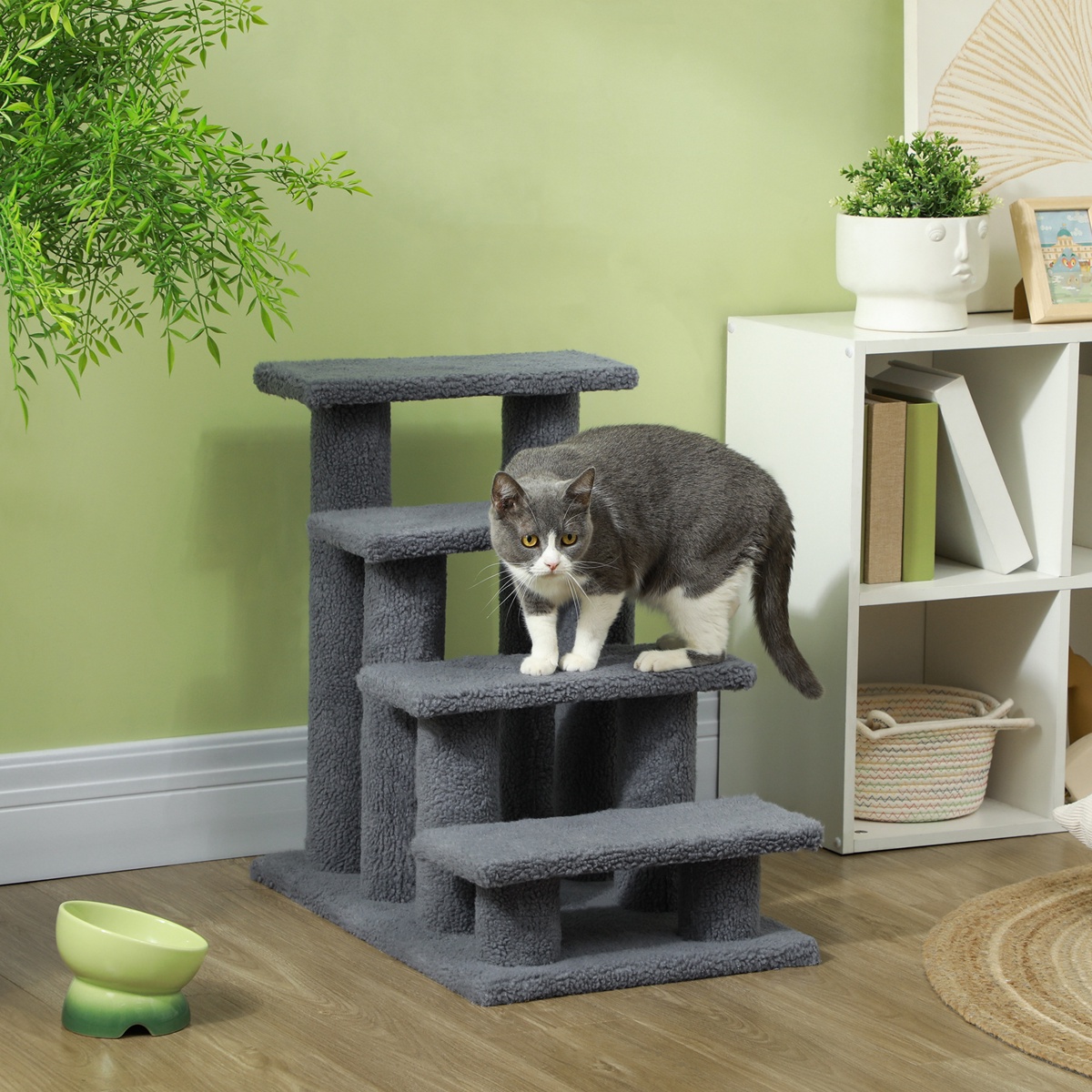 Pet Stairs Dog Cat Step Scratch Post$109.99View on Mallflare
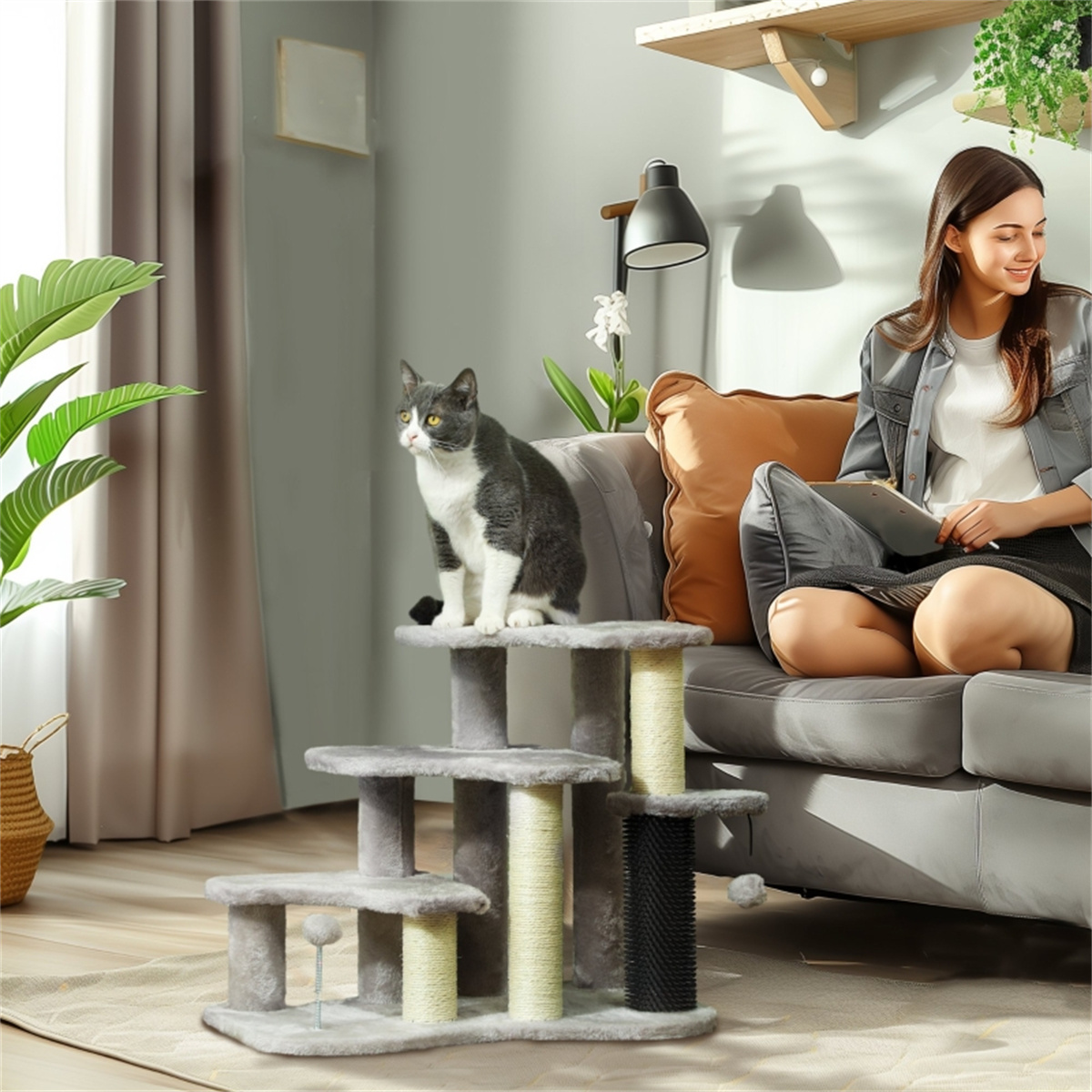 3-Step Cat Stairs 2-in-1 Cat Tree Tower – with Toy Balls, Scratching Post for Indoor Cats$109.99View on Mallflare
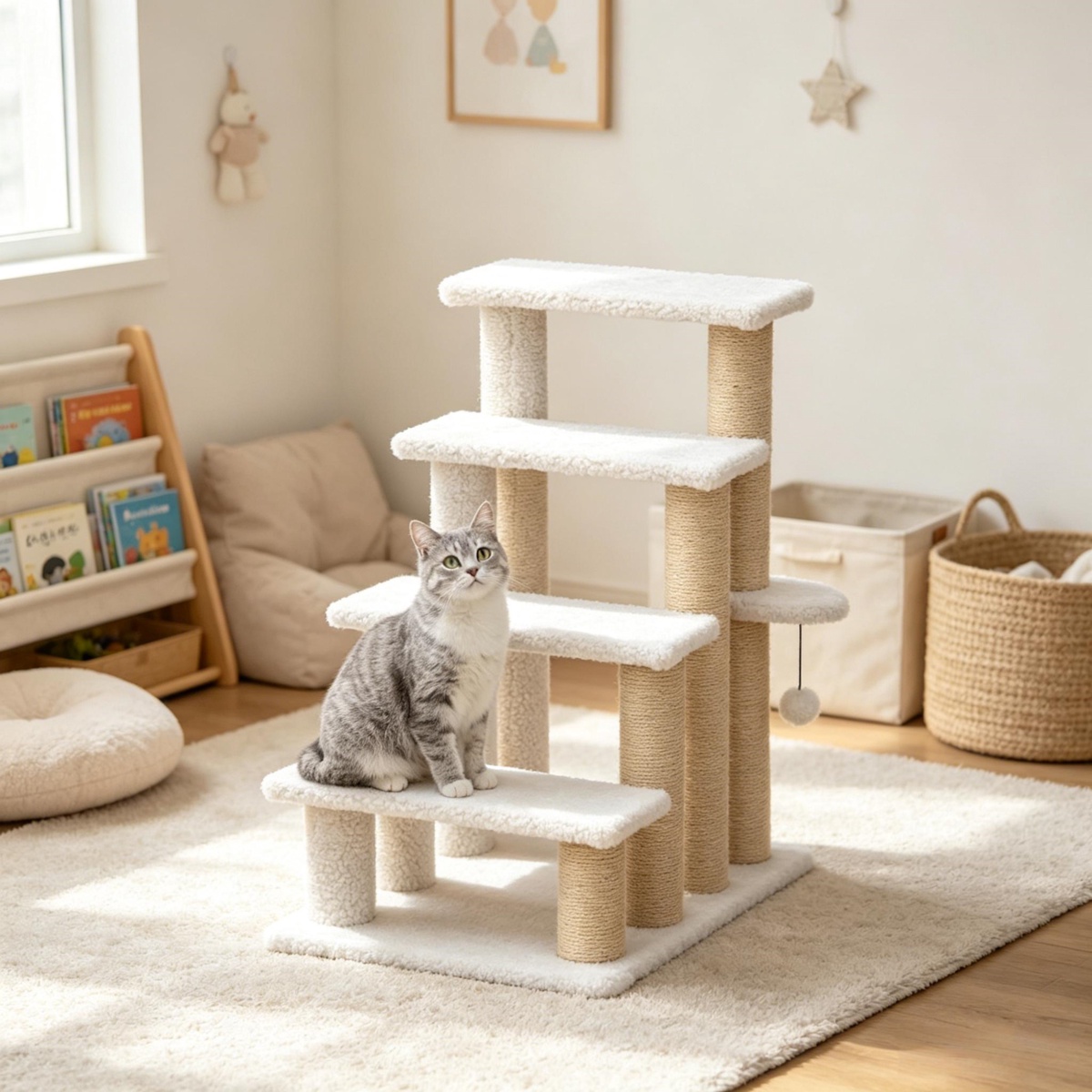 4 Levels Cat Steps with Scratching Posts for High Bed, Sofa, Non-slip Sturdy Pet Climbing Ladder for Indoor Cats, White$111.99View on Mallflare
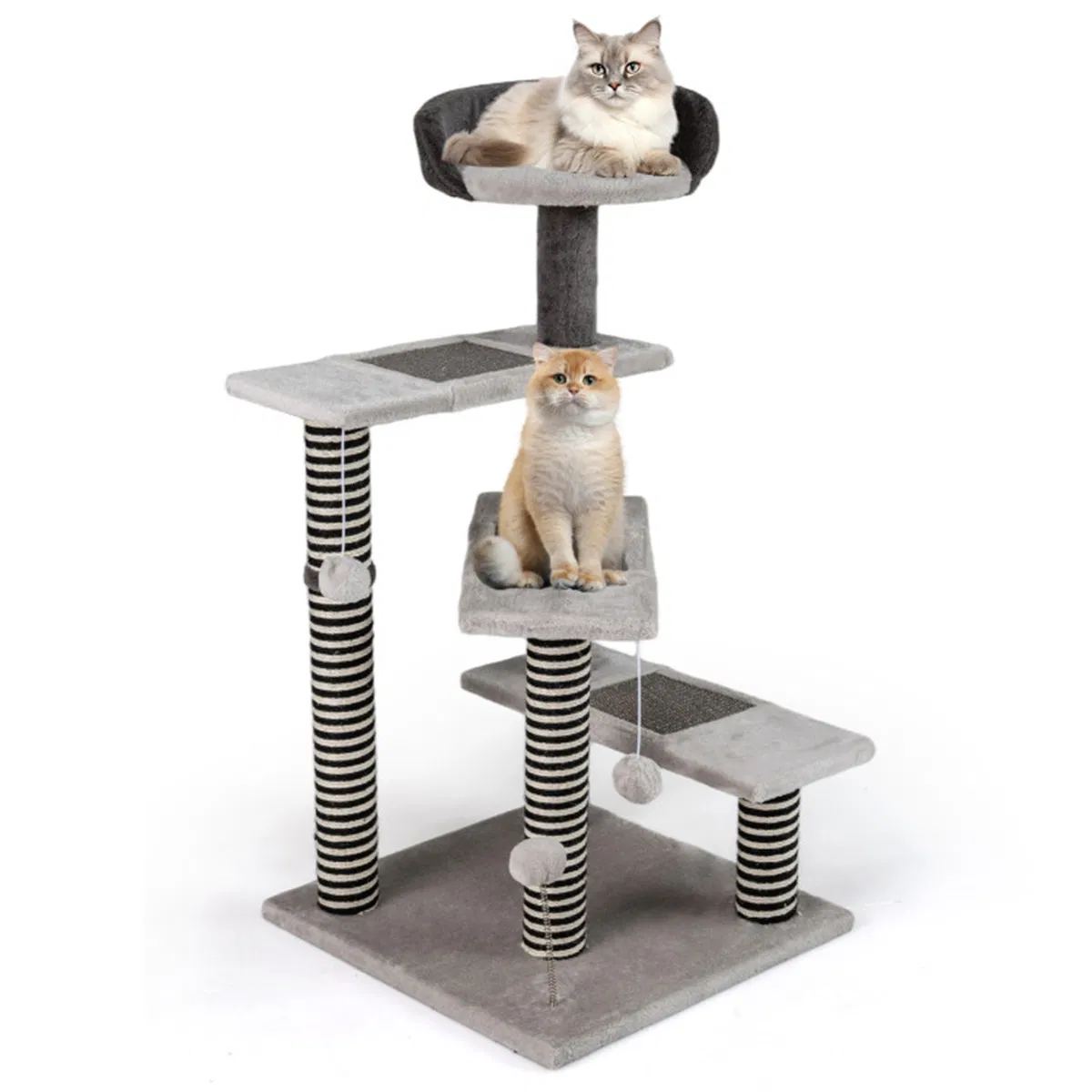 37" tall Cat Stairs with Scratching Mats - 3-Tier Perches, Spring Ball & Dangling Toys for Cats$120.99View on Mallflare
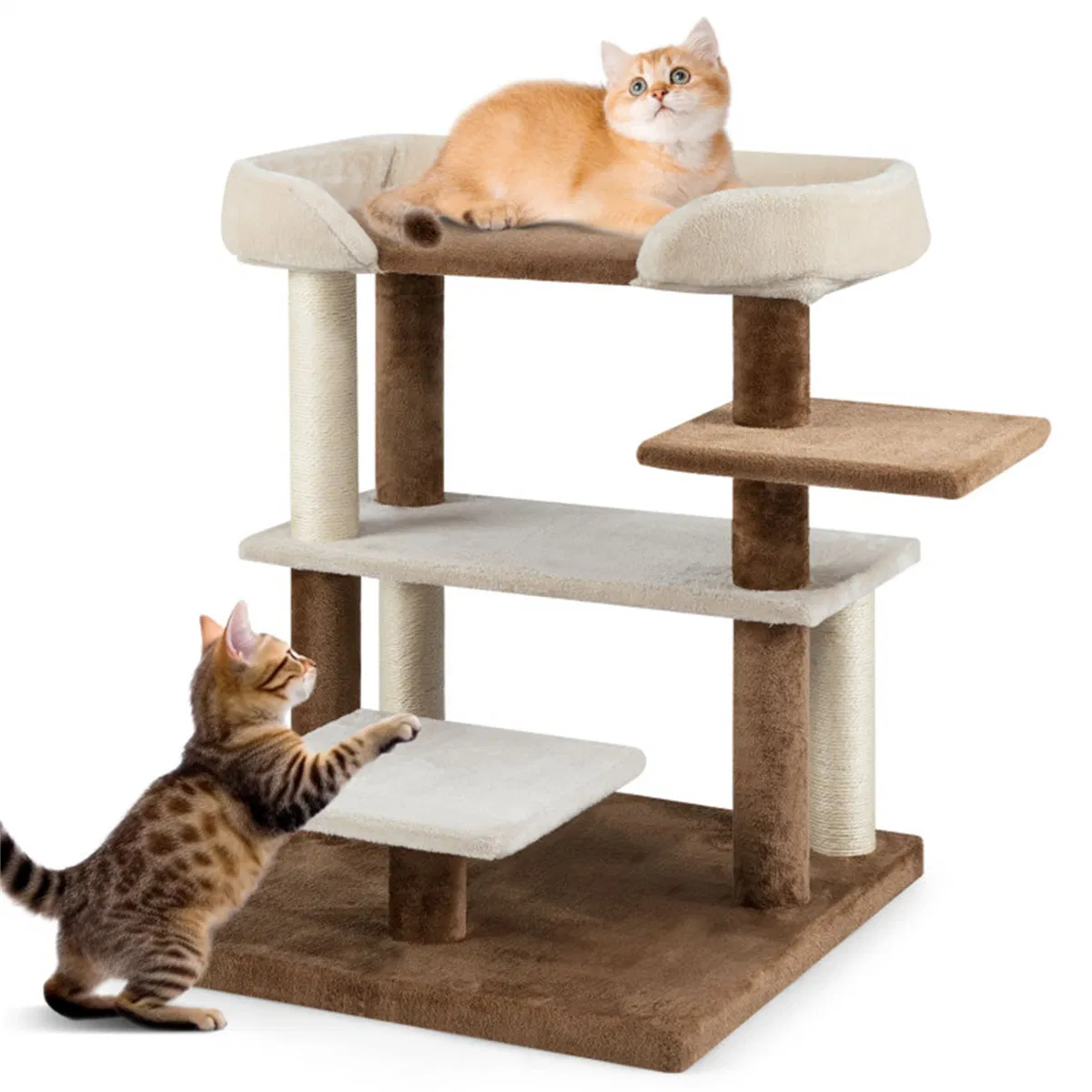 2-in-1 Cat Stairs & Tree - 4-Tier Platforms with Sisal Scratching Posts, Gray$122.99View on Mallflare
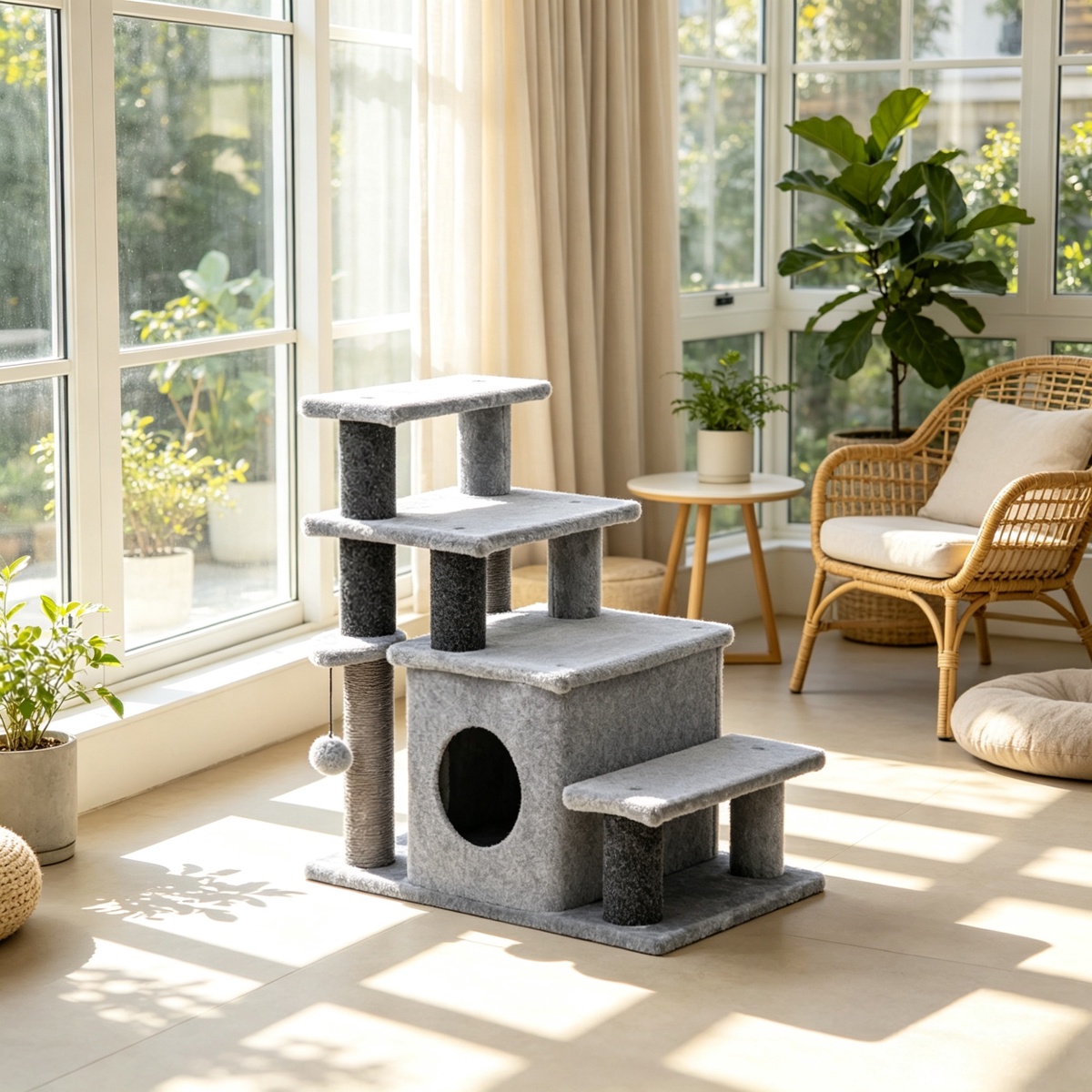 Adjustable Cat Stairs with Scratching Post & Toy Ball, 3/4-Step Design, for Bed & Sofa$186.99View on Mallflare
Highlights
- Rigid wood or HDPE frames are rated around 150 lb for pet stairs, while foam step stacks typically support 25-50 lb and compress under repeated launch loads.
- Sisal-wrapped posts and carpet treads are the two wear surfaces: sisal resists claw shear on vertical posts, carpet provides paw traction on horizontal treads.
- Step count scales with climb height: 3 steps cover beds up to about 24 inches, 4-5 steps reach beds and counters at 30-37 inches.
- Fold-flat wood stairs use a hinge and locking brace; fixed stair towers use a wider base plate for tip resistance and cannot be stowed.
Best use cases
- High bed or tall couch (mattress top over 24 inches): pick a 4-5 step rigid stair tower with sisal posts and a wide base; skip 2-3 step foam stacks that leave a final jump.
- Senior or arthritic cat needing gentle access: choose shallow-rise carpeted wood stairs with non-slip treads and a landing platform; skip revolving or angled climbing towers that demand balance.
- Small apartment or multi-use room: pick a fold-flat 3-step wood stair that stows under the bed; skip fixed 37-inch towers that occupy permanent floor space.
- Scratch-destructive cat: choose a stair tower with full-height sisal posts so the unit replaces a standalone scratcher; skip fabric-only step stacks with no scratch surface.
Buying tips
- Measure from floor to the top of the mattress or seat cushion, then divide by step count: keep individual step rise at 6-8 inches for cats and under 6 inches for seniors.
- Match load rating to pet weight with margin: rigid stairs rated 150 lb handle large cats and small dogs, while foam stacks rated 25-50 lb suit cats under 15 lb only.
- Confirm tread grip material: carpet or sisal-faced treads on wood frames prevent paw slip, whereas bare HDPE or fabric-wrapped foam slides on hardwood and tile.
- Check base depth against stair height: a 37-inch tower needs a base footprint roughly half its height for tip stability; fold-flat stairs rely on a locking brace instead.
Specs
| Frame Material | Wood / HDPE / Foam / Carpet |
|---|---|
| Step Count | 3-5 steps (rise 6-8 in each) |
| Load Rating | Rigid 150 lb / Foam 25-50 lb |
| Tread Surface | Carpet, sisal, or non-slip pad |
Related searches
What to check before buying
- Measure floor-to-bed or floor-to-couch height and the available wall run; stair depth plus landing must fit without blocking walkways.
- Weigh your cat and add margin to the stated load capacity, especially for foam or plastic step stacks.
- Verify floor type: carpet treads and rubber feet grip hardwood and tile, while bare plastic feet can skate on smooth flooring.
- Confirm assembly and tool needs: wood stairs ship with screws and an Allen key, while multi-level towers may require wall-anchor straps for tall configurations.
FAQ
Data sources: eBay / Amazon listings and product attribute feeds. Updated Nov 27, 2026.
Some links on this page are affiliate links. If you buy after clicking one, we may earn a commission at no extra cost to you. This does not change which products appear here or their order. Affiliate disclosure.