Pet Gear Picks

Pet Gear Picks

Pet Gear Reviews & Buying Guides

Compare pet gear by use case, features, trade-offs, price, returns, and seller terms before you buy.

Buying guides

Buying guide image
Pet Travel & Safety

Cat Carrier With Wheels

A wheeled cat carrier solves the weight and stress of hands-free transport, but most buyers misjudge the gap between a rolling backpack and a true stroller. Fit hinges on cabin dimensions, wheel type, and carrier-to-frame attachment, not just the bag size. Selecting the wrong architecture for your cat's weight and your travel mode wastes money and can compromise safety.
Buying guide image
Pet Travel & Safety

Cat Crate

A cat crate is a rigid or semi-rigid enclosure used for safe transport of cats by car, plane, or on foot; the core trade-off is between lightweight collapsibility (soft-sided mesh/oxford bags) and crash-tested structural integrity (hard plastic or reinforced metal). Durable options use molded PP or welded steel frames with metal hardware and airline-compliant dimensions, while compromises rely on thin 600D oxford, plastic zippers, and undersized ventilation panels that fail under stress.

Buying guide image
Pet Travel & Safety

Portable Cat Carrier

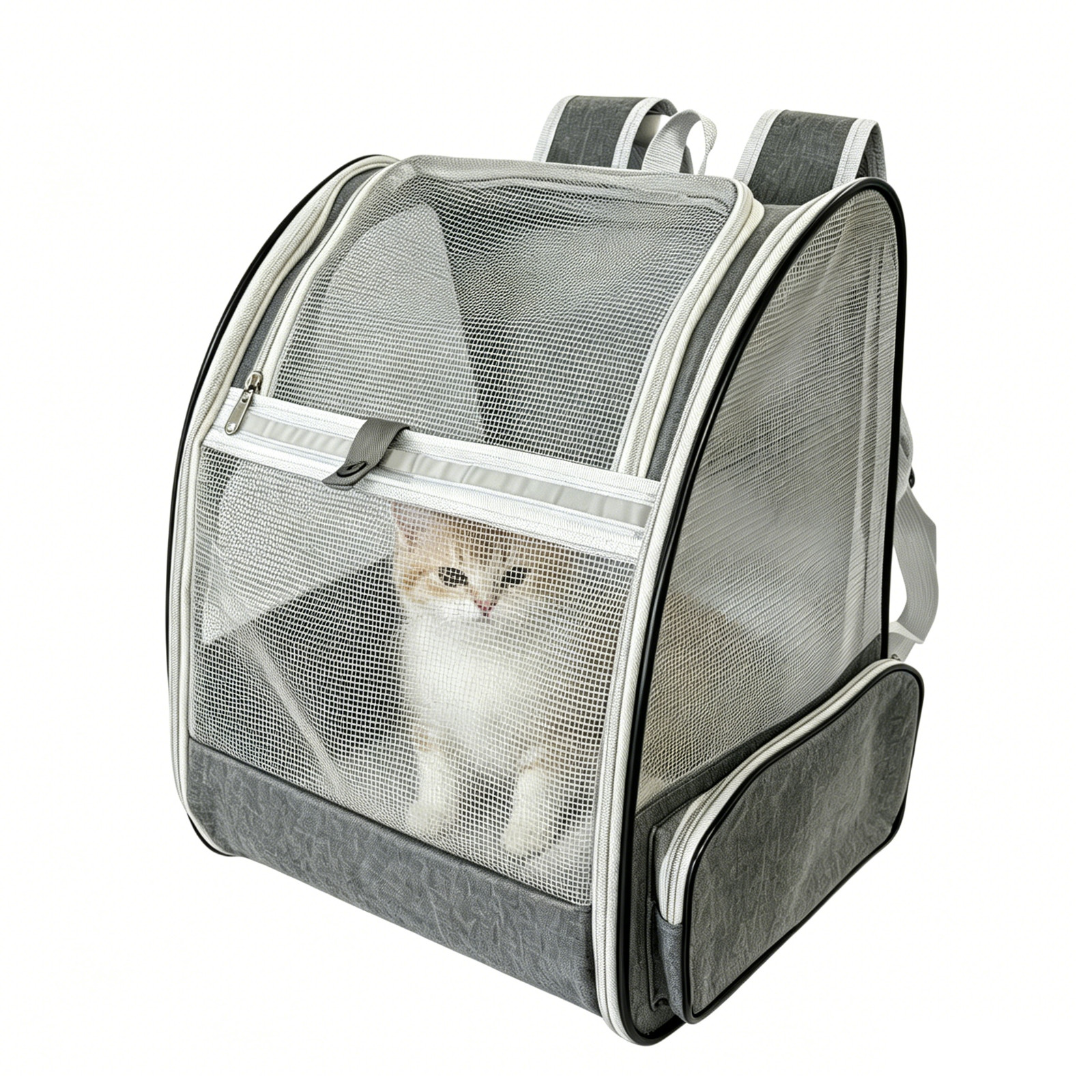
A portable cat carrier is a short-trip enclosure that balances structural rigidity, ventilation, and airline-compatible dimensions. The core trade-off is soft-sided mesh-and-fabric flexibility versus hard-shell crush protection, and the decision rule is simple: buy a carrier with a rigid base insert, metal or locking zippers, and dimensions under 18 x 11 x 11 in for cabin use; skip unstructured bags with plastic-only zippers and no internal frame.

Buying guide image
Pet Training Gear

Collar

A training collar is either a plain nylon/metal restraint collar, a no-pull head halter, or an electronic collar that delivers tone, vibration, or static correction; the core trade-off is control intensity versus humane risk and build durability. Durable options use rated webbing and sealed IP67 electronics with adjustable contact points; compromises use thin nylon, unsealed battery compartments, and fixed-prong chokes that concentrate pressure.

Buying guide image
Aquarium Filters & Pumps

Aquarium Filter

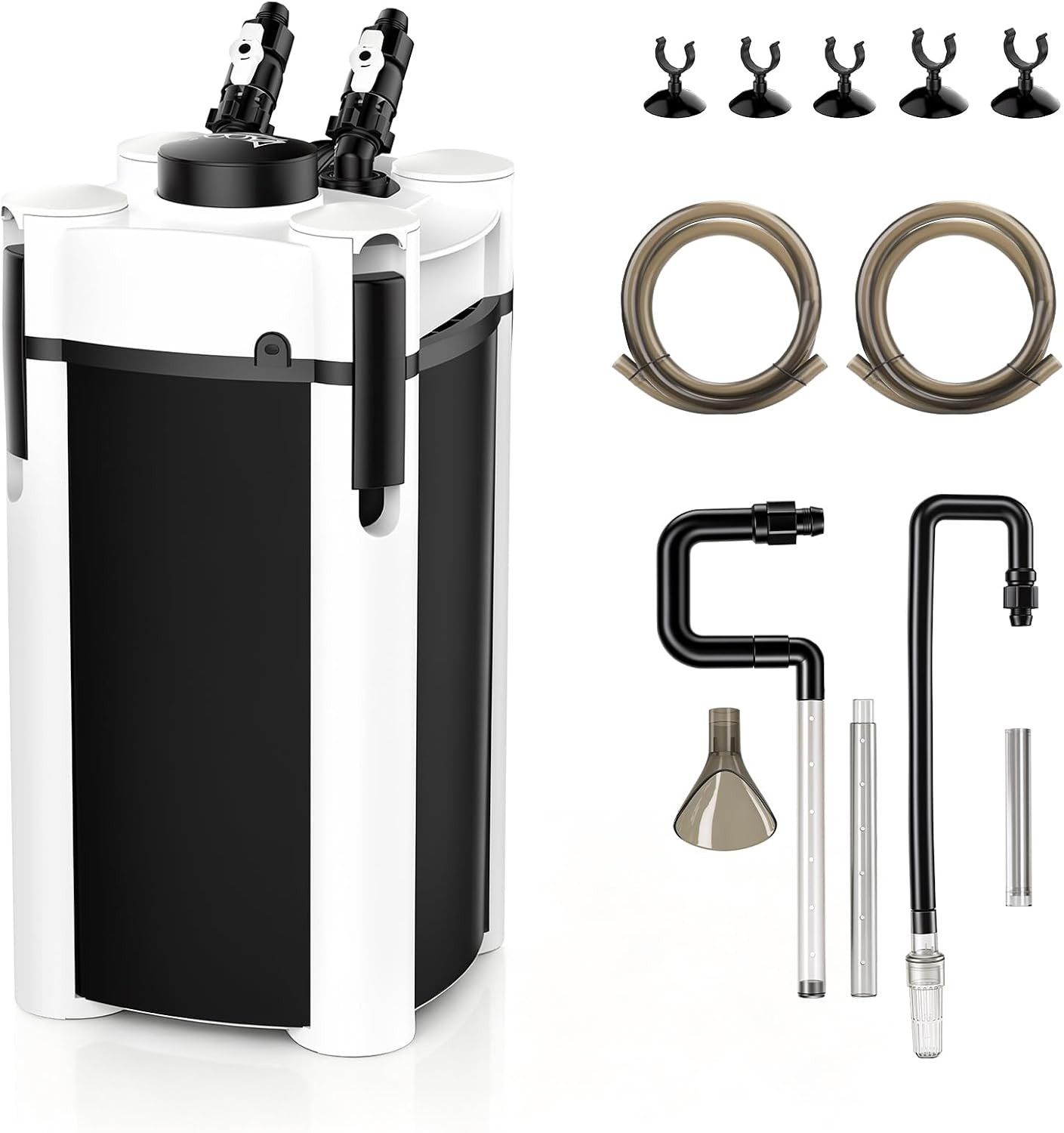
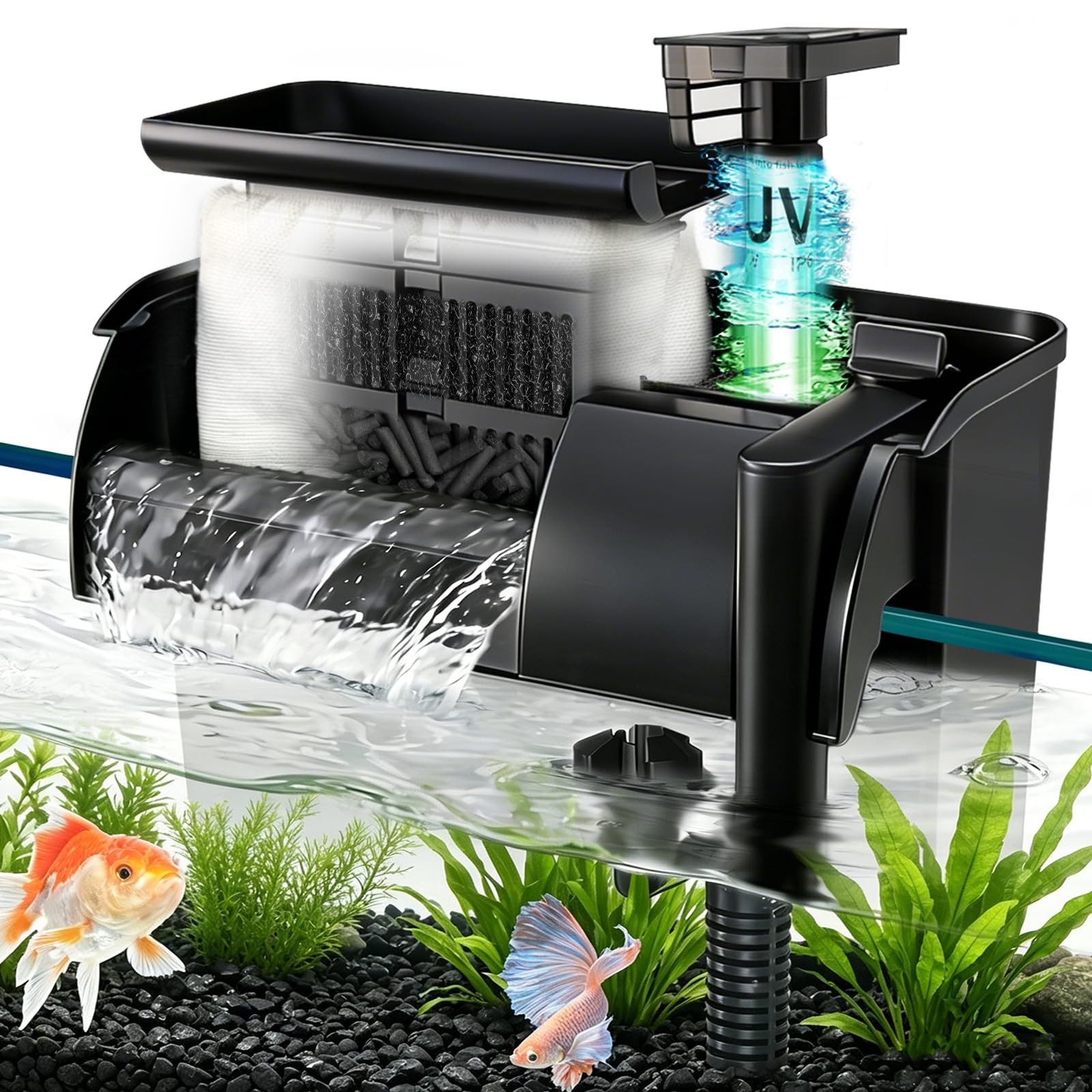
Aquarium filters are the life-support backbone of any tank, and the central trade-off is mechanical simplicity versus biological capacity: hang-on-back (HOB) and sponge filters are cheap and easy but limited in media volume, while canisters and sumps offer massive bio-filtration at higher cost and plumbing complexity. The decision rule is to match filter type and rated flow to your tank's actual water volume and bioload, then prioritize media volume and serviceability over gimmicks like UV clarifiers or wattage claims.

Buying guide image
Pet Crates, Kennels & Playpens

Outdoor Dog Kennel With Roof

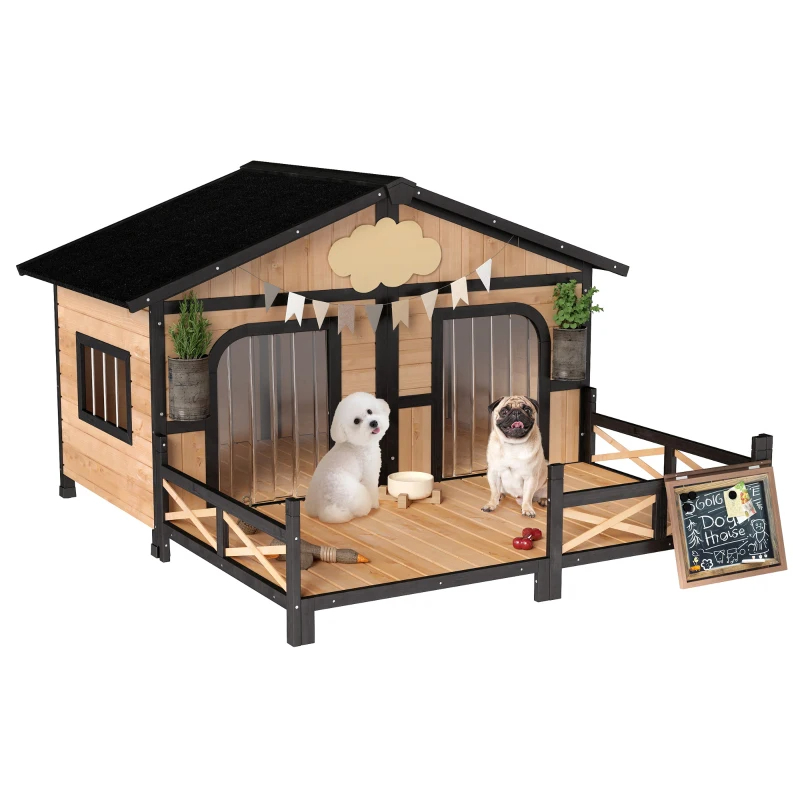
An outdoor dog kennel with roof is a permanent or semi-permanent enclosure combining a metal run with a weatherproof top, where the core trade-off is welded versus bolted wire gauge against roof load and UV resistance. Buyers should demand a welded 8-gauge or 10-gauge frame with a tensioned UV-stabilized cover or rigid panel; bolted 12-gauge kits with fabric roofs are seasonal compromises.

Buying guide image
Pet Travel & Safety

Dog Bike Trailer

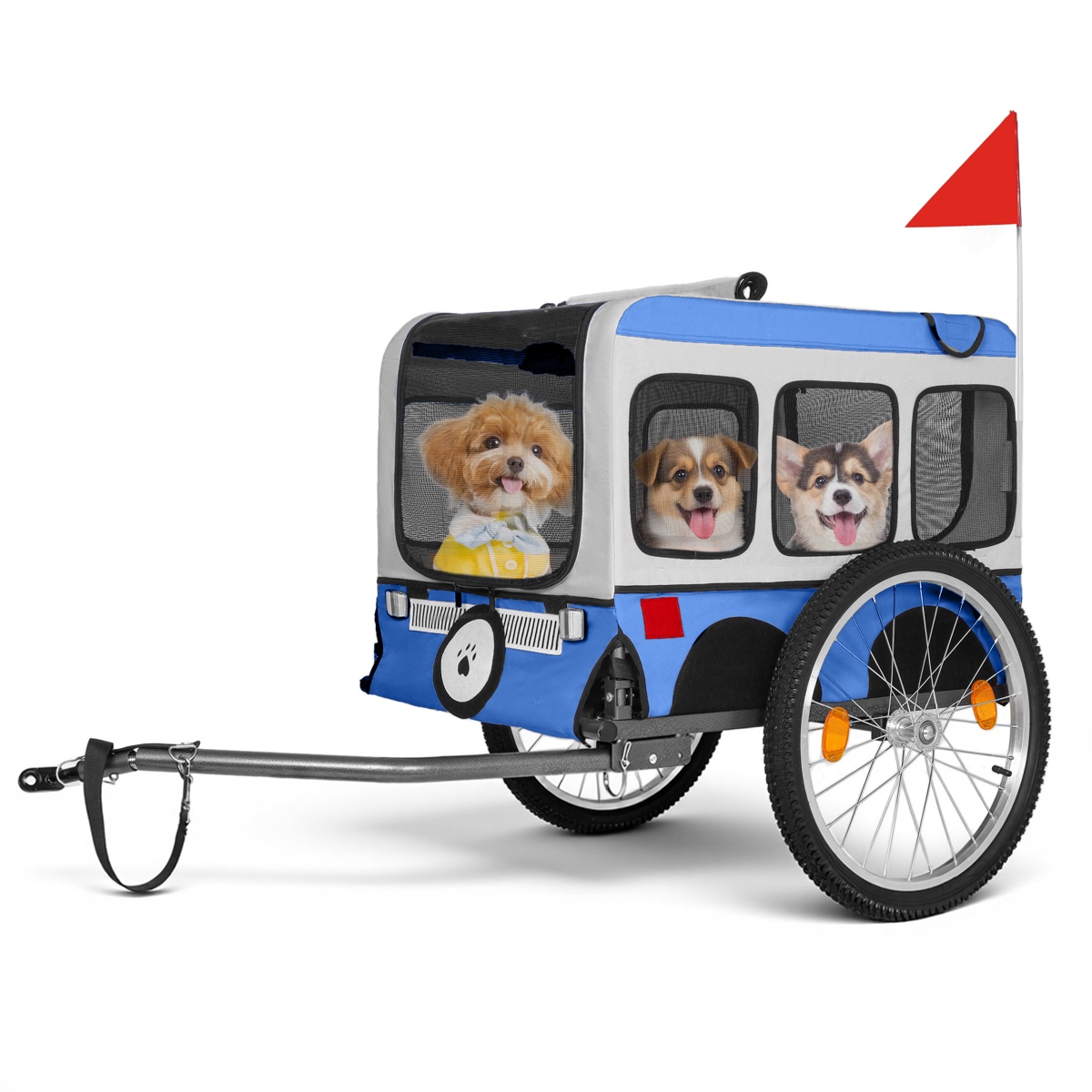
Dog bike trailers are tow-behind carriers that convert a bicycle into a pet transport system, and the core trade-off is frame/axle strength versus weight and folded size. The decisive rule: buy a steel or reinforced-aluminum frame rated at least 1.5x your dog's weight, with a proper hitch coupler and pneumatic tires, and skip any fabric-only cart with plastic wheels.

Buying guide image
Pet Travel & Safety

Dog Trailer

A dog trailer is a tow-behind carrier that attaches to a bicycle or e-bike via a hitch, letting you transport a pet safely while riding. The core trade-off is between lightweight fabric-and-aluminum frames for occasional use and welded steel frames with sealed bearings for high-mileage durability. Choose a steel or reinforced aluminum frame with a tested weight rating above your dog's weight plus 20% for safety; fabric-only carts with plastic hitches are fair-weather compromises.

Buying guide image
Pet Travel & Safety

Dog Bike Buggy

A dog bike buggy is a bicycle-towed trailer that carries a pet in a fabric-and-metal cabin on two or more wheels, and the core trade-off is between lightweight folding convenience and the heavy-duty frame, axle, and hitch strength needed for safe towing. Durable models use welded steel or aluminum frames with 16- to 20-inch air-filled wheels and a steel universal hitch, while compromises rely on thin tubing, small hard-plastic wheels, and flimsy couplers that fail under load or speed. The decision rule: buy the wheel and axle spec that matches your dog's weight plus the trailer's cargo rating, and insist on a metal hitch secured to the rear axle—not a seat-post clamp.

Buying guide image
Pet Travel & Safety

Dog Bike Carriage

A dog bike carriage (also called a pet bike trailer) is a tow-behind carrier that attaches to your bicycle's rear axle via a hitch, letting you cycle with a dog that can't run the distance. The core trade-off is between light-duty fabric-and-steel frames with 16-inch wheels (fine for pavement and small dogs) versus reinforced cargo trailers with 20-inch air-filled wheels and higher weight ratings (needed for off-road and larger dogs). The clear decision rule: pick a trailer rated at least 10 lbs above your dog's weight, match wheel size to terrain, and insist on a steel or aluminum frame with a universal axle hitch—fabric-only frames and 8-inch wheels are compromises for anything beyond flat pavement.

Buying guide image
Bird & Small Animal Supplies

Animal Cage

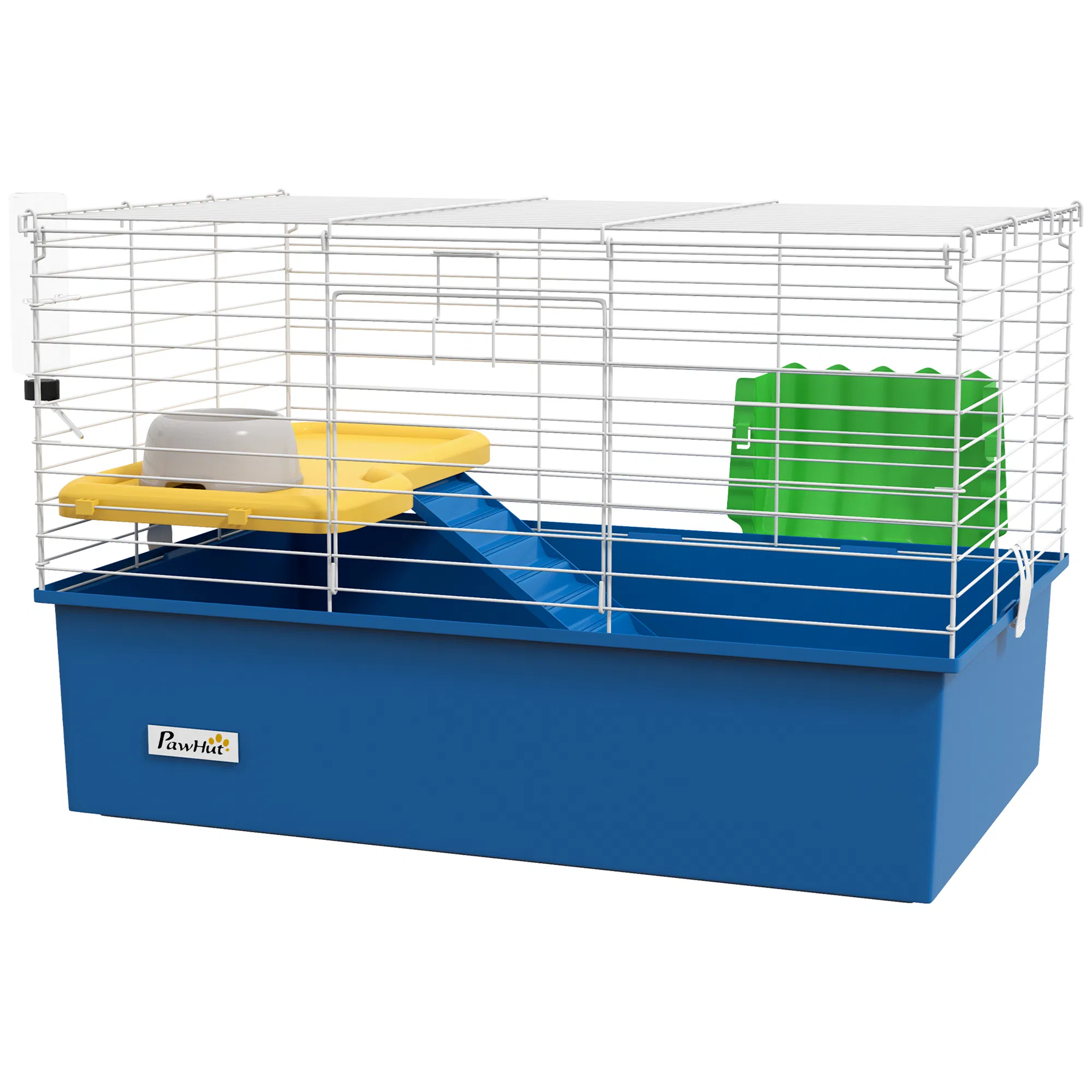
An animal cage is a primary habitat or transport enclosure defined by wire gauge, bar spacing, and base material—not by the species named on the box. The core trade-off is between thin, coated wire with a plastic pan (light, cheap, chewable) and heavier galvanized or powder-coated steel with a deep metal or reinforced base (heavy, durable, escape-proof). Buyers should match bar spacing to the animal's skull width and pick a base depth that contains bedding; anything under 0.5-inch spacing is for small rodents, 0.5–1 inch for rabbits and ferrets.

Buying guide image
Aquarium Filters & Pumps

Filter With UV Light

A filter with UV light combines mechanical/biological filtration with a germicidal UV-C stage to clarify water and reduce free-floating algae and pathogens. The primary trade-off is UV dose versus flow rate: most integrated canister units use a low-wattage 9W UV that only works at slower flow, so oversized pumps or high-turnover setups defeat the sterilizer. The decision rule: buy a canister whose rated GPH at your tank size keeps UV contact time effective, and skip any model that lacks a UV on/off valve or uses a non-replaceable lamp.

Buying guide image
Pet Travel & Safety

Dog Travel Carrier

Dog travel carriers span soft-sided slings and backpacks, rigid crash-tested car seats, and wheeled trailer/stroller hybrids, with the main trade-off being crash protection versus portability. Soft fabric carriers prioritize light weight and packability, while hard-shell or frame-reinforced carriers deliver structural integrity in a vehicle. The decision rule: match carrier architecture to the primary travel mode—vehicle restraint needs a crash-tested hard or frame carrier, while hiking/transit favors ventilated soft packs with load-rated straps.

Buying guide image
Bird & Small Animal Supplies

Small Animal Cage

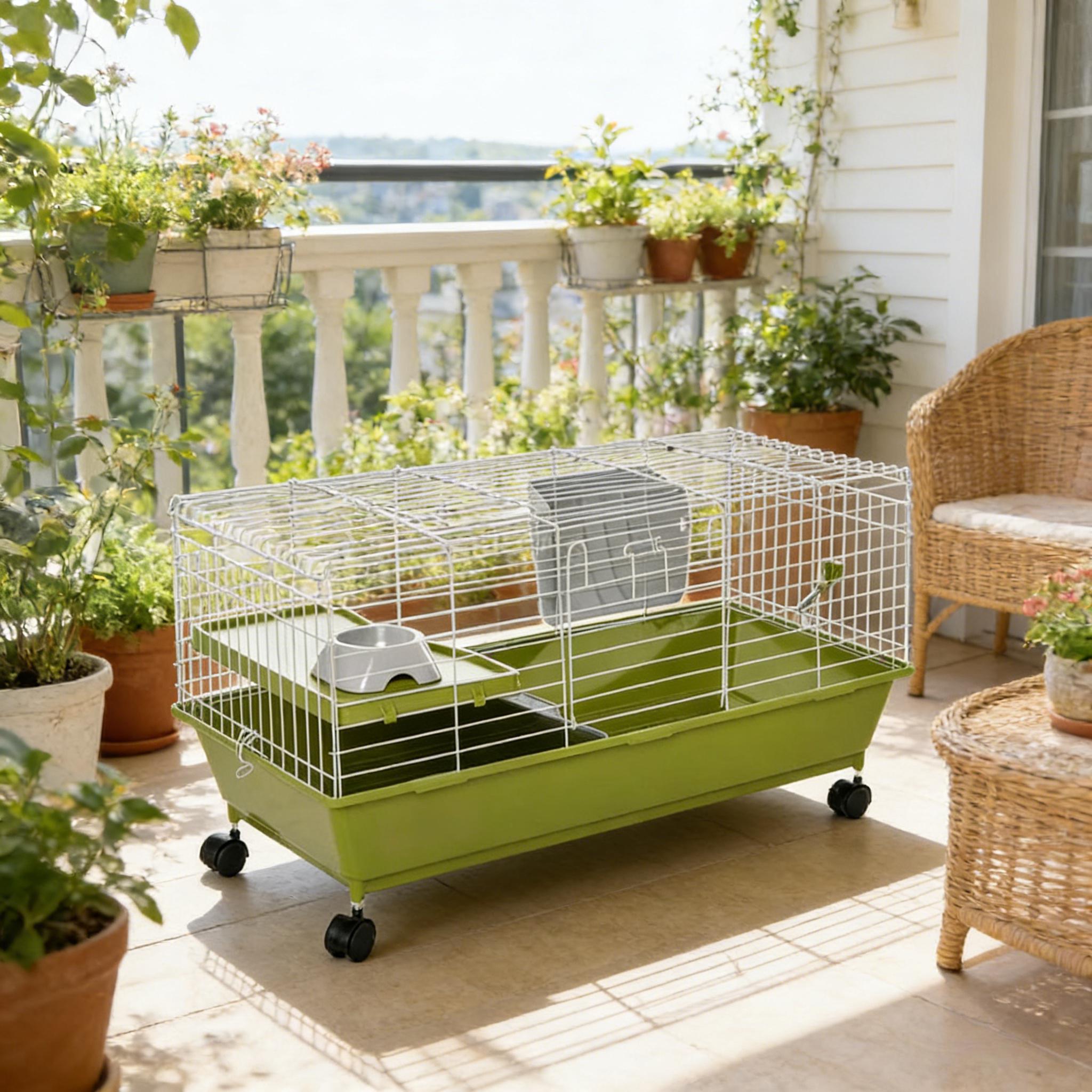
A small animal cage is a primary habitat for rabbits, guinea pigs, chinchillas, ferrets, and similar pets, where the main trade-off is between wire spacing and floor space for safety versus multi-tier vertical designs that save room but limit running area. Durable cages use welded galvanized or powder-coated steel wire (typically 0.55–1 inch spacing) with secure latches and removable trays; flimsy options rely on thin wire, plastic clips, and undersized doors. Choose by species: wire spacing under 0.6 inch for small rodents and ferrets, solid floors for rabbits and guinea pigs, and at least 8 square feet of main floor for medium pets.

Buying guide image
Pet Bowls & Feeders

Cat Bowl

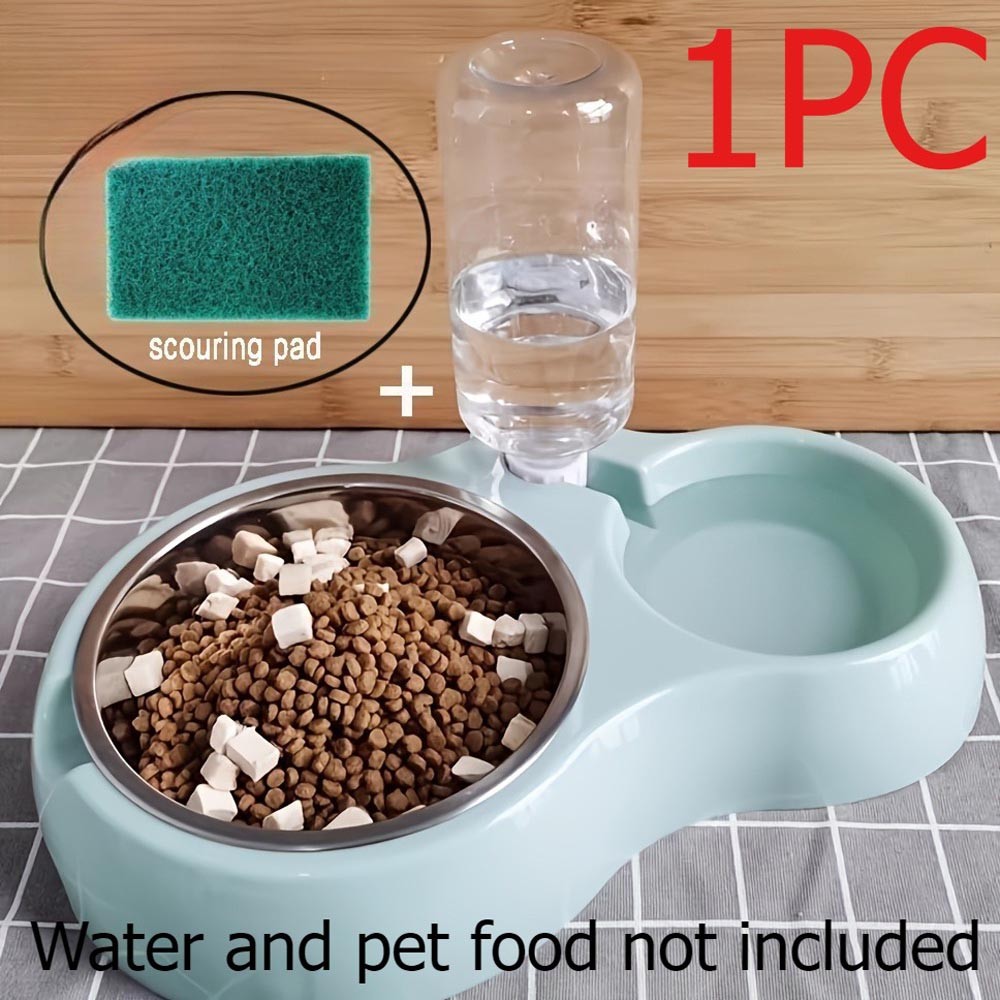
Cat bowls are shallow, low-rim vessels engineered to reduce whisker contact and cervical strain during feeding. The core trade-off is between plastic (cheap, porous, odor-retaining) and ceramic or 304 stainless steel (non-porous, heavier, more stable). Choose ceramic or stainless in a shallow, wide-mouth profile for daily feeding; treat plastic and novelty shapes as short-term or travel-only compromises.

Buying guide image
Pet Beds & Cat Trees

Heavy Duty Dog Bed

Heavy-duty dog beds are built to survive constant use by large, strong dogs, with the core trade-off being frame material and fabric denier versus simple plush comfort. The decision rule is straightforward: choose a welded steel or aluminum cot with 600D+ Textilene/Teslin mesh for chewers and outdoor use, and only pick a soft bolstered bed if your dog is calm and strictly indoor.

Buying guide image
Pet Beds & Cat Trees

Portable Dog Bed

A portable dog bed is a foldable or collapsible sleep platform that balances packability against structural support. The key trade-off is frame rigidity versus packed weight and bulk: steel cots support large breeds but are heavier, while aluminum or pop-up fabric beds pack smaller but have lower load limits. Choose a cot with a mesh bed rated for your dog's weight if durability matters; skip thin pop-up tents for heavy chewers or dogs over 50 lbs.

Buying guide image
Bird & Small Animal Supplies

Small Animal Crate

A small animal crate is a primary enclosure for hamsters, guinea pigs, rabbits, chinchillas, or rats, distinguished by species-appropriate floor area, bar spacing, and chew resistance rather than by transport convenience. The core trade-off is between wire/metal modular cages (ventilation, visibility, scalable panels, but bare floors and potential bar-chewing) and solid-walled wooden or plastic habitats (draft-free, chew-proof platforms, better for burrowing species, but heavier and harder to disinfect). The decision rule: match minimum floor area and bar spacing to adult body size and climbing behavior, then choose material and panel gauge that survive your species' bite force and urine acidity.

Buying guide image
Pet Beds & Cat Trees

Dog Bed With Hood

A dog bed with hood is a covered or canopy-style sleeping enclosure that gives a dog a den-like, draft-blocked space, and the core trade-off is between a rigid hooded frame (better structure and shade) and a soft plush cave/burrow bed (better warmth and machine-washability). Buy the rigid canopy or hooded-mattress tier when the dog needs outdoor shade or a defined den, and choose the soft burrow tier only when indoor warmth and washability matter more than structural rigidity.

Buying guide image
Pet Beds & Cat Trees

Dog Bed With Legs

A dog bed with legs is a raised mattress platform—wood, metal, or upholstered frame under a plush or poly-cotton cushion—that lifts the sleeping surface off cold floors and improves airflow. The core trade-off is frame joinery and leg-load capacity versus cushion loft and washability: sturdy hardwood or welded steel frames with bolt-through legs resist wobble and chew stress, while stapled MDF or friction-fit legs loosen and sag. Buy a leg-bed only when the frame is rated for your dog's weight and the cushion cover unzips fully; skip decorative low-leg platforms with glued joints and non-removable tops.

You may also like

Finding more guides for you…