
Photos from current listings. Actual item, color, and included accessories may vary.
Small Animal Crate Buying Guide
A small animal crate is a primary enclosure for hamsters, guinea pigs, rabbits, chinchillas, or rats, distinguished by species-appropriate floor area, bar spacing, and chew resistance rather than by transport convenience. The core trade-off is between wire/metal modular cages (ventilation, visibility, scalable panels, but bare floors and potential bar-chewing) and solid-walled wooden or plastic habitats (draft-free, chew-proof platforms, better for burrowing species, but heavier and harder to disinfect). The decision rule: match minimum floor area and bar spacing to adult body size and climbing behavior, then choose material and panel gauge that survive your species' bite force and urine acidity.
Median $95.99
Key takeaways
- Wire cages are typically 1–2 mm galvanized or powder-coated steel; bar spacing under 1 cm is required for hamsters and mice, 1.5–2.5 cm for guinea pigs and rabbits, and 2.5–3.8 cm for chinchillas and ferrets.
- Modular panel systems (commonly 20-panel DIY kits) let you form 47×24×12 in or larger footprints; panels must have rounded wire ends and locking connectors to resist push-out by rabbits and guinea pigs.
- Solid-wall wooden habitats (e.g., 23.8×15.9×15.9 in with 270° viewing) block drafts and chewing but need sealed, urine-resistant base trays because untreated plywood delaminates under Ammonia buildup.
At a glance
- Category
- Bird & Small Animal Supplies
- Last updated
- Nov 27, 2026
Current offers
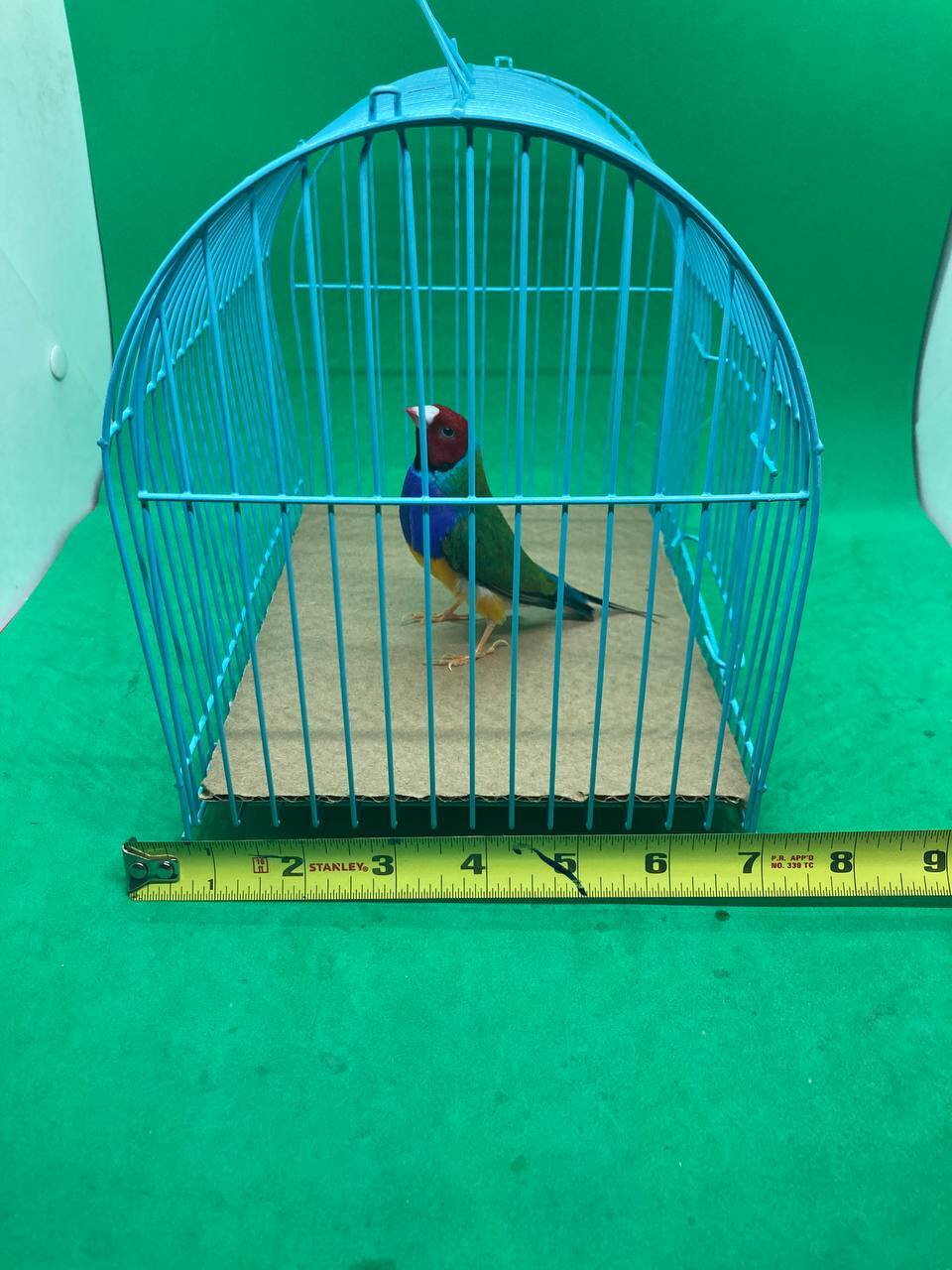 Small Animal Metal Wire Cage for Transport$16.99View on eBay
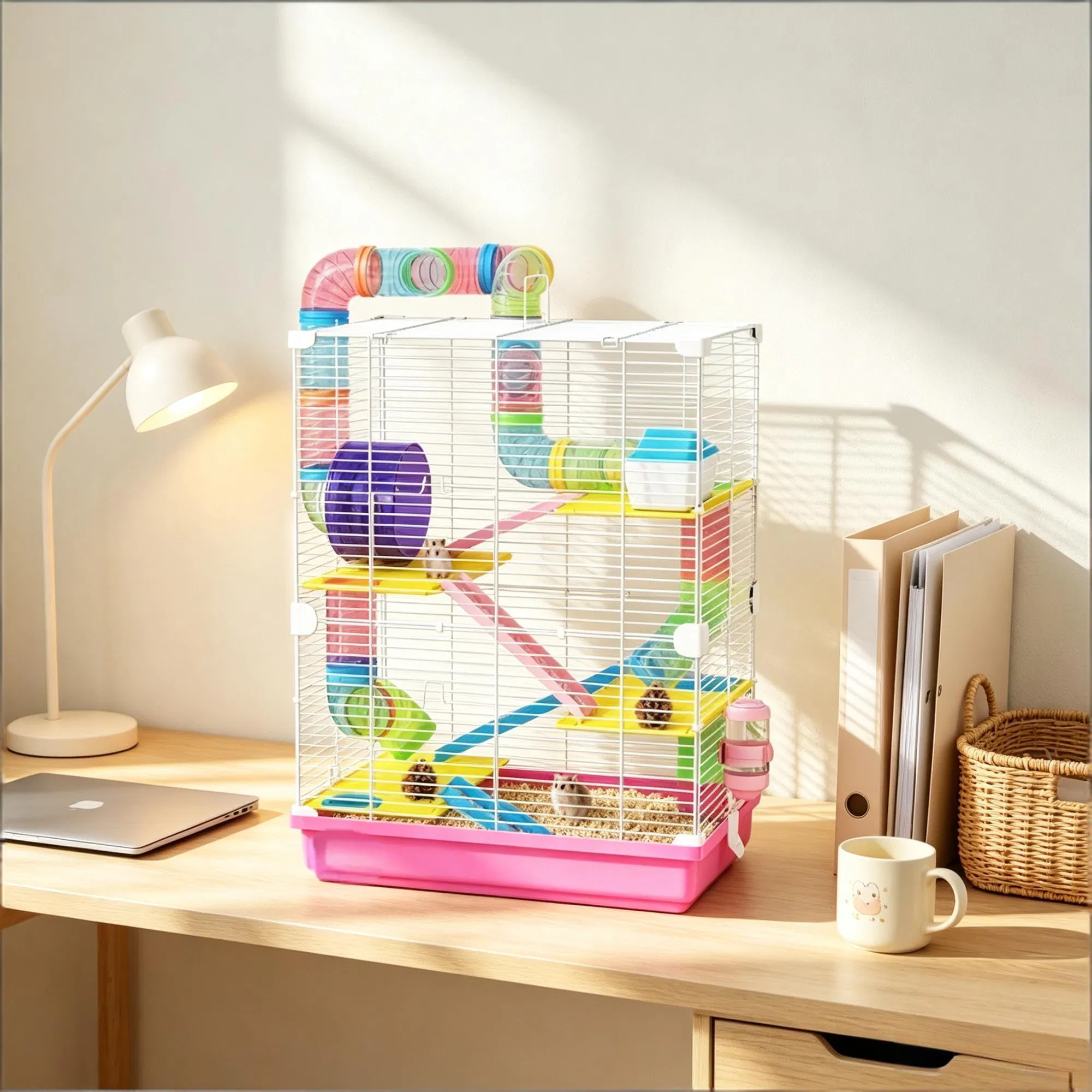 Portable 5-Tiers Hamster Cage Pink Animal Travel Carrier with Exercise Wheels And Tube for Small Pets$65.99View on Mallflare
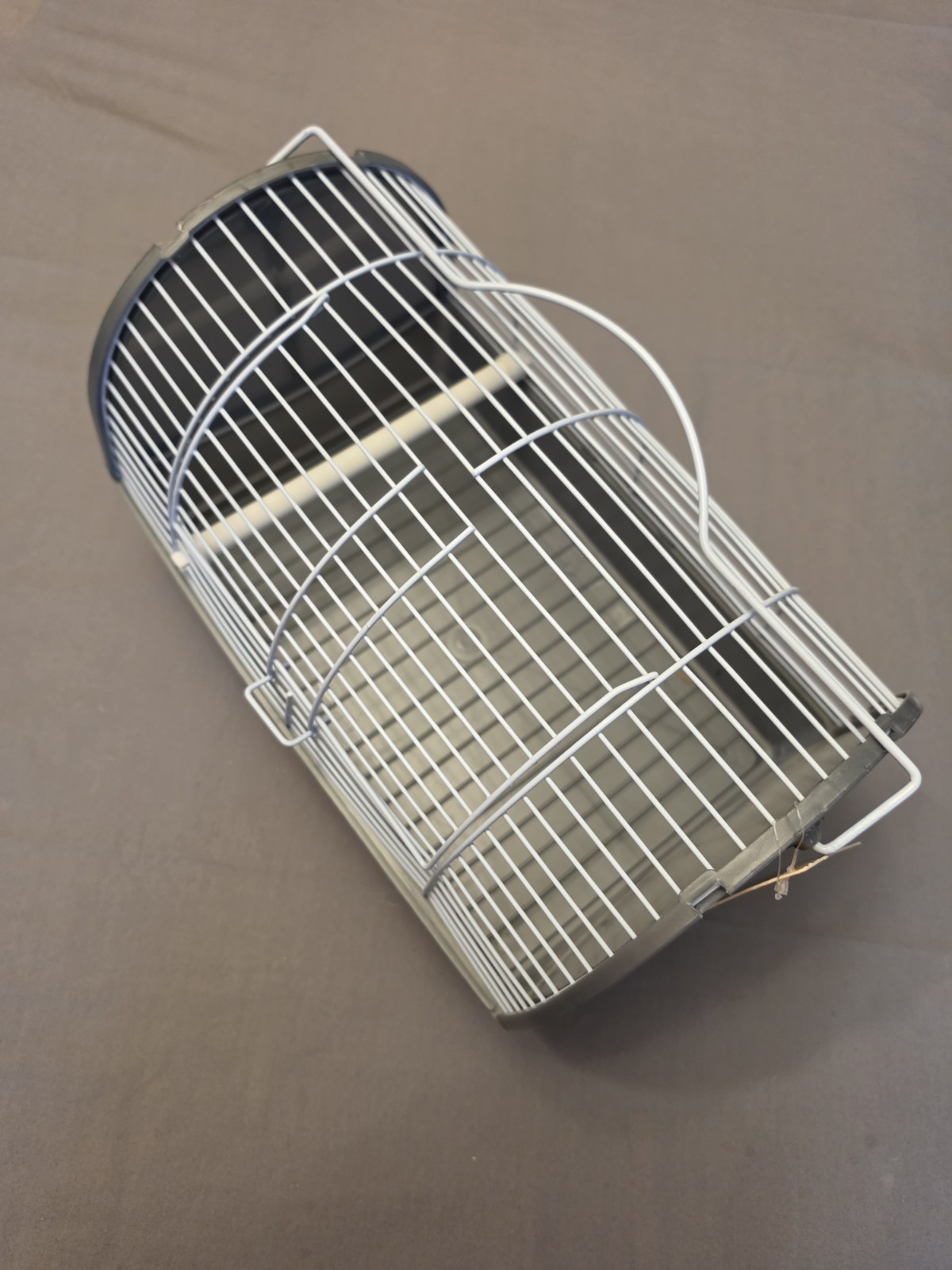 Petco Small Animal Bird Carrier Large Wire Cage Plastic Base Perch$24.99View on eBay
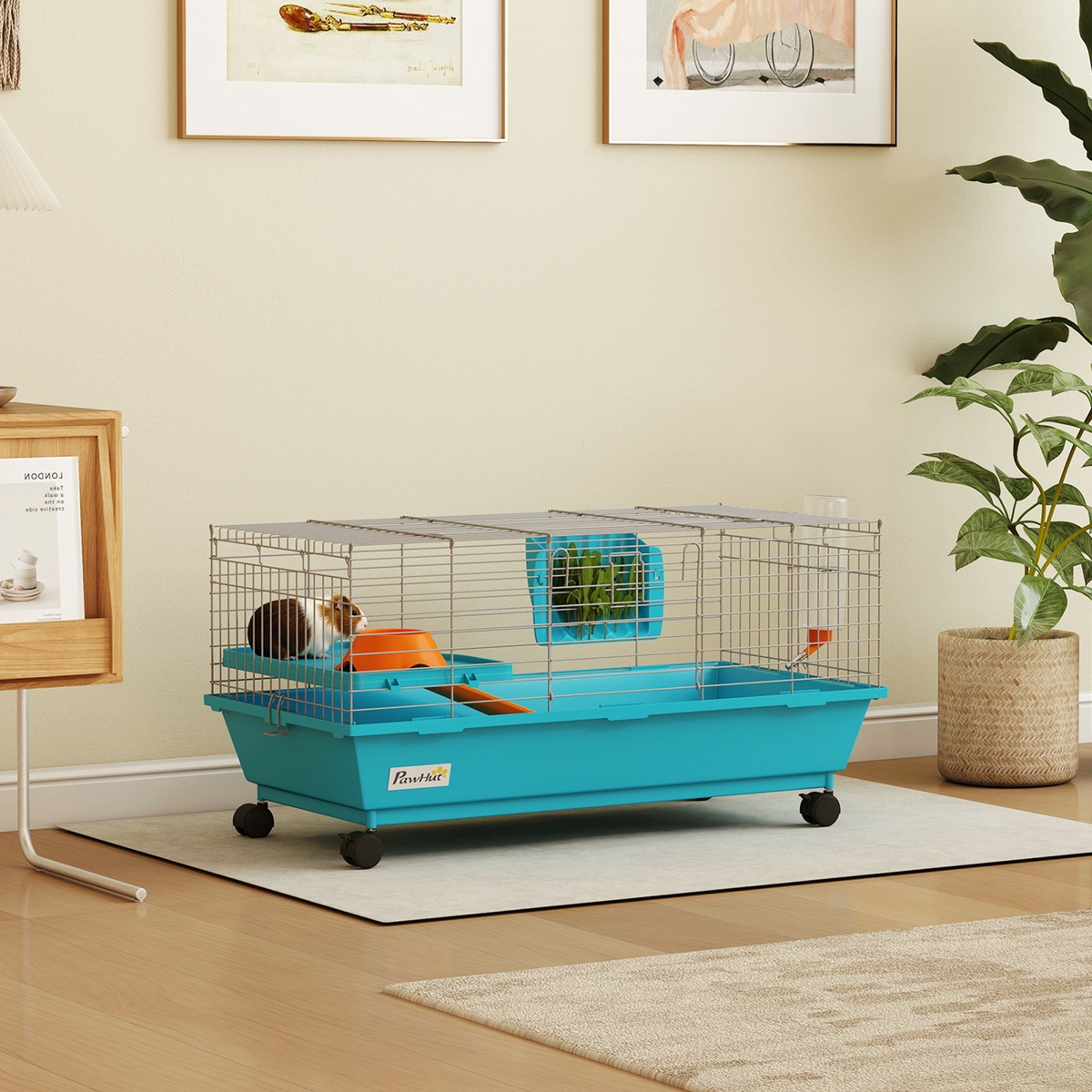 35"L Small Animal Cage, Rolling Bunny Guinea Pig with Wheels, Food Dish, Water Bottle, Hay Feeder, Blue$65.99View on Mallflare
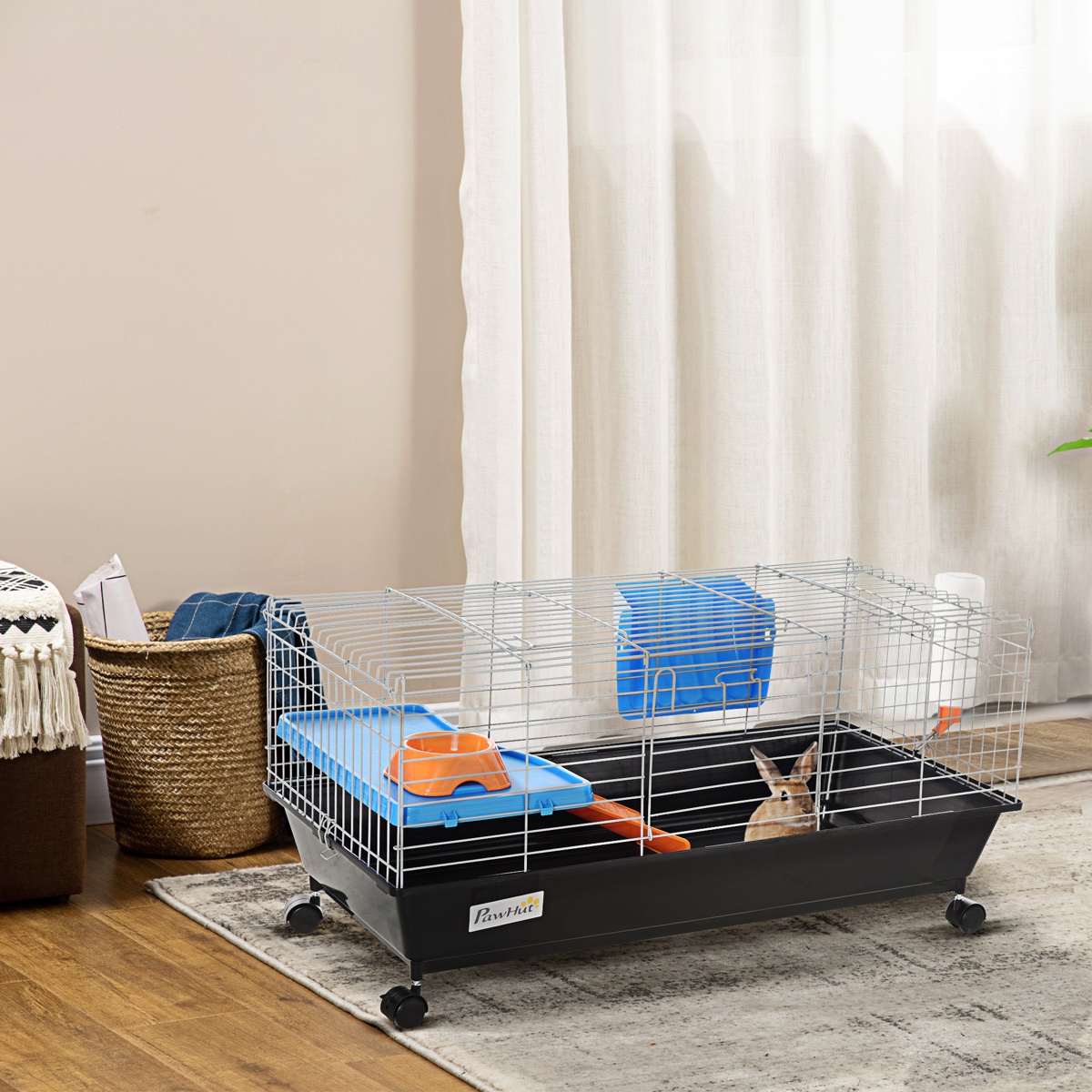 35"L Small Animal Cage with Food Dish, Water Bottle, Hay Feeder, Platform, Ramp for Chinchilla, Black$65.99View on Mallflare
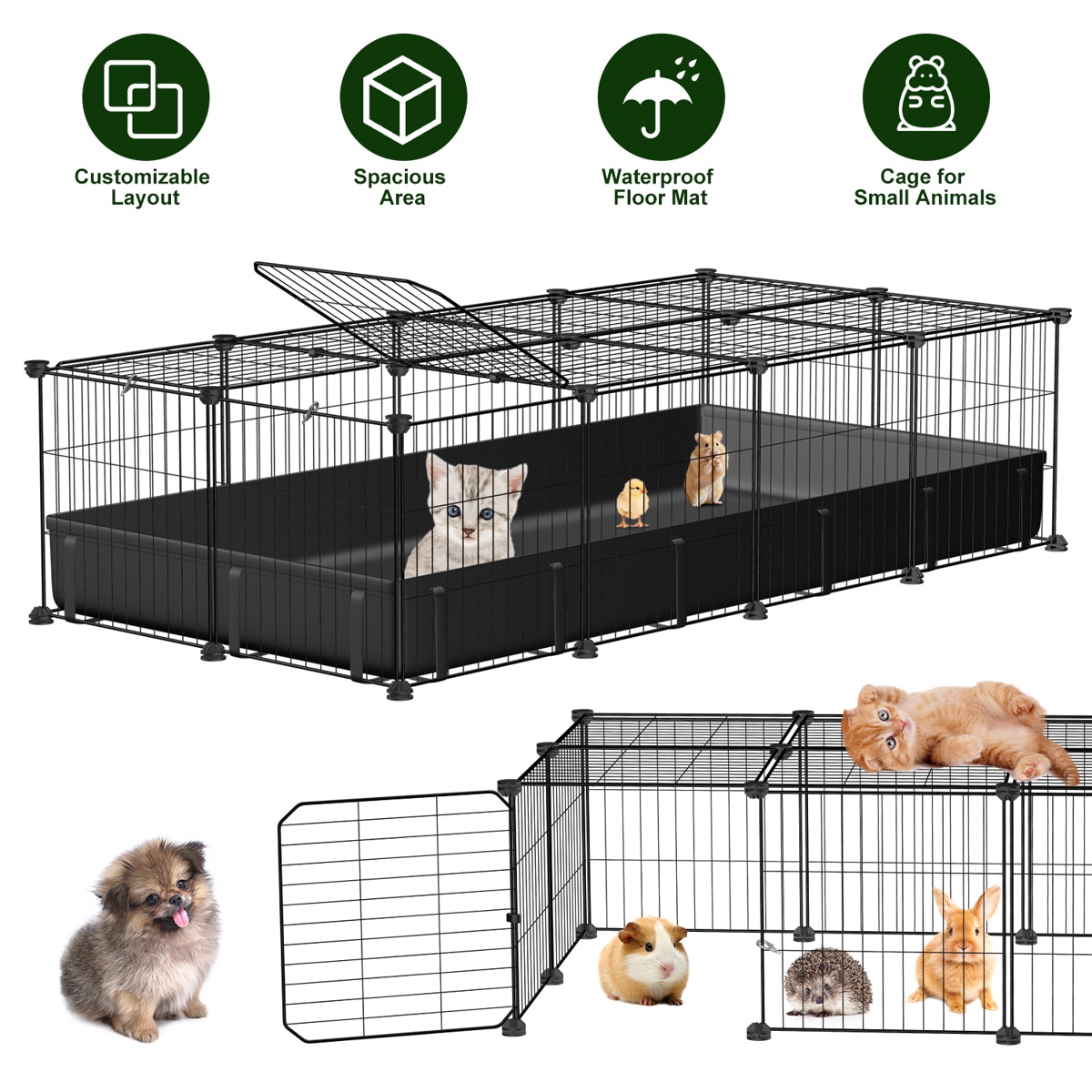 47x24x12IN Guinea Pig Cage Small Animal Playpen DIY Metal Pet Enclosure With 20 Panels Waterproof Floor Mat For Hedgehogs Chickens Ducklings Rabbits Hamsters$65.99View on Mallflare
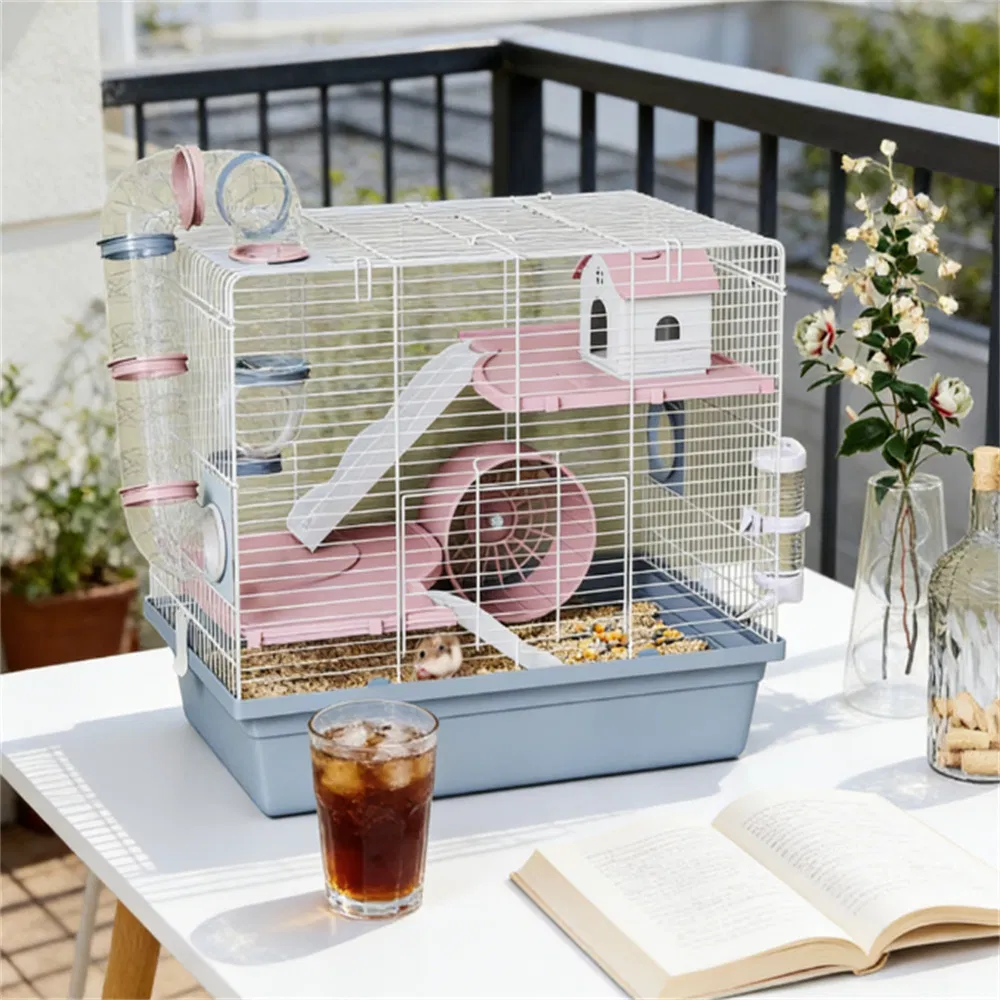 Cage, small animal$74.99View on Mallflare
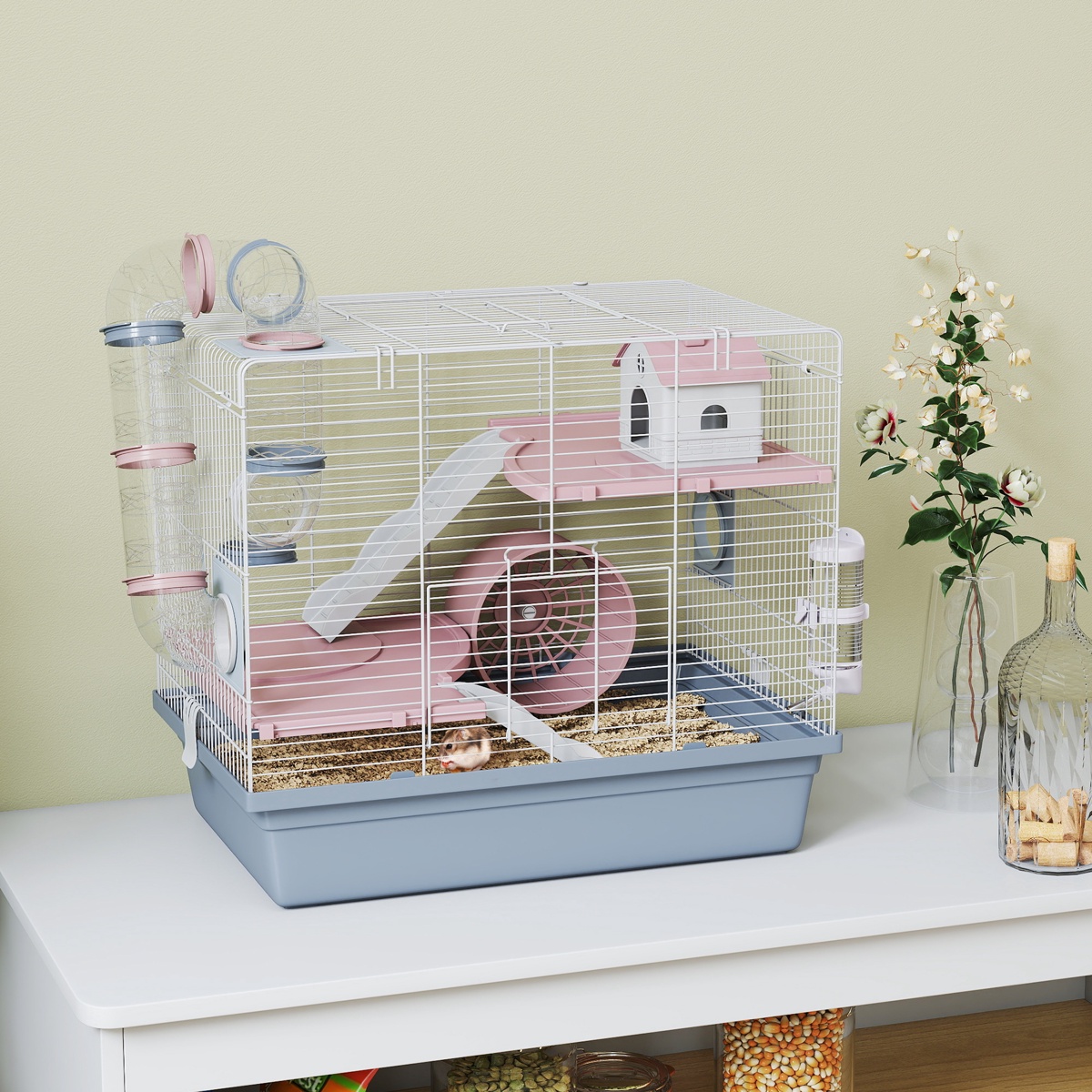 Hamster Cage, 3-Tier Small Animal With Exercise Wheel, Food Bowl, Water Bottle, House, Tunnels, Ramps$78.99View on Mallflare
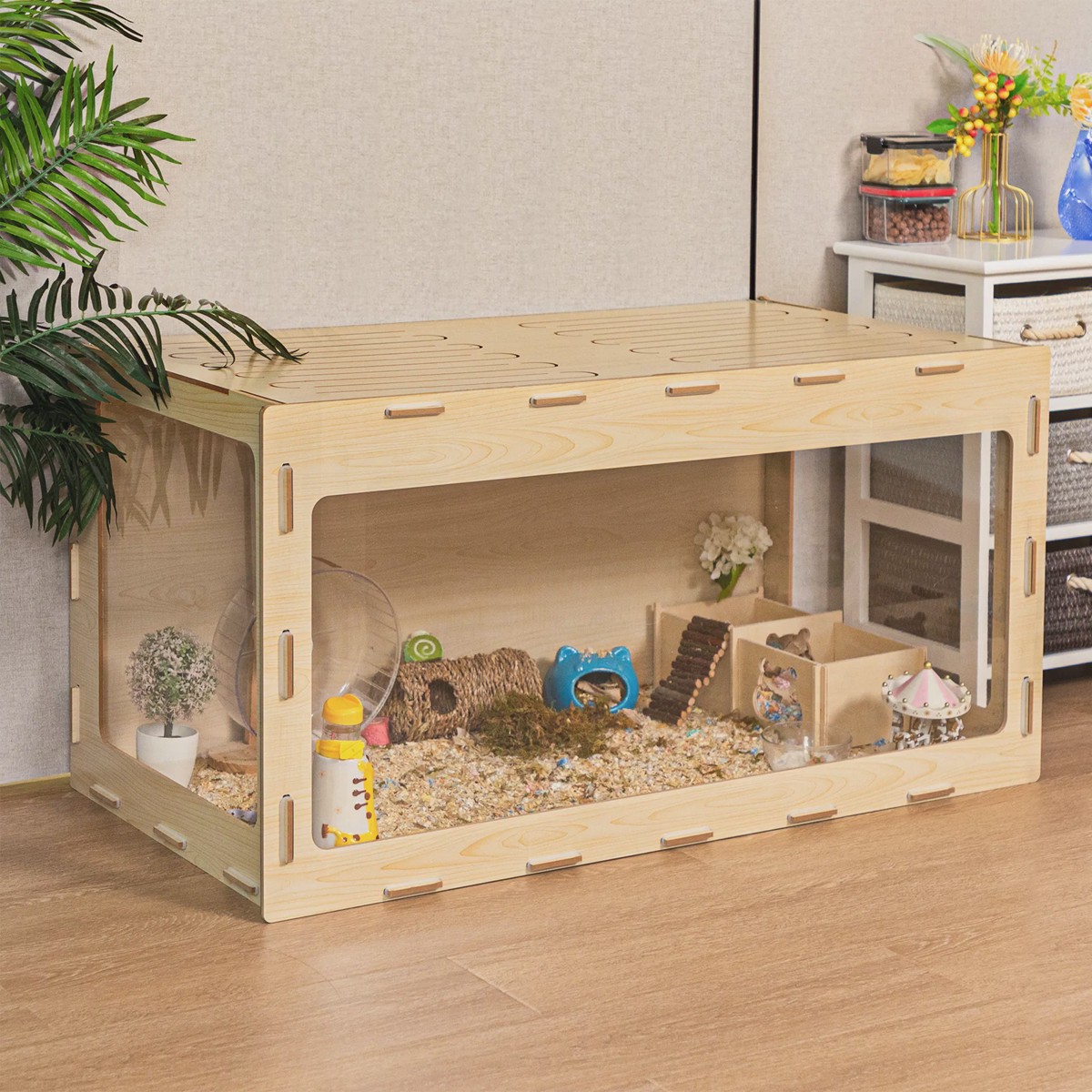 Wooden Hamster Cage Small Animals House, Acrylic Hutch for Dwarf Guinea Pig, Chinchilla, Opening Top with Air Vents$82.99View on Mallflare
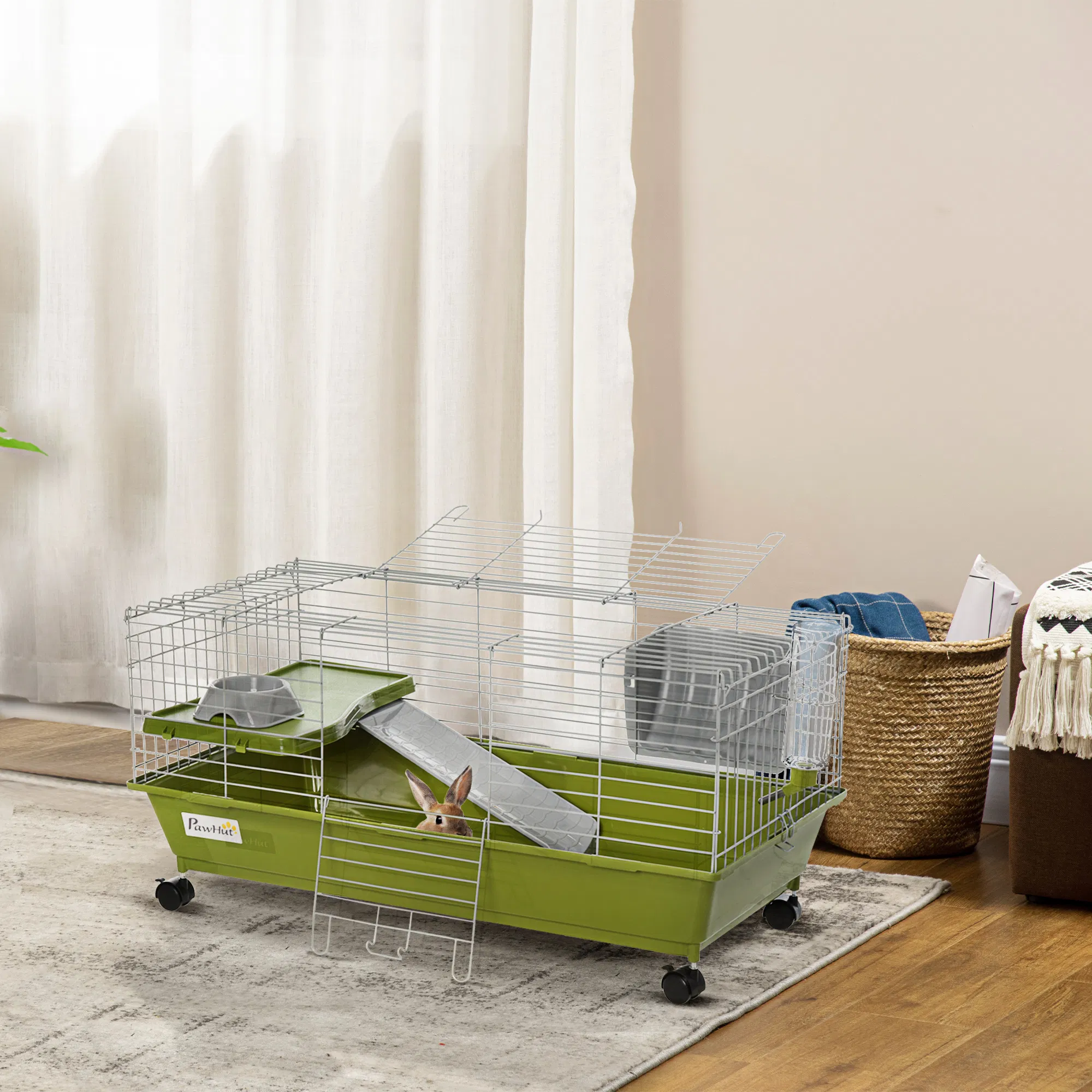 35"L Small Animal Cage, Rolling Bunny Guinea Pig with Food Dish, Water Bottle, Hay Feeder, Platform, Ramp for Chinchilla, Green$88.99View on Mallflare
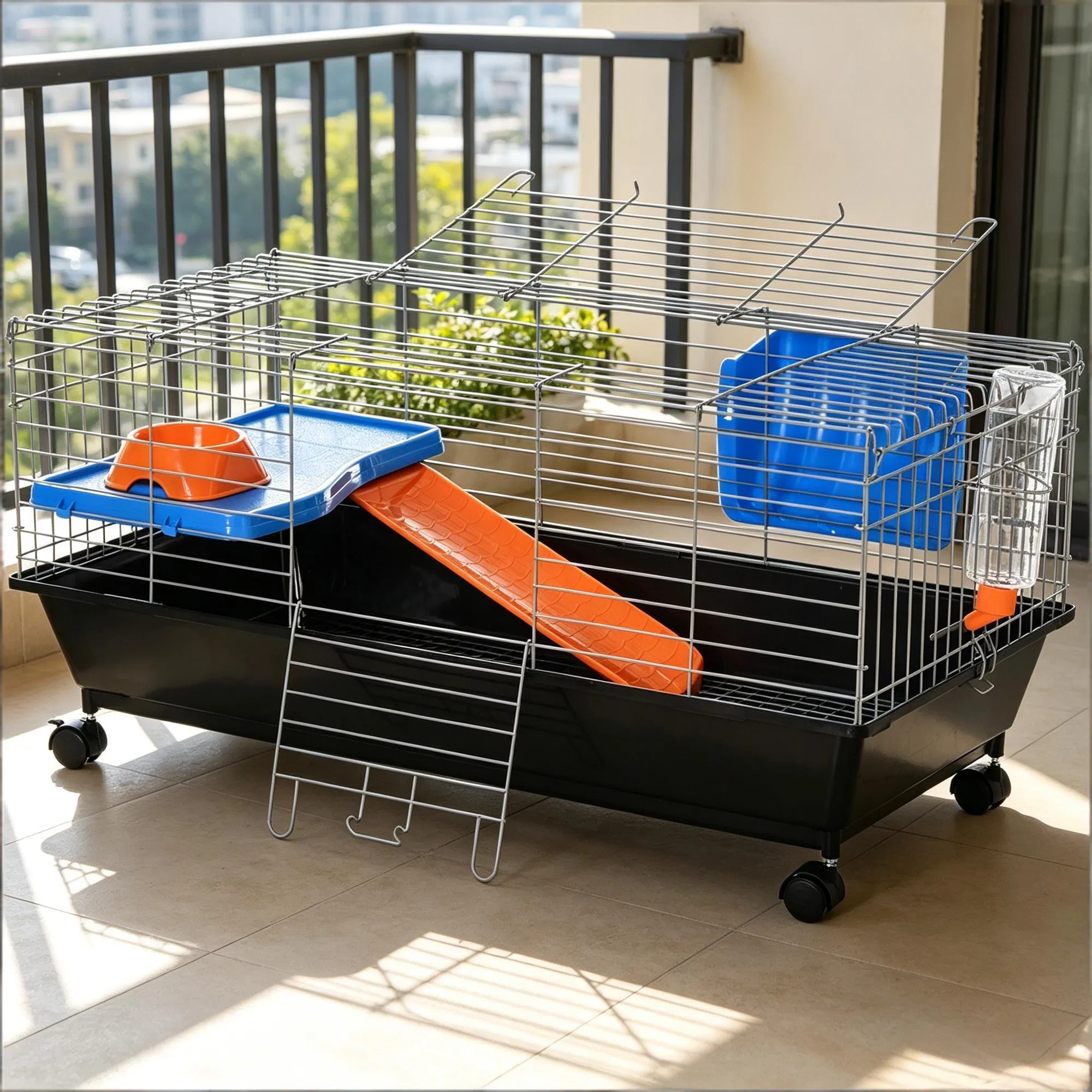 35"L Black Small Animal Cage for Chinchilla with Food Dish Water Bottle Hay Feeder Platform Ramp$93.99View on Mallflare
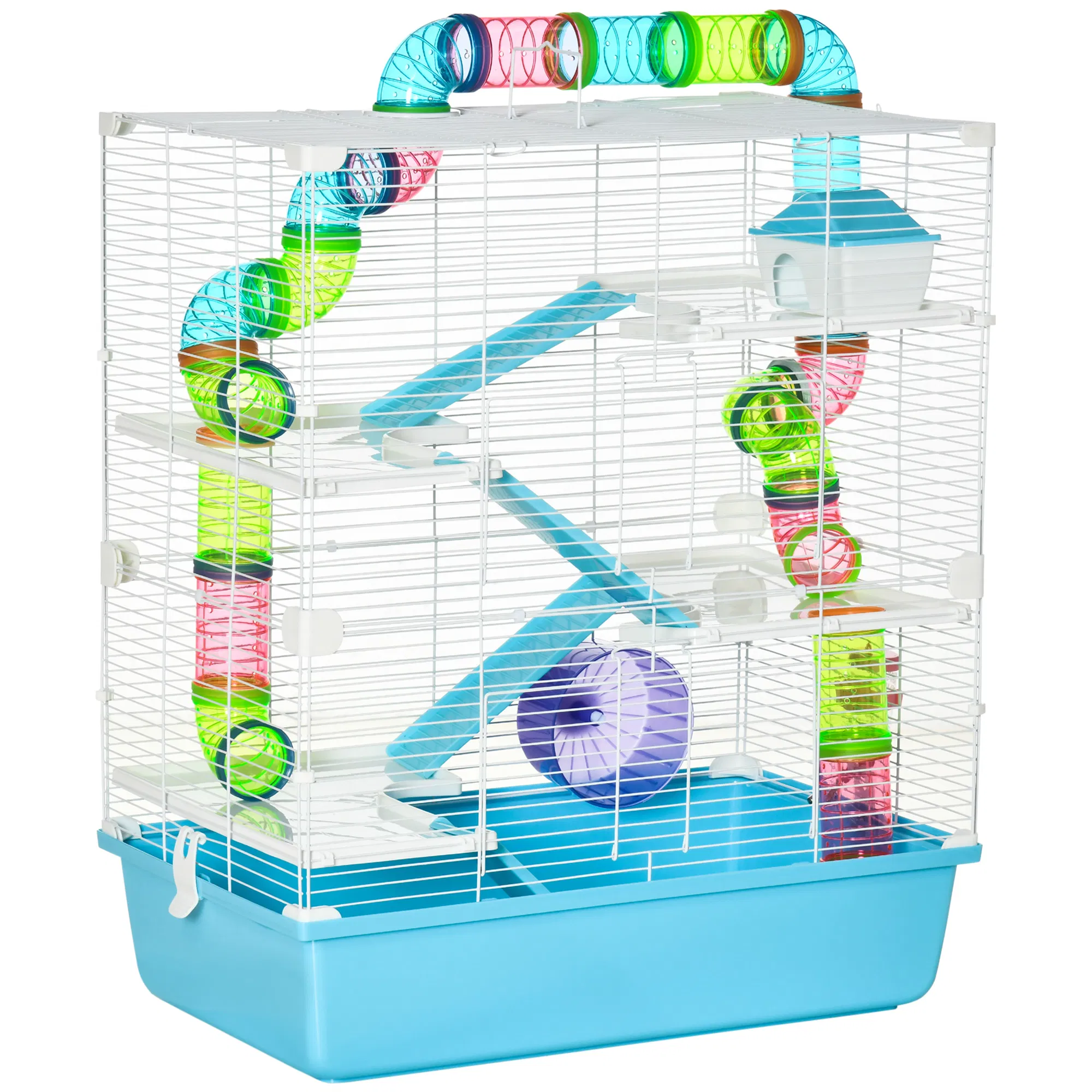 23" Large Hamster Cage, Small Animal House, 5-Level Gerbil Haven, Tunnel Tube System, with Water Bottle, Exercise Wheel, Food Dish, Ramps, 2 Doors, Light Blue$95.99View on Mallflare
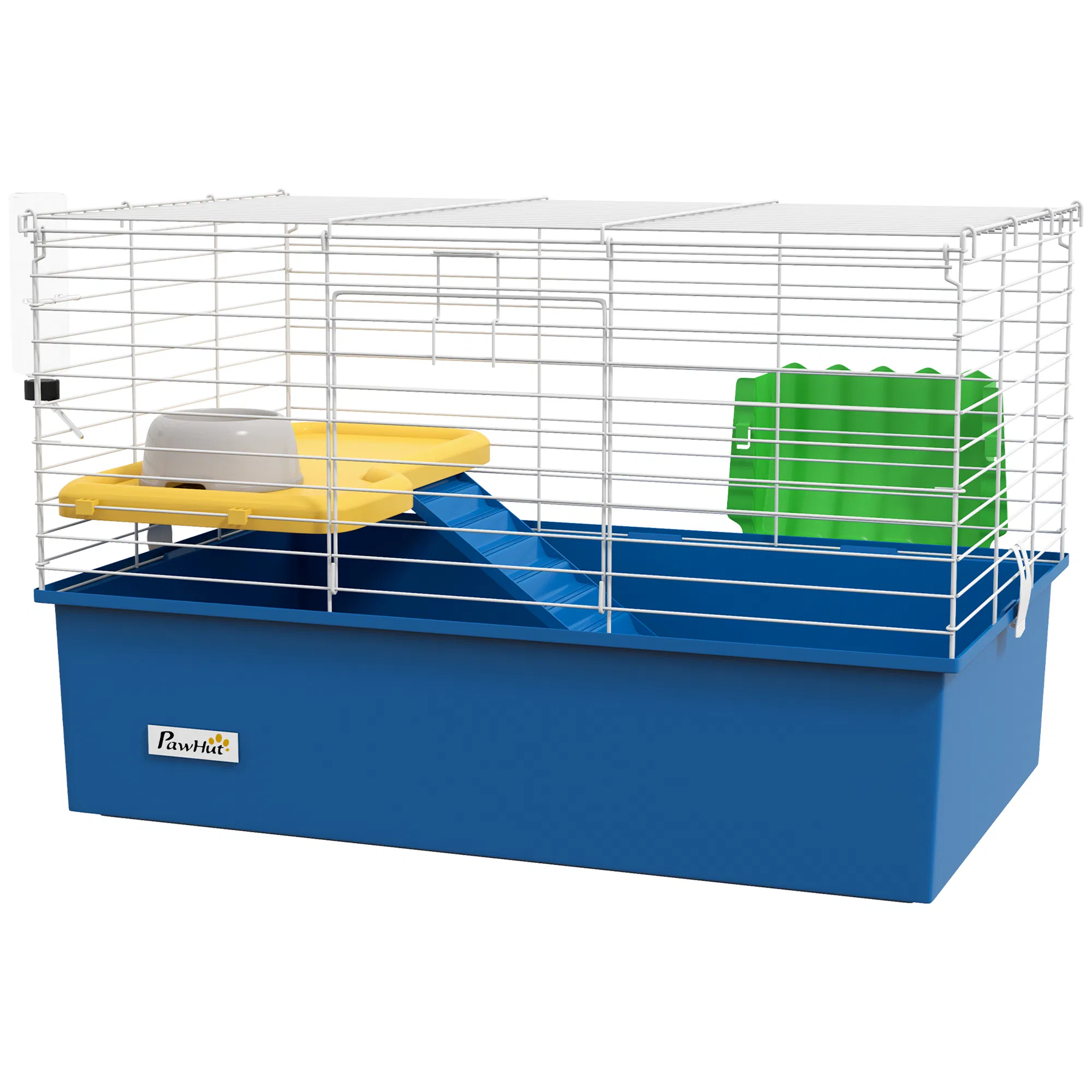 18.5" Small Animal Cage with Water Bottle, Food Dish, Platform, Ramp, Blue$105.99View on Mallflare
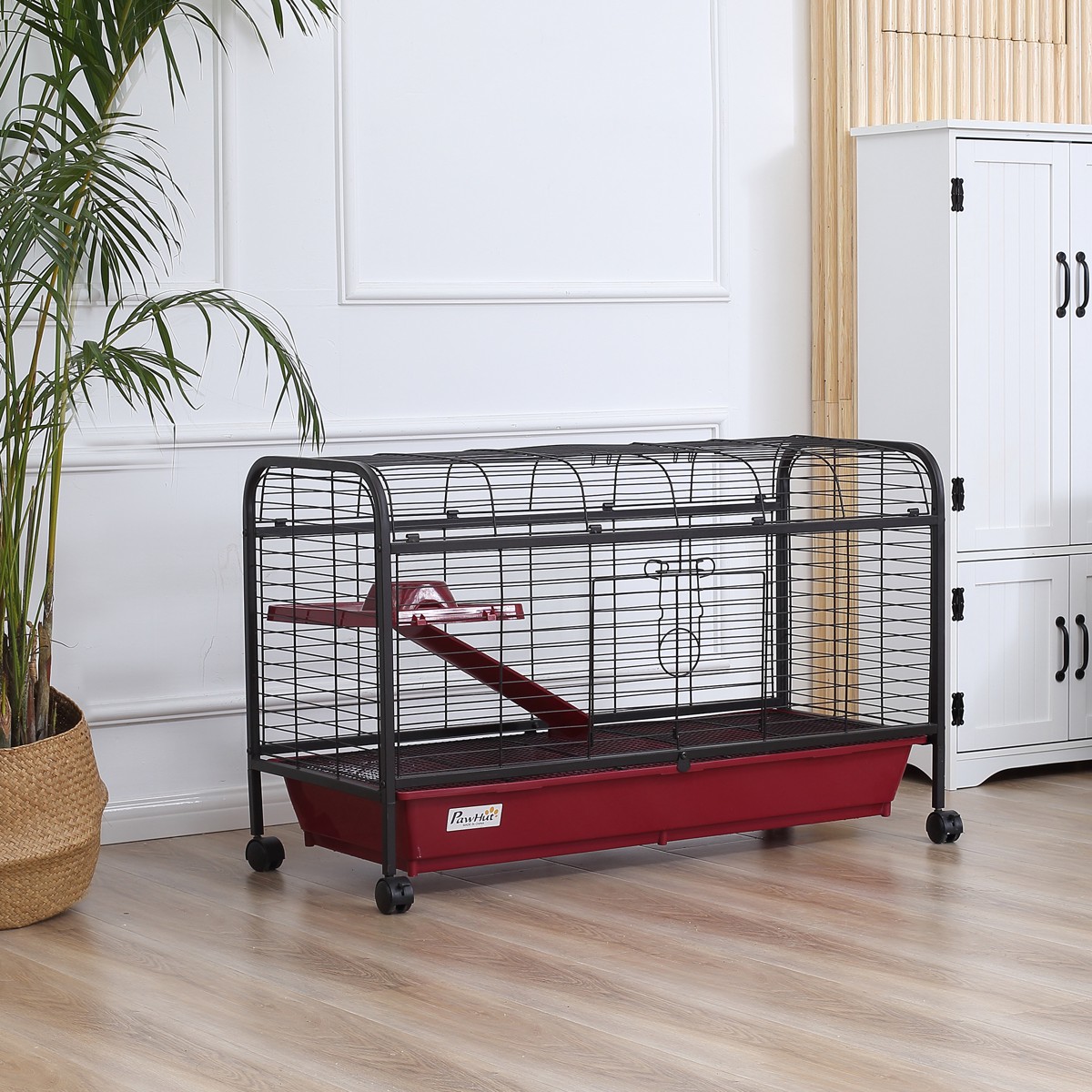 41"L Small Animal Cage, Pet Play House for Rabbit Hutch Ferret with Feeder, Rolling Wheels, Platform, Ramp$111.99View on Mallflare
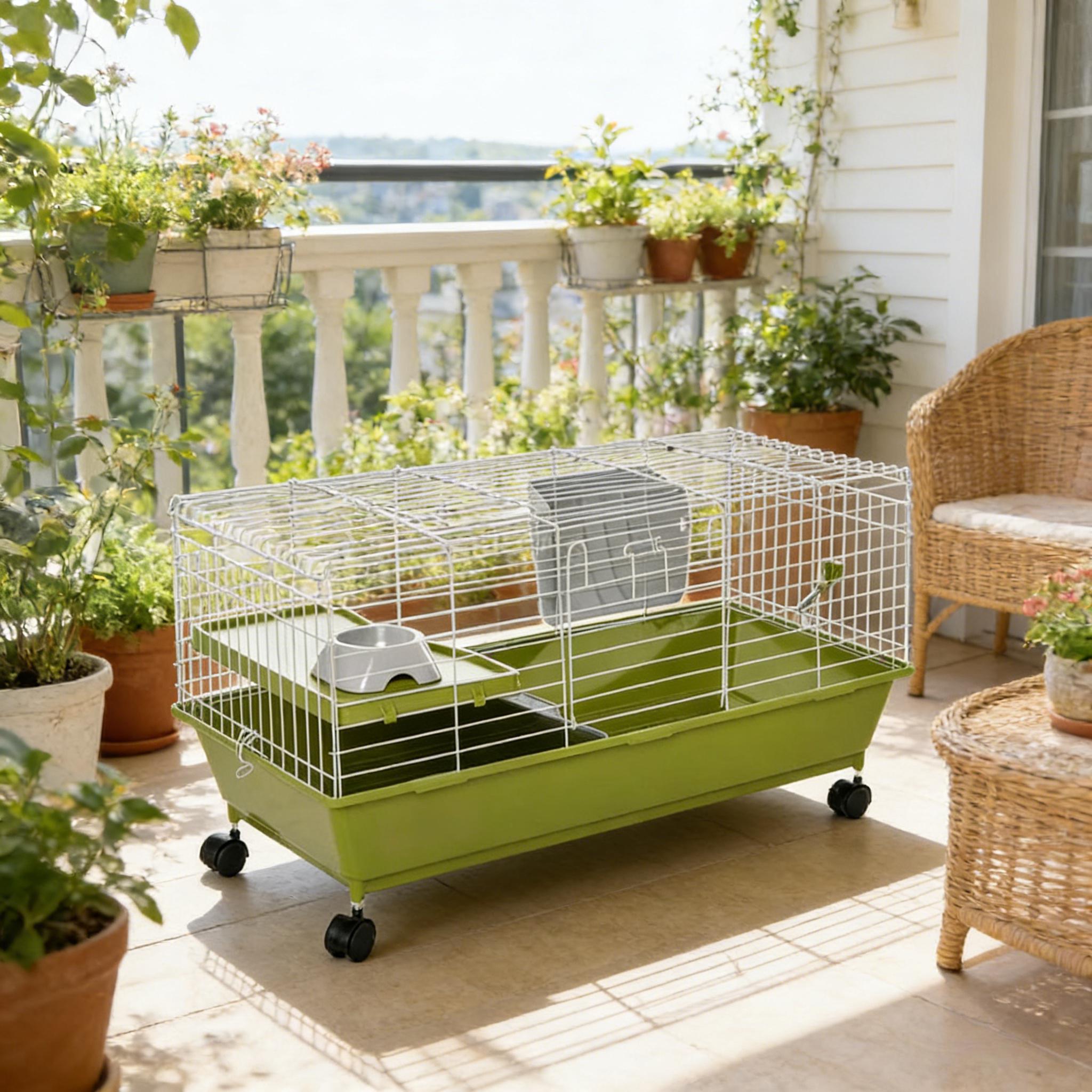 Spacious Animal Cage,Pet Play House,Small Cage$114.99View on Mallflare
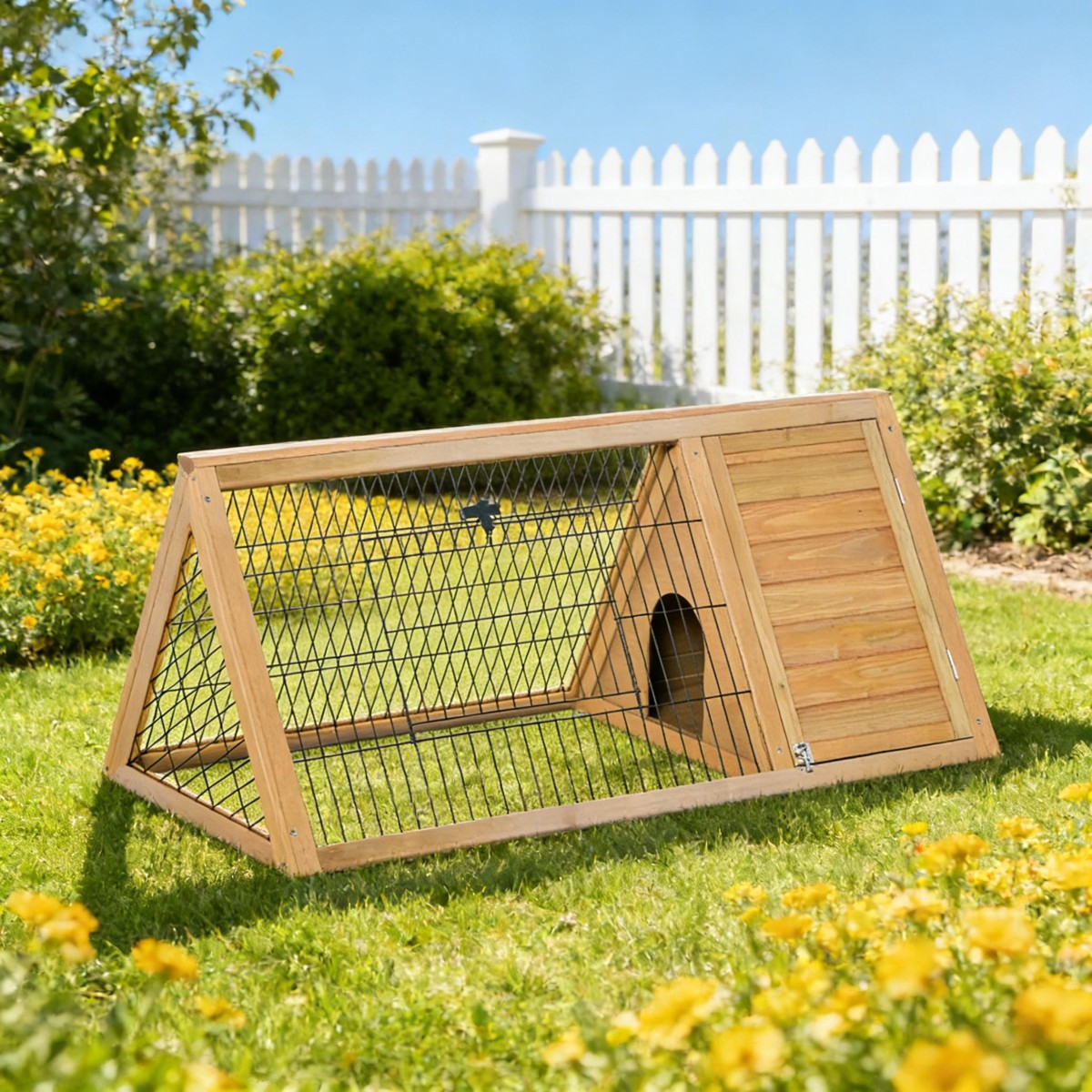 A-Frame Wooden Pet House,Small Animal Cage Rabbit Hutch$127.99View on Mallflare
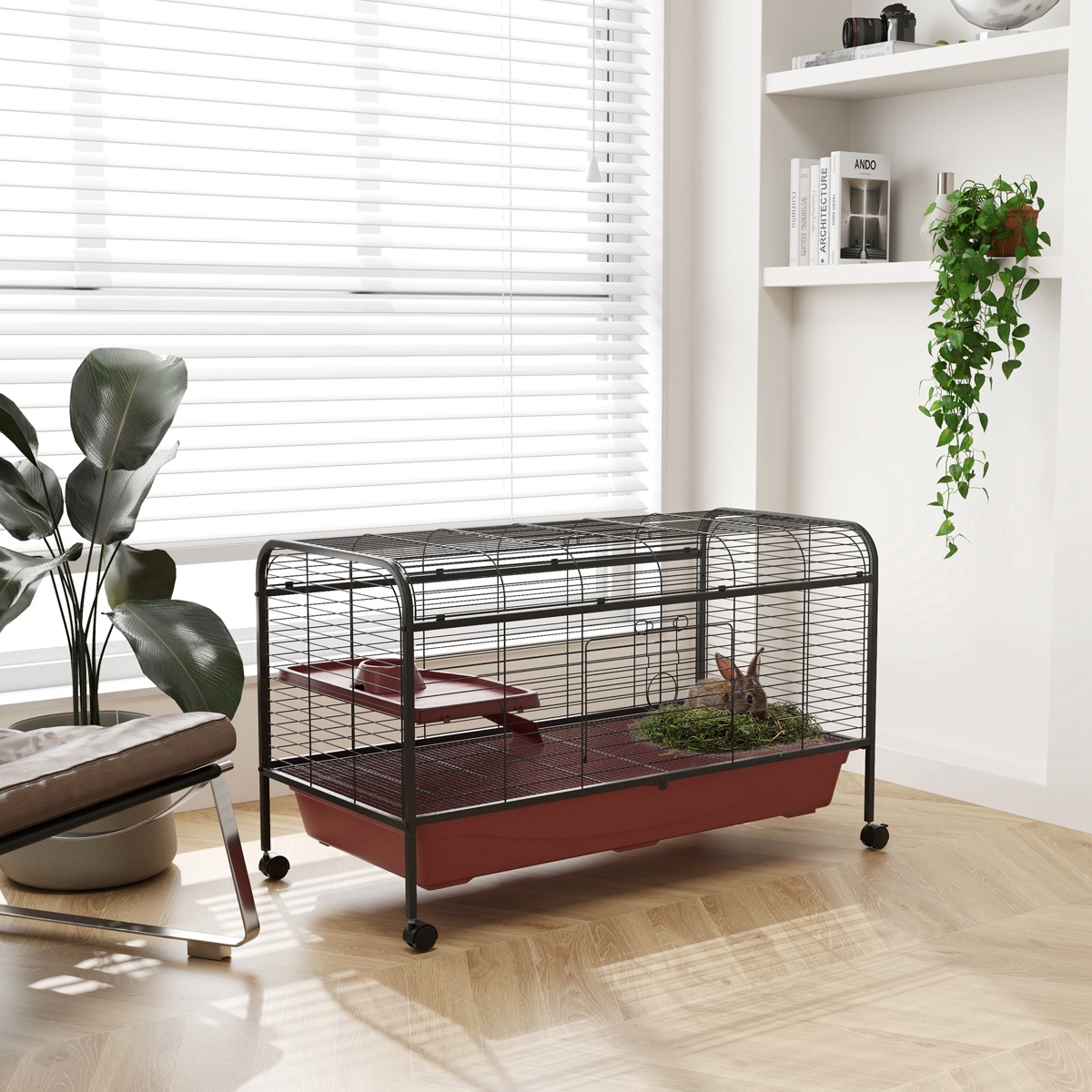 48" L Small Animal Cage, Pet Play House for Rabbit Hutch or Ferret with Feeder, Rolling Wheels, Platform, Ramp$148.99View on Mallflare
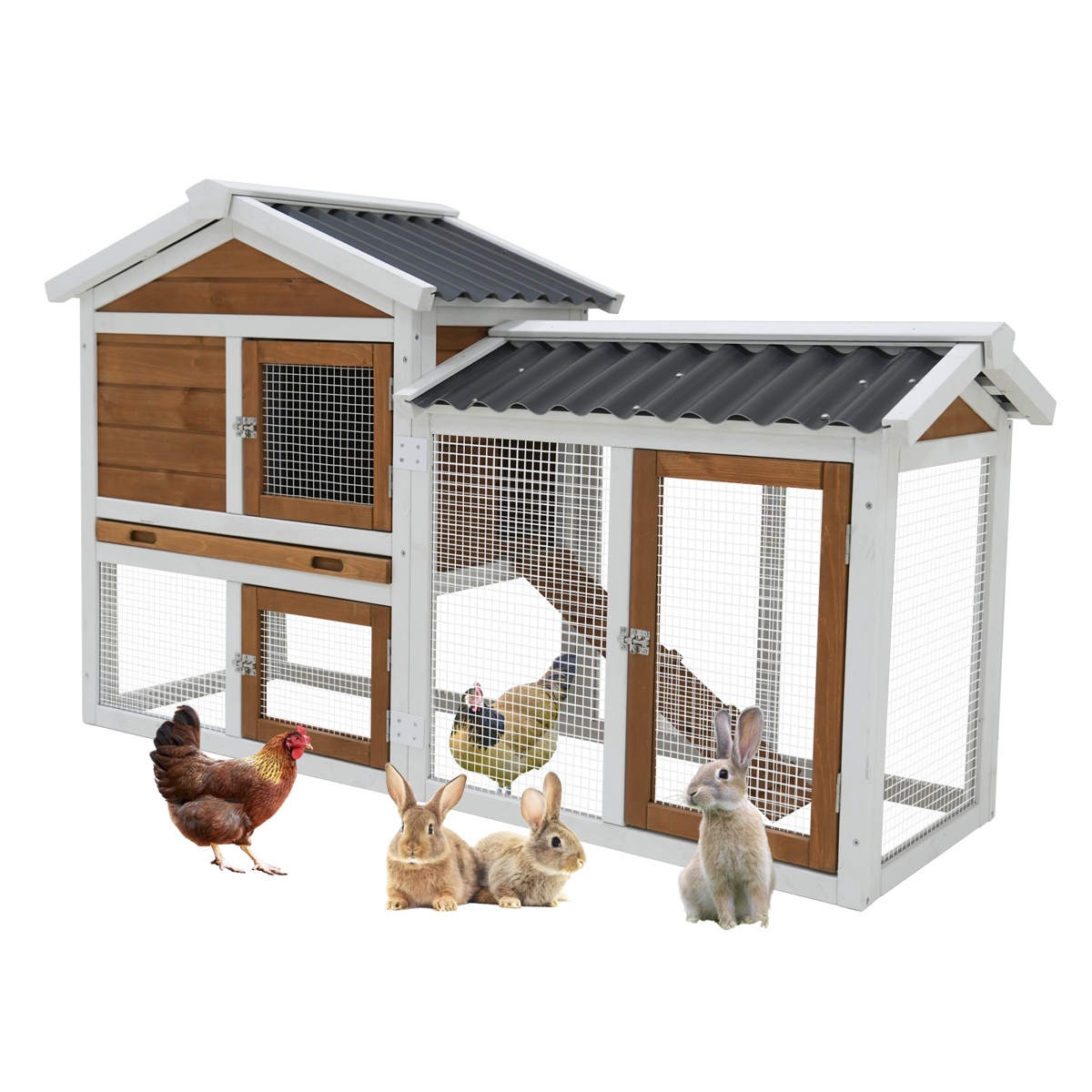 58 Wooden Outdoor Indoor Roof Waterproof Bunny Hutch Rabbit Cage Guinea Pig Coop PET House For Small To Medium Animals With Stairs And Cleaning Tray$160.99View on Mallflare
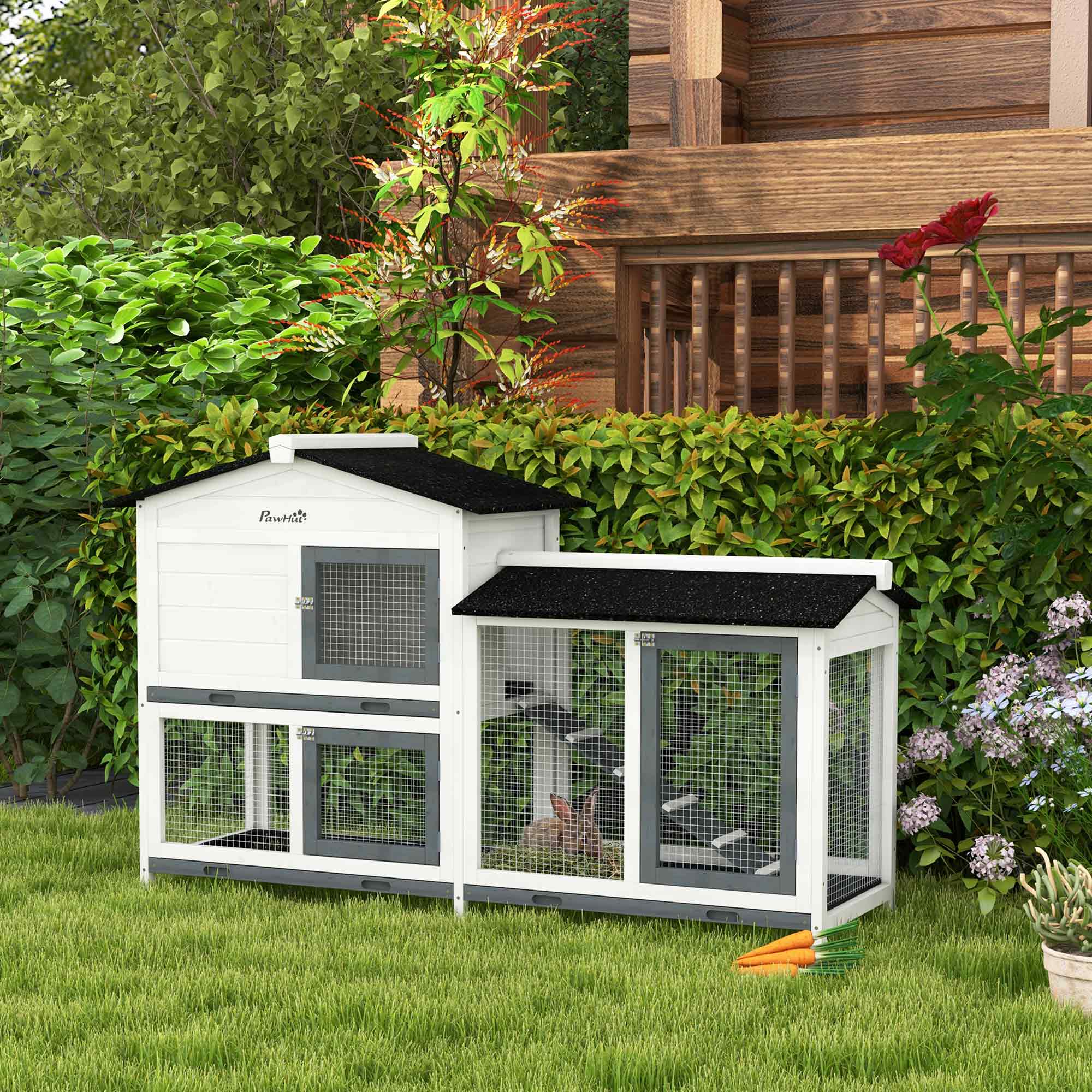 62" Rabbit Hutch, Wooden Bunny Guinea Pig Cage, Small Animal Enclosure with Run Area, Removable Tray, Asphalt Roof, Lockable Doors and Ramp, for Rabbits, Chickens, Ducks, White$168.99View on Mallflare
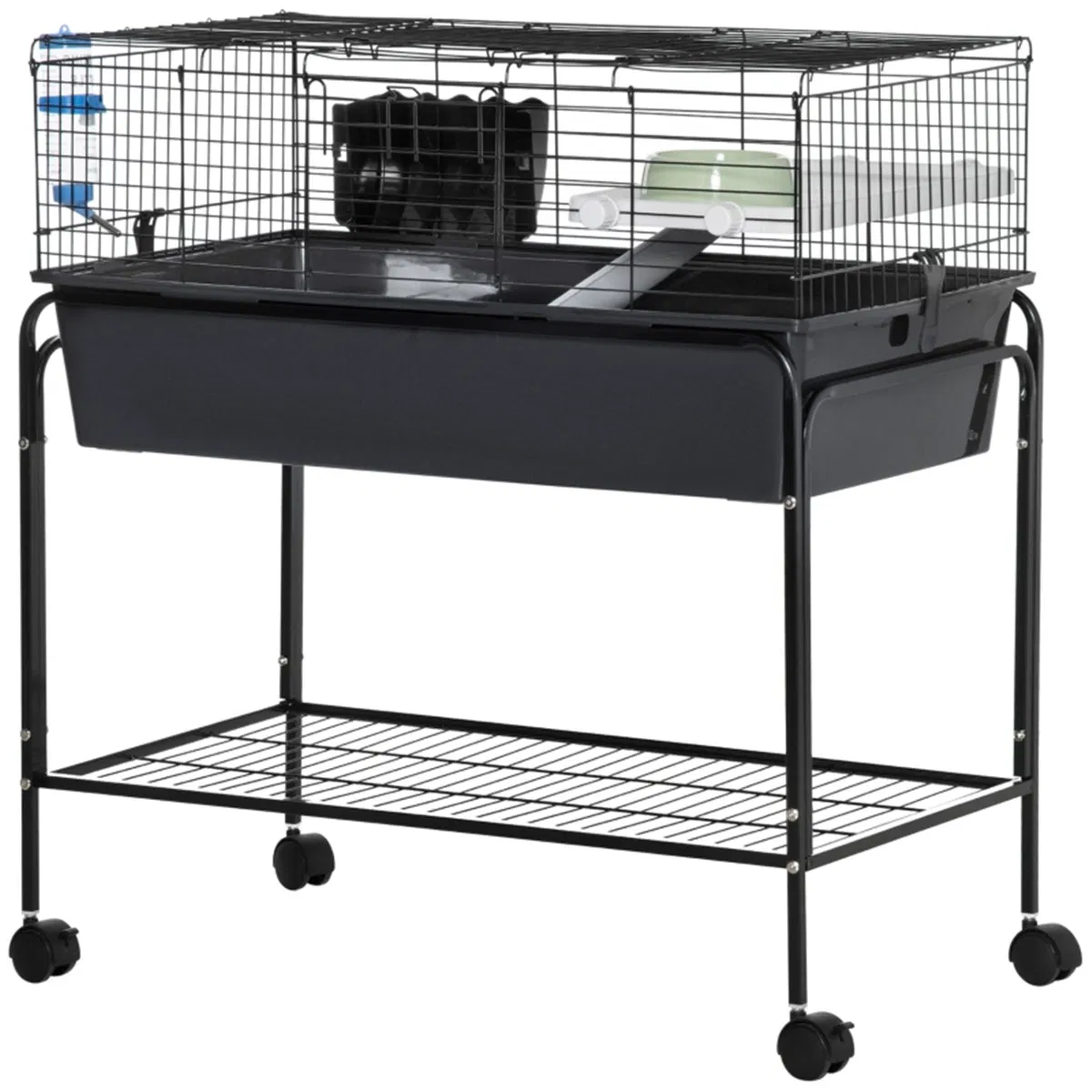 Hamster Cage/small animal cage/Pet cages$208.99View on Mallflare
Highlights
- Wire cages are typically 1–2 mm galvanized or powder-coated steel; bar spacing under 1 cm is required for hamsters and mice, 1.5–2.5 cm for guinea pigs and rabbits, and 2.5–3.8 cm for chinchillas and ferrets.
- Modular panel systems (commonly 20-panel DIY kits) let you form 47×24×12 in or larger footprints; panels must have rounded wire ends and locking connectors to resist push-out by rabbits and guinea pigs.
- Solid-wall wooden habitats (e.g., 23.8×15.9×15.9 in with 270° viewing) block drafts and chewing but need sealed, urine-resistant base trays because untreated plywood delaminates under Ammonia buildup.
- Multi-tier cages (3-tier and 5-tier) add vertical play value for rats and hamsters but are wrong for guinea pigs and rabbits, which need single-level, uninterrupted floor runs and ramps no steeper than 30°.
Best use cases
- Best fit: guinea pigs and rabbits — pick a single-level wire or panel enclosure with at least 7.5 sq ft (guinea pig) or 12 sq ft (rabbit) floor area, solid ramp-free base, and 1.5–2.5 cm bar spacing; skip multi-tier towers.
- Best fit: Syrian hamsters and mice — choose a 1 cm-or-less bar-spaced wire cage or a solid wooden habitat with 15×20 in minimum footprint and a 6.5–8 in deep bedding tray; skip open-top playpens with wide bars.
- Best fit: chinchillas and ferrets — select a tall powder-coated wire cage with 2.5–3.8 cm spacing, full-width shelves, and locking doors; skip wooden habitats because chinchillas chew wood and ferrets need vertical climbing space.
- Wrong fit: using a transport carrier or 5-tier tube cage as a permanent home — they lack floor area and ventilation for adult animals and should be reserved for vet trips or temporary quarantine.
Buying tips
- Size by adult body length, not baby size: minimum floor area is roughly 4× body length by 2× body length for guinea pigs, and a 30×18 in base for a single Syrian hamster; rabbits need 4× their body length in run length.
- Check wire gauge and coating: 12–14 gauge powder-coated steel resists chewing and urine corrosion; thinner galvanized wire (16 gauge or higher) bends and rusts at weld points within a season.
- For modular panels, confirm connector type — welded grid with clip locks holds shape better than zip-tied panels, and panel height should be at least 1.5× the animal's standing height to prevent escape.
- Solid-wall habitats should specify sealed melamine or birch plywood with a removable plastic base tray; untreated pine or MDF absorbs urine and swells, shortening usable life.
Specs
| Material | Powder-coated steel / sealed wood / plastic |
|---|---|
| Bar Spacing | ≤1 cm hamsters · 1.5–2.5 cm guinea pigs |
| Floor Area | ≥7.5 sq ft guinea pig · ≥12 sq ft rabbit |
| Configuration | Single-level run vs 2–3 tier ramp |
Related searches
What to check before buying
- Measure the intended footprint against the room: a 47×24 in panel cage plus a 12 in clearance for door swing needs roughly 60×36 in of floor space.
- Confirm bar spacing against your species: under 1 cm for hamsters/mice, 1.5–2.5 cm for guinea pigs/rabbits, 2.5–3.8 cm for chinchillas/ferrets.
- Check floor surface: solid-bottom or deep-tray cages suit burrowing species; wire-grid floors cause foot sores in guinea pigs and rabbits and should be covered.
- Verify that a water bottle, food bowl, and hide fit inside without blocking the exercise wheel; wheels must be 8 in or larger for Syrians and 12 in or larger for chinchillas.
FAQ
Data sources: eBay / Amazon listings and product attribute feeds. Updated Nov 27, 2026.
Some links on this page are affiliate links. If you buy after clicking one, we may earn a commission at no extra cost to you. This does not change which products appear here or their order. Affiliate disclosure.