Pet Gear Picks

Pet Gear Picks

Pet Gear Reviews & Buying Guides

Compare pet gear by use case, features, trade-offs, price, returns, and seller terms before you buy.

Buying guides

Buying guide image
Pet Beds & Cat Trees

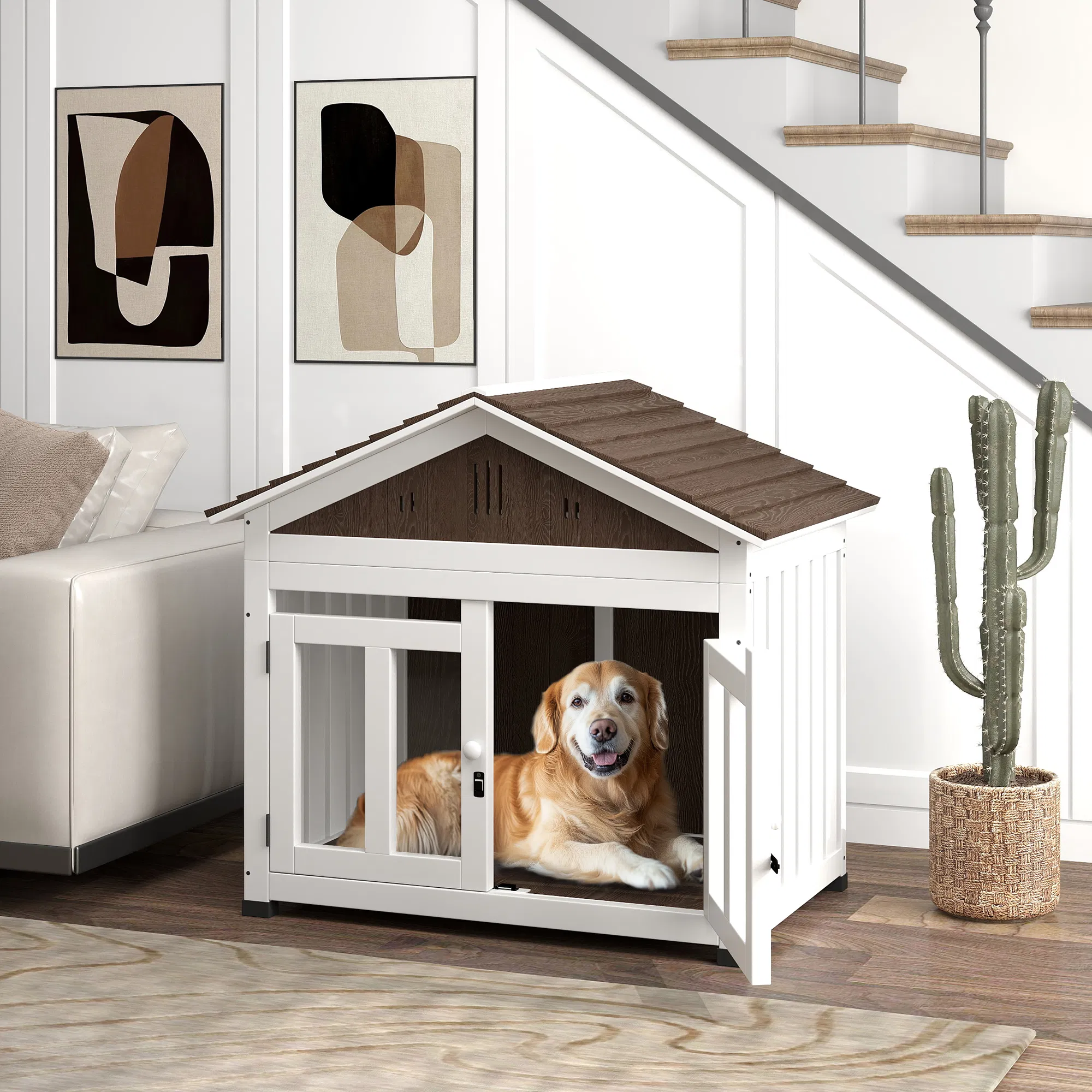
Dog Bed With Roof

A dog bed with roof is an enclosed or canopy-covered sleeping structure that gives a den-like sense of security, shade, or privacy rather than just a flat cushion. The core trade-off is between open canopy frames (light, ventilated, easy to clean) and fully enclosed cabin or tent beds (warmer, darker, more den-like but harder to air out). Durable options use a rigid metal or wood frame with a removable, machine-washable cover and a non-slip base; compromises rely on flimsy wire canopies, non-removable fabric, or undersized footprints that force the dog to curl instead of stretch.
Buying guide image
Pet Beds & Cat Trees

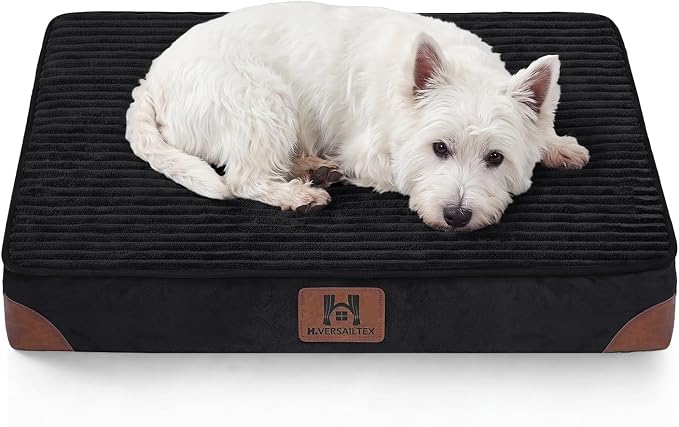
Dog Mattress

A dog mattress is a flat, unstructured sleep surface defined by its fill density, cover durability, and washability rather than a frame or canopy. The core trade-off is between plush comfort (loose fiber or memory foam that compresses) and orthopedic support (high-density foam or spring units that hold shape). Choose an orthopedic foam core with a removable, zippered cover for large or aging dogs; skip loose-fiber pillows and unzippered covers for heavy chewers.

Buying guide image
Pet Bowls & Feeders

Adjustable Elevated Dog Bowl

Adjustable elevated dog bowls raise food and water to a height that reduces neck strain and improves digestion for large, senior, or arthritic dogs, with the core trade-off being between flimsy fixed-height plastic stands and sturdier metal or solid-wood frames with true height adjustment. The decision rule: choose a stand with at least two height settings, a wide non-tip base, and stainless-steel bowls—skip single-height plastic towers and bowls that clip loosely into thin rails.

Buying guide image
Pet Beds & Cat Trees

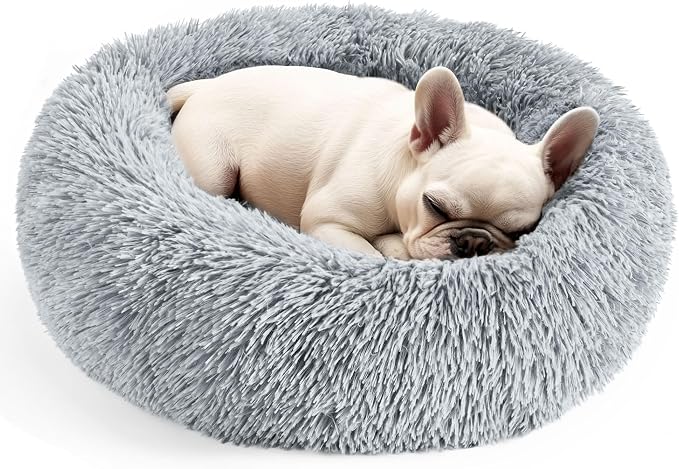
Dog Bed

Dog beds range from flat mattresses and plush sofas to elevated cots and cooling mats, and the core trade-off is between cushioning comfort and durable, cleanable construction. Cheap beds often use low-denier fabric, loose fiber fill that clumps, and thin non-slip bases; durable beds use reinforced seams, dense foam or ballistic-grade covers, and elevated frames that resist chewing and moisture. The decision rule: match bed type to your dog's sleep style and environment—orthopedic foam for seniors, elevated cots for chewers and hot climates, and cooling mats for heat-sensitive breeds—and skip any bed without a removable, machine-washable cover.

Buying guide image
Pet Bowls & Feeders

Elevated Dog Bowl

Elevated dog bowls raise food and water to a height that reduces neck strain and improves digestion for larger or senior dogs, but the category splits sharply between flimsy adjustable plastic stands and rigid wood or metal furniture built for a specific breed size. The primary trade-off is adjustability versus stability: tall adjustable stands flex and tip under a large dog, while fixed-height wooden stands are rock-solid but demand accurate height math before purchase. Choose a stand whose bowl rim sits roughly at your dog's shoulder height, built from solid wood or powder-coated steel with stainless bowls — skip thin plastic risers and glued bamboo for dogs over 40 lb.

Buying guide image
Pet Crates, Kennels & Playpens

Large Heavy Duty Dog Kennel

When a large, powerful dog can bend wire, pop welds, or dig out, the kennel stops being containment and becomes a hazard. The practical split is indoor escape-proof crates built from welded steel versus outdoor runs and playpens that add canopy, ground anchoring, and roof coverage. Sizing the crate to the dog's adult height and length, not its current puppy size, prevents most costly re-buys.

Buying guide image
Pet Toys

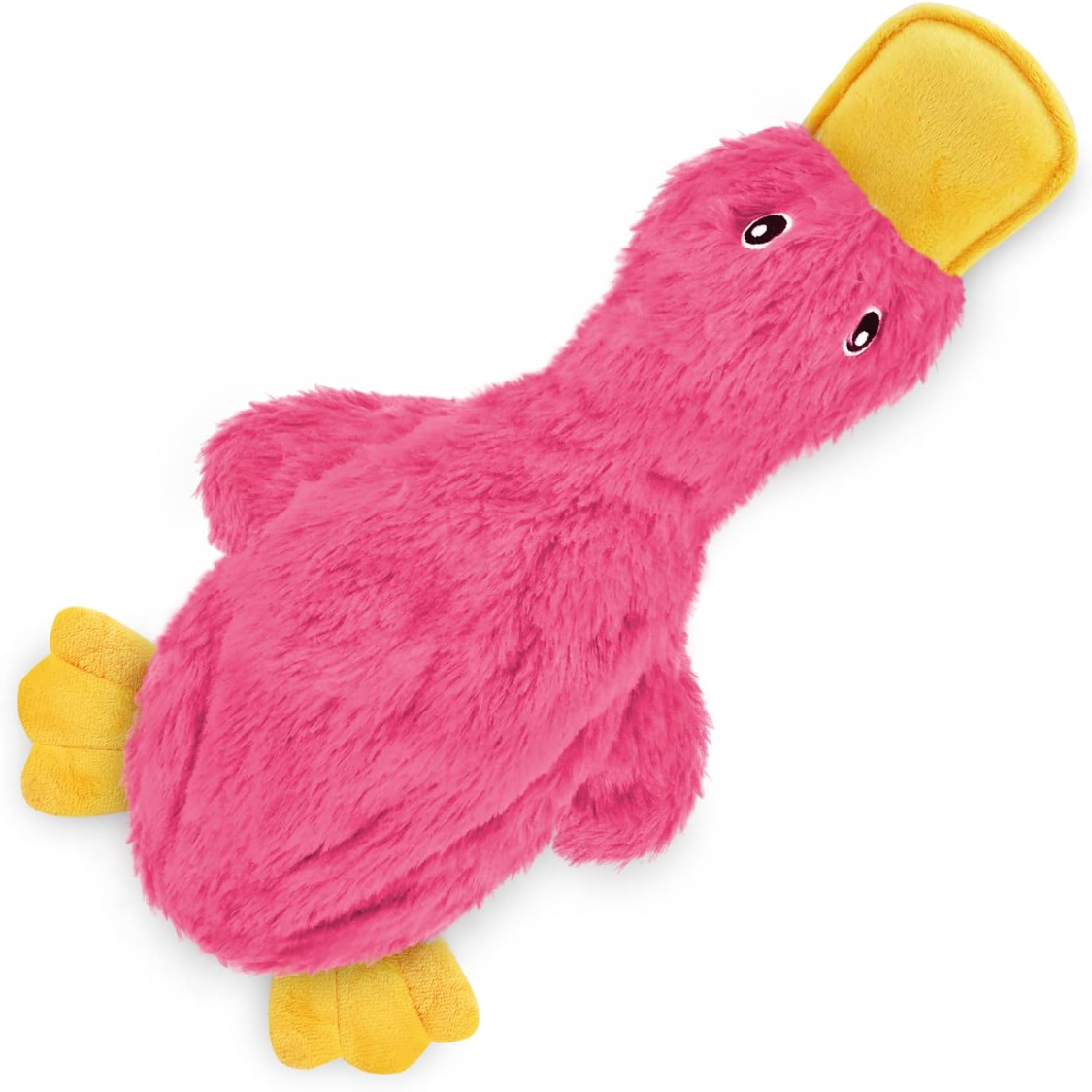
Interactive Toy

Interactive pet toys are motorized or puzzle-driven devices that convert a pet's natural prey drive into solo or supervised play. The decisive trade-off is between cheap open-loop motion (random spin, fragile plastic gears) and closed-loop or ruggedized designs with replaceable batteries, chew-safe materials, and sensor-triggered activation. Buy durable tiers with rechargeable USB-C, sealed gearboxes, and non-toxic rubber or reinforced fabric; skip single-use button-cell toys and thin rigid plastic shells that crack at the first chew.

Buying guide image
Pet Crates, Kennels & Playpens

Rabbit Cage

Rabbit cages span three distinct architectures: indoor wire/plastic playpens, wooden outdoor hutches, and multi-tier wire enclosures, each trading weather resistance, predator security, and indoor footprint differently. The decisive split is construction grade: kiln-dried fir or galvanized wire with a raised waterproof roof handles outdoor duty, while untreated softwood and thin-gauge mesh fail within a season. Buy by species size and climate first, then by roof, latch, and floor-bar spacing.

Buying guide image
Pet Crates, Kennels & Playpens

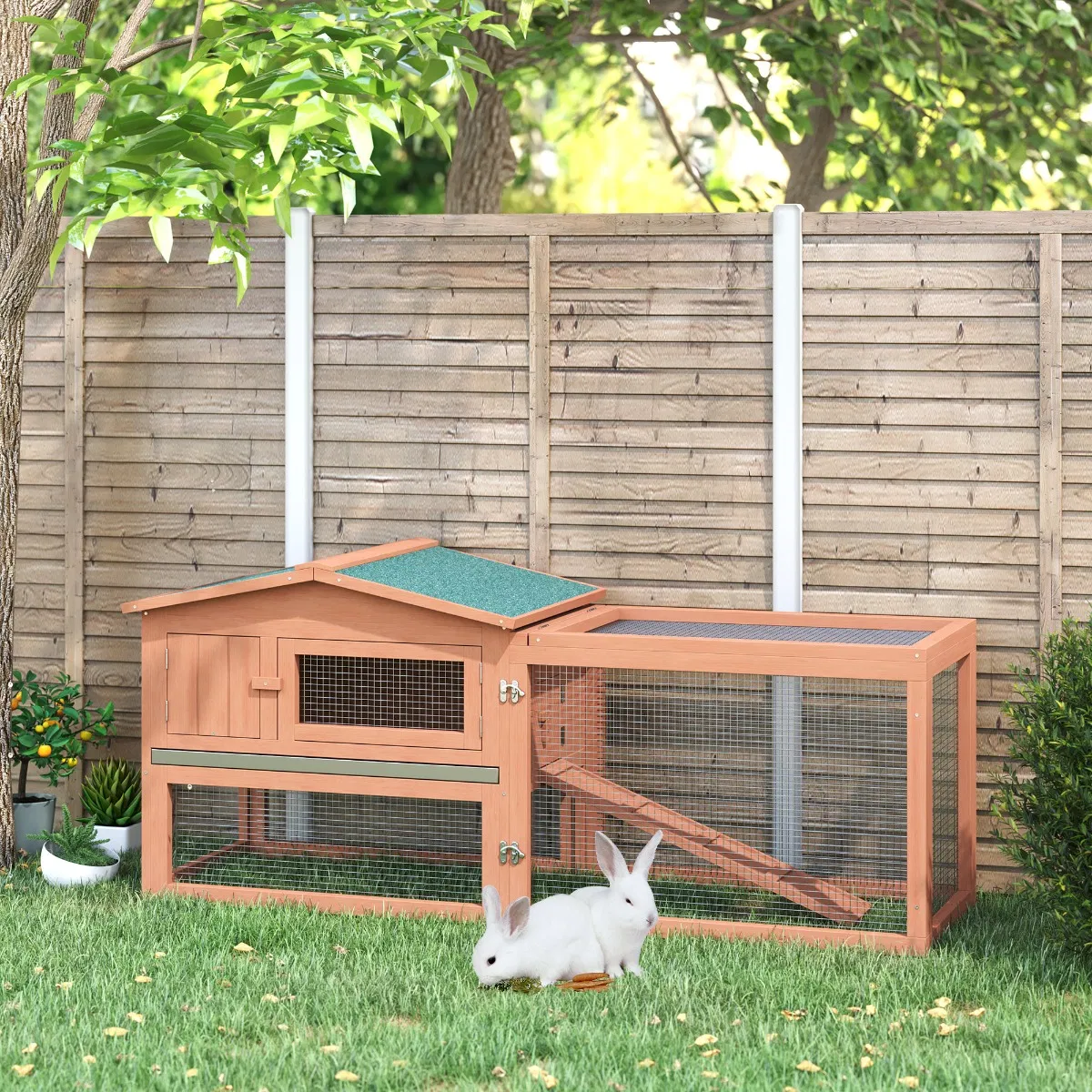
Rabbit Hutch

A rabbit hutch is a dedicated small-animal enclosure that must balance predator-proof security, weather protection, and enough hop-height for a rabbit to stand upright. The core trade-off is between thin softwood outdoor hutches that swell, rot, and fail at joints versus fir or metal-frame builds with raised floors and waterproof roofs. The decision rule: buy a hutch with a fully enclosed sleeping compartment, lockable bolts, and a raised waterproof floor; skip open-bottom or fabric-only pens for unsupervised outdoor use.

Buying guide image
Pet Bowls & Feeders

Elevated Dog Bowl With Storage

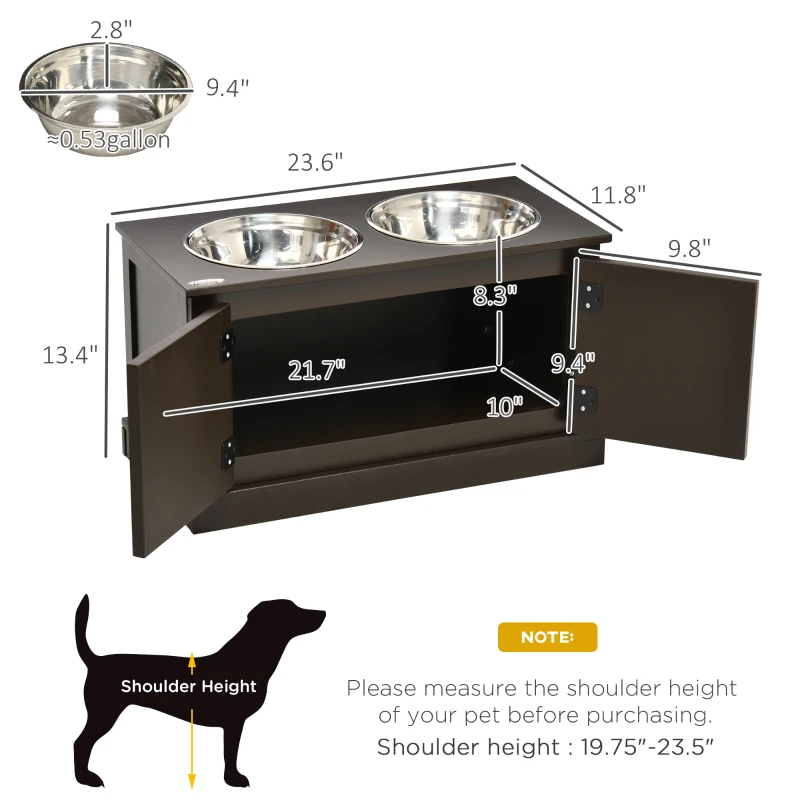
An elevated dog bowl with storage combines a raised feeding stand with an integrated cabinet or bin, solving both neck strain and food/accessory clutter. The core trade-off is structural rigidity versus storage convenience: solid wood or metal frames with sealed compartments hold up for years, while thin MDF or fabric bins sag and absorb odors. Choose a unit whose bowl height matches your dog's leg length and whose storage volume fits a full bag of food; skip fixed-height stands for growing puppies and open fabric bins for messy eaters.

Buying guide image
Reptile Enclosures & Terrariums

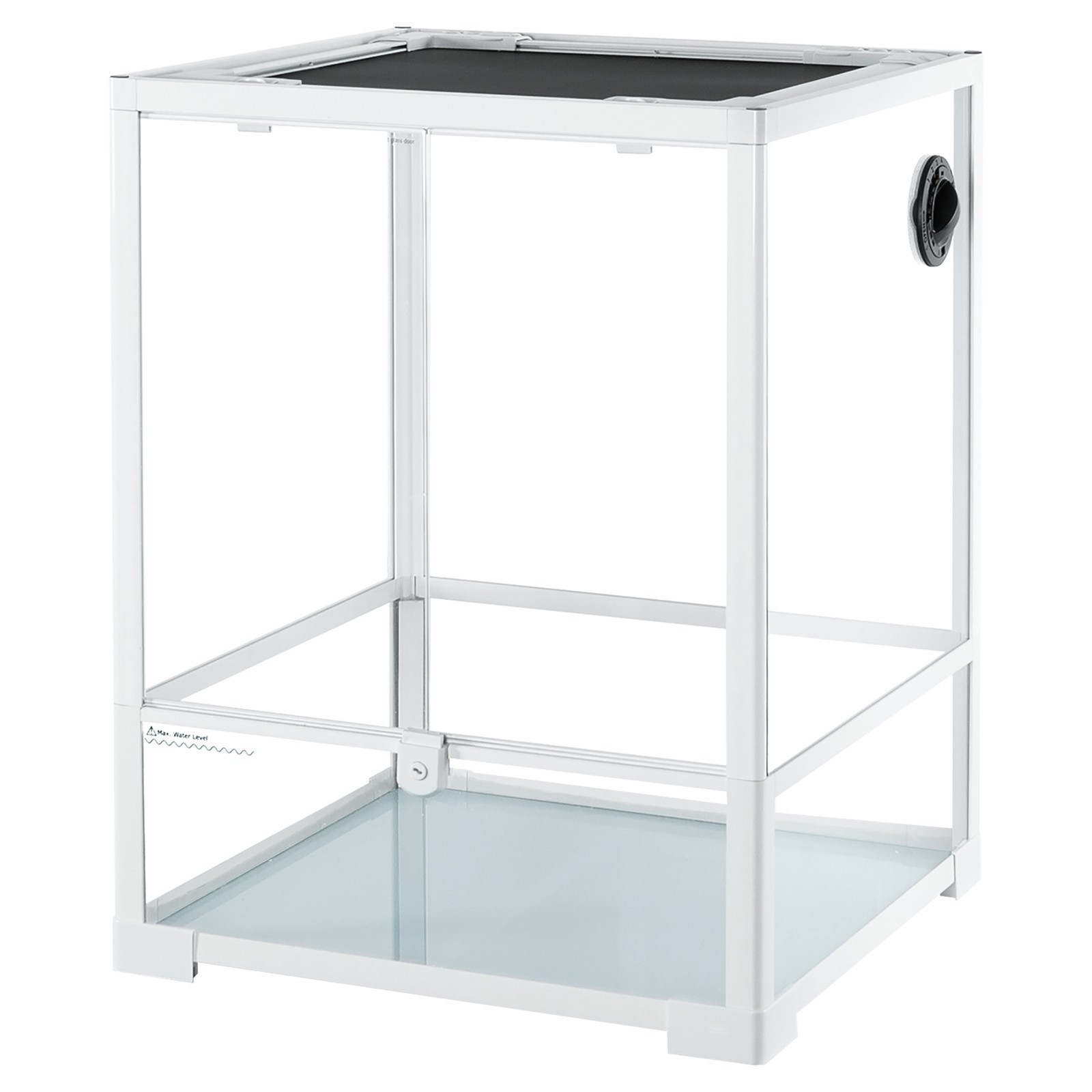
Tank

A reptile tank is a primary enclosure defined by material (glass vs. PVC/wood), door architecture (front-opening vs. top-opening), and ventilation—these determine species suitability, humidity retention, and handling stress. The core trade-off is glass clarity and scratch resistance versus PVC's thermal insulation, lighter weight, and humidity control. Choose glass for display-first arid/desert setups and top-opening budget builds; choose PVC or sealed wood for tropical/humidity-dependent species and front-opening access.

Buying guide image
Pet Bowls & Feeders

Dog Food Bowl

Dog food bowls range from simple stainless steel vessels to elevated and slow-feed designs that solve gulping, neck strain, and mess. The core trade-off is easy-clean durability versus specialized feeding control, with material grade and height adjustment determining long-term value. Choose a stainless steel or ceramic bowl with a non-slip base for everyday use; add a slow feeder or elevated stand only if your dog gulps or has joint issues.

Buying guide image
Bird & Small Animal Supplies

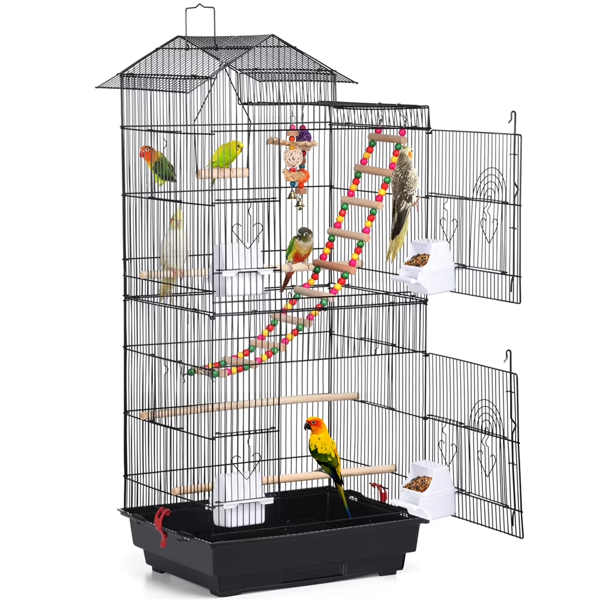
Bird Cage

A bird cage is a long-term structural purchase where bar gauge, wire spacing, and non-toxic finish determine safety and durability, while size and wheel/base design determine daily usability. The primary trade-off is between adequate flight volume and cage weight/cleanability—large flight cages suit multiple birds but require reinforced casters and room clearance. The decision rule: buy the largest cage with species-appropriate bar spacing and welded (not stapled) frame joints; skip thin-gauge decorative cages for any bird that climbs or chews.

Buying guide image
Pet Crates, Kennels & Playpens

Heavy Duty Dog Crate

A heavy-duty dog crate is a reinforced metal enclosure built to contain strong, anxious, or escape-prone dogs that would deform or break standard wire crates. The primary trade-off is between thicker-gauge welded steel construction with secure latch systems and lighter wire crates with plastic trays that are easier to move but fail under load. The decision rule: choose a crate with at least 1-inch welded steel frame, reinforced door latches (barrel or rotary), and a metal pan or heavy-duty tray if your dog has a history of bending bars, escaping, or is over 50 lbs; skip standard wire crates for these dogs.

Buying guide image
Pet Crates, Kennels & Playpens

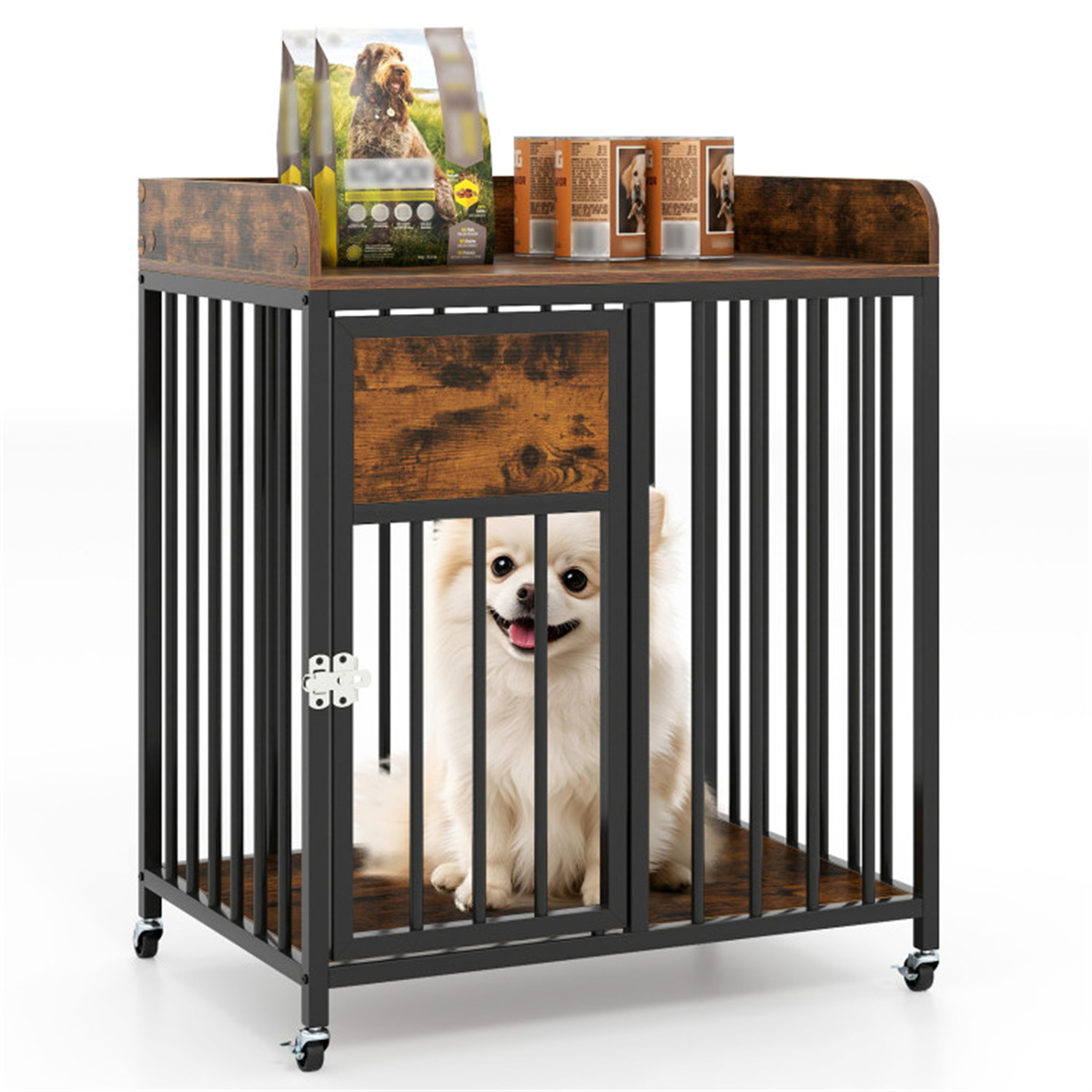
Dog Cage And Crate

A dog cage or crate is a confined enclosure used for house training, safe transport, or indoor containment, built from either metal wire/bar stock or wood-composite furniture panels. The core trade-off is durability and ventilation (welded metal, drop-pin latches) versus room integration and furniture-grade finish (wood panels, end-table tops). Buyers should choose metal for escape artists, heavy chewers, and travel; choose wood furniture crates only for calm dogs and climate-controlled indoor rooms.

Buying guide image
Pet Travel & Safety

Cat Carrier Large

A large cat carrier is a travel enclosure sized for cats over 15 lb or two bonded cats, where the core trade-off is soft-sided fabric portability versus rigid crash-tested structure. Durable options use 600D Oxford or ballistic nylon with internal PE or metal frame plates and lockable zippers; compromises rely on thin polyester, single-stitch seams, and mesh that tears at stress points.

Buying guide image
Pet Crates, Kennels & Playpens

Dog Crate Heavy Duty

Heavy-duty dog crates are defined by their bar gauge, latch type, and frame rigidity—not by the word 'heavy' on the box. Buyers replacing bent wire crates or managing escape artists should focus on 48-inch sizing for large breeds, reinforced welding, and secure twist-latch or paddle-latch doors. Skipping the crate-by-crate construction details is the most common route to a second purchase.

Buying guide image
Pet Crates, Kennels & Playpens

Crate

A pet crate is an enclosed containment system—wire, plastic, soft-sided, wood, or metal-panel—whose primary trade-off is between escape-proof structural rigidity and portability/indoor aesthetics. Durable crates use welded or reinforced wire mesh with secure latches and chew-resistant fabric or high-impact plastic; compromises show up as thin gauge wire, plastic snap latches, and unsupported soft panels. The decision rule: match the crate's construction tier to your pet's chewing and jumping behavior, then size by interior standing height and length, not by exterior footprint.

Buying guide image
Aquarium Filters & Pumps

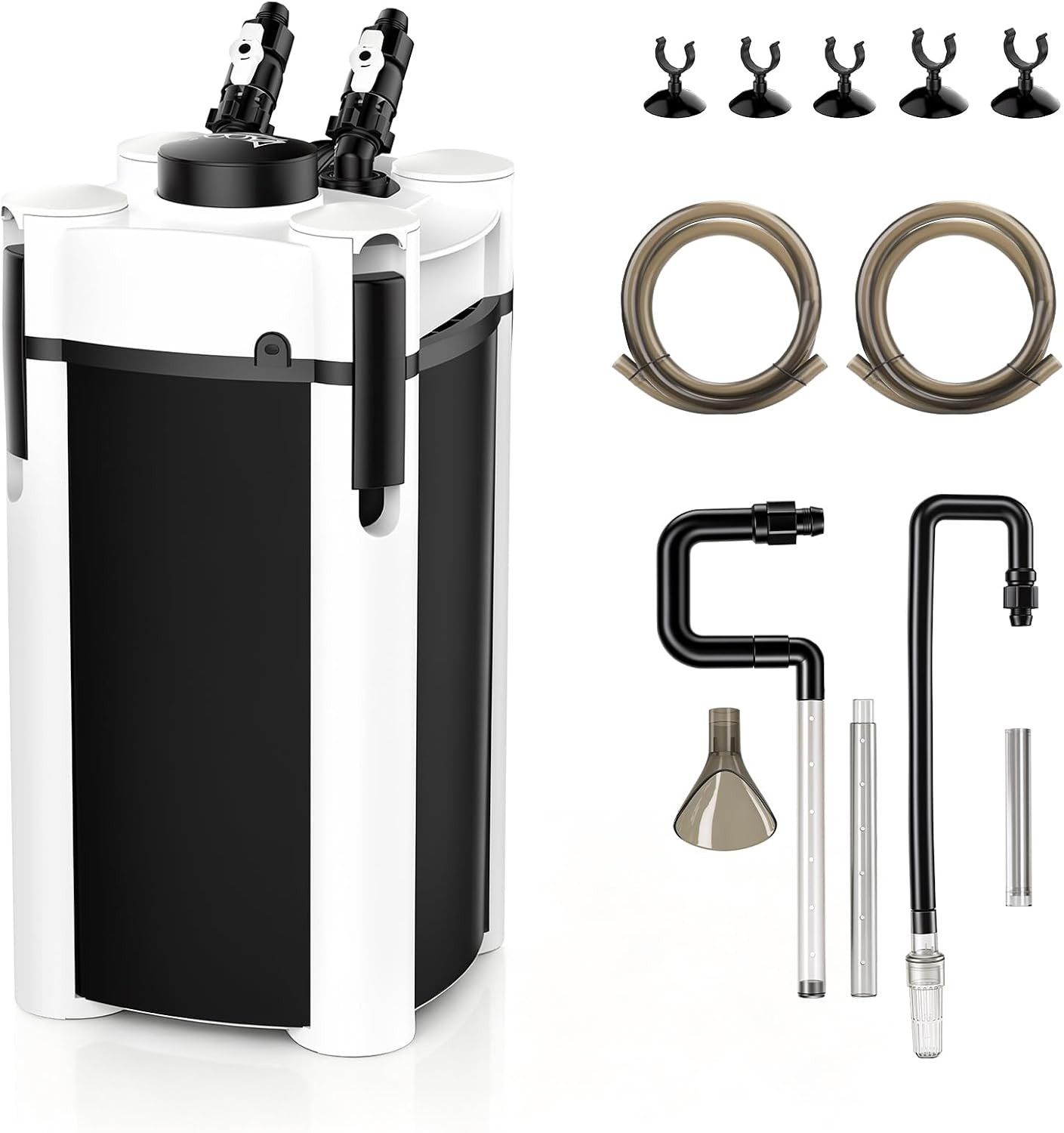
Tank Filter

Tank filters span hang-on-back (HOB), canister, sponge, and undergravel architectures, each defined by how much biological media volume and flow rate they deliver per gallon of tank water. The core trade-off is canister capacity and head pressure versus HOB simplicity and sponge safety for fry and shrimp. Choose a canister when you need 4–6x turnover and large media trays; choose HOB or sponge when surface agitation, low cost, or gentle intake matters more than raw volume.

Buying guide image
Pet Toys

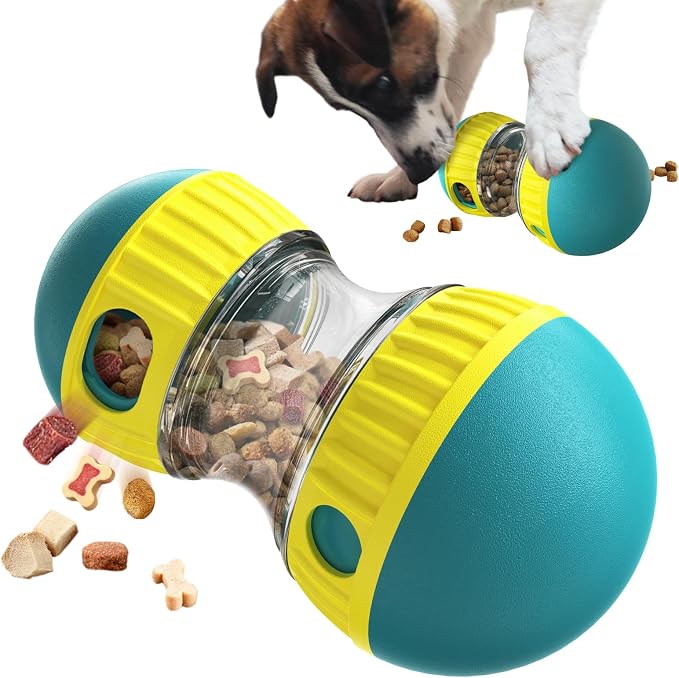
Interactive Dog Toy

Interactive dog toys are motorized, treat-dispensing, or sound-emitting devices that convert solo boredom into active mental and physical play. The core trade-off is between electronic features (motors, rechargeable batteries, sound modules) that engage but introduce failure points, and passive durable designs (treat balls, chew puzzle toys, rubber discs) that survive aggressive chewing with no electronics to break. The decision rule: match the toy's primary engagement mechanism to your dog's play style—electronics for bored low-drive dogs and puzzle solvers, heavy rubber or fabric for power chewers, and skip anything with a battery compartment if your dog routinely destroys plush or thin plastic.

You may also like

Finding more guides for you…