
Photos from current listings. Actual item, color, and included accessories may vary.
Tank Filter Buying Guide
Tank filters span hang-on-back (HOB), canister, sponge, and undergravel architectures, each defined by how much biological media volume and flow rate they deliver per gallon of tank water. The core trade-off is canister capacity and head pressure versus HOB simplicity and sponge safety for fry and shrimp. Choose a canister when you need 4–6x turnover and large media trays; choose HOB or sponge when surface agitation, low cost, or gentle intake matters more than raw volume.
Median $211.23 · New listings
Key takeaways
- Canister filters deliver 4–6x tank turnover per hour and hold 1–3 liters of biological media, far exceeding HOB trays.
- Three-stage canisters stack mechanical foam, biological ceramic rings, and chemical carbon in separate trays for serviceability.
- HOB filters move 100–400 GPH and rely on replaceable cartridges, which discard beneficial bacteria with every swap.
At a glance
- Category
- Aquarium Filters & Pumps
- Last updated
- Nov 28, 2026
Current offers
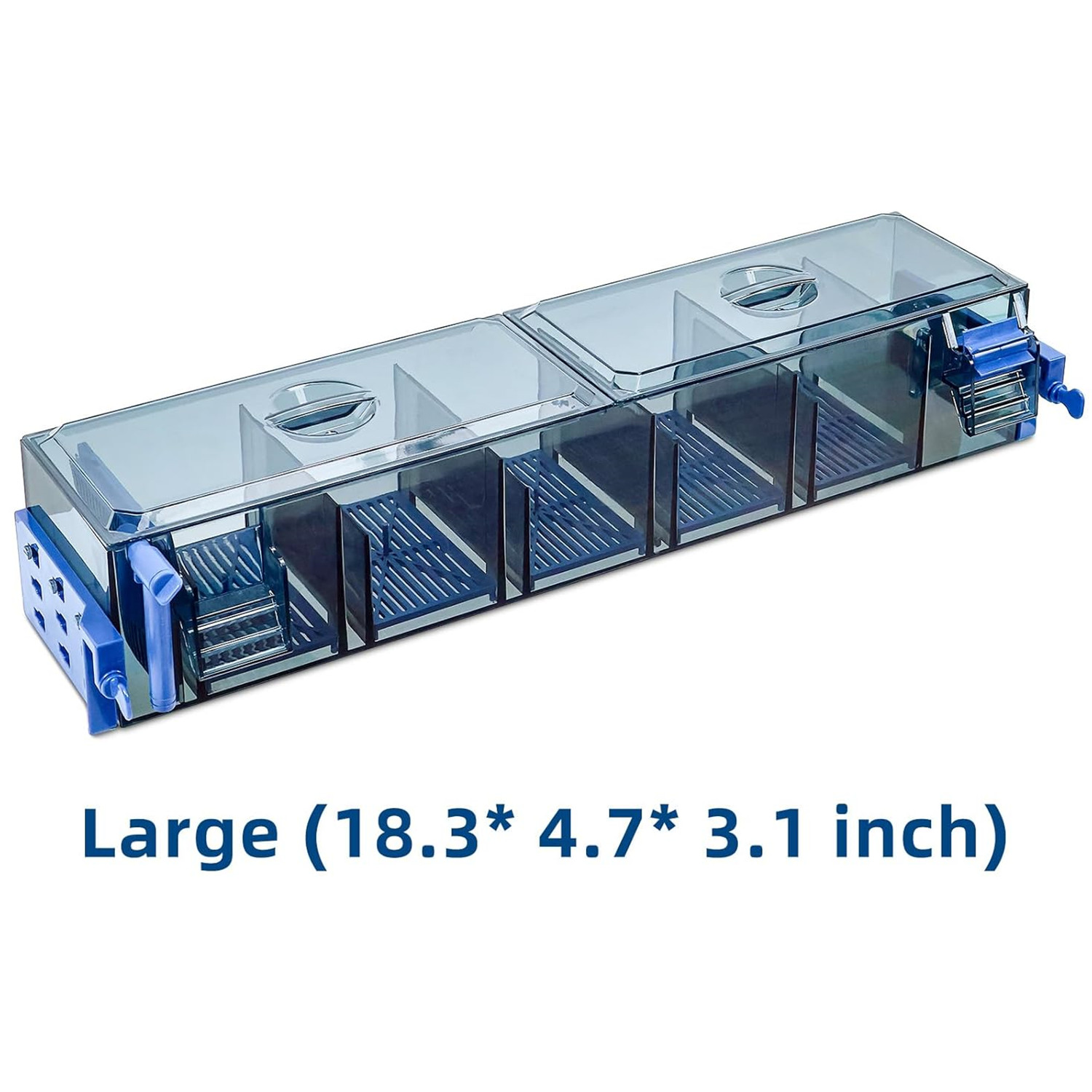 Aquarium Fish Tank Filter with Waterfall Oxygenation Suitable Multi Layer Filter$29.99View on eBay
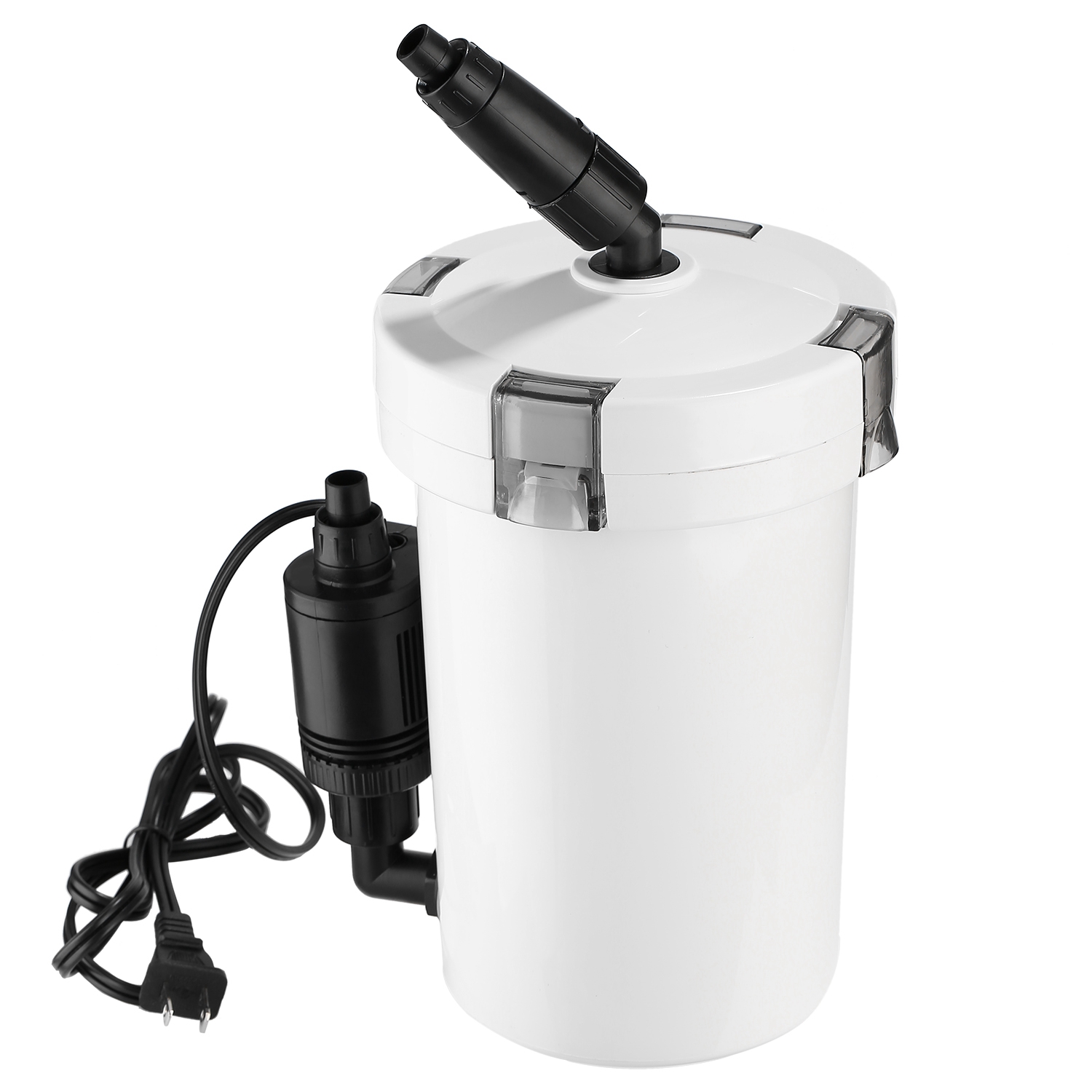 1Pc 3-Stage External Canister Filter For 28 Gallon Aquarium Fish Tank 105gph 6W Easy Installation Silent$63.99View on Mallflare
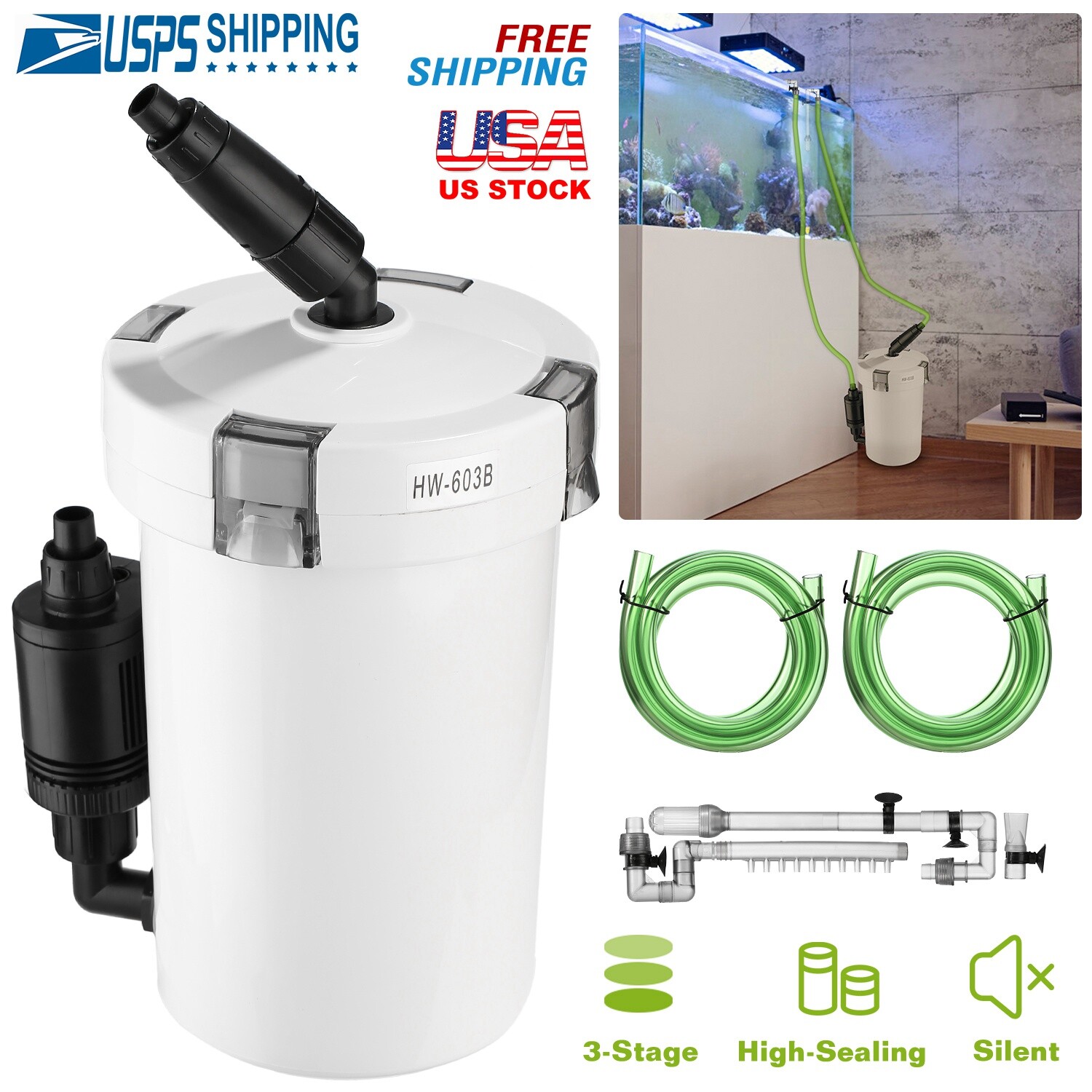 Aquarium External Canister Filter Fish Tank with Pump Table Mute Filters Bucket$38.94View on eBay
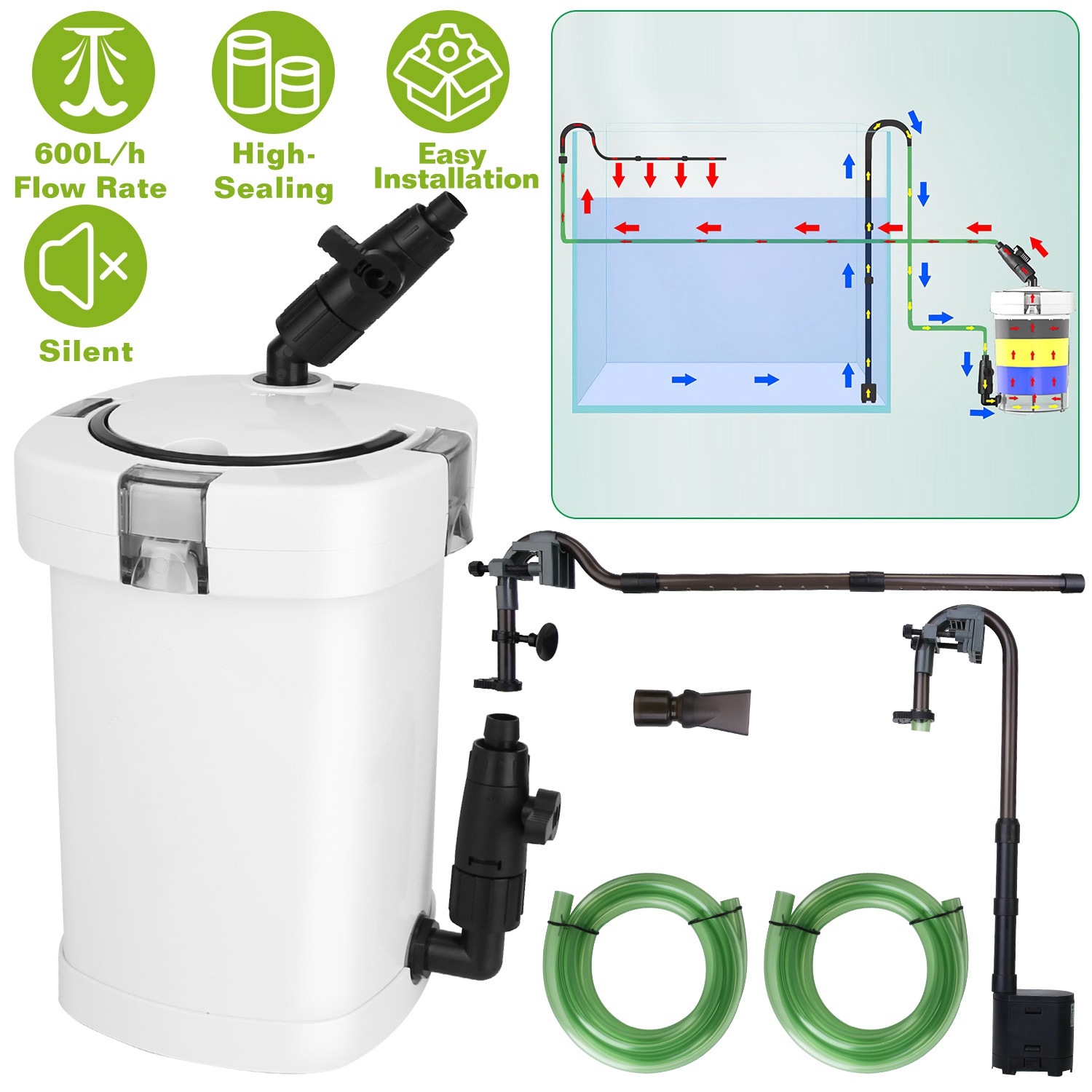 1Pc 3-Stage External Canister Filter For Aquarium Fish Tank With 600L-H Flow Rate 35.4in Max Height 6W Easy Installation Silent$70.99View on Mallflare
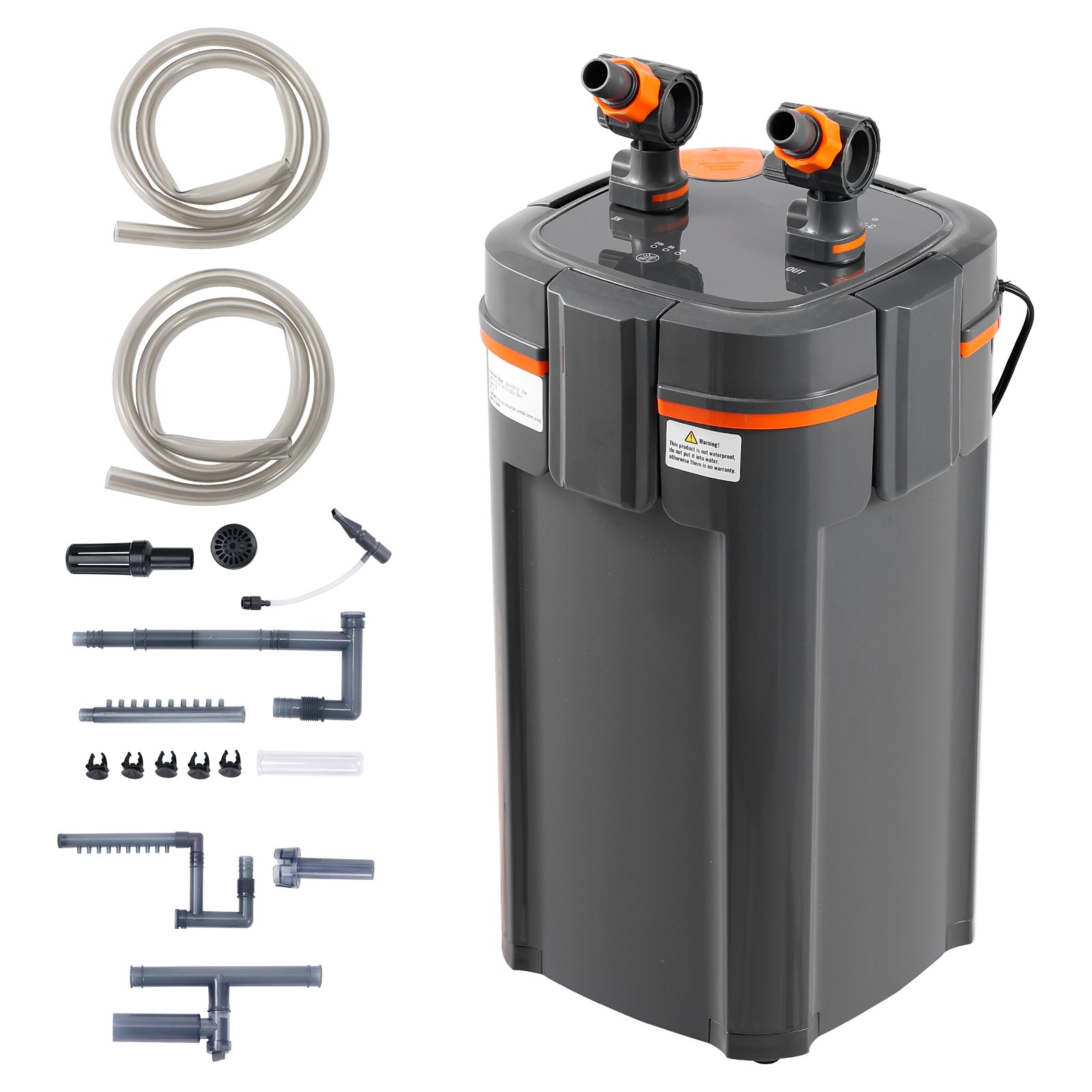 Uimoso 75 Gallon 3 Stage Aquarium Canister Filter 9w UV 264GPH Fish Tank w/ Pump$55.79View on eBay
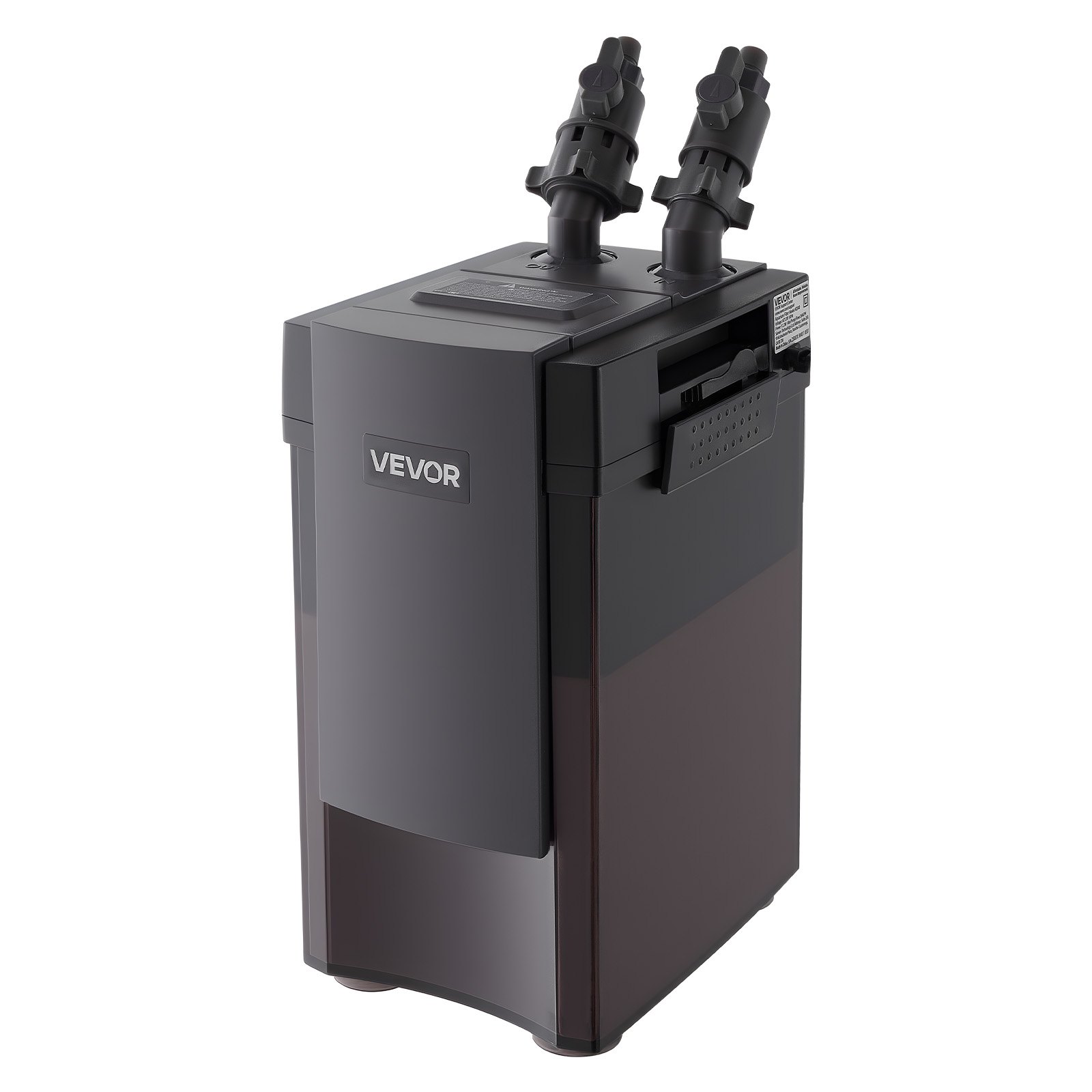 264GPH Canister Filter, 2-Stage External Aquarium With Powerful Pump, Quite Water Circulation Cleaning Machine Media For Fish Tanks And Aquariums Up To 75 Gallons, For Freshwater$75.99View on Mallflare
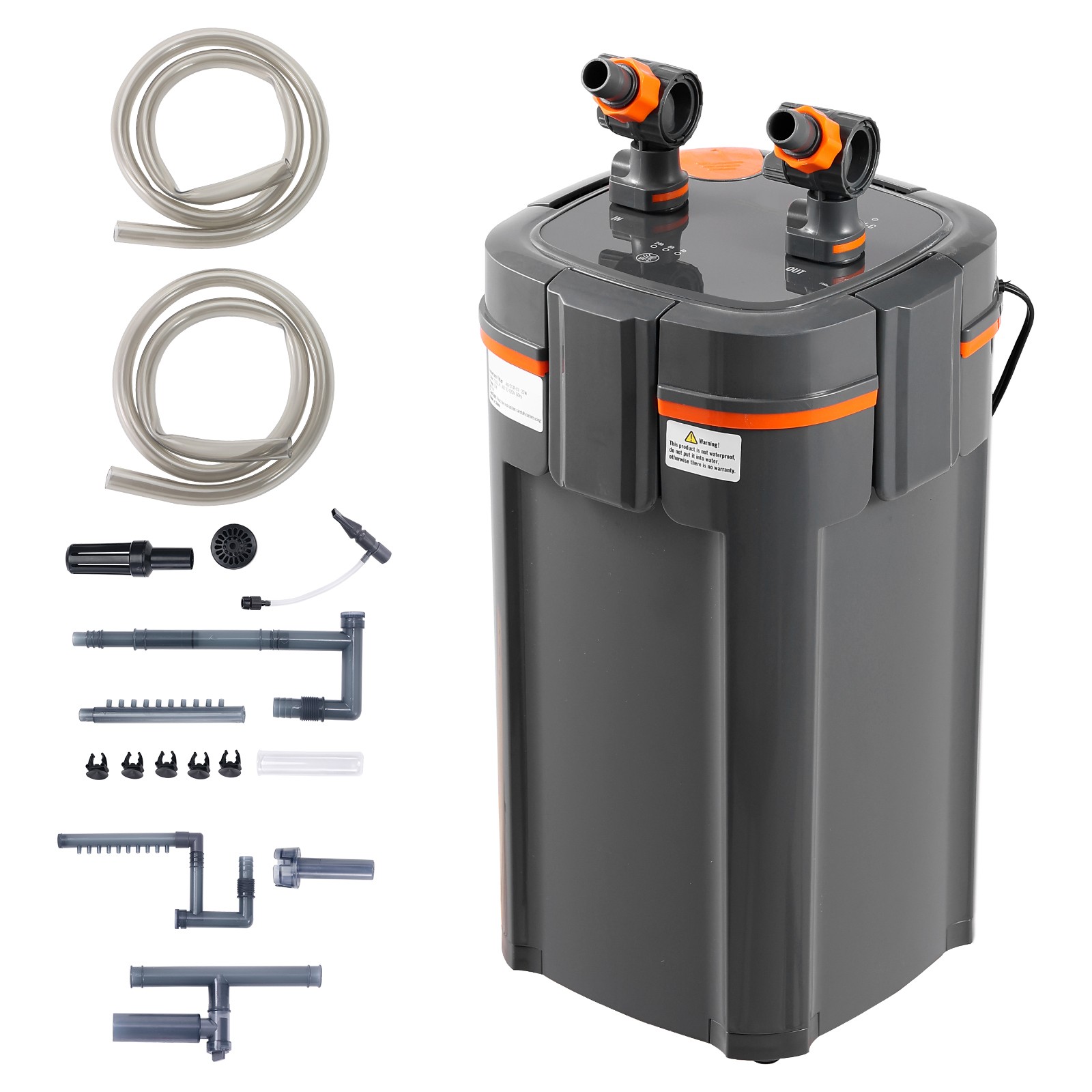 Uimoso 100 Gallon 4 Stage Aquarium Canister Filter 9w UV 317GPH Fish Tank w/Pump$69.99View on eBay
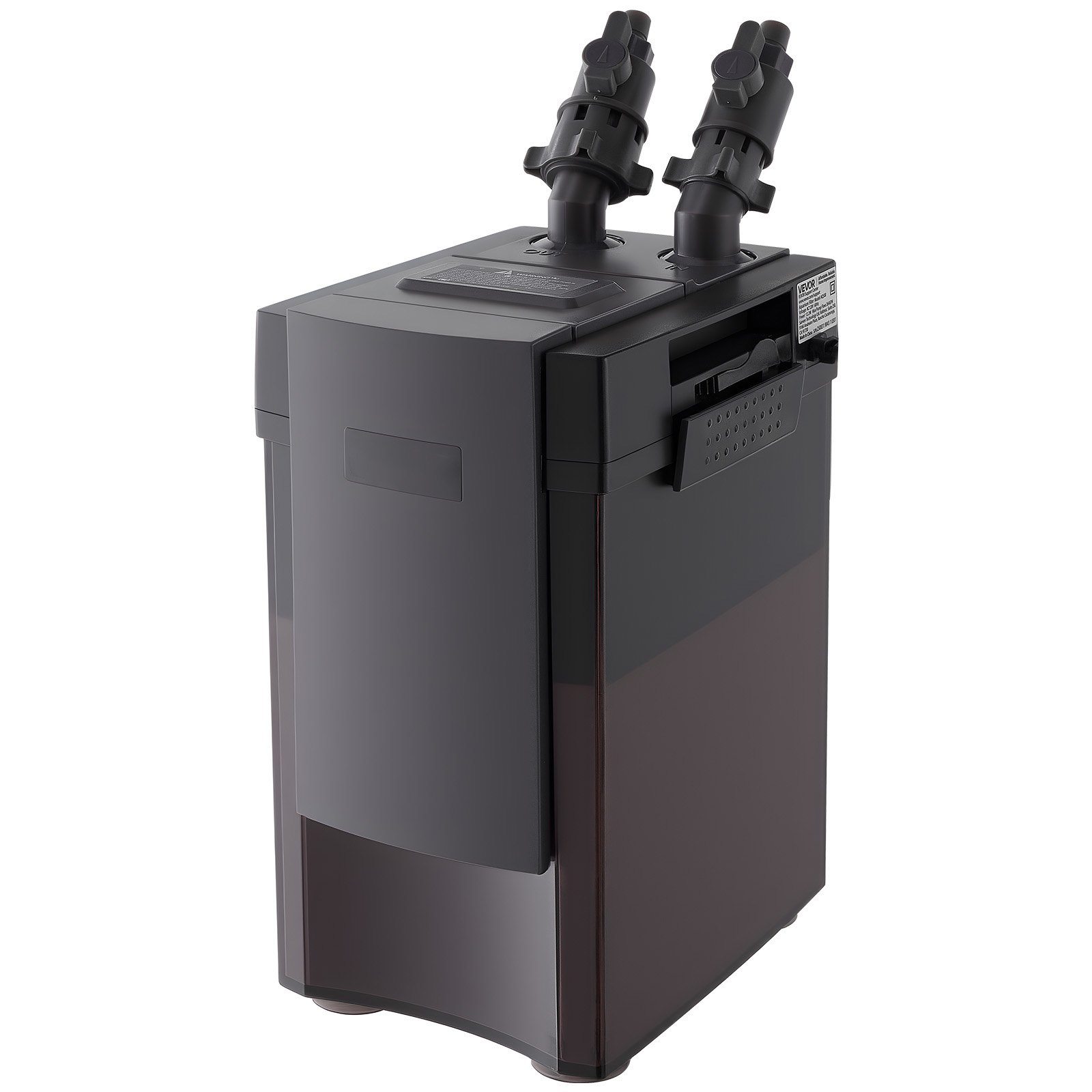 162.7GPH Canister Filter, 3-Stage External Aquarium With Powerful Pump, Water Circulation Cleaning Machine Media For Large Fish Tanks And Aquariums Up To 100 Gallons, For Freshwater$80.99View on Mallflare
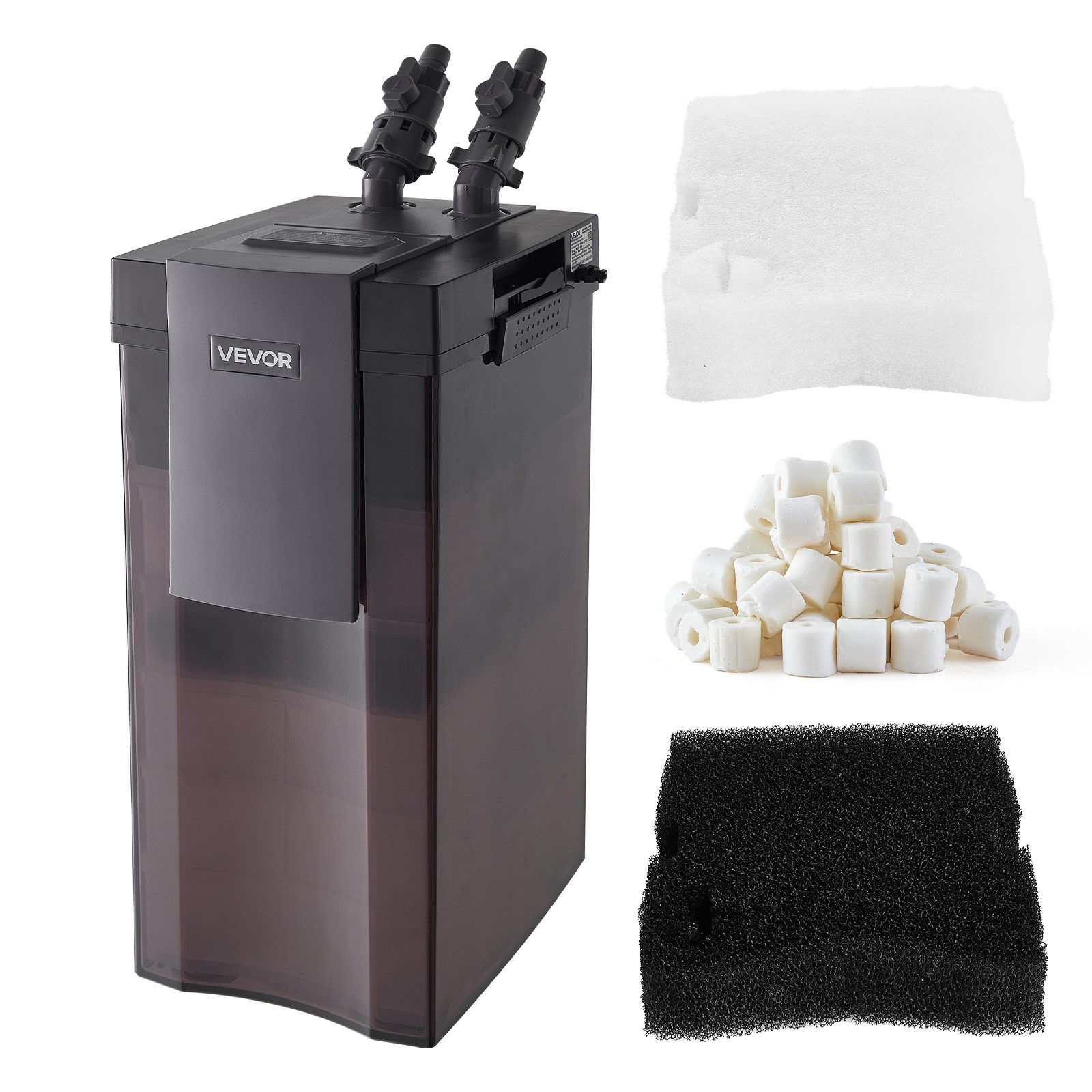 VEVOR 528GPH Canister Filter 5-Stage External Aquarium for Tanks 125-150 Gallons$74.75View on eBay
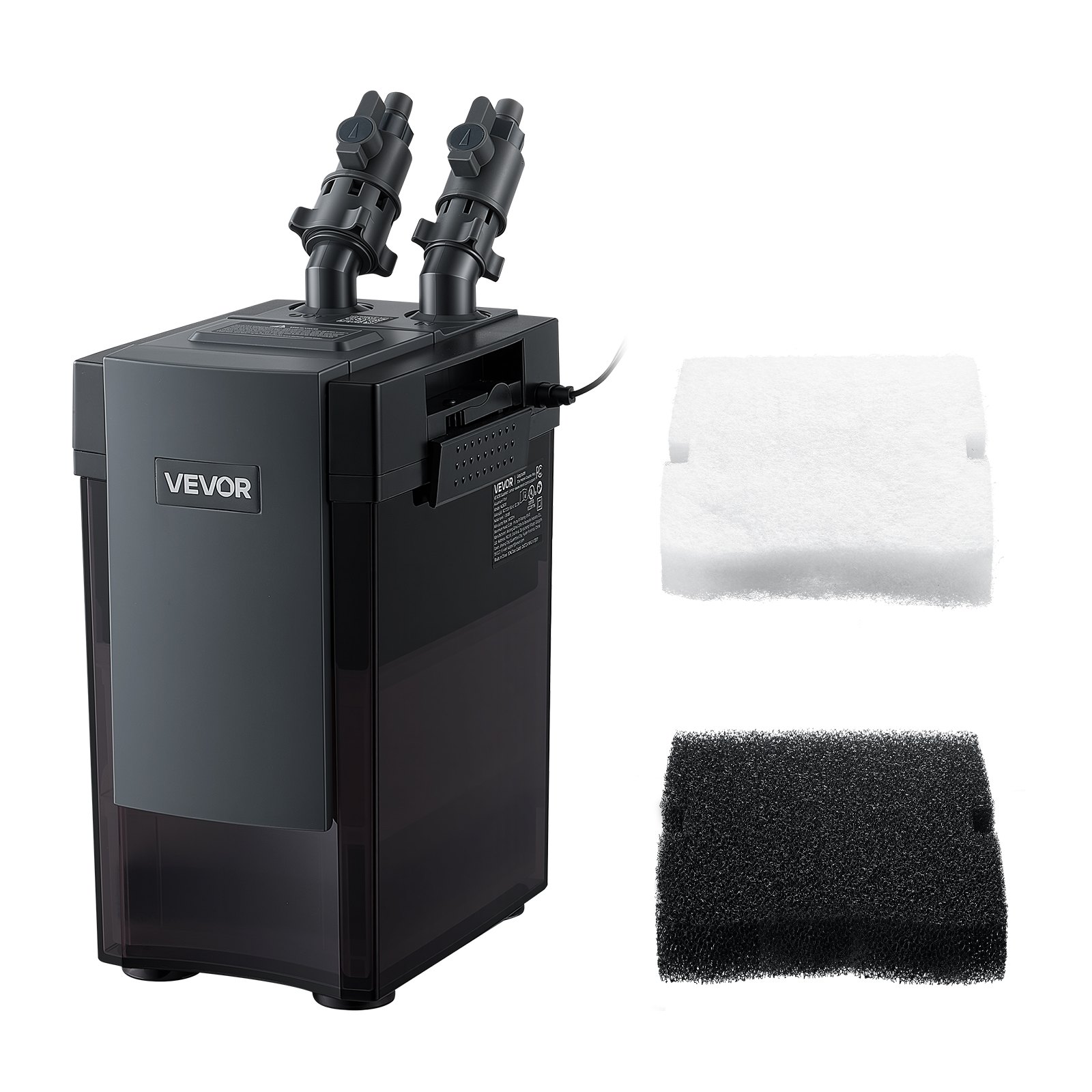 Canister Filter 264 GPH 2-Stage External Aquarium Copper Motor, for Fish Tanks, Aquariums, Adjustable Flow, Leak Protection, Powerful Water Circulation Cleaning Machine, Quite Operation$92.99View on Mallflare
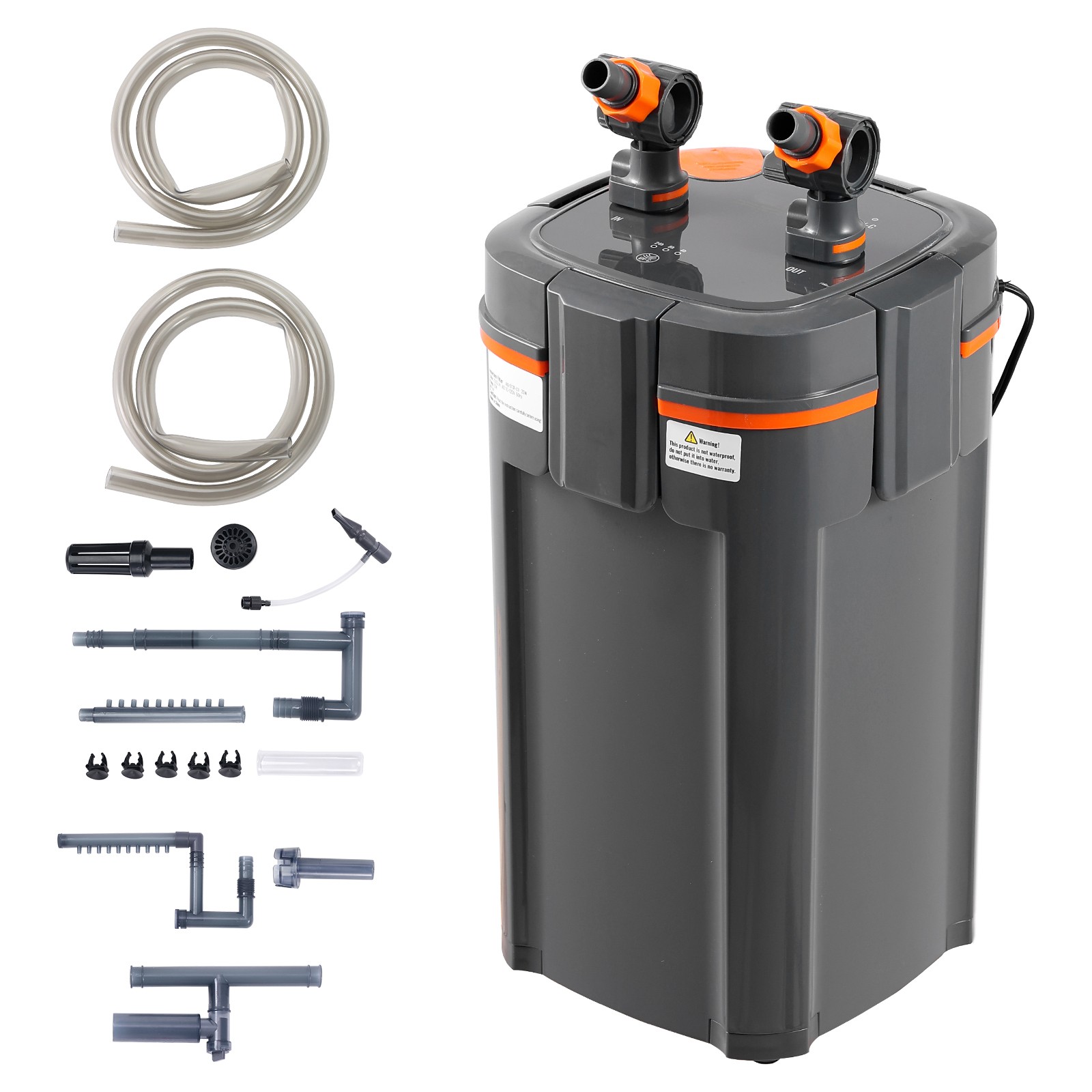 Uimoso 200 Gallon 5 Stage Aquarium Canister Filter 9w UV 528GPH Fish Tank Pump$91.99View on eBay
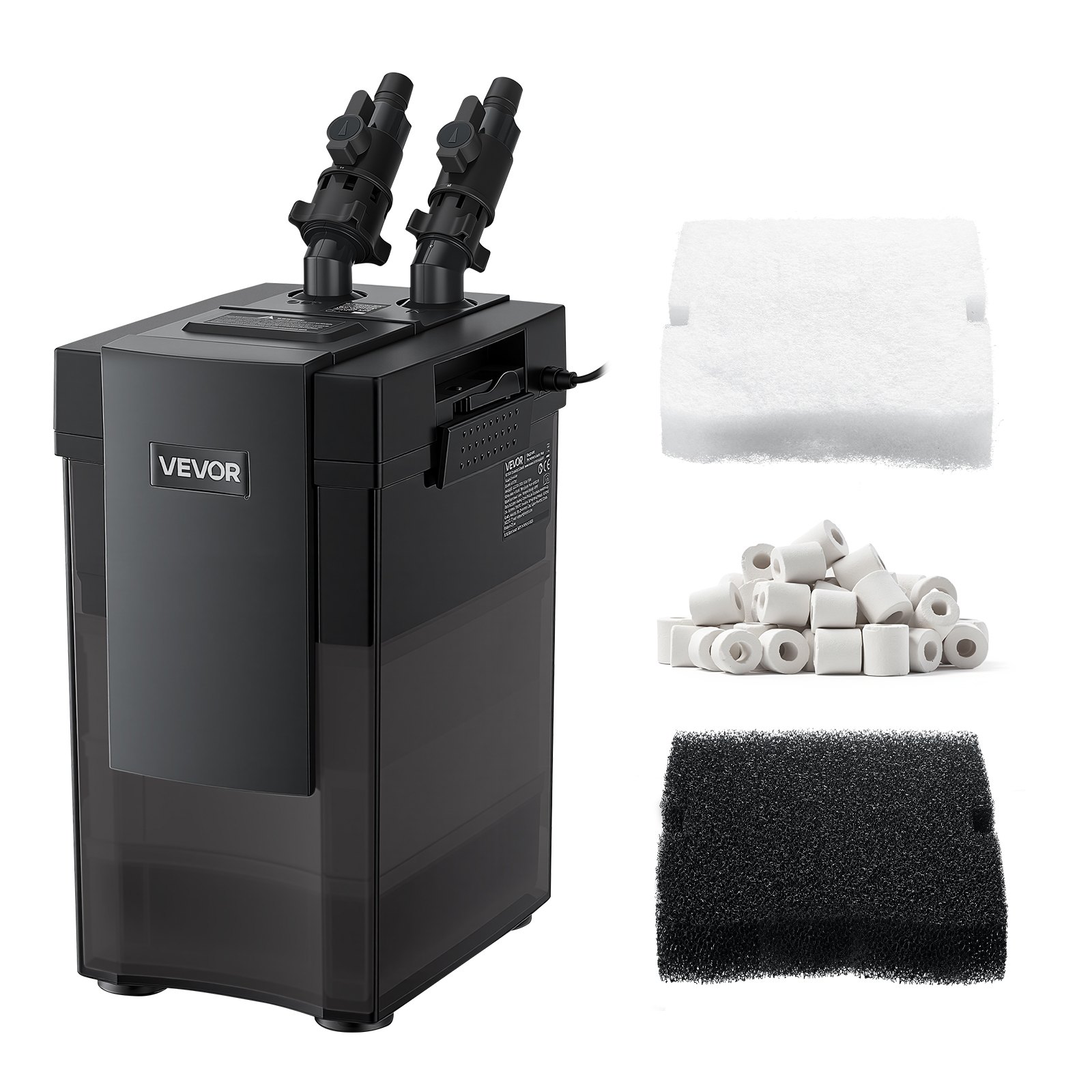 Canister Filter 314 GPH 3-Stage External Aquarium Copper Motor, for Fish Tanks, Aquariums, Adjustable Flow, Leak Protection, Powerful Water Circulation Cleaning Machine, Quite Operation$106.99View on Mallflare
 Ultra-Quiet 172GPH Canister Filter for Large Fish Tanks*"$93.58View on eBay
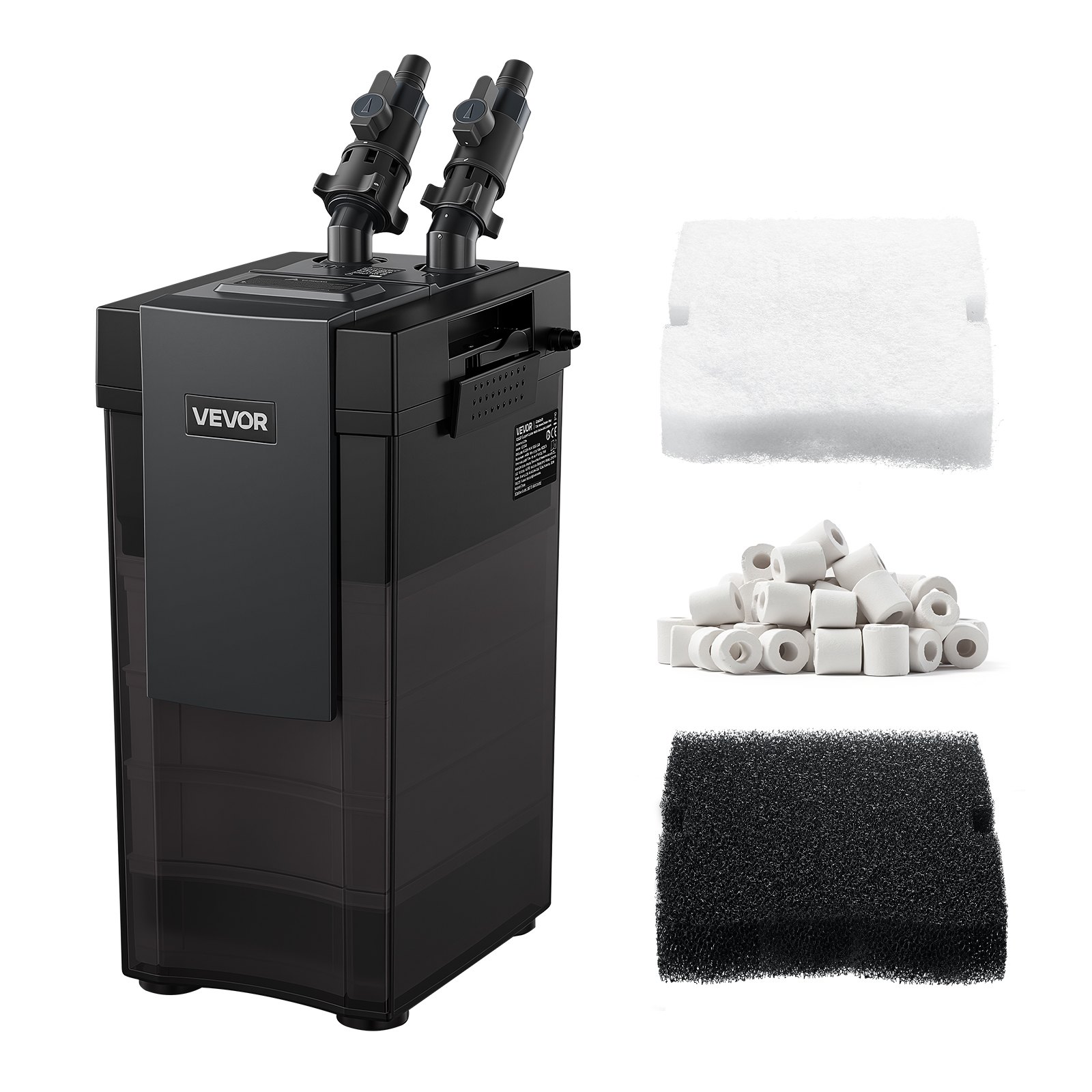 Canister Filter 492 GPH 4-Stage External Aquarium Copper Motor, for Fish Tanks, Aquariums, Adjustable Flow, Leak Protection, Powerful Water Circulation Cleaning Machine, Quite Operation$113.99View on Mallflare
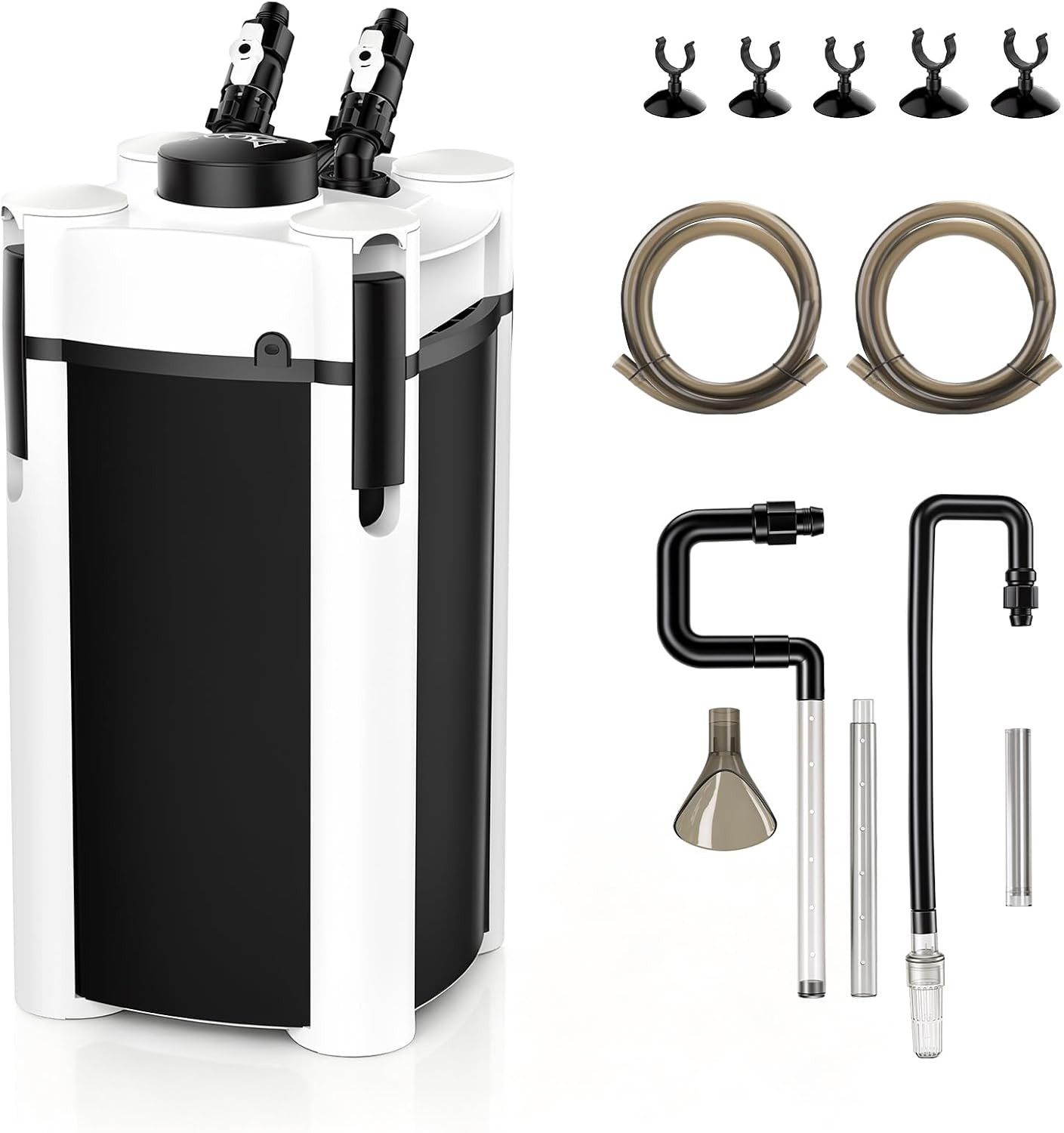 600 GPH Aquarium Canister Filter, 3 Stage Filtration Fish Tank Filter$211.23New · Last checked Nov 27, 2026View on eBay
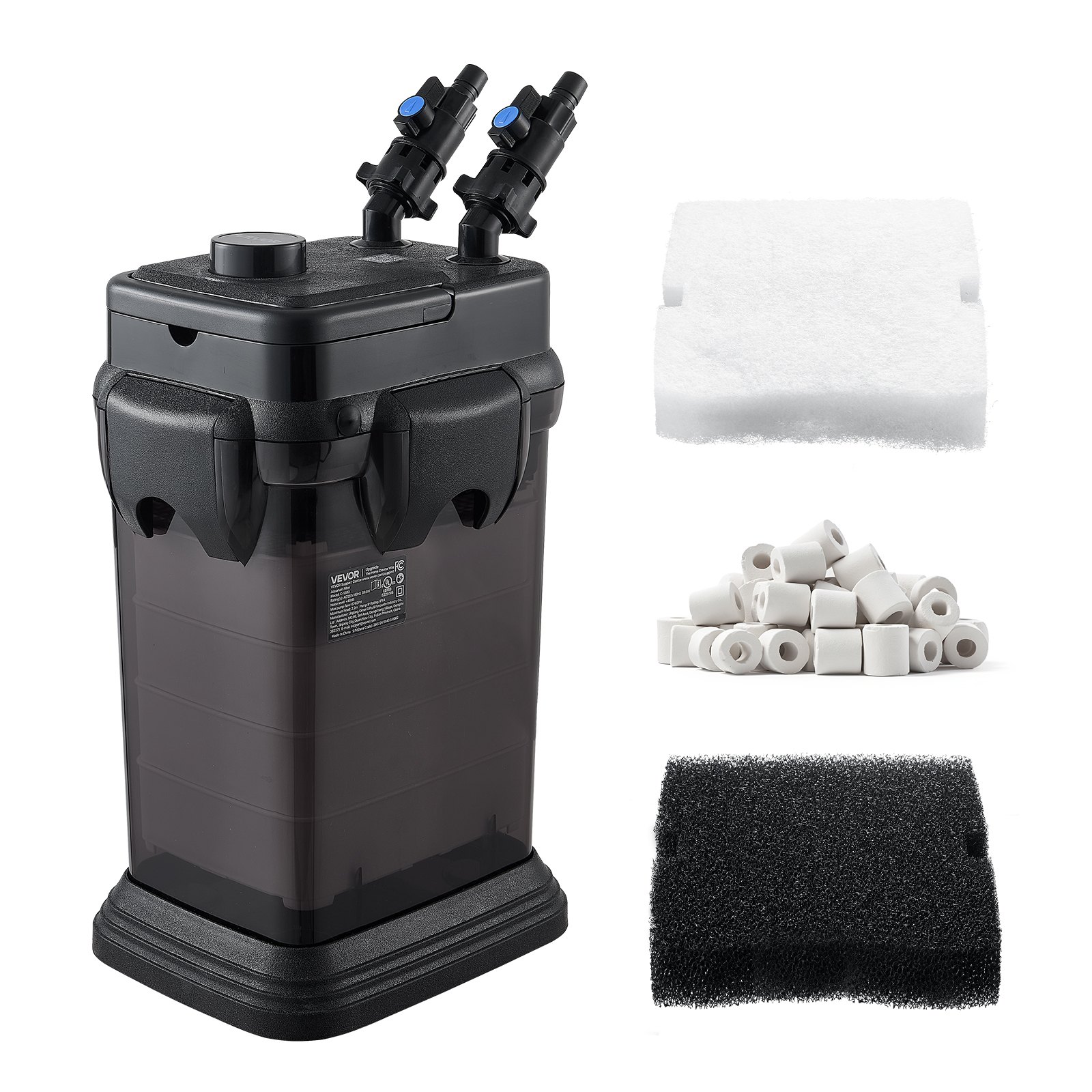 Canister Filter 700 GPH 5-Stage External Aquarium Copper Motor, for Fish Tanks, Aquariums, Adjustable Flow, Leak Protection, Powerful Water Circulation Cleaning Machine, Quite Operation$134.99View on Mallflare
- 600 GPH Aquarium Canister Filter, 3 Stage Filtration Fish Tank Filter$211.93New · Last checked Nov 27, 2026View on eBay
- 600 GPH Aquarium Canister Filter, 3 Stage Filtration Fish Tank Filter$212.95New · Last checked Nov 27, 2026View on eBay
- 600 GPH Aquarium Canister Filter, 3 Stage Filtration Fish Tank Filter$213.09New · Last checked Nov 27, 2026View on eBay
- 600 GPH Aquarium Canister Filter, 3 Stage Filtration Fish Tank Filter$213.36New · Last checked Nov 27, 2026View on eBay
Highlights
- Canister filters deliver 4–6x tank turnover per hour and hold 1–3 liters of biological media, far exceeding HOB trays.
- Three-stage canisters stack mechanical foam, biological ceramic rings, and chemical carbon in separate trays for serviceability.
- HOB filters move 100–400 GPH and rely on replaceable cartridges, which discard beneficial bacteria with every swap.
- Sponge filters run on an air pump at low flow, making them the safest choice for shrimp, fry, and quarantine tanks.
Best use cases
- Pick a 3-stage canister (300–600 GPH) for tanks over 40 gallons with heavy bioload; skip HOB cartridges that cannot hold enough ceramic media.
- Choose a dual-sponge air-driven filter for shrimp, fry, or hospital tanks; skip high-flow canisters that risk sucking up fry.
- Use an HOB with adjustable flow for 10–30 gallon community tanks; skip undergravel unless you run a reverse-flow powerhead.
- For a planted 55–75 gallon tank, run a canister with spray bar and coarse pre-filter; skip cartridge-only HOBs that clog weekly.
Buying tips
- Size canister flow to 4–6x tank volume per hour; a 55-gallon tank needs roughly 220–330 GPH after head-loss derating.
- Match media tray volume to bioload; 1 liter of ceramic rings supports roughly 20–30 inches of adult fish.
- Confirm hose barb and intake diameter (typically 1/2–5/8 inch) fits your tank rim and stand cutouts.
- Prefer canisters with separate mechanical and biological trays so you can rinse foam without killing nitrifying bacteria.
Specs
| Filter Type | Canister / HOB / Sponge / UGF |
|---|---|
| Flow Rate | 100–600 GPH (4–6x turnover) |
| Media Stages | 1–3 stage (mech/bio/chem) |
| Tank Size Range | 10–75+ gallons |
Related searches
What to check before buying
- Measure tank rim height and stand clearance; canisters need 12–18 inches of vertical space below the tank.
- Confirm your tank volume in gallons and target 4–6x turnover before selecting a GPH rating.
- Check whether an air pump (sponge/UGF) or power outlet (canister/HOB) is available at the tank location.
- Verify replacement media and impeller kits exist for the model, since proprietary cartridges lock you into one supply chain.
FAQ
Data sources: eBay / Amazon listings and product attribute feeds. Updated Nov 28, 2026.
Some links on this page are affiliate links. If you buy after clicking one, we may earn a commission at no extra cost to you. This does not change which products appear here or their order. Affiliate disclosure.