
Photos from current listings. Actual item, color, and included accessories may vary.
Dog Cage And Crate Buying Guide
A dog cage or crate is a confined enclosure used for house training, safe transport, or indoor containment, built from either metal wire/bar stock or wood-composite furniture panels. The core trade-off is durability and ventilation (welded metal, drop-pin latches) versus room integration and furniture-grade finish (wood panels, end-table tops). Buyers should choose metal for escape artists, heavy chewers, and travel; choose wood furniture crates only for calm dogs and climate-controlled indoor rooms.
Median $174.99
Key takeaways
- Metal crates use 8-12 gauge welded wire or 0.8-1.2 mm tubular steel; wood furniture crates use 12-18 mm particleboard or MDF with veneer, so chew resistance and load capacity differ by an order of magnitude.
- Door security is the primary failure point: rotary twist-latch and two-point drop-pin locks resist nose-and-paw manipulation, while single sliding bolt latches on budget wood crates can be opened by determined dogs.
- Crate sizing follows interior dimensions, not exterior: dog length (nose to tail base) plus 2-4 inches, and standing height plus 2-4 inches, determines the correct 24/30/36/42/48-inch class.
At a glance
- Category
- Pet Crates, Kennels & Playpens
- Last updated
- Nov 28, 2026
Current offers
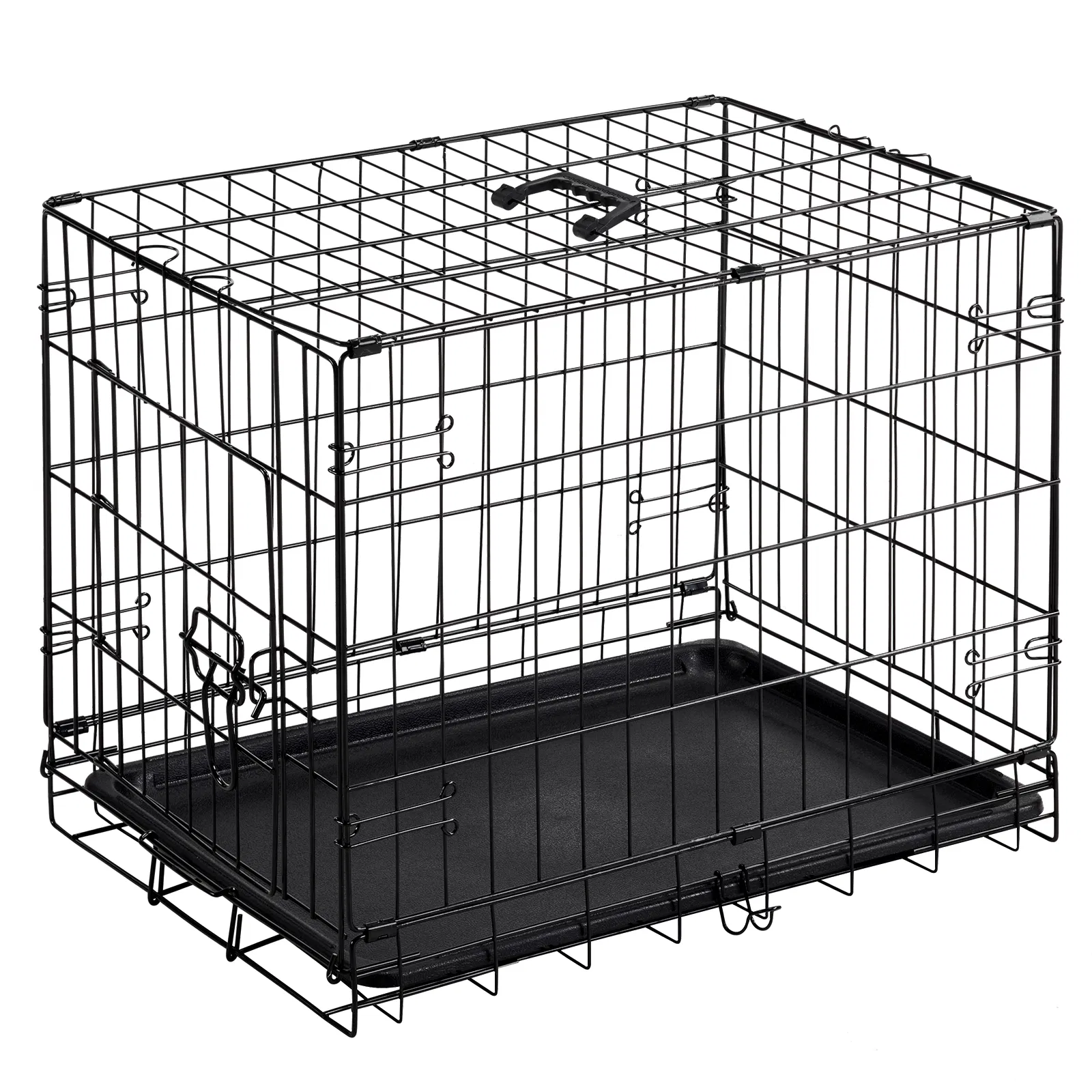 24 inch Single door Dog Cage - durable metal pet kennel, secure lock, collapsible design, removable tray for easy cleaning, portable puppy$45.99View on Mallflare
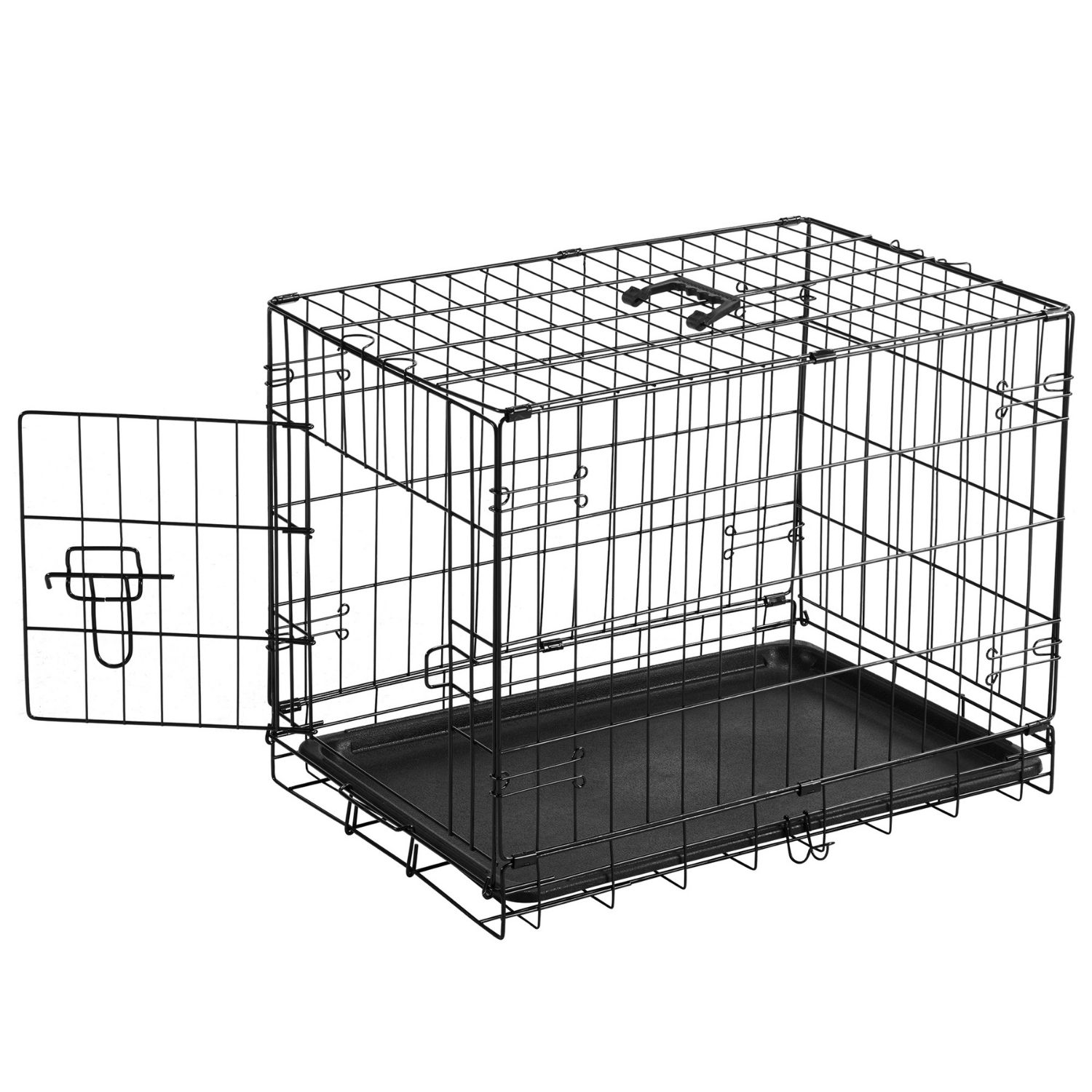 Single Door Dog Cage - Durable Metal Pet Kennel, Secure Lock, Collapsible Design, Removable Tray For Easy Cleaning, Portable Puppy$51.99View on Mallflare
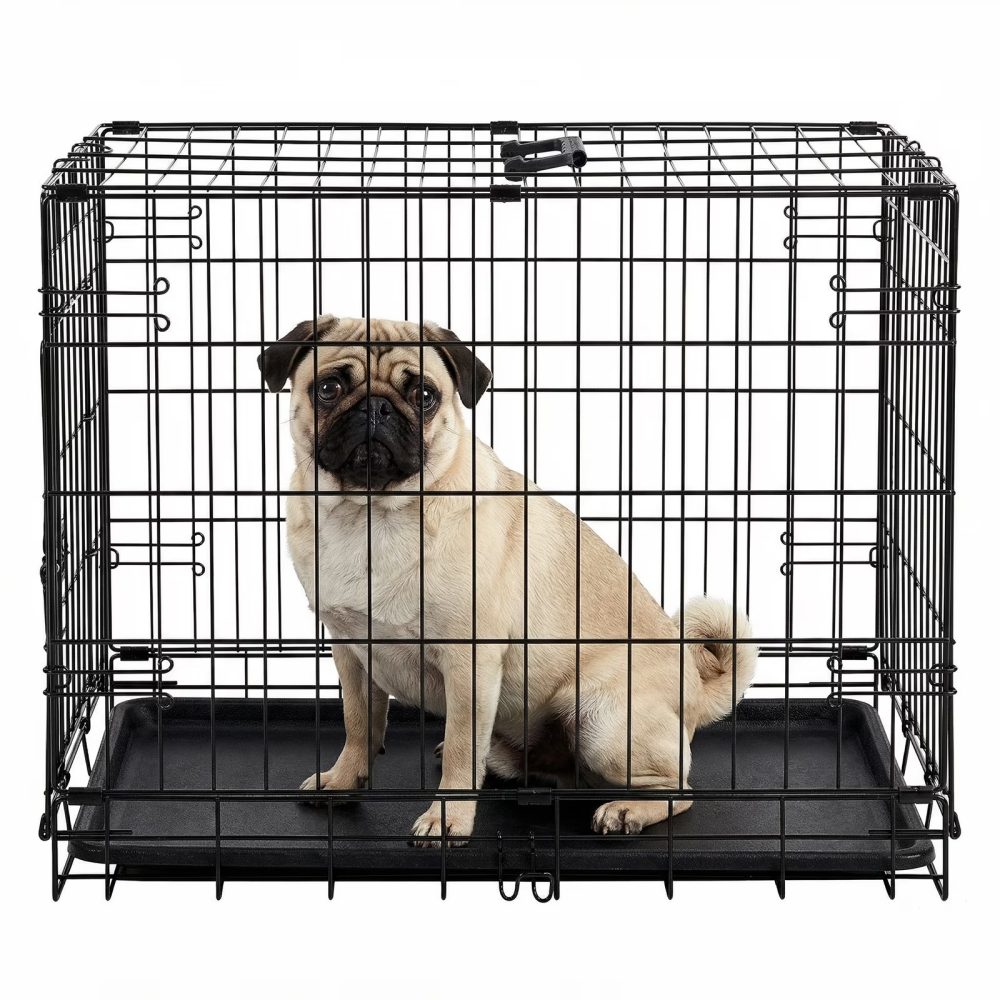 24/30 Inch Dog Crate, Black - Durable Metal Puppy Cage with Removable Tray, Collapsible Kennel for Small Medium Dogs, Easy Clean$79.99View on Mallflare
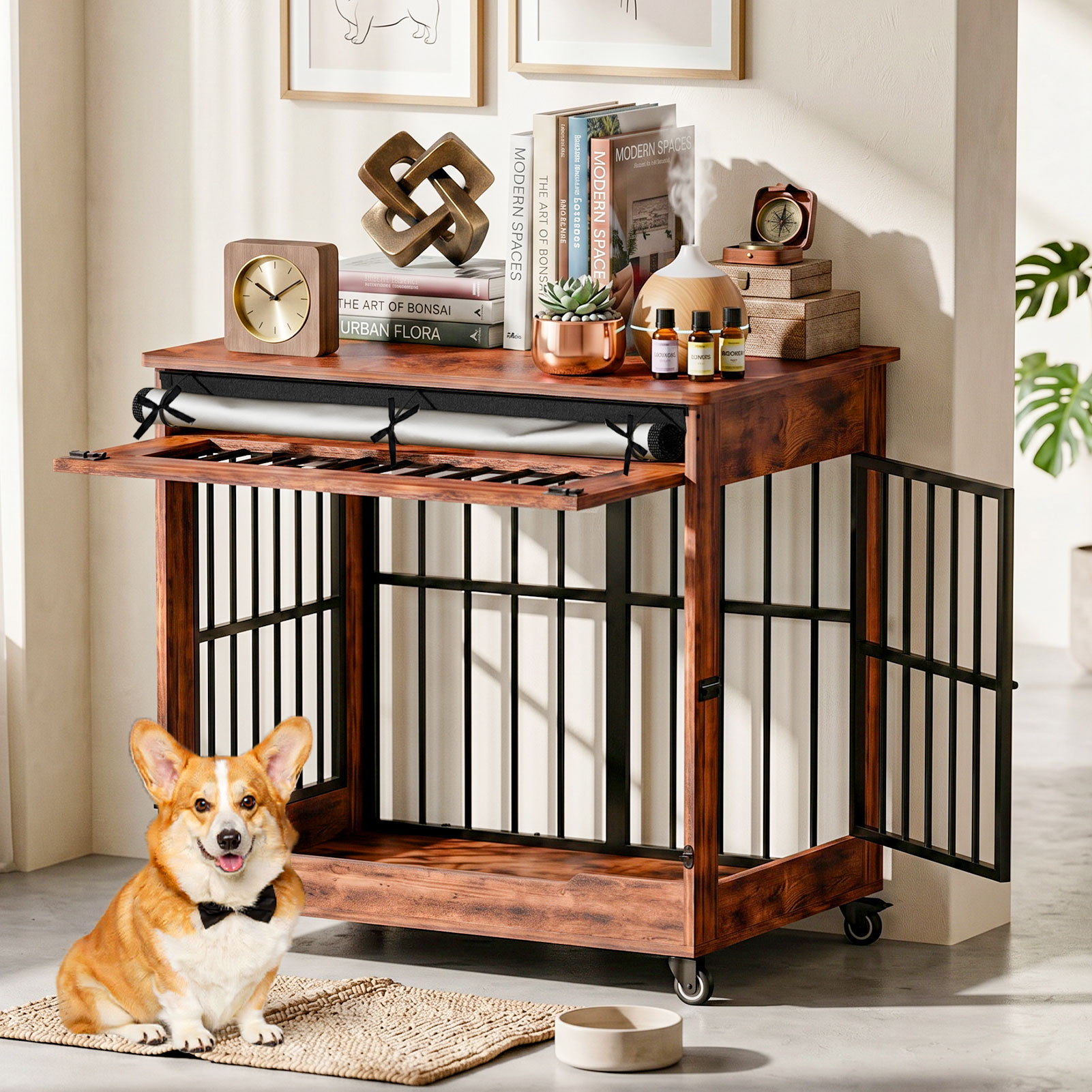 32in Dog Crate Furniture, Double Door Wooden Indoor Dog Kennel Decorative Pet Cage End Table With Wheels For Medium And Small Breed Dogs, Size M, Greige$104.99View on Mallflare
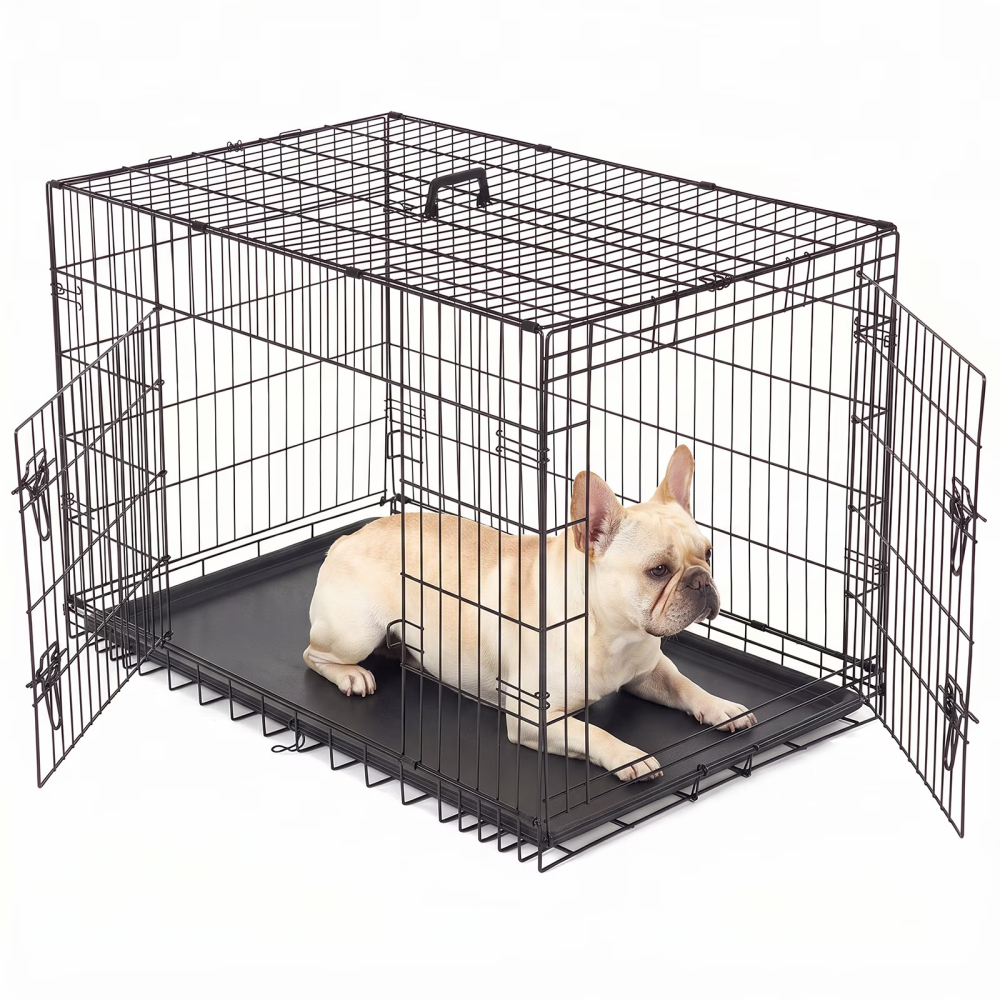 36 Inch Double Door Dog Crate - Heavy Duty Foldable Metal Cage with Divider, Removable Tray & Enhanced Safety Design for Large Dogs, Black$106.99View on Mallflare
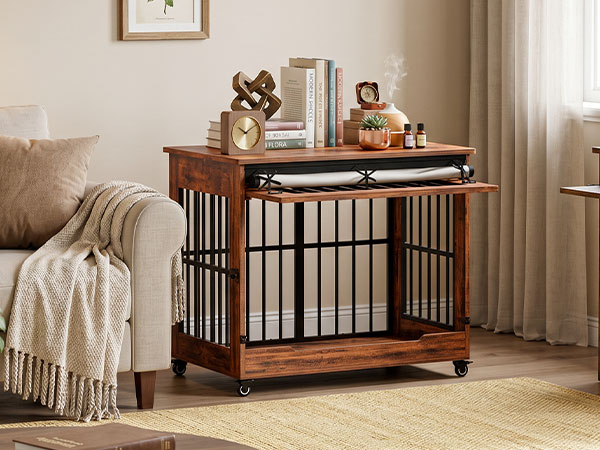 38in Dog Crate Furniture, Double Door Wooden Indoor Dog Kennel Decorative Pet Cage End Table With Wheels For Large And Medium Breed Dogs, Size L, Greige$112.99View on Mallflare
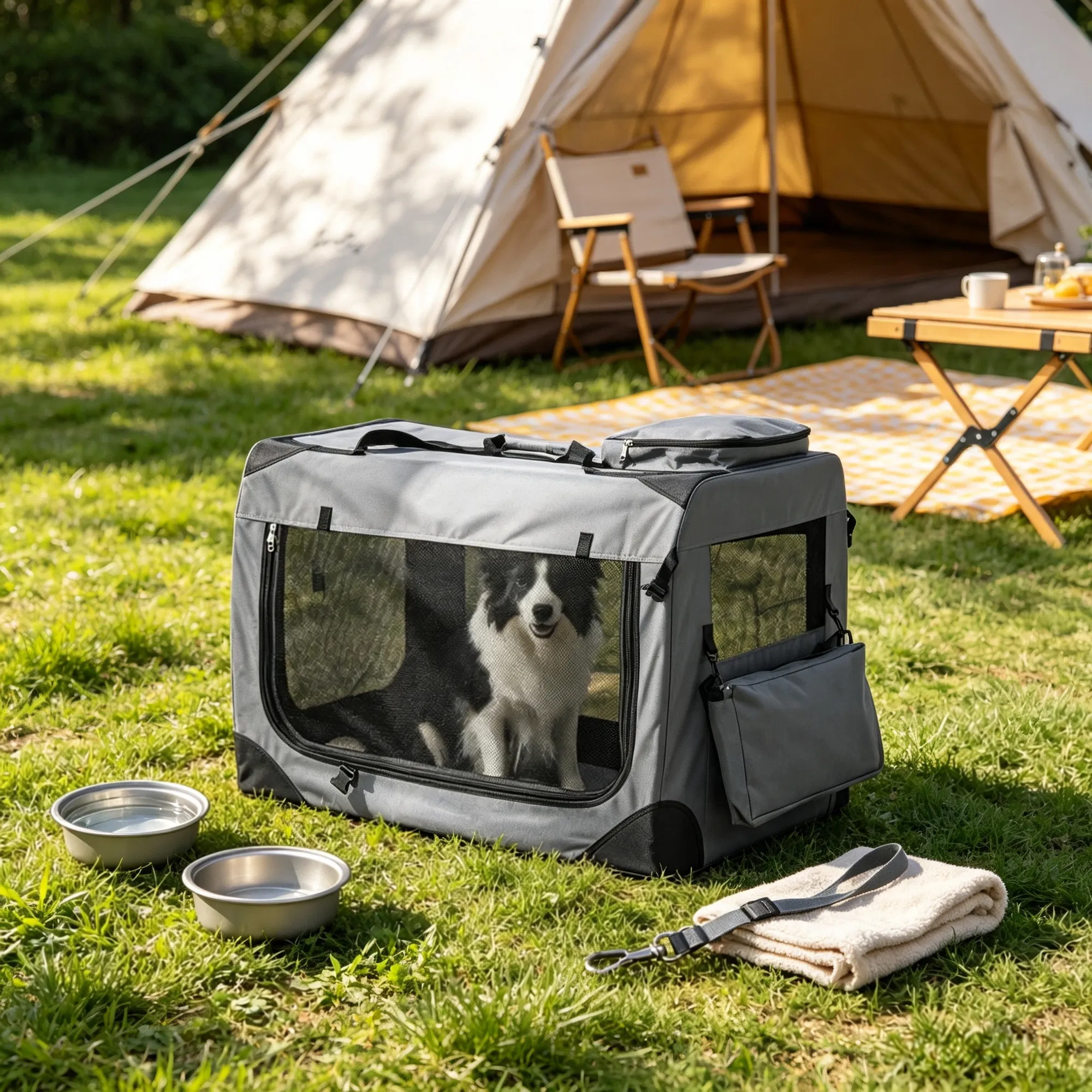 L Collapsible Soft Dog Crate with Mesh Windows And 3 Doors Travel Crates for Small Medium Large Dogs Pet Carrier$123.99View on Mallflare
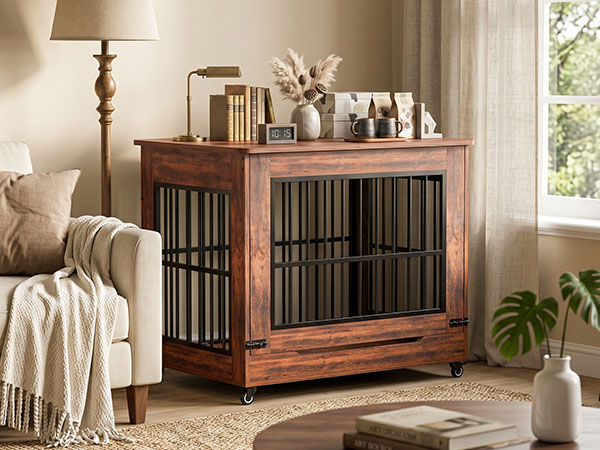 42in Large Dog Crate Furniture, Double Door Wooden Indoor Dog Kennel Decorative Pet Cage End Table With Wheels For Breed Dogs, Size XL, Greige$127.99View on Mallflare
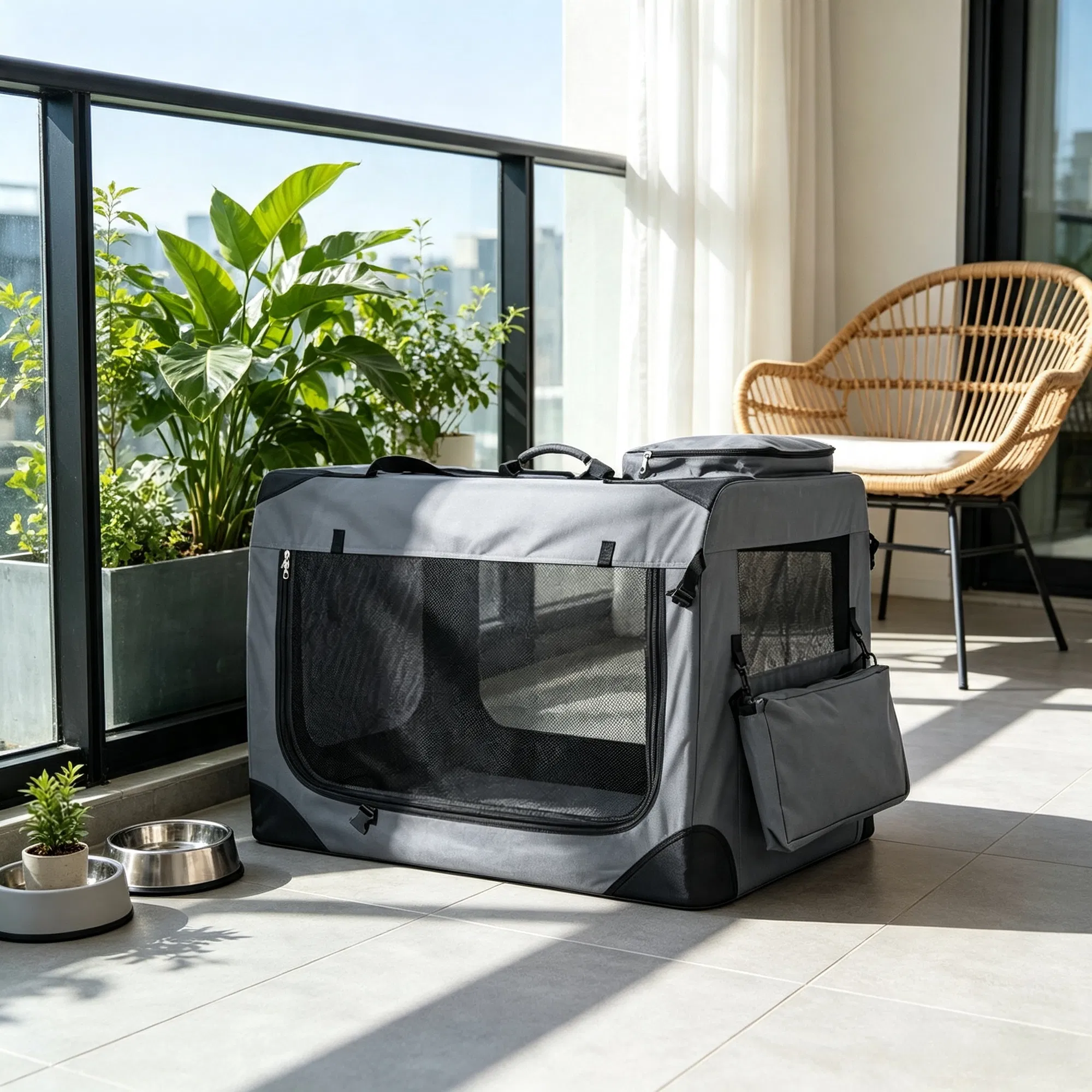 XL Collapsible Soft Dog Crate with Mesh Windows And 3 Doors Travel Crates for Small Medium Large Dogs Pet Carrier$129.99View on Mallflare
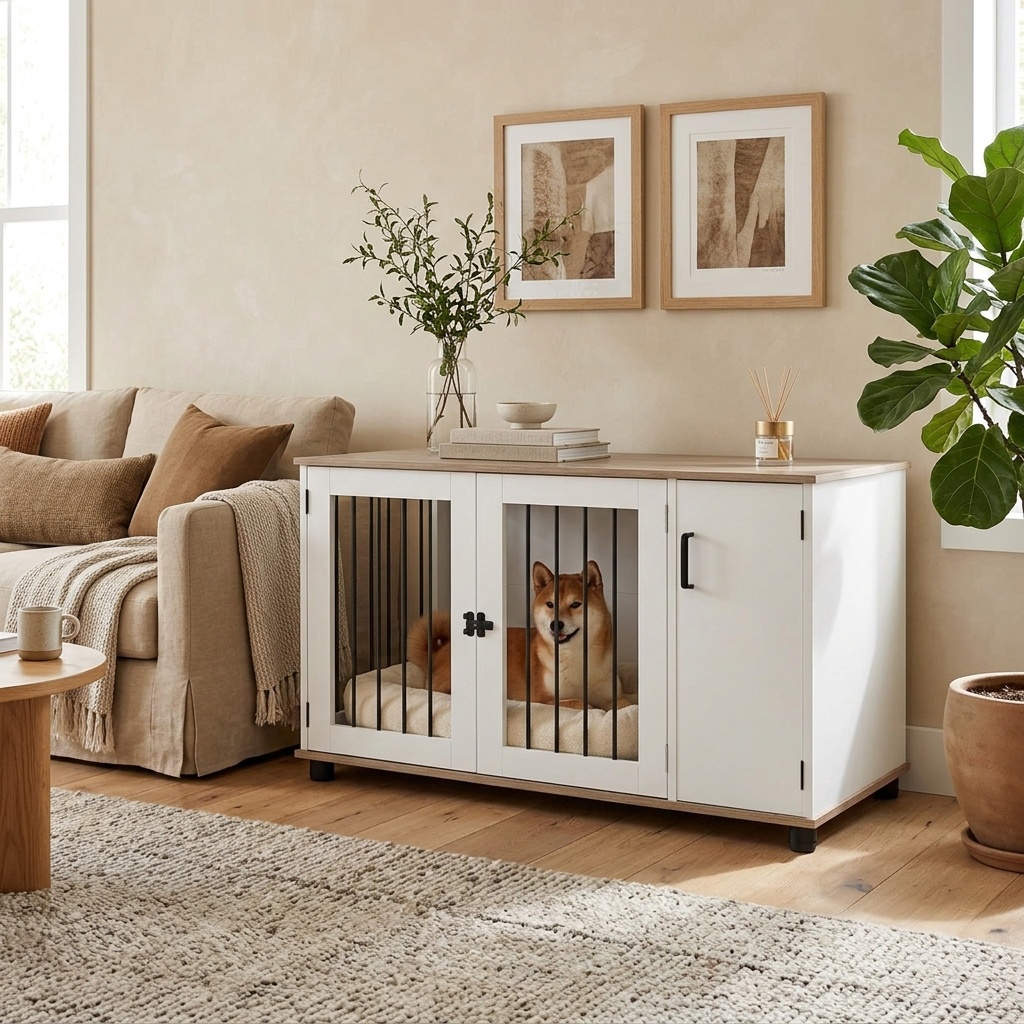 Dog Crate Furniture Side End Table Indoor w/ Storage, Double Doors$136.99View on Mallflare
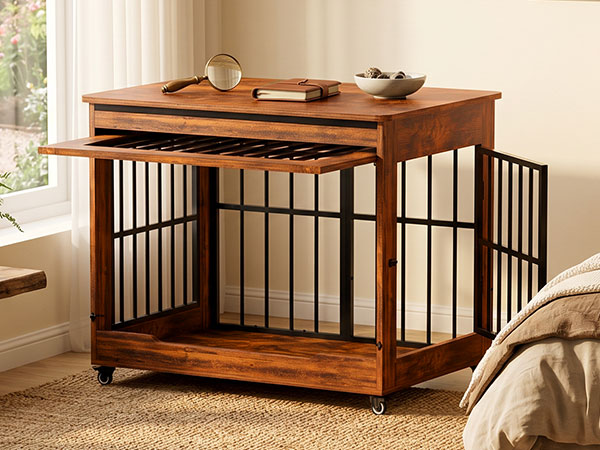 46in Large Dog Crate Furniture, Double Door Wooden Indoor Dog Kennel Decorative Pet Cage End Table With Wheels For Extra Breed Dogs, Size 2XL, Greige$142.99View on Mallflare
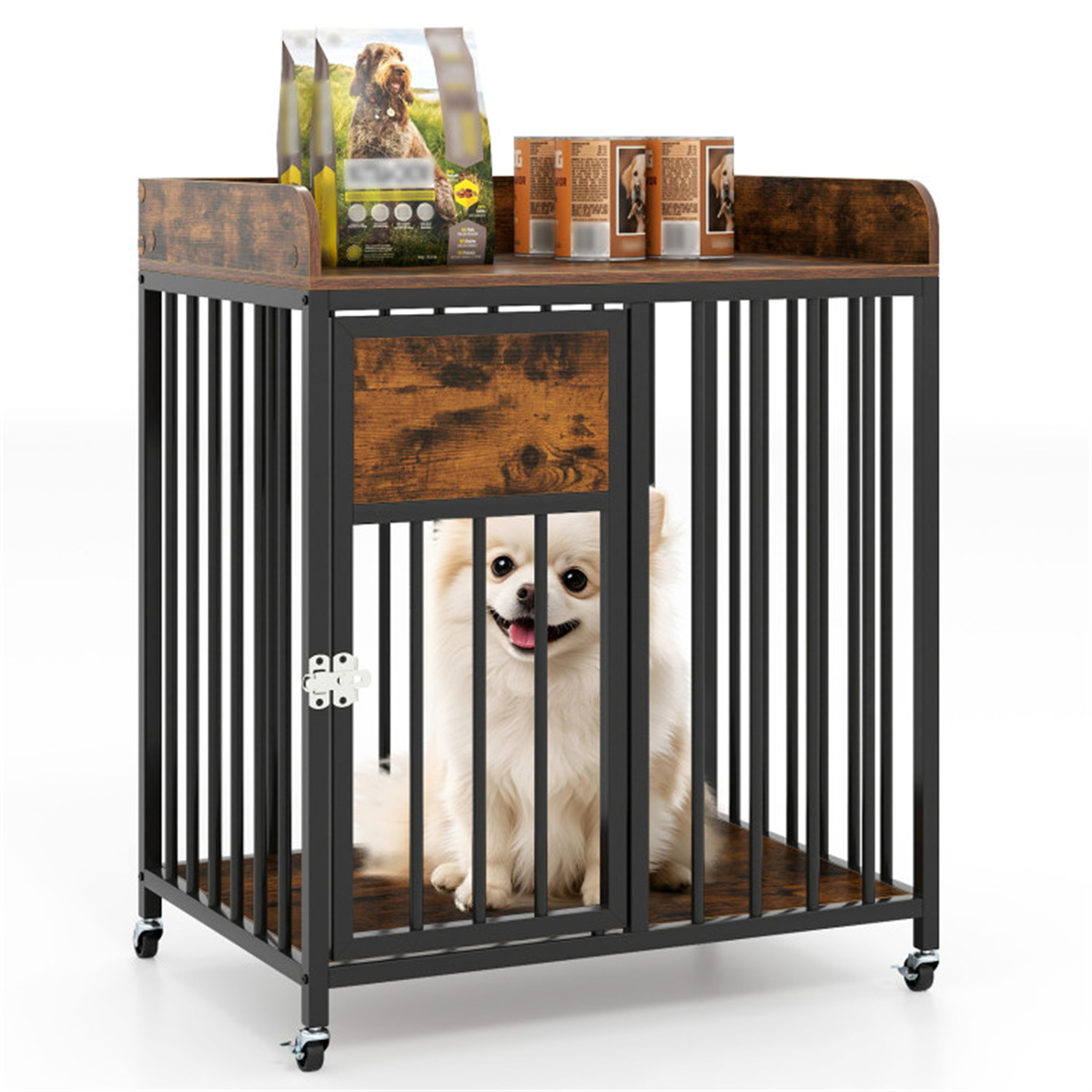 2-in-1 Dog Crate Furniture with Thickened Metal Tubes, Lockable Wheels Pet Kennel for Small Dogs$155.99View on Mallflare
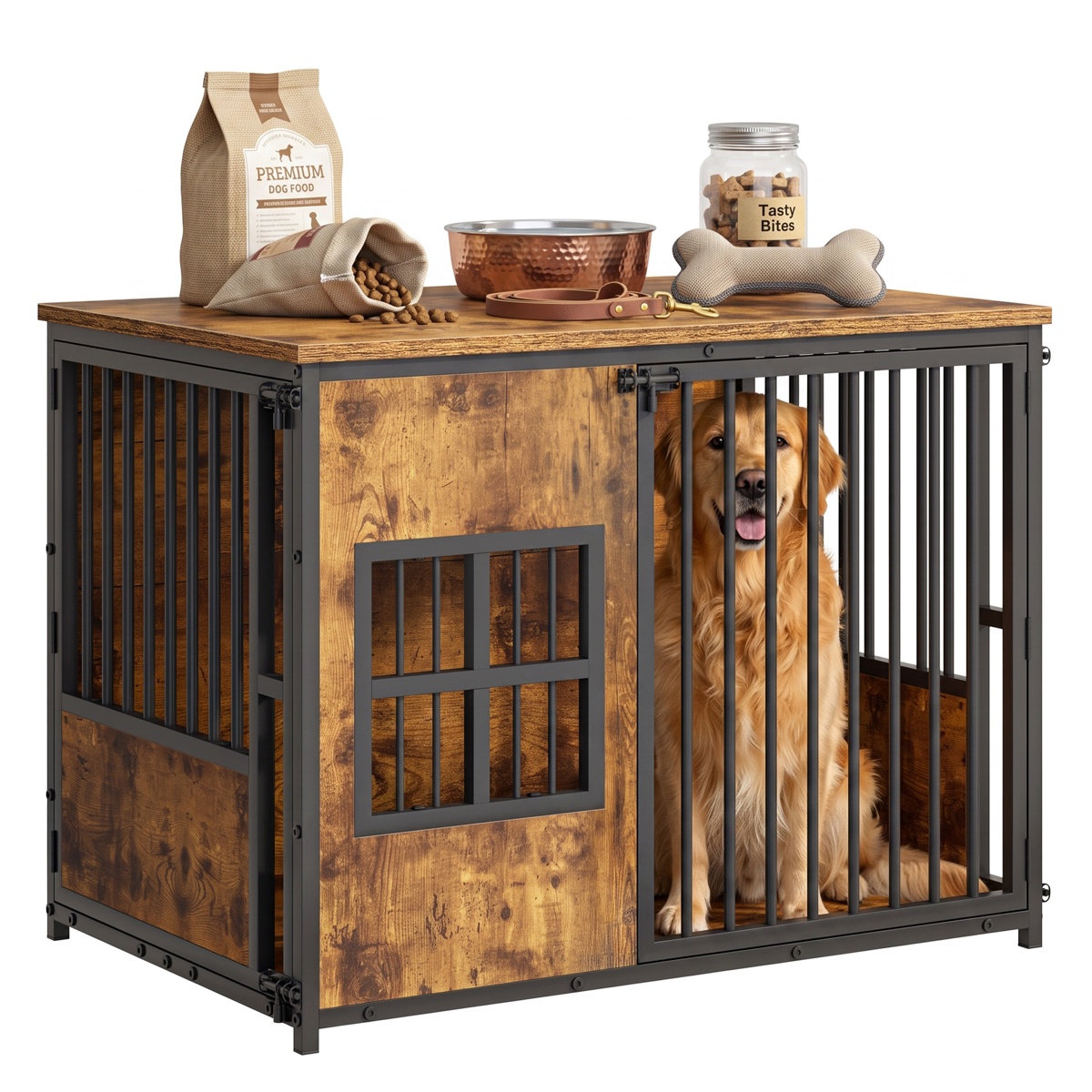 Wooden Dog Crate Furniture, Large Dog Kennel with Storage Top, Indoor Pet Cage$156.99View on Mallflare
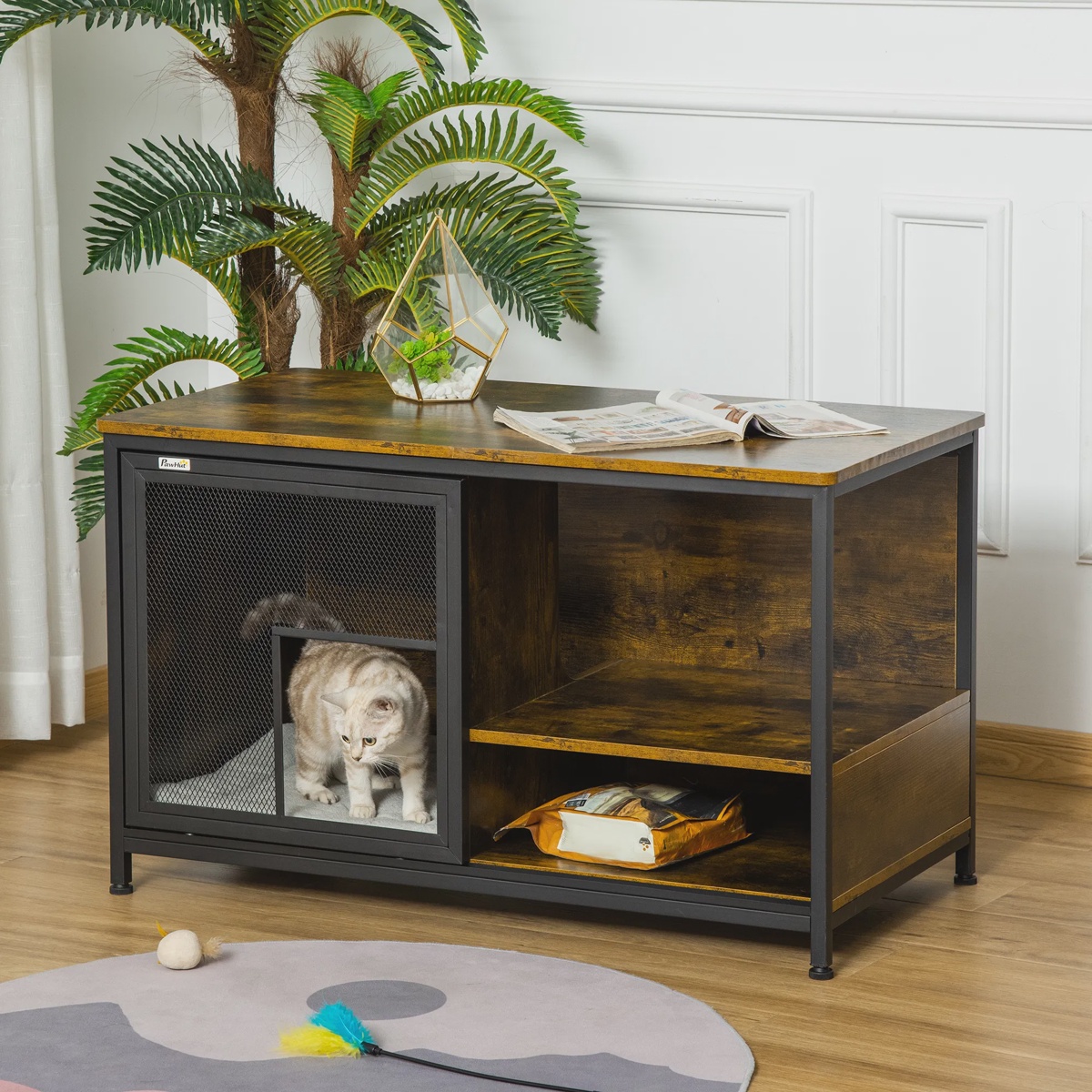 Wooden Cat Crate, Furniture Style Dog Cage, Puppy Kennel Indoor, End Table Pet House with Cushion and Sliding Doors, Rustic Brown$167.99View on Mallflare
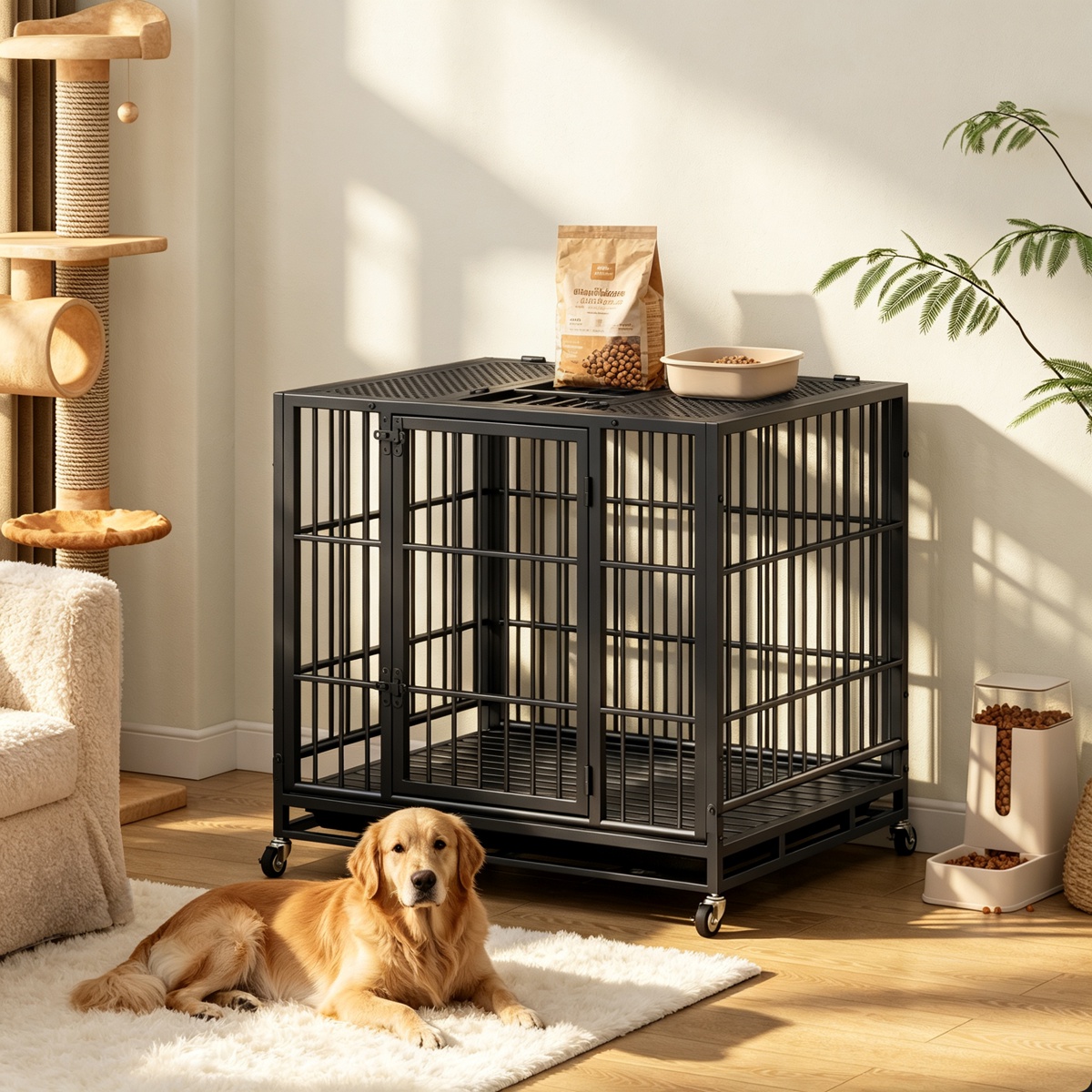 Heavy Duty Dog Crate , Mobile Pet Kennel with Lockable Wheels & Rotary Twist-Latch, Indoor Outdoor Metal Cage Perforated Top$174.99View on Mallflare
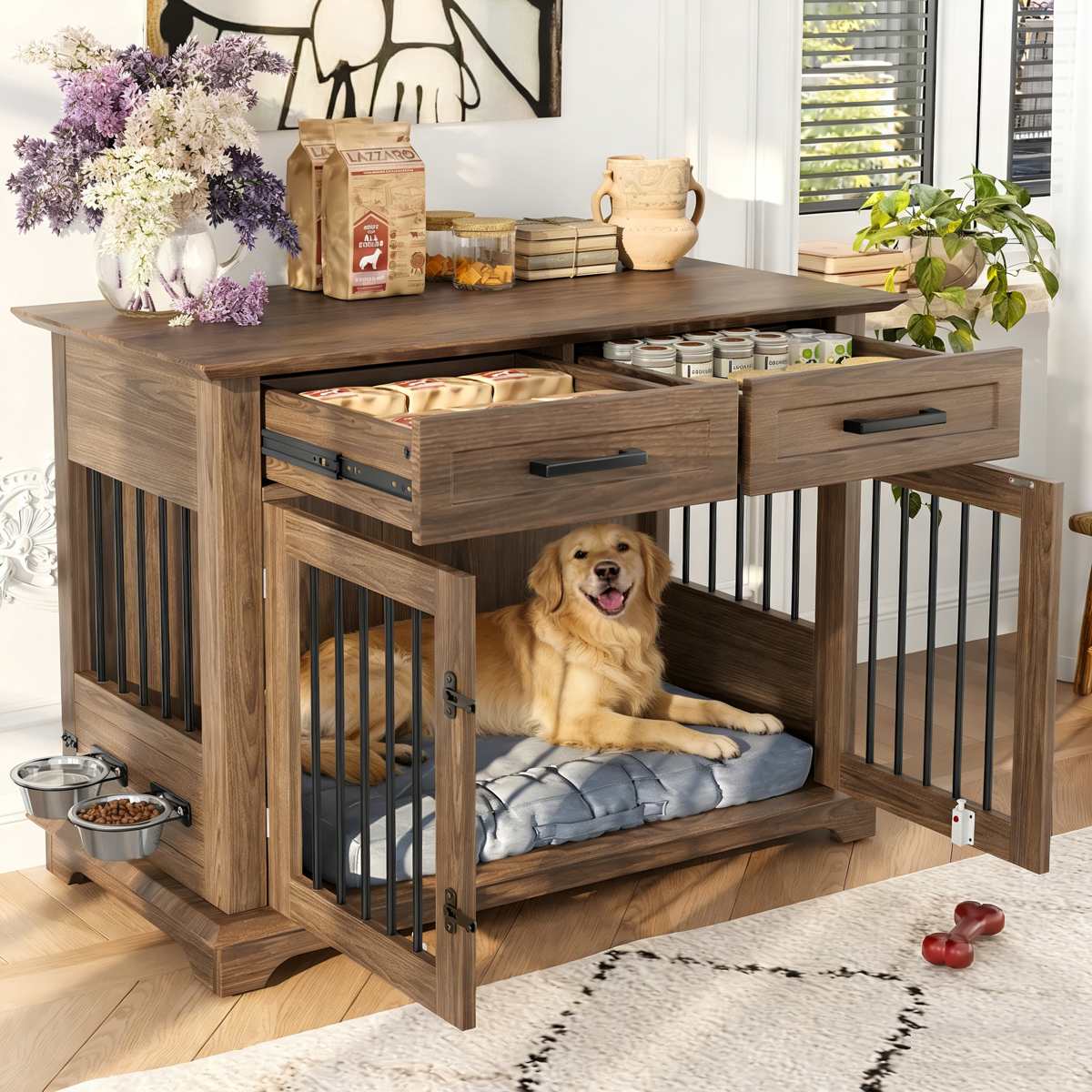 44.48 Large Dog Crate Furniture, Indoor Wooden Dog Kennel End Table With 2 Storage Drawers And Rotating Bowls, Decorative Pet Cage Dog House For Medium Dogs,Brown$185.99View on Mallflare
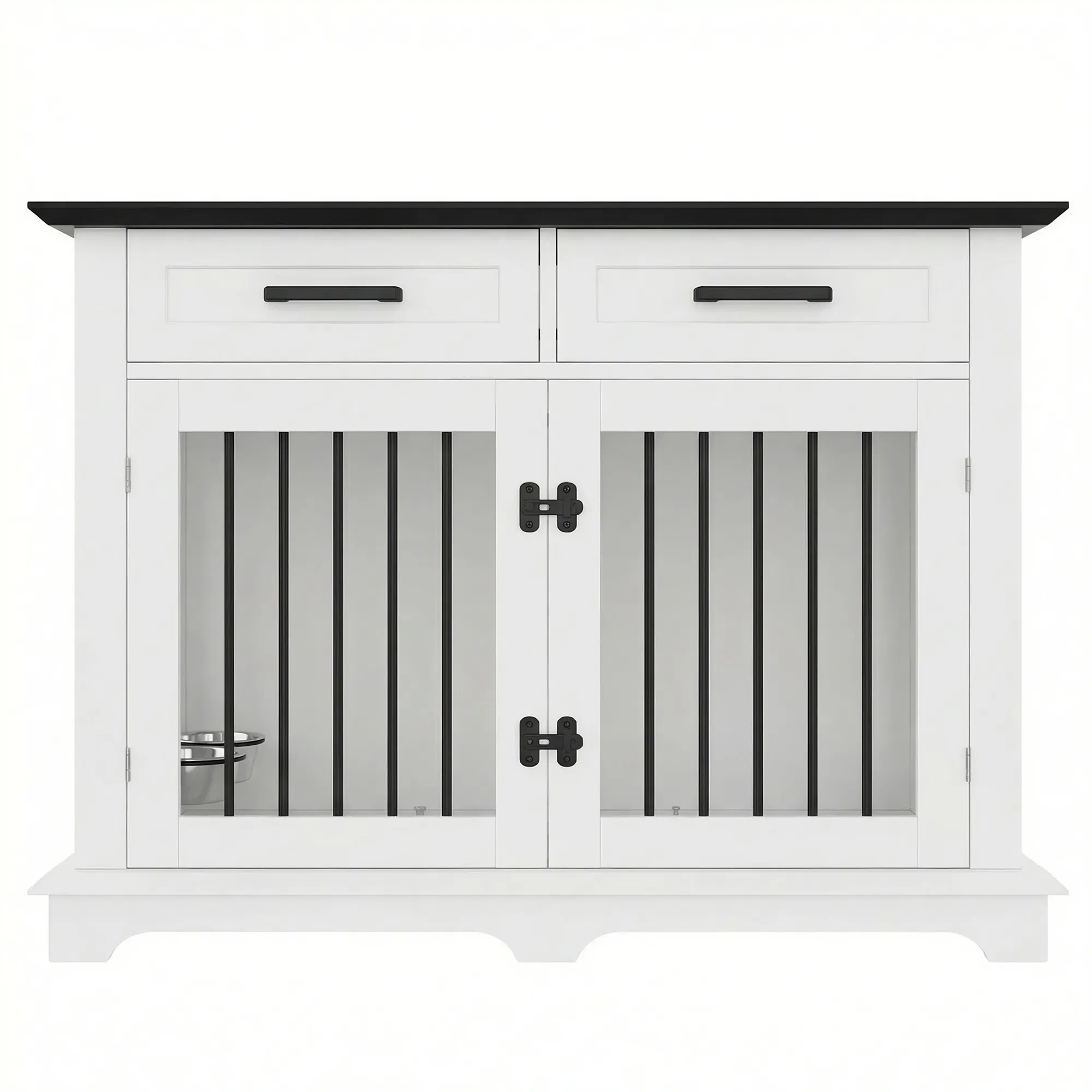 44.48" Large Dog Crate Furniture, Indoor Wooden Dog Kennel End Table with 2 Storage Drawers and Rotating Bowls, Decorative Pet Cage Dog House for Medium Dogs, White and Black$210.99View on Mallflare
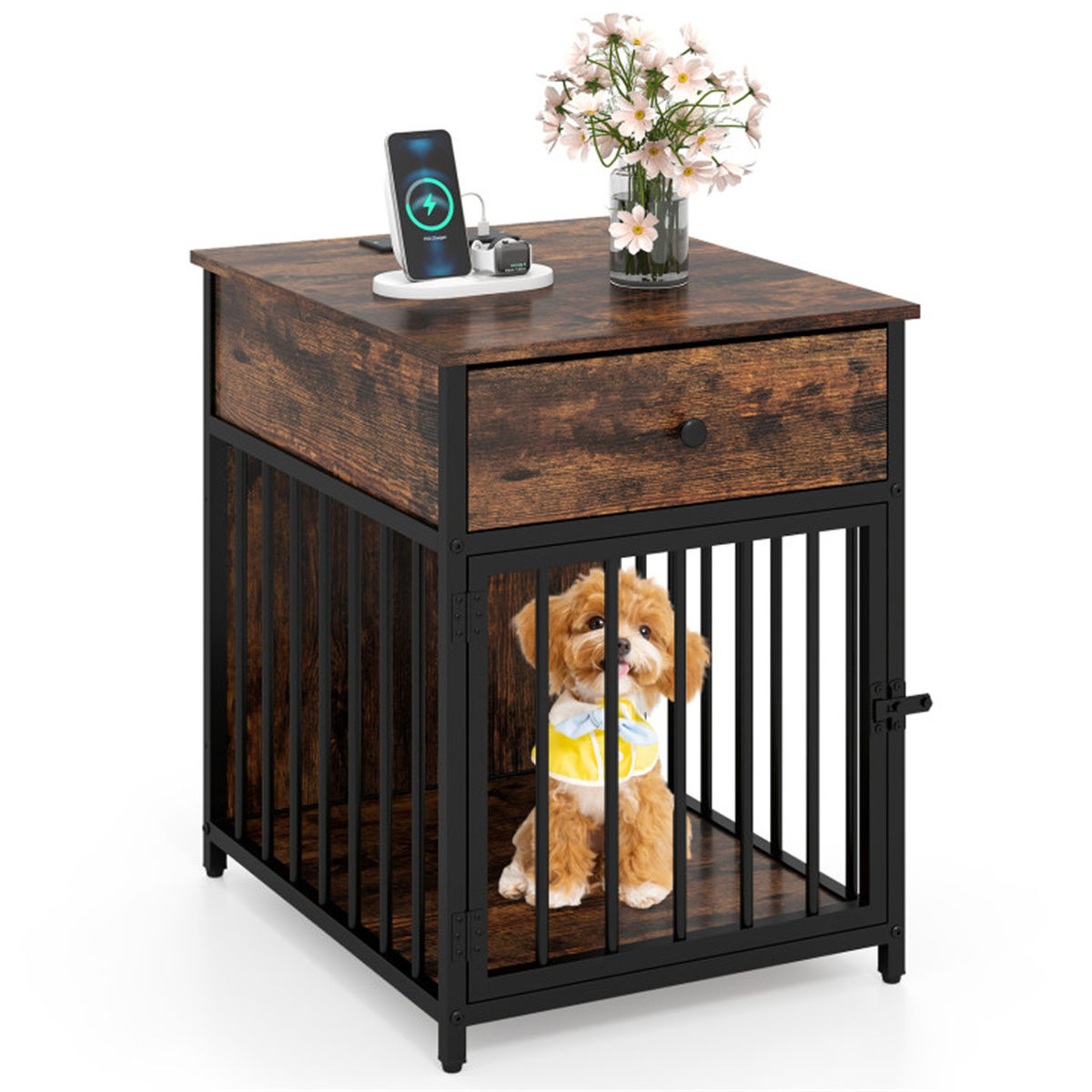 Black+Brown 2-in-1 Dog Crate End Table with Charging Station, Chew-Resistant Metal Tube Pet Furniture for Small Dogs Under 25 lbs$216.99View on Mallflare
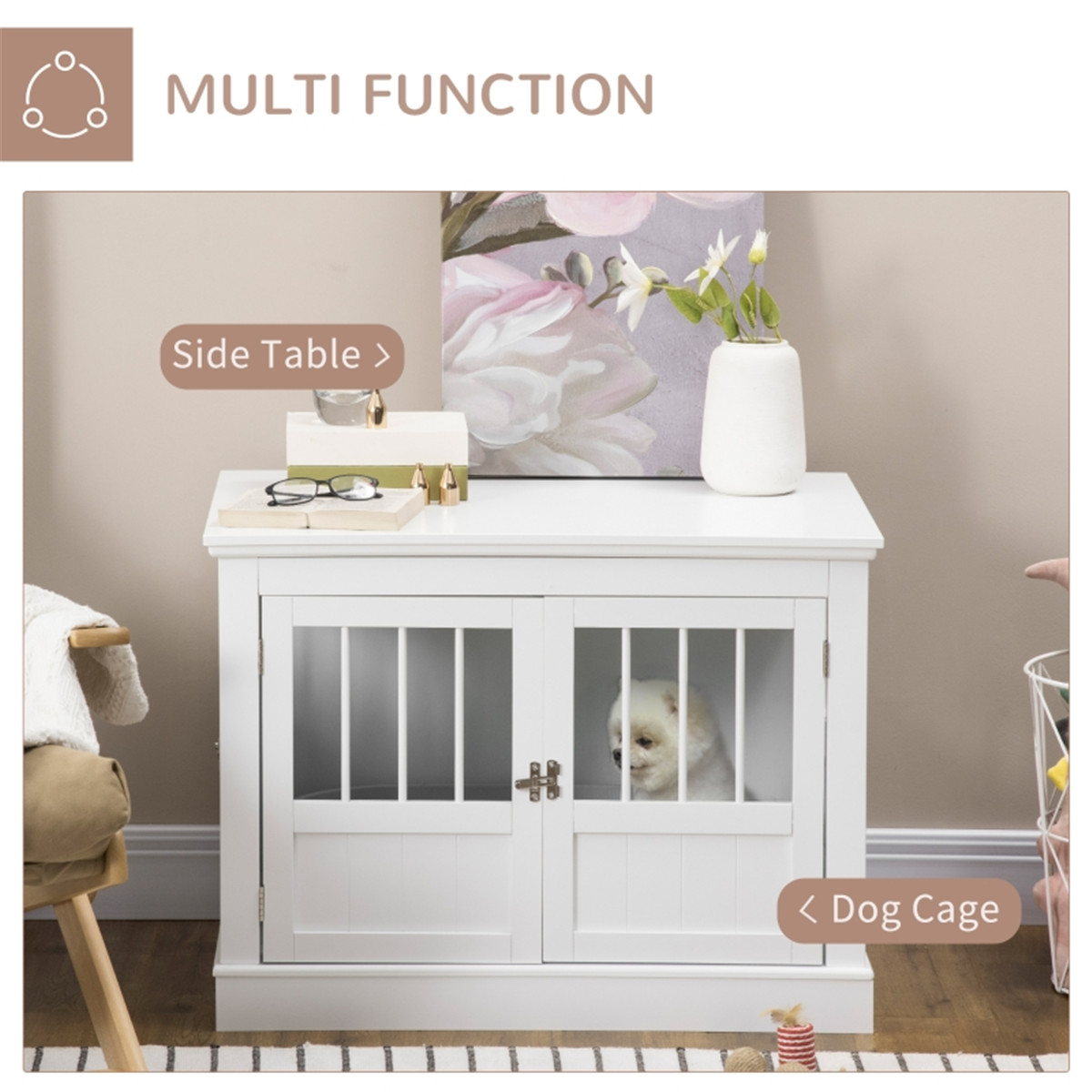 Dog Crate/Pet cages$219.99View on Mallflare
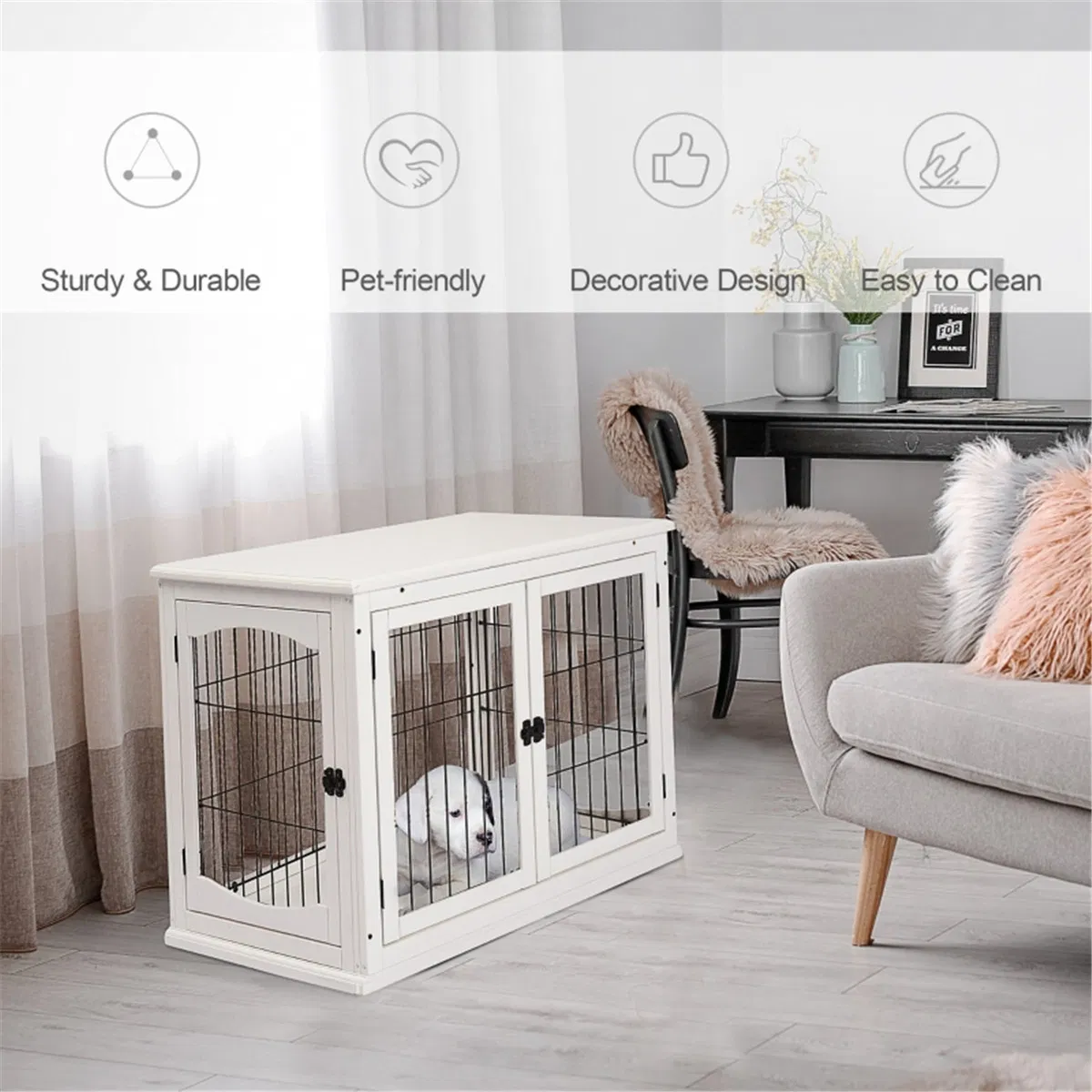 Dog Crate/Pet Cage, 2-in-1 End Table Dog House with French and Single Doors, MDF and Metal, Pure White, for Small and Medium Dogs up to 44 lbs$231.99View on Mallflare
Highlights
- Metal crates use 8-12 gauge welded wire or 0.8-1.2 mm tubular steel; wood furniture crates use 12-18 mm particleboard or MDF with veneer, so chew resistance and load capacity differ by an order of magnitude.
- Door security is the primary failure point: rotary twist-latch and two-point drop-pin locks resist nose-and-paw manipulation, while single sliding bolt latches on budget wood crates can be opened by determined dogs.
- Crate sizing follows interior dimensions, not exterior: dog length (nose to tail base) plus 2-4 inches, and standing height plus 2-4 inches, determines the correct 24/30/36/42/48-inch class.
- Ventilation and visibility scale with open-bar surface area; solid-panel wood crates trap heat and humidity, so they suit short-duration indoor containment rather than full-day confinement or outdoor use.
Best use cases
- Best fit: heavy chewers, escape artists, and puppies in active training need a welded metal crate with rotary or drop-pin latches and a removable tray; skip decorative wood furniture crates for this dog.
- Best fit: crate-trained adult dogs in a living room or bedroom where the crate doubles as an end table should use a wood furniture crate sized to interior dimensions with a storage top or drawers.
- Best fit: travel and multi-location use require a collapsible metal crate with carry handles and lockable wheels; skip fixed-panel wood furniture crates, which are heavy and not designed to fold.
- Wrong fit: outdoor or garage placement for any wood-composite crate, which swells and delaminates with moisture; use galvanized or powder-coated metal instead.
Buying tips
- Measure the dog standing and lying down, then add 2-4 inches to length and height; buy the next size up rather than a snug fit, because crates that are too small cause refusal and posture problems.
- Match crate class to weight and build: 24-30 inch for toy/small breeds, 36 inch for medium, 42 inch for large, 48 inch for giant breeds; confirm interior height clears the dog's ears by at least 2 inches.
- Choose 8-10 gauge welded wire and reinforced corner welds for dogs over 50 lb; thinner 12-gauge wire and spot-welded panels bend under pawing and chewing.
- For wood furniture crates, require at least 15 mm panel thickness, metal corner brackets, and a lockable door latch; thin 12 mm panels with cam-lock fasteners rack and loosen over time.
Specs
| Frame Material | Welded steel wire vs wood-composite panel |
|---|---|
| Crate Size Class | 24 / 30 / 36 / 42 / 48 inch interior |
| Door Latch Type | Rotary twist, drop-pin, or sliding bolt |
| Mobility | Lockable casters vs fixed feet |
What to check before buying
- Measure the intended floor footprint and ceiling clearance, then add 2-4 inches around the crate exterior for door swing and ventilation.
- Confirm the dog's standing height and nose-to-tail-base length; interior crate dimensions must exceed both by 2-4 inches.
- Check floor type and climate: wood-composite crates need dry, level indoor flooring; metal crates need floor protection under trays and wheels.
- Verify door latch type (rotary twist, drop-pin, or sliding bolt) and whether the crate includes a divider panel for puppies and a removable tray for cleaning.
FAQ
Data sources: eBay / Amazon listings and product attribute feeds. Updated Nov 28, 2026.
Some links on this page are affiliate links. If you buy after clicking one, we may earn a commission at no extra cost to you. This does not change which products appear here or their order. Affiliate disclosure.