
Photos from current listings. Actual item, color, and included accessories may vary.
Interactive Dog Toy Buying Guide
Interactive dog toys are motorized, treat-dispensing, or sound-emitting devices that convert solo boredom into active mental and physical play. The core trade-off is between electronic features (motors, rechargeable batteries, sound modules) that engage but introduce failure points, and passive durable designs (treat balls, chew puzzle toys, rubber discs) that survive aggressive chewing with no electronics to break. The decision rule: match the toy's primary engagement mechanism to your dog's play style—electronics for bored low-drive dogs and puzzle solvers, heavy rubber or fabric for power chewers, and skip anything with a battery compartment if your dog routinely destroys plush or thin plastic.
Median $47.99
Key takeaways
- Motorized rolling balls use internal rechargeable lithium batteries and offset-weight vibration motors; the ball shell is typically hard ABS plastic, which cracks under strong jaw pressure and is not chew-resistant.
- Treat-dispensing puzzle balls rely on an adjustable internal opening: larger holes release kibble fast for beginners, smaller holes extend engagement; the rubber body must be thick-walled (tire-grade or natural rubber) to survive chewing.
- Squeaky plush toys with recording and music modes use a sealed speaker module and button-cell or USB-rechargeable battery; the fabric shell and speaker are the first failure points, making them best for gentle-mouth dogs only.
At a glance
- Category
- Pet Toys
- Last updated
- Nov 27, 2026
Current offers
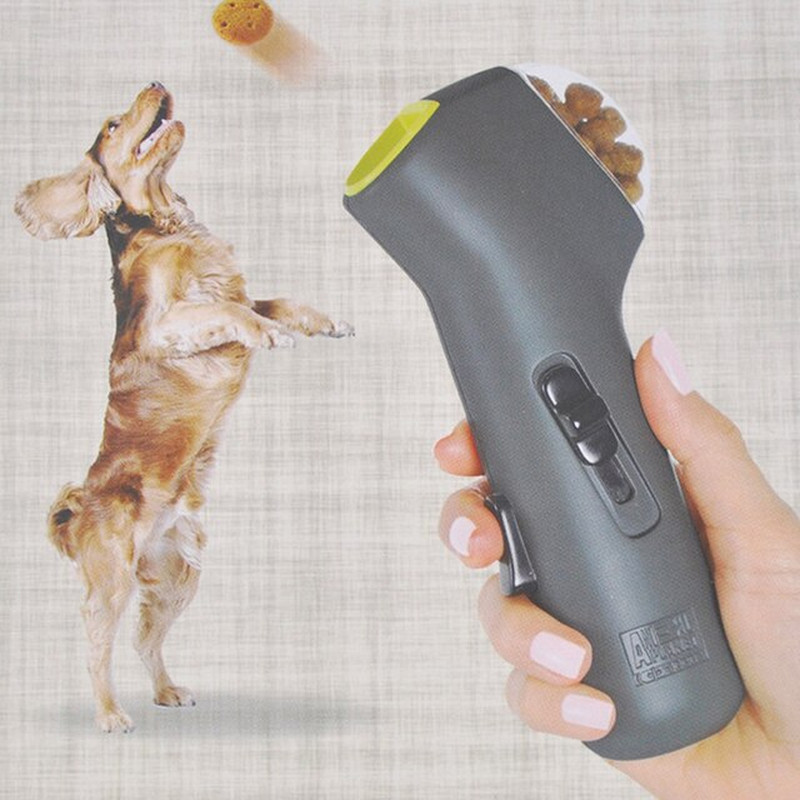 Dog Interactive Training Toy Pet Snack Catapult Launcher Outdoor Beach Toy Dog C$33.95View on eBay
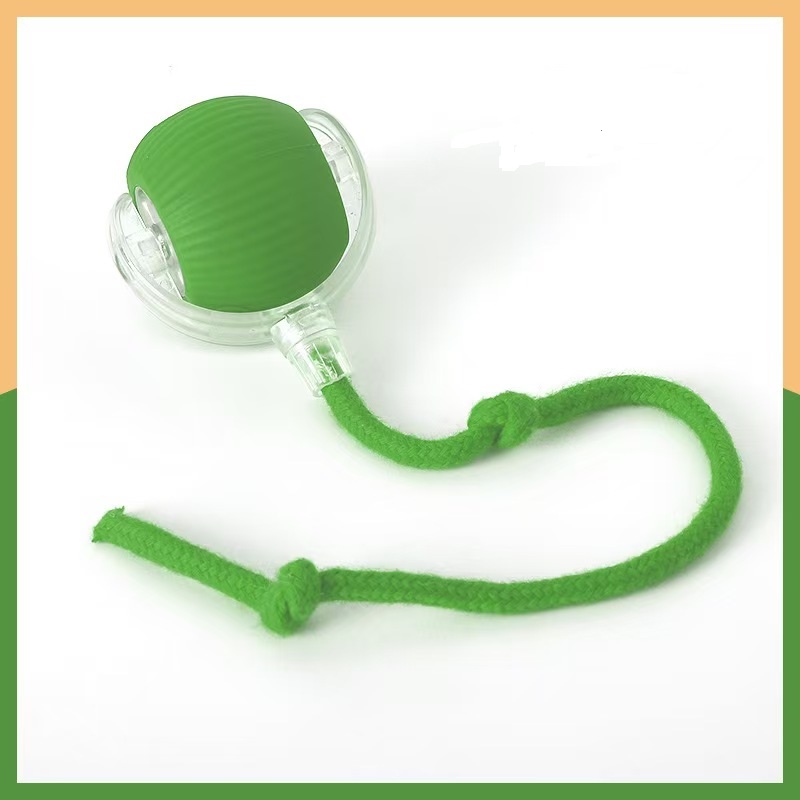 (Green) Electric Dog Ball Toy - Indoor Large And Small Cat Dog Interactive Intelligent Rolling Pet$13.99View on Mallflare
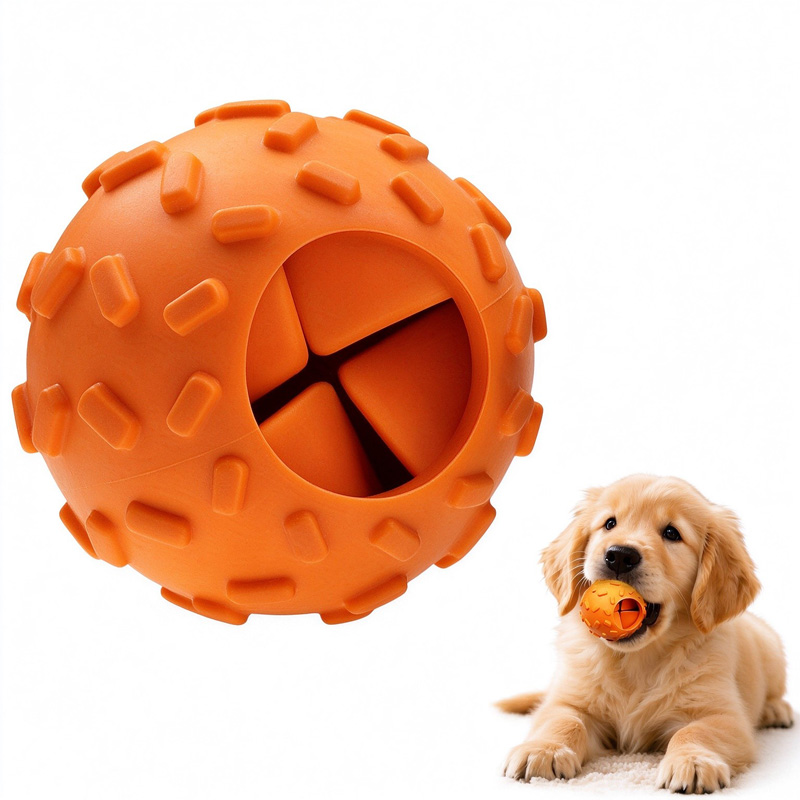 Dog Treat Dispenser Toy Ball, Durable Rubber Teeth Grinding Chew Toy, Interactive Puzzle Leakage For Dogs$16.99View on Mallflare
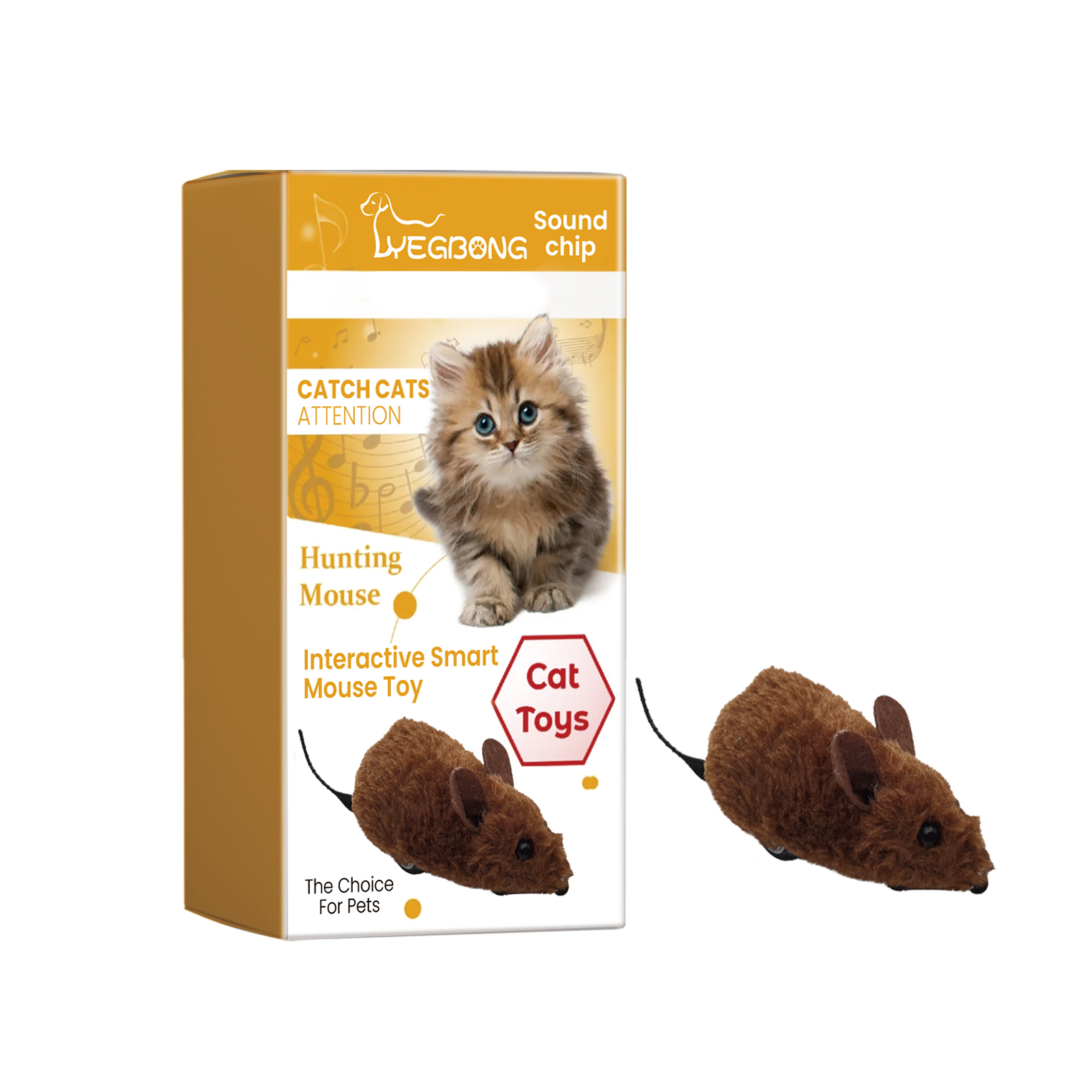 Auth. & Cert. Yegbong Interactive Smart Mouse Toy, Cats And Dogs Like A Sound Relief Plush Toy$19.99View on Mallflare
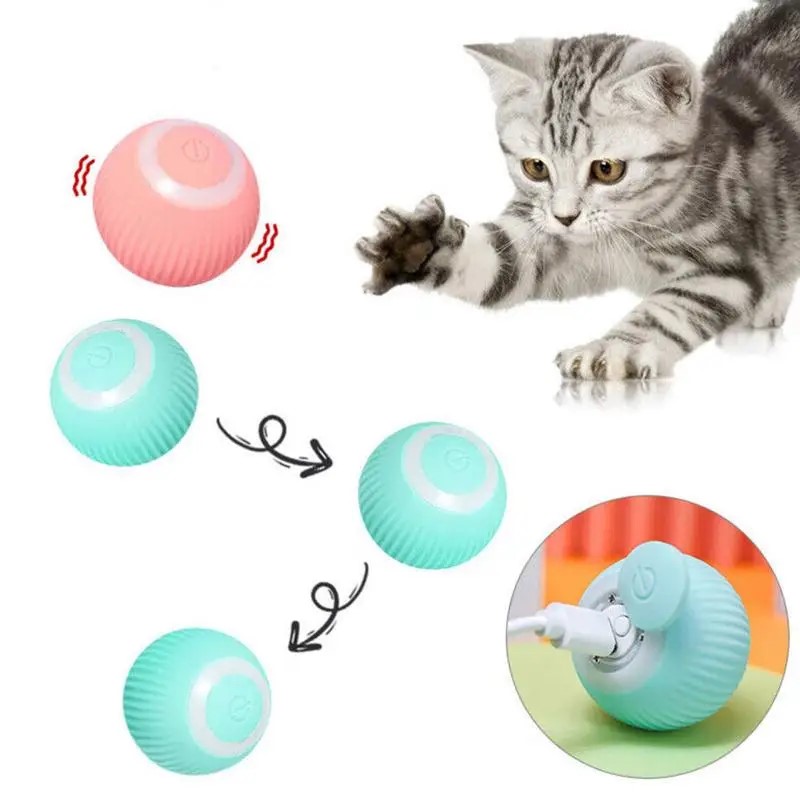 Electric Dog Cat Ball Toy,Indoor Large And Small Cat Dog Interactive Intelligent Rolling Pet$19.99View on Mallflare
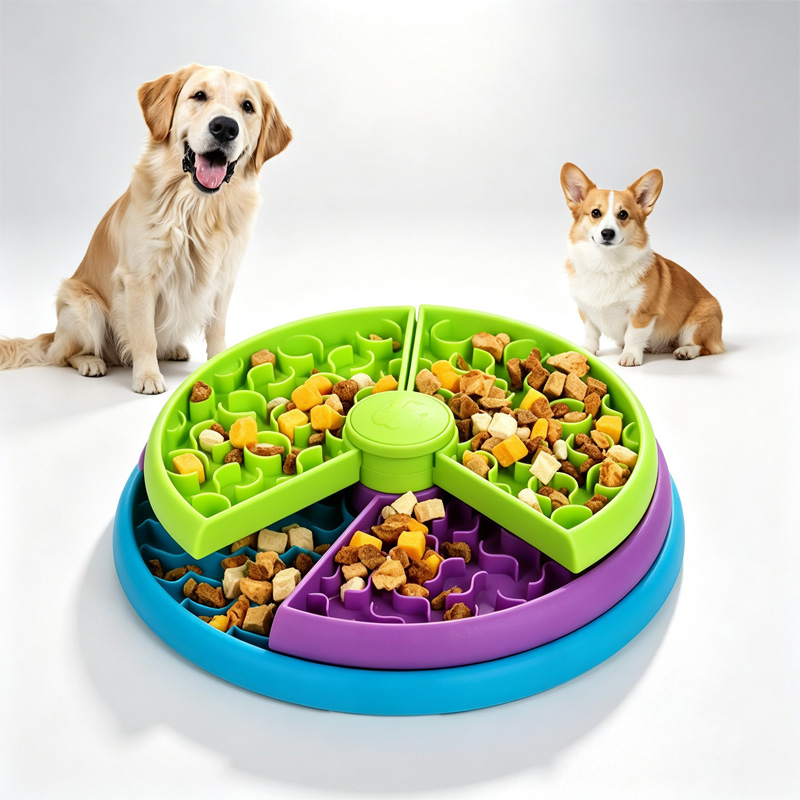 3in1 Interactive Dog Puzzle Feeder, Rotating Anti-Choking Slow Bowl & Lick Mat, Mental Stimulation Foraging Toy For Medium & Large Dogs$20.99View on Mallflare
 Automatic Rolling Dog Toy Ball, Interactive Motion Activated Smart Moving For Small Medium Dogs & Cats, USB Type-C Rechargeable Pet Chase Toy$20.99View on Mallflare
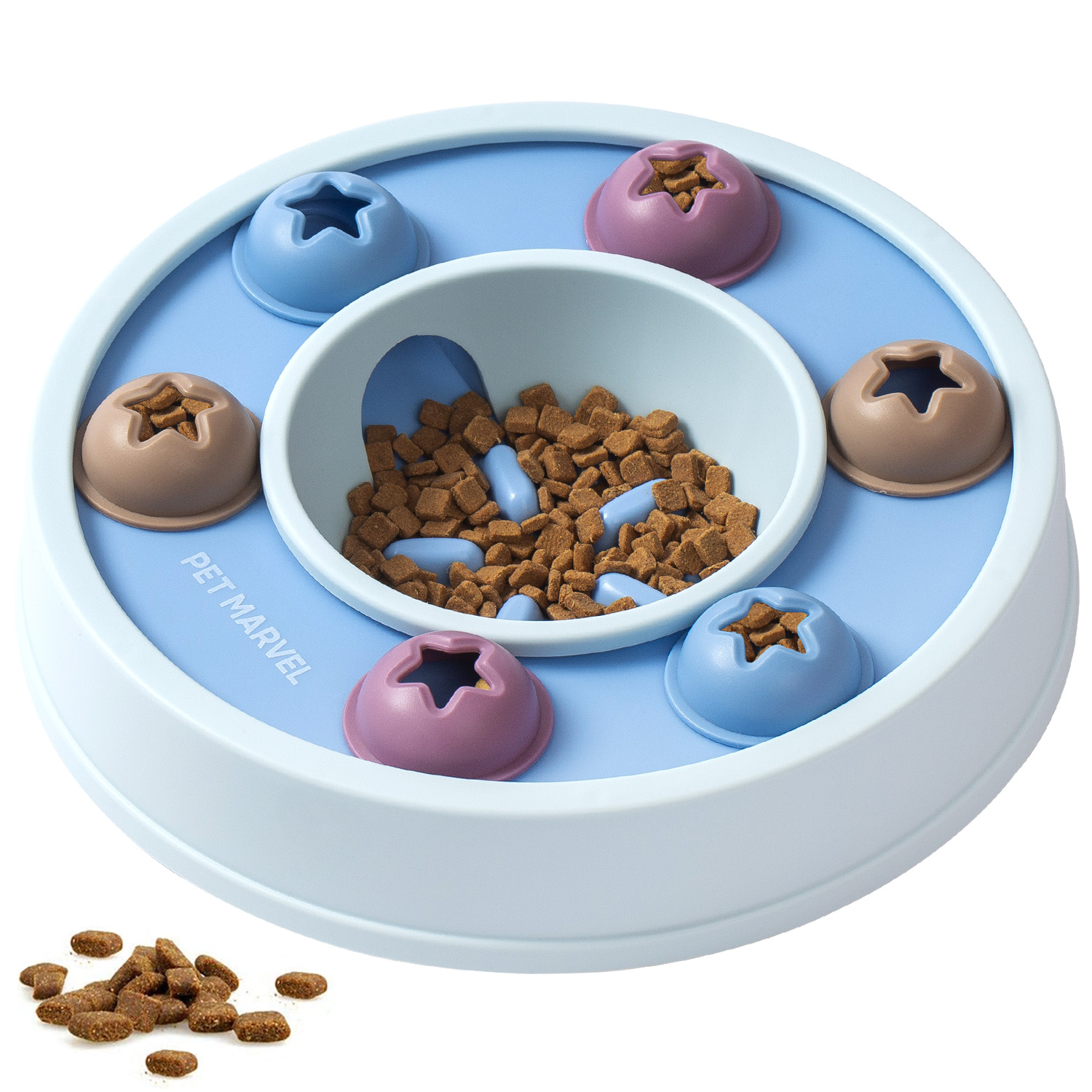 PETMARVEL Interactive Puzzle Game Dog Toy, Level 1-3$21.99View on Mallflare
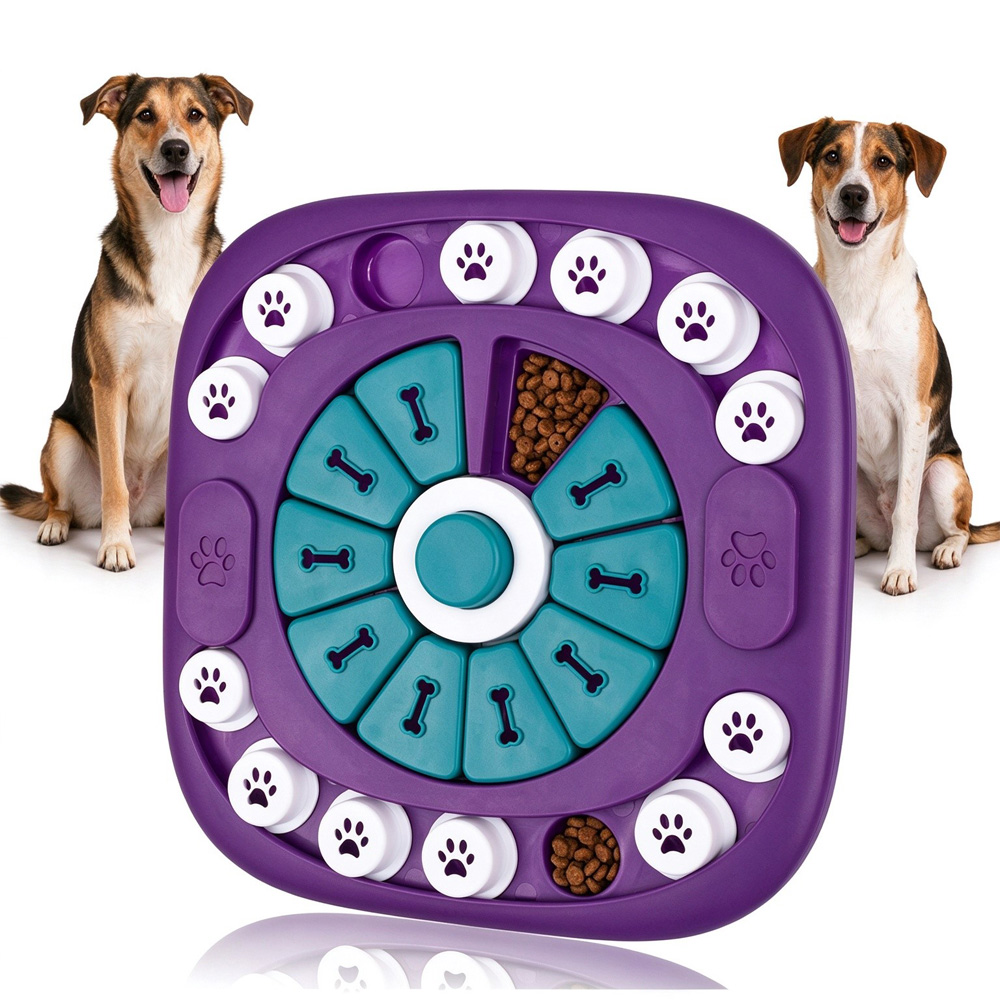 Dog Puzzle Toys, Interactive Treat Dog Enrichment For Large Medium Small Dogs$22.99View on Mallflare
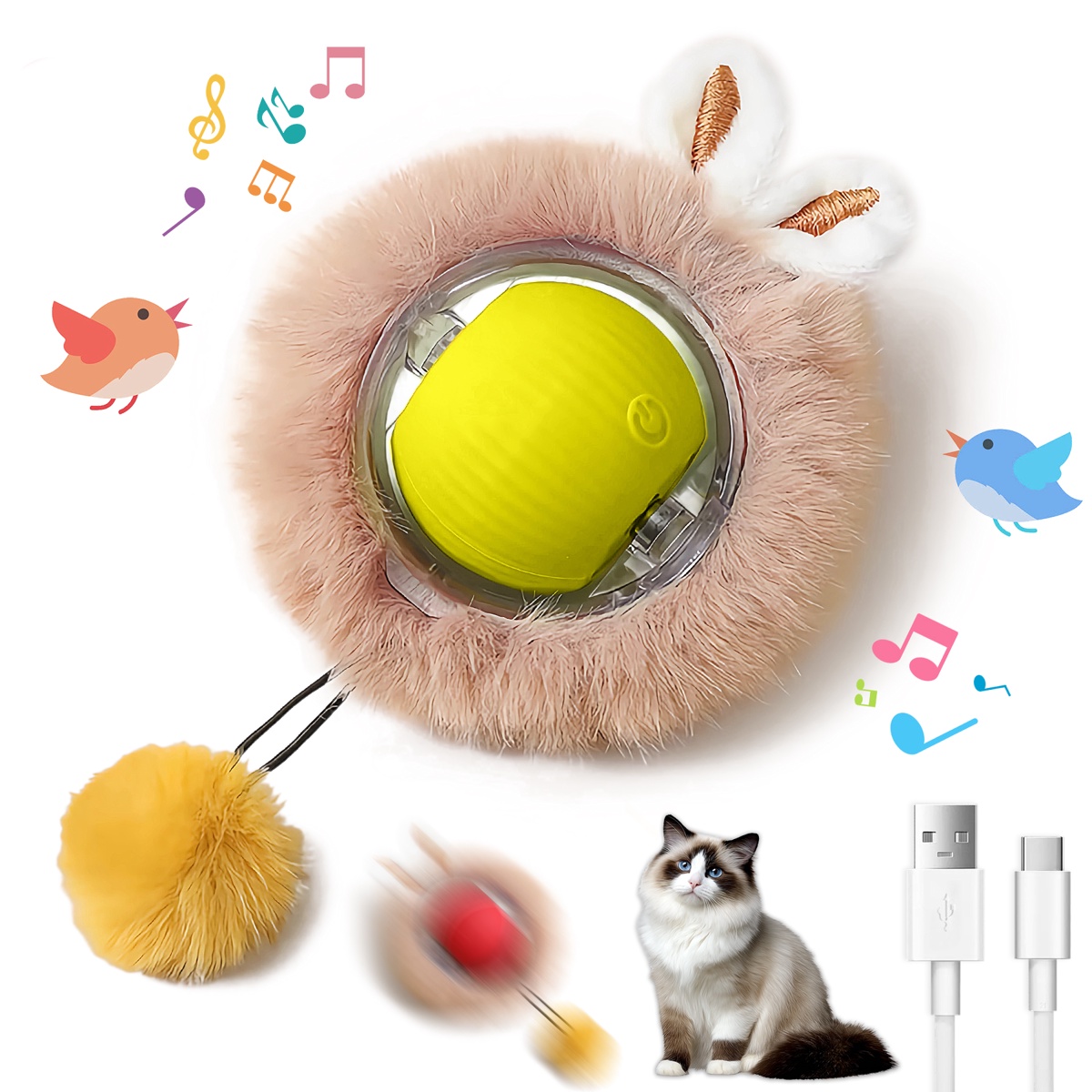 Interactive Toys Ball For Cats, Dog,Agile Moving Cat ,Motion Activated Automatic With Lights,with Fluffy Tail And Bunny Ears For Indoor Pets$23.99View on Mallflare
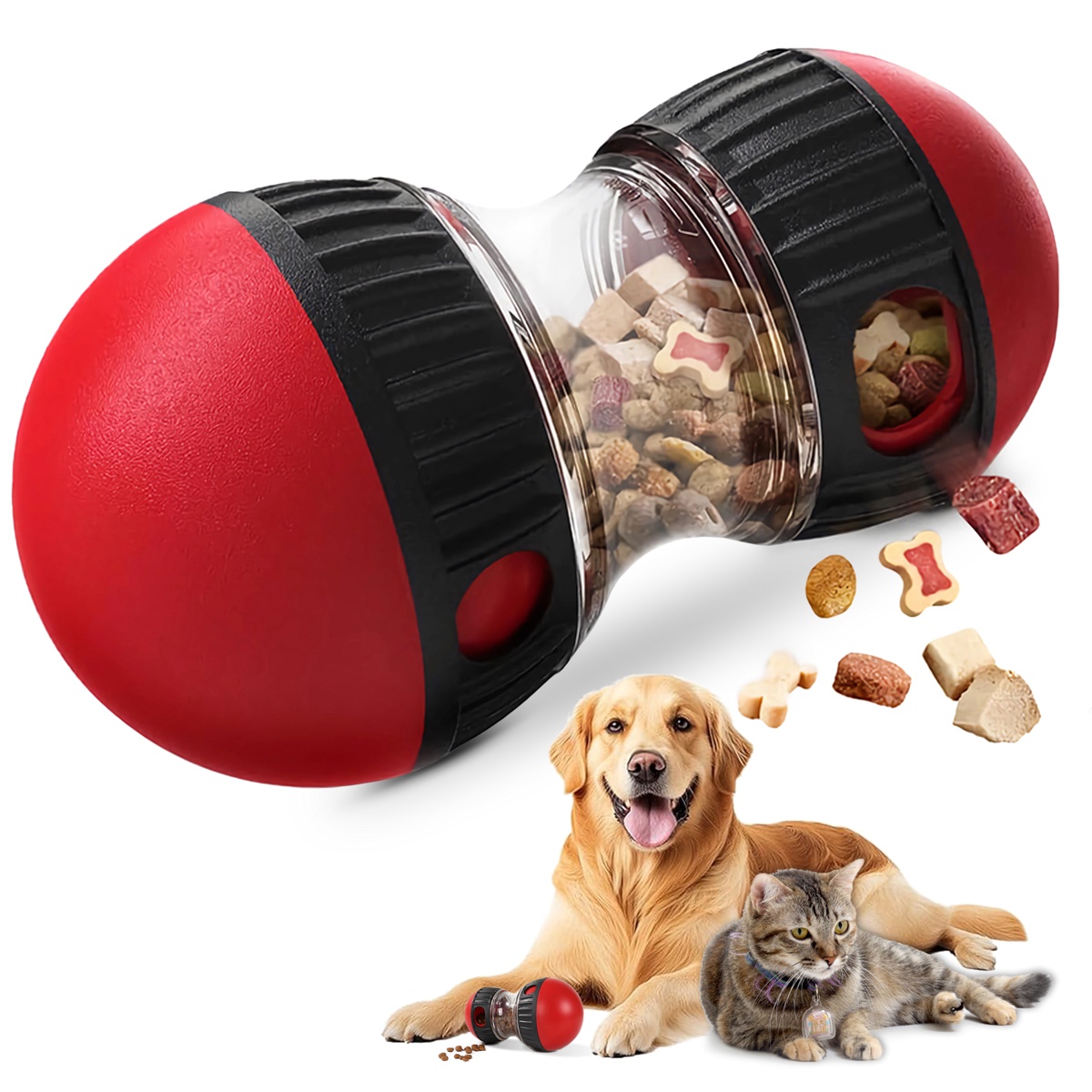 Dog Puzzle Toy, Adjustable Treat Dispensing Ball Food Dispenser Tough Slow Feeder Puppy Enrichment Training Toy Pet Interactive Chase Toys For Small Medium Large Dogs$24.99View on Mallflare
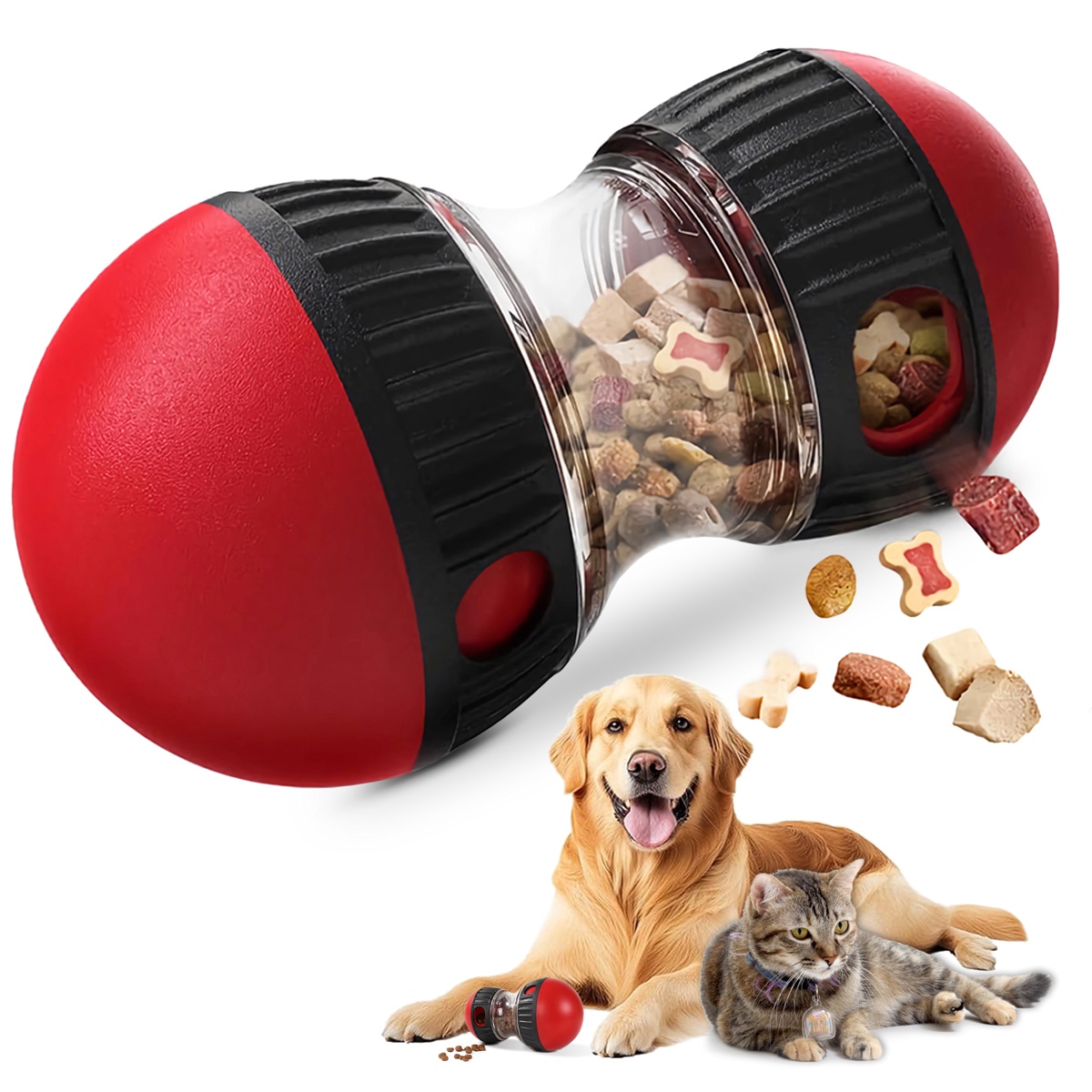 Interactive Dog Treat Ball, Dog Dispenser Toy - Adjustable Dispensing Dog Puzzle Toy - Mental Stimulation & Slow Feeder for Small, Medium, and Large Breeds - Durable & Fun Bore$25.99View on Mallflare
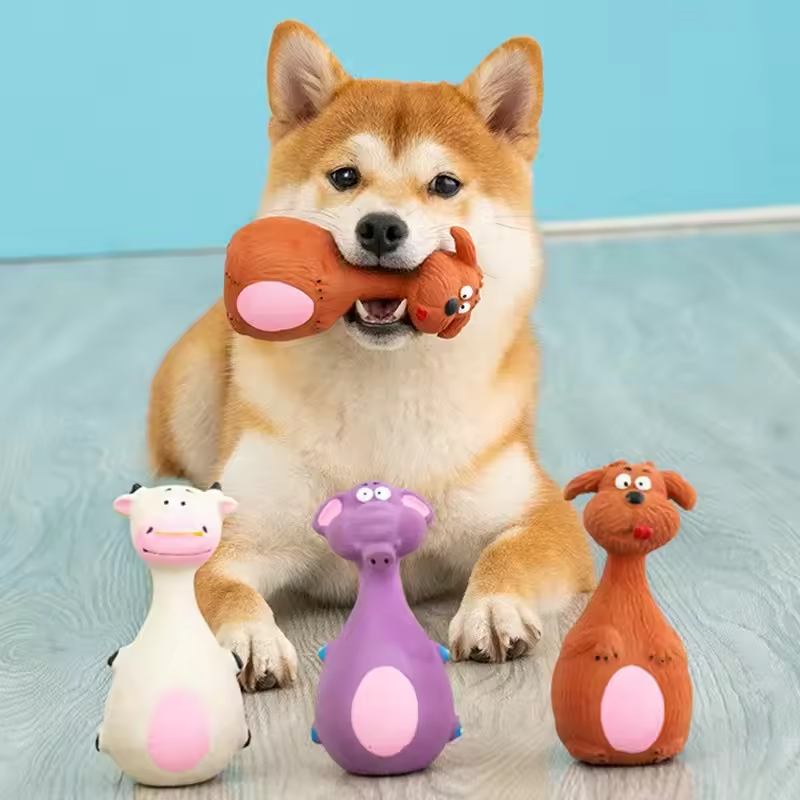 4pcs Cute Latex Dog Chew Toys With Sound, Interactive Biting For Dental Health, Puppy Teething Pet Supplies$28.99View on Mallflare
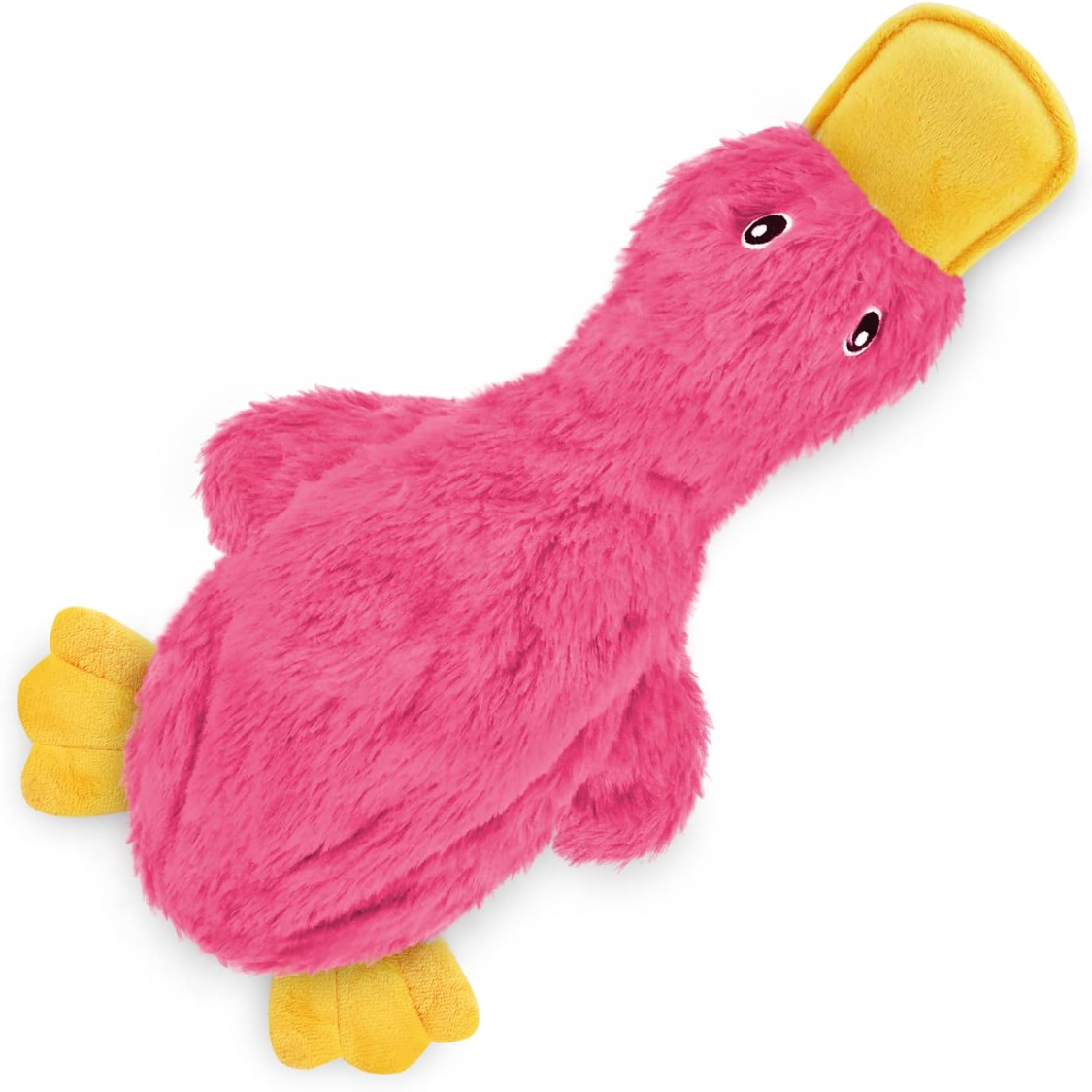 Best Pet Supplies Interactive Squeaky Dog Chew Toy, Ideal Dog Toys For Chewers, Small, Medium Large Dogs, And Fetch Lovers$35.99View on Mallflare
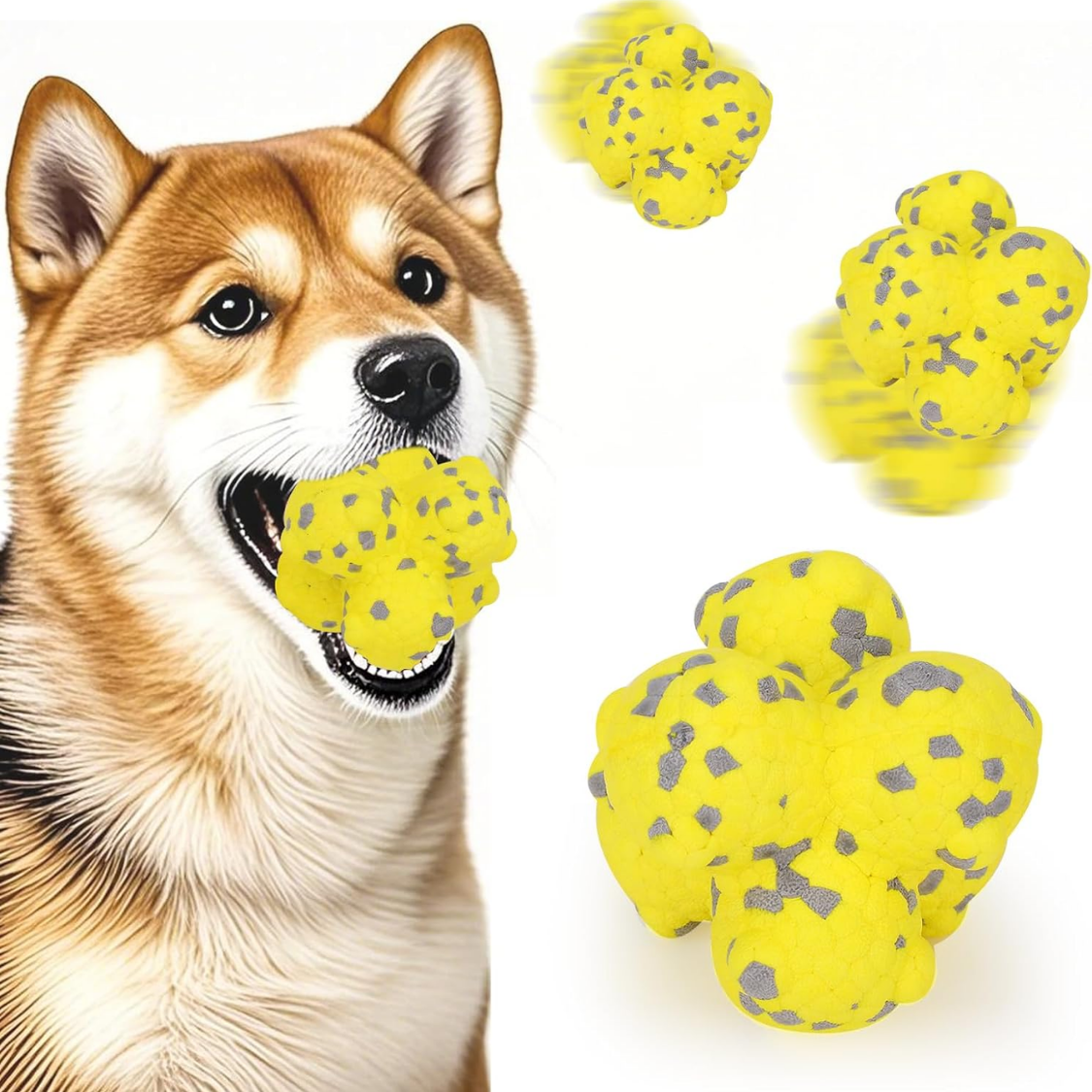 Dog Spike Ball Toy Tough ETPU Interactive Chew For Aggressive Chewers Floating Fetch Teeth Cleaning Puppy & Dog Toy Compatible With Launcher$40.99View on Mallflare
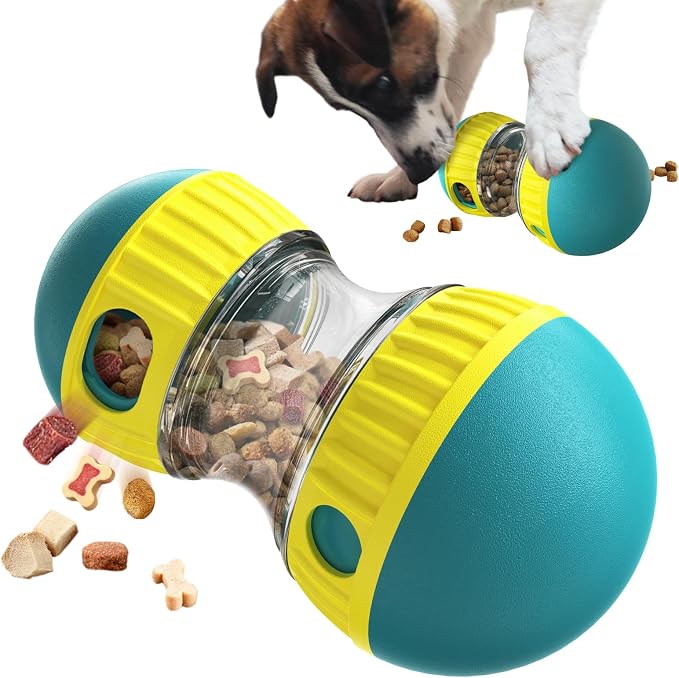 Adjustable Dog Puzzle Toy Treat Dispensing Ball, Tough Slow Feeder And Interactive Training Enrichment Toy$47.99View on Mallflare
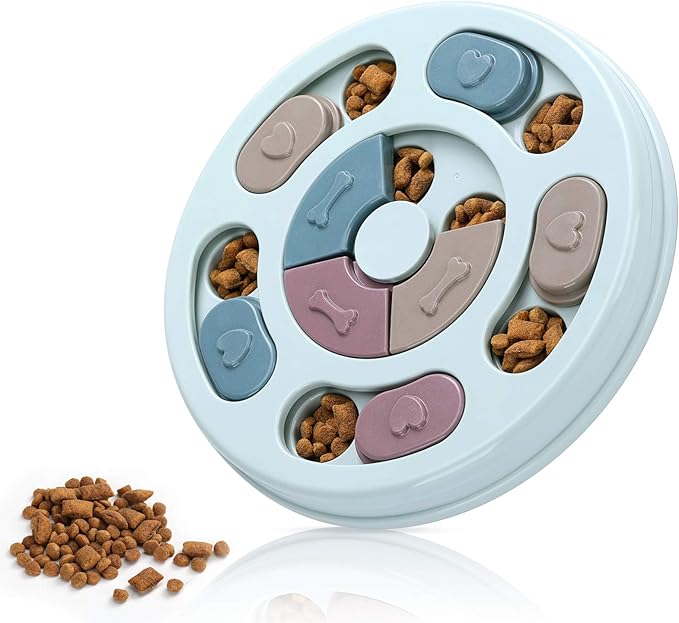 Interactive Dog Treat Puzzle Toy For IQ Training Mental Enrichment Food Dispensing And Brain Stimulation$47.99View on Mallflare
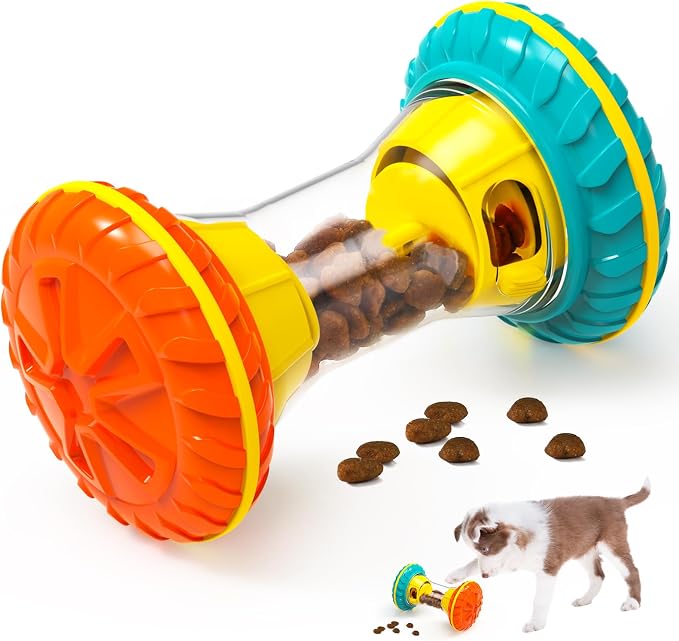 Interactive Dog Puzzle Toy, Treat Dispensing Slow Feeder And Enrichment Training Toy For Smart Dogs$50.99View on Mallflare
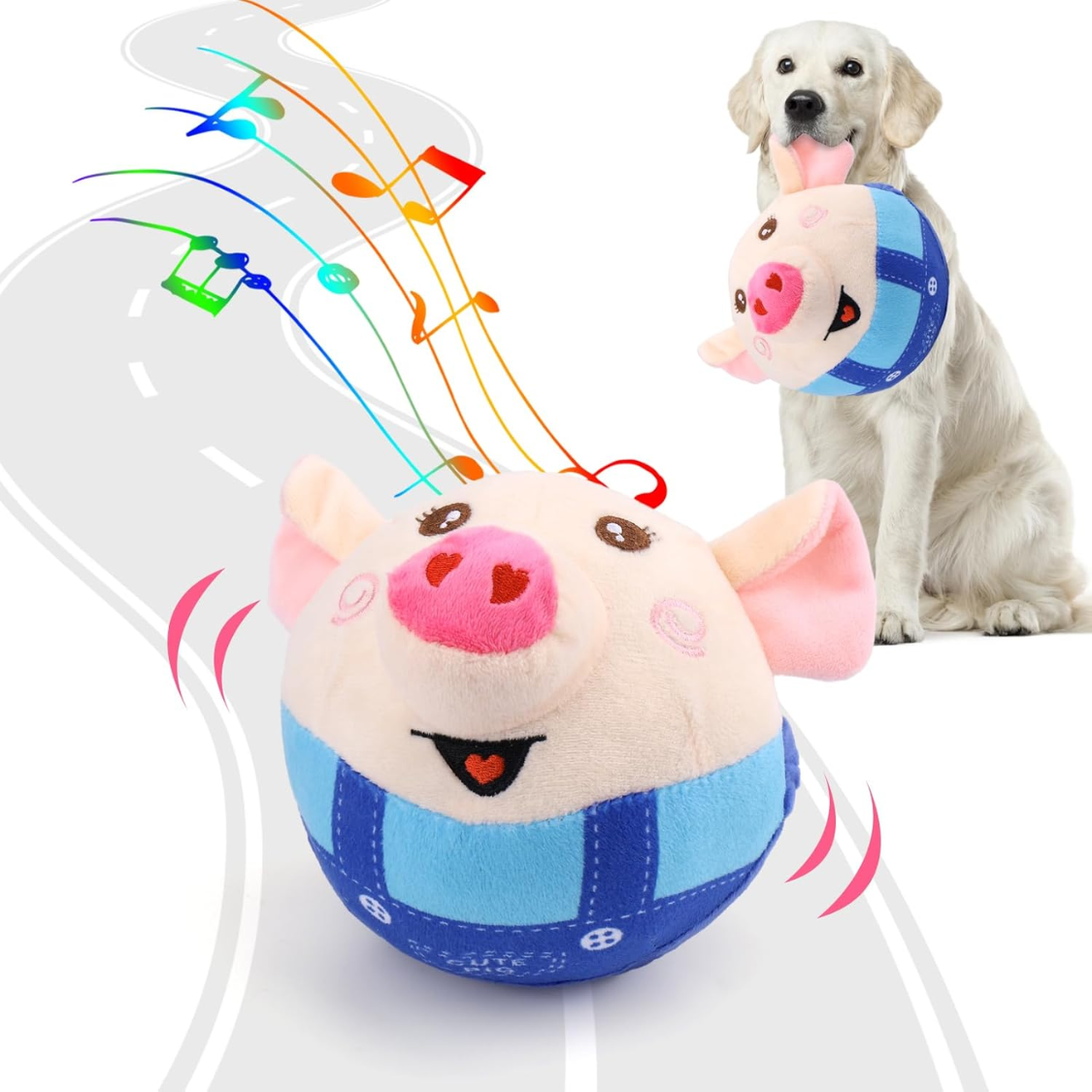 Interactive Dog Toys Pig, Jumping Squeaky Dog With Recording And Music Modes, Rechargeable Moving Dog Chew$56.99View on Mallflare
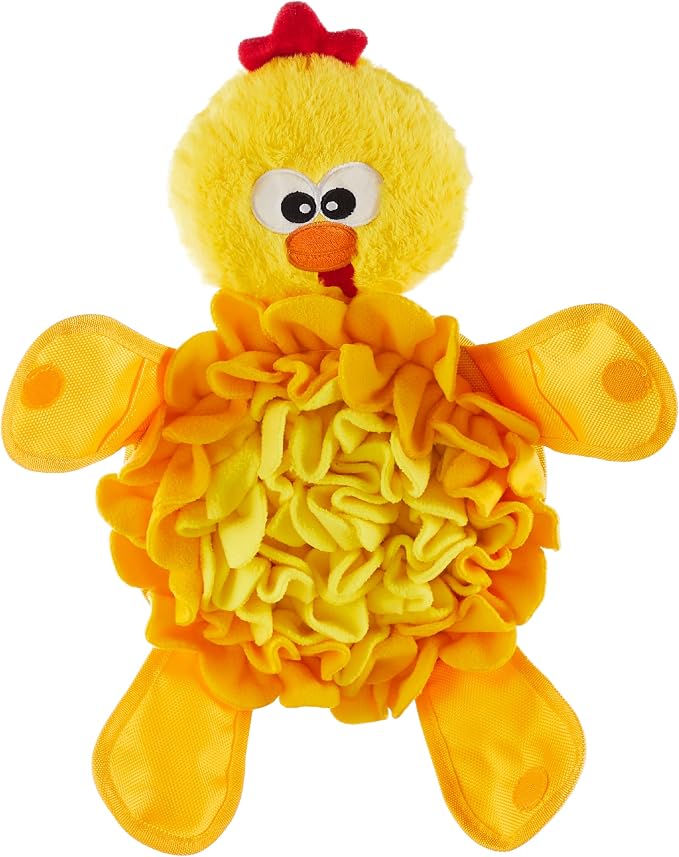 13.4-Inch Chicken Snuffle Pal Squeaky Dog Toy, Interactive Plush Enrichment Toy For Foraging And Play$62.99View on Mallflare
Highlights
- Motorized rolling balls use internal rechargeable lithium batteries and offset-weight vibration motors; the ball shell is typically hard ABS plastic, which cracks under strong jaw pressure and is not chew-resistant.
- Treat-dispensing puzzle balls rely on an adjustable internal opening: larger holes release kibble fast for beginners, smaller holes extend engagement; the rubber body must be thick-walled (tire-grade or natural rubber) to survive chewing.
- Squeaky plush toys with recording and music modes use a sealed speaker module and button-cell or USB-rechargeable battery; the fabric shell and speaker are the first failure points, making them best for gentle-mouth dogs only.
- Flying discs and fetch toys in silicone or flexible rubber are tear-resistant because they flex on impact; hard plastic discs crack and cut gums, so material flexibility is the key durability metric over thickness alone.
Best use cases
- Best fit: high-energy dogs left alone—choose a rechargeable motion ball or treat-dispensing ball with an adjustable opening; wrong fit: a plush recording toy, which will be disemboweled in minutes.
- Best fit: aggressive chewers—pick a solid natural-rubber treat ball or thick silicone chew-disc with no electronics; wrong fit: any battery-powered rolling ball or thin plastic launcher, whose shell and motor housing are not chew-rated.
- Best fit: puppies and gentle seniors—a soft plush sound toy or lightweight silicone disc gives engagement without jaw strain; wrong fit: heavy hard-plastic puzzle balls that are too large or dense for small mouths.
- Best fit: interactive training and fetch—a treat launcher or treat ball rewards and extends play; wrong fit: laser pointers used as the sole toy, which can create obsessive light-chasing behavior in dogs.
Buying tips
- For chewers, choose natural rubber or thick silicone with no battery compartment; hard ABS plastic rolling balls are engagement toys only and must be removed after monitored play.
- Match ball diameter to jaw size: small dogs need balls under 2 inches that they can mouth; large dogs need 3-inch-plus balls to prevent swallowing and choking risk.
- Treat-dispensing toys work best when the opening adjusts; a fixed large hole dumps food in seconds and ends engagement, so pick an adjustable or small-hole design for lasting puzzle value.
- Rechargeable electronics should use standard USB charging and have a sealed motor compartment; button-cell plush toys are a chew-and-swallow hazard and are not suitable for unsupervised play.
Specs
| Engagement Type | Motorized / Treat-dispensing / Sound / Fetch |
|---|---|
| Chew Durability | Rubber & silicone vs hard plastic vs plush |
| Power Source | USB rechargeable / Button-cell / None |
| Treat Dispensing | Adjustable opening / Fixed hole / None |
Related searches
What to check before buying
- Measure your dog's mouth gape and current toy size: interactive balls and discs must be too large to swallow and small enough to carry comfortably.
- Confirm the toy's chew rating matches your dog's bite force—electronics and plush are for gentle mouths; rubber and silicone for power chewers.
- Check power and charging standard: USB-rechargeable electronics need a reachable outlet or power bank; button-cell toys need a plan for battery replacement and safe disposal.
- For treat toys, confirm the dispenser accepts your dog's kibble size—too-large kibble jams the opening, too-small falls out instantly and kills engagement.
FAQ
Data sources: eBay / Amazon listings and product attribute feeds. Updated Nov 27, 2026.
Some links on this page are affiliate links. If you buy after clicking one, we may earn a commission at no extra cost to you. This does not change which products appear here or their order. Affiliate disclosure.