
Photos from current listings. Actual item, color, and included accessories may vary.
Automatic Ball Thrower Buying Guide
An automatic ball thrower is a motorized launcher that fetches for you—cycled by motion sensors or timers—so dogs self-exercise without constant human throwing. The core trade-off is launch consistency and ball compatibility versus safety: cheap units fire unpredictable distances or jam on non-standard balls, while durable units use controlled motors and standard tennis-ball sizing. The decision rule: choose a launcher rated for your dog's weight and your yard length with adjustable distance, and skip any unit that lacks a defined ball size or safety shutoff.
Median $110.99
Key takeaways
- Drive type separates tiers: spring-piston launchers throw farther but jam on wet or worn balls; rubber-wheel friction launchers are gentler and more consistent indoors.
- Ball size is the hard compatibility standard—most launchers accept 2.0–2.5 in (50–65 mm) balls; standard tennis balls run 2.57–2.70 in and will jam compact units.
- Adjustable distance typically spans 10–30 ft (3–9 m) on small-dog models and 26–80 ft (8–24 m) on large-breed units; fixed-distance launchers are kid-toy grade.
At a glance
- Category
- Pet Toys
- Last updated
- Nov 27, 2026
Current offers
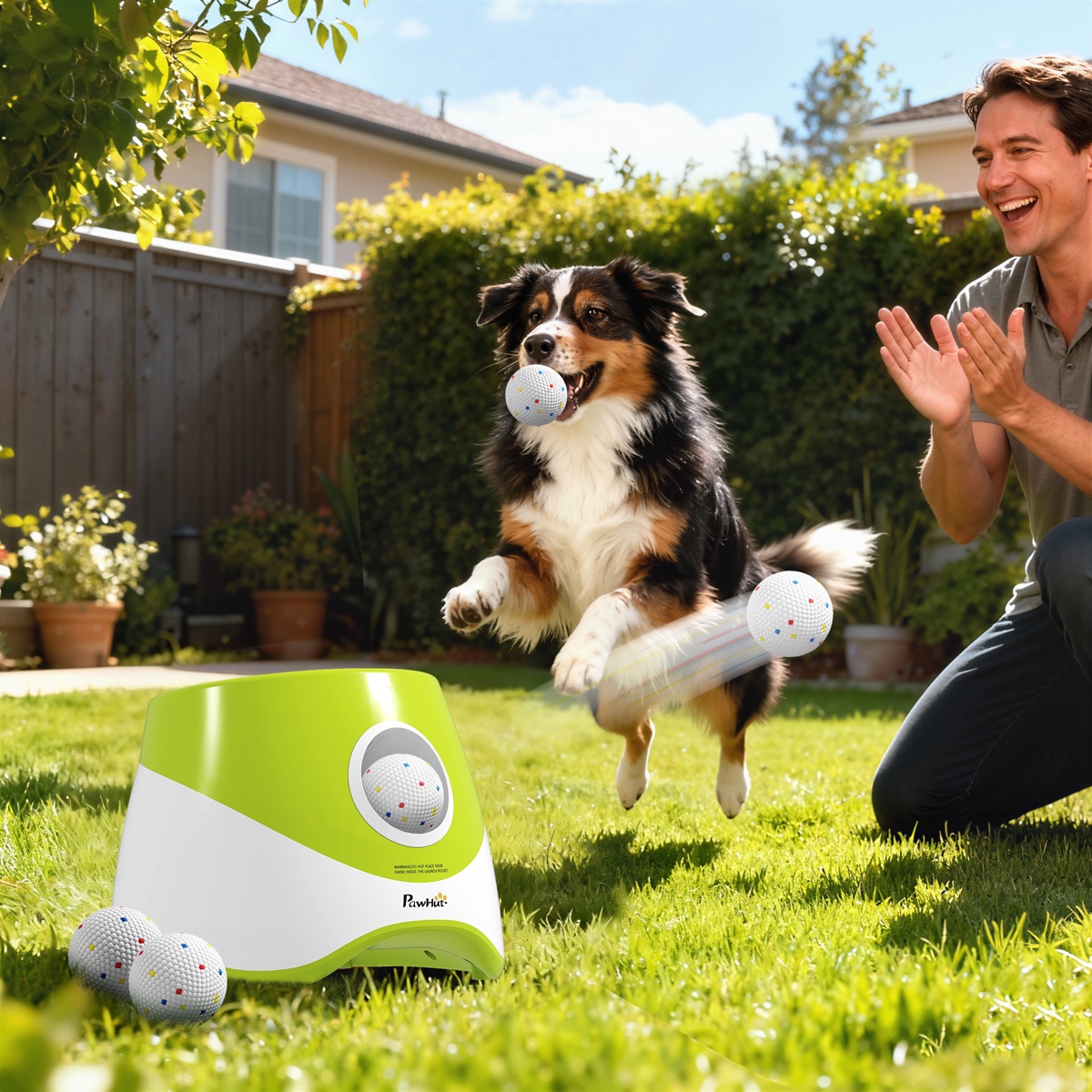 Automatic Dog Ball Launcher, Dog Thrower with 5 2.3" ETPU Balls, 3 Distance Settings (20/33/46 ft) for Small Medium Pets, Green$60.99View on Mallflare
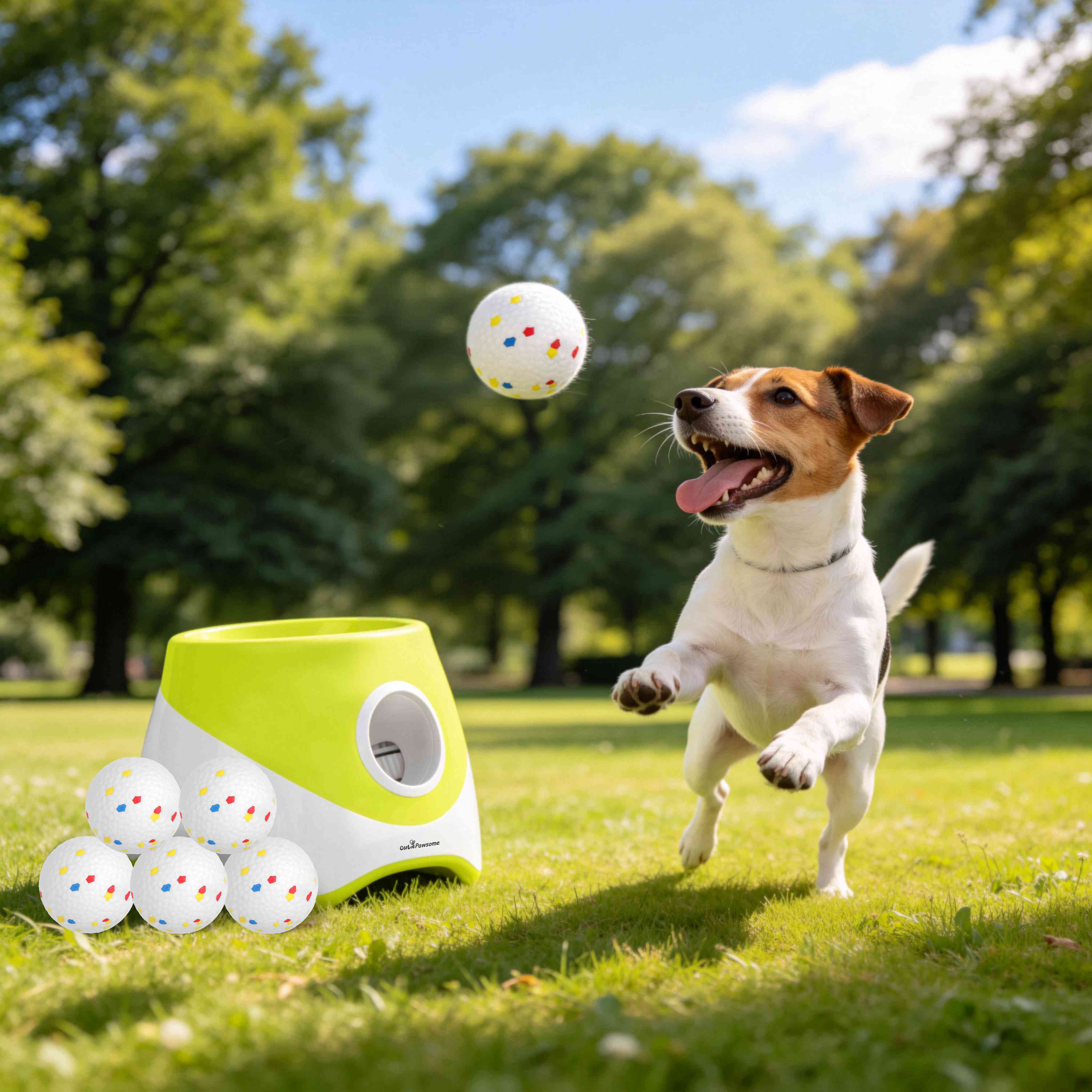 Automatic Dog Ball Launcher Rechargeable Interactive Pet Thrower For Small Medium Dogs Dog Fetch Toy With 3 Adjustable Distance Settings 6Pcs 2.3in Balls$84.99View on Mallflare
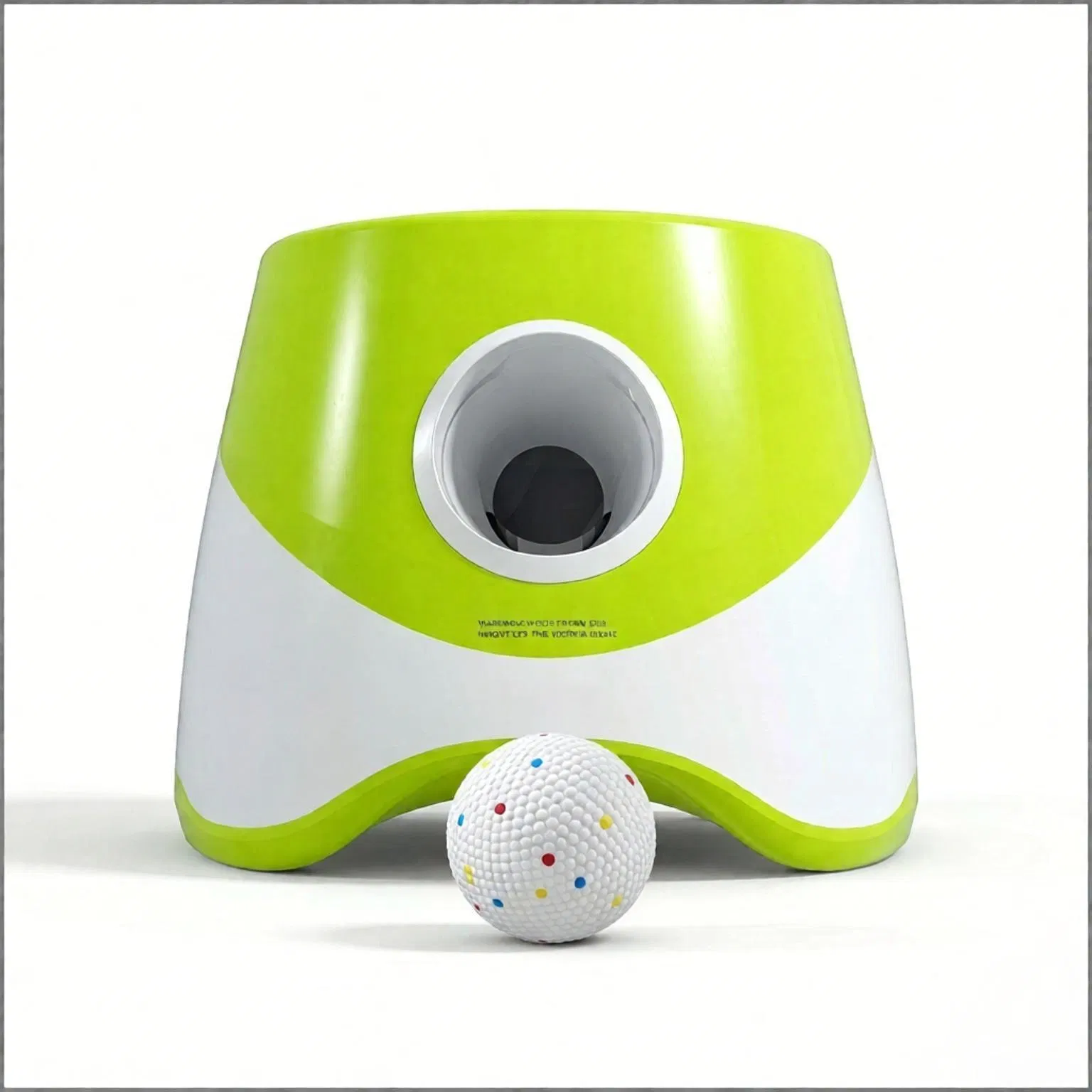 Automatic Dog Ball Launcher Green with 5 X 2.3' ETPU Balls 3 Distance Settings (20/33/46 Ft) for Small to Medium Breeds Pet Exercise Toy$98.99View on Mallflare
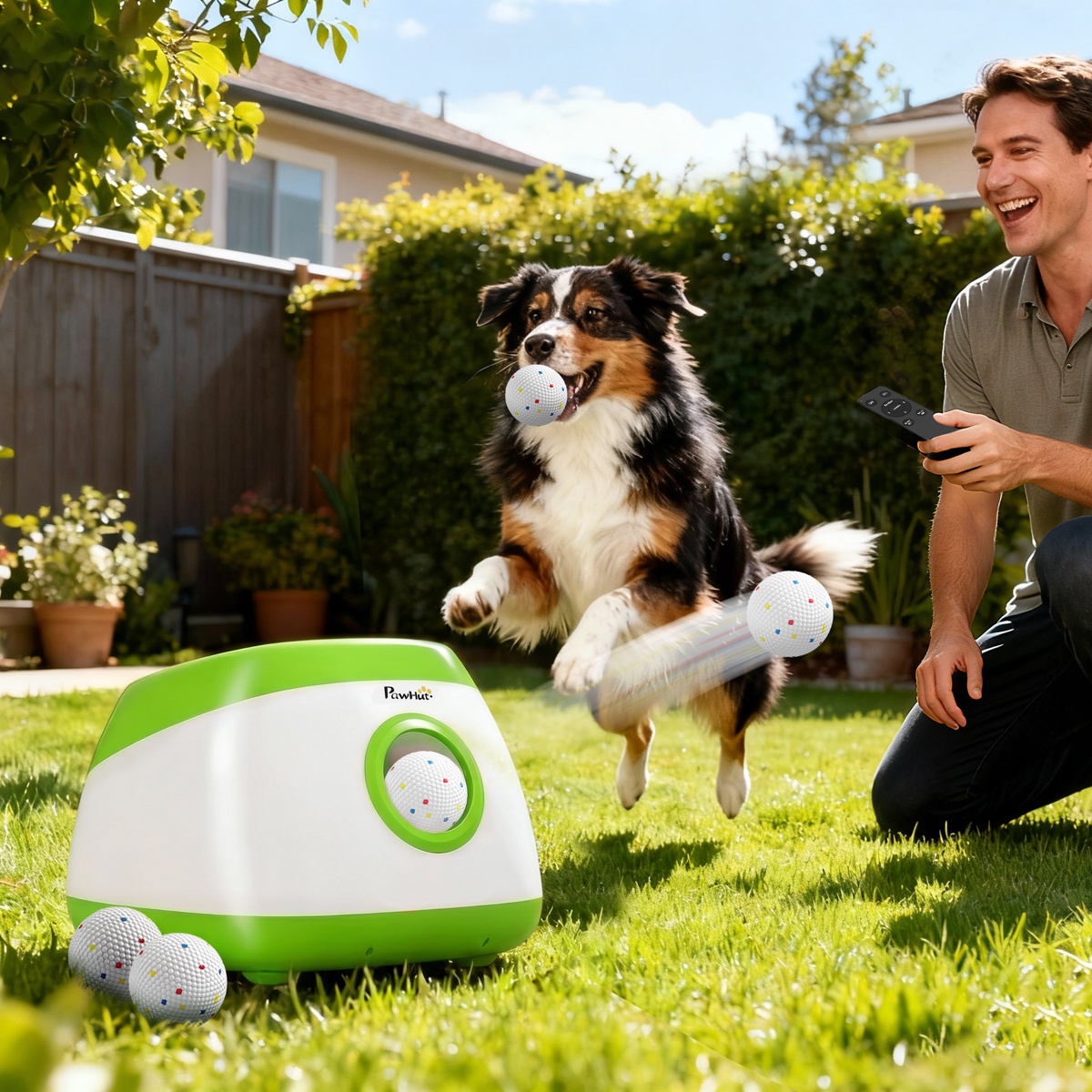 Automatic Dog Ball Launcher with 26-80 FT Distance, for Medium and Large Dogs, Green$99.99View on Mallflare
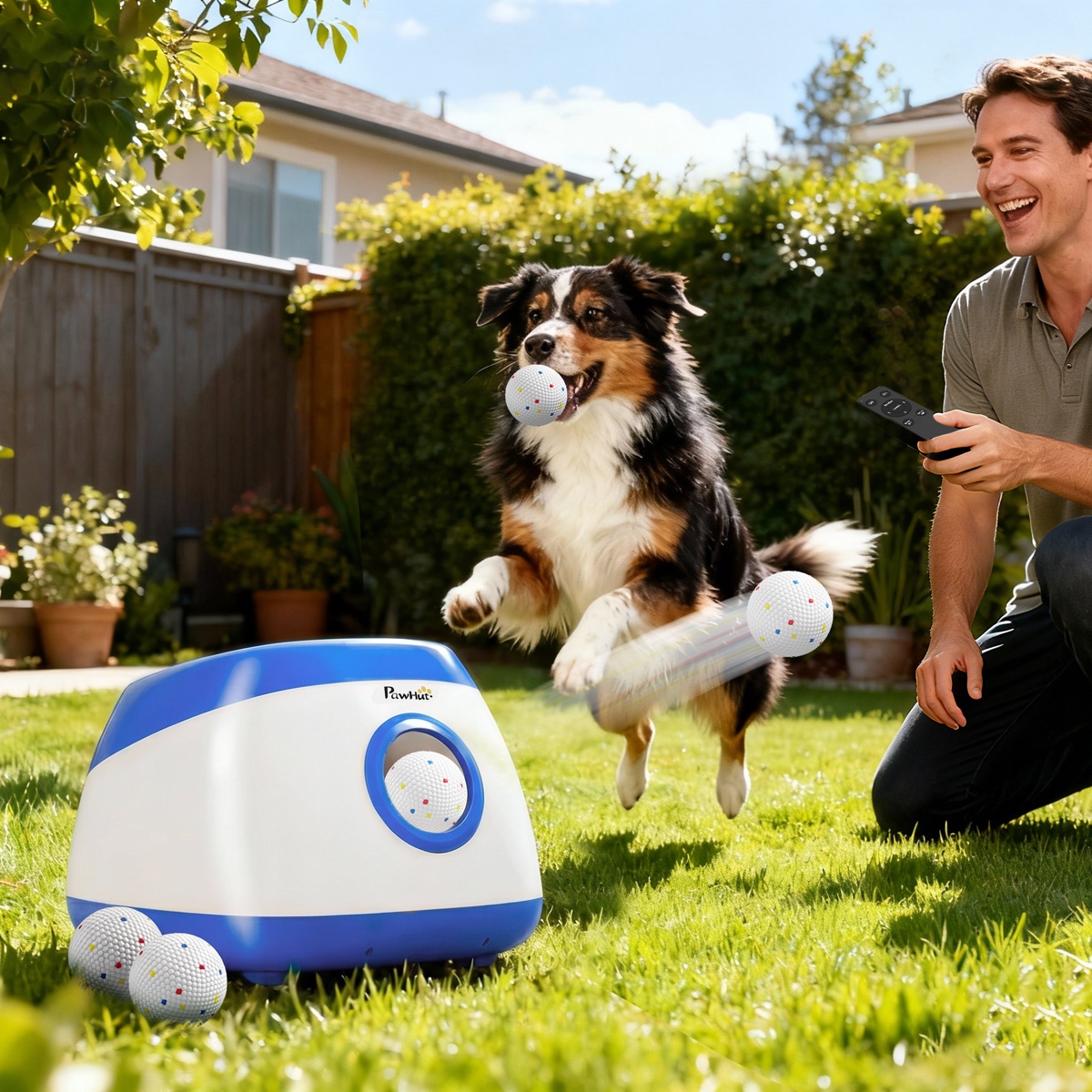 Automatic Dog Ball Launcher with 26-80 FT Distance, for Medium and Large Dogs, Blue$121.99View on Mallflare
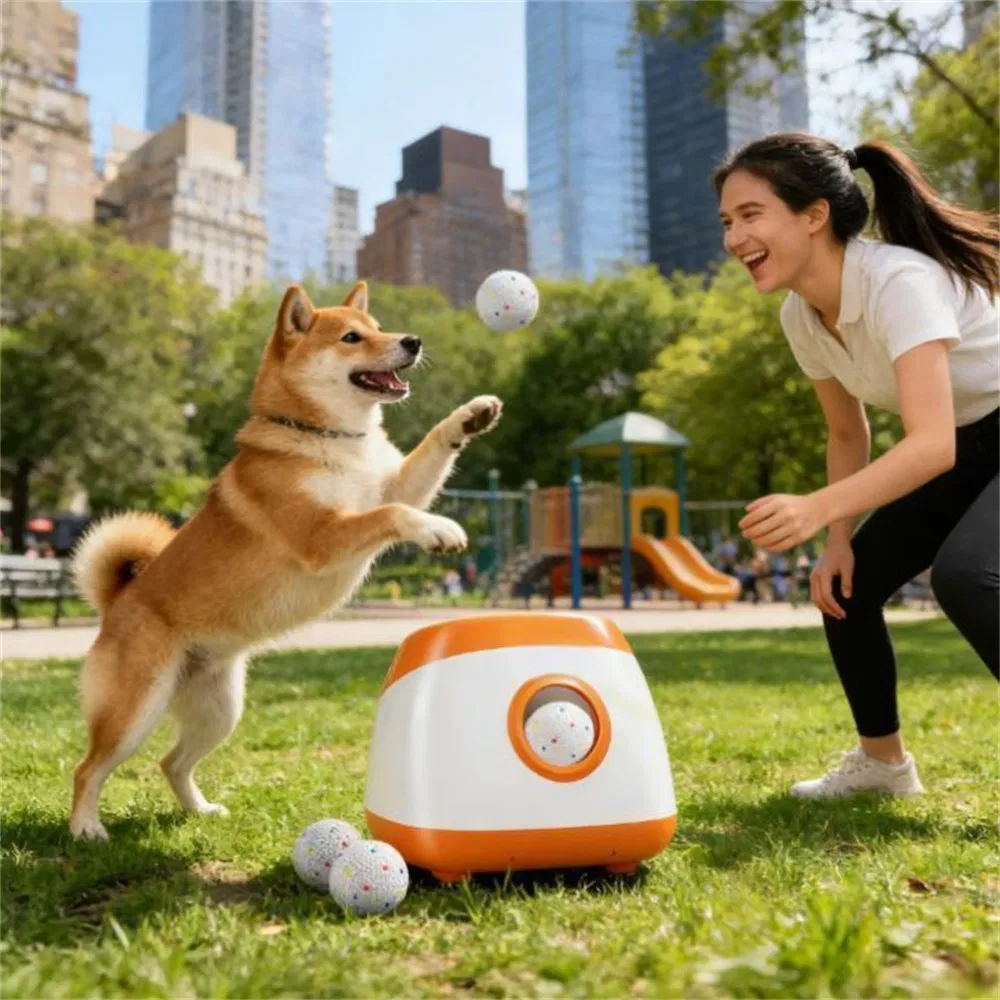 Automatic dog ball launcher, dog toy, orange$158.99View on Mallflare
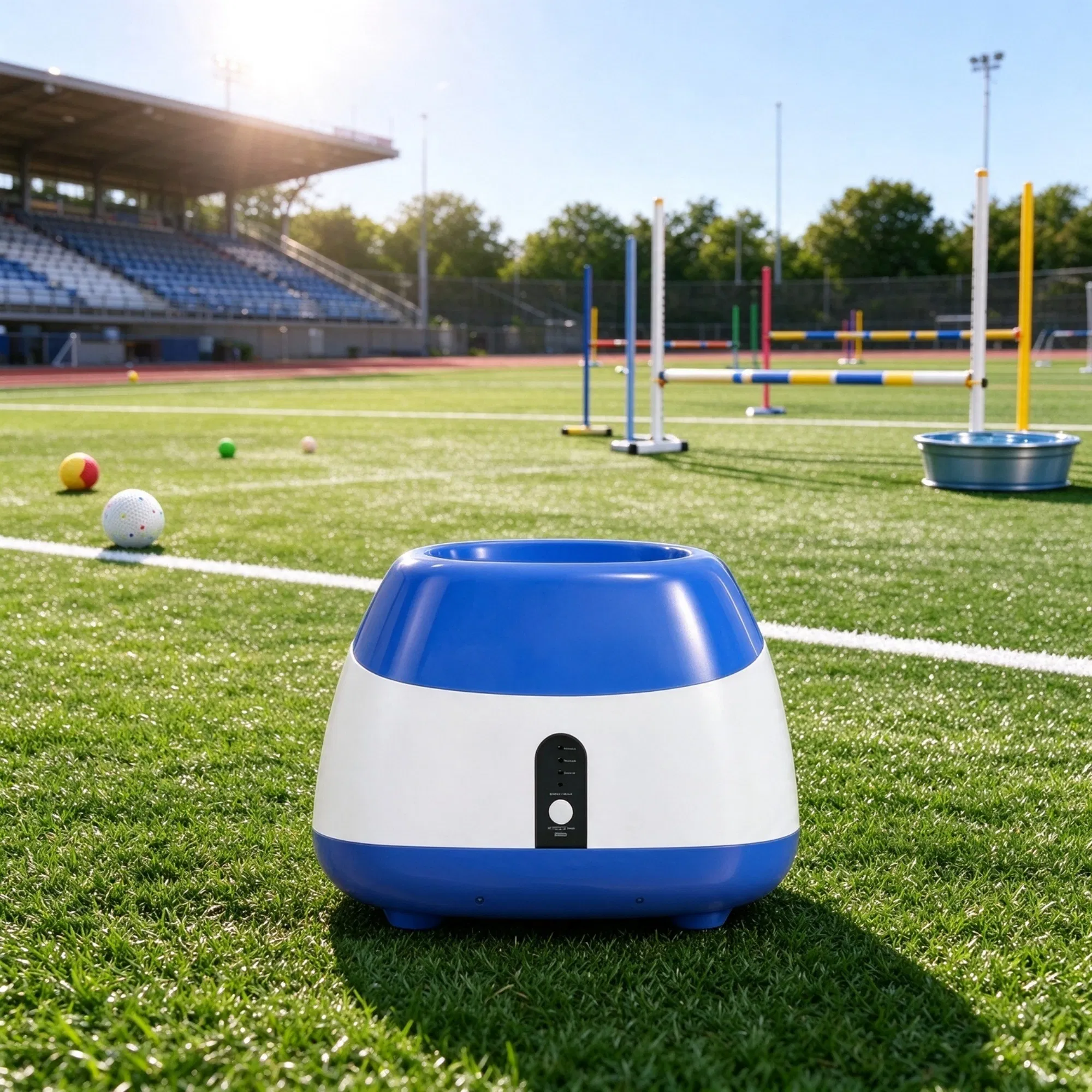 Automatic Dog Ball Launcher, 26-80 FT Adjustable Distance, Thrower for Medium and Large Dogs$176.99View on Mallflare
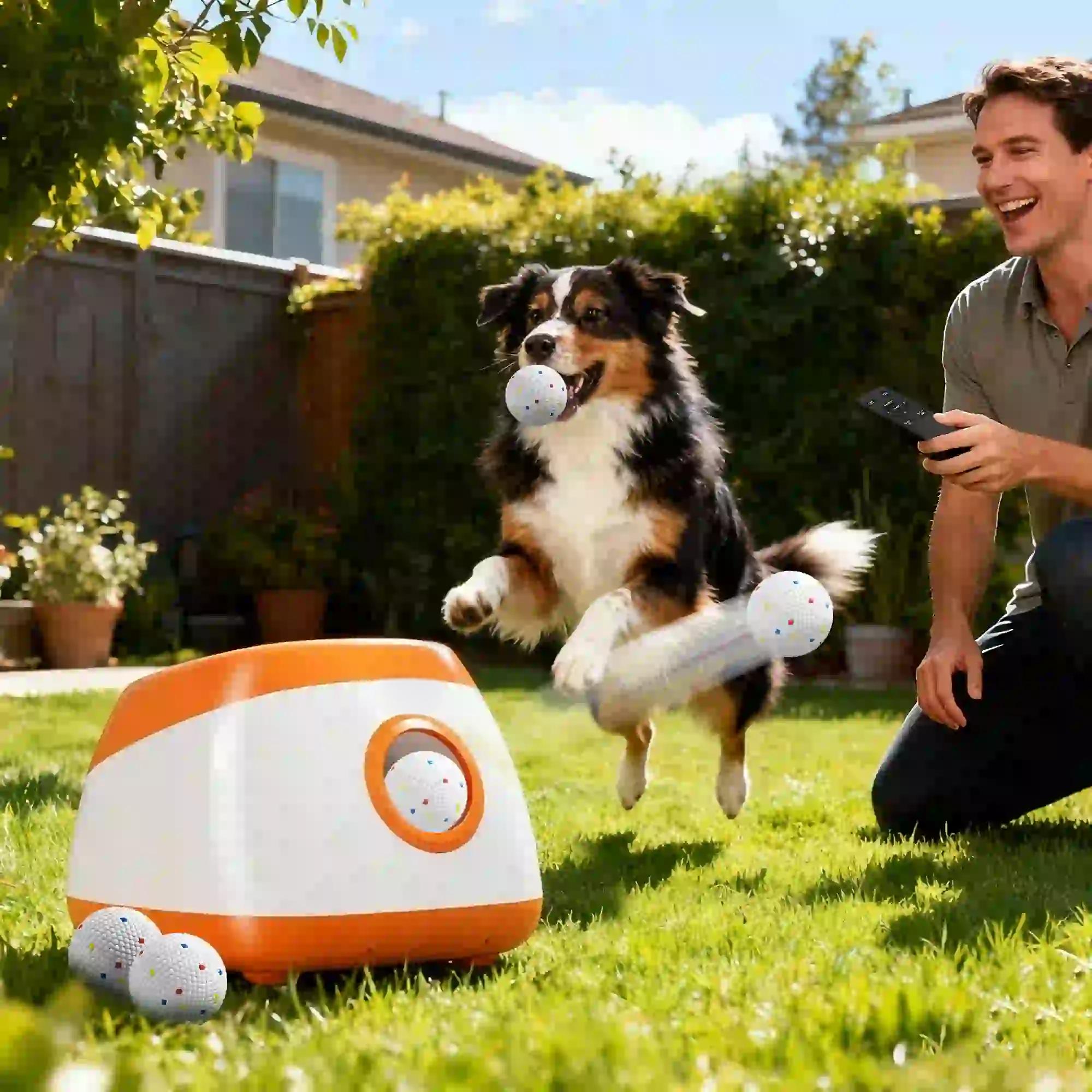 Automatic Dog Ball Launcher(No shipments on weekends)$210.99View on Mallflare
Highlights
- Drive type separates tiers: spring-piston launchers throw farther but jam on wet or worn balls; rubber-wheel friction launchers are gentler and more consistent indoors.
- Ball size is the hard compatibility standard—most launchers accept 2.0–2.5 in (50–65 mm) balls; standard tennis balls run 2.57–2.70 in and will jam compact units.
- Adjustable distance typically spans 10–30 ft (3–9 m) on small-dog models and 26–80 ft (8–24 m) on large-breed units; fixed-distance launchers are kid-toy grade.
- Rechargeable Li-ion packs (often 1500–2500 mAh) give roughly 100–300 launches per charge; disposable-battery units are cheaper but cost more over a season.
Best use cases
- Small to medium dogs (under ~30 lb) in a small yard: pick a compact rechargeable launcher with 3 distance settings and 2.3 in balls; skip 26–80 ft large-breed units that overshoot fences.
- Medium to large dogs (30–80 lb) with a long yard or park: pick an adjustable 26–80 ft launcher rated for large breeds; skip mini indoor throwers that stall on heavier balls.
- Indoor or apartment play: pick a rubber-wheel friction launcher with soft foam or low-bounce balls; skip spring-piston models that ricochet hard balls off walls.
- Multi-dog or unattended backyard use: skip any launcher without motion-sensor timeout and auto-shutoff; pick one with a 10–15 minute idle cutoff to prevent overexertion.
Buying tips
- Match ball diameter to the launcher's stated range exactly—2.3 in balls suit compact units, while 2.5 in balls suit large-breed launchers; mismatches cause jams and motor strain.
- Size the distance to your space: a 30 ft yard needs a launcher capped near 30 ft; a 26–80 ft unit on a short lawn just launches balls over the fence.
- Prefer rechargeable Li-ion over D-cell battery trays for regular use—one charge covers a typical week of daily fetch, while alkalines drain fast under motor load.
- Check dog weight rating and ball hardness: hard standard tennis balls wear teeth; softer rubber or foam balls are safer for aggressive chewers and indoor play.
Specs
| Drive Type | Spring-piston vs rubber-wheel |
|---|---|
| Ball Size | 2.0–2.5 in (50–65 mm) |
| Launch Distance | 10–80 ft adjustable by tier |
| Power Source | Rechargeable Li-ion vs battery tray |
Related searches
What to check before buying
- Measure your longest clear fetch line and buy a launcher whose maximum distance is at or below it.
- Confirm your dog's weight falls inside the launcher's breed/size rating—small-dog units stall on balls large dogs carry.
- Verify ball size in the box matches the launcher spec and that replacements are standard (2.0–2.5 in) and easy to reorder.
- Check power: rechargeable units need a nearby outlet or USB port; battery-tray units need a stock of D or AA cells on hand.
FAQ
Data sources: eBay / Amazon listings and product attribute feeds. Updated Nov 27, 2026.
Some links on this page are affiliate links. If you buy after clicking one, we may earn a commission at no extra cost to you. This does not change which products appear here or their order. Affiliate disclosure.