Pet Gear Picks

Pet Gear Picks

Pet Gear Reviews & Buying Guides

Compare pet gear by use case, features, trade-offs, price, returns, and seller terms before you buy.

Buying guides

Buying guide image
Pet Beds & Cat Trees

Cat Tree House

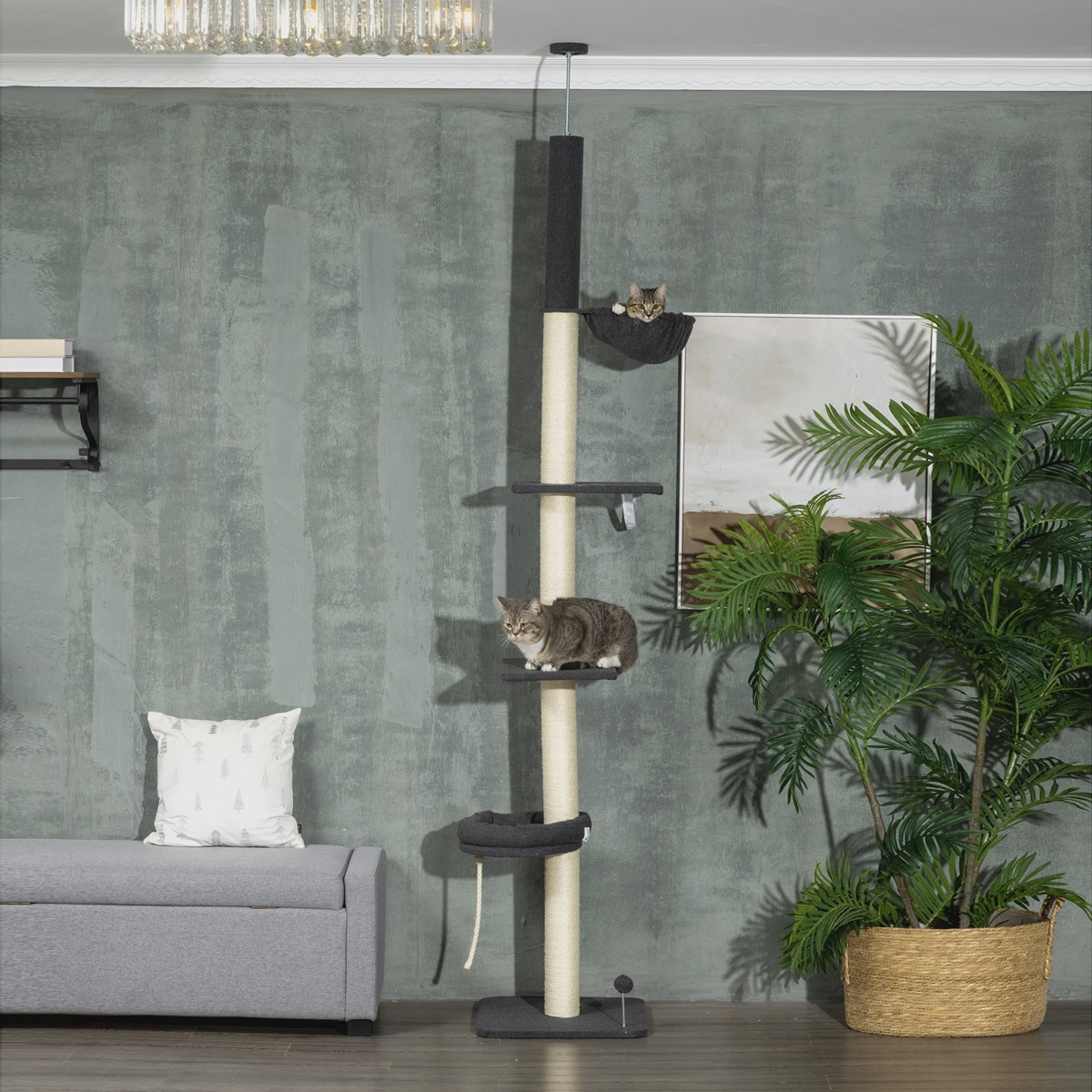
A cat tree house is an indoor vertical habitat combining condos, platforms, and sisal scratching posts on a wood-and-fabric frame. The decisive trade-off is structural stability and material grade versus compact footprint: lightweight particleboard towers wobble at height, while solid fir or engineered-wood bases with wide floor plates hold large cats safely. Buy by cat weight and play style — solid-wood 3+ platform towers for multi-cat homes, tension-mounted floor-to-ceiling poles for floor-space-limited rooms, and skip flimsy 2-tier kits for cats over 15 lb.
Buying guide image
Pet Travel & Safety

Dog Carrier With Wheels

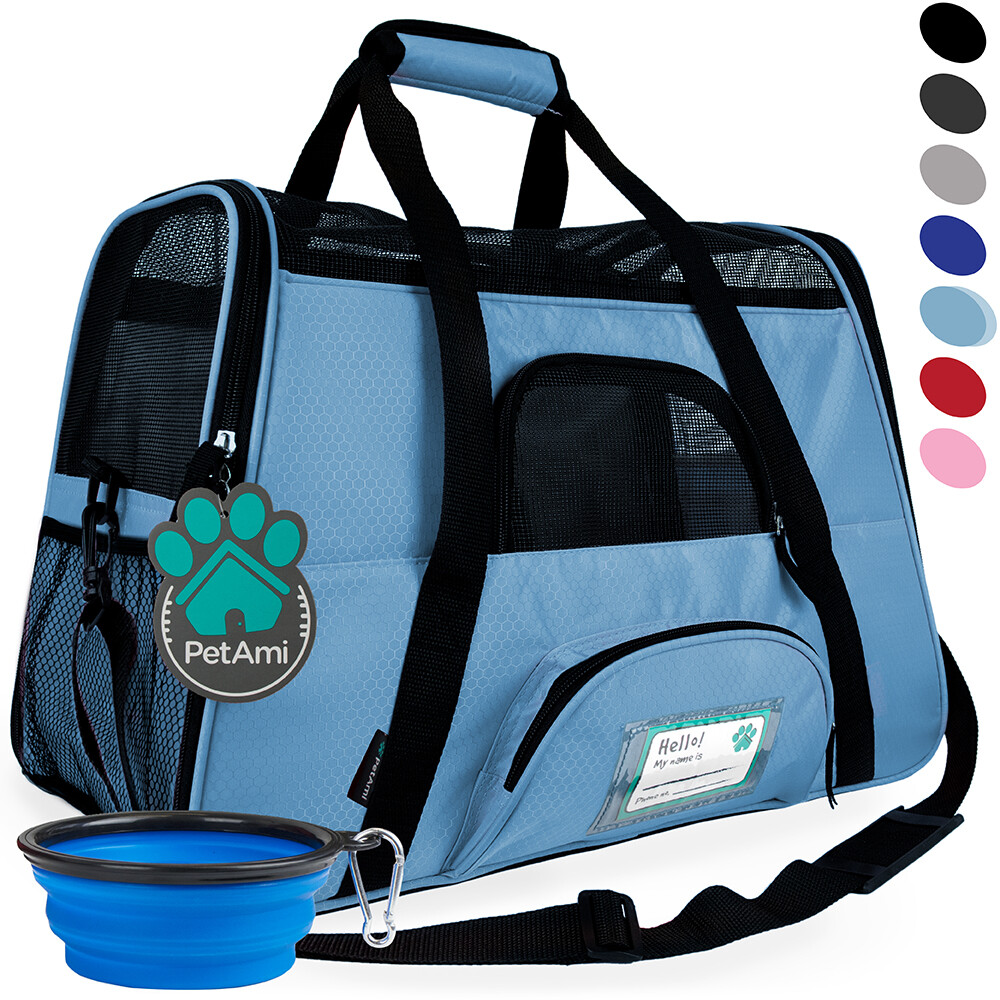
Wheeled dog carriers split into two distinct architectures—rolling backpacks with telescoping handles and four-wheel pet strollers with detachable carriers—and choosing the wrong one for your dog's weight and your travel mode is the most common mistake. Focus on wheel type, axle construction, and carrier-to-frame attachment rather than fabric color, since these determine whether the carrier survives curbs, transit, and car trunks.

Buying guide image
Bird & Small Animal Supplies

Bird Supply

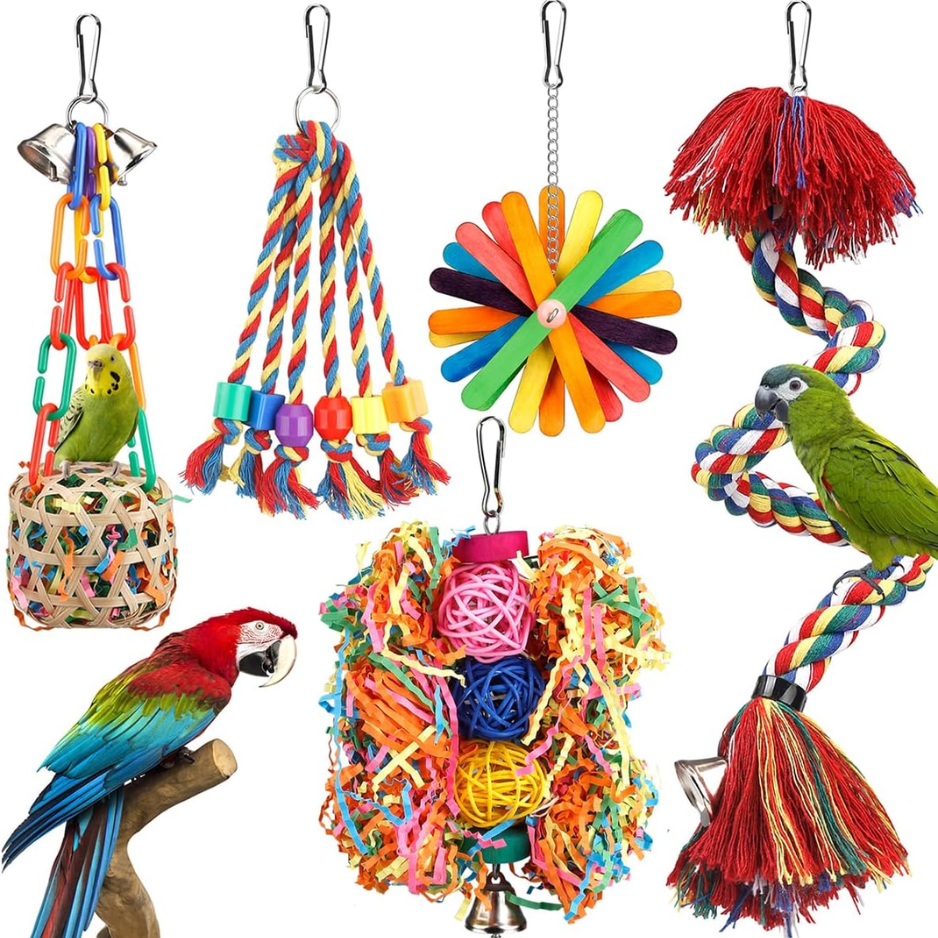
Bird supply covers a wide span from wild-bird seed stations to in-cage feeders, waterers, bowls, and hammocks for pet birds and small animals. The core trade-off is material durability against chewing, weather, and UV versus easy cleaning and safe non-toxic construction. Buy metal or thick UV-stable plastic for outdoor and chewer use, and pick cage-mounted quick-lock or stainless hardware for daily indoor feeding.

Buying guide image
Pet Food, Treats & Litter

Cat Food

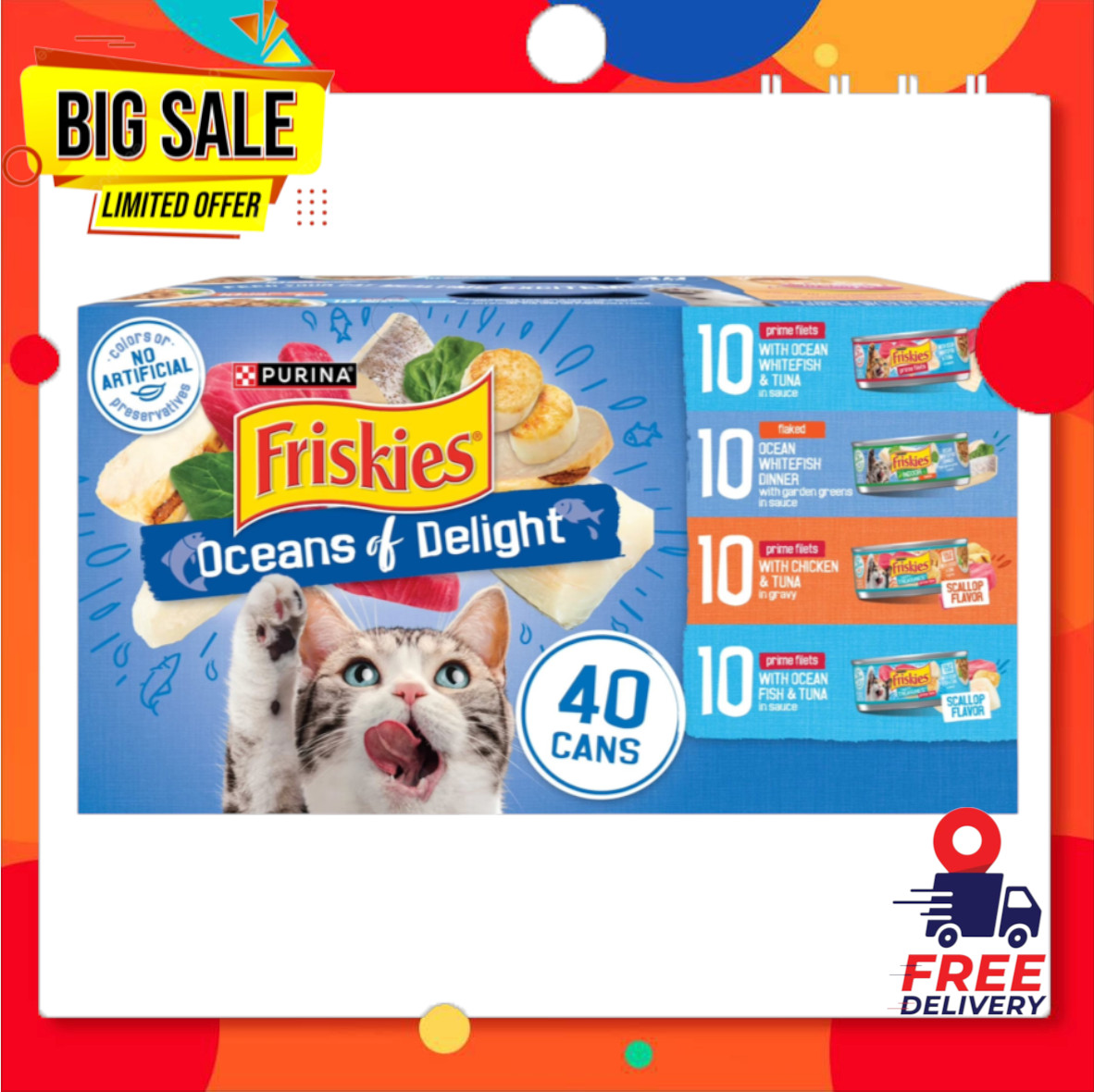
Cat food spans dry kibble, wet canned/pouch meals, and semi-moist formats, with the core trade-off being cost-per-calorie versus moisture content and protein quality. Dry food is economical and shelf-stable but low-moisture; wet food supports hydration and urinary health but costs more per meal. The decision rule: choose wet or mixed feeding for urinary or senior cats, and a named meat-first dry formula for budget multi-cat homes.

Buying guide image
Pet Food, Treats & Litter

Dog Food Sensitive Skin

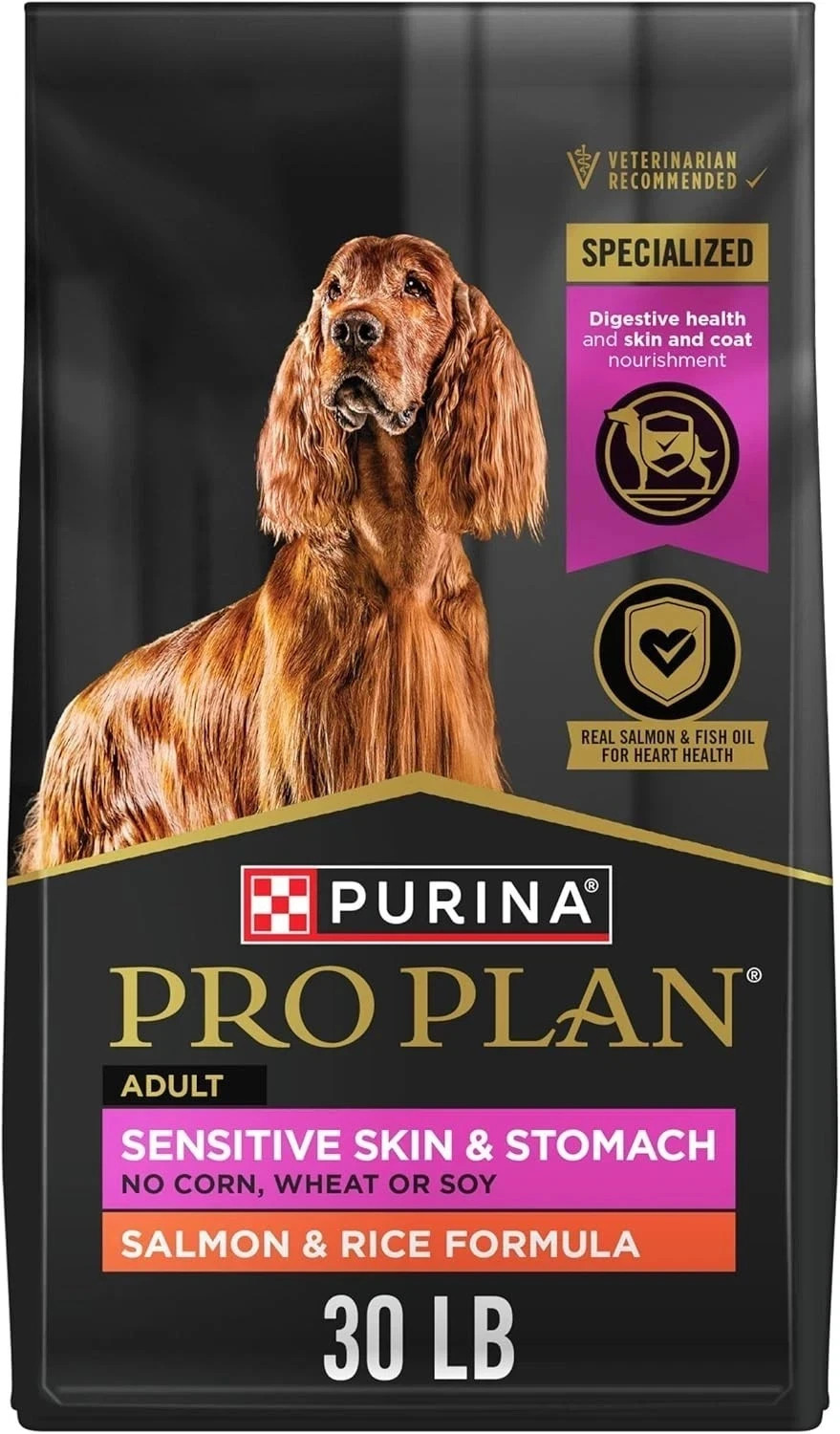
Sensitive-skin dog food is a diet formulated to reduce skin irritation through limited novel proteins, hydrolyzed proteins, or high omega-3 fats. The core trade-off is ingredient purity versus cost: therapeutic hydrolyzed or single-source novel-protein diets cost more but avoid common triggers, while grocery-store 'sensitive stomach' labels often contain chicken, wheat, or soy. The decision rule: choose a diet with a named animal protein and no common allergens if your dog has known triggers, and reserve hydrolyzed diets for confirmed food-allergy cases.

Buying guide image
Pet Beds & Cat Trees

Cat Bed

A cat bed is a sleep surface sized and shaped for a cat's preference for enclosure, warmth, and elevation. The core trade-off is between cheap foam-and-fabric pads that flatten within months and structured beds with denser foam, removable covers, and machine-washable fabrics that survive repeated laundering.

Buying guide image
Pet Food, Treats & Litter

Quality Dog Food

Quality dog food is defined by named animal-protein sources, complete-and-balanced AAFCO nutritional adequacy, and a manufacturing standard (cooked-extruded, freeze-dried raw, or fresh-cooked) that matches your dog's life stage. The core trade-off is ingredient transparency and protein quality versus cost, palatability, and convenience. The decision rule: choose a brand whose label states a named meat first and an AAFCO life-stage statement, and skip any product that relies on unnamed meat meals, vague 'meat and bone meal,' or lacks a feeding guideline.

Buying guide image
Pet Food, Treats & Litter

Dog Food

Dog food spans dry kibble, wet cans/pouches, and raw/freeze-dried formats, each trading convenience and cost against moisture, protein density, and allergen control. The core decision is matching protein source and digestibility to your dog's allergy or sensitivity profile while meeting AAFCO nutrient profiles for its life stage. Choose a diet with a named animal protein first, a stated AAFCO statement, and limited ingredients for allergy-prone dogs; skip vague 'meat meal' formulas and unverified raw diets for immunocompromised pets.

Buying guide image
Pet Food, Treats & Litter

Cat Litter

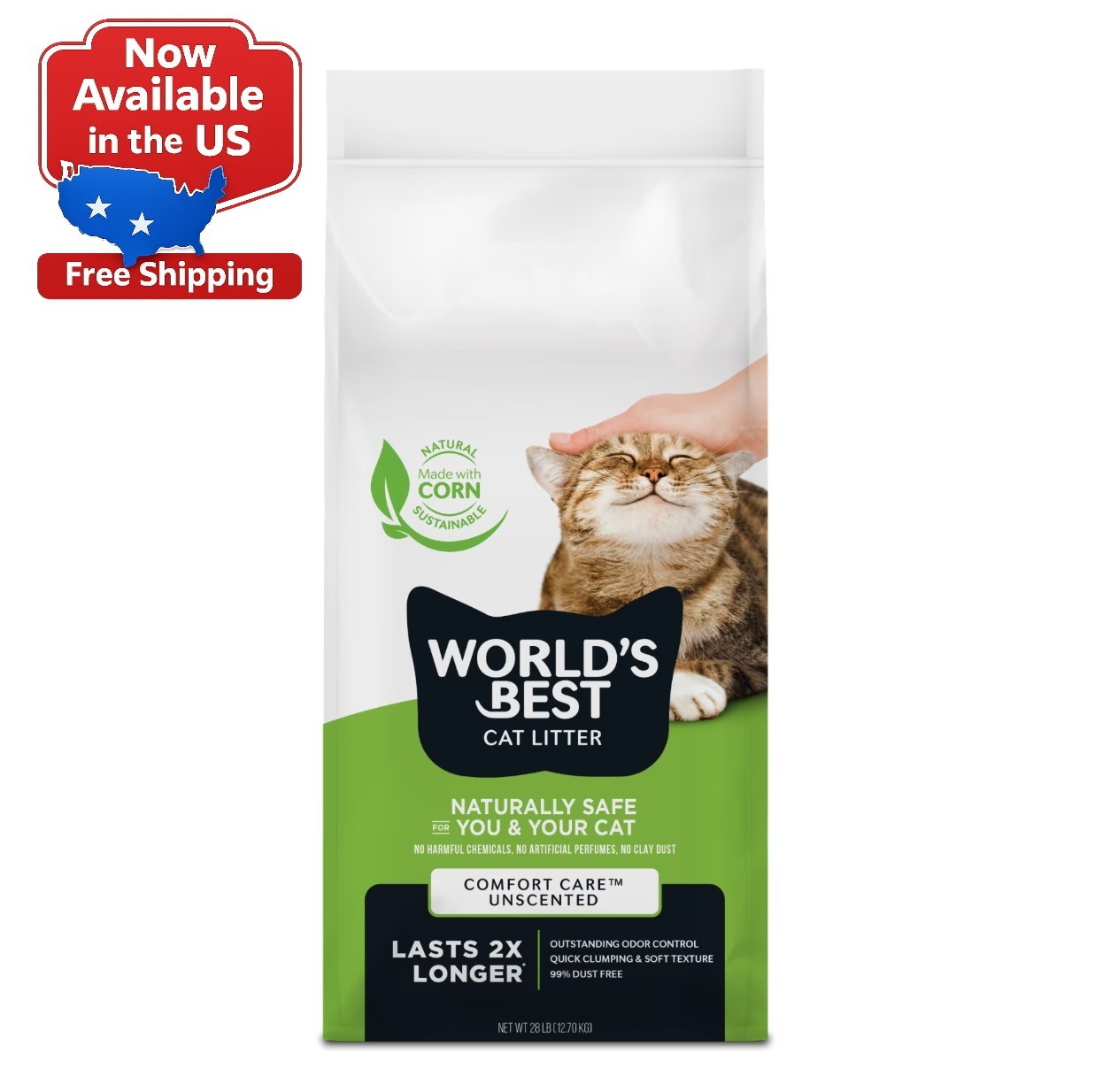
Cat litter is a performance material, not just filler: clumping clay locks urine into scoopable solids, while non-clumping and plant-fiber litters trade convenience for dust, tracking, and odor behavior. The decisive rule is to match litter chemistry to your box type and household load — scoopable bentonite for odor control, low-dust non-clumping for sensitive cats, and pellet litters only with sifting or grate boxes.

Buying guide image
Pet Crates, Kennels & Playpens

Kennel

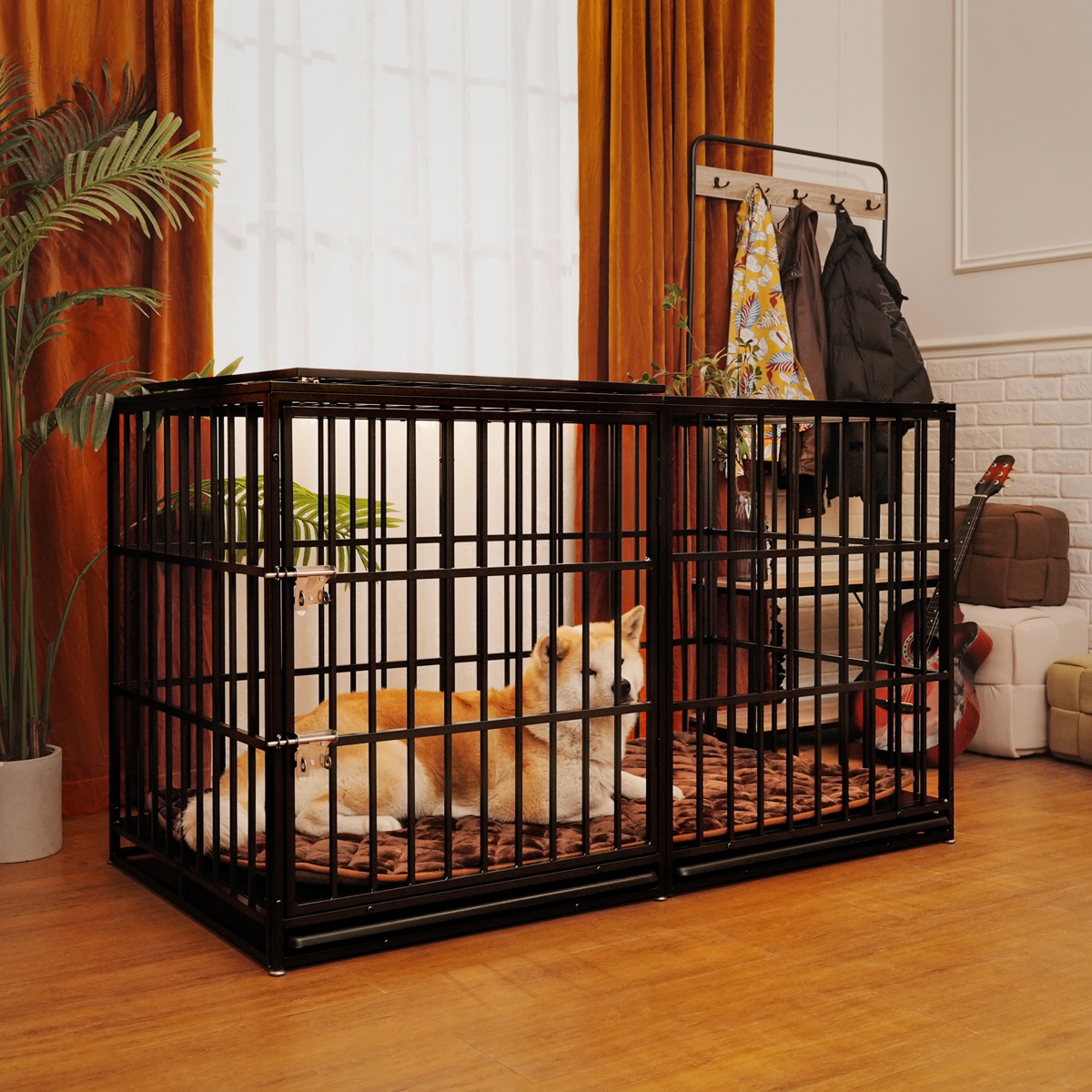
A kennel is any enclosed pet containment structure — wire crate, soft-sided carrier, wooden den, or plastic airline crate — used for house training, travel, and safe confinement. The core trade-off is between structural durability (welded steel wire, solid wood, high-impact plastic) and portability/softness (foldable fabric, lightweight panels). Buy wire or plastic for a chewing puppy or travel, wood for a furniture-grade indoor den, and soft fabric only for calm, crate-trained adults — never for escape artists.

Buying guide image
Pet Crates, Kennels & Playpens

Cat Enclosure

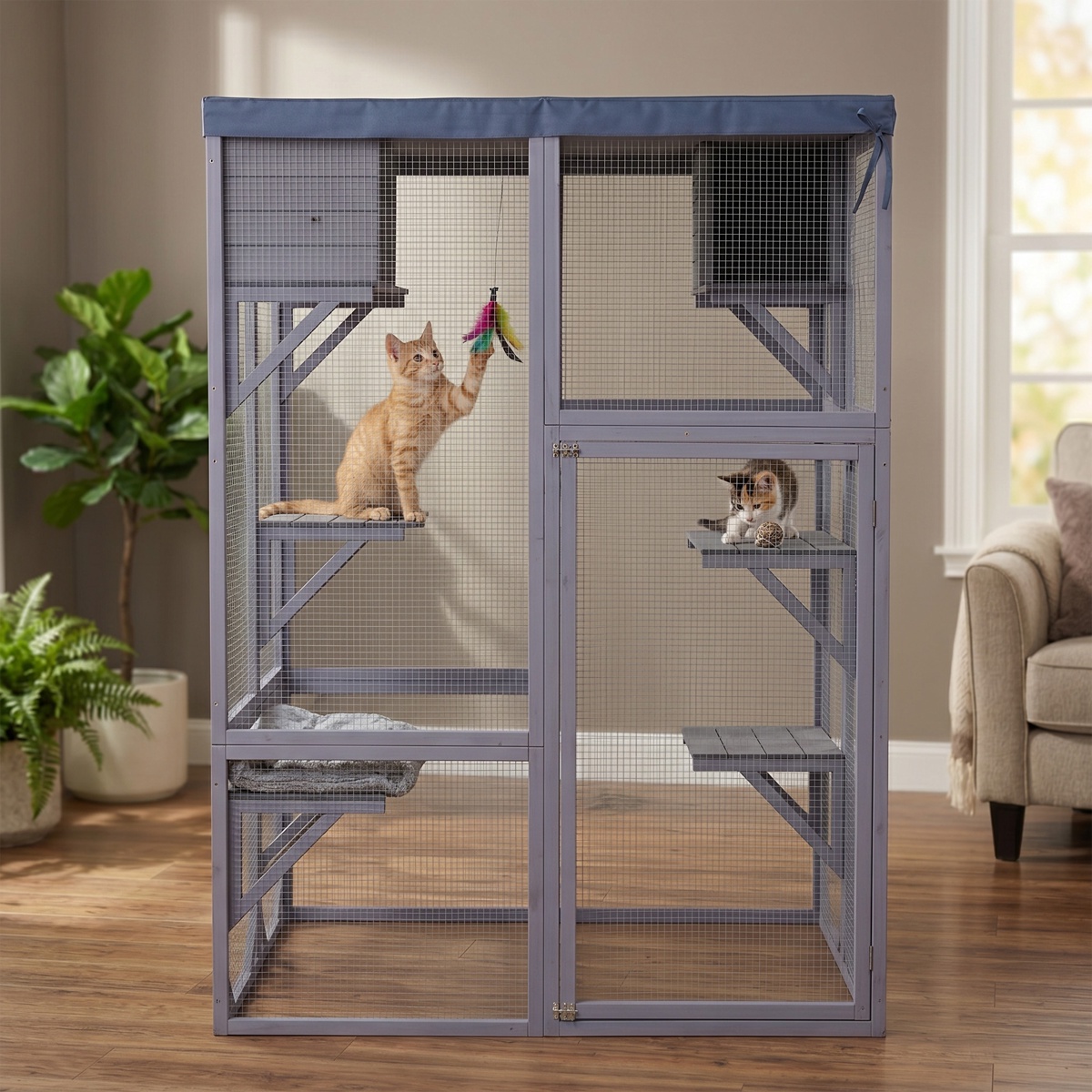
A cat enclosure is only as good as its fit to your window, balcony, or yard opening—measure the opening and the cat's shoulder height before choosing a tier. Most buyers regret fabric pop-ups for unsupervised outdoor use and undersized metal cages for full-time indoor containment. The right pick balances material grade, escape-proof latching, and the exact mounting surface you have.

Buying guide image
Pet Beds & Cat Trees

Cat Bed With Roof

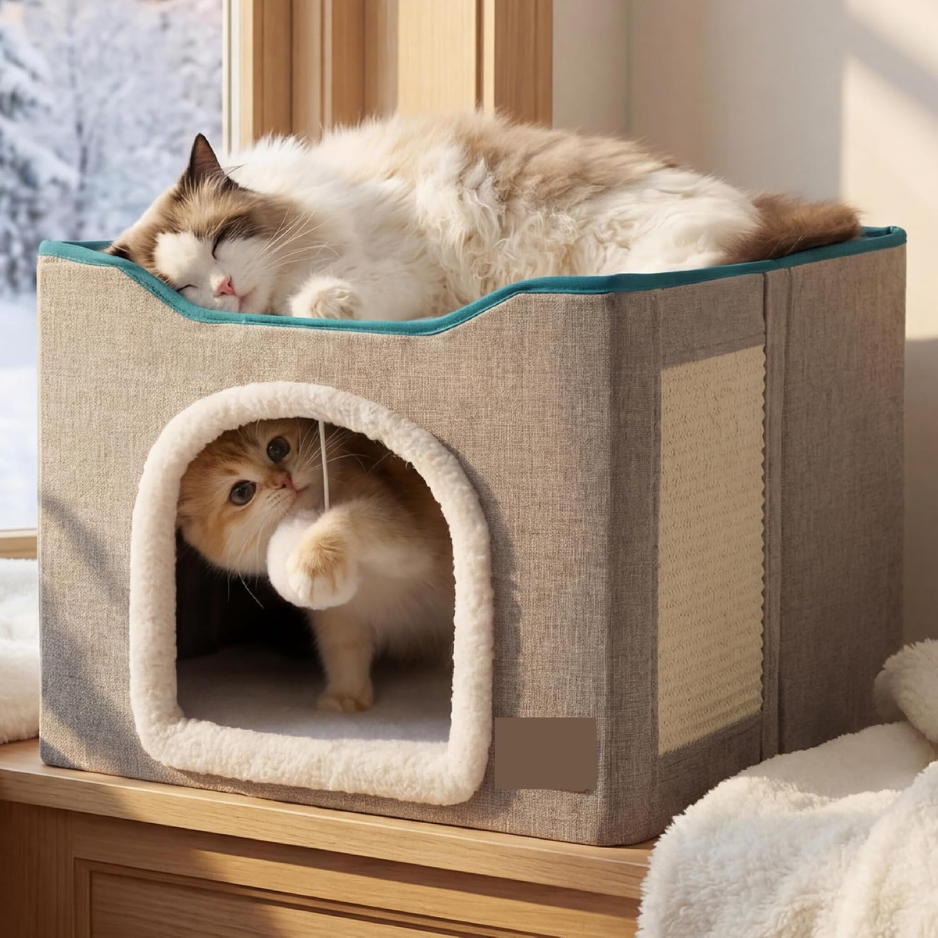
A cat bed with roof is an enclosed sleep structure—ranging from soft tent-style caves to rigid wooden houses—designed to give cats the covered, elevated security they instinctively seek. The core trade-off is between plush, collapsible fabric roofs that are washable and portable versus rigid wood or plastic roofs that hold shape and support stacked weight but need spot-cleaning. Choose a rigid roof with a removable cushion for multi-cat homes or furniture-top placement; choose a soft tent roof only for floor-level, single-cat, wash-heavy use.

Buying guide image
Pet Toys

Dog Toy

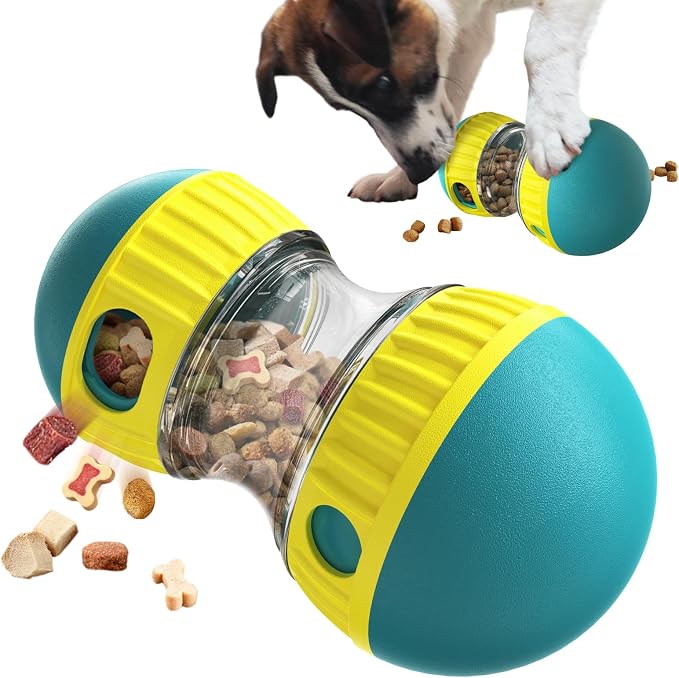
Dog toys are engineered to satisfy natural behaviors like chewing, chasing, and problem-solving, and the primary trade-off is material hardness versus softness: hard rubber or nylon resists aggressive chewing but can damage teeth, while plush and fabric satisfy comfort but shred quickly. The decisive rule is matching toy material to your dog's chew style and size, then choosing a tier with reinforced seams or solid natural rubber rather than thin molded plastic or polyester fill.

Buying guide image
Pet Toys

Heavy Duty Dog Toy

Heavy-duty dog toys are built to survive powerful jaws, repeated compression, and abrasive chewing, with the core trade-off being durable material density versus enrichment variety. The decisive rule: choose natural rubber or reinforced nylon rated for 50+ lb chewers, and avoid plush, thin TPR, or glued constructions that fail at seams.

Buying guide image
Reptile Enclosures & Terrariums

Reptile Enclosure

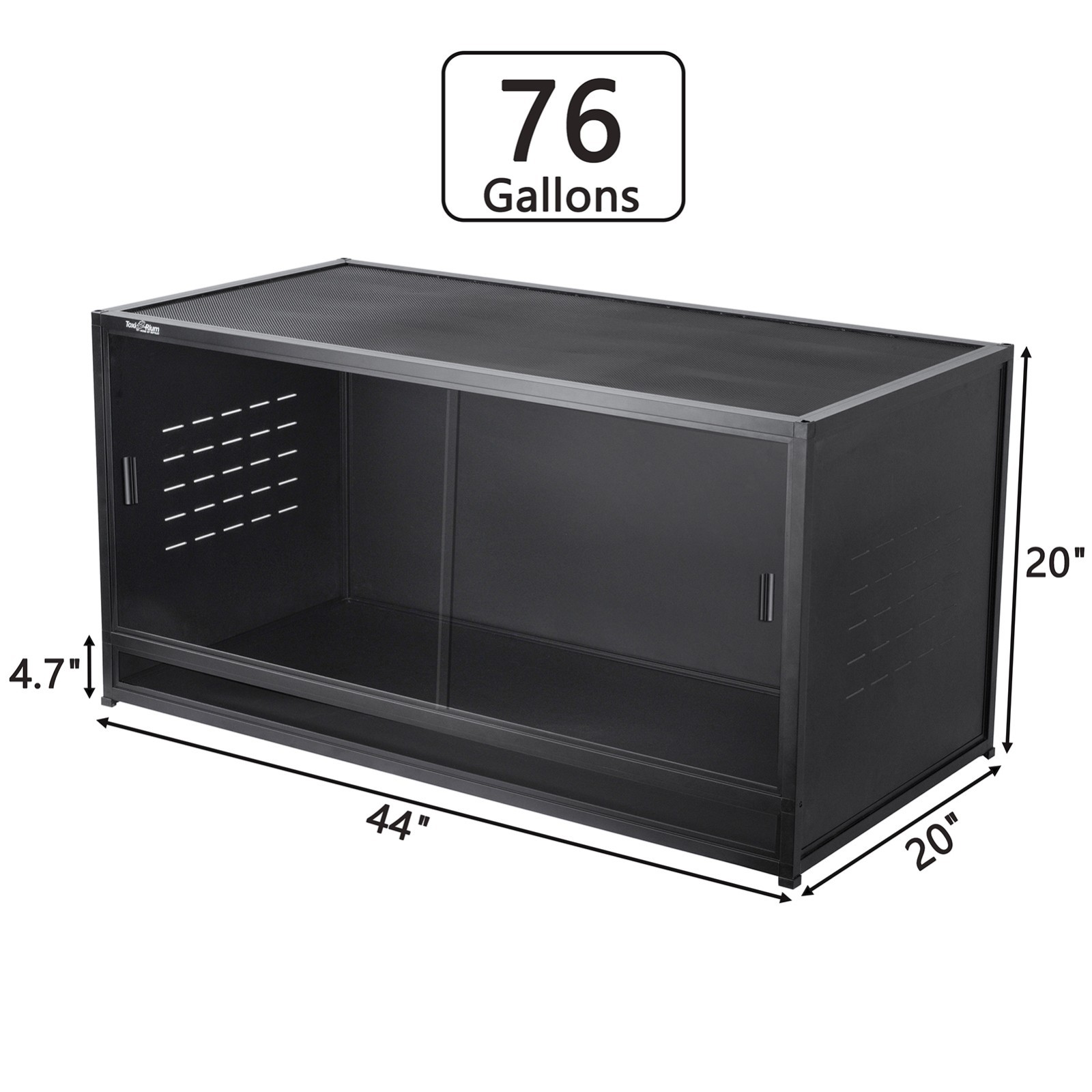
A reptile enclosure is a life-support system, not just a box: it must hold heat and humidity while allowing species-appropriate ventilation, UVB penetration, and secure containment. The primary trade-off is between glass/PVC front-opening vivariums that seal climate well and mesh-screen or thin plastic habitats that dry out fast and sag under heat lamps. Buy a rigid, front-opening enclosure sized to the adult animal's length and depth needs; skip open-screen or fabric-sided cages for any species requiring over 60% humidity.

Buying guide image
Reptile Enclosures & Terrariums

Reptile Terrarium

A reptile terrarium is an enclosure engineered to hold precise heat, humidity, and UV gradients for a specific species; the core trade-off is between glass/PVC/wood construction that retains climate versus mesh or thin plastic that leaks it. Durable terrariums use sealed panels, screened vents, and species-appropriate dimensions, while compromises rely on open mesh or undersized cubes.

Buying guide image
Pet Crates, Kennels & Playpens

Dog House

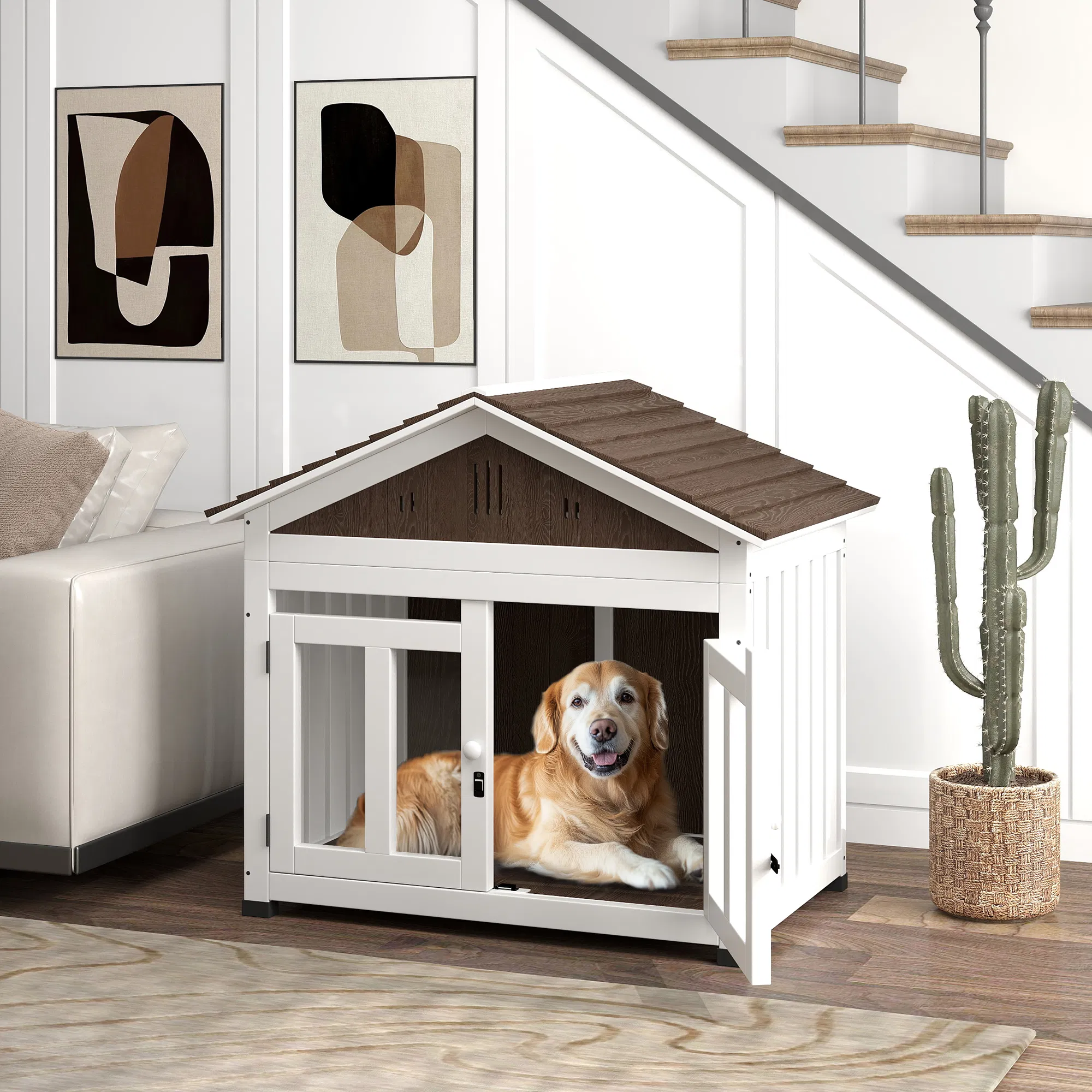
A dog house must match your dog's measured dimensions, your climate's insulation and moisture demands, and whether it lives indoors as furniture or outdoors under weather. Most buyers err by sizing to breed labels instead of shoulder height and body length, or by choosing a wooden shelter without raised floor clearance and a waterproof roof. Decide first between insulated outdoor wood, molded plastic, and indoor furniture-style kennels, then lock the footprint against your dog and your yard or room.

Buying guide image
Pet Crates, Kennels & Playpens

Dog Playpen

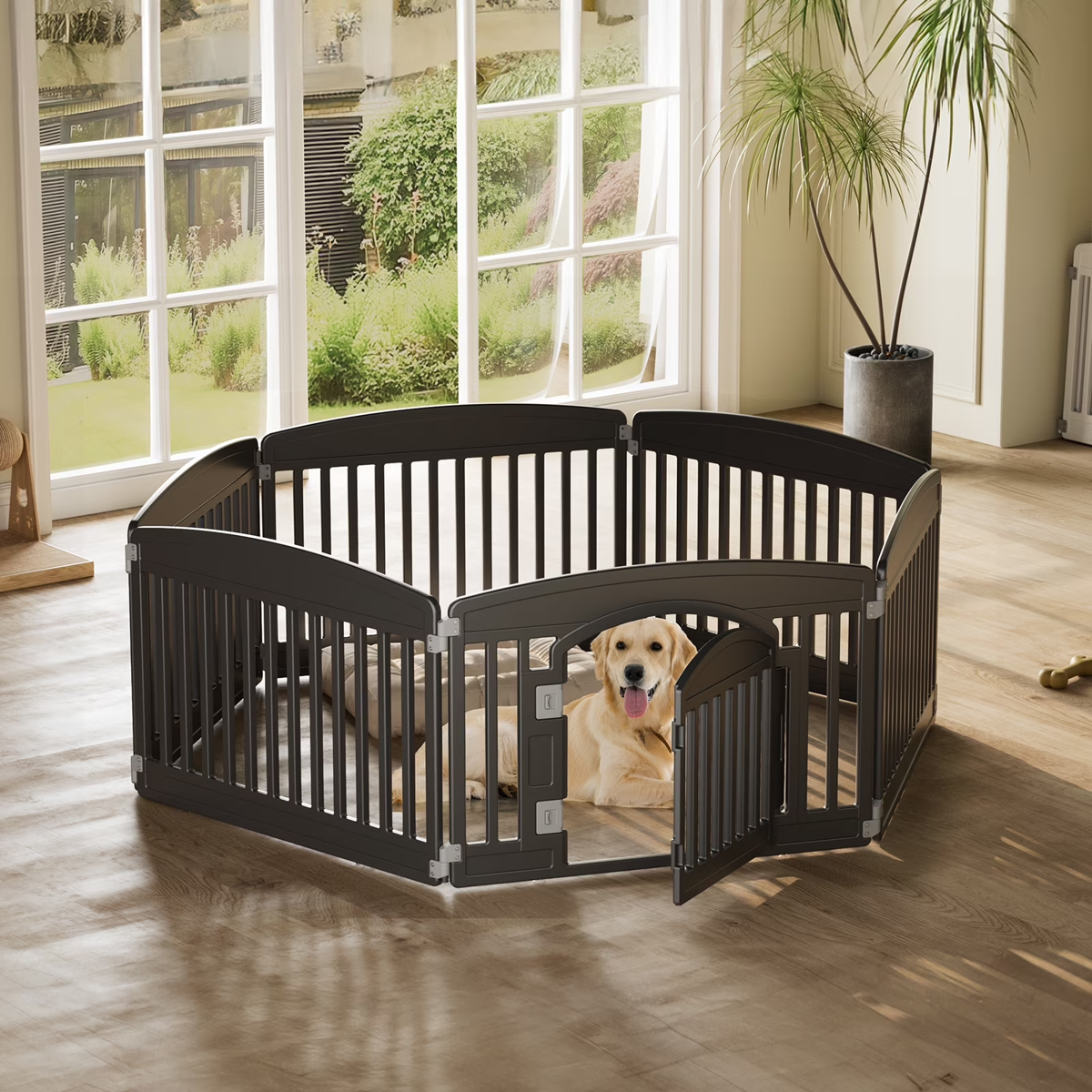
A dog playpen is a freestanding enclosure that gives a dog room to move while containing it, used indoors for puppy zones and outdoors for yard or travel exercise. The decisive trade-off is panel height and wire gauge versus portability: light 24-inch pens suit toy and small breeds, while medium and large dogs need 32-48 inch heights, thicker wire, and reinforced hinges. Buy by adult shoulder height and escape behavior, not by puppy size.

Buying guide image
Pet Crates, Kennels & Playpens

Dog Pen

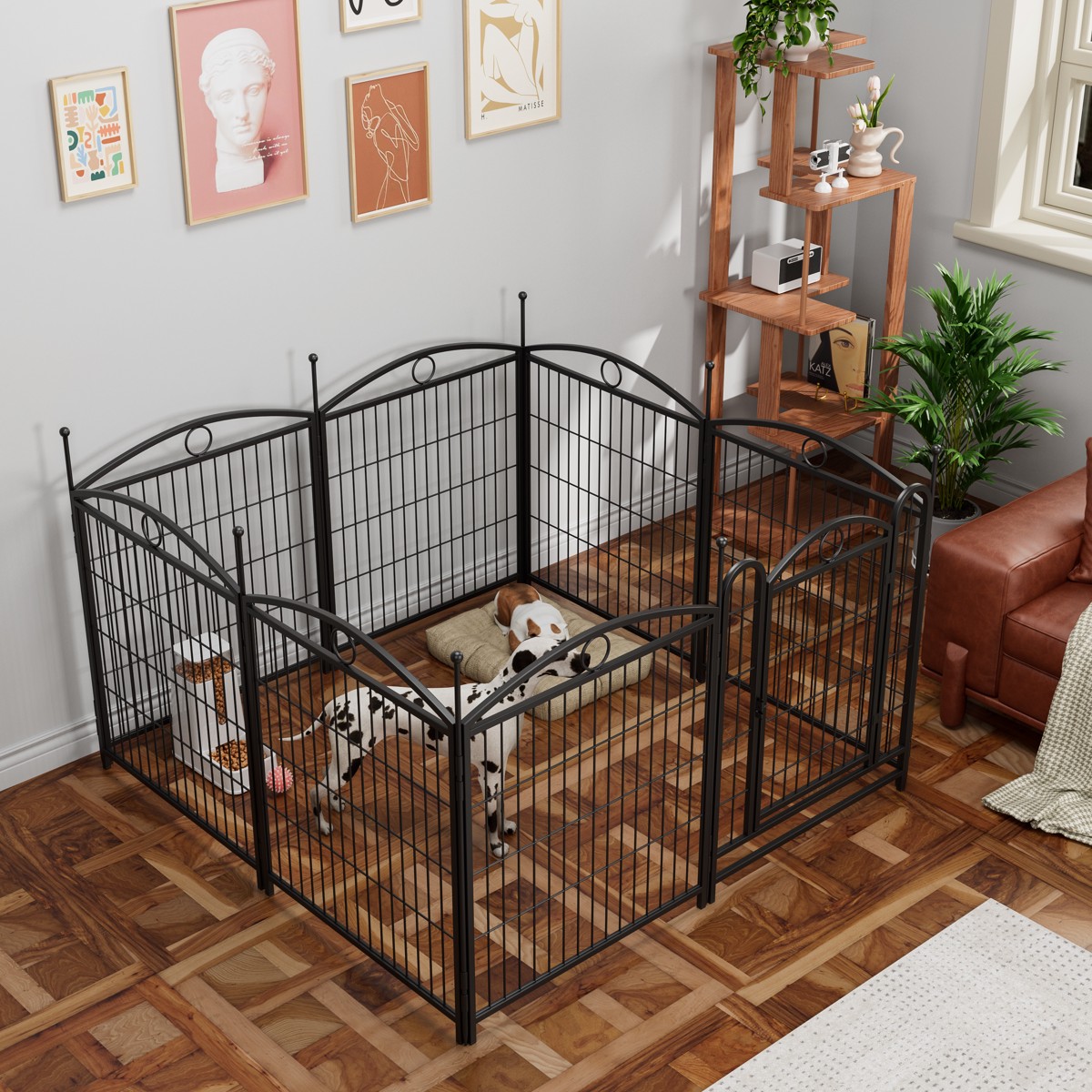
Dog pens solve containment and exercise needs that a crate alone cannot, but the right panel height, material, and door configuration depend entirely on your dog's escape drive and where the pen will live. Metal exercise pens dominate the market because they fold flat and reconfigure, while fabric and plastic options serve travel or indoor-only roles with distinct trade-offs in durability and cleanability. Choose by adult shoulder height and jump tendency first, then by indoor versus outdoor exposure and whether you need a floor pad, top cover, or roof.

Buying guide image
Pet Toys

Dog Gift

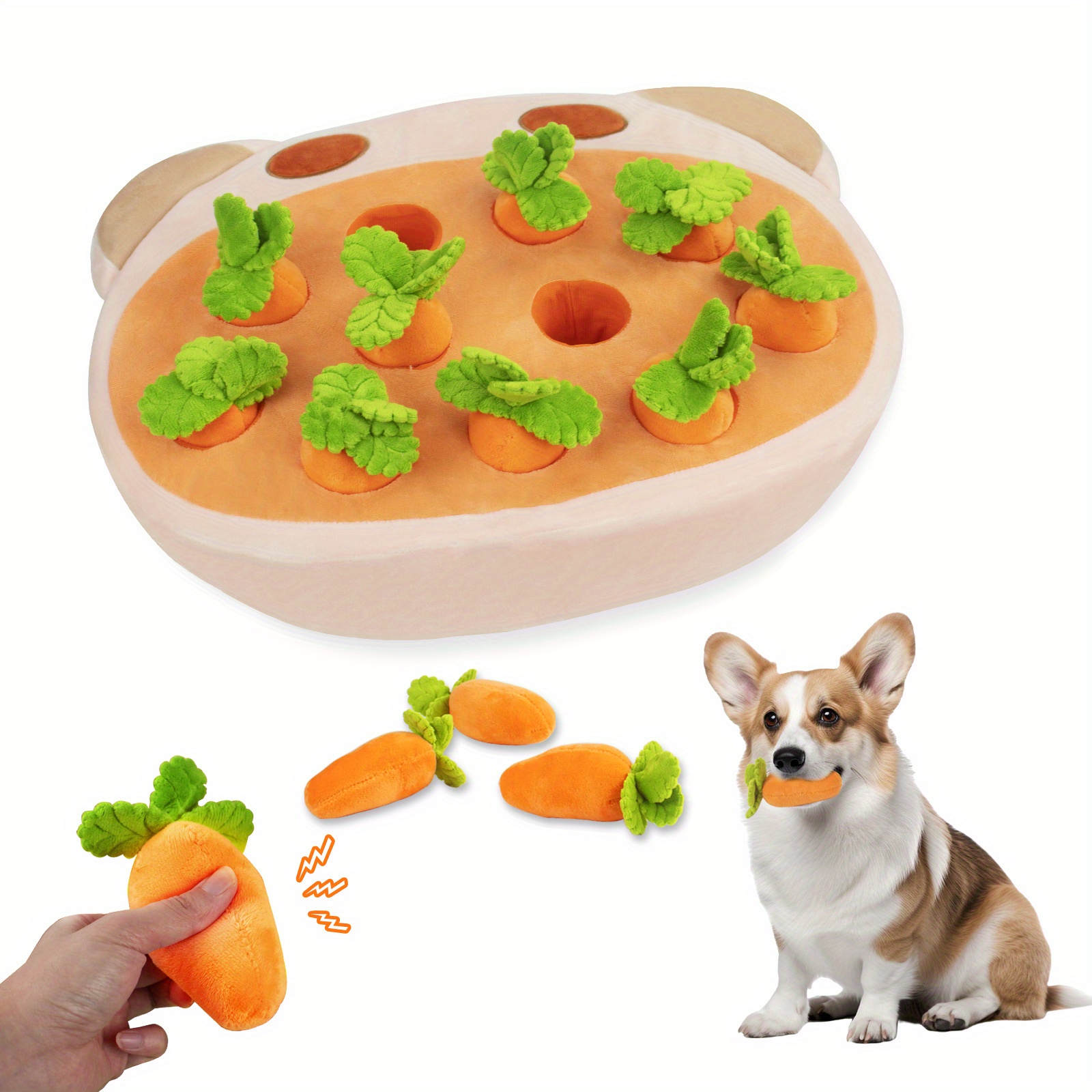
Dog gifts span consumable chews, plush comfort toys, and interactive puzzles, so the primary trade-off is between soft engagement and chew durability. Natural rubber and reinforced fabric withstand aggressive chewers, while plush and silicone suit gentle play. The decision rule: match material hardness and toy architecture to your dog's chew style and size, not to the gift's novelty factor.

You may also like

Finding more guides for you…