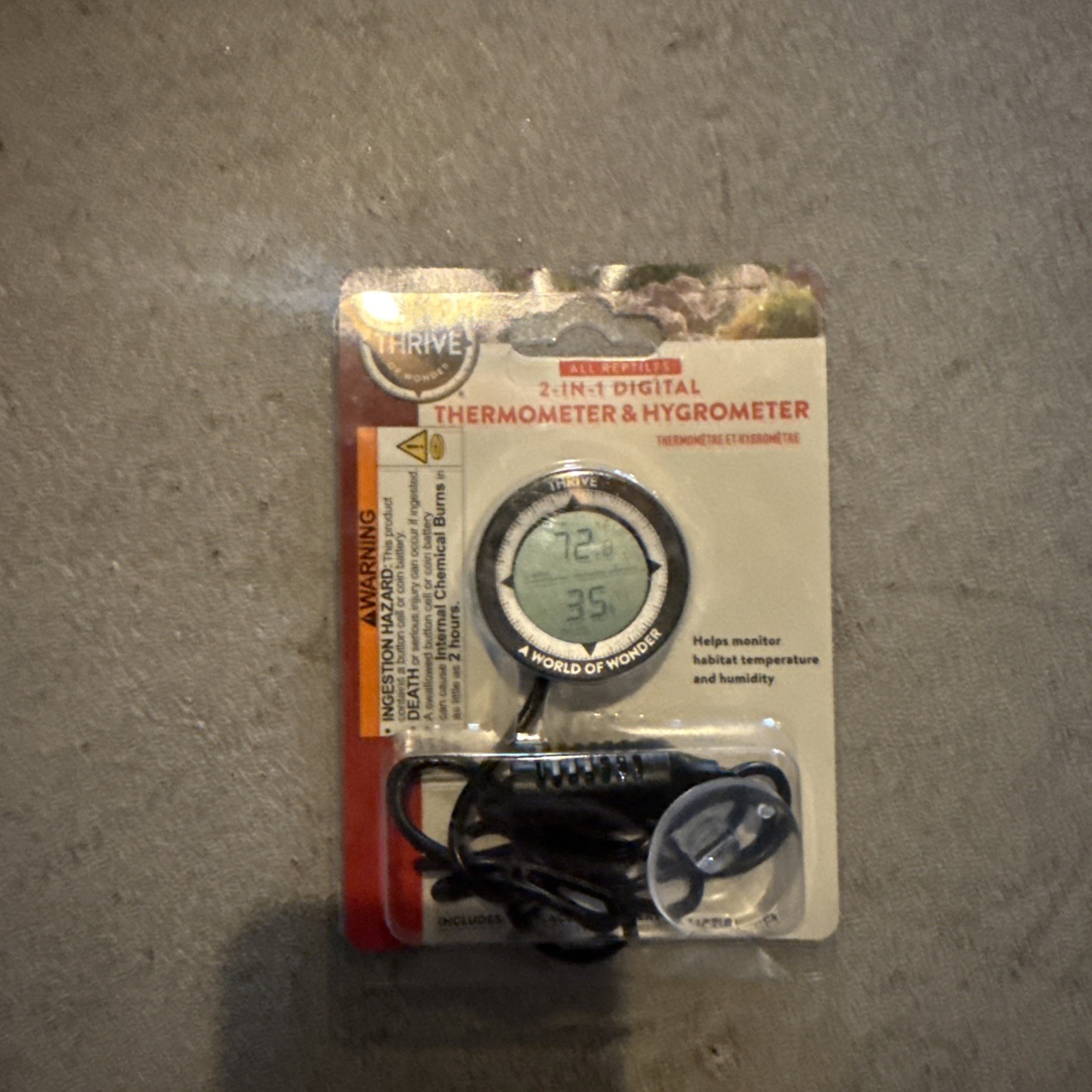
Reptile Thermostats & Monitoring
Reptile Thermostats & Monitoring
Compare reptile thermostats & monitoring models, specs, and current prices.
Pet Gear Picks
Compare pet gear by use case, features, trade-offs, price, returns, and seller terms before you buy.
Compare reptile thermostats & monitoring models, specs, and current prices.
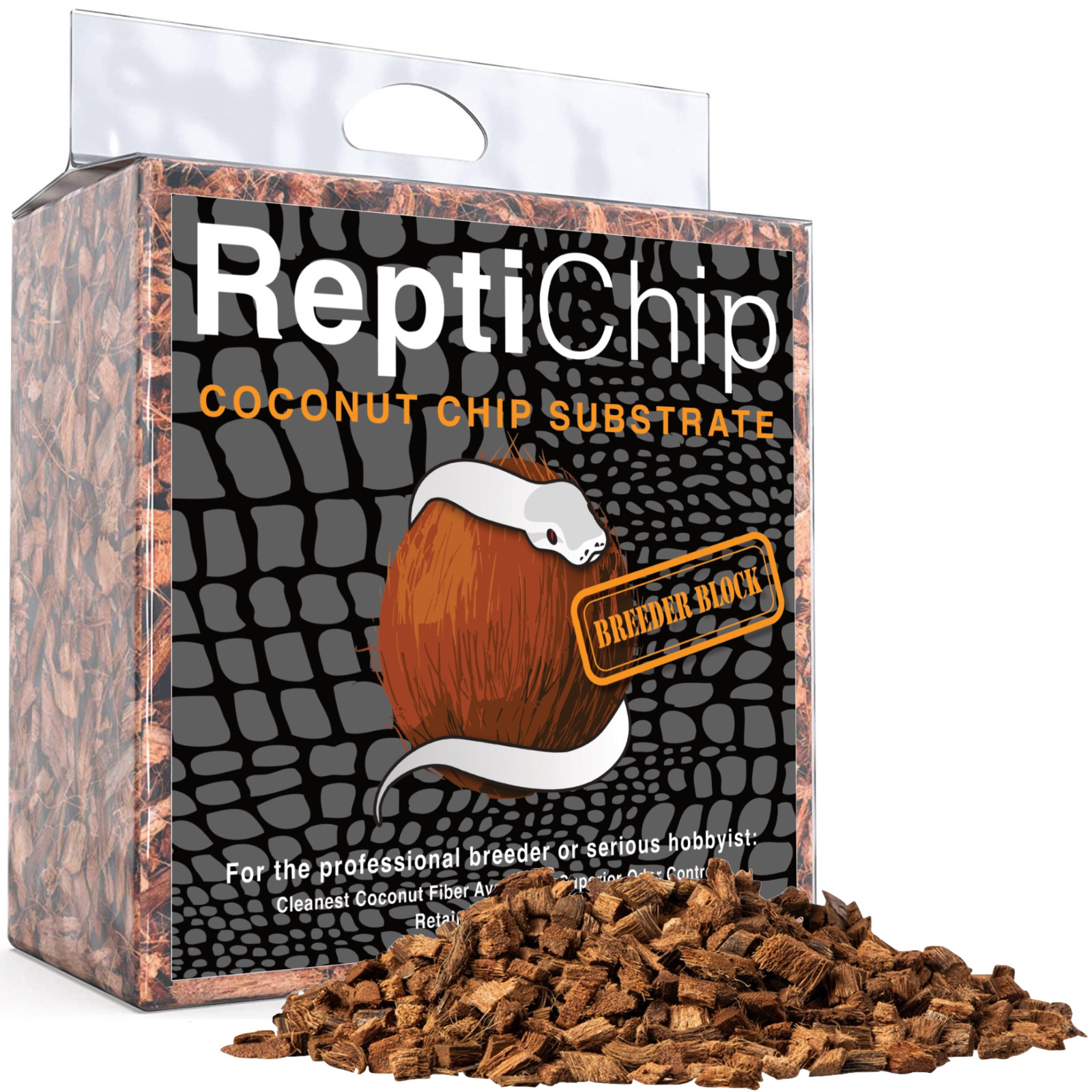
Compare reptile substrate, decor & hides models, specs, and current prices.
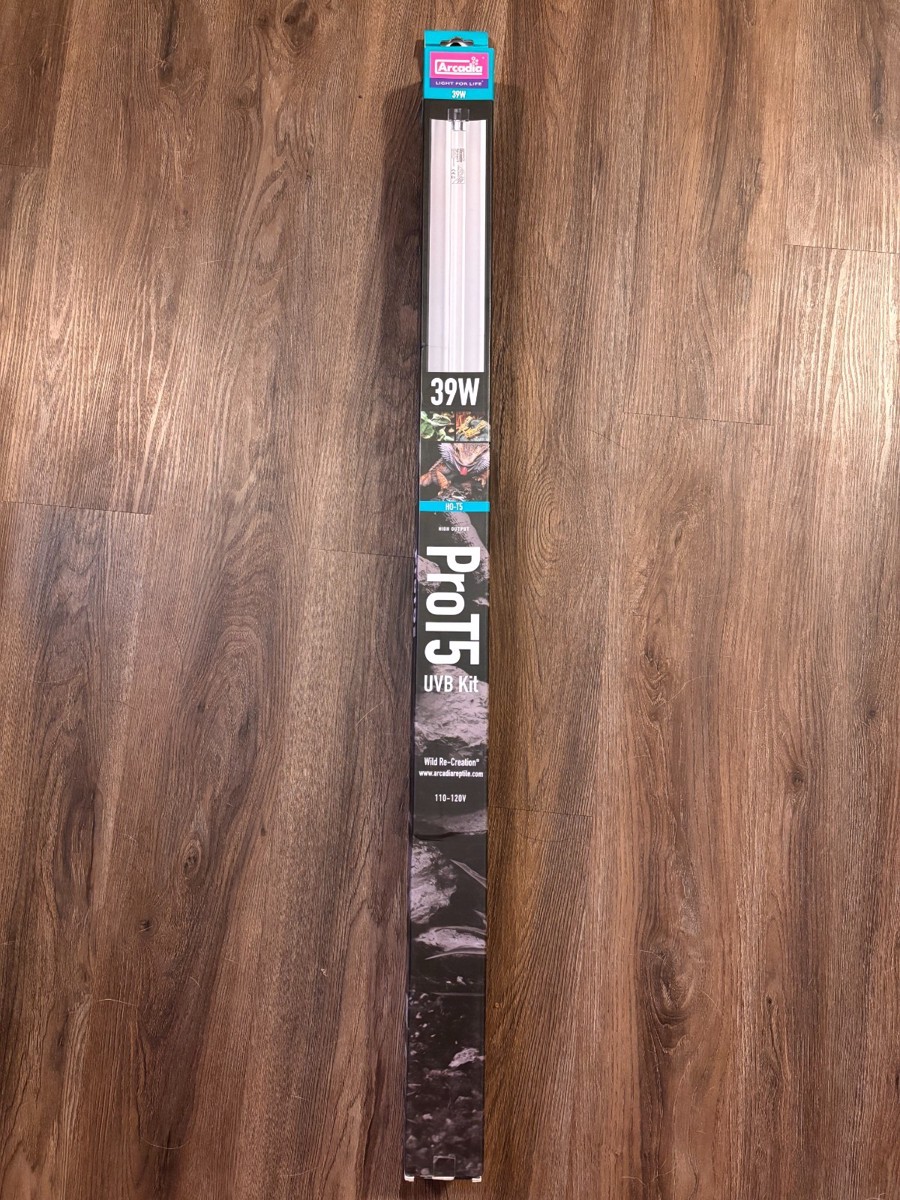
Compare reptile heat & uvb lighting models, specs, and current prices.
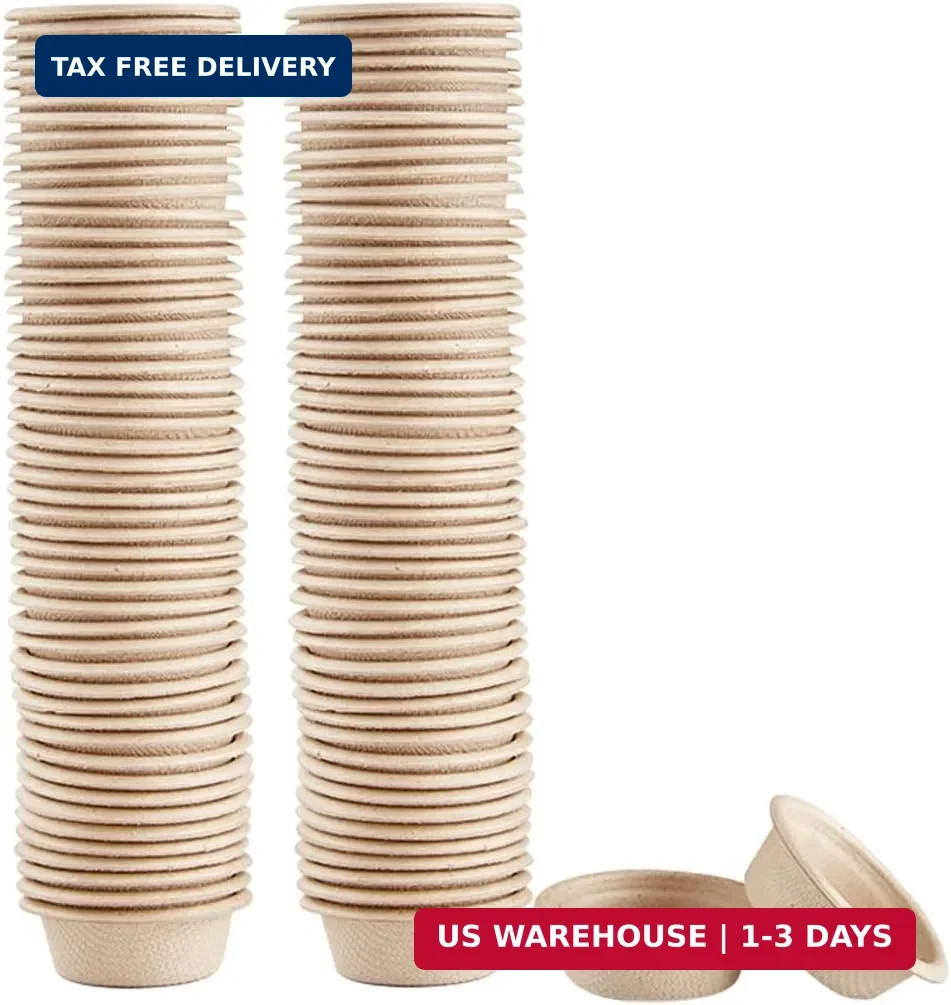
Compare reptile feeding dishes models, specs, and current prices.
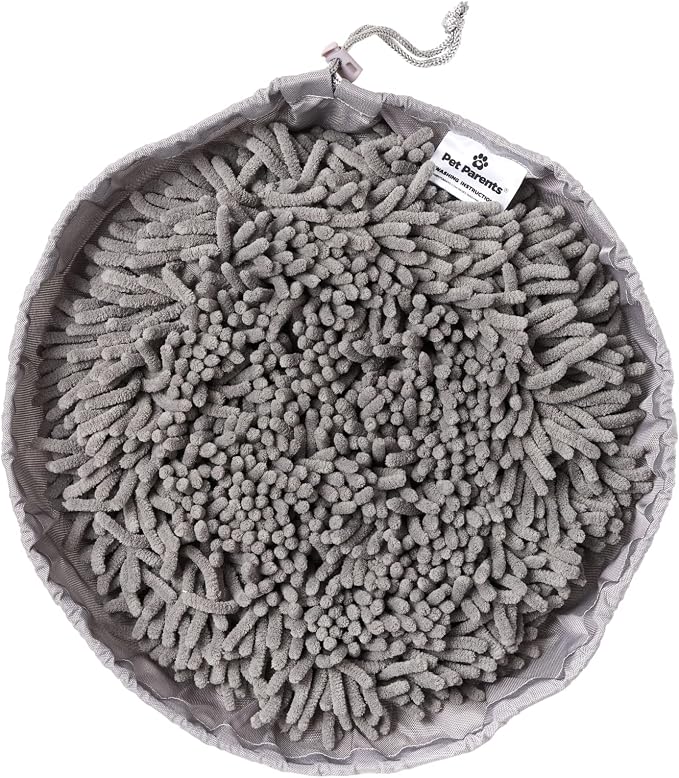
A dog feeder spans basic gravity bowls to WiFi-controlled portion dispensers, and the primary trade-off is between mechanical simplicity (durable, no power) and automated scheduling (convenience, electronics risk). The decision rule: buy a gravity or slow-feed bowl for reliable daily meals, and step up to a programmable feeder only if you need timed portions or remote app control.
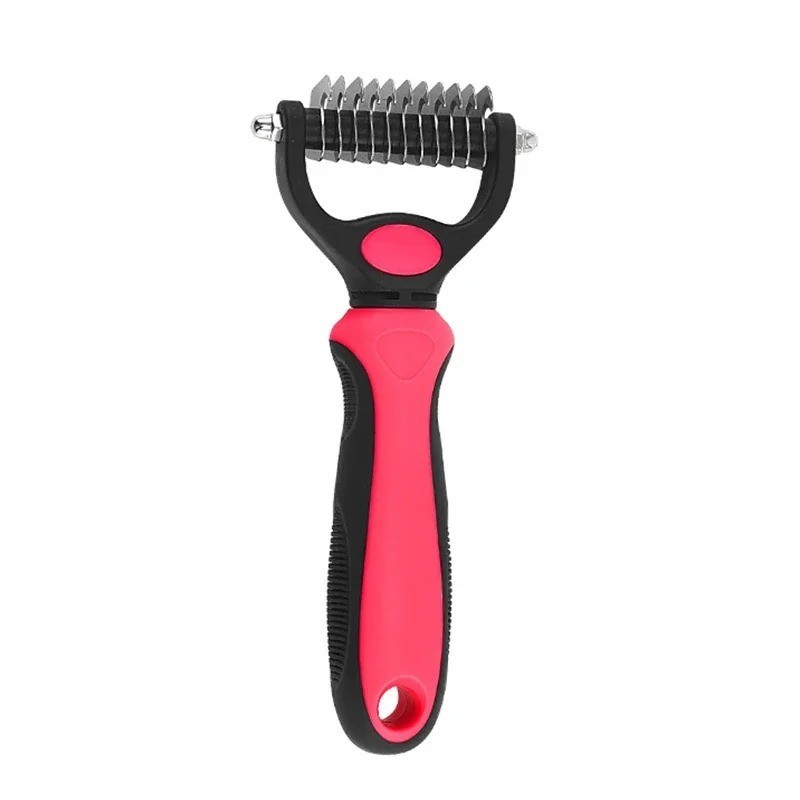
A dog brush is a hand-held grooming tool differentiated by pin type, self-cleaning mechanism, and coat-length suitability—not by color or bundle extras. The core trade-off is between fine stainless pins that reach the undercoat and softer plastic or silicone teeth that protect sensitive skin; self-cleaning retraction adds convenience but can reduce pin rigidity. Choose a slicker with angled stainless pins for double coats, a rubber curry for short single coats, and skip any brush whose pins bend under thumb pressure.
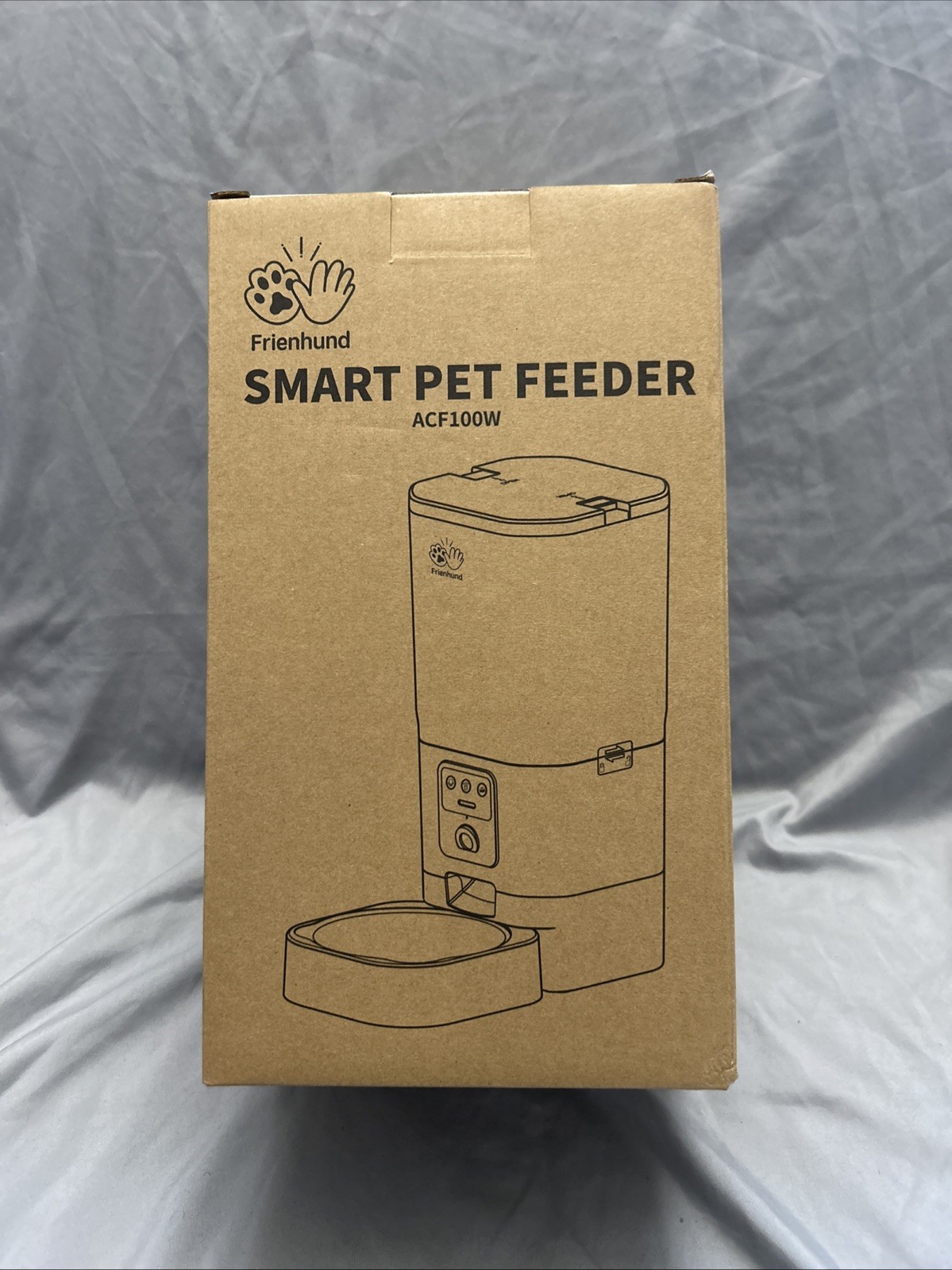
A pet feeder station consolidates food storage, raised bowls, and sometimes slow-feed or automatic dispensing into one furniture-grade or utility unit. The core trade-off is between sealed, food-safe storage capacity and bowl ergonomics versus a simple mat-and-bowl setup that is easier to clean but offers no pest or moisture control. Choose a station with a gasketed storage bin, stainless steel bowls, and a non-slip base if you buy dry food in bulk or have a tall dog; skip furniture units if your pet is a determined chewer or your floor is uneven.
Pet feeders span gravity dispensers, programmable automatic units, and smart app-connected feeders, with the core trade-off between convenience and reliable portion control, food freshness, and power independence. Durable options use stainless steel bowls, sealed desiccant compartments, and battery-plus-USB backup; compromises rely on thin plastic, gravity-only flow, and no jam protection. The decision rule: buy a programmable or smart feeder with stainless bowl and dual power for daily meals, and choose gravity or slow-feed bowls only for free-feeding or multi-pet water.
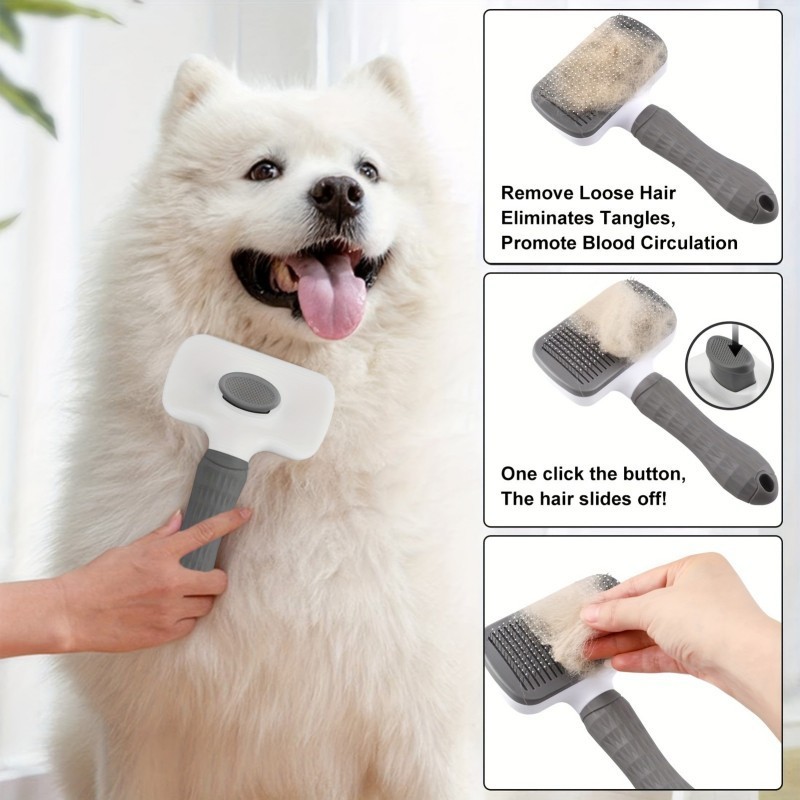
A cat/dog brush is a grooming tool that removes loose hair, prevents matting, and controls shedding, with effectiveness and durability determined by bristle/blade metallurgy, pin density, and self-cleaning mechanism quality. The core trade-off is between aggressive deshedding tools that strip undercoat and gentler slicker or silicone brushes for daily surface hair and skin comfort. The decision rule: choose stainless-steel pinned slickers with protective tip coatings and a robust retract mechanism for long-term use, and avoid plastic-tipped or flimsy one-click tools that bend, rust, or fail within months.
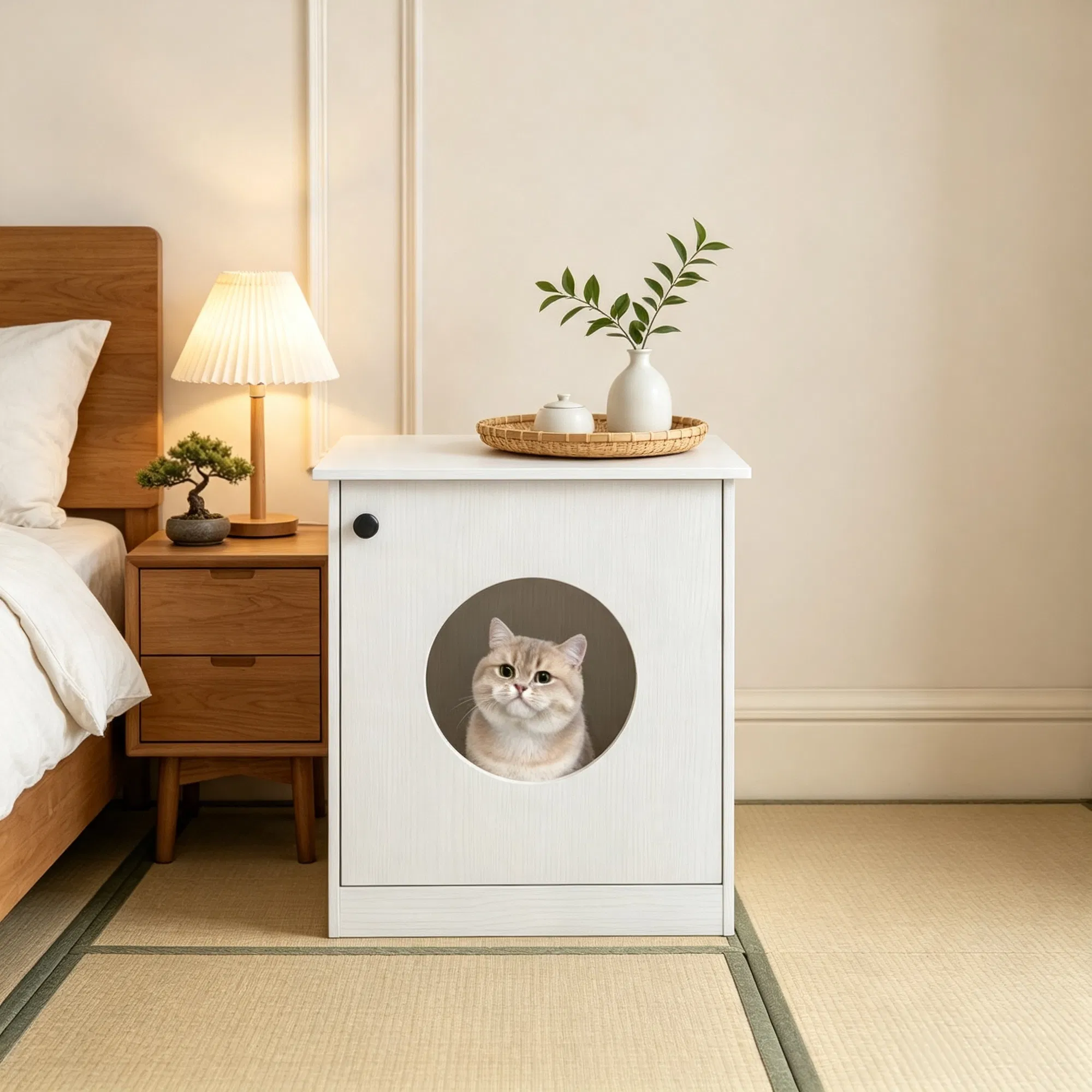
Litter boxes are defined by their enclosure and cleaning mechanism, which trade odor containment against ease of access and maintenance. The core decision is open vs. enclosed vs. automatic: open pans are cheapest and easiest to scoop but leak odor, while enclosed and self-cleaning units add carbon filtration and sealed waste compartments at higher cost and complexity. Choose an open high-sided pan for budget and senior cats, a hooded box with carbon filter for odor control in small rooms, or a reputable self-cleaning unit only if you will maintain its sensors and proprietary consumables.
A portable litter box is a travel-ready, enclosed or open litter tray designed for car trips, hotel stays, camping, or multi-cat households needing a secondary station. The core trade-off is between foldable/soft-sided convenience and rigid, leak-proof durability—soft PVC or nylon shells save space but can sag or seep, while hard-shell clamshells add bulk but contain mess reliably. The decision rule: choose a hard-shell or reinforced-EVA clamshell for car and indoor travel; choose a lightweight foldable fabric tray only for short, supervised outdoor stops where weight matters more than spill control.
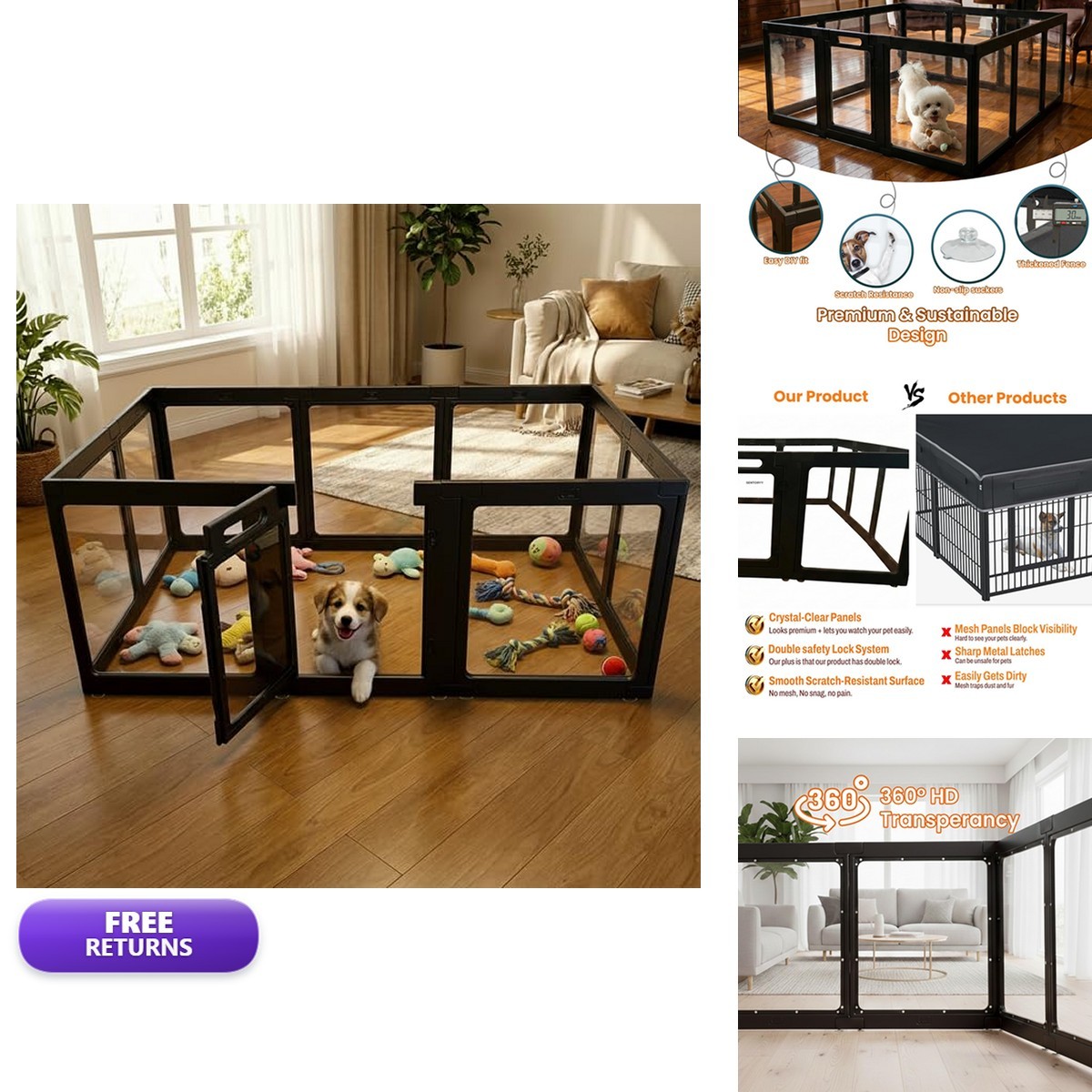
A dog fence only works if the height, panel count, and anchoring suit your dog's escape style and your floor layout. Most buyers oversize the pen footage but undersize the height, then wonder why a jumper clears a 24-inch panel. Decide first whether you need a containment pen, a doorway barrier, or an outdoor exercise run, because each uses different hardware and stake systems.
A cat litter box with lid is an enclosed or hooded litter pan designed to contain odor, spray, and tracked litter while giving the cat privacy. The core trade-off is ventilation and ease of cleaning versus odor containment and urine leakage at seams, hinges, and entry points. Buy a rigid, high-sided box with a secure lid, a deep pan, and a top-exit or front-entry configuration that matches your cat's size and your cleaning routine; skip thin, flexible hoods with shallow pans and unsealed seams.
A cat litter box is a containment system whose core job is to control odor, waste scatter, and cleaning effort. The primary trade-off is between simple open trays (cheap, easy to clean, but odor-prone and messy) and enclosed or automatic units (better containment, higher cost, more complex maintenance). The durable rule: buy for your cat's size and your cleaning habits—open plastic for budget, stainless steel or high-walled enclosed for longevity, and self-cleaning only if you will maintain the mechanism.
A cat litter box with a door is an enclosed or hooded litter system where a hinged or flexible flap controls odor and litter tracking while giving the cat privacy. The key trade-off is between airtight odor containment and adequate ventilation plus ease of cleaning; cheap hoods warp and trap smells, while well-built hoods use rigid ABS or PP with a removable top and a true sealing door. Choose a hooded box with a rigid, removable lid and a cat-sized door opening for odor control; skip soft fabric or sealed-top boxes if your cat is large, elderly, or a high-volume sprayer.
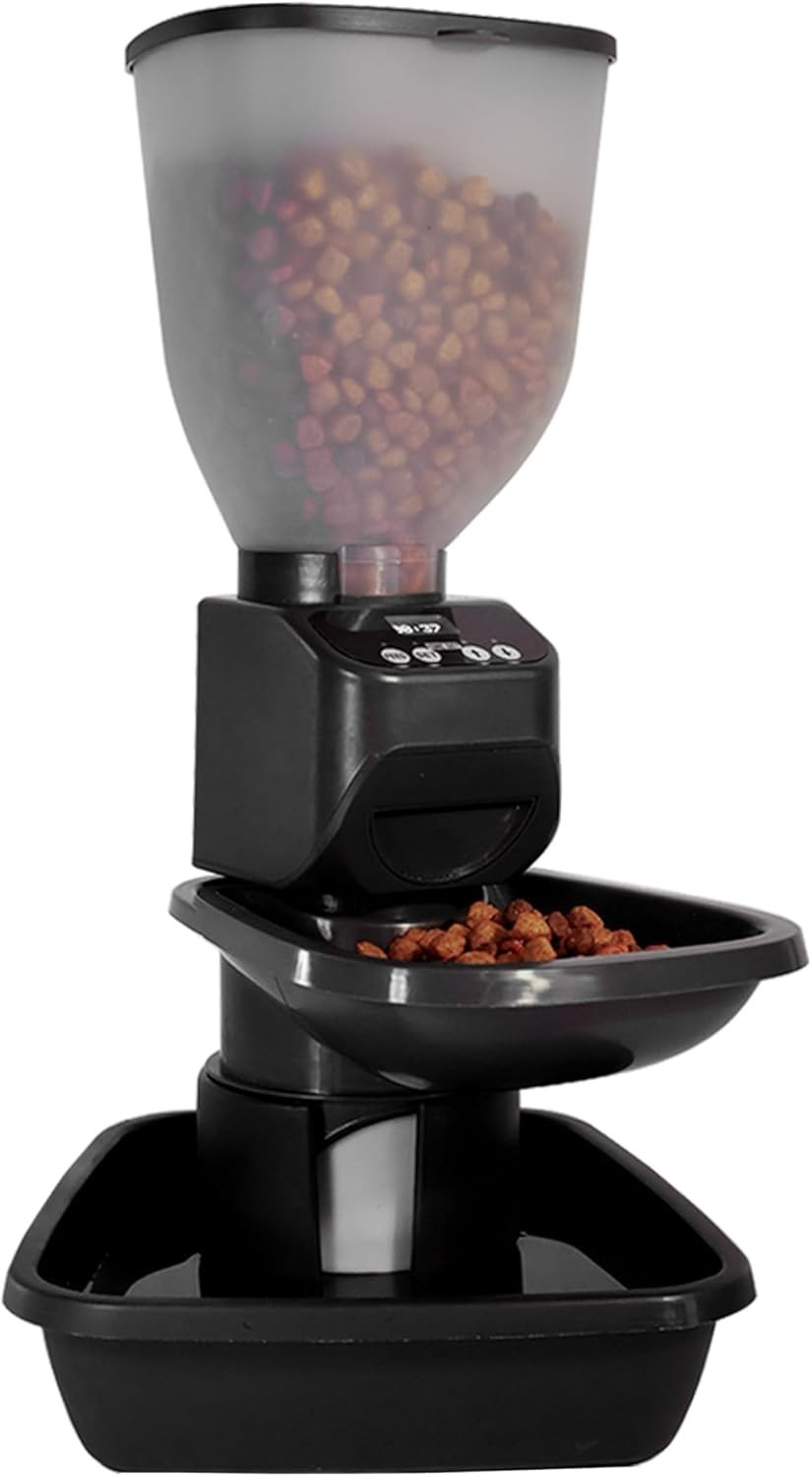
Automatic feeders range from simple gravity dispensers to app-controlled timed hoppers, with the core trade-off being portion accuracy and power independence versus mechanical simplicity and cost. Durable options use jam-resistant augers, sealed moisture barriers, and dual power (battery + USB) to survive daily cycles and outages, while compromises rely on flimsy gates, unsealed hoppers, or battery-only operation. Choose a gravity feeder only if you free-feed and want zero electronics; choose a timed programmable or smart feeder if portion control, schedule adherence, and remote monitoring matter.
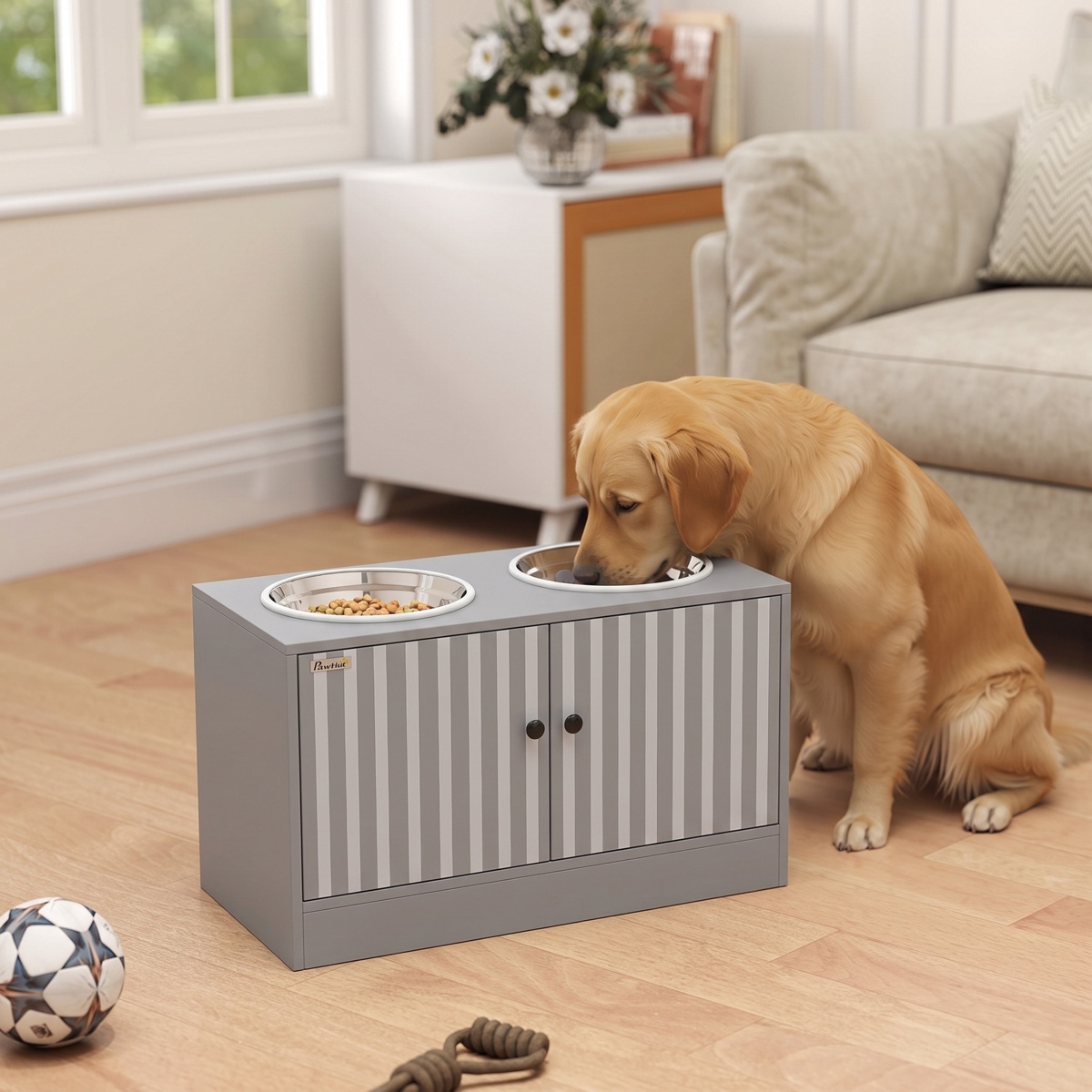
A dog bowl is a daily-use feeding vessel where material grade, base stability, and capacity-to-dog-size match determine durability and mealtime safety. The primary trade-off is between lightweight portability and weighted, non-slip construction; large dogs and fast eaters require bowl geometry and mass that small-dog and travel bowls do not. Buy stainless steel or heavy ceramic for permanence, choose slow-feed or elevated configurations for gulpers and large breeds, and skip thin plastic or undersized bowls for dogs over 25 lb.
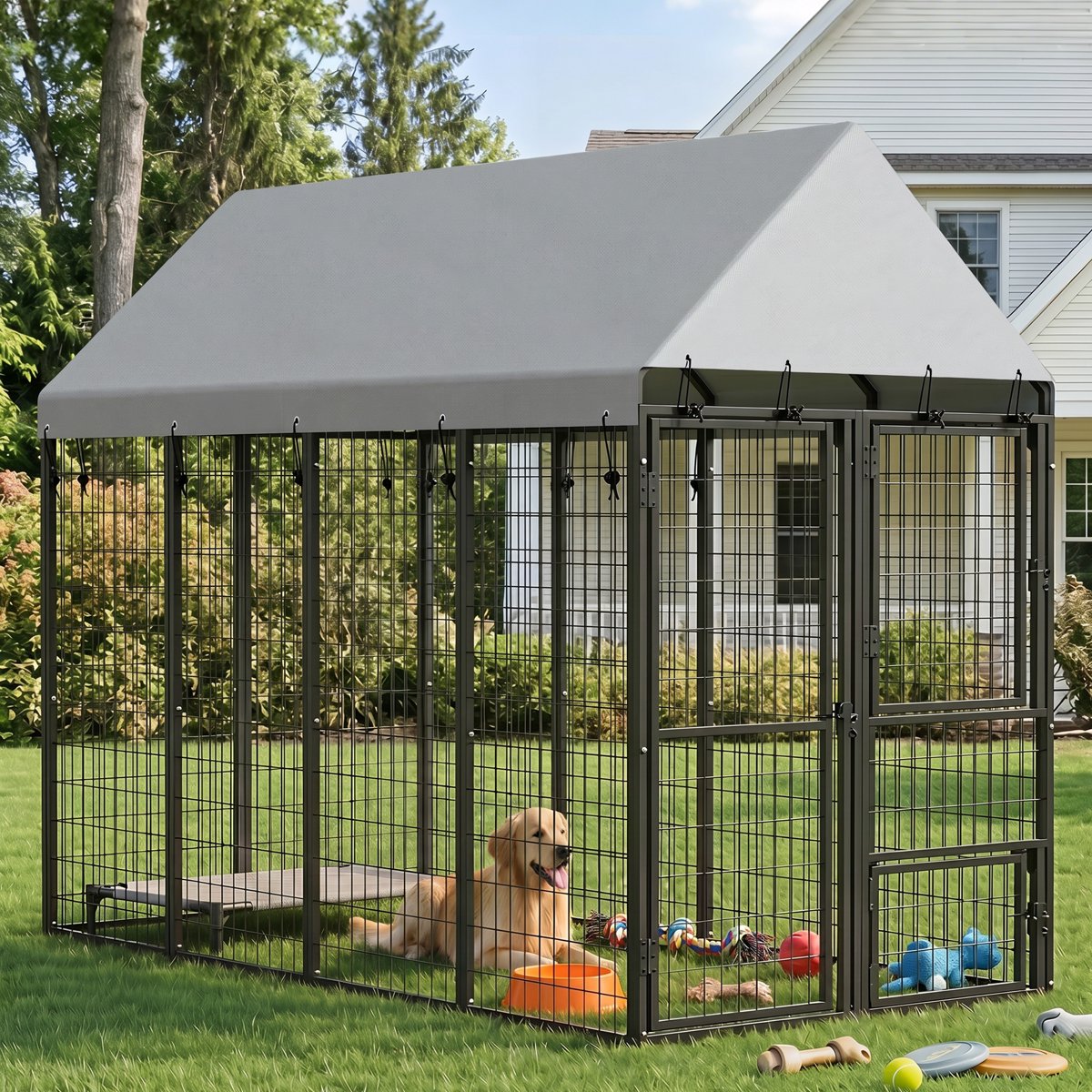
A dog kennel is an enclosed containment structure for a dog, ranging from indoor furniture-style wooden crates to outdoor metal run enclosures with roof covers. The primary trade-off is between chew-proof structural rigidity (welded steel, reinforced corners, lockable latches) and aesthetic/space-saving integration (wood panels, end-table tops, folding fabric panels). Durable options use 1-inch-or-thicker square-tube steel frames with dual security latches and welded joints; compromises rely on thin wire grids, plastic clips, or fabric zippers that a determined dog defeats.
Smart pet feeders automate portioned dry-food dispensing via timer or app, with the core trade-off between Wi-Fi/app control and battery/timer reliability. Durable units use auger or gear-driven dispensing with jam-resistant food outlets and stainless-steel bowls; compromises rely on flimsy plastic flaps, underpowered motors, and 2.4GHz-only chipsets. The decision rule: choose a 2.4GHz Wi-Fi feeder with a stainless bowl and ≥3L hopper if you need remote scheduling; choose a battery timer feeder if your home Wi-Fi is 5GHz-only or power is unreliable.
Portable dog bowls split into two architectures: collapsible silicone/TPE dishes that fold flat for packability, and integrated water-bottle-and-bowl units that store and dispense water on the go. The trade-off is packability versus leak-proof hydration capacity—collapsible bowls are lighter and simpler but need a separate water source, while bottle-bowl hybrids carry their own supply but add weight and valve complexity. Buy a collapsible bowl if you already carry water; buy a bottle-bowl hybrid if you need hands-free hydration on walks.
Finding more guides for you…