Pet Gear Picks

Pet Gear Picks

Pet Gear Reviews & Buying Guides

Compare pet gear by use case, features, trade-offs, price, returns, and seller terms before you buy.

Buying guides

Buying guide image
Pet Bowls & Feeders

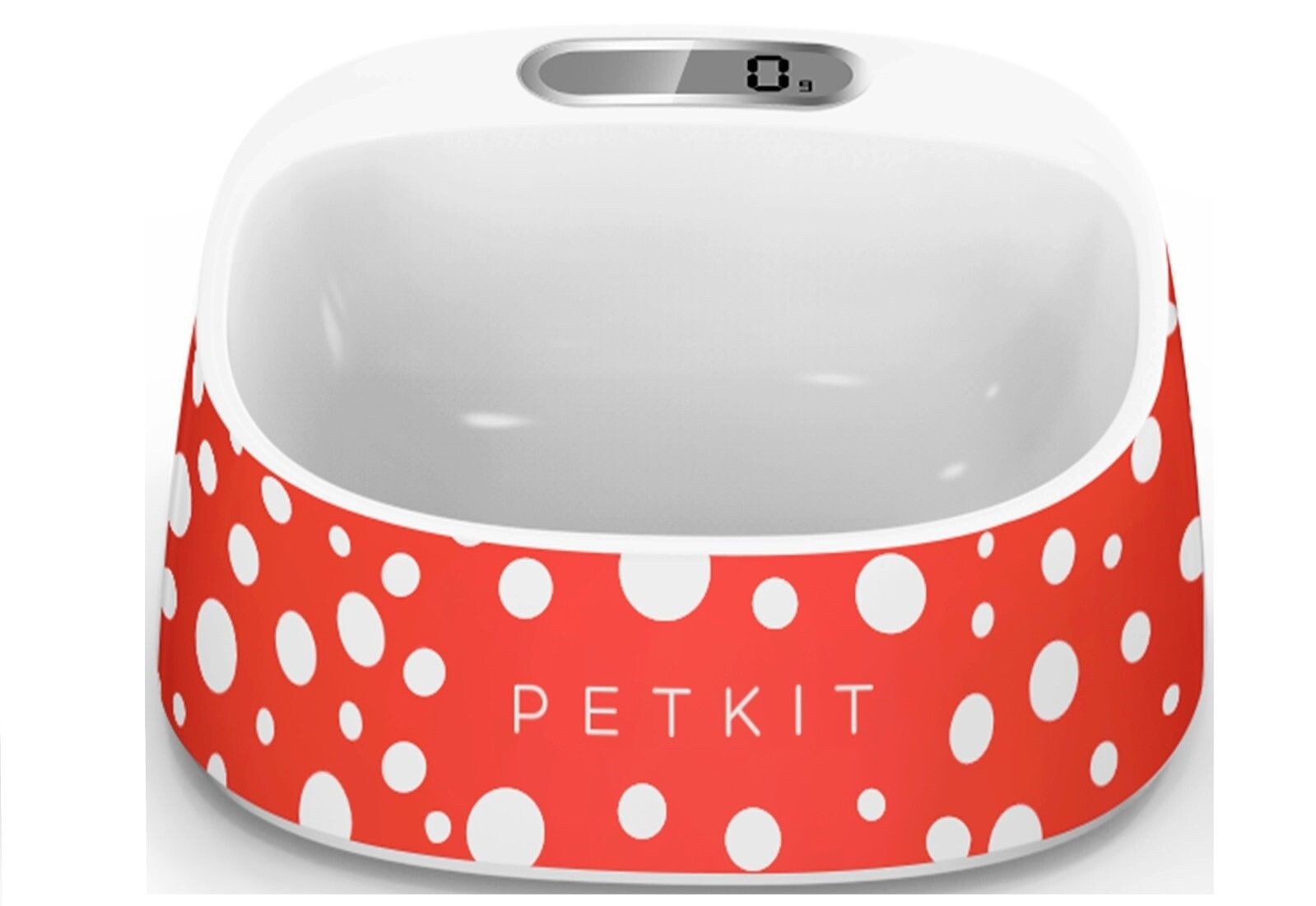
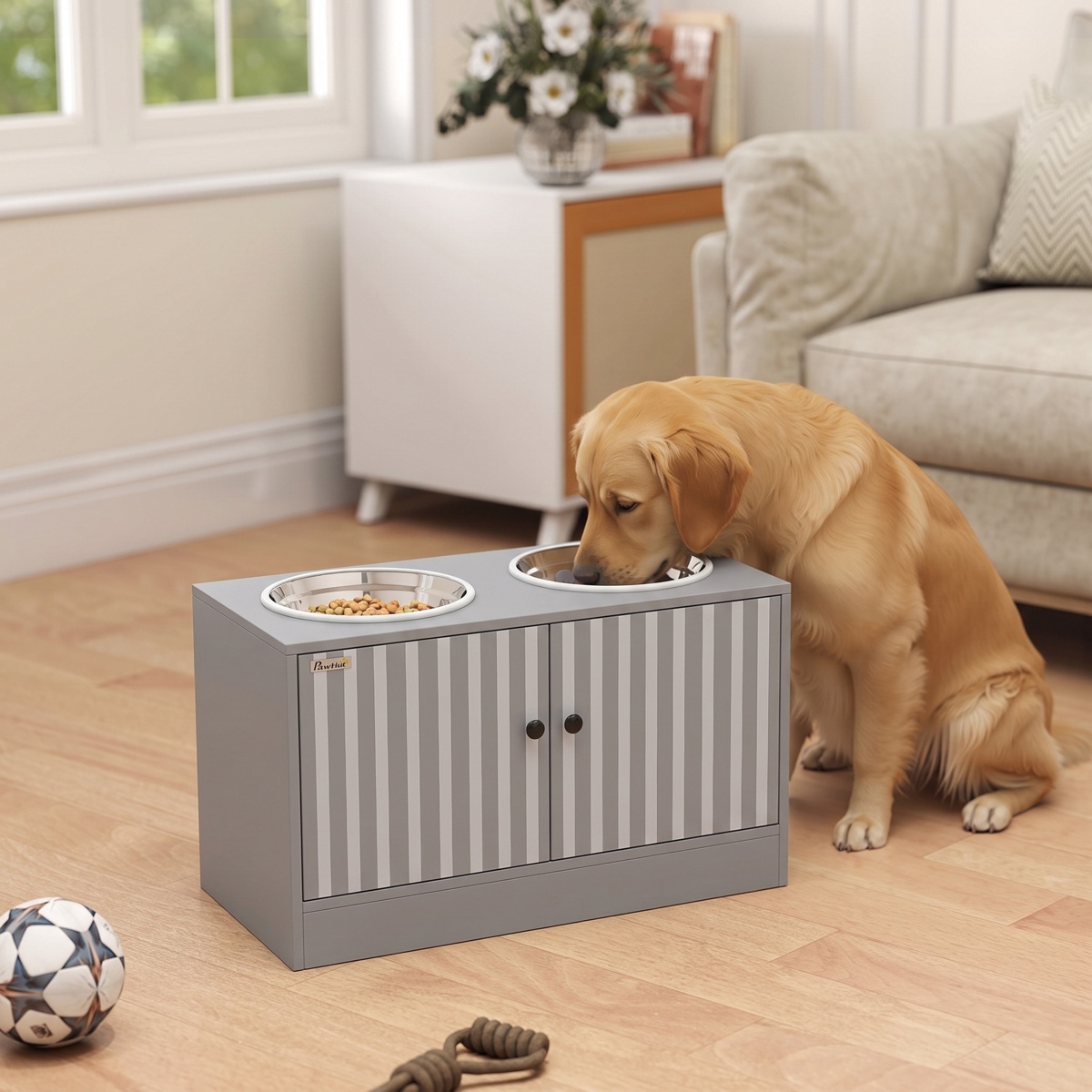
Adjustable Dog Bowl

Adjustable dog bowls are raised feeding systems whose height, bowl angle, or bowl capacity can be changed to match a dog's size, age, or medical needs. The core trade-off is between fixed-height furniture-style stations with storage and genuinely height-adjustable metal or fabric stands that accommodate a growing dog or multi-dog household. Buy a stand whose height range spans your dog's elbow-to-ground measurement; skip fixed-height or single-position units if you need growth or multi-dog flexibility.
Buying guide image
Pet Bowls & Feeders

High Dog Bowl

High dog bowls are elevated feeding vessels, typically 4 to 12 inches tall, designed to reduce neck strain and improve digestion for large-breed dogs. The primary trade-off is between stability and adjustability: fixed-height ceramic or metal bowls resist tipping, while adjustable stands accommodate growth but introduce wobble. Choose a bowl height that aligns with your dog's standing elbow or lower chest, and skip flimsy plastic risers that slide or crack under a large dog's eating motion.

Buying guide image
Pet Crates, Kennels & Playpens

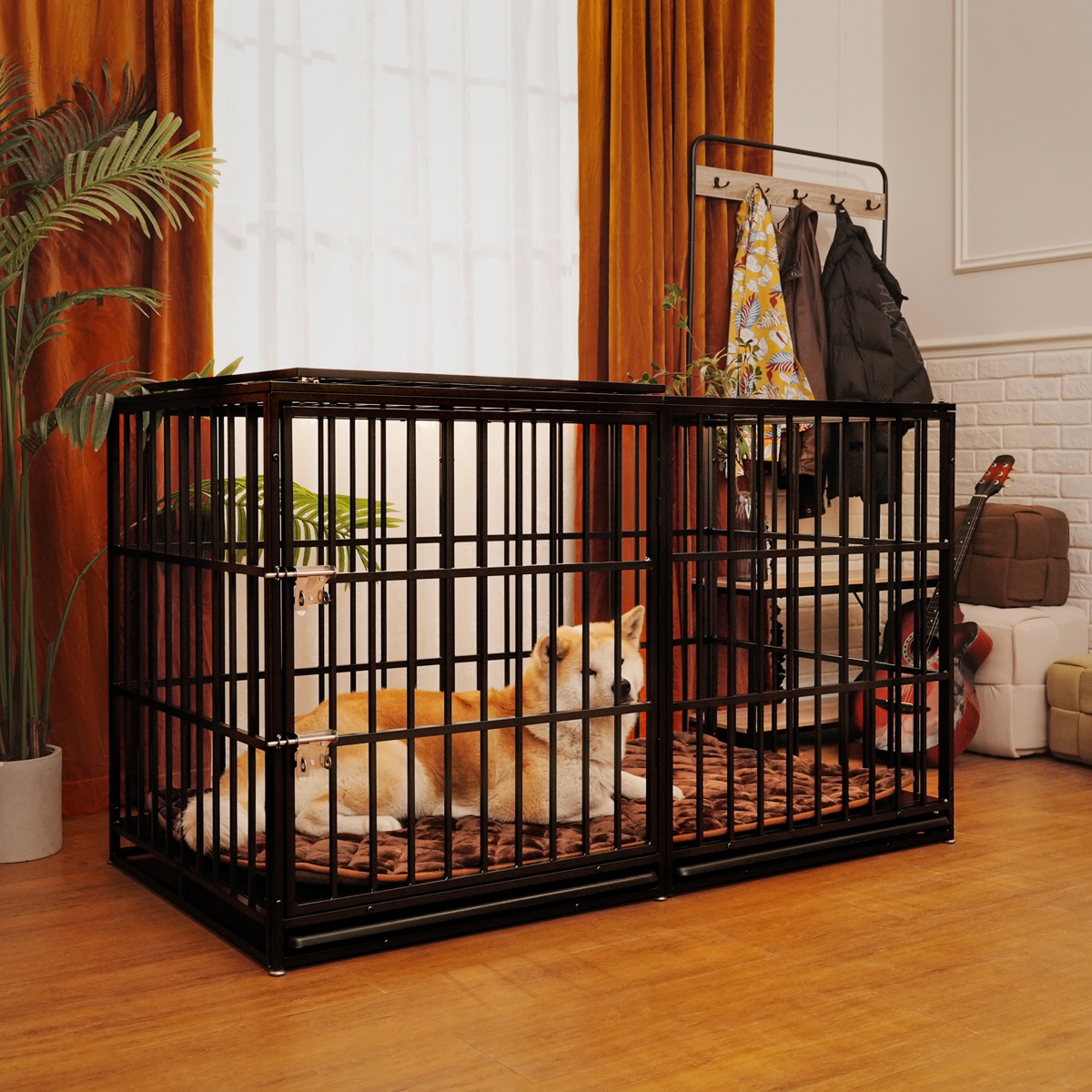
Dog Crate

A dog crate is an enclosed containment and den space built from metal wire, furniture-grade wood, soft fabric, or molded plastic, and the core trade-off is between escape-proof structural strength and portability or furniture integration. Heavy-duty metal or reinforced wood crates withstand anxious chewers and large breeds, while fabric and lightweight wire crates suit calm dogs and travel. The decision rule: match crate gauge and latch design to your dog's chewing intensity and size, not to the lowest price tier.

Buying guide image
Pet Crates, Kennels & Playpens

Dog Box

A dog box is a confined transport or containment system, and the term covers three distinct product families: hard-sided travel crates, vehicle-specific crash-tested kennels, and outdoor/field boxes for working dogs. Buyers who conflate these end up with a box that fits the truck but not the dog, or a crate that is sturdy but impossible to clean. Sizing to the dog's standing height and nose-to-tail length, plus matching the box to the vehicle or room where it will live, determines whether it gets used or resold.

Buying guide image
Pet Crates, Kennels & Playpens

Dog Cage

A dog cage is a containment system built from metal wire, furniture-grade wood, soft fabric, or molded plastic, and the primary trade-off is structural rigidity versus portability and indoor aesthetics. Metal wire crates with drop-pin or slide-bolt latches and removable trays are the durable default for containment and house-training; wood furniture crates and soft fabric kennels should be selected only for calm, crate-trained dogs. The decision rule: match cage height to your dog's standing height plus 2-4 inches, choose bar spacing under 1.5 inches for small breeds, and reject any crate whose latch is a single plastic clip or whose frame flexes under hand pressure.

Buying guide image
Pet Travel & Safety

Pet Carrier

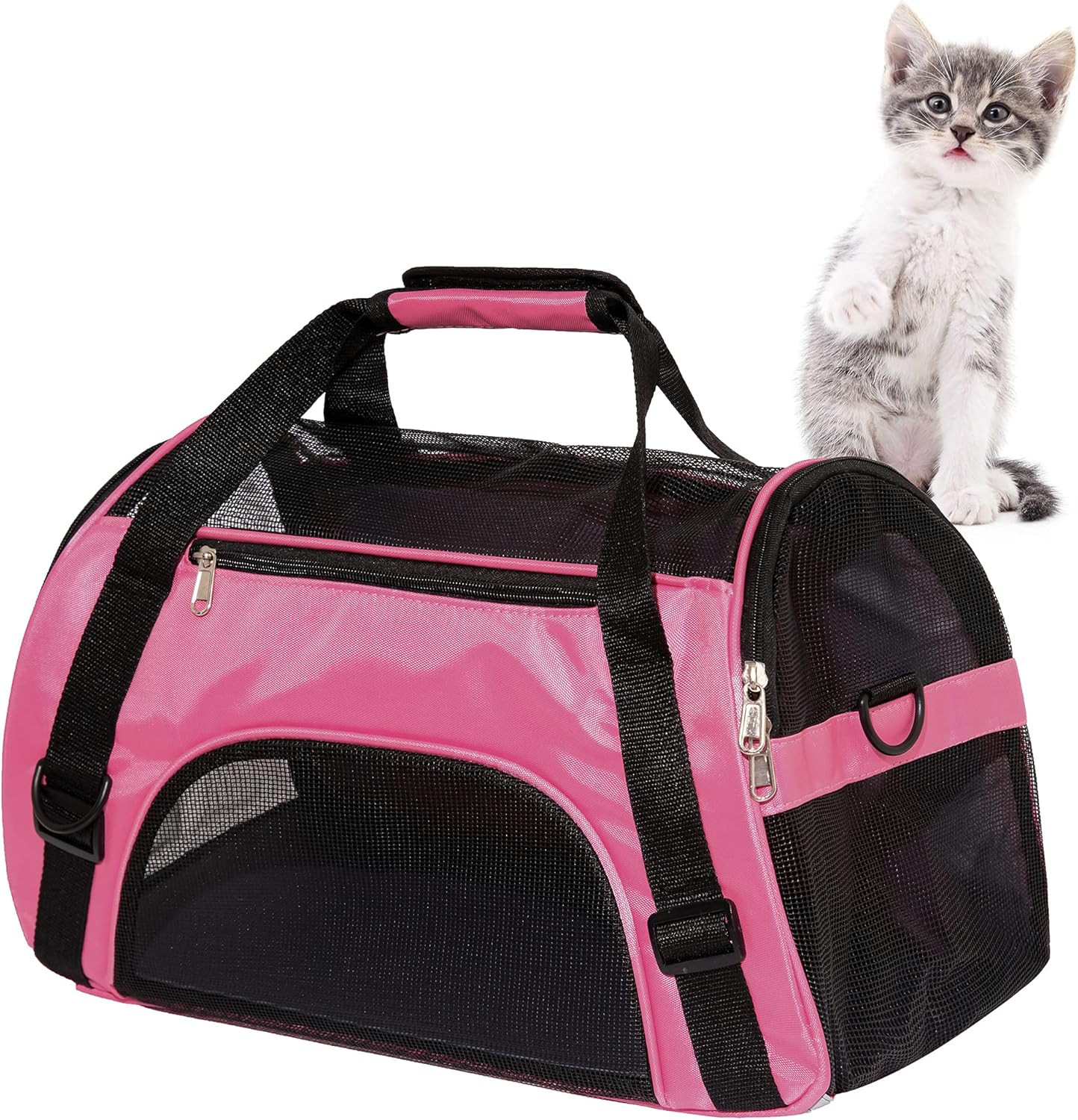
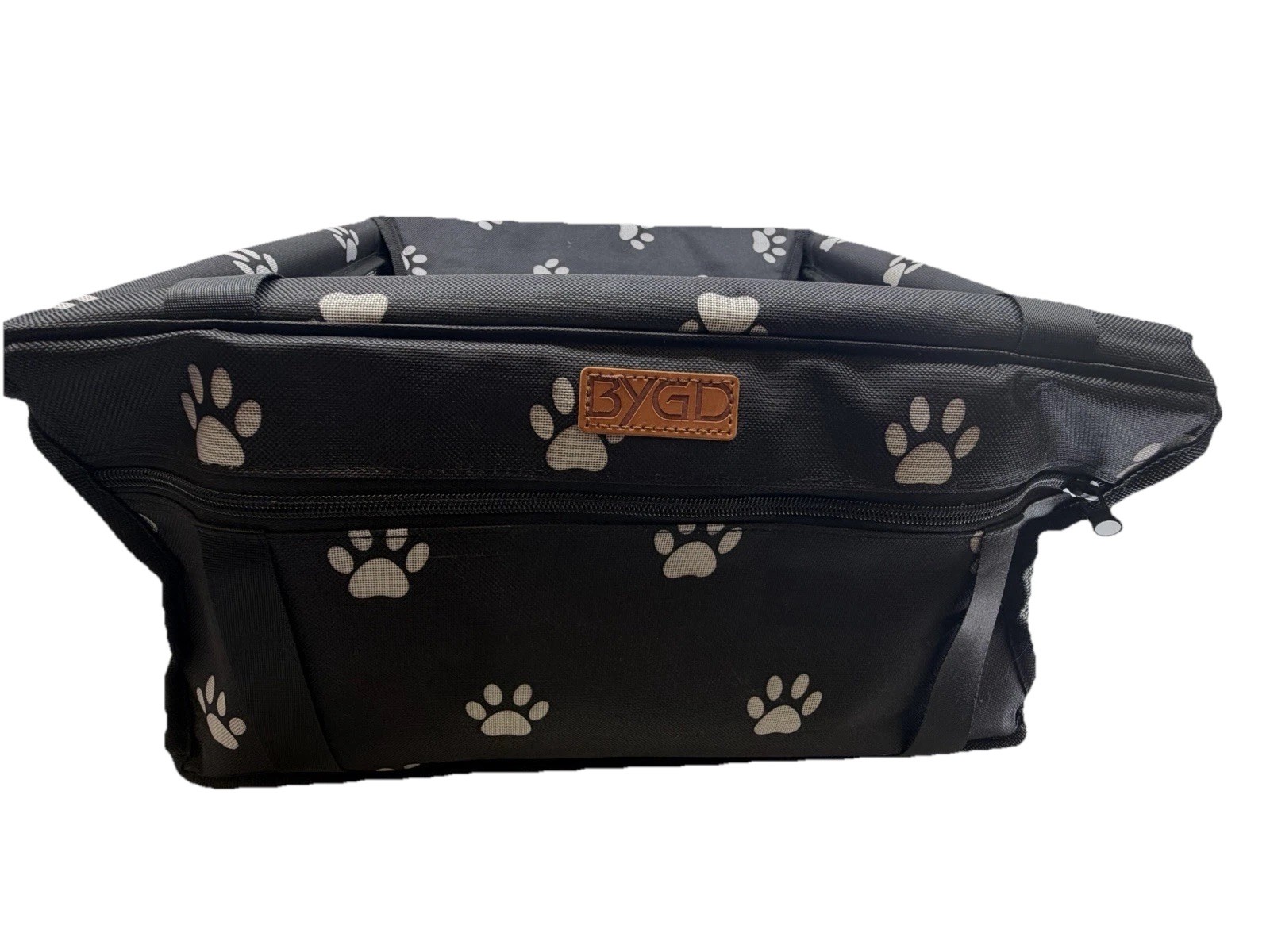
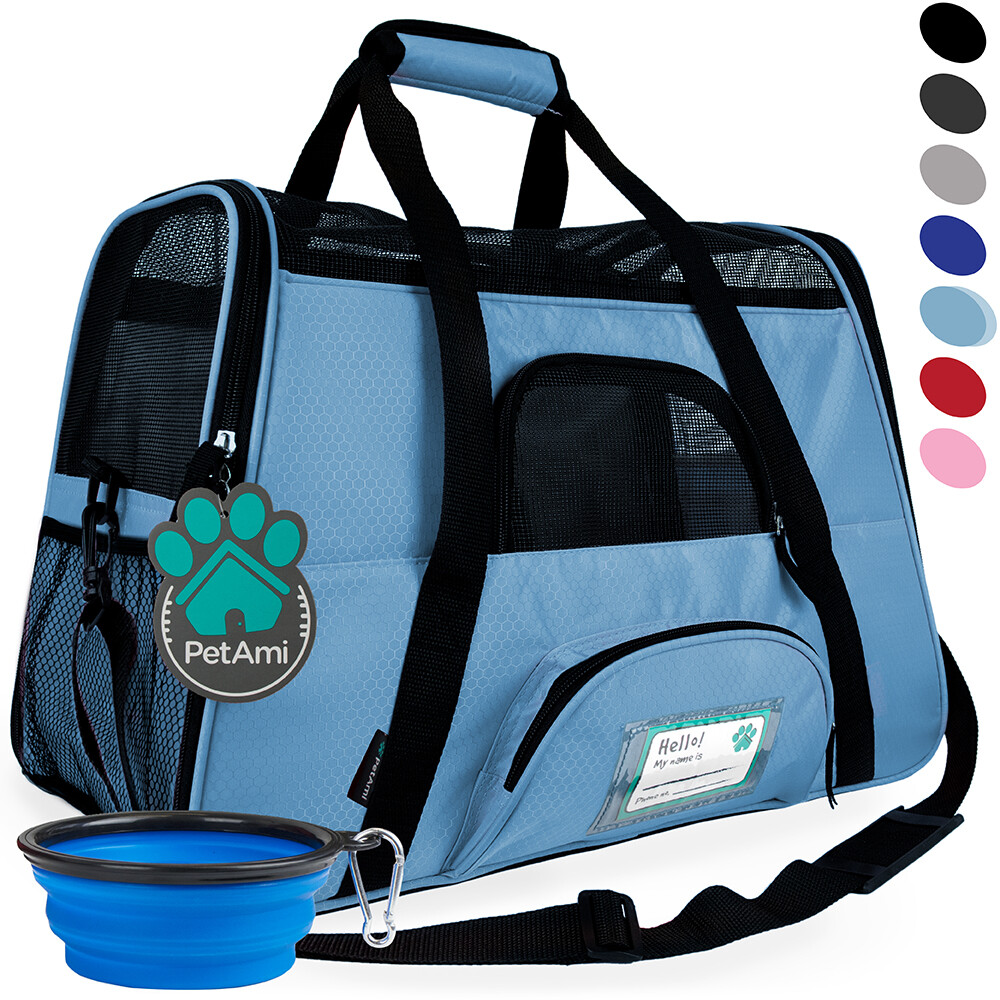
A pet carrier is a portable enclosure that keeps an animal secure during air travel, car rides, or walks; the core trade-off is between airline-compliant soft-sided fabric carriers that fit under a seat versus rigid or wheeled carriers that offer more space but often fail cabin size limits. The decision rule is simple: if the pet must fly in-cabin, prioritize a carrier whose dimensions and ventilation meet the airline's under-seat envelope; if the carrier is for car or ground transport, choose thicker 600D Oxford or metal-frame construction over thin polyester.

Buying guide image
Pet Travel & Safety

Pet Carrier With Wheels

Rolling pet carriers solve a real problem—keeping a small pet contained while sparing your shoulder on long terminal walks or city errands. The category splits into two architectures: soft-sided rolling totes that convert to a backpack, and stroller-style units with a detachable carrier. Sizing is where most buyers go wrong, since cabin fit and wheelbase width matter more than the pet's weight rating suggests.

Buying guide image
Pet Travel & Safety

Dog Carrier

A dog carrier is a soft or semi-rigid enclosure—backpack, sling, shoulder bag, or under-seat cabin bag—that keeps a small dog contained and ventilated during car, plane, or on-foot travel. The core trade-off is between airline-compliant external dimensions and structural support: flexible mesh bags squeeze under seats but sag, while framed carriers hold shape but often exceed cabin limits. The decision rule is simple: match interior height to your dog's standing height, exterior size to your airline's under-seat envelope, and ventilation to trip length—anything less is a compromise.

Buying guide image
Pet Beds & Cat Trees

Cat Tree

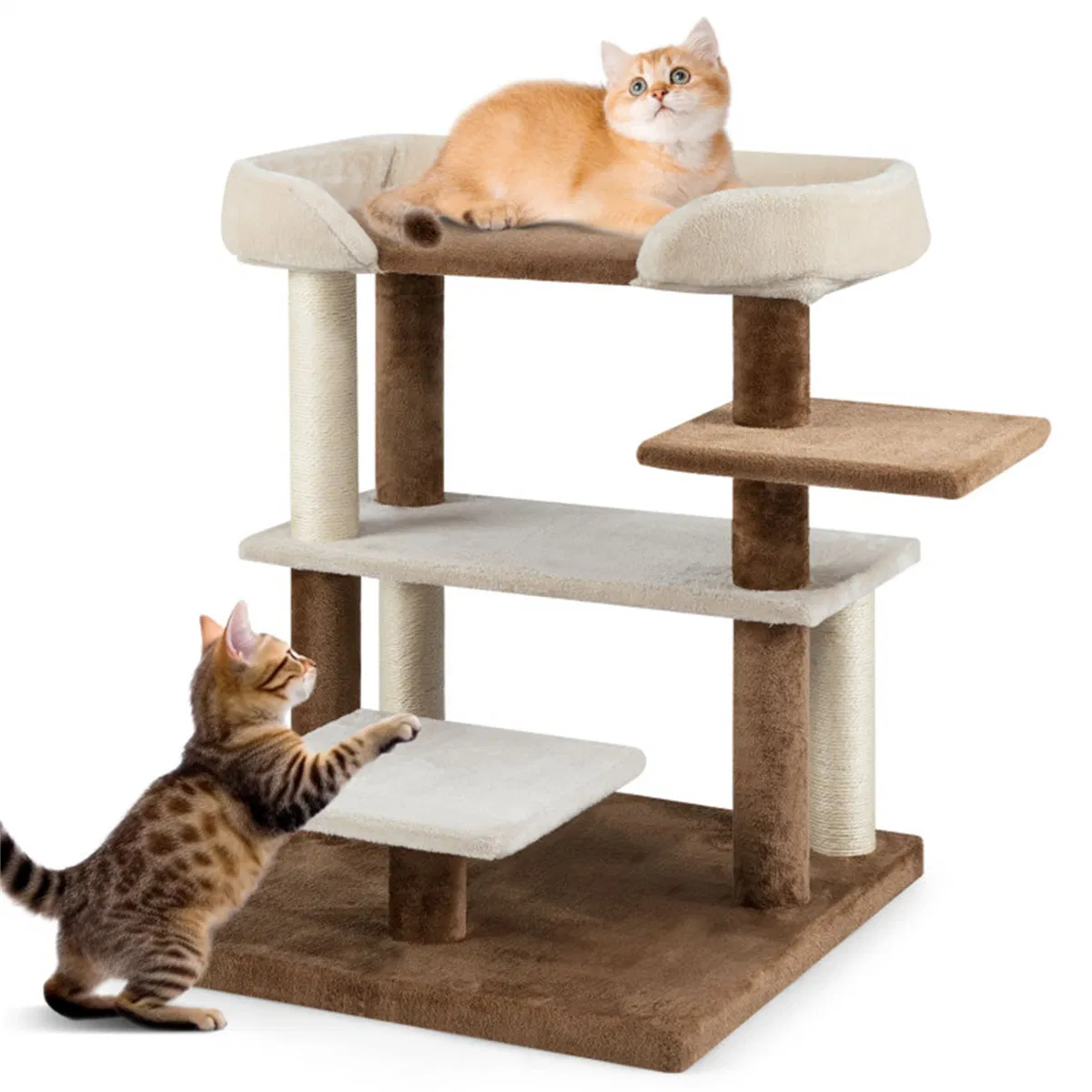
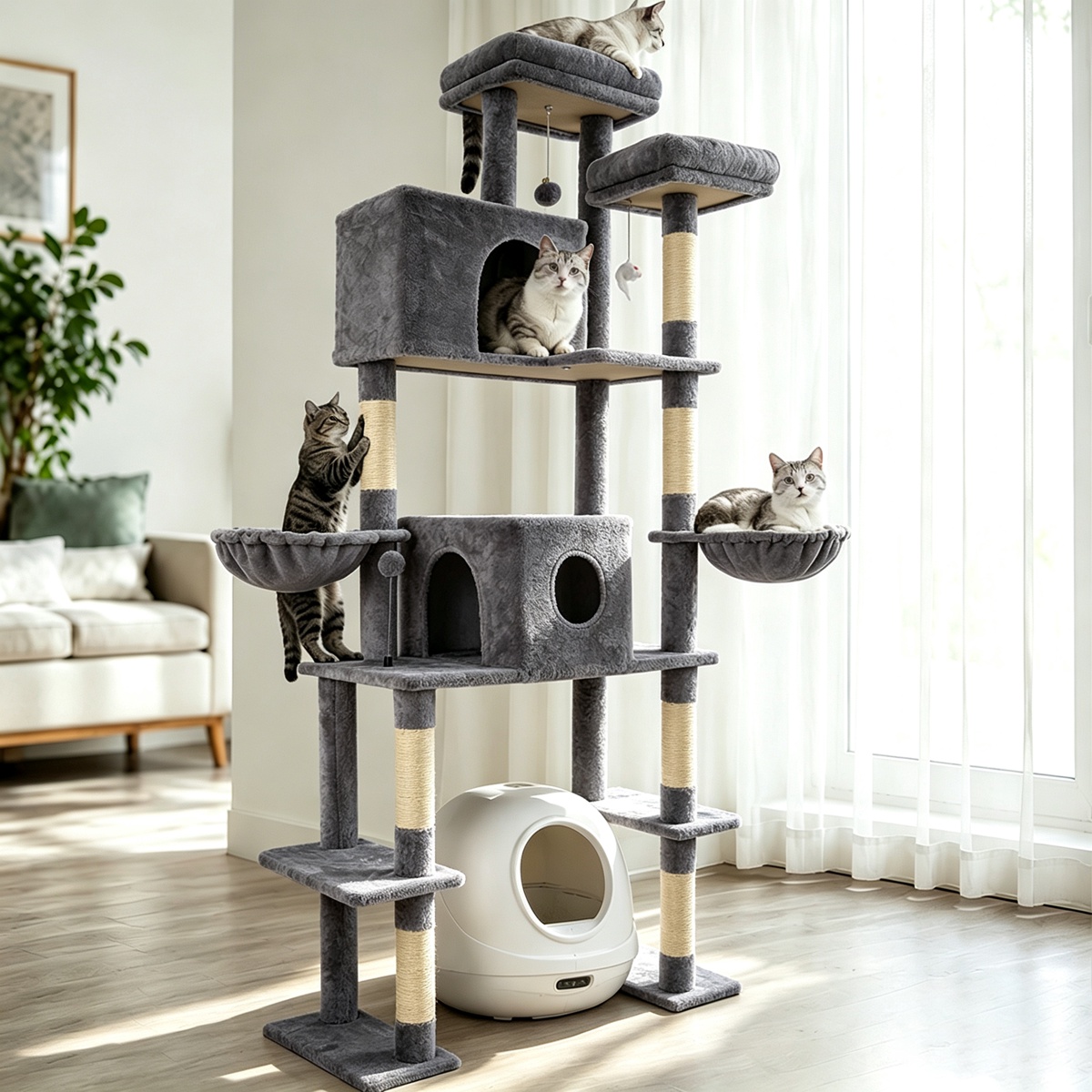
A cat tree is a vertical territory system that combines scratching, climbing, perching, and hiding in one freestanding or tension-mounted structure. The core trade-off is stability versus footprint: taller towers need wider bases or wall/ceiling tension, while compact units trade height for balance. Choose a base width at least one-third of total height and 6–8 mm sisal over carpet wrap for durable scratching.

Buying guide image
Pet Beds & Cat Trees

Cat Tower

A cat tower is a vertical feline habitat combining perches, condos, and scratching surfaces; the core trade-off is structural stability and material durability versus height and feature count. Durable towers use engineered wood or thick plywood platforms with fully wrapped sisal posts and a wide or wall-anchored base, while compromises rely on particleboard, shallow plush, and narrow footprints that wobble under jumping cats. The decision rule: match tower height and base footprint to your cat's weight and jump force, and always prefer replaceable sisal over glued carpet for scratching longevity.

Buying guide image
Pet Beds & Cat Trees

Cat Condo

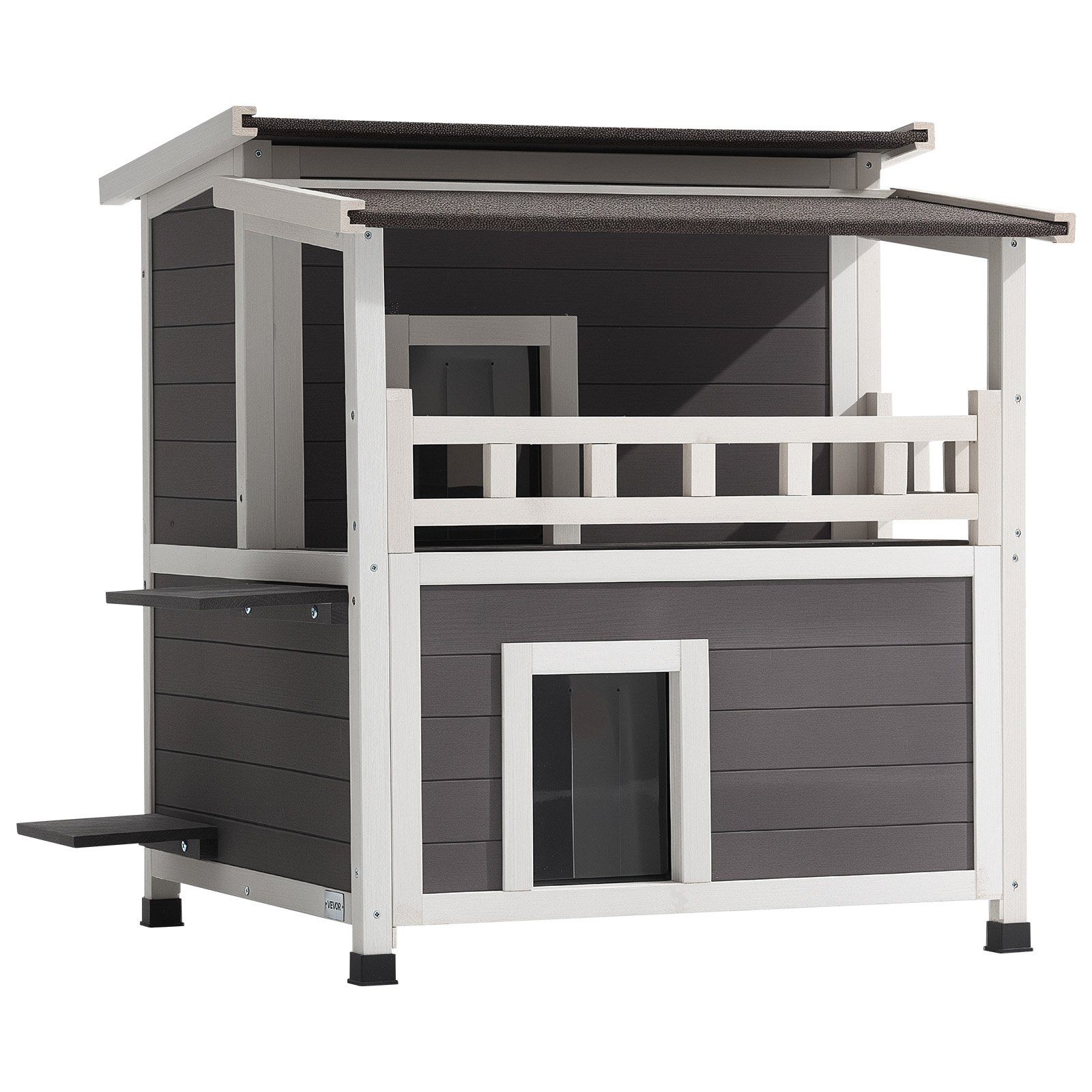
A cat condo is an enclosed hideaway or multi-level furniture piece combining a den, perch, and scratching surface, distinct from open beds or trees without retreats. The core trade-off is enclosed retreat volume versus structural stability and ventilation: solid-wood or furniture-grade cabinets with breathable openings outlast compressed-wood towers with fabric-wrapped particleboard. Buy indoor cats a stable wood or reinforced platform condo with a removable cushion; buy outdoor or feral cats a waterproof, insulated wooden shelter with an elevated floor and dry bedding—skip fabric-only caves and uninsulated thin-ply boxes for outdoor use.

Buying guide image
Pet Beds & Cat Trees

Cat Furniture

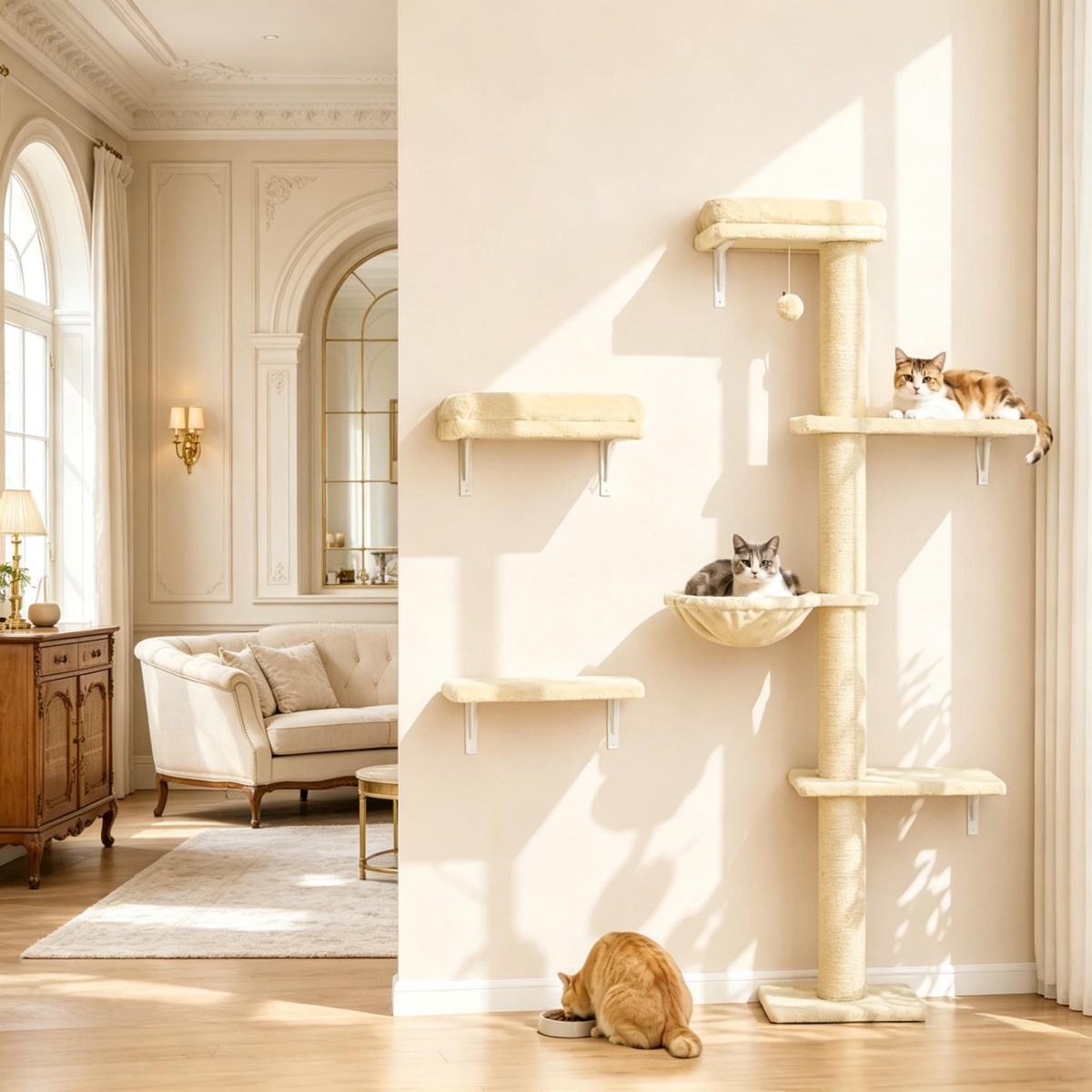
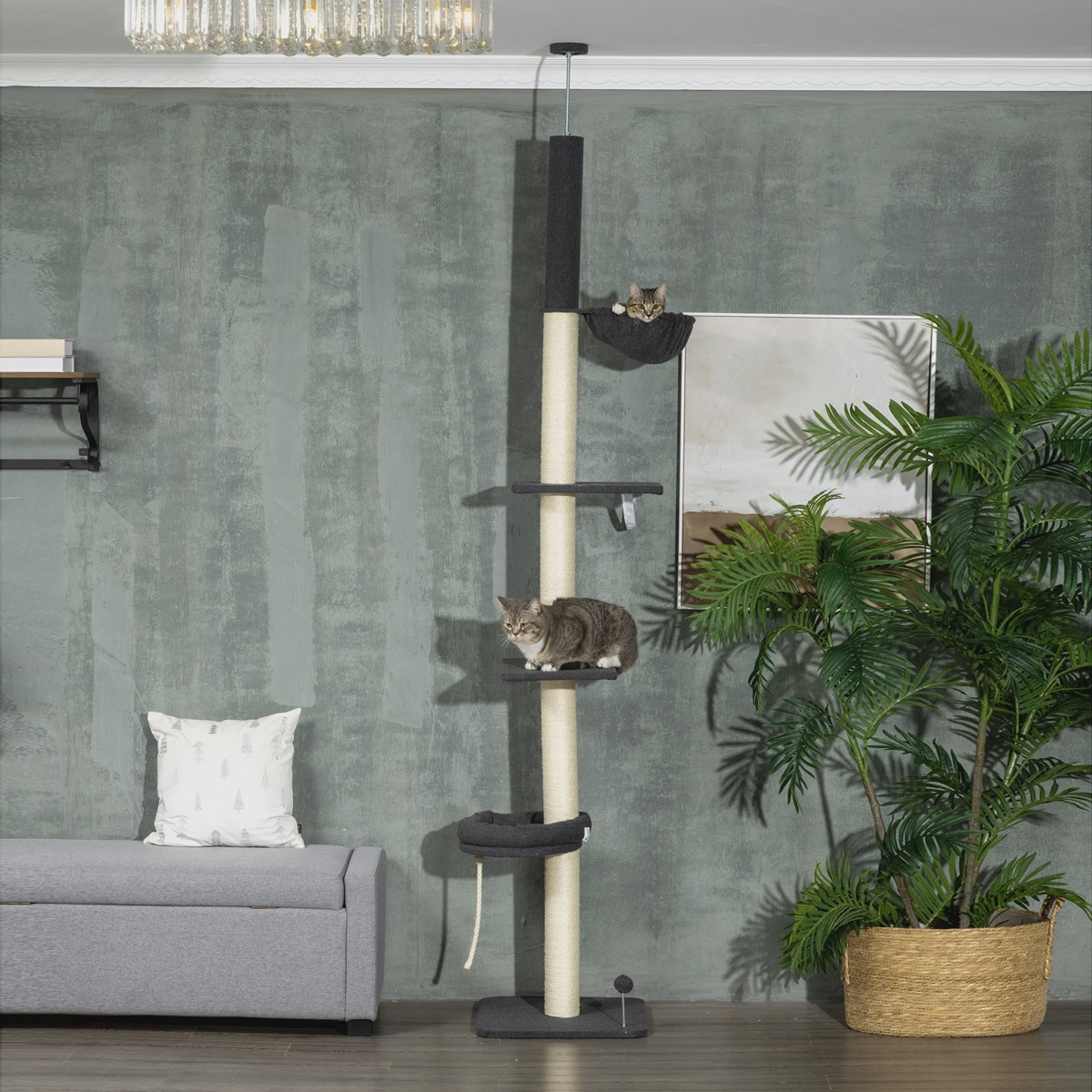
Cat furniture spans floor-to-ceiling tension towers, freestanding multi-tier condos, wall-mounted climbing systems, and scratching-first pieces—each defined by stability mechanics and scratching substrate durability. The core trade-off is footprint vs. vertical territory: tension poles and wall shelves maximize climbing height in small rooms, while wide-base towers and corner units trade floor space for multi-cat capacity. Buy tension towers only with verified ceiling height ranges and load-rated poles; choose wall systems only with stud anchoring; reject any tall unit under 30 lb base weight or with glued rather than bolted joints.

Buying guide image
Pet Beds & Cat Trees

Cat Tree With Hammock

A cat tree with hammock is a multi-level feline activity tower combining a suspended fabric resting platform with scratching posts and perches. The core trade-off is base stability versus height: taller plush-covered towers need wider or weighted bases to resist tipping during jump landings. Choose a tree whose base footprint is at least one-third of its total height and whose hammock is supported by a rigid frame ring rather than fabric tension alone.

Buying guide image
Pet Beds & Cat Trees

Cat Tree With Leaves

A cat tree with leaf refers to a feline climbing structure featuring faux or real leaf accents, typically integrated into perch canopies to mimic outdoor foliage while providing elevated resting spots. The core trade-off is between decorative leaf realism and structural durability: flimsy leaf attachments and lightweight board construction compromise stability and longevity, whereas reinforced posts, dense carpet, and secure leaf mounts yield years of safe use. The decision rule is simple: prioritize post thickness, base weight, and leaf attachment method over aesthetic flourishes, and skip any unit with a base smaller than the largest perch or leaves secured only by adhesive.

Buying guide image
Pet Crates, Kennels & Playpens

Portable Dog Kennel

Portable dog kennels are collapsible containment systems—soft fabric tents, metal crates, or panel playpens—designed for travel, camping, and temporary indoor/outdoor use. The core trade-off is packability versus structural security: soft-sided fabric models fold flat and carry easily but suit calm, crate-trained dogs, while metal panel or wire crates resist chewing and climbing at the cost of weight and bulk. The decision rule is simple: match the enclosure's escape resistance and ventilation to your dog's chew drive, size, and climate, not to how compact it packs.

Buying guide image
Pet Crates, Kennels & Playpens

Heavy Duty Dog Kennel

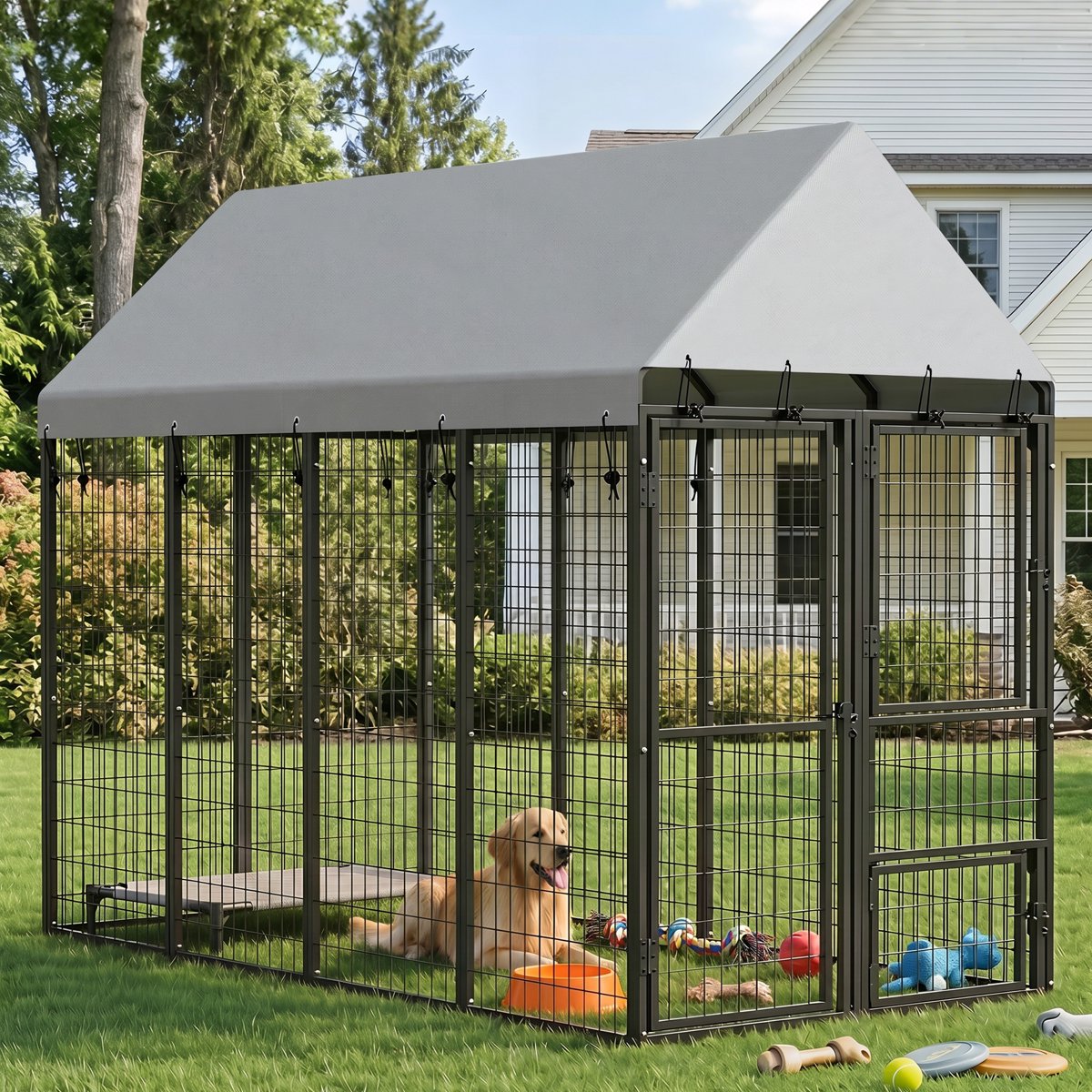
Heavy-duty dog kennels are escape-proof containment systems built from welded or galvanized steel, differentiated by gauge thickness, weld type, and latch engineering rather than cosmetic finishes. The core trade-off is wire gauge and weld quality versus portability: lower-gauge welded mesh resists deformation and jaw pressure, while thinner folded panels save weight but bend at stress points. Choose a welded-steel crate or run with a secondary locking latch for power chewers; skip pop-up fabric or thin wire playpens if your dog has a bite history or jumps.

Buying guide image
Pet Bowls & Feeders

Pet Bowl

Pet bowls are the daily-use interface between your animal and its food or water, where the wrong material or unstable geometry causes spills, chin acne, and rapid bacterial buildup. The core trade-off is between plastic's cheap lightness and the scratch-resistant, heat-tolerant, dishwasher-safe performance of stainless steel and ceramic. Buy stainless steel or glazed ceramic for daily feeding; choose plastic only for travel or elevated multi-bowl stands where weight and impact resistance dominate.

Buying guide image
Pet Crates, Kennels & Playpens

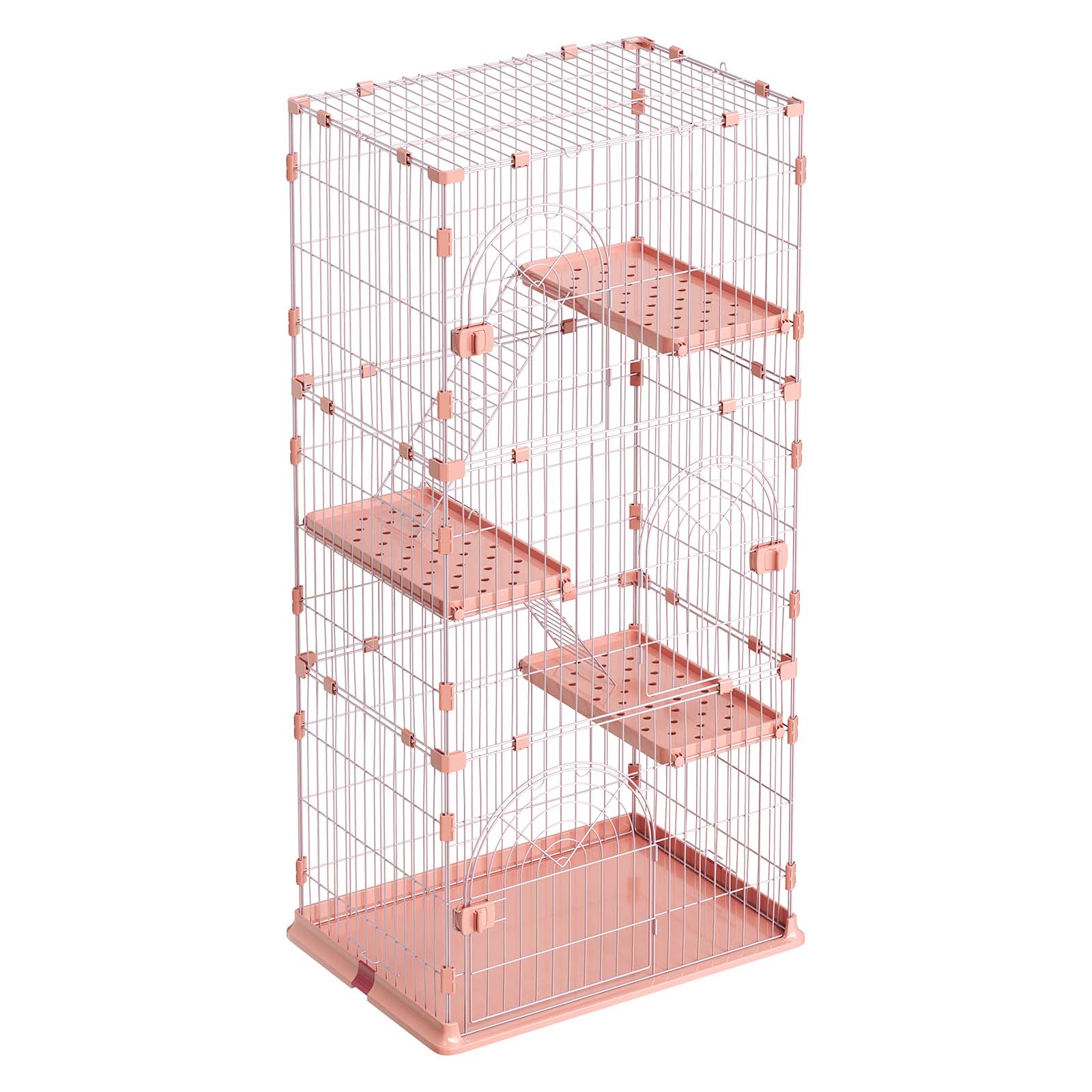
Cat Cage

A cat cage is a modular wire or fabric enclosure used indoors or outdoors to contain cats safely, with the core trade-off being wire-gauge/thickness and bar-spacing for escape-proof durability versus lightweight fabric for portability. Decide by environment first: indoor multi-tier wire cages for climbing and litter separation, or outdoor run-grade kennels with roof and predator-proof latches. Durability separates options: welded or zip-tied thick-gauge wire with secure door latches versus thin bendable panels that flex and fail.

Buying guide image
Pet Travel & Safety

Dog Carrier Airplane

An airline-compliant dog carrier is a soft-sided pet crate engineered to fit under the seat while meeting each airline's published dimensional and ventilation rules. The core trade-off is between rigid structural support (framed panels, PE board base) and collapsible packability for storage and in-cabin maneuvering. Durable options use 600D Oxford or ballistic nylon with steel wire framing and mesh on at least two sides; compromises use single-layer polyester, soft unsupported sides, and mesh only on the front.

Buying guide image
Pet Beds & Cat Trees

Heavy Duty Cat Tree

A heavy-duty cat tree is a multi-level feline climbing structure engineered to resist tipping, wobbling, and joint failure under repeated jumping and sprinting. The core trade-off is between particleboard-and-plastic construction that loosens within months and solid-wood or reinforced-engineered-wood frames with stabilized bases and metal fasteners. The decision rule: choose a tree whose base footprint and platform mass are sized to your cat's adult weight and whose frame uses threaded inserts or through-bolts rather than staples and cam locks.

You may also like

Finding more guides for you…