
Photos from current listings. Actual item, color, and included accessories may vary.
Dog Cage Buying Guide
A dog cage is a containment system built from metal wire, furniture-grade wood, soft fabric, or molded plastic, and the primary trade-off is structural rigidity versus portability and indoor aesthetics. Metal wire crates with drop-pin or slide-bolt latches and removable trays are the durable default for containment and house-training; wood furniture crates and soft fabric kennels should be selected only for calm, crate-trained dogs. The decision rule: match cage height to your dog's standing height plus 2-4 inches, choose bar spacing under 1.5 inches for small breeds, and reject any crate whose latch is a single plastic clip or whose frame flexes under hand pressure.
Median $237.02 · New listings
Key takeaways
- Wire crates use 8-12 gauge welded steel with 1.5-2 inch bar spacing; small-breed cages need 1-1.5 inch spacing to prevent jaw or paw entrapment.
- Furniture crates use MDF or solid pine panels with steel or aluminum grilles; MDF delaminates in humid rooms, so solid wood or sealed engineered panels are the durable tier.
- Soft fabric kennels rely on 600D-1200D Oxford polyester and steel or fiberglass rod frames; they resist scratching but not chewing, and are not containment-grade for escape artists.
At a glance
- Category
- Pet Crates, Kennels & Playpens
- Last updated
- Nov 28, 2026
Current offers
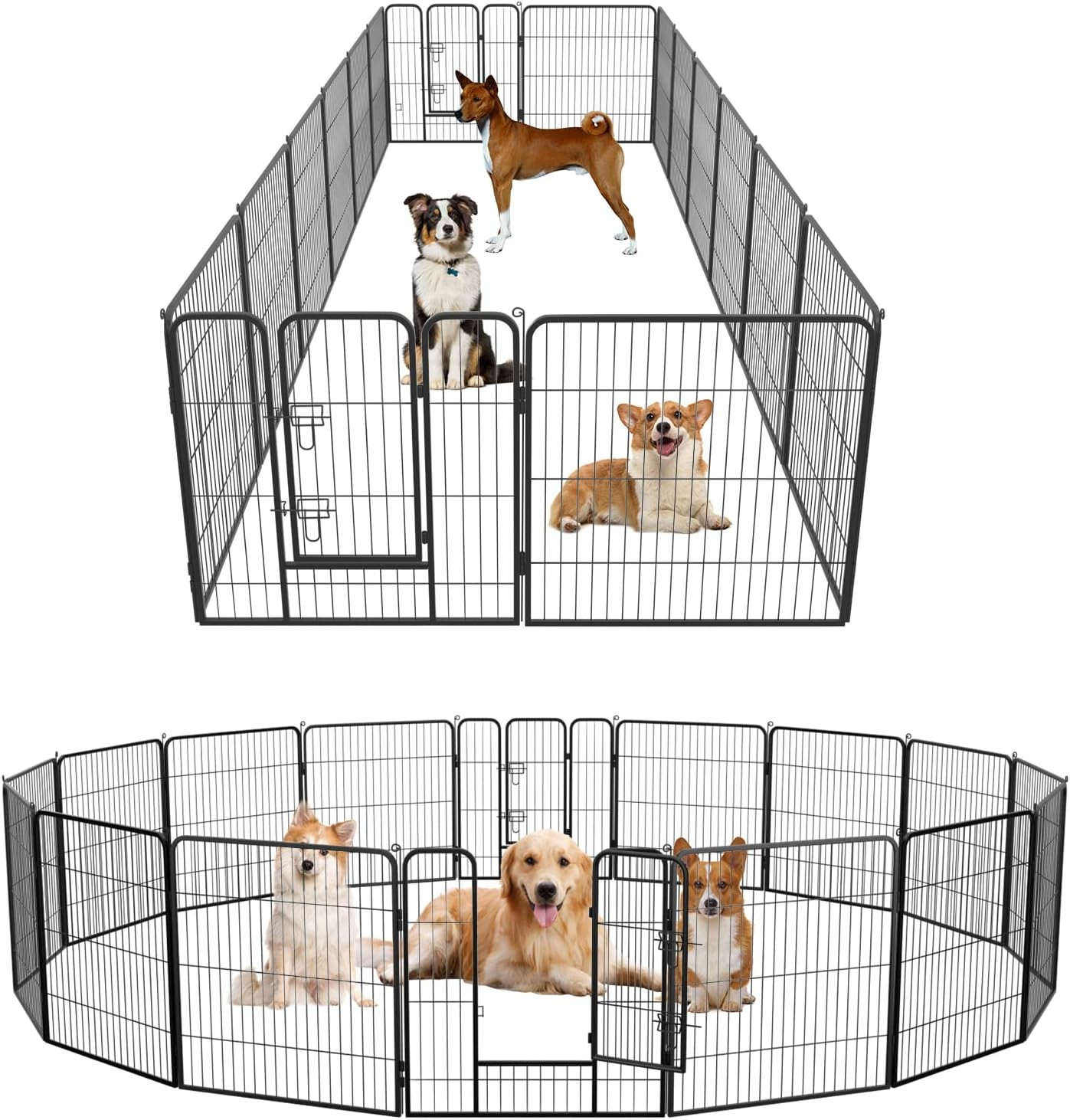 Dog Playpen Dog Pen Dog Kennel 16 Panels 32 Inch Height Indoor Outdoor Folding M$242.05New · Last checked Nov 27, 2026View on eBay
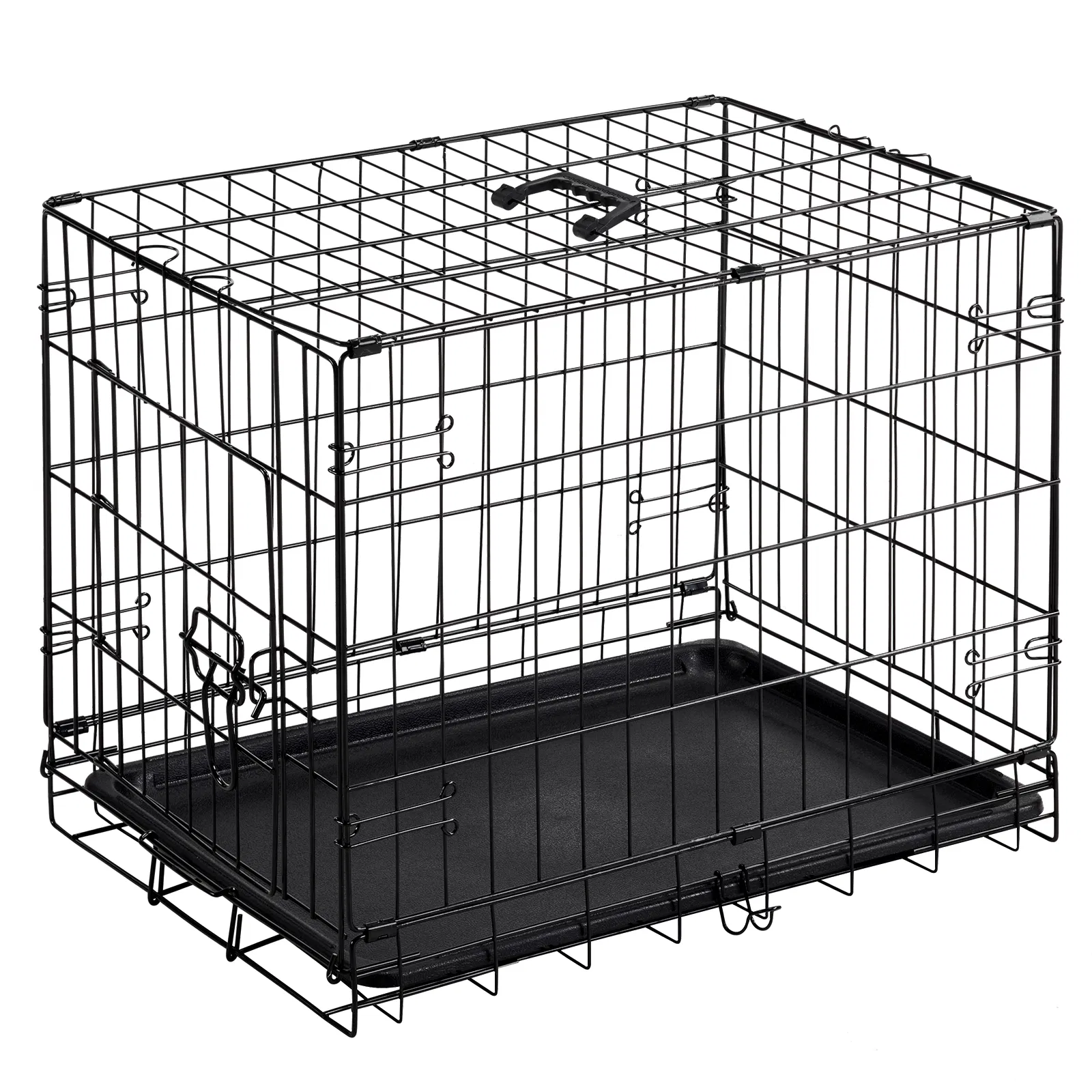 24 inch Single door Dog Cage - durable metal pet kennel, secure lock, collapsible design, removable tray for easy cleaning, portable puppy$45.99View on Mallflare
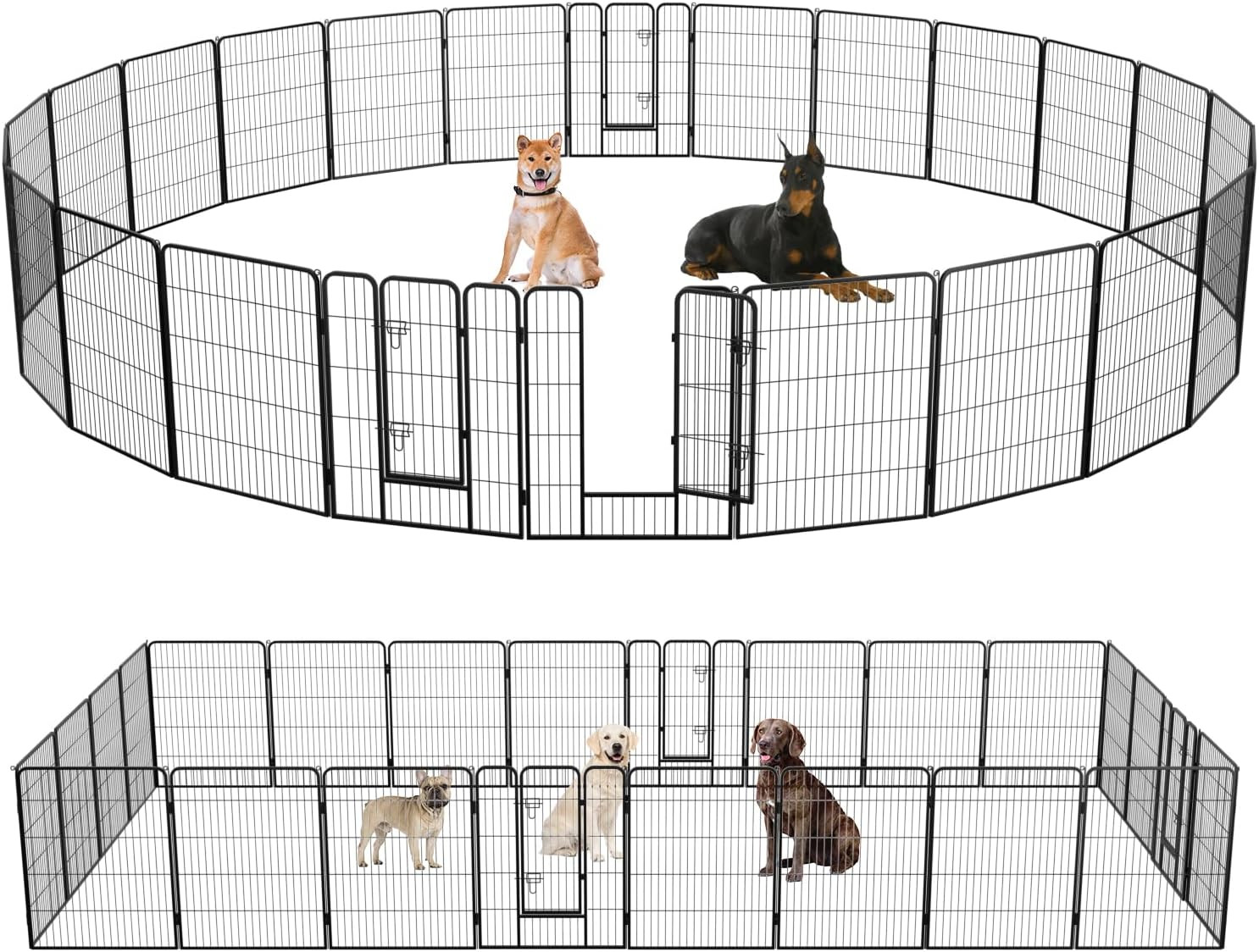 Dog Playpen Dog Pen Dog Kennel 24 Panels 40 Inch Hight Indoor Outdoor Folding Me$379.98New · Last checked Nov 27, 2026View on eBay
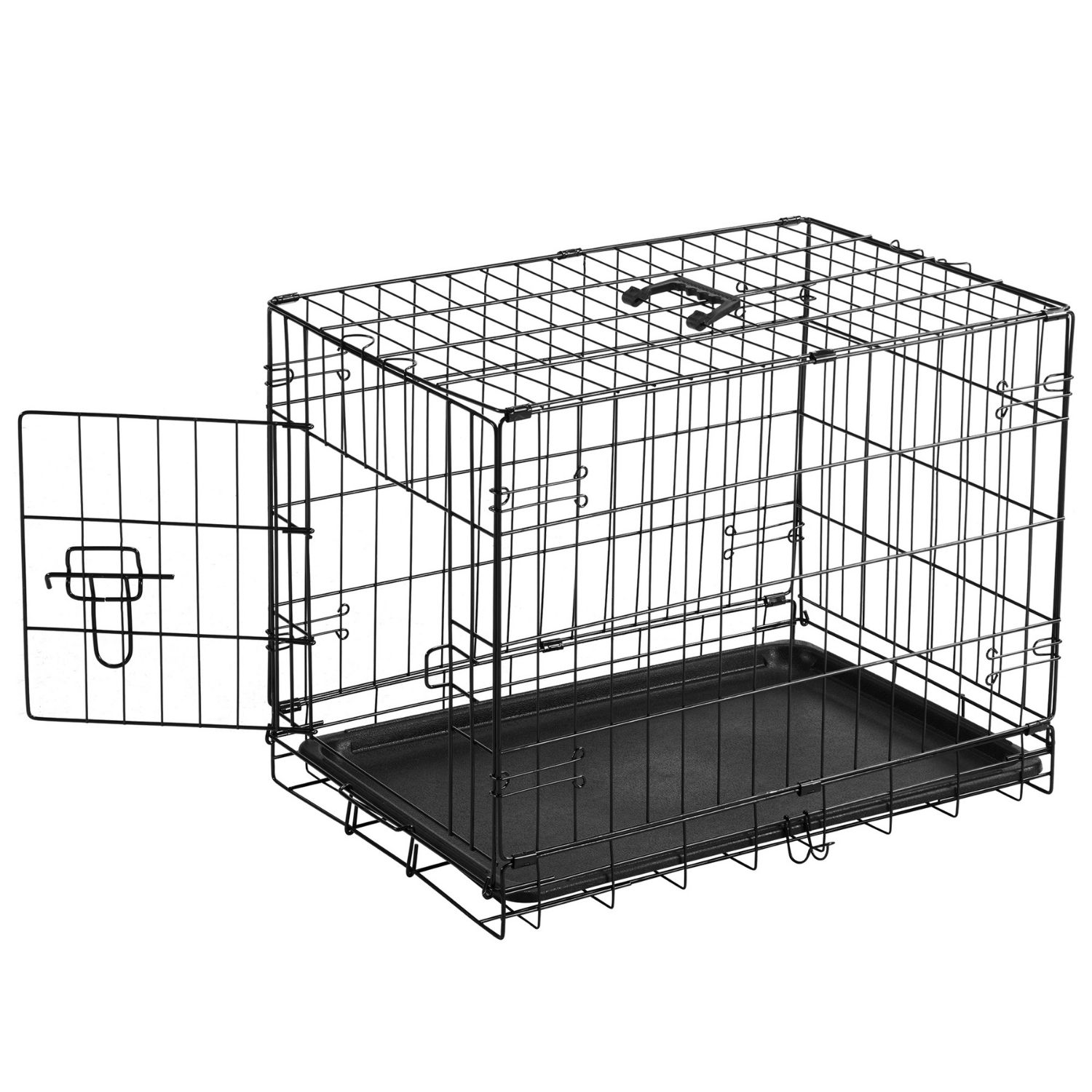 Single Door Dog Cage - Durable Metal Pet Kennel, Secure Lock, Collapsible Design, Removable Tray For Easy Cleaning, Portable Puppy$51.99View on Mallflare
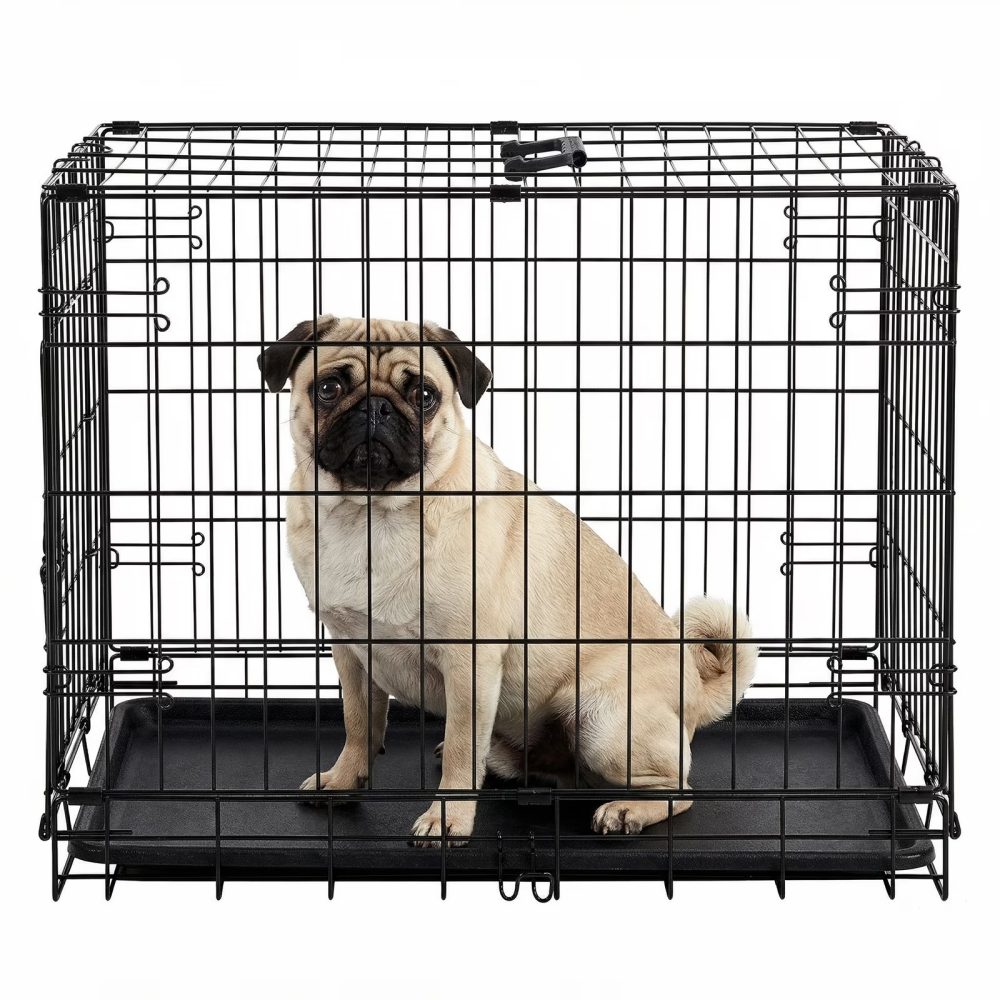 24/30 Inch Dog Crate, Black - Durable Metal Puppy Cage with Removable Tray, Collapsible Kennel for Small Medium Dogs, Easy Clean$79.99View on Mallflare
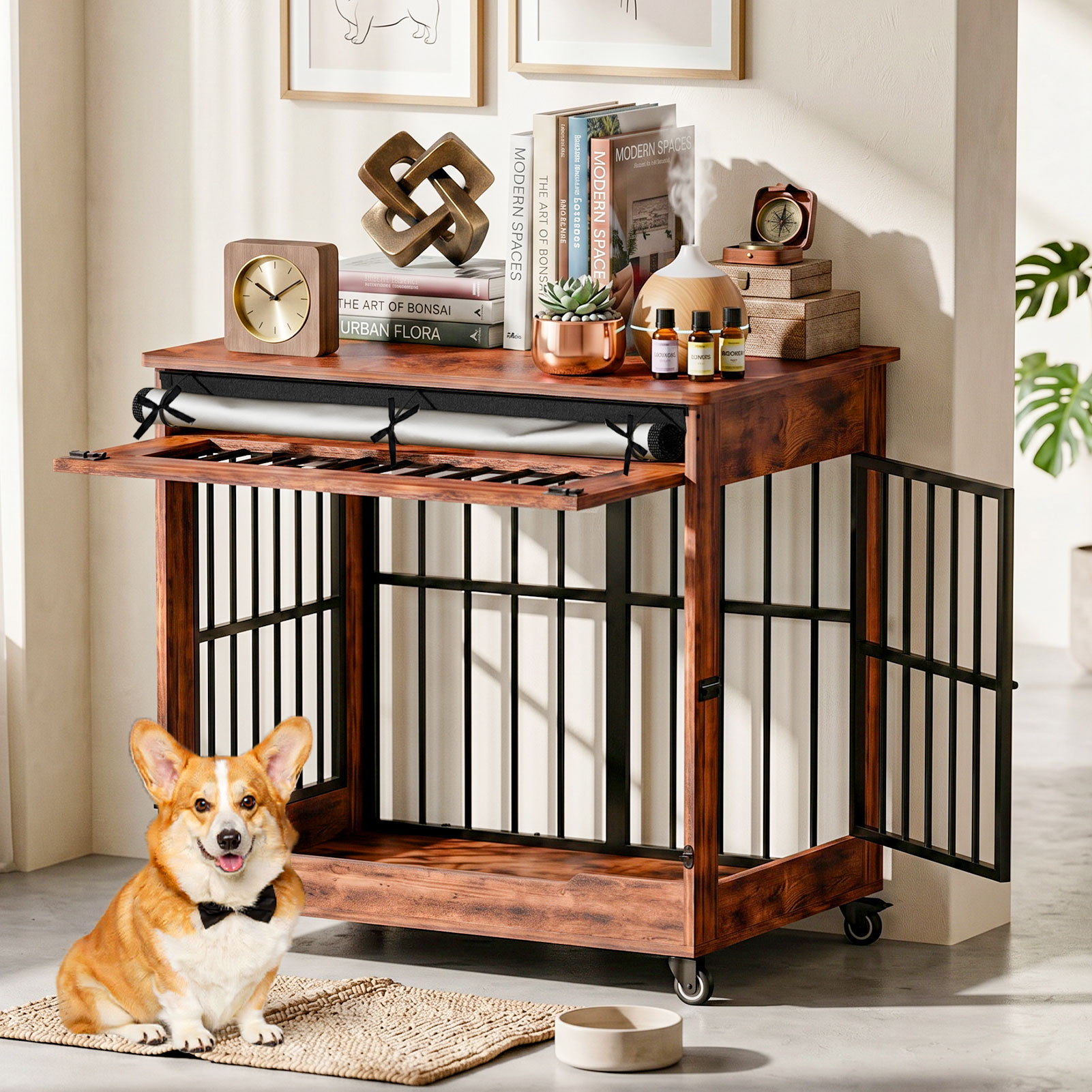 32in Dog Crate Furniture, Double Door Wooden Indoor Dog Kennel Decorative Pet Cage End Table With Wheels For Medium And Small Breed Dogs, Size M, Greige$104.99View on Mallflare
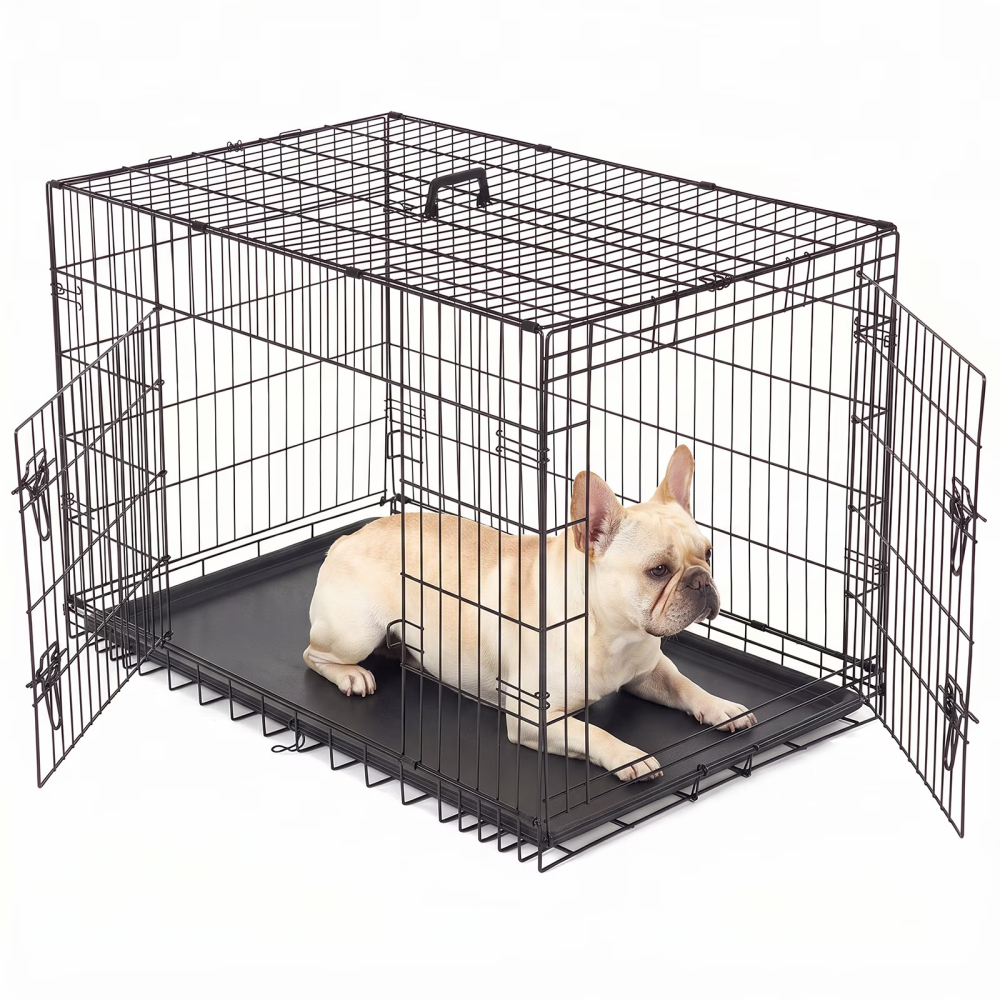 36 Inch Double Door Dog Crate - Heavy Duty Foldable Metal Cage with Divider, Removable Tray & Enhanced Safety Design for Large Dogs, Black$106.99View on Mallflare
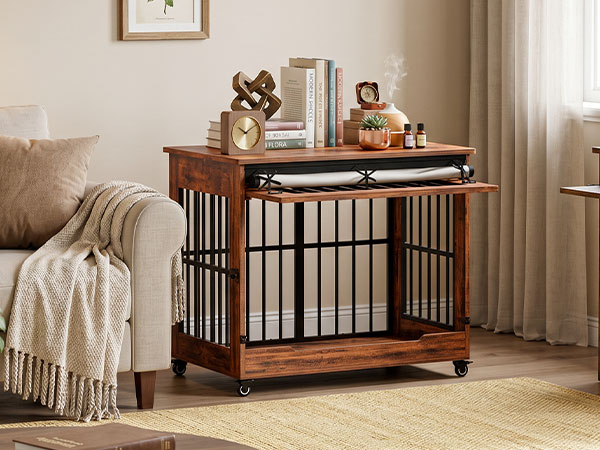 38in Dog Crate Furniture, Double Door Wooden Indoor Dog Kennel Decorative Pet Cage End Table With Wheels For Large And Medium Breed Dogs, Size L, Greige$112.99View on Mallflare
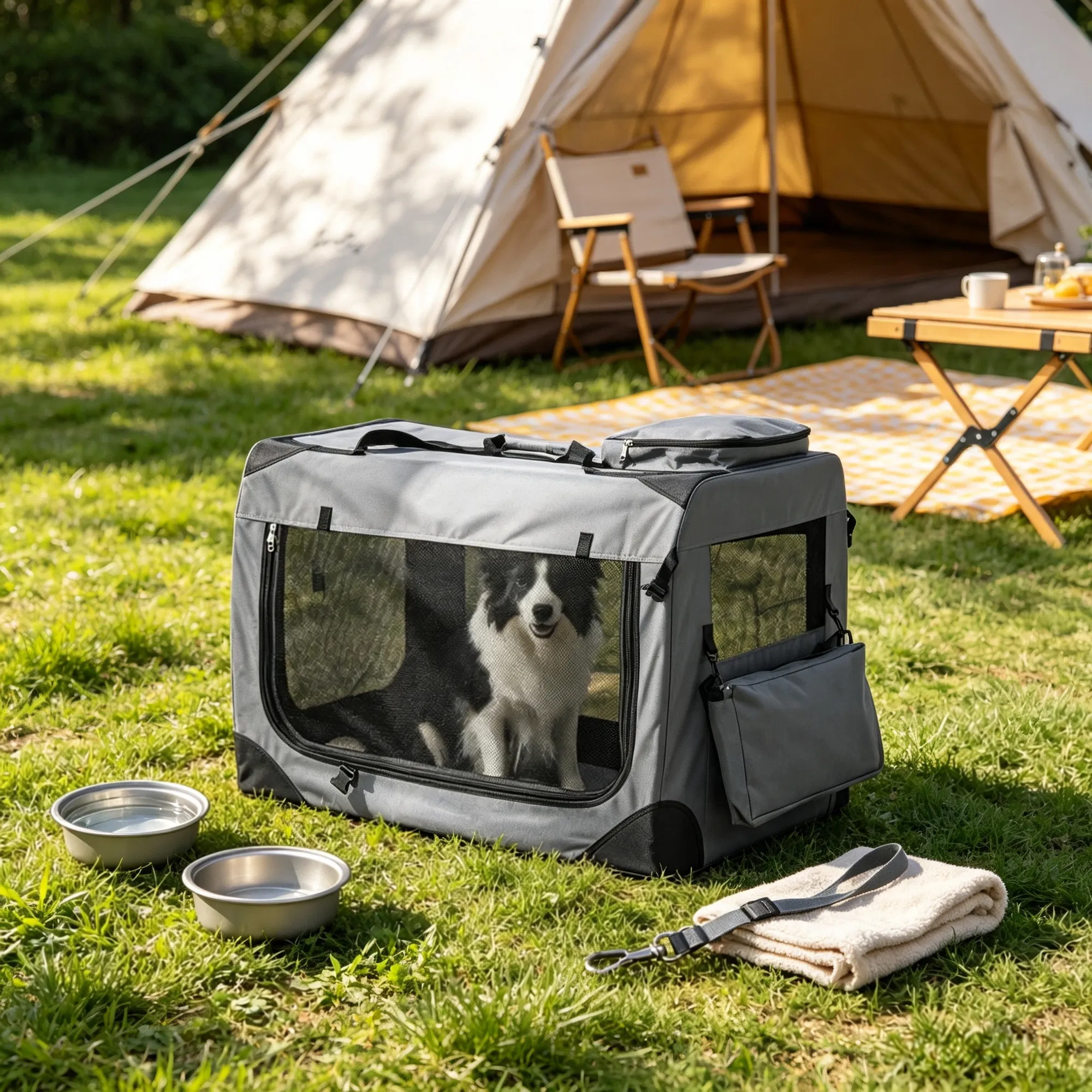 L Collapsible Soft Dog Crate with Mesh Windows And 3 Doors Travel Crates for Small Medium Large Dogs Pet Carrier$123.99View on Mallflare
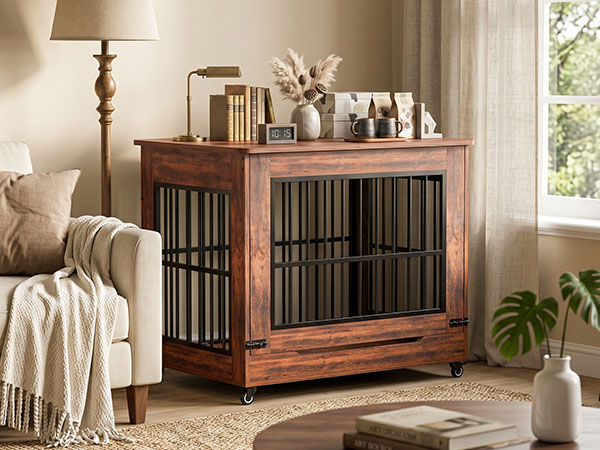 42in Large Dog Crate Furniture, Double Door Wooden Indoor Dog Kennel Decorative Pet Cage End Table With Wheels For Breed Dogs, Size XL, Greige$127.99View on Mallflare
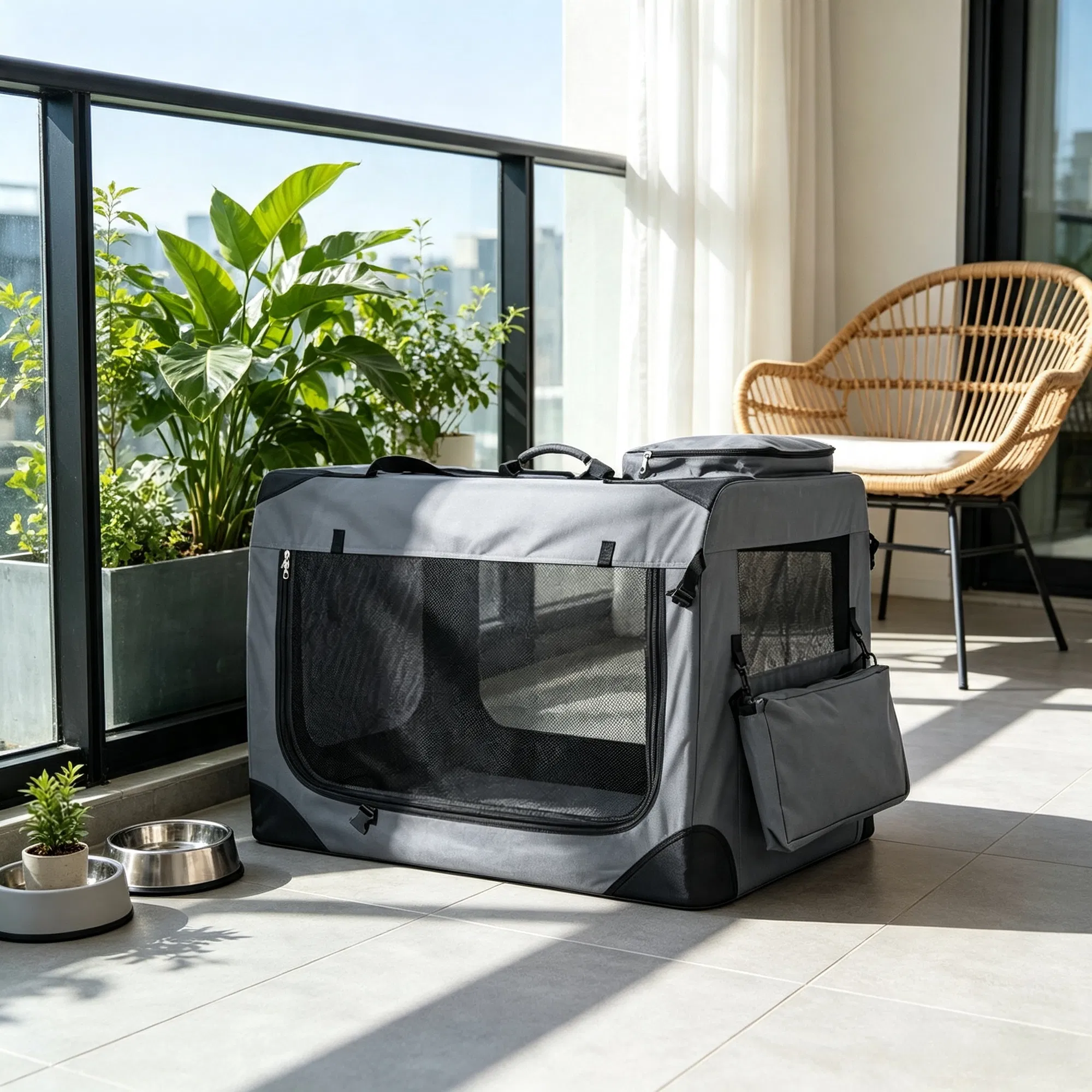 XL Collapsible Soft Dog Crate with Mesh Windows And 3 Doors Travel Crates for Small Medium Large Dogs Pet Carrier$129.99View on Mallflare
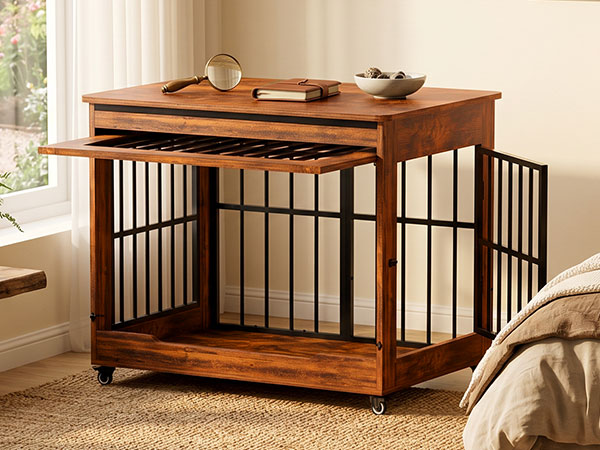 46in Large Dog Crate Furniture, Double Door Wooden Indoor Dog Kennel Decorative Pet Cage End Table With Wheels For Extra Breed Dogs, Size 2XL, Greige$142.99View on Mallflare
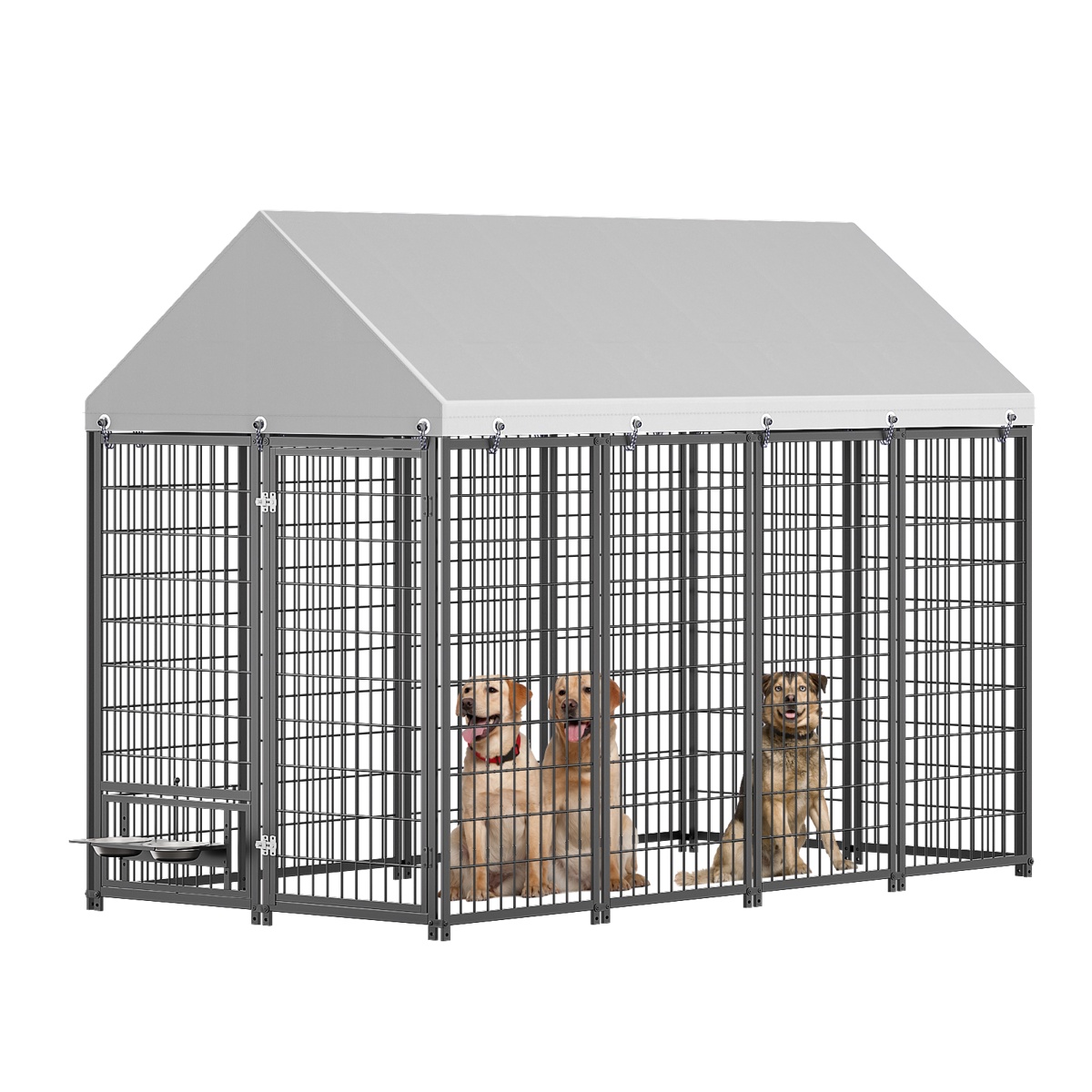 Large Dog Kennel Outdoor Pet Pens Dogs Run Enclosure Animal Hutch Metal Coop Fence With Roof Cover. 7.94'L X 4.13'W X 5.95'H.$145.99View on Mallflare
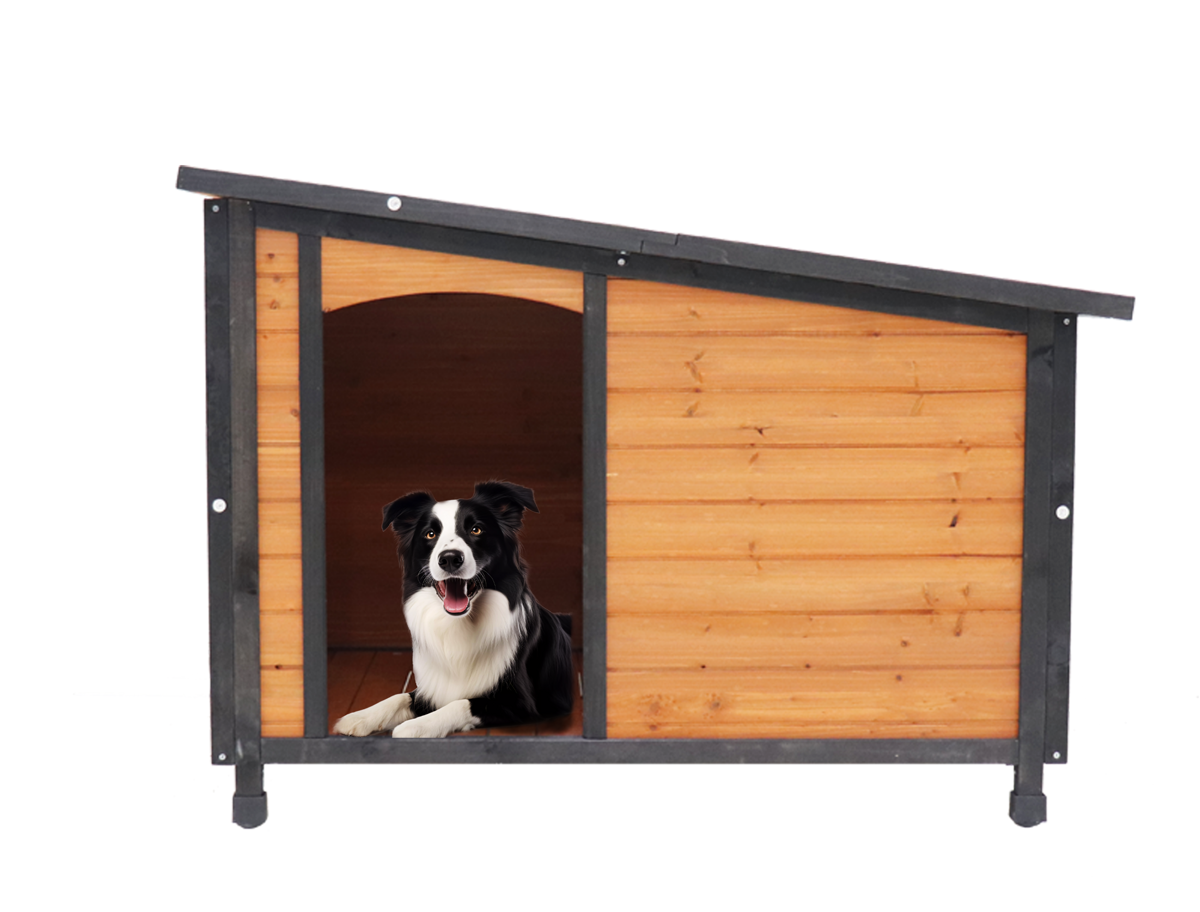 46 Dog House Outdoor & Indoor Wooden Dog Kennel For Winter With Raised Feet Weatherproof For Large Dogs Gold Red And Black PVC Waterproof Roof L$147.99View on Mallflare
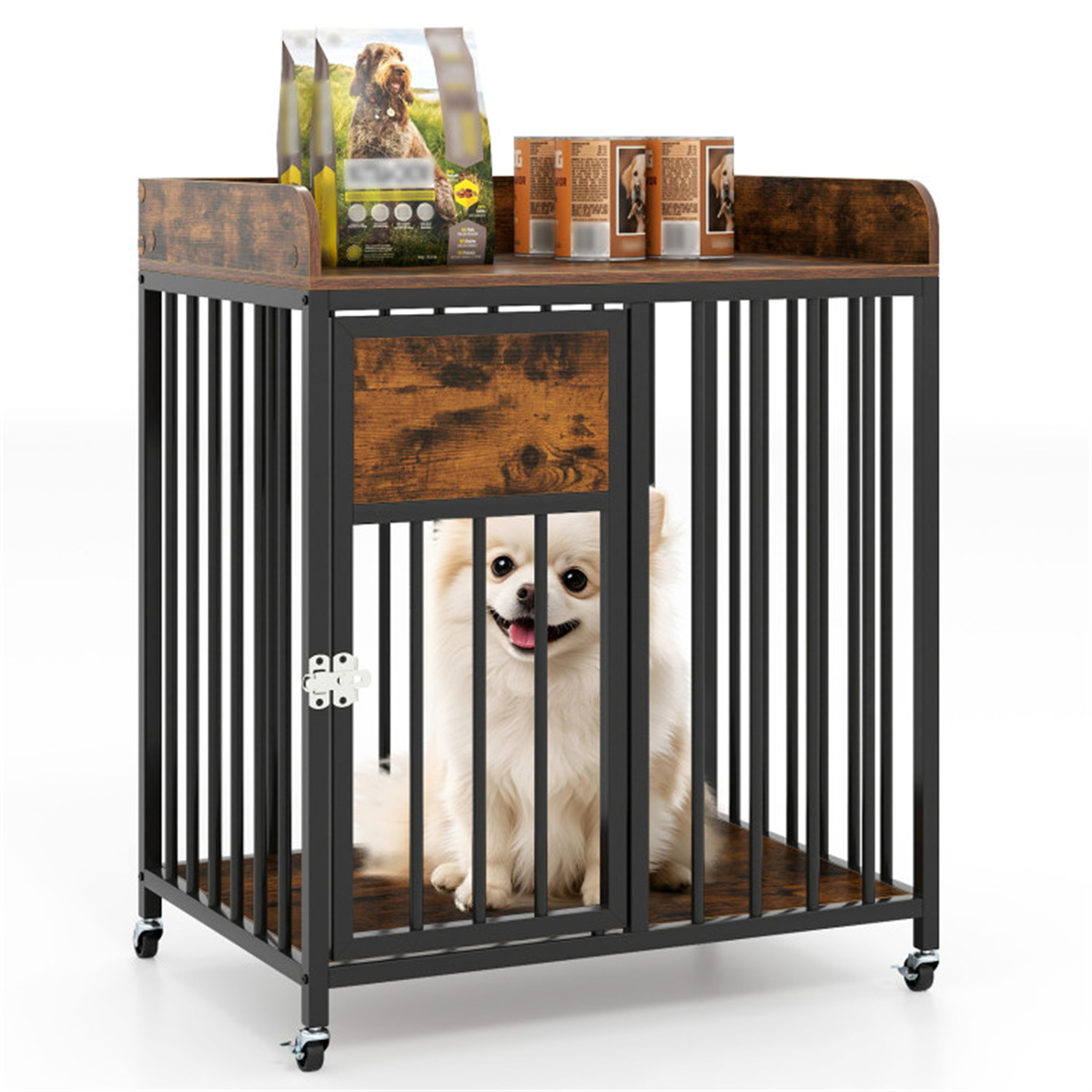 2-in-1 Dog Crate Furniture with Thickened Metal Tubes, Lockable Wheels Pet Kennel for Small Dogs$155.99View on Mallflare
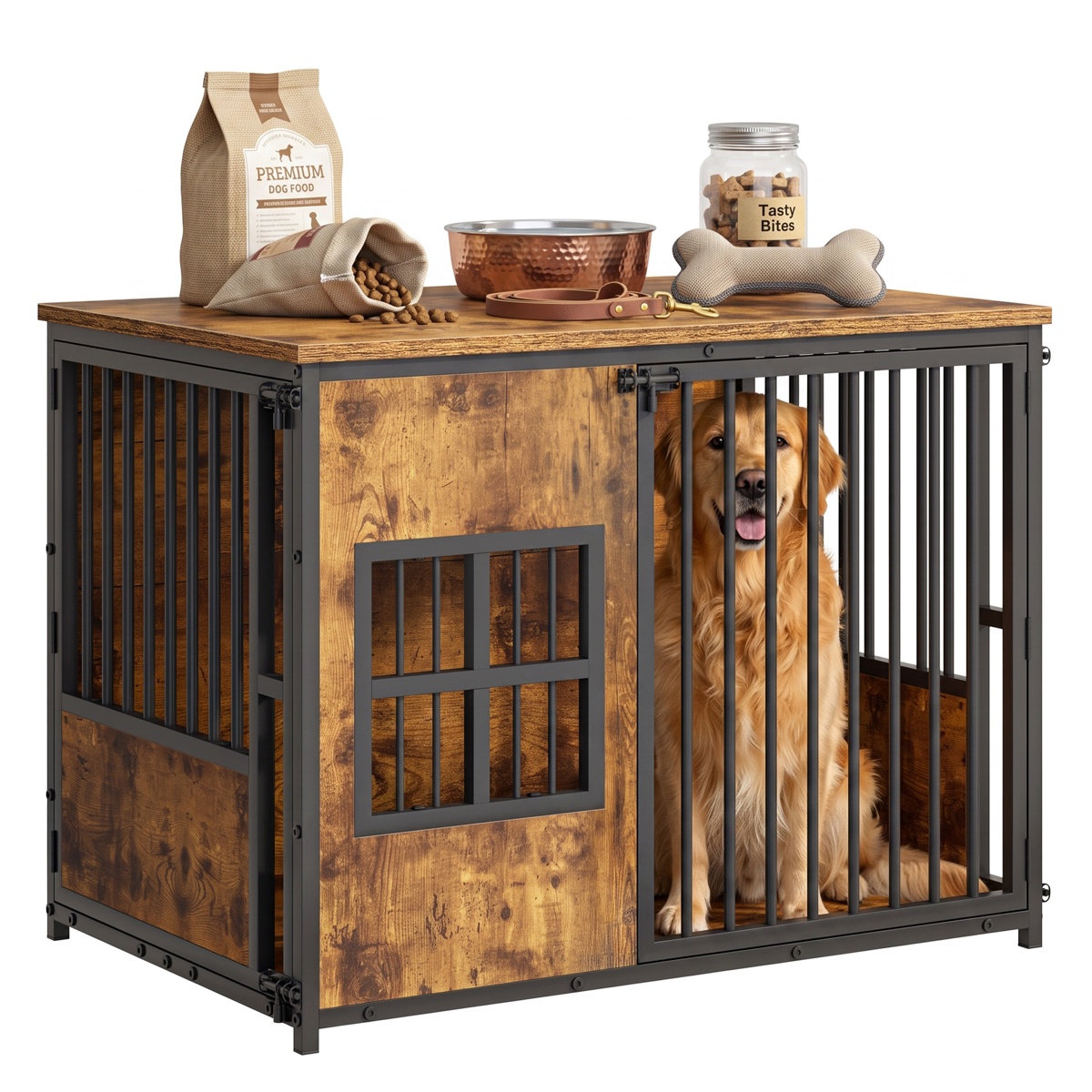 Wooden Dog Crate Furniture, Large Dog Kennel with Storage Top, Indoor Pet Cage$156.99View on Mallflare
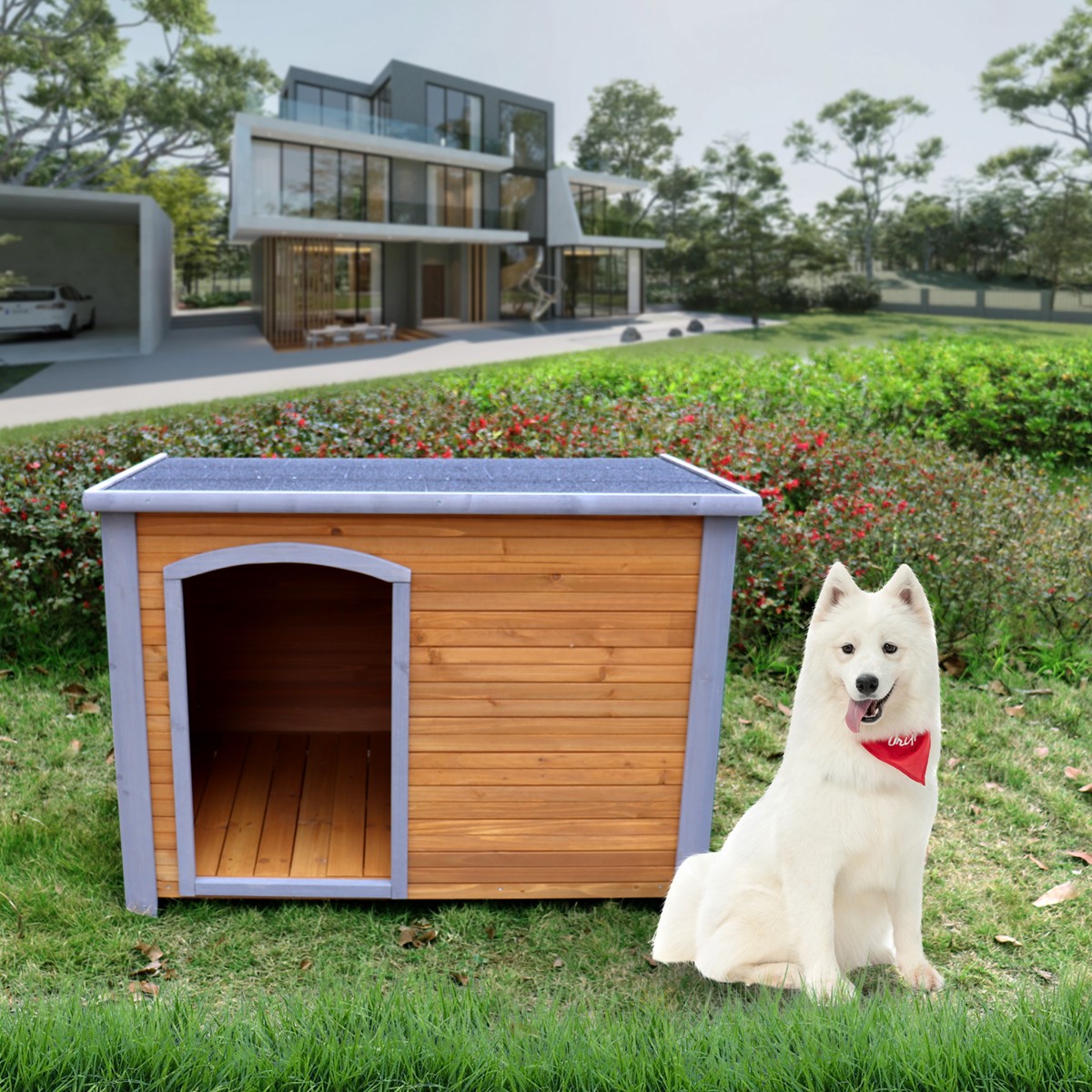 Dog House Outdoor & Indoor Wooden Dog Kennel For Winter With Raised Feet Weatherproof For Large Dogs$164.99View on Mallflare
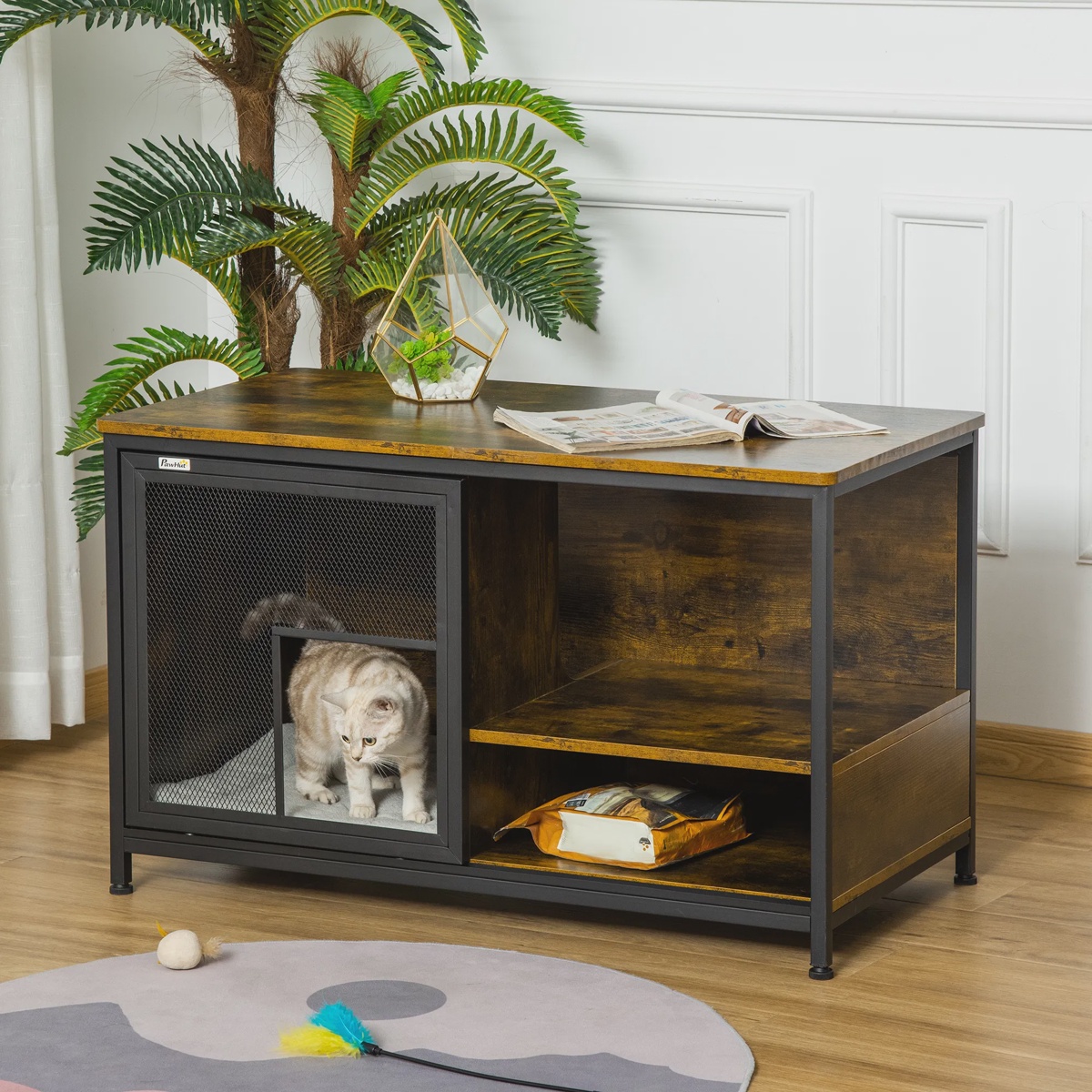 Wooden Cat Crate, Furniture Style Dog Cage, Puppy Kennel Indoor, End Table Pet House with Cushion and Sliding Doors, Rustic Brown$167.99View on Mallflare
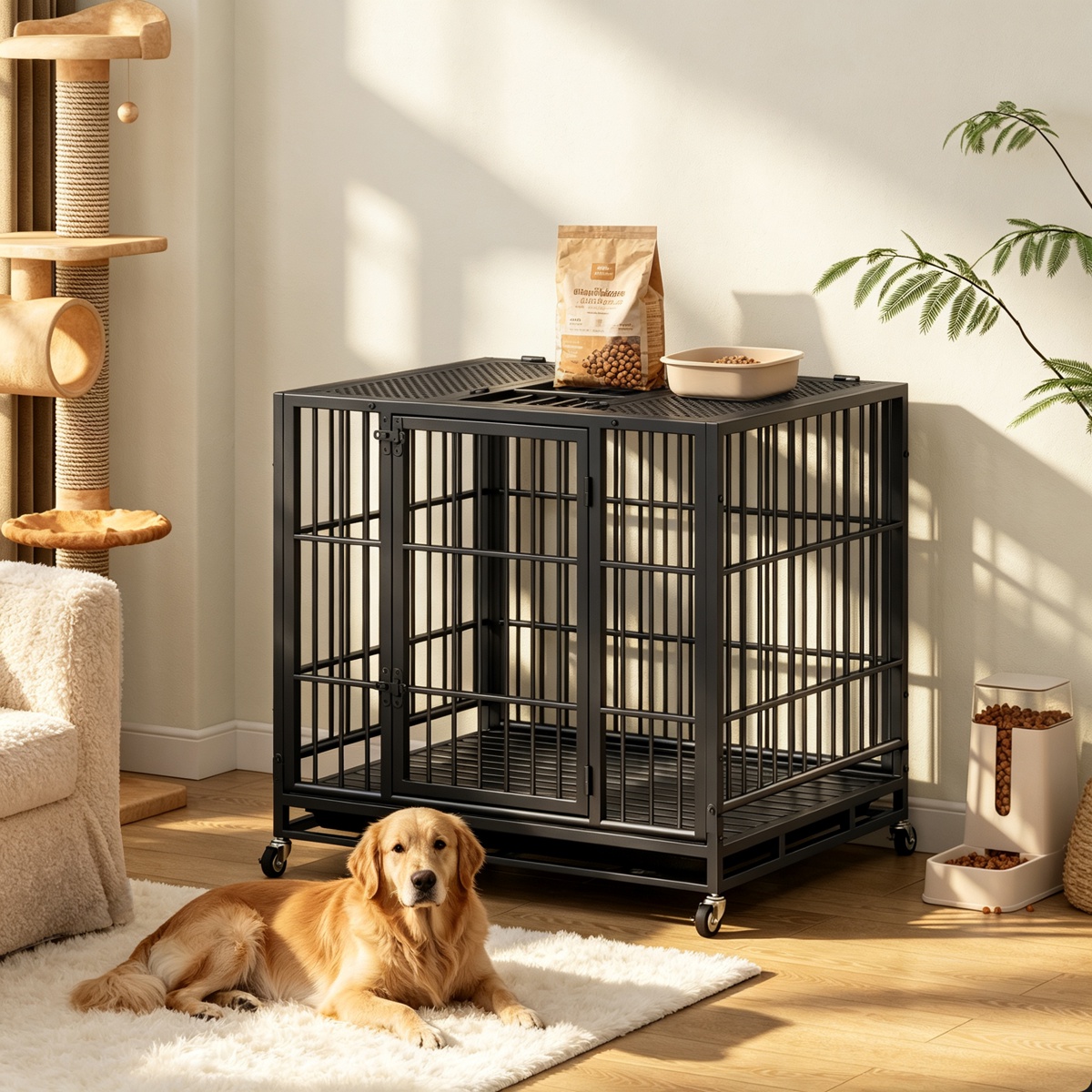 Heavy Duty Dog Crate , Mobile Pet Kennel with Lockable Wheels & Rotary Twist-Latch, Indoor Outdoor Metal Cage Perforated Top$174.99View on Mallflare
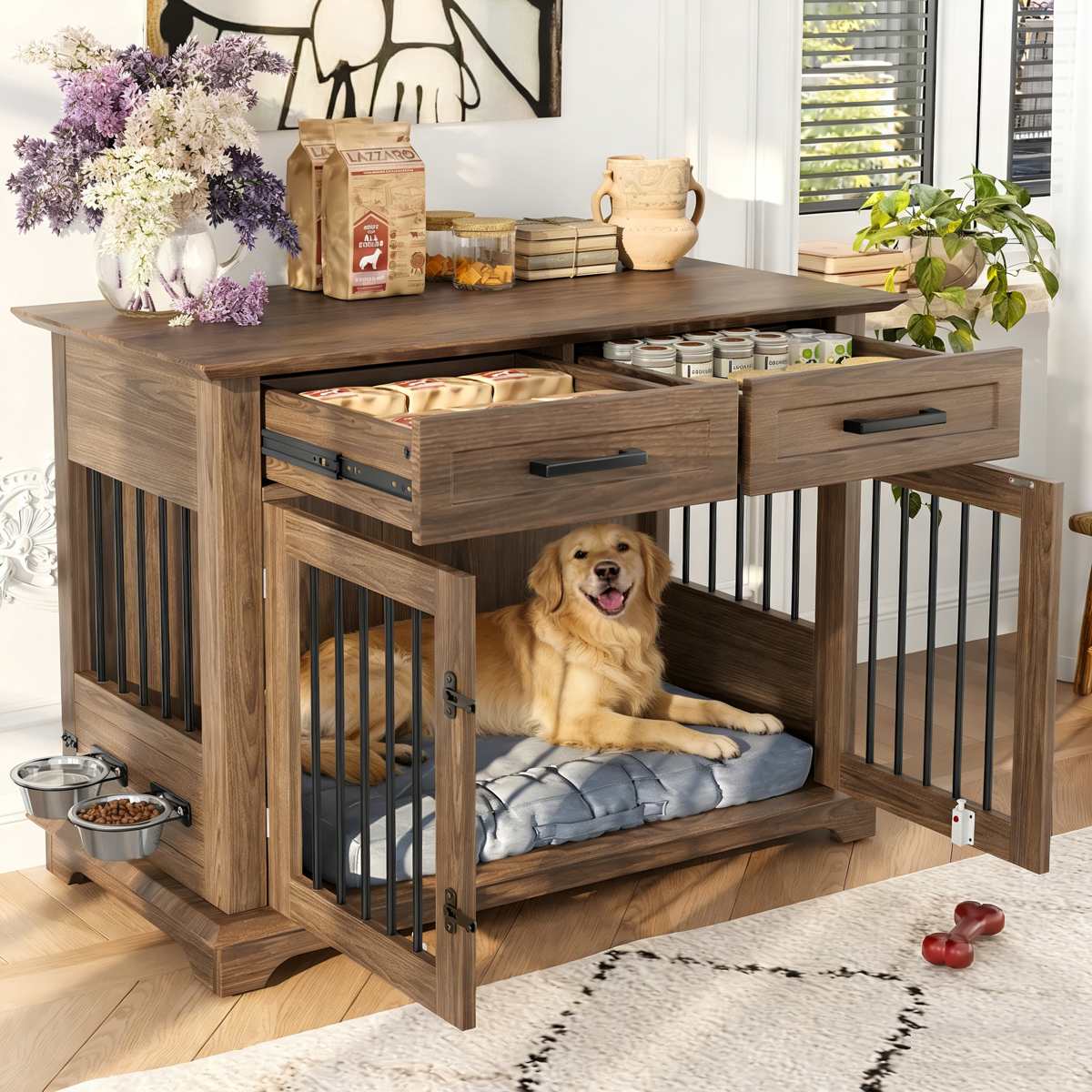 44.48 Large Dog Crate Furniture, Indoor Wooden Dog Kennel End Table With 2 Storage Drawers And Rotating Bowls, Decorative Pet Cage Dog House For Medium Dogs,Brown$185.99View on Mallflare
Highlights
- Wire crates use 8-12 gauge welded steel with 1.5-2 inch bar spacing; small-breed cages need 1-1.5 inch spacing to prevent jaw or paw entrapment.
- Furniture crates use MDF or solid pine panels with steel or aluminum grilles; MDF delaminates in humid rooms, so solid wood or sealed engineered panels are the durable tier.
- Soft fabric kennels rely on 600D-1200D Oxford polyester and steel or fiberglass rod frames; they resist scratching but not chewing, and are not containment-grade for escape artists.
- Heavy-duty models step up to 0.8-1.2 mm wall steel tubing, reinforced corner welds, and dual slide-bolt latches; these are the only cages rated for dogs over 50 lb with bolting or jumping behavior.
Best use cases
- House-training a puppy indoors: choose a single-door wire crate sized to the dog's adult length with a removable tray and divider panel; skip furniture crates, which hide accidents and slow training.
- Calm adult dog needing an indoor den that doubles as an end table: choose a wooden furniture crate with lockable double doors and a cushion; skip soft fabric tents, which collapse under a determined digger.
- Large outdoor or escape-prone dog: choose a heavy-duty metal cage with 1 mm-plus tubing, welded corners, and two slide-bolt latches; skip octagon playpens and fabric kennels, which are not containment-grade.
Buying tips
- Size by interior dimensions: length should equal dog length (nose to tail base) plus 2-4 inches, height should equal standing height plus 2-4 inches, and width should allow a full turn-around.
- For puppies, buy the adult-size crate with a divider panel rather than a small crate you will replace in months; a 24-inch cage fits most toy breeds, 30-36 inch fits small to medium, 42 inch fits large, and 48-54 inch fits giant breeds.
- Check bar spacing against breed: under 1.5 inches for dogs under 20 lb, 1.5-2 inches for 20-50 lb, and 2 inches or heavier gauge for 50 lb-plus dogs.
- Prefer drop-pin or dual slide-bolt latches over single plastic clips; plastic latches crack in cold and are the most common failure point on budget wire cages.
Specs
| Cage Material | Welded steel / MDF wood / 600D fabric |
|---|---|
| Bar Spacing | 1-2 in (1-1.5 in for small breeds) |
| Size Tiers | 24 / 30 / 36 / 42 / 48 / 54 in |
| Latch Type | Dual slide-bolt / drop-pin preferred |
Related searches
What to check before buying
- Measure your dog standing and lying down, and measure the floor footprint plus door clearance where the cage will sit before choosing 24, 30, 36, 42, 48, or 54 inch tiers.
- Confirm the cage fits your vehicle cargo area if it doubles as a travel crate; wire crates fold flat, while furniture crates generally do not.
- For outdoor use, verify the finish is powder-coated or galvanized steel; bare or painted welds rust within a season in wet climates.
- Check that replacement trays, divider panels, and covers are available for the model, since these wear parts determine usable lifespan.
FAQ
Data sources: eBay / Amazon listings and product attribute feeds. Updated Nov 28, 2026.
Some links on this page are affiliate links. If you buy after clicking one, we may earn a commission at no extra cost to you. This does not change which products appear here or their order. Affiliate disclosure.