
Photos from current listings. Actual item, color, and included accessories may vary.
Cat Furniture Buying Guide
Cat furniture spans floor-to-ceiling tension towers, freestanding multi-tier condos, wall-mounted climbing systems, and scratching-first pieces—each defined by stability mechanics and scratching substrate durability. The core trade-off is footprint vs. vertical territory: tension poles and wall shelves maximize climbing height in small rooms, while wide-base towers and corner units trade floor space for multi-cat capacity. Buy tension towers only with verified ceiling height ranges and load-rated poles; choose wall systems only with stud anchoring; reject any tall unit under 30 lb base weight or with glued rather than bolted joints.
Median $115.49
Key takeaways
- Sisal rope (natural, 6-8mm) outlasts paper rope and corrugated cardboard 3-5x for scratching; cardboard scratchers are consumables that shed and flatten within months.
- Floor-to-ceiling tension towers rely on a spring or threaded pole expanding against the ceiling; they require 7.5-9.5 ft ceilings and fail on drop ceilings, popcorn texture, or vaulted spans.
- Base footprint and mass govern tip resistance: wide split bases and corner wedges stabilize 60-80 in towers, while narrow round bases on tall units tip under multi-cat jumping.
At a glance
- Category
- Pet Beds & Cat Trees
- Last updated
- Nov 28, 2026
Current offers
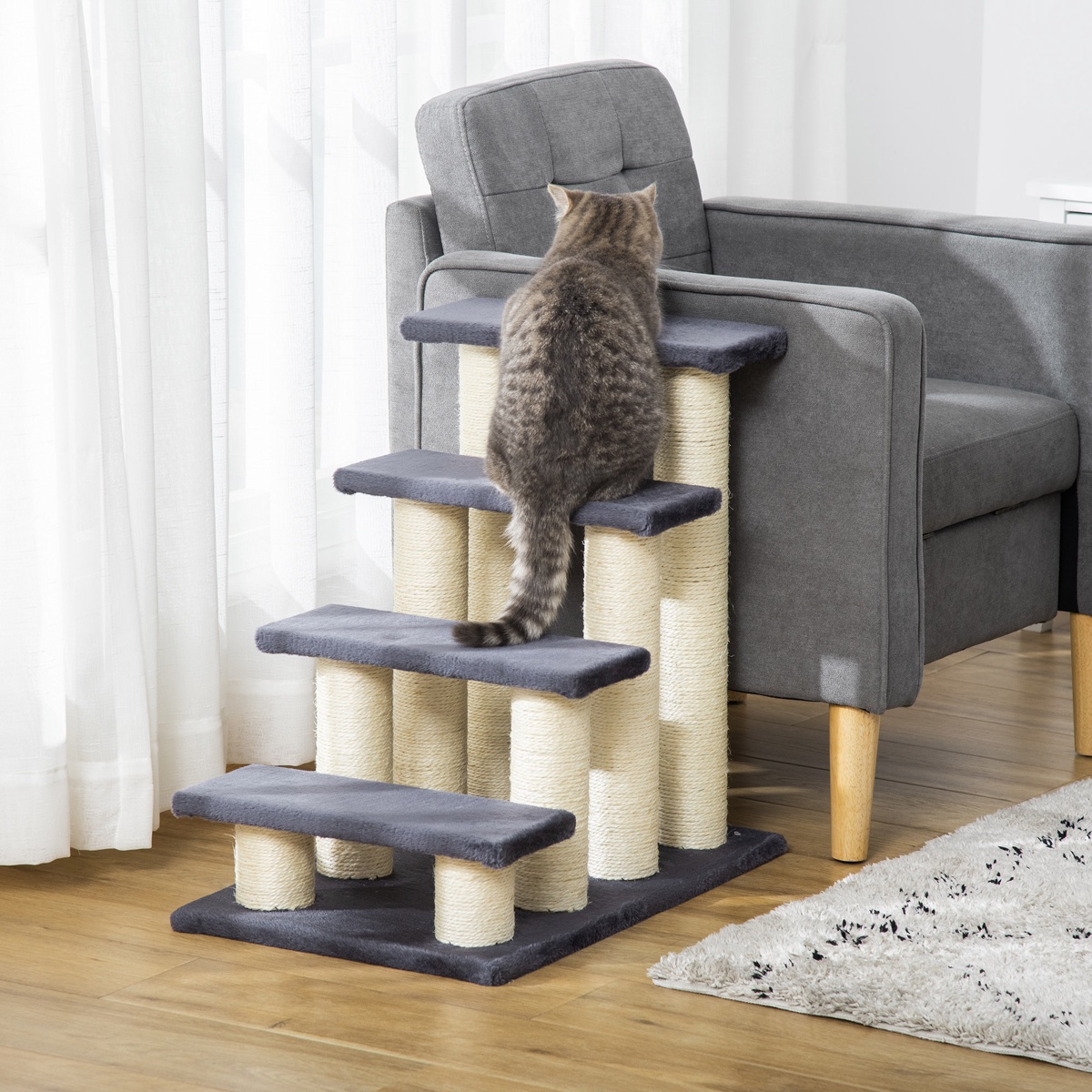 Cat Tree with 4 Steps for High Beds w/ Sisal Scratching Post$50.99View on Mallflare
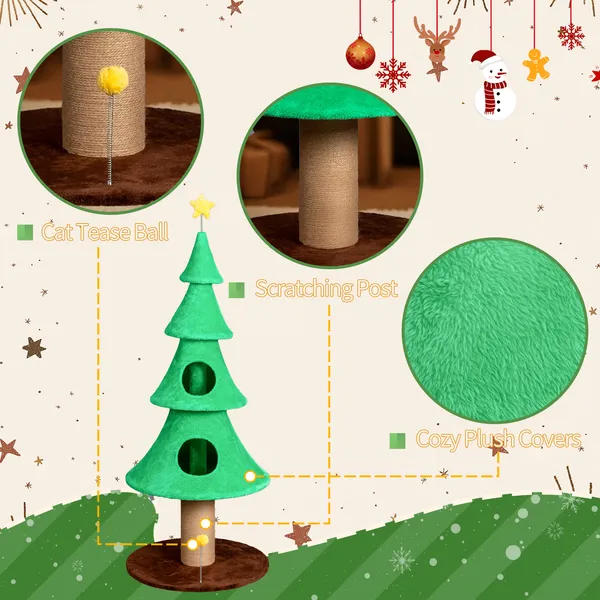 59in Large Tall Christmas Tree Cat Tower With 2 Cat Condos & Scratching Post, Soft Fleece Cat Teaser Toy & Sturdy Base & Built-in Openings For Indoor Cats, Green$54.99View on Mallflare
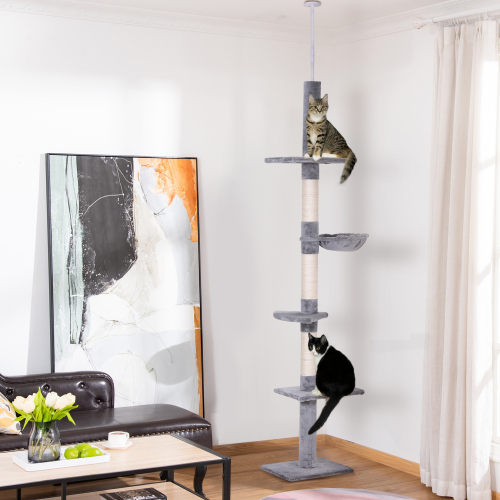 PawHut 9' Adjustable Height Floor-To-Ceiling Vertical Cat Tree - Grey And White$69.99View on Mallflare
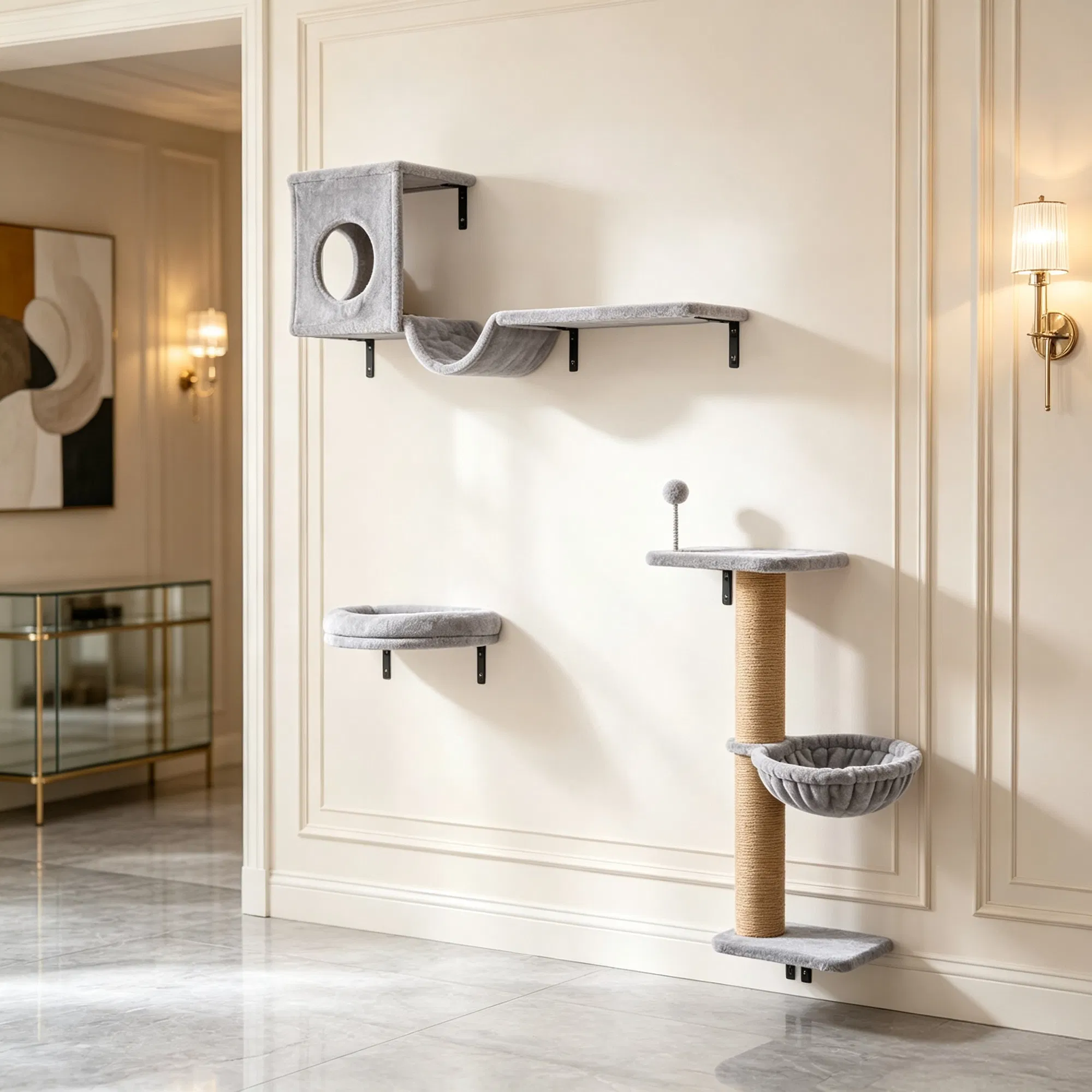 Gray 3-In-1 Cat Wall Shelves Condo Bed Hammock Scratching Post Spring Ball Combination for Cats$71.99View on Mallflare
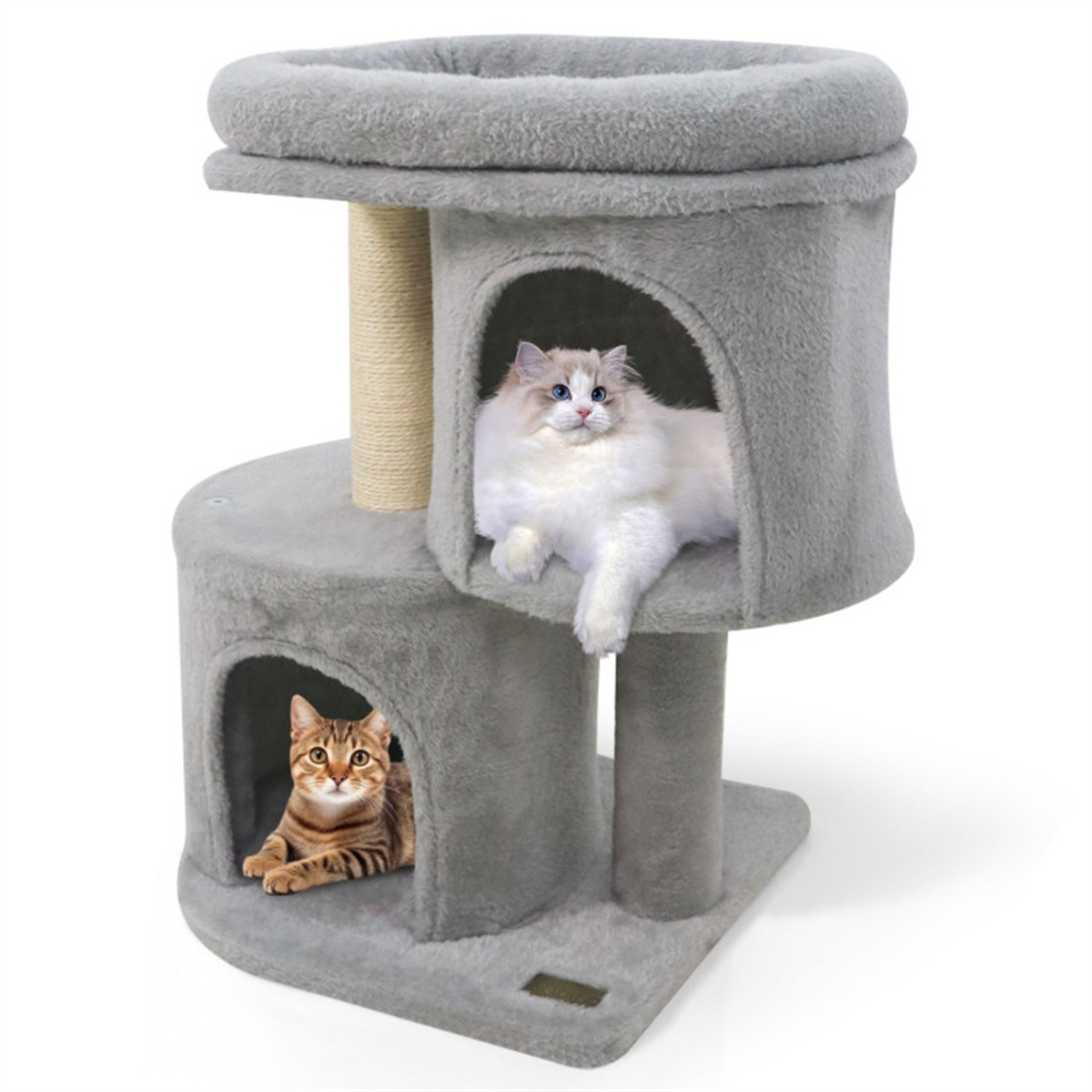 26" Compact Cat Tree with 2 Condos & Sisal Scratching Posts, Anti-Tip Cat Tower for Small Spaces$79.99View on Mallflare
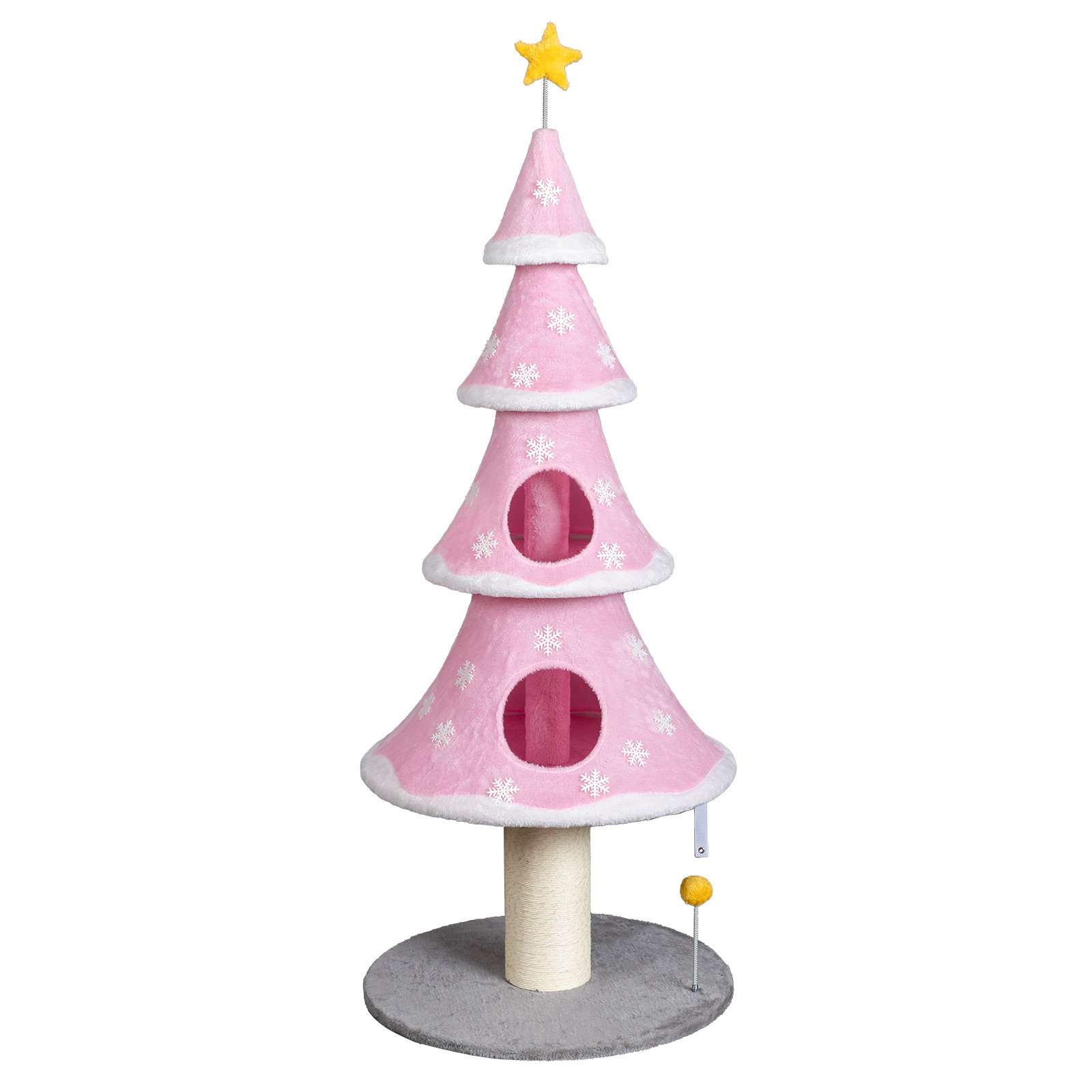 59in Large Tall Christmas Tree Cat Tower with 2 Cat Condos & Scratching Post, Soft Fleece Cat Teaser Toy & Sturdy Base & Built-in Openings for Indoor Cats, Pink$80.99View on Mallflare
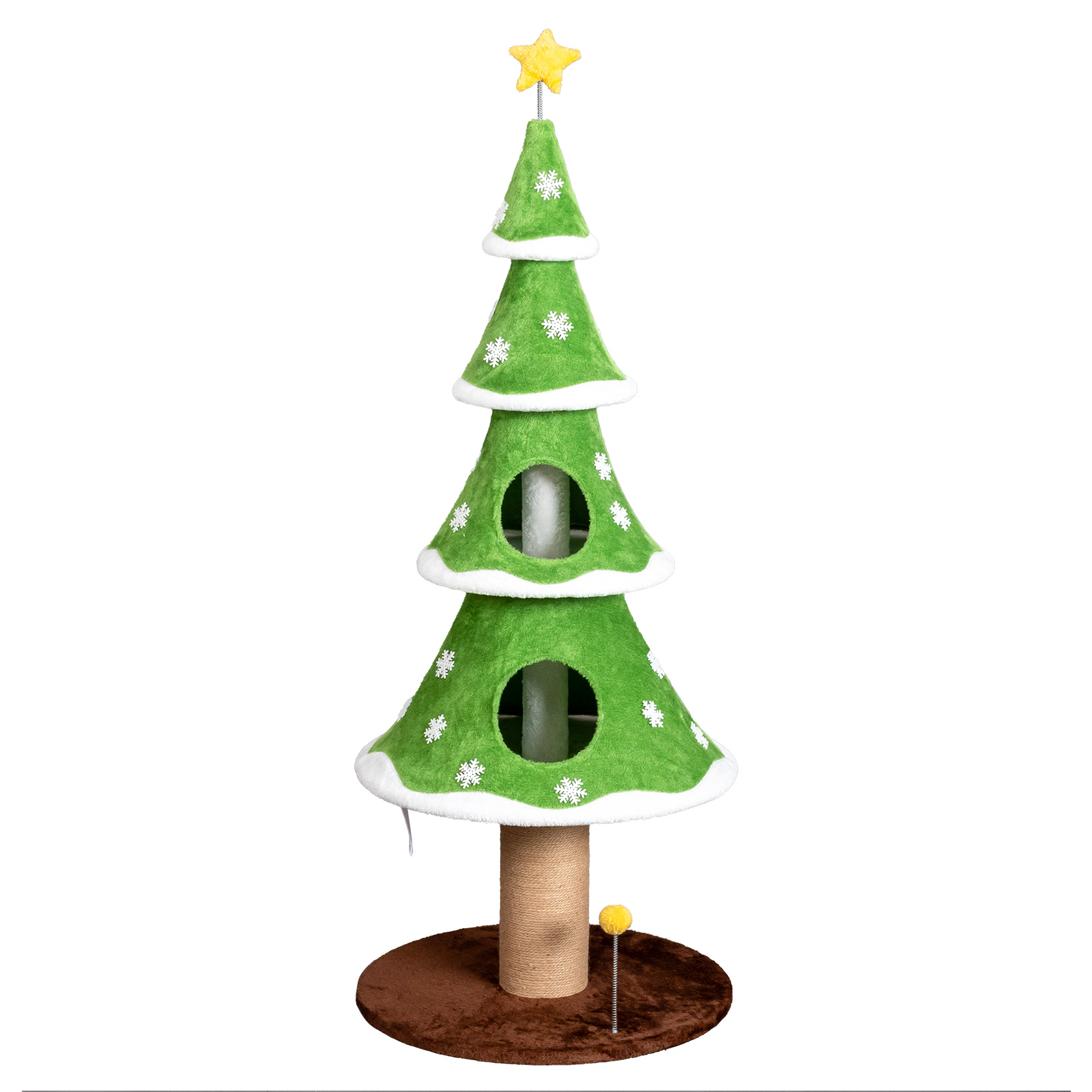 59in Large Tall Christmas Tree Cat Tower with 2 Cat Condos & Scratching Post, Soft Fleece Cat Teaser Toy & Sturdy Base & Built-in Openings for Indoor Cats, Green & White$80.99View on Mallflare
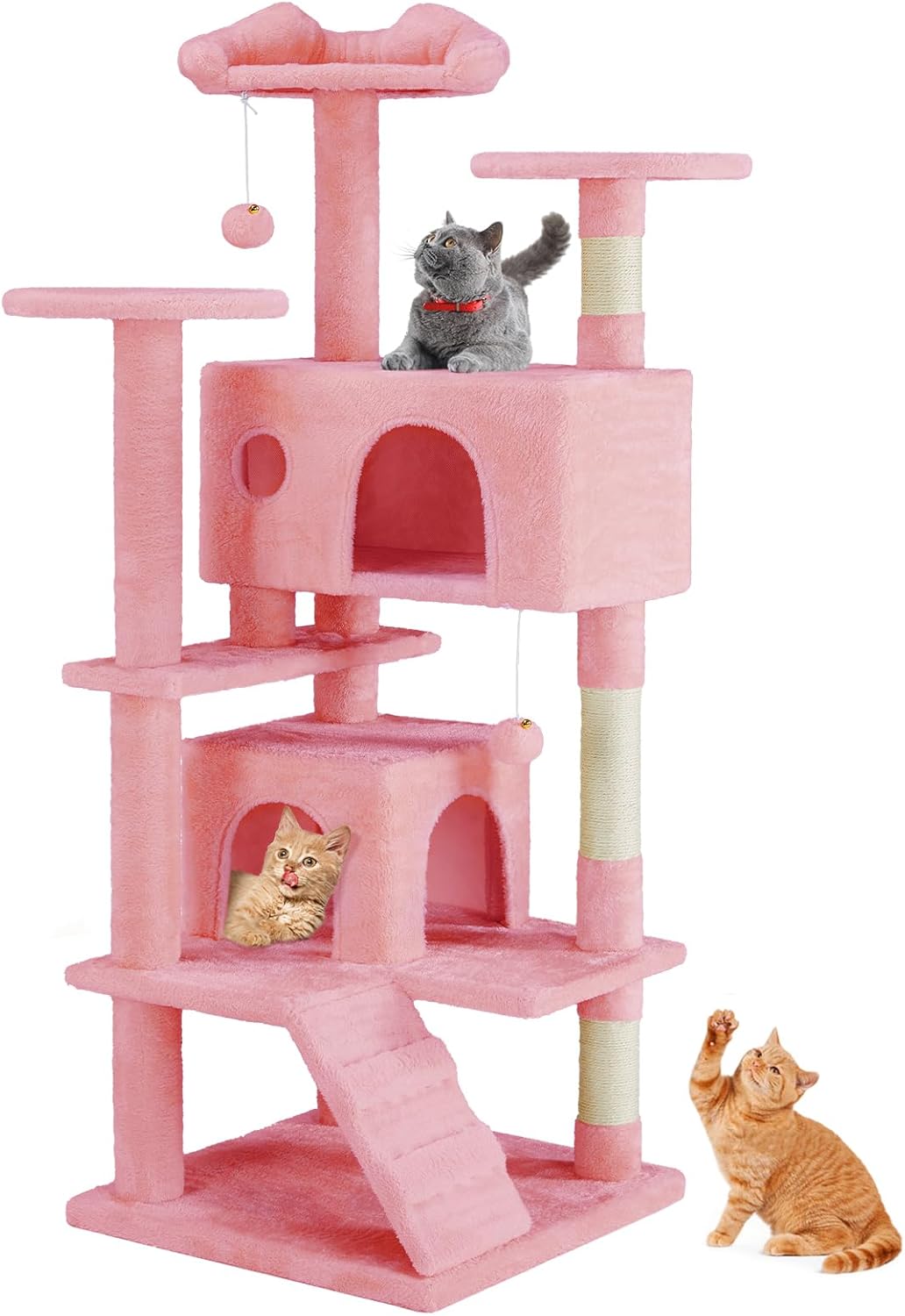 54 -Cat Tree Tower - Multi-level With Sisal Grab Post, Indoor Apartment Ladder, Plush Toys, Rest And Play$81.99View on Mallflare
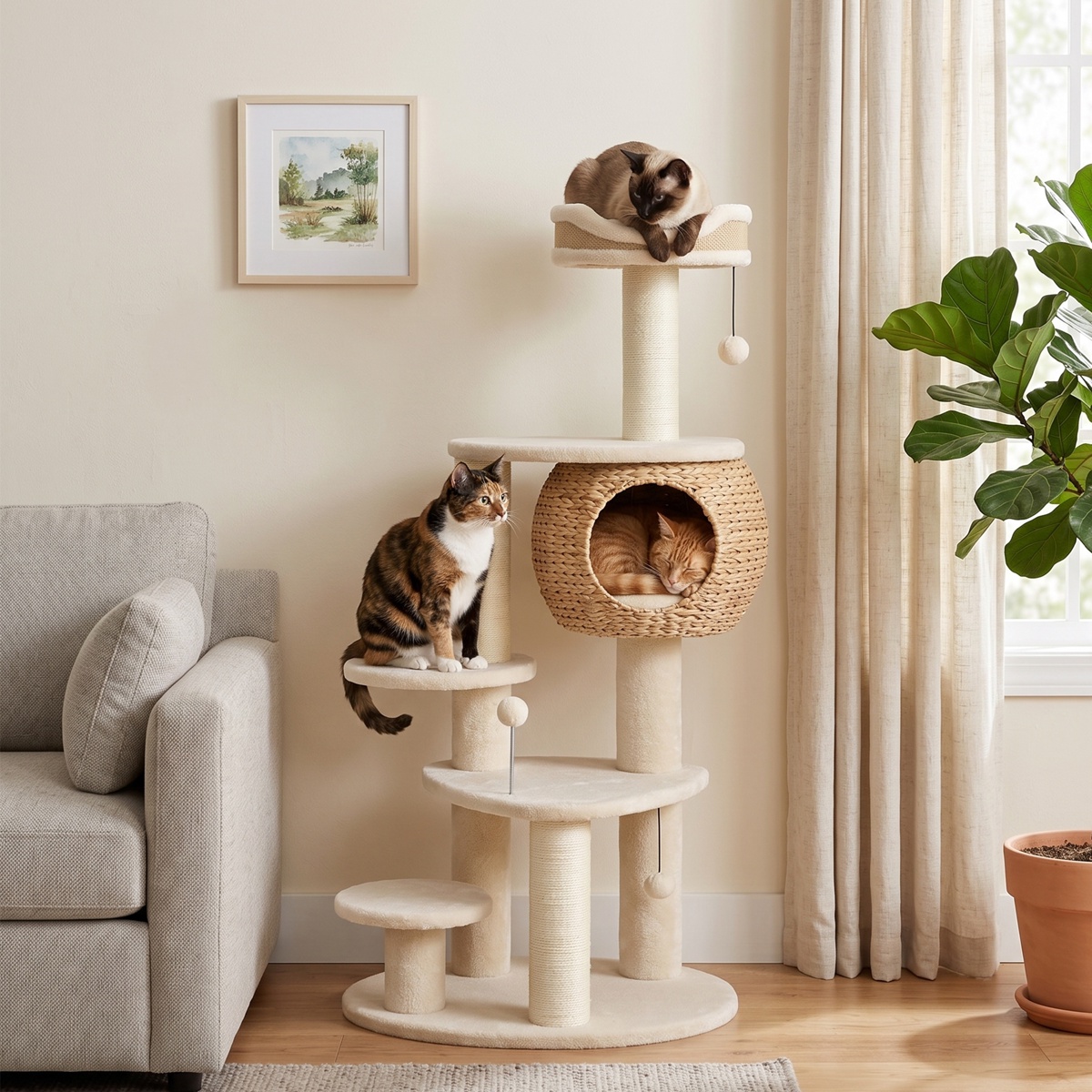 52" Cat Tree, Cat Tower with Handwoven Cattail Condo, Bed, Platforms, 3 Scratching Posts and 3 Toy Balls$82.99View on Mallflare
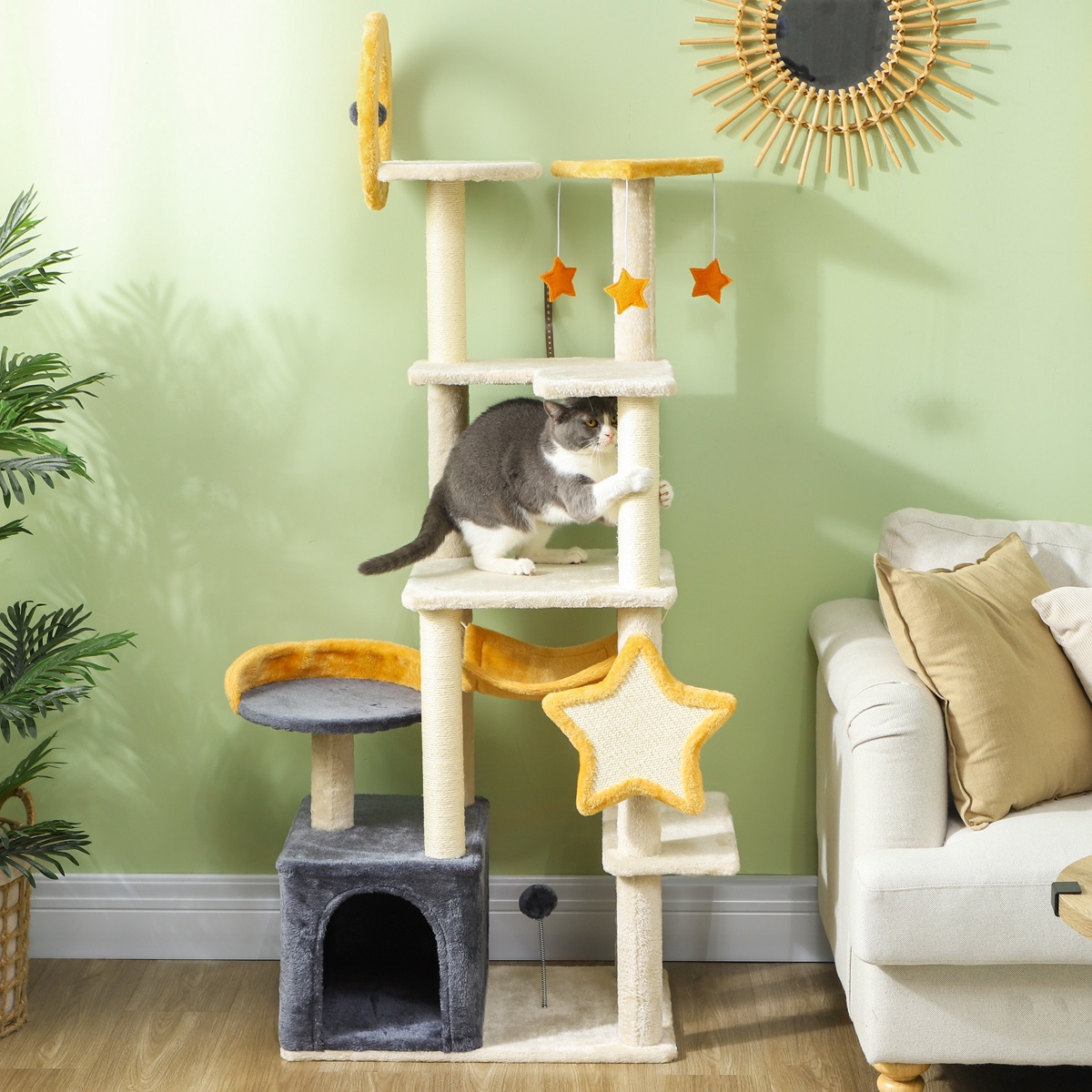 63 Inch Moon and Star Themed Cat Tree with Scratching Post, Hammock, Condo, Bed, Board & Cat Toys, Beige$83.99View on Mallflare
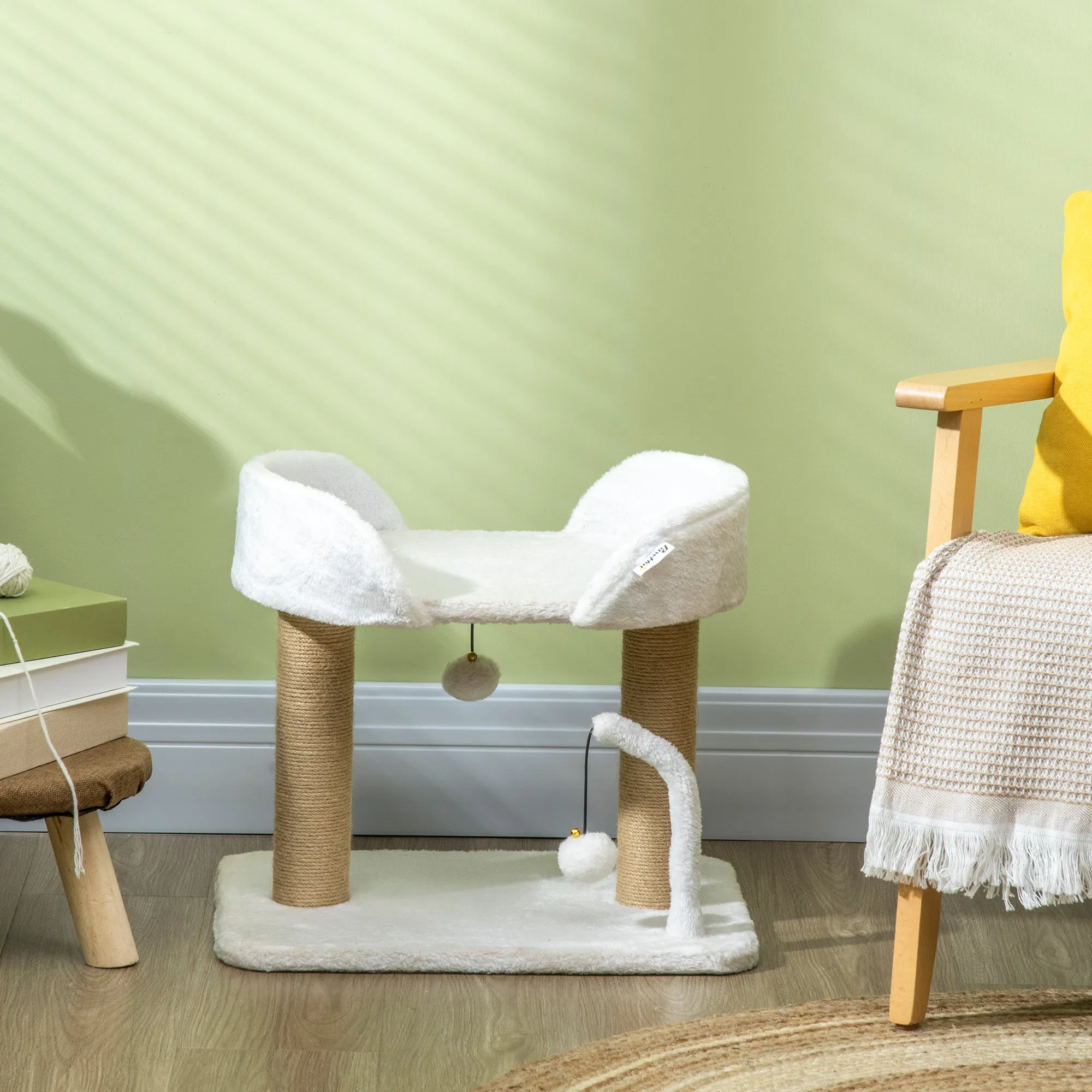 White Cat Tree Tower Apartment, equipped with a jute grab pole, top bass, and indoor cat swing ball$83.99View on Mallflare
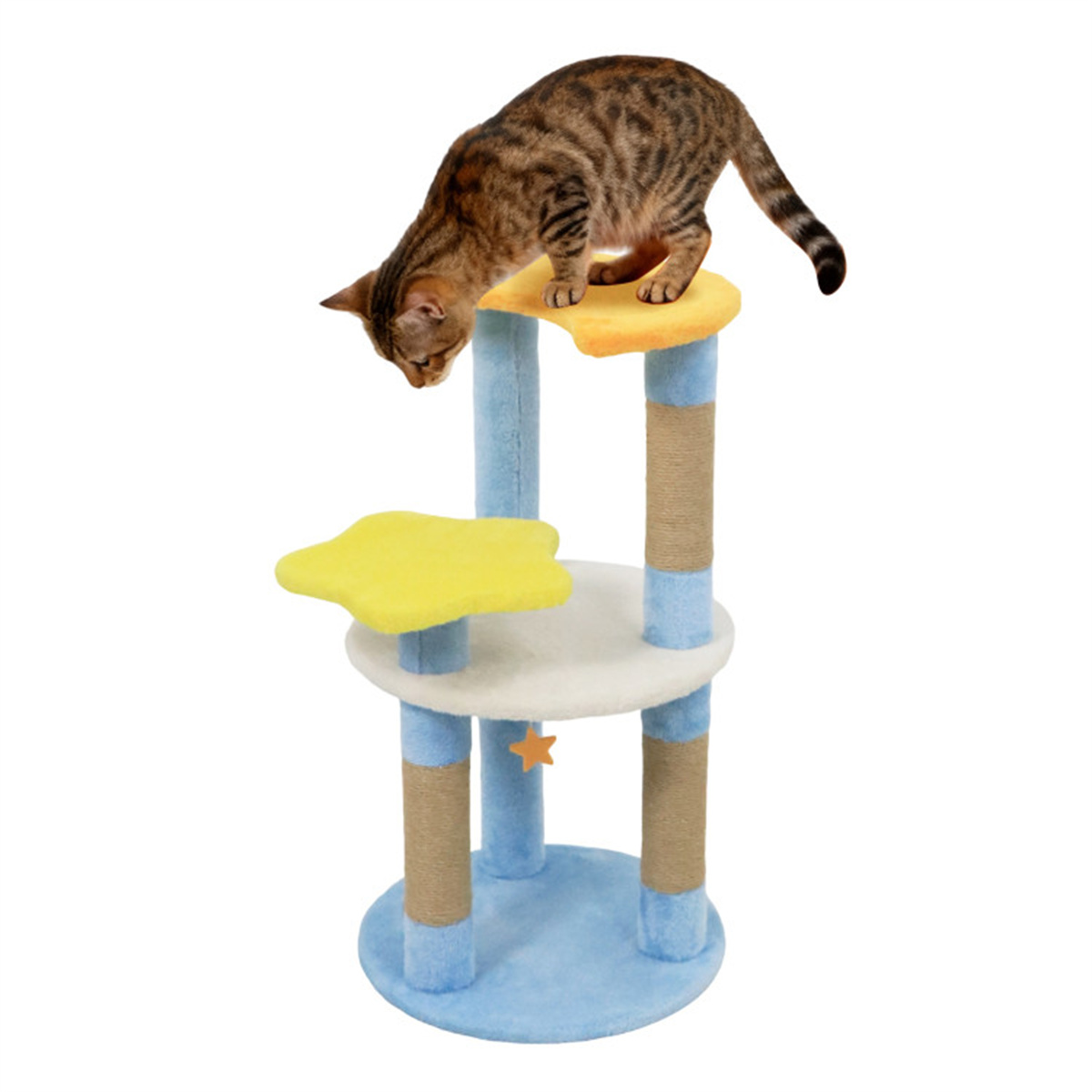 29" Moon & Star Cat Tree with 4 Levels, Jute Scratching Posts & Anti-Tipping Device for Kittens & Adults-Blue$84.99View on Mallflare
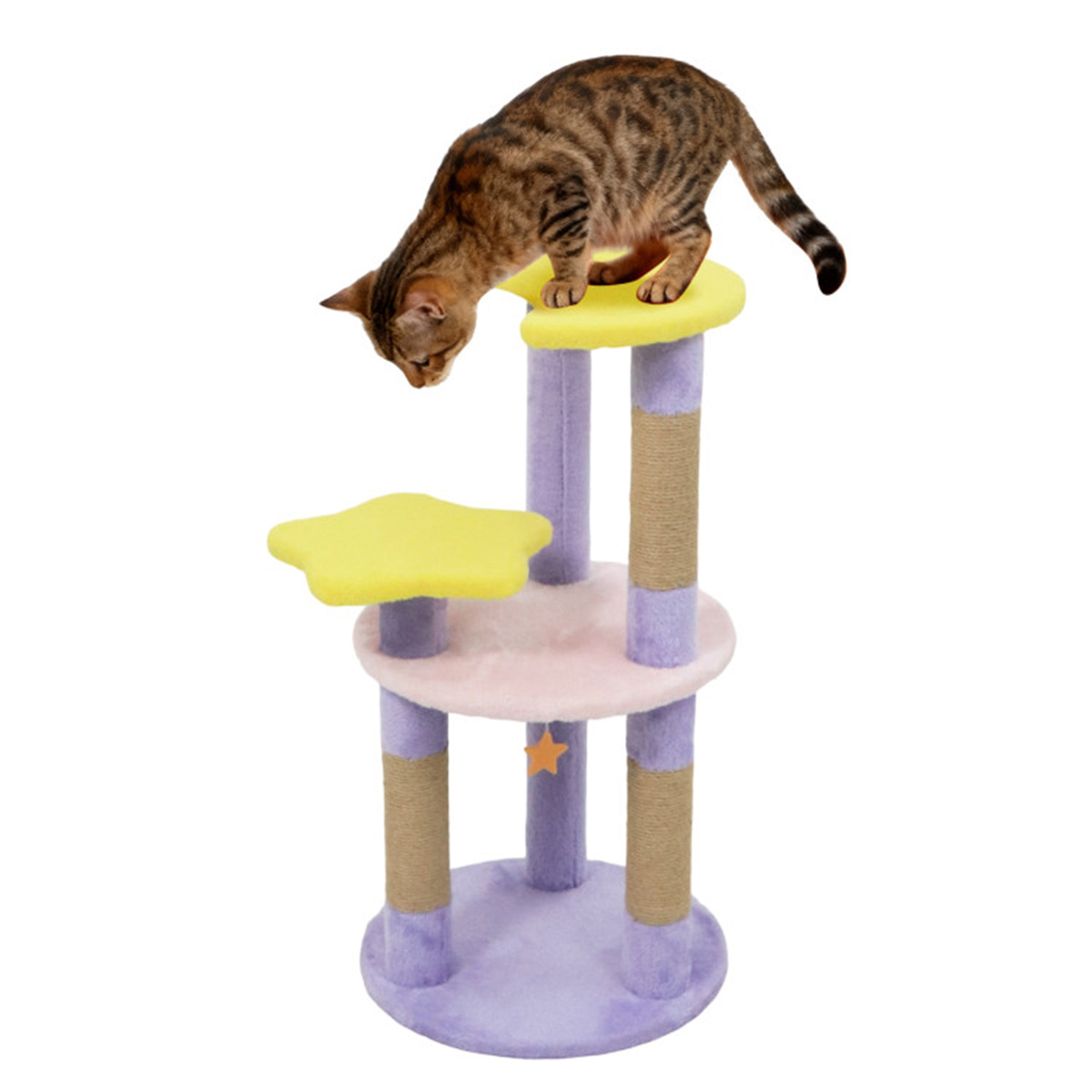 29" Moon & Star Cat Tree with 4 Levels, Jute Scratching Posts & Anti-Tipping Device for Kittens & Adults-Purple$84.99View on Mallflare
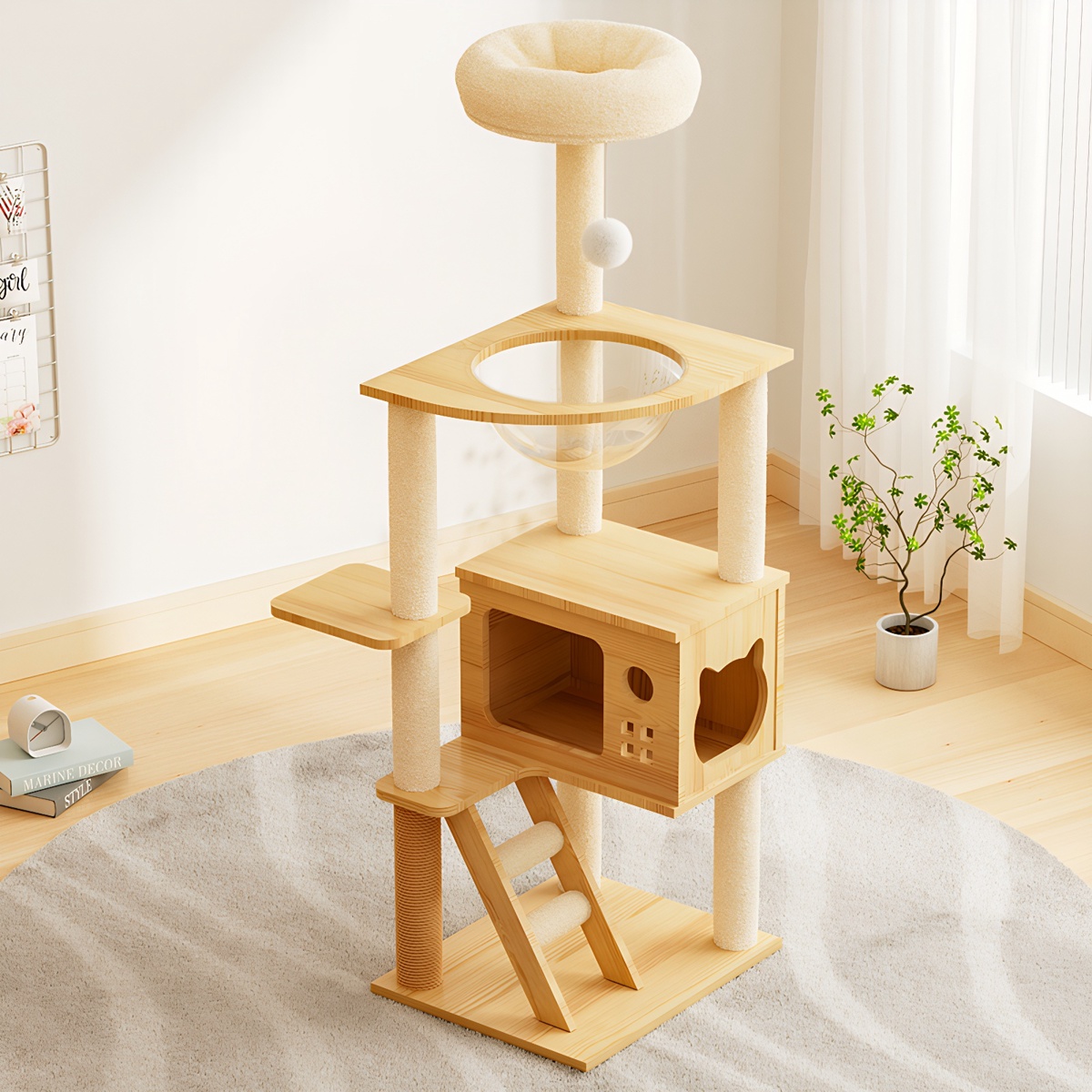 48.8" Modern Cat Tower, Wood Cat Tree for Indoor Cats, Cat Treewith Sisal-Covered Scratching Posts and Top Perch, Cat Condo with Acrylic Hammock for Small Large$84.99View on Mallflare
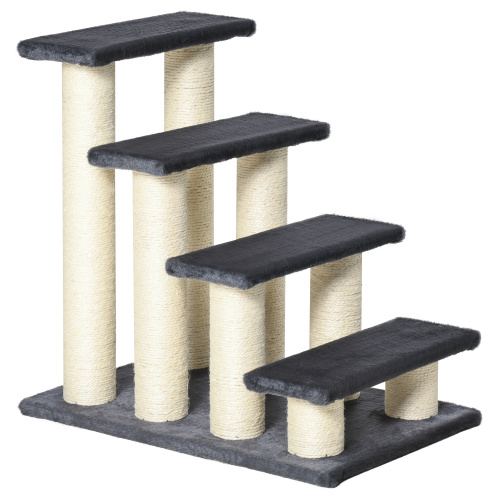 PawHut Cat Tree With 4 Steps For High Beds Couch, Cute Stair Shaped Cat For Indoor Cats Or Dogs W Sisal Scratching Post, Climbing, Playing, Gray$87.99View on Mallflare
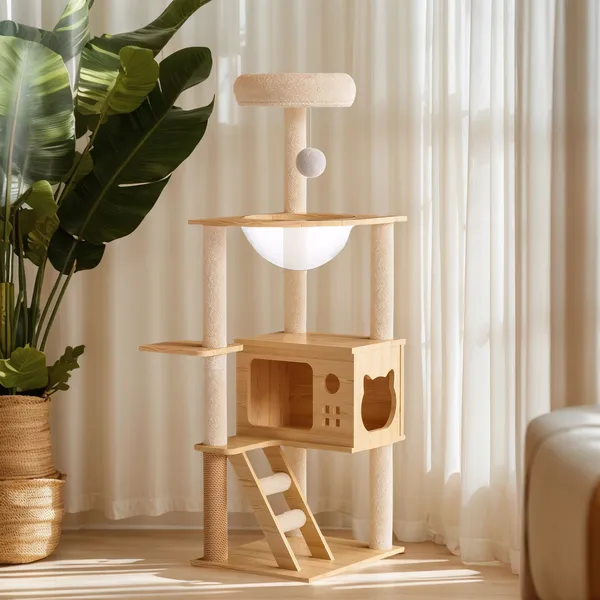 48.8' Modern Cat Tower, Wood Cat Tree For Indoor Cats, Cat Treewith Sisal-Covered Scratching Posts And Top Perch, Cat Condo With Acrylic Hammock For Small Large$93.99View on Mallflare
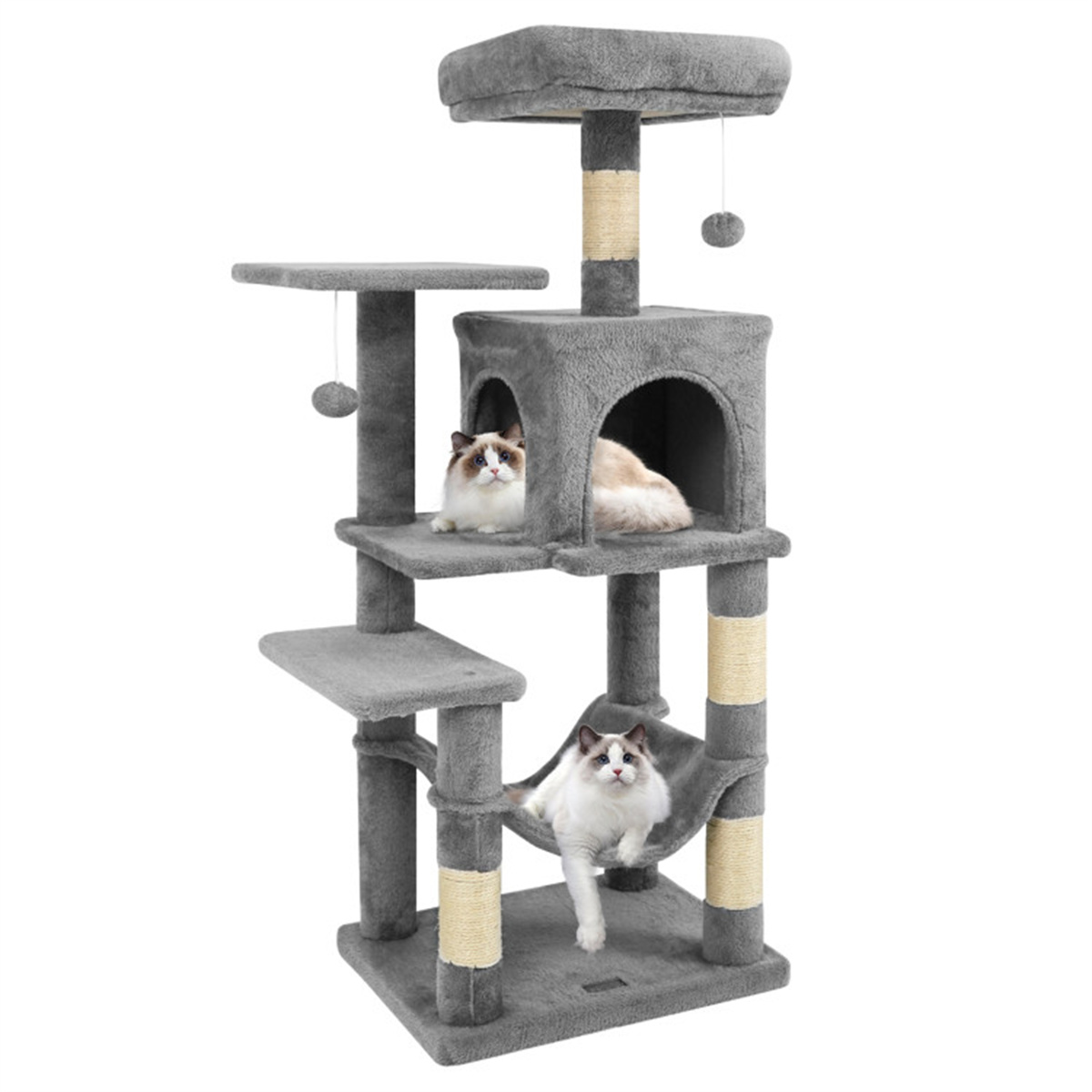 44" Multi-Level Cat Tree with Spacious Top Perch, 2-Door Condo & Hammock for Indoor Cats -Light Gray$105.99View on Mallflare
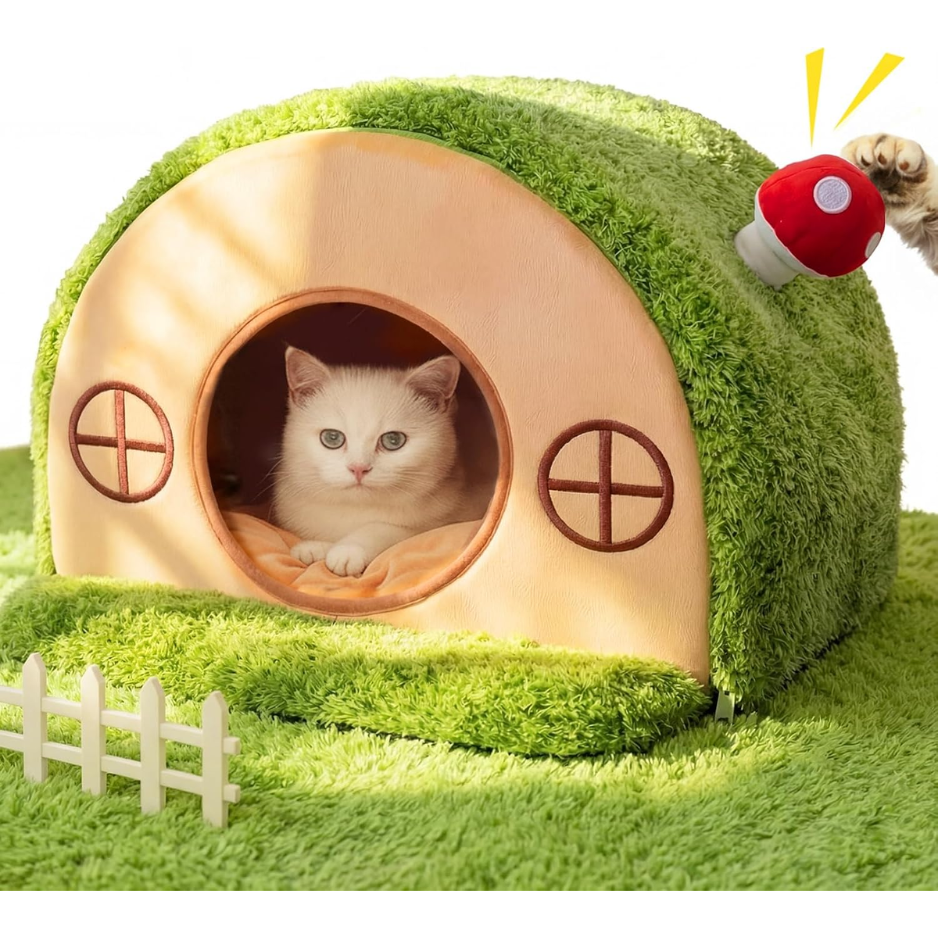 Cat House For Indoor Cats Tree Hole Cat Bed Cave Hideaway Enclosed Calming Shelter For Small Medium Pets, Removable Washable Cushioned$108.99View on Mallflare
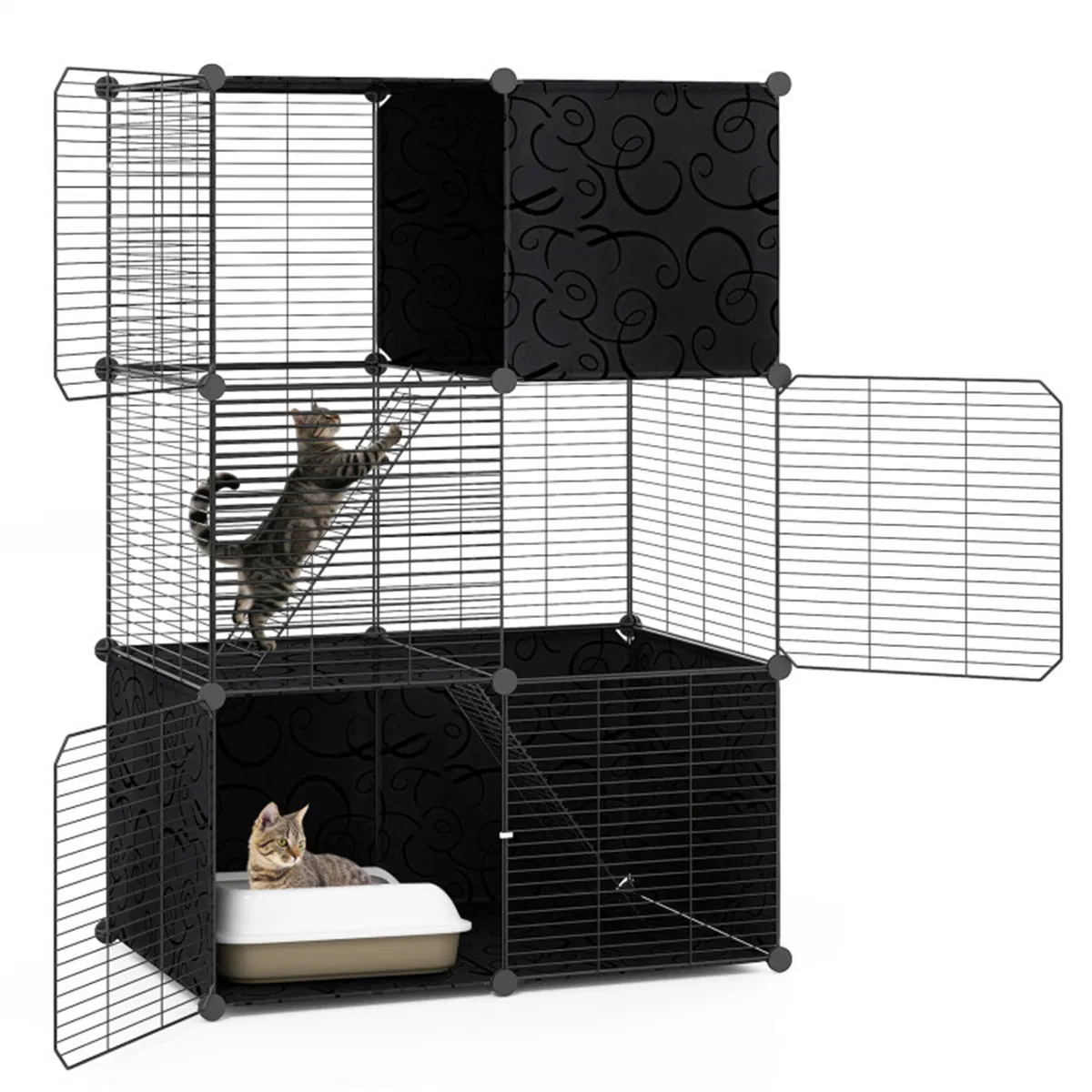 44" Multi-Level Cat Tree Indoor with Sisal Scratching Posts Condo Hammock Hanging Balls Black$108.99View on Mallflare
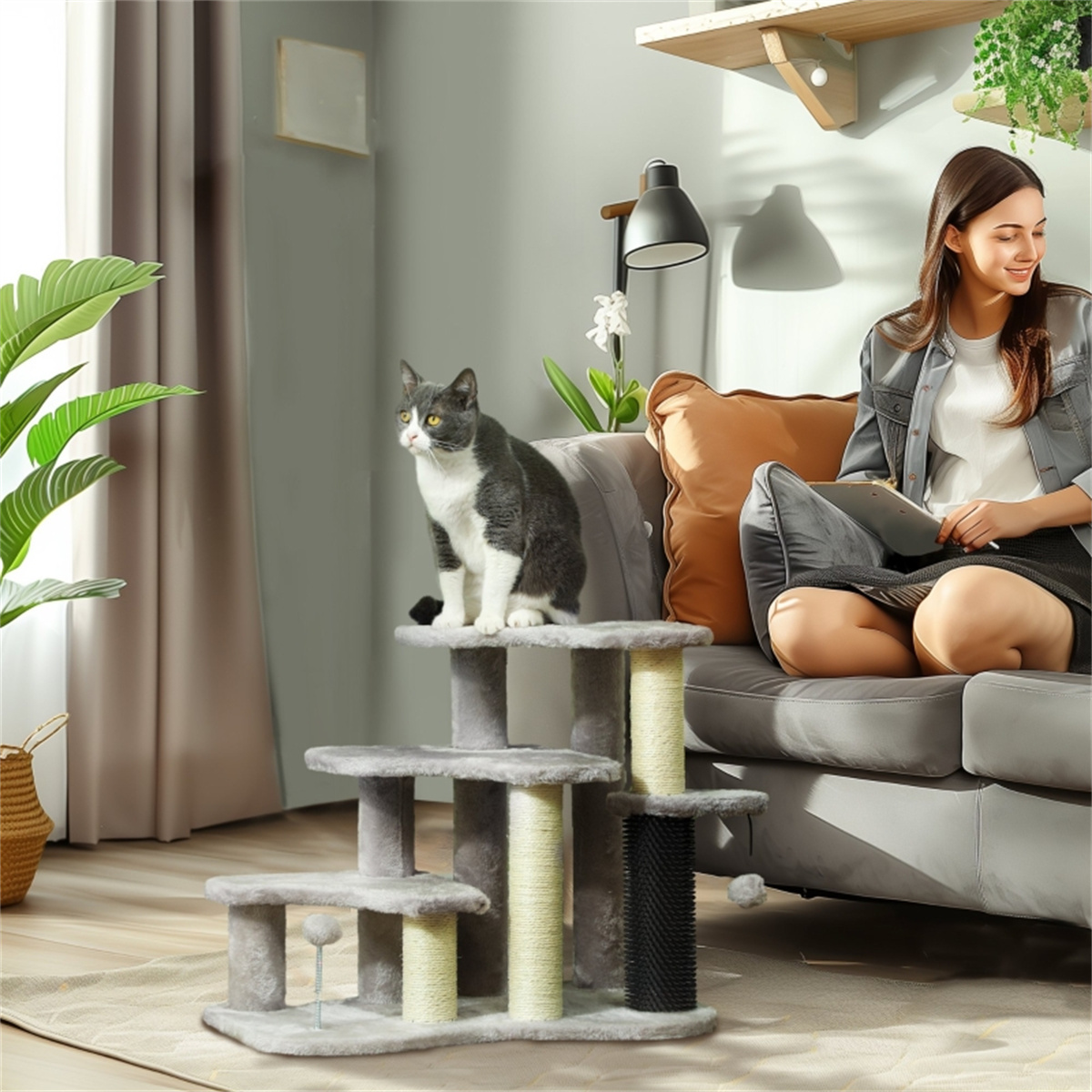 3-Step Cat Stairs 2-in-1 Cat Tree Tower – with Toy Balls, Scratching Post for Indoor Cats$109.99View on Mallflare
Highlights
- Sisal rope (natural, 6-8mm) outlasts paper rope and corrugated cardboard 3-5x for scratching; cardboard scratchers are consumables that shed and flatten within months.
- Floor-to-ceiling tension towers rely on a spring or threaded pole expanding against the ceiling; they require 7.5-9.5 ft ceilings and fail on drop ceilings, popcorn texture, or vaulted spans.
- Base footprint and mass govern tip resistance: wide split bases and corner wedges stabilize 60-80 in towers, while narrow round bases on tall units tip under multi-cat jumping.
- Wall-mounted shelf sets need stud or masonry anchoring; drywall-only toggle bolts pull out under a 12-15 lb cat landing, and shelf depth under 10 in is too narrow for adult cats to turn.
Best use cases
- Small apartment, one or two cats: pick a floor-to-ceiling tension tower or 3-4 tier corner unit—skip 78 in wide-base towers that consume floor area.
- Multi-cat household (3+): choose a 60-78 in tower with dual condos, two hammocks, and a split base rated for multi-cat traffic; skip single-condo decorative towers.
- Scratching damage control: buy a dedicated sisal-post scratcher or wall shelf with replaceable sisal sleeves; skip cardboard-only scratcher houses for long-term durability.
- Renters who cannot drill: use tension towers and freestanding corner units; skip wall shelf sets that require stud anchoring and cause deposit loss.
Buying tips
- Measure ceiling height first: tension towers specify a min-max range (commonly 7.5-9.5 ft); a pole shorter than your ceiling minus 2 in will not tension and will wobble.
- Match tower height to cat count: under 60 in suits 1-2 cats; 60-78 in with two or more resting platforms suits 3+ cats and reduces territorial stress.
- Check platform depth and condo opening: platforms under 12 in and condo openings under 9 in exclude large adult cats; 14-16 in platforms and 10-12 in openings fit most adults.
- Verify post material and joint hardware: natural sisal over solid wood posts and bolted (not stapled or glued) connections survive years; paper rope and MDF joints fail under clawing and jumping.
Specs
| Mount Type | Freestanding / Tension / Wall-mounted |
|---|---|
| Scratching Material | Sisal rope / Paper rope / Cardboard |
| Height Range | 24-40 in low / 60-78 in tall / 7.5-9.5 ft tension |
| Base & Joint Build | Wide split base; bolted wood posts |
Related searches
What to check before buying
- Ceiling type and height: confirm flat, solid ceiling within the tower's tension range; drop ceilings, vaulted ceilings, and textured surfaces need freestanding or wall-mounted alternatives.
- Floor space and base dimensions: map the base footprint plus 12 in clearance for jumping; corner units need a true 90-degree corner and wall contact.
- Wall construction for shelves: locate studs or masonry; drywall-only mounting is not viable for cat weight.
- Cat size and age: weigh and measure your cats—seniors and kittens need low first steps (under 16 in) and wider platforms; large cats need 14 in+ platforms.
FAQ
Data sources: eBay / Amazon listings and product attribute feeds. Updated Nov 28, 2026.
Some links on this page are affiliate links. If you buy after clicking one, we may earn a commission at no extra cost to you. This does not change which products appear here or their order. Affiliate disclosure.