
Photos from current listings. Actual item, color, and included accessories may vary.
Automatic Feeder Buying Guide
Automatic feeders range from simple gravity dispensers to app-controlled timed hoppers, with the core trade-off being portion accuracy and power independence versus mechanical simplicity and cost. Durable options use jam-resistant augers, sealed moisture barriers, and dual power (battery + USB) to survive daily cycles and outages, while compromises rely on flimsy gates, unsealed hoppers, or battery-only operation. Choose a gravity feeder only if you free-feed and want zero electronics; choose a timed programmable or smart feeder if portion control, schedule adherence, and remote monitoring matter.
Median $41.49
Key takeaways
- Portion accuracy hinges on auger or gate design: 4-6L timed units typically dispense in 10-15g increments, while gravity feeders offer no portion control at all.
- Power architecture splits into battery-only (D-cell or AA), USB-only, and dual power; dual power with battery backup prevents missed meals during outages.
- Hopper and bowl materials determine longevity: 304 stainless steel bowls resist scratching and bacteria; ABS hoppers are standard, PC hoppers better resist cracking.
At a glance
- Category
- Pet Bowls & Feeders
- Last updated
- Nov 27, 2026
Current offers
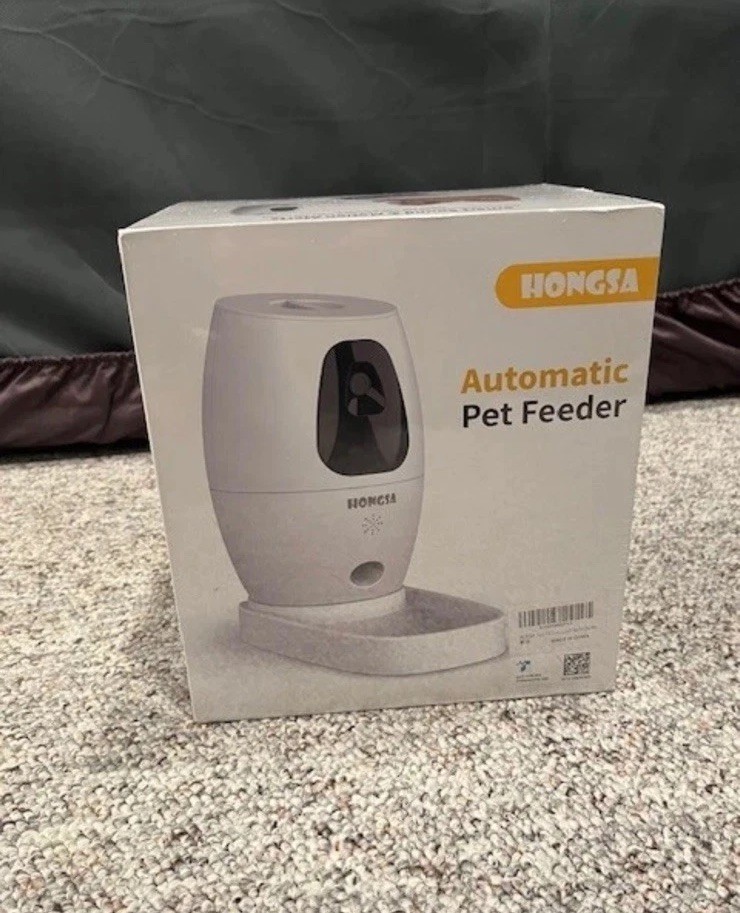 HONGSA Automatic Pet Feeder Smart Programmable Pet Feeding System$19.00Last checked Nov 22, 2026View on eBay
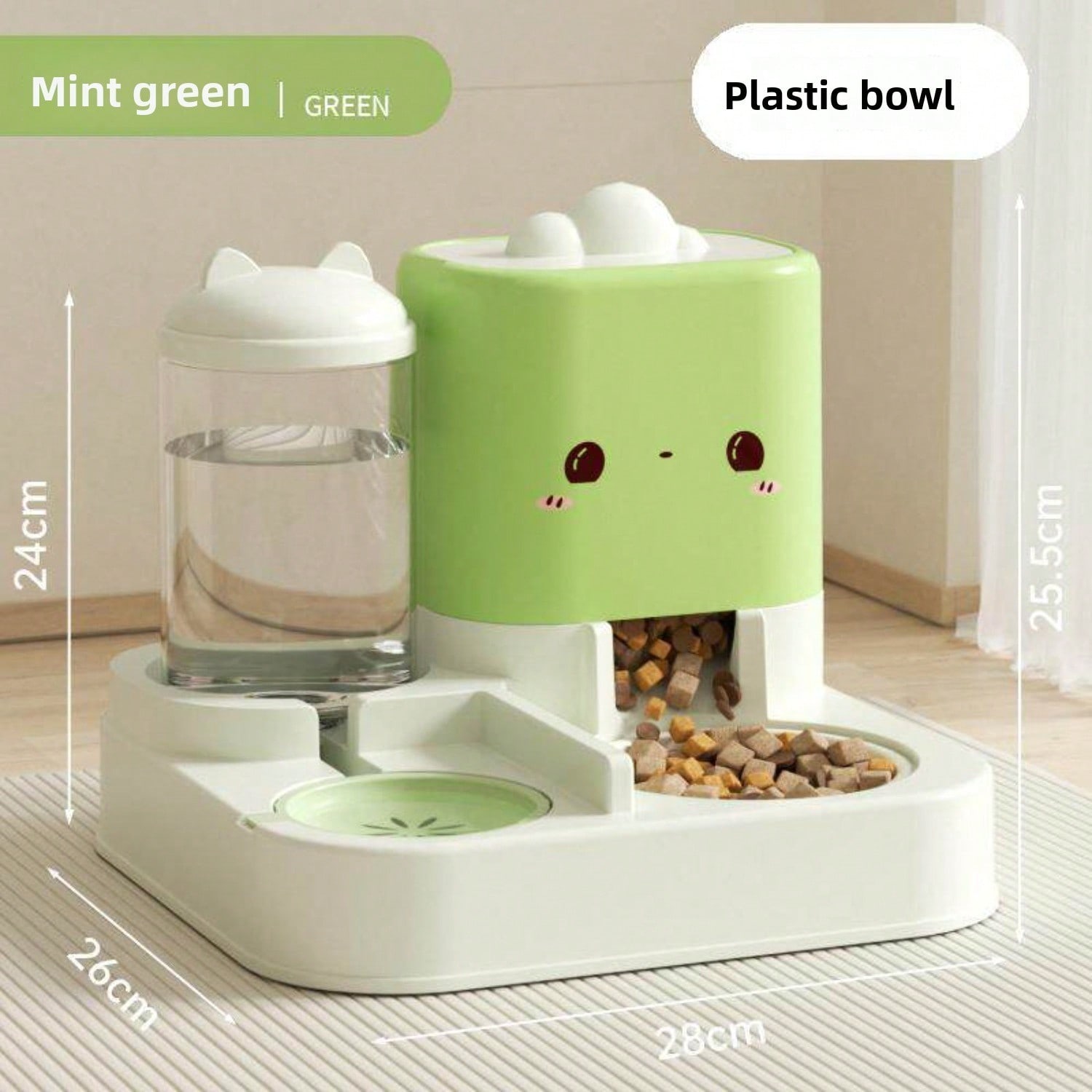 2 In 1 Automatic Pet Feeder And Water Dispenser, Large Capacity 2300ML & 1000ML Bowl, Gravity Refill Anti Spill Stable Pet Food For Cats Dogs, Yellow Pink Green Available$25.99View on Mallflare
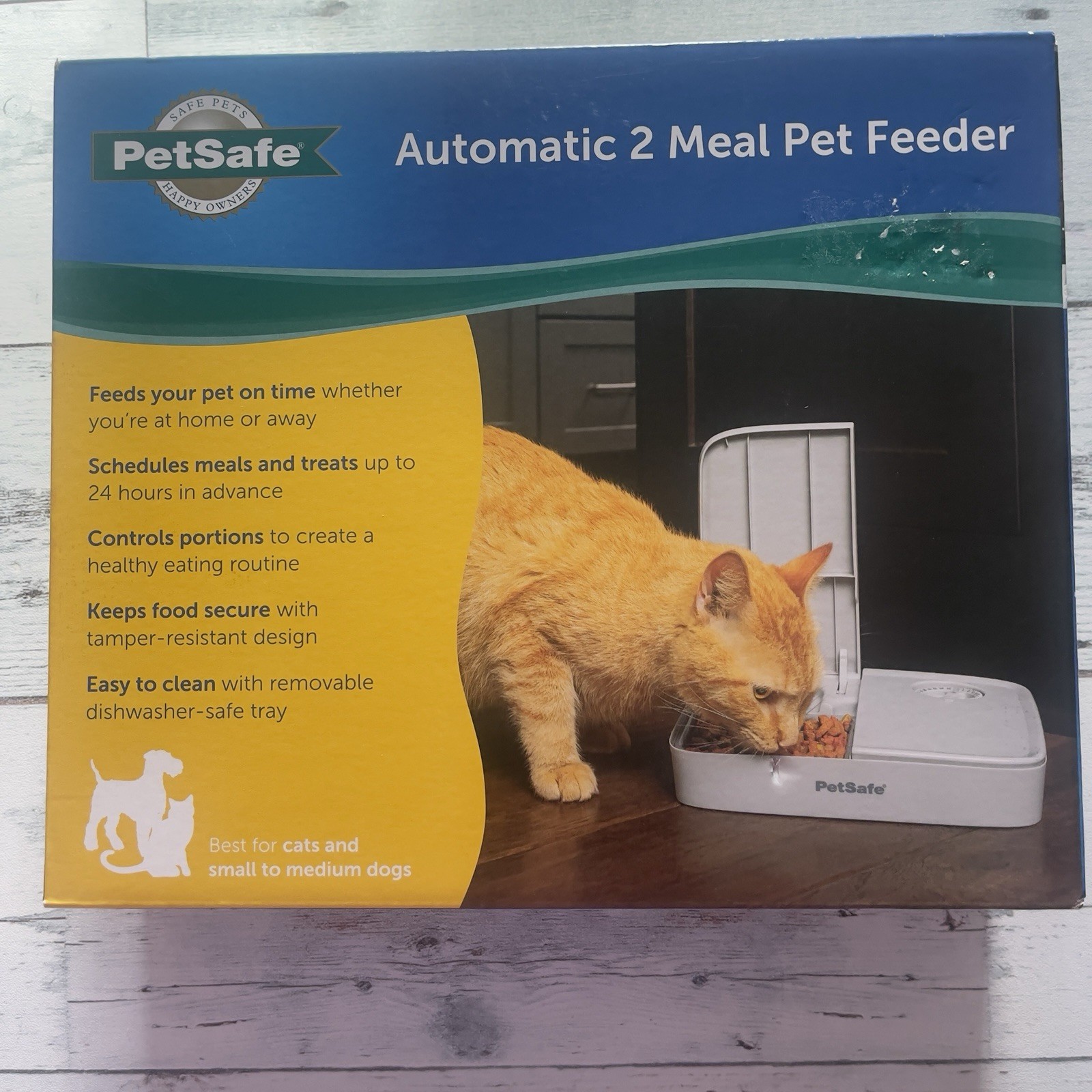 PetSafe Automatic Pet Feeder NIB Program Meal Times or Treats Daily$19.99Last checked Nov 24, 2026View on eBay
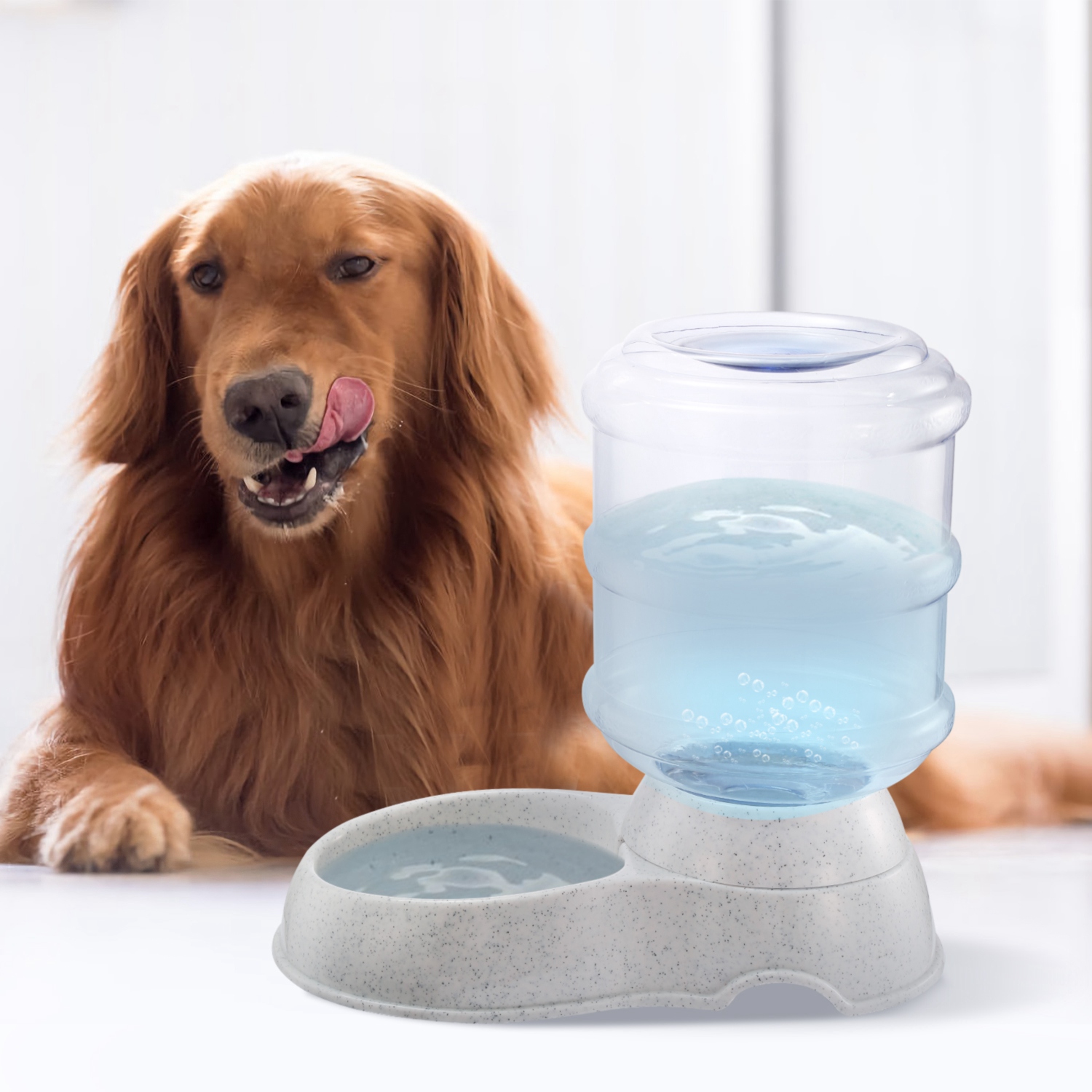 3.5L 1Gal Pet Water Dispenser Self-Dispensing Gravity Pets Feeder Automatic Pet Waterer Cat Dog$35.99View on Mallflare
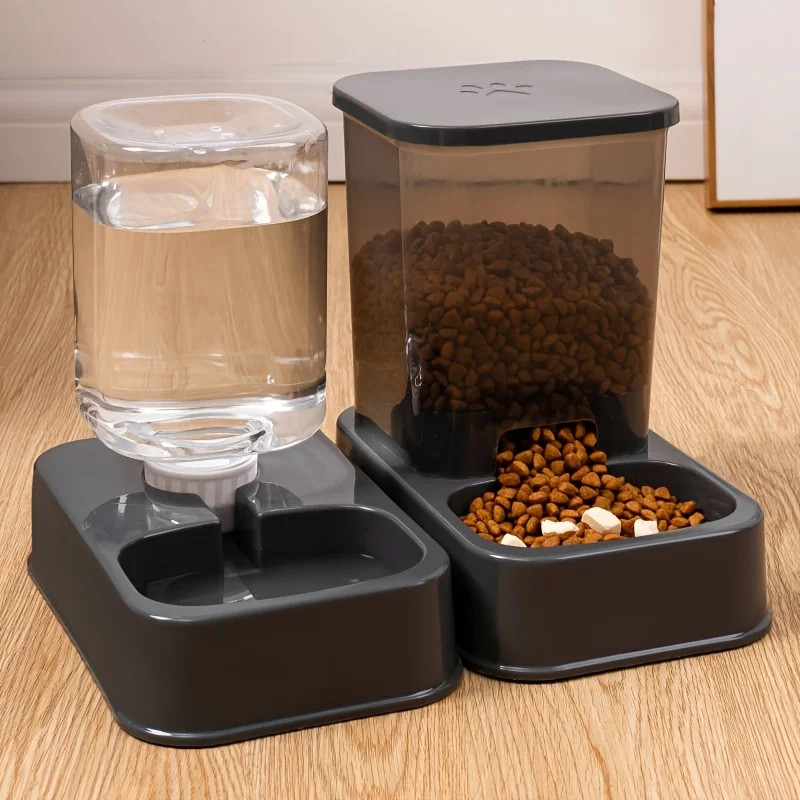 Automatic Cat & Dog Feeder with Drinker Smart Portion Control Pet Bowl Set$20.66Last checked Nov 21, 2026View on eBay
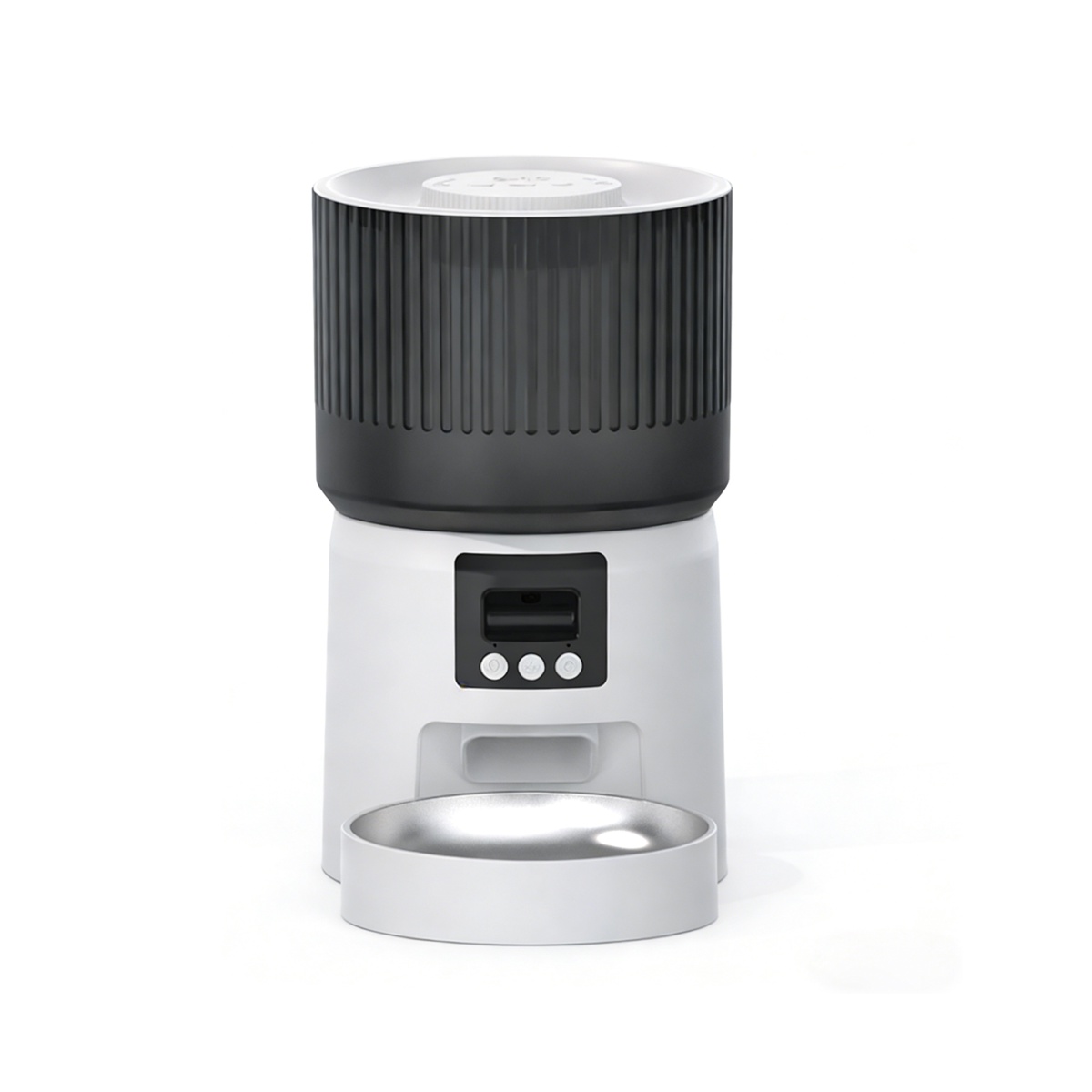 Automatic Feeder$58.99View on Mallflare
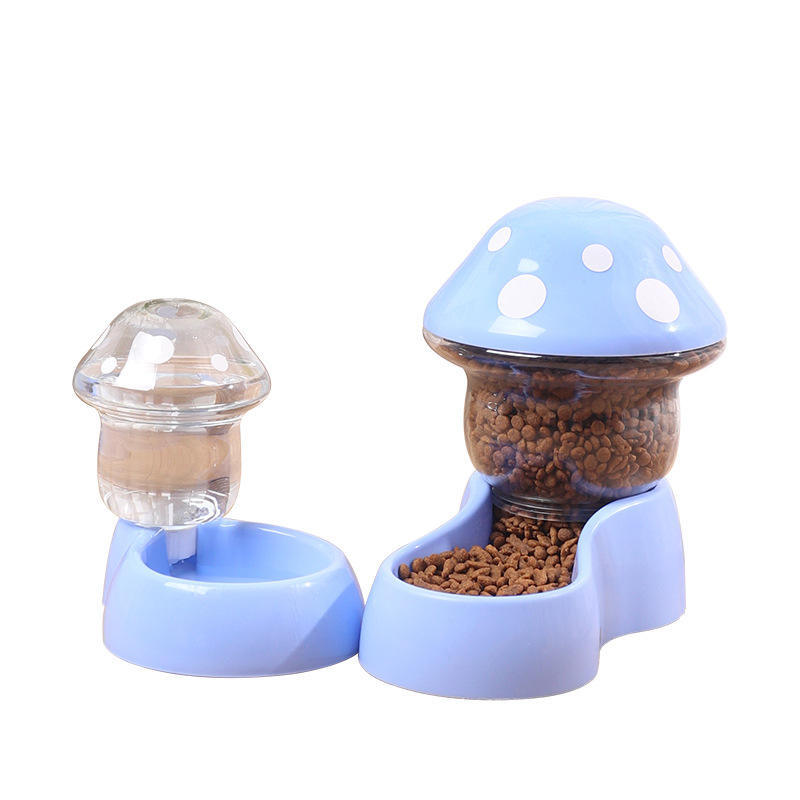 Mushroom-Shaped Cat Bowl Automatic Pet Feeder Anti-Splash Dog Food Water Bowl$23.99Last checked Nov 25, 2026View on eBay
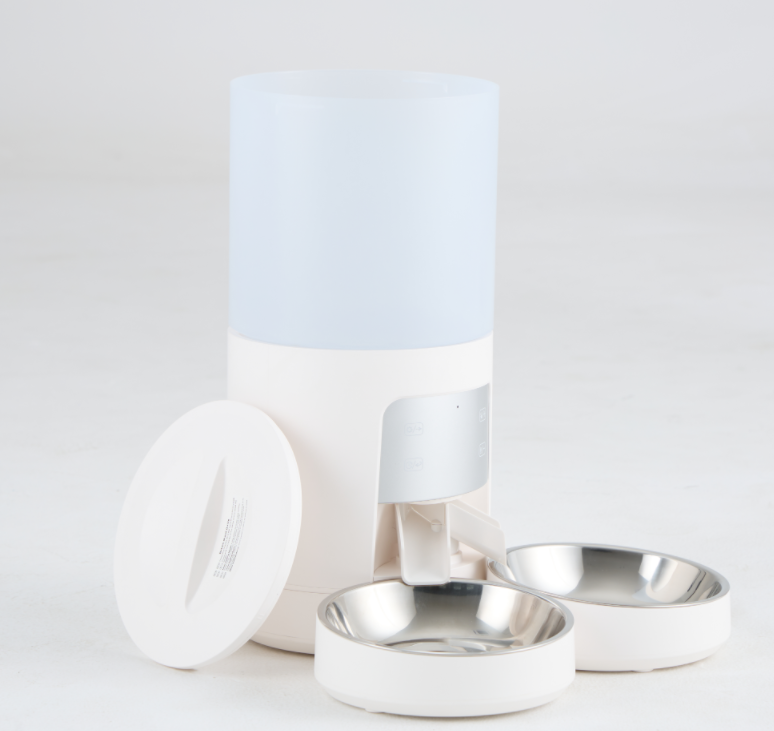 Automatic Feeder, 6-liter Intelligent Pet Food Dispenser, 304 Stainless Steel Bowl$87.99View on Mallflare
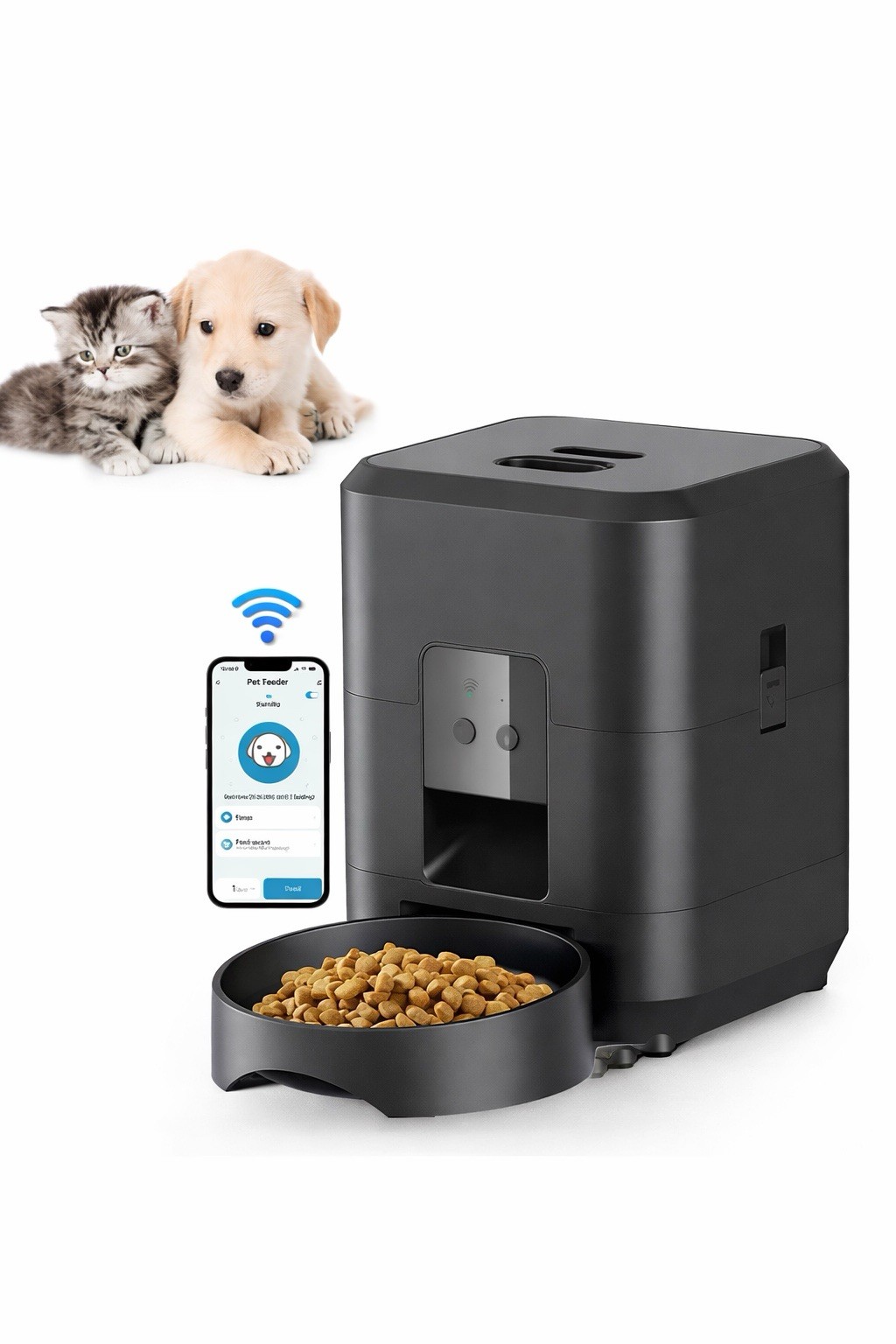 Automatic Smart Pet Feeder (2.0L)$23.99Last checked Nov 20, 2026View on eBay
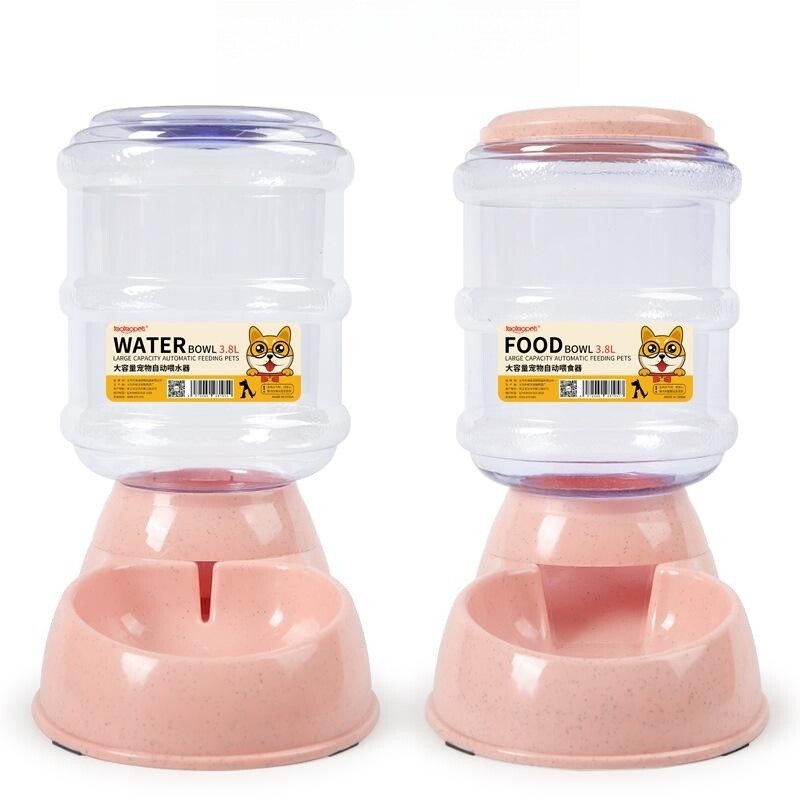 Pet Daily Kit Automatic Dog Cat Water Dispenser Gravity Feeder Set 3.5kg$24.99Last checked Nov 25, 2026View on eBay
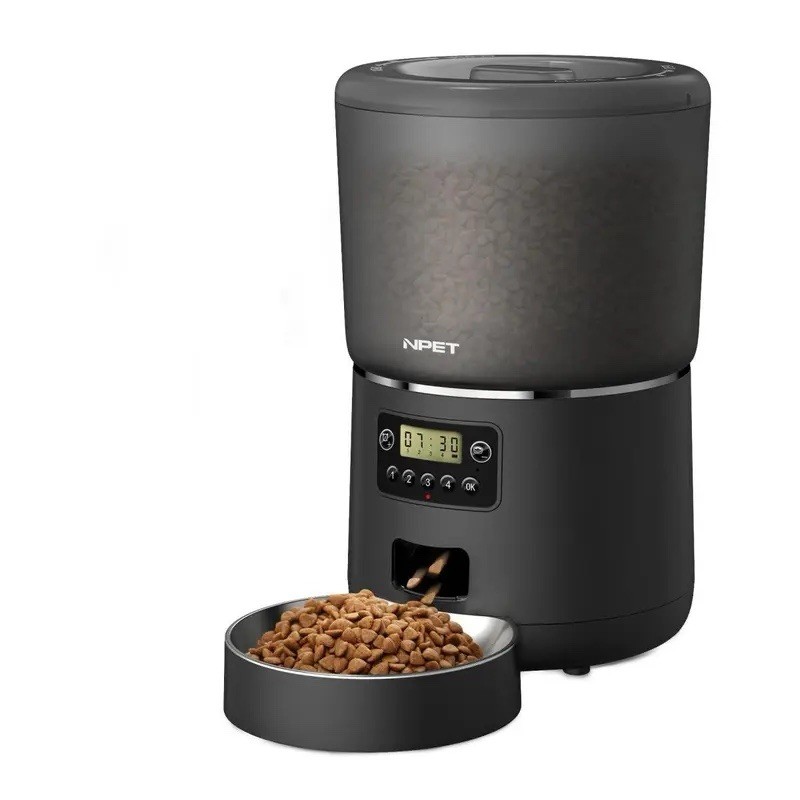 NPET 4L Automatic smart pet feeder for cats dogs multiple pets with stainless$24.99Last checked Nov 21, 2026View on eBay
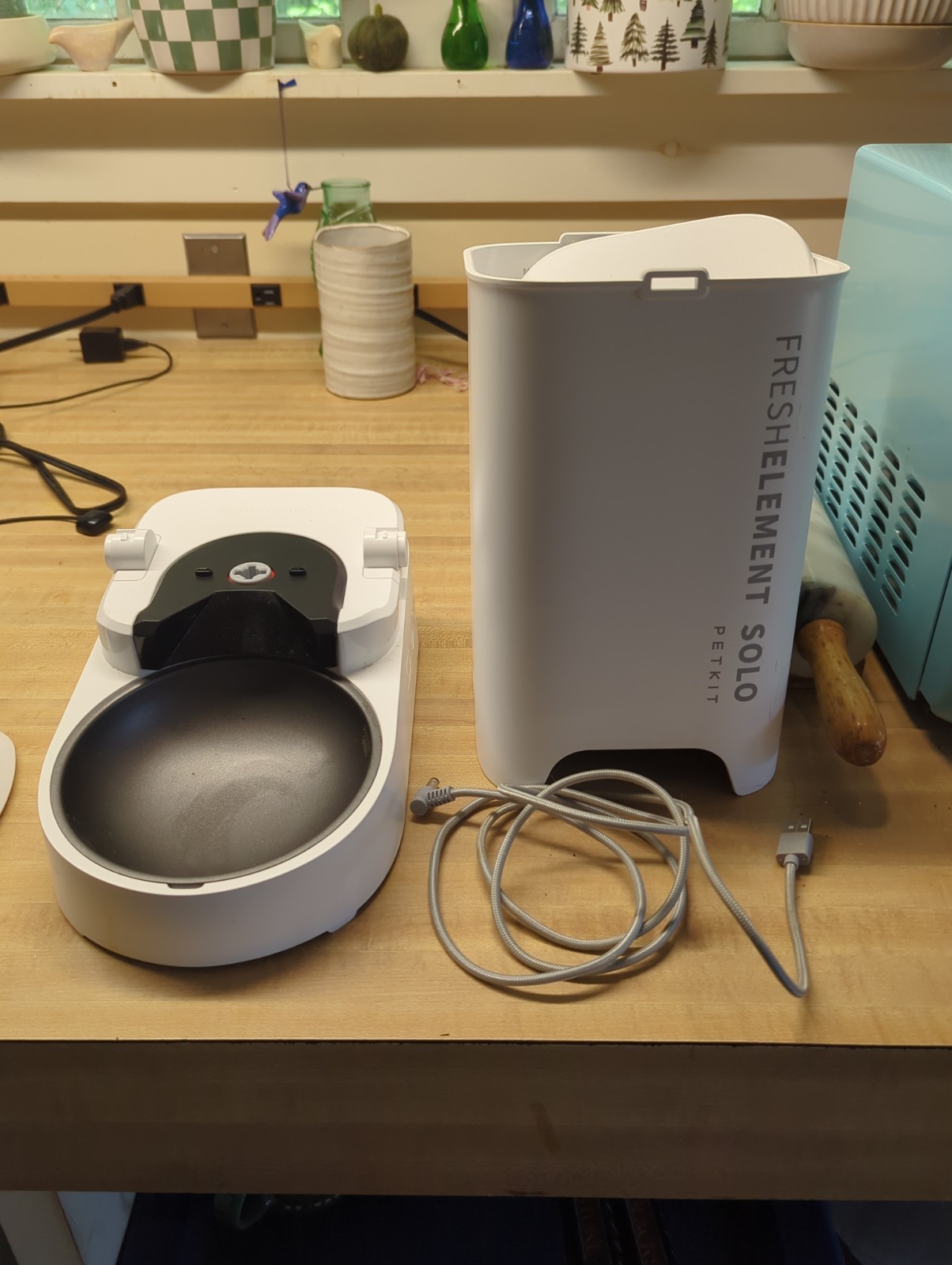 Petkit Fresh Element Solo Smart Automatic Pet feeder$26.00View on eBay
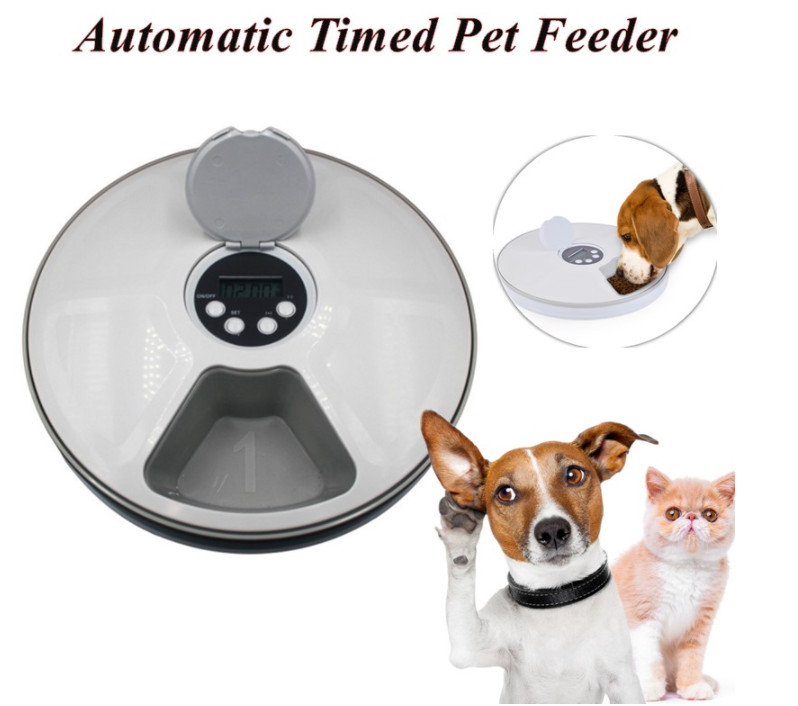 Pet Daily Kit Automatic Electronic Timed Pet Feeder, 6 Meal Trays Dry Wet Food$27.99Last checked Nov 23, 2026View on eBay
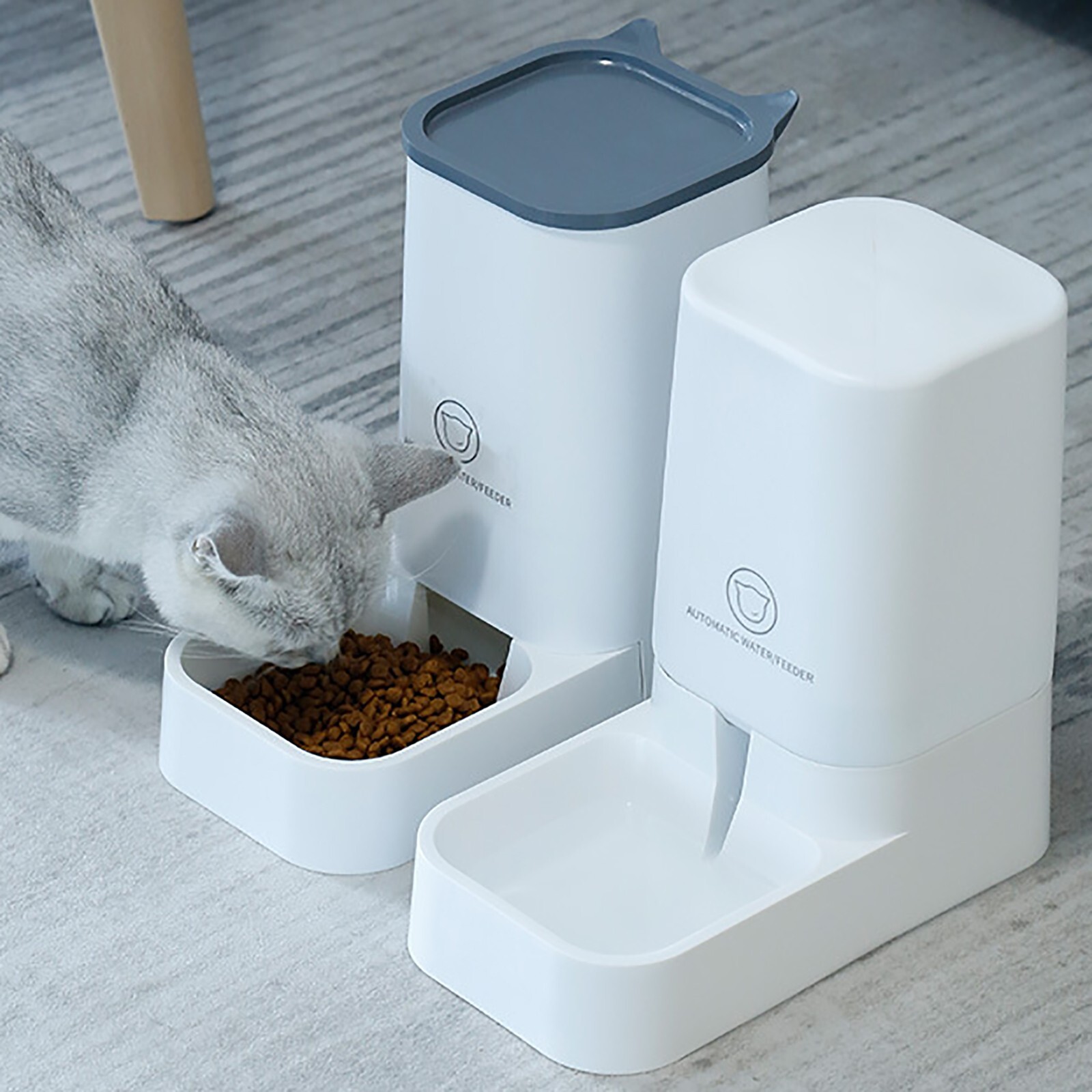 Pet Daily Kit Pets Automatic Feeder and Waterer Set,Dogs Cats Food Feeder 2 in 1$28.99Last checked Nov 24, 2026View on eBay
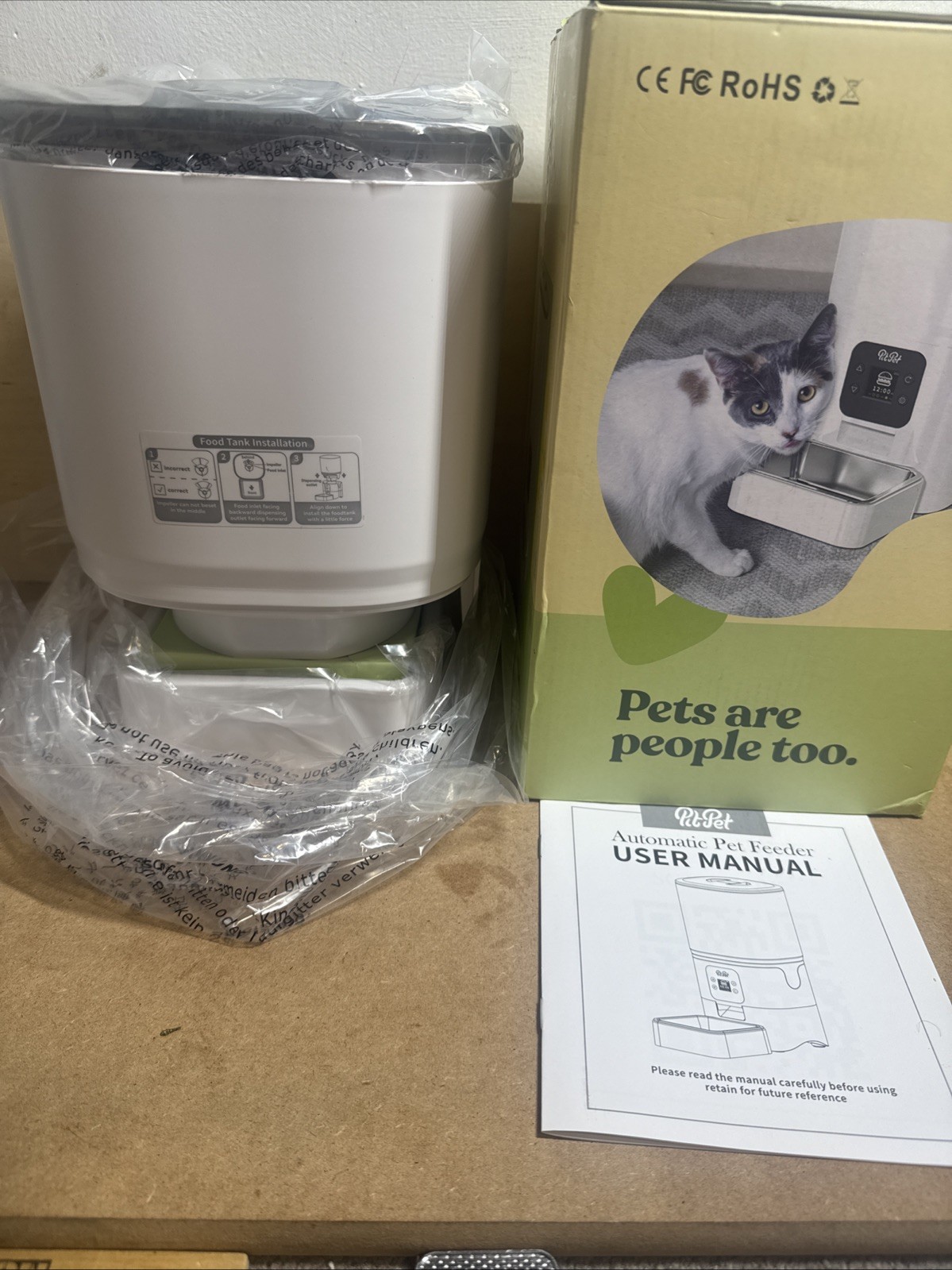 Pit Pet Smart Automatic Feeder 6-L$29.94Last checked Nov 19, 2026View on eBay
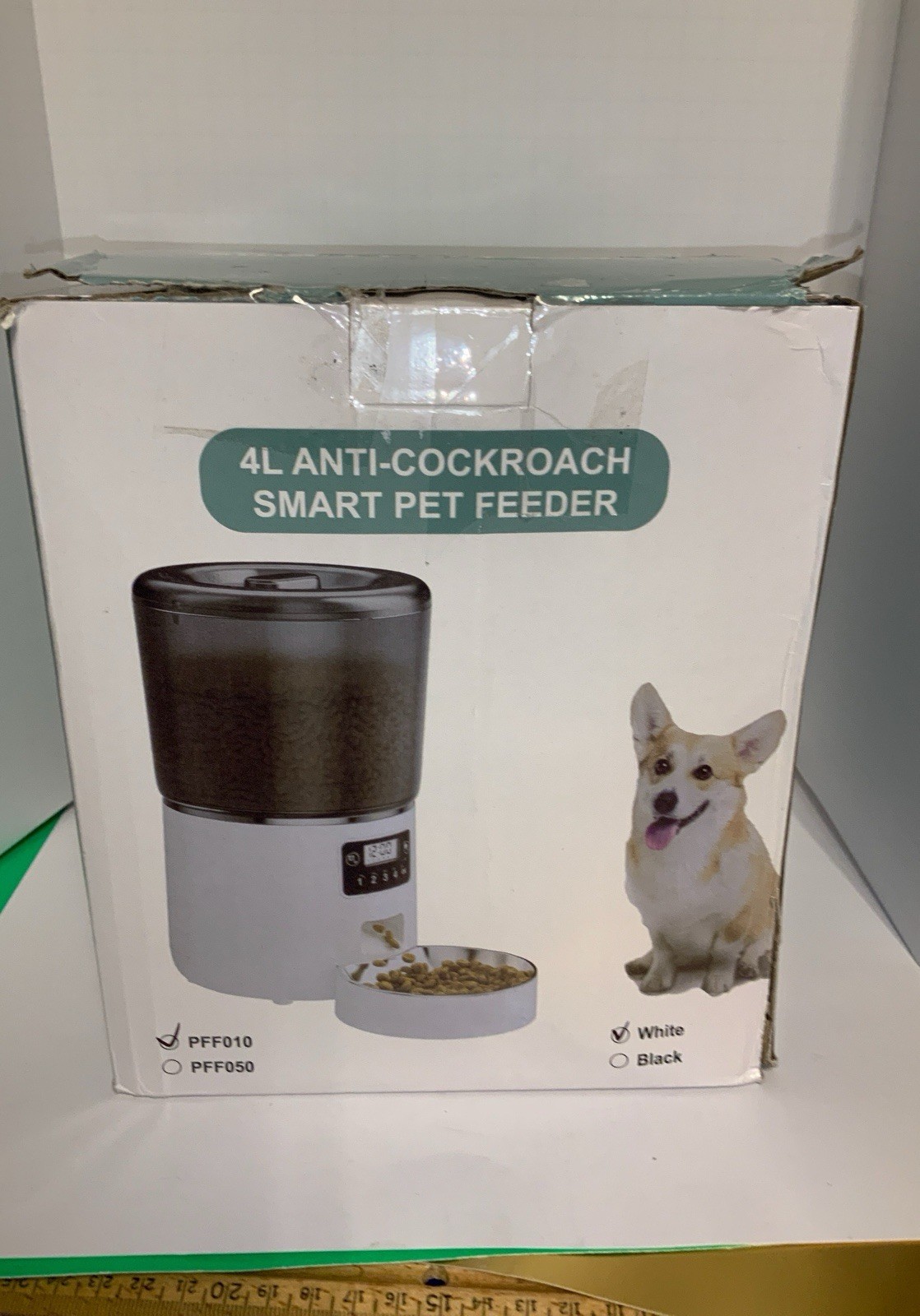 Pet diary Brand 4L Anti-Cockroach Smart Automatic Pet Feeder White PFF010 New$29.95Last checked Nov 21, 2026View on eBay
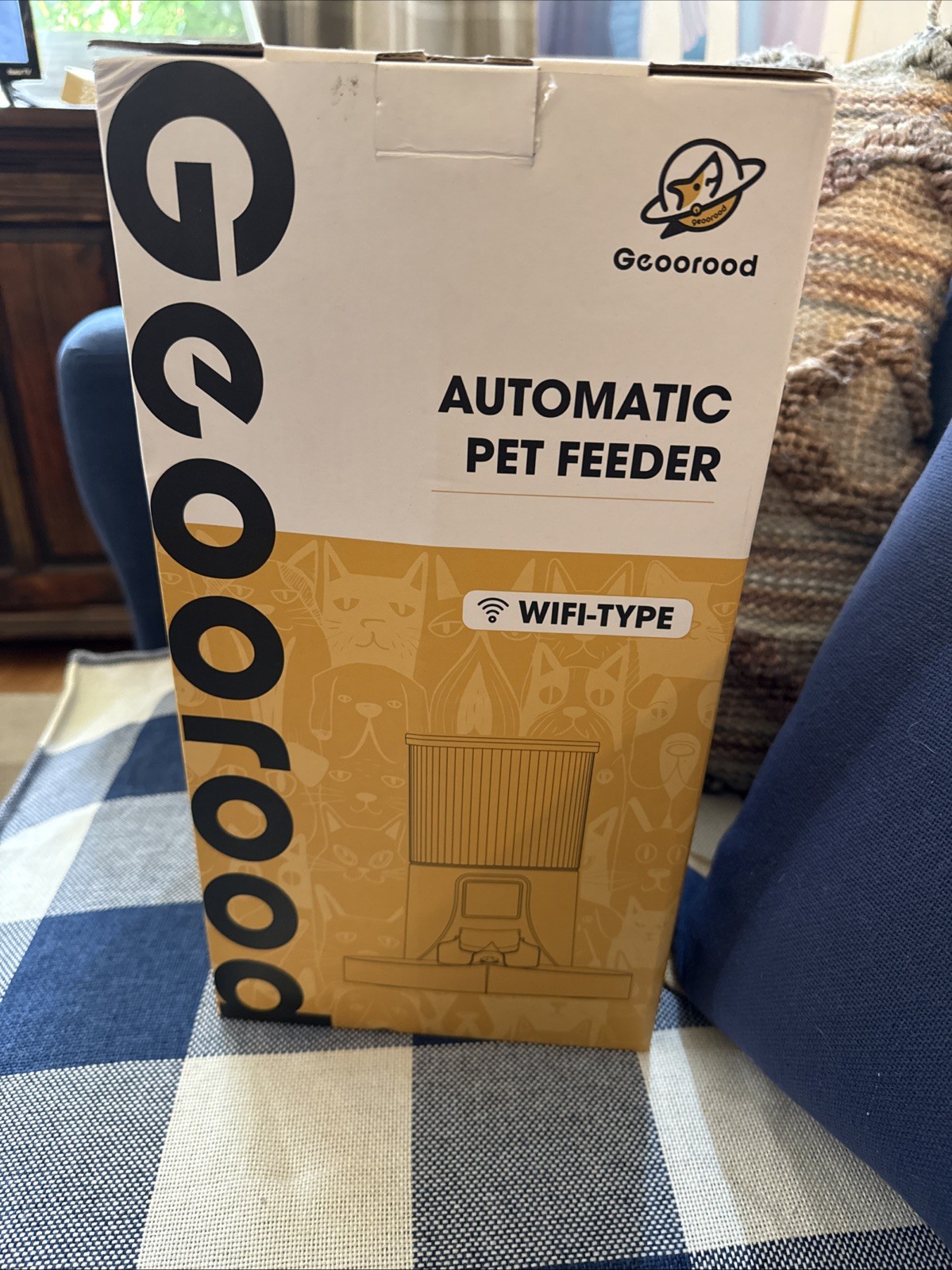 Geoorood Automatic Pet Feeder WiFi New Cat Dog Double Bowl$29.99Last checked Nov 21, 2026View on eBay
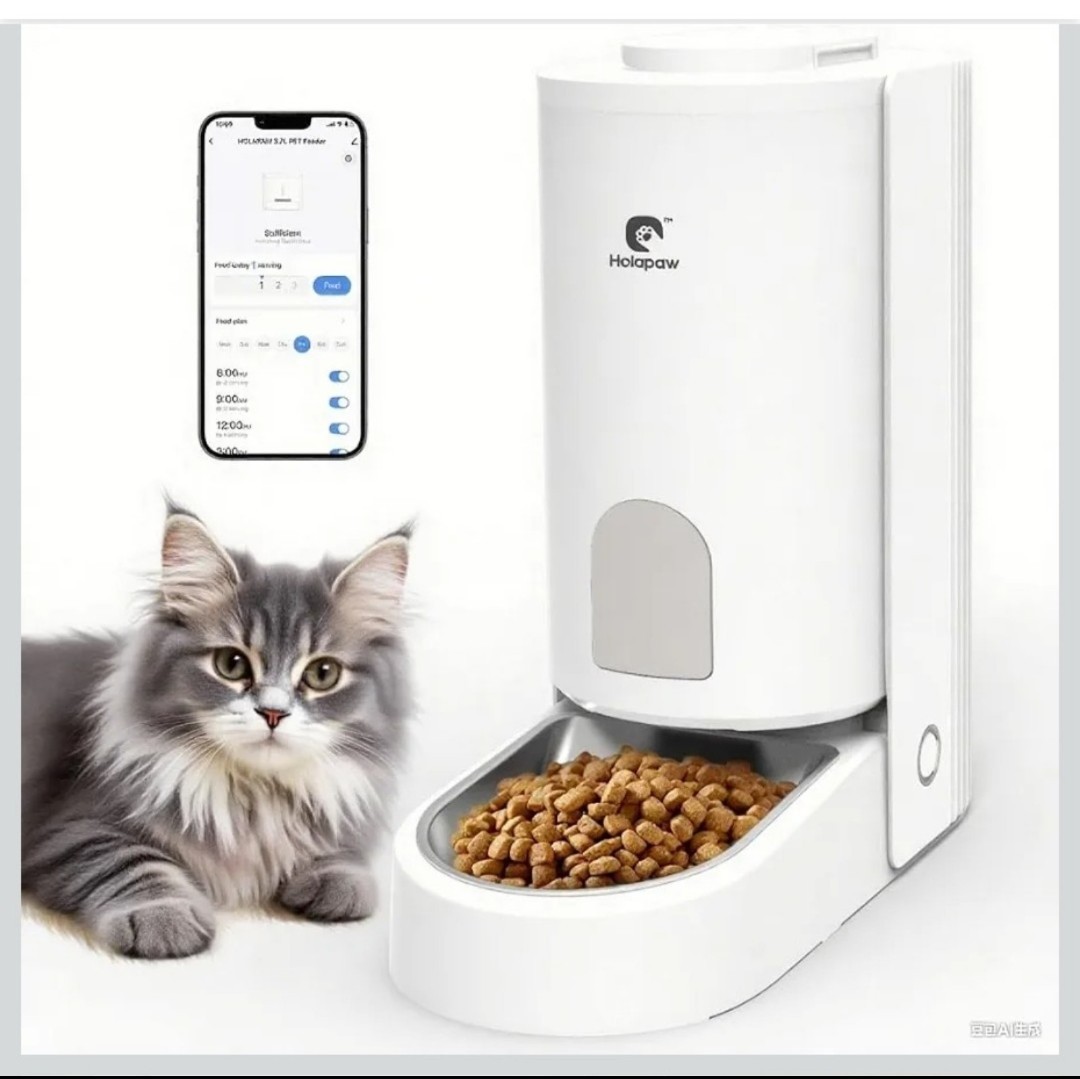 HOLAPAW Automatic Cat Feeder WiFi 3.7L Smart APP Timed Pet Food Dispenser A3$32.00View on eBay
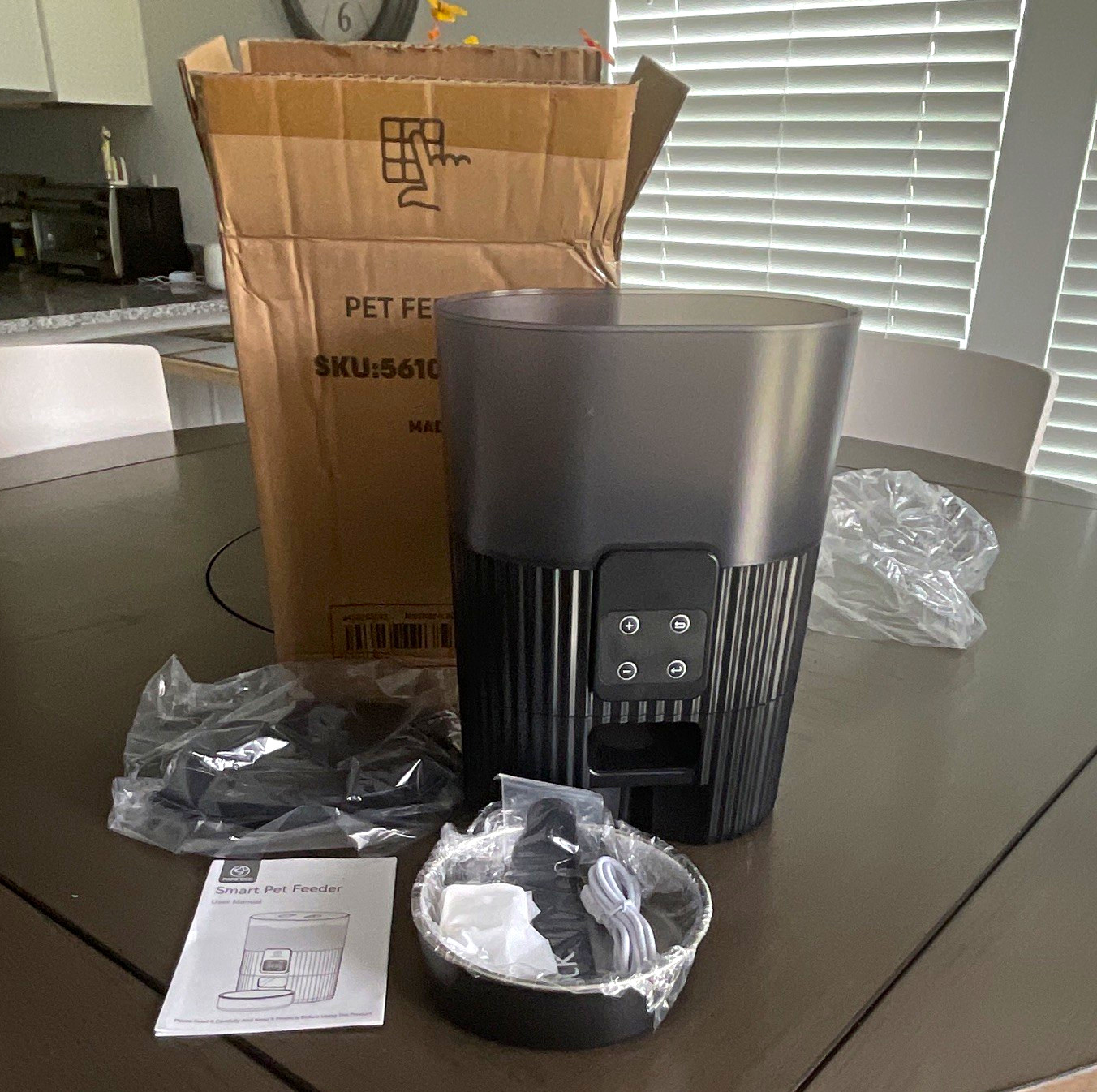 PAPIFEED Smart Pet Feeder Automatic Feeder 1 Bowl Black Plastic$32.99View on eBay
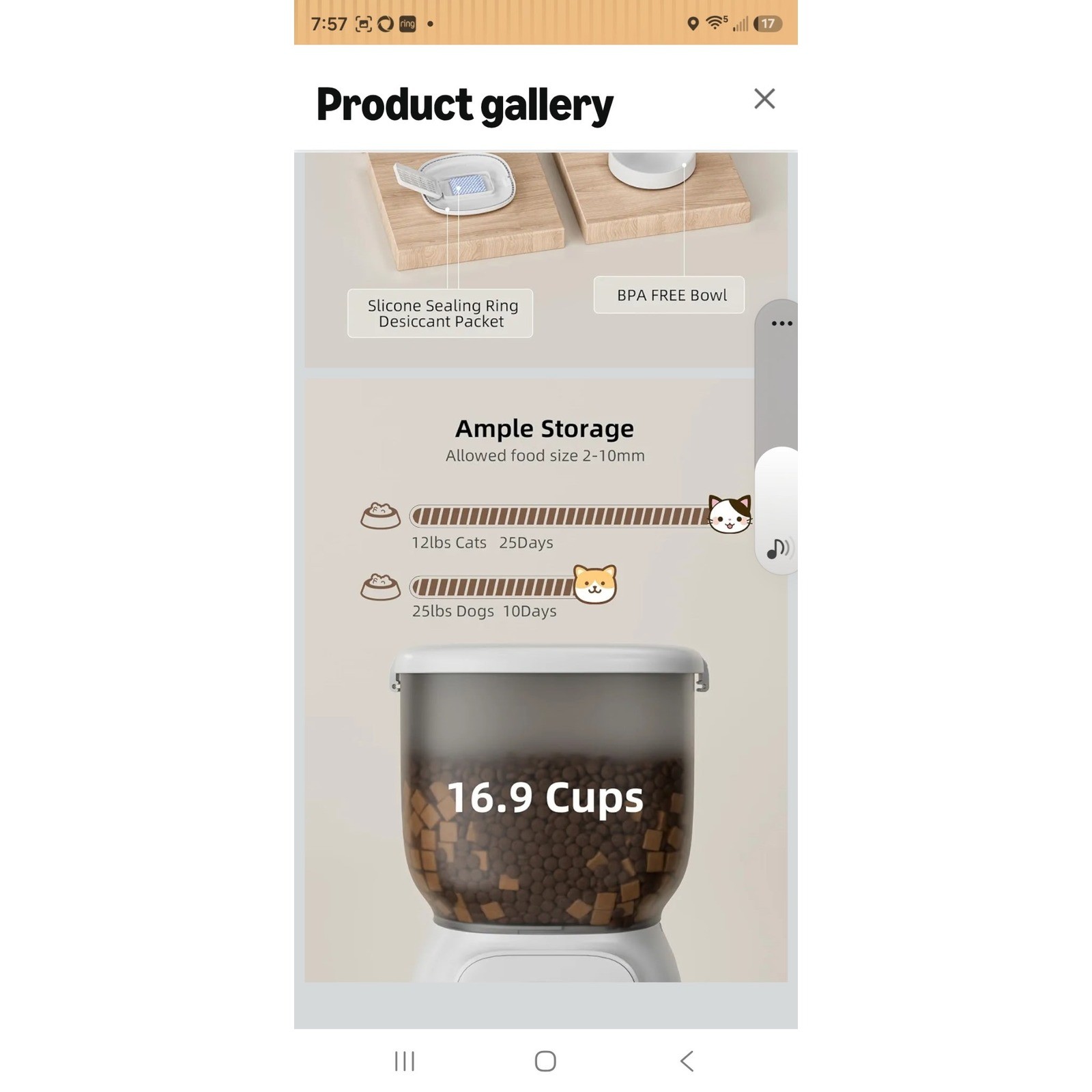 LAMPICK Smart Automatic Pet Feeder White WiFi App Control 4L 16.9 Cups$33.00View on eBay
Highlights
- Portion accuracy hinges on auger or gate design: 4-6L timed units typically dispense in 10-15g increments, while gravity feeders offer no portion control at all.
- Power architecture splits into battery-only (D-cell or AA), USB-only, and dual power; dual power with battery backup prevents missed meals during outages.
- Hopper and bowl materials determine longevity: 304 stainless steel bowls resist scratching and bacteria; ABS hoppers are standard, PC hoppers better resist cracking.
- Smart feeders add Wi-Fi/Bluetooth app control and Alexa/Google compatibility, but offline models with LCD timers are more reliable when Wi-Fi drops.
Best use cases
- Best fit for cats or small dogs on fixed meal schedules: a 3-4L timed feeder with dual power and stainless steel bowl; skip gravity feeders if weight control or multiple pets are involved.
- Wrong fit: multi-pet households relying on one timed feeder without microchip or collar-tag recognition will see one pet dominate; choose a microchip-compatible model instead.
- Best fit for free-feeding or budget setups: a gravity feeder with 3.5-6L capacity and anti-slip base; skip it for portion-controlled diets or pets that overeat.
- Wrong fit: outdoor or humid environments using unsealed hoppers; specify a feeder with a desiccant compartment and tight lid gasket to prevent kibble softening and mold.
Buying tips
- Match capacity to consumption: a 4L hopper holds roughly 13-16 cups of kibble, enough for one cat for 2-3 weeks or a small dog for 1-2 weeks; larger 6L units suit multi-pet homes or travel.
- Prioritize dual power (USB adapter plus D-cell battery backup) over battery-only; outage backup prevents schedule resets and missed feedings.
- Check kibble size compatibility: auger feeders handle 5-15mm kibble reliably; larger or irregular kibble can jam, so confirm the dispenser's kibble diameter range.
- For smart models, verify 2.4GHz Wi-Fi compatibility (most do not support 5GHz) and confirm app features like portion scheduling, low-food alerts, and voice control.
Specs
| Feeder Type | Gravity / Timed / Smart Wi-Fi |
|---|---|
| Capacity | 2L-6L (approx. 8-24 cups) |
| Power Source | Battery / USB / Dual backup |
| Bowl Material | 304 stainless / ABS / PC plastic |
Related searches
What to check before buying
- Measure your pet's daily kibble volume in cups and confirm the hopper capacity covers your intended refill interval (e.g., 13 cups per 4L).
- Verify kibble diameter and shape fit the feeder's specified range; round kibble under 12mm works with most augers.
- Check bowl height and diameter against your pet's size; large dogs need elevated or wider bowls to avoid neck strain and whisker fatigue.
- Confirm power location: place near a USB outlet for adapter use, and load backup batteries; avoid high-humidity areas unless the hopper is gasketed.
FAQ
Data sources: eBay / Amazon listings and product attribute feeds. Updated Nov 27, 2026.
Some links on this page are affiliate links. If you buy after clicking one, we may earn a commission at no extra cost to you. This does not change which products appear here or their order. Affiliate disclosure.