
Photos from current listings. Actual item, color, and included accessories may vary.
Quality Dog Food Buying Guide
Quality dog food is defined by named animal-protein sources, complete-and-balanced AAFCO nutritional adequacy, and a manufacturing standard (cooked-extruded, freeze-dried raw, or fresh-cooked) that matches your dog's life stage. The core trade-off is ingredient transparency and protein quality versus cost, palatability, and convenience. The decision rule: choose a brand whose label states a named meat first and an AAFCO life-stage statement, and skip any product that relies on unnamed meat meals, vague 'meat and bone meal,' or lacks a feeding guideline.
Median $29.42
Key takeaways
- AAFCO statement must name a life stage (growth, maintenance, all life stages) or a family of dogs; treat-only or intermittent labels are not complete diets.
- Protein source hierarchy: fresh/frozen named meat (chicken, beef, salmon) ranks above named meal (chicken meal) above unnamed meat meal above by-product meal.
- Extrusion cooking (dry kibble) uses high heat that degrades some nutrients; freeze-dried raw and fresh-cooked retain more naturally occurring enzymes and amino acids.
At a glance
- Category
- Pet Food, Treats & Litter
- Last updated
- Nov 27, 2026
Current offers
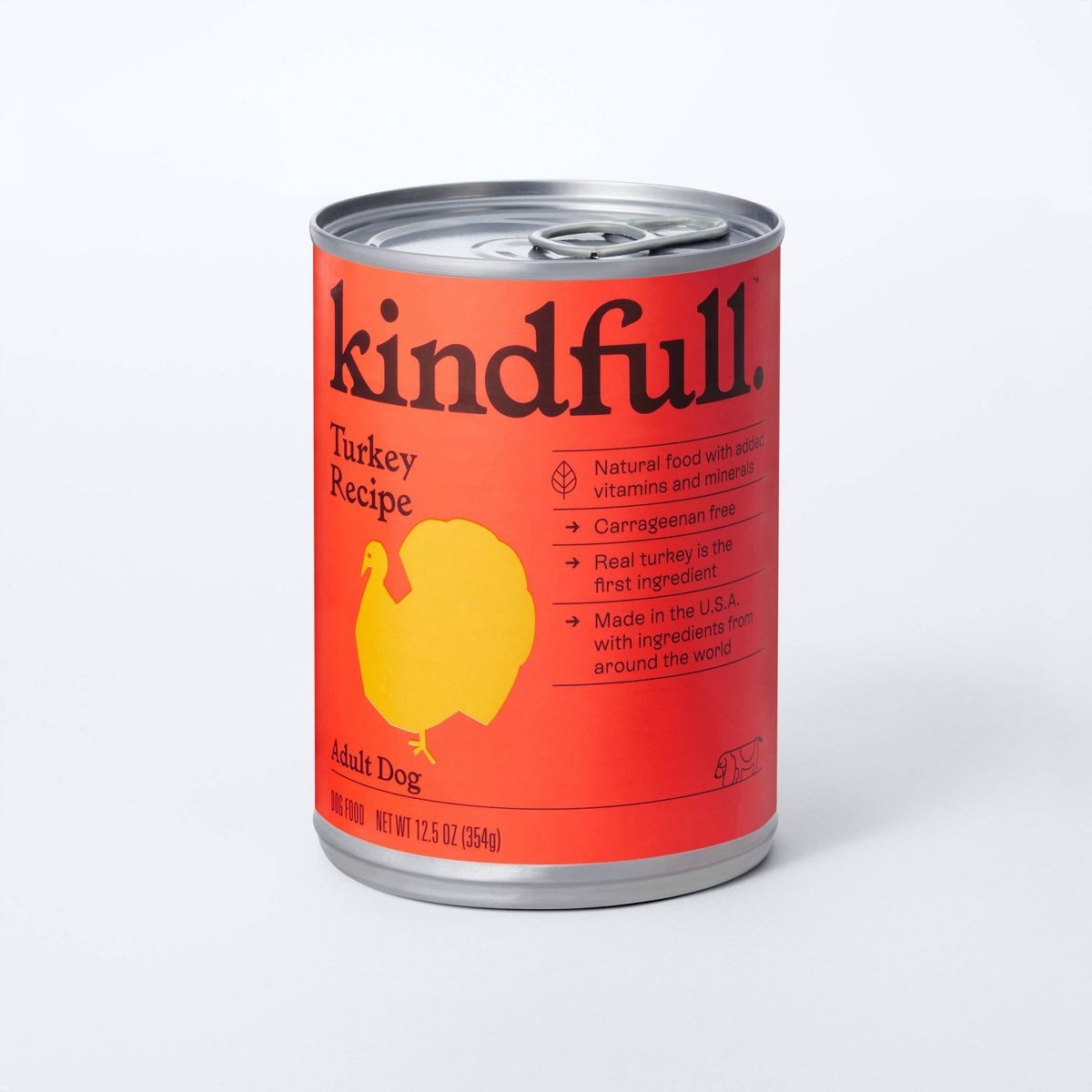 12.5oz Turkey Recipe Wet Dog Food Daily Nutritious Pet Meal Supply$2.99View on eBay
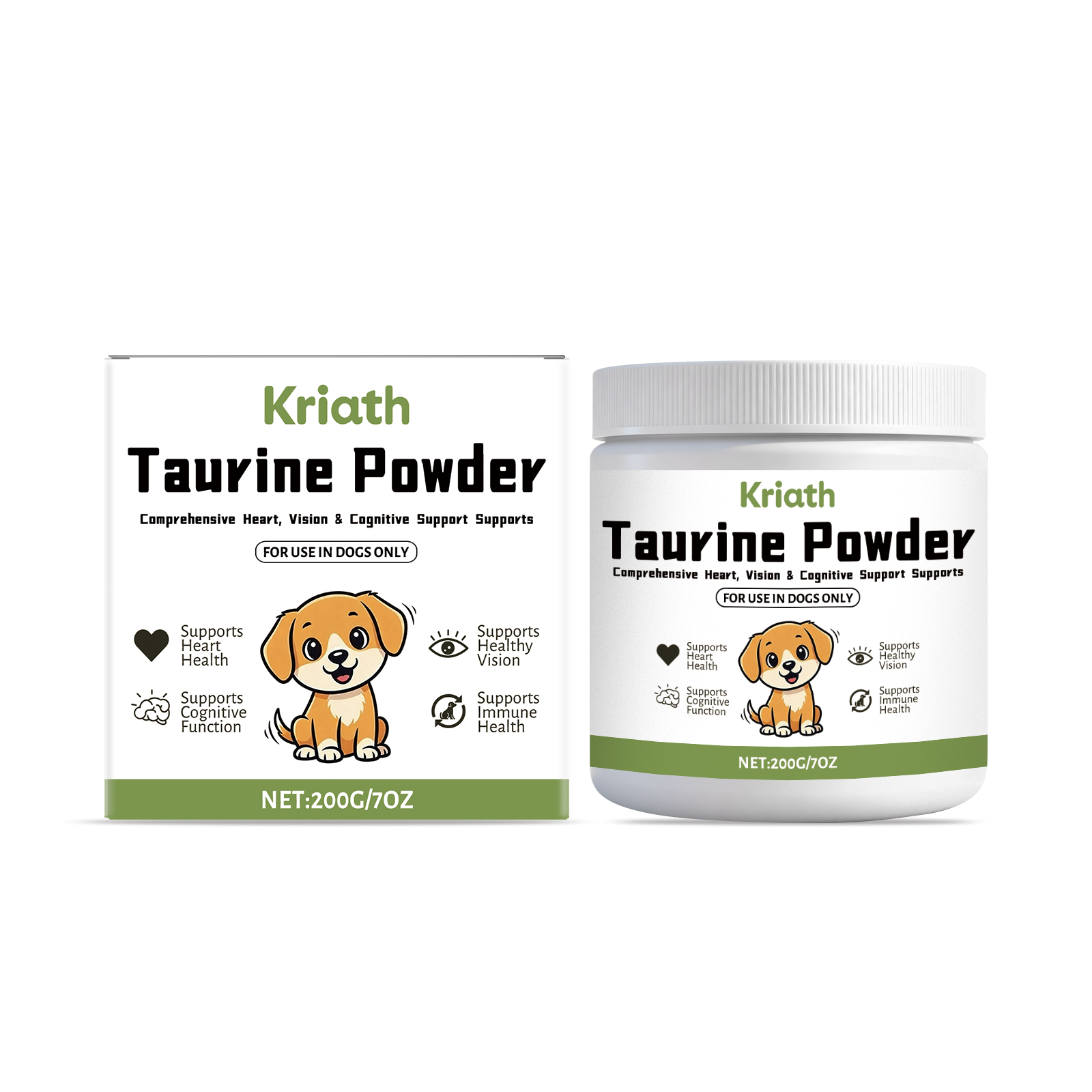 Auth. & Cert. Kriath Dog Food Uses Taurine Powder. The Formula Is Gentle And Helps Provide Comfortable Daily Nutrition Care For Dogs' Bodies.$18.99View on Mallflare
- 12.5oz Turkey Recipe Wet Dog Food Daily Nutritious Pet Meal Supply$2.99View on eBay
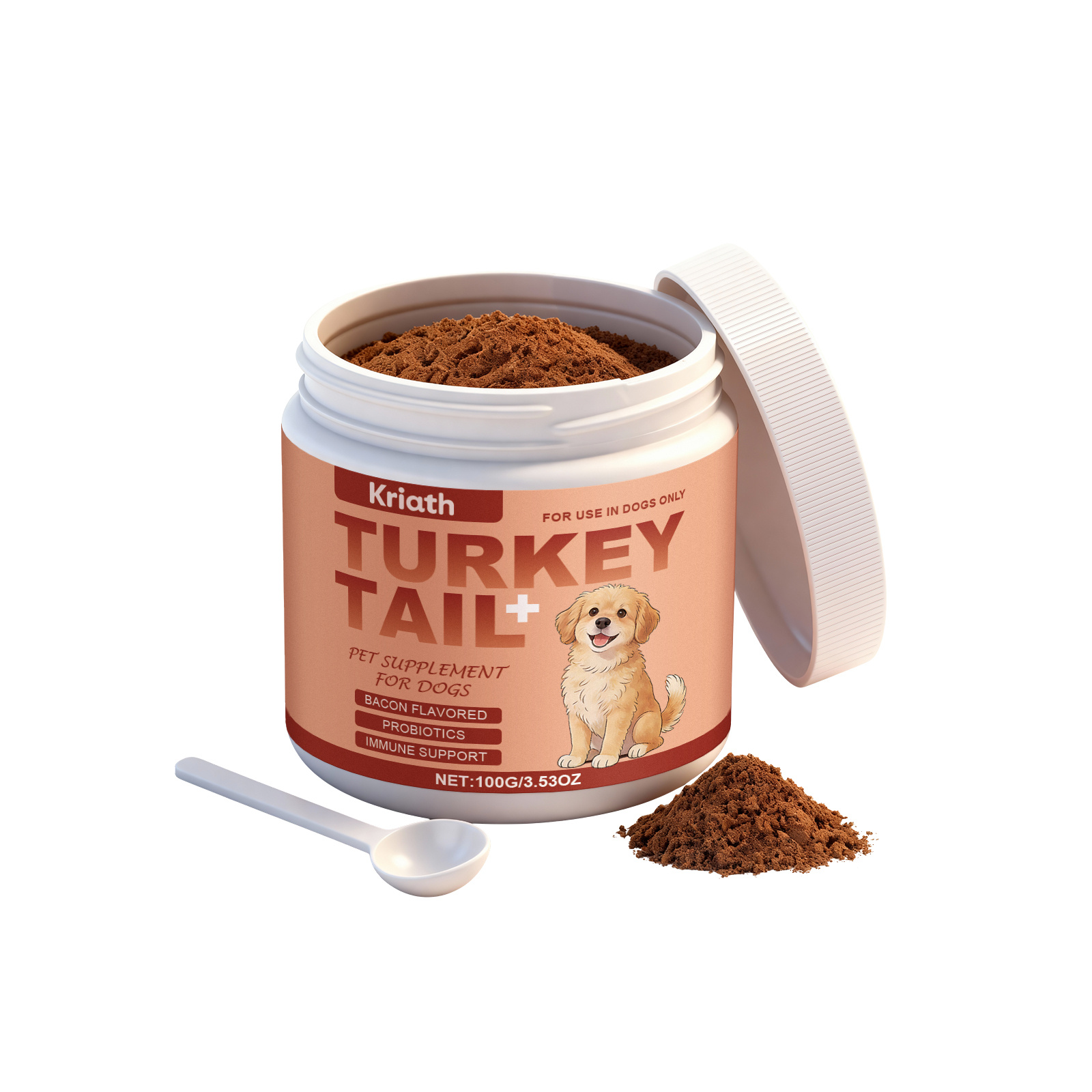 Pet Supplies Dog Food Uses Nutritional Supplements It Has A Bacon Flavor And Is$24.99View on Mallflare
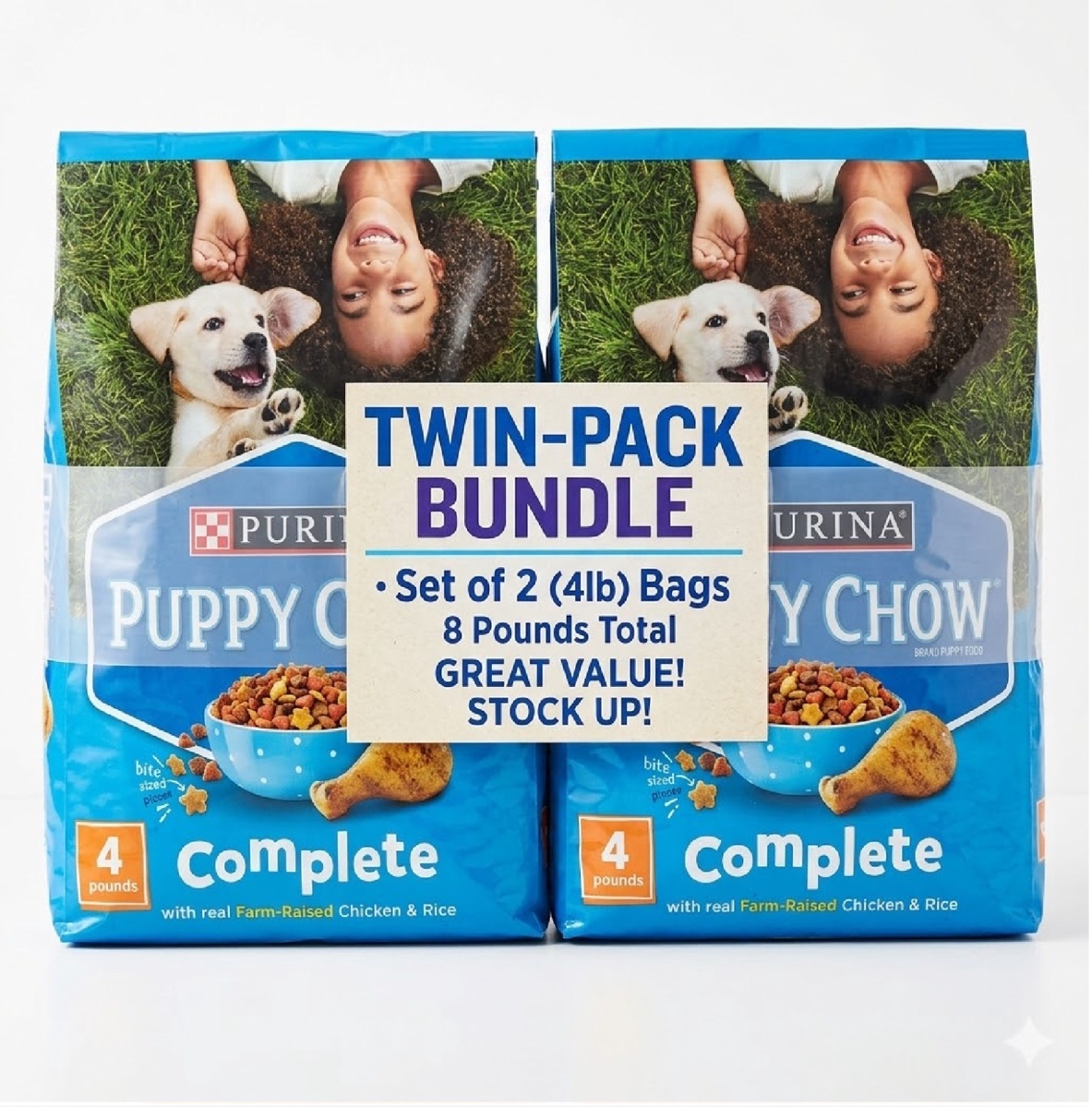 2pk Purina Puppy Chow Complete Dry Dog Food, High Protein Farm-Raised, 4 lb Bag$8.99View on eBay
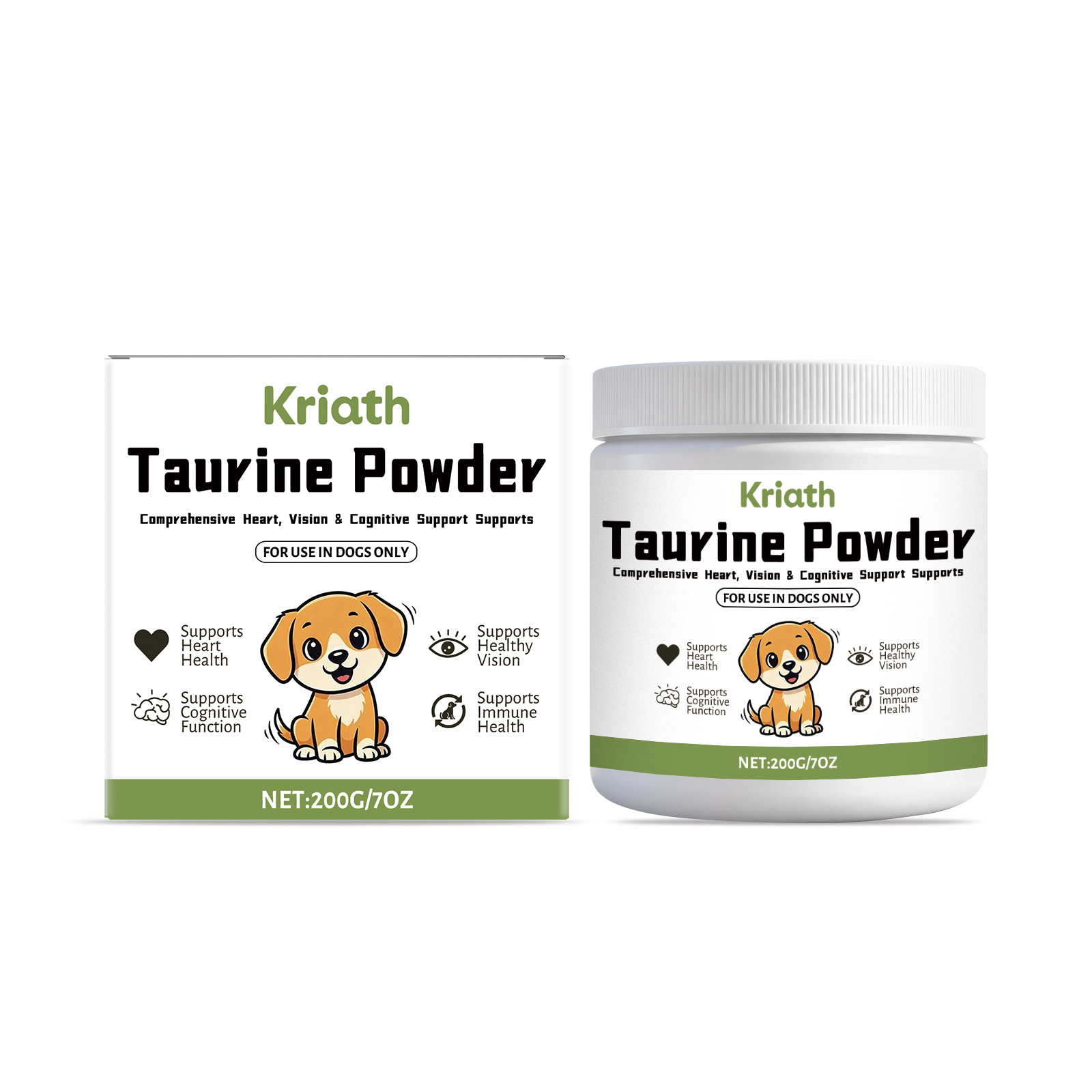 Pet Supplies Dog Food Uses Taurine Powder. The Formula Is Gentle And Helps$25.99View on Mallflare
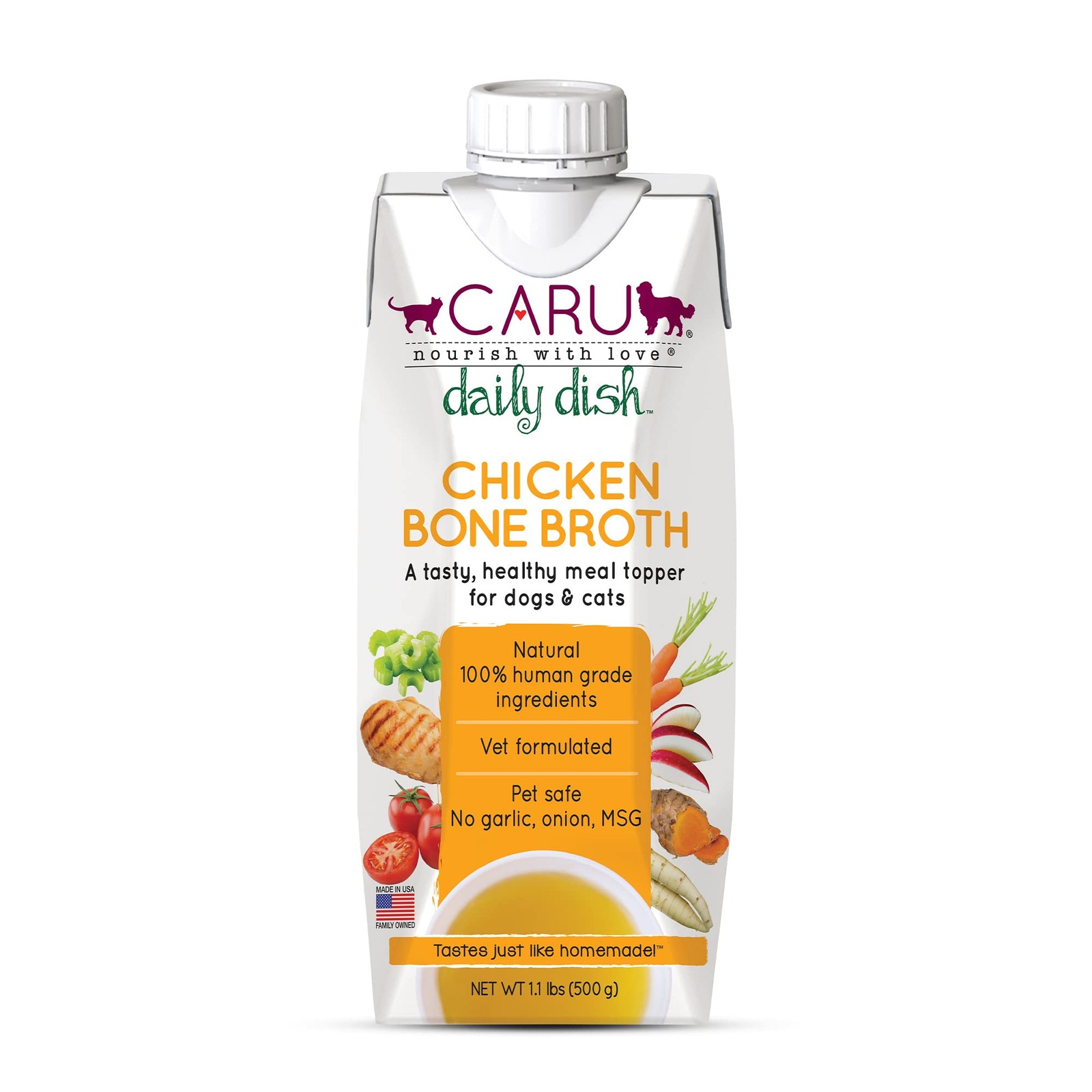 Daily Dish Chicken Broth Meal Topper Dogs Cats 1.1 lb Pet Food Gravy$11.58Last checked Nov 26, 2026View on eBay
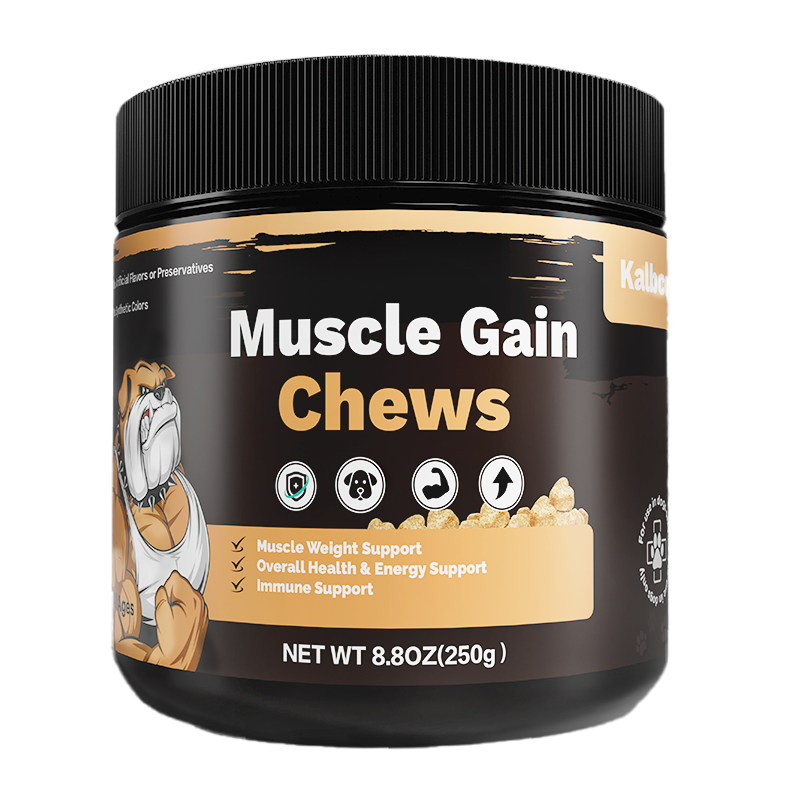 Muscle Gain Chews For Dogs High Protein Dog Food Health Supplement Premium Builder For All Breeds Soft Dog$64.99View on Mallflare
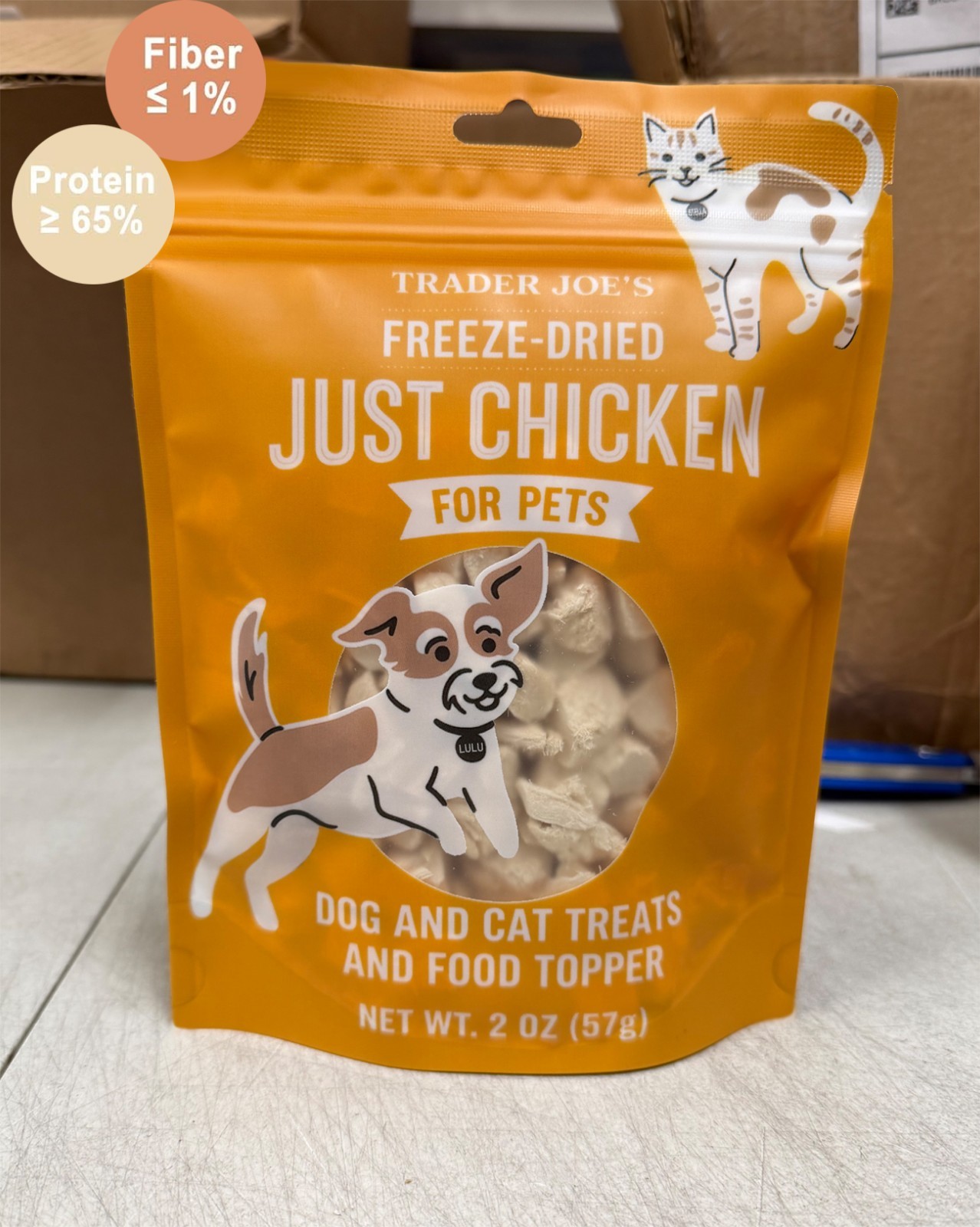 Freeze-Dried Just Chicken Pets Dog & Cat Treats & Food Topper 57g Trader Joe's$12.99View on eBay
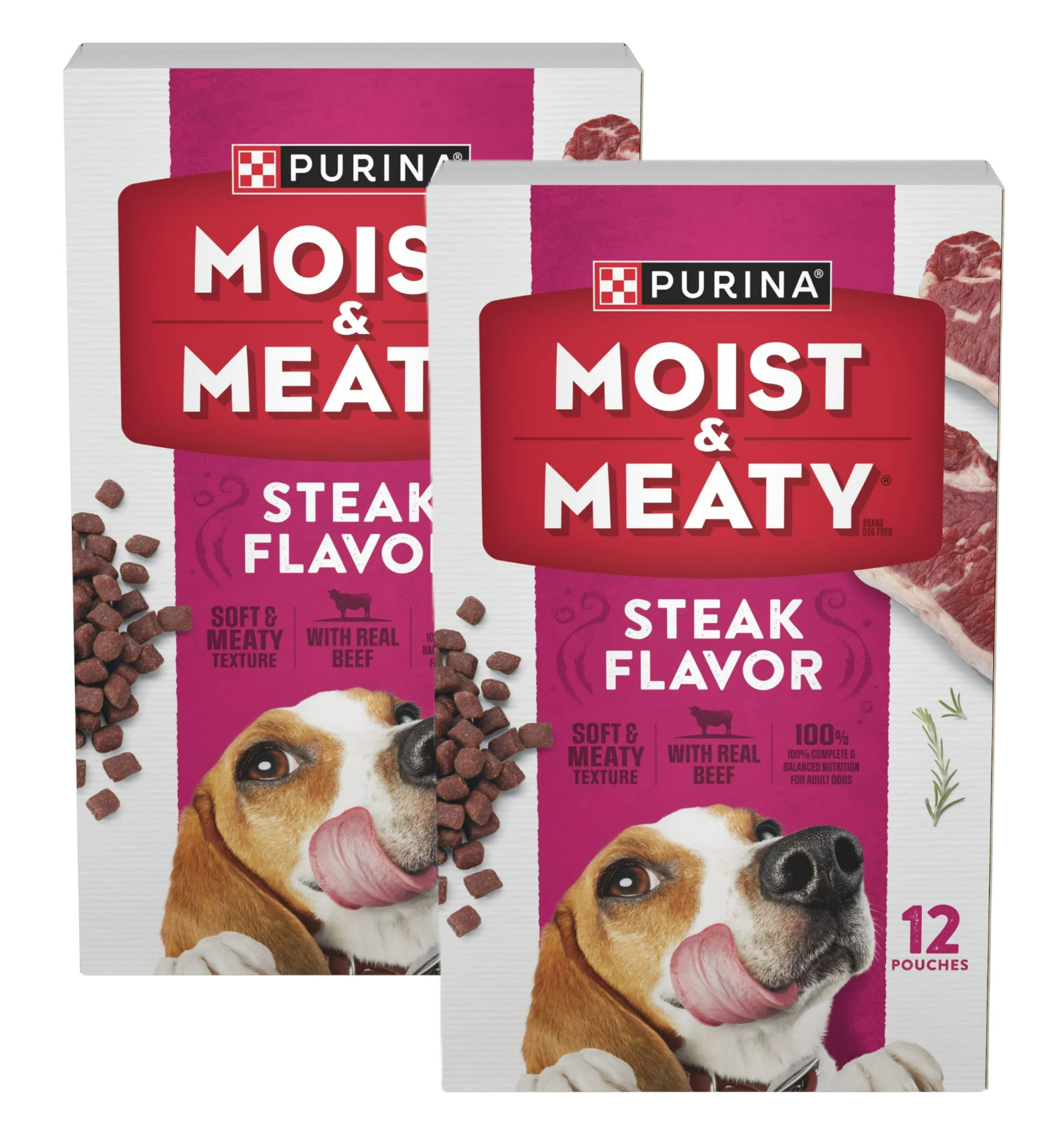 Purina Moist & Meaty Dry Dog Food High Protein Steak Flavor with Real Beef 24 Ct$13.40View on eBay
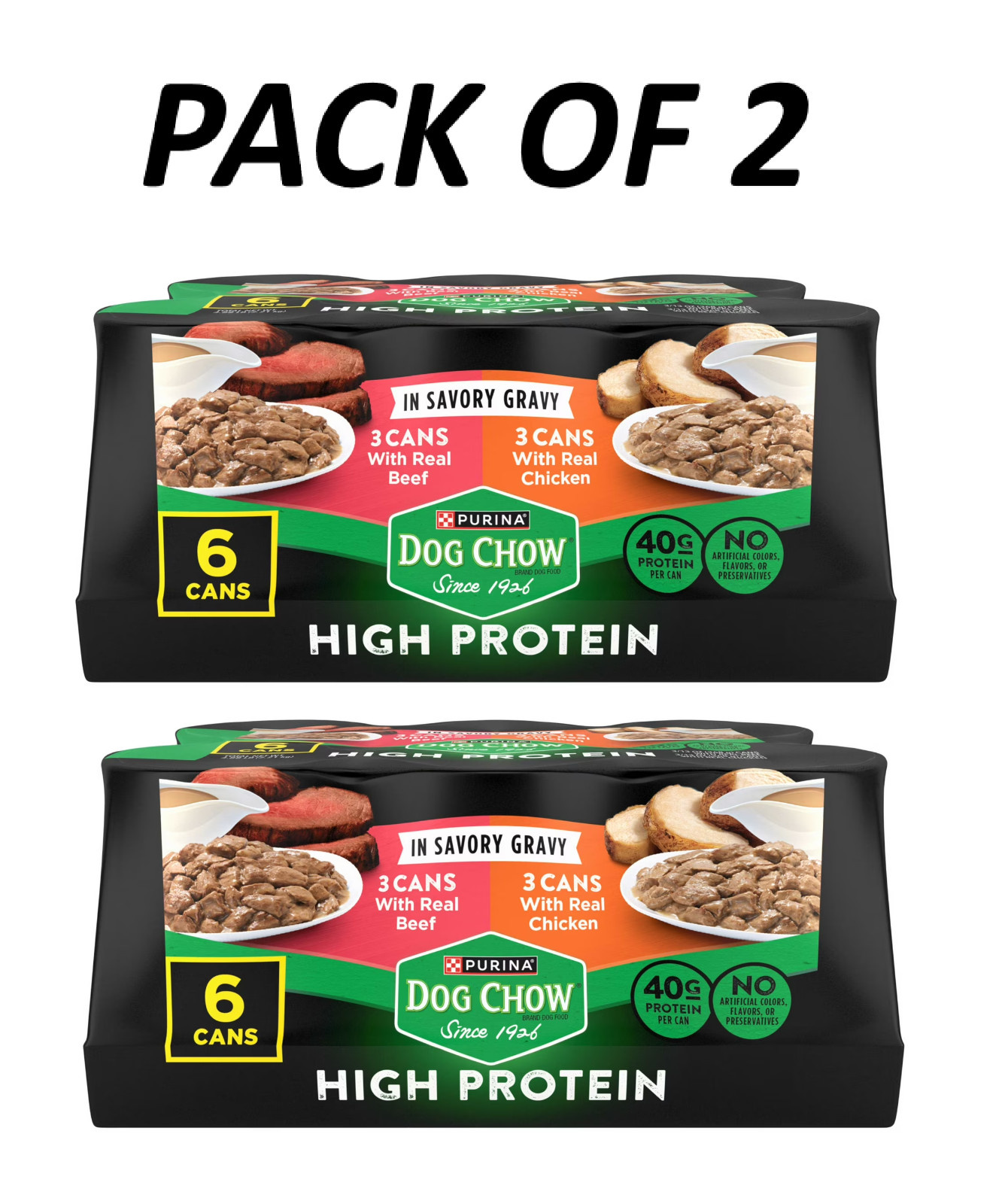 Purina Dog Chow Wet Dog Food Beef Chicken Gravy High Protein 13oz 6 Pack$15.84View on eBay
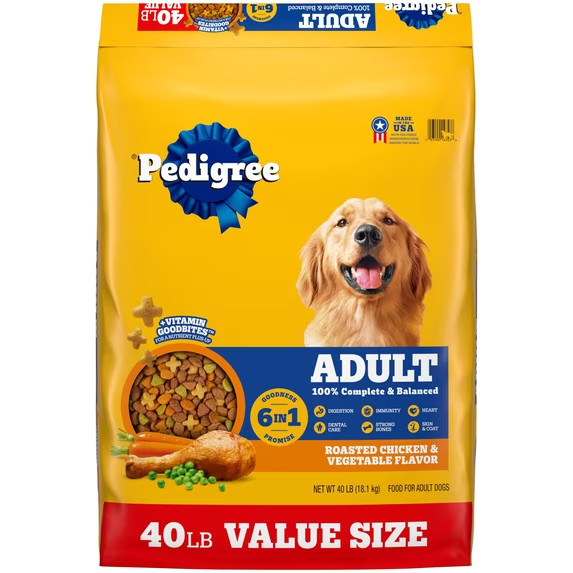 Pedigree Nutrition Adult Dog Food, Roasted Chicken & Vegetable Flavor, 40lb Bag$19.99View on eBay
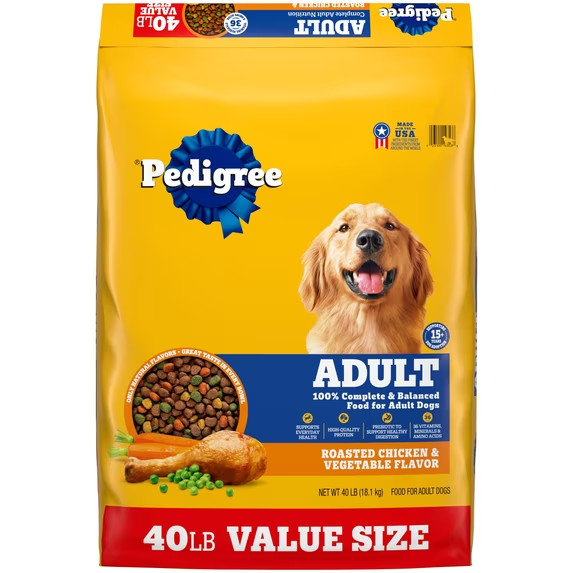 Pedigree Complete Nutrition Adult Dog Food, Chicken & Vegetable, 40 lb Bag$19.99View on eBay
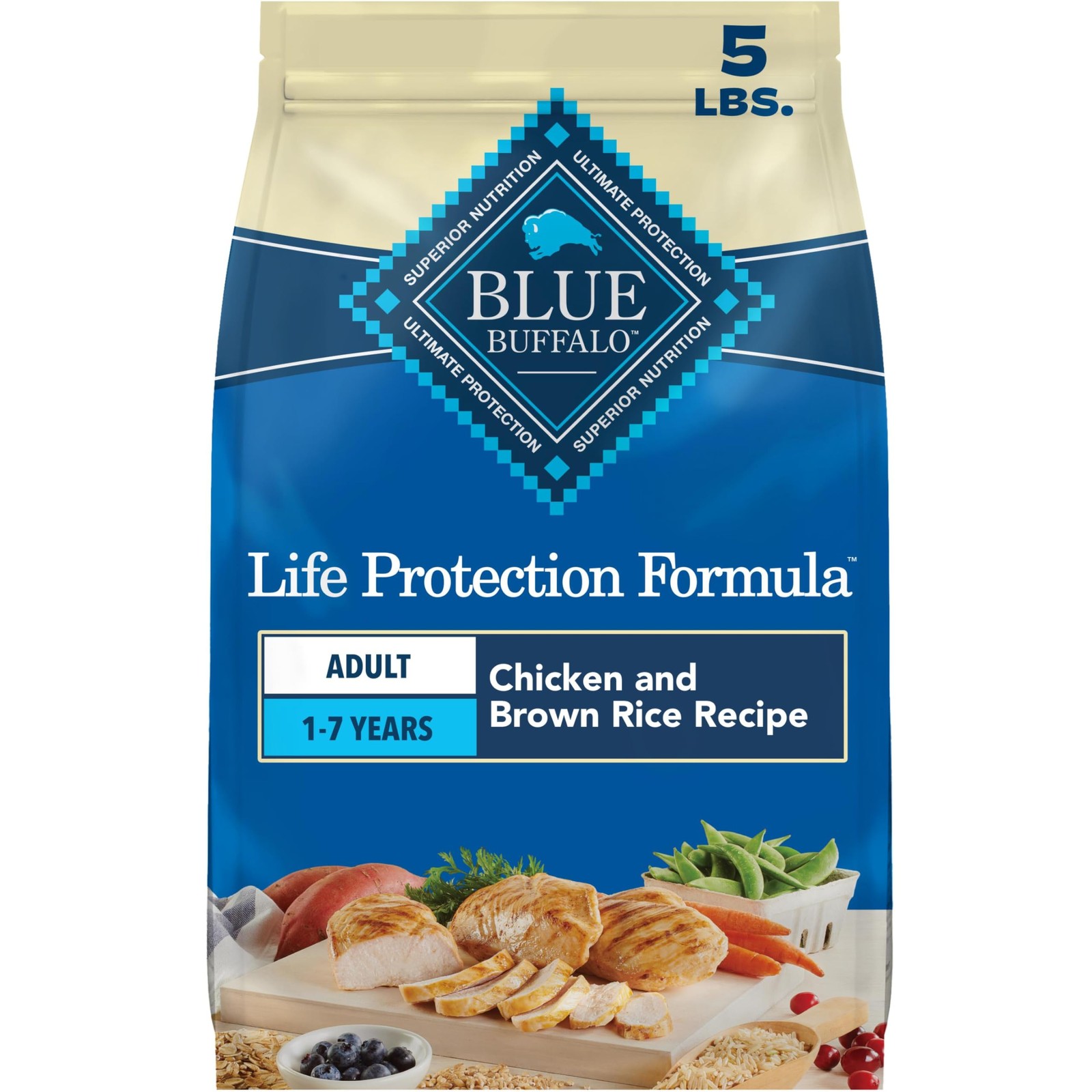 Blue Buffalo Life Protection Formula Chicken Adult Dry Dog Food, 5 lb$20.82View on eBay
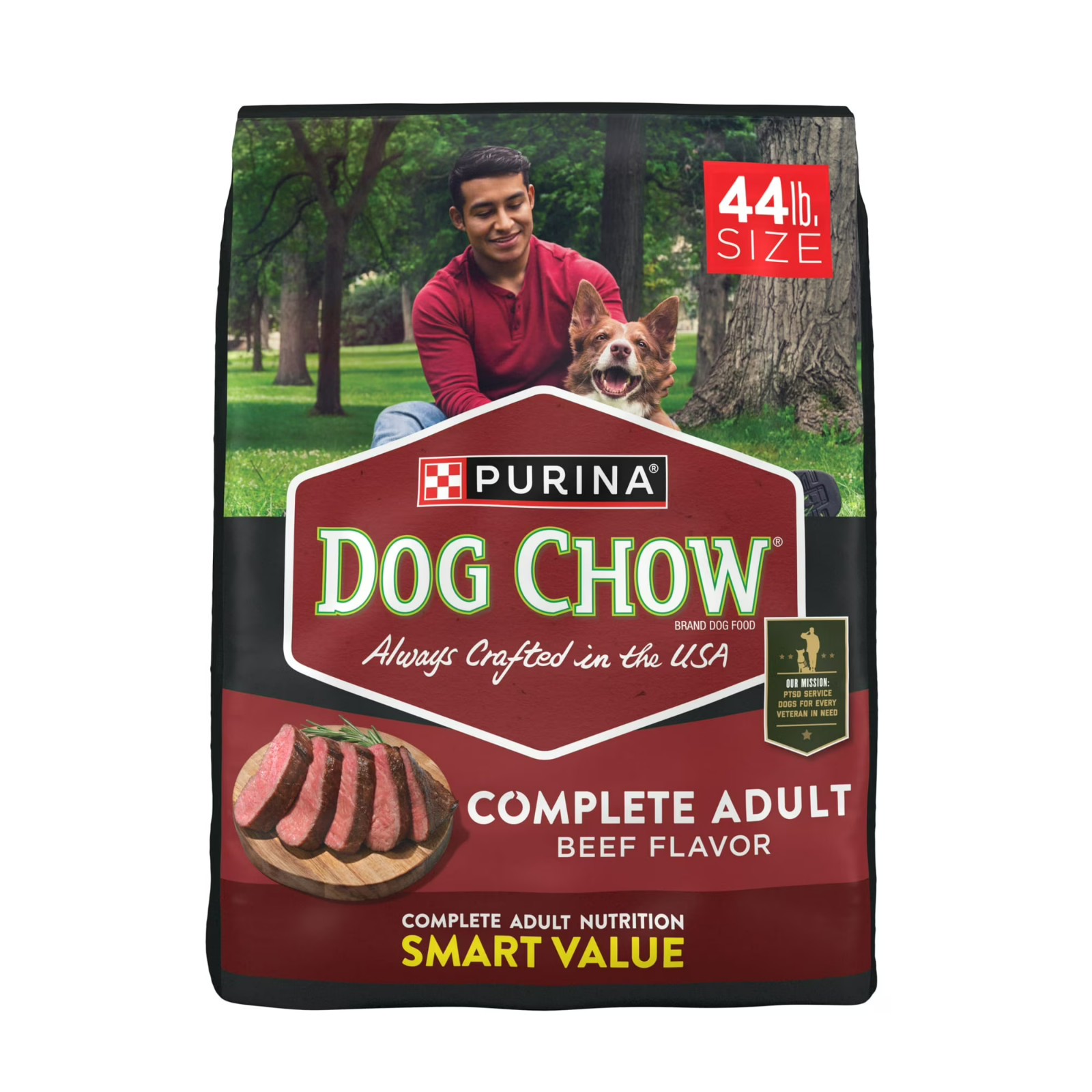 Dog Chow Complete Adult Dry Dog Food for Adult Dogs,Kibble Beef Flavor,44 lb Bag$20.88View on eBay
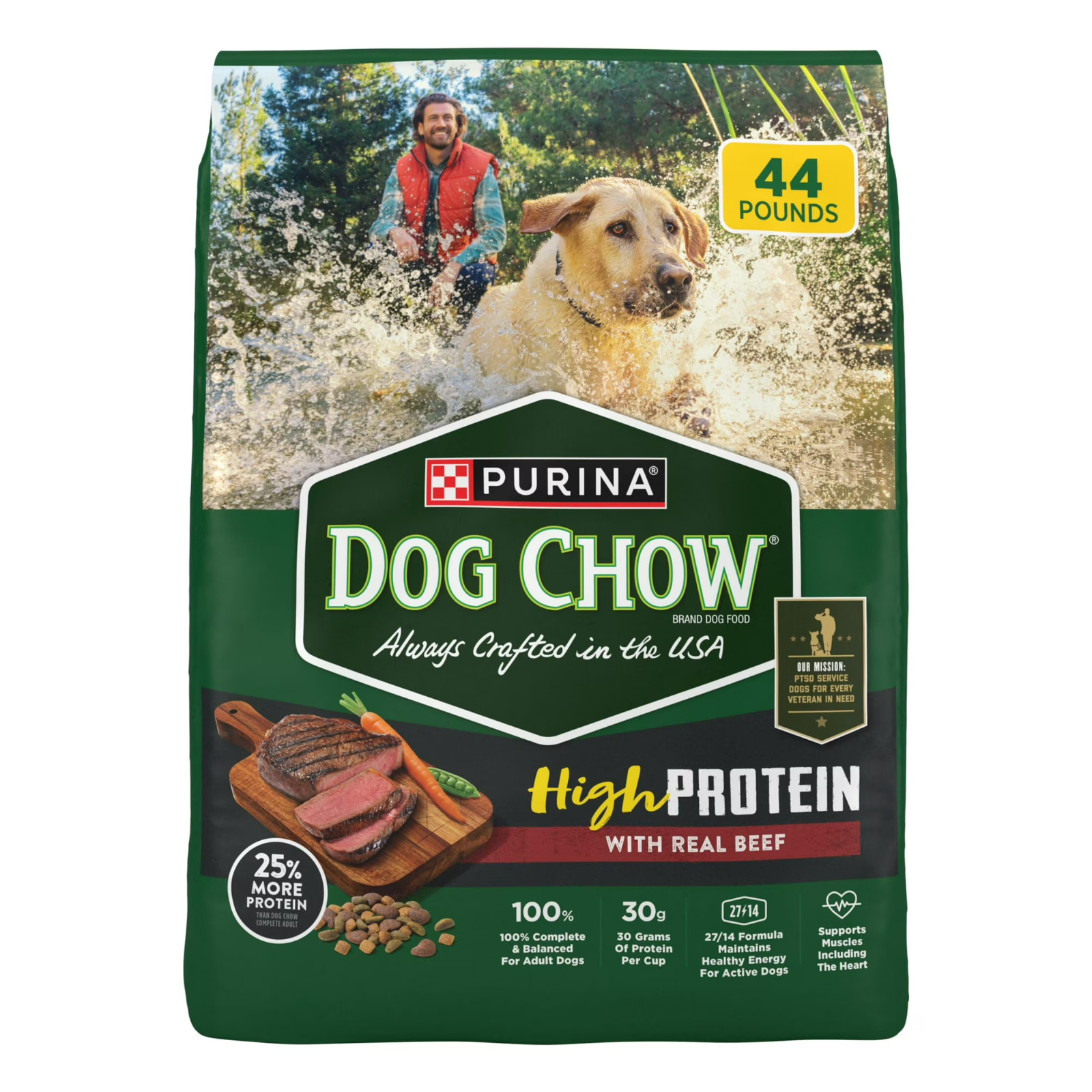 Purina Dog Chow High Protein Dog Food Dry Recipe with Real Beef, 44 lb Bag$20.98View on eBay
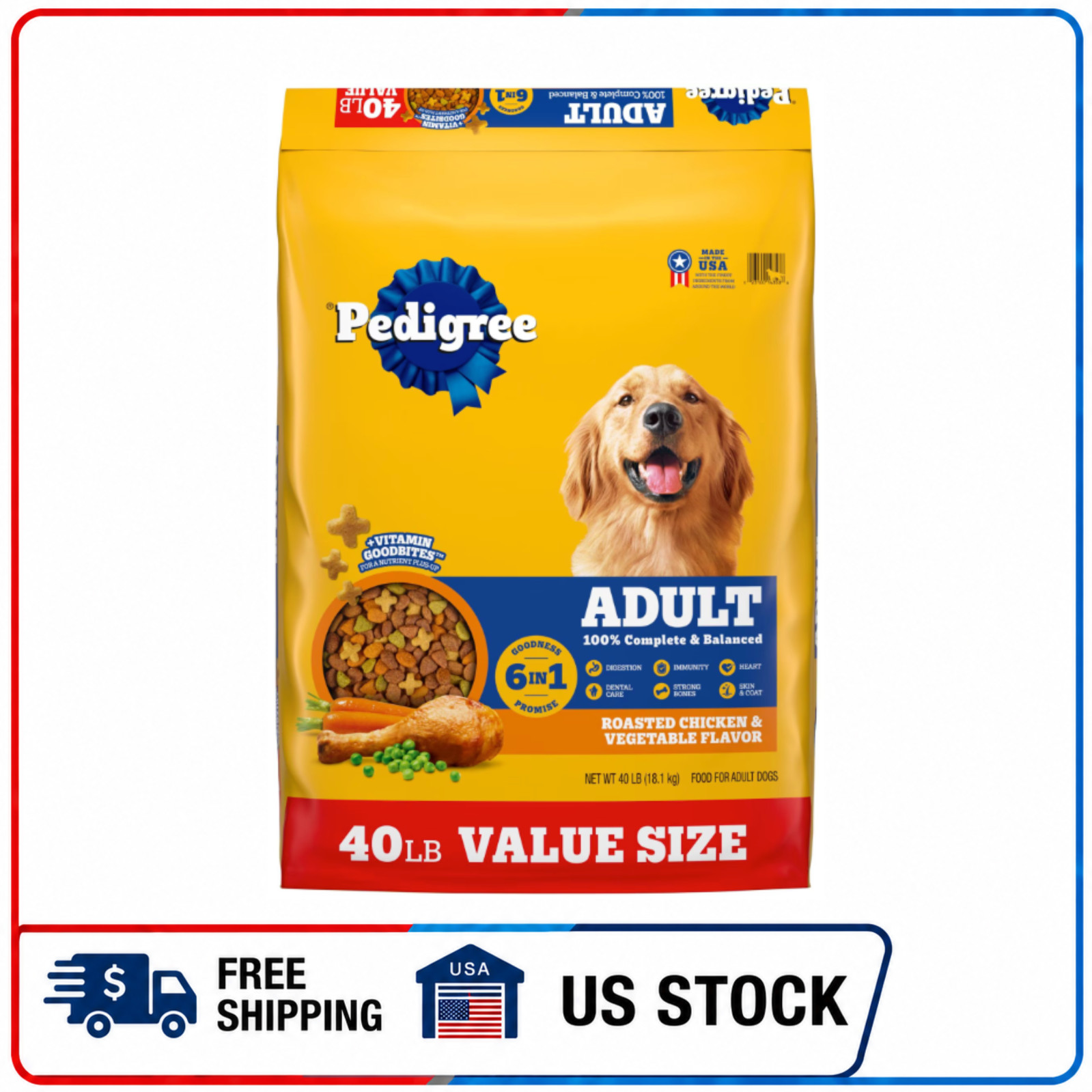 Pedigree Complete Nutrition Adult Dry Dog Food Roasted Chicken Vegetable 40 lb$21.50View on eBay
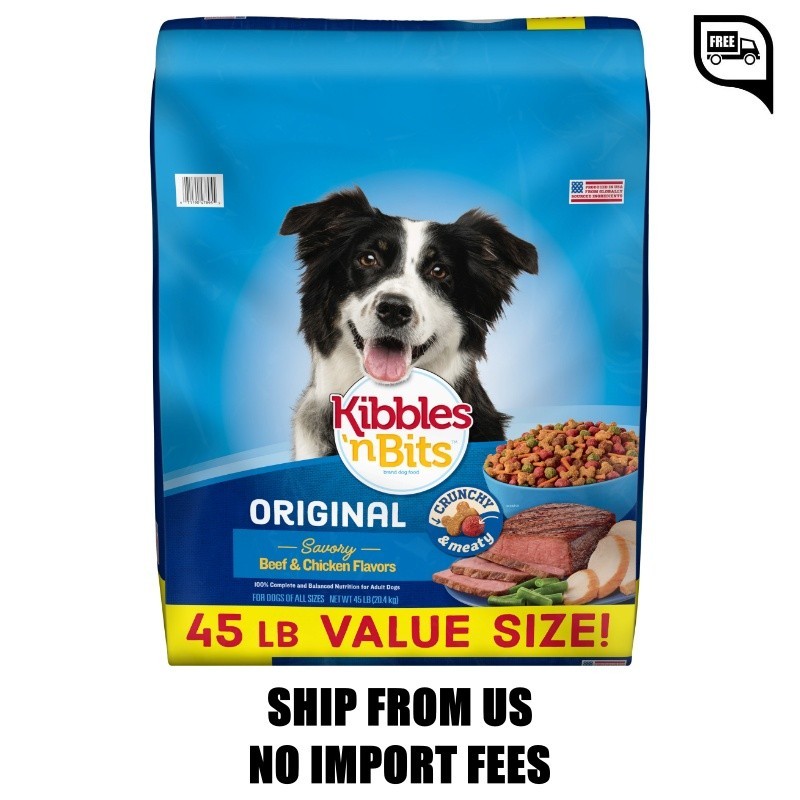 Kibbles 'n Bits Dry Dog Food, Original Savory Beef & Chicken Flavors, 45 lb. Bag$21.57View on eBay
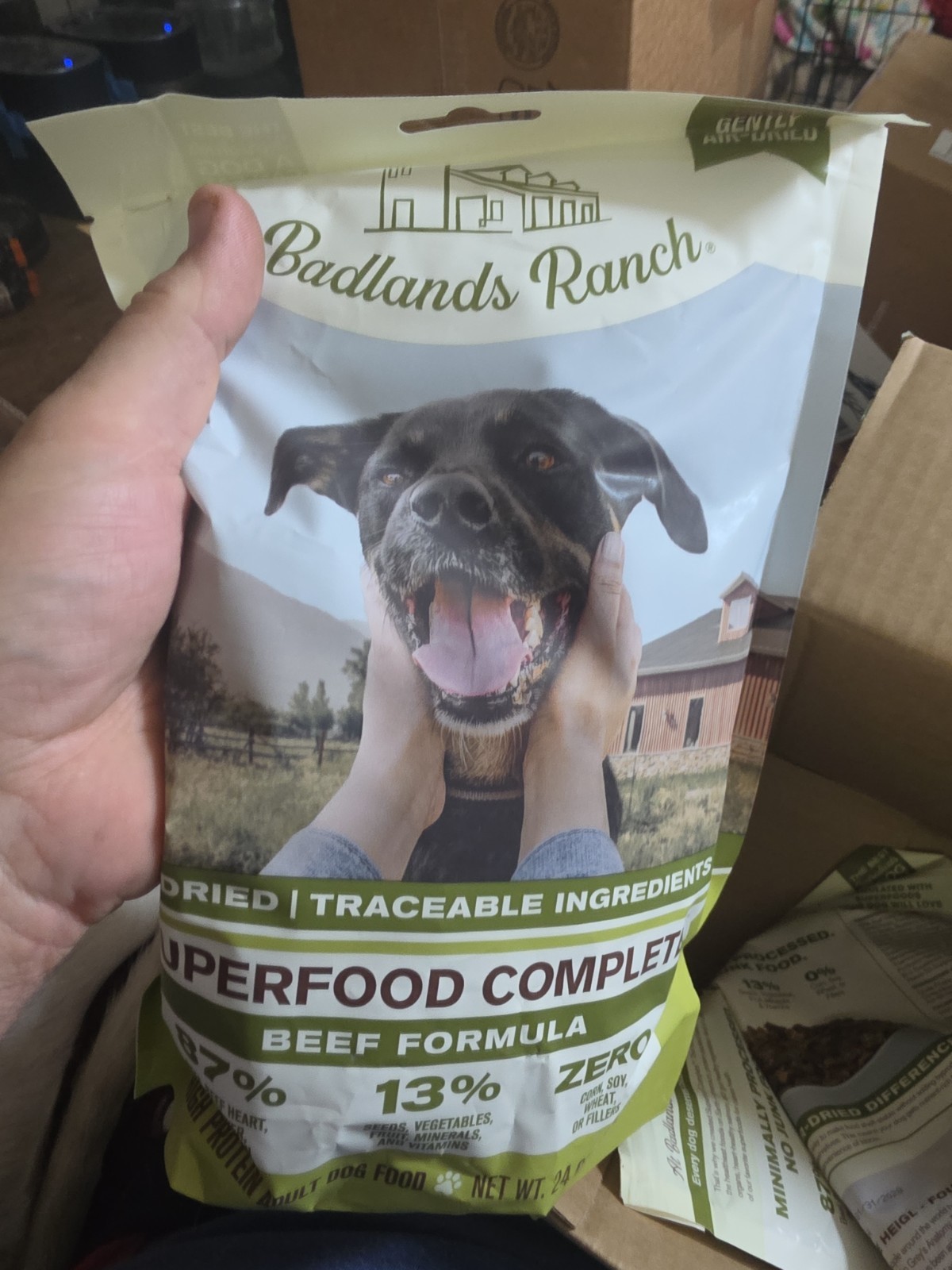 Bdlands Rnch Superfood Complete Beef Formula Air Dried Dog Food 24 oz$22.00View on eBay
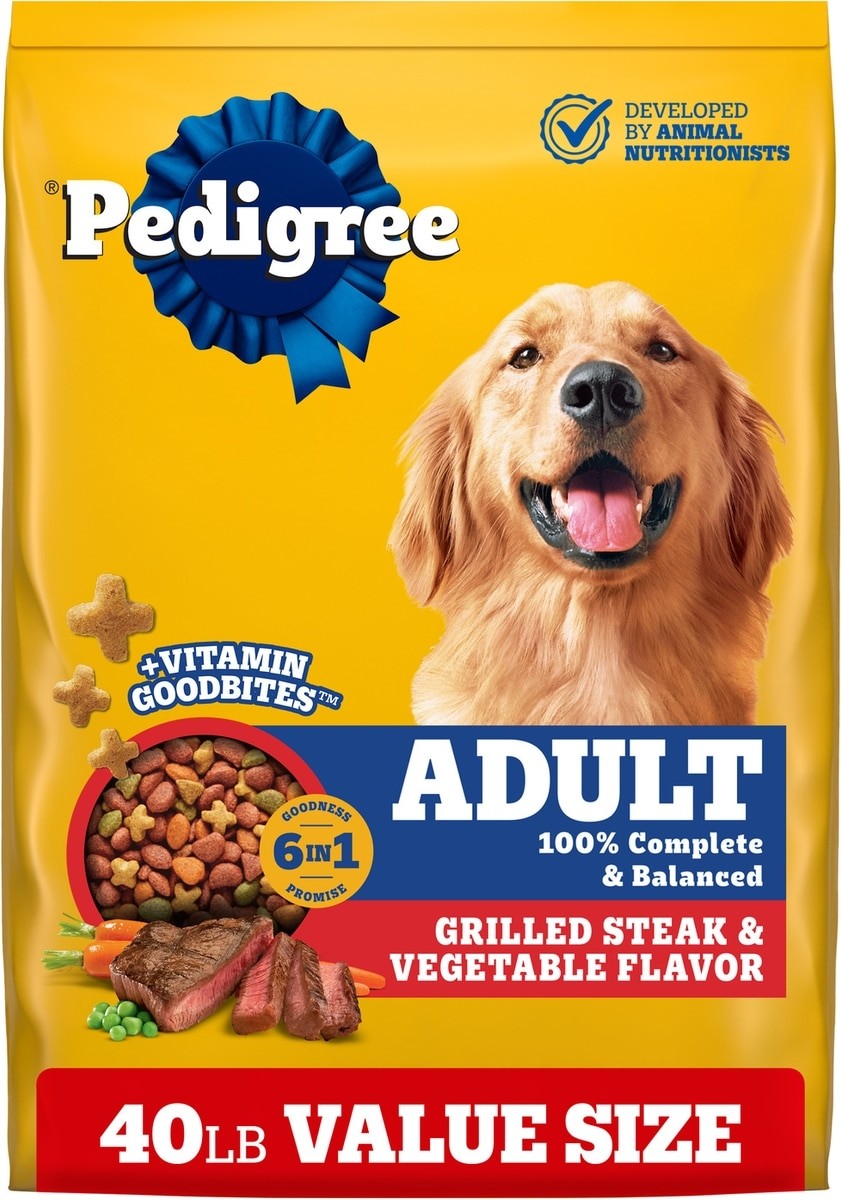 Pedigree Complete Nutrition Adult Dog Food, Grilled Steak & Vegetable, 40 lb$22.99View on eBay
Highlights
- AAFCO statement must name a life stage (growth, maintenance, all life stages) or a family of dogs; treat-only or intermittent labels are not complete diets.
- Protein source hierarchy: fresh/frozen named meat (chicken, beef, salmon) ranks above named meal (chicken meal) above unnamed meat meal above by-product meal.
- Extrusion cooking (dry kibble) uses high heat that degrades some nutrients; freeze-dried raw and fresh-cooked retain more naturally occurring enzymes and amino acids.
- Guaranteed analysis minimums: adult maintenance protein 18% and fat 5% (AAFCO), but performance or large-breed formulas often target 22-30% protein.
Best use cases
- Best fit for budget-conscious owners of healthy adult dogs: a dry extruded kibble with a named meat first and an AAFCO adult maintenance statement; skip boutique grain-free lines unless your vet confirms a need.
- Best fit for puppies and pregnant/nursing dams: a formula labeled 'growth' or 'all life stages' with DHA and a calcium-to-phosphorus ratio near 1.2:1; skip adult-maintenance-only kibble.
- Best fit for dogs with confirmed food allergies: a limited-ingredient diet with a novel protein and single carbohydrate source, ideally with a hydrolyzed or novel-protein guarantee; skip multi-protein 'sensitive stomach' blends.
- Wrong fit for raw feeding without freezer space: freeze-dried raw is shelf-stable but costs more per calorie; choose it only if you can store and rehydrate properly.
Buying tips
- Read the AAFCO nutritional adequacy statement first: it must specify 'complete and balanced' for a life stage; treats and toppers rarely carry this.
- Match protein level to life stage: growing puppies need 22-32% protein, adult maintenance 18-25%, and senior or kidney-compromised dogs often need restricted phosphorus and moderate protein.
- Prefer named animal meals over unnamed by-products: 'chicken meal' is a concentrated protein, while 'meat and bone meal' can vary batch to batch.
- Check calorie density (kcal/kg or kcal/cup) to set portions: a 3,500 kcal/kg kibble requires smaller cups than a 3,000 kcal/kg formula for the same dog weight.
Specs
| Food Form | Dry kibble / freeze-dried raw / fresh-cooked |
|---|---|
| AAFCO Statement | Growth / Maintenance / All Life Stages |
| Protein Source | Named meat first vs unnamed meal |
| Life Stage | Puppy / Adult / Senior / All life stages |
Related searches
What to check before buying
- Confirm your dog's current weight and body condition score so you can calculate daily calories from the label's kcal/cup and avoid overfeeding.
- Verify the formula's AAFCO life-stage statement matches your dog's age and reproductive status (growth, adult maintenance, all life stages).
- Measure your storage space and scoop size: large bags (30-40 lb) need airtight containers, and freeze-dried raw needs freezer or cool dry storage.
- Check for a transition plan: mix 25% new food with 75% old over 7-10 days to avoid GI upset, especially with higher-protein formulas.
FAQ
Data sources: eBay / Amazon listings and product attribute feeds. Updated Nov 27, 2026.
Some links on this page are affiliate links. If you buy after clicking one, we may earn a commission at no extra cost to you. This does not change which products appear here or their order. Affiliate disclosure.