
Photos from current listings. Actual item, color, and included accessories may vary.
Reptile Terrarium Buying Guide
A reptile terrarium is an enclosure engineered to hold precise heat, humidity, and UV gradients for a specific species; the core trade-off is between glass/PVC/wood construction that retains climate versus mesh or thin plastic that leaks it. Durable terrariums use sealed panels, screened vents, and species-appropriate dimensions, while compromises rely on open mesh or undersized cubes.
Median $206.99 · New listings
Key takeaways
- Glass or thick PVC walls hold humidity and block drafts; aluminum or fabric mesh sides bleed both heat and moisture, suiting only arid, low-humidity species.
- Front sliding or hinged doors enable feeding and cleaning without lifting the lid, which preserves the thermal gradient and reduces escape risk.
- Screen-top terrariums accept dome lamps and UVB fixtures directly; solid wood or PVC tops require internal mounting or cutouts for heat and UV.
At a glance
- Category
- Reptile Enclosures & Terrariums
- Last updated
- Nov 27, 2026
Current offers
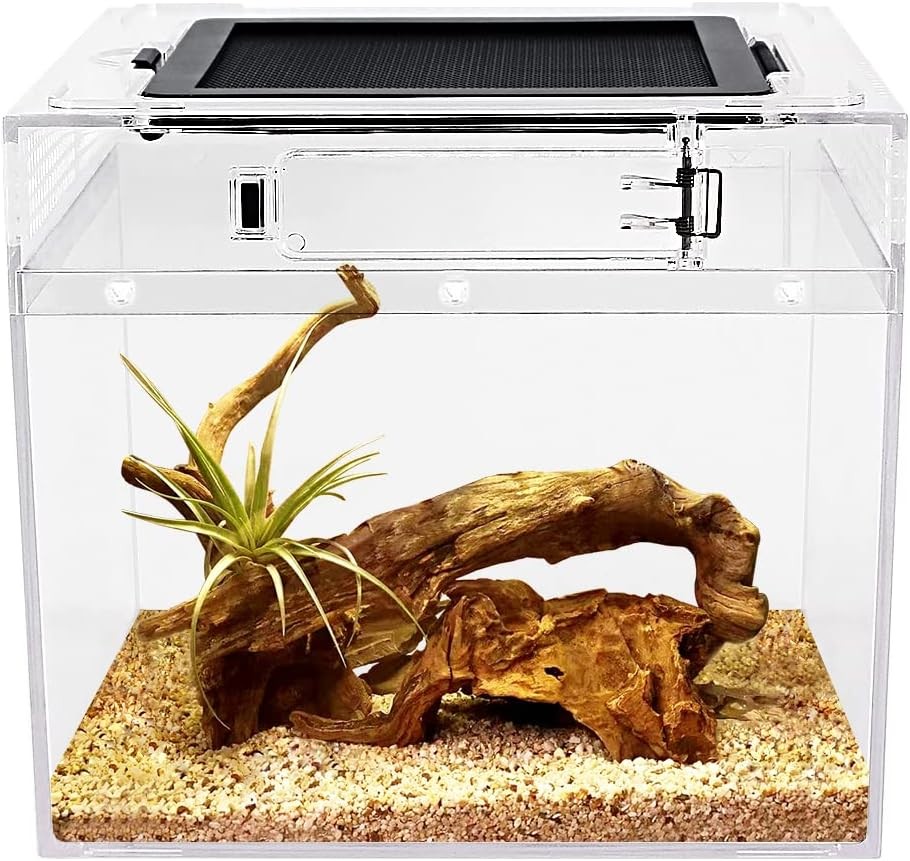 Mini Reptile Terrarium,8" x 8"x 8" Tank with 8 x 8x 8, Transparent$33.51Last checked Nov 28, 2026View on eBay
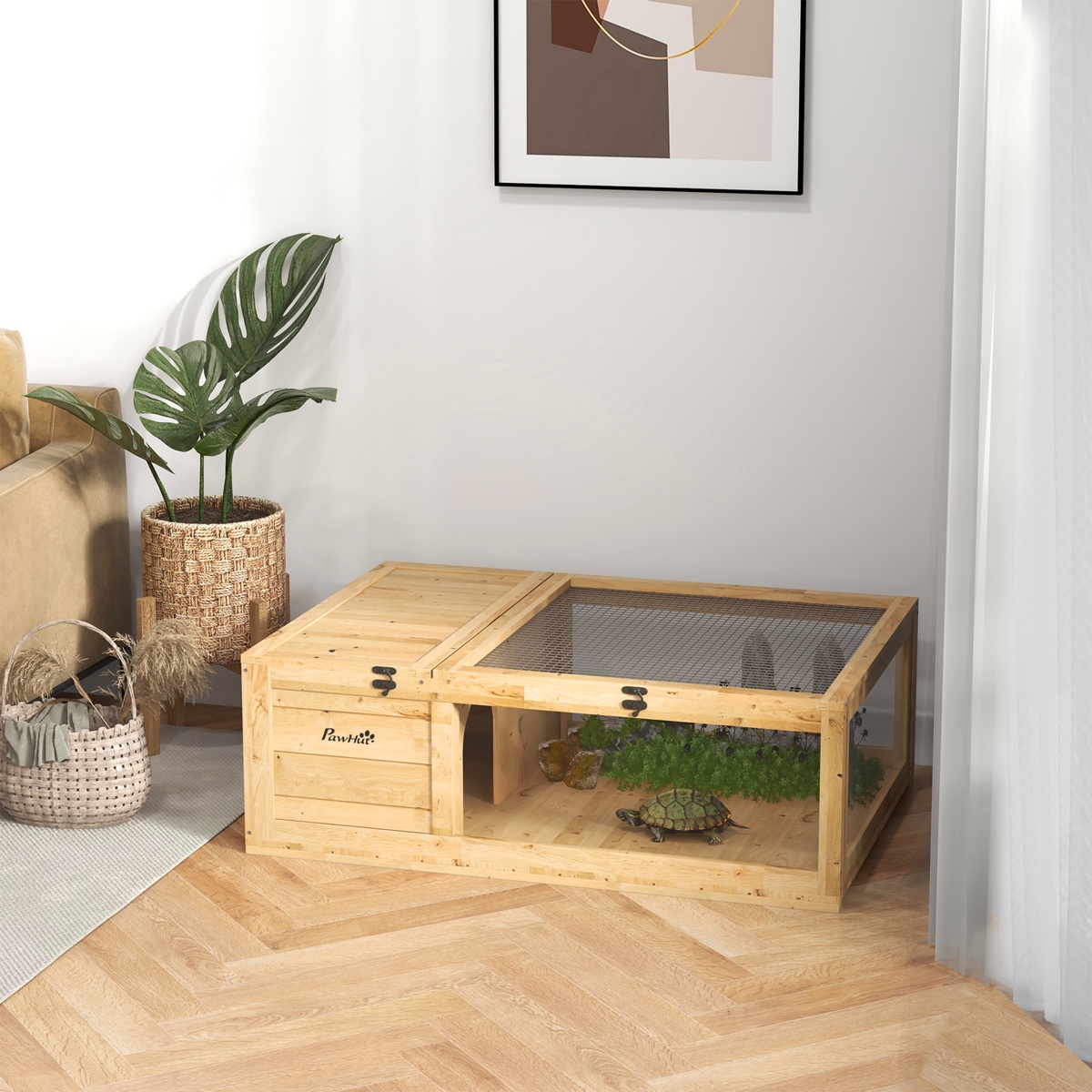 Wooden Reptile Cage with Top Access for Turtles, Lizards, Snakes, Yellow$75.99View on Mallflare
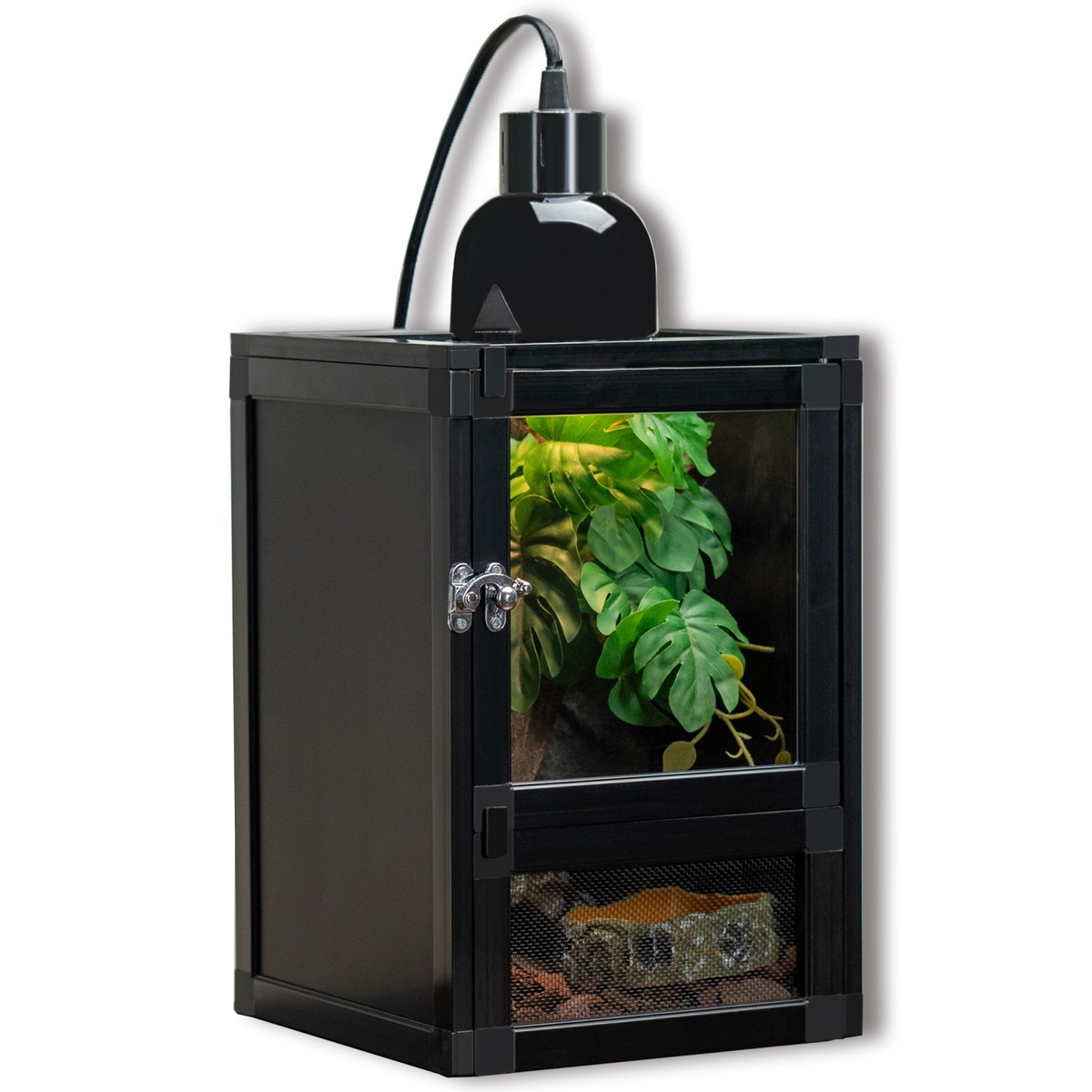 Small Habitat Mini Reptile Cage Perfect for Frogs, Lizards, Chameleons-two doors$39.99View on eBay
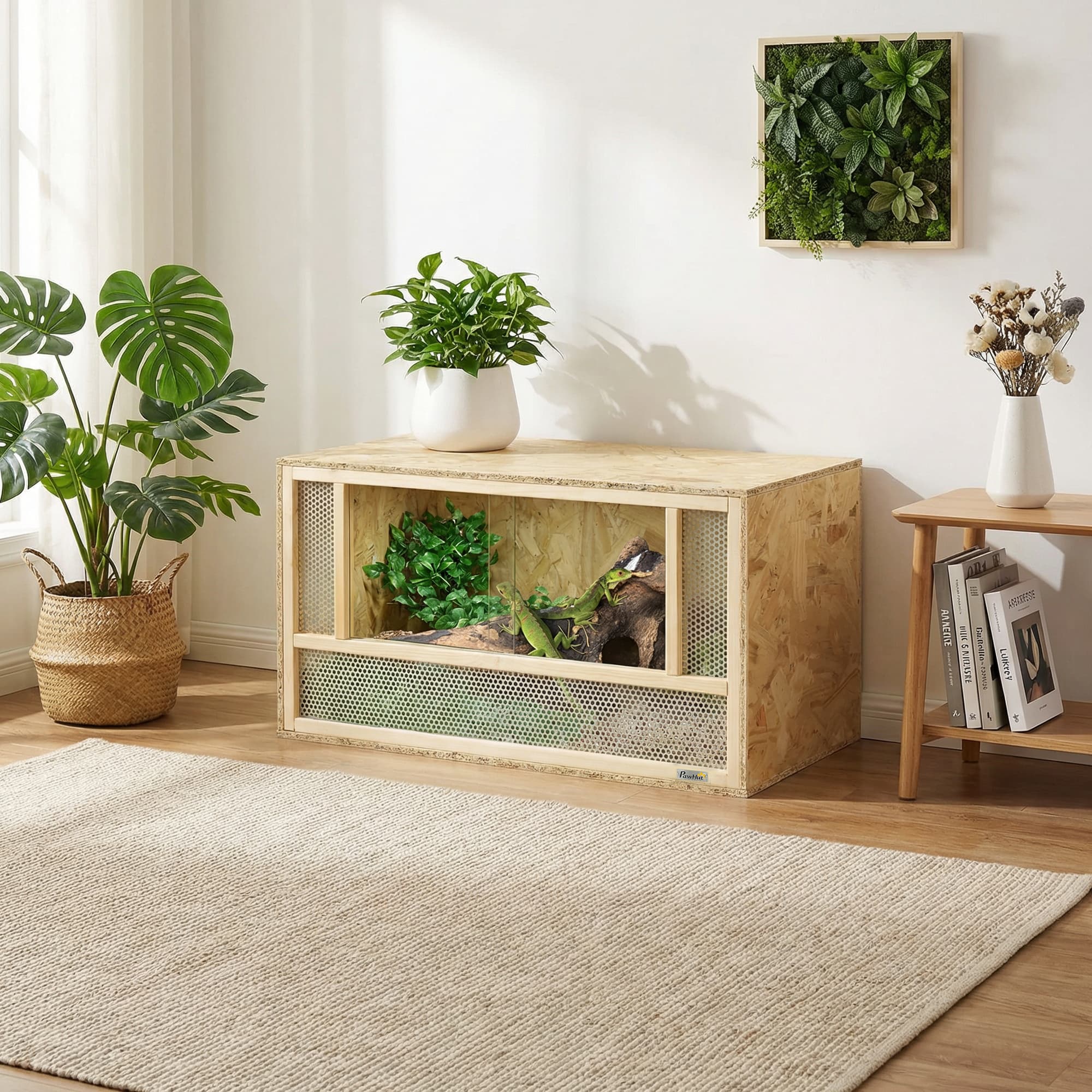 Wooden Reptile Terrarium with Sliding Door for Chameleon, Lizard, Snake, Frog, Turtle, 31.5" x 15.7" x$76.99View on Mallflare
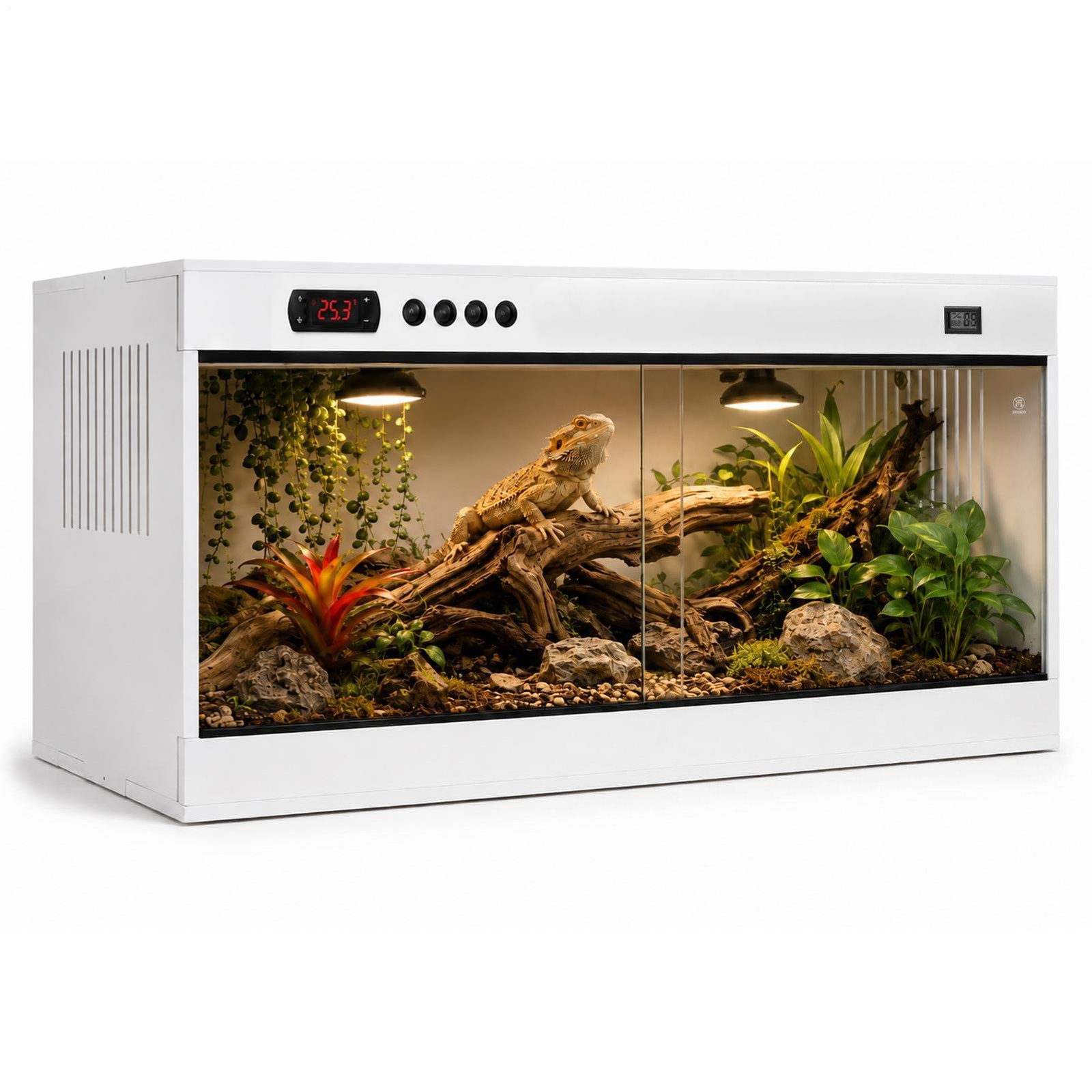 Reptile Enclosure W/Temperature Control 39x16x16'' Reptile Tank Terrarium Cage$59.12View on eBay
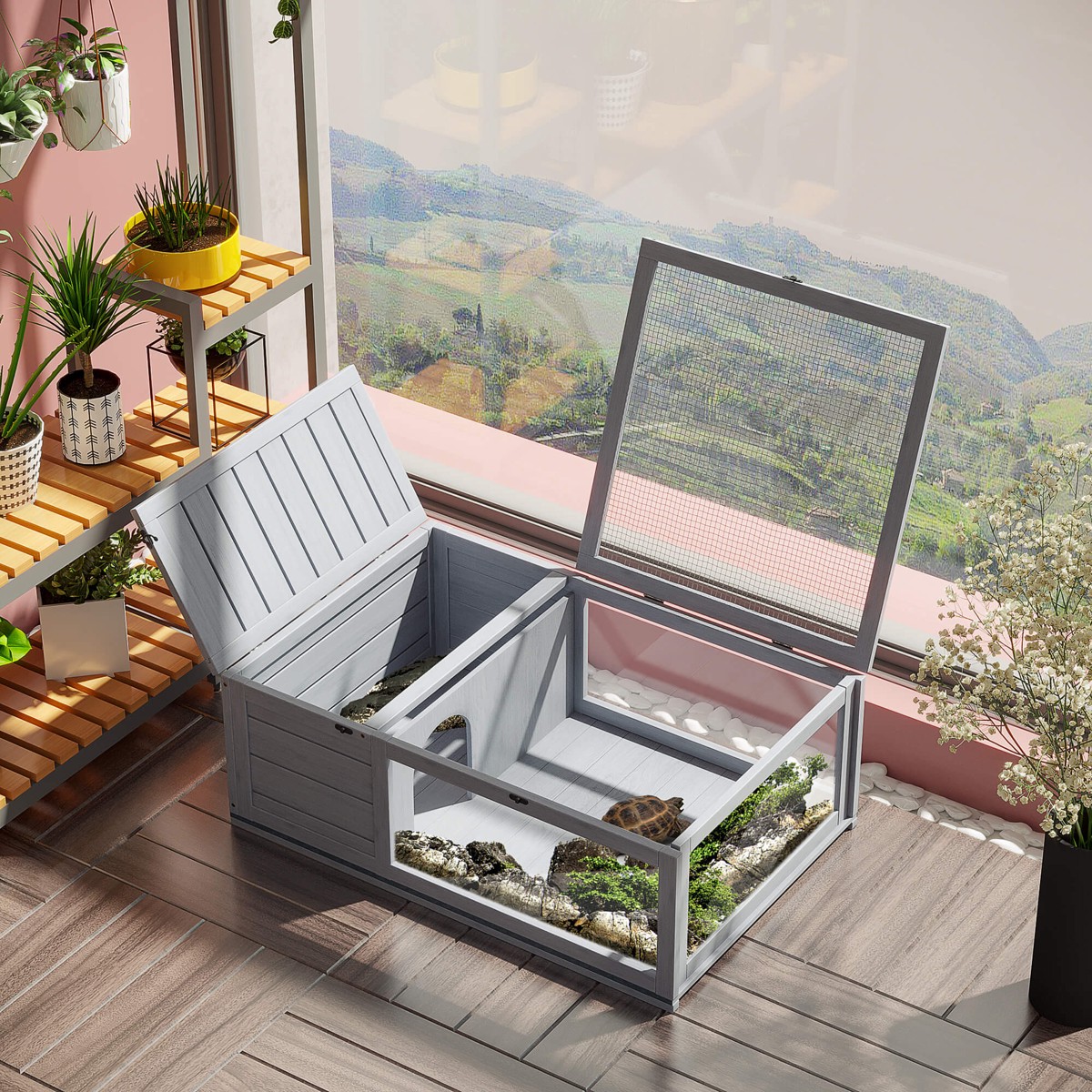 Wooden Reptile Cage with 3 Windows Slide-out Tray for Turtles, Lizards, Snakes$76.99View on Mallflare
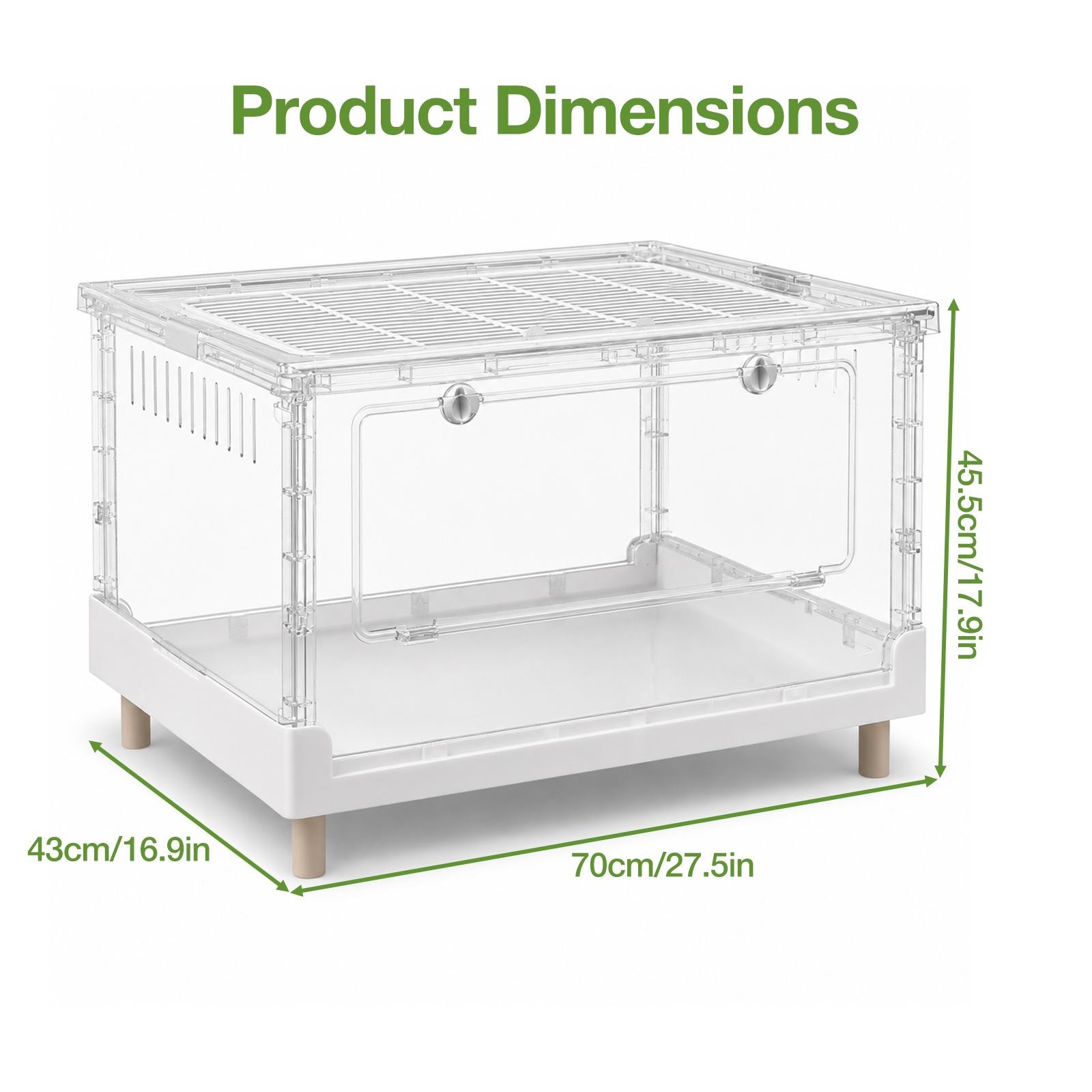 30 Gal Reptile Tank Front Opening Double Lock Foldable for Snake Lizard$72.89View on eBay
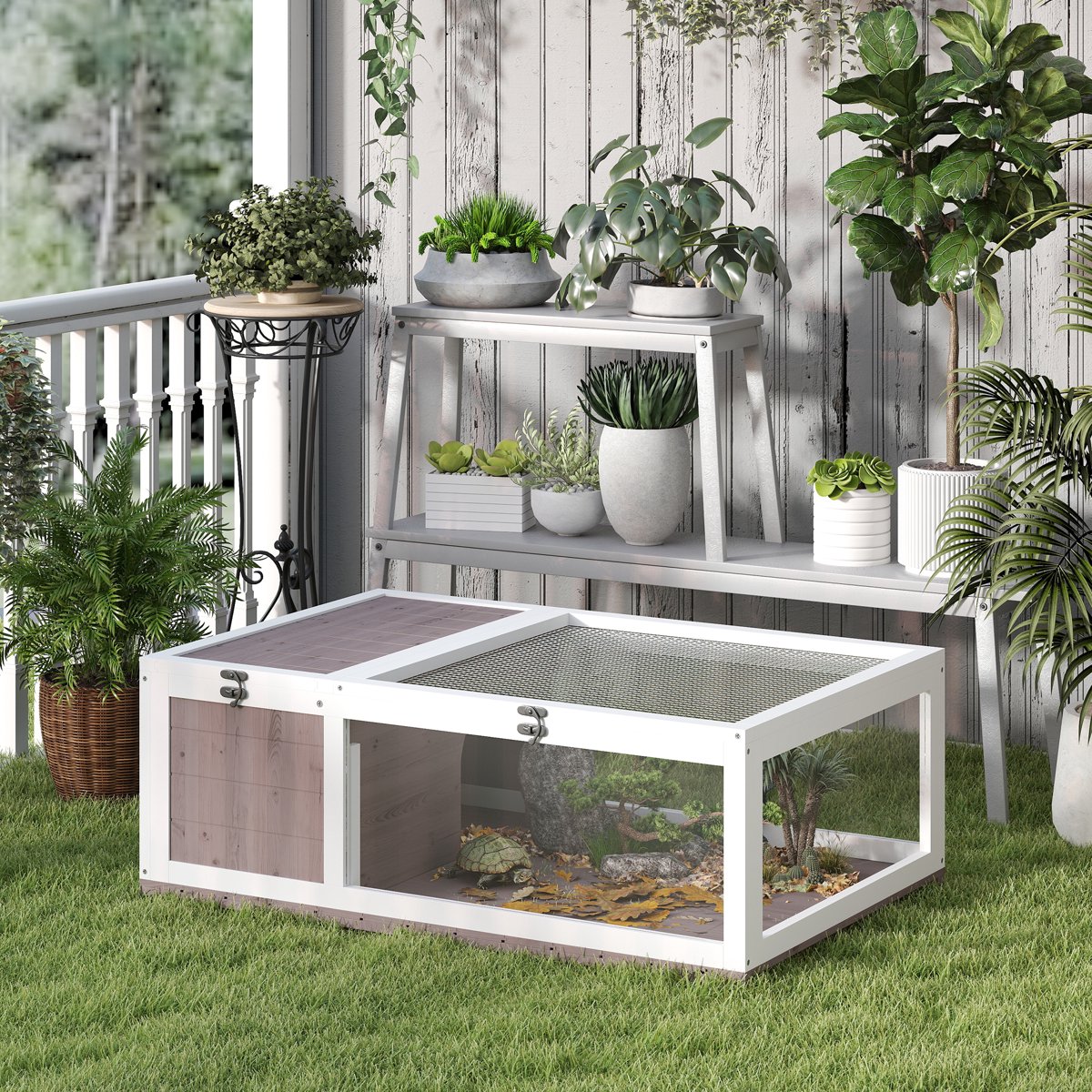 Wooden Reptile Cage with Top Access for Turtles, Lizards, Snakes, Light Brown$85.99View on Mallflare
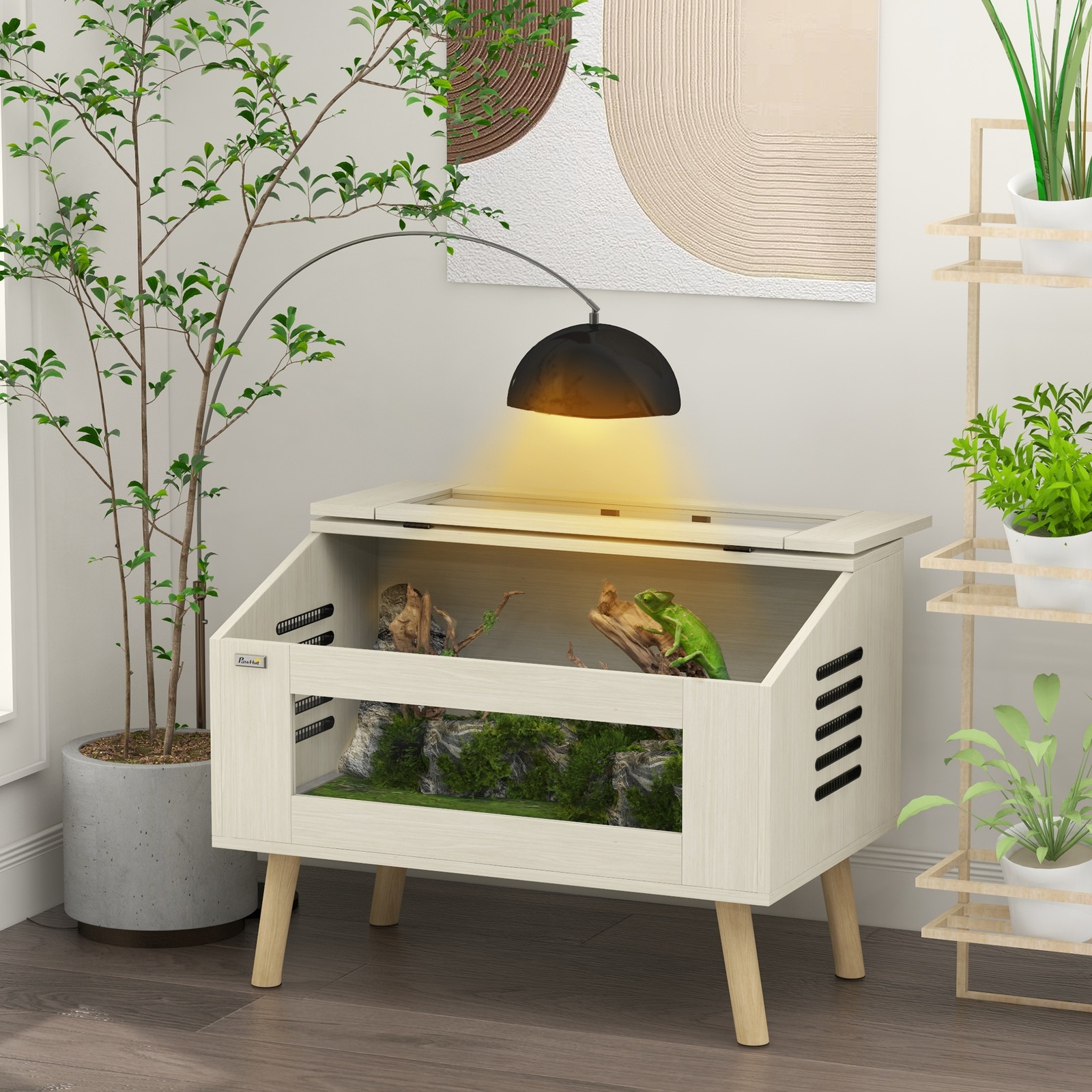 30 Gallon Reptile Terrarium W/ Top Opening Windows & Air Vents$89.99View on eBay
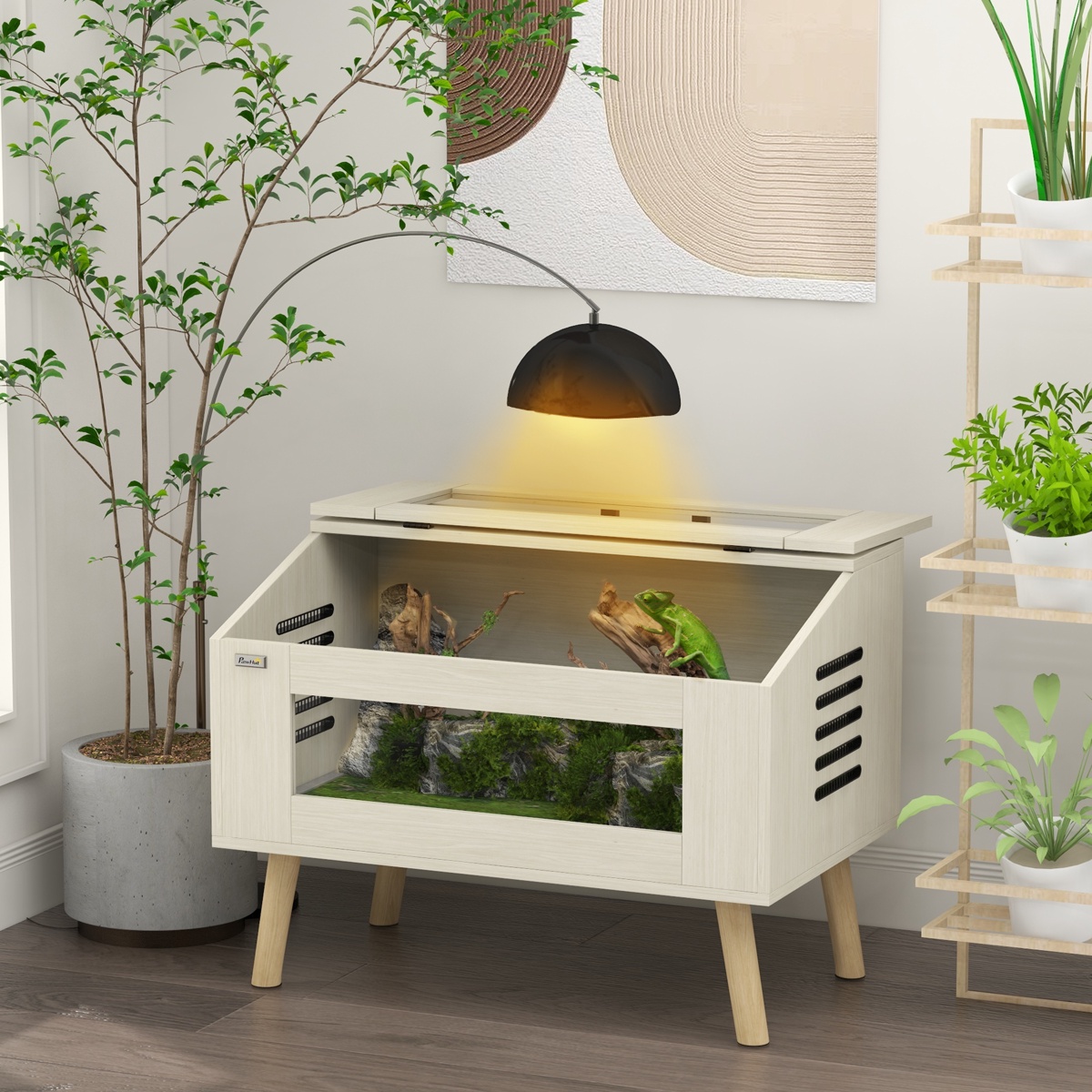 30 Gallon Reptile Tank, Top Opening Enclosure with Glass Windows for Snakes, Lizards Horned Frogs & Chameleons$130.99View on Mallflare
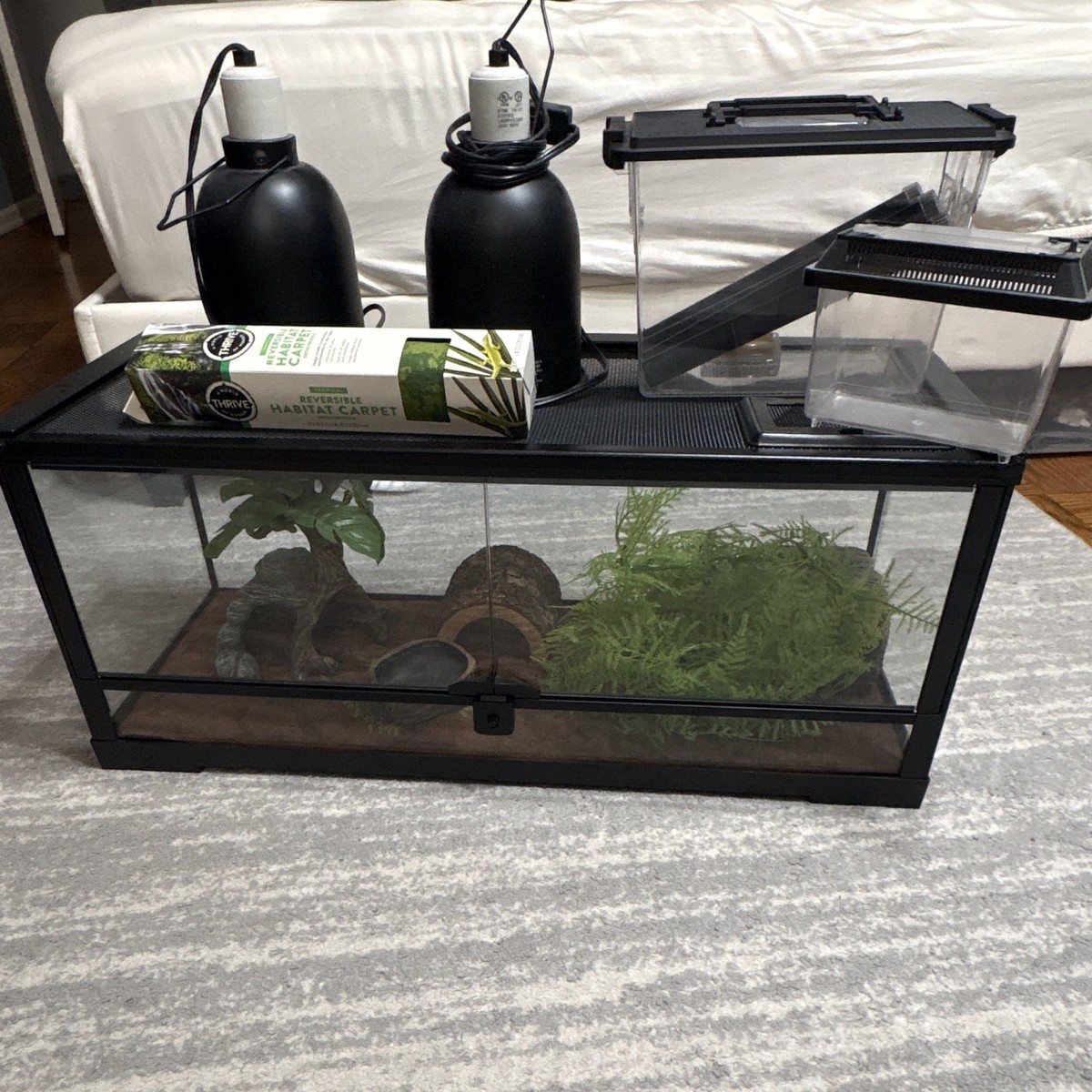 20 Gallon Glass Tank for Reptiles with Accessories like carpet, lamps,boxes, etc$100.00View on eBay
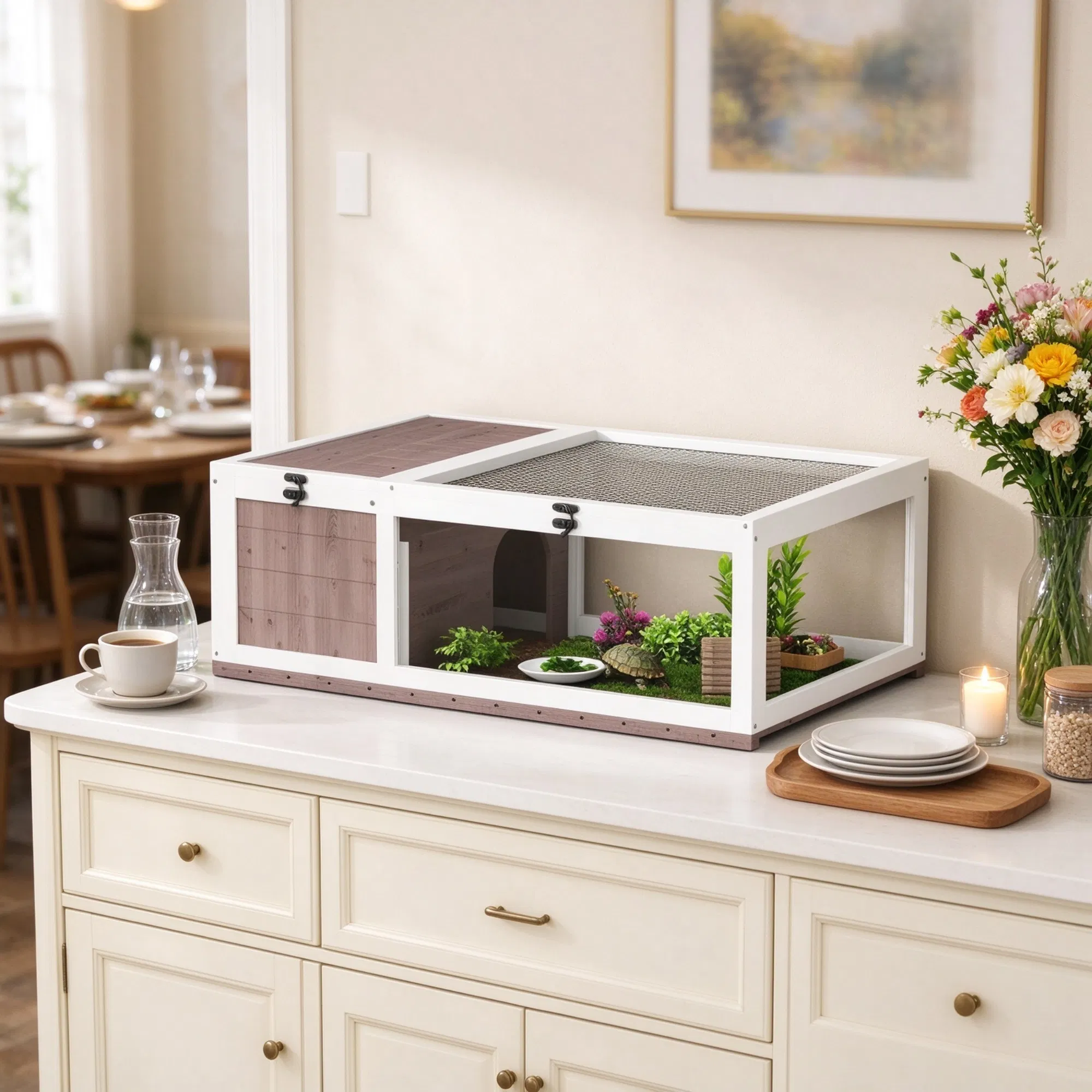 Wooden Reptile Cage with Top Access, Habitat for Turtles, Lizards & Snakes$204.99View on Mallflare
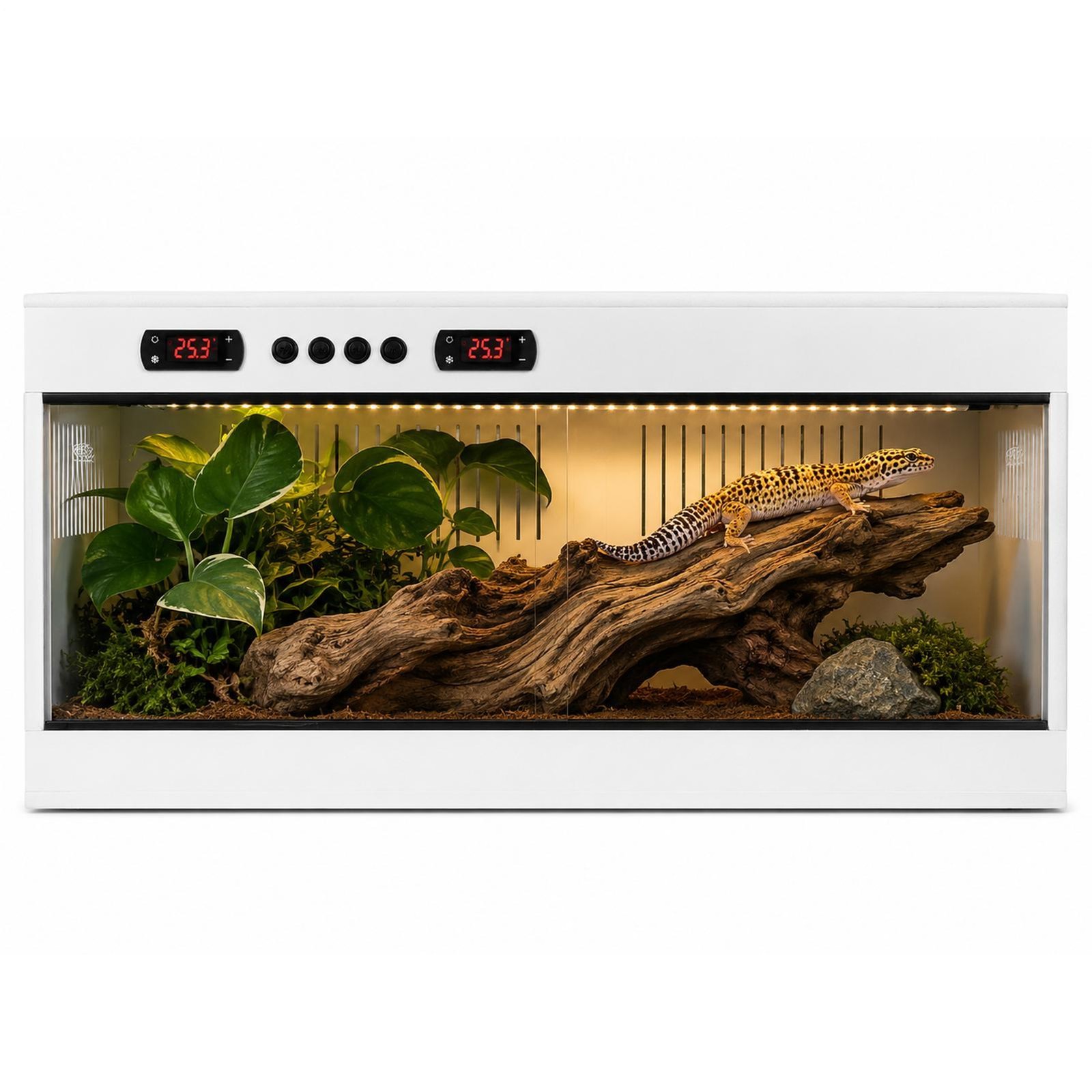 Reptile Enclosure Up to 40x16x16in Stackable Terrarium Snake Tank 44 Gallon Cage$100.29View on eBay
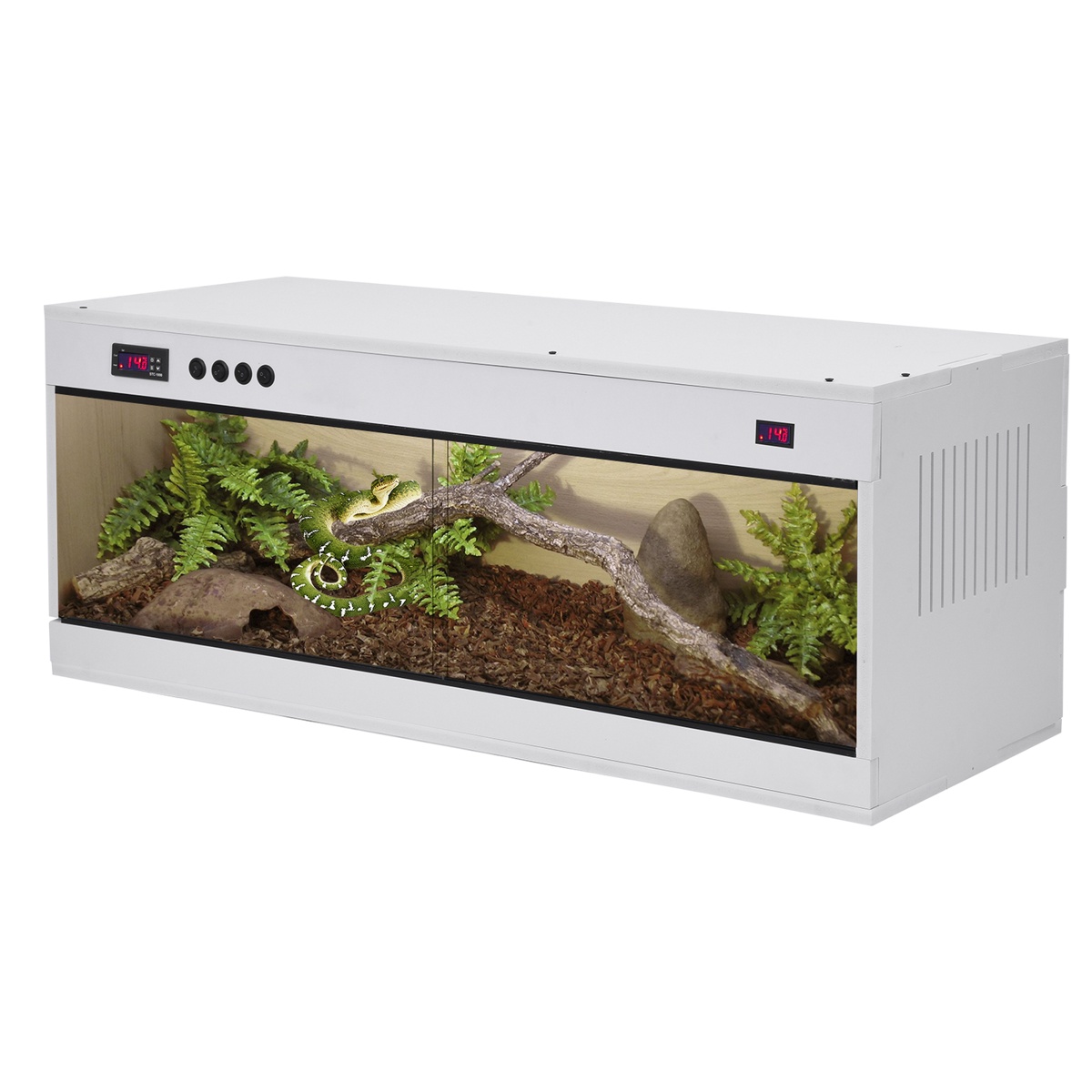 Reptile Enclosure up to 40x16x16in Stackable Terrarium Snake Tank 44 Gallon Cage$103.96View on eBay
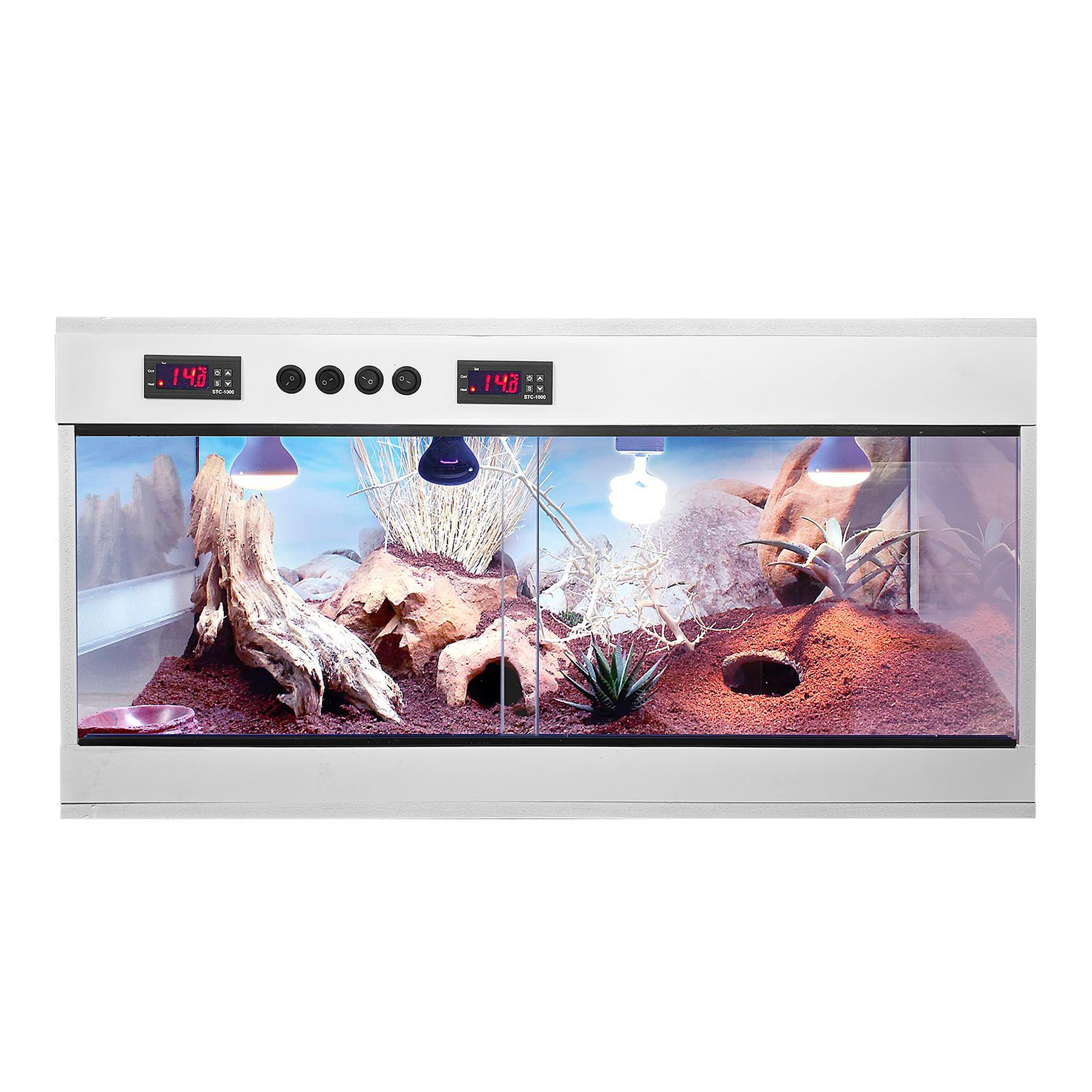 Reptile Enclosure up to 40x16x16in Stackable Terrarium Snake Tank 44 Gallon Cage$113.46View on eBay
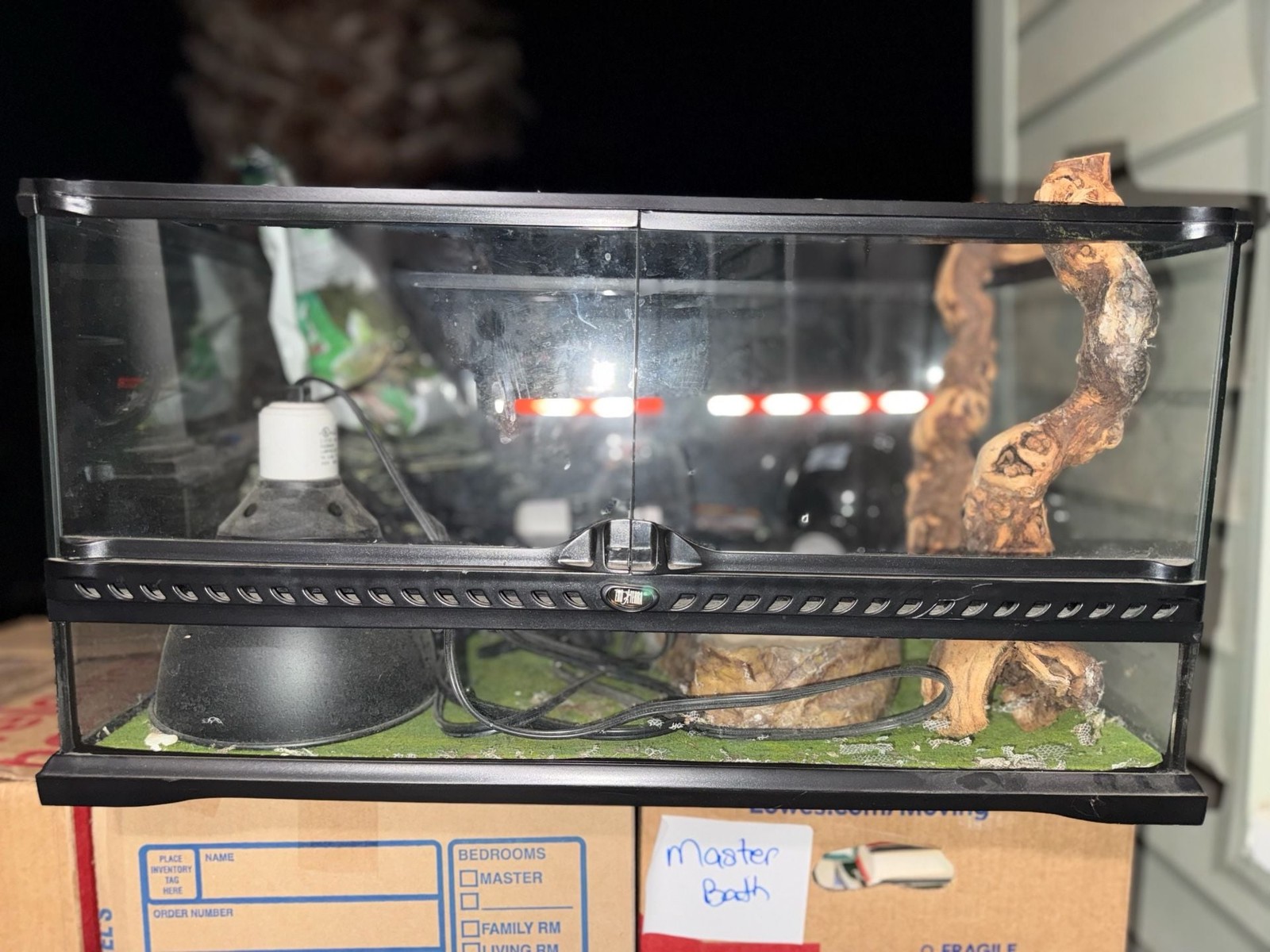 Exo Terra Glass Front-Opening Reptile Terrarium Full Setup with Accessories$125.00View on eBay
- 20 Gallon Glass Tank for Reptiles with Accessories like carpet, lamps,boxes, etc$130.00View on eBay
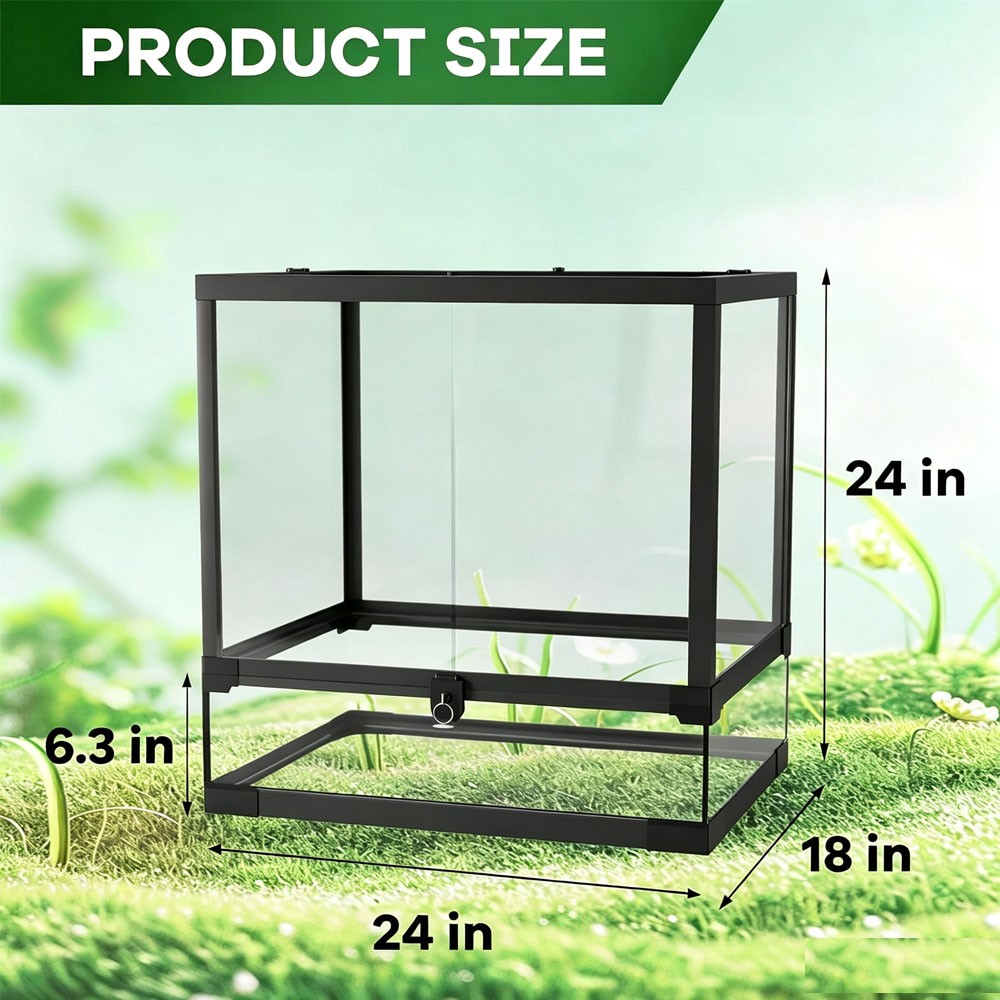 Reptile Enclosure 34/45/67 Gallon Reptile Terrarium Habitat Tank Top Ventilation$139.99View on eBay
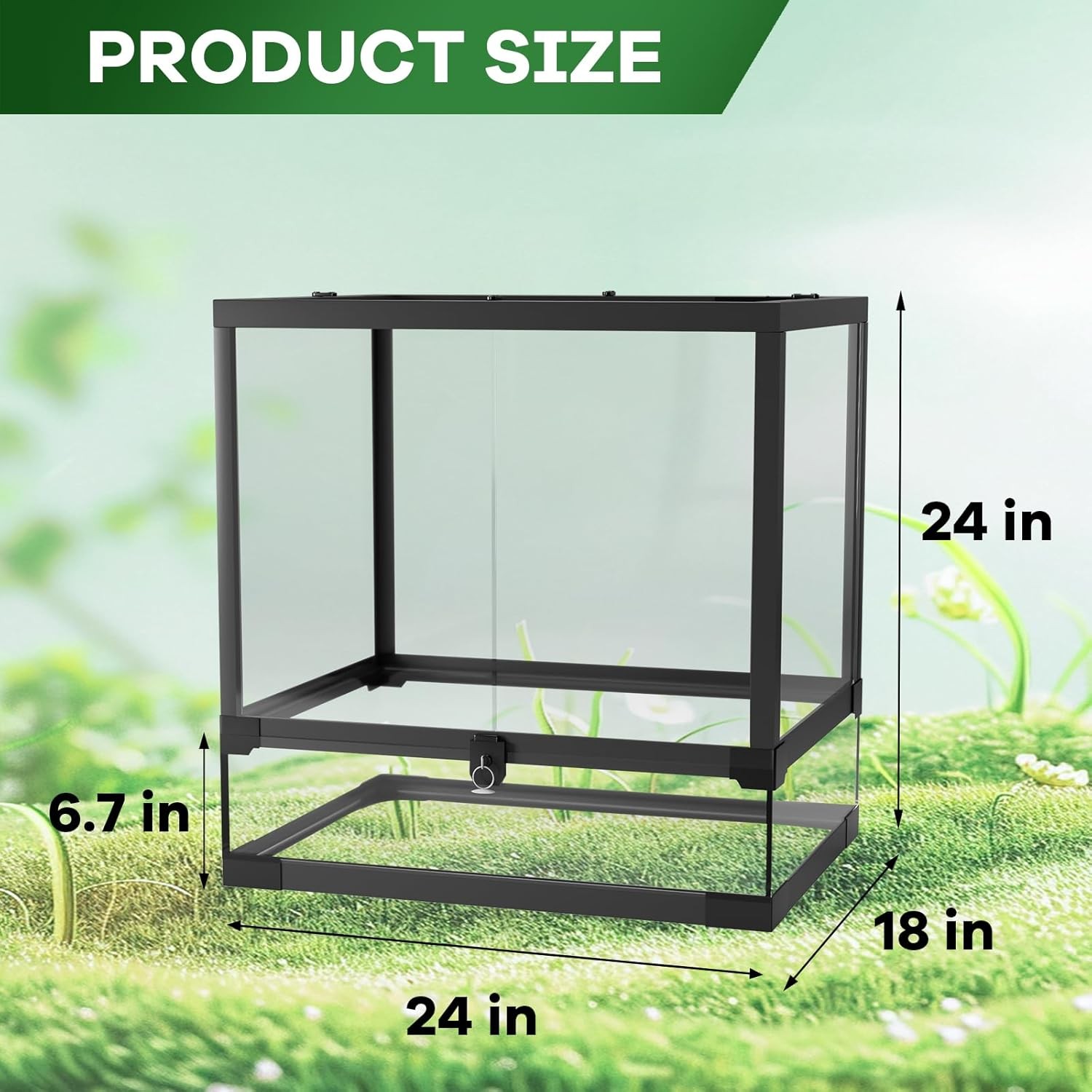 34/45/67 Gallon Reptile Tall Glass Terrarium, Toughened Glass, Double Hinge Door$149.99View on eBay
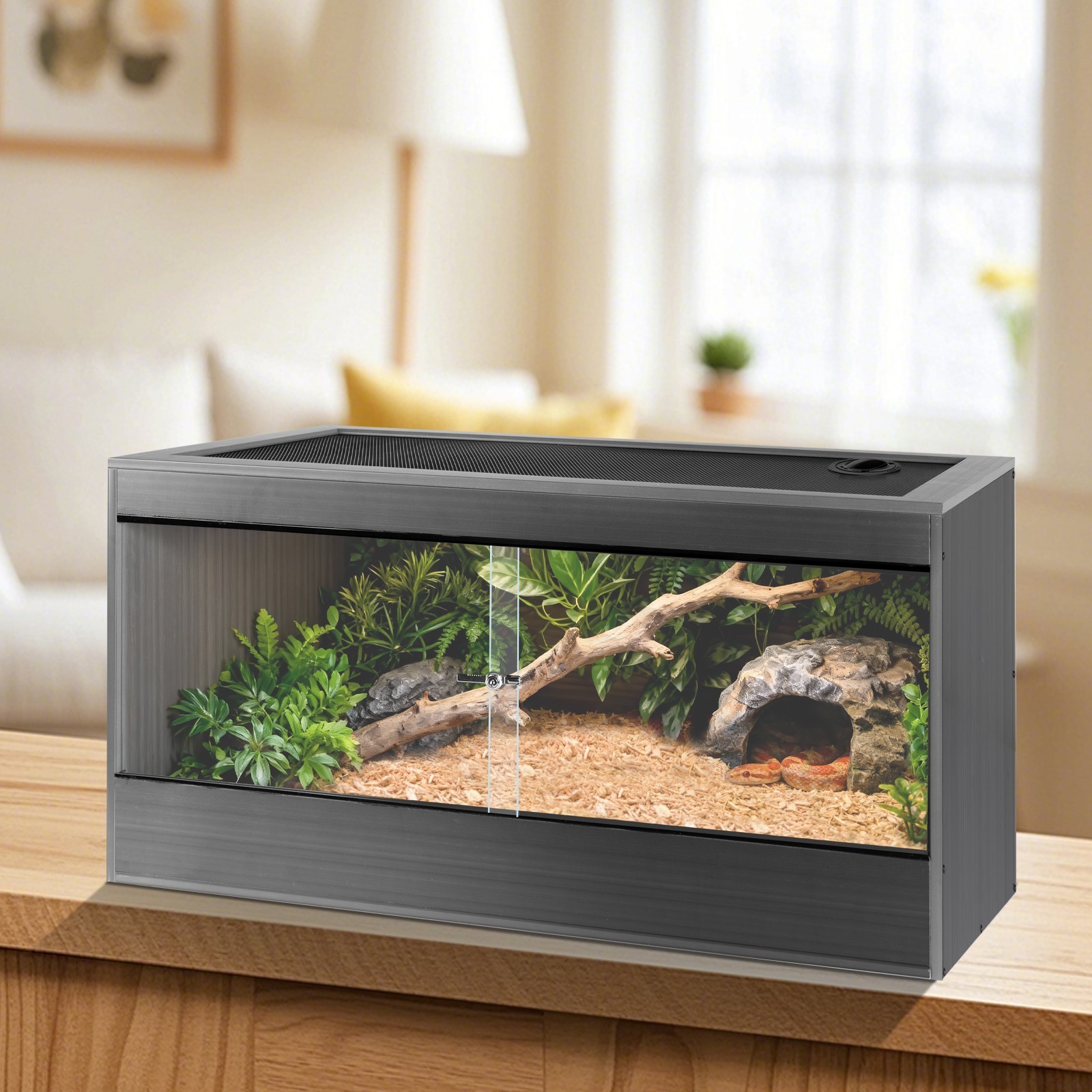 50 Gallon Reptile Enclosure Snake Tank 36"x18"x18" Sliding Doors Composite Wood$155.99View on eBay
Highlights
- Glass or thick PVC walls hold humidity and block drafts; aluminum or fabric mesh sides bleed both heat and moisture, suiting only arid, low-humidity species.
- Front sliding or hinged doors enable feeding and cleaning without lifting the lid, which preserves the thermal gradient and reduces escape risk.
- Screen-top terrariums accept dome lamps and UVB fixtures directly; solid wood or PVC tops require internal mounting or cutouts for heat and UV.
- Aquatic turtle tanks need a basking platform above waterline plus a filter rated for 2–3x the water volume; dry terrestrial setups skip filtration entirely.
Best use cases
- Best fit: tropical snakes, geckos, and amphibians need a glass or PVC front-opening terrarium of at least 36x18x18 inches to hold 60–80% humidity; skip mesh-sided cages.
- Best fit: bearded dragons and uromastyx need a 48x24x24 inch screen-top enclosure with a 100–150W basking spot; skip small 8-inch cubes that cannot create a gradient.
- Best fit: aquatic turtles need a tank kit with a basking platform, water pump, and filter layer rated for the water volume; skip wooden cages that warp when wet.
- Wrong fit: using a fabric or soft-sided pop-up for any climbing or burrowing species; claws and humidity destroy fabric within weeks—choose rigid glass, PVC, or sealed wood.
Buying tips
- Match enclosure length to at least 2x the adult animal's snout-to-vent length for terrestrial species; a 12-inch adult lizard needs a 24-inch minimum footprint.
- For humidity-dependent species, choose glass or PVC with only a small screen vent; mesh-topped enclosures lose humidity fast and require constant misting.
- Select a screen-top terrarium if you use dome heat/UVB lamps; choose a solid-top wooden or PVC cage only with internal fixtures or predrilled cutouts.
- For aquatic turtle kits, confirm the filter is rated for at least 2–3x the tank's water capacity and that the basking platform sits fully dry above waterline.
Specs
| Enclosure Material | Glass / PVC / Wood / Mesh / Fabric |
|---|---|
| Door Style | Front sliding / Hinged / Top-opening |
| Ventilation Type | Screen top / Side mesh / Vented panel |
| Habitat Type | Terrestrial / Arboreal / Aquatic / Semi-aquatic |
Related searches
What to check before buying
- Measure the final adult size and floor footprint: terrestrial lizards need 2x SVL length, arboreal geckos need 18–24 inches of height, and turtles need 10 gallons of water per inch of shell length.
- Confirm the surface can bear the filled weight: a 40-gallon glass terrarium weighs roughly 450–500 lb filled, so use a dedicated stand, not a shelf.
- Check room temperature and humidity: screen-top cages suit dry rooms for arid species, while glass/PVC suits humid rooms; avoid placing any terrarium in direct sun or near HVAC vents.
- Verify fixture compatibility: dome lamps fit standard screen tops, but wooden or PVC cages need internal sockets or cutouts; aquatic kits need a grounded GFCI outlet nearby.
FAQ
Data sources: eBay / Amazon listings and product attribute feeds. Updated Nov 27, 2026.
Some links on this page are affiliate links. If you buy after clicking one, we may earn a commission at no extra cost to you. This does not change which products appear here or their order. Affiliate disclosure.