
Photos from current listings. Actual item, color, and included accessories may vary.
Dog Travel Carrier Buying Guide
Dog travel carriers span soft-sided slings and backpacks, rigid crash-tested car seats, and wheeled trailer/stroller hybrids, with the main trade-off being crash protection versus portability. Soft fabric carriers prioritize light weight and packability, while hard-shell or frame-reinforced carriers deliver structural integrity in a vehicle. The decision rule: match carrier architecture to the primary travel mode—vehicle restraint needs a crash-tested hard or frame carrier, while hiking/transit favors ventilated soft packs with load-rated straps.
Median $31.67
Key takeaways
- Soft carriers use 600D Oxford nylon or polyester with mesh panels; 600D is the durability baseline, while 210D–300D fabrics are lighter but prone to abrasion and seam failure.
- Crash-tested car carriers pass FMVSS 213-style sled tests or CPS-certification; untested booster seats only position the pet and do not restrain it in a collision.
- Backpack carriers carry pets up to roughly 15–25 lb in comfort; beyond that, frame rigidity, hip-belt load transfer, and wheeled options become necessary.
At a glance
- Category
- Pet Travel & Safety
- Last updated
- Nov 28, 2026
Current offers
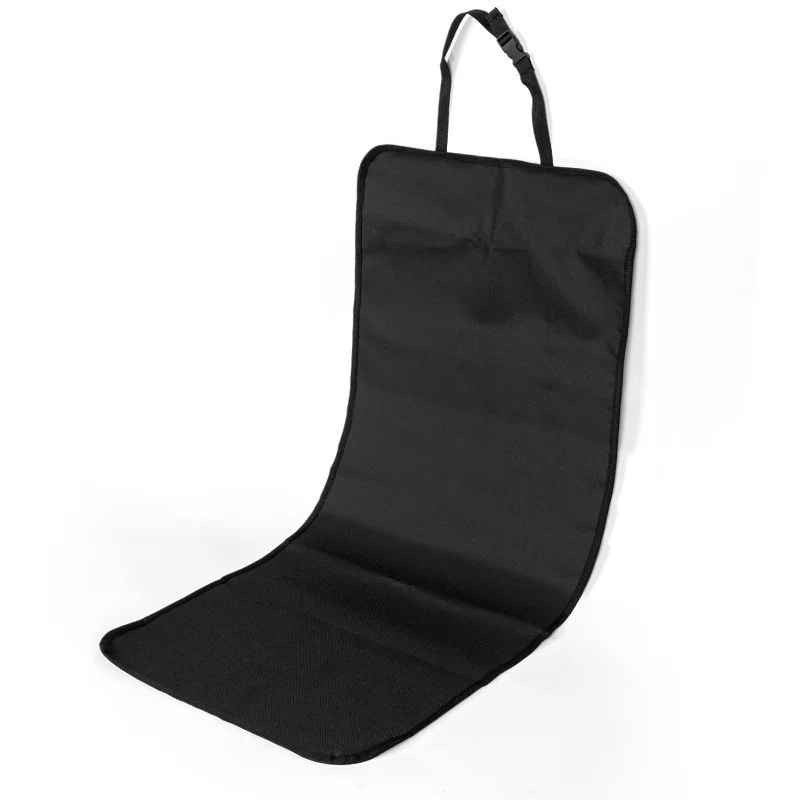 Foldable Dog Car Seat Hammock Travel Pet Carrier Basket Safety Booster Unbranded$10.99Last checked Nov 22, 2026View on eBay
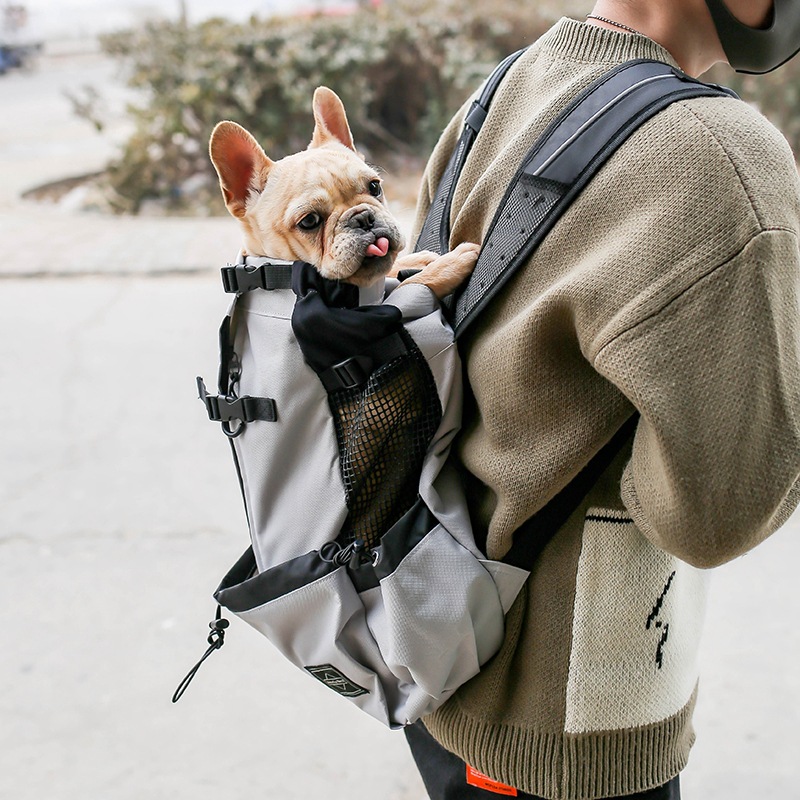 Pet Dog Carrier Bag For Dogs Backpack Out Double Shoulder Portable Travel Outdoor Dog Bag$27.99View on Mallflare
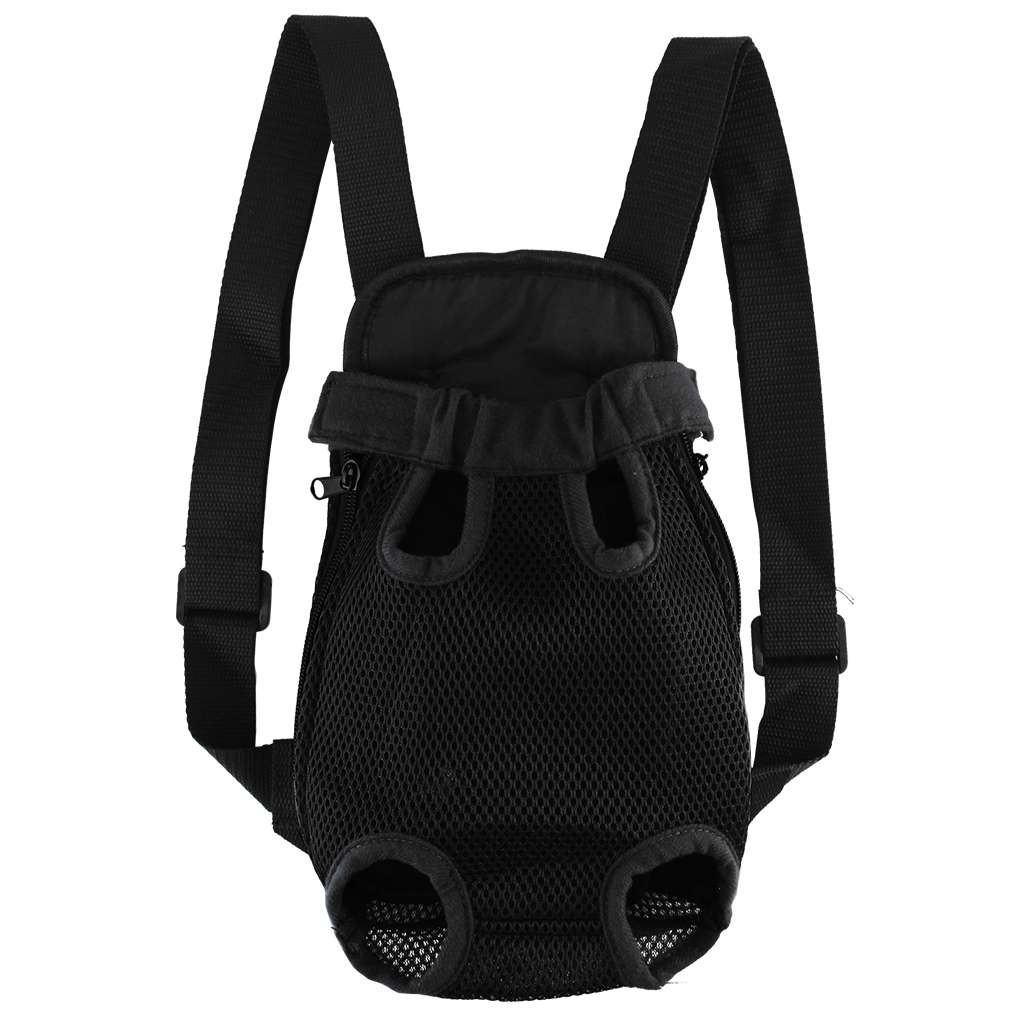 Pet Cat Dog Carrier Backpack Adjustable Pet Front Carrier Legs Out Travel Bag$11.99Last checked Nov 18, 2026View on eBay
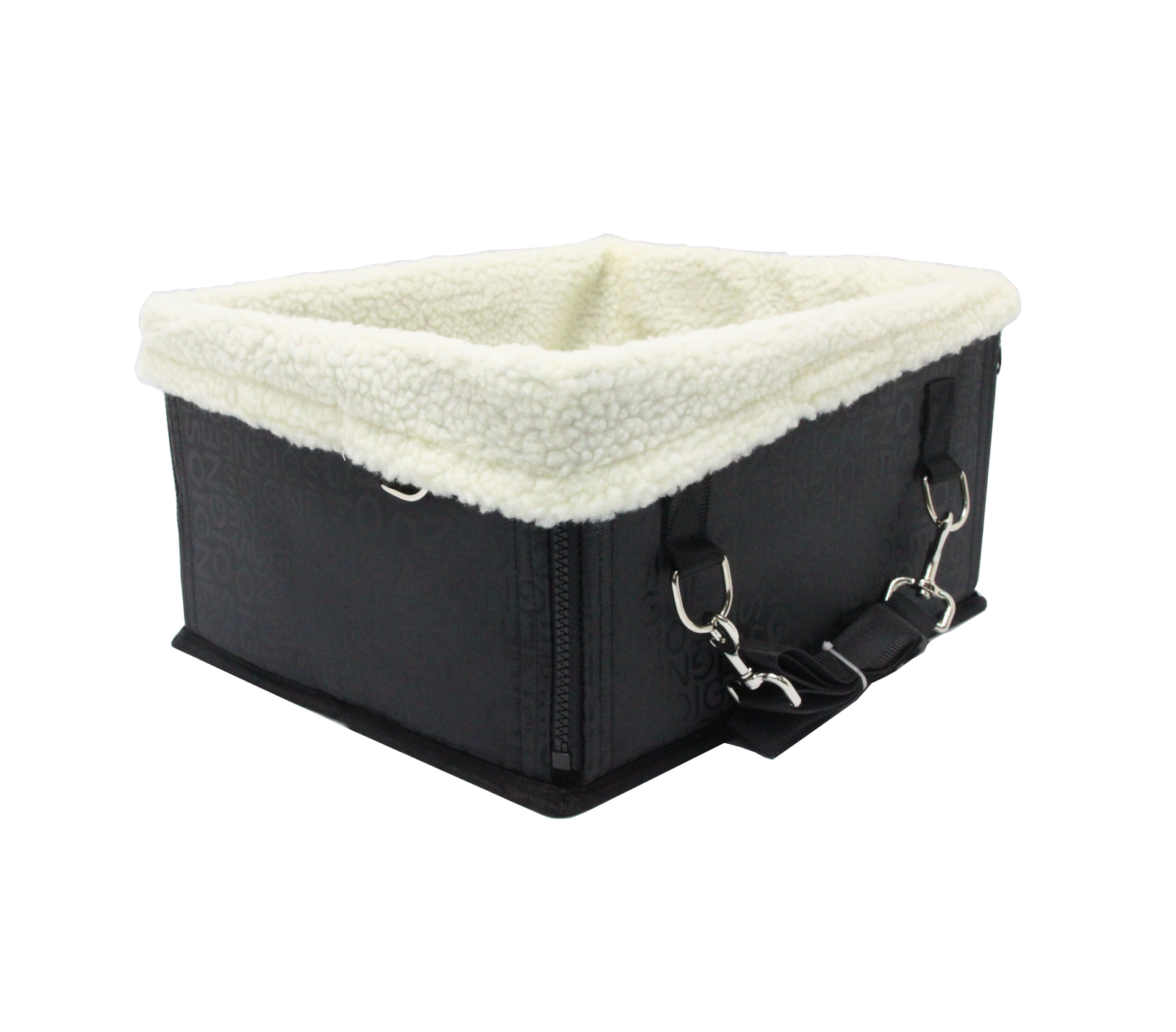 Dog Cat Safety Seat Pet Car Carrier Cat Bag Pet Travel Pet Messenger Pet Kennel$13.99Last checked Nov 22, 2026View on eBay
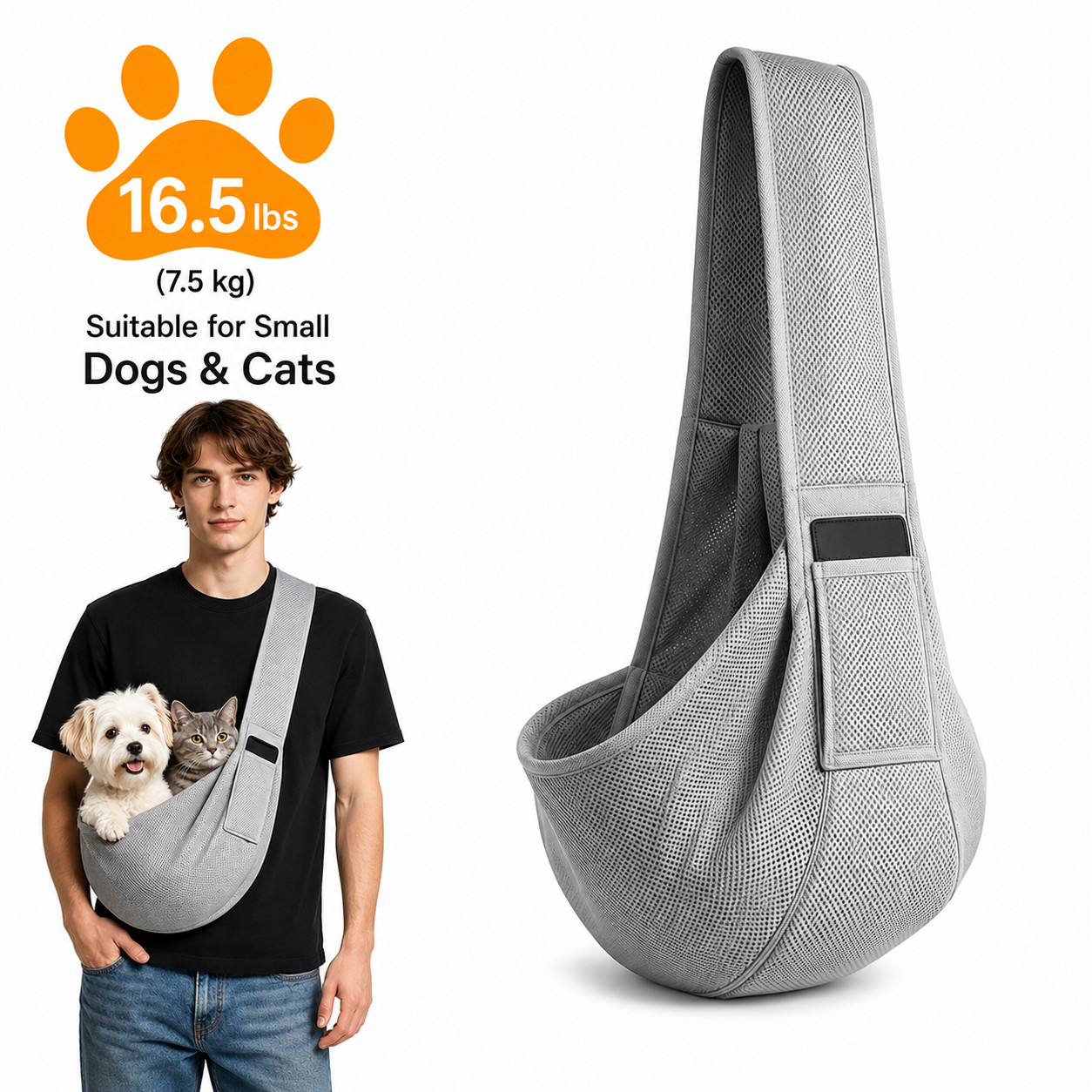 Dog Cat Carrier Sling Breathable Mesh Shoulder Bag for Small Dogs Travel Tote US$15.98Last checked Nov 25, 2026View on eBay
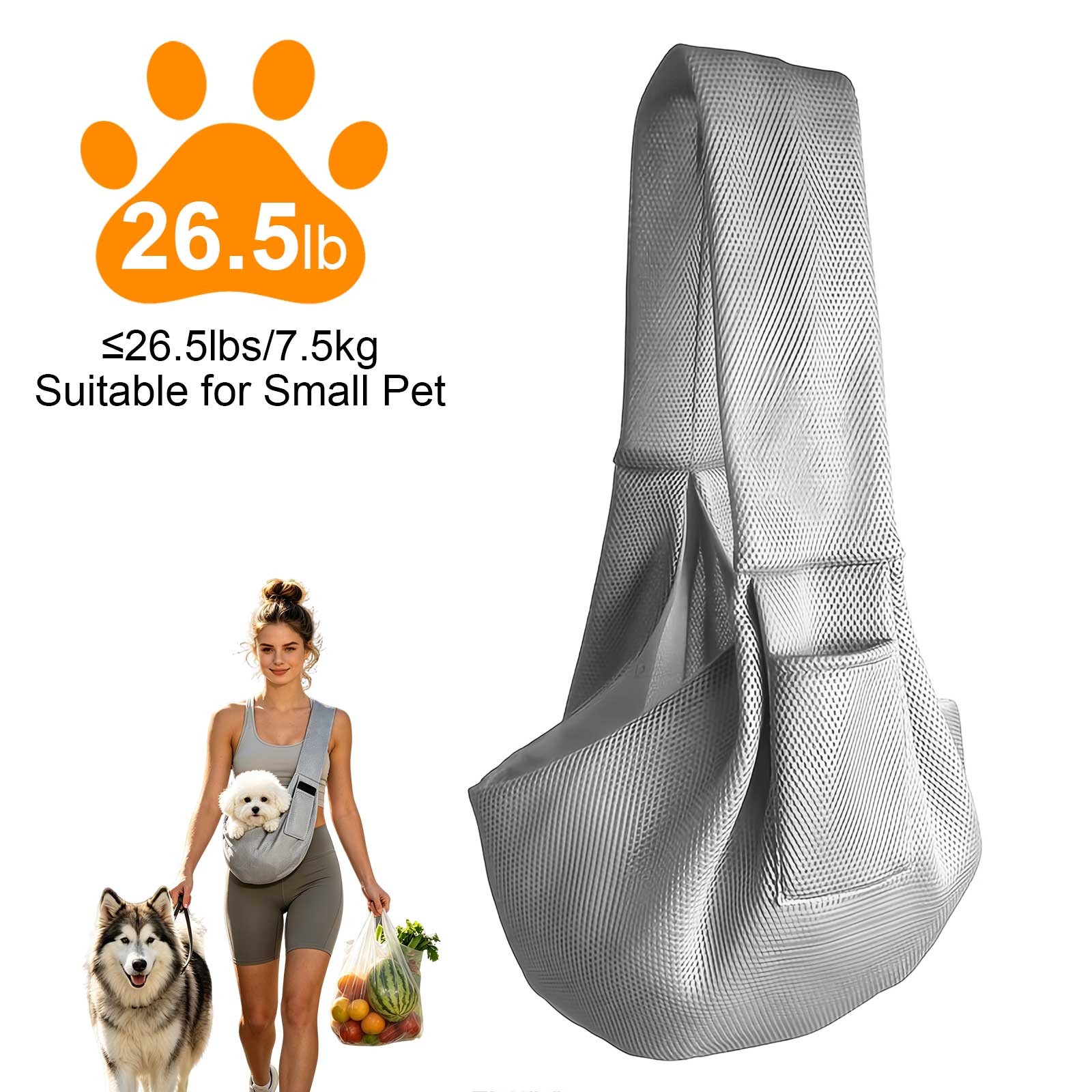 Small Dog Cat Sling Carrier Breathable Mesh Pet Shoulder Bag Travel Tote Pocket$15.98Last checked Nov 20, 2026View on eBay
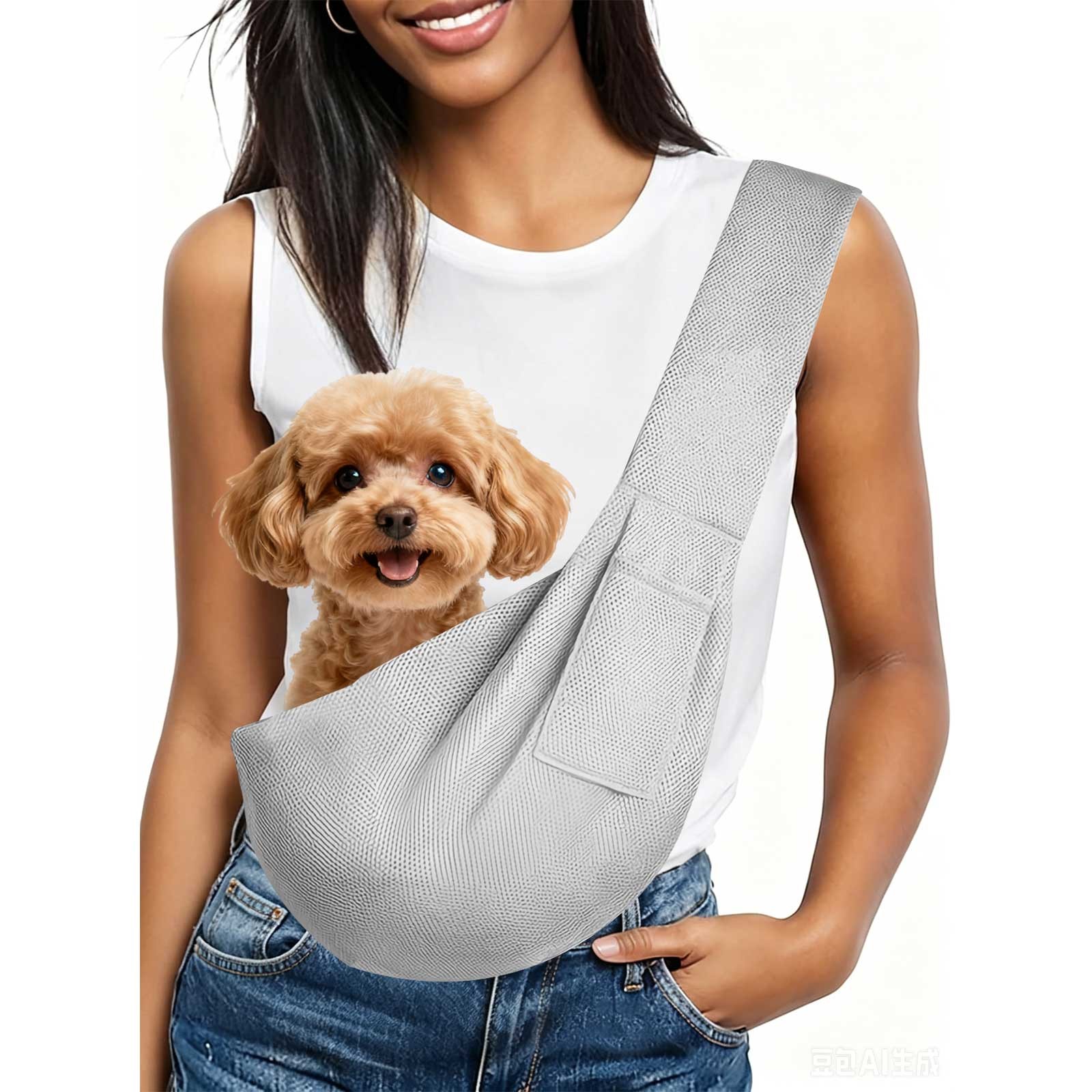 Dog Cat Sling Carrier Lightweight Mesh Pet Shoulder Bag Short Trip Travel Tote$15.98Last checked Nov 20, 2026View on eBay
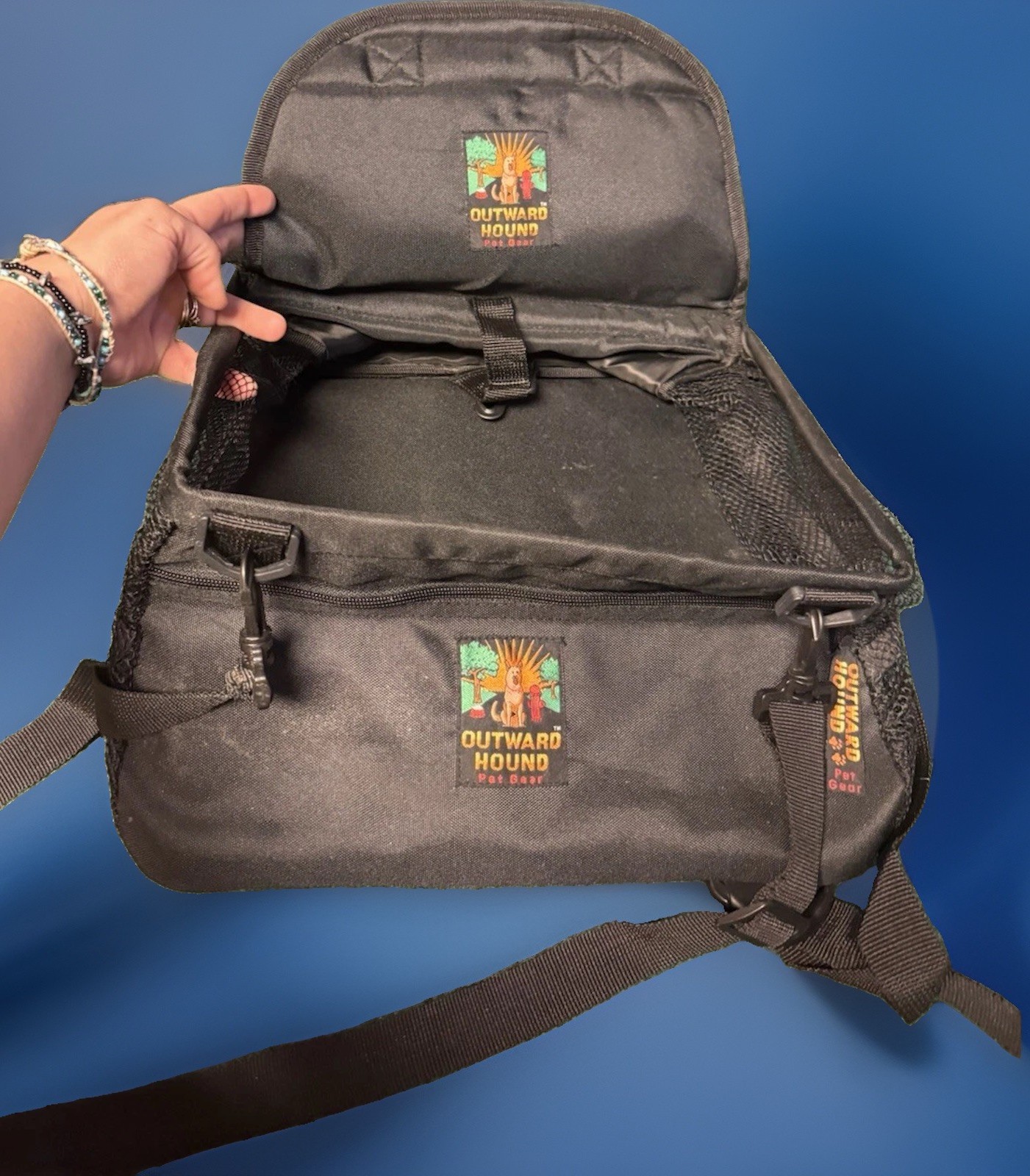 Outward Hound Pet Travel Gear Small/ Med Dogs Puppies Car Seat Safety Carrier S$18.00Last checked Nov 25, 2026View on eBay
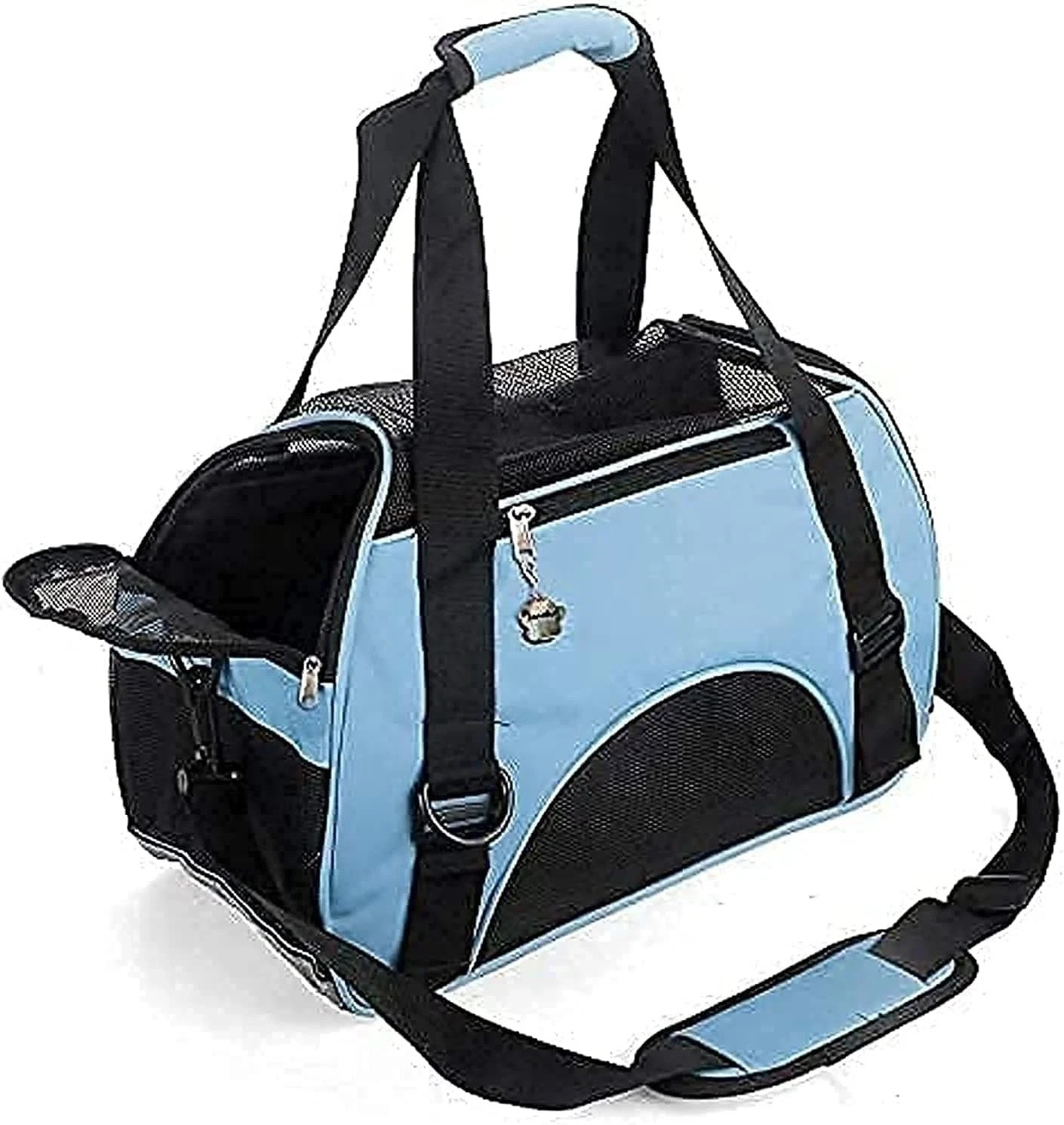 Cat Carrier,Soft-Sided Pet Travel Carrier for Cats,Dogs Puppy Comfort Portabl...$18.65Last checked Nov 20, 2026View on eBay
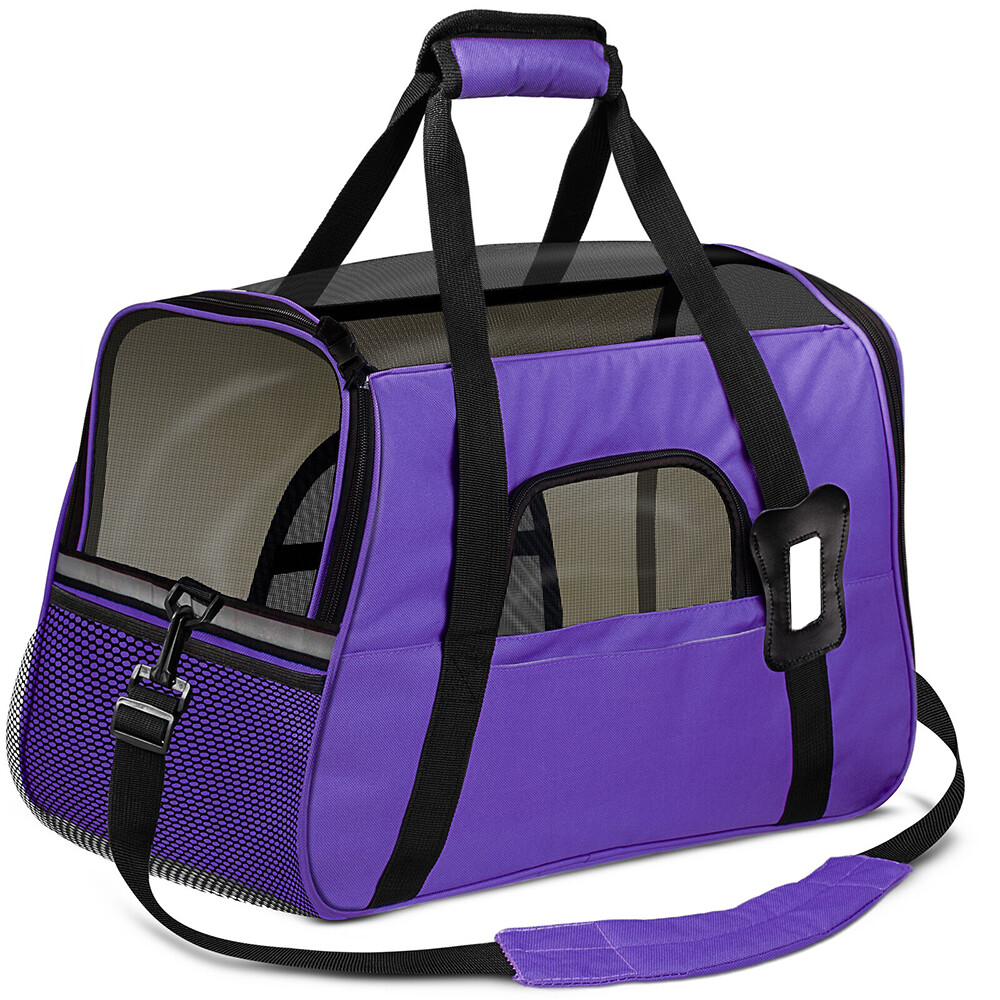 Pet Dog /Small Cat Carrier Soft Sided Comfort Bag Travel Case Airline Approved$20.66Last checked Nov 18, 2026View on eBay
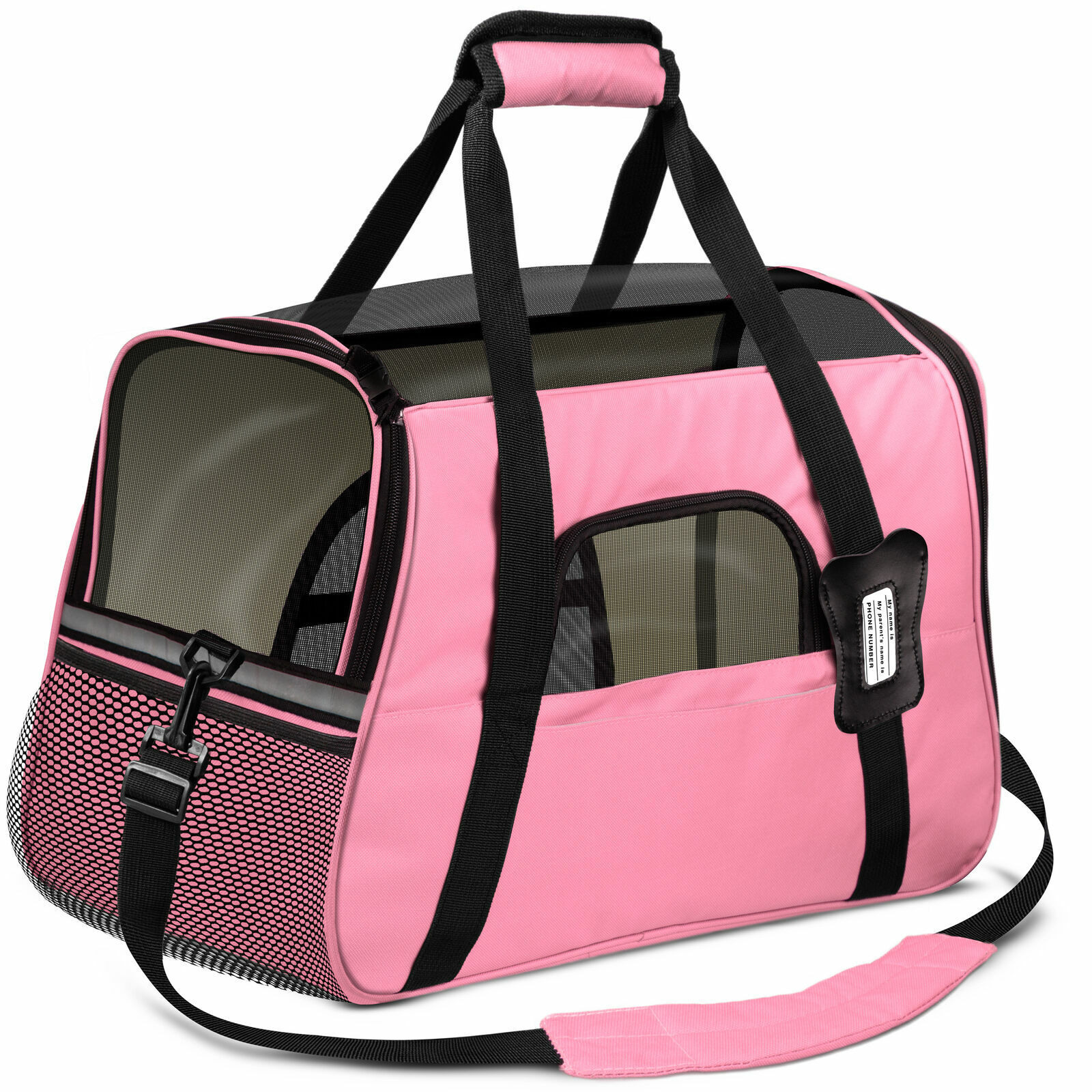 Pet Carrier Cat Travel Bag Portable Soft Sided Comfort Case Airline Approved Dog$22.75Last checked Nov 18, 2026View on eBay
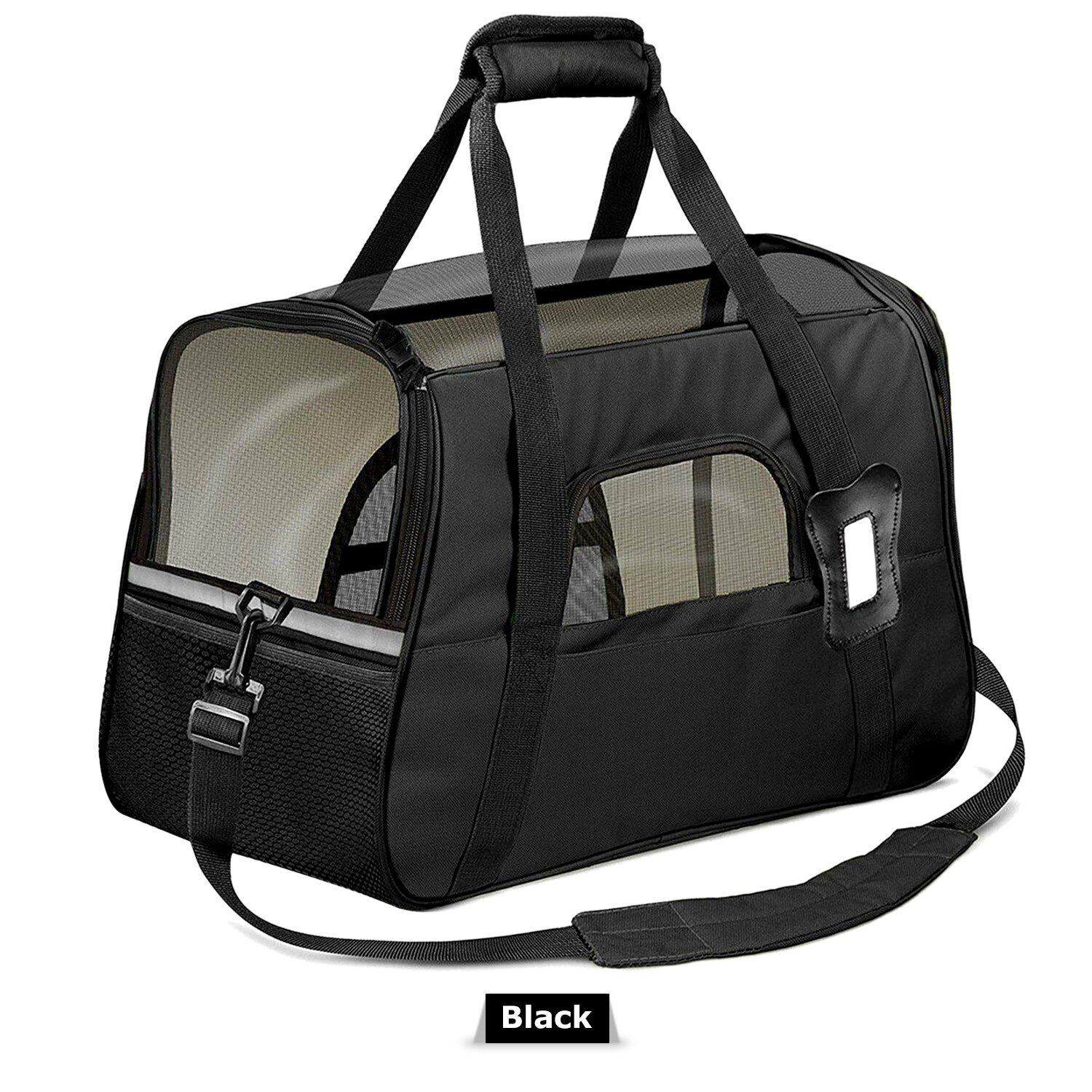 Pet Dog /Small Cat Carrier Soft Sided Comfort Bag Travel Case Airline Approved$22.77Last checked Nov 18, 2026View on eBay
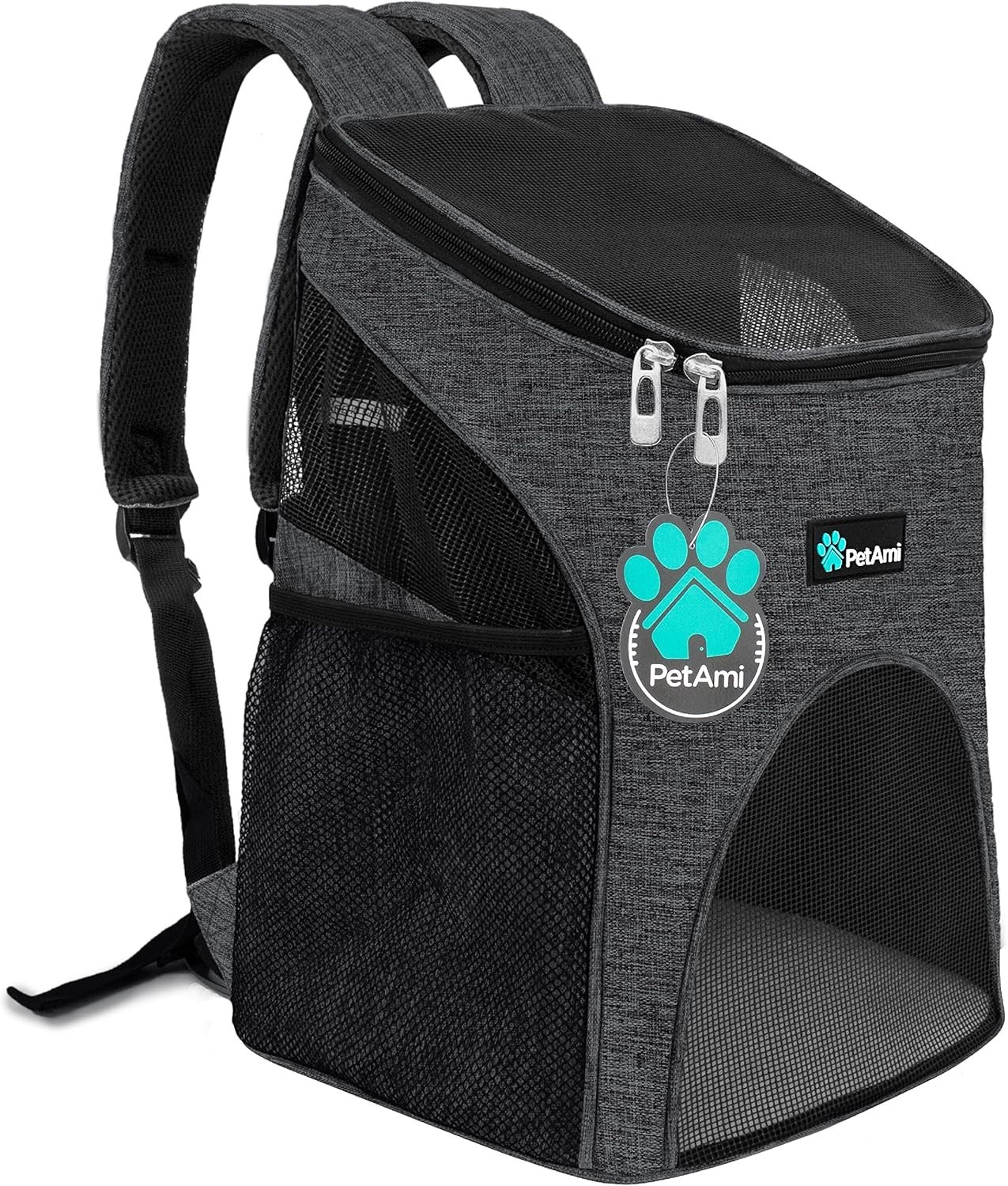 Pet Cat Dog Puppy Carrier Travel Backpack Bag for Travel Breathable Mesh Comfort$24.99Last checked Nov 20, 2026View on eBay
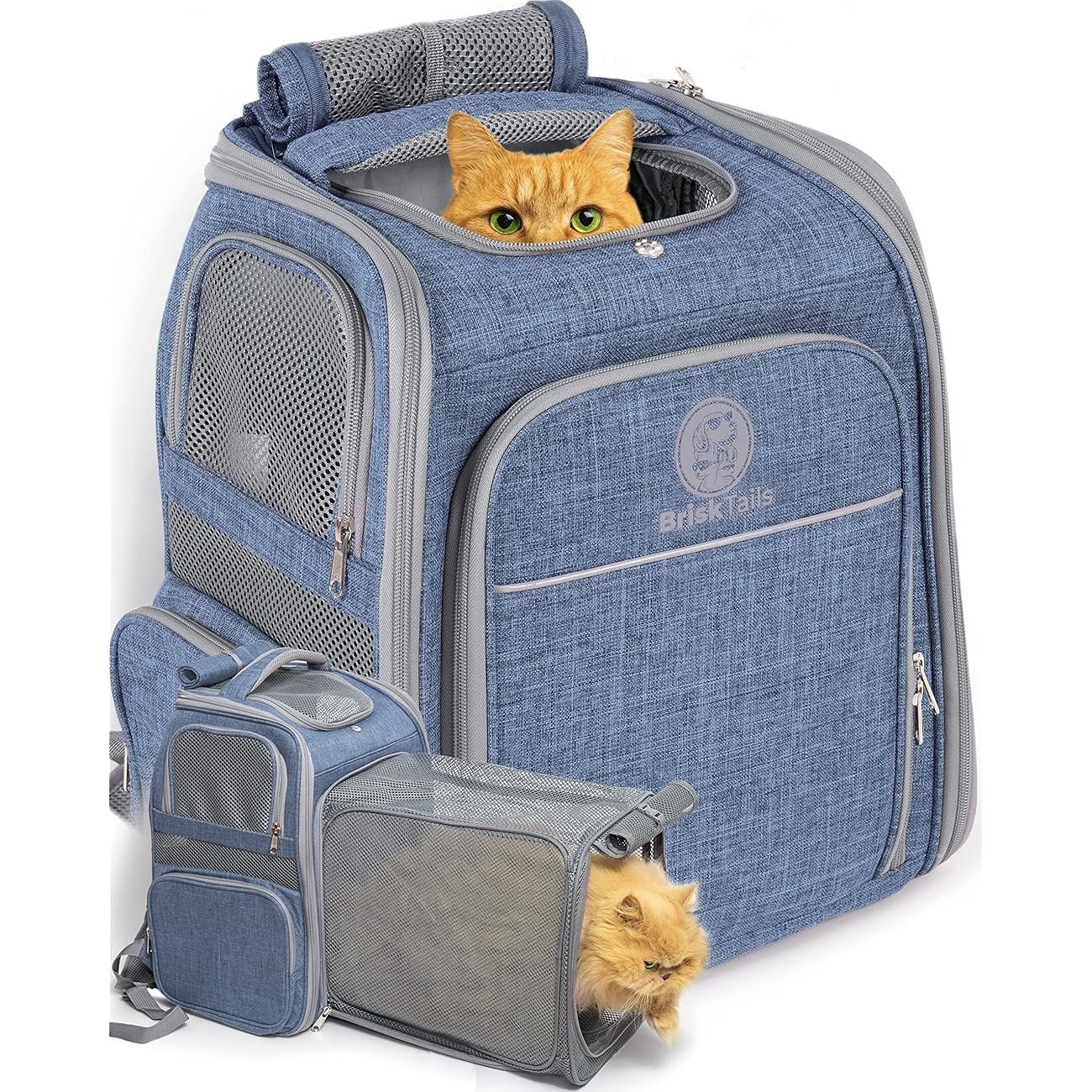 Breathable Cat Dog Backpack Pet Carrier Travel Expandable Comfortable Adjustable$29.97Last checked Nov 18, 2026View on eBay
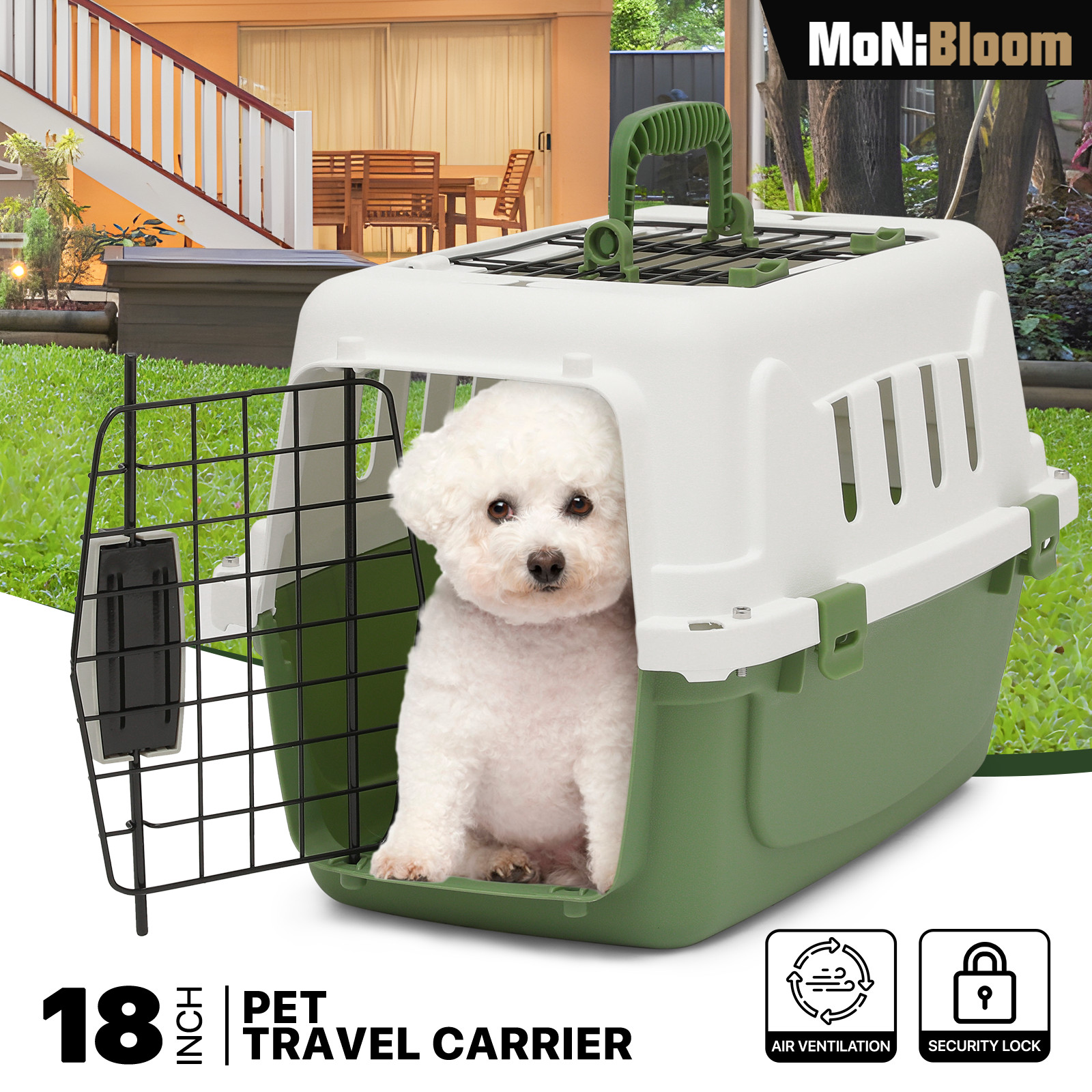 18 Inch Pet Travel Carrier Plastic Durable Dog Cat Transporter Cage Up to 10 lbs$31.15Last checked Nov 18, 2026View on eBay
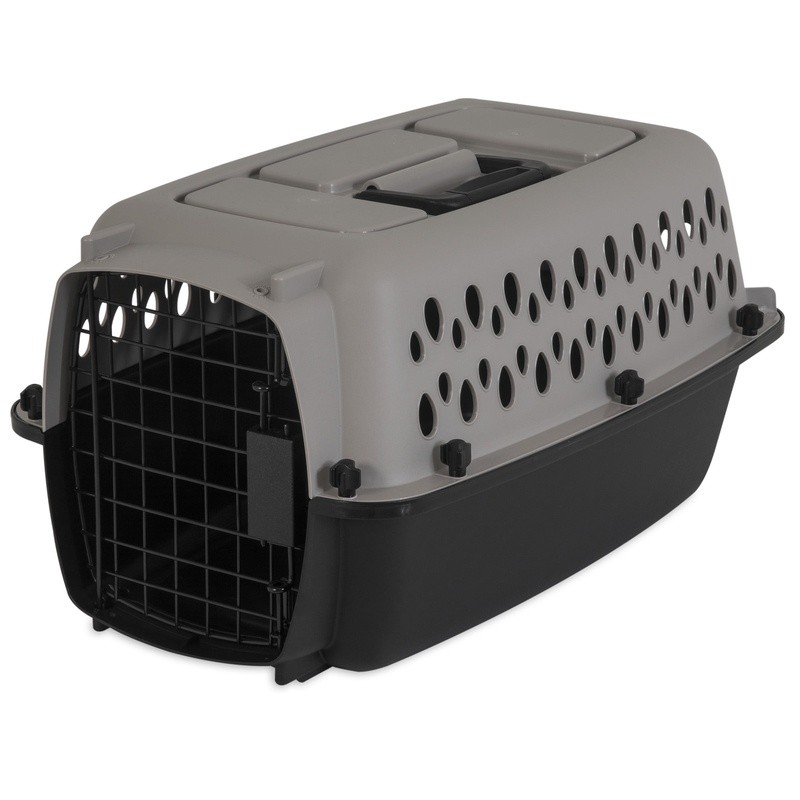 Hard-Side Pet Kennel Dogs Travel Carrier Portable Easy Assembly Durable Safety$31.23View on eBay
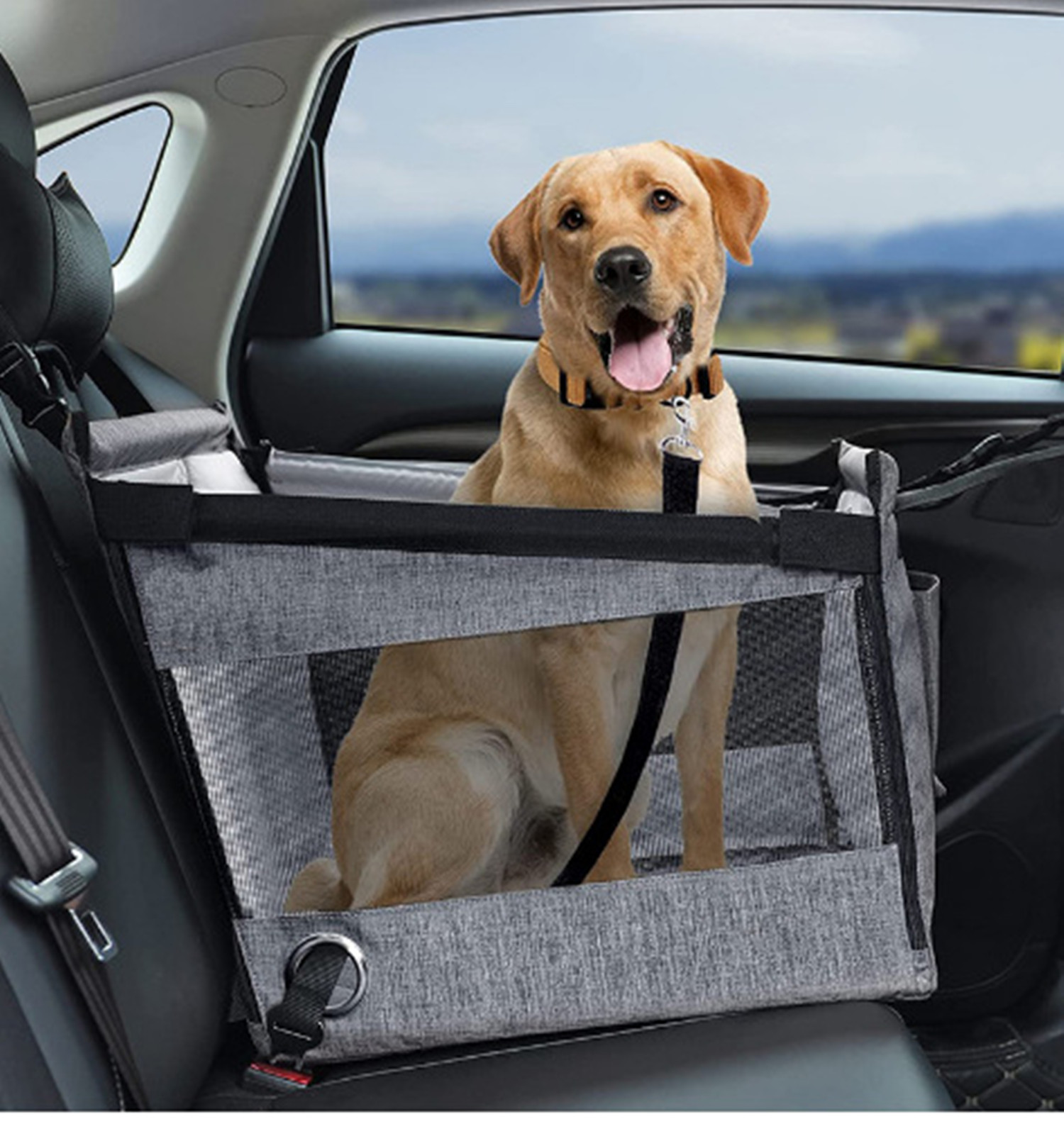 Dog Car Seats for Large Dog Pet Car Booster Seat Travel Carrier Cage Bag Folding$31.34Last checked Nov 24, 2026View on eBay
 Dog Car Seat Travel Carrier with Safety Belt | Foldable Pet Booster Seat$31.34Last checked Nov 22, 2026View on eBay
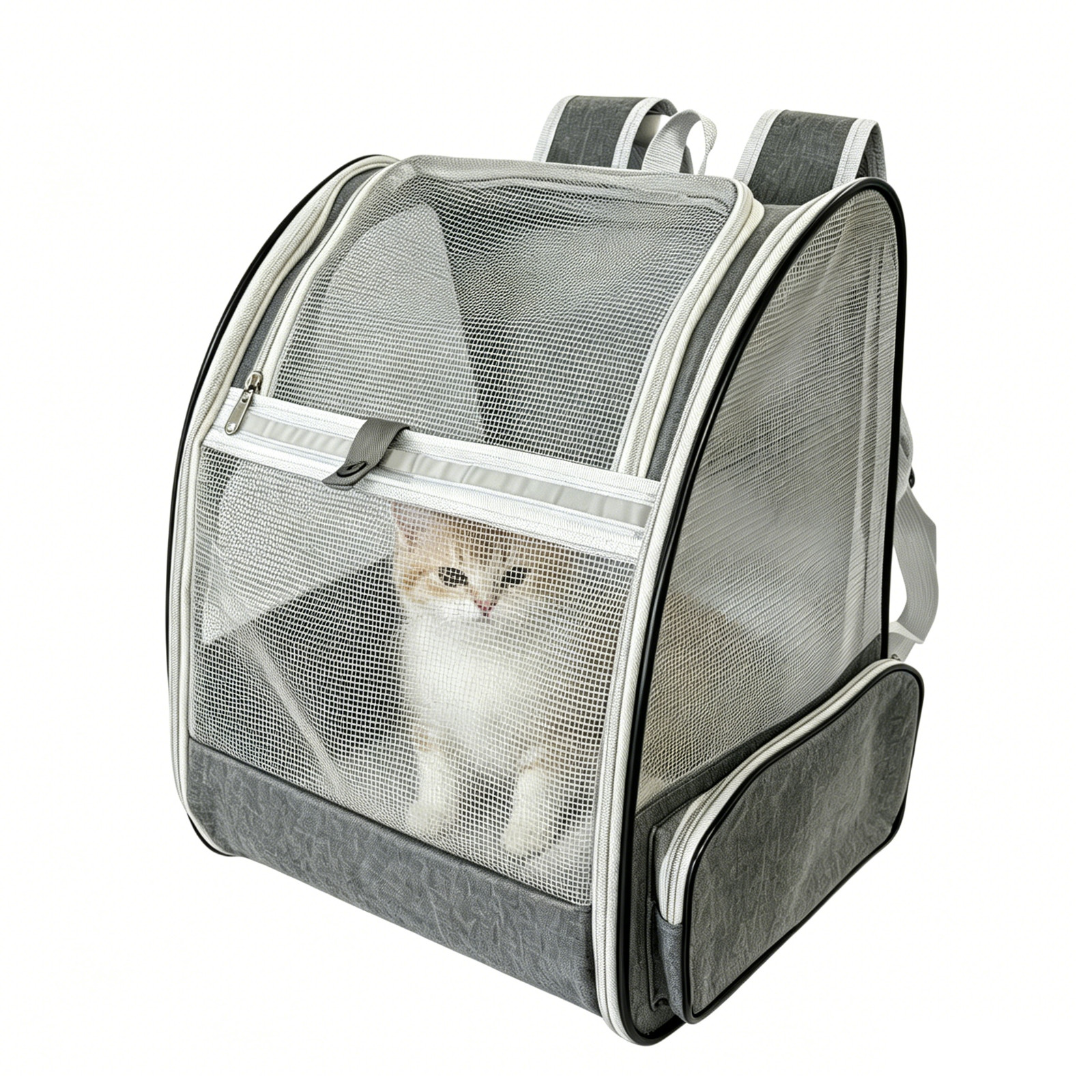 Pet Cat Carrier Backpack Portable Travel Dog Bag Comfort Breathable Mesh Soft$31.67Last checked Nov 20, 2026View on eBay
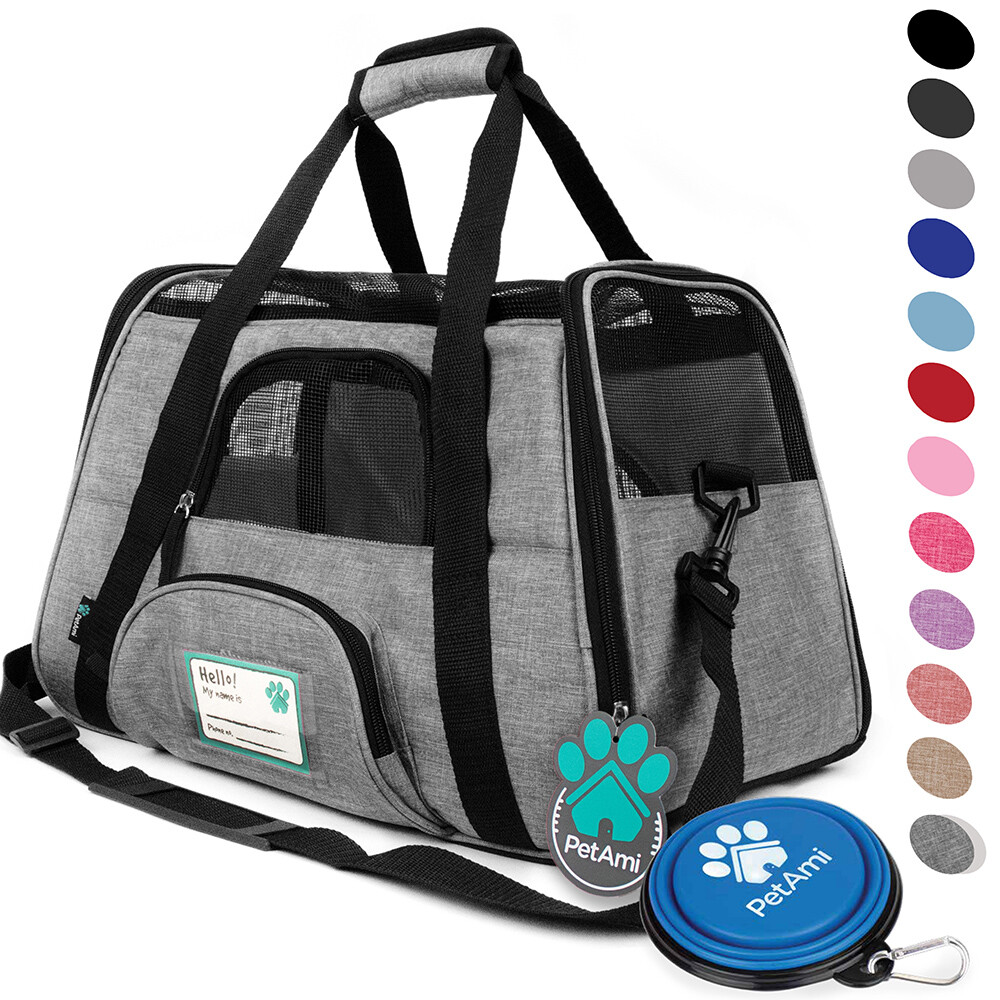 Cat Dog Pet Carrier Bag Travel Comfort Bag Case Airline Approved Soft Sided Mesh$31.99Last checked Nov 18, 2026View on eBay
Highlights
- Soft carriers use 600D Oxford nylon or polyester with mesh panels; 600D is the durability baseline, while 210D–300D fabrics are lighter but prone to abrasion and seam failure.
- Crash-tested car carriers pass FMVSS 213-style sled tests or CPS-certification; untested booster seats only position the pet and do not restrain it in a collision.
- Backpack carriers carry pets up to roughly 15–25 lb in comfort; beyond that, frame rigidity, hip-belt load transfer, and wheeled options become necessary.
- Hard-shell kennels in PP or ABS plastic resist crushing and are airline-cabin compliant only when dimensions fit under-seat limits (typically 18 x 11 x 11 in).
Best use cases
- Car travel with a small dog: choose a crash-tested hard-sided or frame-reinforced car seat with a tether or seatbelt pass-through—skip unstructured fabric slings that offer no restraint.
- Airline cabin travel: pick a soft-sided carrier with flexible mesh that compresses to under-seat dimensions and meets carrier policy for in-cabin pets; avoid rigid kennels that exceed 18 x 11 x 11 in.
- Hiking and public transit: use a ventilated backpack or sling with padded shoulder straps and a safety tether for dogs under 15 lb; skip wheeled trailers on stairs or crowded transit.
- Bike or multi-modal travel: a 2-in-1 bike trailer/stroller with quick-release wheels and a hitch suits dogs 30–60 lb; skip it for apartment storage with no elevator or tight hallways.
Buying tips
- Measure your dog nose-to-tail and floor-to-shoulder, then add 2–3 in to each dimension; the carrier interior must exceed these figures for standing and turning.
- For car safety, require a crash-test certification or a hard-shell/frame design with a seatbelt routing path; fabric-only boosters without a tether are positioning aids, not restraints.
- Match carrier weight rating to your dog’s weight plus 20% margin; a 15 lb dog needs a carrier rated to at least 18 lb to avoid strap and zipper fatigue.
- Check airline under-seat dimensions before buying a cabin carrier: most major carriers limit to roughly 18 x 11 x 11 in, and soft-sided carriers must compress to fit.
Specs
| Carrier Type | Soft sling / backpack / hard kennel |
|---|---|
| Crash Tested | Yes (FMVSS-style) vs No |
| Fabric Grade | 600D Oxford vs 210D–300D |
| Weight Capacity | Up to 15 lb / 25 lb / 60 lb |
Related searches
What to check before buying
- Measure your vehicle seat width and seatbelt geometry to confirm the carrier base or booster fits without blocking adjacent seats or airbag zones.
- Verify your dog’s standing height and length against the carrier’s interior dimensions, not exterior dimensions.
- Confirm the carrier’s ventilation area—mesh on at least two sides—for ambient temperatures above 75°F and for brachycephalic breeds.
- For backpack or sling carriers, check strap width and padding (at least 2 in) and whether a hip belt or chest strap is included for load distribution.
FAQ
Data sources: eBay / Amazon listings and product attribute feeds. Updated Nov 28, 2026.
Some links on this page are affiliate links. If you buy after clicking one, we may earn a commission at no extra cost to you. This does not change which products appear here or their order. Affiliate disclosure.