
Photos from current listings. Actual item, color, and included accessories may vary.
Dog Step Buying Guide
Dog steps are rigid, freestanding stair units that let pets climb onto beds, sofas, and low vehicles without jumping, distinct from folding ramps that span longer gaps at a shallower angle. The core trade-off is step rise/run geometry versus footprint and weight capacity: steep short steps suit small dogs on low furniture, while big dogs need long runs, wide treads, and a high weight rating. Buy stairs with a per-step rise of 6-8 in and a stated capacity at least 20 lb above your dog's weight; skip decorative foam steps for heavy dogs or high beds.
Median $104.99
Key takeaways
- Step geometry dominates safety: 6-8 in rise per step with 9-12 in tread depth lets medium and large dogs climb without skipping or sliding.
- Weight capacity is structural, not cosmetic: metal-frame stairs with rated capacities of 150-250 lb suit large dogs; molded foam or plastic tiers typically top out far lower.
- For beds over 24 in high, a 3-4 step unit or a ramp with a longer run (48-71 in) reduces joint strain versus a steep 2-step design.
At a glance
- Category
- Pet Travel & Safety
- Last updated
- Nov 28, 2026
Current offers
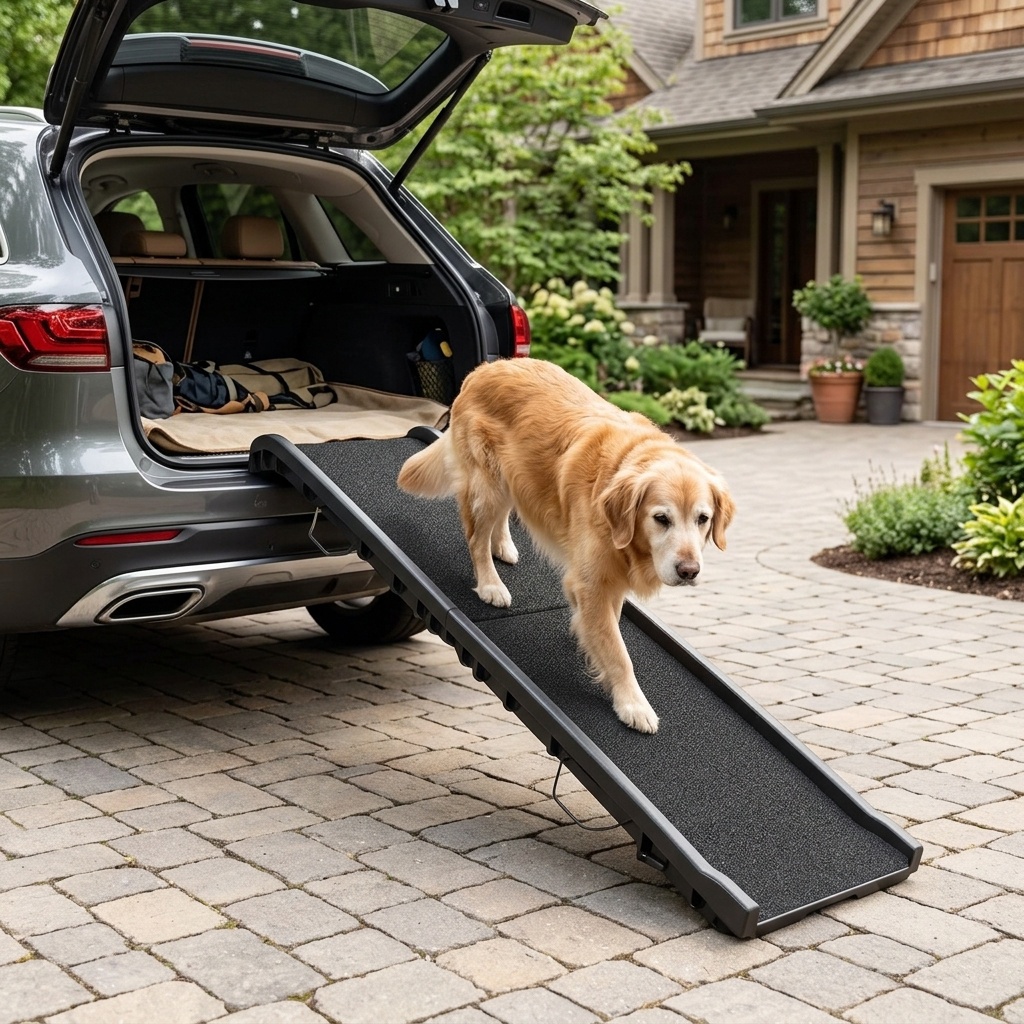 Folding Dog Ramp for Car, 61 Inches Portable Pet with Non Slip Frosted Surface, Raised Side Rails$48.99View on Mallflare
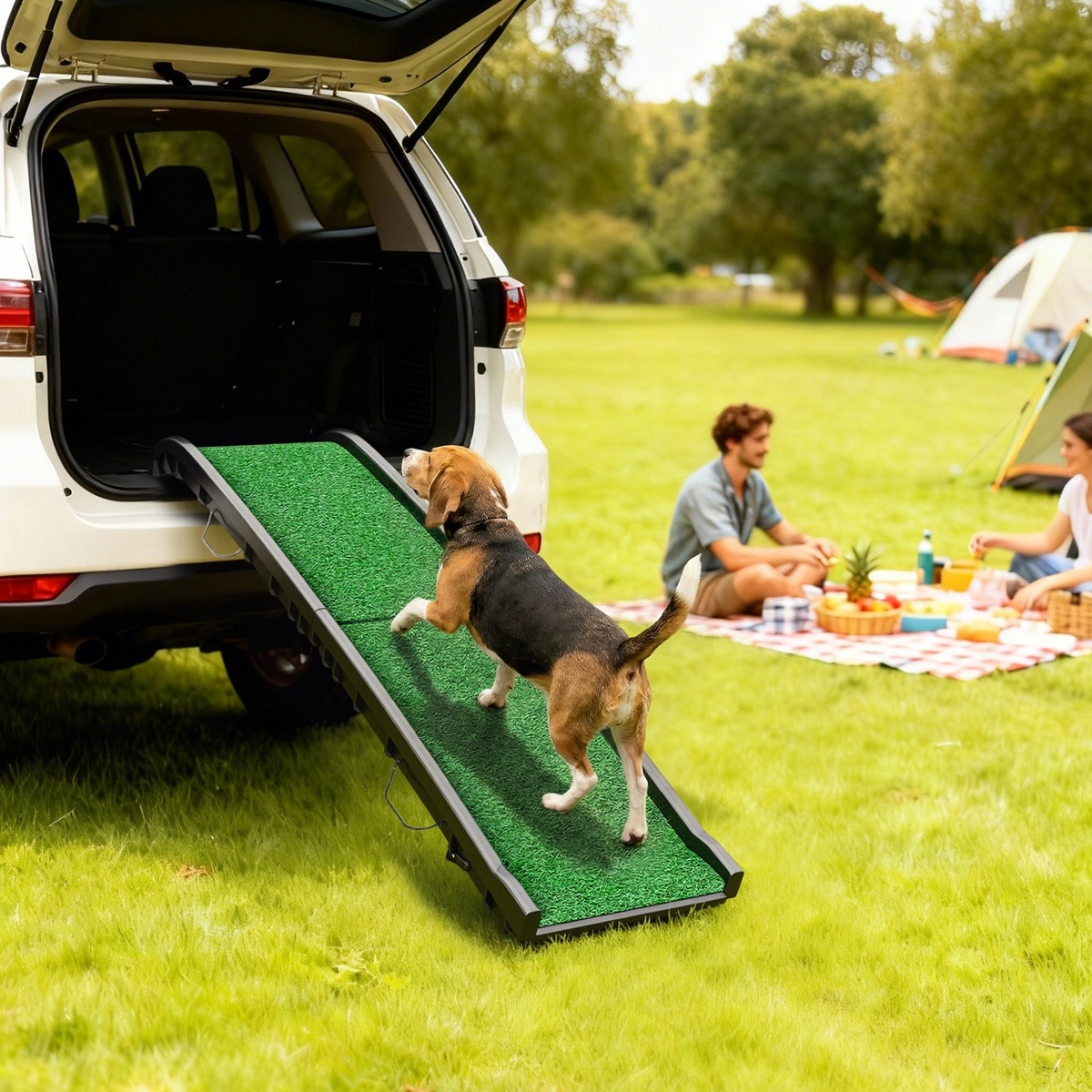 Folding Dog Ramp for Car, 61 Inches Portable Pet with Non Slip Grass Surface, Raised Side Rails$57.99View on Mallflare
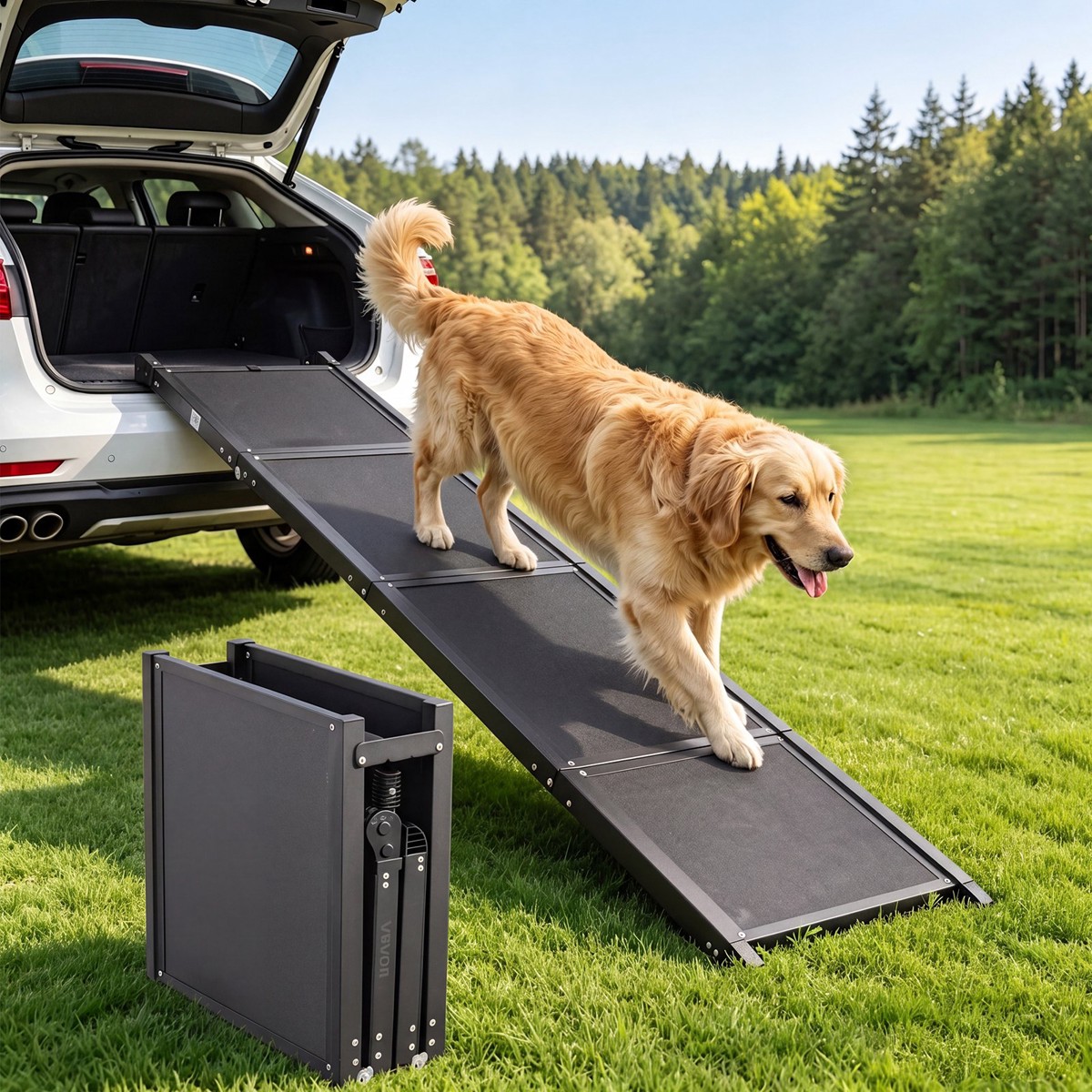 Dog Ramp for Car 63" L x 17" W Foldable Pet Sandpaper Surface, for SUV Car Truck Outdoor, 250 lbs Capacity, Extra Long and Wide Gentler Climb, Non-Slip Portable for Medium & Large Dogs$63.99View on Mallflare
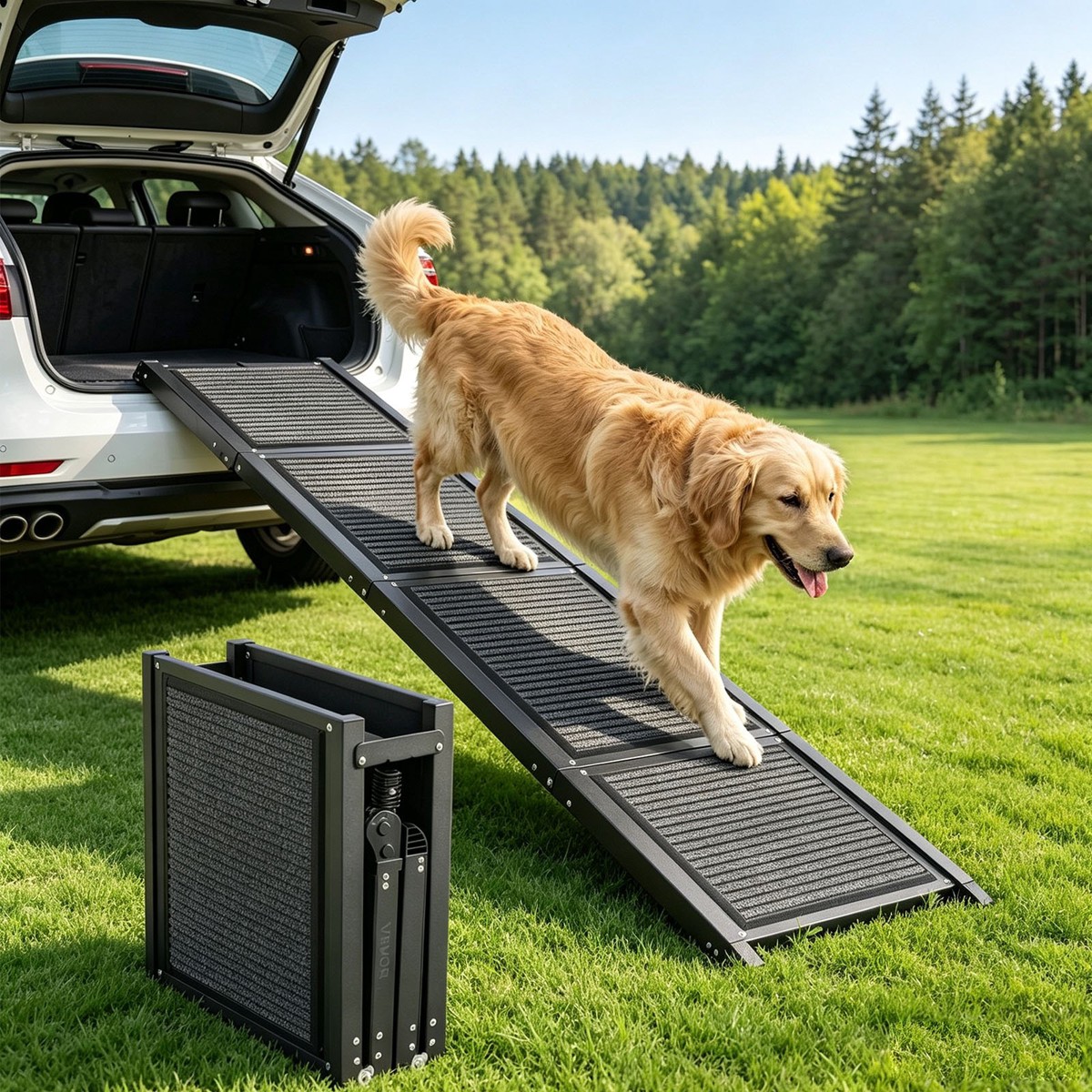 Dog Ramp for Car 63" L x 17" W Foldable Pet with Felt Surface, for SUV Car Truck Outdoor, 250 lbs Capacity, Extra Long and Wide Gentler Climb, Non-Slip Portable for Medium & Large Dogs$67.99View on Mallflare
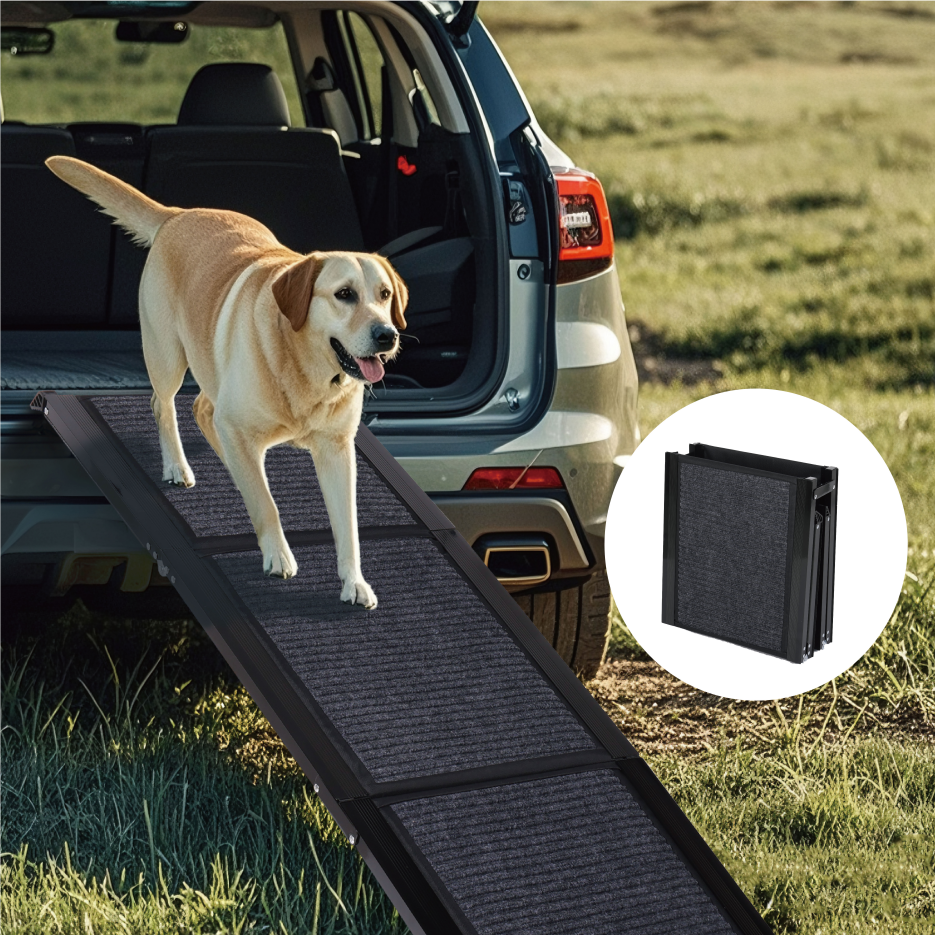 Dog Ramp For Car 65inchX17.2inch Large Folding Pet Stair Ramps For Truck, SUV, With Non-Slip Surface, Up To 250LBS, Outdoor Dog Car For Medium & Dogs, Portable Pet Steps$72.99View on Mallflare
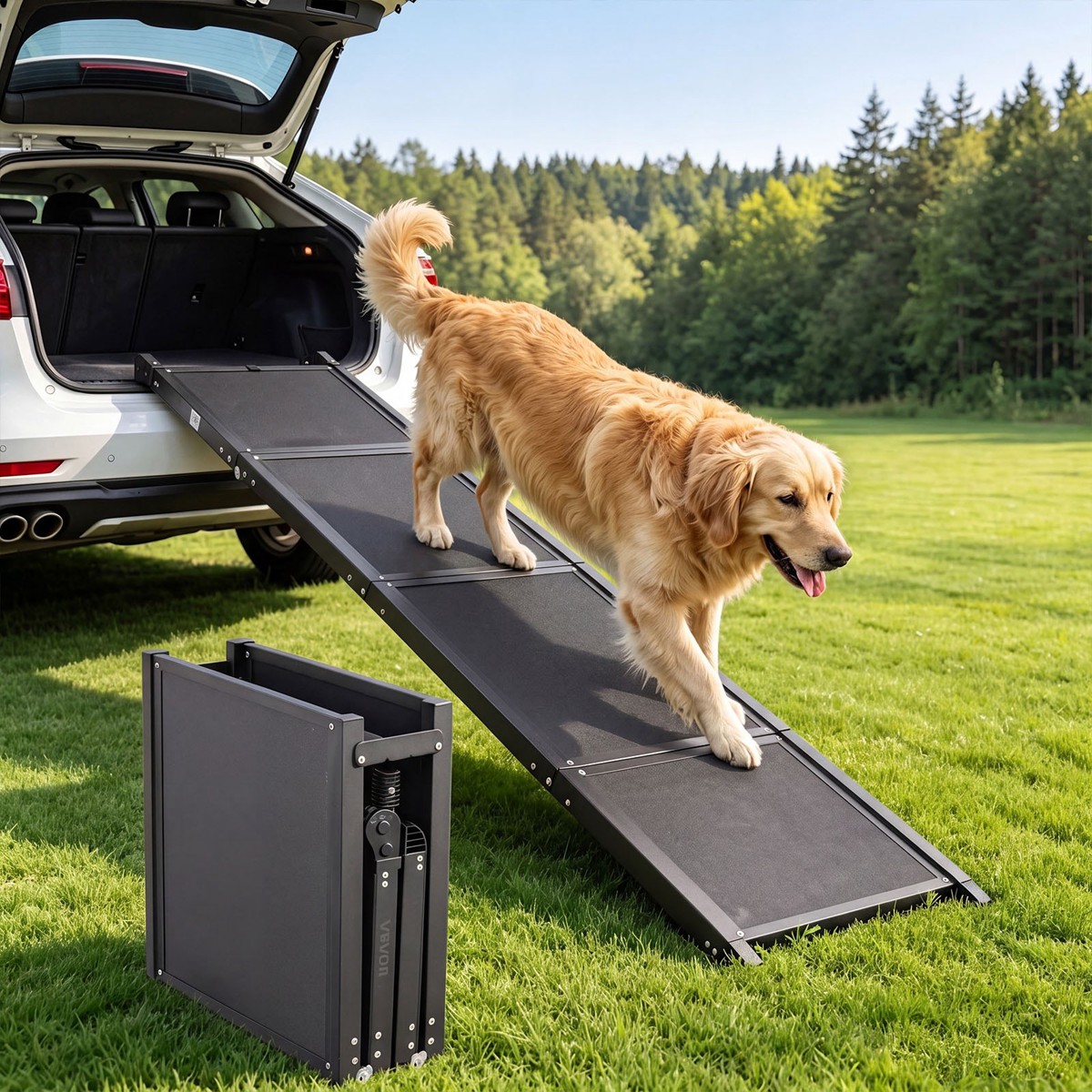 Dog Ramp for Car 71" L x 17" W Foldable Pet Sandpaper Surface, for SUV Car Truck Outdoor, 250 lbs Capacity, Extra Long and Wide Gentler Climb, Non-Slip Portable for Medium & Large Dogs$72.99View on Mallflare
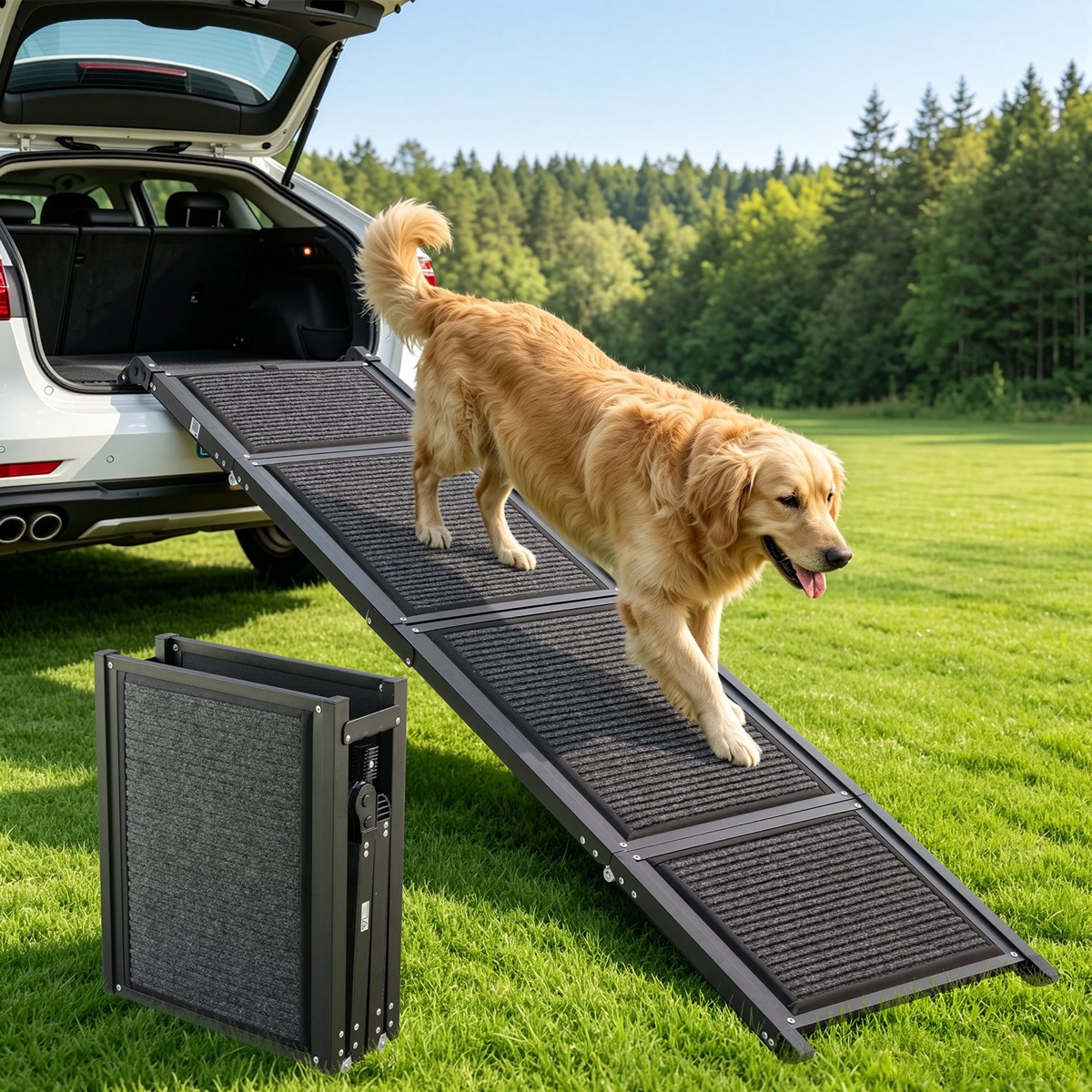 Dog Ramp for Car 71" L x 17" W Foldable Pet with Felt Surface, for SUV Car Truck Outdoor, 250 lbs Capacity, Extra Long and Wide Gentler Climb, Non-Slip Portable for Medium & Large Dogs$79.99View on Mallflare
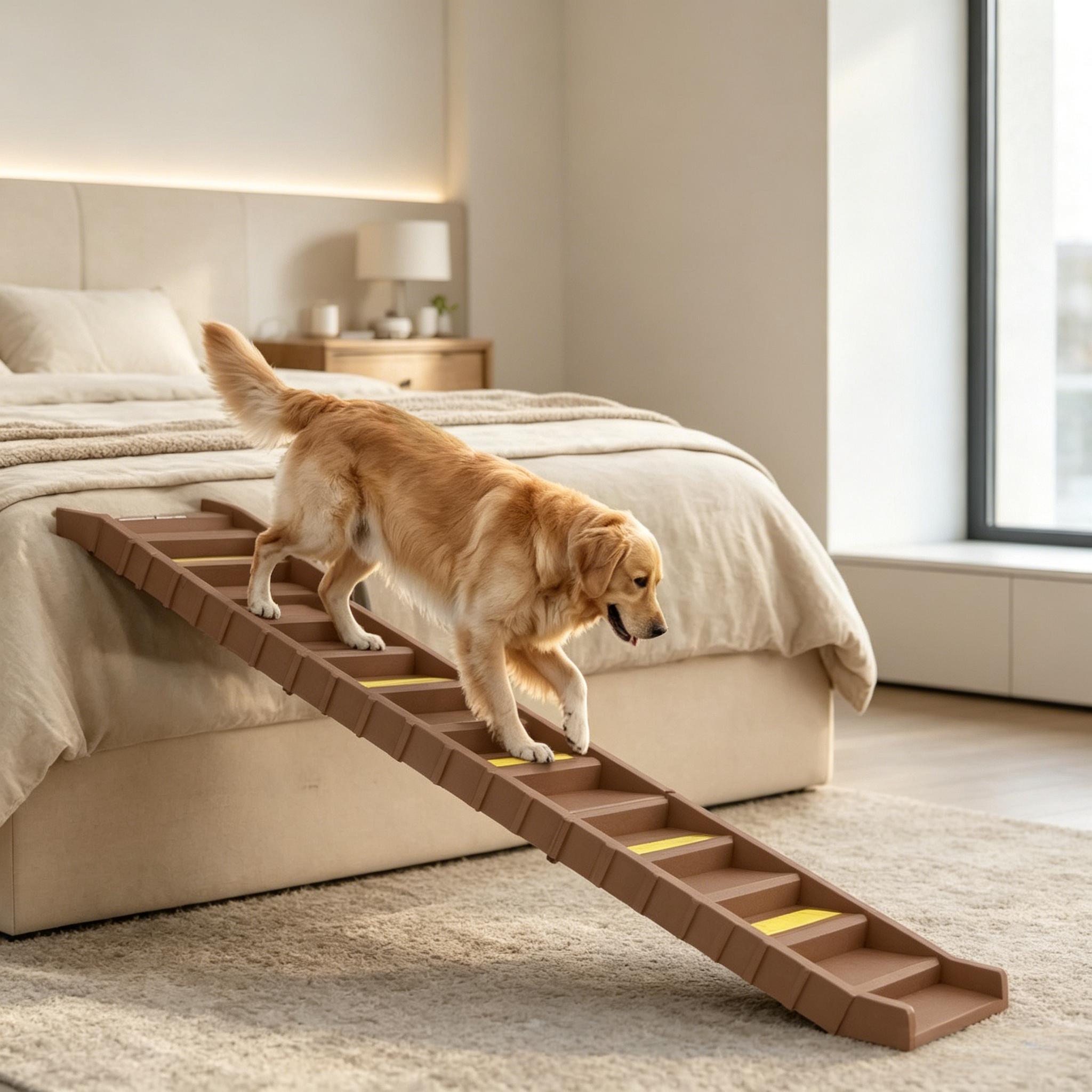 Foldable Dog Stairs Ramp for Car Truck SUV, for Large Medium Small Dogs$87.99View on Mallflare
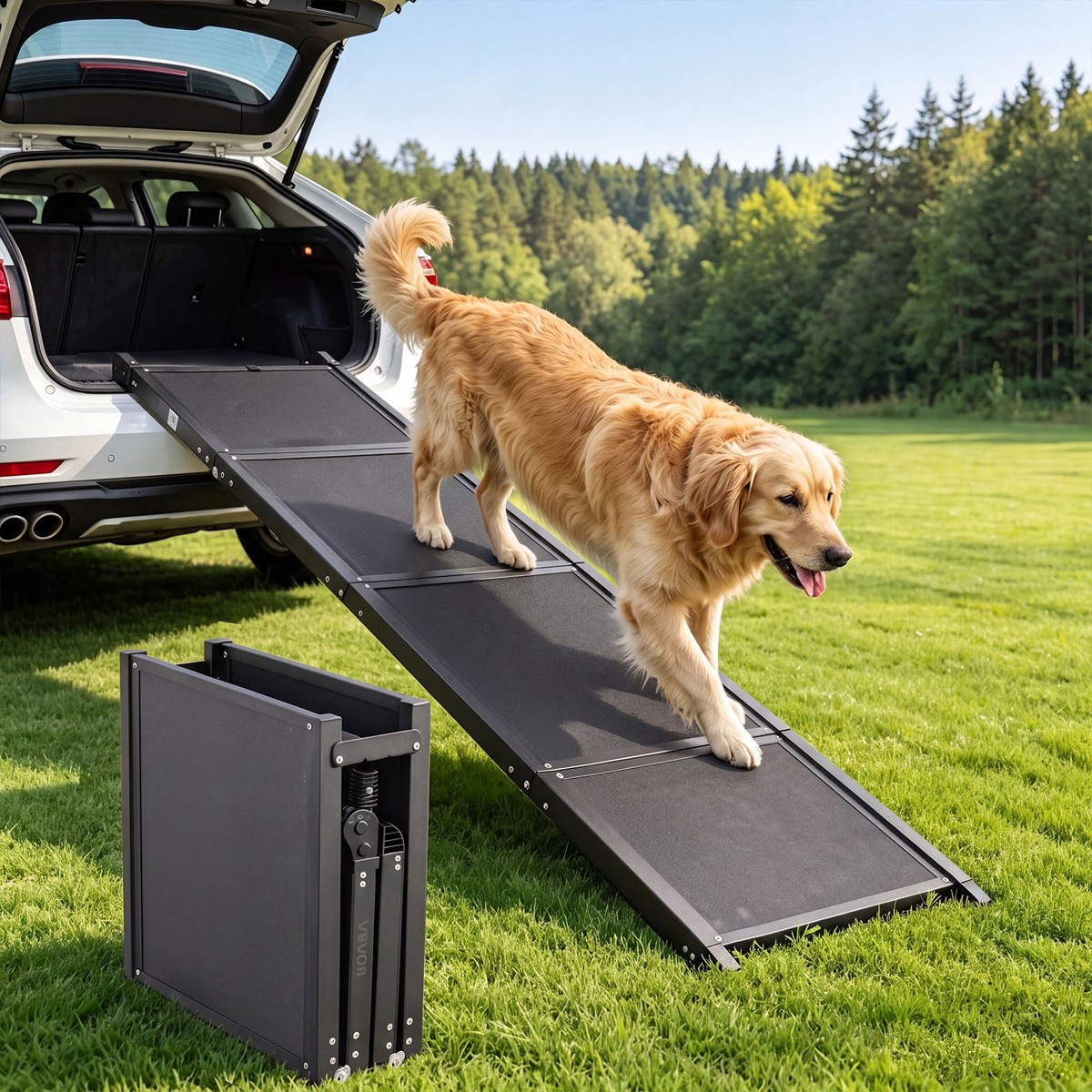 Dog Ramp for Car 71" L x 20" W Foldable Pet Sandpaper Surface, for SUV Car Truck Outdoor, 250 lbs Capacity, Extra Long and Wide Gentler Climb, Non-Slip Portable for Medium & Large Dogs$88.99View on Mallflare
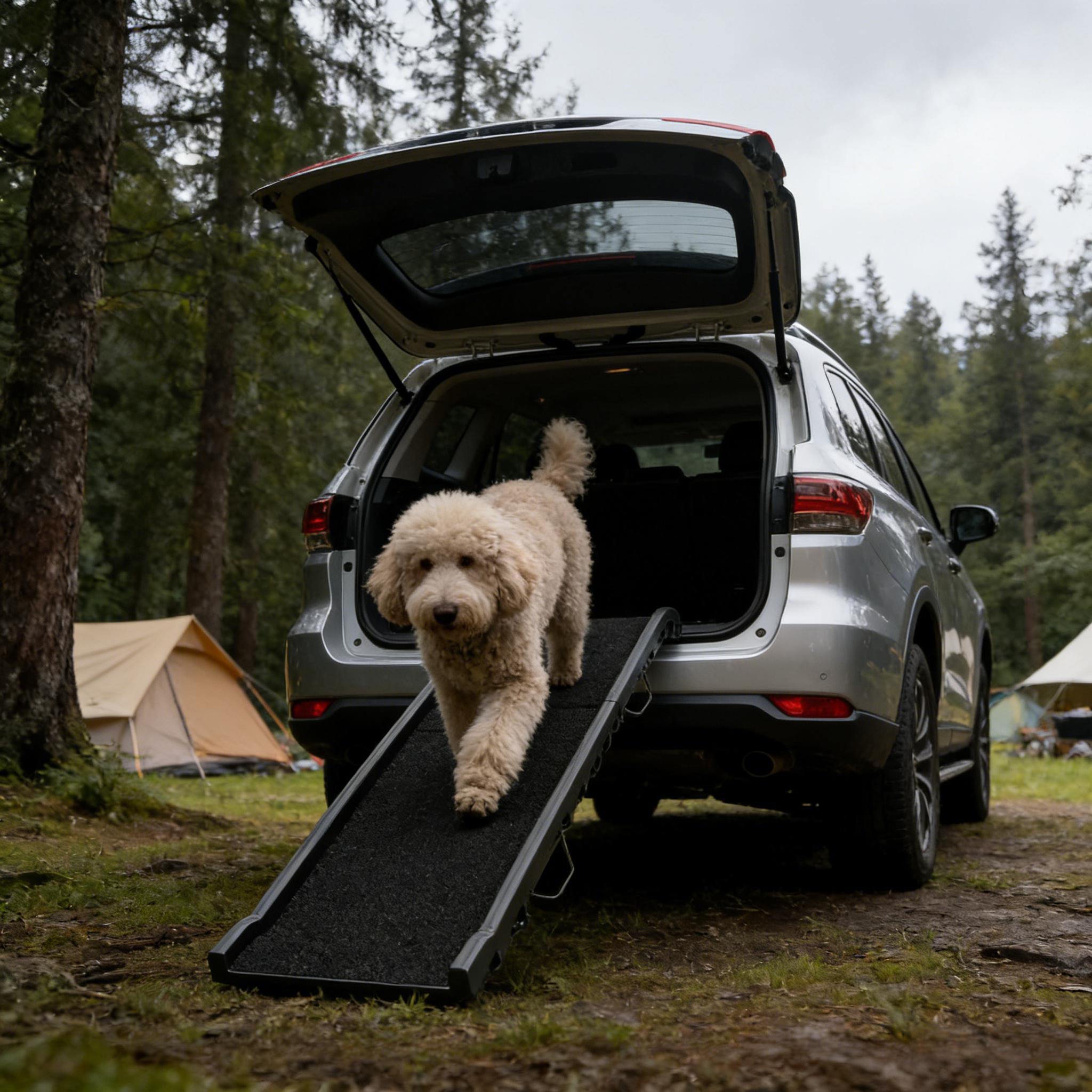 Pet Ramp,Pet Gentle Slope Ramp,Foldable Dog Car Ramp$103.99View on Mallflare
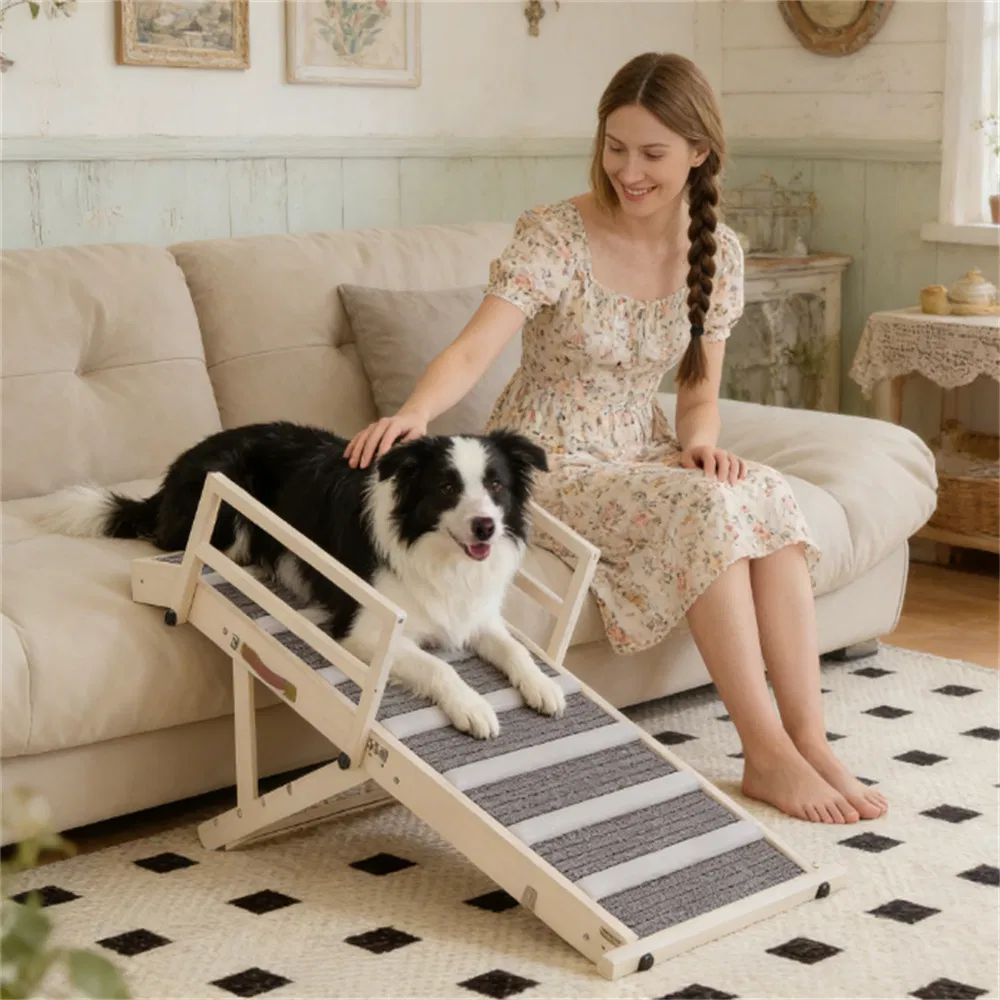 Dog ramp, folding pet safety$104.99View on Mallflare
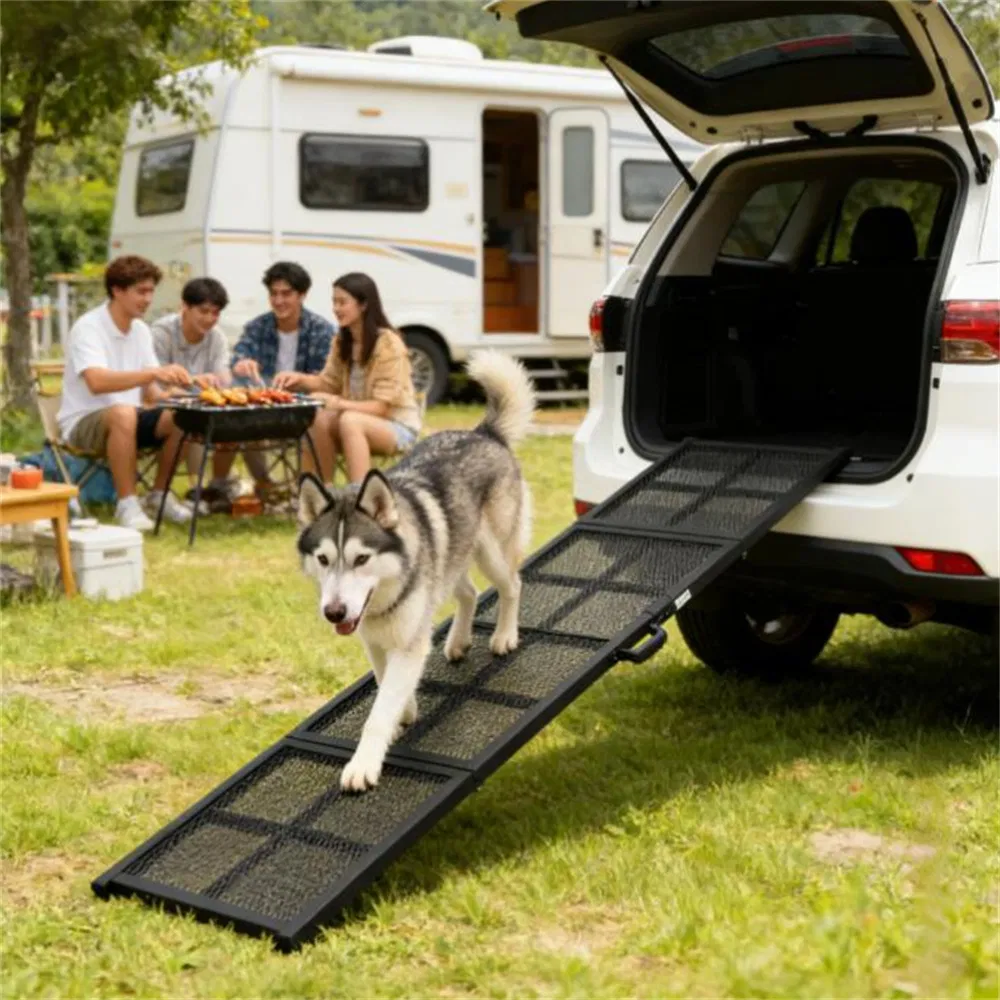 Dog car ramp, pet$110.99View on Mallflare
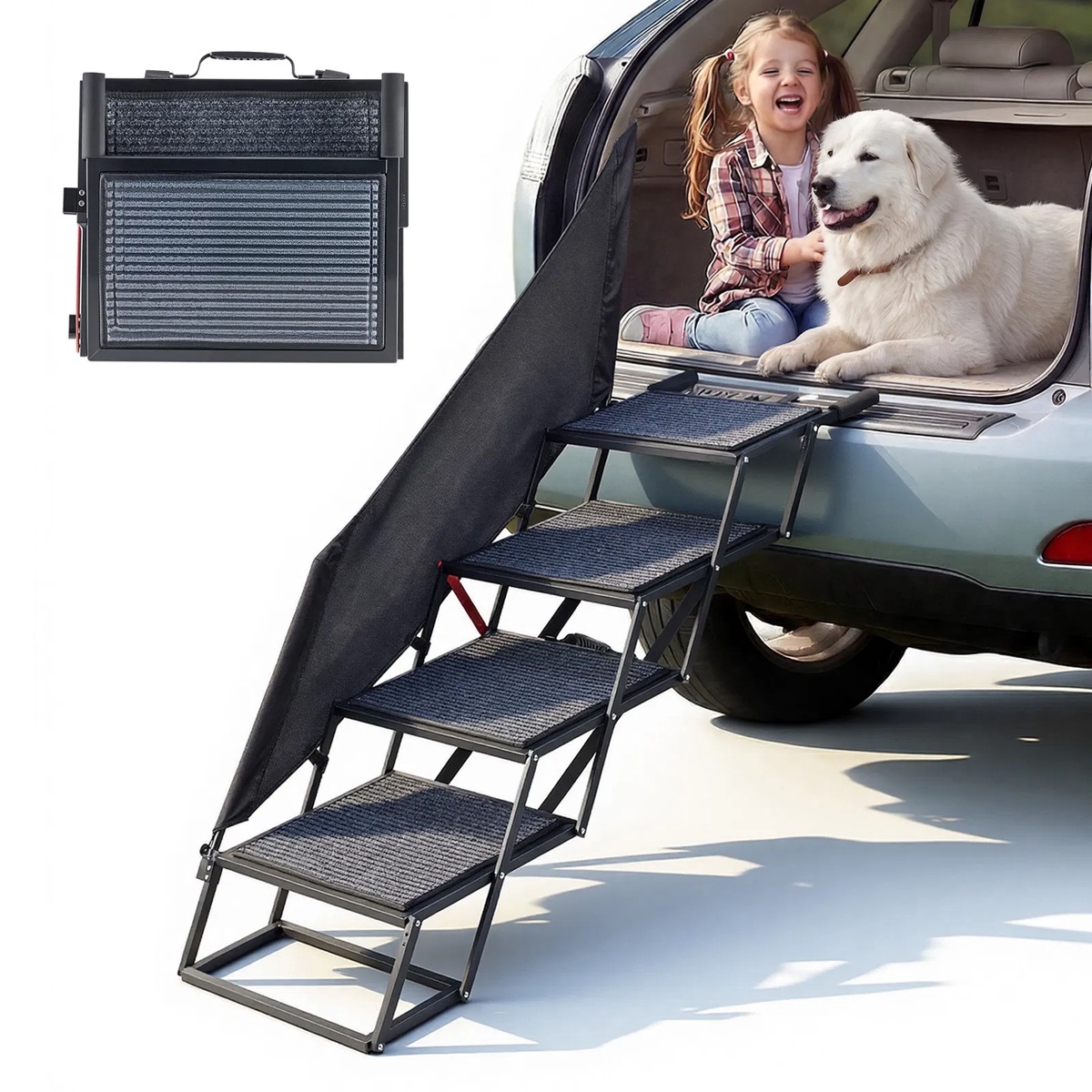 Dog Stairs For Car, 4-Step Extra-Wide Foldable Pet Ramp With Non-Slip Rug Surface, Lightweight Portable Dog Ladder For SUV, Truck, High Beds And Sofas, Supports Up To 400 Lbs$113.99View on Mallflare
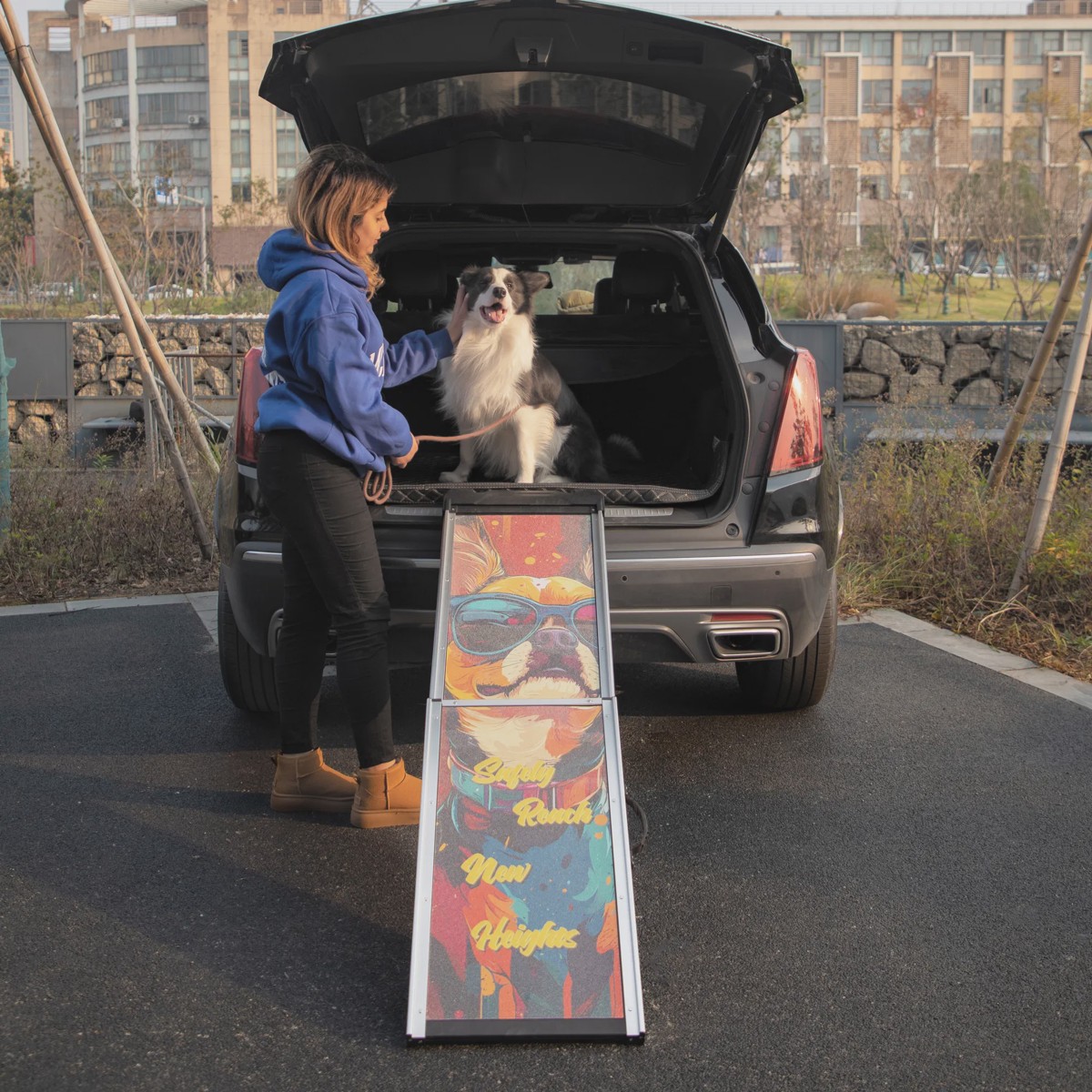 Retractable Aluminum Dog Ramp, Portable Pet Steps for Cars Trucks SUVs, Telescoping Dog with Non-Slip Surfaces, Colorful Patterns$117.99View on Mallflare
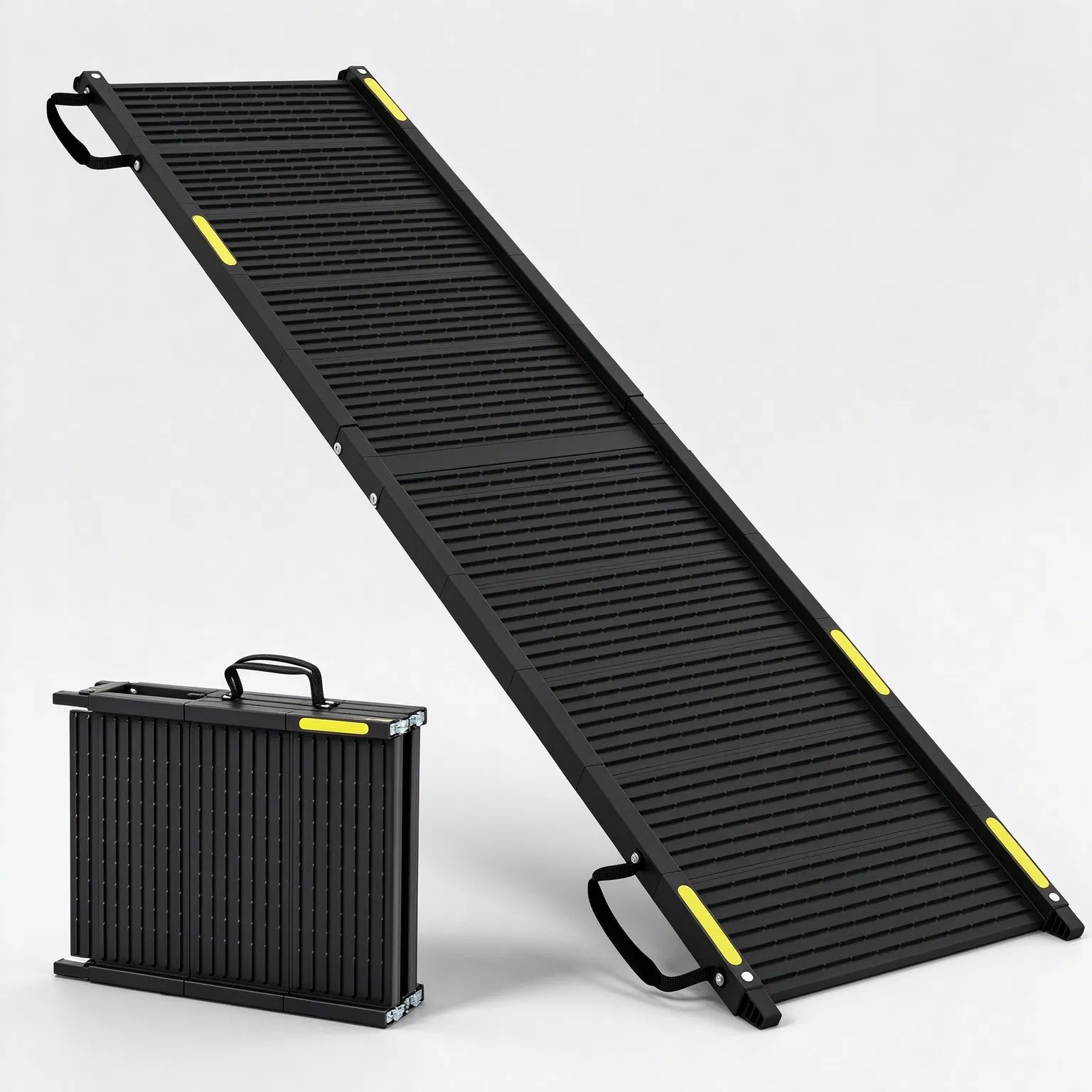 Folding Dog Car Ramp, 64.5" Non-Slip Pet with Reflective Strips & Safety Tether, 99.79KG Max Load Portable Dog for Large Old Injured Dogs to Get into Car SUV Truck$126.99View on Mallflare
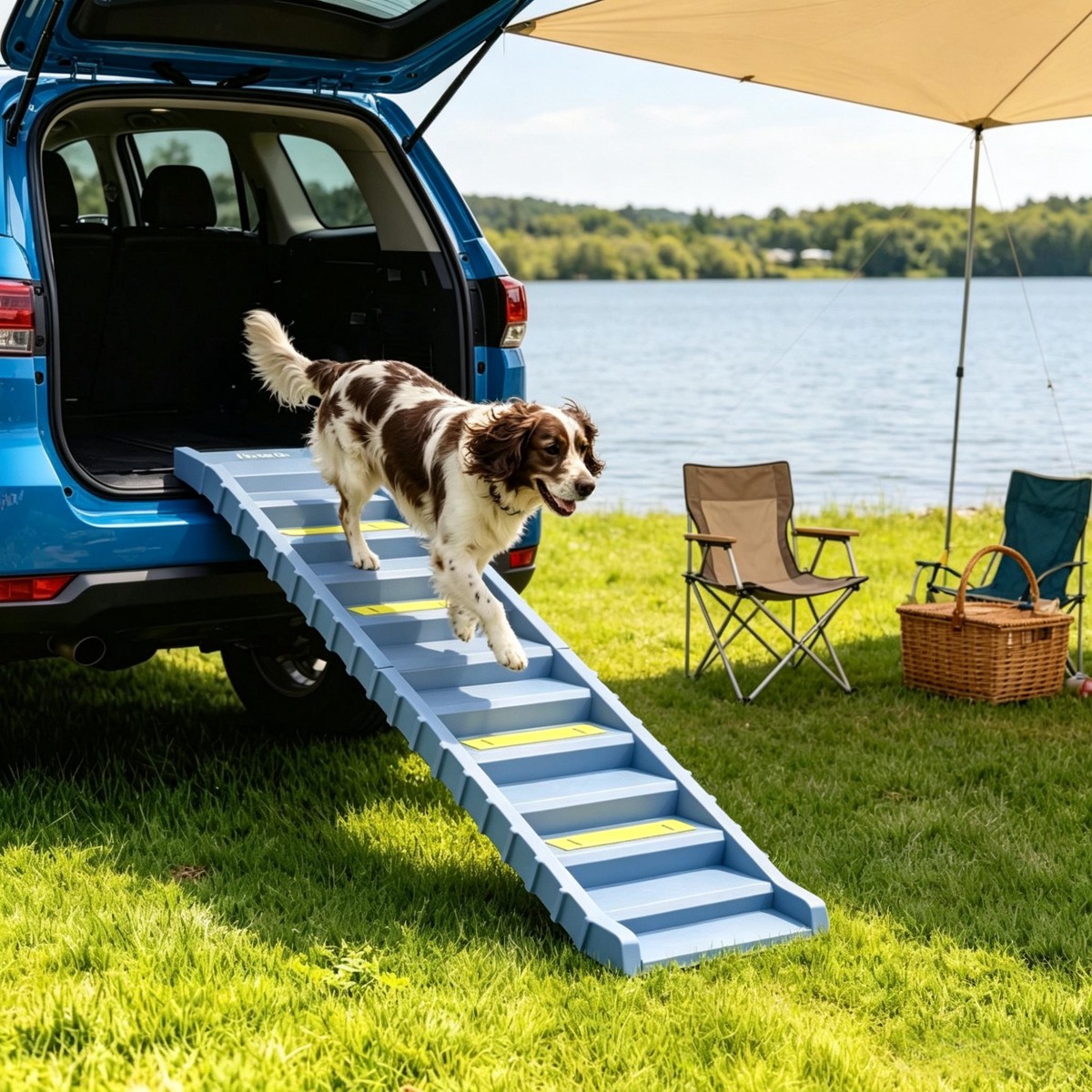 Gray Portable Dog Ramp – Foldable Stairs for Medium Small Dogs to Get on Car Truck SUV$138.99View on Mallflare
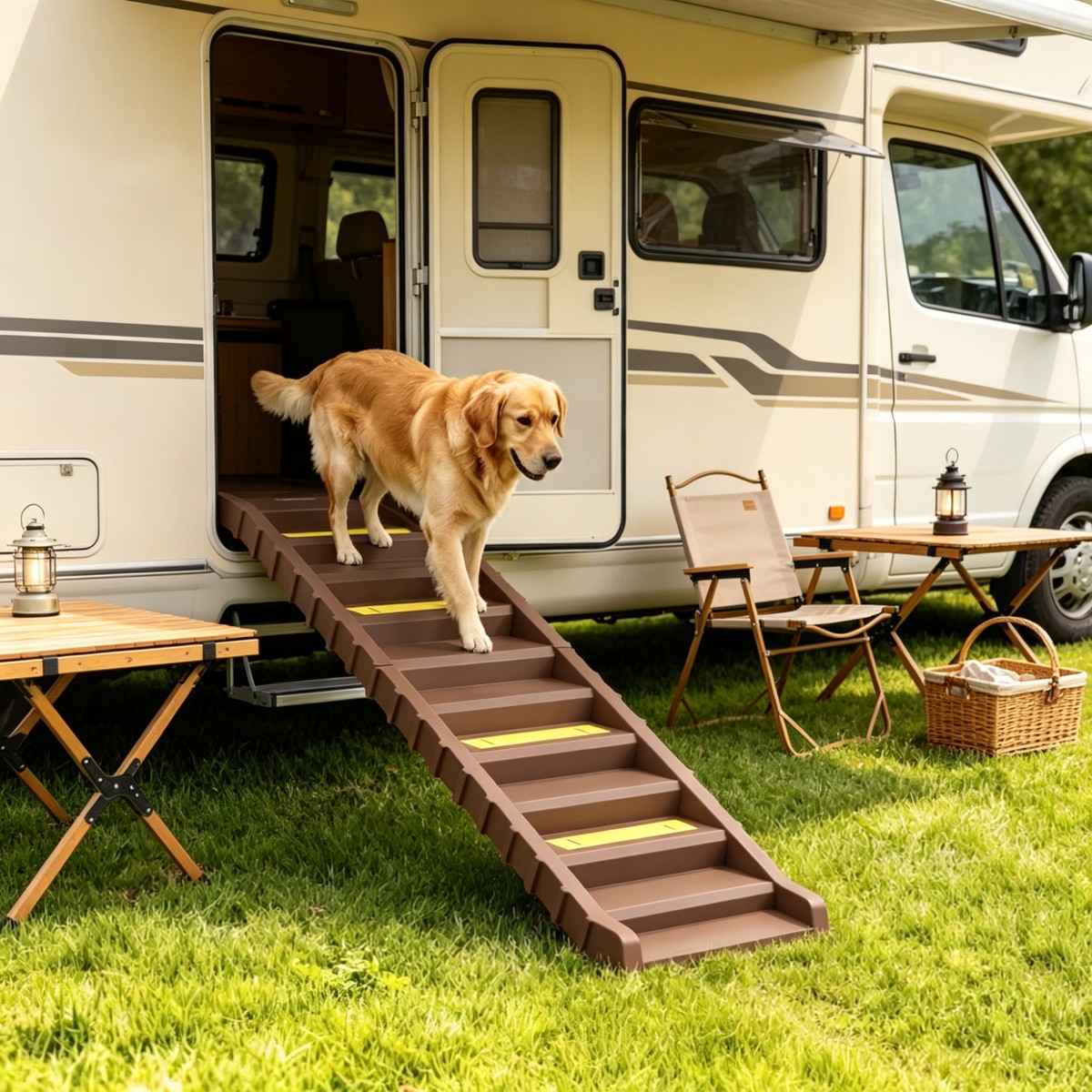 Brown Portable Dog Ramp – Foldable Stairs for Medium Small Dogs to Get on Car Truck SUV$138.99View on Mallflare
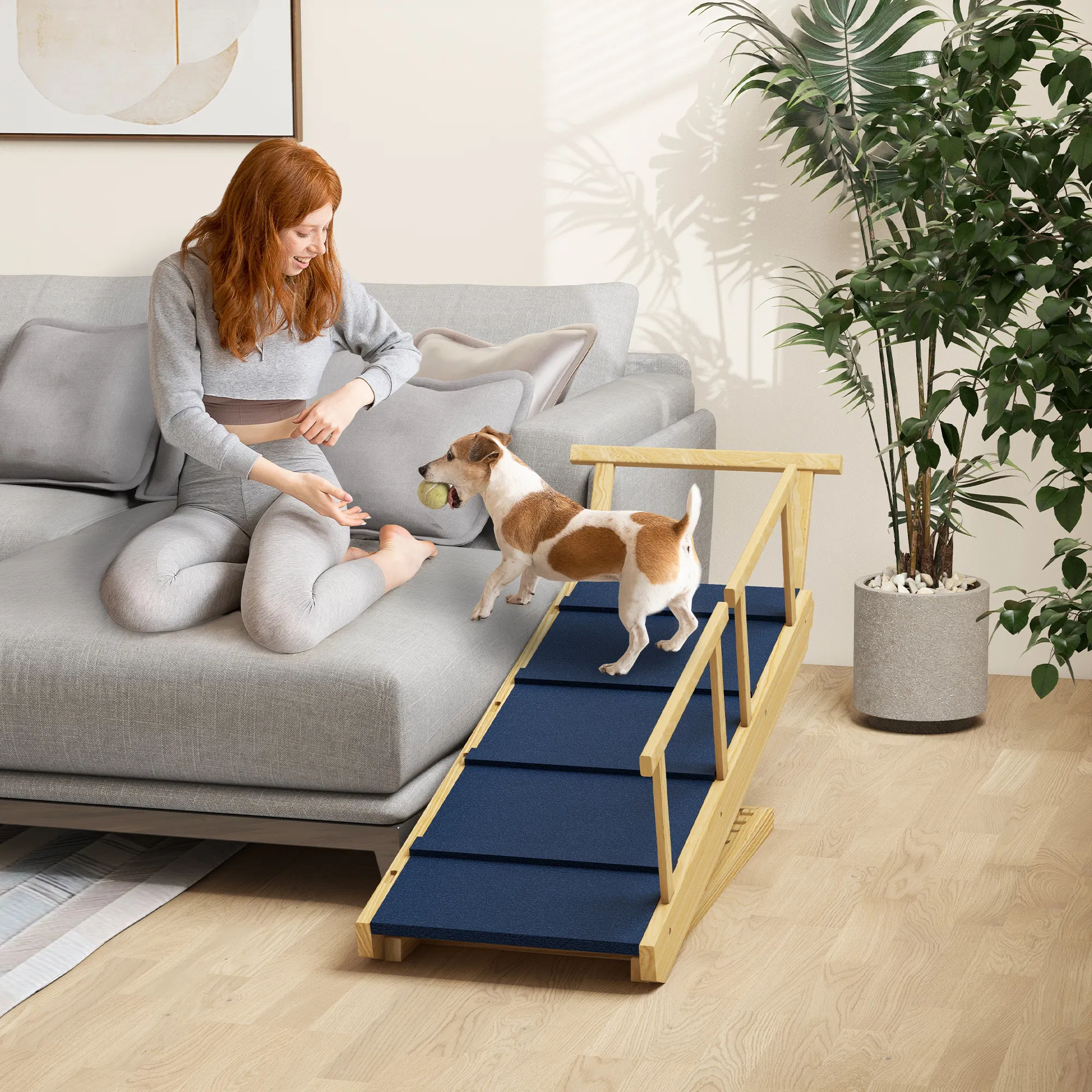 Dog Ramp(No shipments on weekends)$147.99View on Mallflare
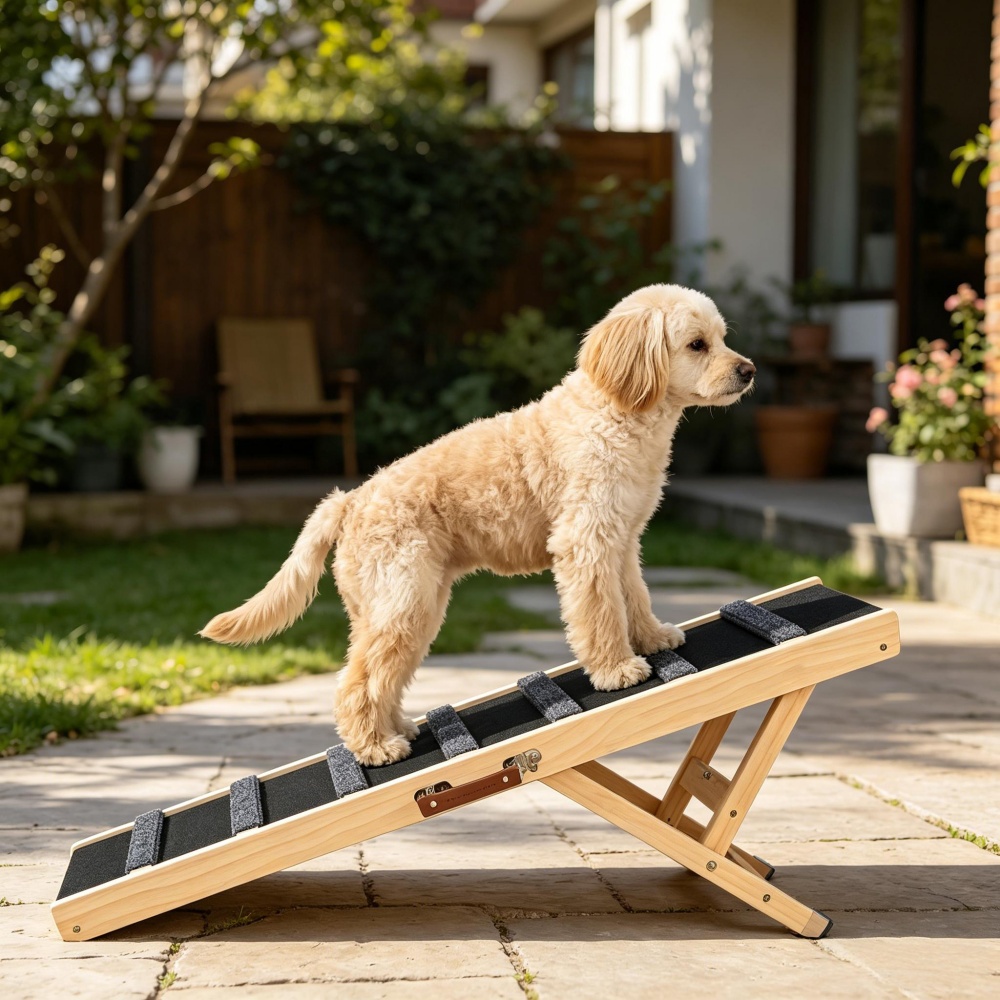 Dog Ramp$153.99View on Mallflare
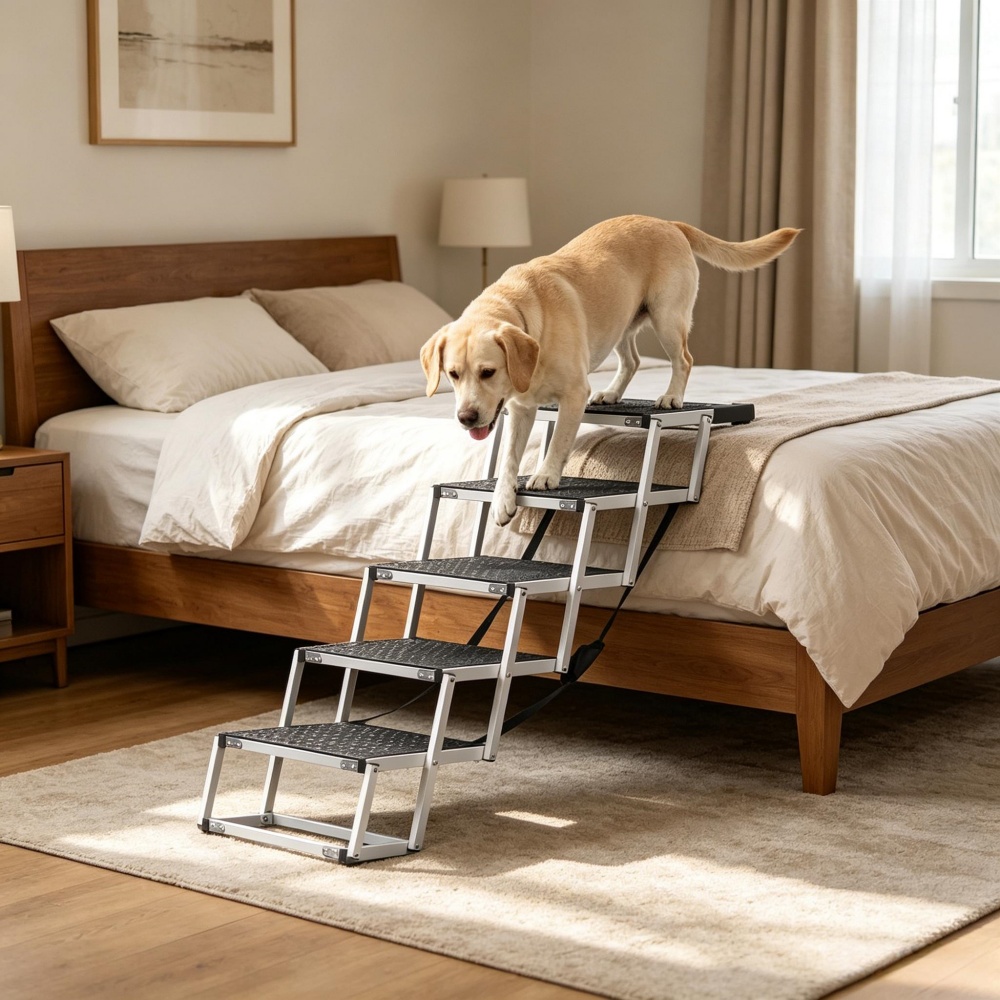 Folding Dog Car Ramp$177.99View on Mallflare
Highlights
- Step geometry dominates safety: 6-8 in rise per step with 9-12 in tread depth lets medium and large dogs climb without skipping or sliding.
- Weight capacity is structural, not cosmetic: metal-frame stairs with rated capacities of 150-250 lb suit large dogs; molded foam or plastic tiers typically top out far lower.
- For beds over 24 in high, a 3-4 step unit or a ramp with a longer run (48-71 in) reduces joint strain versus a steep 2-step design.
- Surface matters: carpeted or rubberized treads grip nails better than bare plastic or fabric wraps, which bunch and slip on hard floors.
Best use cases
- Big dog onto a high bed: choose a 4-step metal-frame stair rated 200-250 lb with 7-8 in rises—skip 2-step foam units that flex and tip.
- Small dog onto a sofa or low bed: a 3-step lightweight unit with 5-6 in rises and a 12-14 in width is enough; skip oversized ramps that eat floor space.
- Car, SUV, or truck loading: pick a folding ramp (48-71 in long, 17-20 in wide) with a non-slip sandpaper or felt surface, not indoor stairs—stairs do not bridge tailgate gaps safely.
Buying tips
- Measure bed height, then divide by 7 in: a 21 in bed needs 3 steps, a 28 in bed needs 4—fewer steps mean steeper, riskier climbs.
- Match capacity to dog weight plus 20 lb margin; a 90 lb dog needs a 200-250 lb rated metal frame, not a 100 lb plastic tier.
- Choose tread width at least the dog's shoulder width: 17-20 in for large breeds, 12-14 in for small dogs.
- For vehicles, ramp length should be 3-4x the load height (a 24 in tailgate wants a 63-71 in ramp) to keep the climb angle gentle.
Specs
| Step Rise | 6-8 in per step |
|---|---|
| Weight Capacity | 150-250 lb metal frame |
| Tread Surface | Carpet / rubber vs bare plastic |
| Step Count | 3-4 steps for 21-32 in beds |
Related searches
What to check before buying
- Measure floor-to-bed or floor-to-tailgate height and the available floor footprint before choosing step count or ramp length.
- Confirm the stair's base depth clears your bed frame or nightstand and that it sits stable on carpet or hard flooring.
- Check the weight rating against your dog's adult weight, not current puppy weight.
- For car ramps, verify the folded length fits your trunk and the width clears the tailgate opening.
FAQ
Data sources: eBay / Amazon listings and product attribute feeds. Updated Nov 28, 2026.
Some links on this page are affiliate links. If you buy after clicking one, we may earn a commission at no extra cost to you. This does not change which products appear here or their order. Affiliate disclosure.