
Photos from current listings. Actual item, color, and included accessories may vary.
Cat Carrier Buying Guide
A cat carrier is a containment and transport system whose primary job is keeping a cat secure and calm across car rides, vet visits, and airline cabins. The core trade-off is rigid crash-safe structure versus soft-sided portability and under-seat compliance, and the decision rule is simple: buy a carrier with a rigid base and metal-to-metal zipper hardware for car travel, and a soft-sided mesh carrier only for cabin use where the airline dimension limit is the binding constraint.
Median $31.41
Key takeaways
- Soft-sided carriers use 600D Oxford polyester or nylon with mesh ventilation panels; the 600D weave rating is the durability threshold, and lighter 300D fabric tears at seams under clawing.
- Rigid carriers use molded PP or PE plastic shells or welded metal wire frames; these hold shape in a crash and resist clawing, while soft sides collapse on impact.
- Airline cabin compliance is set by under-seat dimensions, typically 17-18 in long, 10-11 in wide, and 9-10 in tall for major carriers; a carrier exceeding these limits gets gate-checked.
At a glance
- Category
- Pet Travel & Safety
- Last updated
- Nov 28, 2026
Current offers
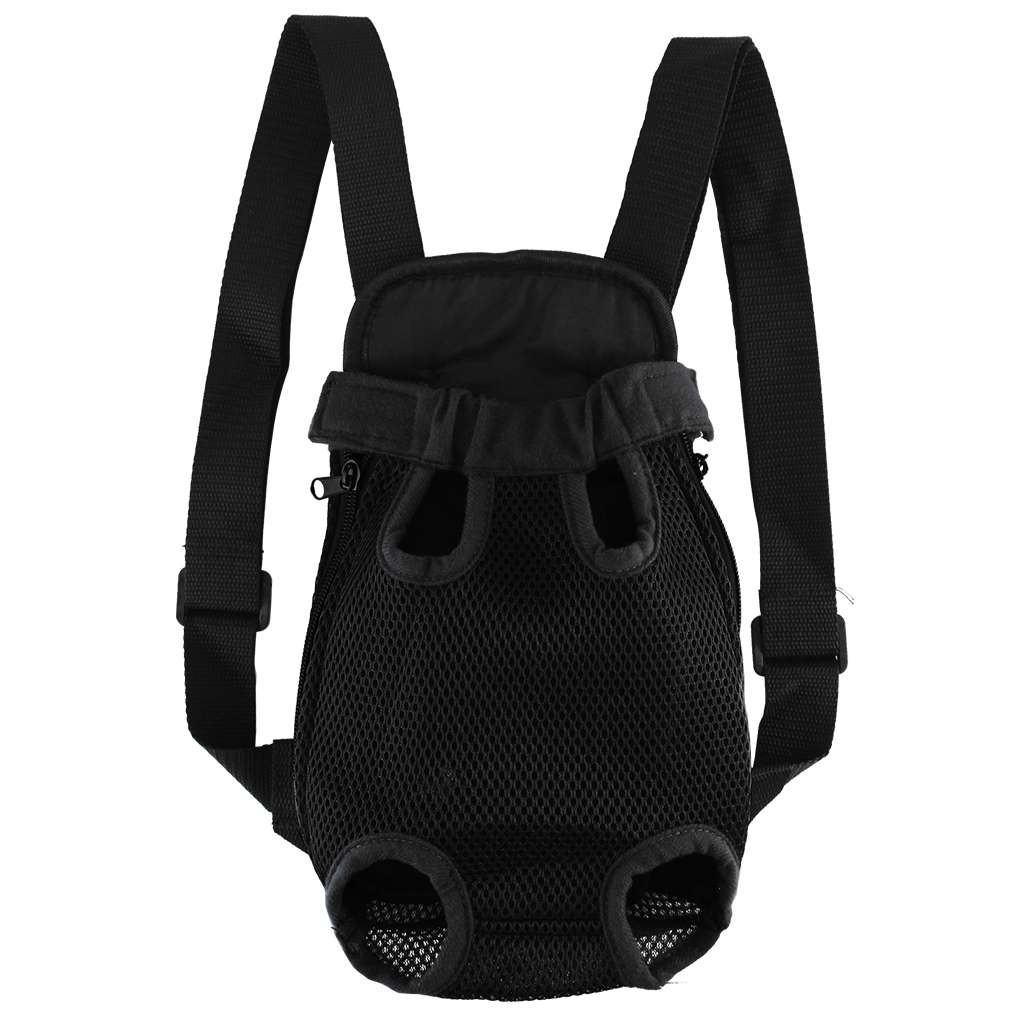 Pet Cat Dog Carrier Backpack Adjustable Pet Front Carrier Legs Out Travel Bag$11.99Last checked Nov 18, 2026View on eBay
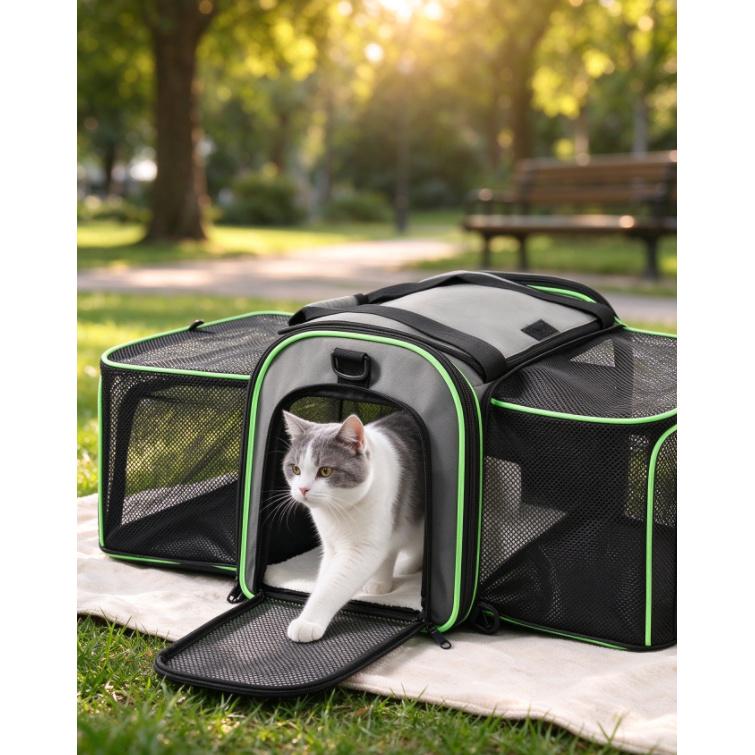 Large Expandable Pet Backpack, Breathable Mesh Cat Dog Carrier Extra Capacity Portable Pet Travel Bag For Car Outdoor Camping$65.99View on Mallflare
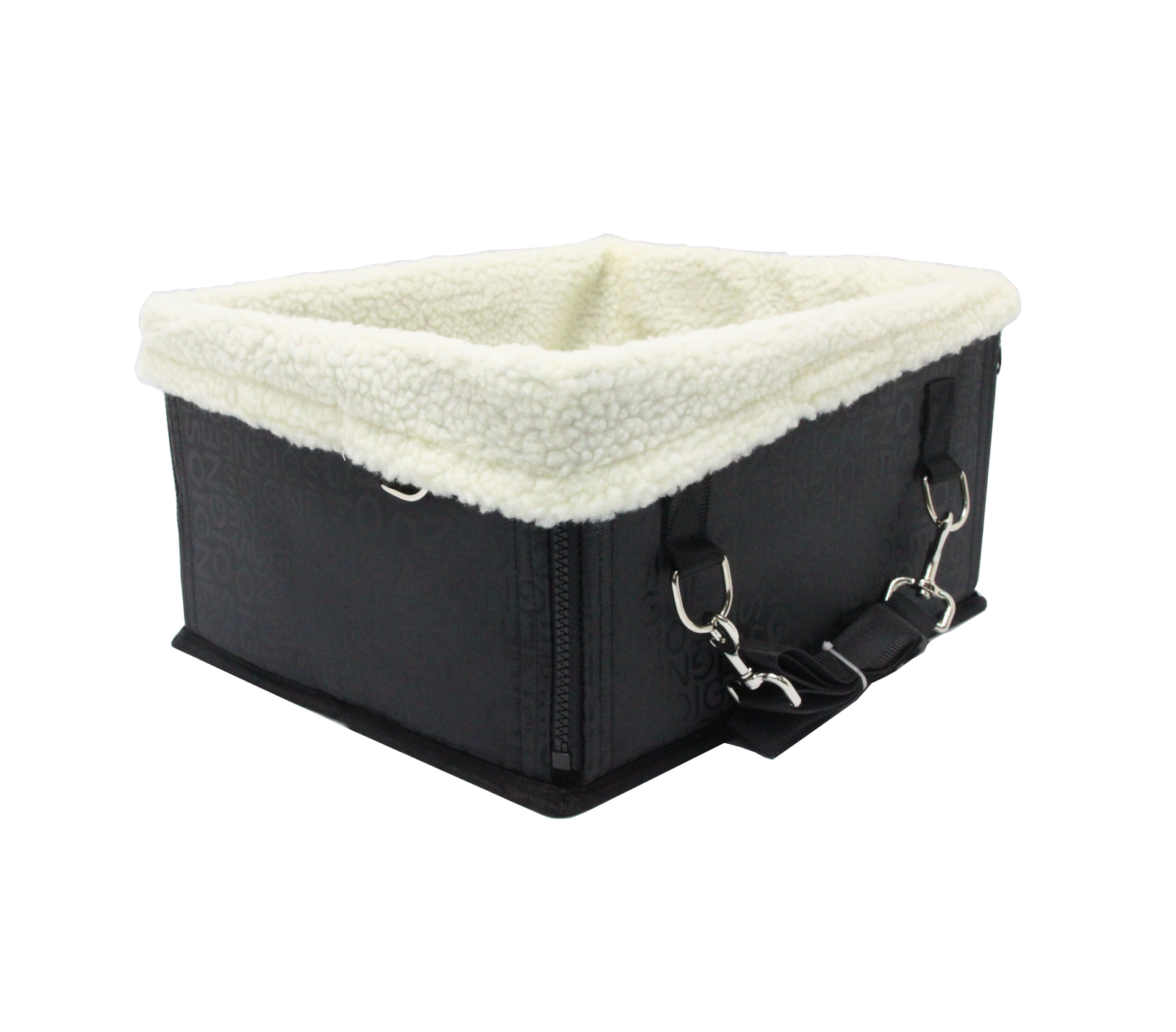 Dog Cat Safety Seat Pet Car Carrier Cat Bag Pet Travel Pet Messenger Pet Kennel$13.99Last checked Nov 22, 2026View on eBay
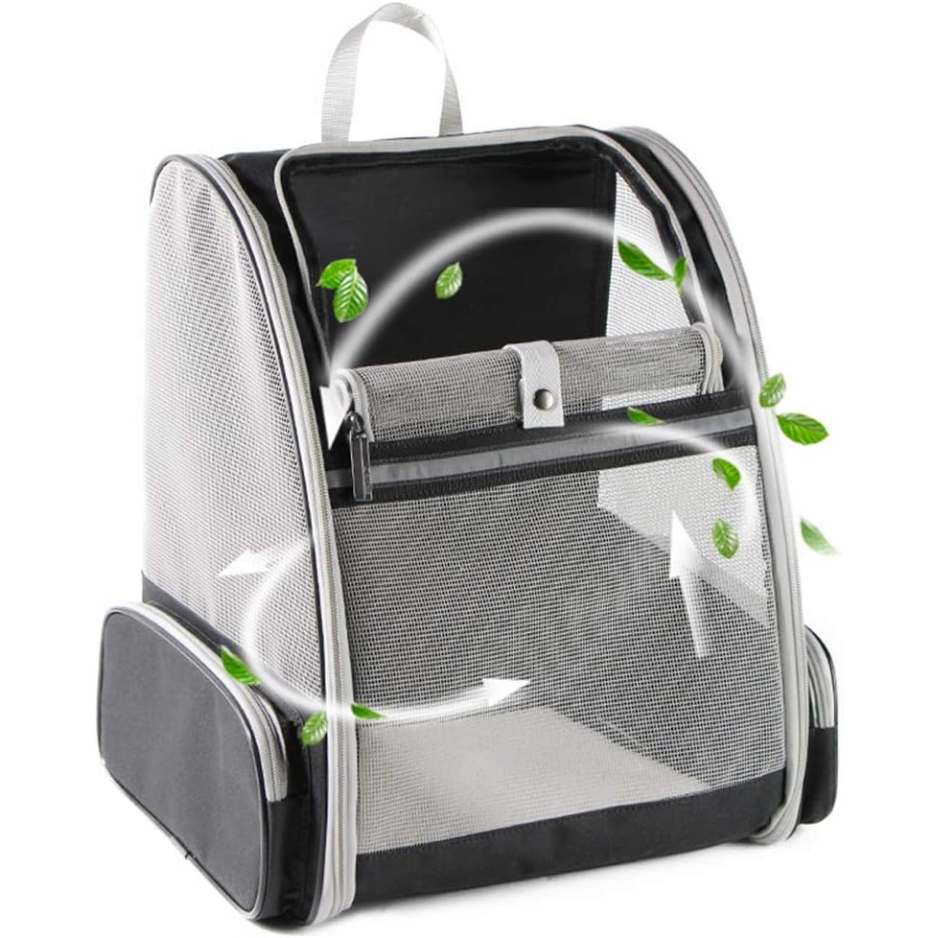 Traveler Bubble Backpack Pet Carriers For Cats And Dogs$88.99View on Mallflare
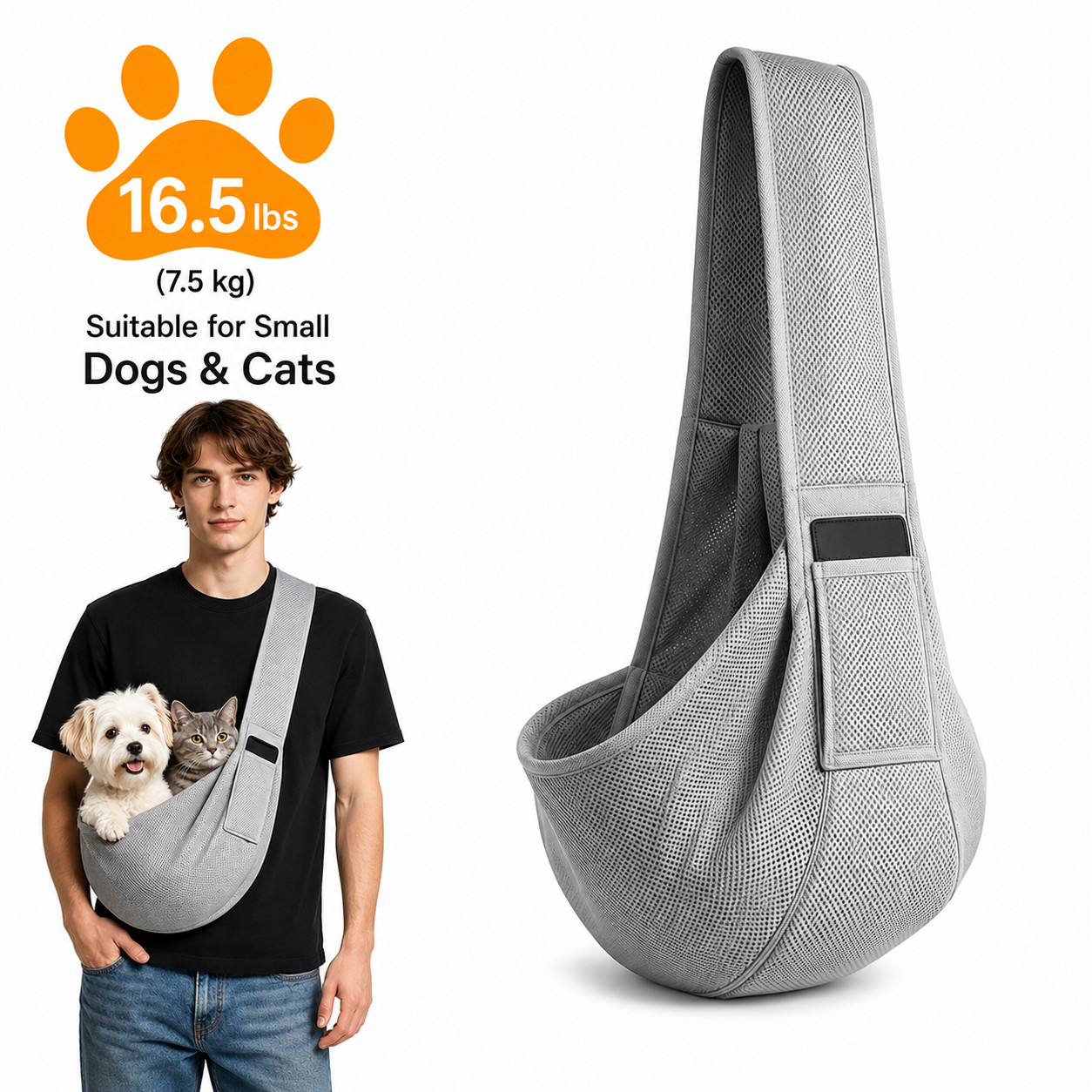 Dog Cat Carrier Sling Breathable Mesh Shoulder Bag for Small Dogs Travel Tote US$15.98Last checked Nov 25, 2026View on eBay
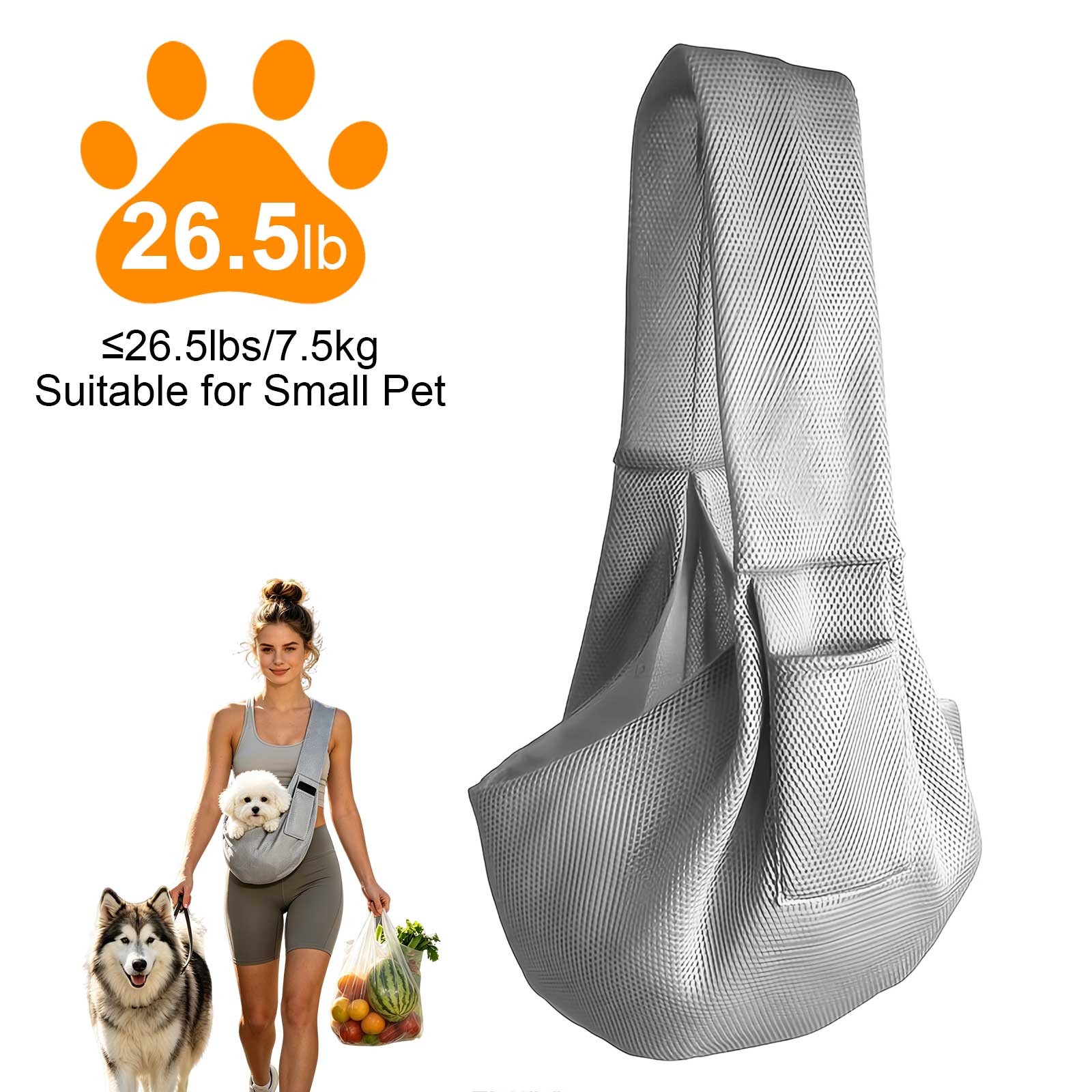 Small Dog Cat Sling Carrier Breathable Mesh Pet Shoulder Bag Travel Tote Pocket$15.98Last checked Nov 20, 2026View on eBay
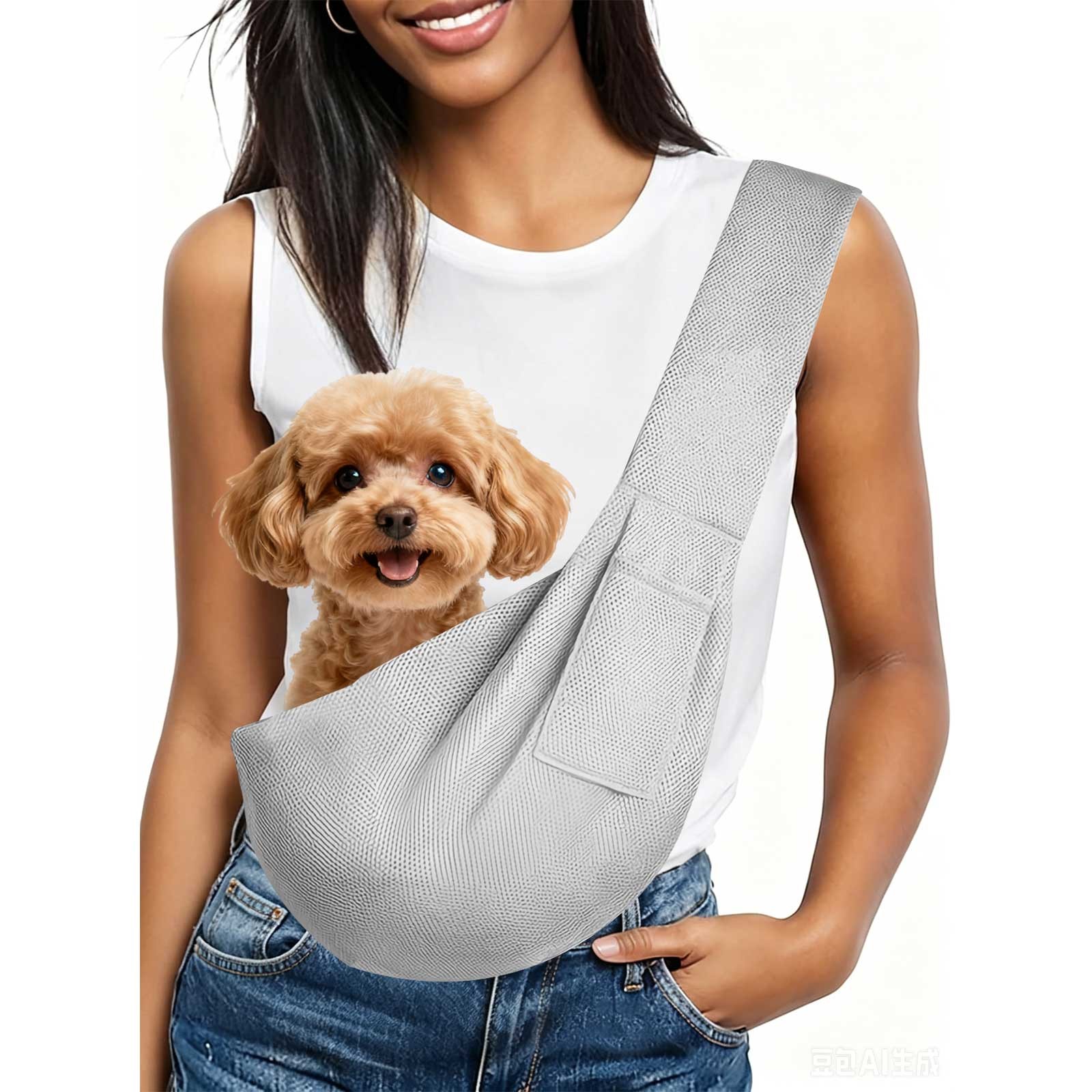 Dog Cat Sling Carrier Lightweight Mesh Pet Shoulder Bag Short Trip Travel Tote$15.98Last checked Nov 20, 2026View on eBay
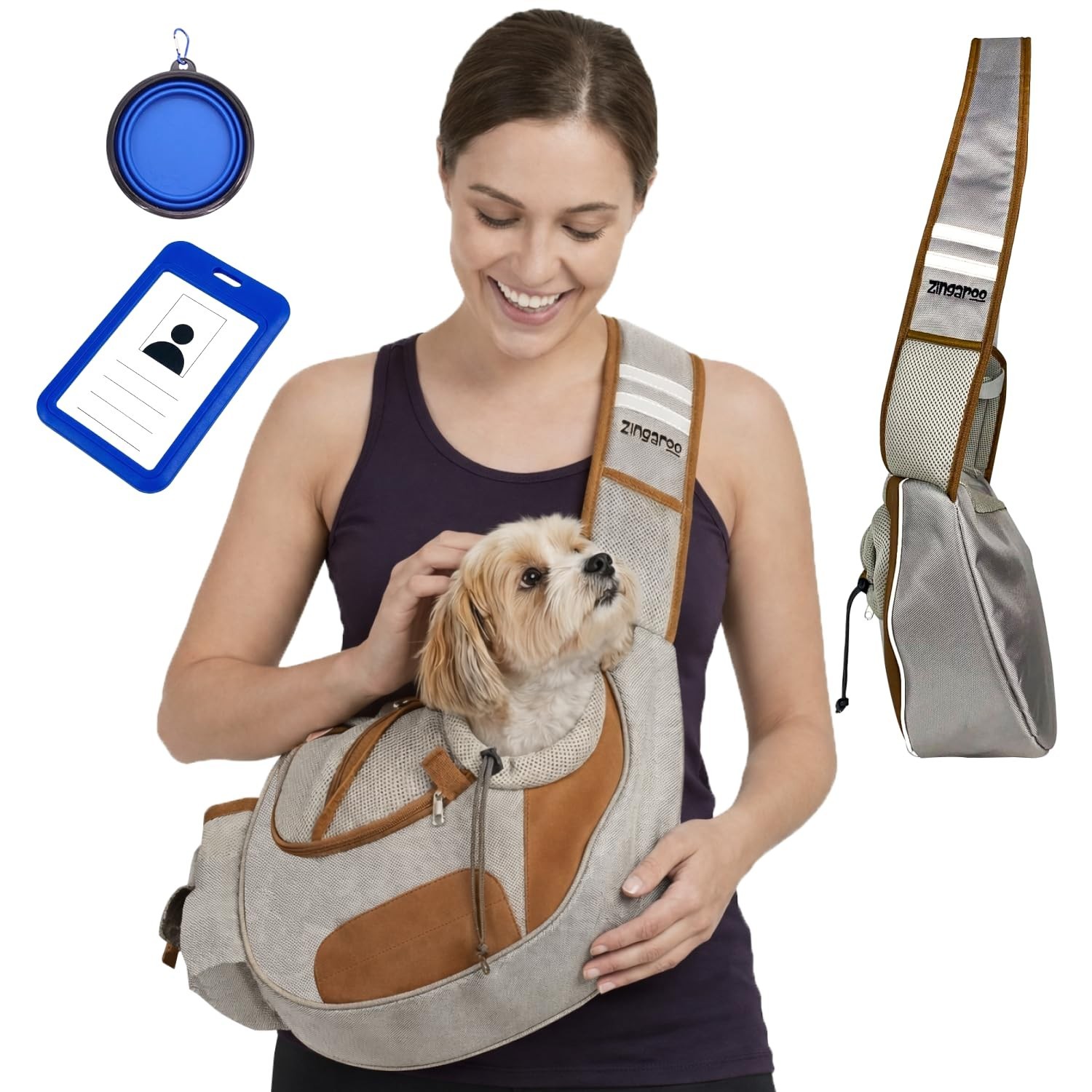 Hands-Free Sling Pet Carrier for Cats and Small Dogs up to 10lbs – Travel$17.30View on eBay
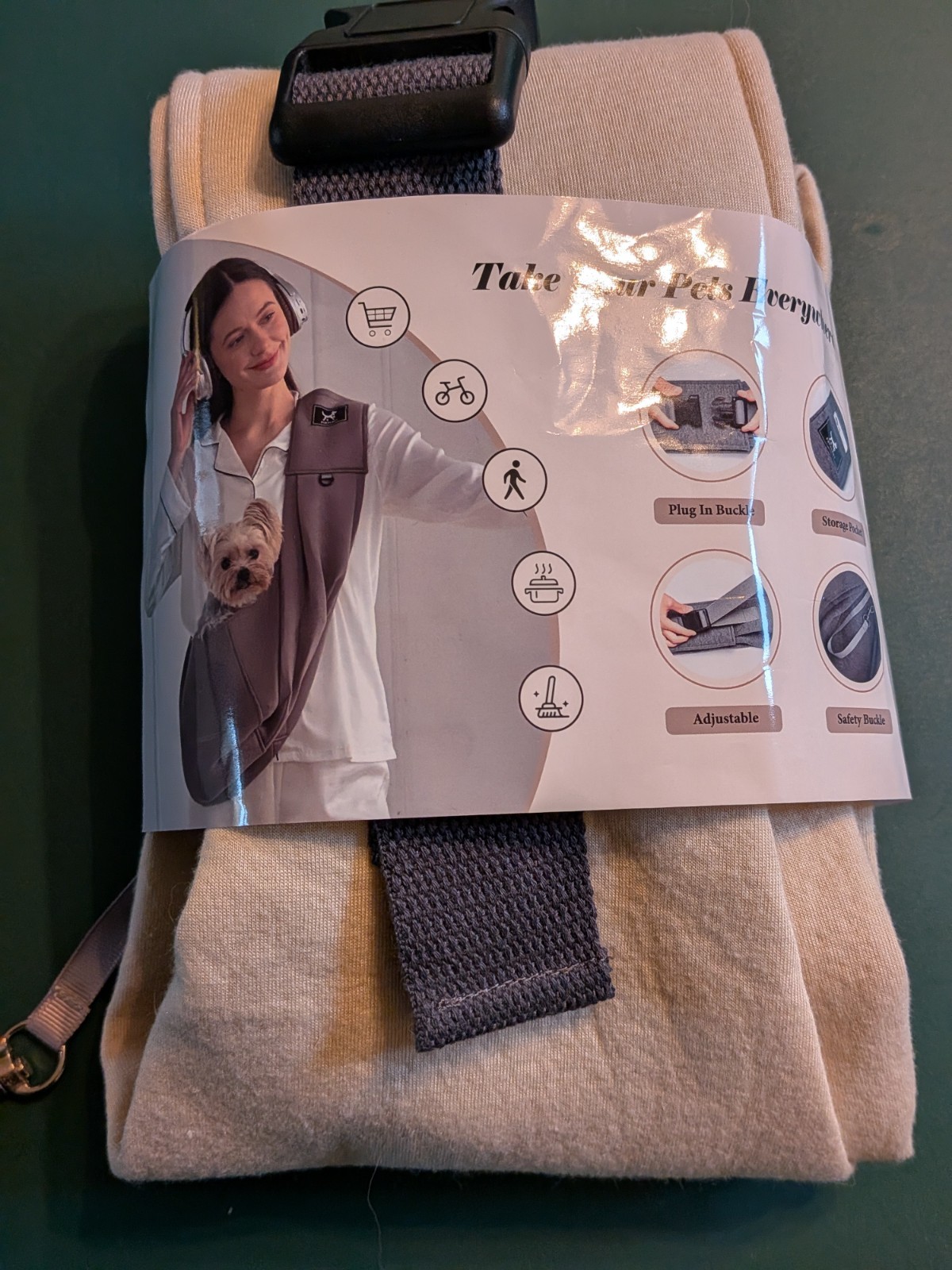 NWOT PawPubby Pet Carrier Cats Dogs Sling Carrier for Daily Walk Outdoor Travel$17.99Last checked Nov 23, 2026View on eBay
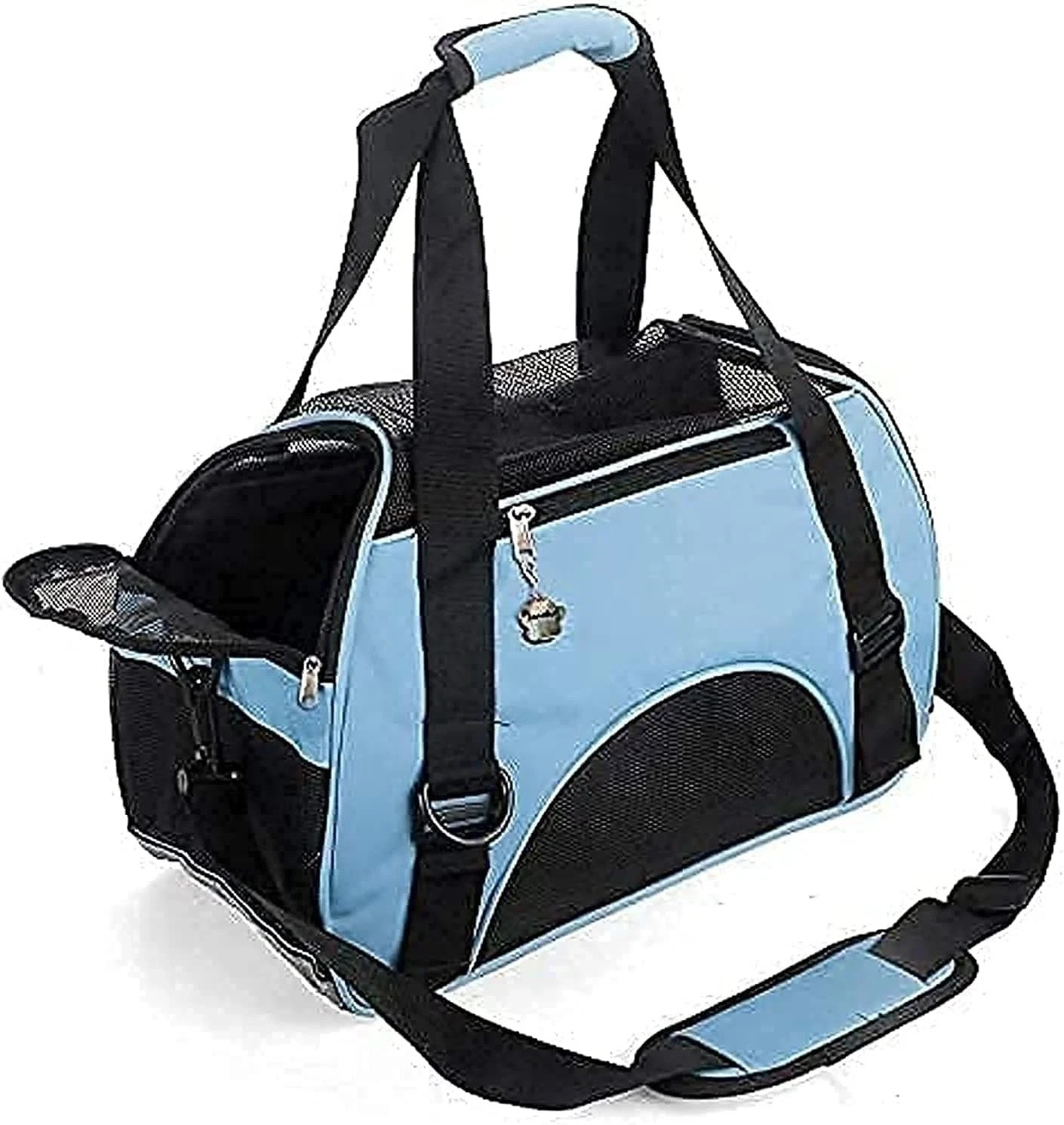 Cat Carrier,Soft-Sided Pet Travel Carrier for Cats,Dogs Puppy Comfort Portabl...$18.65Last checked Nov 20, 2026View on eBay
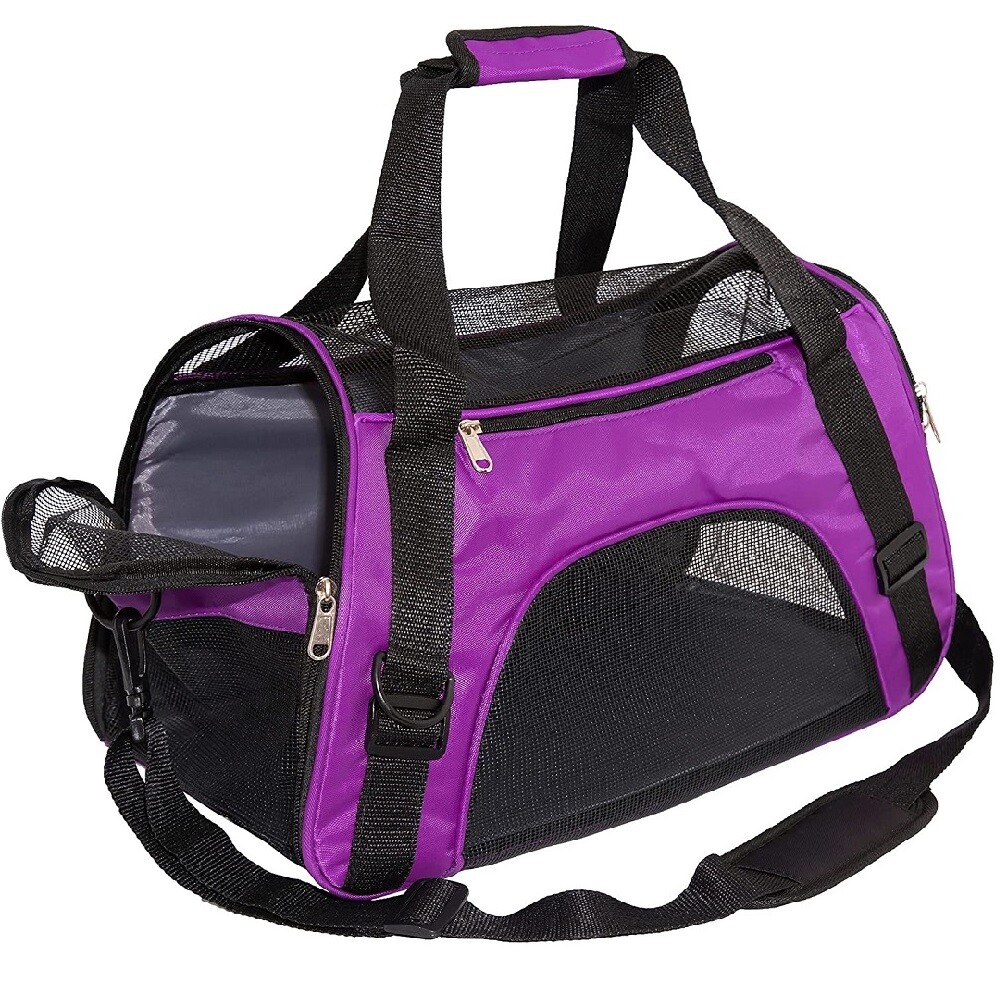 Soft-Sided Airline Approved Pet Cat Carrier Bag, Comfort Case, Sizes M & L$18.79Last checked Nov 18, 2026View on eBay
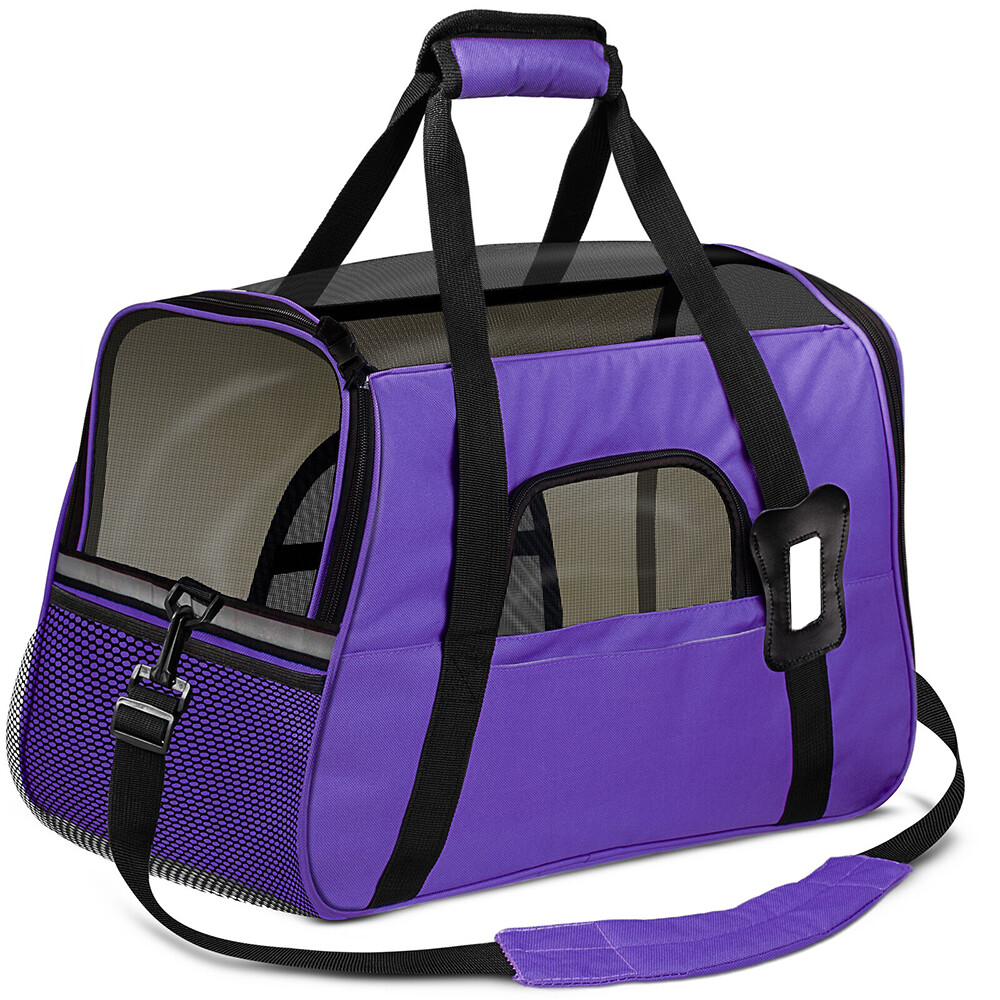 Pet Dog /Small Cat Carrier Soft Sided Comfort Bag Travel Case Airline Approved$20.66Last checked Nov 18, 2026View on eBay
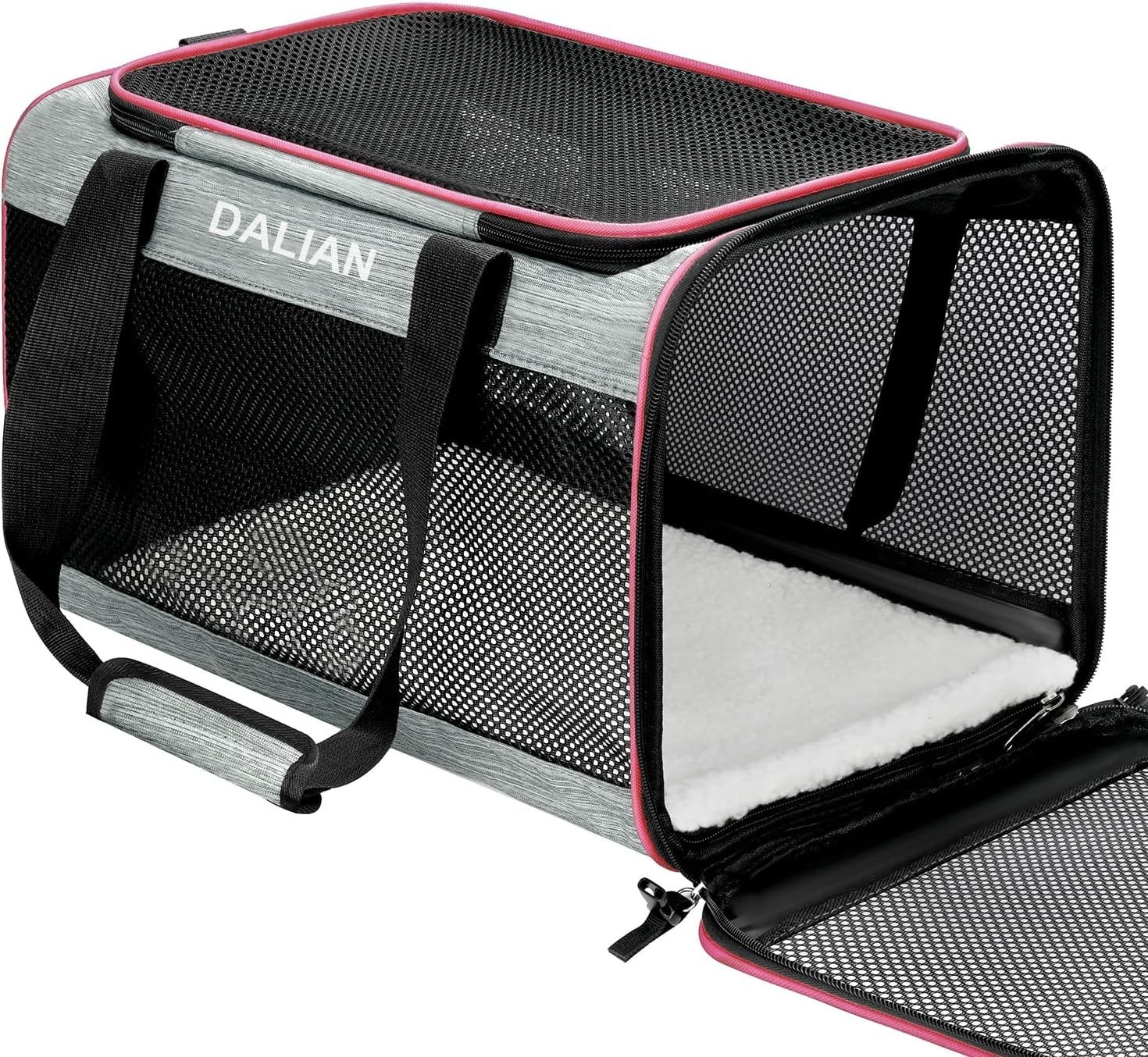 Dog Soft-Sided Carriers Cat Carrier Airline Approved Pet Carrier$21.78Last checked Nov 18, 2026View on eBay
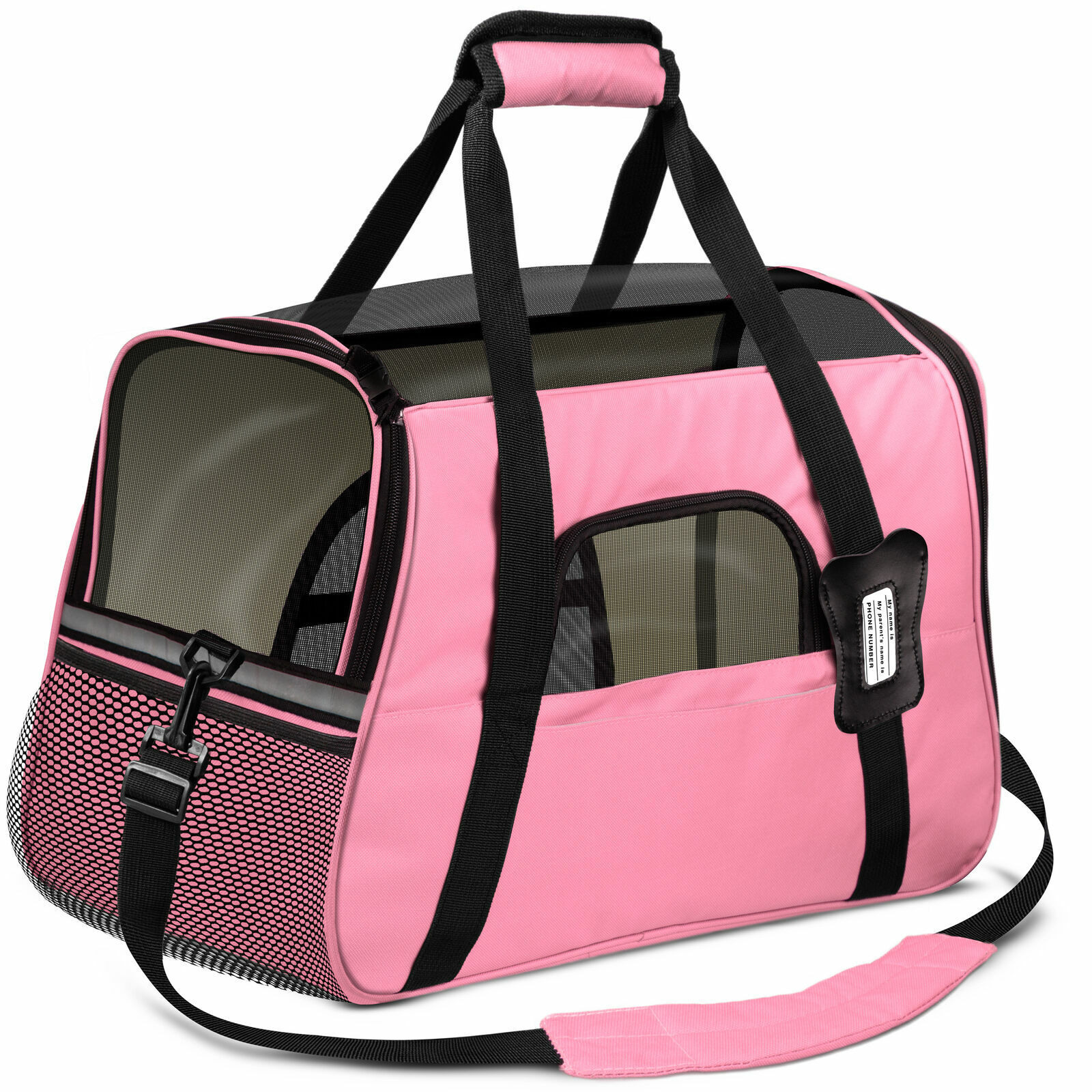 Pet Carrier Cat Travel Bag Portable Soft Sided Comfort Case Airline Approved Dog$22.75Last checked Nov 18, 2026View on eBay
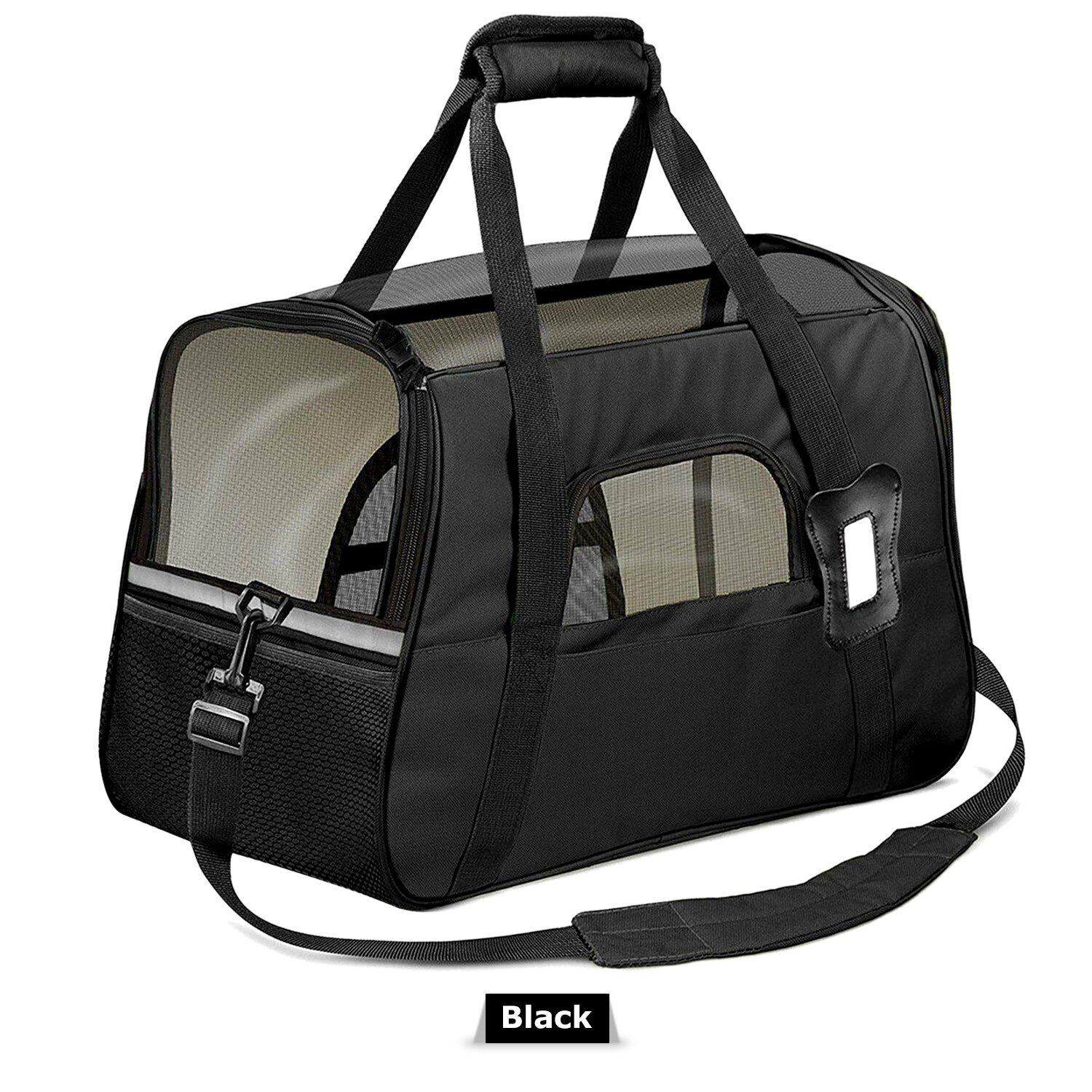 Pet Dog /Small Cat Carrier Soft Sided Comfort Bag Travel Case Airline Approved$22.77Last checked Nov 18, 2026View on eBay
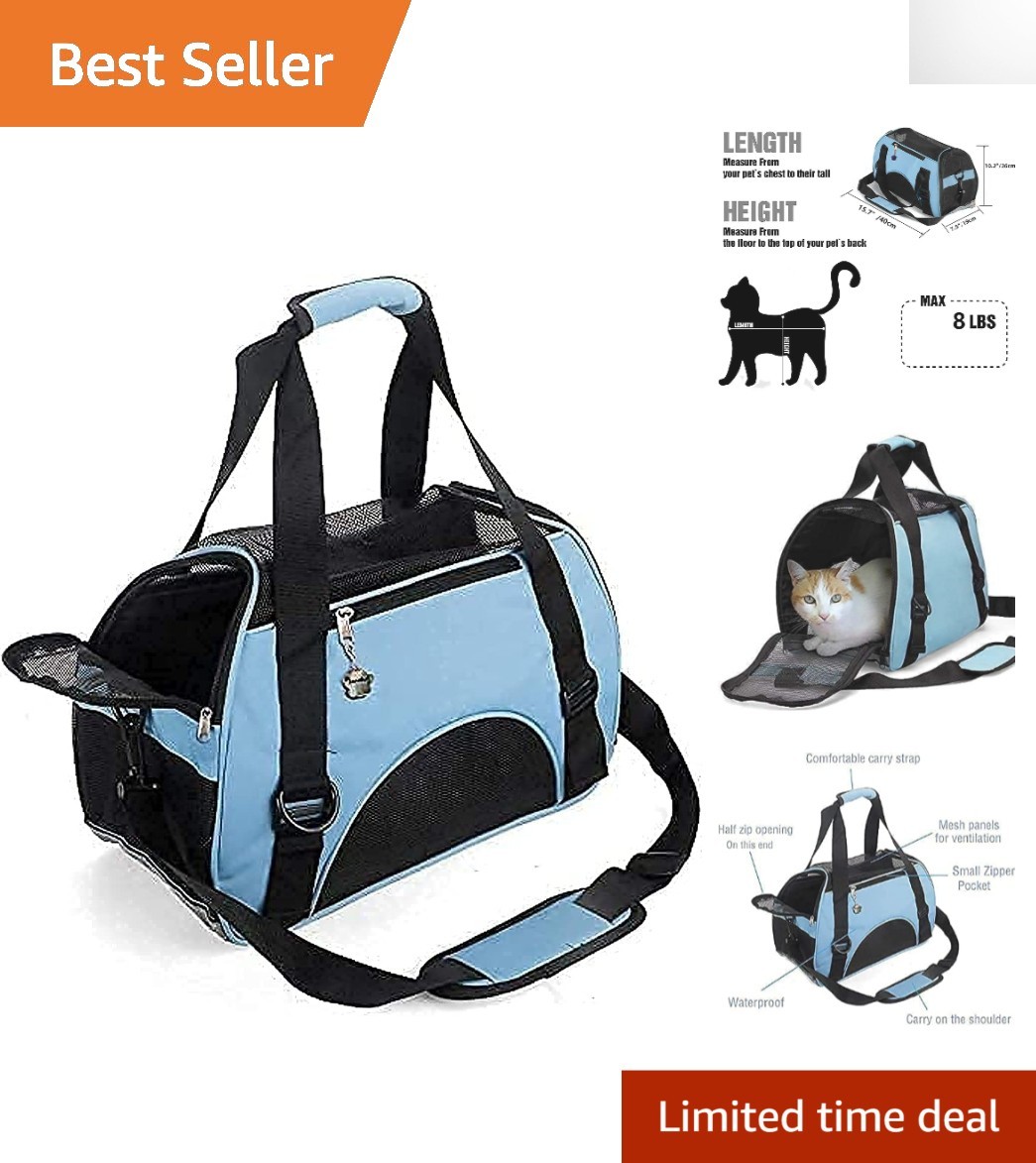 Airline Approved Soft-Sided Cat & Dog Carrier - Portable Blue Pet Bag 15.7"L$23.99Last checked Nov 26, 2026View on eBay
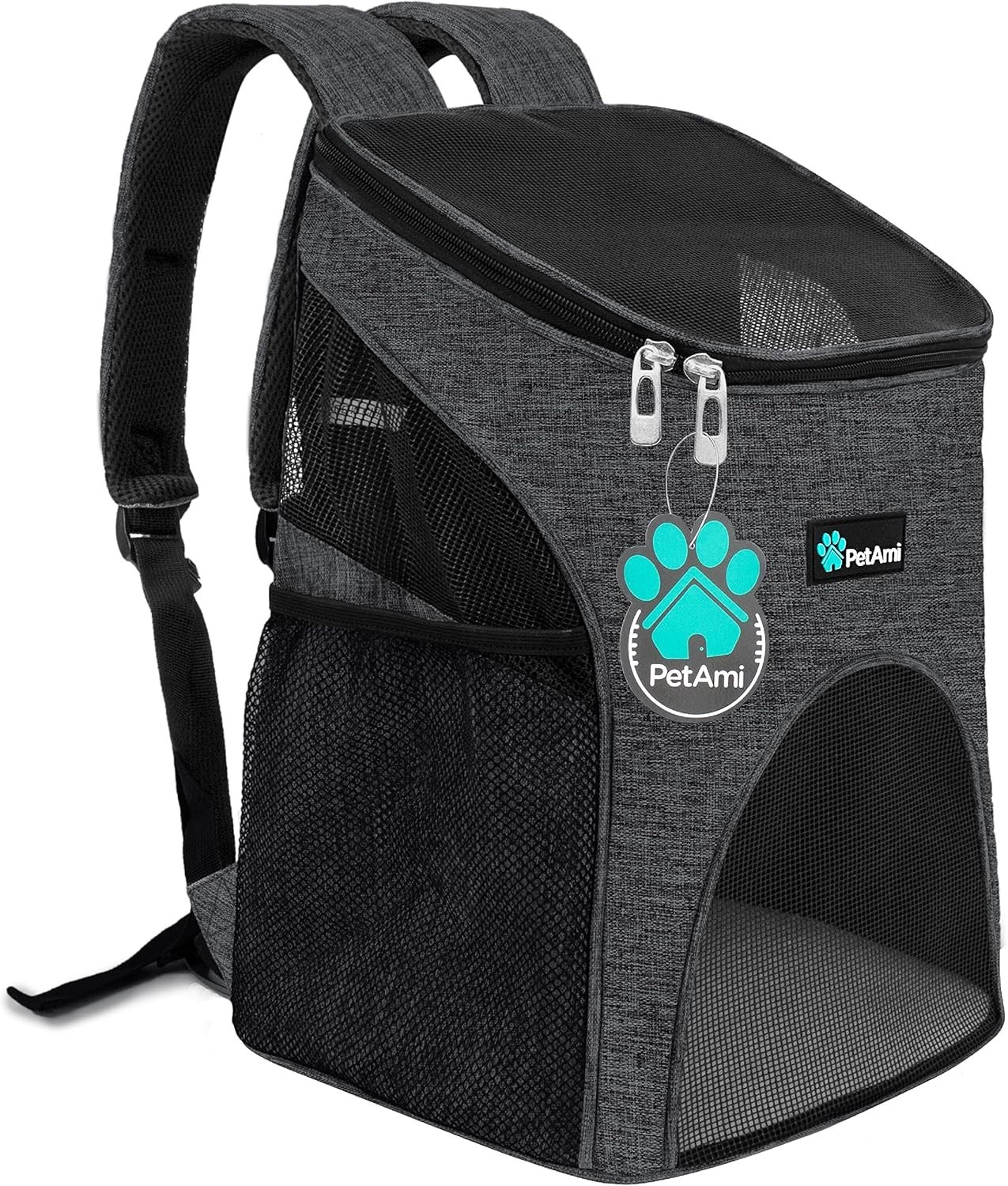 Pet Cat Dog Puppy Carrier Travel Backpack Bag for Travel Breathable Mesh Comfort$24.99Last checked Nov 20, 2026View on eBay
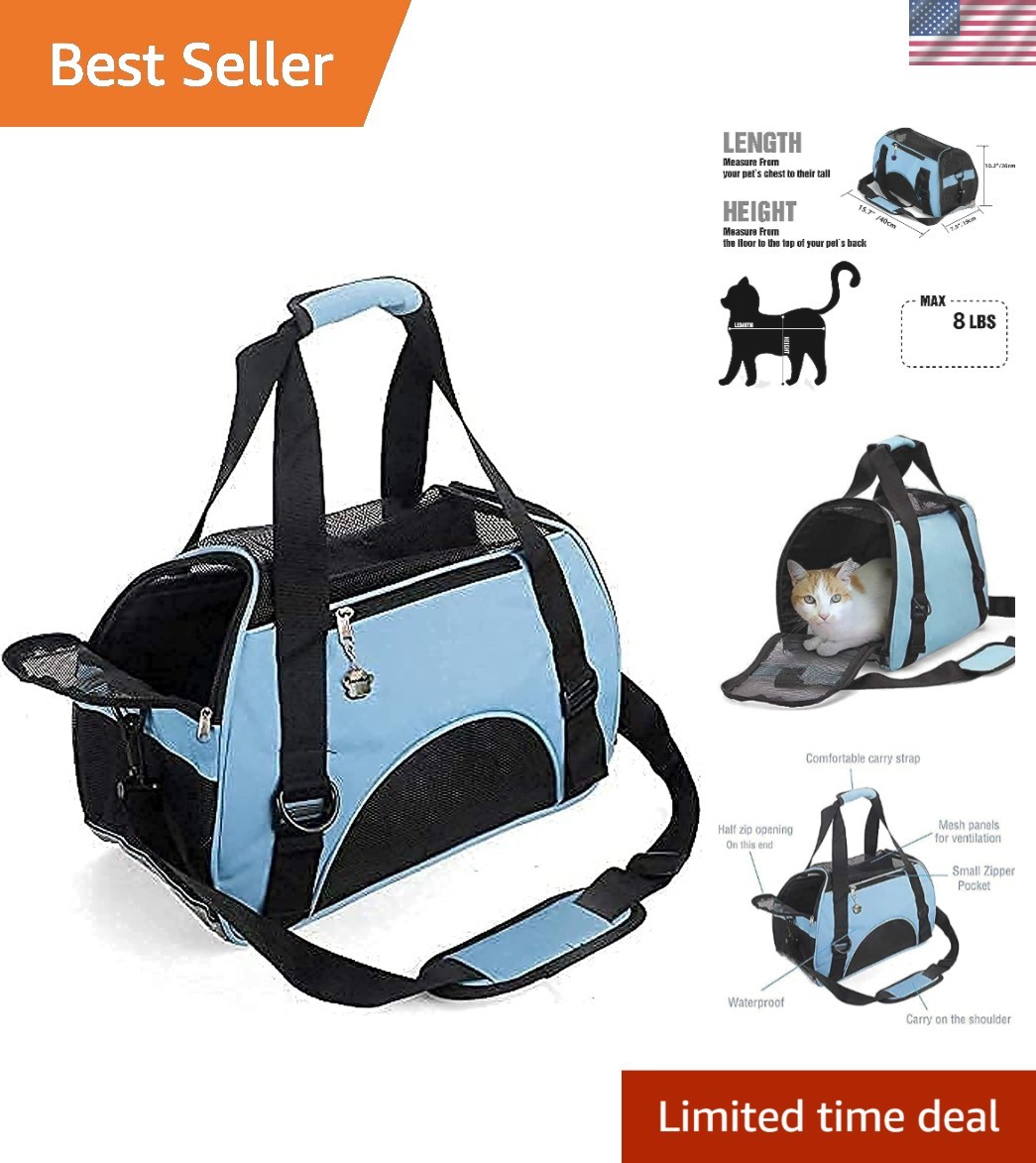 Airline Approved Soft-Sided Cat Carrier - Portable & Foldable Travel Bag$25.10Last checked Nov 20, 2026View on eBay
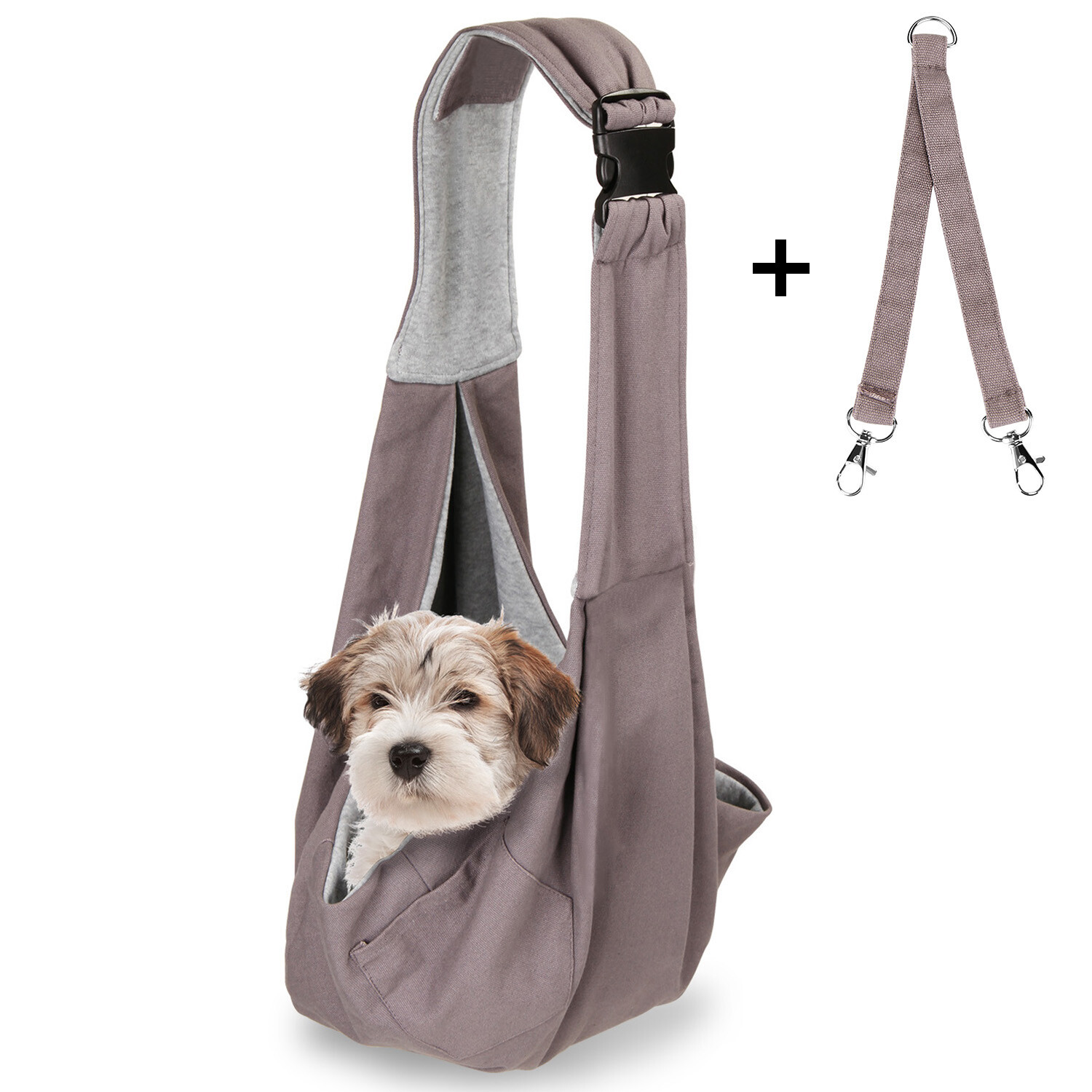 Large Dog Sling Carrier Shoulder Bag Mesh Backpack Pet Cat for 25lb Travel Tote$25.19Last checked Nov 24, 2026View on eBay
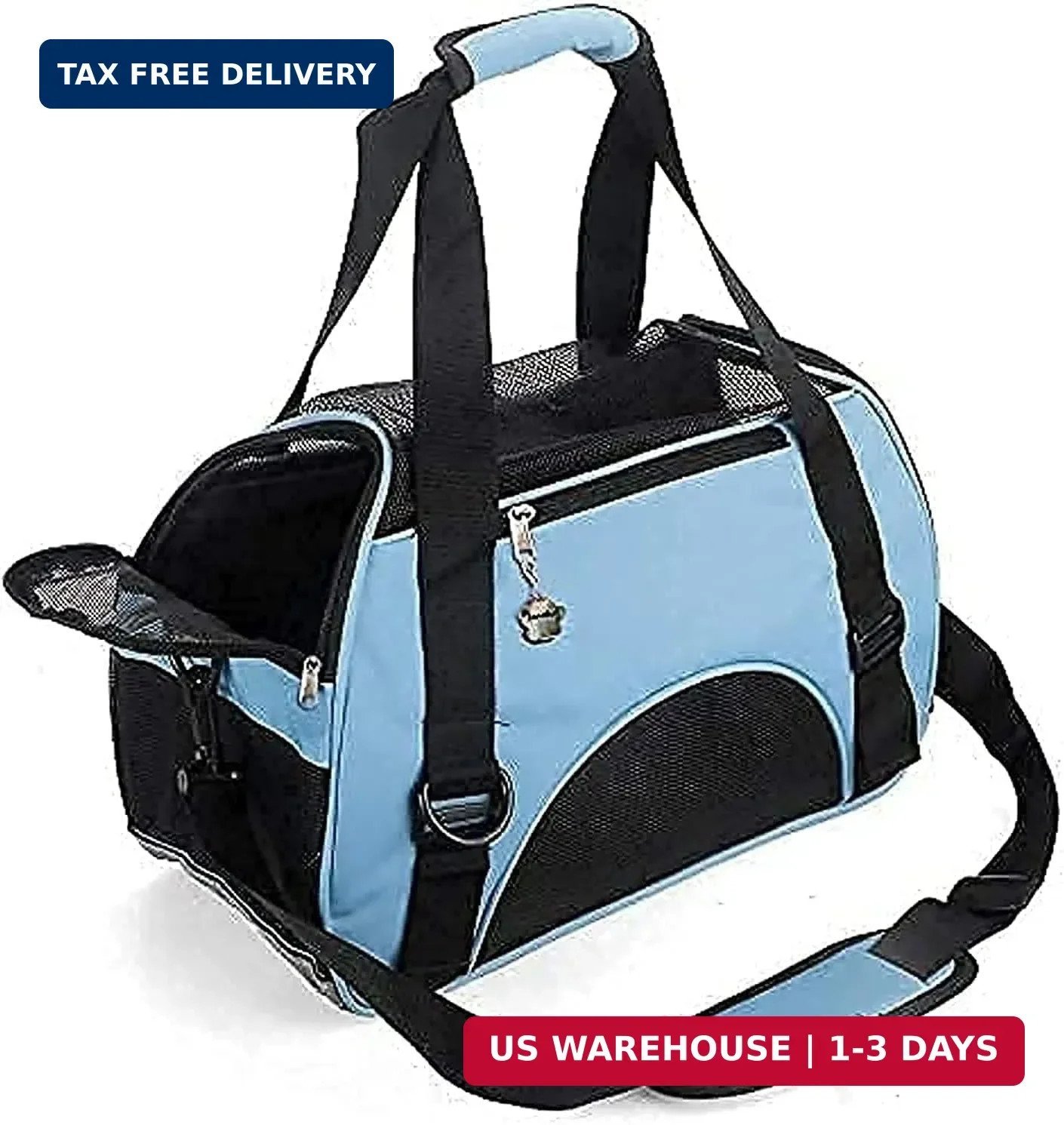 Soft-Sided Pet Carrier for Cats and Small Dogs Airline Approved Portable Foldabl$26.23View on eBay
Highlights
- Soft-sided carriers use 600D Oxford polyester or nylon with mesh ventilation panels; the 600D weave rating is the durability threshold, and lighter 300D fabric tears at seams under clawing.
- Rigid carriers use molded PP or PE plastic shells or welded metal wire frames; these hold shape in a crash and resist clawing, while soft sides collapse on impact.
- Airline cabin compliance is set by under-seat dimensions, typically 17-18 in long, 10-11 in wide, and 9-10 in tall for major carriers; a carrier exceeding these limits gets gate-checked.
- Car-seat carriers with seat-belt pass-through loops or ISOFIX-style straps secure the carrier to the vehicle seat; carriers without a pass-through slide and tip in braking.
Best use cases
- Best fit for car travel and vet visits: choose a rigid-base carrier with a seat-belt pass-through strap, metal zippers, and a top-loading door; skip the soft tote with no belt loop.
- Best fit for airline cabin travel: choose a soft-sided 600D Oxford carrier that matches the airline's under-seat dimensions and has mesh on at least two sides; skip rigid plastic crates that exceed cabin height.
- Best fit for large or strong cats over 15 lb: choose a carrier rated to 20 lb with a welded wire or molded shell and dual zipper pulls; skip the 15.7 x 7.5 x 10.2 in soft bag that is sized for kittens.
- Wrong fit for hiking or outdoor carry: a bubble backpack or sling is for short urban trips only; for sustained outdoor carry choose a framed backpack carrier with a rigid bottom panel and hip belt.
Buying tips
- Measure your cat nose-to-tail-base and add 2-3 in in length and 1-2 in in height; a carrier 15.7 x 7.5 x 10.2 in suits cats up to about 10 lb, while 17.5 x 11 x 11 in suits 12-15 lb cats.
- For car safety, require a seat-belt pass-through loop or strap plus a rigid PE or PP base panel; soft carriers without a belt path are not restraint systems.
- For airline use, match the carrier's exterior dimensions to the specific airline's under-seat limit and confirm the carrier compresses at the top; mesh panels on two or more sides are the ventilation minimum.
- Choose metal zippers with locking sliders over plastic coil zippers; cats can pop plastic coils and straight zippers, and a second security clip or carabiner through the pulls adds a fail-safe.
Specs
| Carrier Type | Soft-sided / Rigid / Backpack / Sling |
|---|---|
| Shell Material | 600D Oxford / PP / PE / Welded wire |
| Cabin Size Limit | 17-18 L x 10-11 W x 9-10 H in |
| Weight Rating | 10-15 lb soft / 20 lb rigid |
Related searches
What to check before buying
- Measure the cat's length from nose to tail base and weight; confirm the carrier's internal length is at least the cat's length plus 2 in and the weight rating exceeds the cat by 25%.
- For car use, confirm your vehicle seat has a lap-and-shoulder belt path or a flat seat for the carrier's pass-through loop; check that the carrier base is wider than the seat cushion gap.
- For airline use, confirm the carrier's exterior dimensions against your specific airline's under-seat allowance and that the carrier has a soft top that compresses.
- Check the carrier's door mechanism: a top-loading door plus a front door with locking sliders is easier for a resistant cat than a single front-zip opening.
FAQ
Data sources: eBay / Amazon listings and product attribute feeds. Updated Nov 28, 2026.
Some links on this page are affiliate links. If you buy after clicking one, we may earn a commission at no extra cost to you. This does not change which products appear here or their order. Affiliate disclosure.