
Photos from current listings. Actual item, color, and included accessories may vary.
Animal Cage Buying Guide
An animal cage is a primary habitat or transport enclosure defined by wire gauge, bar spacing, and base material—not by the species named on the box. The core trade-off is between thin, coated wire with a plastic pan (light, cheap, chewable) and heavier galvanized or powder-coated steel with a deep metal or reinforced base (heavy, durable, escape-proof). Buyers should match bar spacing to the animal's skull width and pick a base depth that contains bedding; anything under 0.5-inch spacing is for small rodents, 0.5–1 inch for rabbits and ferrets.
Median $95.99
Key takeaways
- Bar spacing is the primary escape metric: 0.4–0.5 in for hamsters and mice, 0.5–0.7 in for rats and ferrets, 1 in or more for rabbits and guinea pigs.
- Powder-coated steel wire resists urine corrosion far better than PVC-coated or painted wire, which flakes when chewed and exposes rust-prone metal.
- Rolling casters on multi-tier cages must be locking and rated for the loaded cage weight; a 35-inch cage with shelves and bedding routinely exceeds 30 lb.
At a glance
- Category
- Bird & Small Animal Supplies
- Last updated
- Nov 27, 2026
Current offers
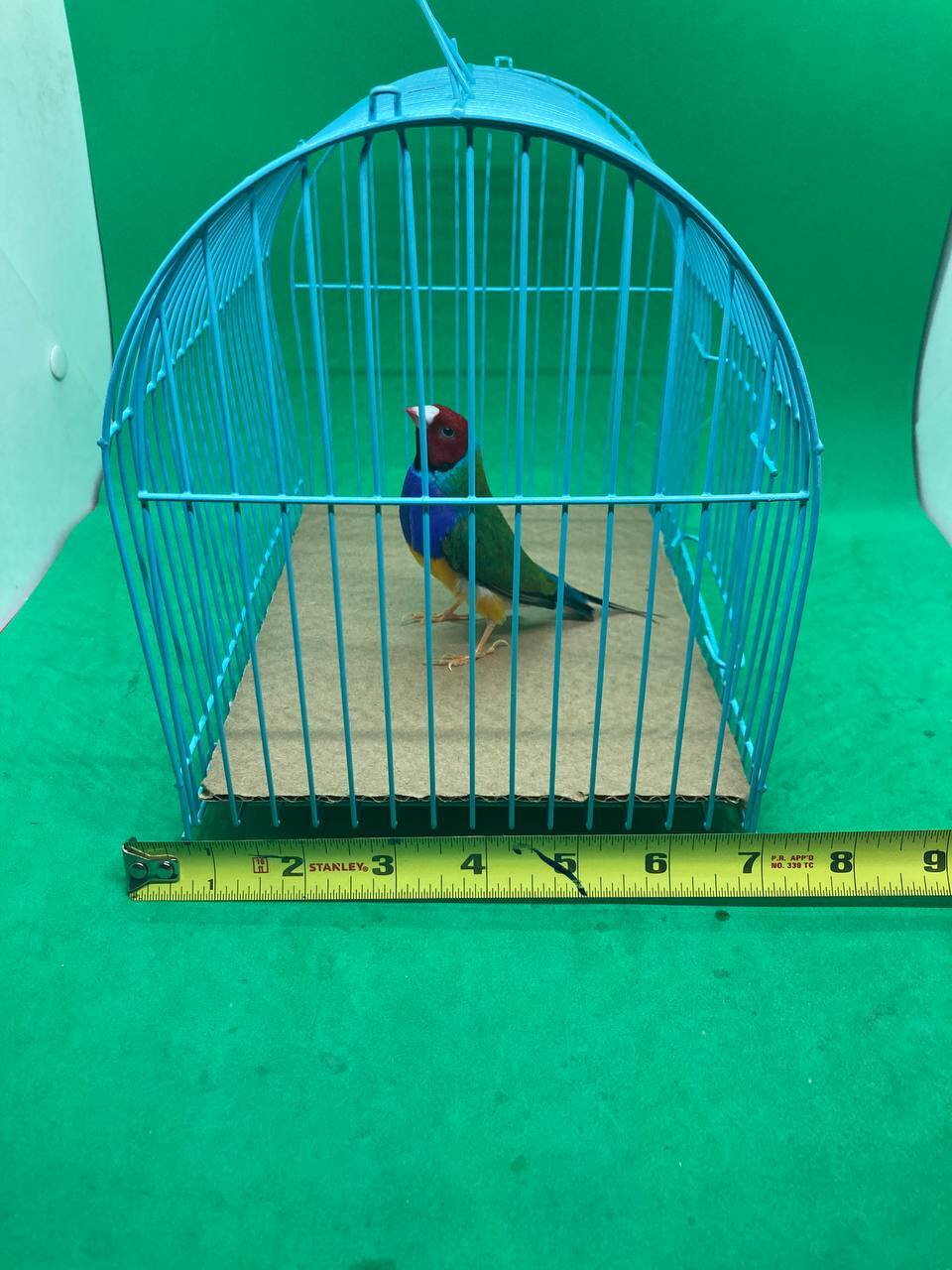 Small Animal Metal Wire Cage for Transport$16.99View on eBay
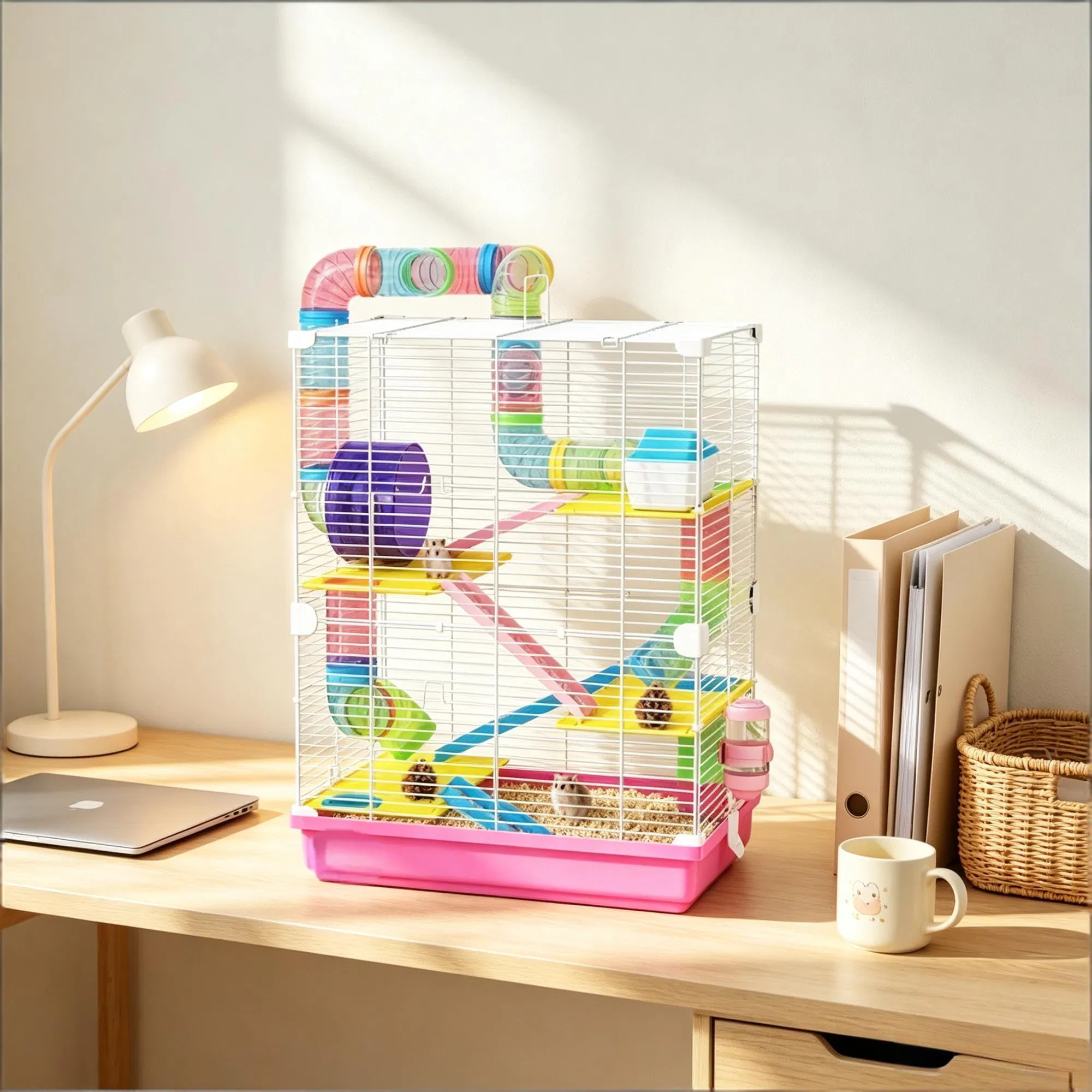 Portable 5-Tiers Hamster Cage Pink Animal Travel Carrier with Exercise Wheels And Tube for Small Pets$65.99View on Mallflare
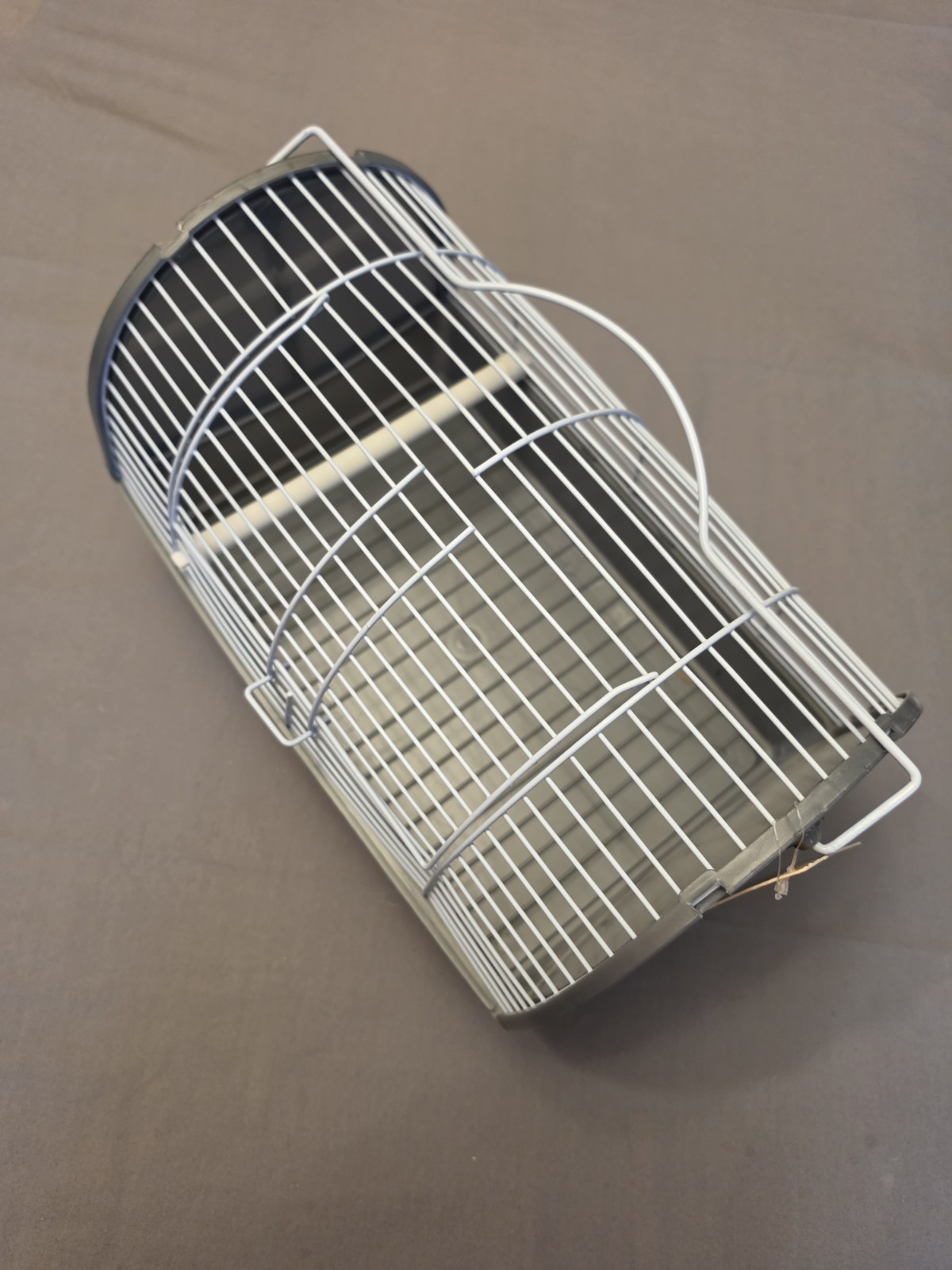 Petco Small Animal Bird Carrier Large Wire Cage Plastic Base Perch$24.99View on eBay
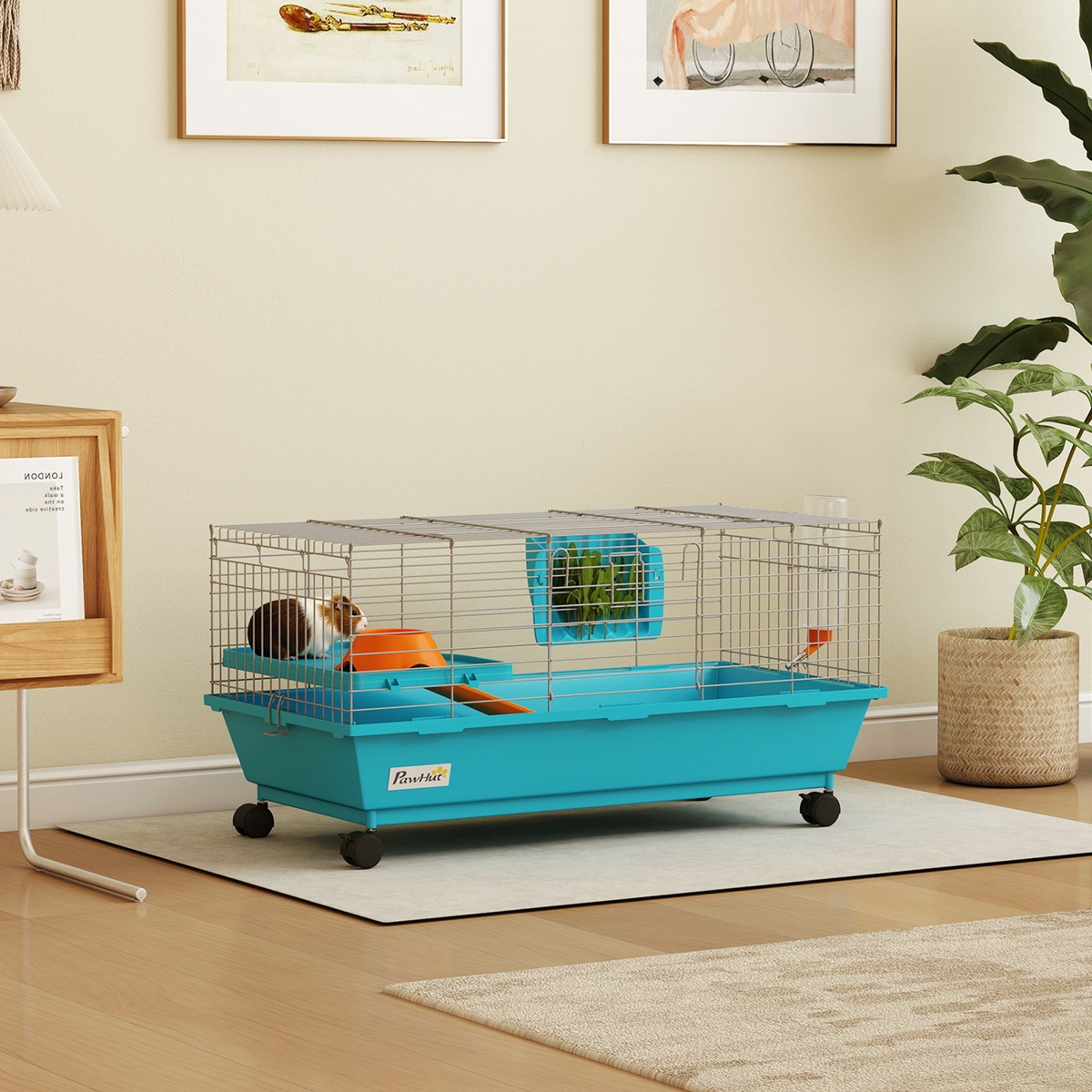 35"L Small Animal Cage, Rolling Bunny Guinea Pig with Wheels, Food Dish, Water Bottle, Hay Feeder, Blue$65.99View on Mallflare
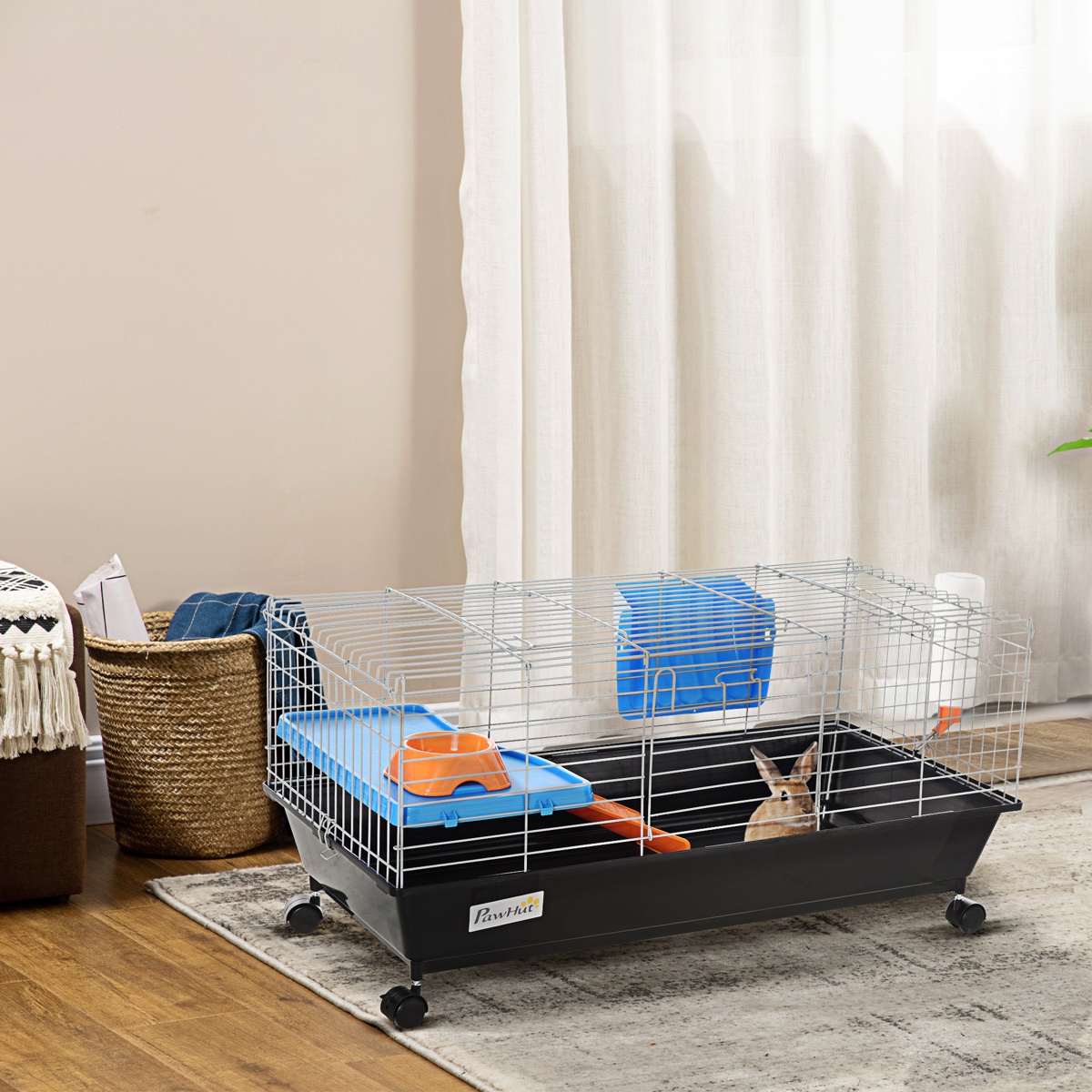 35"L Small Animal Cage with Food Dish, Water Bottle, Hay Feeder, Platform, Ramp for Chinchilla, Black$65.99View on Mallflare
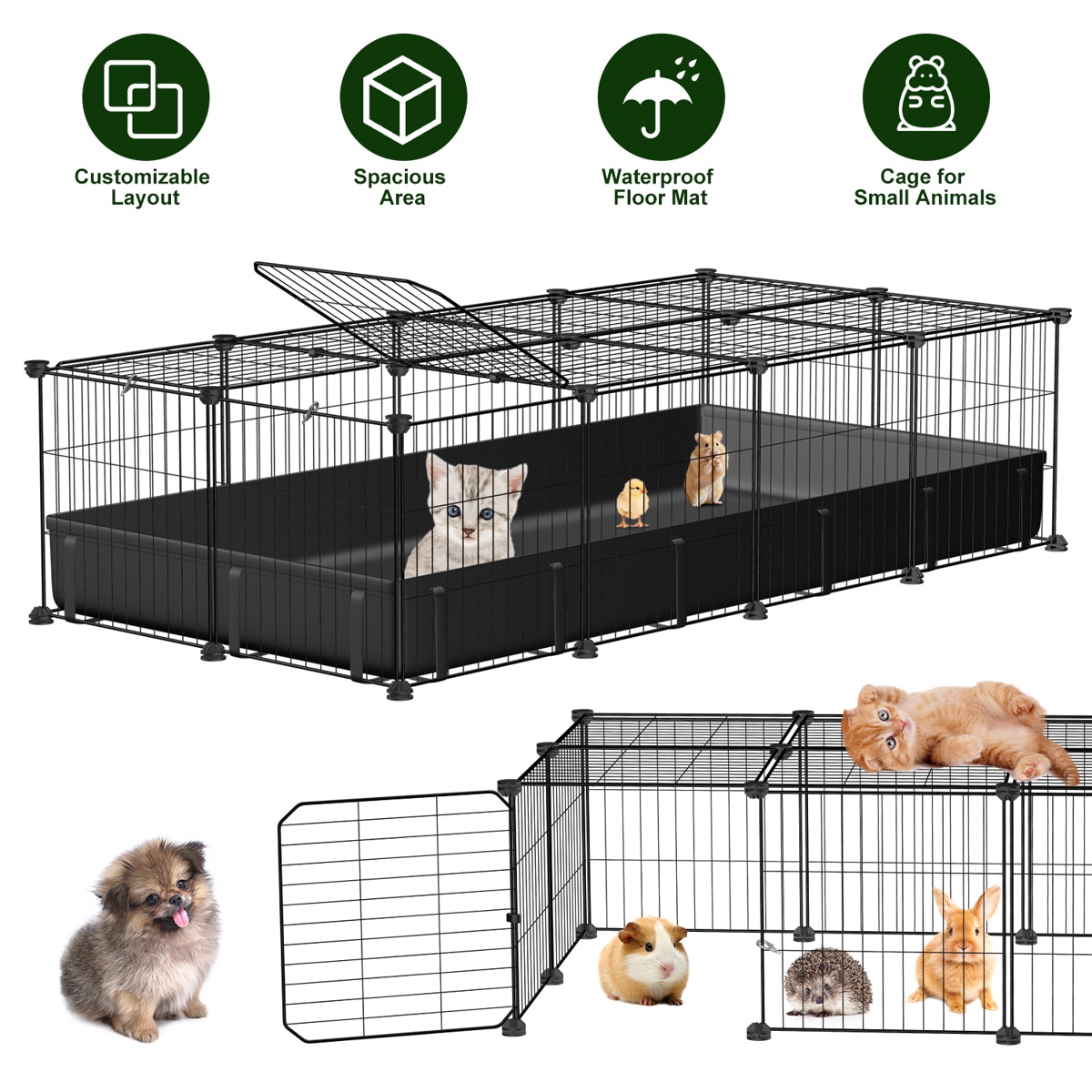 47x24x12IN Guinea Pig Cage Small Animal Playpen DIY Metal Pet Enclosure With 20 Panels Waterproof Floor Mat For Hedgehogs Chickens Ducklings Rabbits Hamsters$65.99View on Mallflare
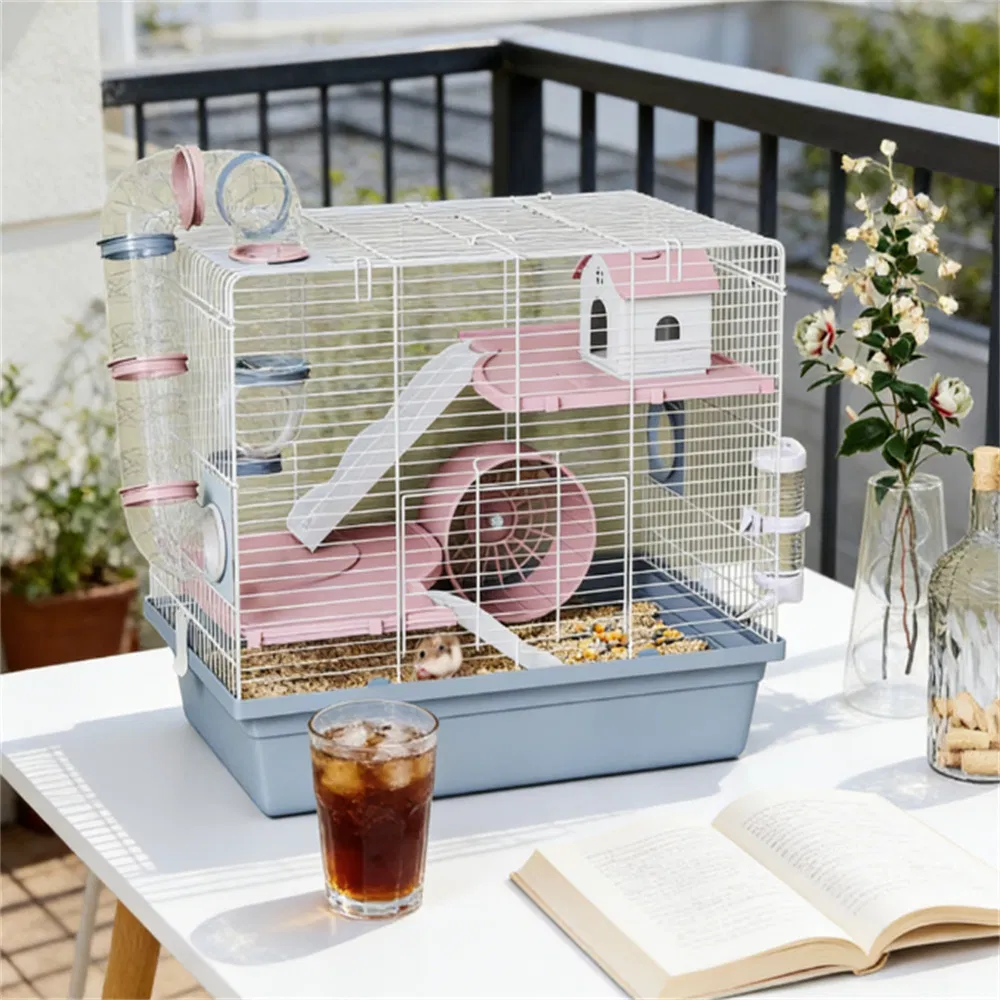 Cage, small animal$74.99View on Mallflare
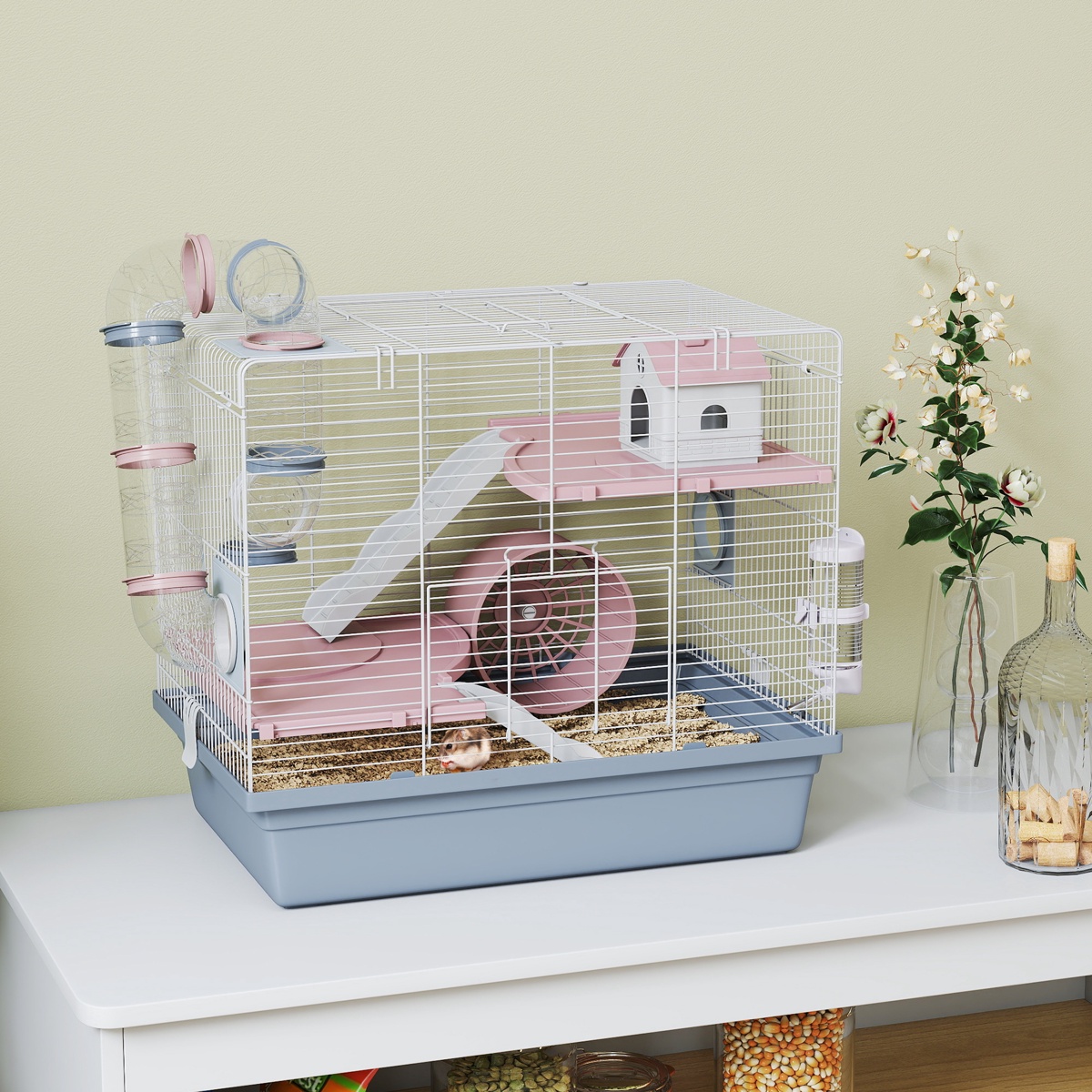 Hamster Cage, 3-Tier Small Animal With Exercise Wheel, Food Bowl, Water Bottle, House, Tunnels, Ramps$78.99View on Mallflare
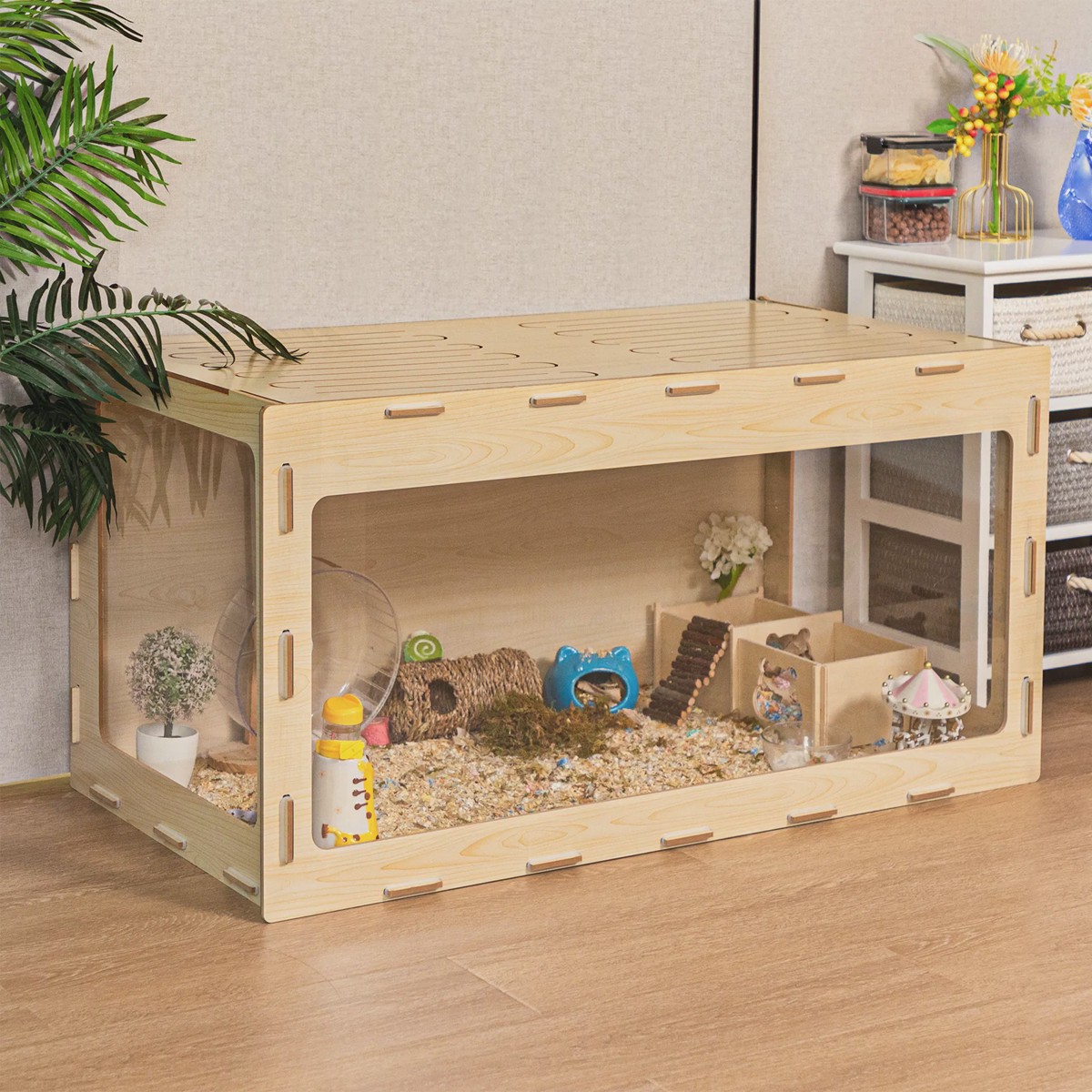 Wooden Hamster Cage Small Animals House, Acrylic Hutch for Dwarf Guinea Pig, Chinchilla, Opening Top with Air Vents$82.99View on Mallflare
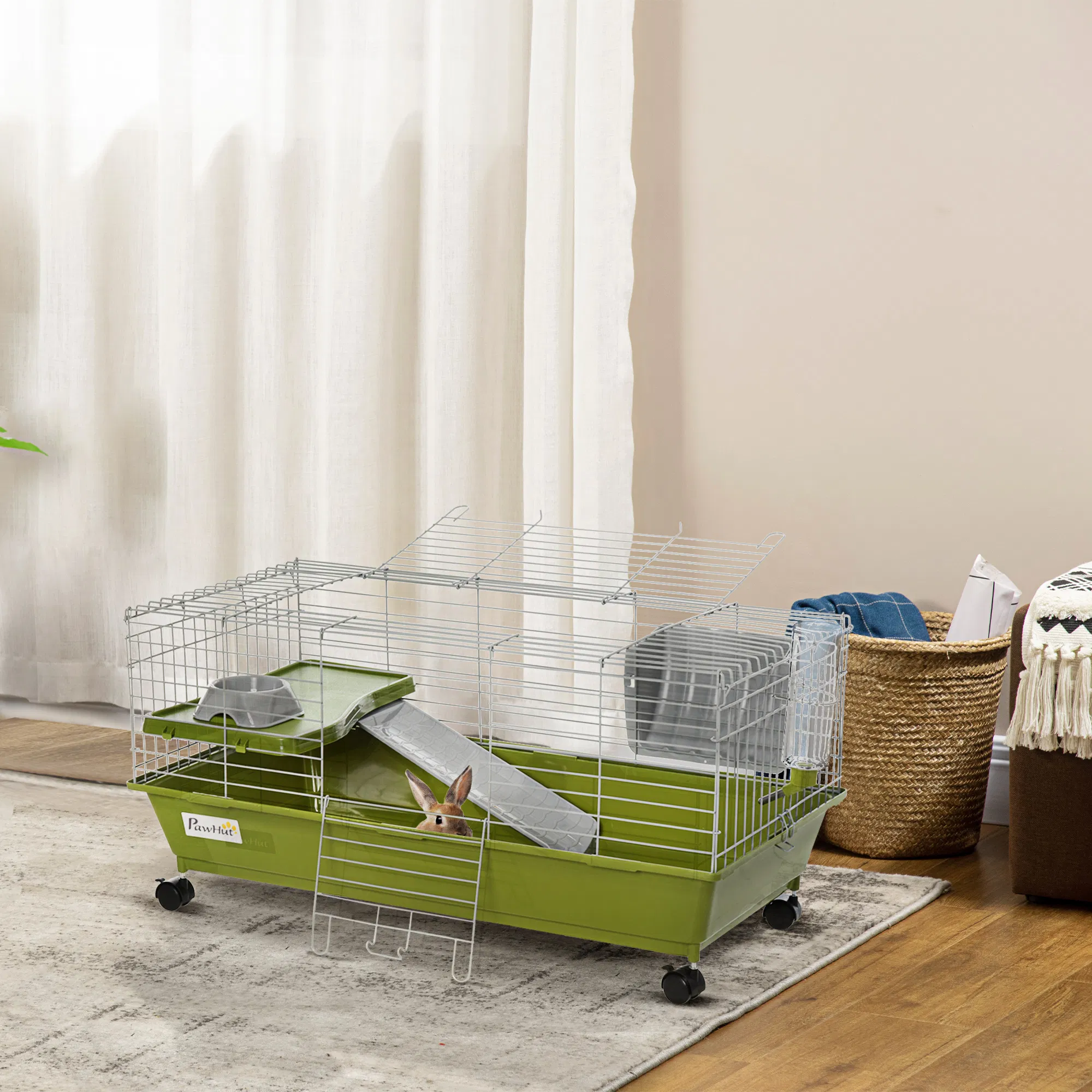 35"L Small Animal Cage, Rolling Bunny Guinea Pig with Food Dish, Water Bottle, Hay Feeder, Platform, Ramp for Chinchilla, Green$88.99View on Mallflare
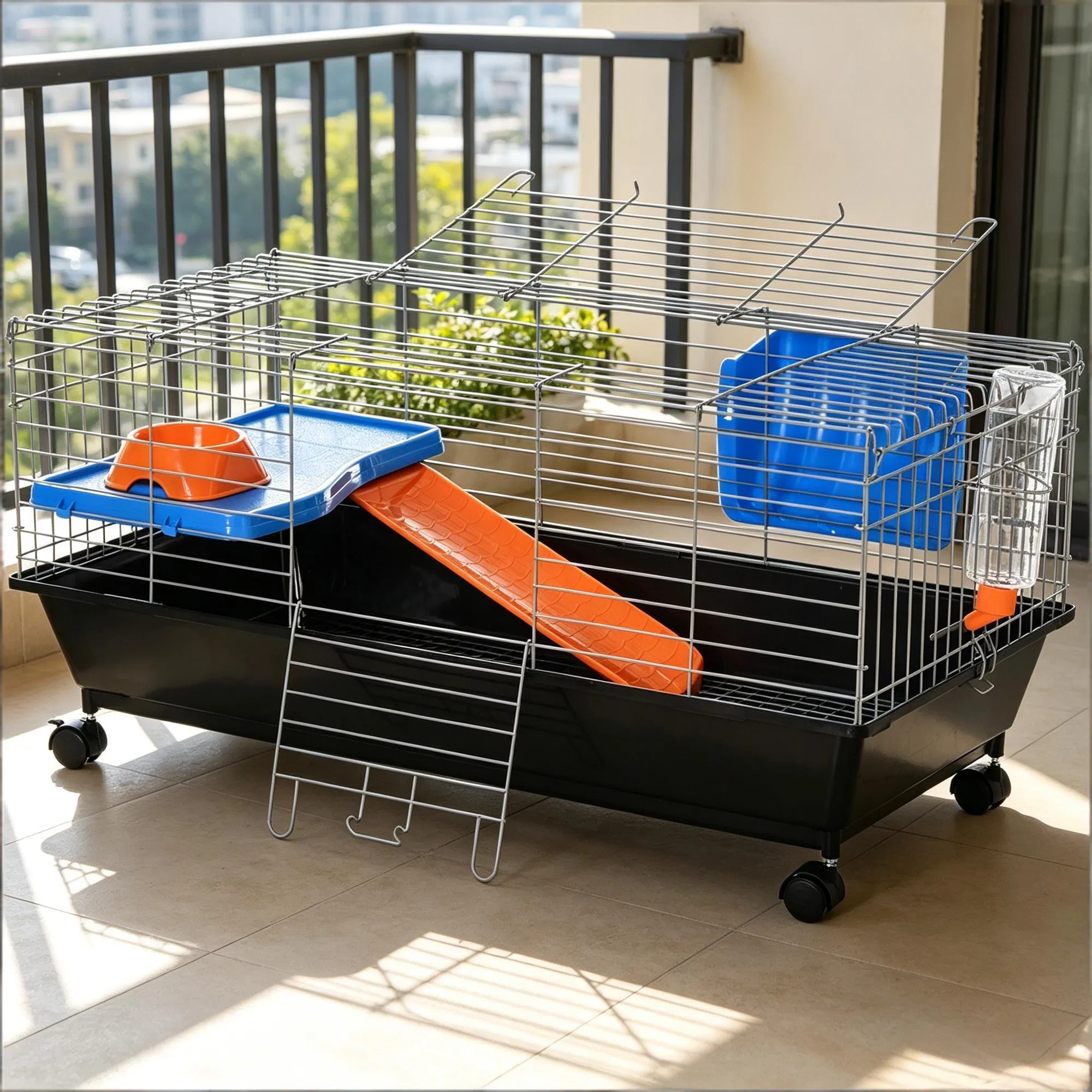 35"L Black Small Animal Cage for Chinchilla with Food Dish Water Bottle Hay Feeder Platform Ramp$93.99View on Mallflare
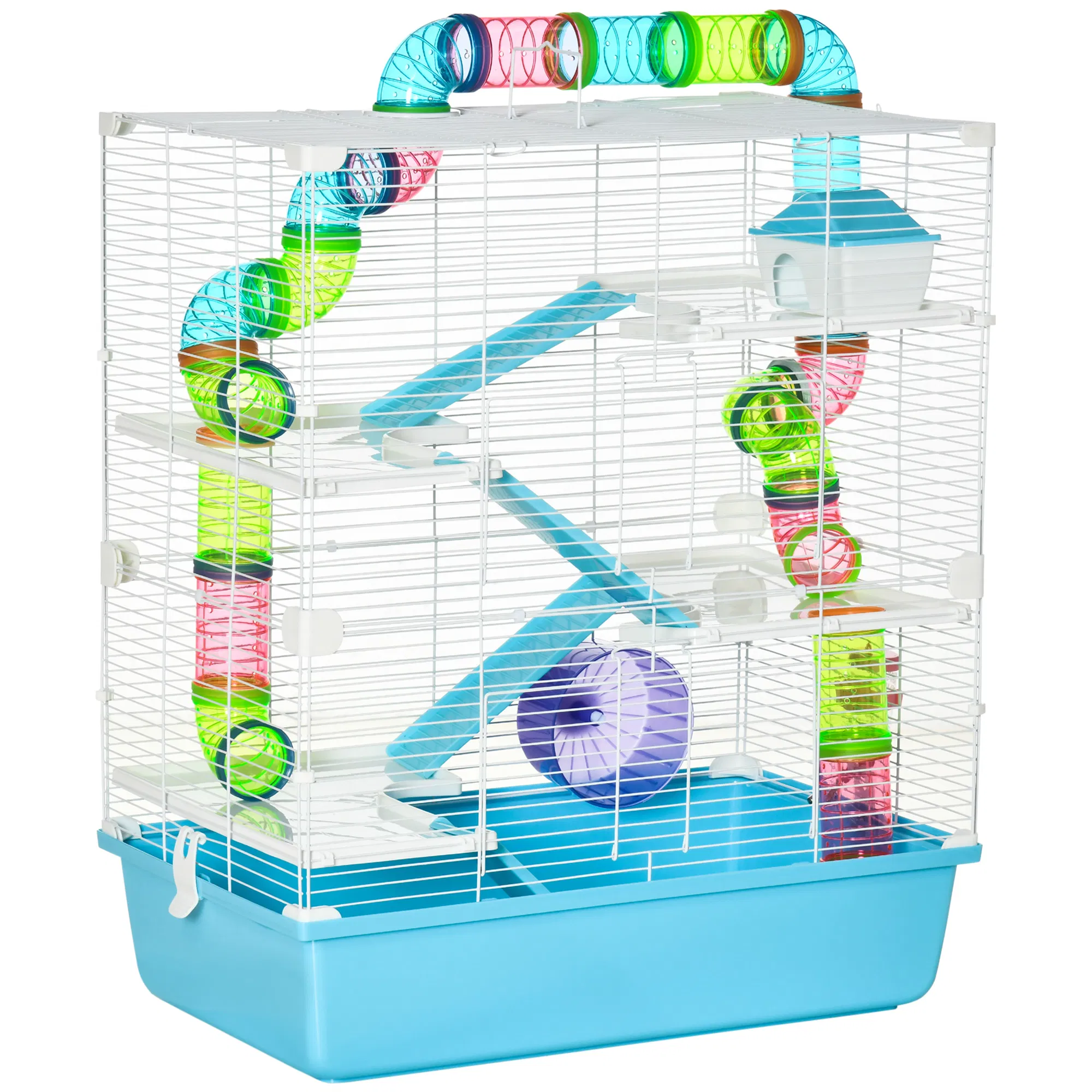 23" Large Hamster Cage, Small Animal House, 5-Level Gerbil Haven, Tunnel Tube System, with Water Bottle, Exercise Wheel, Food Dish, Ramps, 2 Doors, Light Blue$95.99View on Mallflare
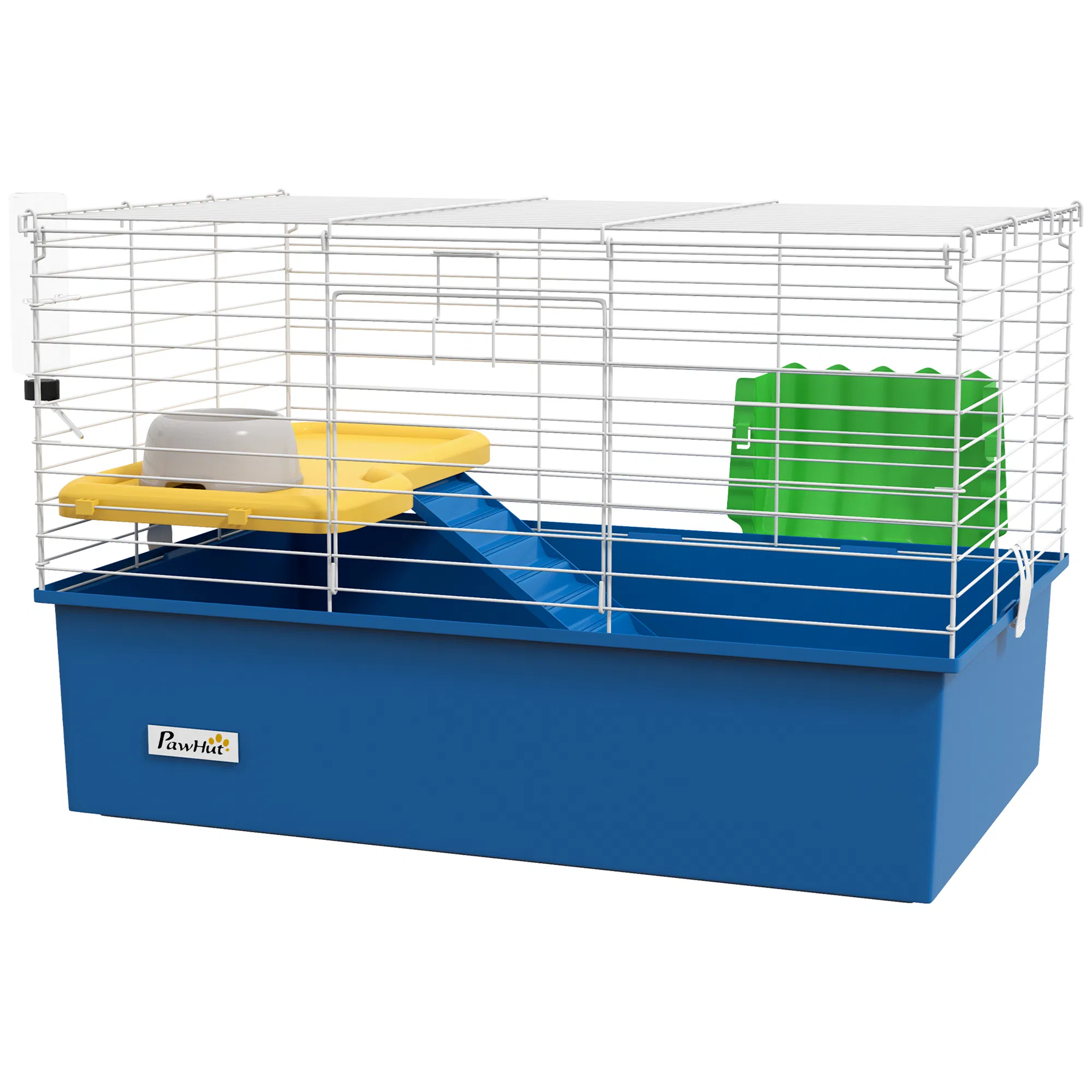 18.5" Small Animal Cage with Water Bottle, Food Dish, Platform, Ramp, Blue$105.99View on Mallflare
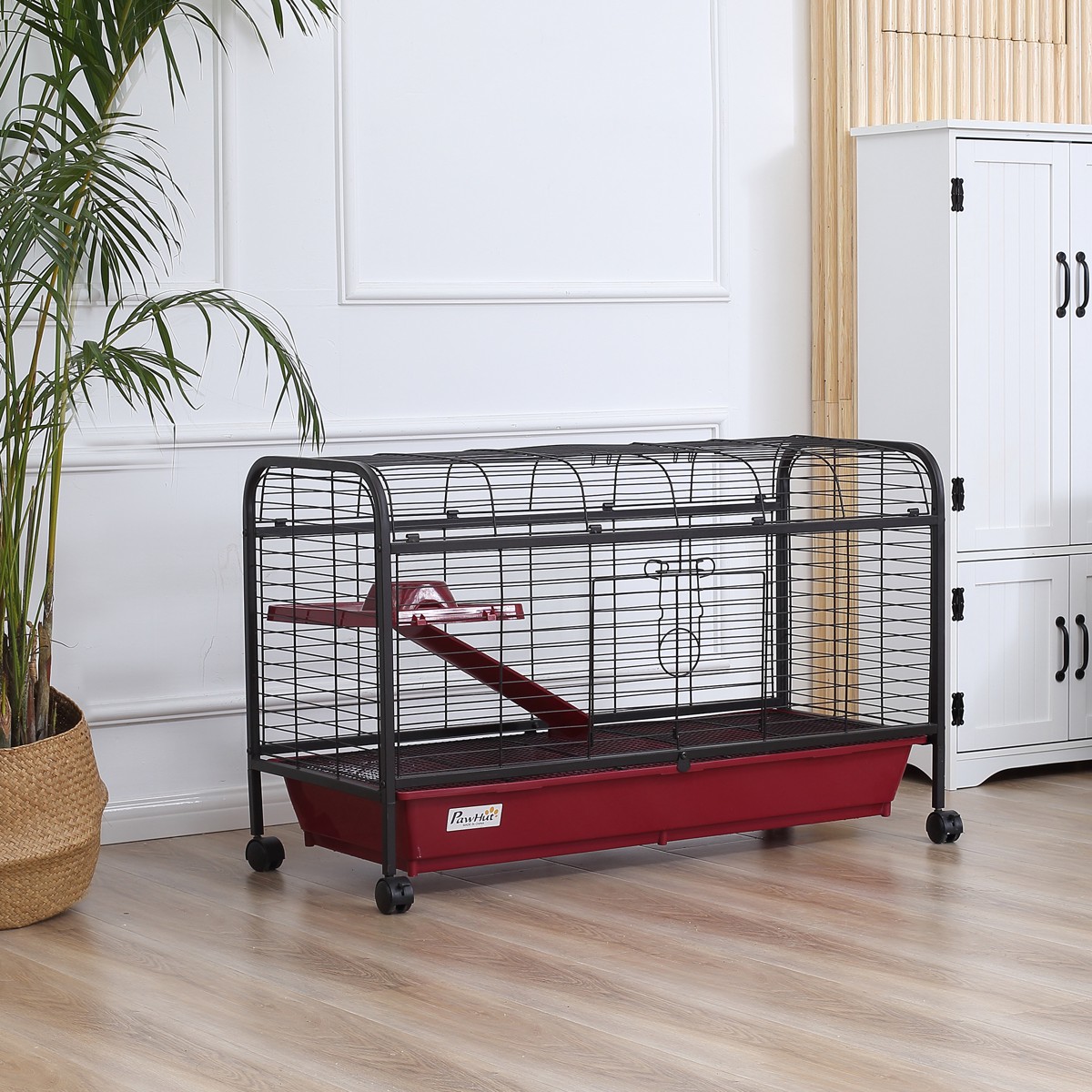 41"L Small Animal Cage, Pet Play House for Rabbit Hutch Ferret with Feeder, Rolling Wheels, Platform, Ramp$111.99View on Mallflare
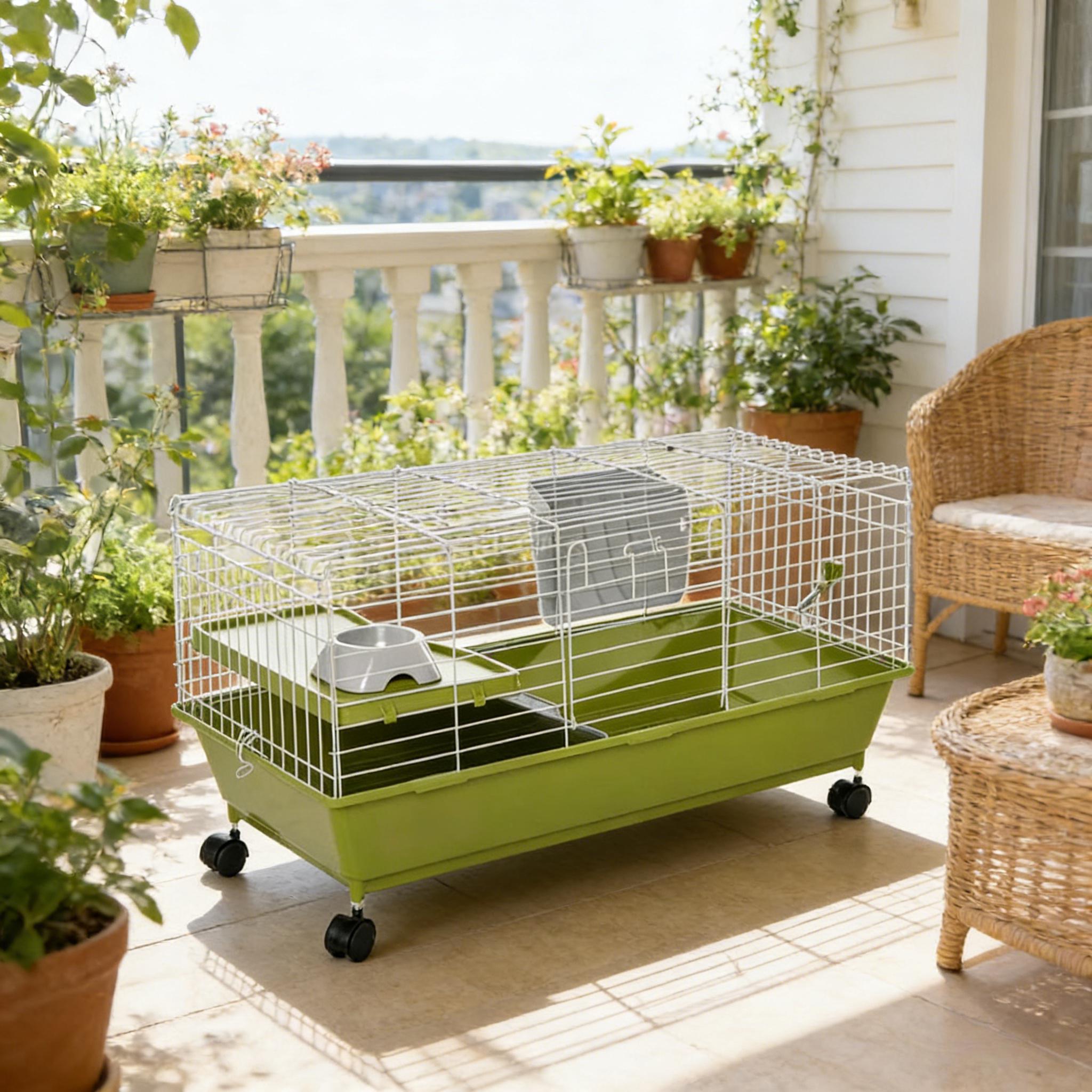 Spacious Animal Cage,Pet Play House,Small Cage$114.99View on Mallflare
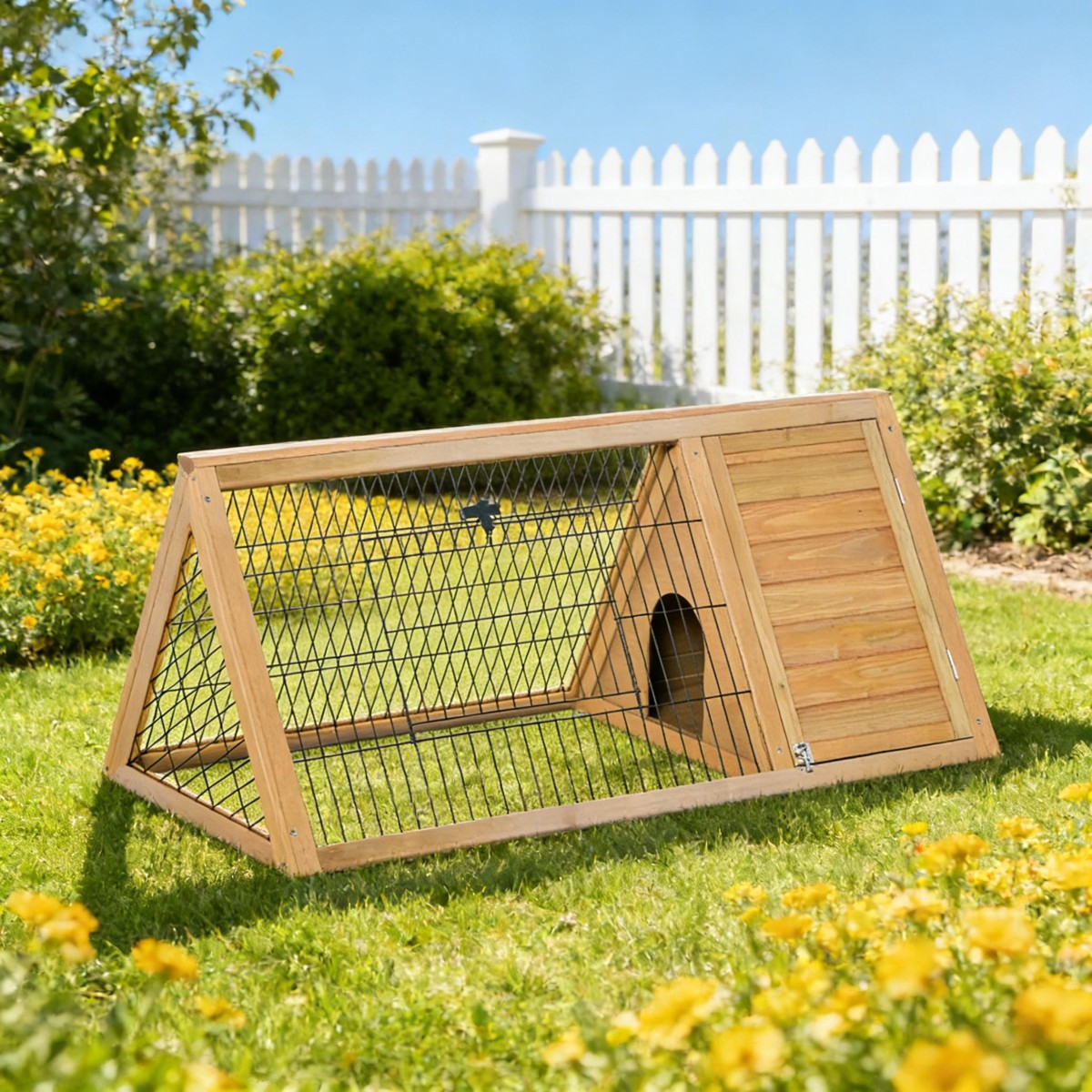 A-Frame Wooden Pet House,Small Animal Cage Rabbit Hutch$127.99View on Mallflare
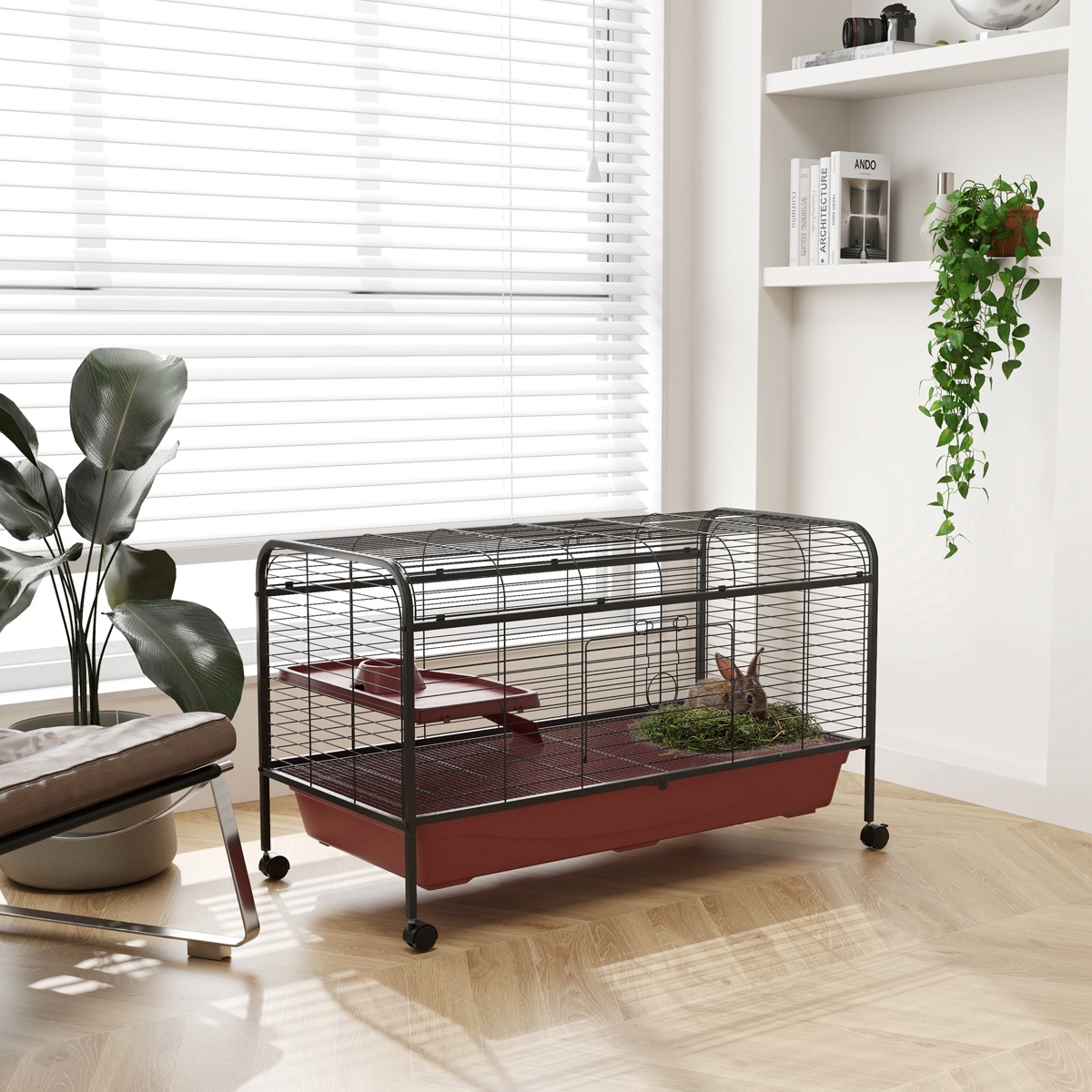 48" L Small Animal Cage, Pet Play House for Rabbit Hutch or Ferret with Feeder, Rolling Wheels, Platform, Ramp$148.99View on Mallflare
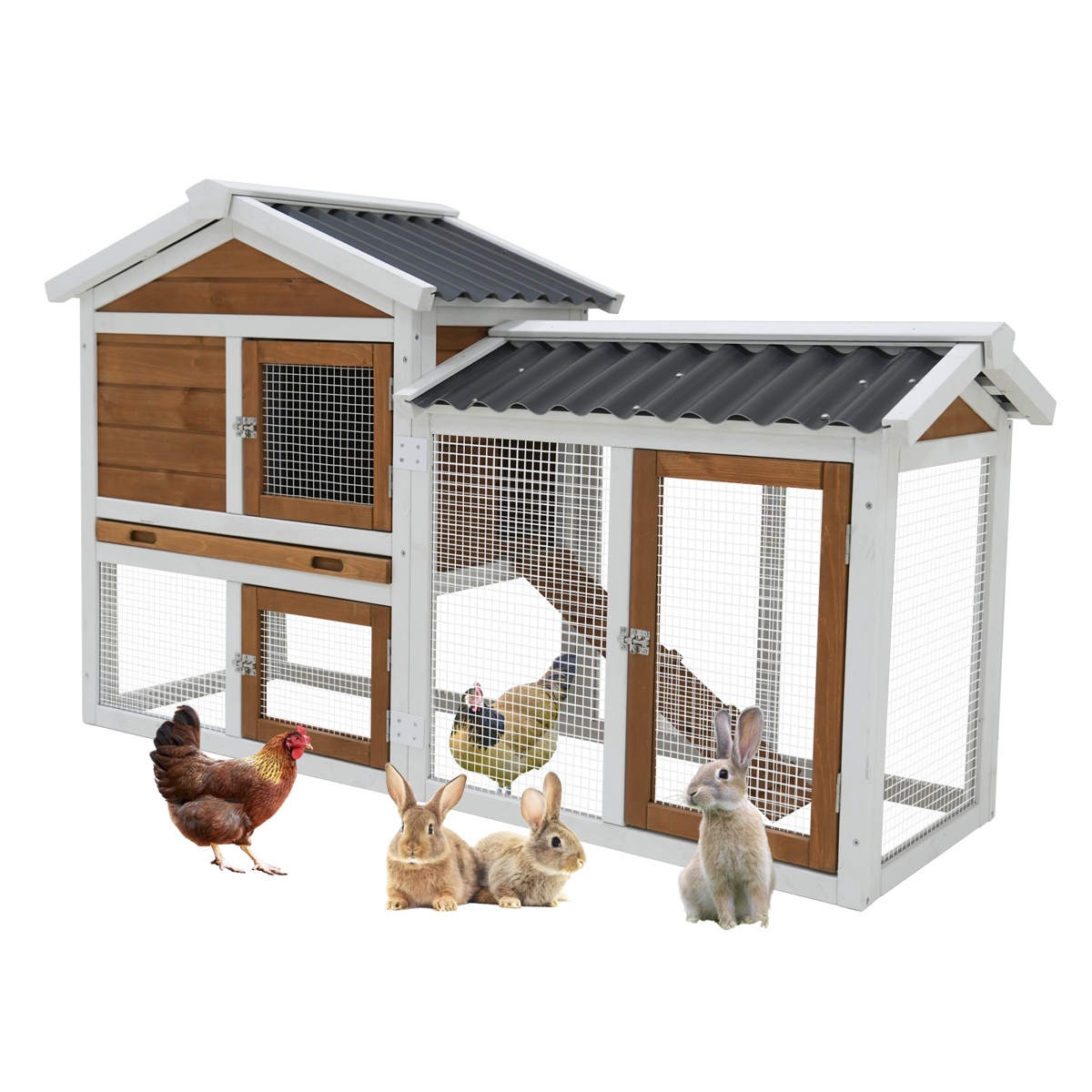 58 Wooden Outdoor Indoor Roof Waterproof Bunny Hutch Rabbit Cage Guinea Pig Coop PET House For Small To Medium Animals With Stairs And Cleaning Tray$160.99View on Mallflare
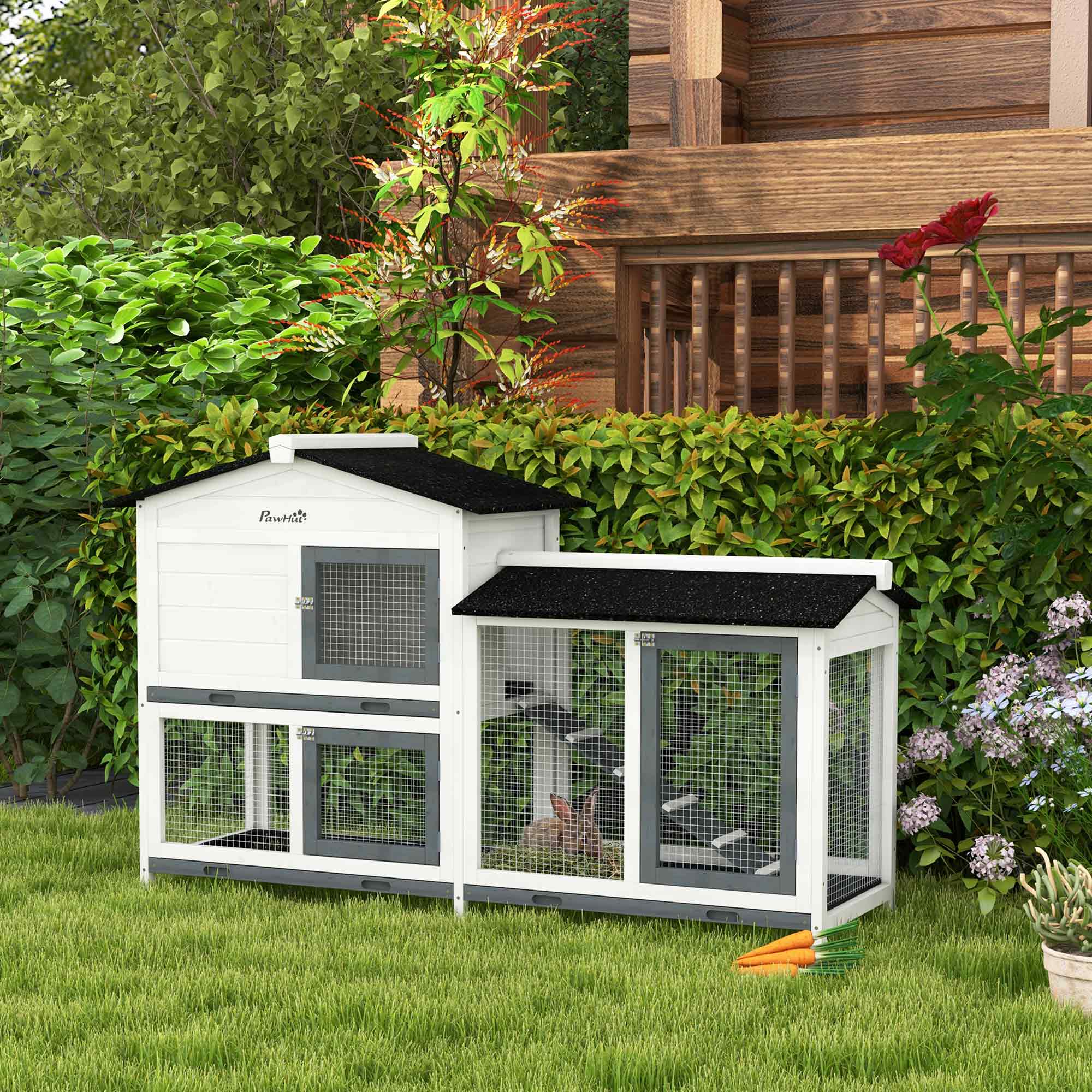 62" Rabbit Hutch, Wooden Bunny Guinea Pig Cage, Small Animal Enclosure with Run Area, Removable Tray, Asphalt Roof, Lockable Doors and Ramp, for Rabbits, Chickens, Ducks, White$168.99View on Mallflare
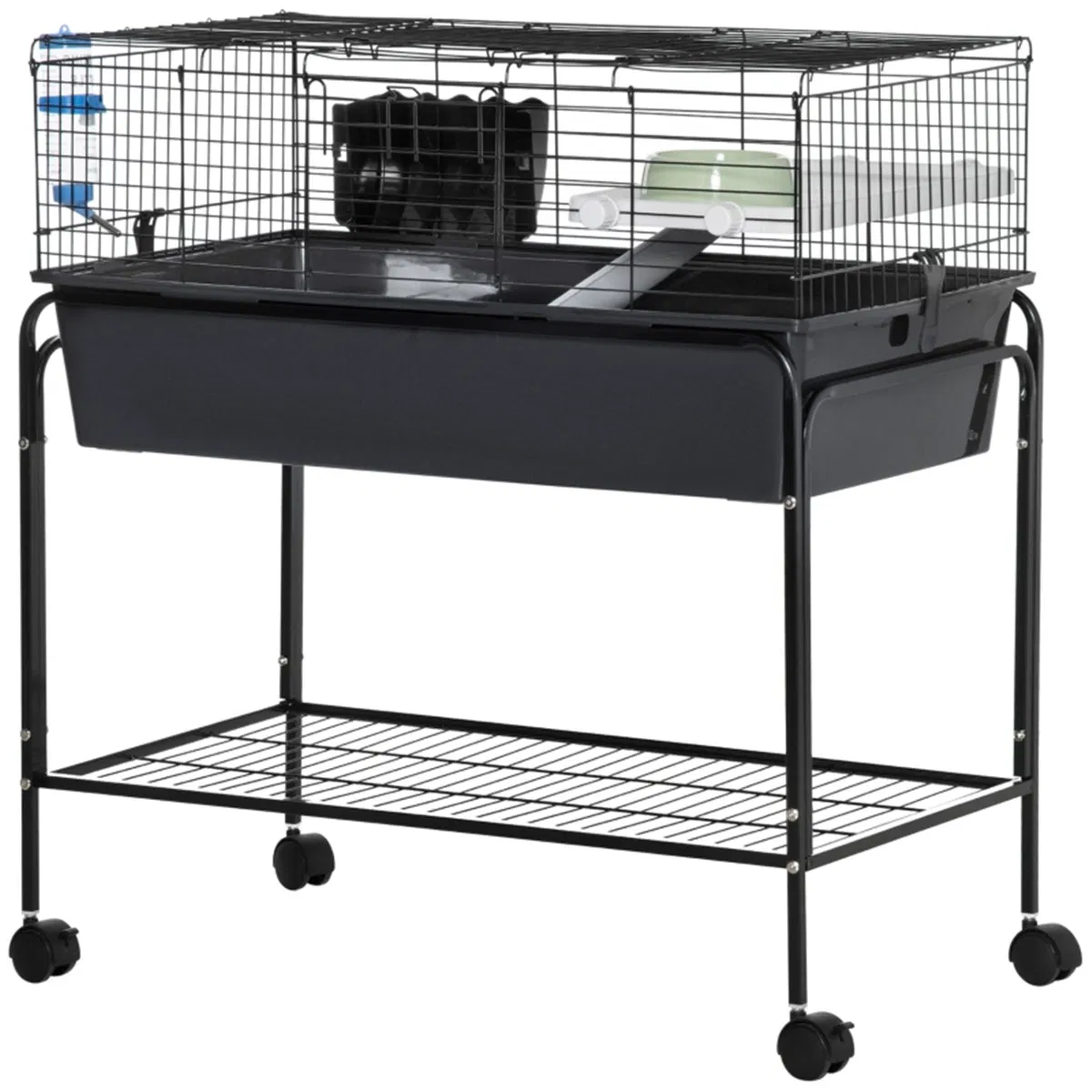 Hamster Cage/small animal cage/Pet cages$208.99View on Mallflare
Highlights
- Bar spacing is the primary escape metric: 0.4–0.5 in for hamsters and mice, 0.5–0.7 in for rats and ferrets, 1 in or more for rabbits and guinea pigs.
- Powder-coated steel wire resists urine corrosion far better than PVC-coated or painted wire, which flakes when chewed and exposes rust-prone metal.
- Rolling casters on multi-tier cages must be locking and rated for the loaded cage weight; a 35-inch cage with shelves and bedding routinely exceeds 30 lb.
- Deep plastic pans (4–6 in) contain bedding and waste; shallow 1–2 in pans are for transport only and will scatter litter across the room.
Best use cases
- Best fit: a 35-inch rolling cage with a deep pan, ramp, and shelf for a single guinea pig or pair of rats—skip multi-tier models for heavy chewers that need floor space over vertical territory.
- Best fit: a 3-tier 39.8-inch ferret cage with 0.55-inch spacing for ferrets, chinchillas, or sugar gliders—skip it for rabbits, which need a single-level run and wider bar spacing.
- Wrong fit: a wire transport carrier with a plastic base as a permanent habitat—use it only for vet trips, and buy a full-size cage with a solid floor for daily living.
- Wrong fit: a fabric playpen for any rodent that chews—fabric is for supervised floor time only; a metal wire cage with a chew-proof base is the permanent solution.
Buying tips
- Measure your animal's skull width at the widest point and choose bar spacing below that number; a 0.5-inch gap stops most adult rats but not a determined juvenile hamster.
- For rabbits and guinea pigs, prioritize floor area over height: a 35-inch by 18-inch footprint is the practical minimum for one guinea pig, and ramps should be no steeper than 30 degrees.
- Check the pan-to-wire attachment: cages with a locking tab or screw-secured pan resist being pushed open, while drop-in pans can be lifted by a determined animal.
- If the cage is on casters, verify all four wheels lock and that the frame has a lower cross-brace; a 3-tier cage without a brace flexes and can tip when rolled over a threshold.
Specs
| Bar Spacing | 0.4–0.5 in small rodents; 0.5–1 in rabbits |
|---|---|
| Wire Finish | Powder-coated steel vs PVC-coated |
| Base Depth | 4–6 in deep pan vs 1–2 in transport |
| Mobility | Locking casters vs fixed feet |
Related searches
What to check before buying
- Measure the room doorway and cage footprint plus 6 inches of clearance for doors that swing open; a 39.8-inch tall 3-tier cage needs a ceiling gap for the top door.
- Confirm the floor surface: locking casters on hardwood can scratch, so add a mat; on carpet, a cage with a bottom storage shelf spreads the load.
- Check that the cage includes or accepts a water bottle mount and food dish bracket—cages without a bottle cutout require an external hanger that may not fit thick wire.
- For outdoor or garage placement, verify the wire is galvanized or powder-coated and the base is UV-stabilized plastic; untreated wire rusts within a season.
FAQ
Data sources: eBay / Amazon listings and product attribute feeds. Updated Nov 27, 2026.
Some links on this page are affiliate links. If you buy after clicking one, we may earn a commission at no extra cost to you. This does not change which products appear here or their order. Affiliate disclosure.