
Photos from current listings. Actual item, color, and included accessories may vary.
Aquarium Water Pump Buying Guide
An aquarium water pump moves water through filtration, circulation, or return lines, and the core trade-off is head pressure versus flow rate at your actual plumbing height. AC pumps are cheaper and simple but lack fine control; DC pumps cost more yet deliver adjustable flow, lower heat, and safer low-voltage operation. Choose DC with a controller for sump returns and wave-making, and AC only for budget utility or pond duty where noise and control matter less.
Median $59.99
Key takeaways
- Flow ratings are measured at zero head; every vertical foot of lift reduces real GPH, so size pumps by the head-height curve, not the box number.
- DC pumps run on 12V/24V and include controllers for feed mode and speed ramping; AC submersibles run direct mains voltage with no speed control.
- Sine-wave DC drivers reduce vibration and start-up noise, which matters for bedroom tanks and sensitive shrimp or fry.
At a glance
- Category
- Aquarium Filters & Pumps
- Last updated
- Nov 27, 2026
Current offers
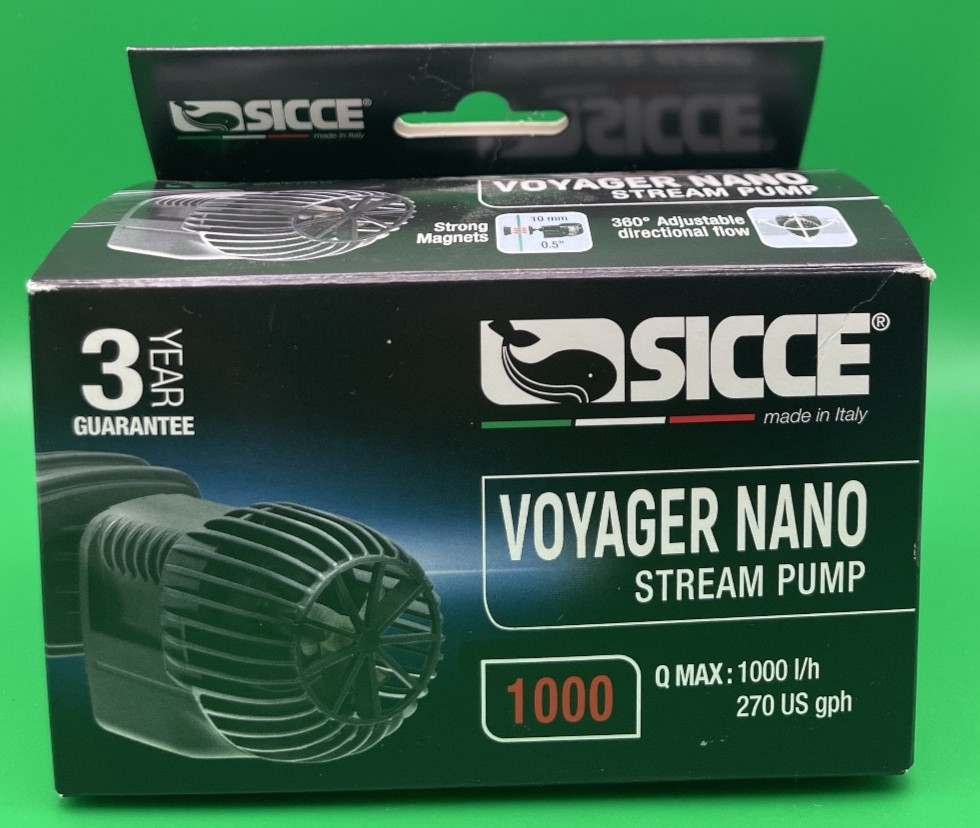 Sicce Voyager Nano Stream 1000 - 270 GPH Circulation Aquarium Water Pump$22.95View on eBay
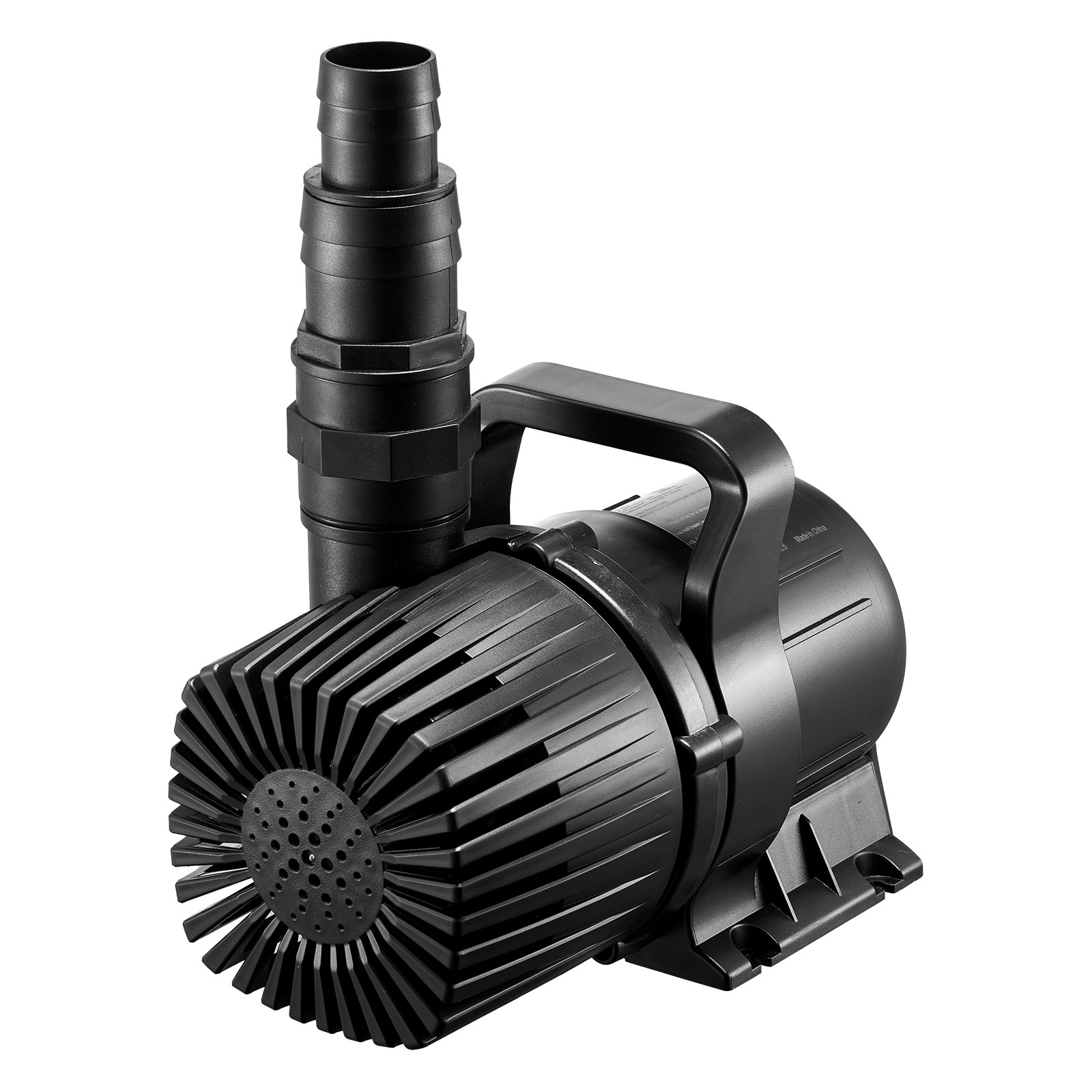 Submersible Water Pump, 280W 4500GPH, Aquarium Return With 16.4 Ft Lift Height & 180° Adjustable Flow Direction, Suitable For Pond, Fountain, Waterfall, And Fish Tank$136.99View on Mallflare
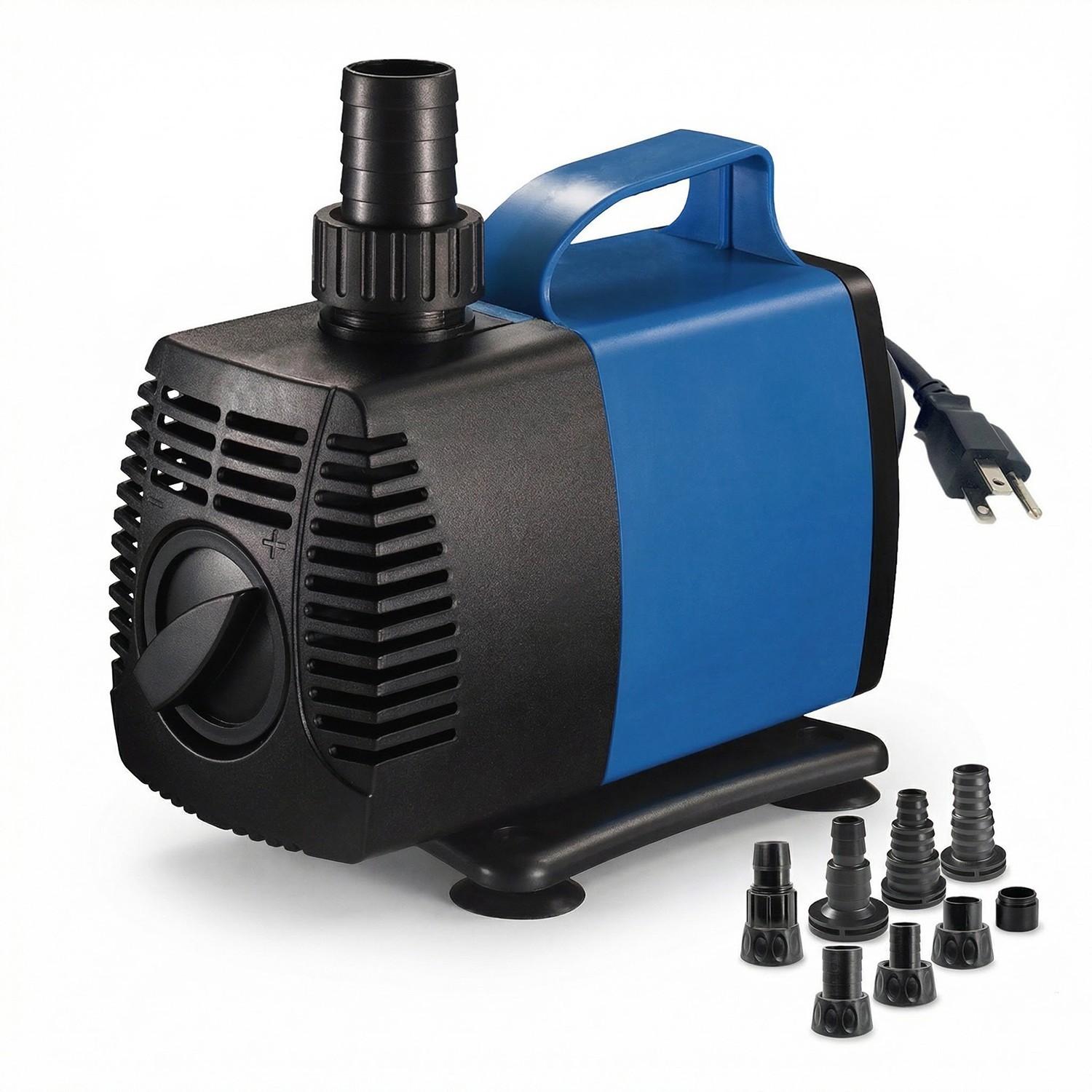 1200GPH Submersible Amphibious Water Pump Adjustable Fountain Fish Tank Aquarium$36.99View on eBay
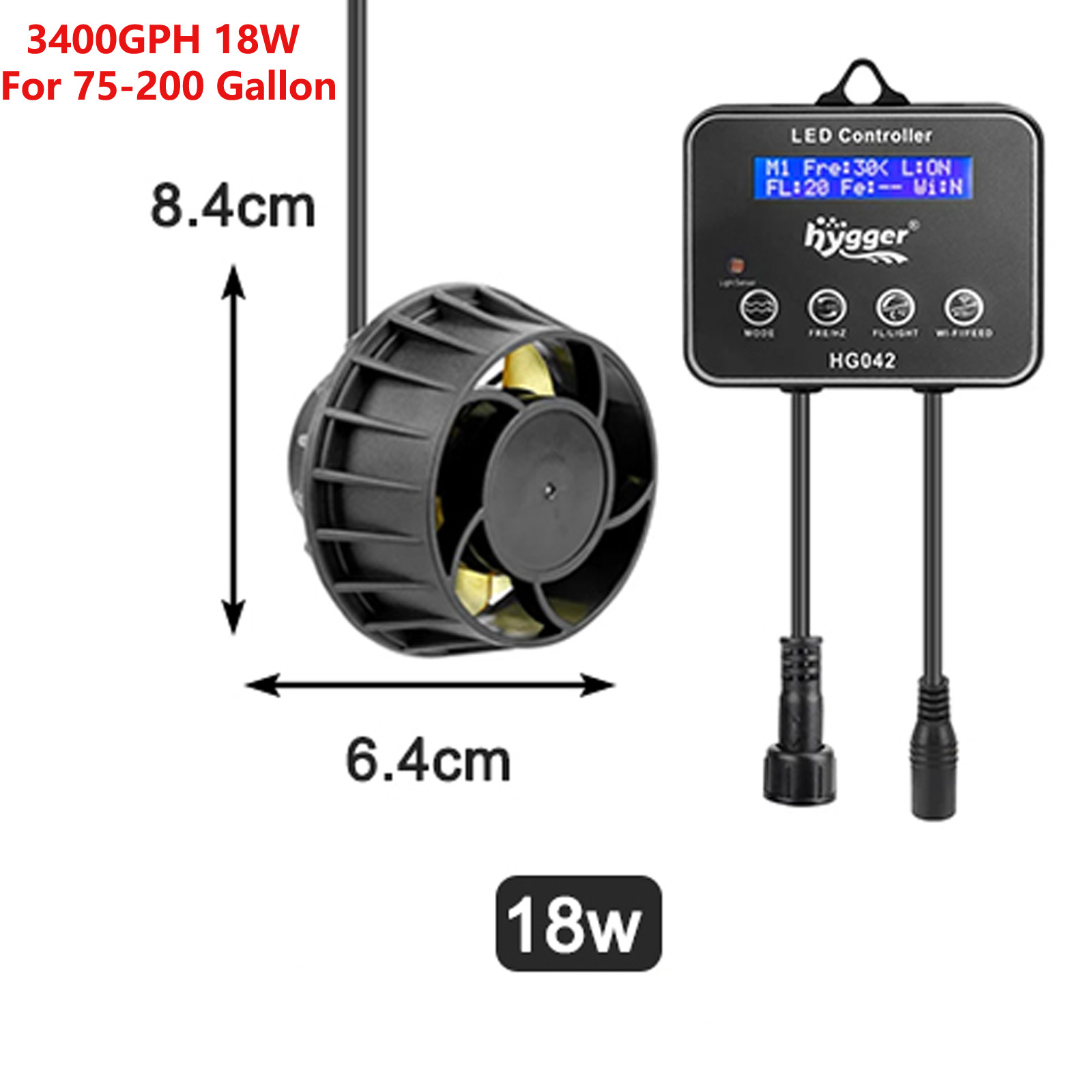 hygger 2100GPH Sine Aquarium Wave Maker Circulation DC Water Pump Fish Tank$59.99View on eBay
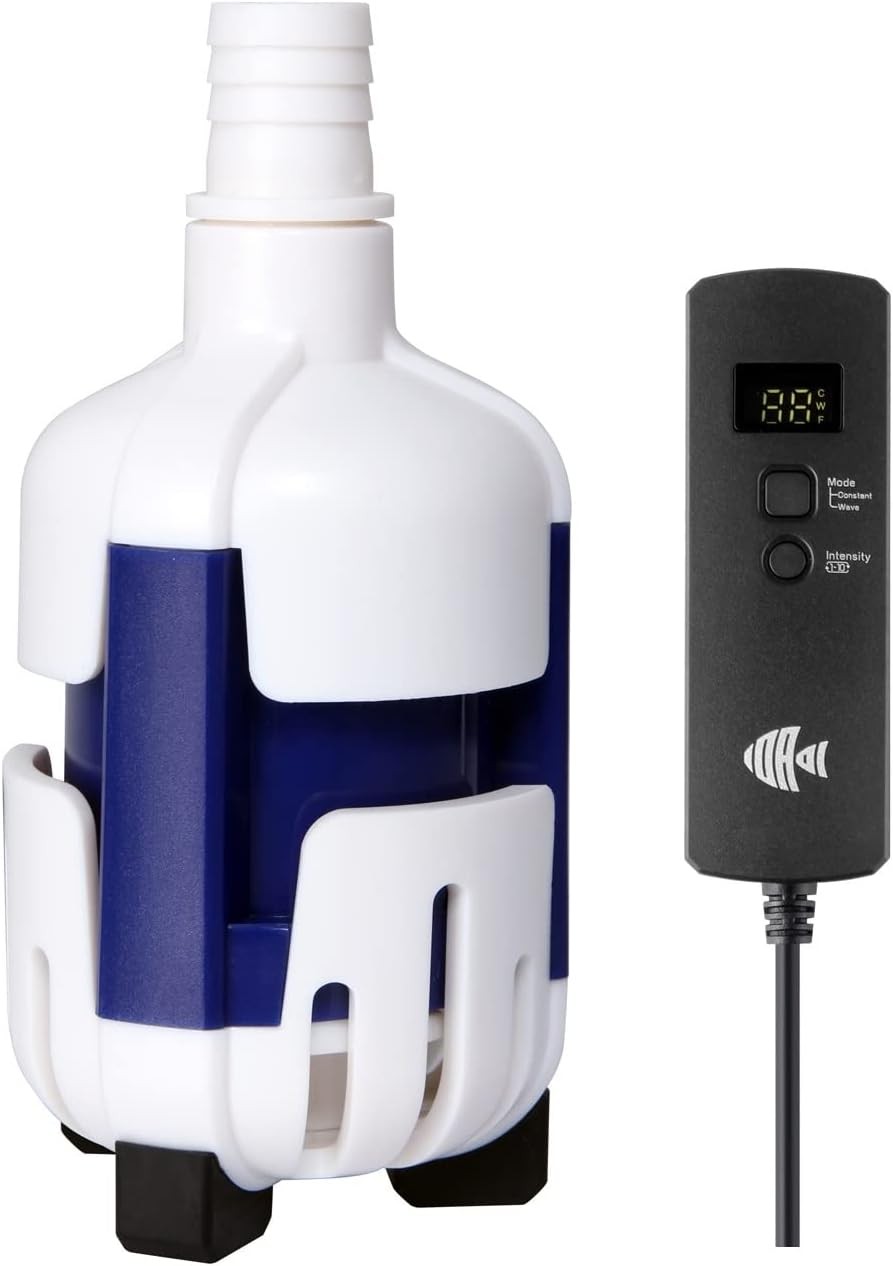 Nano Return Pump Saltwater Aquarium Sump Small Water Pump DC 12V W/ Controller$68.33View on eBay
Highlights
- Flow ratings are measured at zero head; every vertical foot of lift reduces real GPH, so size pumps by the head-height curve, not the box number.
- DC pumps run on 12V/24V and include controllers for feed mode and speed ramping; AC submersibles run direct mains voltage with no speed control.
- Sine-wave DC drivers reduce vibration and start-up noise, which matters for bedroom tanks and sensitive shrimp or fry.
- Return pumps need 3-5x tank turnover per hour; circulation wave makers need 10-20x turnover for reef, while canister all-in-ones bundle media but cap flow.
Best use cases
- Sump return on a reef tank: pick a DC return pump rated for your head height with a controller; skip AC utility pumps that cannot be dialed back.
- In-tank circulation for freshwater or reef: choose a wave maker or stream pump with wide flow; skip canister-filter combos that trade flow for media staging.
- Pond, fountain, or waterfall: use a high-wattage AC submersible rated for debris and outdoor voltage; skip low-voltage DC nano pumps that lack lift and clog easily.
- Nano or quarantine tank: select a small 12V DC return with controller for gentle flow; skip oversized 2000+ GPH pumps that blow livestock around.
Buying tips
- Calculate head height from pump outlet to tank return, then subtract roughly 1-3% flow per vertical foot depending on pump curve; choose a model whose curve still meets turnover at that height.
- Match voltage to placement: 12V/24V DC is safe for open sumps and nano tanks; 110-120V AC is standard for ponds but requires GFCI protection.
- For reefs use sine-wave DC drivers to reduce heat and noise; for freshwater planted tanks a standard AC or DC pump is sufficient.
- Canister combos bundle media but their pump is matched to the canister, so buy a separate return or circulation pump if you need independent flow control.
Specs
| Drive Type | DC controllable vs AC fixed-speed |
|---|---|
| Flow Range | 200-4500 GPH by model tier |
| Max Head | 3-16 ft lift by pump class |
| Voltage | 12/24V DC vs 110-120V AC |
Related searches
What to check before buying
- Measure vertical lift from pump to outlet and total plumbing run; confirm the pump curve delivers needed GPH at that head.
- Confirm tank turnover target: 3-5x for return filtration, 10-20x for reef circulation, and match pump or wave maker accordingly.
- Check outlet fitting size (commonly 1/2, 3/4, or 1 inch) and hose barb compatibility before buying adapters.
- Verify voltage and plug standard for your region, and use GFCI or drip loops for any mains-voltage pump near water.
FAQ
Data sources: eBay / Amazon listings and product attribute feeds. Updated Nov 27, 2026.
Some links on this page are affiliate links. If you buy after clicking one, we may earn a commission at no extra cost to you. This does not change which products appear here or their order. Affiliate disclosure.