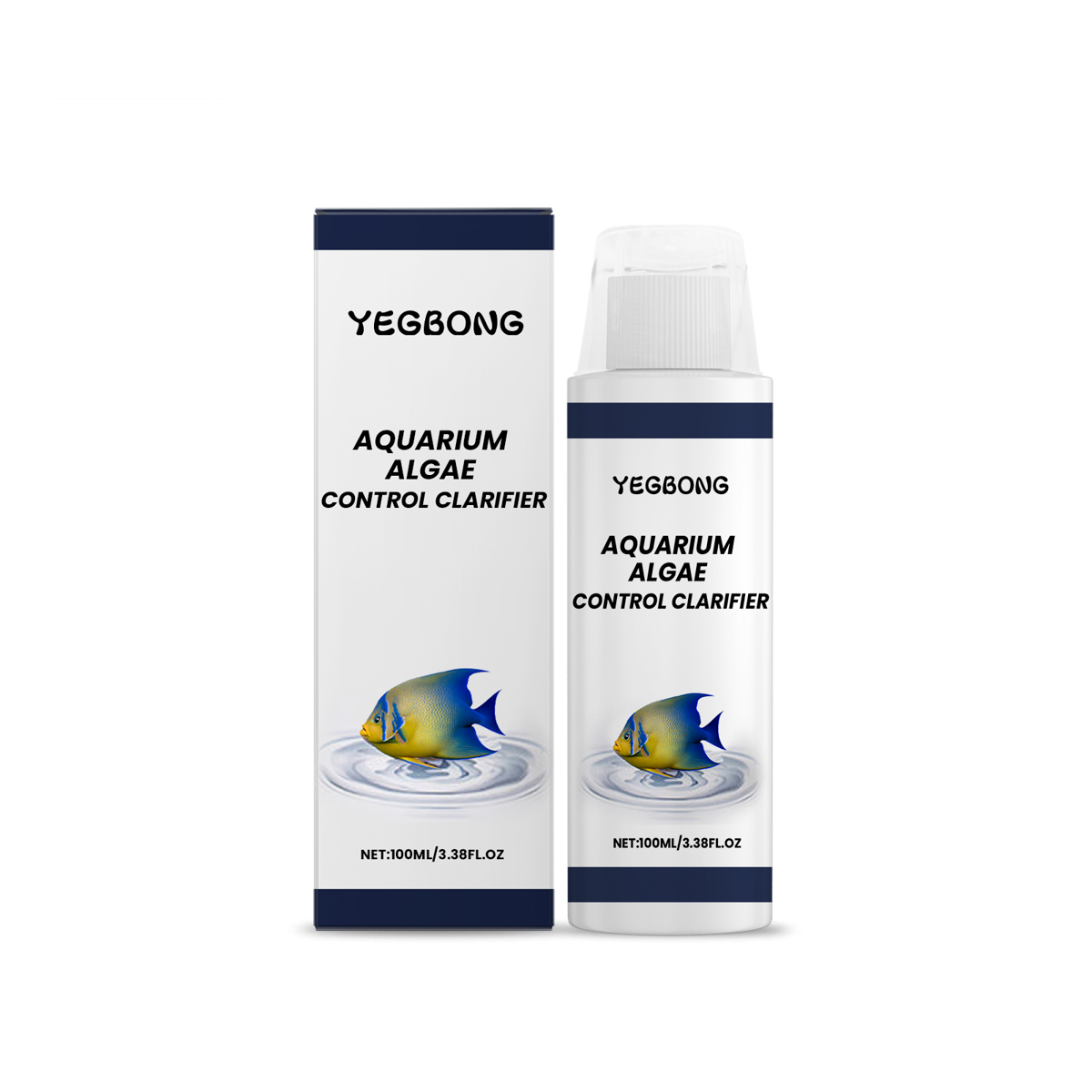

Photos from current listings. Actual item, color, and included accessories may vary.
Water Clarifier Buying Guide
Water clarifiers are flocculants or ion-exchange media that bind suspended particles and dissolved organics so filters can remove them, clearing haze and tint. The core trade-off is speed versus safety: liquid polymer flocculants clear fast but can deplete oxygen if overdosed, while filter-pouch media work slowly with near-zero risk. Buy liquid clarifiers only for active mechanical filtration with aeration; choose pouch media for passive, low-maintenance clarity.
Median $21.47
Key takeaways
- Liquid clarifiers are charged polymers that coagulate particles into filterable flocs; pouches are ion-exchange/adsorbent resins that bind tannins and organics passively.
- Flocculants require a filter rated at 4x+ tank turnover per hour; without mechanical capture the flocs re-suspend and haze returns.
- Pouch media typically run 2-4 weeks per pouch; liquid polymer doses treat the full tank volume in hours but demand a water change if haze persists.
At a glance
- Category
- Aquarium Water Testing & Treatment
- Last updated
- Nov 28, 2026
Current offers
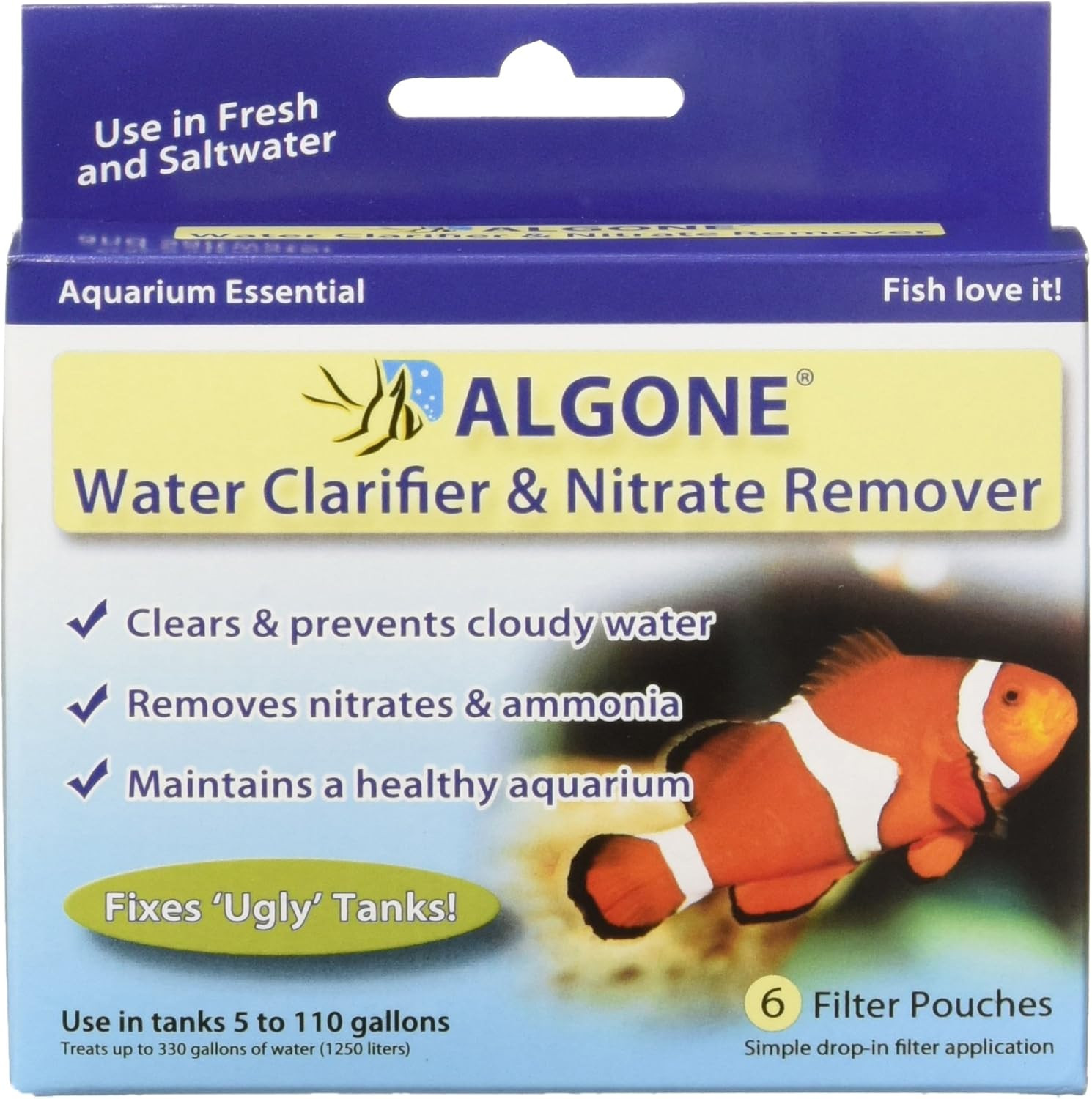
Highlights
- Liquid clarifiers are charged polymers that coagulate particles into filterable flocs; pouches are ion-exchange/adsorbent resins that bind tannins and organics passively.
- Flocculants require a filter rated at 4x+ tank turnover per hour; without mechanical capture the flocs re-suspend and haze returns.
- Pouch media typically run 2-4 weeks per pouch; liquid polymer doses treat the full tank volume in hours but demand a water change if haze persists.
- Polymer overdosing strips dissolved oxygen; pouch media cannot overdose, making them the safer choice for shrimp, fry, and planted tanks.
Best use cases
- Bacterial bloom or fine particulate haze in a filtered, aerated tank: pick a liquid polymer flocculant and dose by tank volume, not bottle guesswork.
- Tannin-stained or yellow water from driftwood: choose adsorbent pouch media and skip liquid clarifiers, which cannot remove dissolved color.
- Shrimp, fry, or heavily planted tanks: use pouch media only; skip polymer liquids that risk oxygen depletion and stress.
- Cloudy tank with no mechanical filter or airstone: skip liquid clarifiers entirely and fix filtration first, or the flocs will never be captured.
Buying tips
- Match dose to actual water volume (L x W x H in cm / 1000), not tank label size; over-dosing polymers is the top cause of failed clarification.
- Check filter flow: mechanical filtration must turn the tank over at least 4 times per hour to capture flocs before they settle.
- For pouch media, confirm mesh size fits your filter slot and rinse before use to remove loose fines.
- Prefer clarifiers that state the active ingredient (e.g., polyacrylamide, chitosan, ion-exchange resin) over vague 'clarifying agent' labels.
Specs
| Clarifier Type | Liquid polymer vs adsorbent pouch |
|---|---|
| Action Speed | Hours (liquid) vs 1-2 weeks (pouch) |
| Filter Requirement | 4x turnover/hr for liquids |
| Livestock Safety | Pouch safe; liquids need aeration |
Related searches
What to check before buying
- Measure true water volume and confirm your filter's rated flow covers 4x turnover per hour.
- Verify the tank has surface agitation or an airstone before using any liquid flocculant.
- Check pouch dimensions against your filter media chamber or hang-on-back slot.
- Confirm livestock sensitivity: shrimp and scaleless fish need the gentler pouch route.
FAQ
Data sources: eBay / Amazon listings and product attribute feeds. Updated Nov 28, 2026.
Some links on this page are affiliate links. If you buy after clicking one, we may earn a commission at no extra cost to you. This does not change which products appear here or their order. Affiliate disclosure.