
Photos from current listings. Actual item, color, and included accessories may vary.
Fish Tank Cleaner Buying Guide
Fish tank cleaners span mechanical scrubbers, magnetic glass cleaners, and liquid biological/chemical treatments that clarify water, remove algae, or detoxify waste. The core trade-off is mechanical removal versus chemical addition: physical tools last for years and never overdose, while liquids are faster but risk destabilizing biofilters if dosed blindly. The decision rule is simple: buy a mechanical cleaner for routine glass and substrate maintenance, and only use a liquid treatment when a test kit confirms a specific problem like ammonia, cloudiness, or algae bloom.
Median $22.99
Key takeaways
- Magnetic glass cleaners use neodymium magnets rated for specific glass thickness (typically 5mm, 10mm, or 15mm); buying under-rated magnets causes the inner pad to fall and scratch glass.
- Liquid clarifiers work by polymer flocculation, clumping fine particles for filter capture; they do not remove ammonia, nitrite, or nitrate and are not a substitute for water changes.
- Algae removers rely on glutaraldehyde or chelated copper; glutaraldehyde depletes oxygen and kills beneficial bacteria at overdoses, while copper is lethal to shrimp, snails, and scaleless fish.
At a glance
- Category
- Aquarium Water Testing & Treatment
- Last updated
- Nov 27, 2026
Current offers
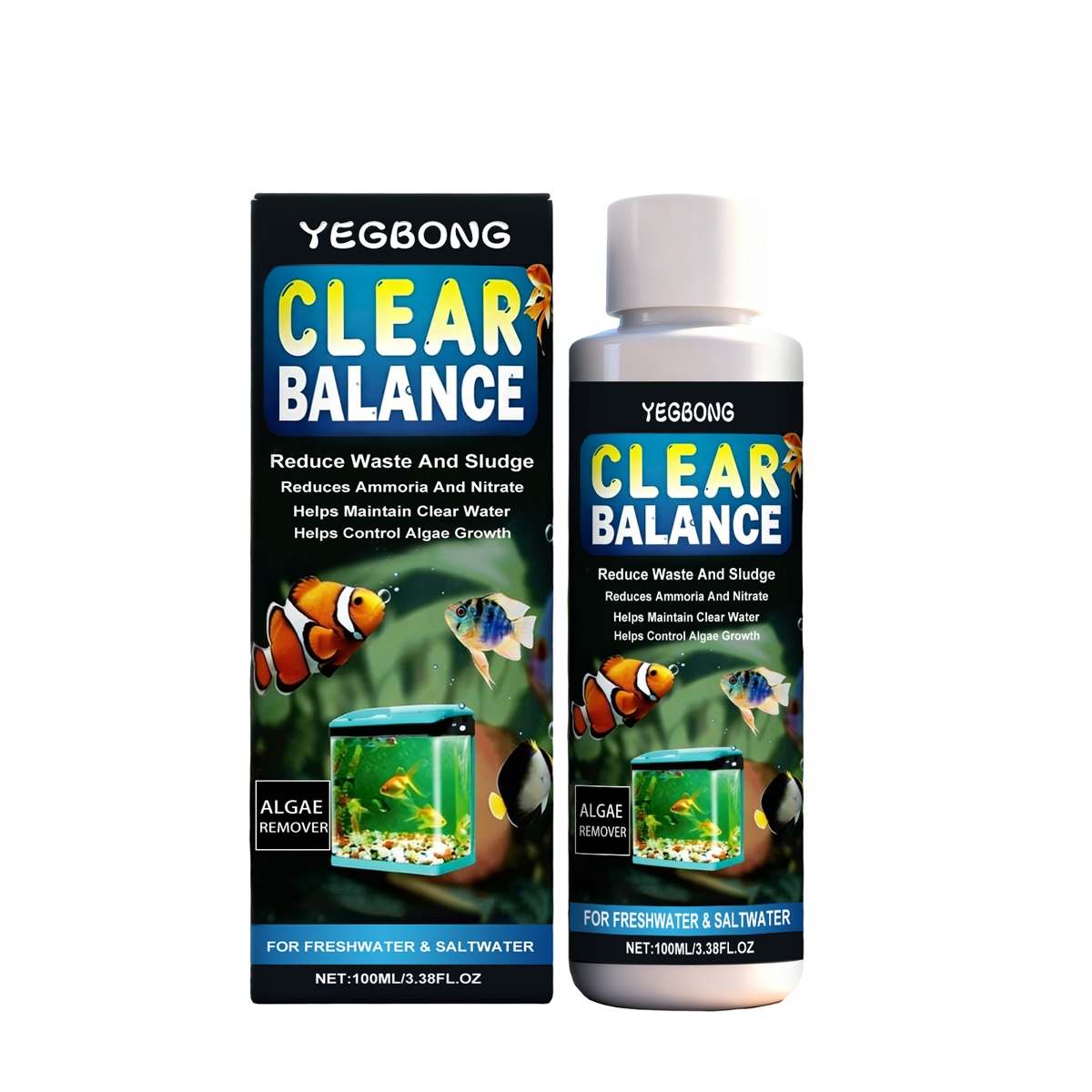 Auth. & Cert. Yegbong Fish Tank Cleaner - Daily Cleaning And Maintenance Solution For Freshwater Tanks, For Keeping The Water In The Pool Clear.$18.99View on Mallflare
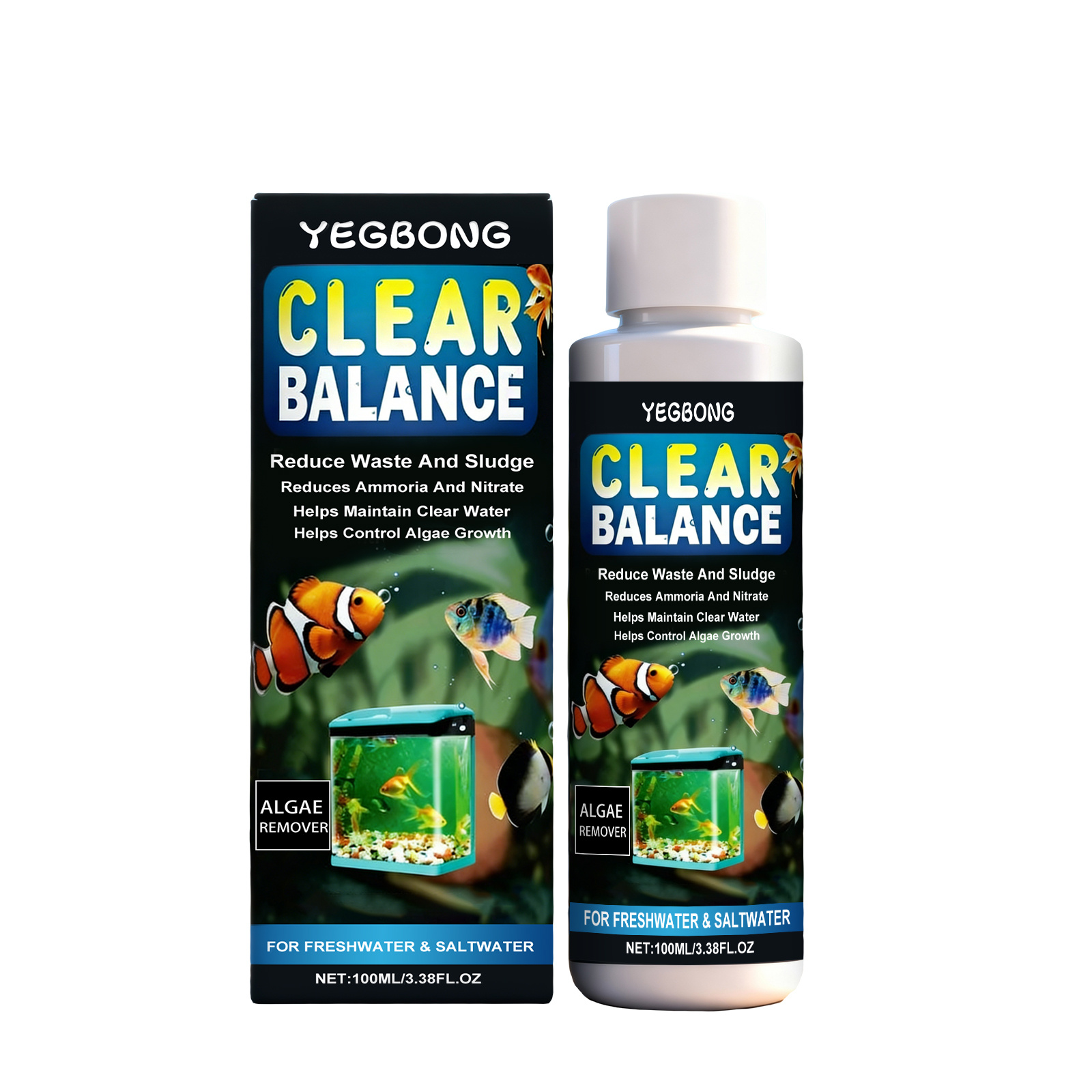 Pet Supplies Fish Tank Cleaner - Daily Cleaning And Maintenance Solution For$22.99View on Mallflare
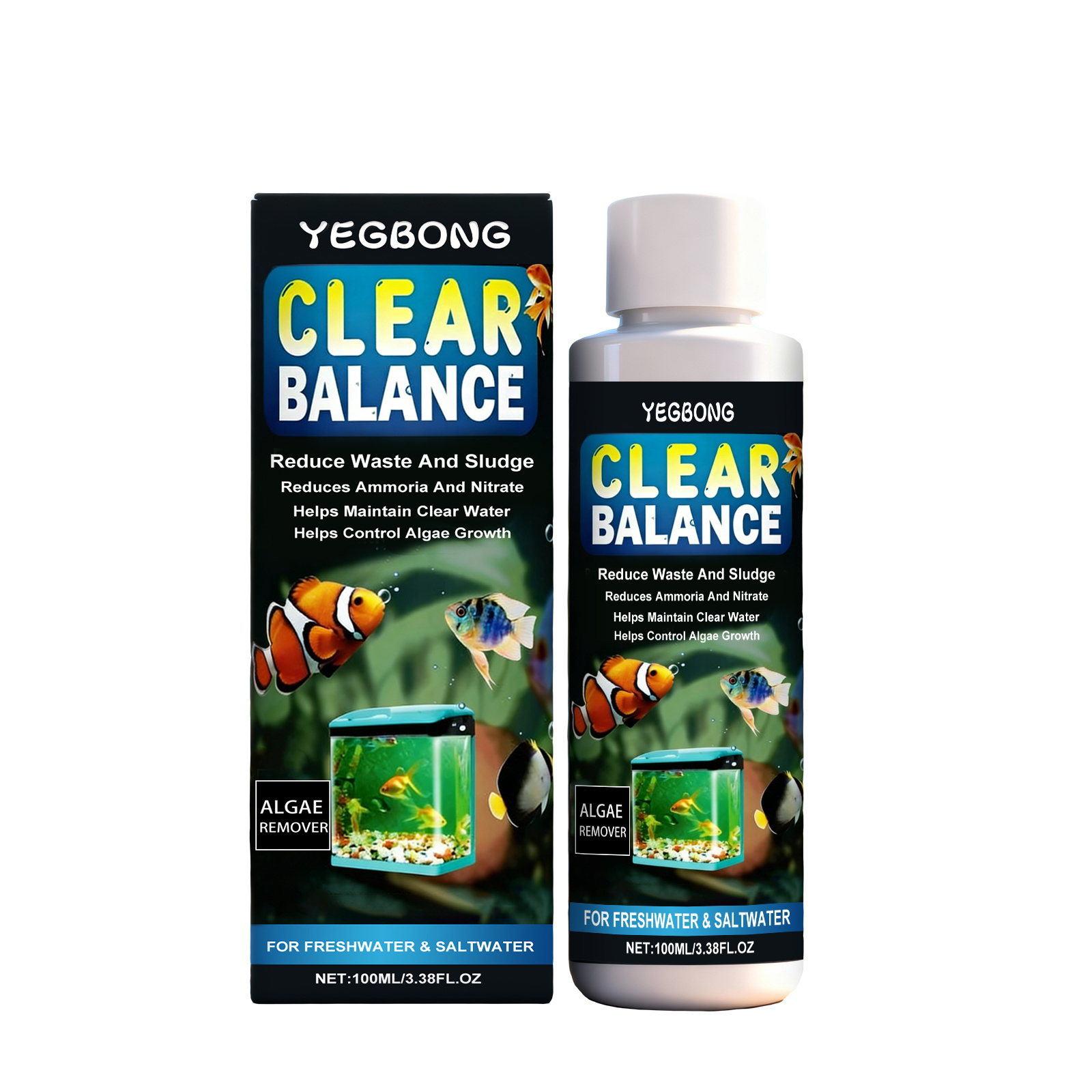 Fish Tank Cleaner, 100ml, Aquarium Supplies, Cleaning Agent for Home$22.99View on Mallflare
Highlights
- Magnetic glass cleaners use neodymium magnets rated for specific glass thickness (typically 5mm, 10mm, or 15mm); buying under-rated magnets causes the inner pad to fall and scratch glass.
- Liquid clarifiers work by polymer flocculation, clumping fine particles for filter capture; they do not remove ammonia, nitrite, or nitrate and are not a substitute for water changes.
- Algae removers rely on glutaraldehyde or chelated copper; glutaraldehyde depletes oxygen and kills beneficial bacteria at overdoses, while copper is lethal to shrimp, snails, and scaleless fish.
- Biological cleaners use live nitrifying bacteria (Nitrosomonas, Nitrobacter) to jump-start cycling; they are ineffective in tanks with chlorine/chloramine unless a conditioner is added first.
Best use cases
- Best fit: a magnetic glass cleaner rated for your exact glass thickness plus a long-handled scraper for acrylic-safe algae removal on planted freshwater tanks.
- Best fit: a liquid clarifier only for temporary cloudiness after substrate disturbance, paired with a 25-50% water change and filter media rinsing in tank water.
- Wrong fit: copper-based algae removers in any tank with shrimp, snails, loaches, or catfish, since copper accumulates in invertebrates and scaleless fish are highly sensitive.
- Wrong fit: daily liquid 'maintenance' cleaners used instead of weekly 25% water changes and testing; no additive replaces dilution and biological filtration.
Buying tips
- Match magnetic cleaner rating to glass thickness: 5mm glass needs a 5mm-rated unit; 10mm or rimless tanks need the 10-15mm tier, and acrylic tanks require acrylic-specific pads to avoid scratches.
- Choose a liquid treatment only after a test kit shows the specific issue: ammonia/nitrite above 0.25 ppm calls for a water change and bacterial supplement, not a clarifier.
- For planted tanks, avoid algicides containing glutaraldehyde at full dose; spot-treat with hydrogen peroxide (1-2 mL per gallon) or use manual removal plus reduced photoperiod.
- Biological starters must match filtration type: nitrifying bacteria products work in canister and sponge filters, but UV sterilizers and micron cartridges will remove the bacteria if run continuously.
Specs
| Cleaner Type | Magnetic / Scraper / Liquid / Bacterial |
|---|---|
| Glass Thickness | 5mm / 10mm / 15mm magnet tiers |
| Liquid Active | Polymer / Glutaraldehyde / Copper / Bacteria |
| Livestock Safety | Copper-free for inverts / Scaleless-safe |
Related searches
What to check before buying
- Measure glass thickness with calipers at the tank rim before buying any magnetic cleaner; rimless and bow-front tanks often need a higher-rated magnet than their nominal size suggests.
- Confirm tank volume and stocking to dose liquids correctly: most clarifiers and bacteria products dose at 5-10 mL per 10 gallons, and overdosing depletes oxygen.
- Check whether the tank runs a UV sterilizer or ozone unit; these oxidizers destroy live bacteria supplements and must be switched off for 24-48 hours after dosing.
- Verify the cleaner is safe for your livestock: copper-based products are incompatible with invertebrates and scaleless fish, and some clarifiers bind medications.
FAQ
Data sources: eBay / Amazon listings and product attribute feeds. Updated Nov 27, 2026.
Some links on this page are affiliate links. If you buy after clicking one, we may earn a commission at no extra cost to you. This does not change which products appear here or their order. Affiliate disclosure.