
Photos from current listings. Actual item, color, and included accessories may vary.
Aquarium Cleaner Buying Guide
Aquarium cleaners are liquid or powder chemical treatments that remove algae, dissolve mineral stains, and clarify cloudy water, while also covering mechanical scrubbers and magnetic glass cleaners. The critical trade-off is between harsh fast-acting chemicals that can crash beneficial bacteria and biological or mechanical methods that are slower but safer for fish and plants. Choose a treatment whose active ingredient and dosage are clearly stated, or a mechanical cleaner with a proven scraper/blade material; skip any product with vague 'cleans stains' claims and no concentration data.
Median $22.99
Key takeaways
- Liquid clarifiers work by polymer flocculation: charged polymers bind suspended particles into larger clumps that filter media or floss can trap; powder clarifiers are typically bentonite clay that settles by gravity.
- Algae removers fall into three chemical classes: glutaraldehyde-based (fast, but depletes oxygen and can stress inverts), hydrogen-peroxide-based (targets black beard algae, corrosive to some plastics), and chelated copper (kills snails and shrimp — never use in reef or planted tanks).
- Magnetic glass cleaners are rated by glass thickness: standard magnets handle 6–10 mm, while heavy-duty units are required above 12 mm; using an undersized magnet risks dropping the inner pad and scratching the glass.
At a glance
- Category
- Aquarium Water Testing & Treatment
- Last updated
- Nov 27, 2026
Current offers
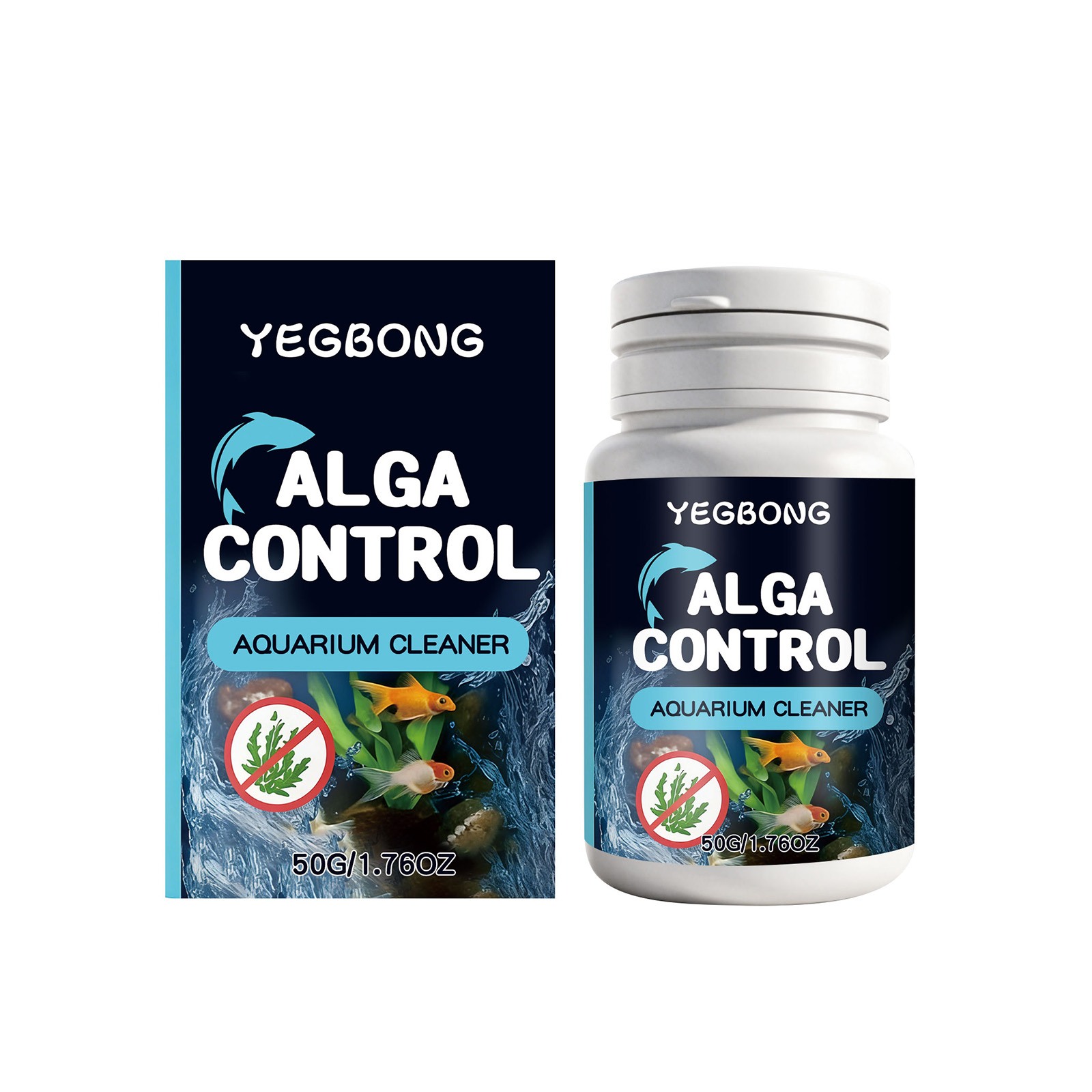 Auth. & Cert. Yegbong Aquarium Cleaner - Cleans Stains, Removes Algae, Makes Water Clear And Has A Transparent And Clean Texture.$18.99View on Mallflare
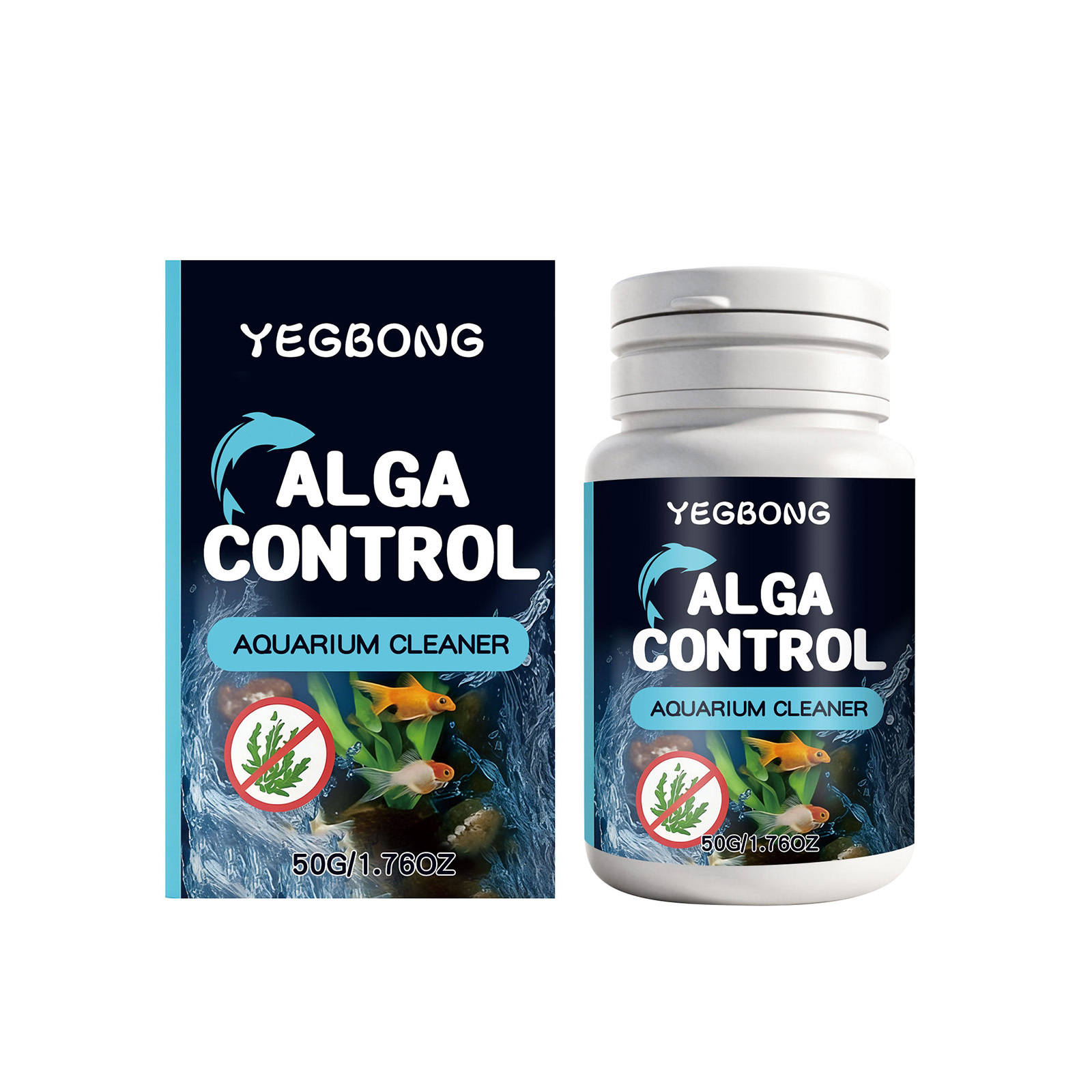 YEGBONG Aquarium Cleaner, 50g, Supplies, Cleaning Agent for Home$22.99View on Mallflare
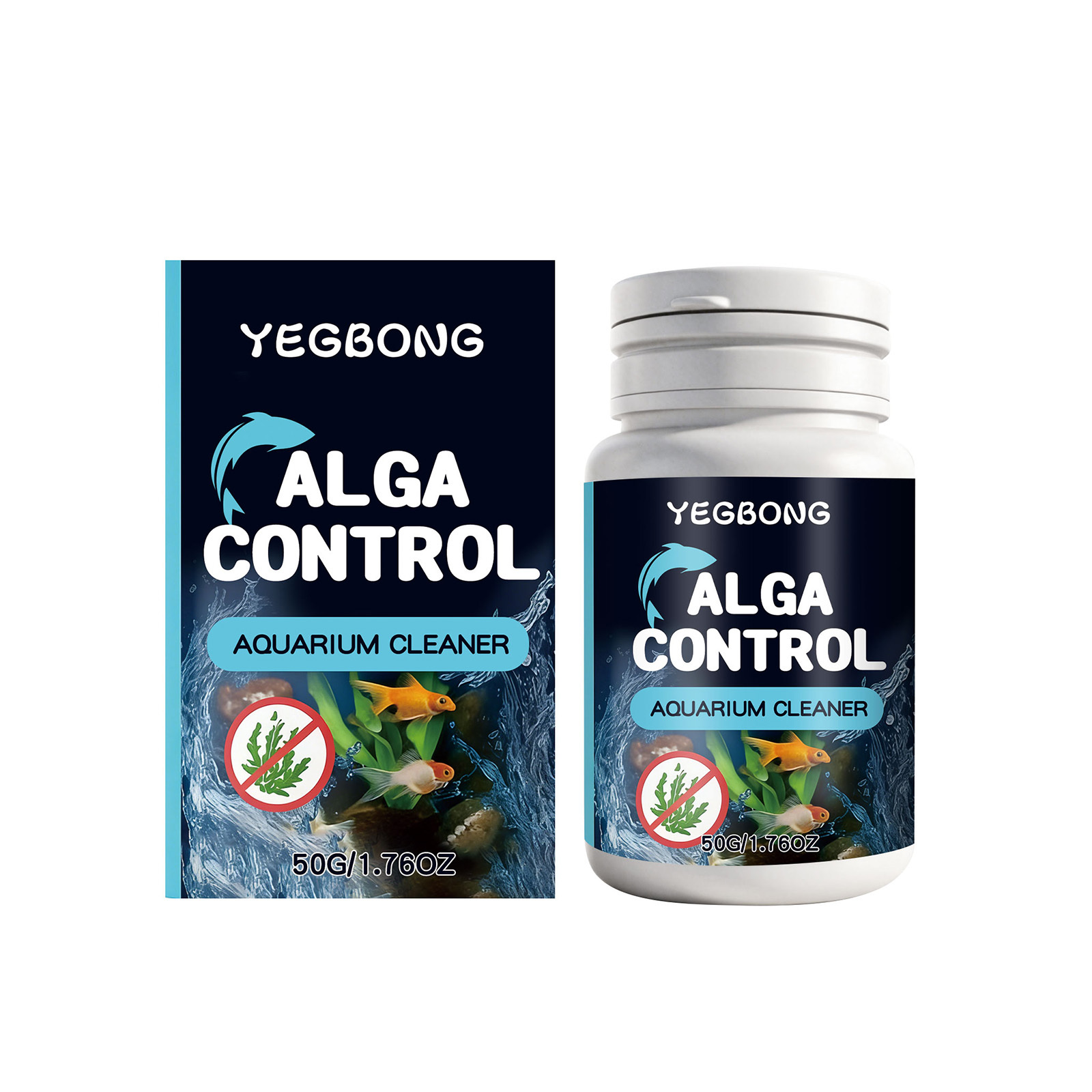 Pet Supplies Aquarium Cleaner - Cleans Stains$22.99View on Mallflare
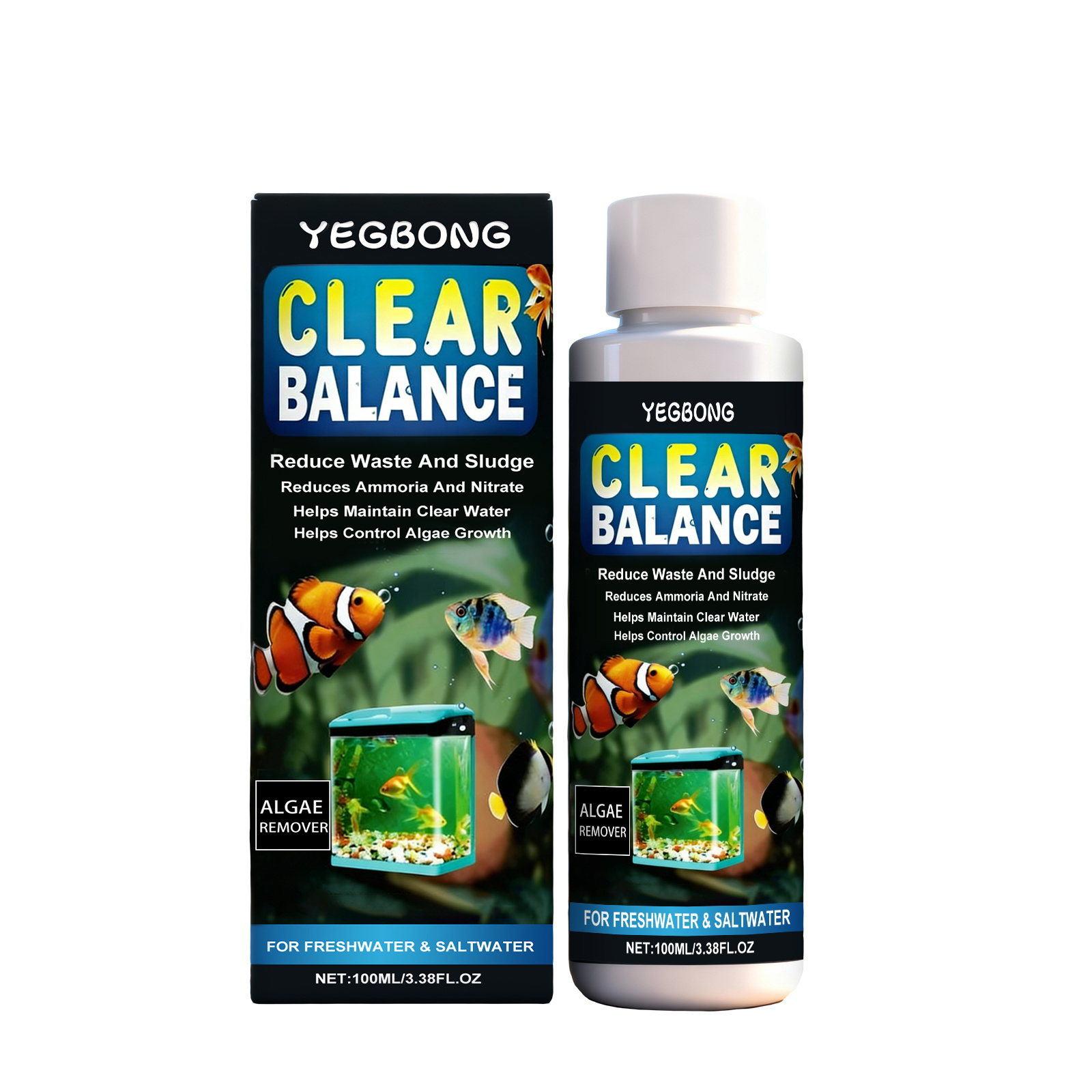 Fish Tank Cleaner, 100ml, Aquarium Supplies, Cleaning Agent for Home$22.99View on Mallflare
Highlights
- Liquid clarifiers work by polymer flocculation: charged polymers bind suspended particles into larger clumps that filter media or floss can trap; powder clarifiers are typically bentonite clay that settles by gravity.
- Algae removers fall into three chemical classes: glutaraldehyde-based (fast, but depletes oxygen and can stress inverts), hydrogen-peroxide-based (targets black beard algae, corrosive to some plastics), and chelated copper (kills snails and shrimp — never use in reef or planted tanks).
- Magnetic glass cleaners are rated by glass thickness: standard magnets handle 6–10 mm, while heavy-duty units are required above 12 mm; using an undersized magnet risks dropping the inner pad and scratching the glass.
- Powder treatments are dosed by weight (grams per volume), while liquids are dosed by volume (ml per 10 gallons); misreading the unit is the most common cause of livestock loss with concentrated cleaners.
Best use cases
- Best fit for green water or bacterial bloom: a polymer-based liquid clarifier dosed at the label rate, paired with 100-micron filter floss — skip glutaraldehyde 'algae removers' for this, they do not clear suspended particles.
- Best fit for spot algae on glass in a planted tank: a magnetic scraper with a plastic blade for acrylic or a stainless blade for glass; skip chemical algae removers in planted tanks because they can melt sensitive stems and mosses.
- Best fit for hard-water calcium stains on rimless glass: a citric-acid-based cleaner applied outside the tank or a razor-blade scraper; skip muriatic or strong acid cleaners near silicone seams, which degrade the seal.
- Wrong fit: using copper-based cleaners in any tank with shrimp, snails, or reef invertebrates — copper is lethal at trace levels and persists in silicone and substrate.
Buying tips
- Match the cleaner to your glass thickness: measure pane thickness with calipers — under 6 mm use a standard magnet, 6–10 mm a medium magnet, and 12 mm+ a heavy-duty magnet rated for that range.
- For liquid clarifiers, confirm the active ingredient is a polyacrylate or chitosan polymer; avoid products listing only 'clarifying agent' with no concentration, since dosing errors cloud or poison the tank.
- For algae removers, check whether the label states glutaraldehyde percentage (typical 1.5–2.5%) or hydrogen peroxide concentration; without a stated percentage you cannot calculate a safe dose for a 10-gallon tank.
- Powder cleaners sold in 50 g sachets are dosed at roughly 1 g per 10 gallons for clay-based clarifiers — buy a gram scale, because household spoons vary by 30% or more and overdose is the main failure mode.
Specs
| Form Factor | Liquid / powder / magnetic tool |
|---|---|
| Active Chemistry | Polymer / glutaraldehyde / peroxide / clay |
| Dose Basis | ml per 10 gal or g per 10 gal |
| Livestock Safety | Copper-free for inverts; scale-fish safe |
Related searches
What to check before buying
- Measure your tank's glass or acrylic thickness before buying a magnetic scraper; acrylic requires a plastic blade, glass can take stainless.
- Confirm your tank volume in gallons (L × W × H ÷ 231) so you can convert ml or gram doses correctly — most labels dose per 10 gallons.
- Check livestock sensitivity: copper-based products are incompatible with shrimp, snails, and reef inverts; glutaraldehyde products stress scaleless fish and amphibians.
- Verify you have mechanical filtration (filter floss or a 100-micron pad) before using a flocculant clarifier, since clumped particles must be physically removed.
FAQ
Data sources: eBay / Amazon listings and product attribute feeds. Updated Nov 27, 2026.
Some links on this page are affiliate links. If you buy after clicking one, we may earn a commission at no extra cost to you. This does not change which products appear here or their order. Affiliate disclosure.