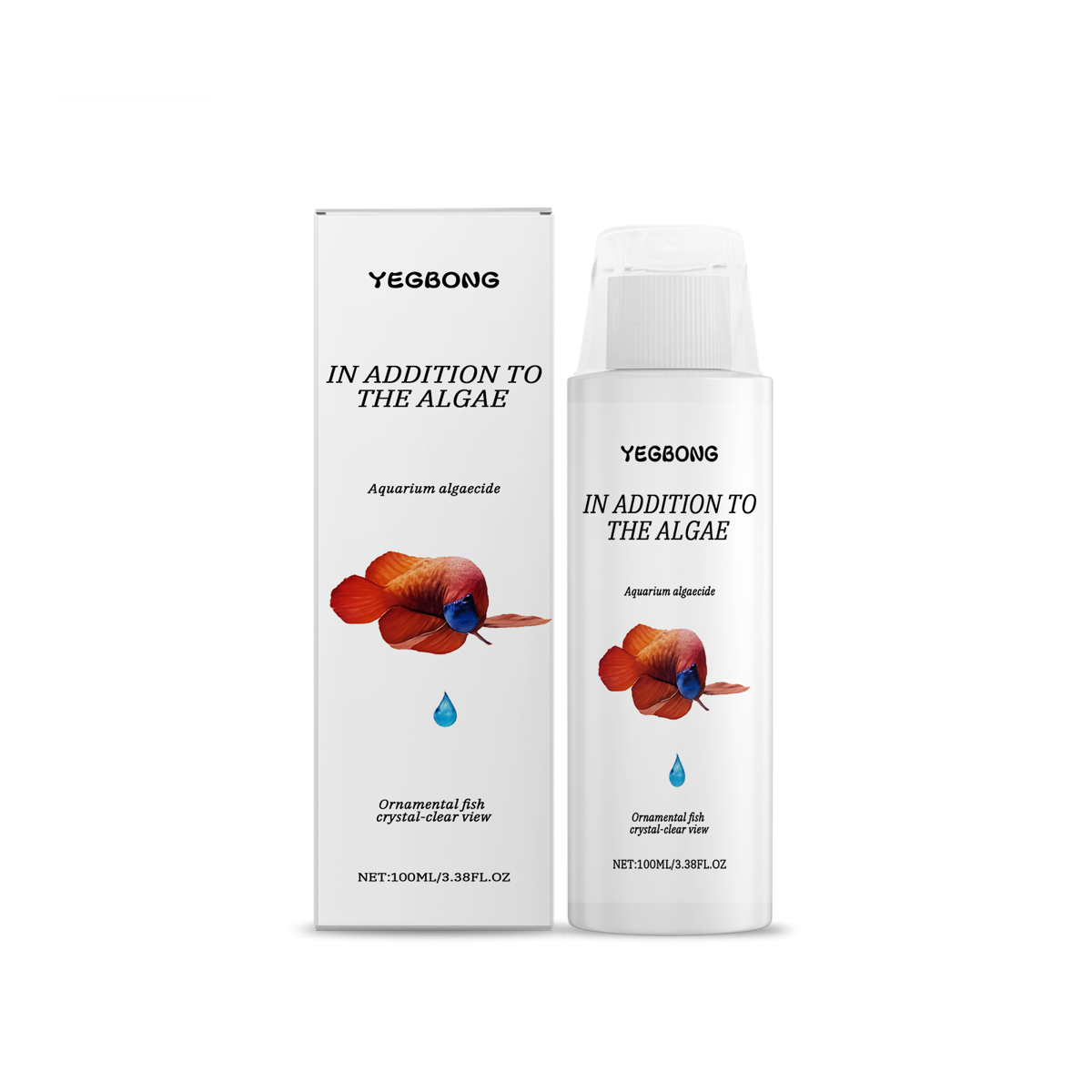

Photos from current listings. Actual item, color, and included accessories may vary.
Aquarium Algae Remover Buying Guide
Aquarium algae removers are chemical or biological additives that suppress nuisance algae without manual scrubbing. The core trade-off is speed versus safety: fast-acting algaecides can crash oxygen levels or harm invertebrates, while bacterial/enzyme treatments are slow but livestock-safe. Choose an algaecide only for severe outbreaks with fish-only tanks and aeration ready; choose biological or nutrient-control products for any tank with shrimp, snails, or corals.
Median $20.99
Key takeaways
- Algaecides (glutaraldehyde, copper, simazine) kill algae on contact but deplete oxygen and are toxic to invertebrates and scaleless fish; bacterial products colonize filter media and outcompete algae over 2-4 weeks.
- Copper-based removers are lethal to shrimp, snails, and corals at concentrations as low as 0.1 ppm; use them only in fish-only systems and test copper with a dedicated kit afterward.
- Glutaraldehyde products (e.g., liquid carbon algaecides) demand 1-2 mg/L dosing and strong surface agitation; overdosing above 5 mg/L strips oxygen and kills beneficial bacteria.
At a glance
- Category
- Aquarium Water Testing & Treatment
- Last updated
- Nov 28, 2026
Current offers
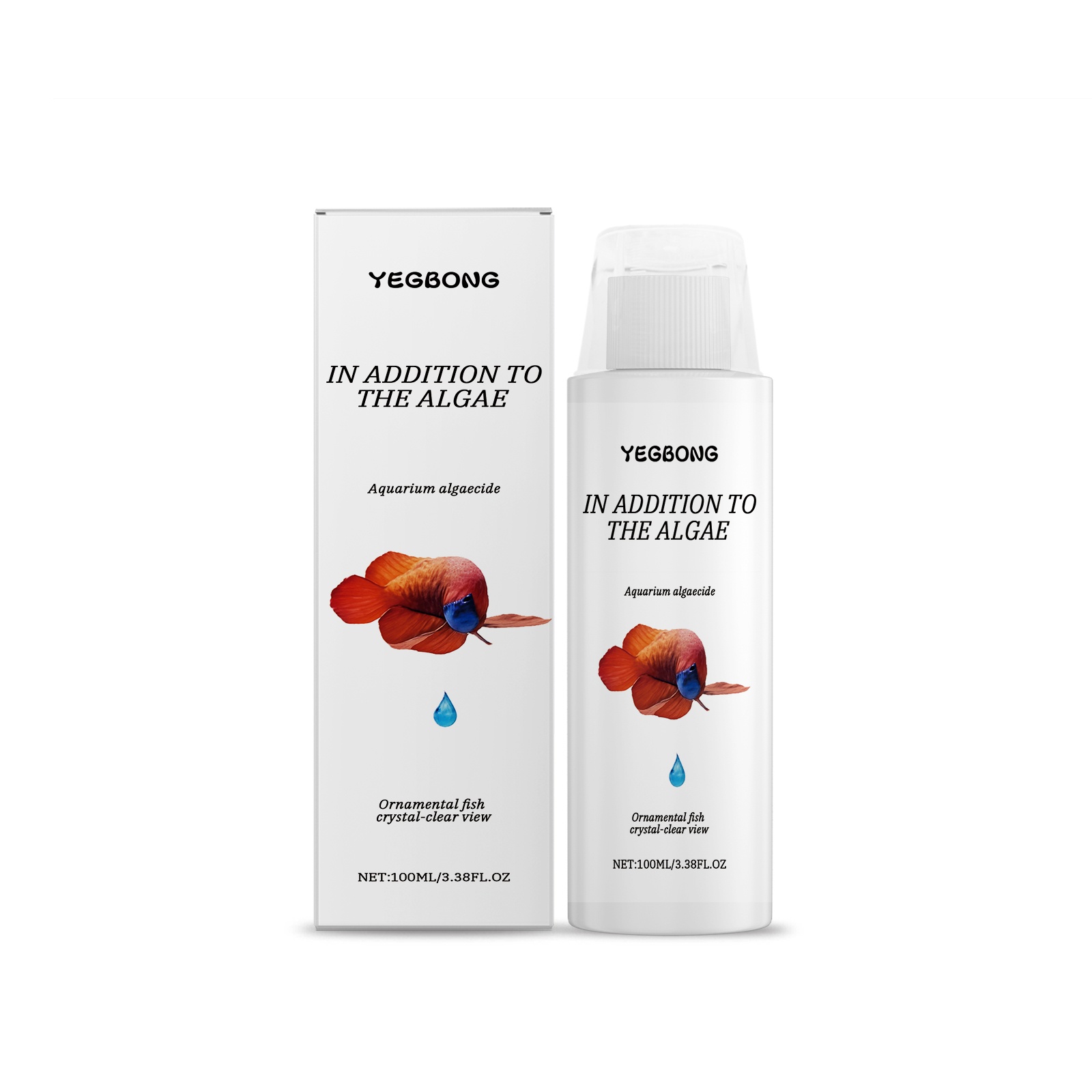
Highlights
- Algaecides (glutaraldehyde, copper, simazine) kill algae on contact but deplete oxygen and are toxic to invertebrates and scaleless fish; bacterial products colonize filter media and outcompete algae over 2-4 weeks.
- Copper-based removers are lethal to shrimp, snails, and corals at concentrations as low as 0.1 ppm; use them only in fish-only systems and test copper with a dedicated kit afterward.
- Glutaraldehyde products (e.g., liquid carbon algaecides) demand 1-2 mg/L dosing and strong surface agitation; overdosing above 5 mg/L strips oxygen and kills beneficial bacteria.
- Biological removers require a mature filter with high surface-area media (ceramic rings, sponge) and a tank turnover of 4-6x per hour to establish the bacterial colony that starves algae.
Best use cases
- Pick a glutaraldehyde-based liquid algaecide for a fish-only tank with a severe green-water or brush-algae bloom, provided you run an air stone and can dose 1-2 mg/L daily for 5-7 days.
- Pick a bacterial/enzyme remover for a planted tank or any system with shrimp, snails, or corals; dose weekly and pair with reduced lighting (6-8 hours) and phosphate control below 0.5 ppm.
- Skip copper-based algaecides entirely in reef or invertebrate tanks; if used in a fish-only quarantine tank, run activated carbon for 48 hours before reintroducing sensitive species.
Buying tips
- Match the remover to your carbonate hardness (KH): algaecides degrade faster above 8 dKH, so dose at the higher label rate only when KH is below 6 and pH is stable.
- For tanks under 40 L (10 gal), use half the label dose and increase aeration; small water volume amplifies oxygen crashes from algaecides within 24 hours.
- Choose a product with a chelated copper label (copper sulfate) only if you own a copper test kit reading 0-2 ppm; non-chelated copper precipitates and loses potency in hard water.
- Biological removers work best when nitrate is under 20 ppm and phosphate under 1 ppm; dose after a 25-30% water change and skip UV sterilizers for 48 hours to protect the bacteria.
Specs
| Active Chemistry | Glutaraldehyde / Copper / Bacterial |
|---|---|
| Invertebrate Safety | Bacterial only / Copper lethal |
| Dose Rate | 1-2 mg/L or per 40 L |
| Action Speed | 24-72 hr algaecide / 2-4 wk bacterial |
Related searches
What to check before buying
- Measure tank volume (L or gal) and current stocking: algaecides are dosed per 40 L (10 gal), so round down for shrimp-heavy or fry tanks.
- Test KH, pH, and oxygen before dosing any algaecide; KH above 8 dKH or pH above 8.2 shortens efficacy and raises oxygen-crash risk.
- Confirm your filter flow rate equals 4-6 tank turnovers per hour for bacterial removers; slower flow stalls colonization and leaves algae unaffected.
- Check livestock sensitivity: shrimp, snails, loaches, and corals require a copper-free, glutaraldehyde-free product; fish-only tanks can use full-strength algaecides with added aeration.
FAQ
Data sources: eBay / Amazon listings and product attribute feeds. Updated Nov 28, 2026.
Some links on this page are affiliate links. If you buy after clicking one, we may earn a commission at no extra cost to you. This does not change which products appear here or their order. Affiliate disclosure.